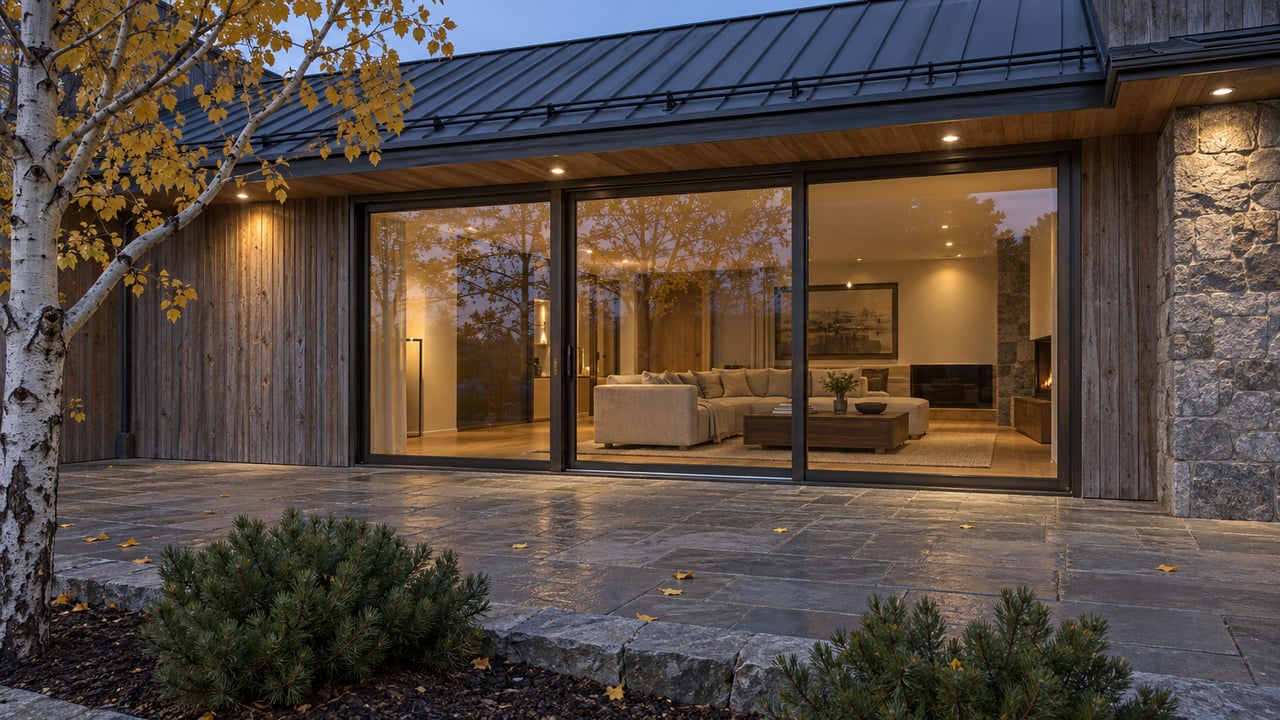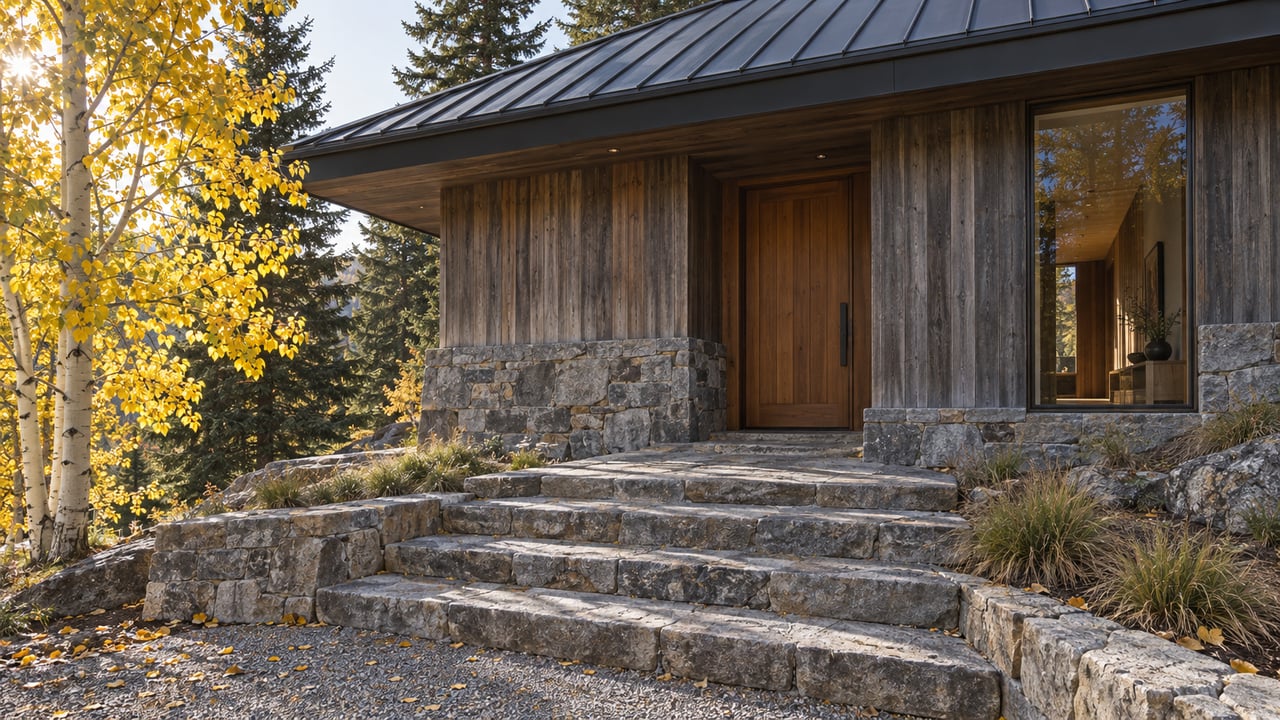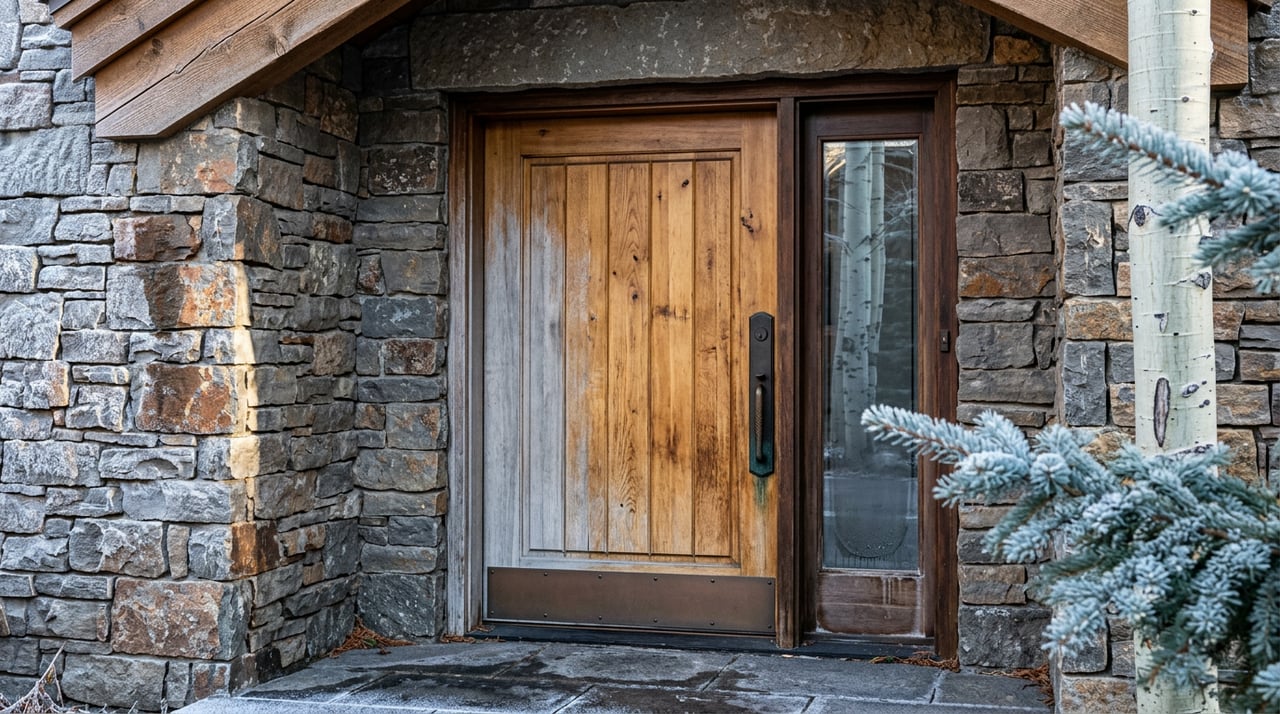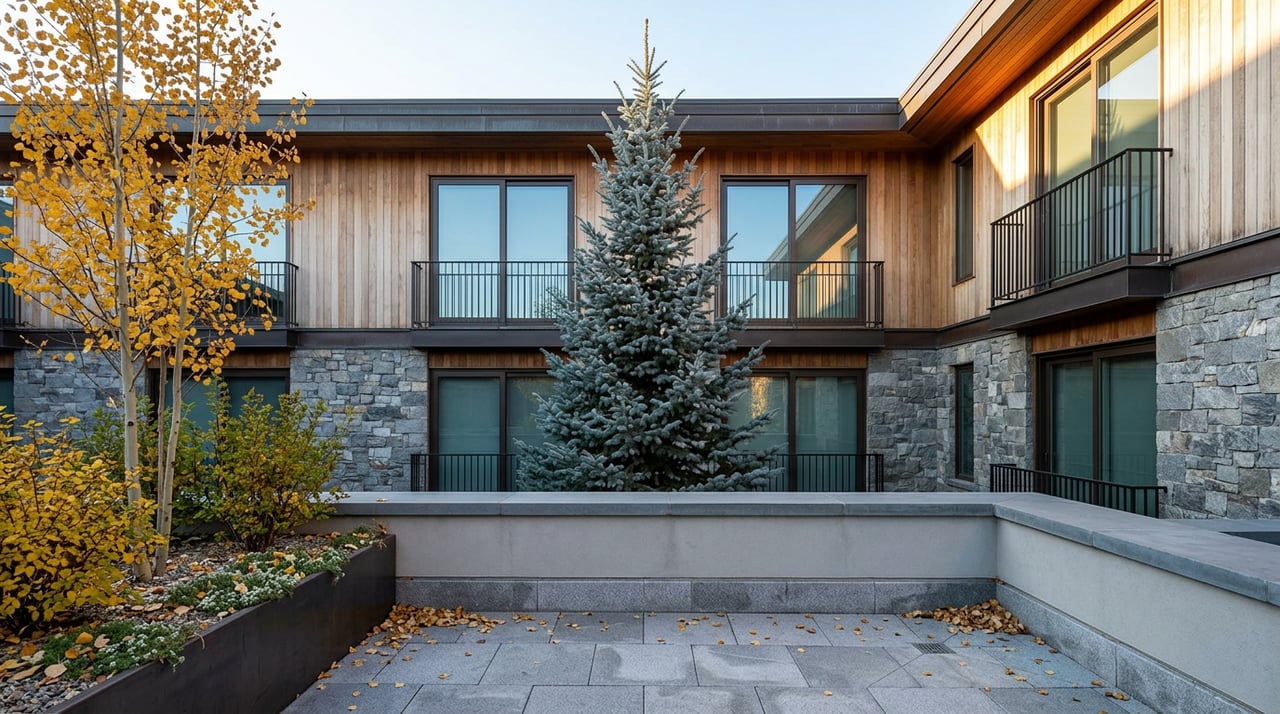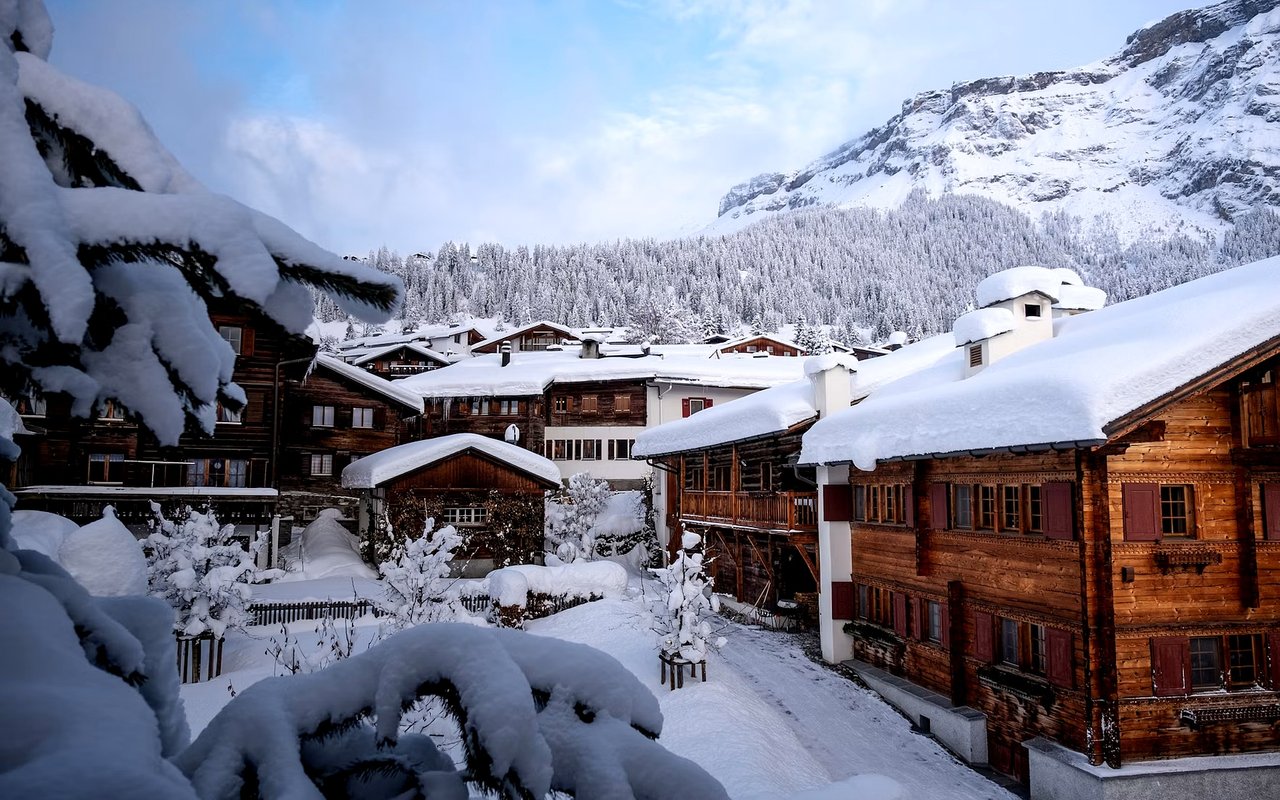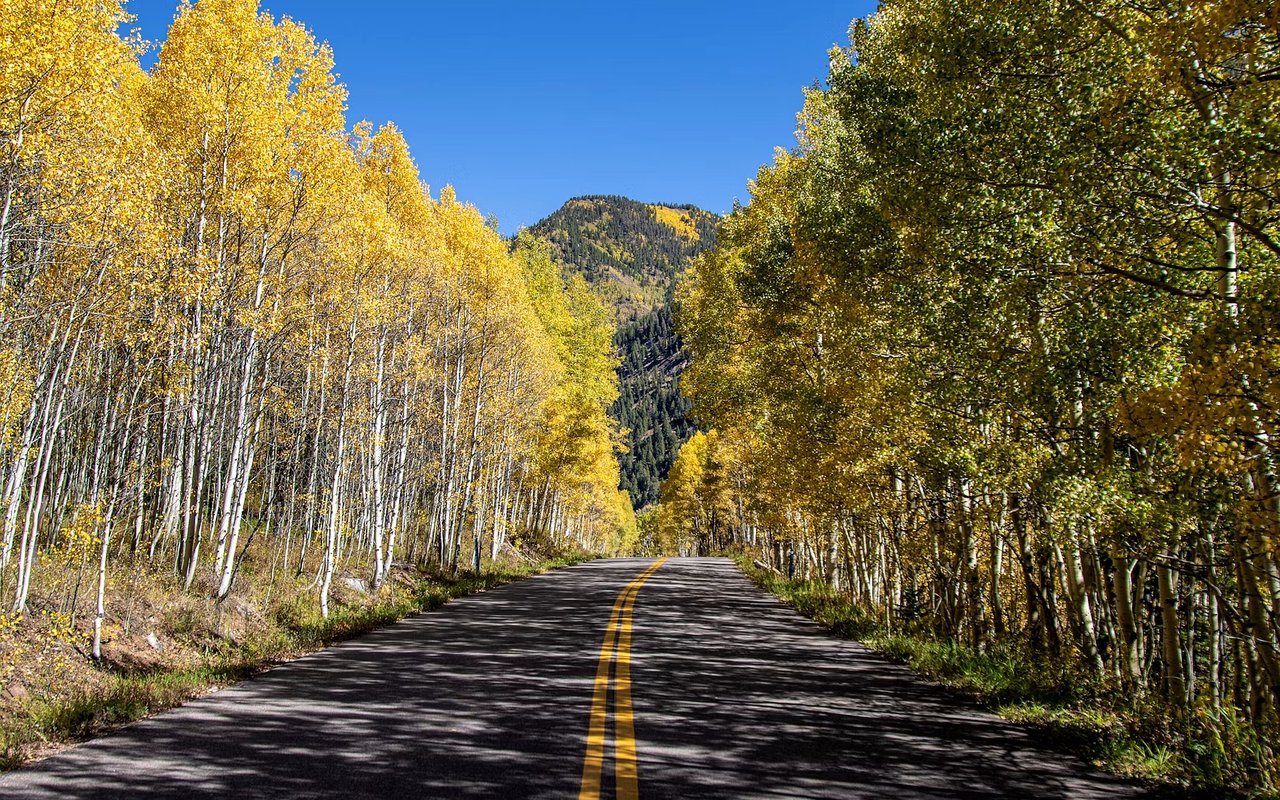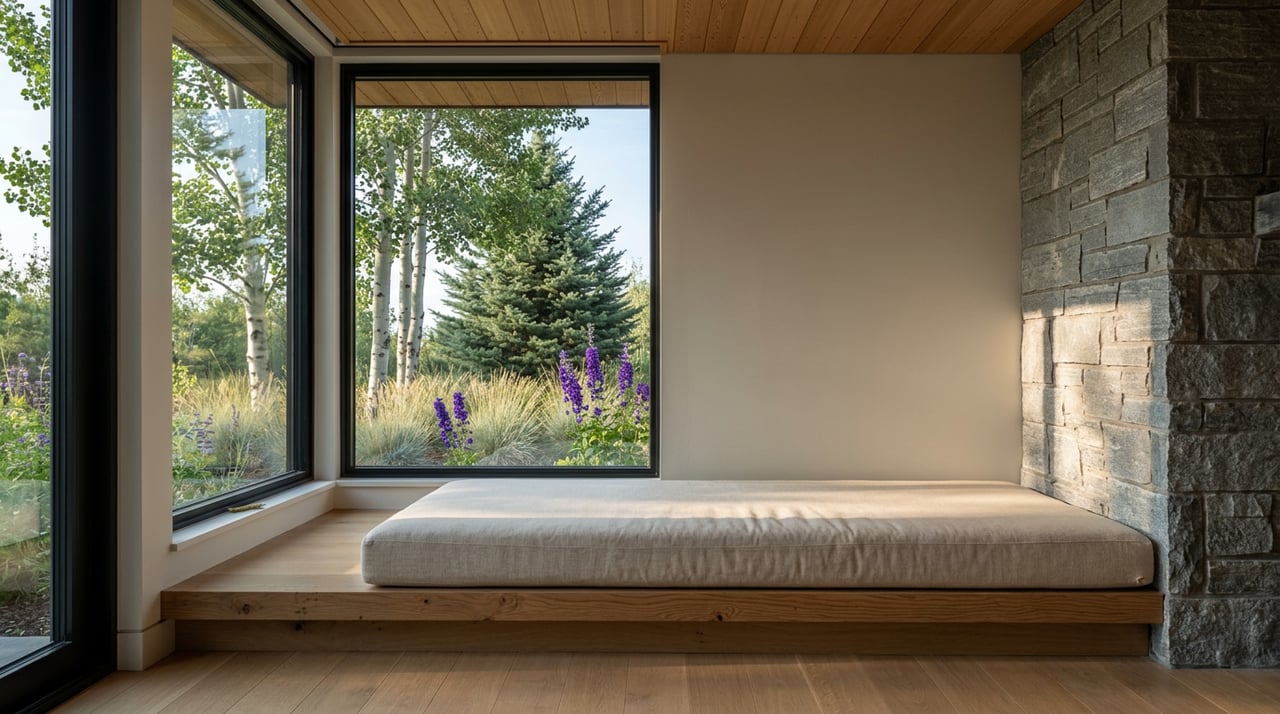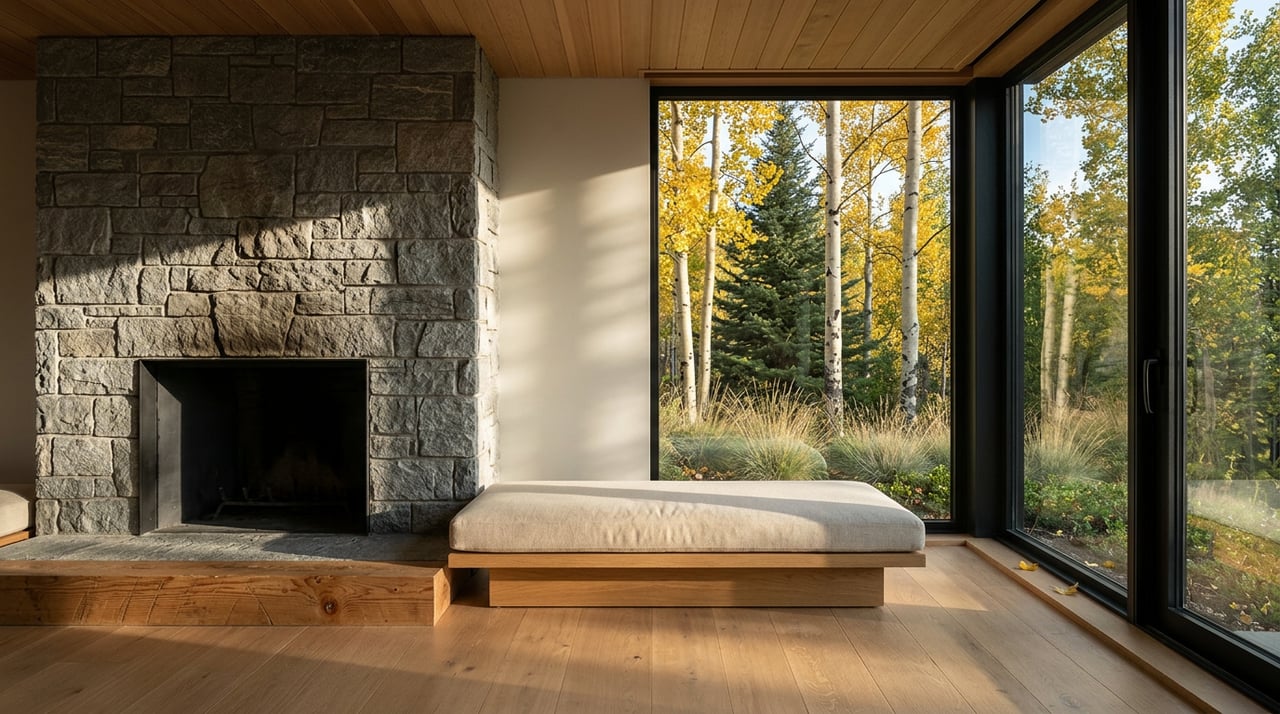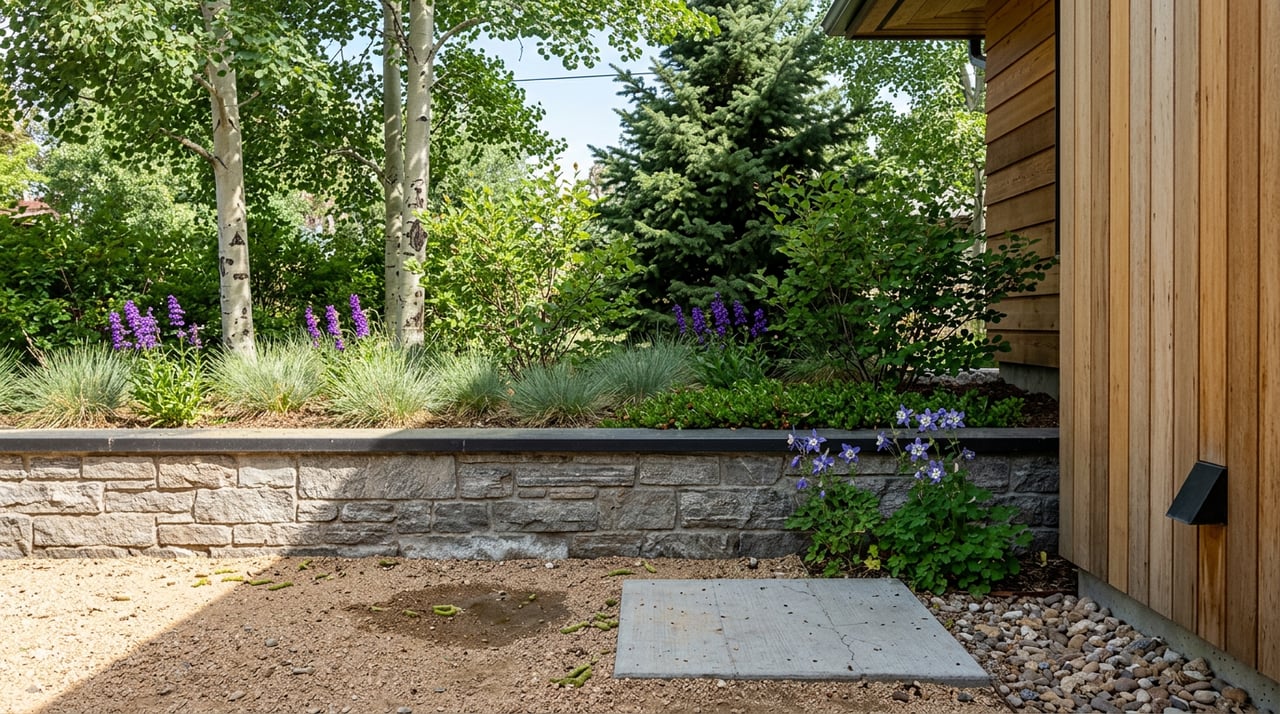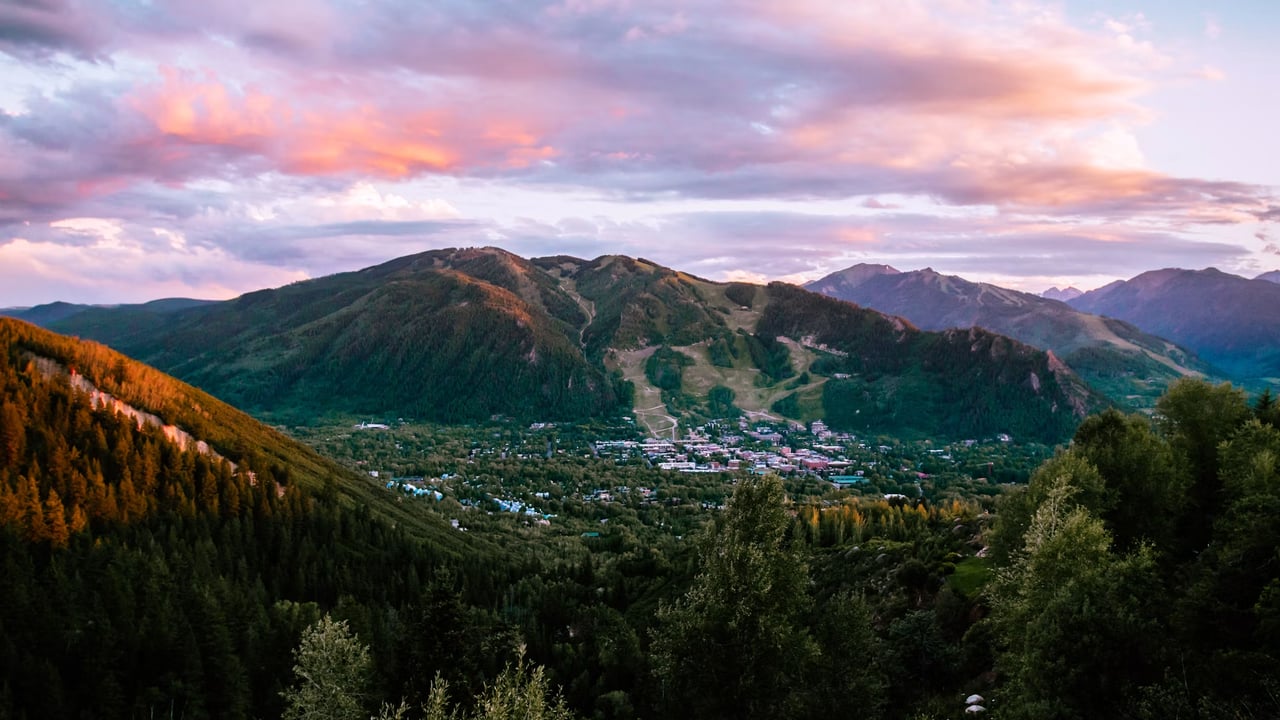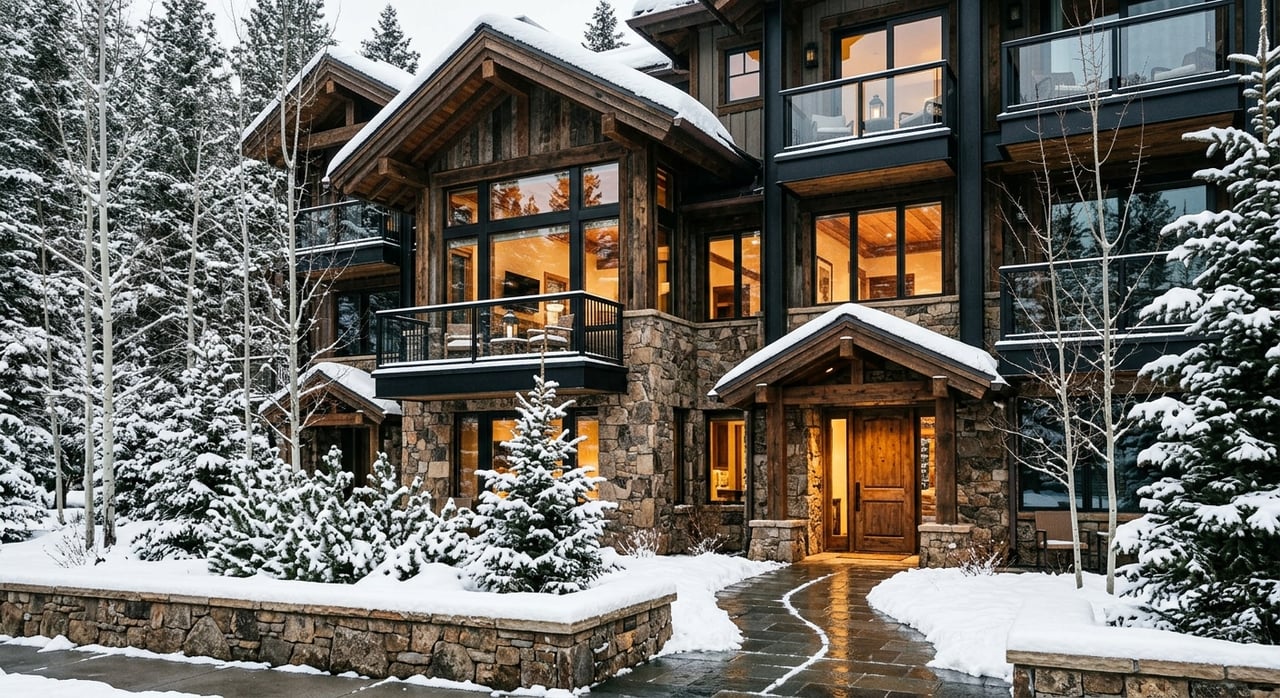
Aspen stands out as one of North America's most established luxury destinations. While towns like Vail, Deer Valley, and Park City offer refined mountain experiences, Aspen delivers a more concentrated blend of heritage, design, and exclusivity. Its appeal reaches beyond skiing and seasonal travel — Aspen attracts buyers and visitors who value legacy ownership, high-level cultural access, and a town that balances prestige with daily usability.
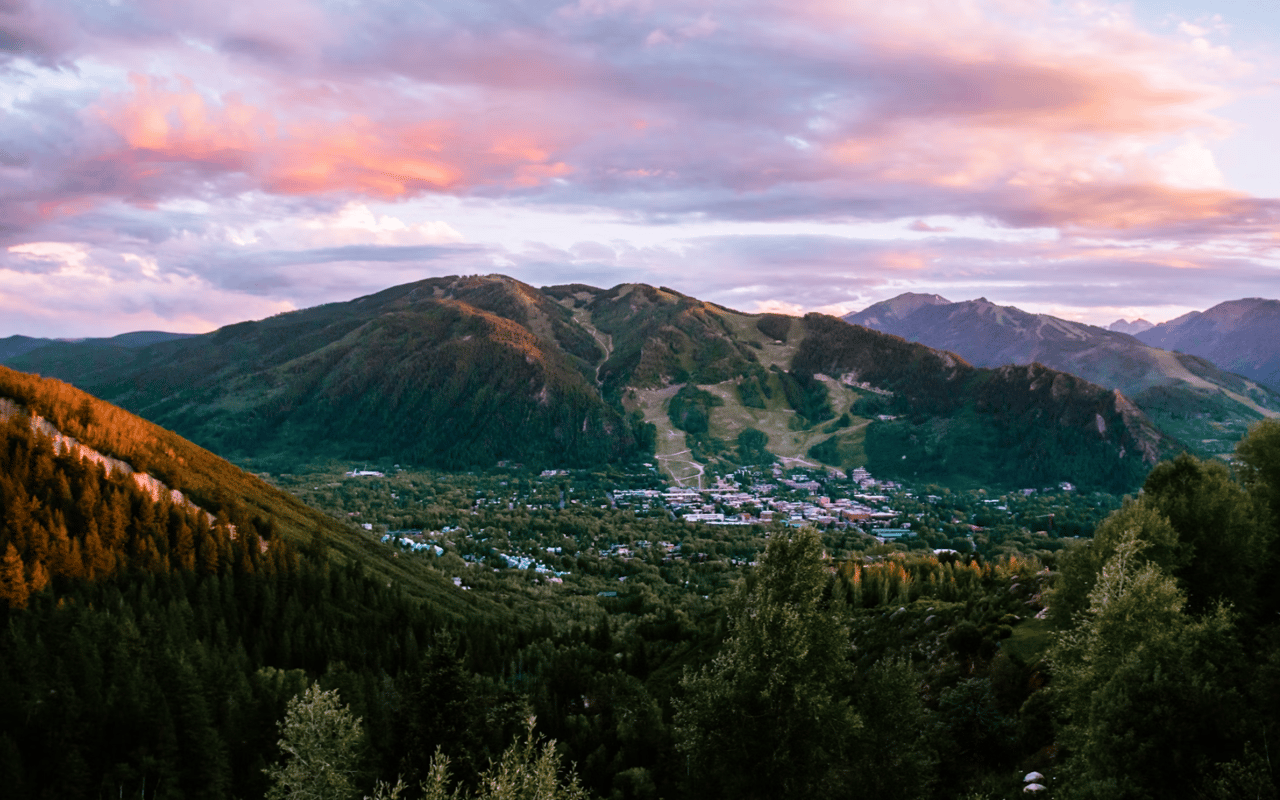
Unlike larger, more commercial resort areas, Aspen maintains a small-town footprint with four independent ski mountains, a walkable core, and an active arts scene supported by world-class institutions. What sets Aspen apart isn’t just its elevation or scenery — it’s the consistency of experience, the depth of offerings, and the enduring investment people make in their community. The following sections detail the amenities and characteristics that give Aspen its unmatched reputation among mountain towns.
Historic Core and Pedestrian Layout
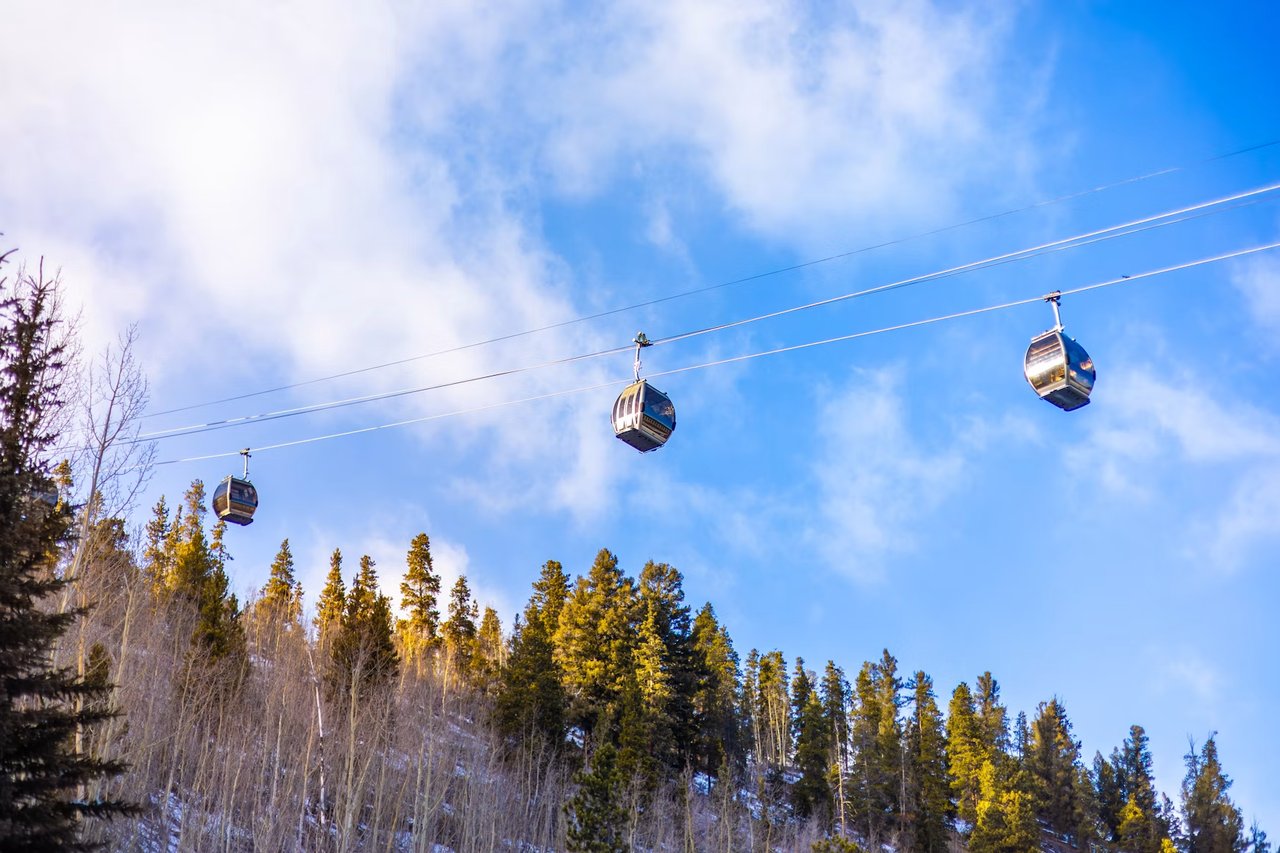
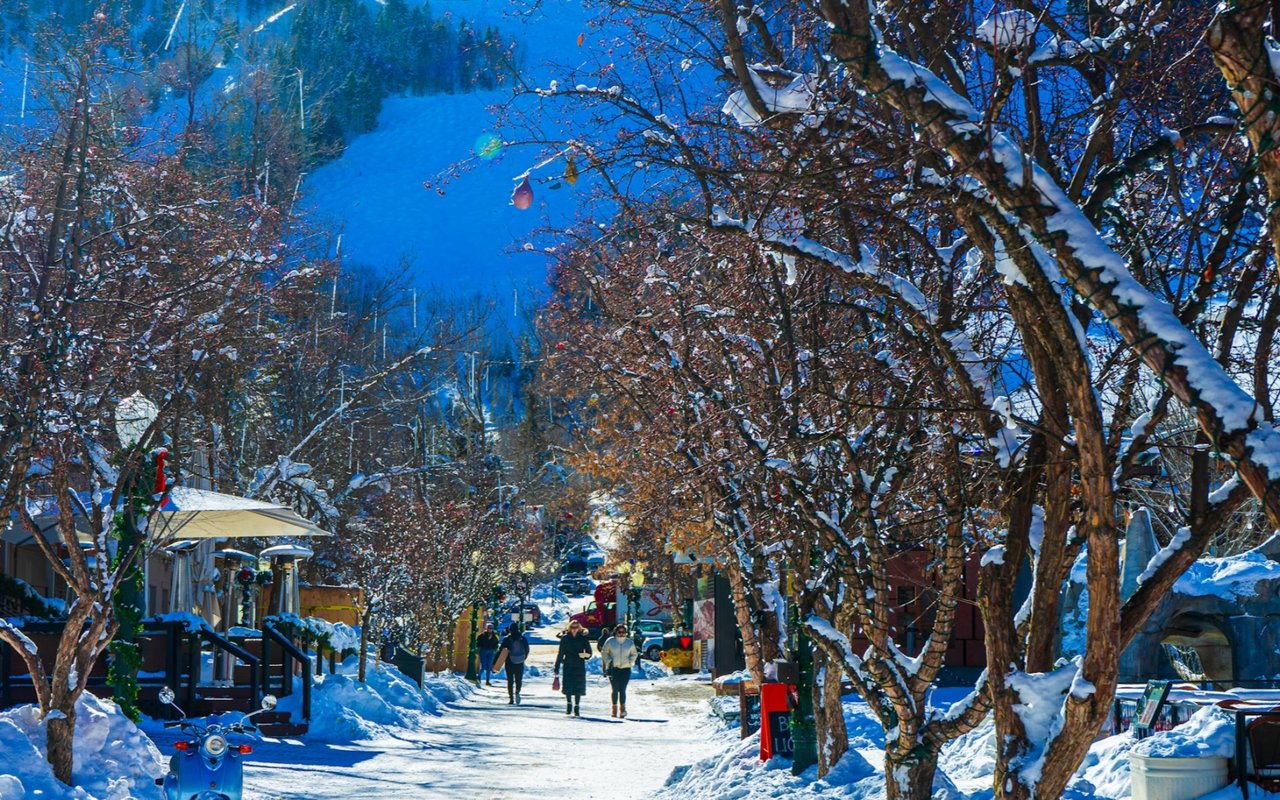
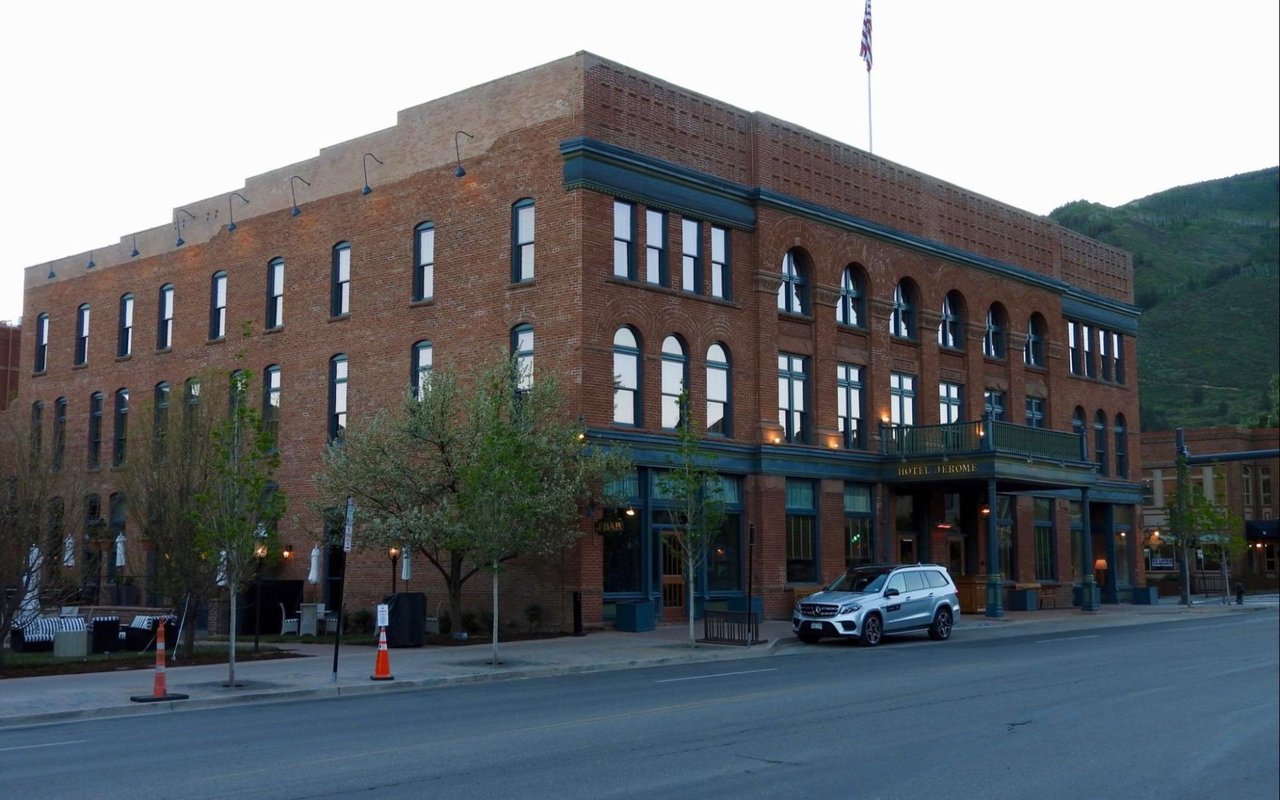
Aspen’s downtown preserves its late 19th-century mining town structure with blocks that are easy to walk and navigate. Red-brick buildings, original facades, and compact planning make the town feel cohesive and human-scaled. Nearly everything within the commercial core is within walking distance, from dining to retail to the gondola base.
Unlike larger ski resorts, where car travel is often required, Aspen supports a no-car-needed lifestyle once you're in town. Cooper and Galena's pedestrian mall and Rubey Park Transit Center create a connected and active street scene that defines the town experience. They promote day-to-day simplicity while preserving architectural identity.
Unlike larger ski resorts, where car travel is often required, Aspen supports a no-car-needed lifestyle once you're in town. Cooper and Galena's pedestrian mall and Rubey Park Transit Center create a connected and active street scene that defines the town experience. They promote day-to-day simplicity while preserving architectural identity.
Access to Four Ski Mountains
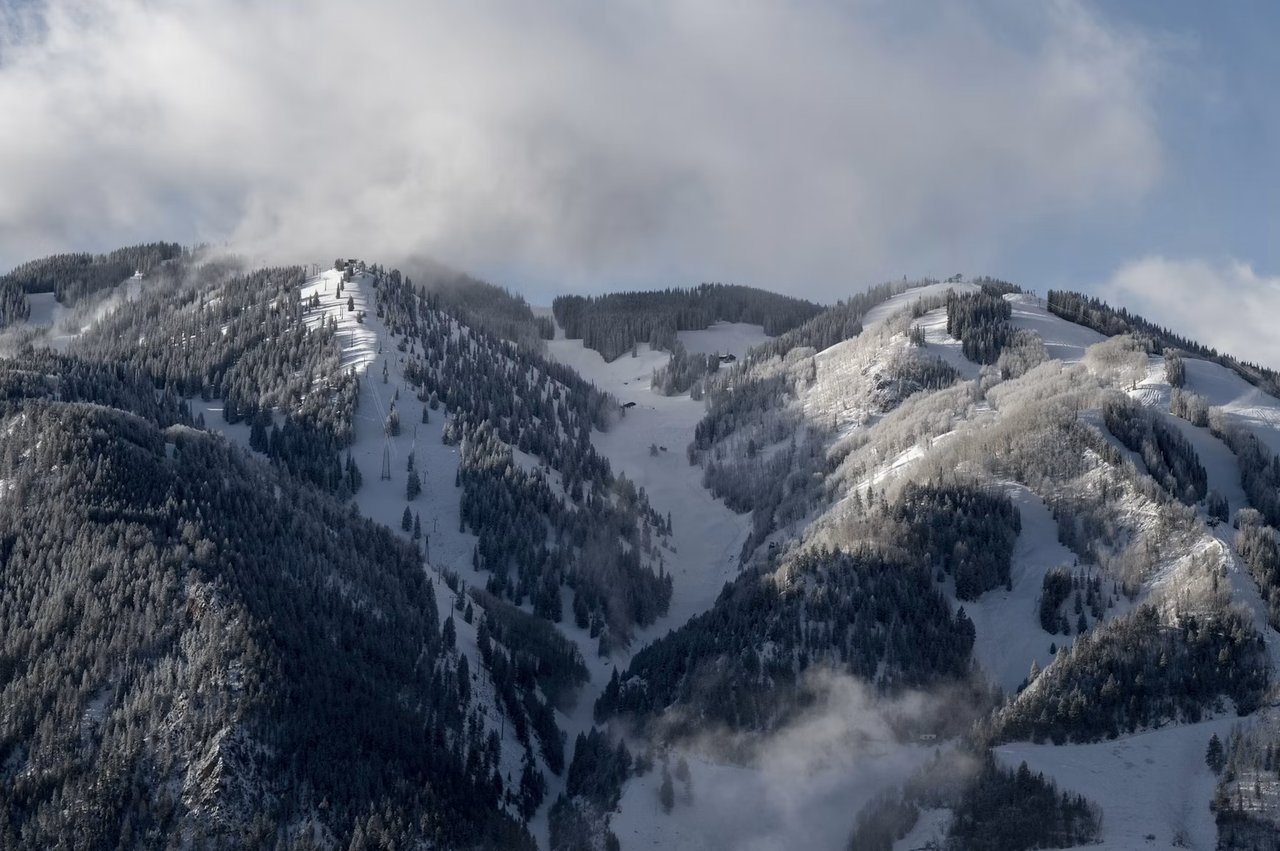
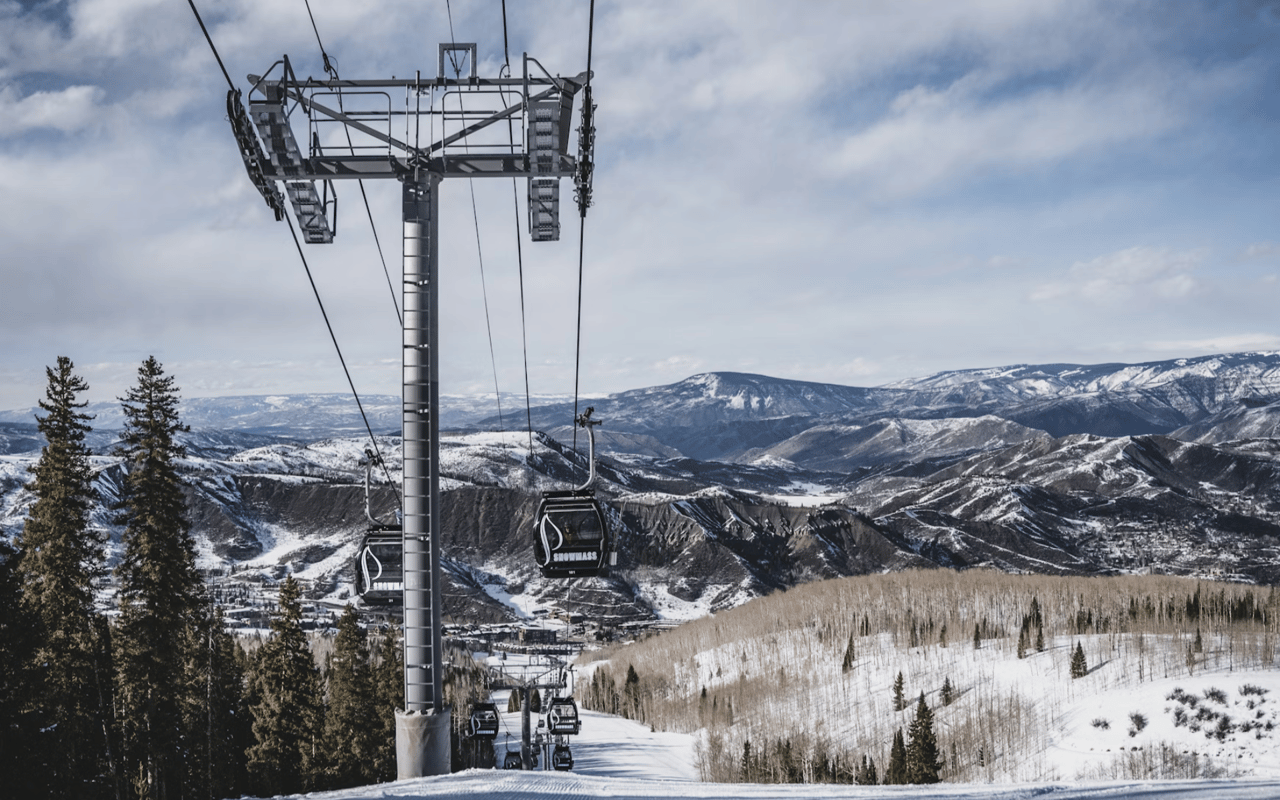
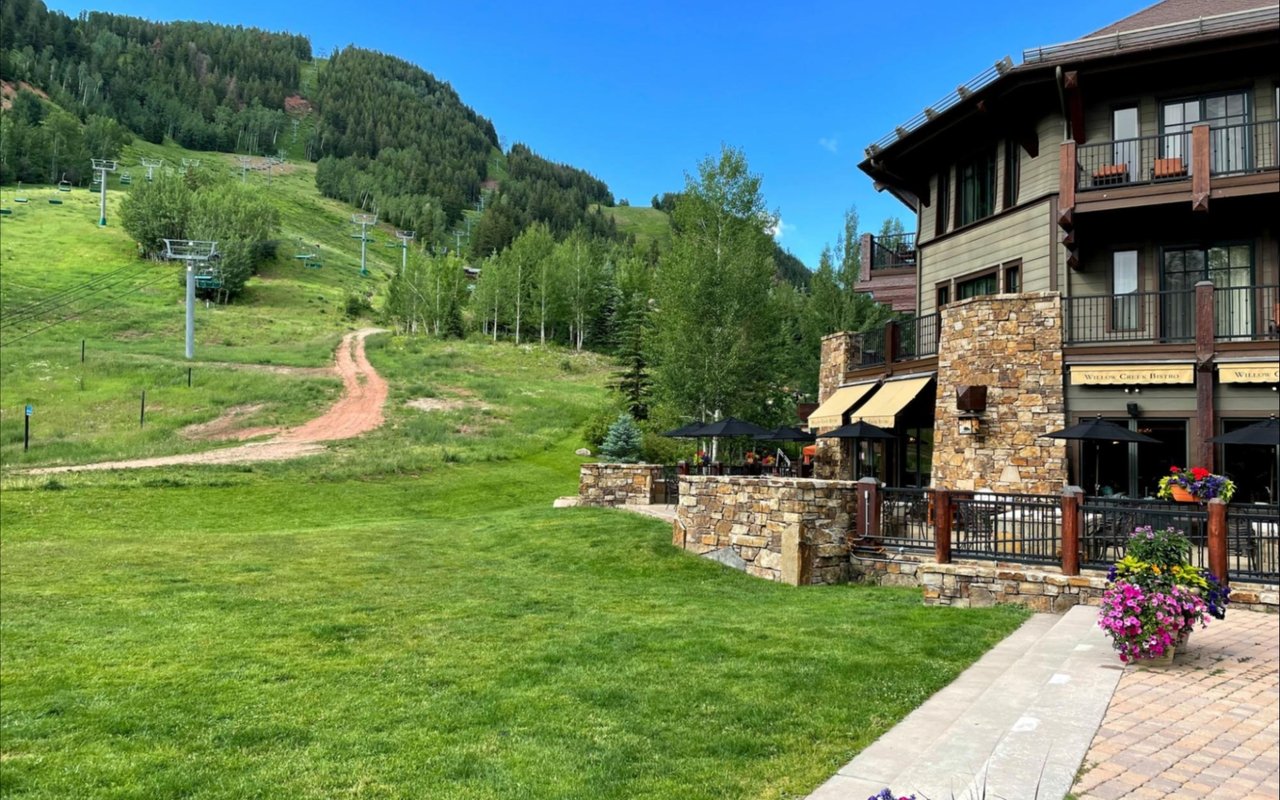
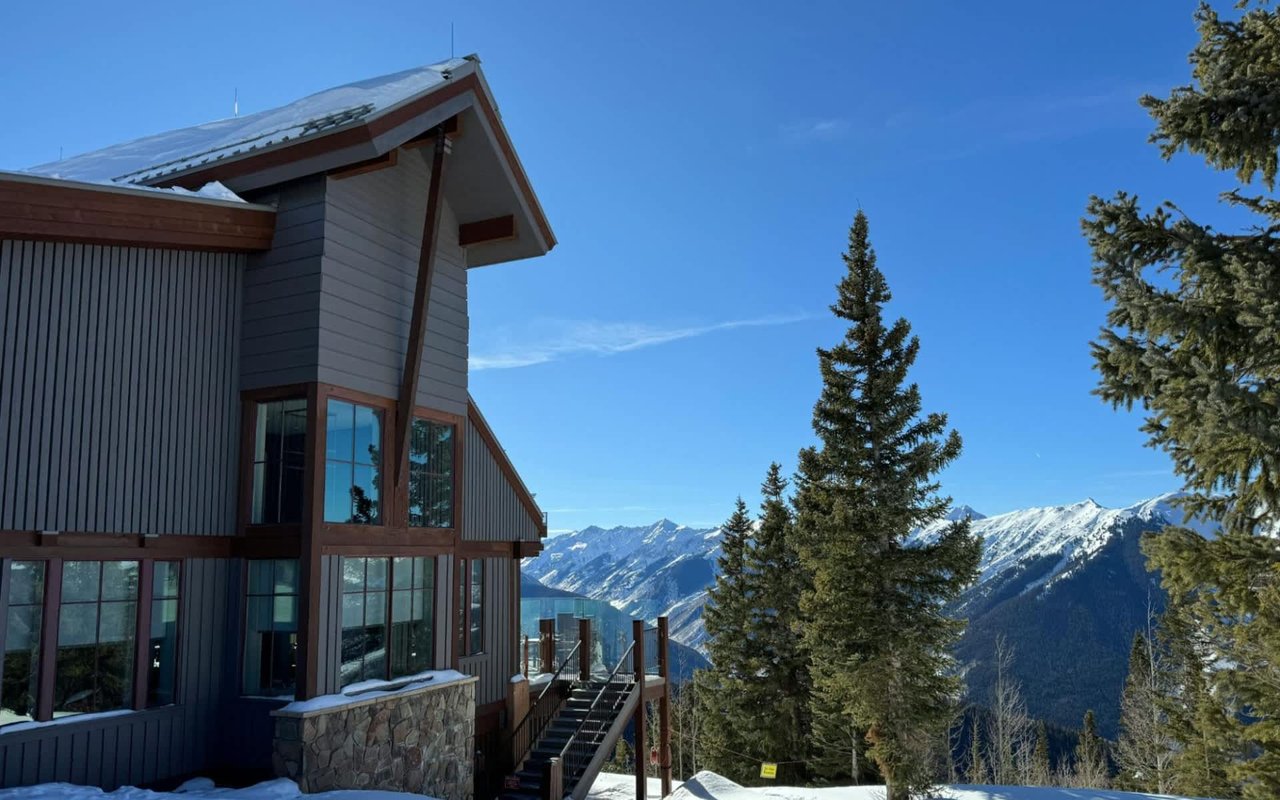
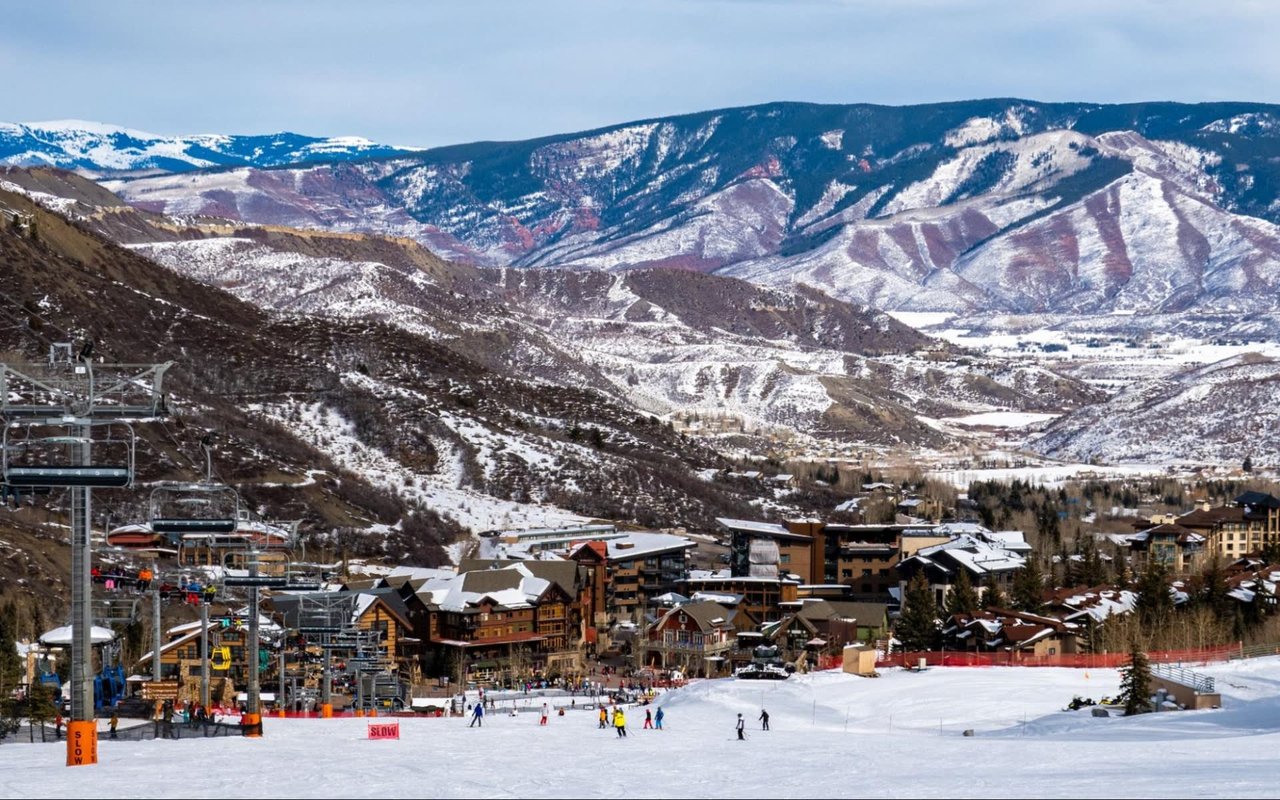
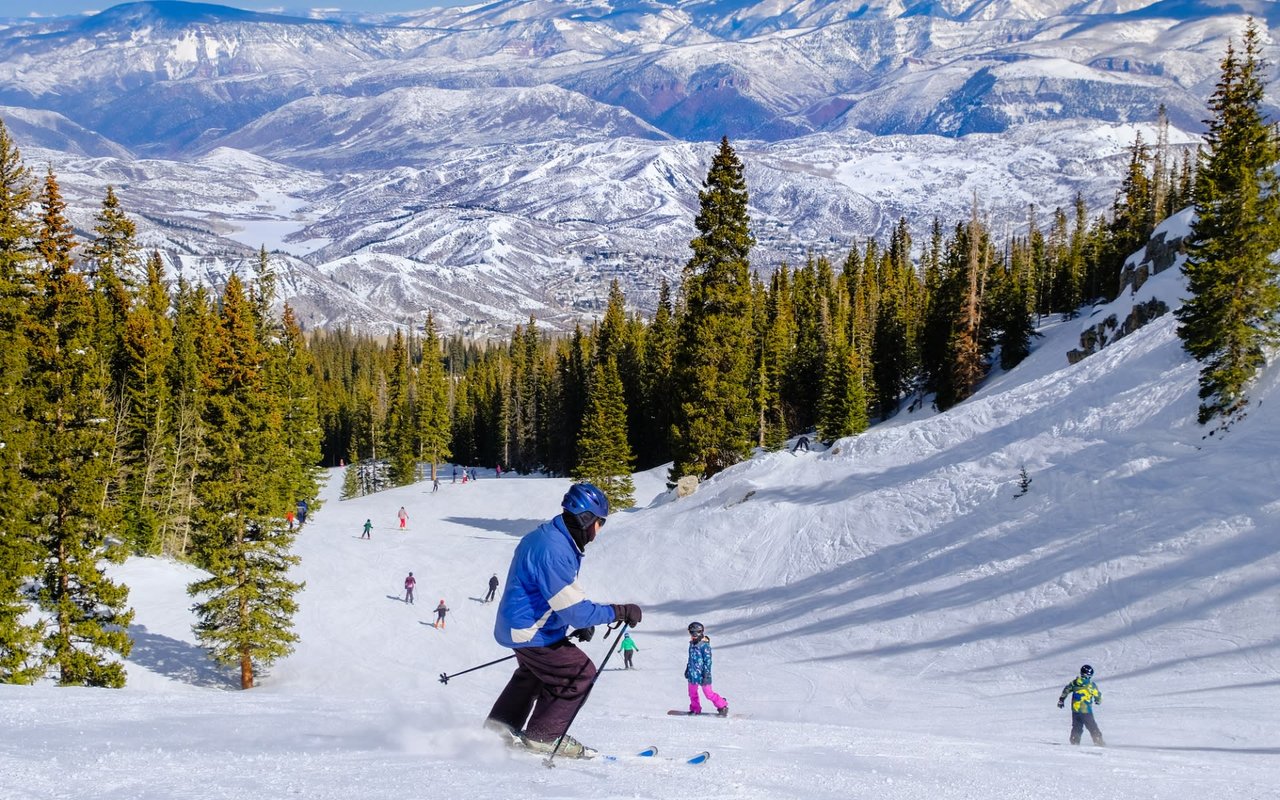
Aspen’s skiing isn’t confined to one peak. It includes four separate mountains: Aspen Mountain (Ajax), Aspen Highlands, Buttermilk, and Snowmass. Each is accessible through a unified pass and offers its terrain and environment. This multi-mountain system is distinctive and contributes heavily to Aspen’s terrain options.
Ajax rises directly from the town, offering immediate access for advanced skiers. Highlands is known for its steep terrain and Highland Bowl, while Buttermilk is the go-to for beginners and terrain park skiers. Snowmass, by far the largest, includes everything from wide-open cruisers to multi-day ski-in/ski-out lodging. No other town in the region offers this level of alpine variety within a short radius.
Ajax rises directly from the town, offering immediate access for advanced skiers. Highlands is known for its steep terrain and Highland Bowl, while Buttermilk is the go-to for beginners and terrain park skiers. Snowmass, by far the largest, includes everything from wide-open cruisers to multi-day ski-in/ski-out lodging. No other town in the region offers this level of alpine variety within a short radius.
Year-Round Flight Access via Aspen/Pitkin County Airport
Aspen/Pitkin County Airport provides direct, year-round commercial flights from major U.S. cities. The airport is less than ten minutes from downtown, allowing for efficient arrivals and departures compared to Denver-based routes required by other resorts.
Flights arrive daily from Los Angeles, Dallas, Chicago, and Denver. Unlike Vail or Park City, which rely on lengthy transfers from distant airports, Aspen simplifies the travel process. The ease of air travel contributes to the town’s appeal for buyers and visitors who prioritize time savings and convenience.
Flights arrive daily from Los Angeles, Dallas, Chicago, and Denver. Unlike Vail or Park City, which rely on lengthy transfers from distant airports, Aspen simplifies the travel process. The ease of air travel contributes to the town’s appeal for buyers and visitors who prioritize time savings and convenience.
Concentration of High-End Retail and Dining
Aspen has cultivated a concentrated retail environment with international fashion houses, independent boutiques, and rotating art galleries, all in one walkable zone. Chanel, Prada, and Dior have longstanding storefronts alongside smaller shops offering curated home design, jewelry, and luxury gear.
The food scene is equally centralized. Fine-dining restaurants like Matsuhisa and Cache Cache operate year-round, as do more relaxed spots like Meat & Cheese and French Alpine Bistro. The proximity of these establishments, combined with their quality and service, supports a lifestyle that’s refined yet accessible on foot.
The food scene is equally centralized. Fine-dining restaurants like Matsuhisa and Cache Cache operate year-round, as do more relaxed spots like Meat & Cheese and French Alpine Bistro. The proximity of these establishments, combined with their quality and service, supports a lifestyle that’s refined yet accessible on foot.
Aspen Institute and Cultural Programming
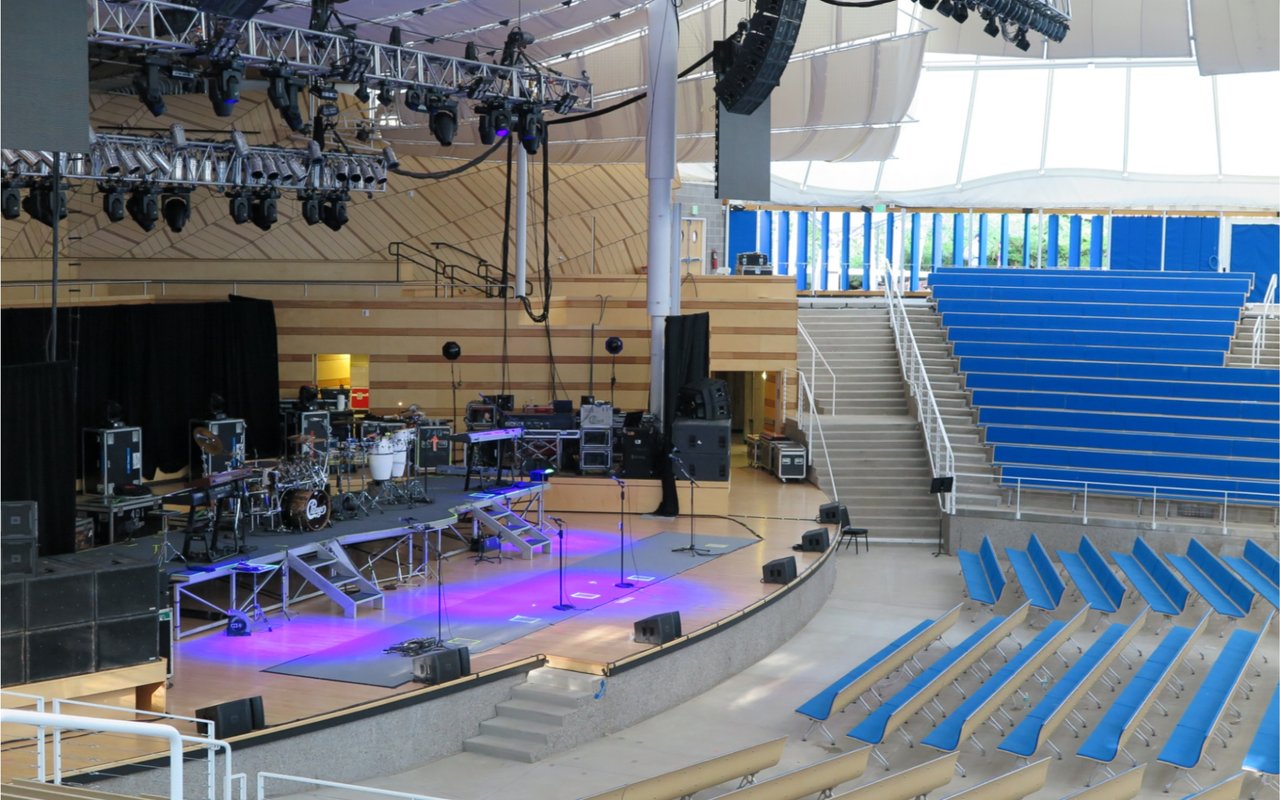
The Aspen Institute has long contributed to Aspen’s reputation as a hub for thought leadership. Along with the Institute’s events, the Aspen Music Festival, Aspen Art Museum, and Aspen Words literary programs support a year-round calendar of cultural engagement.
Other towns may offer occasional events or seasonal symphonies, but Aspen has built institutions that deliver consistent public programs. This emphasis on intellectual and artistic development is a defining difference. Residents and visitors are encouraged to participate in lectures, residencies, and exhibitions across the town.
Other towns may offer occasional events or seasonal symphonies, but Aspen has built institutions that deliver consistent public programs. This emphasis on intellectual and artistic development is a defining difference. Residents and visitors are encouraged to participate in lectures, residencies, and exhibitions across the town.
Trails and Recreation Starting Inside Town
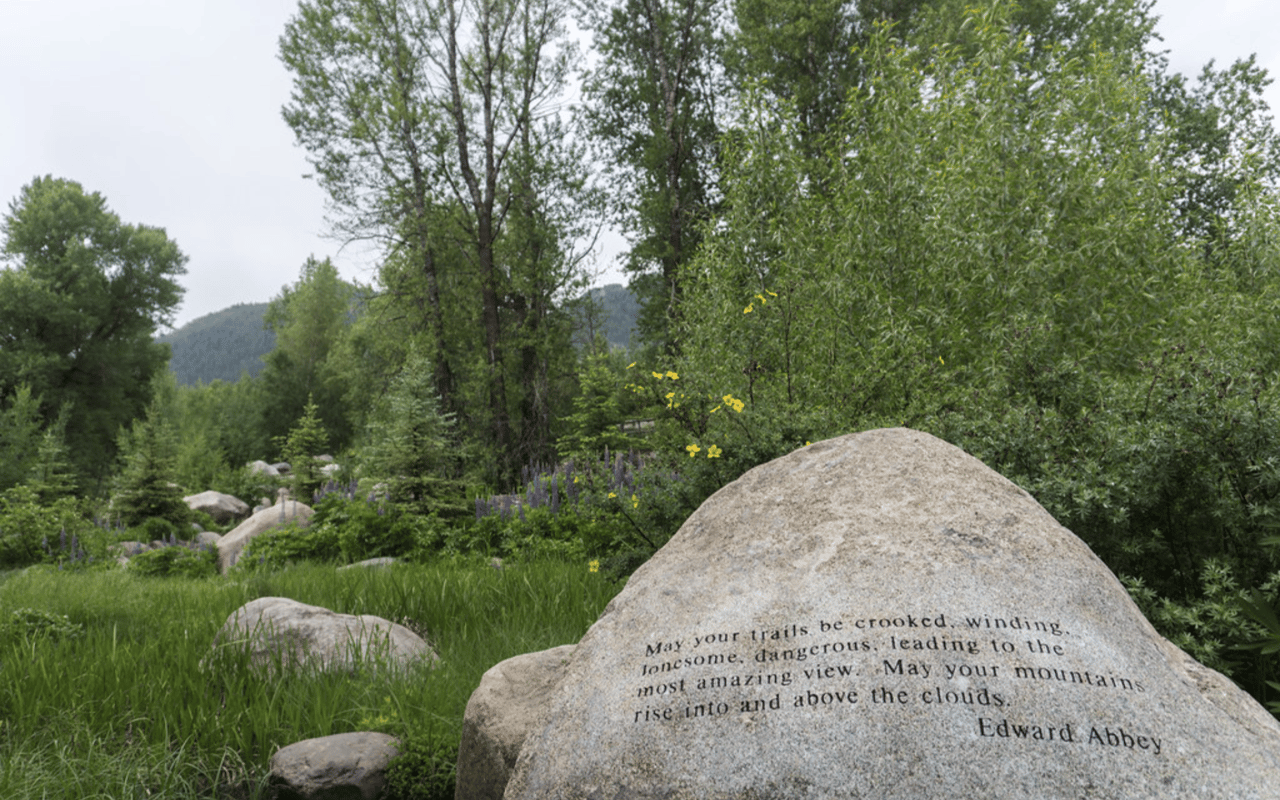
Aspen integrates trailheads directly into its core. The Ute Trail, Smuggler Mountain Road, and Hunter Creek Trail all begin within walking distance of the commercial center. These trails serve hikers, runners, and mountain bikers throughout the warmer months.
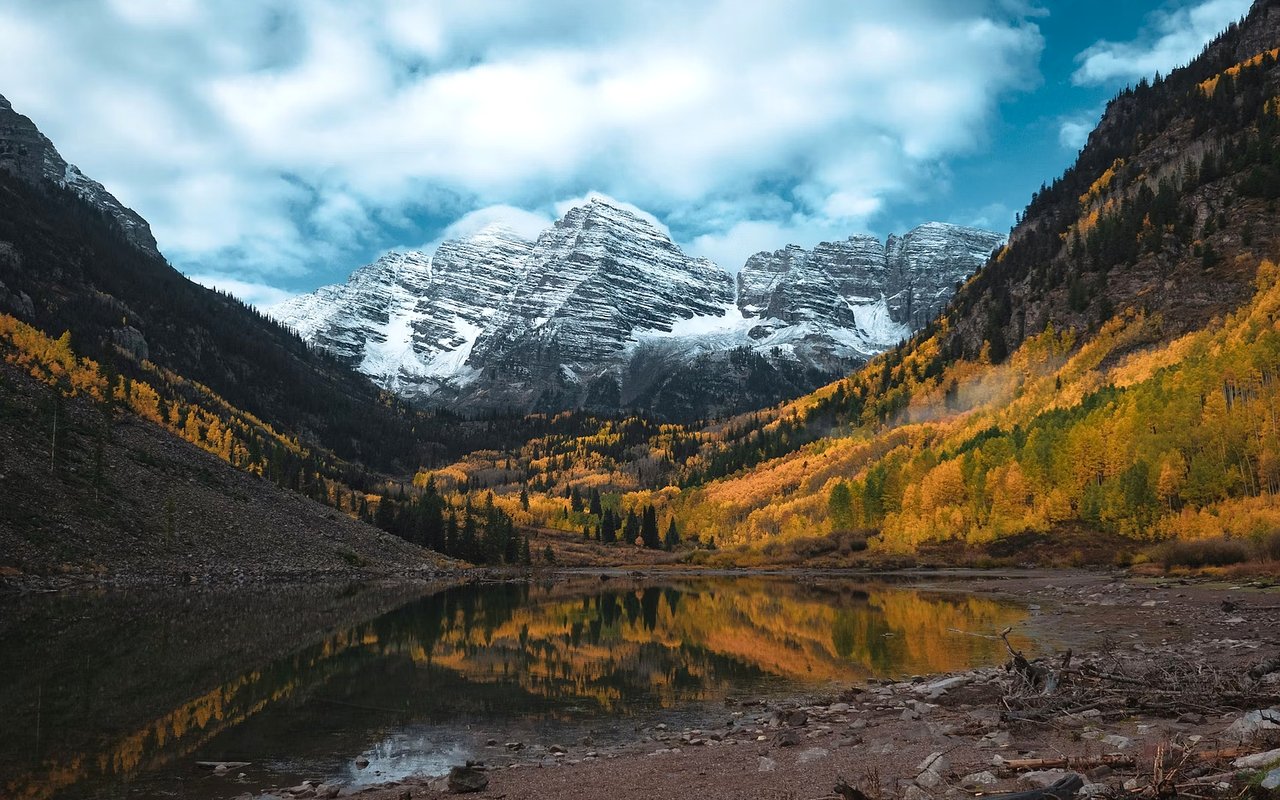
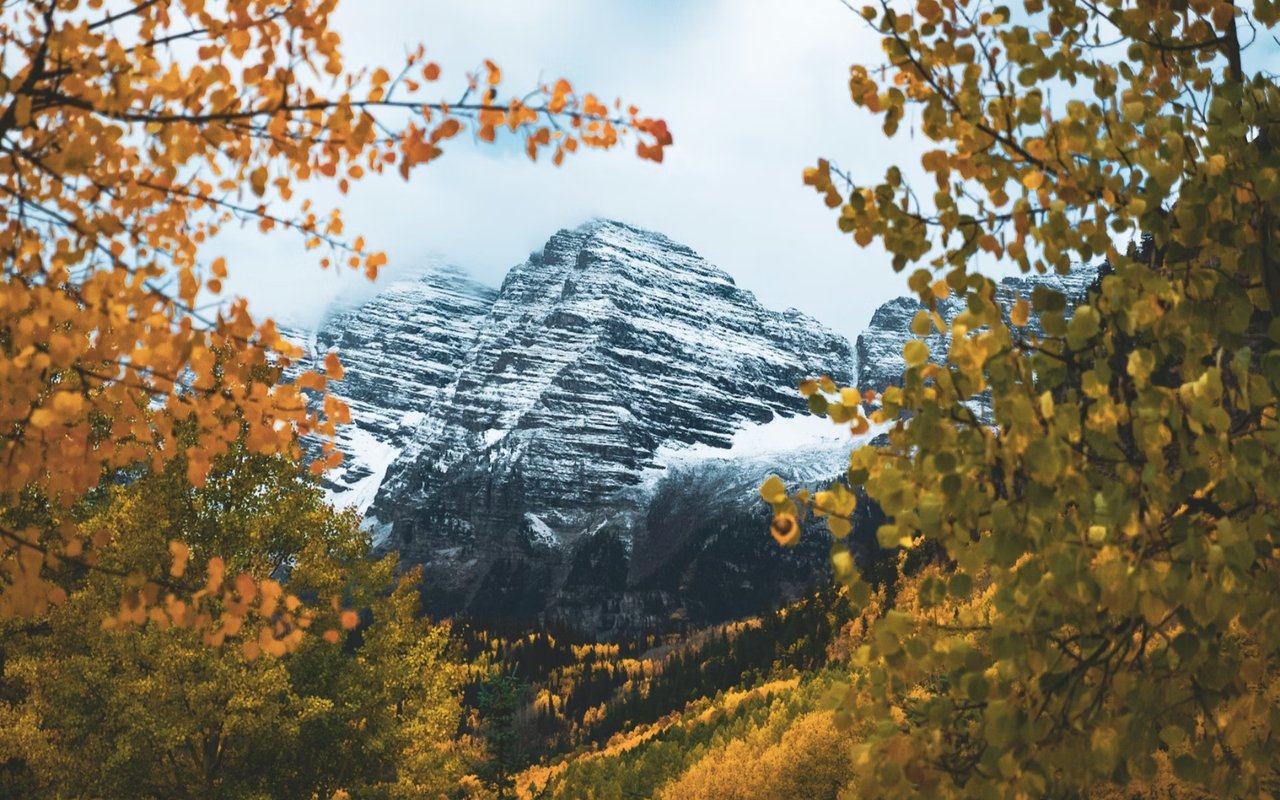
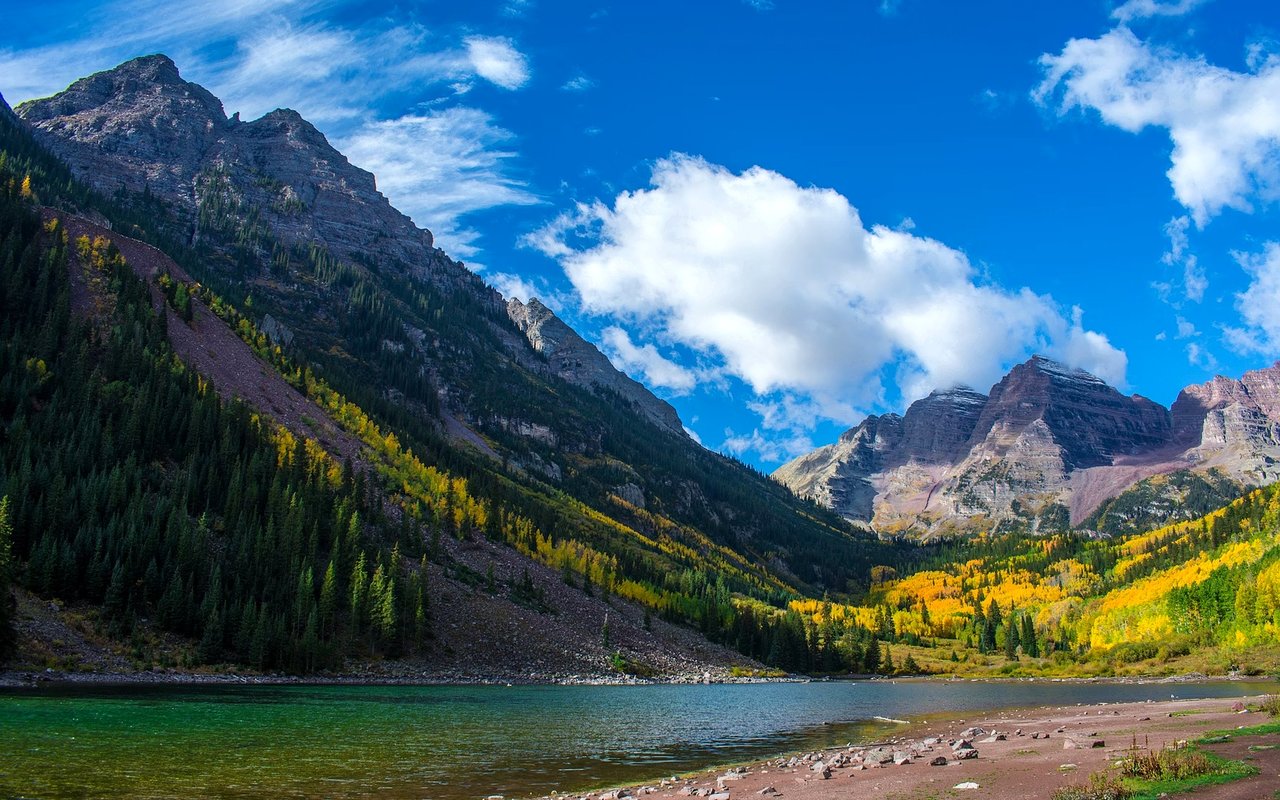
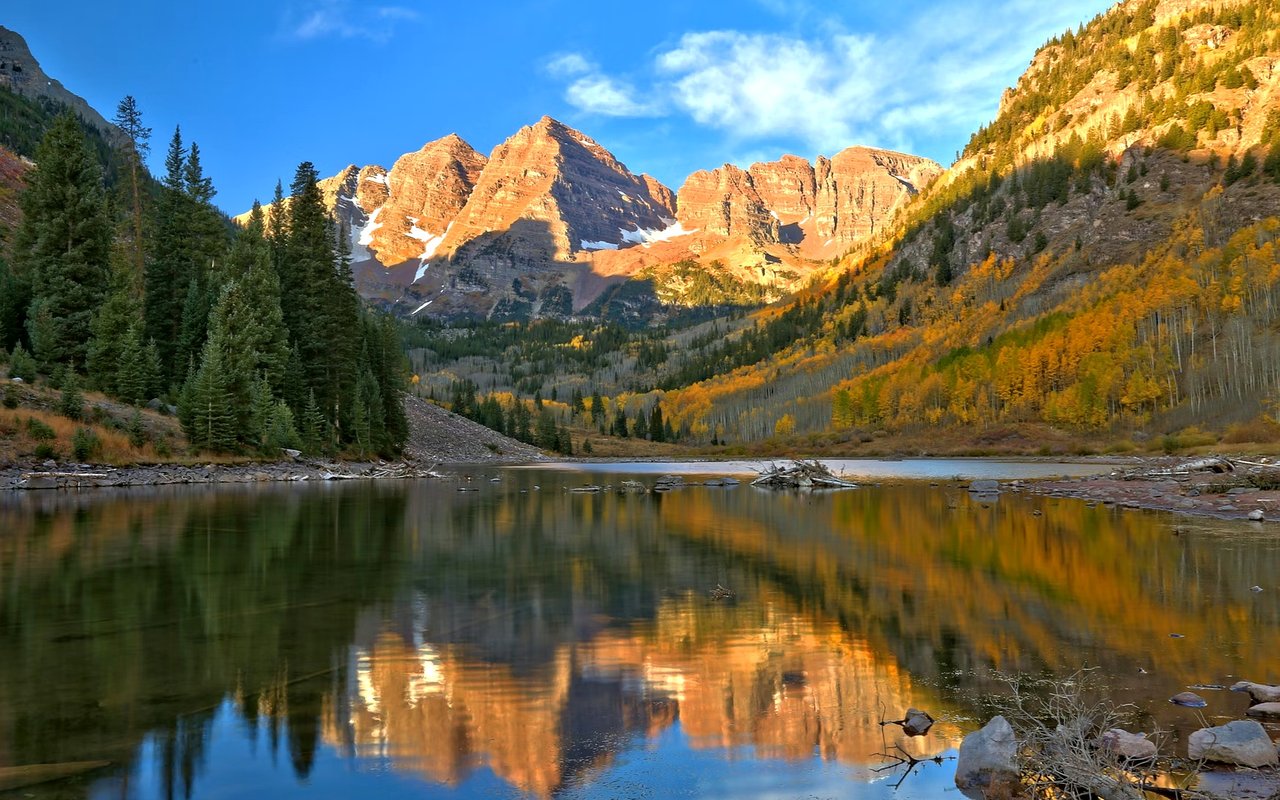
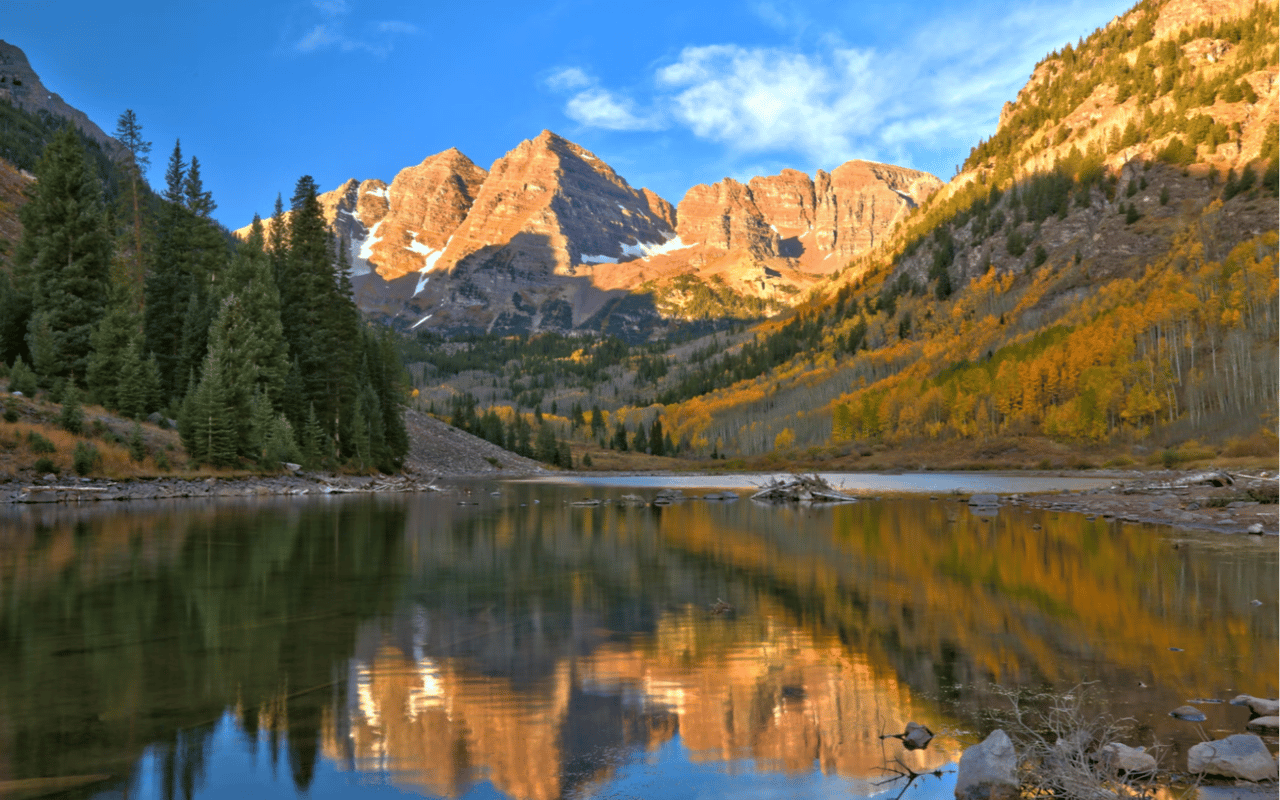
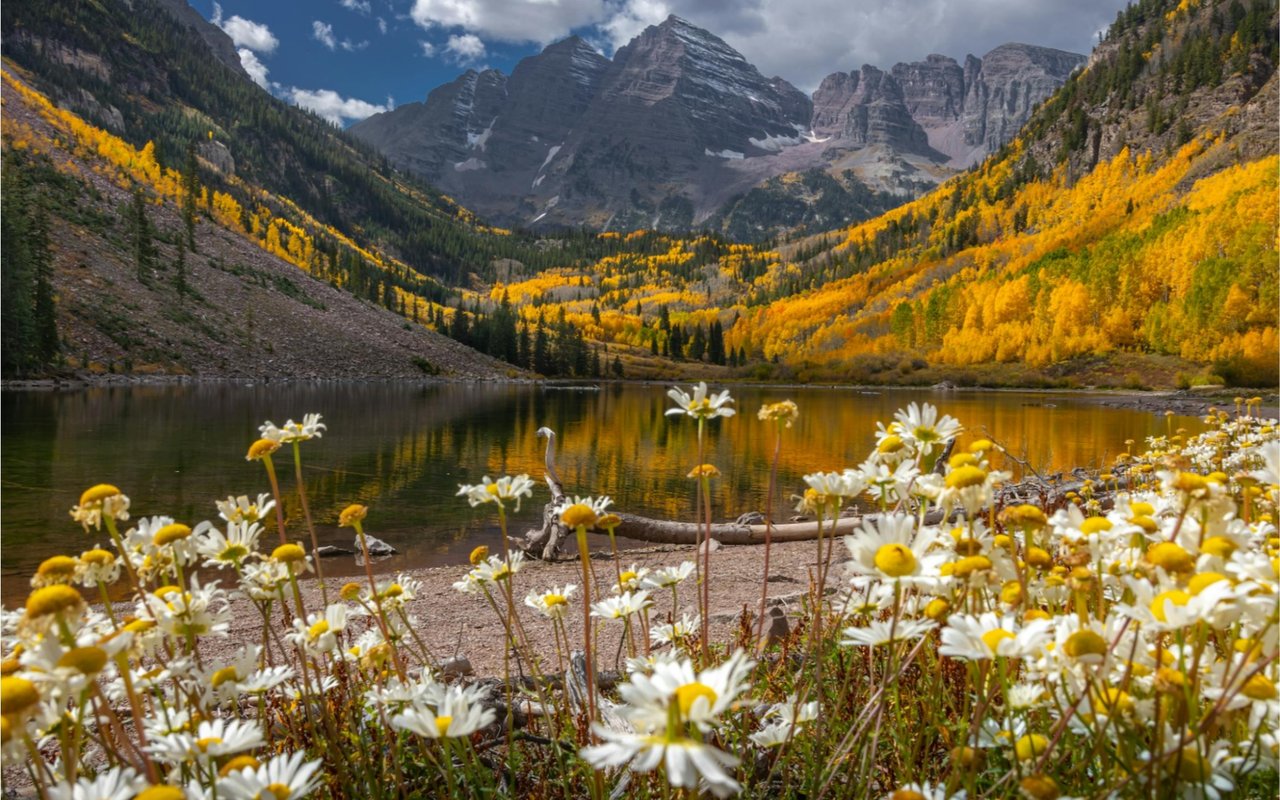
The proximity of outdoor access makes daily activity easier. You don’t need to drive or shuttle to get to a trail system. This direct access also contributes to the feel of Aspen as a lived-in mountain town rather than a resort-only destination. The Maroon Bells Scenic Area, one of Colorado’s most recognized landscapes, is less than 30 minutes away by local shuttle or car.
The proximity of outdoor access makes daily activity easier. You don’t need to drive or shuttle to get to a trail system. This direct access also contributes to the feel of Aspen as a lived-in mountain town rather than a resort-only destination. The Maroon Bells Scenic Area, one of Colorado’s most recognized landscapes, is less than 30 minutes away by local shuttle or car.
Tight-Knit Community with Long-Term Owners
Aspen has one of the highest rates of long-term second-home ownership among U.S. resort towns. Properties often remain with the same families for decades, and many owners participate in local advisory boards, nonprofits, or events throughout the year.
This strong sense of local engagement contributes to Aspen’s unique rhythm. While it has international recognition, the community maintains a small-town core. That consistency helps explain what sets Aspen apart from more transient resort environments that see rapid turnover and seasonal fluctuations in population.
This strong sense of local engagement contributes to Aspen’s unique rhythm. While it has international recognition, the community maintains a small-town core. That consistency helps explain what sets Aspen apart from more transient resort environments that see rapid turnover and seasonal fluctuations in population.
Commitment to Land Preservation and Environmental Design
Land-use planning in Aspen places significant restrictions on development. The town has held to tight boundaries, focusing on redevelopment within existing footprints rather than outward sprawl. Protected open space, public trail systems, and viewplane protections are consistently maintained.
The Pitkin County Open Space and Trails program works closely with the town to prioritize environmental quality and access. This focus on stewardship impacts design choices, limits overdevelopment, and preserves scenic quality (something that stands in contrast to areas experiencing rapid expansion near ski resorts like Park City).
The Pitkin County Open Space and Trails program works closely with the town to prioritize environmental quality and access. This focus on stewardship impacts design choices, limits overdevelopment, and preserves scenic quality (something that stands in contrast to areas experiencing rapid expansion near ski resorts like Park City).
Work with Brittanie Rockhill for Your Aspen Real Estate Goals
If you're considering buying, selling, or investing in Aspen Snowmass, Brittanie Rockhill brings unmatched expertise and local insight. A Colorado native with a background in international business and real estate, Brittanie has been deeply involved in the Aspen community since 2007. Brittanie’s experience spans nearly $1 billion in sales and includes a thriving rental business that serves second homeowners and investors alike.
Reach out today to start a conversation. Browse Aspen real estate here.
Reach out today to start a conversation. Browse Aspen real estate here.