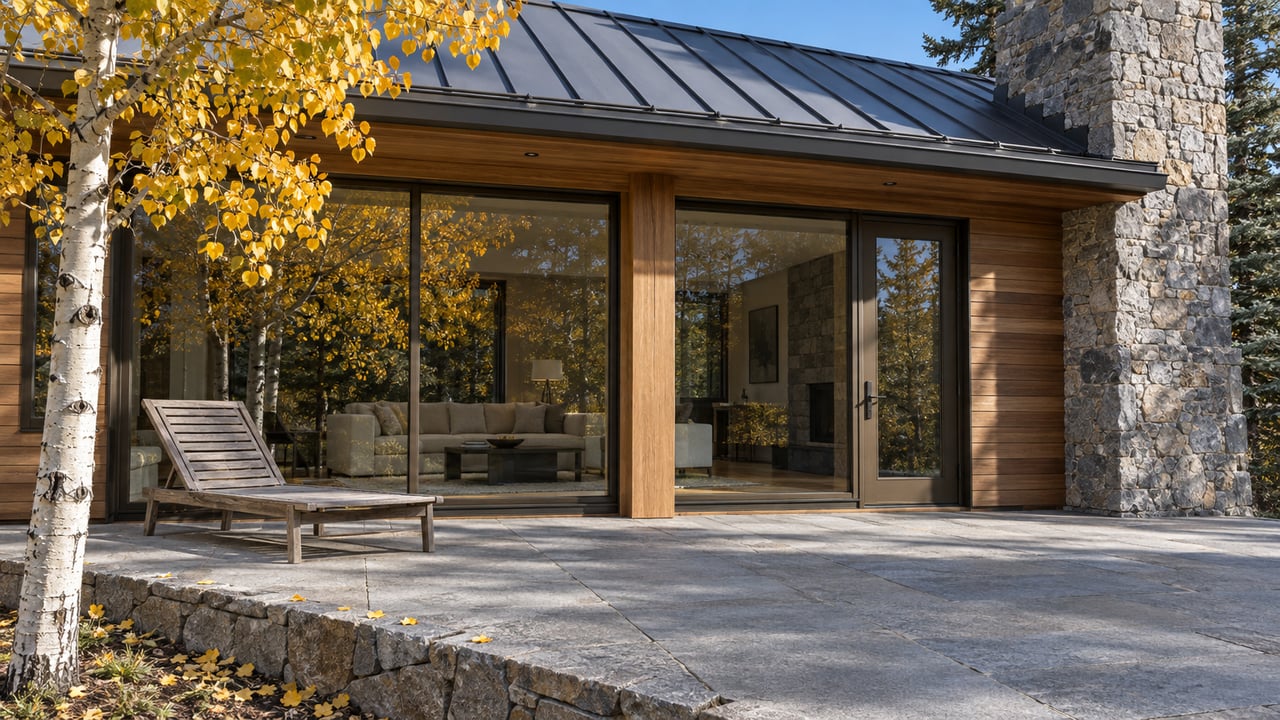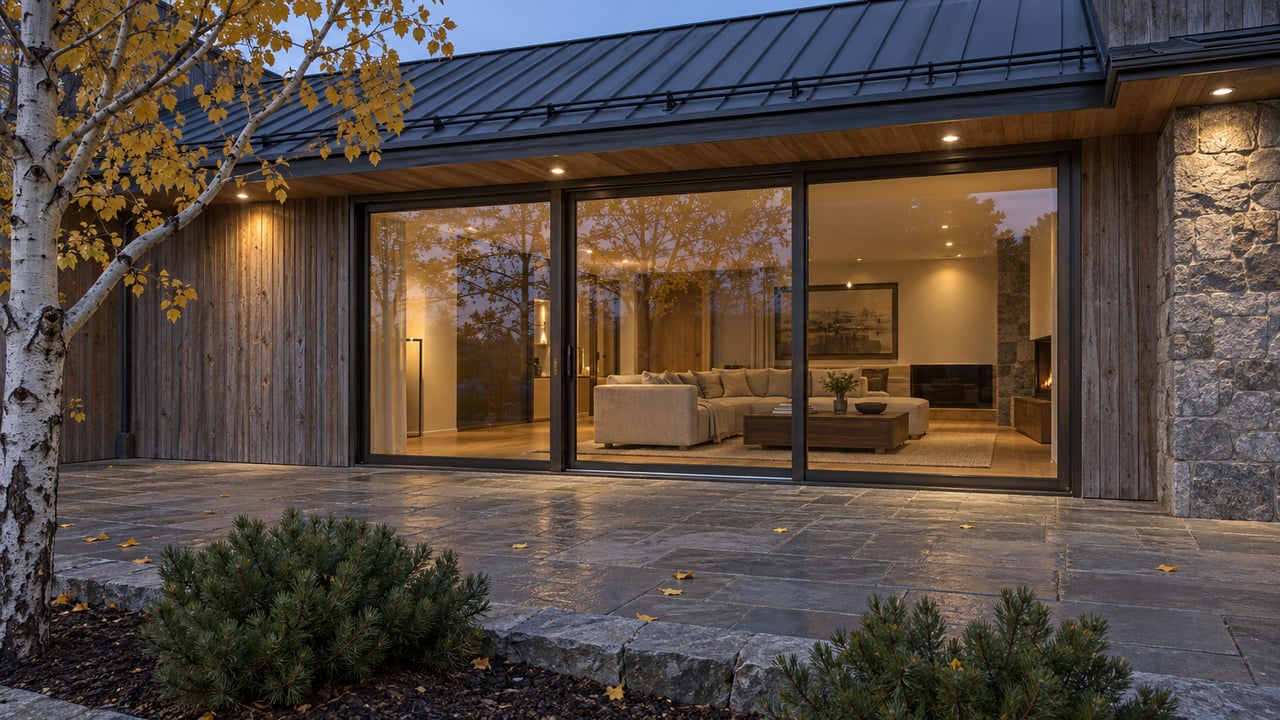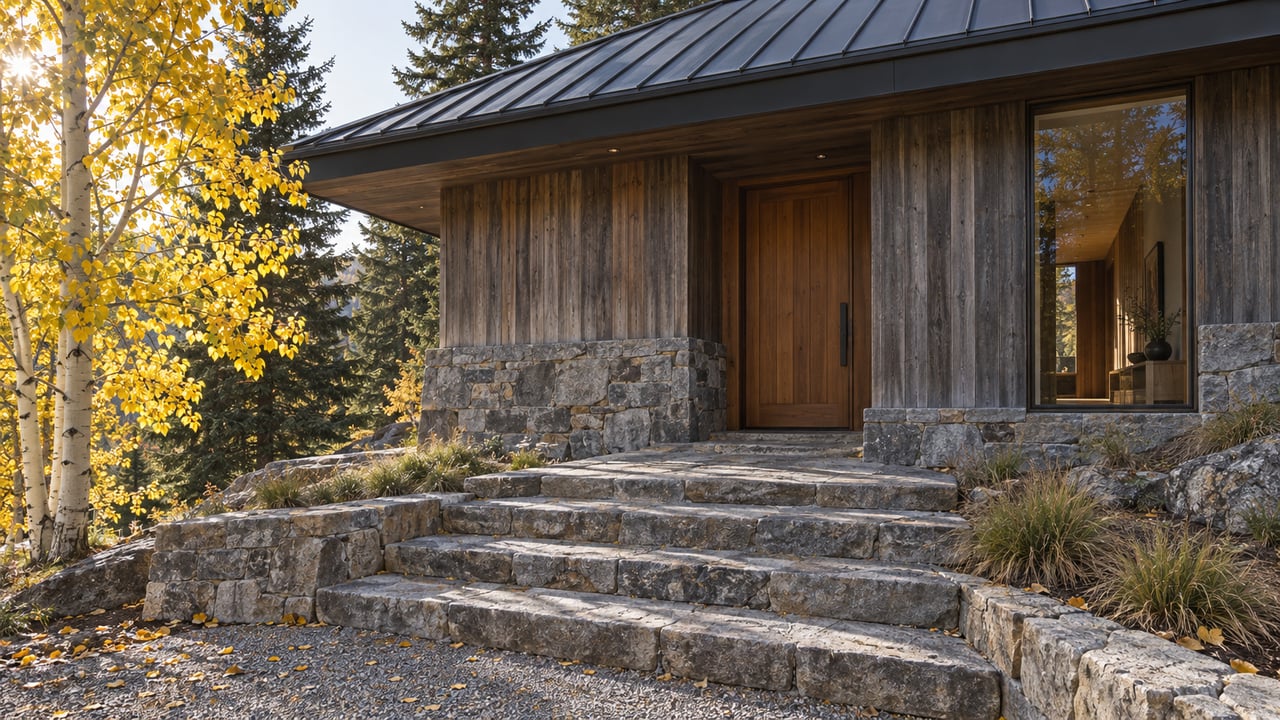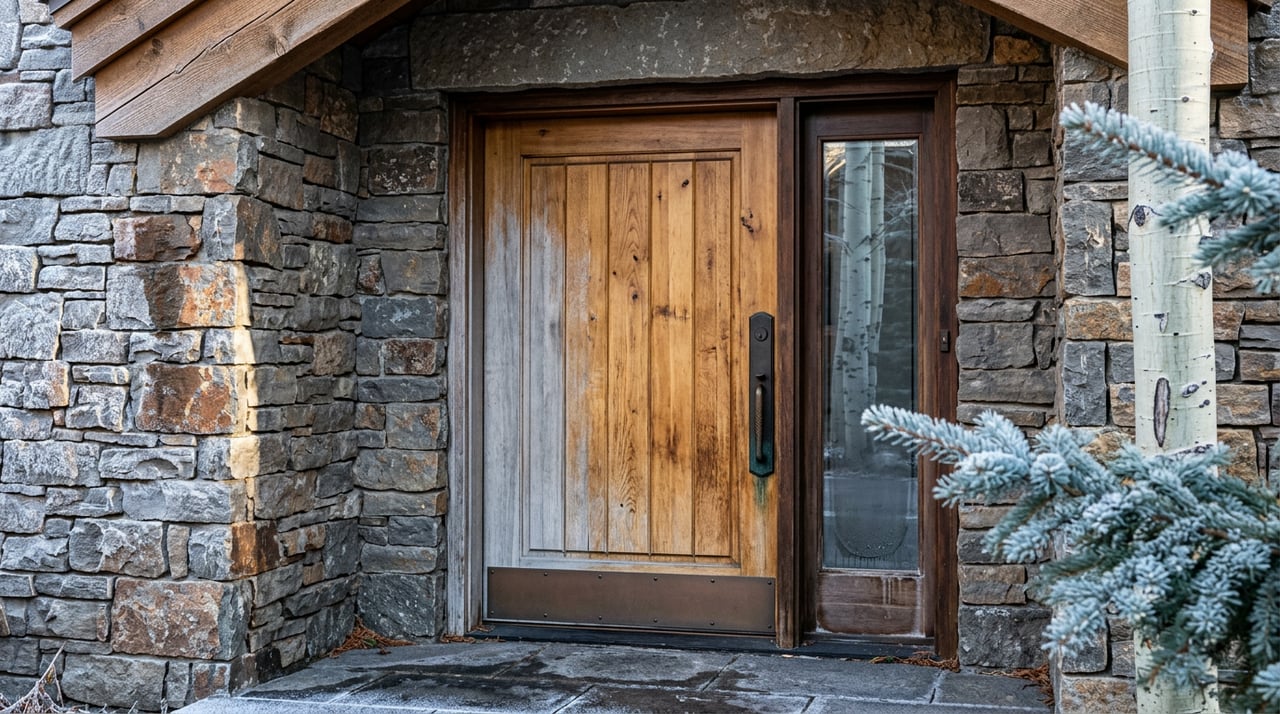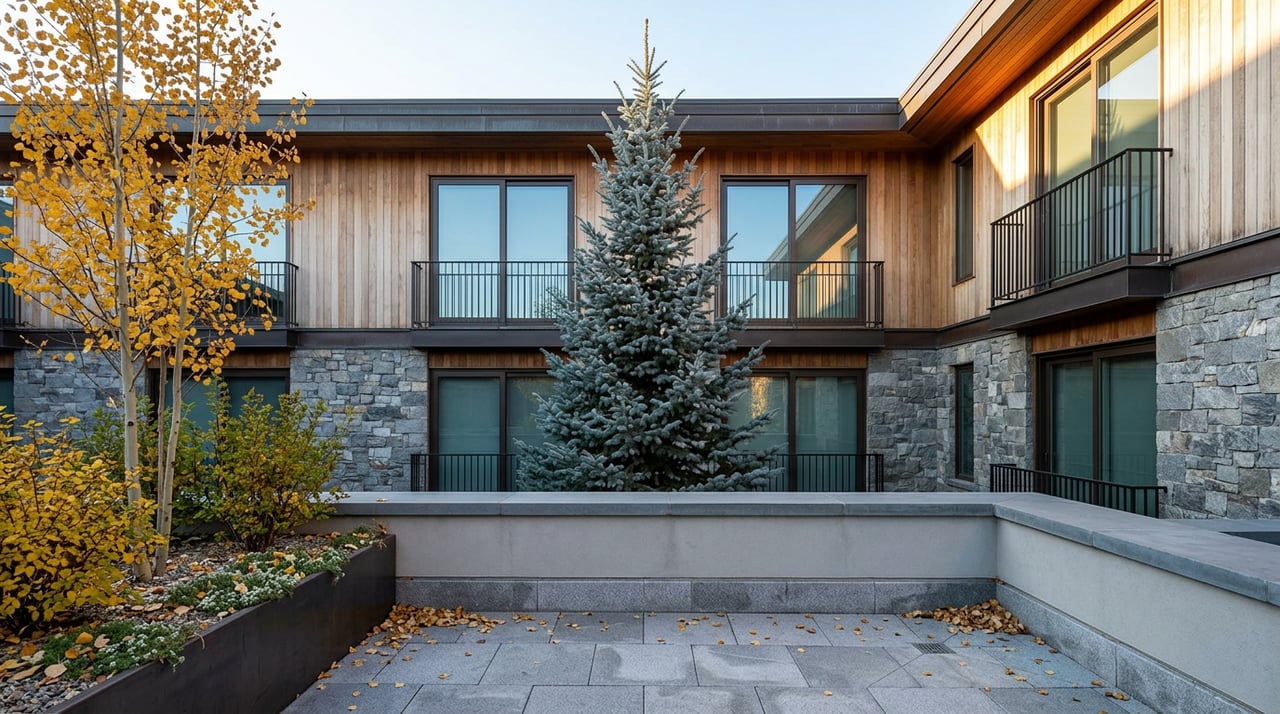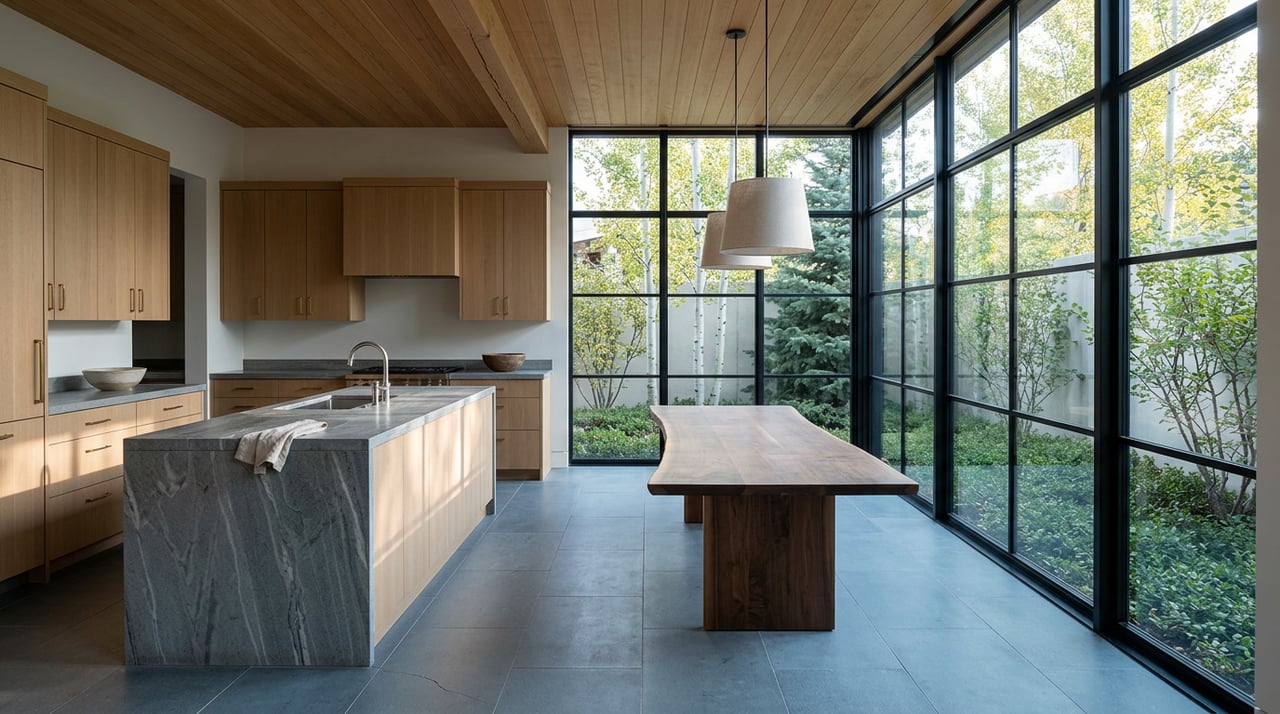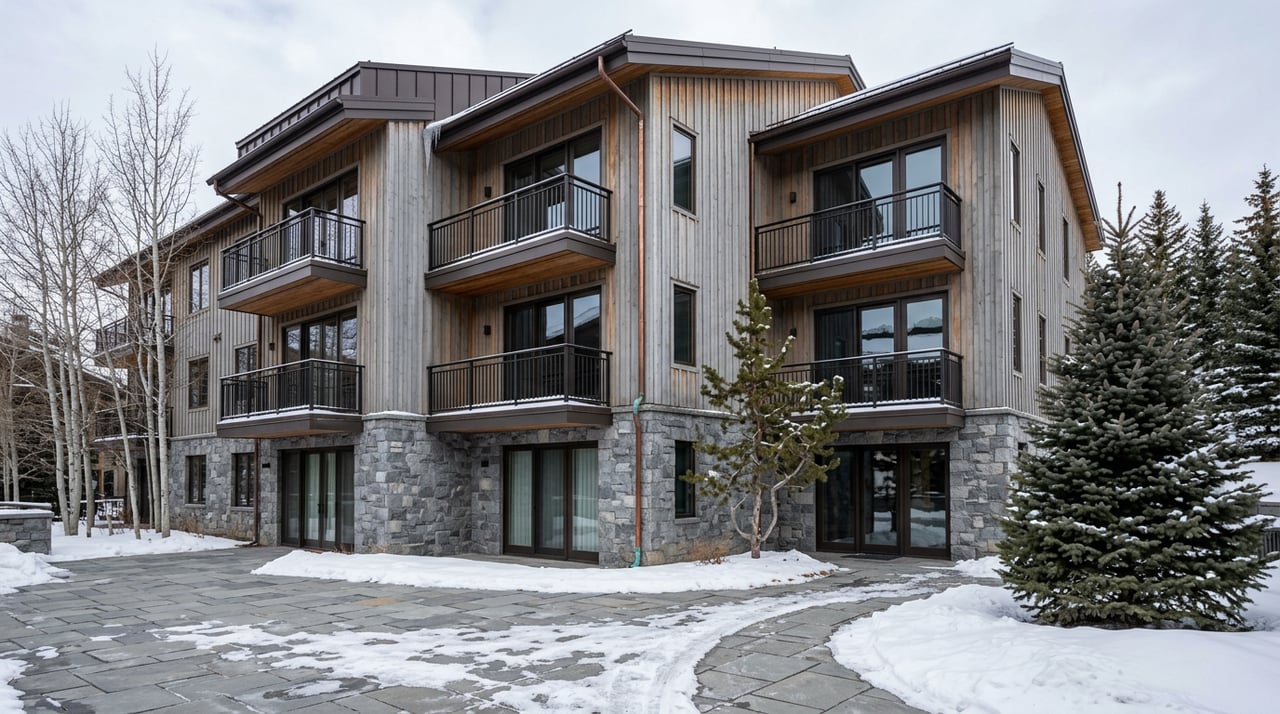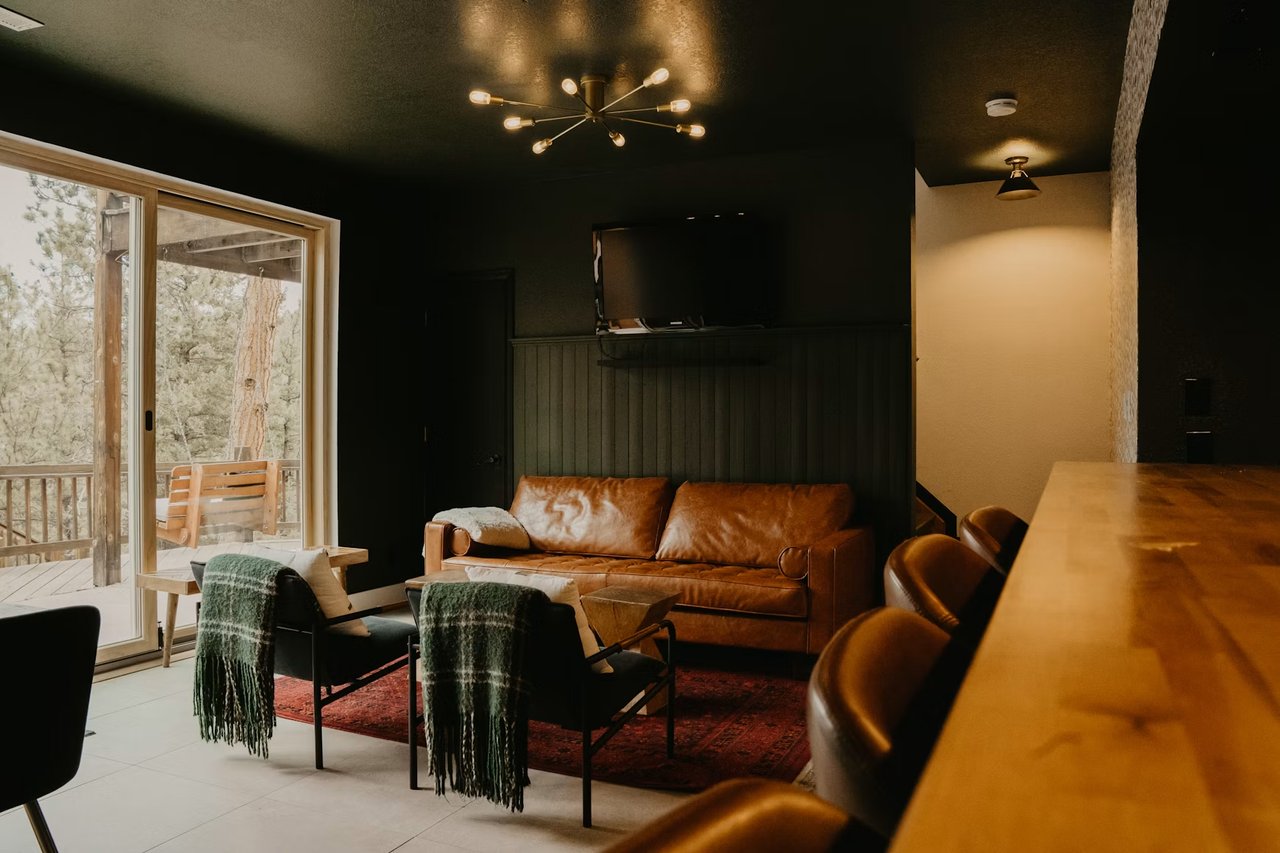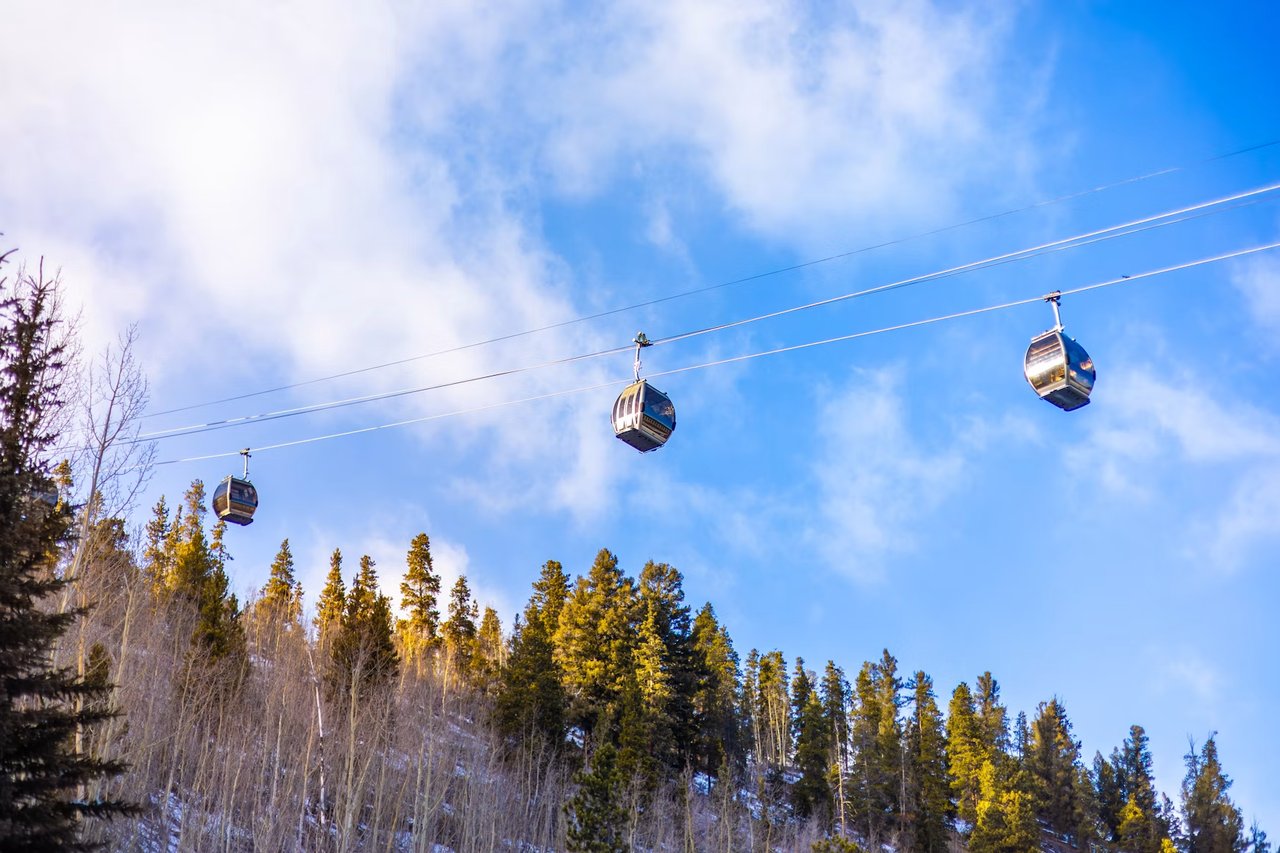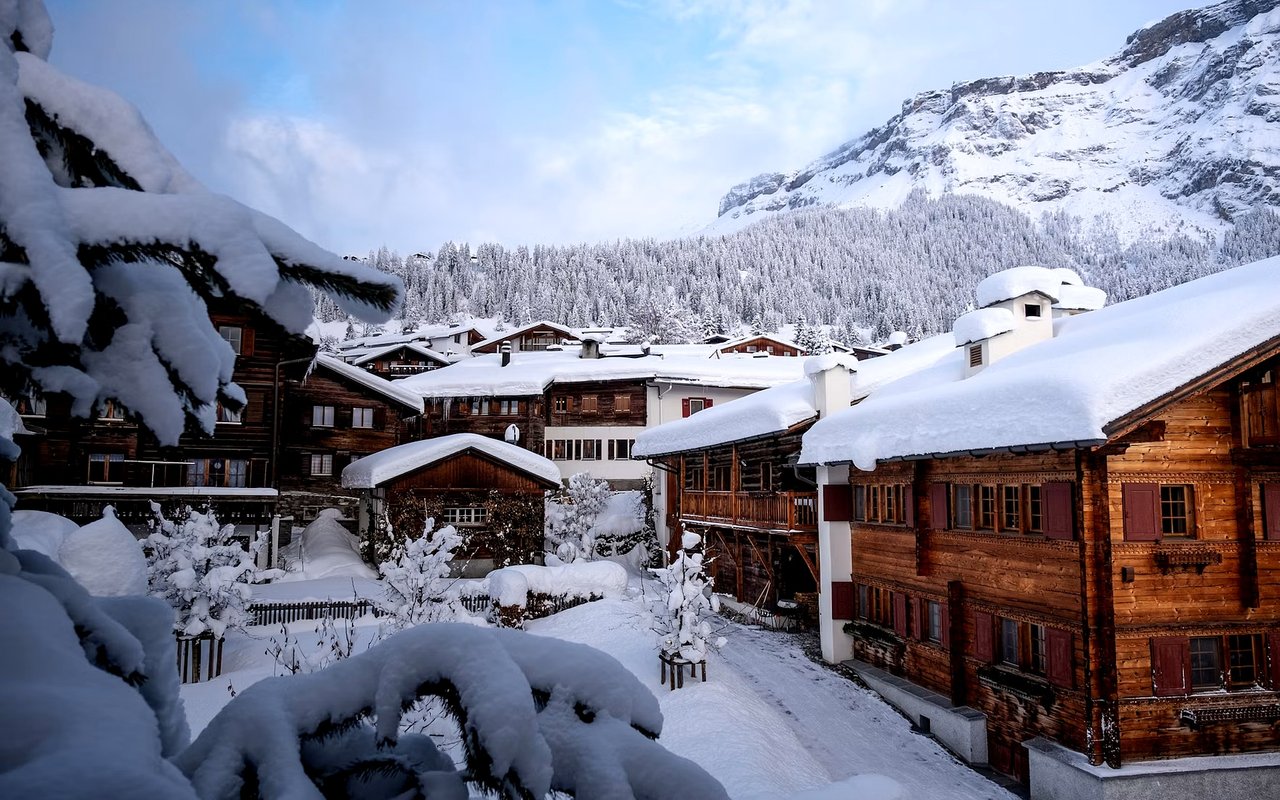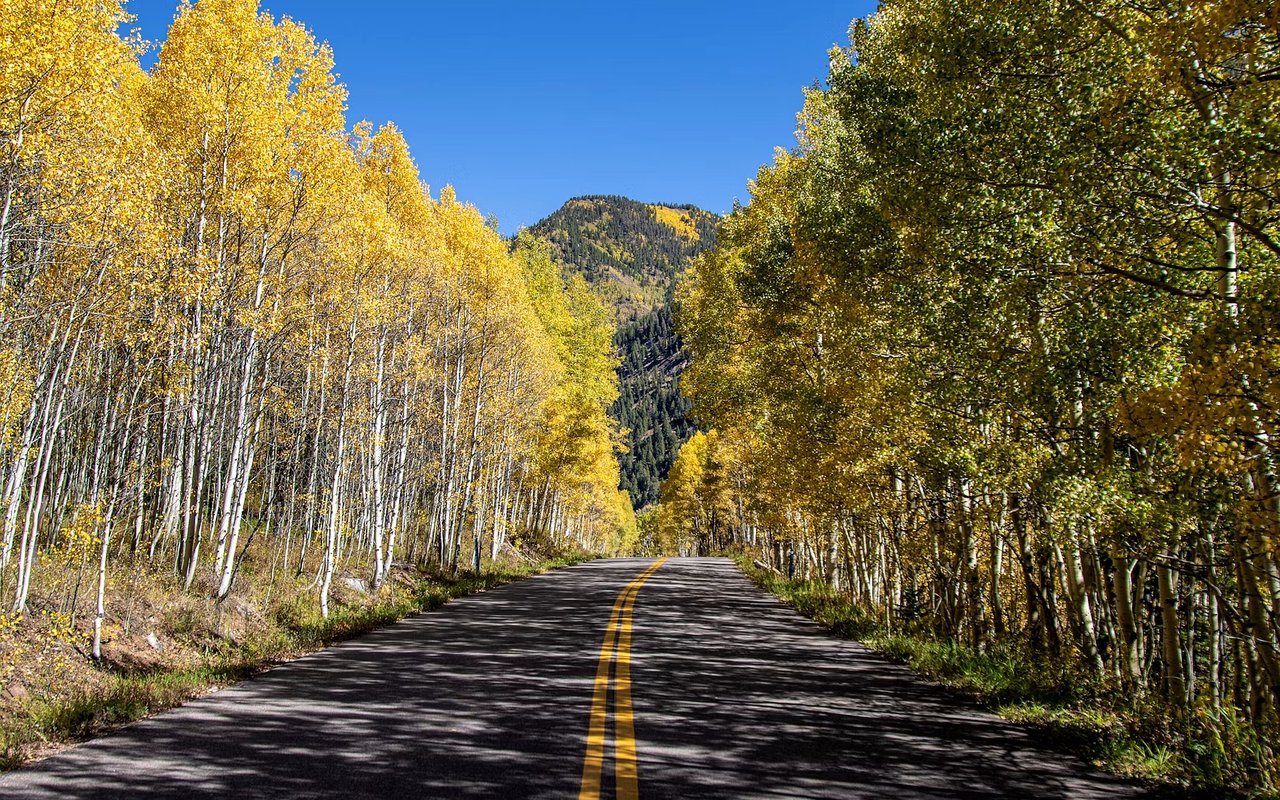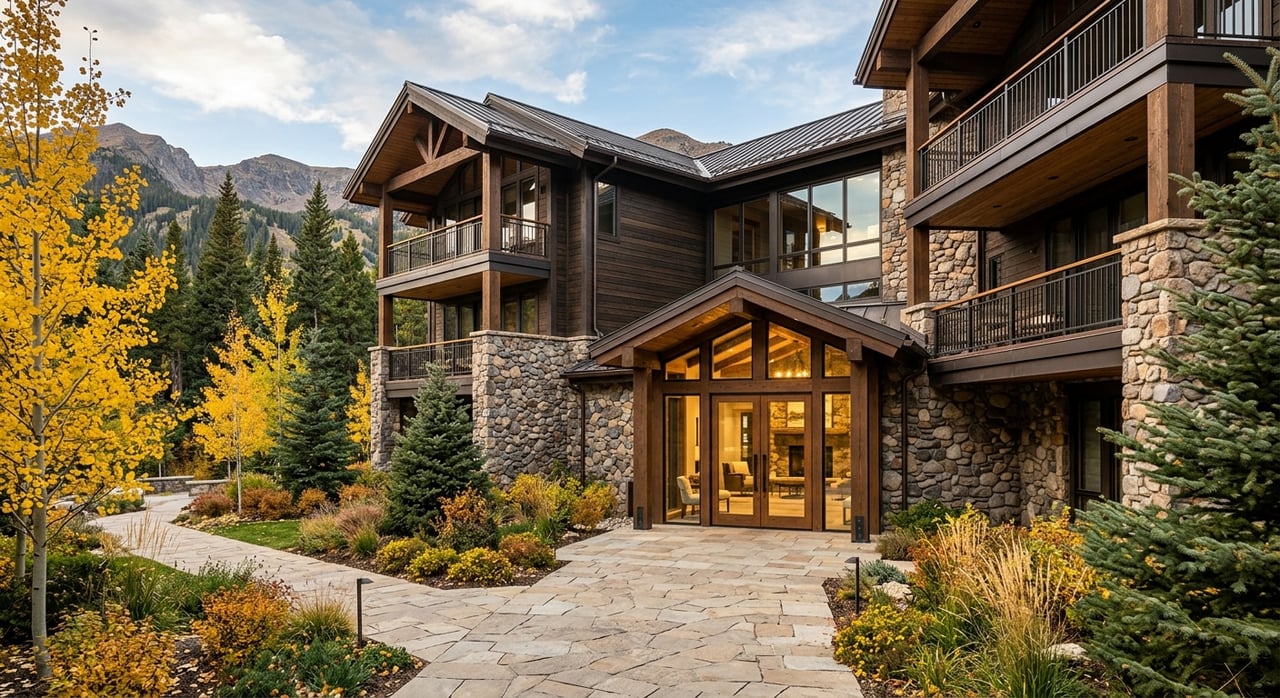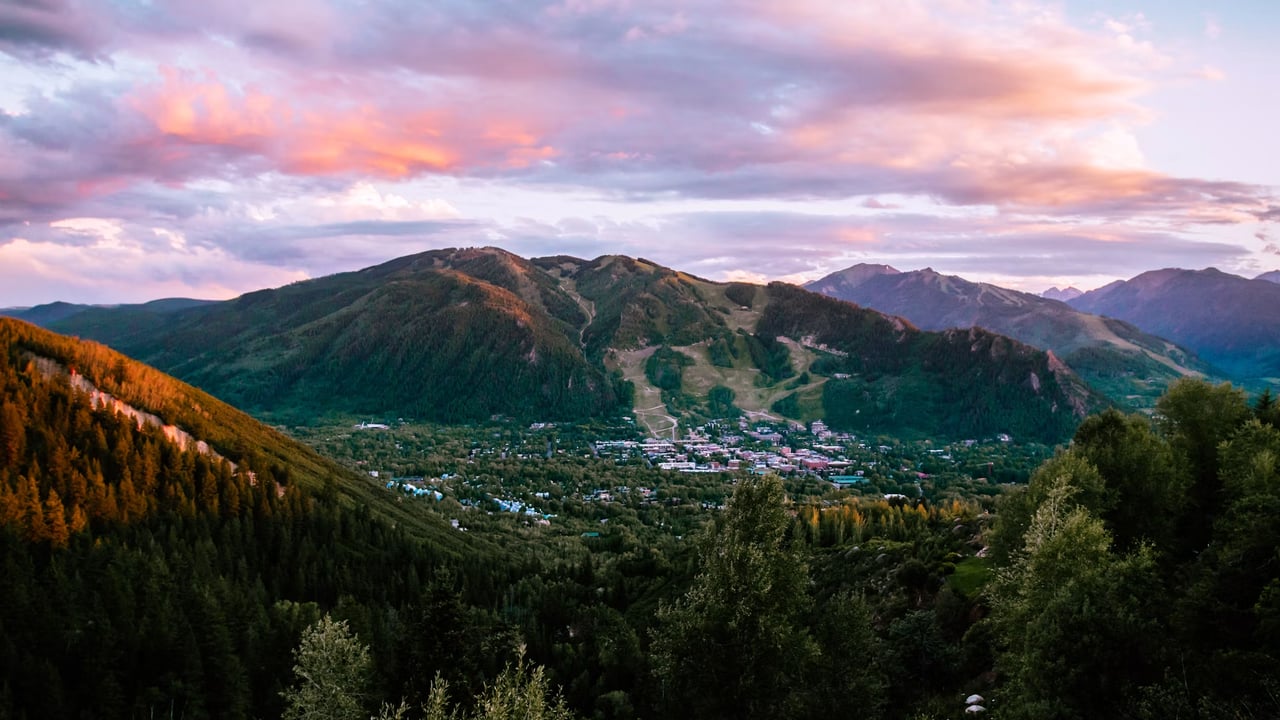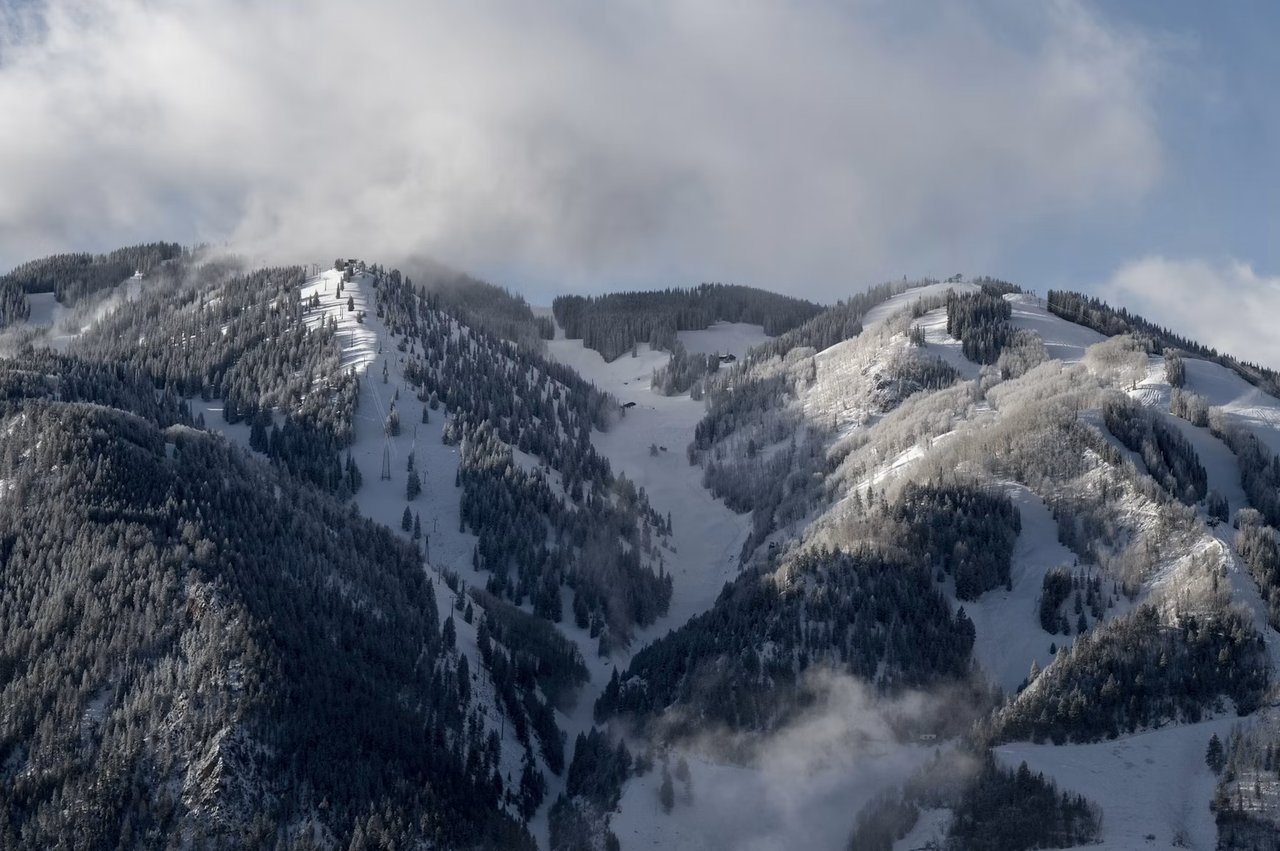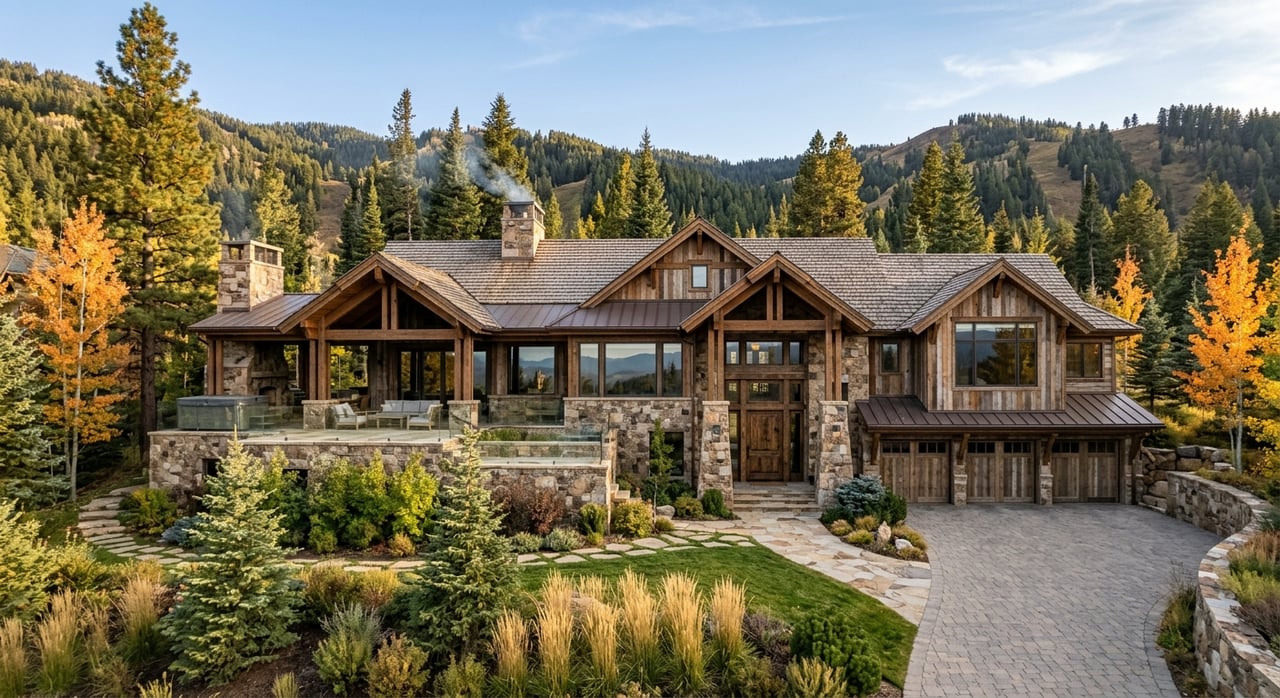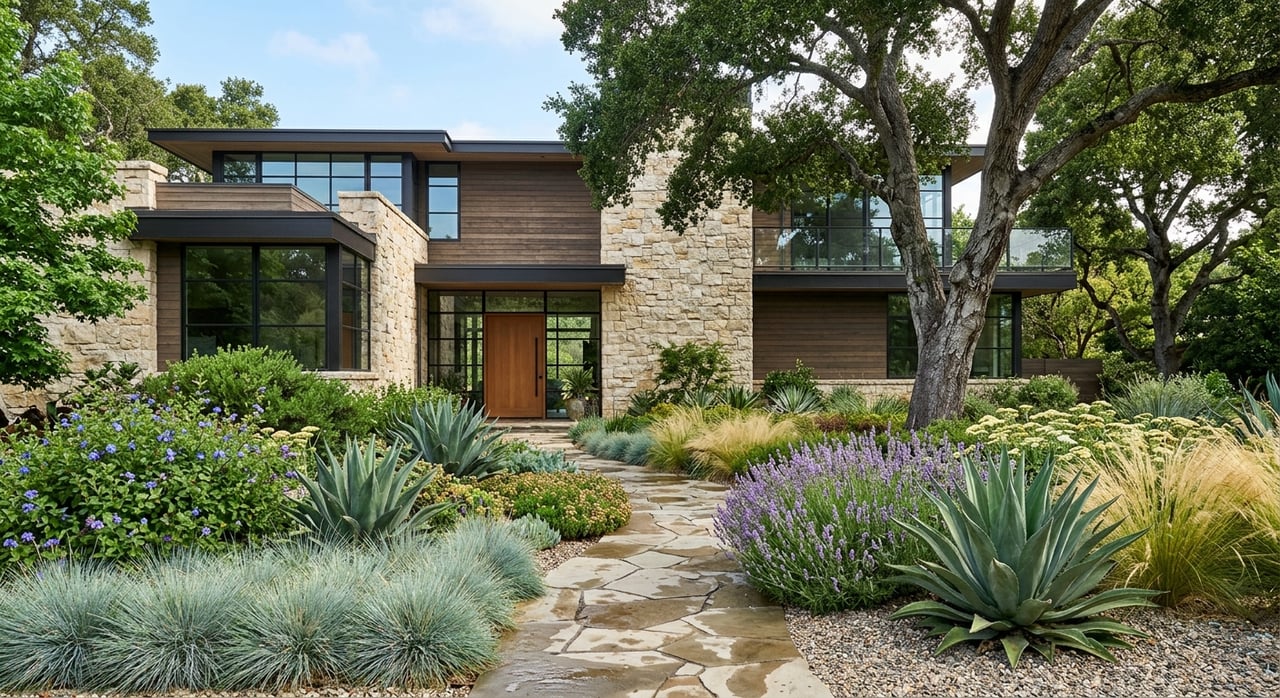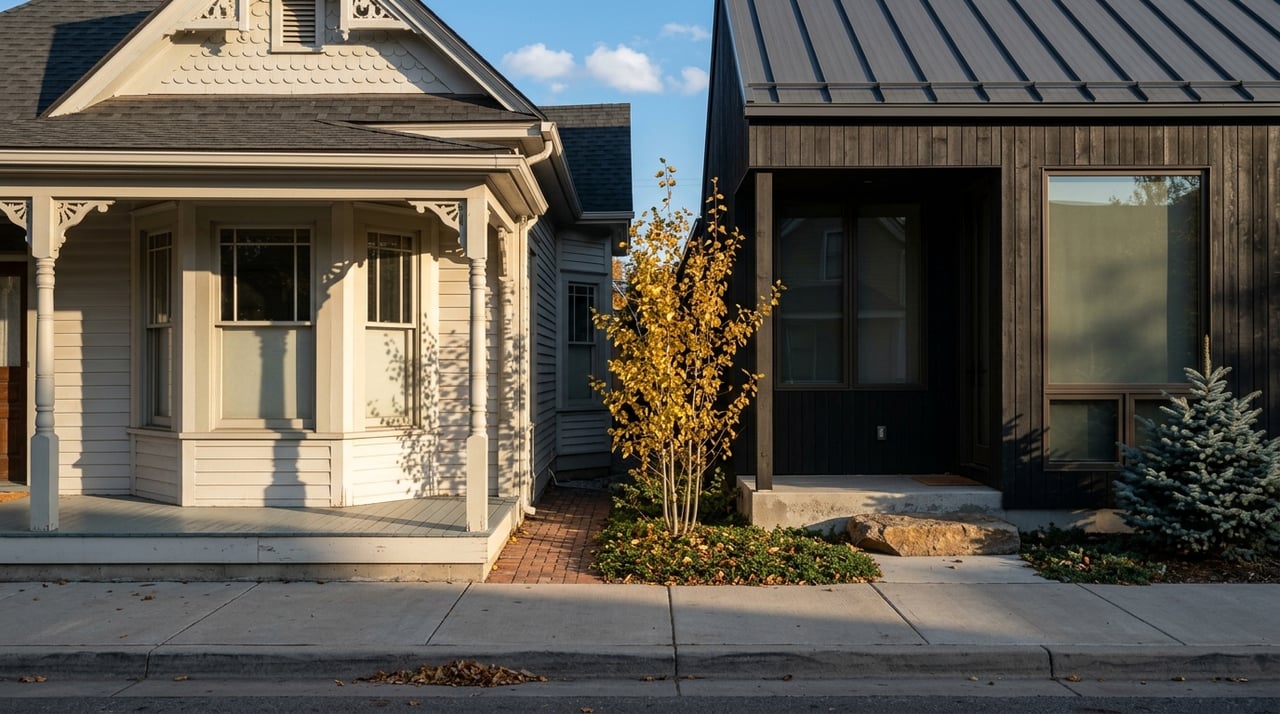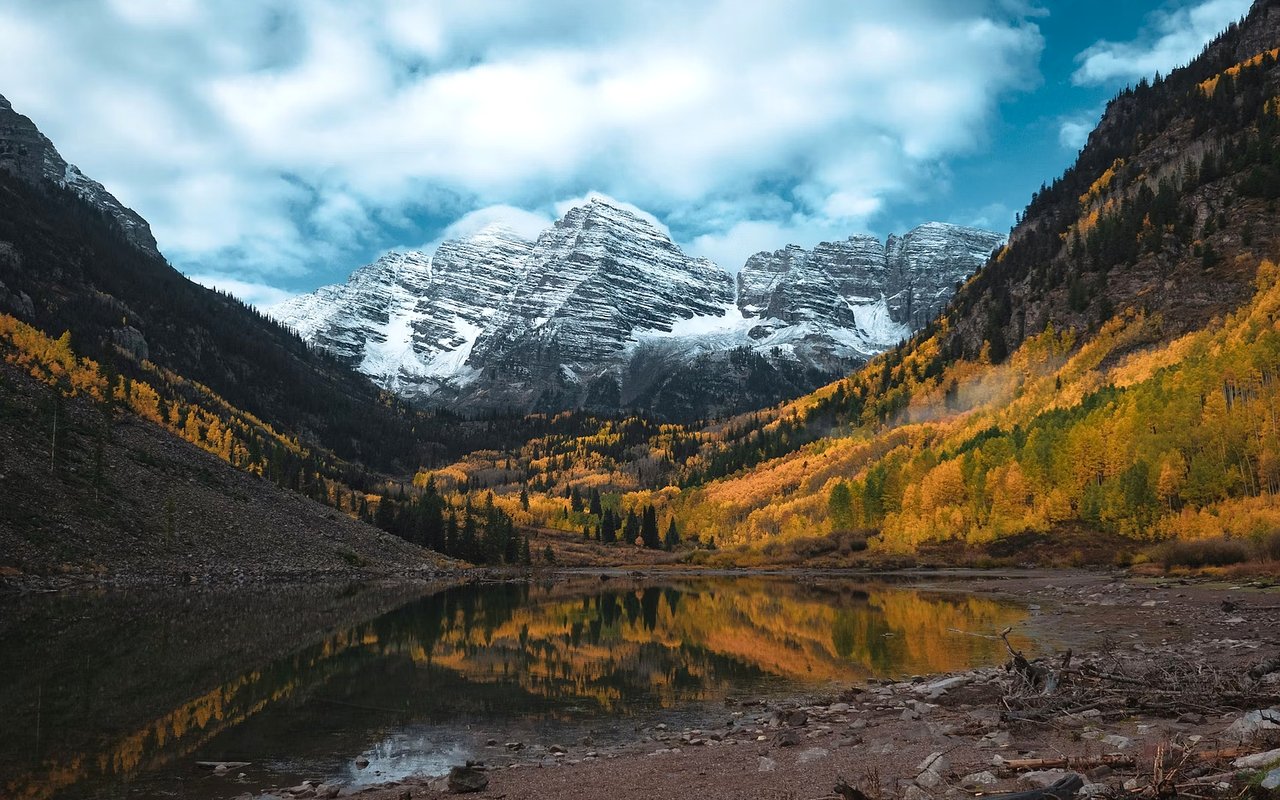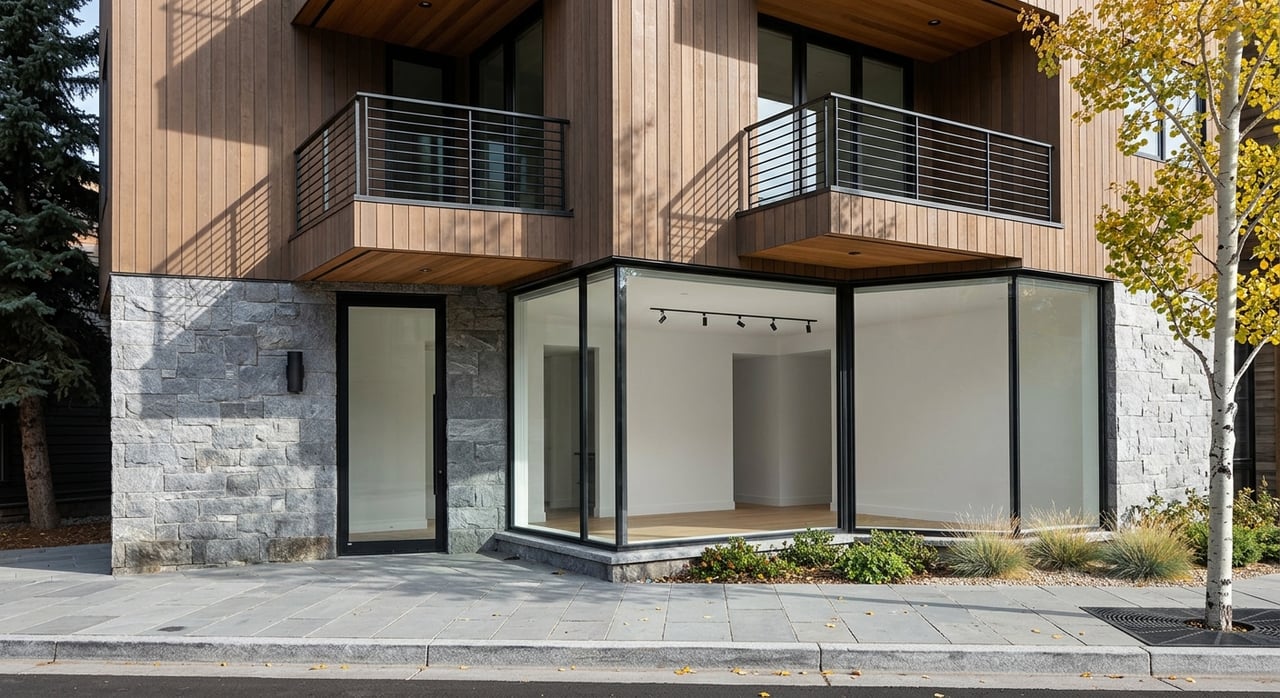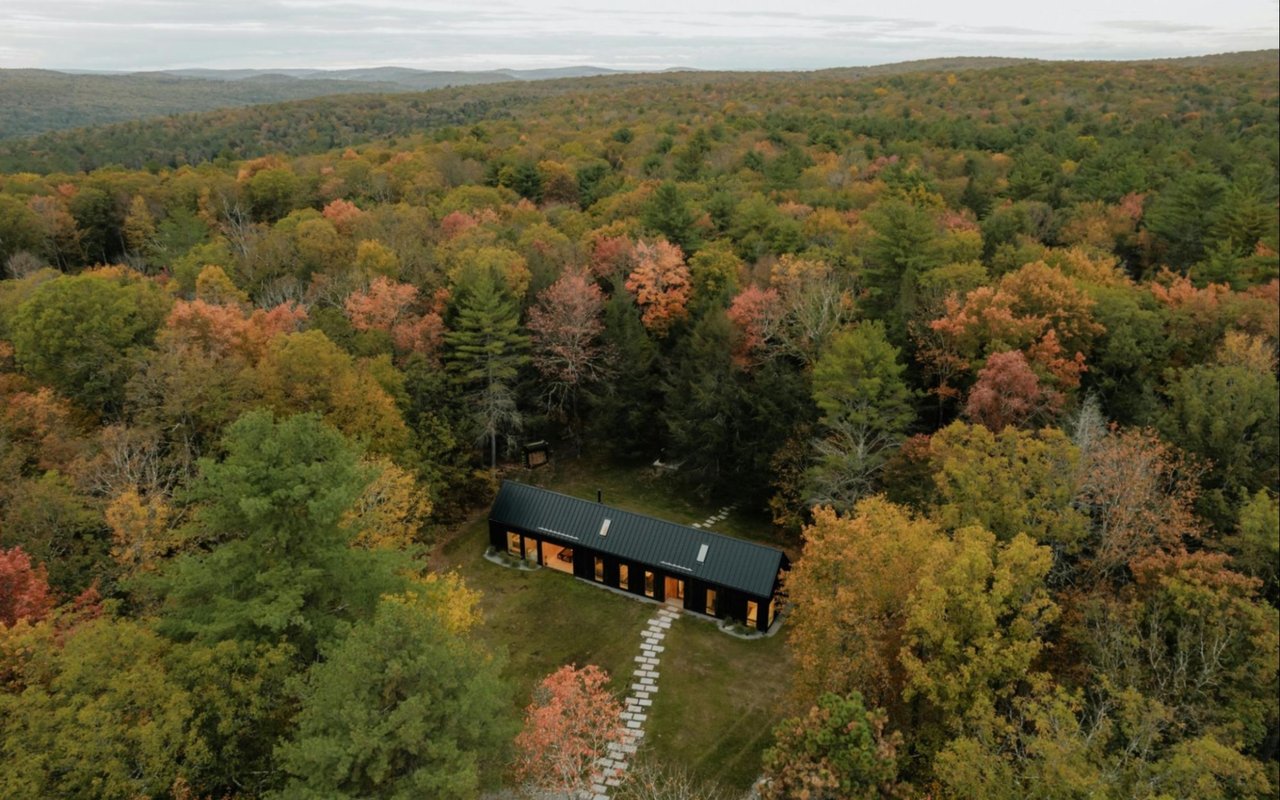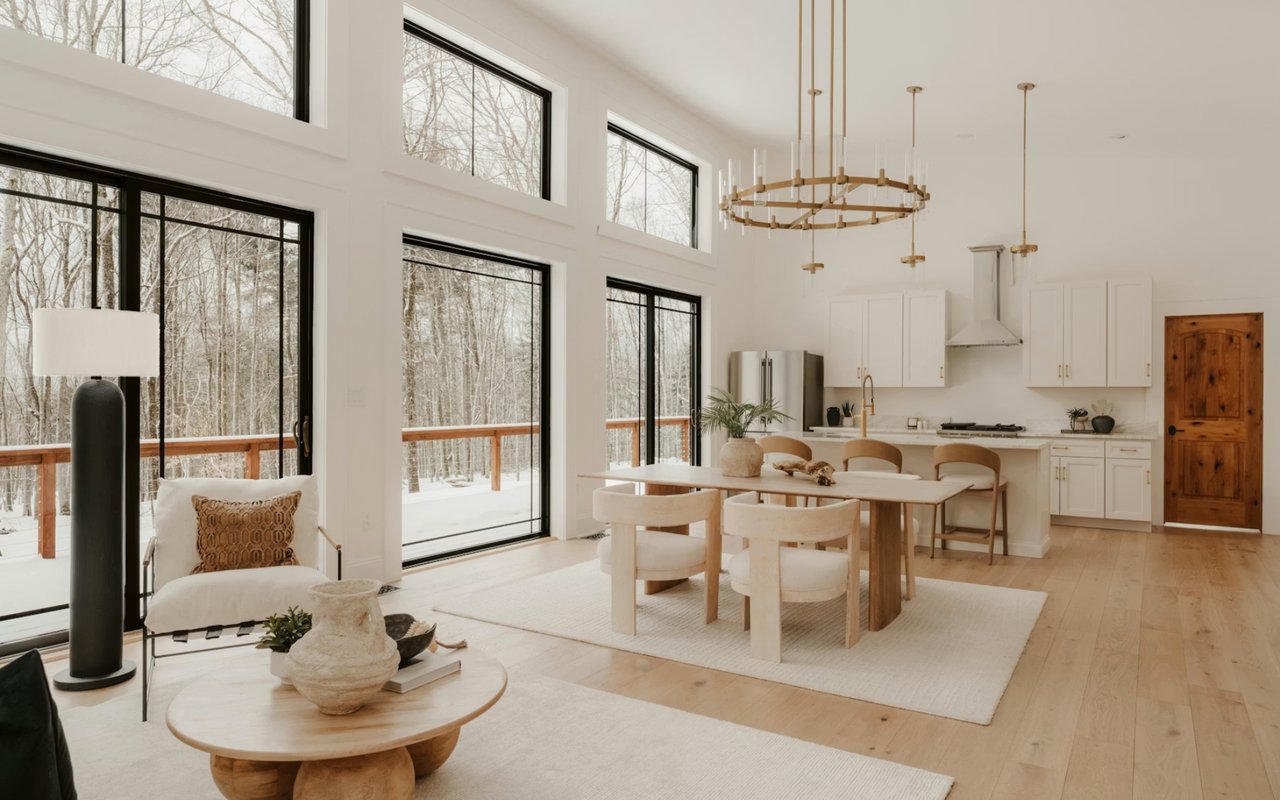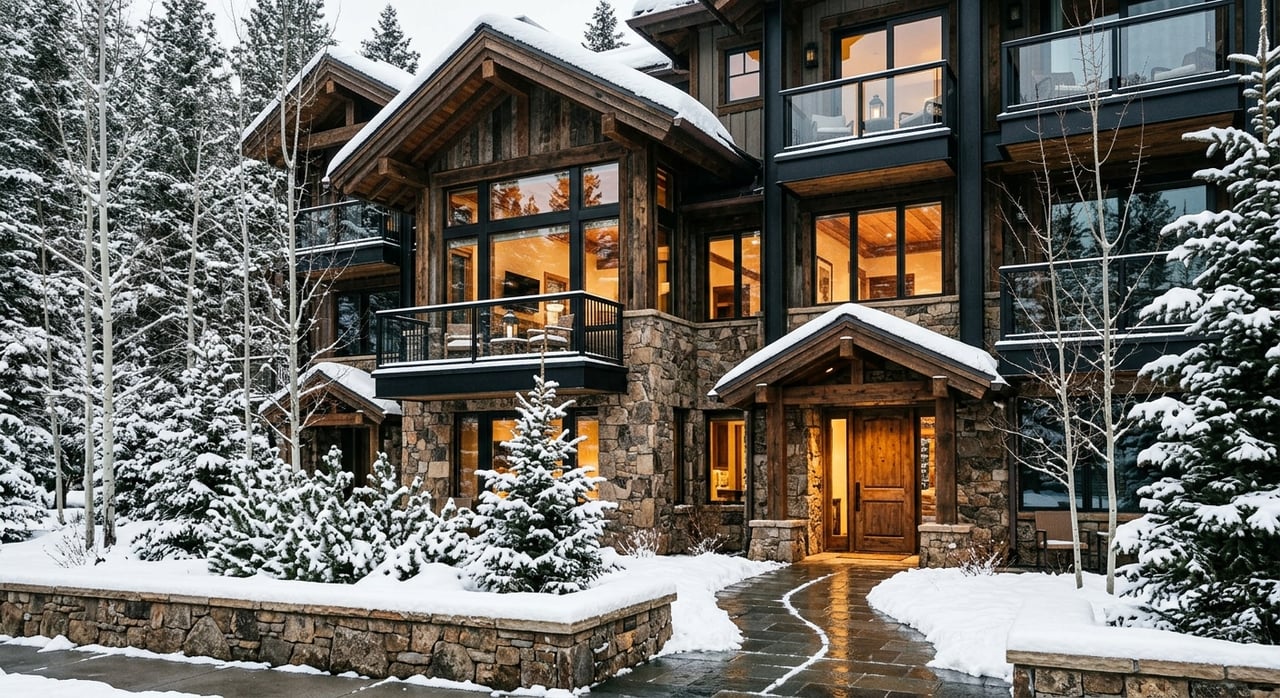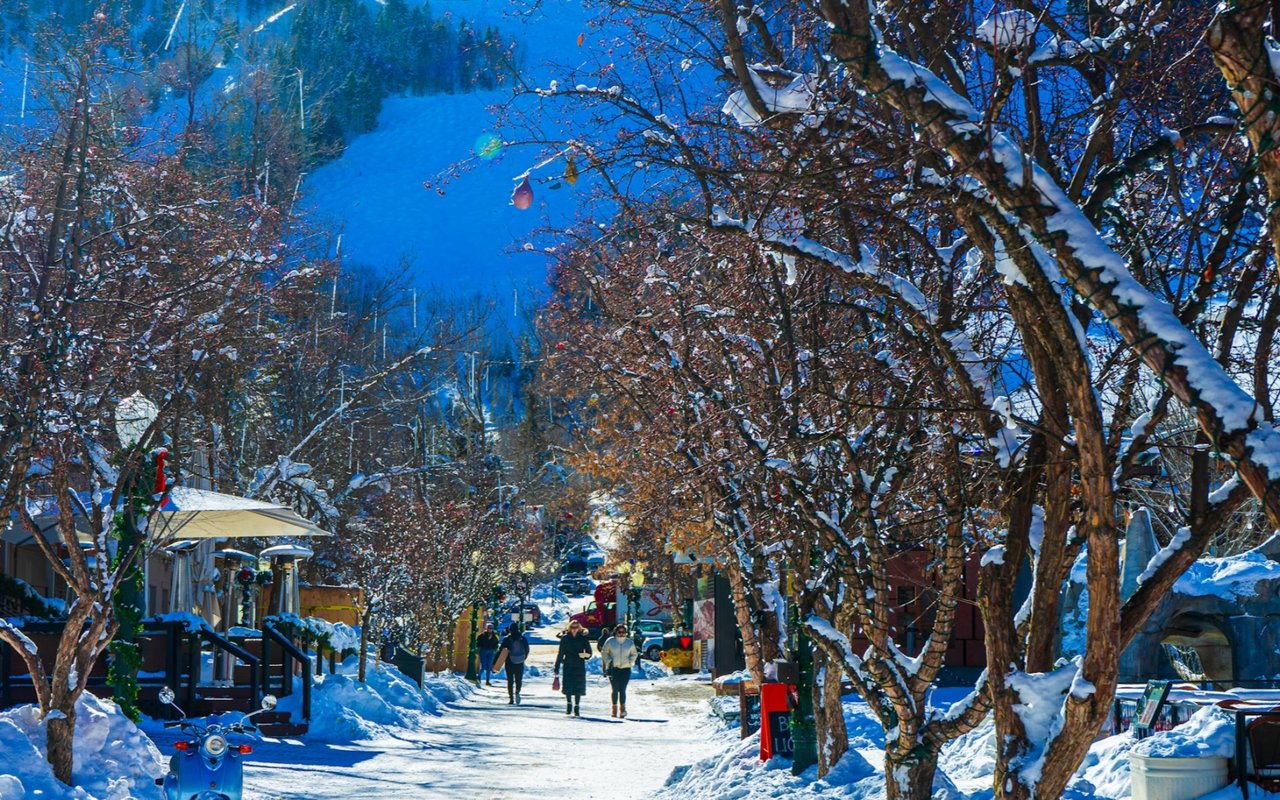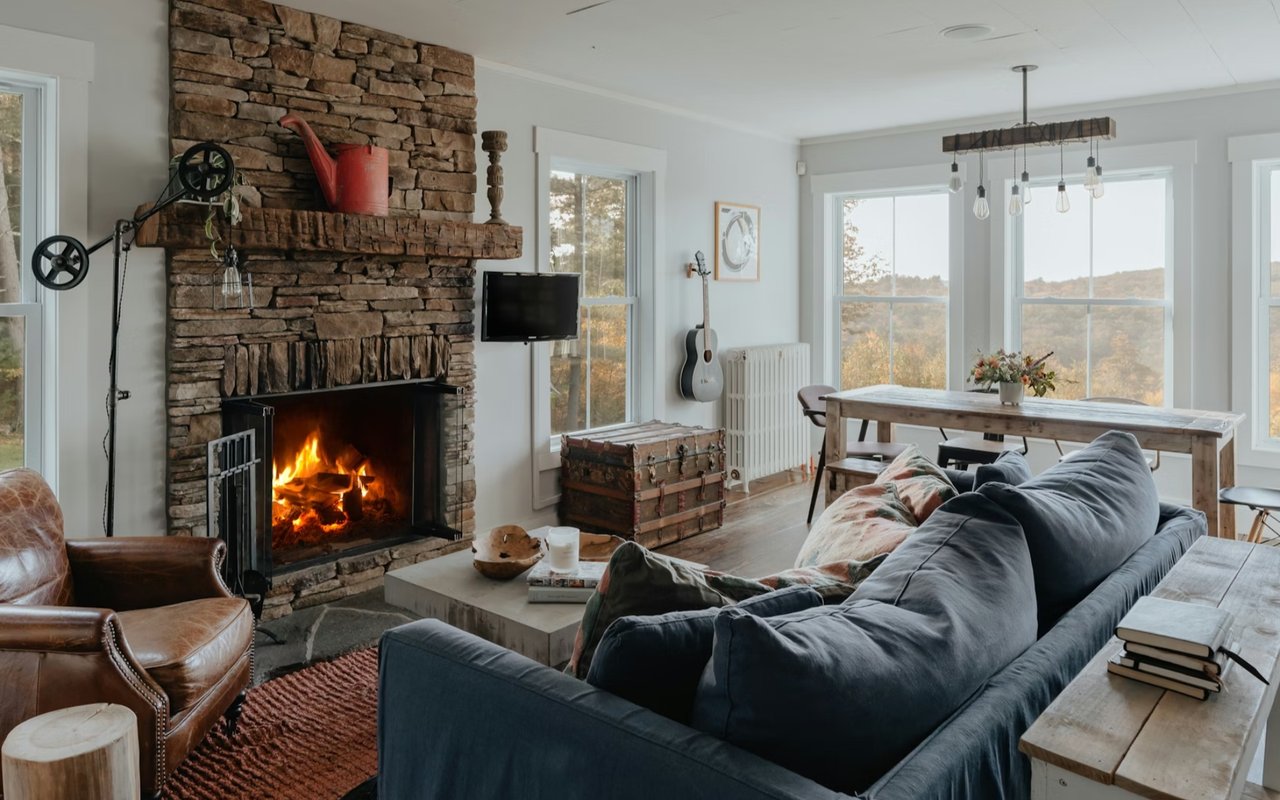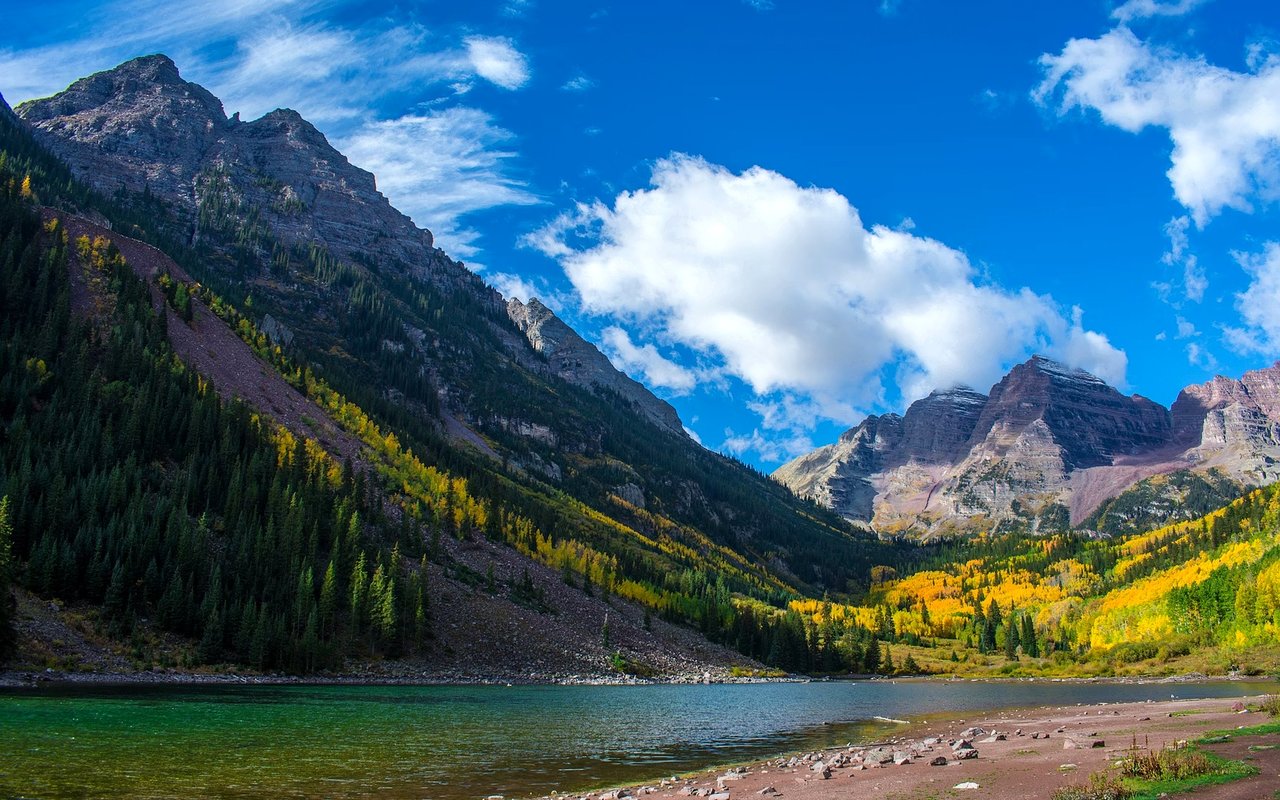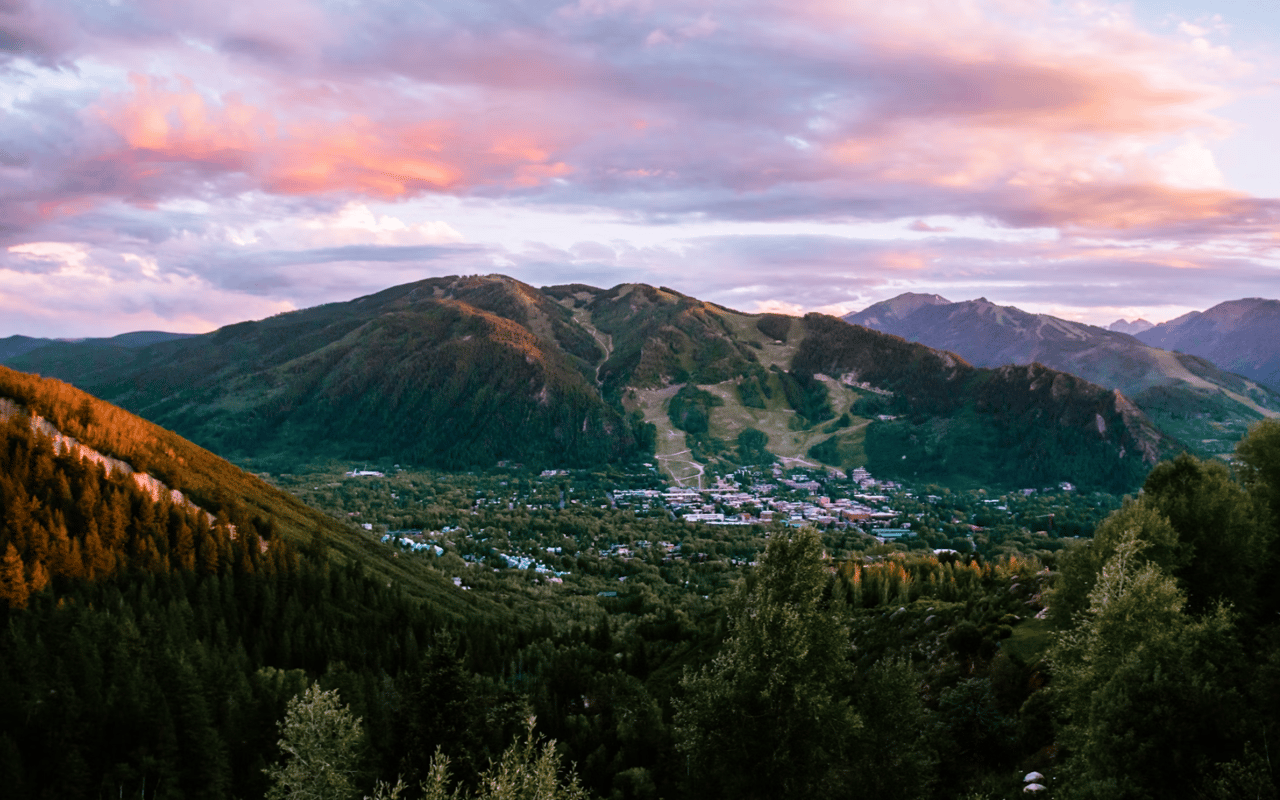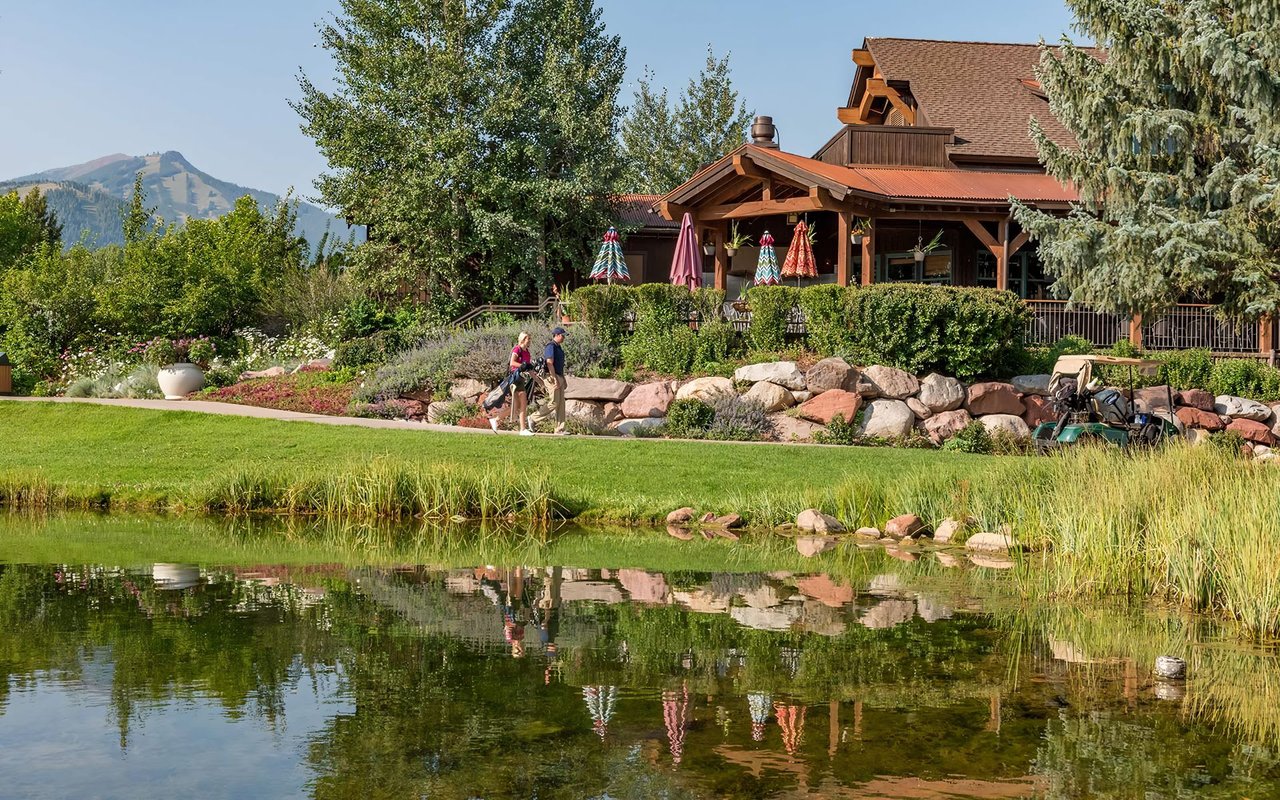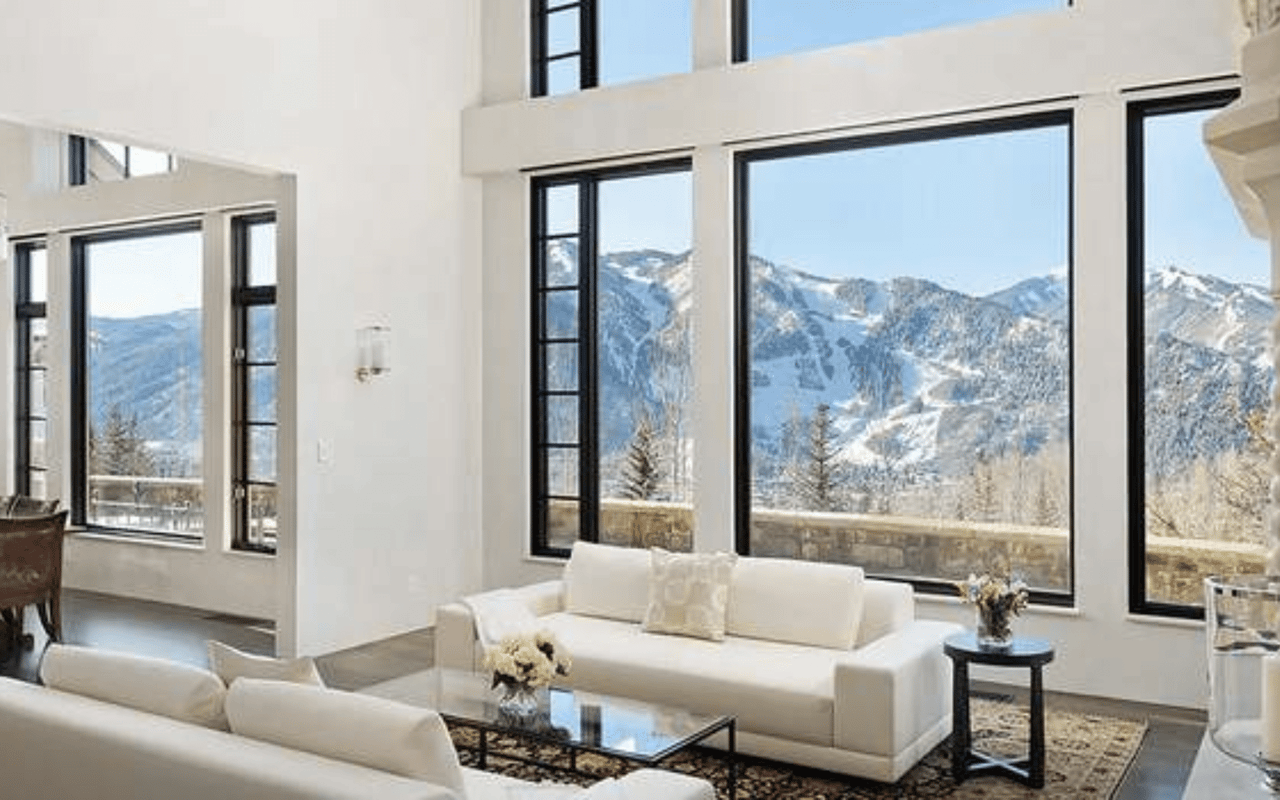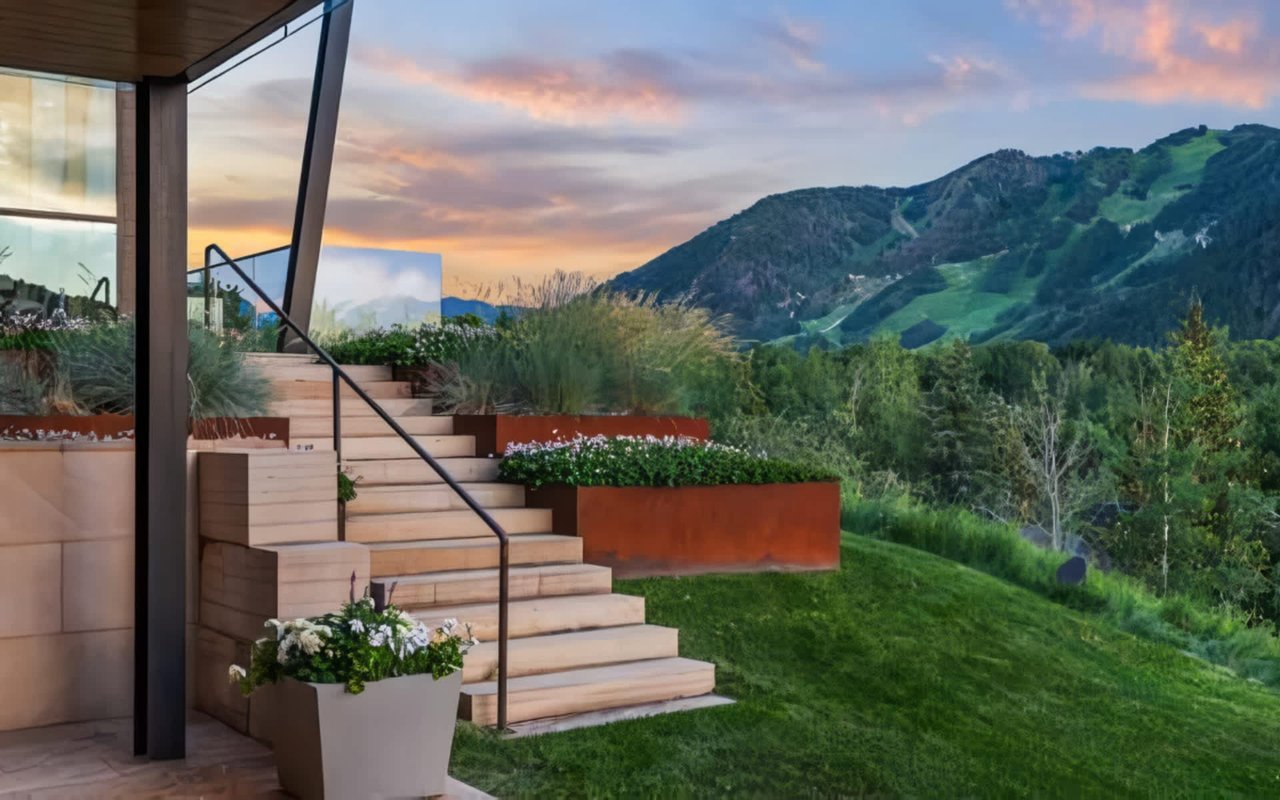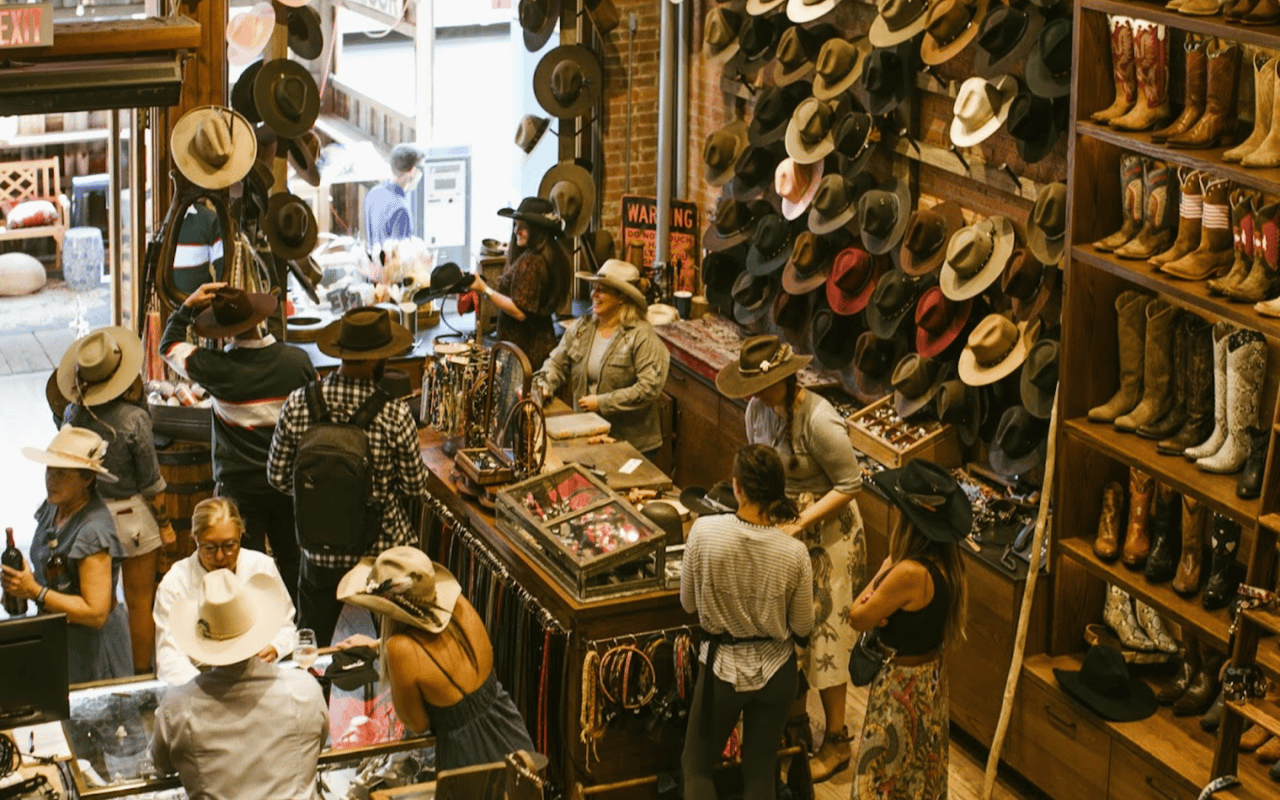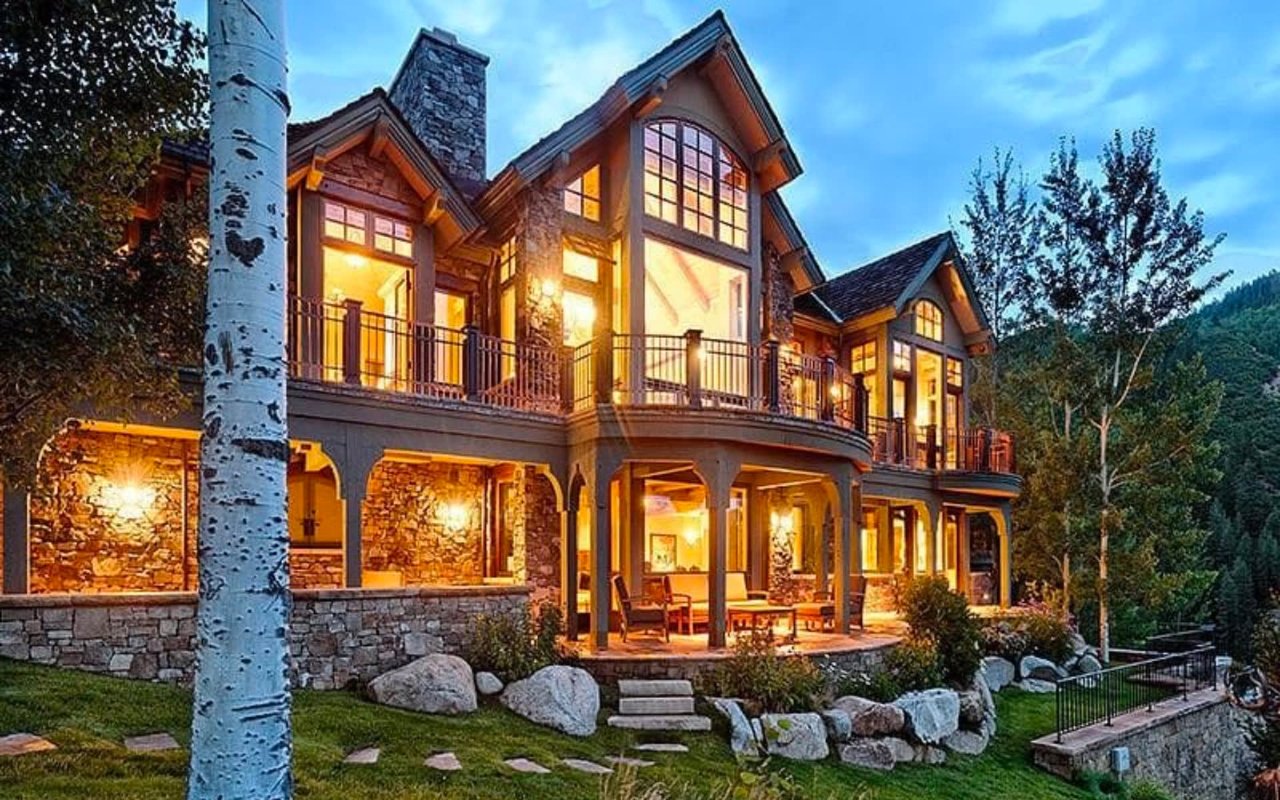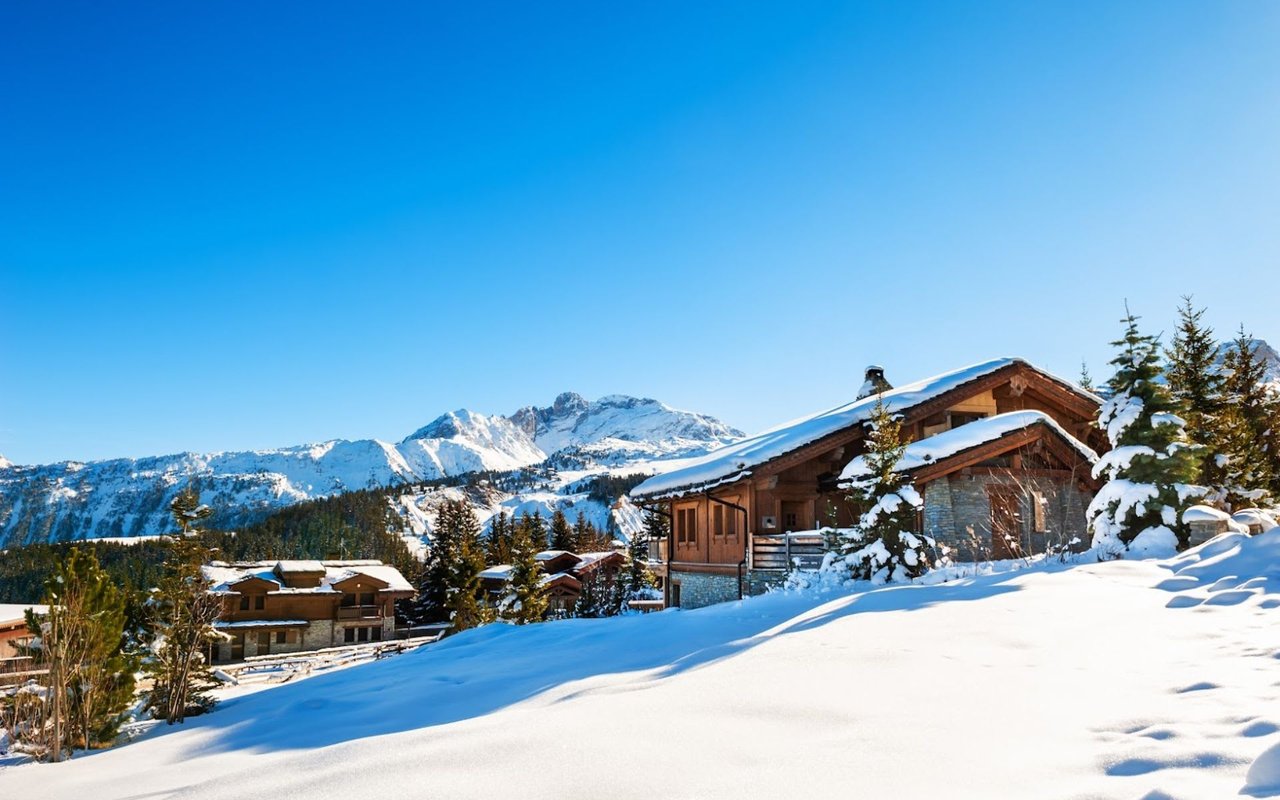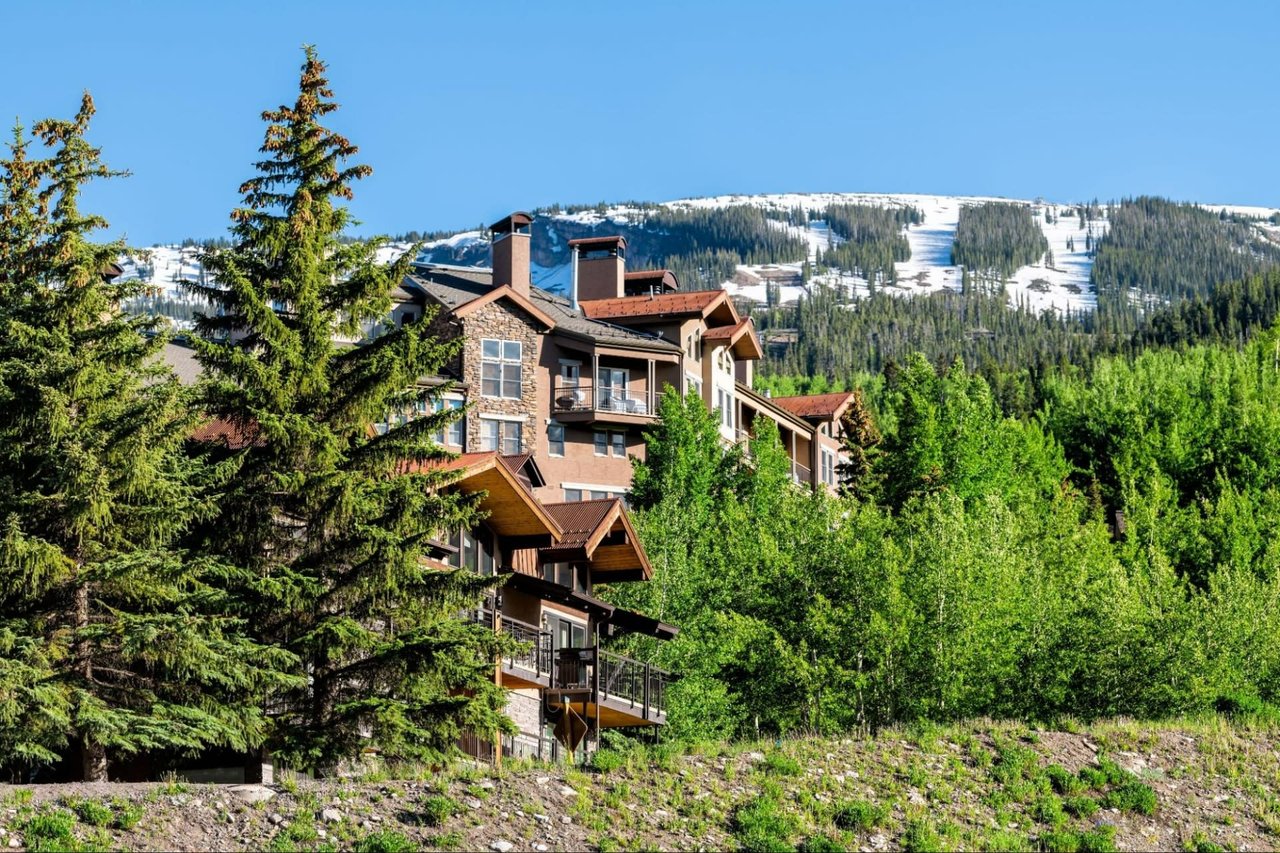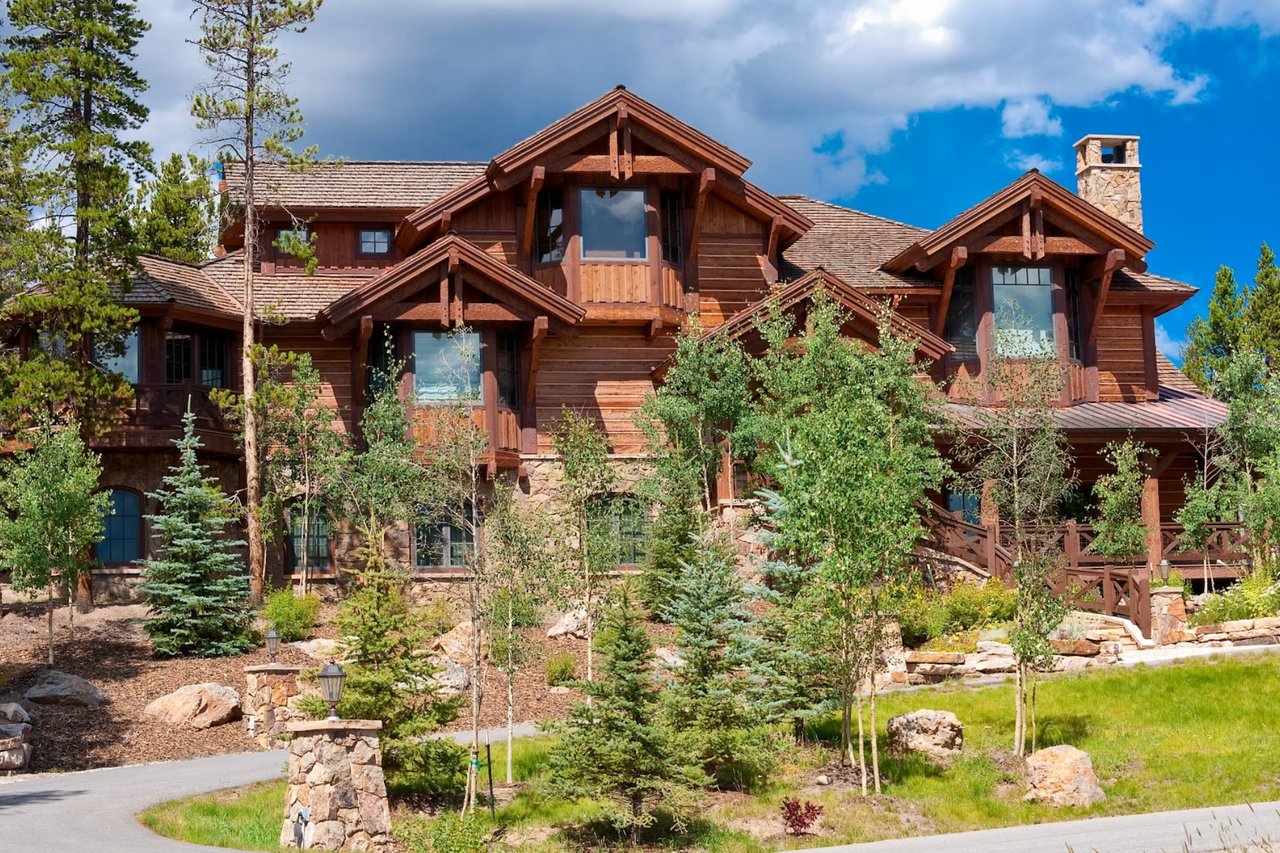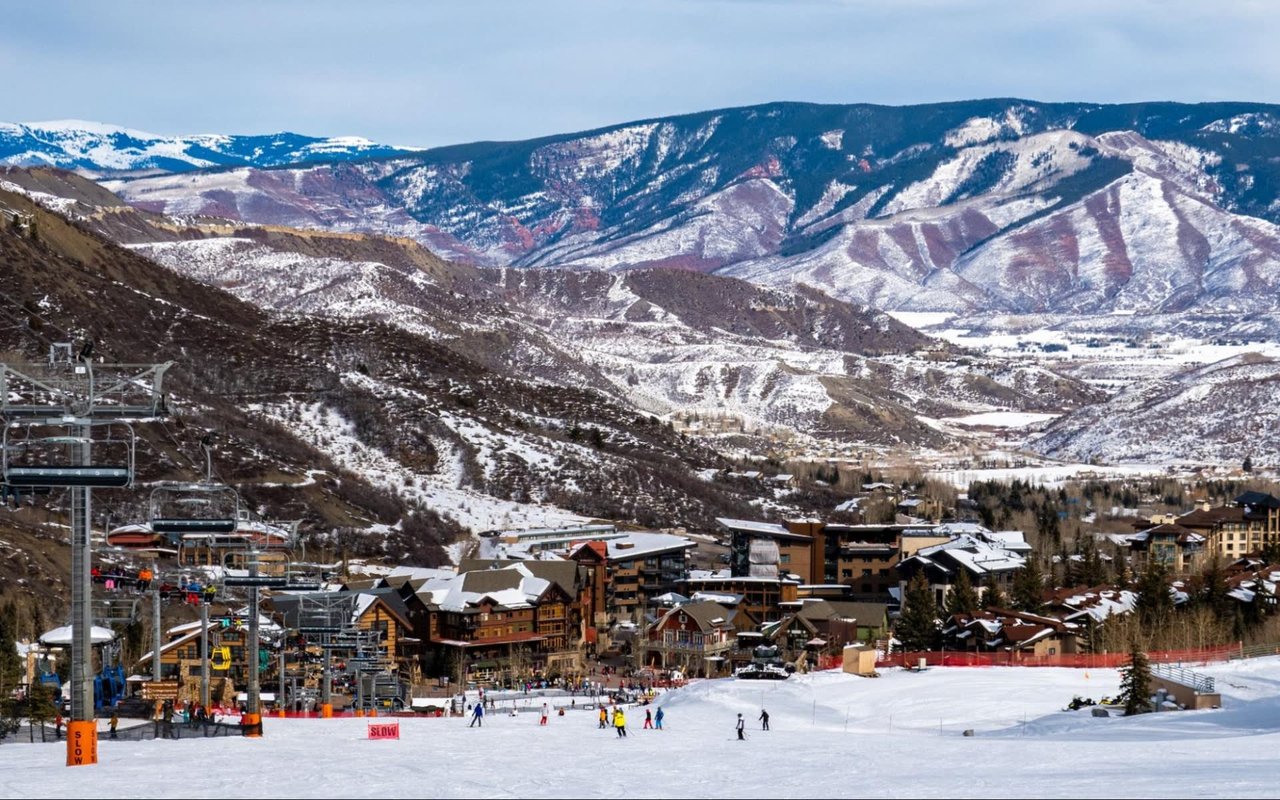
Snowmass Village is one of the most distinct mountain towns in Colorado — and one of the most misunderstood. People conflate it with Aspen, with Snowmass Ski Area, and with the unincorporated valley of Old Snowmass, when in reality it's a self-governing town of roughly 2,877 full-time residents tucked into its own box canyon nine miles from Aspen. It has its own town council, its own police force, its own real estate transfer tax, and its own personality.
This guide is for anyone seriously considering a move to Snowmass Village — whether as a primary residence, second home, or remote-work base. It covers the practical realities: what it costs, where to live, how to get around, what the weather actually does, how schools and healthcare work, and what trade-offs you should walk in expecting.
A quick orientation: who actually lives in Snowmass Village
Snowmass Village has a small but stable year-round community that is significantly outnumbered by seasonal residents and visitors during peak months. The full-time population sits at around 2,877, but during winter and summer peaks, the "effective population" of the village swells to over 10,000–12,000 thanks to hotel guests and second-home owners.
This produces one of the most lopsided primary-vs-second-home ratios in Colorado. Roughly 75% of housing units are second homes, vacation rentals, or seasonal condos, and only about 25% are primary residences. The year-round occupancy rate hovers between 25–30%. A meaningful portion of that primary-resident inventory is preserved through the Snowmass Village Housing Department, which administers deed-restricted workforce housing to keep locals living within the village.
What this means in practice: depending on your neighborhood, you may have plenty of full-time neighbors — or you may be one of three families on a street of dark windows for eight months of the year. This is worth knowing before you buy.
Snowmass vs. Aspen, in one breath
Aspen is a historic silver-mining town that became a cosmopolitan mountain city — walkable, high-energy, centered on luxury retail, top-tier dining, and nightlife. Snowmass Village is a sprawling, tiered resort town built around the slopes — quieter, family-oriented, outdoors-first, with no traditional downtown grid.
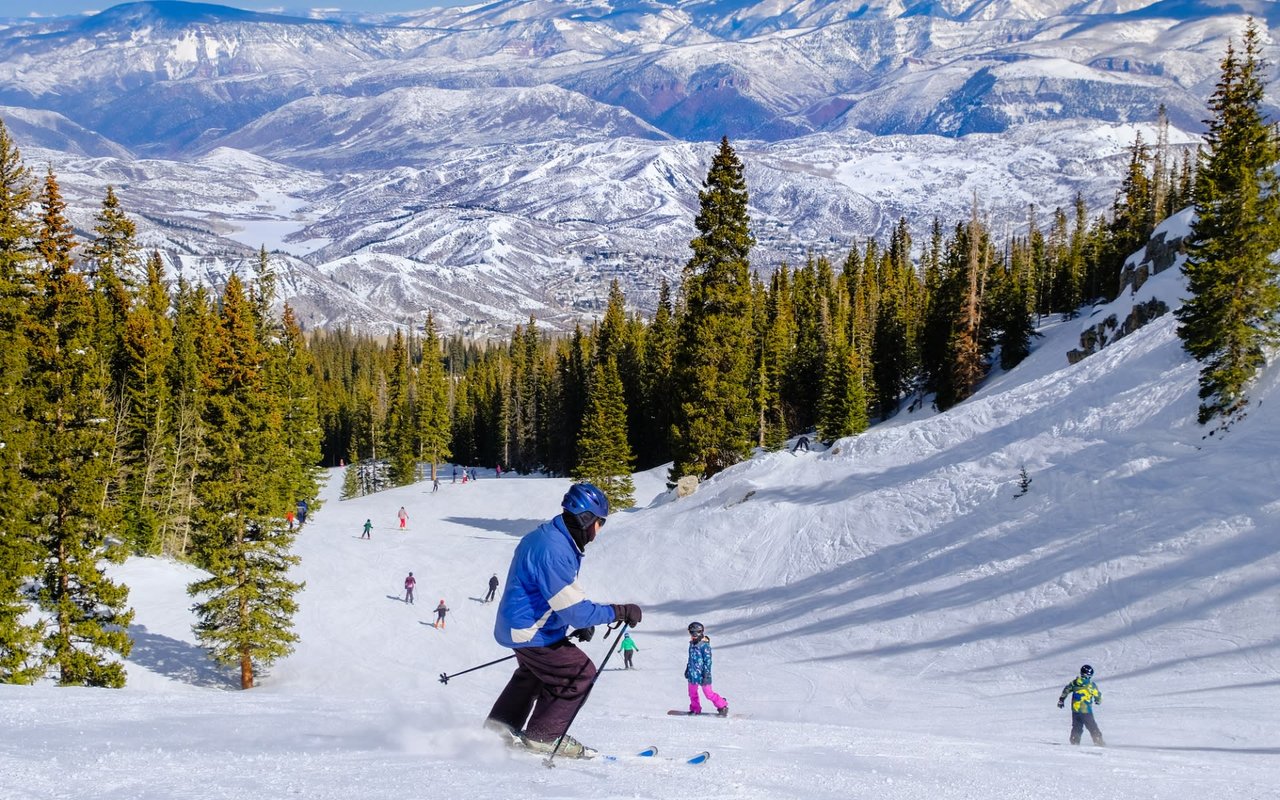
People who choose Snowmass over Aspen typically fall into a few groups: families (because roughly 95% of village lodging is ski-in/ski-out, eliminating the "gear schlep" that defines staying in downtown Aspen); intermediate skiers (Snowmass has 3,300+ acres of mostly cruising terrain, while Aspen Mountain has zero beginner runs); space-seekers (you generally get more square footage and newer construction per dollar in Snowmass than in Aspen's land-constrained West End); and summer-focused buyers (Snowmass has become the region's mountain biking hub).
Where exactly is Snowmass Village?
Snowmass is one of those names that means three different things, and that confusion sends people to the wrong place on a regular basis.
- Snowmass Village (the incorporated town, zip code 81615) is the resort community — hotels, Base Village, the Mall, ski-in/ski-out residences, neighborhoods. This is what people usually mean.
- Snowmass Ski Area is the mountain itself, managed by the Aspen Skiing Company. It sits within Snowmass Village and is one of four mountains in the Aspen Snowmass resort complex (along with Aspen Mountain, Highlands, and Buttermilk).
- Old Snowmass is an unincorporated pastoral valley 15–20 minutes down-valley toward Basalt — large ranches, rolling hills, the Snowmass Monastery. No ski access. Different world.
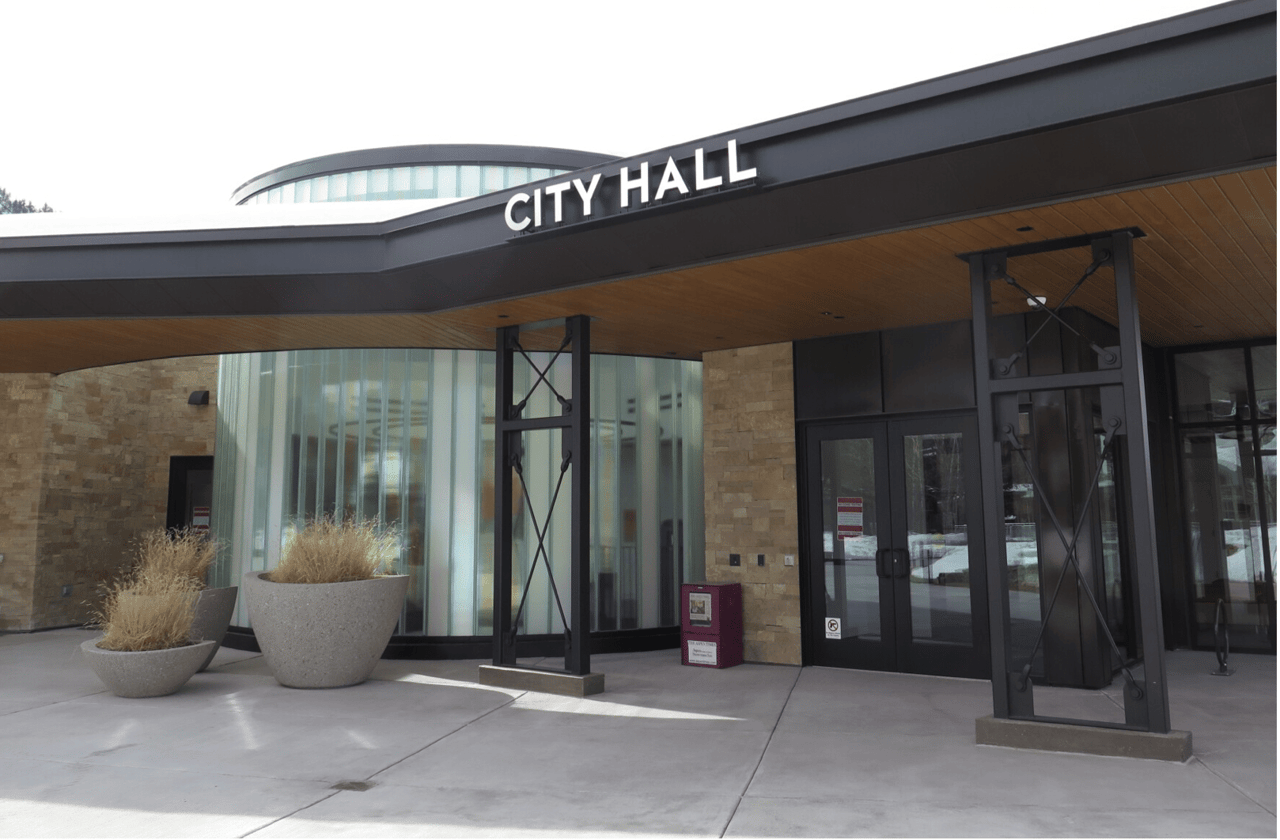
Administratively, Snowmass Village is in Pitkin County and operates as a Home Rule Municipality, meaning it has its own town government separate from the City of Aspen.
Travel and distance
| From | Distance | Approx. drive time |
|---|---|---|
| Aspen (downtown) | 9 miles | 15–20 minutes |
| Aspen/Pitkin County Airport (ASE) | 7 miles | 10–12 minutes |
| Denver (downtown) | 196 miles | 3.5–4 hours |
| Denver International Airport (DEN) | 218 miles | 4–4.5 hours |
A note on the Denver drive: those times assume good conditions. With weather or traffic on I-70 — particularly through the Eisenhower Tunnel and Glenwood Canyon — six-hour drives are not unusual.
Elevation
Snowmass is a vertical town. Elevation changes drastically depending on whether you're at the base or the top of a lift.
- Village base (Base Village/The Mall): 8,223 feet
- Highest skiable point (The Cirque): 12,510 feet
- Vertical rise: 4,406 feet — the largest of any ski resort in the United States
That altitude is not a number you can ignore. It shapes how your body feels, how your house performs, and how you live day to day. We'll come back to that.
What it actually costs to live in Snowmass Village
The honest answer is that Snowmass carries a significant "mountain premium" — but the structure of those costs is unusual. Property taxes are surprisingly modest relative to home values, while groceries, gas, and health insurance are some of the highest in the country.
Real estate market (last 12 months)
The market has shifted toward a more balanced footing in 2026, though prices remain at historic highs.
| Property type | Median sale price | Average sale price | Price per sq. ft. |
|---|---|---|---|
| Single-family home | $8,250,000 | $9,400,000+ | $2,400–$2,800 |
| Condo / townhome | $2,000,000 | $2,450,000 | $1,800–$2,300 |
Price per square foot is up roughly 12% year-over-year. Inventory has risen meaningfully — up about 30% from 2023 lows — but the lack of new developable land keeps a hard floor under values.
Property taxes, transfer tax, and utilities
Colorado has one of the lowest effective property tax rates in the country, which means a $5M home in Snowmass typically generates $18,000–$22,000 in annual property tax — substantially less than a comparable home in Texas or New Jersey. The 2026 residential assessment rates sit at roughly 6.8% (local government) and 7.05% (schools).
One cost most newcomers don't know about: Snowmass Village has a 1.0% Real Estate Transfer Tax (RETT) paid by the buyer at closing. This funds the town's housing and transit programs and is one of the reasons local services are as good as they are.
Typical monthly utilities for a single-family home:
- Electric and gas: $250–$600+, with winter heating in larger homes easily pushing higher. The town recently transitioned to Time of Use (TOU) electricity rates, making peak hours (5 PM–9 PM) noticeably more expensive.
- Water and sewer: $80–$150.
If you're planning to rent your home short-term, factor in strict STR licensing requirements and a combined tax rate of roughly 12.8% on rentals.
The "mountain tax" on everyday life
Cost of living in Snowmass Village indexes at roughly 134 (where 100 is the U.S. average), but that number is heavily skewed by housing. The real day-to-day pain is in groceries and services.
- Groceries: Expect to pay 25–40% above the national average. Clark's Market — the only grocery store inside the village — frequently prices a gallon of organic milk at $7.50–$9.00 against a $4.50 national average. Most residents adopt a tiered shopping strategy and drive down-valley to Whole Foods or City Market in Basalt for major hauls.
- Gas: Currently $5.15–$5.50 per gallon in the village, around a dollar above Colorado's state average of $4.44.
- Health insurance: Pitkin County sits in "Rating Area 11," which has long carried some of the highest individual market premiums in the U.S. A silver-tier family-of-four plan can exceed $2,800/month in premium alone, and many local providers are out-of-network for lower-tier exchange plans. Most residents either piggyback on an employer plan, use a Colorado Option plan, or build a "mountain-specific" insurance strategy with a local broker. This is worth pricing out before you move, not after.
A couple of practical notes most newcomers learn the hard way: the mineral content in mountain water is high enough that most single-family homes need professional-grade softening and filtration systems, and snow management is its own line item — either through a service or your own equipment.
The neighborhoods of Snowmass Village
This is where having a local advisor matters most. Snowmass Village has a dozen distinct neighborhoods, each with its own character, ski access, price band, and HOA structure. Most fall under the Snowmass Homeowners Association, but sub-associations often layer on their own rules.
The core ski-in/ski-out neighborhoods
These are the blue-chip areas where proximity to the slopes drives value.
Two Creeks. The east side of Snowmass — quiet, refined, almost a private enclave. Homes are generally newer and larger than in older parts of the village. Premier ski-in/ski-out via the Two Creeks lift. Single-family homes typically run $10M–$20M+. Best suited to buyers who want peace, privacy, and direct mountain access without the bustle of the main village.
The Divide. High-elevation, with major views and trophy estates. Largely ski-in/ski-out via the Dawdler or Slot runs. Lots run from 1.0–2.0+ acres. Pricing typically $12M–$25M+. This is where ultra-high-net-worth buyers go for prestige and architectural statement homes.
Wood Run. One of the original luxury neighborhoods, with a classic mountain-chalet feel, mature evergreens, and winding roads. Exceptional ski-in/ski-out — many homes sit directly on the Coffee Pot or Adams' Avenue runs. $6M–$15M for single-family; lower for older condos and townhomes. A favorite for multigenerational families who want the "classic" Snowmass experience.
The Pines. Heavily wooded and private, just above Two Creeks. Excellent ski-in/ski-out via the Alpine Springs lift area. Typically $10M–$18M. The pick for buyers who want Two Creeks-level luxury with more tree-house privacy.
Community and lifestyle neighborhoods
These tend to attract full-time residents and buyers who prioritize amenities — golf, social clubs, sun — over direct slope access.
Horse Ranch. Sunny, south-facing, more pastoral. Larger lots (0.75+ acres) and a genuinely active full-time community. Shuttle-dependent for skiing, but the views of the mountain from here are arguably the best in the village. $5M–$9M. The pick for families who want sun, yards for kids and dogs, and a real neighborhood feel.
Snowmass Club / Country Club area. Built around the Jim Engh-designed golf course. A mix of single-family homes along Fairway Drive, plus townhomes and villas. Shuttle-dependent for skiing. $2M (condos) to $8M+ (homes). Suited to golfers, tennis players, and buyers who want a club lifestyle with year-round amenities.
Ridge Run. A large, varied neighborhood spanning the hillside. Upper Ridge Run has better ski access; lower Ridge Run is closer to village amenities. Mix of ski-in/ski-out and short walks to the lifts. $5M–$12M. Good for buyers looking for variety in home styles and a slightly better value point than The Divide.
Melton Ranch. A local favorite that tourists tend to overlook. Sunny, with some of the best unobstructed views of Hanging Valley. Shuttle-dependent. $4M–$8M. Tends to attract primary residents and long-term investors who value stability and great light.
The modern core
Base Village. High-density, ultra-modern, and engineered for convenience. Luxury condos with lock-and-leave operability, rooftop pools, and immediate access to dining. The most frictionless ski access in the entire valley — out the door, onto the lift. $2M (1-bedroom) to $10M+ (penthouses). This is where younger buyers, urbanites, and "100% friction-less vacation" buyers gravitate.
Quick reference
| Neighborhood | Vibe | Ski access | Avg. lot size |
|---|---|---|---|
| Two Creeks | Quiet luxury | Ski-in/ski-out | 0.5–1.0 acre |
| Horse Ranch | Sunny/family | Shuttle | 0.7–1.2 acres |
| Base Village | Modern/bustling | Walk-to-lift | N/A (condo) |
| The Divide | Elite/private | Ski-in/ski-out | 1.0–2.0+ acres |
| Melton Ranch | Local/views | Shuttle | 0.5–0.75 acre |
Getting around: transportation, parking, and access
Snowmass Village is designed to be a car-light environment. Once you're settled, many residents only use their vehicles for errands down-valley or longer trips out of the region.
Transit and shuttles
Village Shuttle. Free, town-operated, running eight distinct routes that connect every major neighborhood, condo complex, and ski base area. Every 15–30 minutes during peak season. In the off-season, it shifts to an on-demand model accessible through the Village Shuttle App.
RFTA (Roaring Fork Transportation Authority). Free regional bus service between Snowmass and Aspen, running every 30 minutes from roughly 6:15 AM to 2:15 AM. The Intercept Lot at the intersection of Highway 82 and Brush Creek Road is the main hub for commuters heading further down-valley to Basalt or Glenwood Springs.
This system is unusually robust because it's funded substantially by the town's real estate transfer tax — another reason that RETT line item on closing matters.
Parking — read this before you buy
Parking in Snowmass is more regulated than newcomers expect.
- Winter (Thanksgiving–April): Numbered village lots (1–6) require a resident permit between 7 AM and 1 PM.
- Base Village garage: Private and expensive ($60+ per day in winter), with one hour of free parking for quick errands.
- On-street parking: Strictly prohibited during winter months to allow plowing. If your home doesn't have a garage or driveway, you'll need a town-issued permit for the designated lots.
Winter driving and vehicle requirements
Locals take winter prep seriously, and Colorado's Traction Law is strictly enforced on Highway 82 and the I-70 corridor.
AWD or 4WD is the baseline, but all-season tires aren't enough to be compliant during Traction Law activations. You need tires marked with the Mountain-Snowflake icon (or M+S with at least 3/16" tread depth). Most full-time residents run dedicated winter tires — Bridgestone Blizzaks are the local default — from November through May.
Air access
ASE (Aspen/Pitkin County Airport). Just 7 miles and about 12 minutes from the village. Served by United, American, and Delta, with non-stops to nine-plus hubs. One thing to know: ASE typically closes for about a month in late spring (usually late April to late May) for runway maintenance. Plan around it.
EGE (Eagle County Regional). Roughly 70 miles and 1.5 hours away. A great backup when ASE is weathered in — handles larger aircraft and has fewer cancellations.
DEN (Denver International). 218 miles and 4+ hours. The most economical option, but the drive is real, and weather can stretch it considerably.
The grocery strategy locals actually use
This is one of the most underrated parts of daily life in Snowmass, and almost no one outside the valley talks about it:
- Convenience runs (in-village): Clark's Market and Ajax Supply (hardware) at the Snowmass Center. Essentials only — you'll pay a premium.
- Weekly groceries (Aspen): City Market in Aspen, 9 miles away, is the closest full-service store.
- The big shop (Basalt/Willits): Most locals drive 20 minutes down-valley to Whole Foods or the larger City Market in Basalt. Prices are closer to national averages and selection is significantly better.
- Bulk and hardware (Glenwood Springs): For major projects or bulk goods, residents head 45 minutes to Glenwood Springs for Target, Walmart, Lowe's, and Costco.
Climate: what to actually expect year-round
Snowmass is a high-alpine environment, and the weather doesn't just change by the day — it changes by the hour. Living here means embracing a gear-heavy lifestyle that can move from sub-zero mornings to intense, high-UV afternoons in a single day.
Snowfall
Snowmass typically gets more snow than Aspen Mountain thanks to its west-facing orientation and higher top elevation.
- Average annual snowfall on the mountain: ~300 inches (25 feet)
- Village floor: 150–180 inches — significantly less than the summit
- Snow quality: Known as "Champagne Powder" — extremely low water content, which makes for fantastic skiing but requires specialized snow removal equipment, since standard blowers struggle with the volume
Seasonal temperatures
| Season | High / low (avg) | Character |
|---|---|---|
| Winter (Dec–Feb) | 30°F / 9°F | Crisp and dry. Sub-zero nights common in January. |
| Spring (Mar–May) | 45°F / 23°F | "Masher" snow, intense sun, start of mud season. |
| Summer (Jun–Aug) | 75°F / 45°F | Near-perfect weather, almost zero humidity. |
| Fall (Sep–Nov) | 55°F / 28°F | Bright gold Aspens; first dustings of snow usually in October. |
Mud season — the part of the year nobody talks about
The shoulder seasons (mid-April to late May, and late October through Thanksgiving) are locally known as Mud Season. It's the stretch after the lifts close but before the trails dry out — melting snowpack, slushy roads, and a noticeable hush over the village.
This is when most full-time residents leave town. Restaurants close for 4–6 weeks so staff can take their own vacations. Many locals head to Moab or Fruita for desert mountain biking, or to the coast for beach time. If you stay, the village is the quietest it ever gets — parking is easy, and the restaurants that do stay open run local appreciation deals. But it's worth knowing in advance, because newcomers expecting a year-round "village vibe" can find this period jarring.
Wildfire and smoke
Snowmass is a forested mountain village, which makes wildfire the primary natural hazard. Fire season generally runs July through September. Even when fires aren't local, the valley's geography can trap smoke from blazes in California or Oregon, so most full-time residents invest in high-quality HEPA air filtration.
The town is a designated Firewise community, which means defensible space rules are real and enforceable. You may be required to remove certain trees (junipers, Gambel oak) within 30 feet of your home to maintain insurance coverage. Confirm requirements with the town and your insurer before you buy.
Sun, UV, and altitude
Snowmass averages more sunny days per year than San Diego or Miami. That sun, combined with elevation, makes UV exposure a daily reality:
- UV intensity increases roughly 10–12% per 1,000 feet of elevation gain. At 8,200 feet, you're getting around 80% more UV than at sea level. Skin cancer prevention is a serious local conversation.
- Acclimation takes time. The "3-week rule" is a real thing — it takes roughly 21 days for your body to produce enough additional red blood cells to feel normal at altitude.
- One drink at the village feels like two or three at sea level. Dehydration is the most common cause of "altitude headaches."
- Many new residents report difficulty sleeping deeply for the first few months. The air contains roughly 15% oxygen vs. 21% at sea level, and your body notices.
Schools and family considerations
Snowmass Village families primarily use the Aspen School District, though the broader ecosystem of private schools and childcare options is where things get nuanced.
Public schools (Aspen School District)
Snowmass Village is fully within the Aspen School District (ASD) boundary. All schools sit on a single campus in Aspen — the "maroon" campus — and the district provides free bus transportation for Snowmass students.
- Schools: Aspen Elementary (K–4), Aspen Middle (5–8), Aspen High (9–12)
- Ratings: Consistently in the top 10% in Colorado. Aspen High is well known for its International Baccalaureate (IB) program and its distinctive Ex-Ed (Outdoor Experiential Education) trips.
- Enrollment: Residents of 81615 are guaranteed admission. The Choice Enrollment window for out-of-district students typically closes in early April for the following school year.
- Student-to-teacher ratio: Roughly 12:1.
Private and charter options
Aspen Country Day School (PreK–8). The premier private option, on the Castle Creek campus. Rigorous academics paired with a heavy emphasis on outdoor and arts education. Tuition is high; financial aid programs exist.
Aspen Community School (K–8). A public charter in Woody Creek, about 15 minutes from Snowmass. Project-based curriculum and a tight-knit, artistic parent community. Entry is via a high-demand lottery.
Ross Montessori (K–8). Down-valley in Carbondale. Popular for families seeking a Montessori environment; expect a 30-minute commute.
Childcare — start the moment you decide
This is the most common pain point new families run into. Waitlists routinely run 6–18 months long, especially for infant care.
- Little Red Schoolhouse (Snowmass Village): The primary local option — a well-regarded, play-based preschool. Most families get on the list the moment they know they're moving.
- First Steps (Aspen): Based at Colorado Mountain College; handles infants and toddlers.
- Treehouse Kids' Adventure Center: Primarily resort-operated, with "Cubs" programs. Most full-time families use year-round licensed centers or private nannies instead.
- Cost: Full-time care typically runs $1,800–$2,500/month.
If you're moving with school-aged children or planning to start a family soon, register the moment you sign a contract. Space is the most scarce resource in the village.
Pediatric healthcare
- Aspen Medical Care / Aspen Valley Primary Care: Board-certified pediatricians with offices in both Aspen and Basalt. As of 2026, most independent practices have been absorbed into the Aspen Valley Primary Care network, with records unified through MyChart.
- Glenwood Medical Associates (GMA): Many Snowmass families drive to Basalt/Willits for GMA, which offers comprehensive family practice and easier same-day sick visits.
- Emergency: Aspen Valley Hospital has a 24/7 ER, but complex pediatric ICU cases are flown to Children's Hospital Colorado in Denver.
Family activities and youth programs
Snowmass is often called "The Family Mountain" for a reason. The infrastructure for kids is deep.
- Snowmass Recreation Center: An 18,000 sq. ft. facility with year-round saline pools, a climbing wall, and extensive summer day camps — critical infrastructure for working parents.
- Anderson Ranch Arts Center: Located in the village; offers world-class youth art workshops every July and August. A local rite of passage.
- The Treehouse (Base Village): Winter hub for the ski school, which has one of the best children's instruction programs in the country.
- Limelight Climbing Wall: The tallest indoor climbing wall in Colorado at 54 feet, in Base Village — a magnet for local tweens.
Healthcare access
Healthcare in Snowmass Village is high-quality but highly centralized. You have excellent immediate care for minor injuries and world-class orthopedics, but significant medical needs frequently require a trip to Aspen, Basalt, or Denver.
Aspen Valley Hospital (AVH)
AVH is the primary healthcare hub for the upper valley — a 25-bed Critical Access Hospital and a Level III Trauma Center, approximately 8 miles and 12–15 minutes from Snowmass Village.
Key services include a 24/7 ER, a maternity/birthing center, surgery, and world-class orthopedics through its partnership with The Steadman Clinic.
For non-emergencies, AVH also operates a 6,300 sq. ft. clinic in Snowmass Base Village, open 7 days a week year-round. It handles minor illnesses, fractures, and physical therapy without requiring a trip to Aspen.
Specialist availability — the "paradise paradox"
You have world-class access to some specialties and notable gaps in others.
- Strengths: Orthopedics and sports medicine (arguably the best in the world). Solid local access to cardiology, dermatology, and ophthalmology.
- Gaps: Mental health is a persistent issue — high demand, limited providers. (Organizations like the Aspen Hope Center are working to close that gap.) Specialized pediatrics and complex oncology generally require travel.
Emergency response
Snowmass is served by the Roaring Fork Fire Rescue Authority, with a dedicated fire station on Owl Creek Road. Response times within the village are typically under 8–10 minutes.
For life-threatening trauma or specialized pediatric emergencies, patients are stabilized at AVH and then CareFlighted (helicopter or fixed-wing) to Level I Trauma Centers.
Regional medical centers
| Facility | Distance | Specialty |
|---|---|---|
| Valley View Hospital (Glenwood Springs) | 40 miles | Heart center and comprehensive cancer care |
| St. Mary's Medical Center (Grand Junction) | 130 miles | Largest medical center between Denver and Salt Lake City |
| Children's Hospital Colorado (Denver) | 215 miles | Serious pediatric specialty cases |
A few practical local notes: many residents keep small oxygen concentrators or canned oxygen on hand for sea-level guests struggling with the 8,200' base elevation. Commercial IV hydration lounges (Rescue Lounge in Aspen, among others) are popular for treating altitude sickness and dehydration. And always — always — confirm your insurance is in-network with AVH before you need it. As a Critical Access Hospital, billing can be significantly higher than a standard suburban hospital.
Working and the local economy
Living as a remote executive, founder, or digital professional in Snowmass Village is entirely feasible in 2026 — but it requires specific technical and physiological prep.
Internet and broadband
The infrastructure is surprisingly city-grade.
- Xfinity (Comcast): Primary cable provider for the village, with speeds up to 2 Gbps. Reliability is generally high; heavy snowstorms occasionally cause localized issues.
- EarthLink Fiber: Available in select high-density areas like Base Village, with speeds up to 5 Gbps.
- Pathfinder and XNET: Local fixed-wireless providers, useful for homes with line-of-sight challenges where cable won't reach.
- Starlink: A common backup for estate homes in more remote pockets (Upper Wood Run, The Divide).
A practical heads-up: Xfinity's upload speeds can be significantly asymmetrical compared to download. If your work involves uploading large video files or sustained high-def streaming, verify the specific upload tier or look at EarthLink Fiber.
Co-working and professional spaces
You don't have to work from your kitchen counter.
- Engage Coworking (Snowmass Village): In-village option with day passes, private desks, and meeting rooms. The "local office" for many residents.
- Limelight Hotel Snowmass: The Living Room functions as a de facto co-working space — fast Wi-Fi, plenty of outlets, strong coffee and après scene.
- Alt Aspen: Higher-end co-working club 15 minutes away in Aspen for those who want a more polished city office feel.
Major local employers
If you aren't bringing your own job:
- Aspen Skiing Company (SkiCo): The largest employer in the valley by a wide margin — manages all four mountains, multiple hotels (The Little Nell, Limelight), and retail.
- Town of Snowmass Village (TOSV): Significant employer for municipal roles, transit, and public works.
- Hospitality and real estate: Resorts like Viewline Resort Snowmass and firms like Aspen Snowmass Sotheby's and Slifer Smith & Frampton account for a substantial share of the professional workforce.
What working at 8,200 feet actually feels like
Working at altitude has real physiological effects that sea-level workers often underestimate.
- The first 1–2 weeks of "altitude fog": Slight cognitive sluggishness and increased fatigue on long Zoom calls is common.
- Dry air, hard on electronics: Static will fry hardware if you're not careful. Most serious home offices in Snowmass include a high-output humidifier — partly for your devices, partly for your sinuses.
- Camera puffiness: Lower air pressure causes slight facial swelling for the first few weeks. The "mountain glow" is real, and then it fades.
- The "two-inch rule": If it snows more than two inches before noon, it's culturally acceptable to take a mid-day break for a few laps. Many local workplaces and remote setups quietly observe this.
The lifestyle, briefly
Snowmass has a distinct rhythm. It's not Aspen — and that's the point.
The shoulder-season reality
About 80% of restaurants close from mid-April to early June, and again from late October to Thanksgiving. A few year-round staples — Taster's Pizza, The Daly Diner — stay open to serve the local workforce. Most locals shift their dining down-valley to Basalt and Carbondale during these stretches.
Resident-focused amenities
The Snowmass Recreation Center is the heart of the year-round community — saline pools (heated 80–104°F), gym, climbing wall, gymnasium for pickleball and basketball. Residents get significantly discounted rates compared to the $15 adult day pass.
Anderson Ranch Arts Center offers over 150 workshops annually across ceramics, woodworking, digital fabrication, and more. Tuesday night lectures and dinners in summer are a place where locals genuinely rub elbows with visiting world-class artists.
Annual traditions locals actually live for
- Free Concert Series (Thursdays, June–August): Thousands gather on Fanny Hill with blankets and coolers. The undisputed highlight of summer.
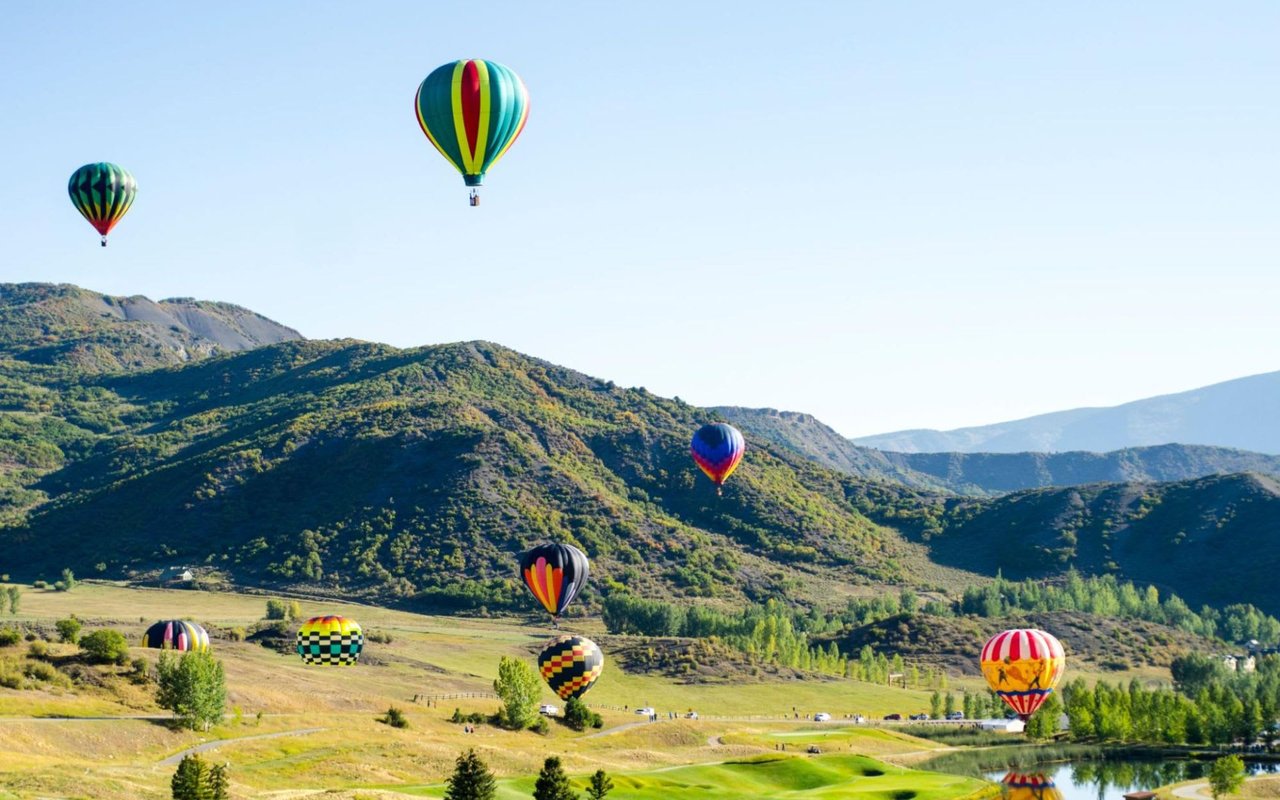
- Snowmass Balloon Festival (September): One of the highest-altitude balloon races in the world.
- Snowmass Mardi Gras: A 40+ year tradition featuring the "Mother of All Ascensions" uphill race and a bead-throwing parade.
- Cider Mondays (winter): Free hot cider and cookies at transit stops — a small but beloved resident perk.
A note on wildlife
You'll be living in dense bear and elk habitat. Bear-proof trash containers are mandatory, and elk-calving trail closures (such as Rim Trail North) from May through late June are strictly observed by locals. This isn't a suggestion — it's a real part of how the town operates.
The honest pros and cons
Why people move here
- Convenience. Roughly 95% of village lodging is ski-in/ski-out. For active families, eliminating the gear schlep is a quality-of-life upgrade you don't appreciate until you've experienced it.
- The safety bubble. Crime is negligible. Kids still roam freely between Base Village, the Rec Center, and the trails.
- Relative value vs. Aspen. Still expensive, but your dollar typically buys more — a newer 4-bedroom in Snowmass for the price of a 2-bedroom historic fixer-upper in Aspen's West End is a familiar trade.
- Recreational depth. Epicenter of the valley's best intermediate skiing and the region's most extensive mountain biking network (Rim Trail and Sky Mountain Park).
- Public services. RETT-funded transit, snow removal, and recreation facilities are among the best in the Rockies.
What you're trading off
- The ghost-town stretch. Mud Season is real. The village can feel deserted for weeks at a time.
- Daily costs. Gas, groceries, and convenience-shopping at Clark's Market all carry meaningful premiums.
- Healthcare gaps and insurance. High premiums and limited specialty care; serious medical events often require travel.
- Strict regulations. HOA rules, town ordinances, STR licensing, and wildfire mitigation requirements give you noticeably less autonomy over your property than in a typical suburb.
- Altitude and climate. Living at 8,200'+ is physically taxing — dehydration, sleep disruption, and the constant maintenance of snow management can produce "mountain burnout" in newcomers.
The shorthand: Snowmass or Aspen?
| Feature | Snowmass Village | Aspen |
|---|---|---|
| Vibe | Quiet, family, resort-centric | High-energy, cosmopolitan, historic |
| Primary skiing | Intermediate / cruisers | Expert / steep (no green runs) |
| Social scene | Après-ski and house parties | Top-tier dining and nightlife |
| Walkability | Tiered plazas / shuttle-heavy | Urban grid / highly walkable |
| Housing mix | Condos and ski-in estates | Historic homes and luxury penthouses |
Move to Snowmass Village if your life revolves around the first chair, early mornings, and a quiet evening by the fire. Move to Aspen if you want to walk to a gallery opening at 8 PM and grab a late-night cocktail without checking a bus schedule.
Ready to start your move? Work with a broker who actually lives this market.
Moving to Snowmass Village isn't a transactional decision — it's a lifestyle commitment that touches everything from where you live to how you insure your car. The right broker is one who has done the work in this specific market, knows the neighborhoods at a street-by-street level, and understands both the lifestyle and the investment side of owning here.
Brittanie Rockhill has been living and breathing Aspen Snowmass real estate since 2007. Born and raised in Colorado and educated at the University of Denver (BSBA, International Business and Real Estate), she has been involved in nearly $1 billion in sales over the course of her career — and she has done it from inside the community, not from a satellite office.
Beyond sales, Brittanie has built a multimillion-dollar rental business from the ground up over the last decade, giving her a uniquely deep understanding of the rental side of the Aspen Snowmass market — invaluable for investors and second-home buyers who want to generate income from their purchase. She has closed transactions for clients from thirteen different countries and regularly organizes international sales trips to bring global buyers into the Aspen Snowmass market.
Her community involvement reflects the same long-term commitment: Society of Fellows at the Aspen Institute, Contemporaries at the Aspen Art Museum, board service with the Aspen Historical Society, and a term as Commissioner on the City of Aspen Planning and Zoning Commission. She's not a broker who works the market — she's a broker who has helped shape it.
If you're seriously considering a move to Snowmass Village, or weighing it against Aspen, get in touch.
Brittanie Rockhill 520 East Durant Ave, Suite 103, Aspen, CO 81611 Phone: 970.366.0891 Email: [email protected]