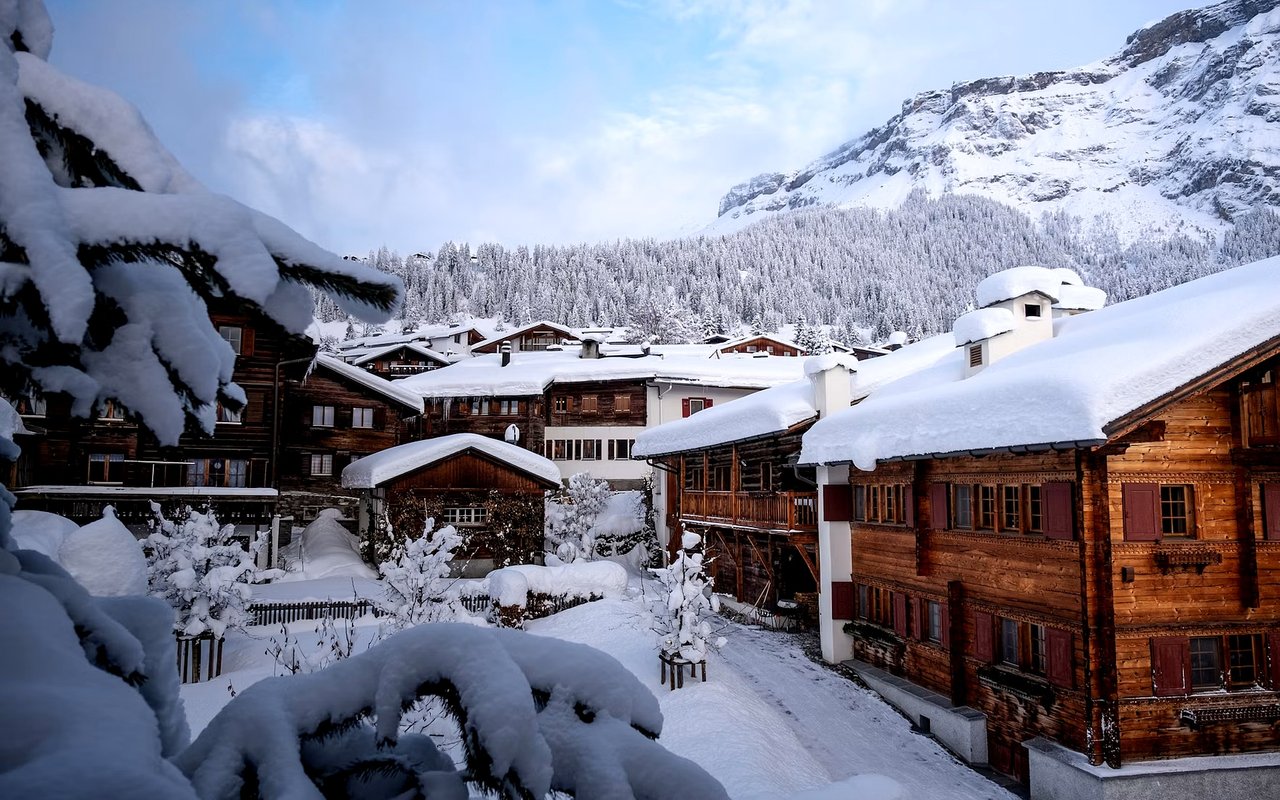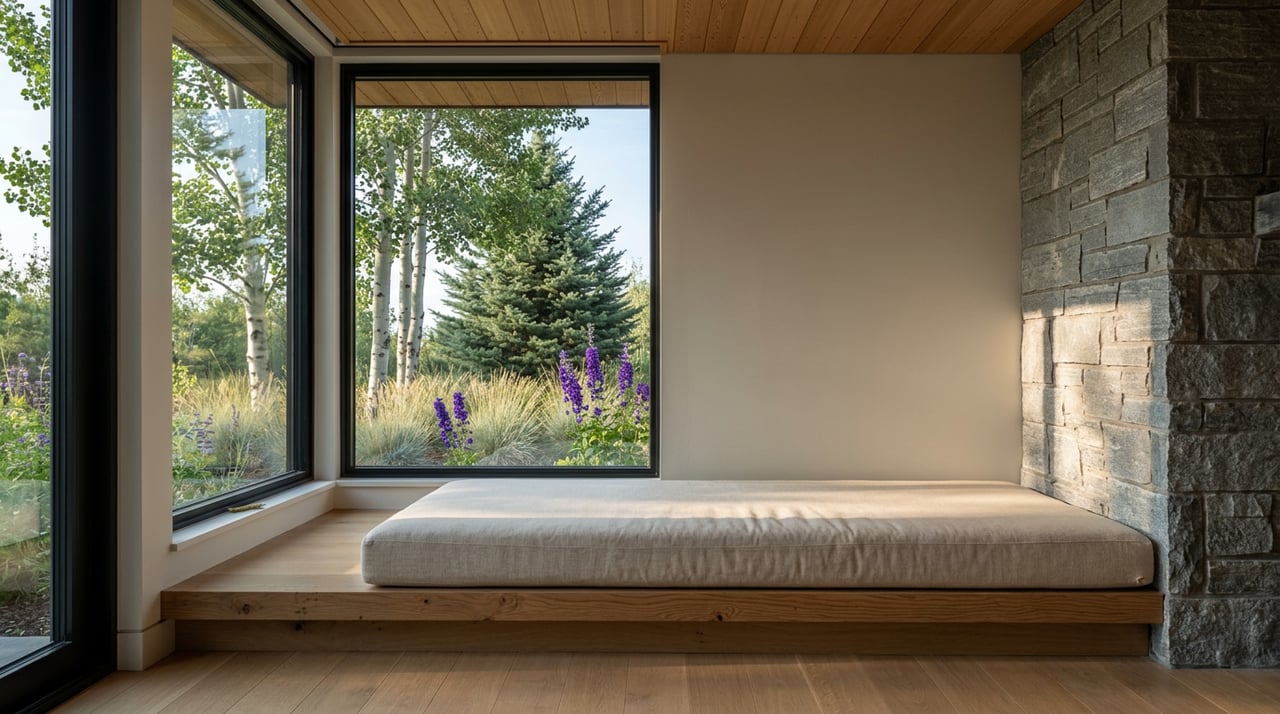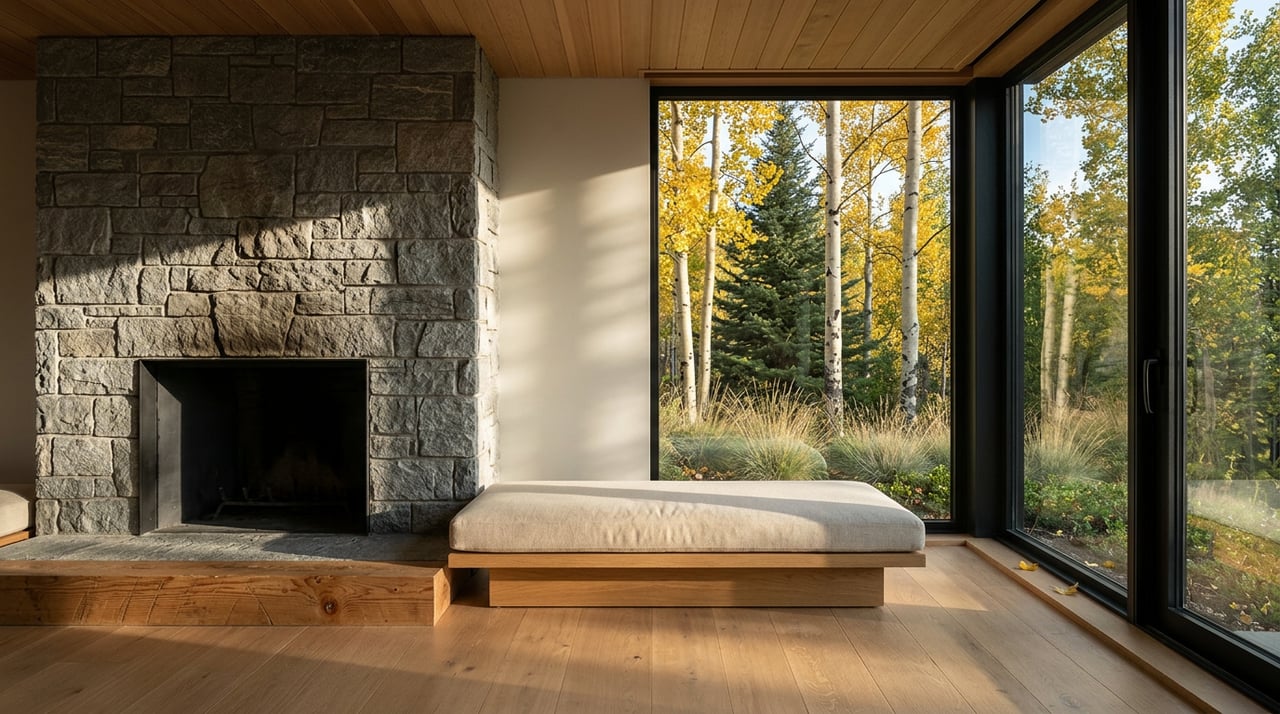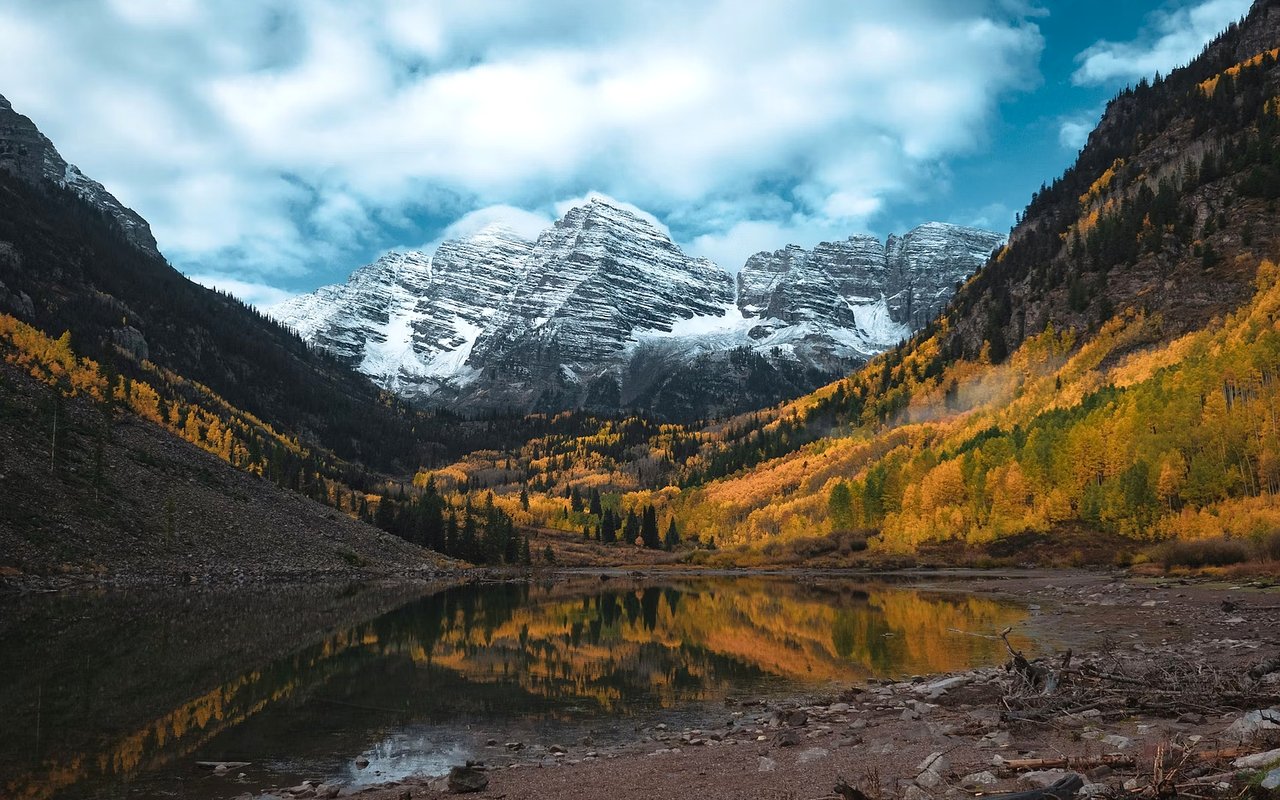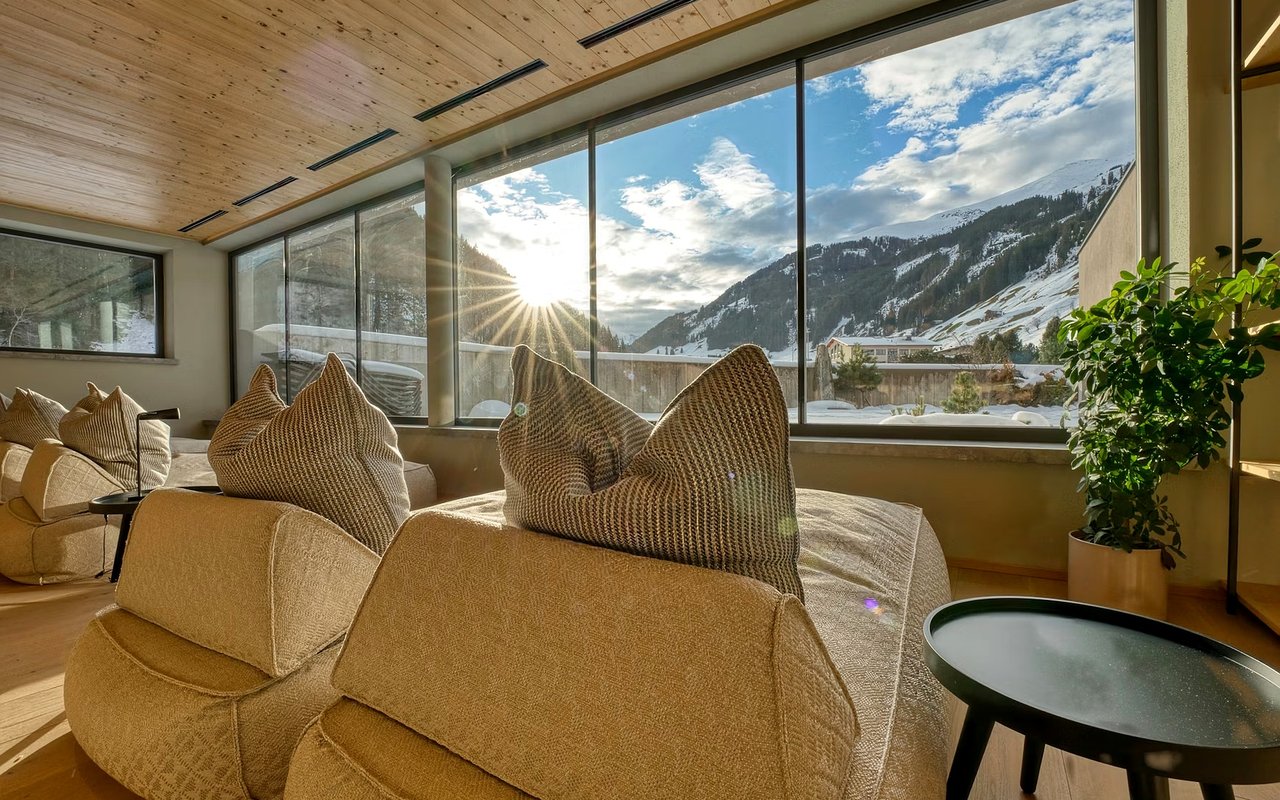
I've been living and breathing Aspen Snowmass real estate since 2007, and over that time I've been fortunate to be involved in close to $1 billion in sales. But the perspective I lean on most when advising a buyer doesn't come only from transactions. It comes from sitting on the other side of the table on land-use decisions as a Commissioner for the City of Aspen Planning & Zoning, and from years on the board of the Aspen Historical Society. That vantage point taught me something most buyer guides miss: in Aspen, the deal is rarely about the house. It's about the regulations, the geography, and the seasonal psychology that surround it.
Most "how to buy a home" advice you'll find online was written for a national audience — check the roof, test the plumbing, get pre-approved. That advice isn't wrong, it's just irrelevant here. Buying in the Roaring Fork Valley operates on a completely different set of rules. This guide is the one I give my own clients.
Understanding the Market Rhythm (Timing Is Everything — Just Not the Way You'd Think)
Most people assume Aspen has one busy season — winter — and that summer is the time to steal a deal. The reality is the opposite of the standard resort playbook, and getting this wrong costs buyers real money.
Aspen runs on a dual-peak demand system. Winter (December through March) is the emotional peak: high-net-worth buyers are in town, the mountains are showing at their best, and deals move fast. In this window, over 70% of transactions close all-cash, and contingencies get waived routinely. Summer (June through August) is the inventory peak. The largest volume of new listings hits right before the July 4th surge, and buyers drawn in by the Aspen Ideas Festival, Food & Wine, and the outdoor lifestyle use it as their deliberate comparison-shopping window.
The genuine soft spots aren't summer or winter — they're what locals call the Mud Seasons.
- Spring Mud Season: late April through late May, once the mountains close (Buttermilk and Snowmass in early April, Aspen Mountain shortly after).
- Fall Mud Season: September through November, before the Thanksgiving and early-December ski openings.
Here's the nuance most buyers get wrong: prices don't crater during mud season — competition does. Aspen sellers are highly capitalized, carry their properties easily, and are perfectly content to wait for the next peak if they don't hit their number. What softens is the buyer pool. Days on market run noticeably longer, negotiation slows to a deliberate pace, and the buyers still active in April/May or October/November hold meaningfully more leverage. If you want room to negotiate terms, a normalized inspection timeline, and a shot at seller concessions, the quiet season is your window.
Where to Buy: Neighborhoods and What They Actually Signal
Aspen is small in population but sprawling in geography, and pricing swings enormously across micro-markets. Current market data (drawn from the Estin Report and the Aspen Board of Realtors) puts the median single-family home around $15 million and the core condo median around $3.3 million, with top-tier product trading between roughly $4,300 and $5,800+ per square foot. Here's how the sub-markets sort out by buyer:
The ultra-luxury and lifestyle core. Downtown Aspen — "the Core" — is a walk-everywhere lifestyle steps from the Silver Queen Gondola, favored by premium vacationers and investors, though strict short-term rental caps apply. The West End is the prestigious, quiet historic district of Victorian streets favored by legacy families, trading around $15M–$25M+. Red Mountain — "Billionaire's Ridge" — is where global trophy assets change hands, often $25M to $60M and beyond, prized for south-facing views and square footage that current building caps make impossible to recreate.
Primary residents and community hubs. Cemetery Lane and Smuggler offer relatively approachable pricing (~$6M–$12M), great trail access, and a year-round community feel. Starwood — Aspen's only gated community — and McLain Flats appeal to buyers who prioritize acreage, privacy, and river frontage over walkability.
Dedicated ski and value resorts. Snowmass Village runs at roughly half the price per square foot of Aspen proper and, importantly, operates under different municipal rules that make it far friendlier to short-term rental investment. For a family-focused buyer or an investor looking to offset carrying costs, it stretches purchasing power further than anywhere else in the valley.
A Word on "Ski-In/Ski-Out" — It Doesn't Mean What You Think
"Ski access" varies dramatically across our four mountains, and the label gets used loosely.
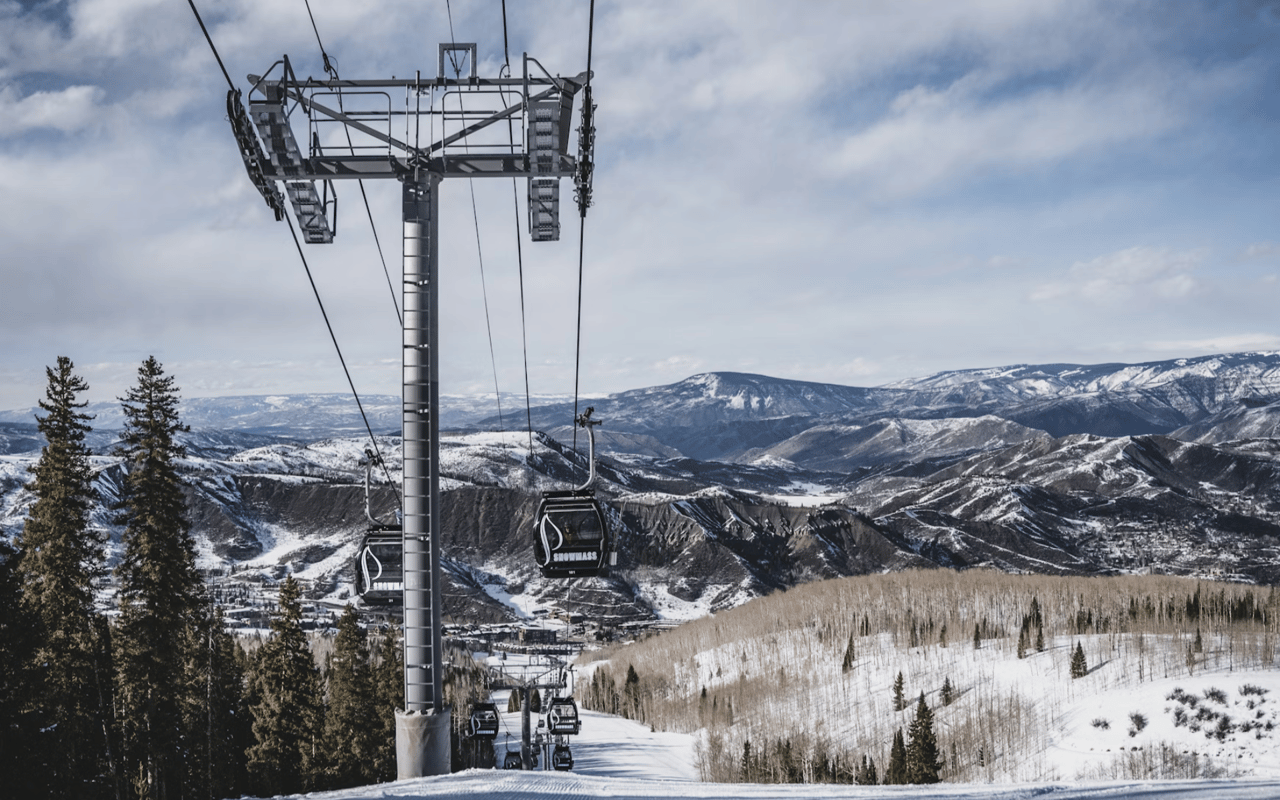
- Aspen Mountain (Ajax) is steep, technical, and urban-integrated — there's no beginner terrain. True slopeside living is limited to a narrow corridor (the Residences at Little Nell, pockets like Ute Place). For most, "access" means living in the Core and walking to the gondola.
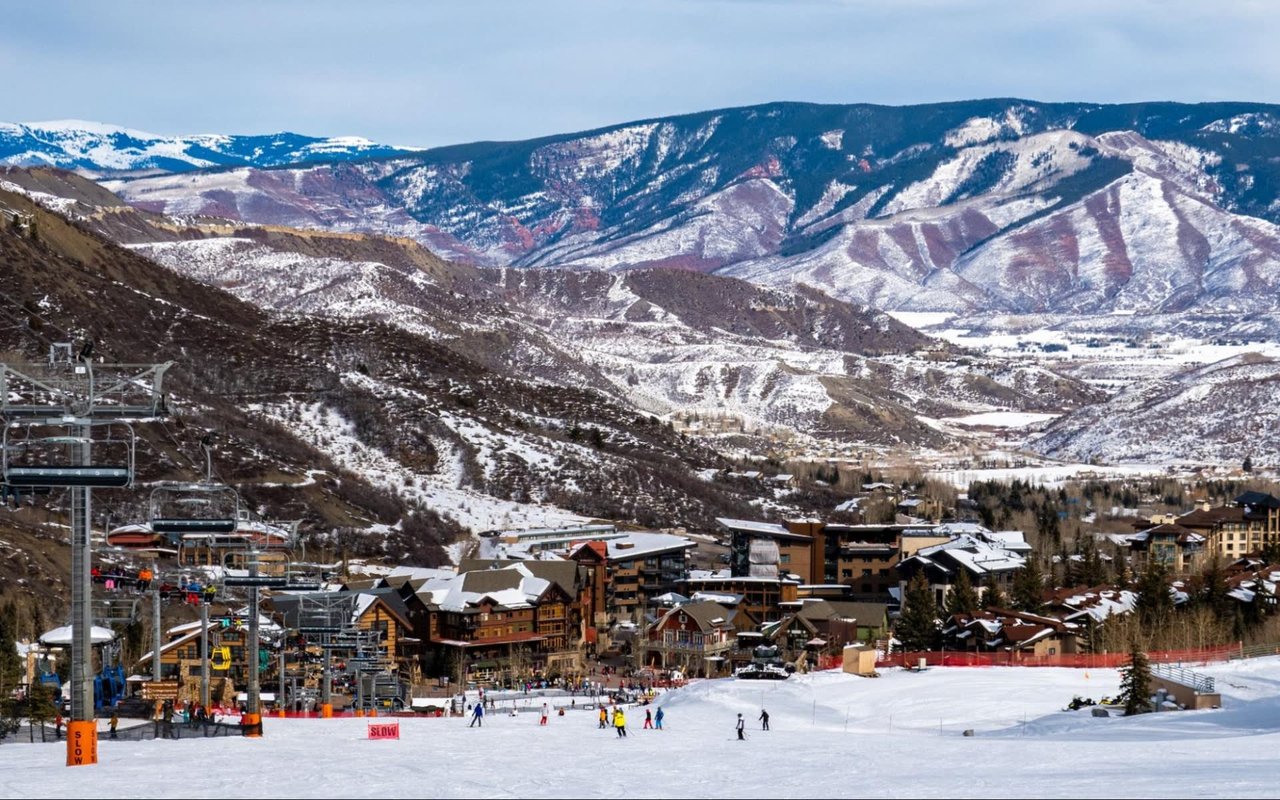
- Snowmass is the undisputed king of genuine ski-in/ski-out. With the vast majority of terrain beginner-to-intermediate friendly, neighborhoods like Wood Run, Ridge Run, and Base Village let you step out of your ski locker onto groomed snow.
- Aspen Highlands is the local's favorite — steep terrain, home of Highland Bowl. Real estate clusters around Highlands Village and Five Trees, the latter with a private resident lift.
- Buttermilk is gentle, family-friendly, and home to the X-Games; neighborhoods like Meadowood offer effortless, flat ski-out ideal for young families or buyers who don't want steep pitches to get home.
Property Types and Their Operational Realities
Single-family homes carry the vast majority of the market's dollar volume — eight out of ten sold in Aspen proper exceed $10 million. Condos are the primary entry point to free-market ownership, but the HOA carries enormous weight. Many older Core buildings simply don't allow short-term rentals under the city's strict permit-and-pass system, so if income is your goal, the inventory heavily favors Snowmass. And because so many Core condos date to the 1970s and '80s, you must vet HOA reserves carefully — major building updates regularly trigger six-figure special assessments.
For buyers who want only a few weeks a year, Aspen also has one of the world's most mature fractional markets (the Little Nell, Ritz-Carlton Highlands, St. Regis), typically sold as 1/8th or 1/12th deeded interests — with substantial annual fees on top of the purchase.
Land and the TDR Question (This Is Where My P&Z Background Earns Its Keep)
Buying land or a teardown in Aspen means navigating one of the most restrictive building codes in the country. Pitkin County caps home size and regulates growth through the Growth Management Quota System. That's why Transferable Development Rights (TDRs) are the lifeblood of land value — certificates that let you apply additional allowable square footage to a project.
But the two TDR programs have diverged sharply, and buyers get burned when they don't understand the difference:
- City TDRs add small pockets of floor area (typically ~250 sq. ft.) inside city limits. With demolition allotments limited to roughly six per year, these have appreciated to around $725,000 — pricing raw square footage at roughly $2,800/sq. ft. before you've built anything.
- County TDRs historically added ~2,500 sq. ft. on rural lots and once traded as high as $2.5 million. Following sweeping county land-use overhauls, their value collapsed to the $650,000–$800,000 range.
The takeaway I give every land buyer: you can't just ask "what's the price?" You have to ask how many TDRs are attached, what's the exact allowable square footage under the current code, and does the lot hold an active demolition allotment? Getting that answer right is the difference between a buildable dream and an expensive mistake.
How the Buying Process Actually Works Here
Cash is the baseline, not the exception. Over 70% of Aspen transactions close all-cash — and in the $20M+ tier, that climbs to 80–90%. If you plan to finance, understand that a standard bank pre-approval carries little weight and can actively disadvantage your offer. National lenders routinely struggle to appraise our unique properties, triggering appraisal gaps. The workaround my financed buyers use is to write a cash-equivalent offer — stripping financing and appraisal contingencies, backing it with private wealth management or an asset-backed line of credit, and refinancing after close. If you need a true mortgage contingency, we look to specialized regional mountain lenders who actually understand Pitkin County valuations.
Forget the 30-to-60-day timeline. Our closings swing to both extremes:
- Pure cash on a straightforward home or well-run condo: 10–14 days.
- Financed luxury Core condo with extensive HOA due diligence: 45–60 days.
- Acreage or legacy estate requiring structural, environmental, and legal audits: 60–90+ days.
That longer window isn't slow paperwork — it's the time needed to audit a property against county square-footage caps, verify water rights, and confirm boundaries and easements.
Colorado uses a title-and-escrow system, so title companies (not attorneys) handle closing — though given the dollar figures, buyers routinely bring in attorneys to draft custom addenda. Locally, the seller customarily pays the owner's title policy; the buyer pays lender policies, endorsements, and recording fees. Earnest money isn't nominal here — expect 5% to 10% of the purchase price, held in escrow within one to three days of mutual execution.
The Costs Buyers Underestimate
The Real Estate Transfer Tax (RETT) is the single most important closing cost to budget for, and it's determined by your property's exact legal boundary lines:
Jurisdiction | RETT Rate | Nuance |
|---|---|---|
City of Aspen | 1.5% | First $100,000 exempt from the 1.0% housing portion |
Snowmass Village (TOSV) | 1.0% | No baseline exemption |
Snowmass Base Village Metro District | 2.0% total | Adds a 1.0% metro overlay (Viceroy, Limelight, One Snowmass) |
Unincorporated Pitkin County | 0.0% | Fully exempt (Starwood, McLain Flats, upper Red Mountain) |
The impact is real: on a $15M home inside the City of Aspen, the RETT adds roughly $224,000 in cash at closing. On that same $15M home in unincorporated county, it's zero. By custom the buyer pays it, but it's technically negotiable. This is exactly the kind of hyper-local detail that determines your true cost of ownership.
Beyond RETT, plan on additional closing costs of roughly 0.5% to 1.5%, plus a working-capital contribution to HOA reserves (often 2–3 months of dues) for condos and master-planned communities.
The silver lining: Colorado has some of the lowest effective property tax rates in the country. A $10M Aspen home typically runs $25,000–$35,000 a year — an effective rate of just 0.25%–0.35%. But budget 1% to 3% of the home's value annually for maintenance. Alpine weather is punishing: heated driveways run on commercial boilers, propane bills spike into the thousands during cold snaps, and because most tradespeople commute up-valley, labor carries an "Aspen premium." Core condo and fractional HOA dues commonly run $1,500 to $4,000+ per month.
Making a Competitive Offer
First, understand the macro reality so you don't misread the market:
- Sale-to-list ratios for accurately priced homes reliably run 90% to 95.5%. A 4–10% discount off the original ask is normal and often expected — this is not a market of frantic over-asking bidding wars.
- Median days on market for single-family homes historically runs 150 to 180 days. A property sitting six months is not a sign of desperation or an invitation to lowball — the buyer pool for a $15M–$25M asset is simply small.
To write a compelling offer without overpaying, focus on speed, certainty, and low friction:
- Make it look like cash on paper. Even if you're financing, waive the appraisal contingency (local custom puts any shortfall on the buyer) and lead with proof of funds — a wealth-management letter or liquid statement, not a basic pre-approval.
- Structure inspection as "right to terminate only." State that the inspection is for your information on major structural, mechanical, or environmental issues, and that you won't submit an itemized repair list. This tells a seller you'll either close cleanly or walk — not nickel-and-dime them.
- Be cautious with escalation clauses. High-end sellers here value privacy and straightforward dealing; escalation clauses can read as manipulative. In a multiple-offer situation, expect a "highest and best" deadline. Lead with your true walk-away number backed by a strong (often 10%) earnest deposit.
- Use mud-season psychology. A clean, fast-closing offer in May — even 8–10% below list — carries far more weight against a seller staring down another six months of carrying costs before summer.
Due Diligence at 8,000 Feet
This is where mountain buying diverges most sharply from anywhere else, and where I lean hardest on local specialists.
Radon. Pitkin County is EPA Zone 1 — the highest risk category. A 48-hour continuous radon test is non-negotiable; above the action threshold, you'll want a sub-slab depressurization system verified or installed.
Roof and snow load. Our roofs carry enormous live loads and suffer ice dams when insulation and ventilation are inadequate. Inspectors should confirm attic R-values, functioning heat cables, and — on older structures — compliance with county snow-load requirements (75 to 110+ pounds per square foot depending on elevation).
Well, septic, and water rights (outlying areas). In McLain Flats, Woody Creek, or Old Snowmass, properties run on private wells and septic. The county mandates an OWTS inspection on transfer; wells require a flow test and water-quality testing. Critically, water in Colorado is a strictly allocated legal asset — have an attorney confirm whether the well permit allows only household use or includes augmented rights for irrigation.
Wildfire. Mitigation has become a financial gatekeeper, not just a safety measure. The county's GIS overlay classifies hazard zones, and a high-hazard property may require a formal Defensible Space Audit before any carrier will write luxury coverage. Bring a mitigation consultant during due diligence — clearing mature trees can cost tens of thousands and may conflict with HOA landscaping rules.
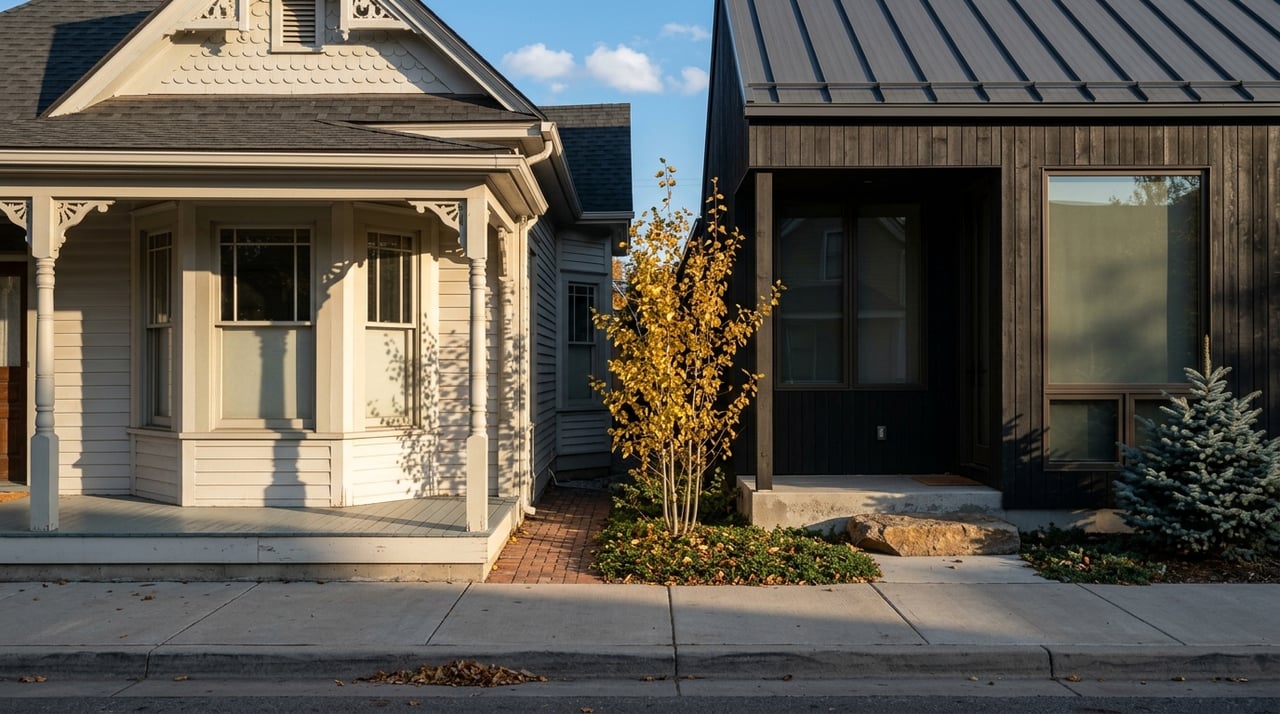
Historic designation. For West End and some Core properties, the Historic Preservation Commission adds real oversight. A property on the Aspen Inventory of Historic Properties can't simply be demolished, and additions to a Victorian are tightly regulated — often required to sit visually secondary and connect only by a low-profile glass "hyphen." Having served on P&Z, I always pull a property's full land-use history during the contract window: prior variances, pending designations, and confirmation that past remodels were properly permitted. The city aggressively fines current owners for a previous owner's unpermitted work.
Let's Find the Right Property — the Right Way
Buying in Aspen rewards local knowledge more than almost any market in the country. The difference between a great purchase and an expensive lesson usually comes down to the things you can't see from a listing photo: what the code allows, what the HOA permits, where the boundary line falls, and how to structure an offer that a highly capitalized seller takes seriously.
That's the work I love. Whether you're weighing a Core condo against a Snowmass investment, evaluating land with a stack of TDRs, or timing an offer for the quiet season, I'd be glad to help you navigate it.
Brittanie Rockhill
📞 970.366.0891
📍 520 East Durant Ave, STE 103, Aspen, CO 81611