Updated: April 17, 2026
If you've ever searched for a home in Aspen, Colorado, you already know the feeling: jaw-dropping price tags that seem to exist in a different economic universe. A median single-family home price of $13.2 million in 2025 — and $22.75 million in Q1 2026. Price per square foot that regularly exceeds $3,500, and in the most coveted neighborhoods, climbs past $6,000. A market where 42 properties sold for over $20 million in a single year.
These aren't anomalies. They're the natural outcome of a market operating under a set of forces so rare and so concentrated that no other mountain town in the United States comes close to replicating them.
This article will explain why Aspen is one of the most coveted places in the United States for real estate, with a data-backed look at exactly why Aspen real estate commands the prices it does — and why, if anything, those prices are unlikely to soften anytime soon.
The Numbers First: What Aspen Real Estate Actually Costs in 2026
Before getting into the why, it helps to understand the full scope of what we're dealing with.
According to data from the Aspen Board of Realtors (ABOR), the Estin Report, and Land Title Guarantee Company, the Aspen market as of Q1 2026 looks like this:
Single-Family Homes:
- Median price (2025): $13,200,000
- Median price (Q1 2026): $22,750,000
- Average price per square foot: $3,300–$4,000 (with West Aspen and the West End consistently trading near $4,000)
- Days on market: 160 days
Condos and Townhomes:
- Median price (2025): $3,500,000
- Median price (Q1 2026): $3,840,000
- Average price per square foot: ~$3,000
- Days on market: 208 days
The 82% YoY jump in single-family median price isn't purely appreciation — it's largely a composition effect. With inventory so tight, the sales that do close are concentrated in the ultra-luxury tier, properties exceeding $20 million, which pulls the median sharply upward. But even adjusting for that, the directional trend is the same: prices at the top of this market keep climbing.
Notable recent sales underscore the point. 1001 Ute Ave recently closed at $76 million, setting one of the highest residential sales records in the market's history. 421 Willoughby Way was positioned to potentially become Aspen's first $100 million sale. In April 2024 and 2025, three separate properties sold for over $50 million in a single month — a concentration of mega-estate transactions that has no parallel in any other mountain market in the country.
Aspen is also the only US mountain market where the average price per square foot for the entire residential segment consistently exceeds $3,000. Ski-in/ski-out properties on Aspen Mountain have recently closed between $6,000 and $7,000 per square foot. To put that in perspective: Manhattan's most expensive residential neighborhoods average around $3,000 to $4,000 per square foot.
Reason 1: There Is Simply No More Land
This is the most important factor, and it's the one that makes Aspen structurally different from nearly every other expensive real estate market in the world.
In Pitkin County, where Aspen is located, 84% of all land is publicly owned or protected — managed by the U.S. Forest Service, the Bureau of Land Management, or state agencies. Only 16% is privately owned. And a significant portion of that private land is further restricted by conservation easements, meaning it can never be subdivided or developed further.
Unlike markets where high prices eventually attract new supply — where developers build more condos in Miami when prices spike, or more homes go up in suburban Dallas when demand rises — Aspen simply cannot build its way out of high prices. The physical land for new development does not exist.
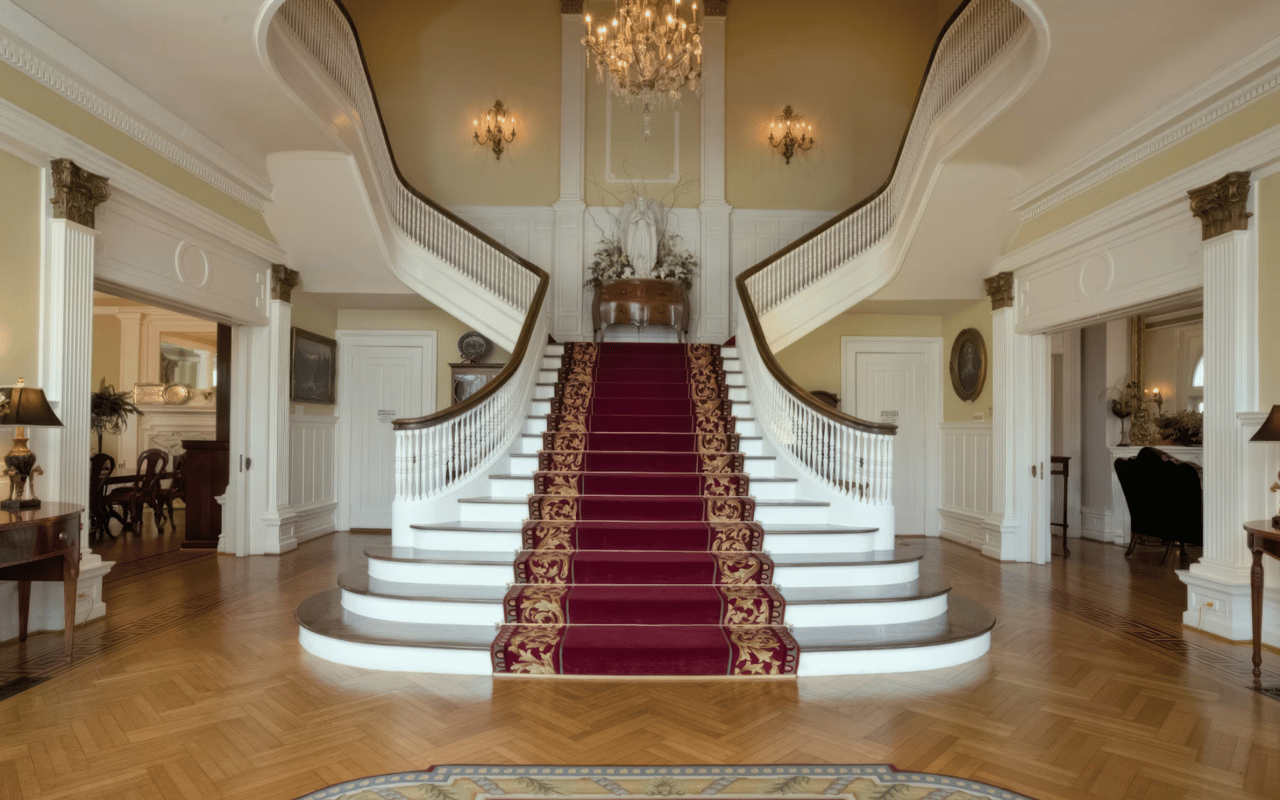
This is reinforced by policy. Aspen operates under a strict Urban Growth Boundary that prevents sprawl into the surrounding mountains. A new Land Use Code adopted in late 2025 and early 2026 further limits the maximum square footage of new construction — which has had an important secondary effect: existing large legacy homes, those over 15,000 square feet, have become even more valuable because they cannot legally be replicated under current zoning. If you own one, you own something irreplaceable.
The numbers reflect this acutely. Historically, between 2015 and 2019, Aspen typically carried 300 to 500 active listings at any given time. As of April 2026, there are approximately 175 to 190 active listings across all property types in the market. Of those, only 60 to 70 are single-family homes within Aspen proper. That represents a 50 to 60% reduction in available stock compared to historical norms, and translates to roughly a two-month supply of inventory. A balanced market requires six months.
When supply is structurally capped and demand is global, prices don't just stay high — they resist correction even when broader economic conditions soften.
Reason 2: The Buyer Pool Operates Outside Normal Economic Constraints
Most real estate markets are sensitive to mortgage rates. When the Fed raises rates, demand softens, prices cool, and inventory builds up. Aspen largely ignores this dynamic — not because its buyers are reckless, but because a significant portion of them don't need a mortgage.
The buyers competing for Aspen's top-tier properties are operating at a level of wealth where a $20 million or $50 million purchase is an allocation decision, not a financing one. This is why, even in 2025 and early 2026 when interest rates remained elevated and many markets across the country saw price corrections, Aspen's ultra-luxury segment ($20M+) grew by 62% in transaction volume.
Realtor.com's March 2026 Luxury Housing Report placed the threshold for the top 1% of Aspen listings at $59.2 million. For context, the same threshold in Jackson Hole was $39.5 million, and in Nantucket it was $25.8 million. Aspen's "floor for the ultra-wealthy" is nearly 50% higher than its closest competitor.
This buyer decoupling from macroeconomic conditions is one of the most important and least discussed reasons why Aspen homes cost what they do. The market isn't just expensive — it's expensive in a way that conventional economic headwinds struggle to erode.
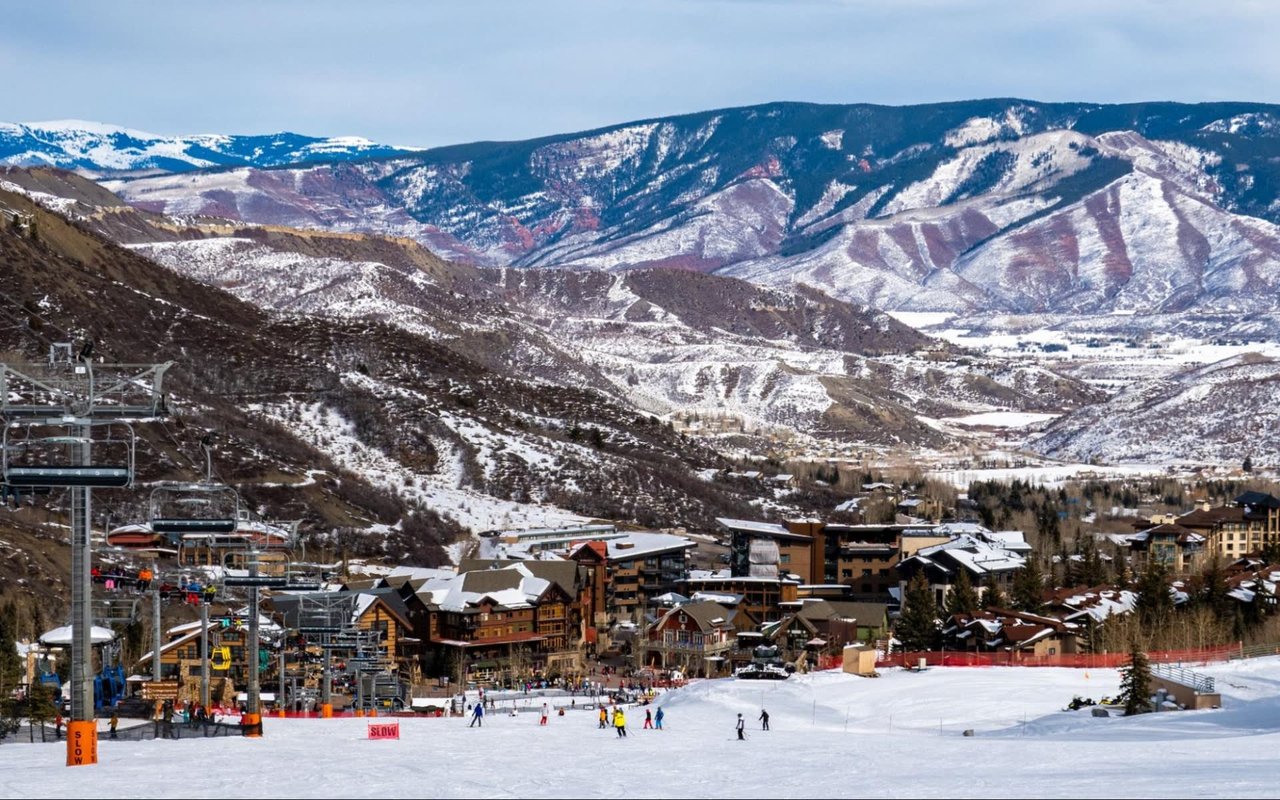
Reason 3: Four World-Class Ski Mountains in One Town
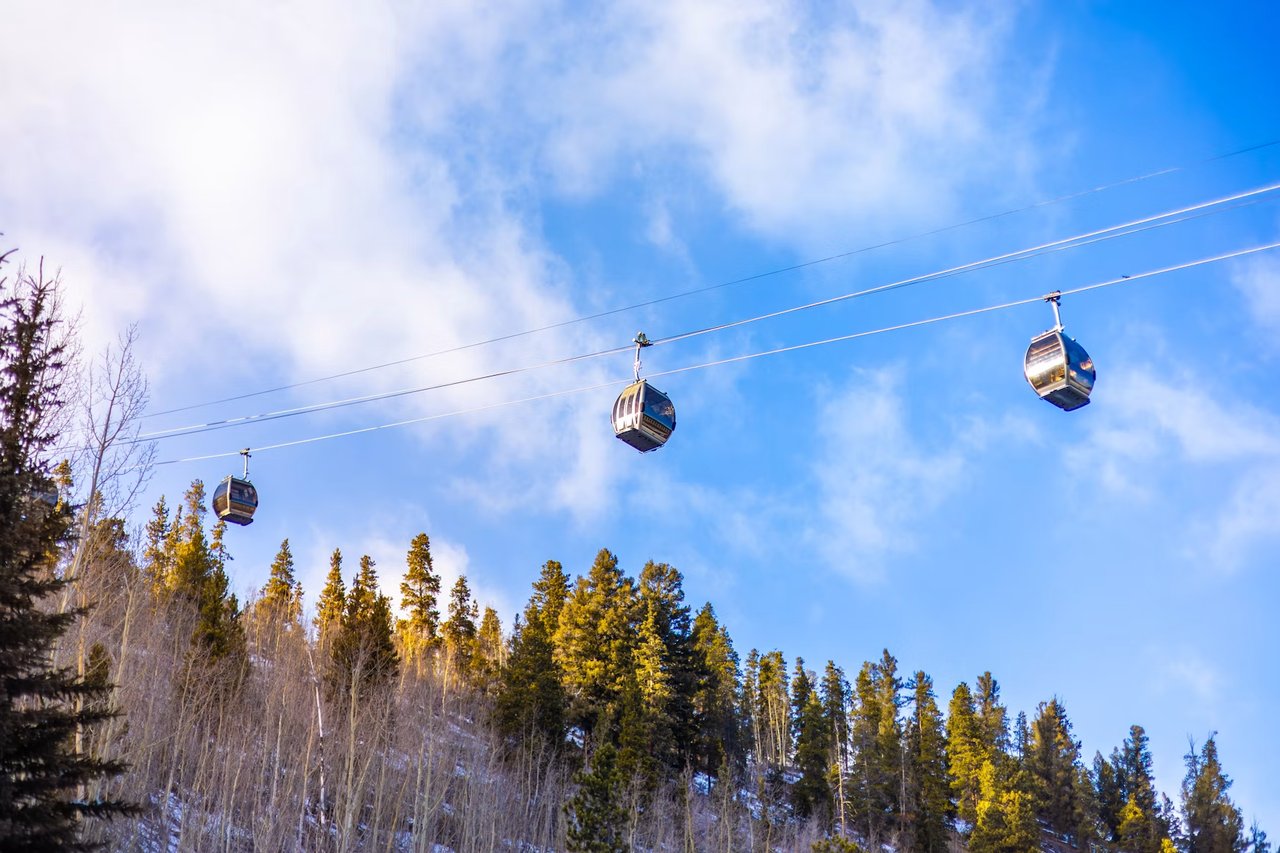
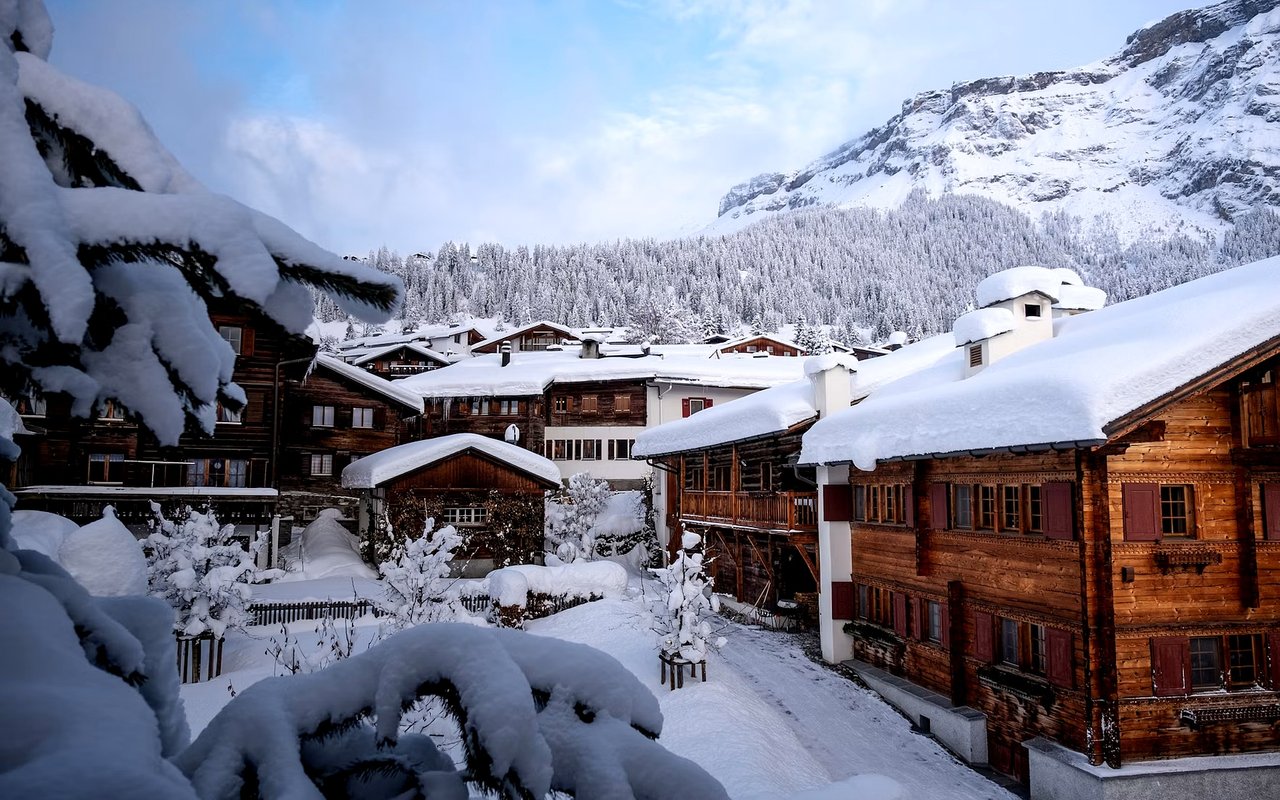
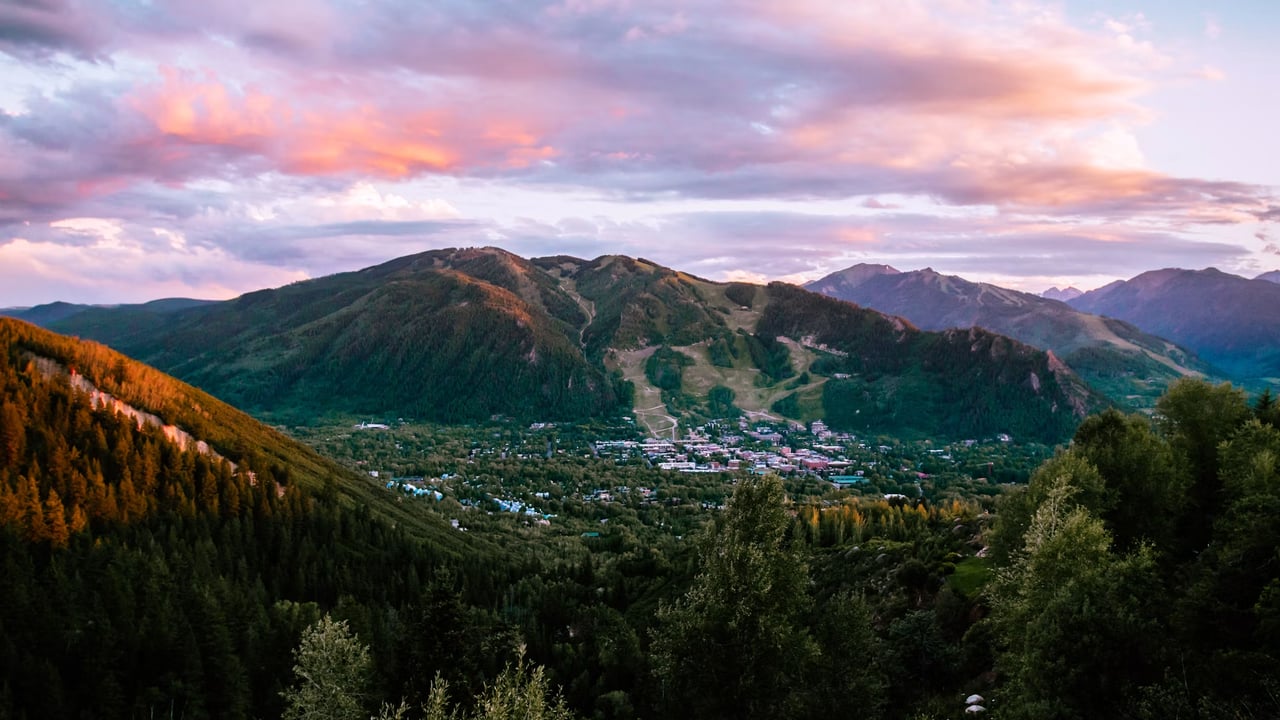
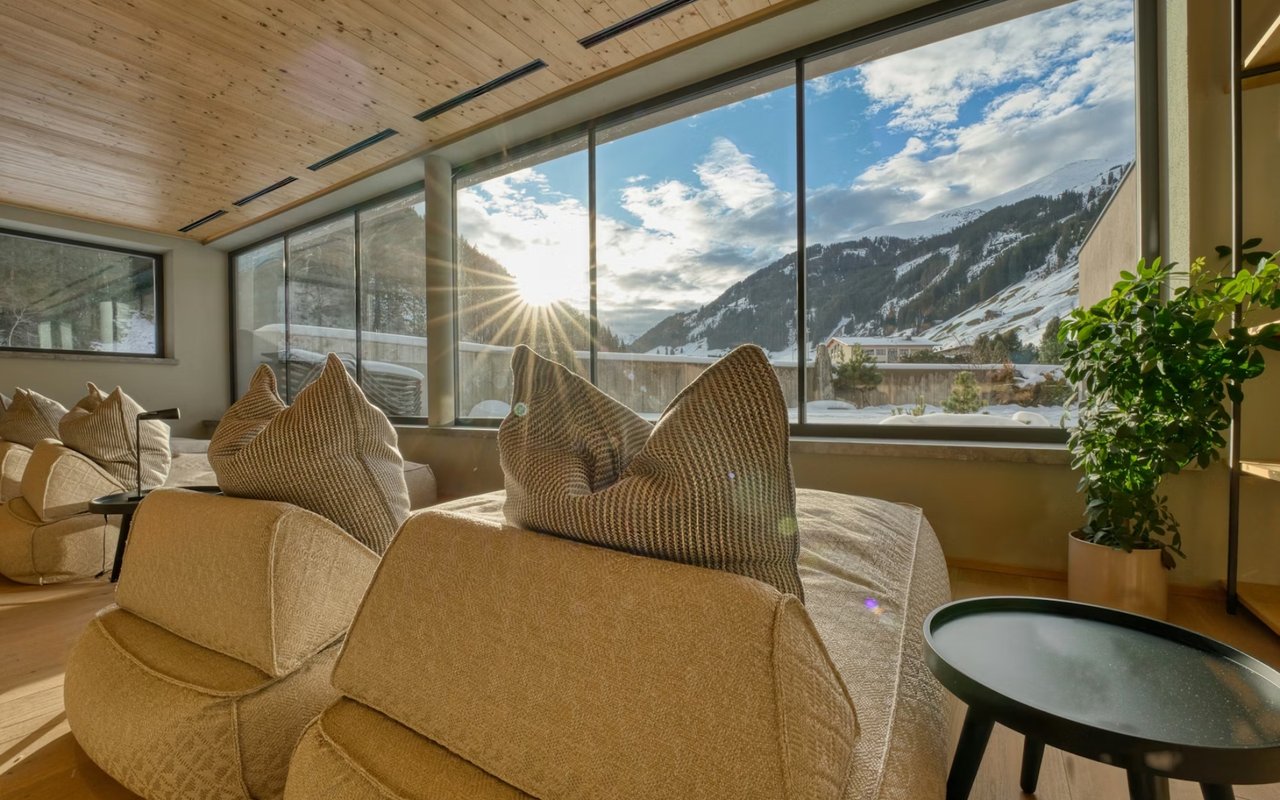
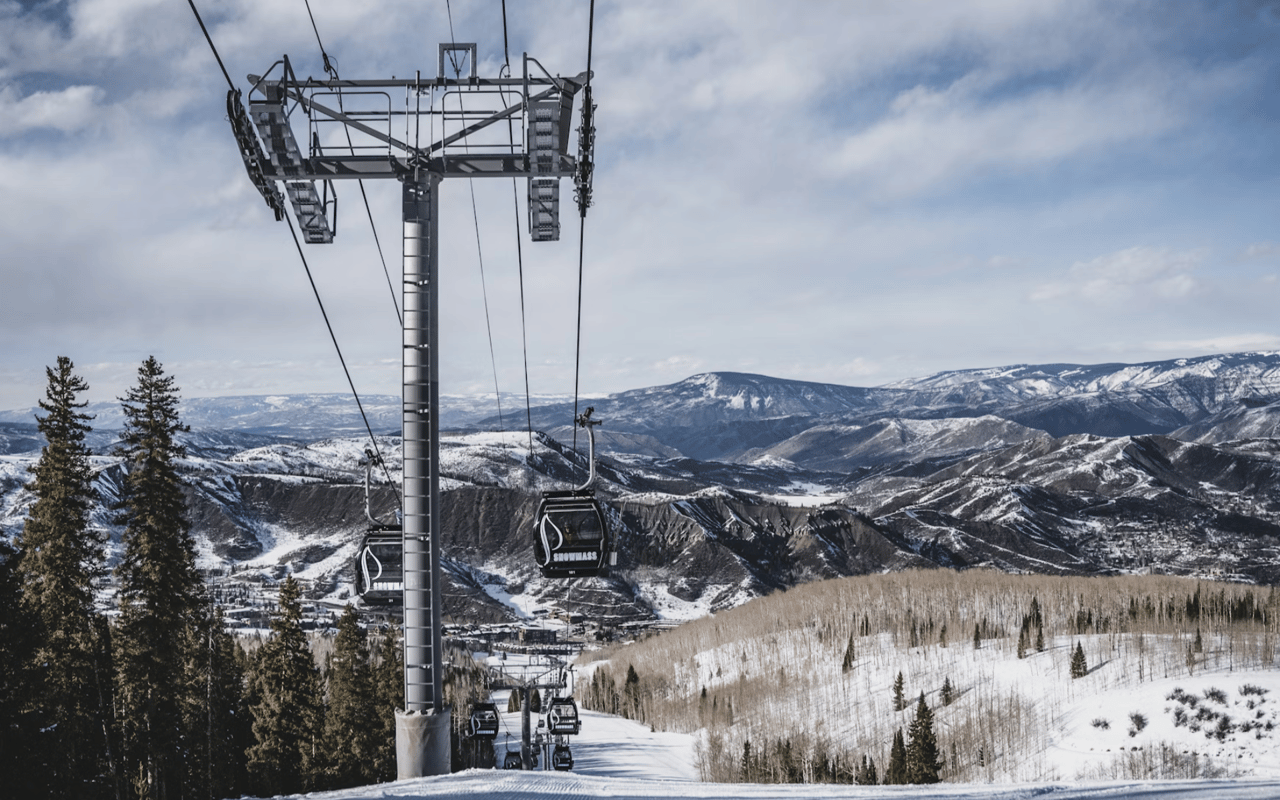
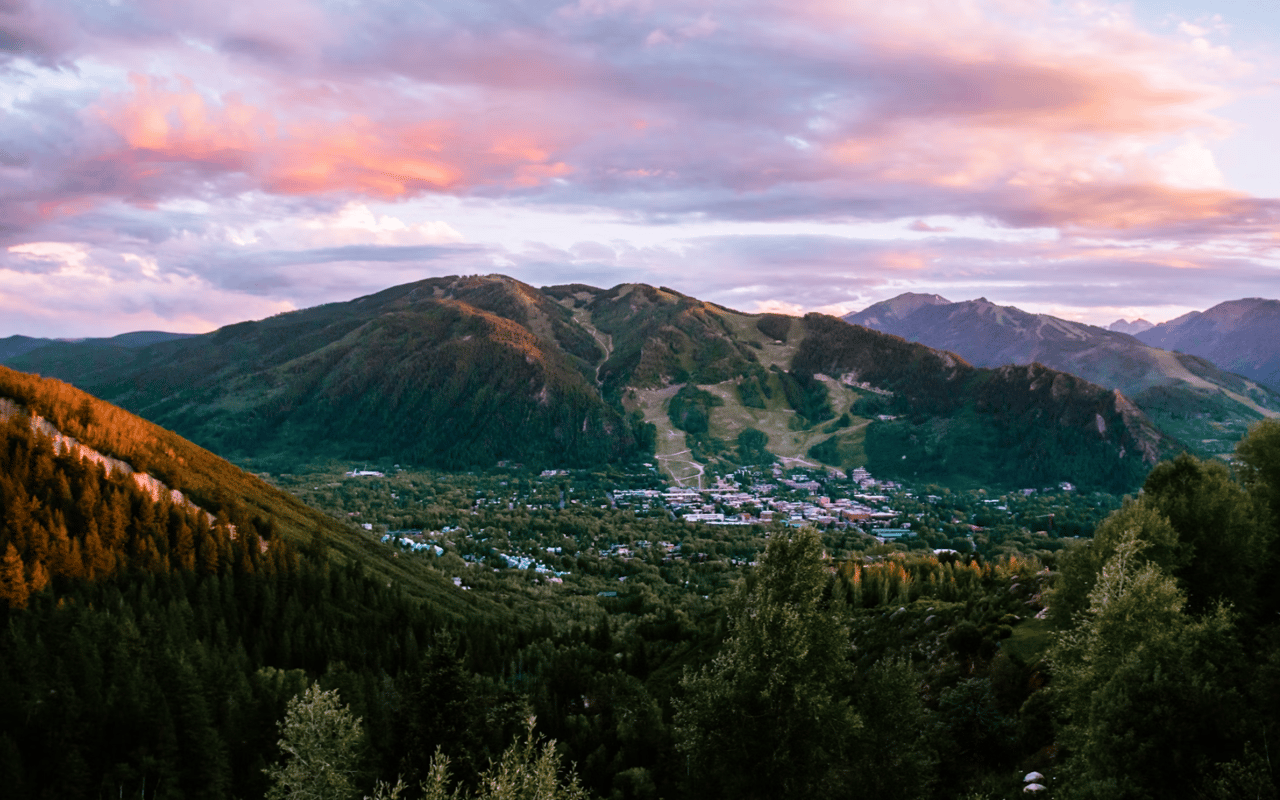
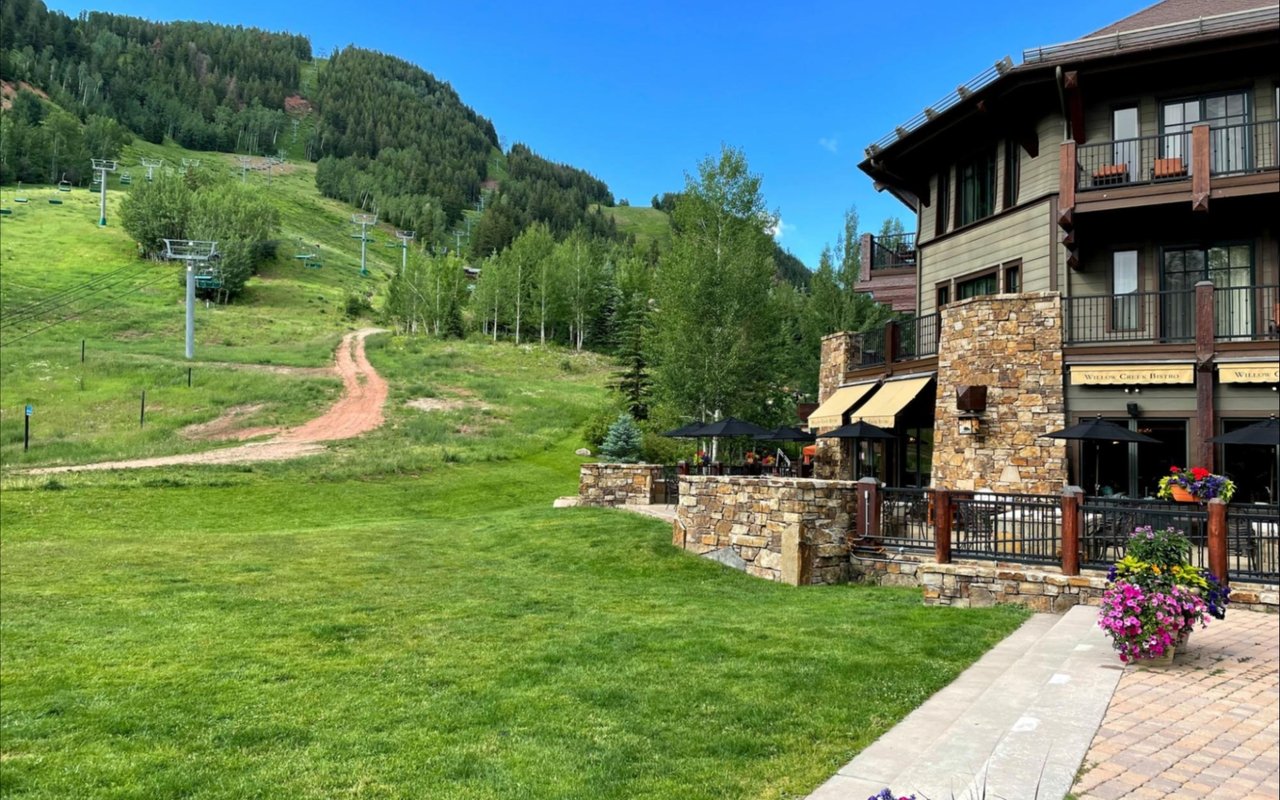
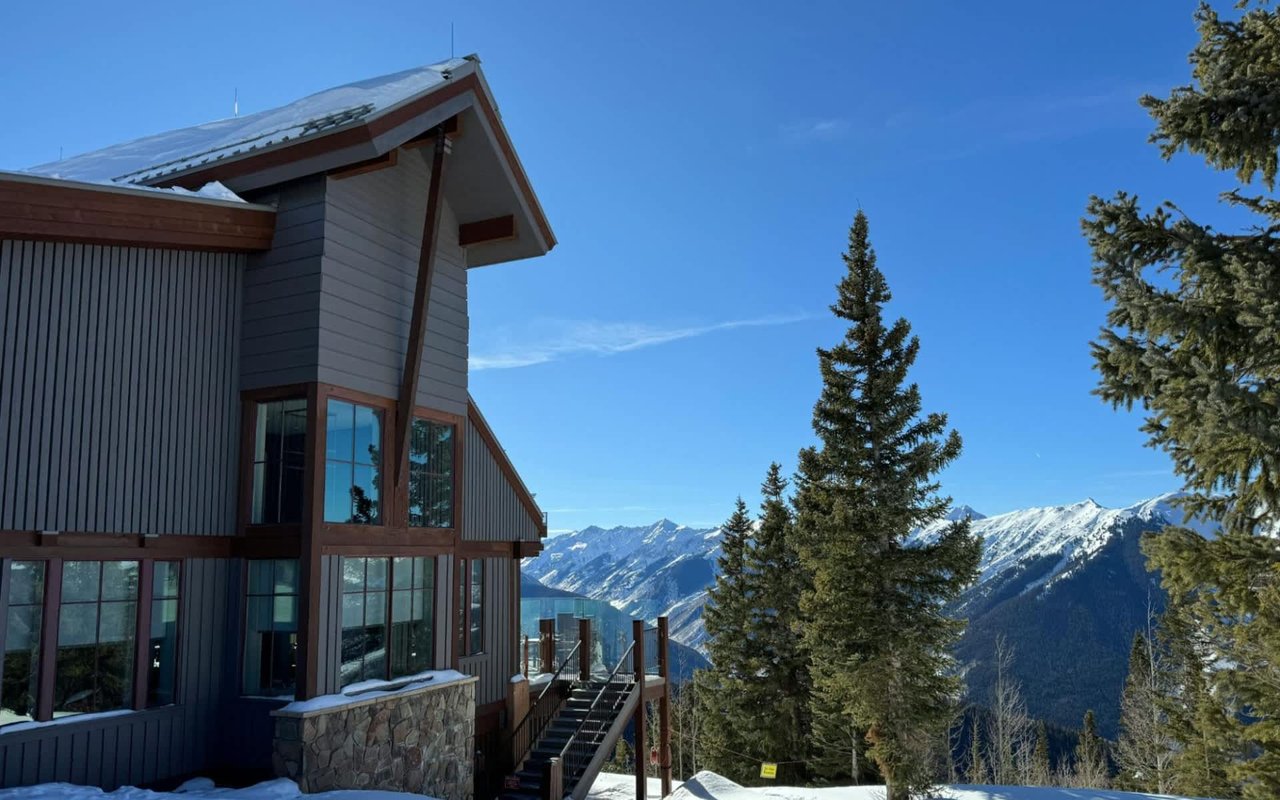
Aspen is the only place in the world where you can access four distinct, full-scale ski resorts — Aspen Mountain, Aspen Highlands, Buttermilk, and Snowmass — from a single town center. Each mountain has its own character and difficulty profile, meaning the destination genuinely serves everyone from beginners to expert skiers without compromise.
This is not a minor amenity. For buyers in this price range, ski access is often the primary motivation for purchase, and ski-in/ski-out properties are treated as a category of their own. Recent closings on Aspen Mountain have achieved $6,000 to $7,000 per square foot — a premium of roughly 60 to 100% over the broader Aspen average, and a number that places ski-direct Aspen properties among the most expensive residential real estate anywhere in the United States.
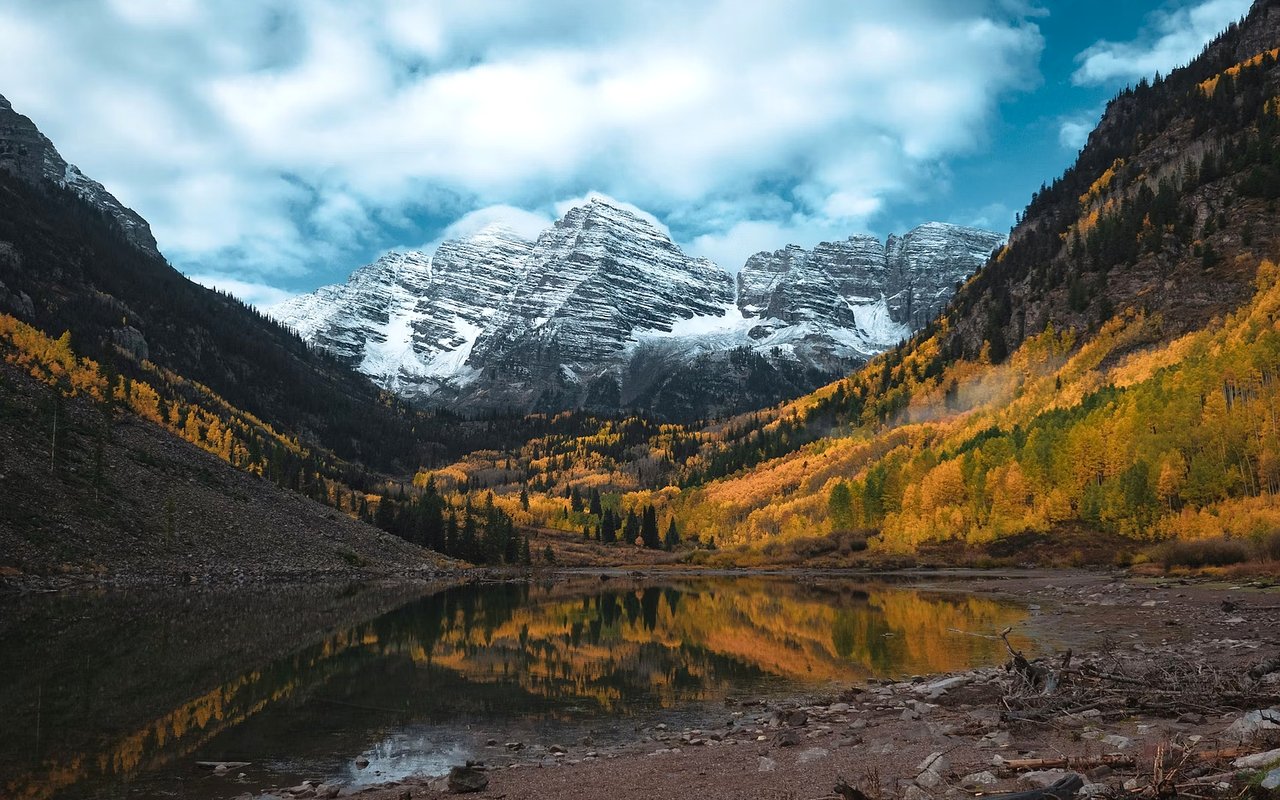
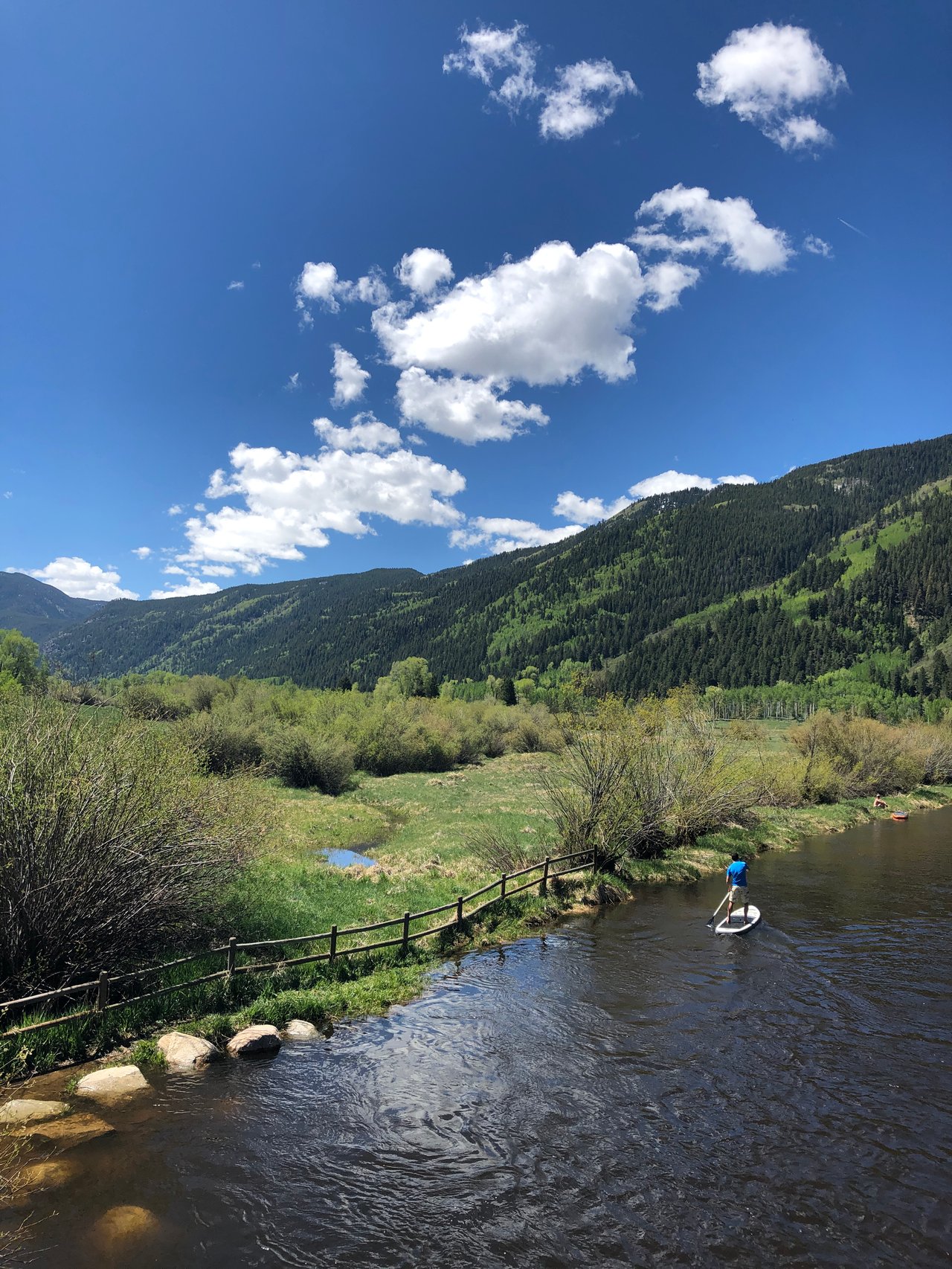
But skiing alone doesn't explain the prices. What reinforces Aspen's value is that the outdoor lifestyle is genuinely year-round. Hiking in the Elk Mountains, fly fishing the Roaring Fork River, road cycling, mountain biking, and summer festivals create a second distinct season of demand. In fact, 2026 market data from the Estin Report notes that even against a backdrop of historically low snowpack this winter, Aspen and Telluride prices remained resilient because the summer season — anchored by arts, food, culture, and climate — now rivals winter as a buyer motivation.
Reason 4: Aspen Is in a Different Category Than Every Other Mountain Market
The comparison data makes this clearer than any description can.
| Market | Median Home Price | Price Per Sq. Ft. |
|---|---|---|
| Aspen, CO | $13.2M–$18.1M | $3,500–$5,500 |
| Nantucket, MA | $4.5M–$5.2M | $1,700–$2,300 |
| Telluride, CO | $4.8M–$5.1M | $1,500–$2,500 |
| Jackson Hole, WY | $3.1M–$4.5M | $1,200–$1,900 |
| Vail, CO | $2.5M–$3.2M | $1,100–$1,600 |
Telluride is Aspen's closest cultural rival — also a box canyon, also constrained by geography, also a legitimate luxury market. But Telluride's median is roughly 40% of Aspen's, and its price per square foot is roughly half. Jackson Hole, often cited in the same breath as Aspen, saw a cooling period in late 2025. Vail has the highest transaction volume of any Colorado ski market but a significantly lower median because its broader inventory base includes more attainably-priced product.
What separates Aspen isn't just price — it's price density. You are more likely to find a $40 million listing within a two-block radius in Aspen than anywhere else in the United States outside of Manhattan or Palm Beach. The concentration of extreme wealth in a physically tiny town creates a self-reinforcing market dynamic that other resort markets simply don't replicate.
Reason 5: Privacy, Exclusivity, and the Value of Being Unreachable
There are expensive places to live, and then there are places where the wealthy actively choose to be inaccessible. Aspen is firmly in the second category.
The town's geography helps. Surrounded by mountains and accessible primarily through Aspen/Pitkin County Airport or a winding mountain highway, Aspen has a natural barrier to casual tourism that Palm Beach or the Hamptons lack. Celebrities, CEOs, and billionaires have made Aspen a preferred retreat precisely because the environment itself provides a layer of privacy that no gate or security detail can fully replicate.
Gated communities, large-parcel estates, and properties with ski-in/ski-out access allow buyers to be entirely self-contained. The social fabric of the town — small population, tight-knit community, relatively limited paparazzi culture compared to coastal markets — adds another layer of appeal for buyers whose primary motivation is escaping visibility rather than seeking it.
This is a value that's genuinely difficult to price but unmistakably real. Buyers pay a premium for Aspen not just because of what it has, but because of what it keeps out.
Reason 6: The Architecture and Design Premium
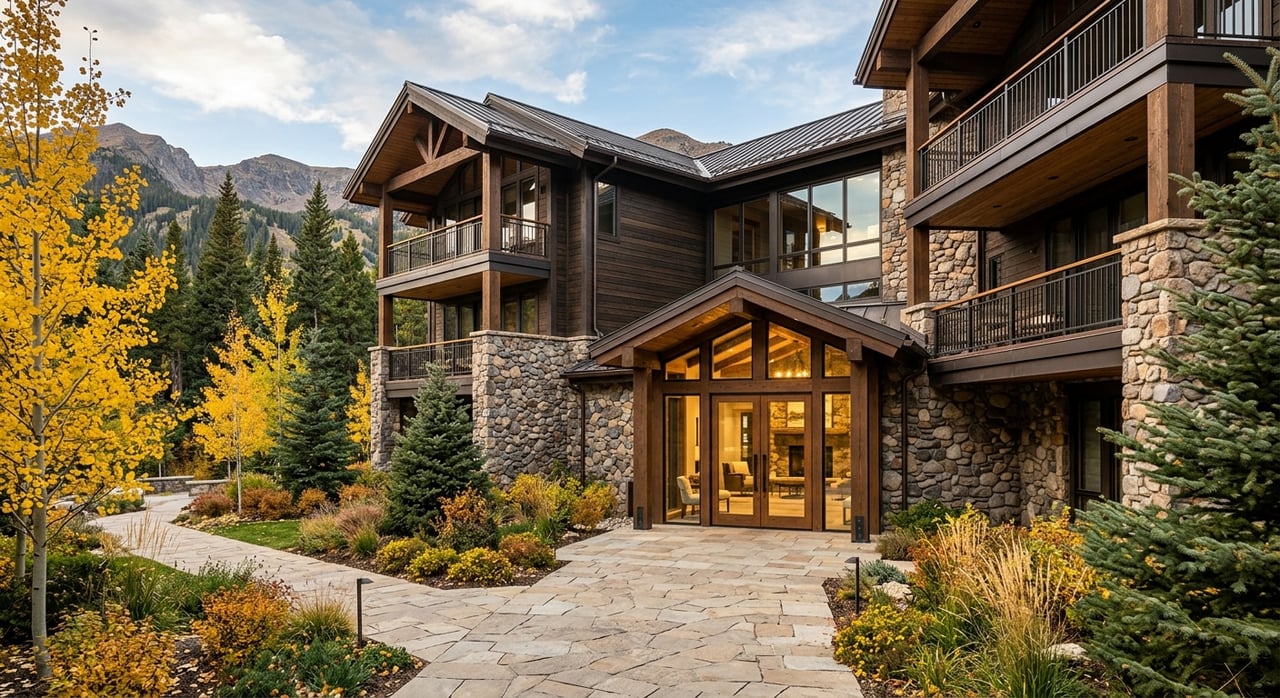
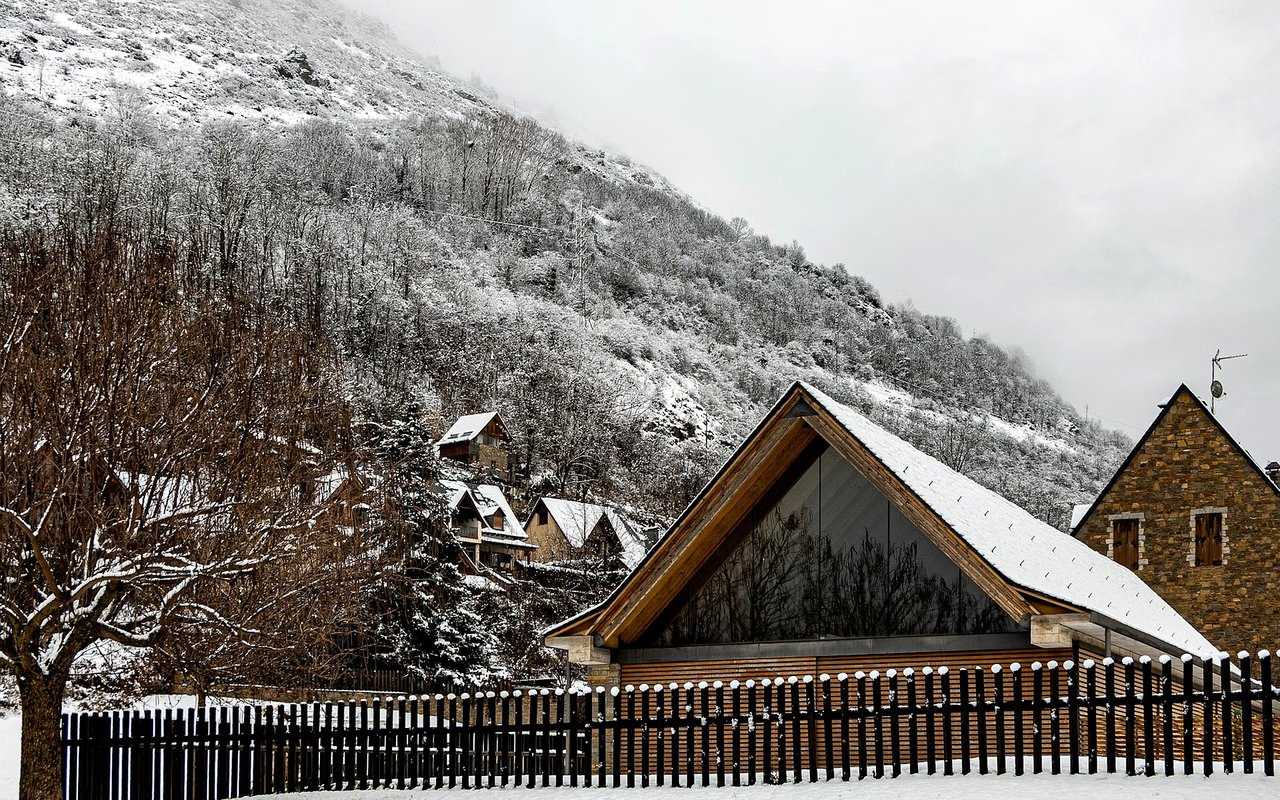
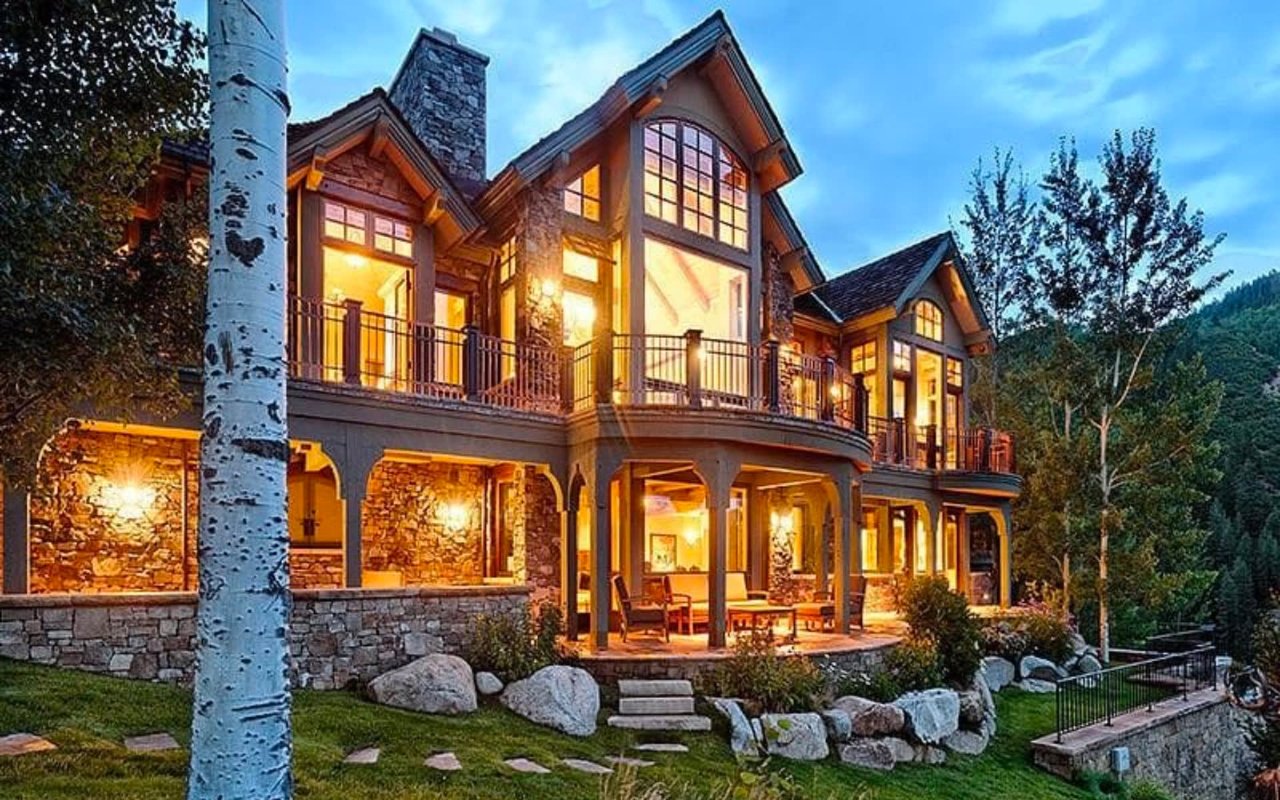
Aspen's building stock is not generic luxury. The combination of high land costs, strict design review processes, and an exceptionally demanding buyer base has produced a collection of residential architecture that is genuinely world-class by any standard.
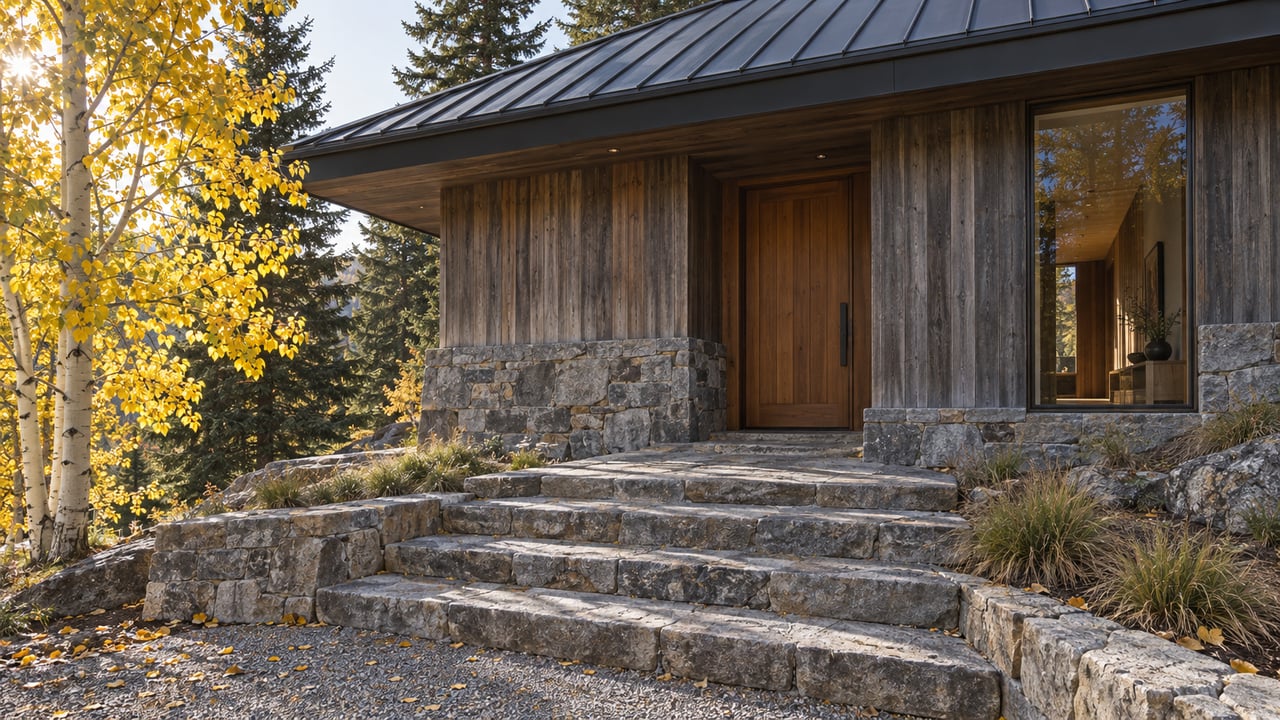
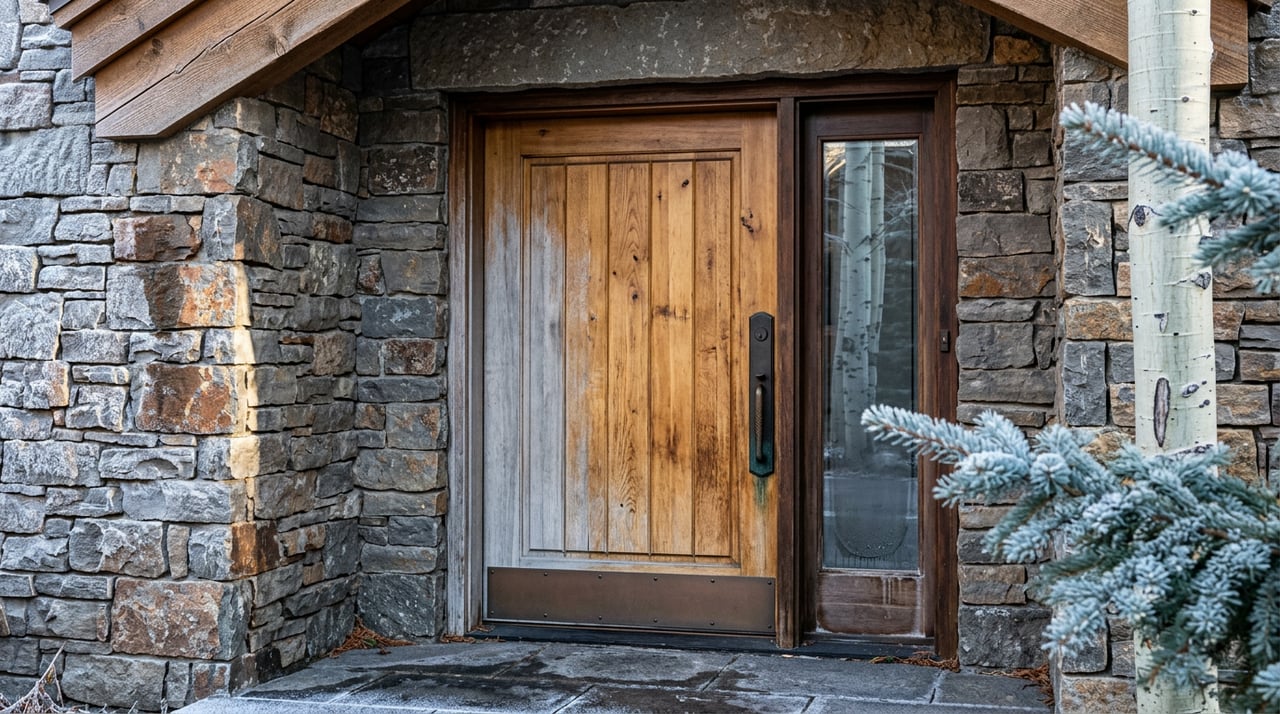
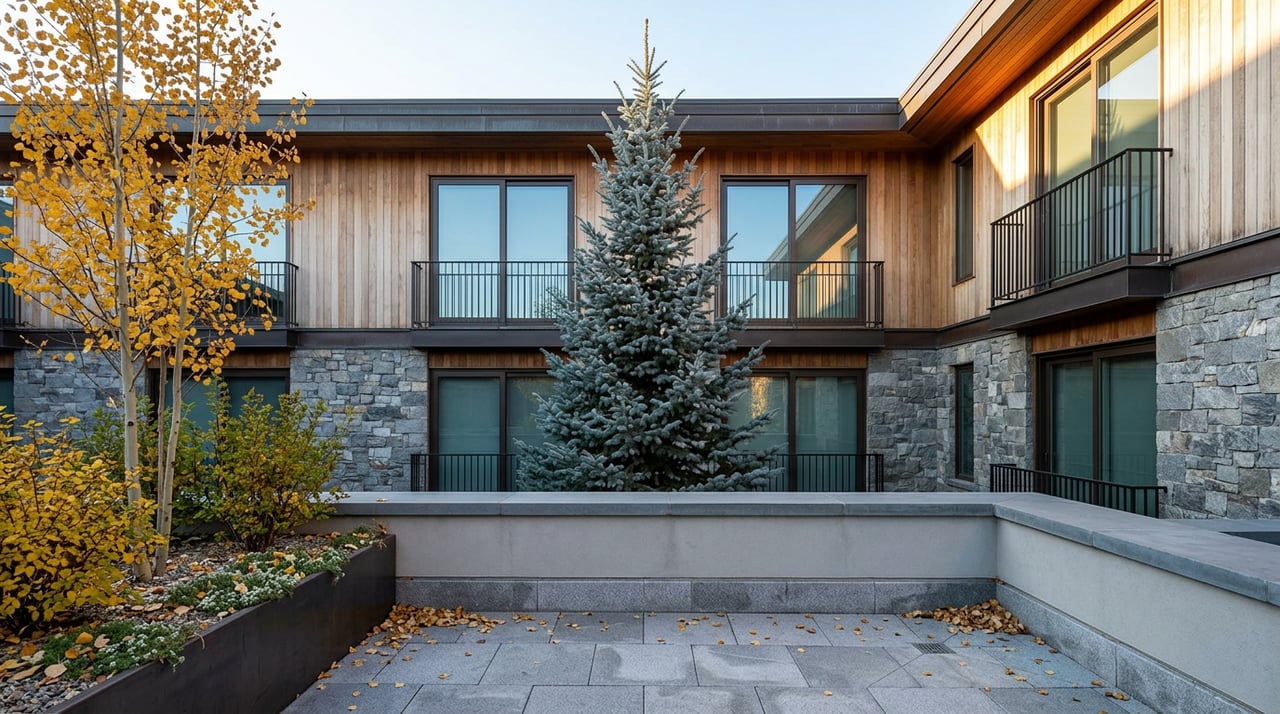
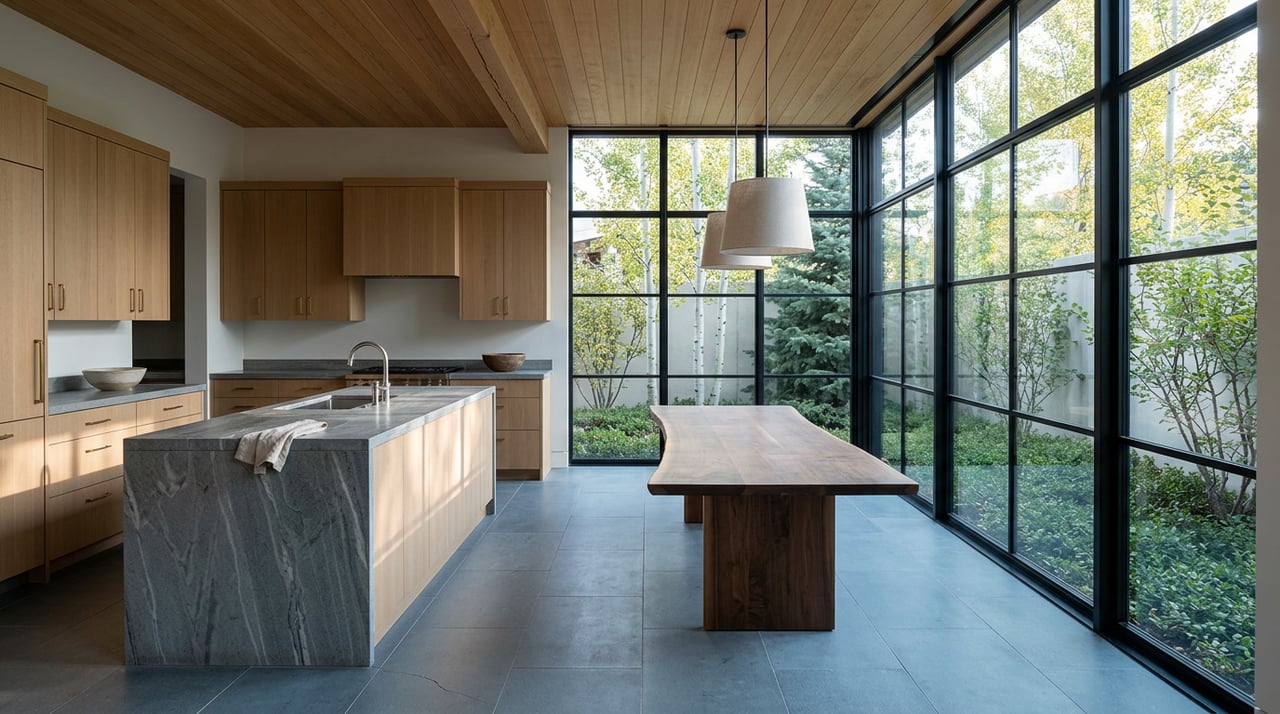
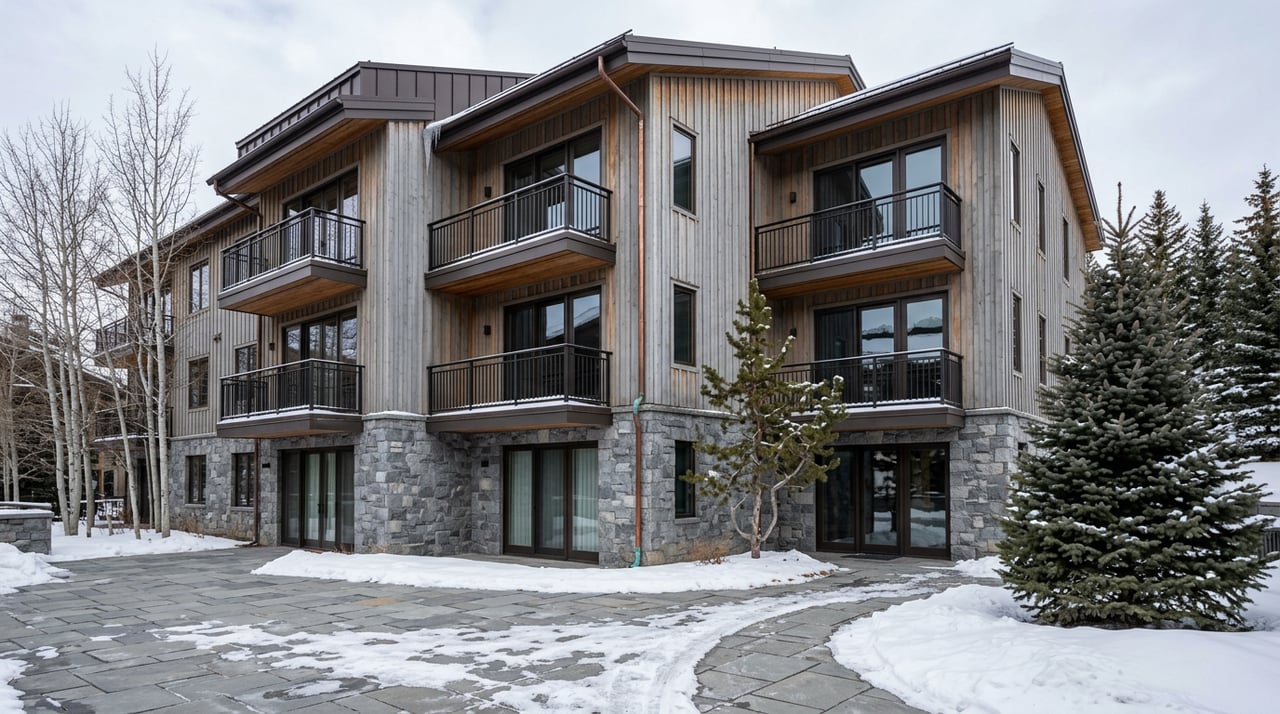
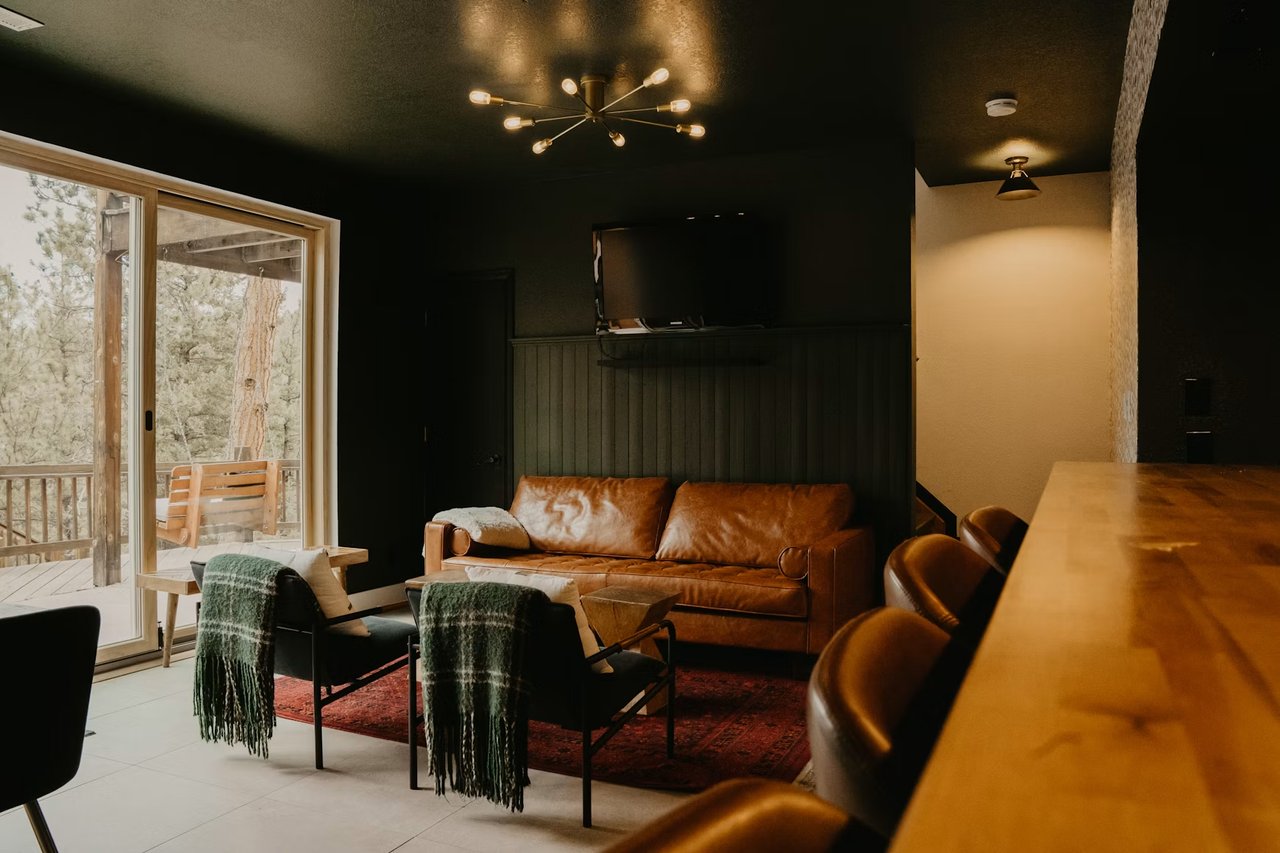
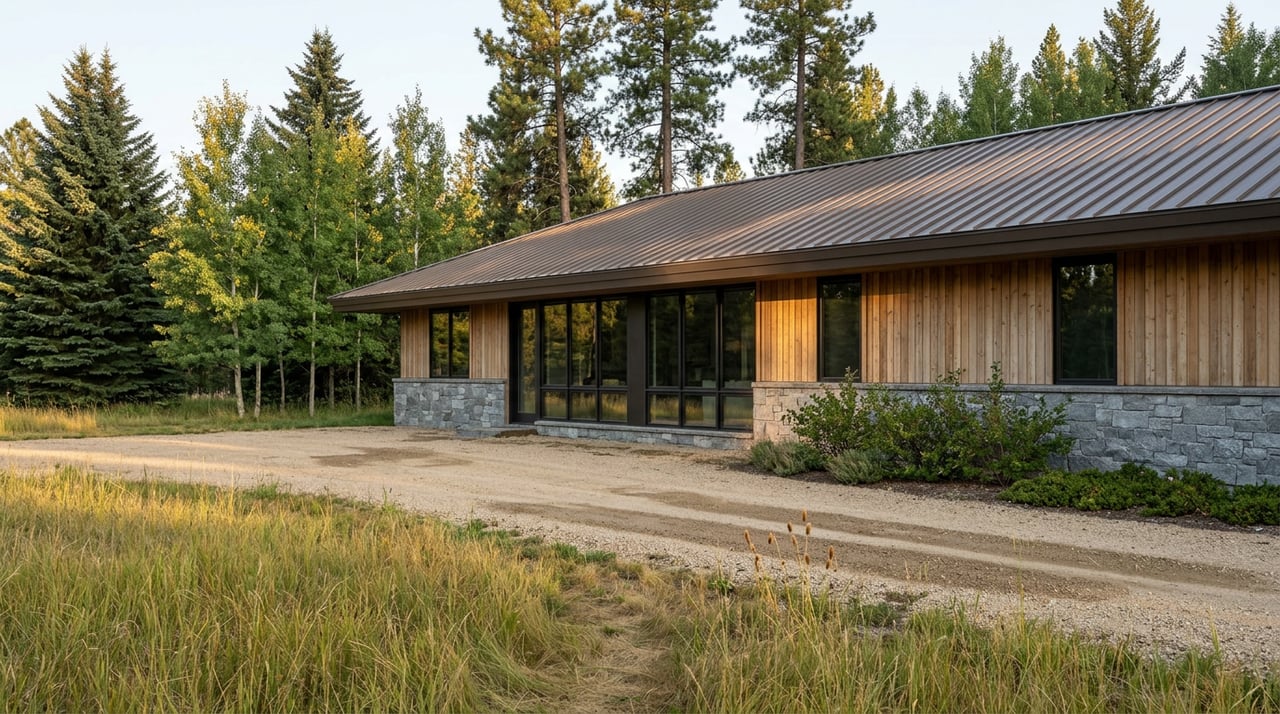
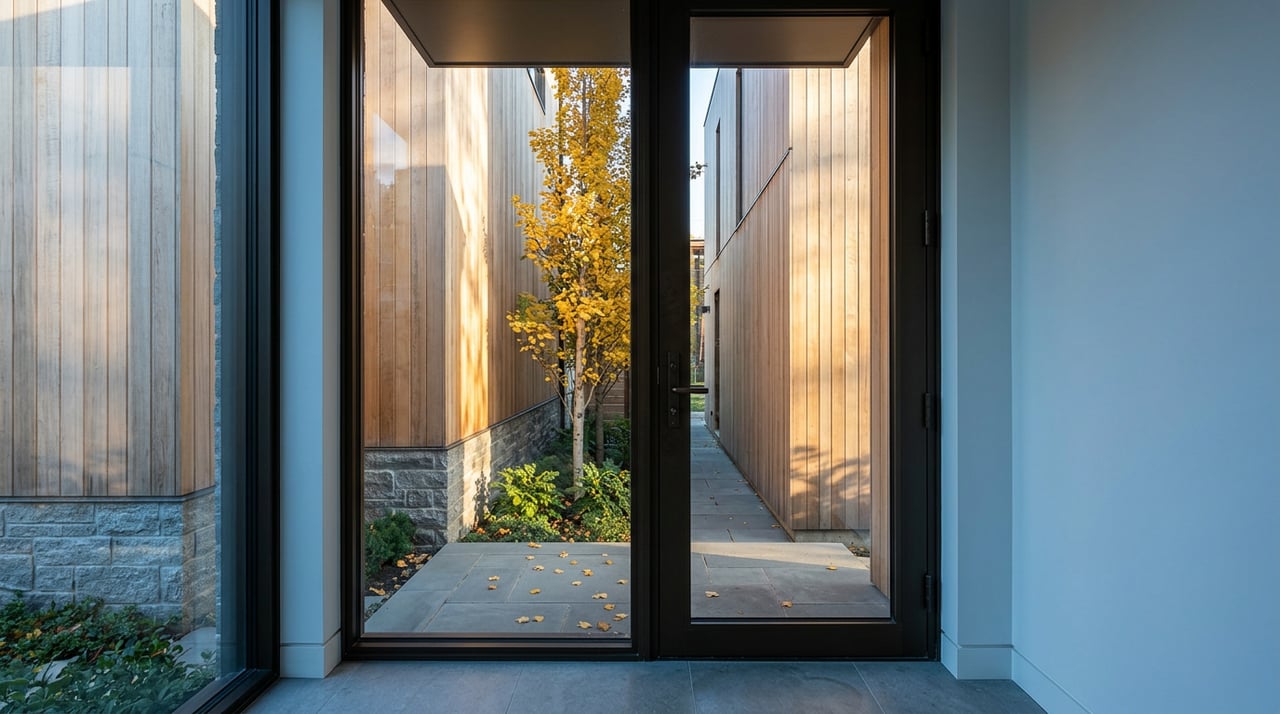
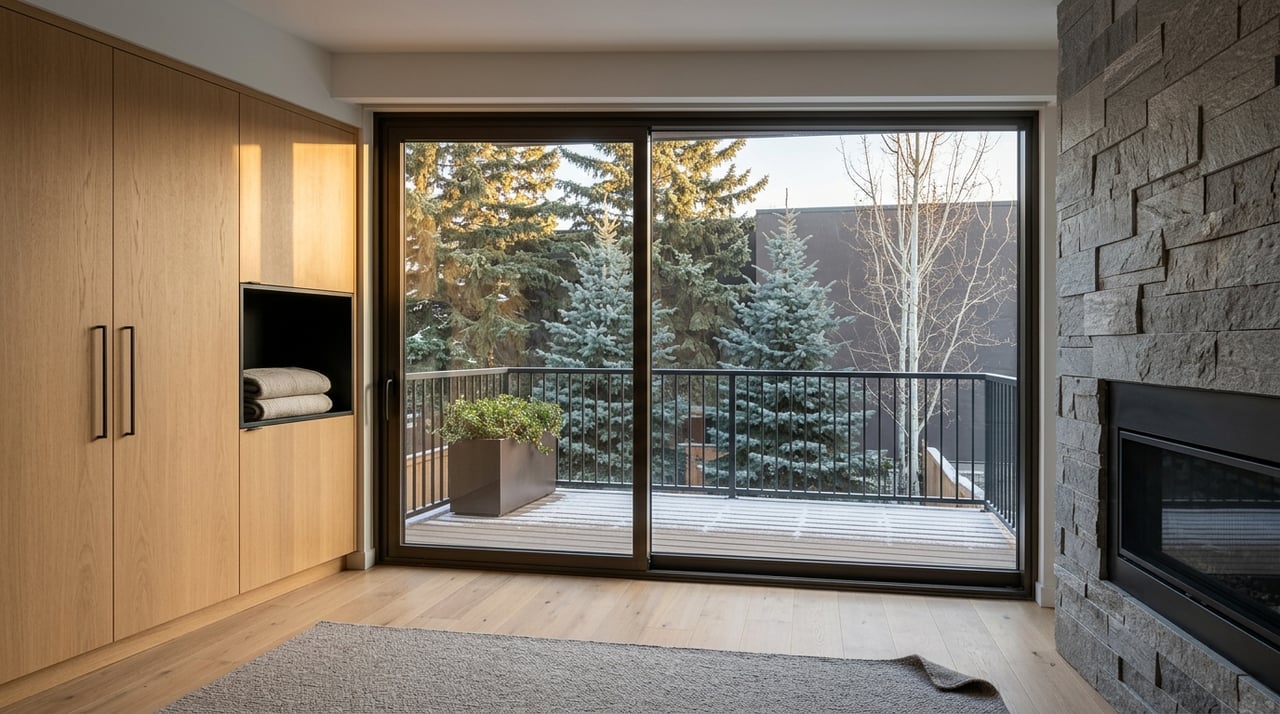
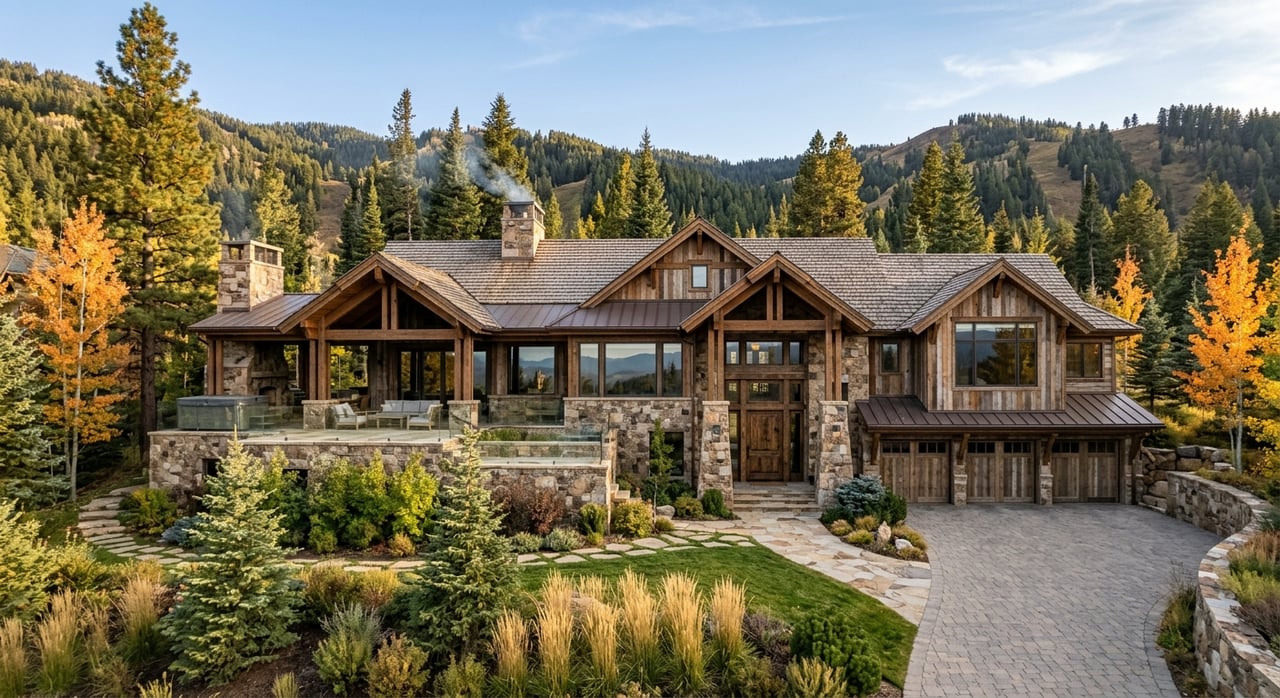
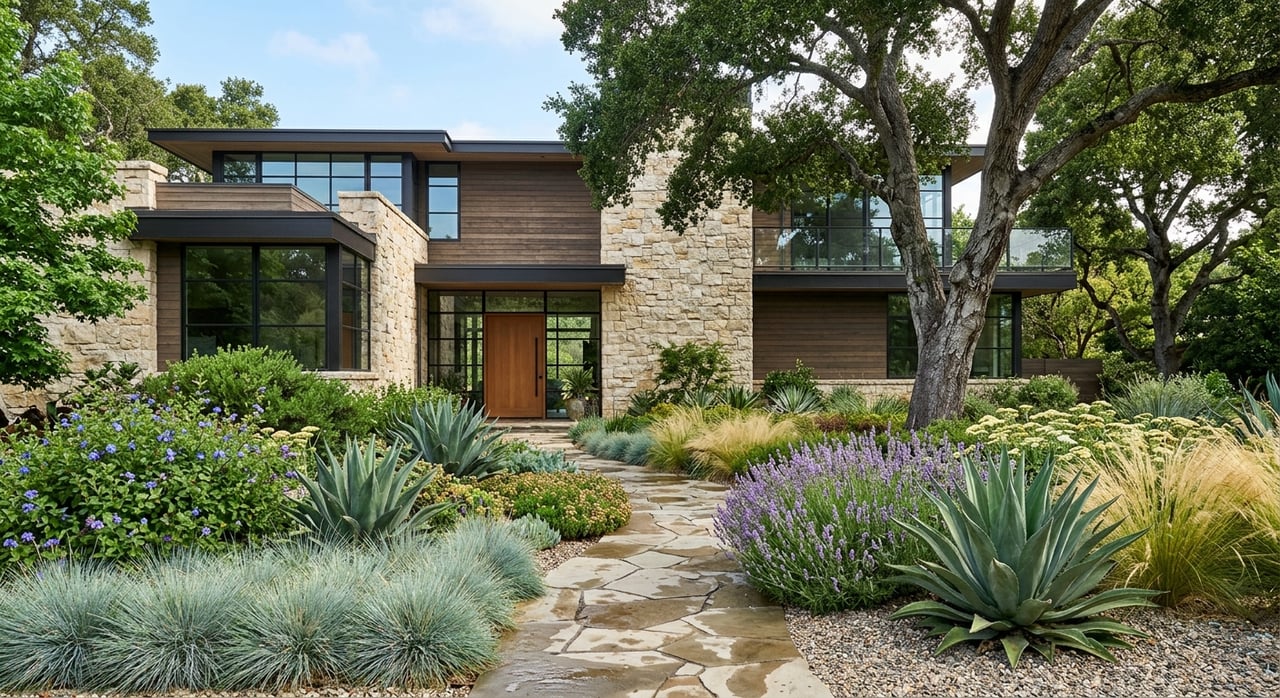
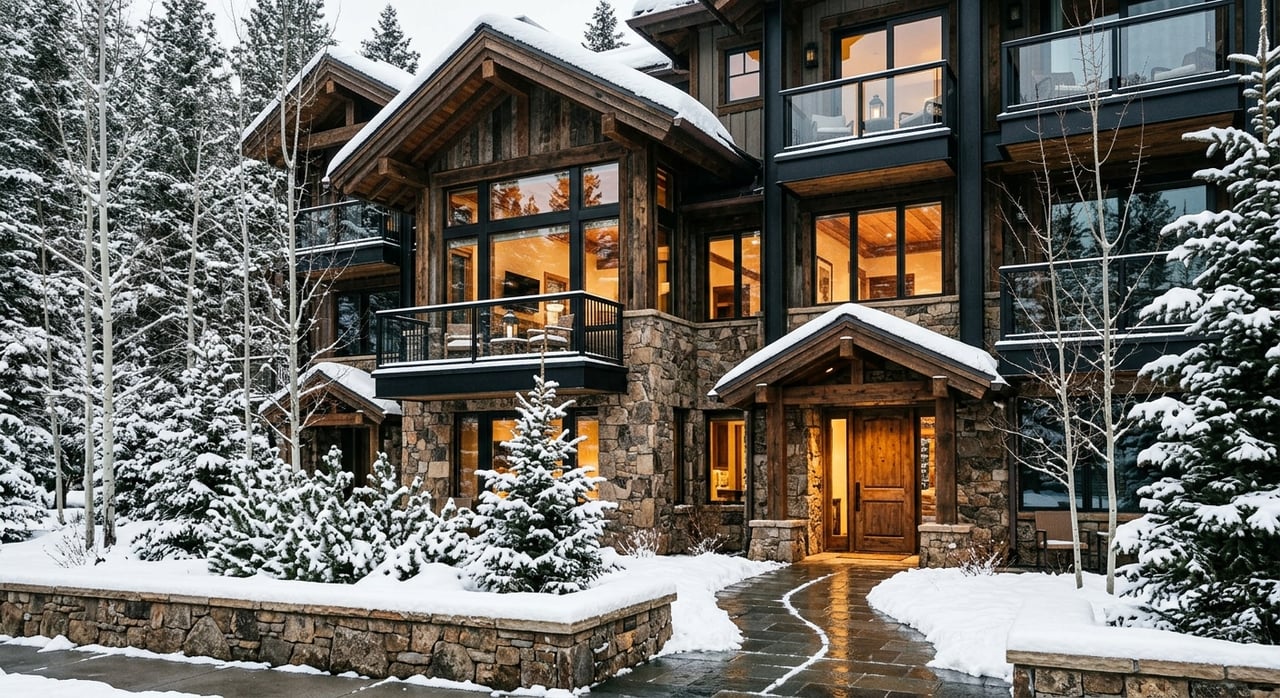
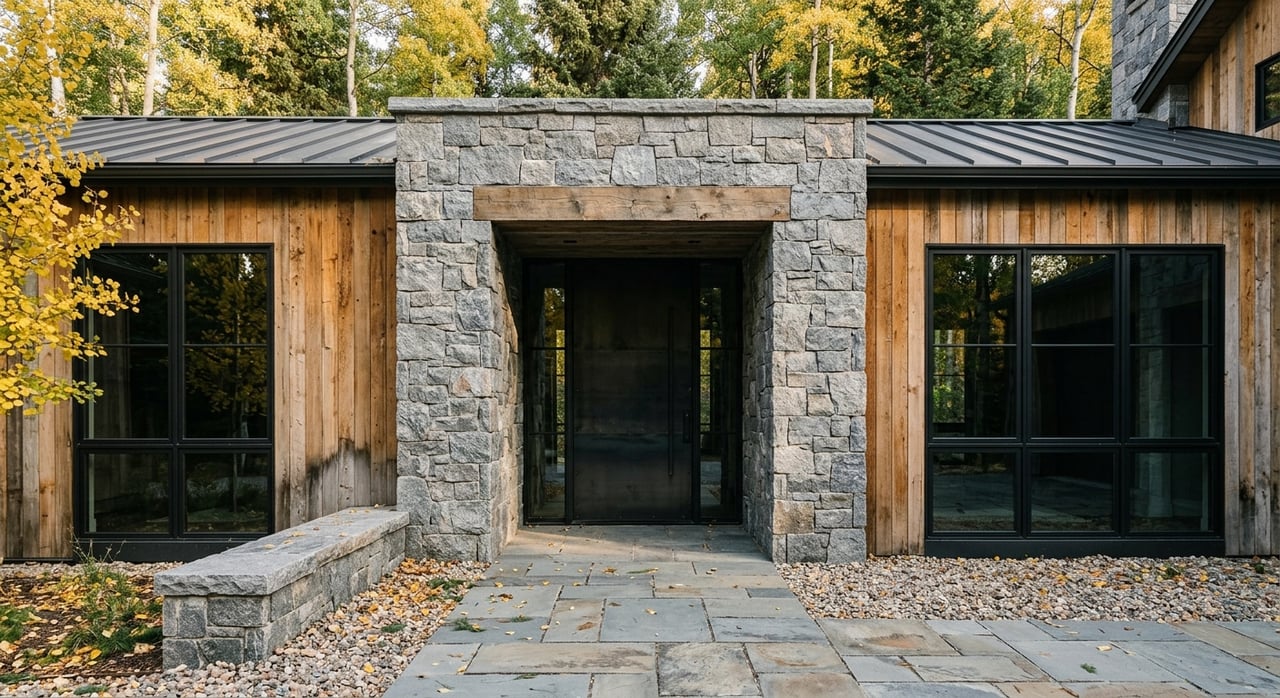
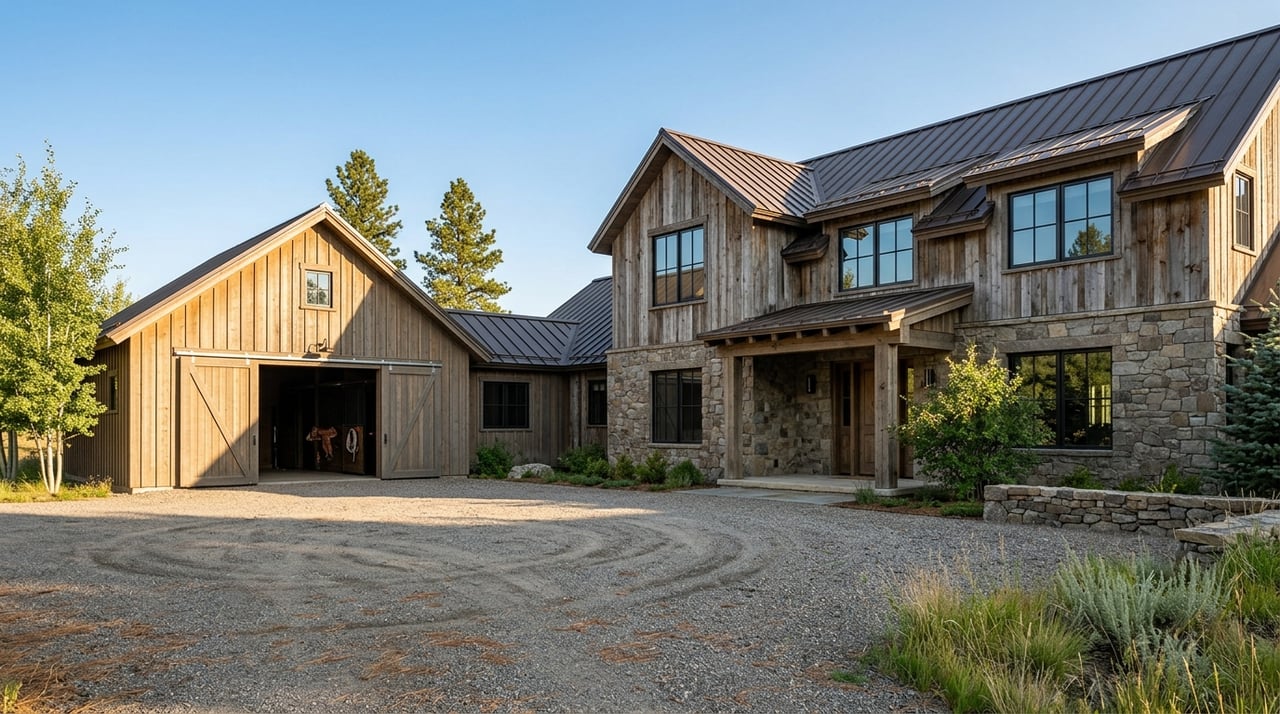
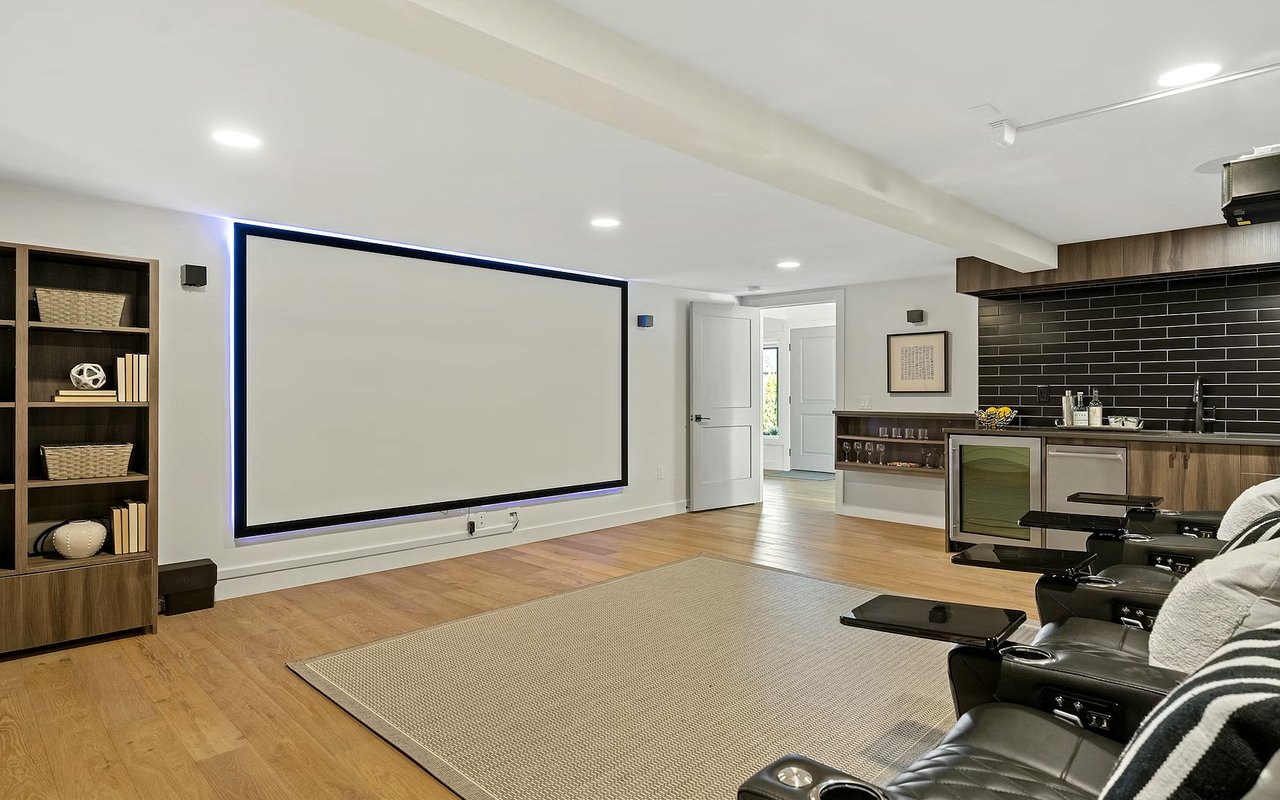
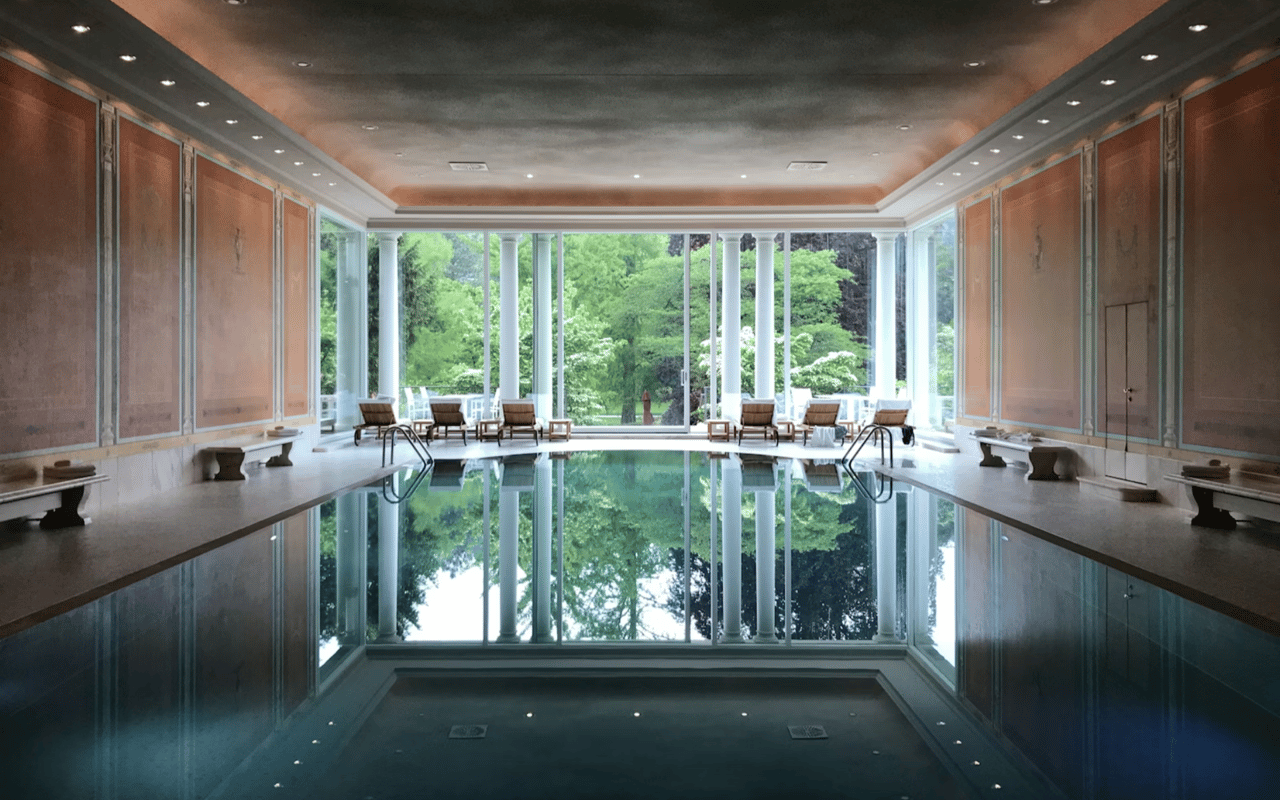
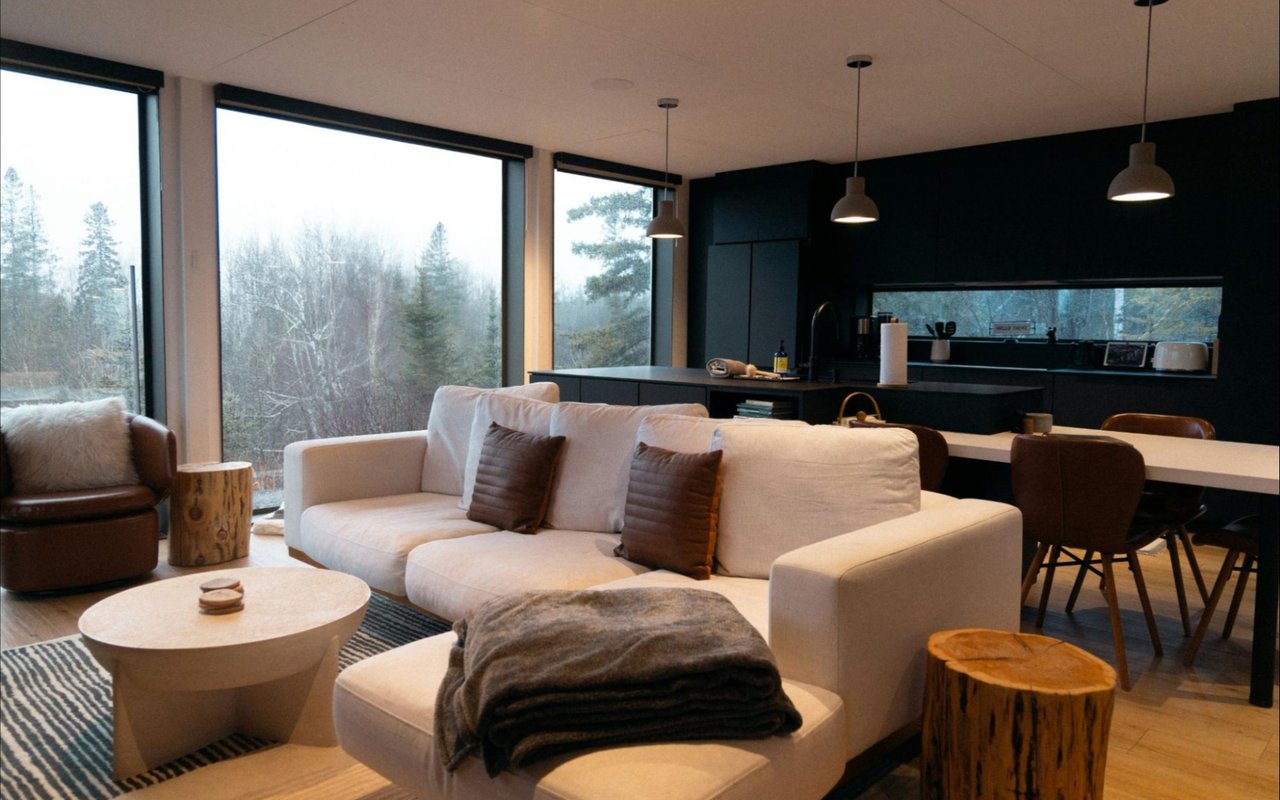
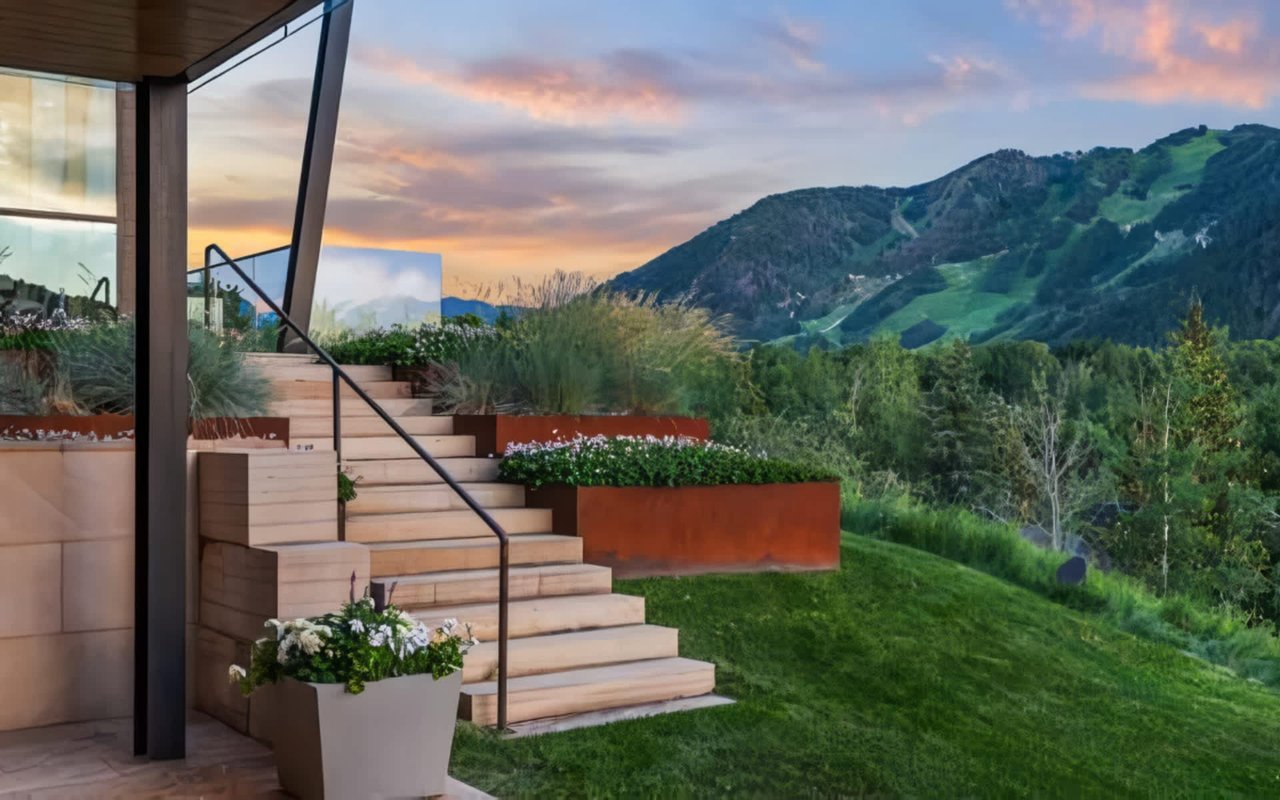
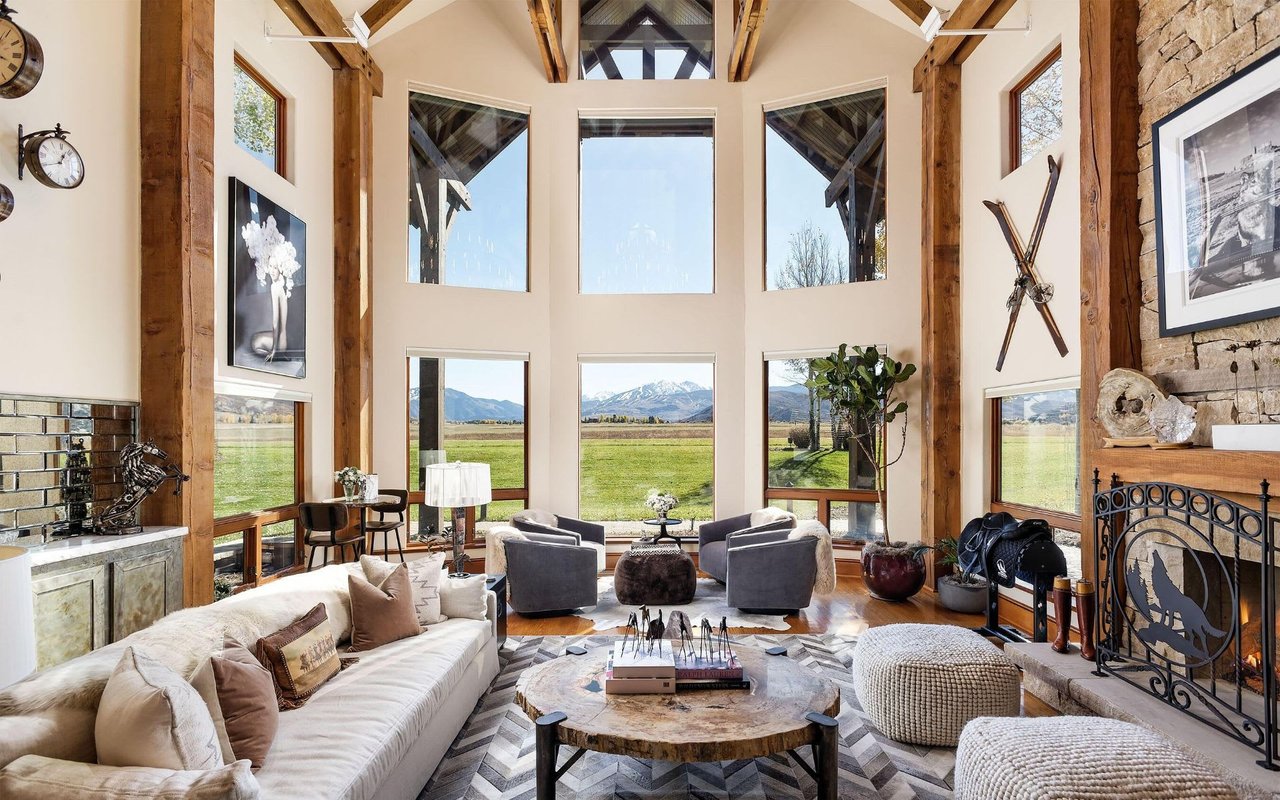
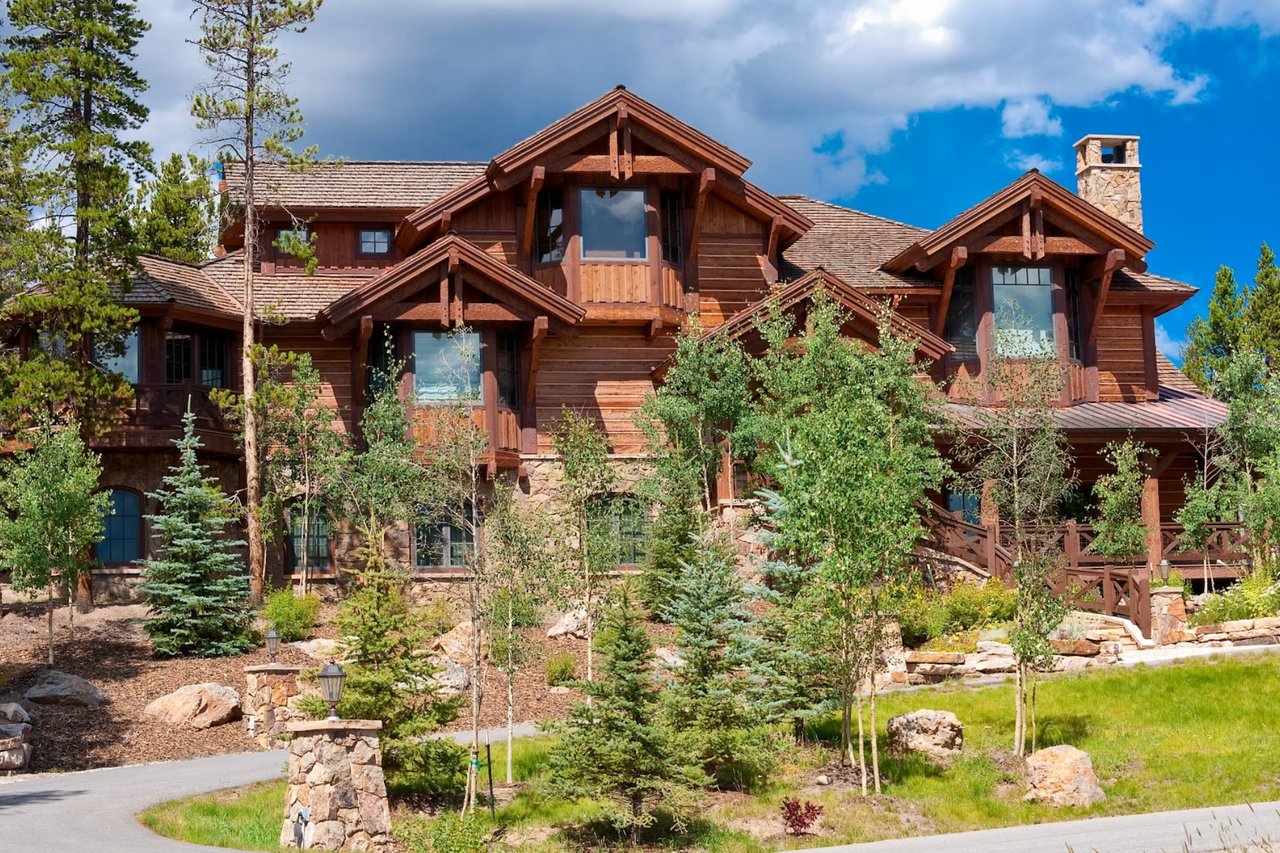
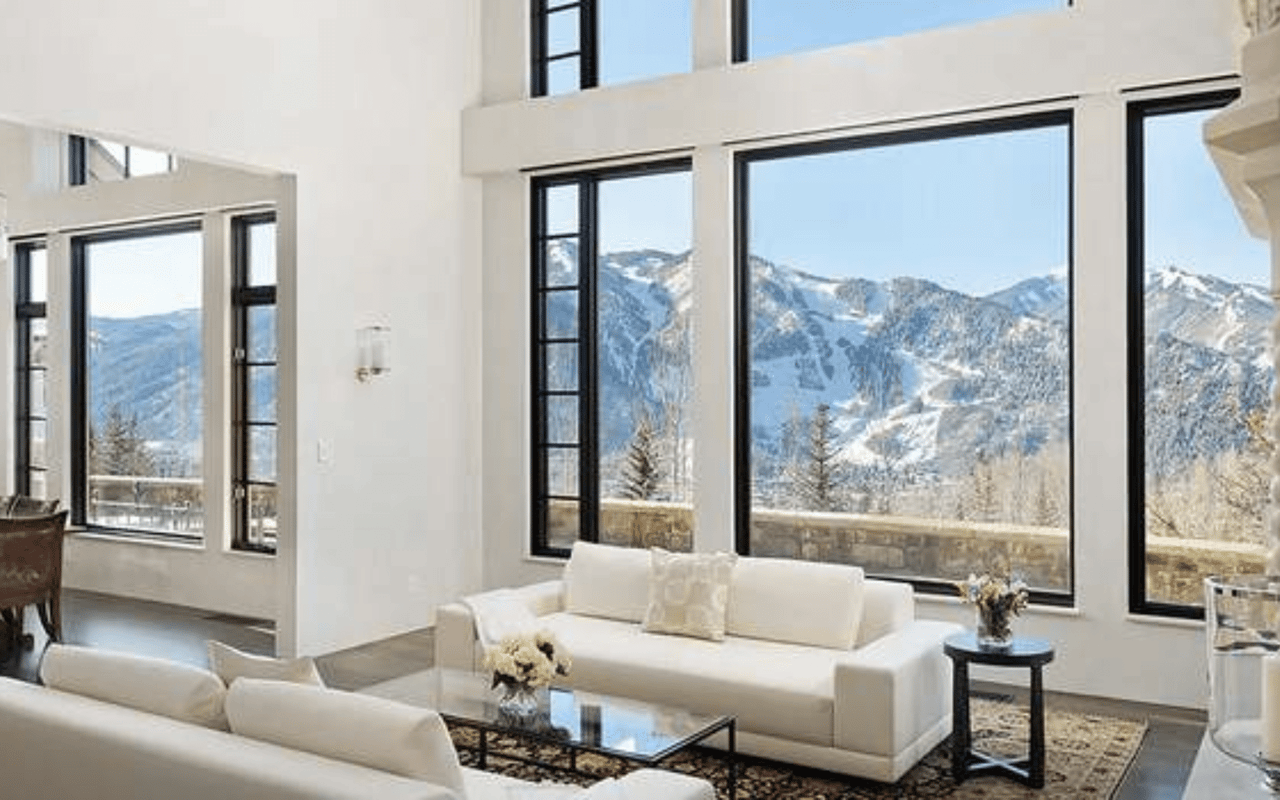
Custom homes in Aspen typically incorporate mountain-modern design vocabularies — the interplay of glass, steel, reclaimed wood, and stone that responds to the landscape rather than ignoring it. Smart home integration, radiant heat systems, wine cellars, home theaters, wellness suites, and indoor-outdoor living spaces designed for both summer and subzero temperatures are standard expectations in the $10M+ tier, not upgrades.
The new Land Use Code's restrictions on maximum square footage have created an interesting secondary effect on design: when you can't build bigger, you build better. The premium placed on architectural quality, interior finishes, and design pedigree in Aspen is consequently higher than in markets where square footage is more achievable. Buyers are paying for craft, not just space.
Reason 7: The Rental Market Still Works — With the Right Property
For buyers in the $3 million to $10 million range, particularly in the condo and townhome segment, rental income is a meaningful part of the ownership calculus.
Based on 2026 data from AirROI and Rabbu, the Aspen short-term rental market currently performs as follows:
- Average Daily Rate (ADR): $1,027–$1,082
- Top 10% of properties (luxury): $2,026+ per night
- Average occupancy rate: 34–60% depending on permit type
- Peak monthly revenue: $18,000–$19,800, with top-performing luxury properties exceeding $30,000 per month
The most important insight for 2026 buyers is the ADR jump between unit sizes. Two-bedroom units average around $945 per night, while three-bedroom units average $1,469 — a 55% premium for one additional bedroom. This is why investors in the current market are targeting three-bedroom lock-off units as the sweet spot between acquisition cost and rental yield.
One significant change for 2026: Short-Term Rental taxes for "Classic" permits (standard second-homeowner STRs) have increased to 22.35%, materially compressing margins compared to prior years. This has pushed a segment of buyers toward "Lodge-Exempt" condo-hotel properties, where the tax rate is lower at 12.35% and rental caps don't apply.
For single-family homes at $13M and above, the rental math shifts entirely. At that price point, rental income functions less as a yield vehicle and more as an offset against carrying costs — HOA fees, property taxes, and maintenance. The investment thesis at the top of the market is almost purely appreciation-driven, and the historical record supports it.
Reason 8: Property Taxes Are Lower Than You'd Expect
One of the less-discussed reasons Aspen real estate attracts buyers who could theoretically choose any luxury market in the world: Colorado's property tax structure is relatively favorable compared to coastal alternatives.
New York, California, and New Jersey all impose property tax burdens that can add six figures annually to the carrying cost of a $10M+ home. Colorado's Gallagher Amendment and TABOR provisions have historically kept residential assessment rates lower, which means the ongoing cost of ownership in Aspen is more manageable than comparable price-point properties in other high-end markets.
For a buyer choosing between a $15M property in Aspen and a comparable asset in East Hampton or on the California coast, the annual tax differential can amount to a meaningful financial advantage — and over a 10 or 20-year hold, that math compounds significantly.
Reason 9: Aspen Has a Cultural Infrastructure That Most Mountain Towns Can't Match
The Aspen Music Festival. The Food & Wine Classic. The Aspen Ideas Festival. The Wheeler Opera House. Art galleries, fine dining restaurants at the level of major metropolitan cities, boutique retail, and wellness infrastructure that rivals urban centers.
This cultural depth matters for a specific reason: it dramatically extends the buyer's usable calendar. A ski-only destination has a four-month season. Aspen's cultural programming turns it into a genuine year-round residence, which changes the ownership calculus from "vacation home" to "primary or co-primary home" for an increasing number of buyers. That shift in classification drives a different level of willingness to invest — buyers furnishing a place they'll live in half the year spend and expect more than buyers furnishing a place they'll visit three weeks annually.
The X Games, Winterskol, Jazz Aspen Snowmass, and the annual Food & Wine Classic all generate windows of peak demand that create natural entry points for the rental market as well, supporting ADRs that other resort towns can't sustain.
Reason 10: The Market Has a Proven Track Record of Holding Value
Luxury markets are not immune to correction, but Aspen has demonstrated a resilience over multiple economic cycles that has cemented its reputation as a genuine store of value.
During the 2008 financial crisis, Aspen prices did soften — but recovered faster and more completely than almost any comparable market. During COVID, Aspen was one of the first luxury markets to not just recover but dramatically surge, as remote work flexibility and health consciousness drove wealthy buyers toward private, outdoor-oriented environments. Even in 2025 and early 2026, with the broader luxury market showing mixed signals, Aspen's ultra-luxury tier grew in volume while other markets contracted.
The structural reasons for this resilience come back to supply. You cannot create more Aspen. The 84% protected land figure isn't going to change. The Urban Growth Boundary isn't being removed. The new Land Use Code is making the development constraints tighter, not looser. Every year that passes without new supply being added is another year that the existing stock becomes marginally more irreplaceable.
For investors and second-home buyers who think in decades rather than months, that combination — absolute supply constraint, global demand, and a cultural and lifestyle infrastructure that keeps generating new buyers — is about as durable a value proposition as residential real estate offers.
What the Market Looks Like Right Now (Spring 2026)
As of April 2026, the Aspen market is in what analysts are calling a "measured" phase. Transaction volume is down from the post-pandemic peak — Q1 2026 recorded only five single-family closings in Aspen proper in March, and total county-wide dollar volume was down approximately 37% year-over-year as of January and February. Days on market have crept up, with single-family homes averaging 160 days and condos at 208 days.
But this slowdown in velocity is not a price correction. It's a buyer recalibration — a shift toward greater selectivity about condition and value rather than a retreat from the market. The "stale" inventory sitting longest tends to be older homes with aspirational pricing that haven't been updated to meet current buyer expectations for move-in-ready quality.
For buyers, the spring shoulder season — May in particular — historically offers more negotiating leverage. Sellers whose homes didn't move during the winter ski season are facing carrying costs through the quiet months before the July-August summer surge. That window, if you're in a position to move, tends to produce better outcomes than competing in peak season.
The Bottom Line
Aspen real estate is expensive because every structural factor that drives luxury real estate value — supply constraint, natural beauty, lifestyle quality, privacy, cultural depth, buyer wealth concentration, and investment performance — exists here at maximum intensity and interacts with every other factor simultaneously.
Other markets have some of these things. Telluride has the geography. Nantucket has the prestige. Jackson Hole has the scenery. Vail has the skiing. None of them have all of it, and none of them have it at the scale and concentration that Aspen does.
That's not a marketing statement. It's what the data says.
Work With Someone Who Knows This Market From the Inside
Brittanie Rockhill has spent over 15 years working exclusively in the Aspen Snowmass market, with nearly $1 billion in career sales and a multimillion-dollar rental business built from the ground up. She understands Aspen not just as a collection of transactions, but as a living market with seasonal rhythms, neighborhood-by-neighborhood nuance, and investment dynamics that no amount of data alone can fully capture.
Whether you're exploring your first purchase in Aspen, evaluating your current property's position in today's market, or looking to build a rental strategy that works within the new 2026 tax structure, Brittanie offers the kind of grounded, specific guidance that comes from being genuinely embedded in this place.
Reach out to Brittanie Rockhill to start the conversation.