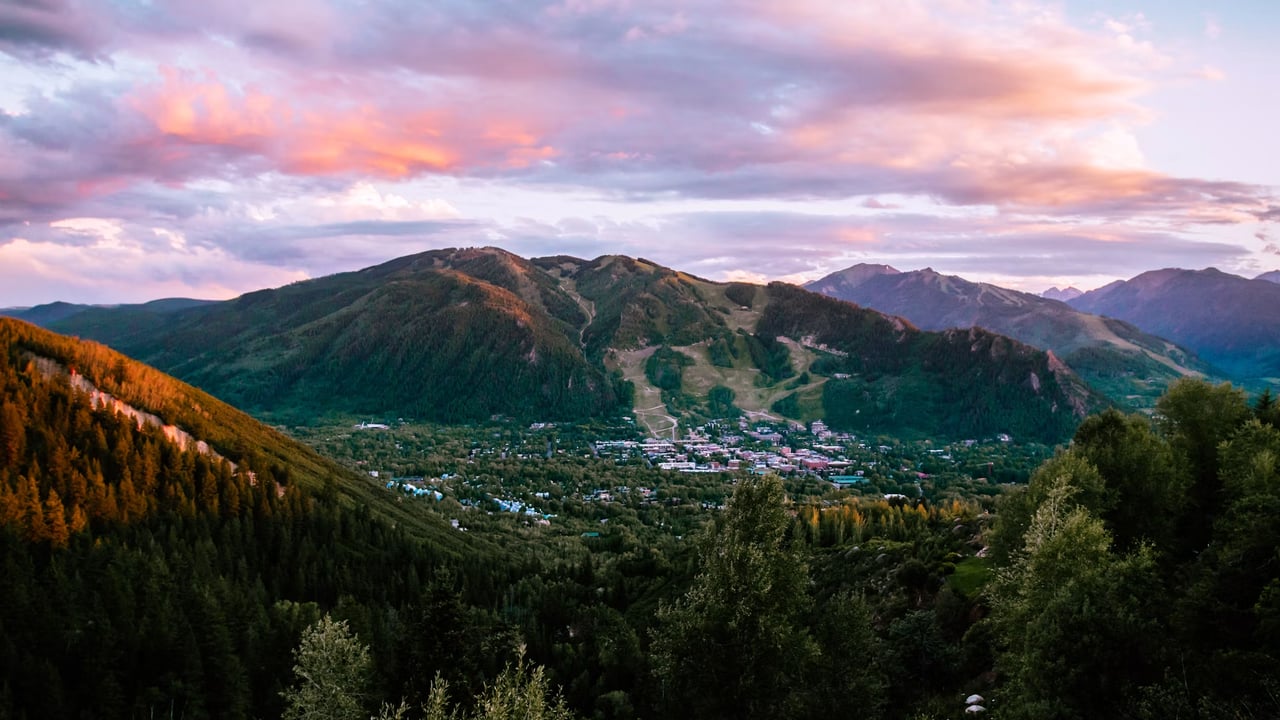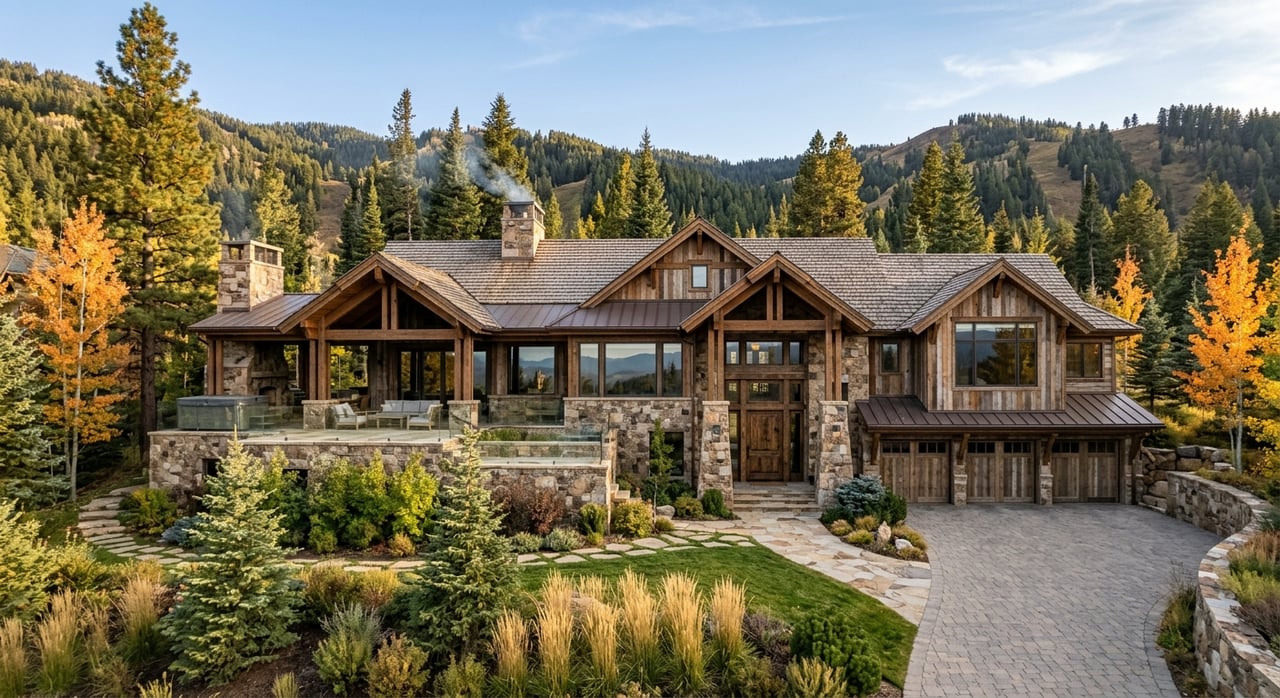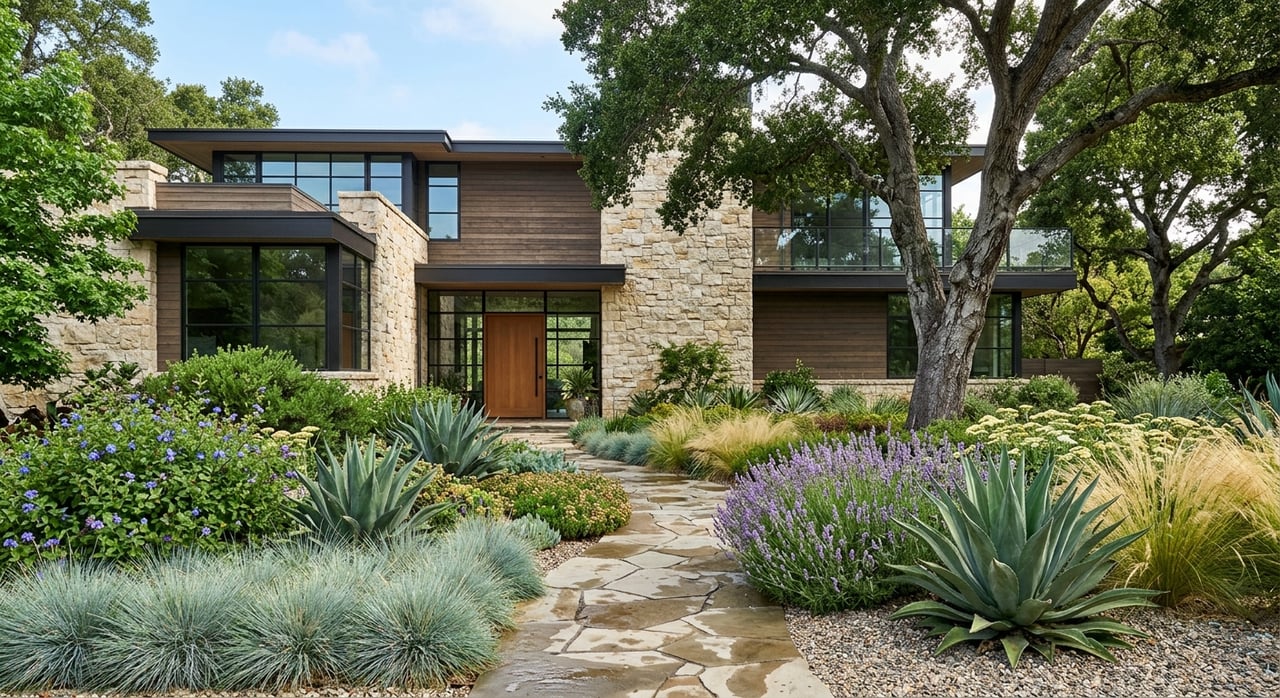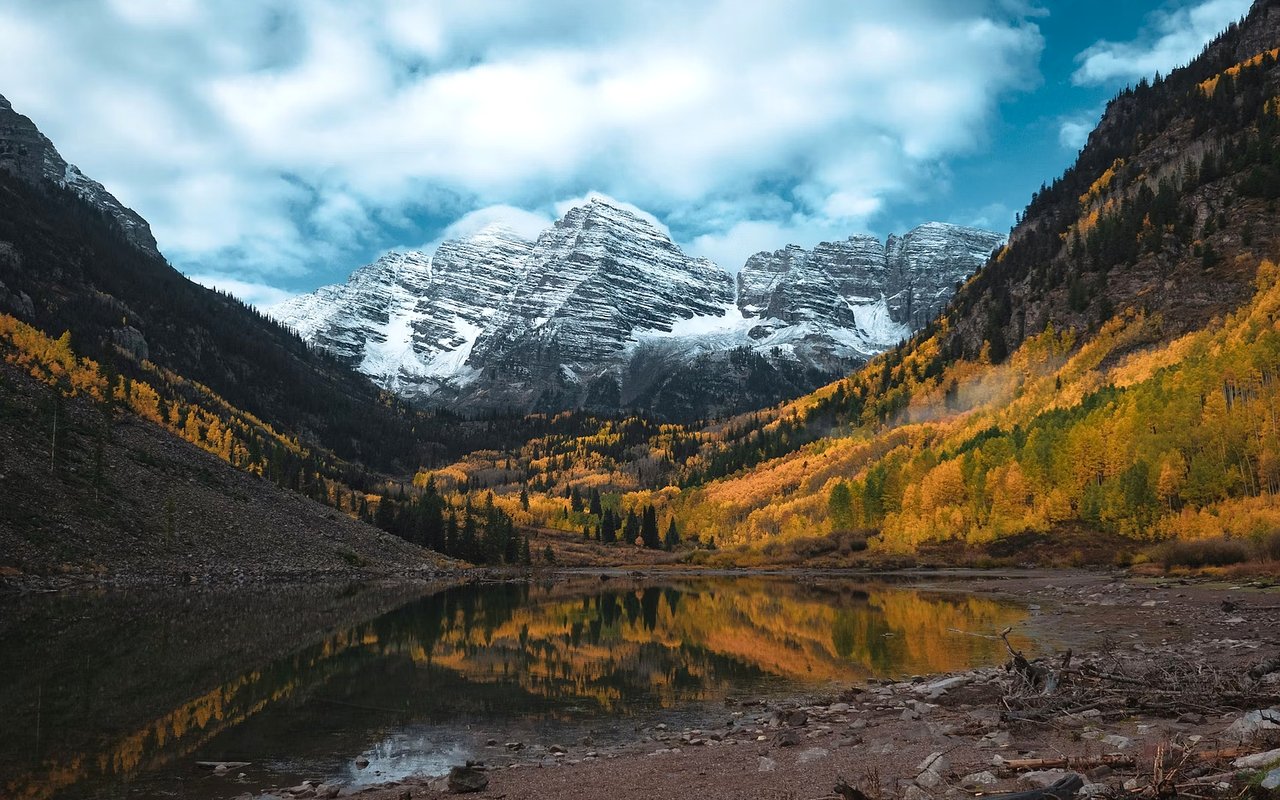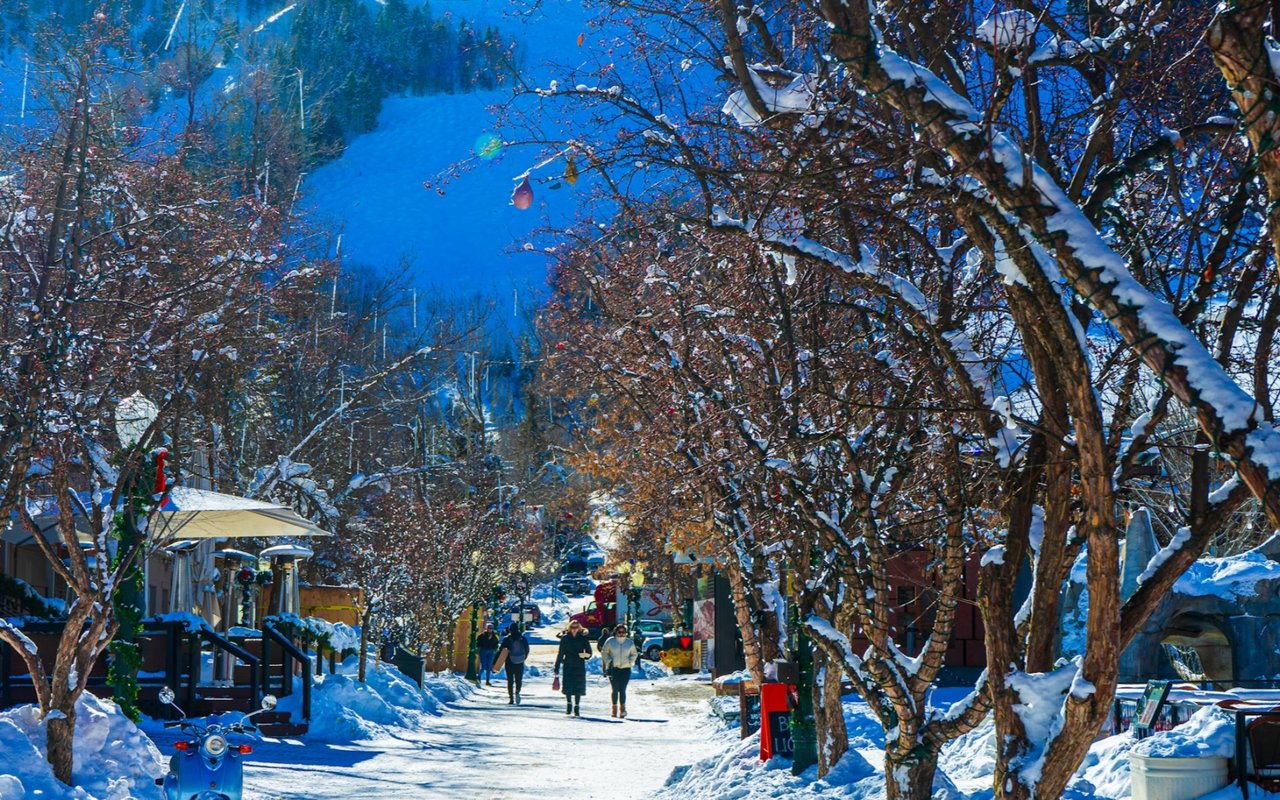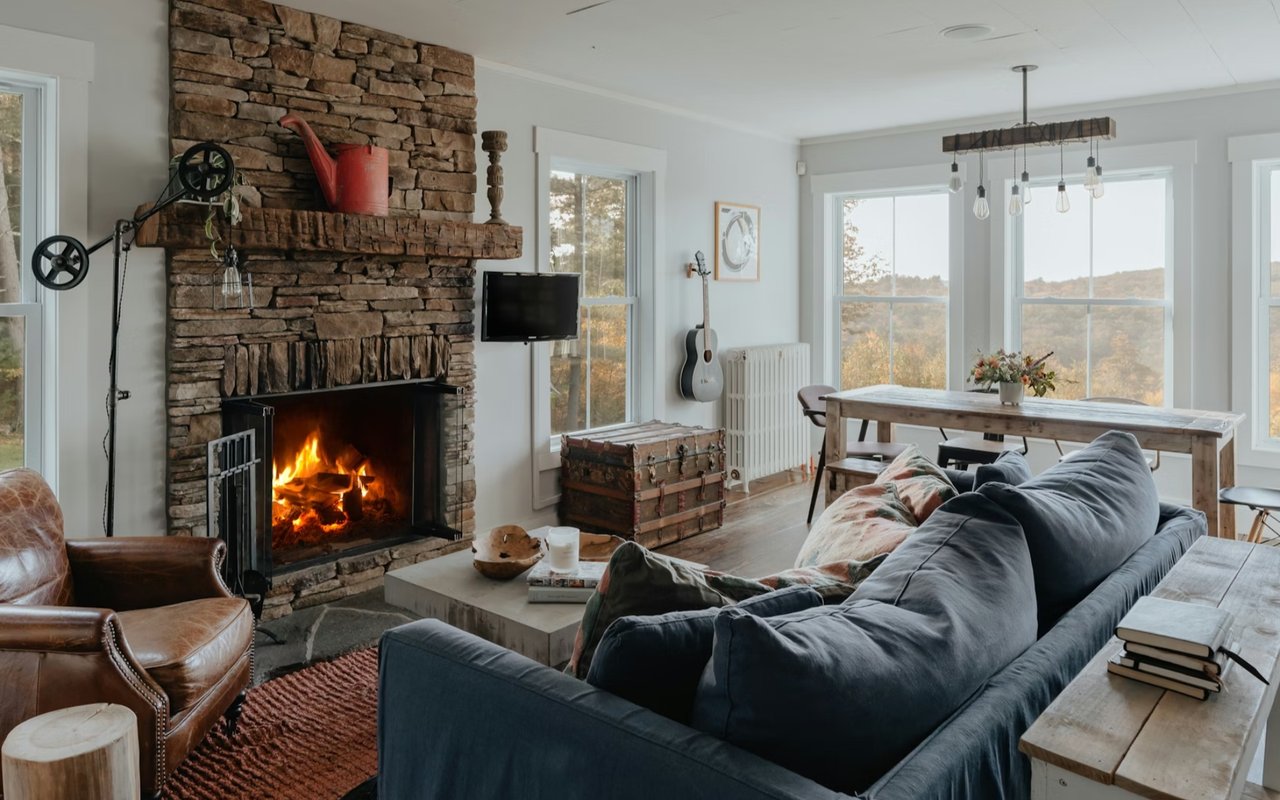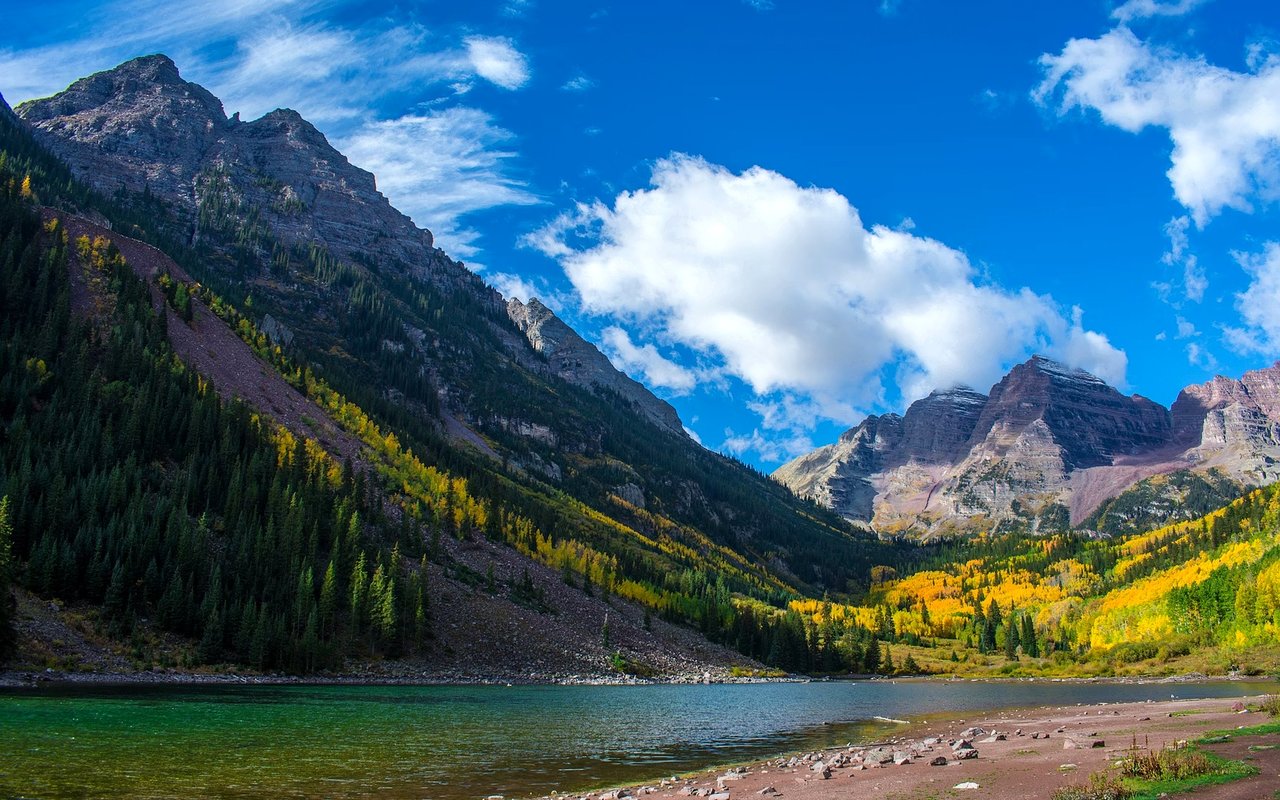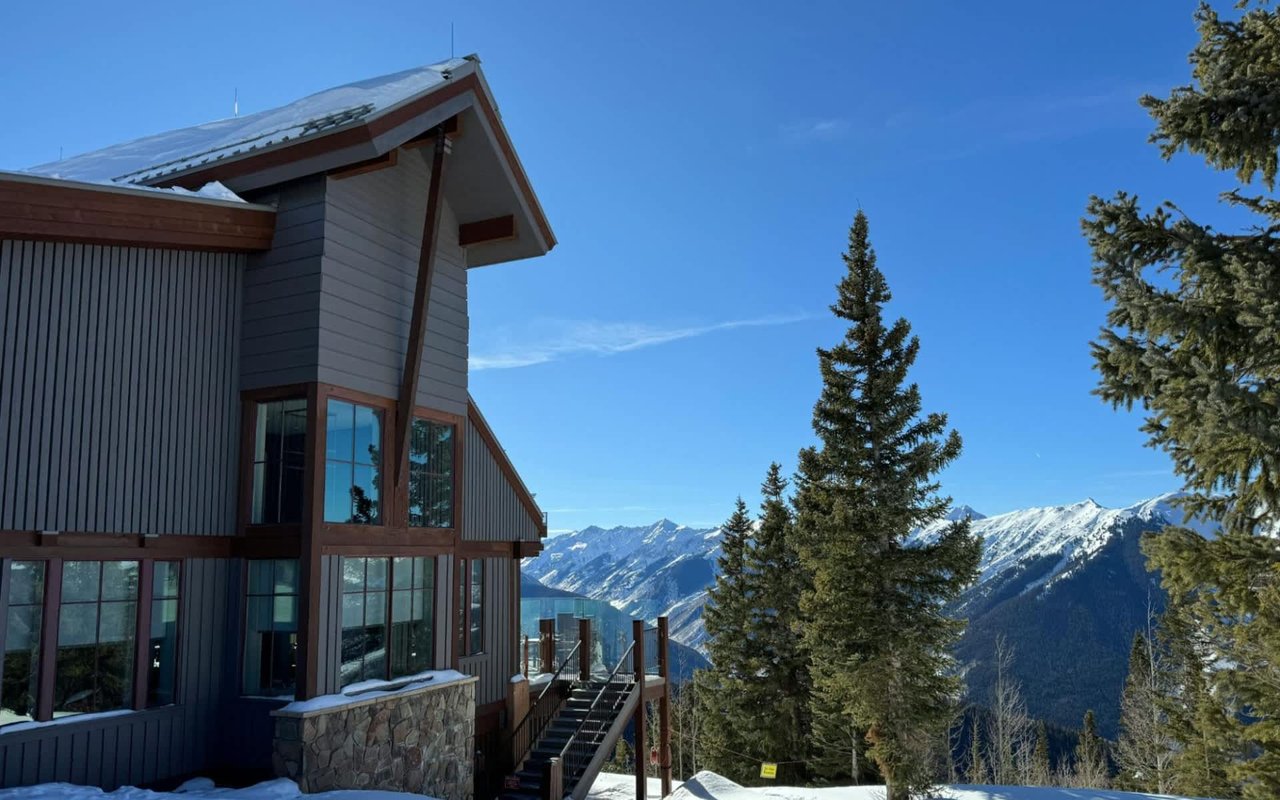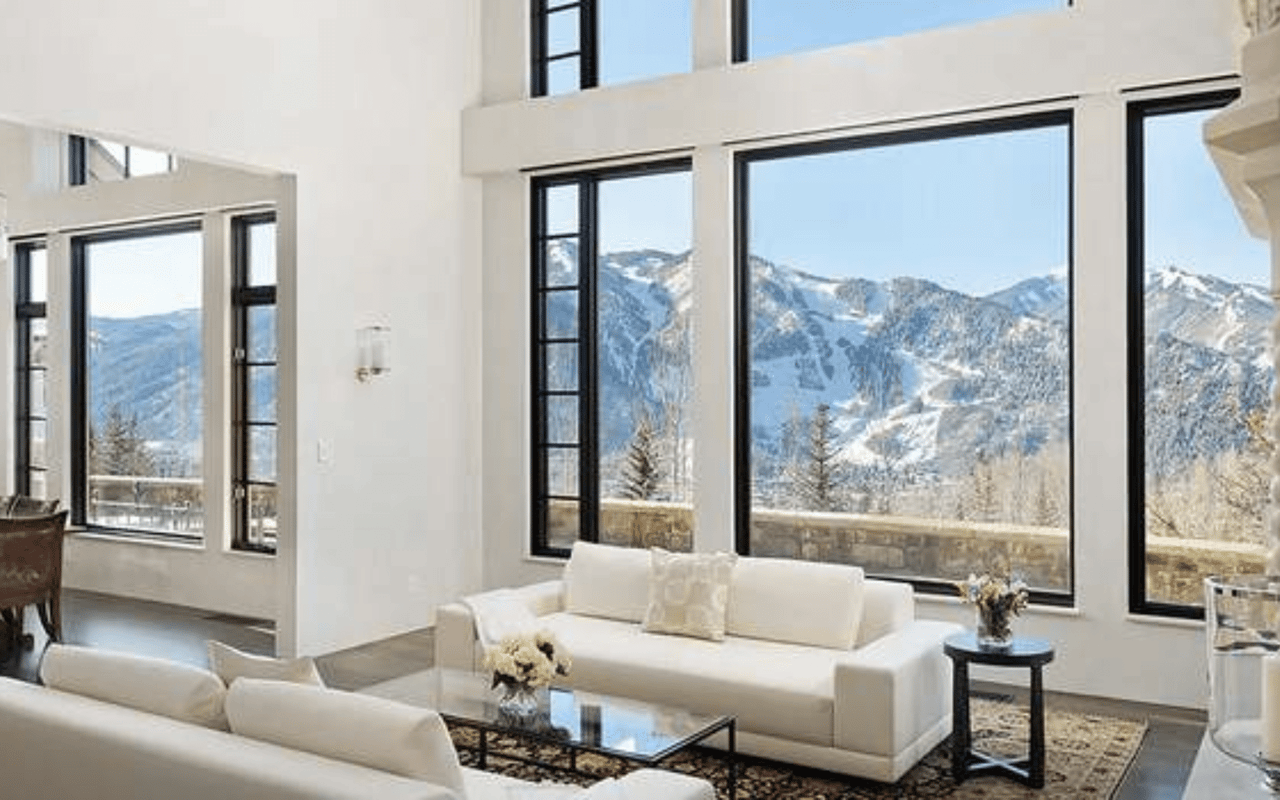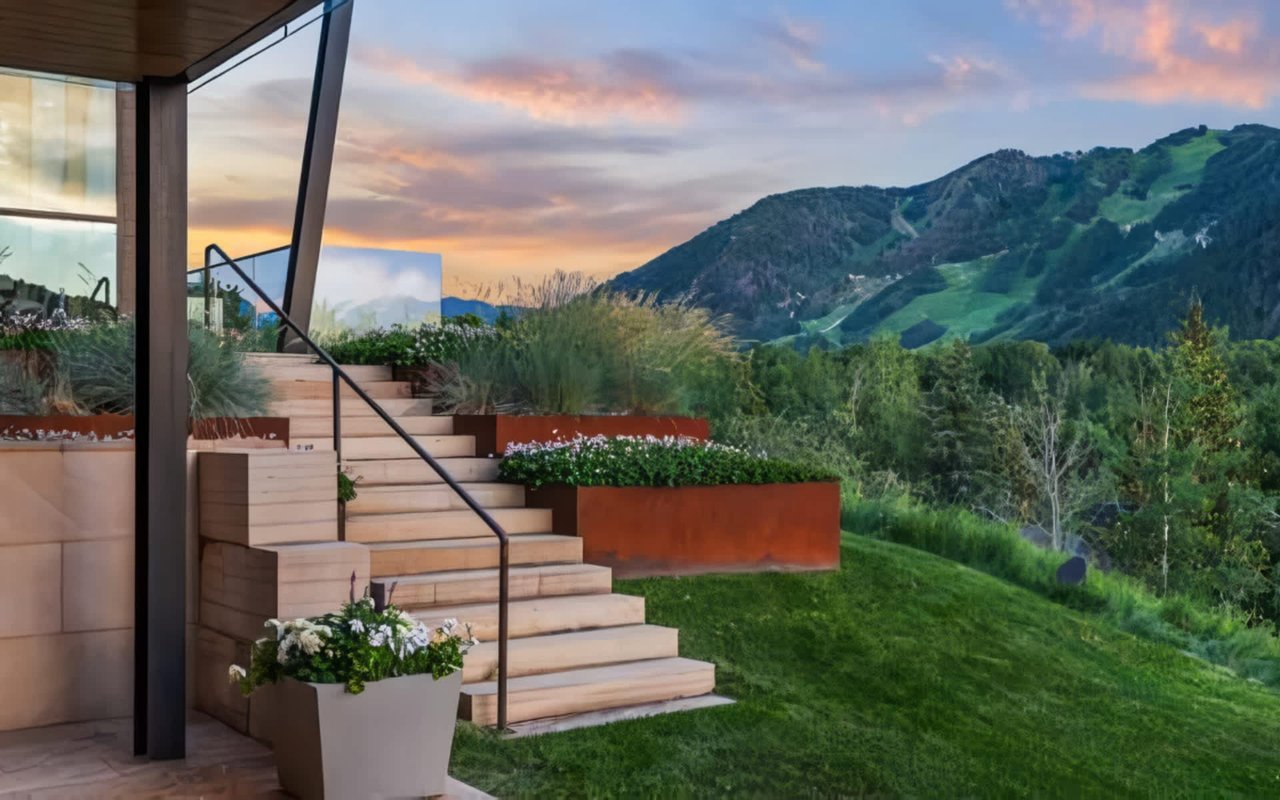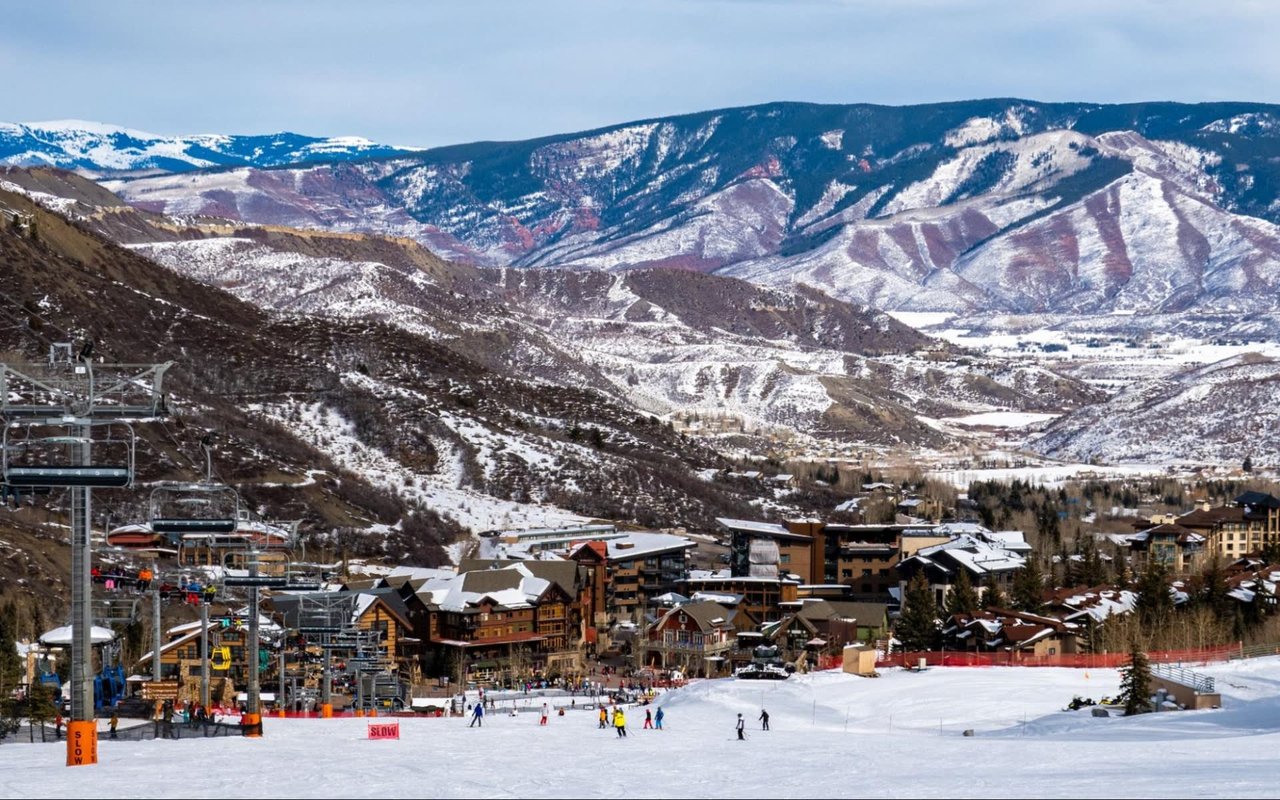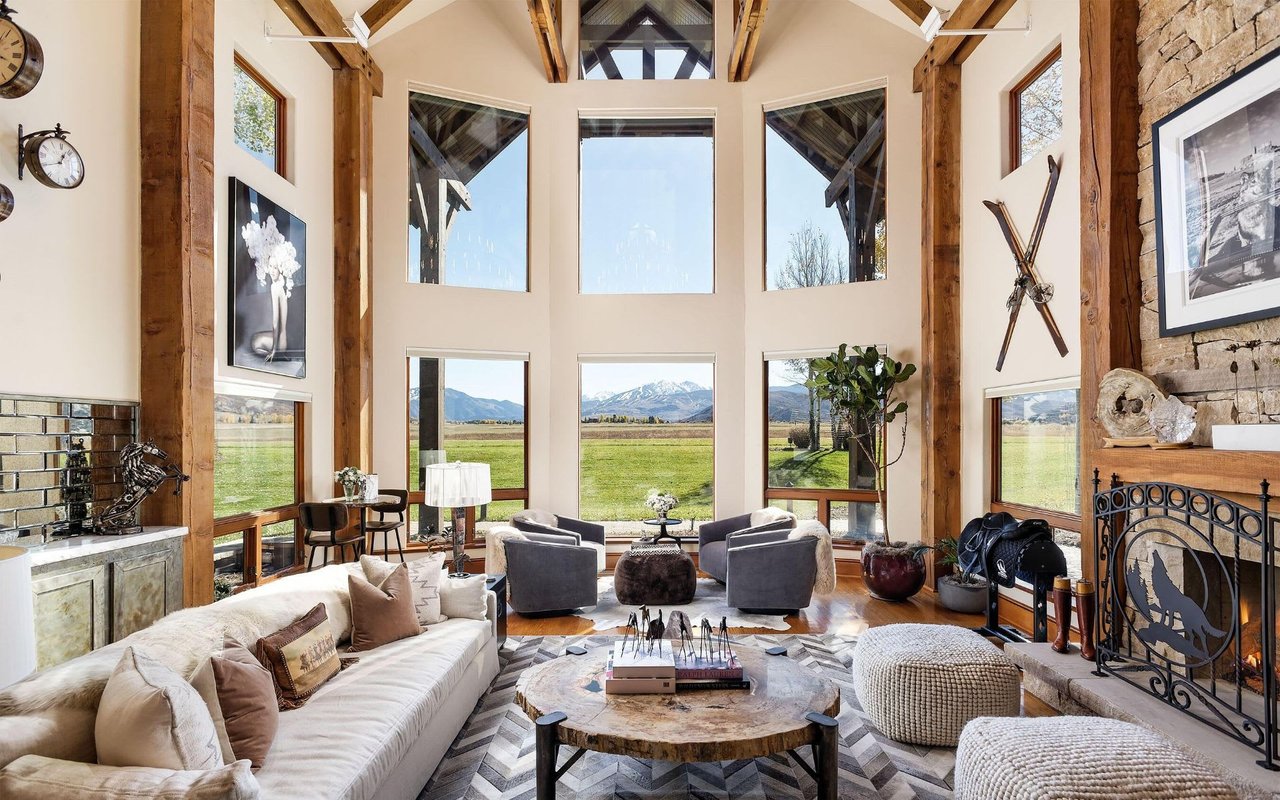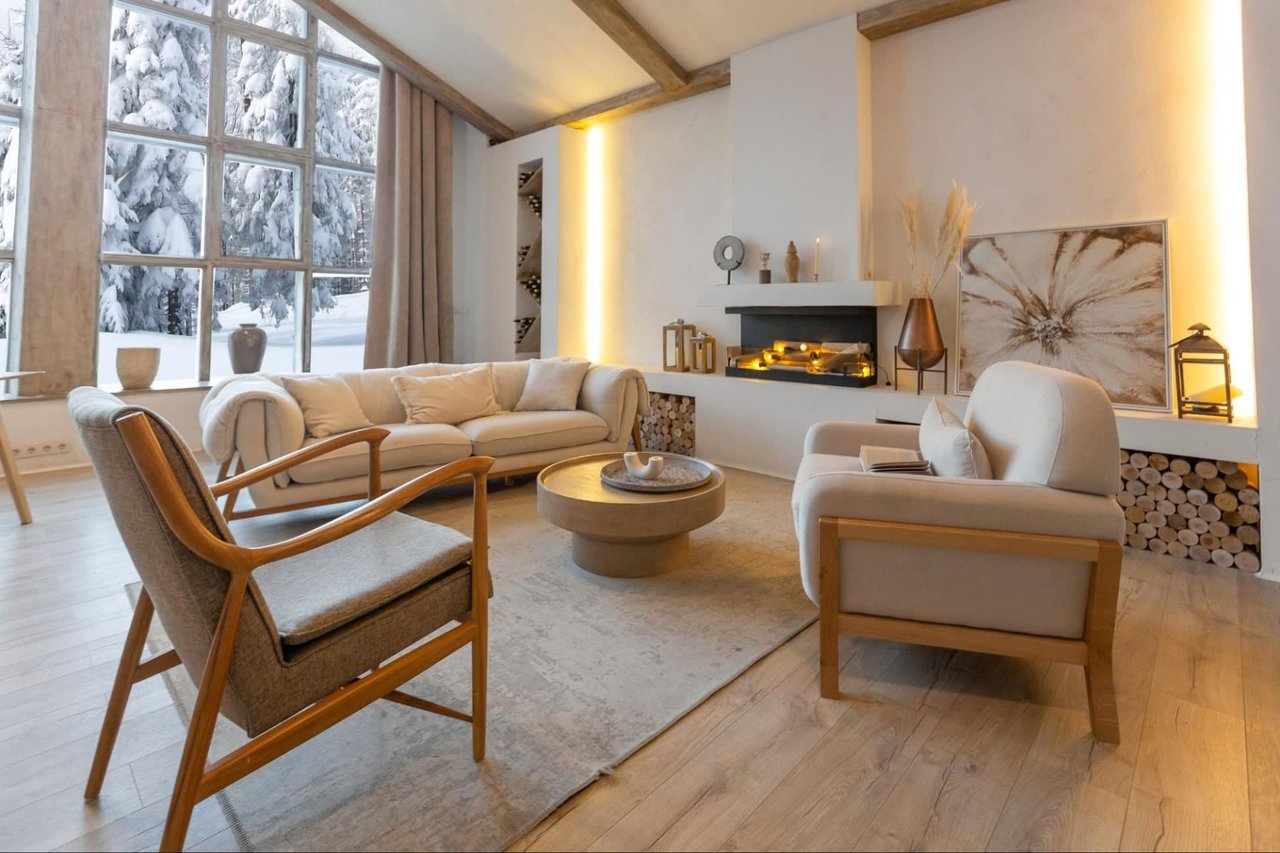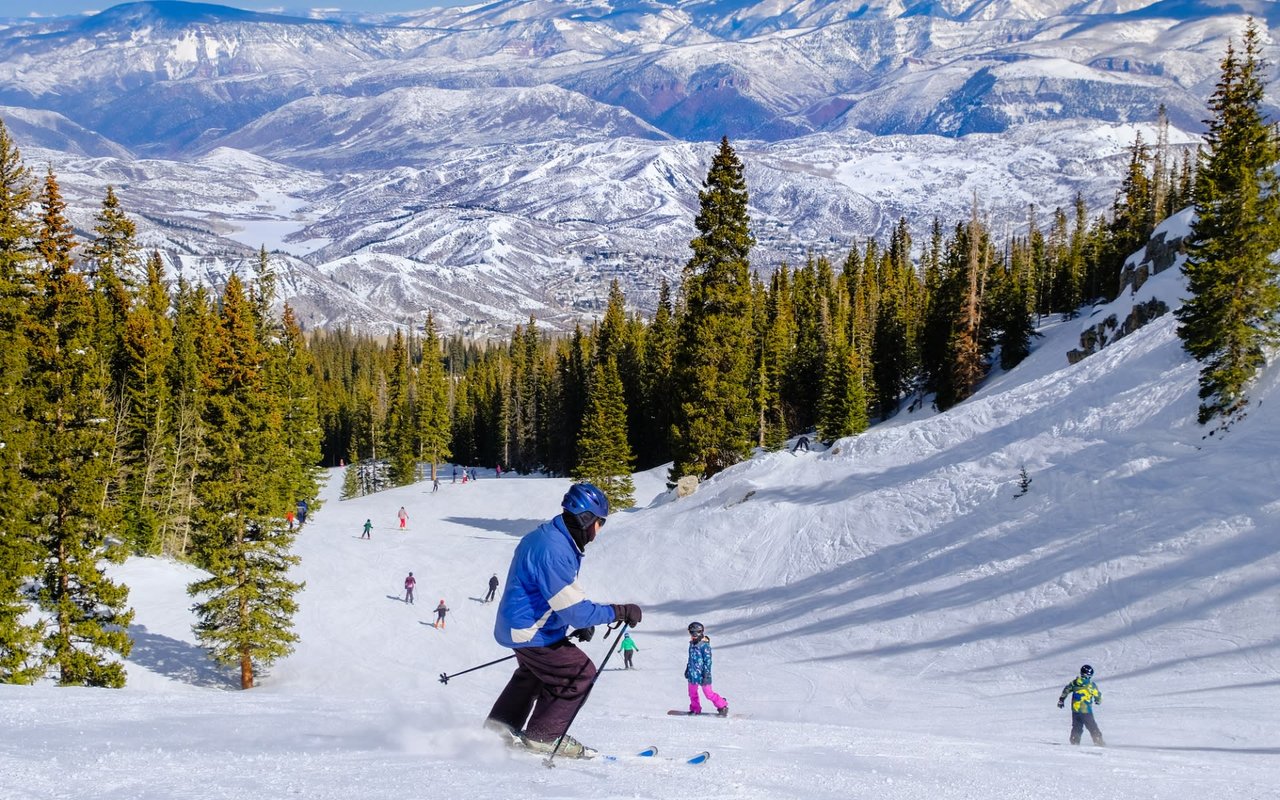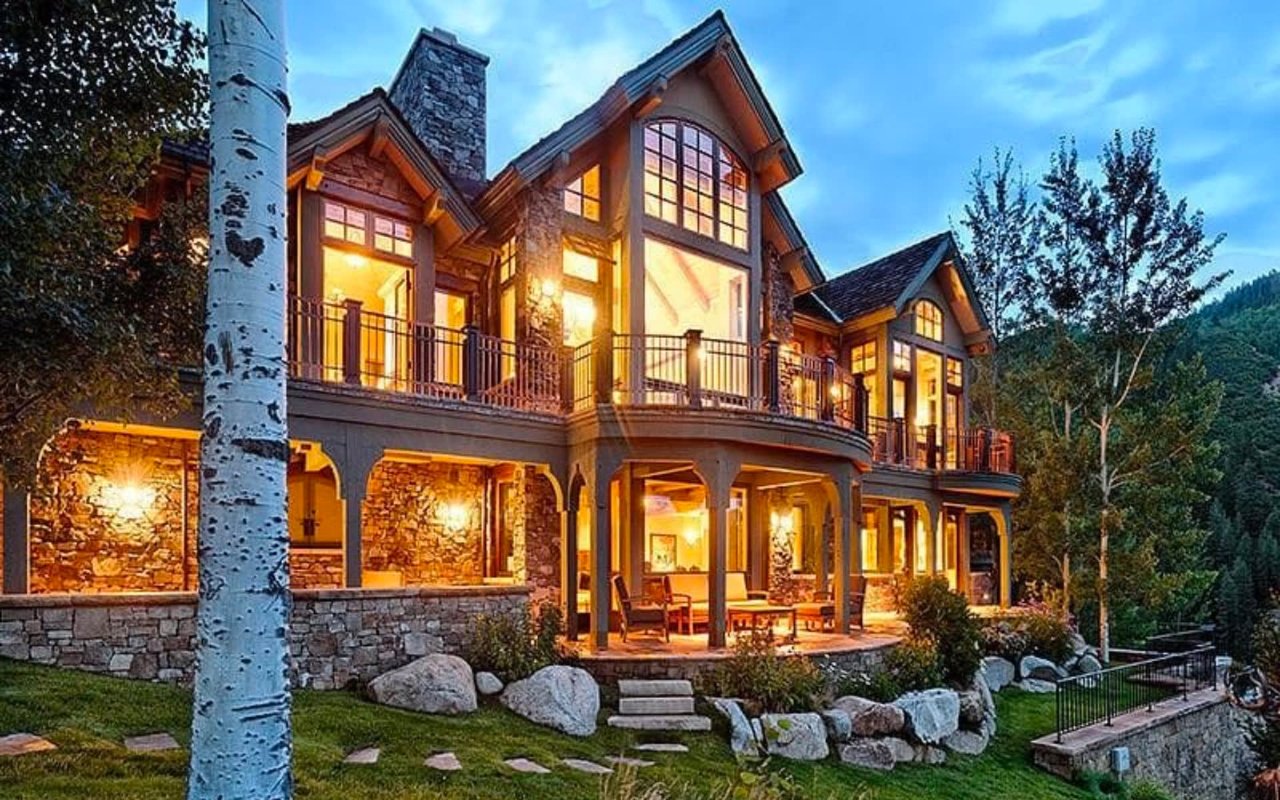
Every few weeks, someone asks me some version of the same question: How many billionaires actually own property in Aspen? It's a fair thing to wonder. Aspen has a reputation, and the reputation is earned. But after nearly two decades and close to a billion dollars in sales in this valley, I can tell you the interesting part isn't the headcount. It's how this market works — who's really buying, where they're concentrating, and why a transaction here looks almost nothing like a transaction anywhere else in the country.
Let me walk you through it the way I'd walk a client through it.
Just how wealthy is Aspen, really?
Aspen isn't just a wealthy town. By the most credible measure available, it's the single most concentrated pocket of ultra-wealth in the United States. According to Altrata's Wealth-X residential research, Aspen has the highest density of ultra-high-net-worth individuals — people with $30 million or more in net worth — of anywhere in the country, at roughly one UHNW individual for every 77 permanent residents. There is no other zip code in America where that ratio holds.
On the billionaire question specifically: analysis of local property records reported by Aspen Journalism identifies at least 80 to 100-plus global billionaires holding second-home residential stakes in Aspen and Pitkin County. I say "at least" deliberately, because a meaningful share of top-tier ownership sits behind LLCs and trusts precisely so it can't be counted cleanly — which is a theme you'll see throughout this piece.
So yes — the town is genuinely stacked with wealth. The more useful question for anyone actually looking at this market is what that wealth is doing to real estate.
What the top of the market actually looks like
Town-wide, Aspen trades at roughly $3,300 to $4,000 per square foot on average, per Aspen Board of Realtors and Estin Report data. That figure is already extraordinary by national standards, but it undersells the top of the market badly, because the ultra-luxury tier operates on its own pricing matrix entirely.
Here's how the pricing stratifies once you get into the top of the market:
- Top 5% — prime single-family estates (Red Mountain, West End, Starwood): roughly $4,000 to $5,000 per square foot.
- Top 1% — ultra-prime and slopeside (Aspen Mountain base, Castle Creek compounds): $6,000 to $6,900+ per square foot. Slopeside townhomes at the base of Ajax have traded near $6,905 per square foot.
- Trophy compounds: the largest Red Mountain estates clear in the $4,800–$5,000+ per square foot range even at enormous scale — the record Willoughby Way sale penciled out to about $4,820 per square foot across more than 22,400 square feet.
Median single-family pricing runs $13.2 to $18.1 million, and listing averages routinely exceed $25 million. In full-year 2025, sales above $10 million reached $1.20 billion across 54 closed deals, per the Estin Report — with the $20 million-plus tier making up the vast majority of Aspen's total dollar volume. Twelve properties traded above $20 million. Above $30 million, recent trophy closings included 10 Ute Place at $31.0 million, 724 N. Hayden at $34.5 million ($6,386/sq. ft.), and 532 E. Hopkins at $39.5 million ($6,160/sq. ft., furnished).
And at the very top, two transactions define the record books: a Red Mountain compound on Willoughby Way at $108 million — purchased off-market through an LLC and recorded as the highest residential sale in Pitkin County and Colorado history — and a $110 million Woodpark Drive estate that briefly held the high-water mark before it. These are matters of public record through the Pitkin County Clerk and Land Title Guarantee Co., and they tell you something important: the ceiling in this market is still being tested upward.
One number I always share with sellers who want to list ambitiously: Bill Koch's 52-acre, eight-structure Castle Creek estate was originally brought to market at $125 million and ultimately cleared at auction for $37.8 million. Aspen rewards pricing to the market. It punishes pricing to the ego.
Where the ultra-wealthy actually buy
"Aspen" isn't one market. It's a handful of distinct micro-markets, each with its own buyer, its own price logic, and its own set of rules. When someone tells me they want to be "in Aspen," my first job is figuring out which of these they actually mean.
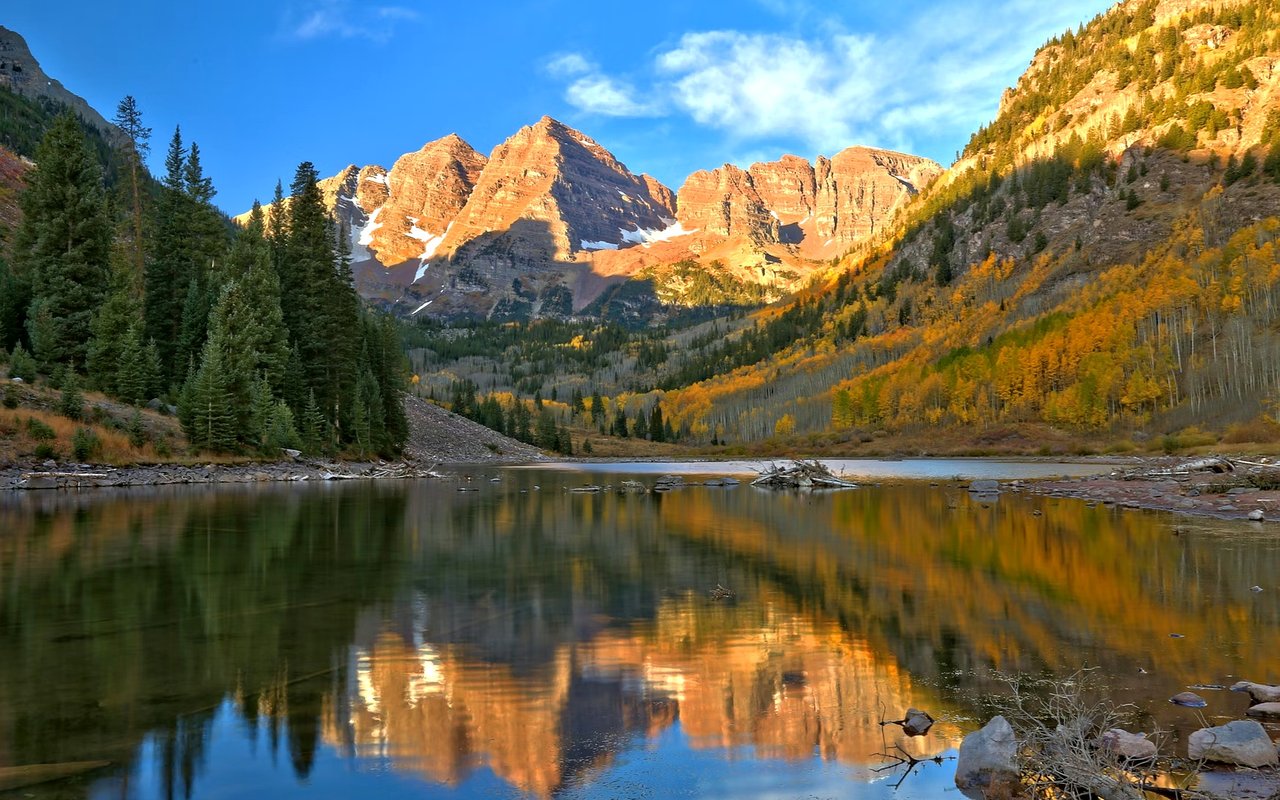
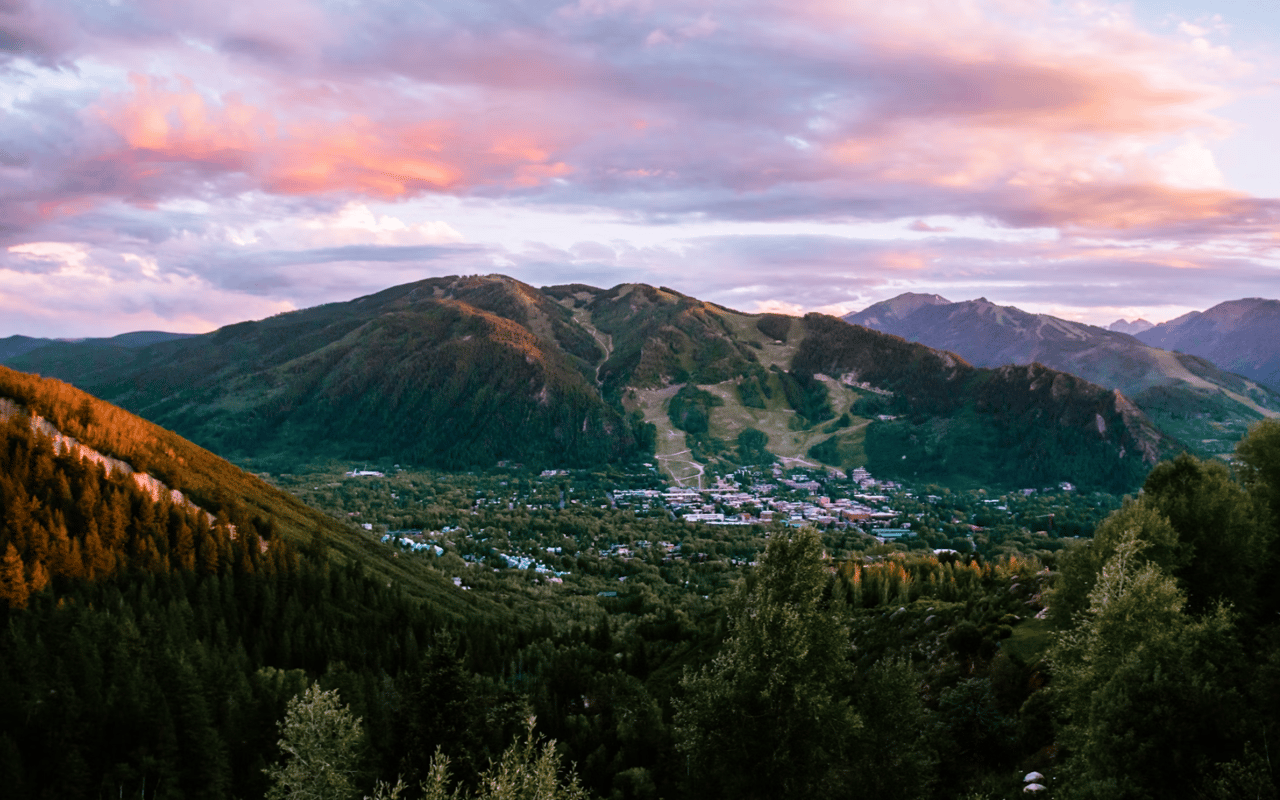
Red Mountain — locally, "Billionaires' Mountain." It faces south directly into Aspen Mountain, so you're looking at the town and the Elk Range rather than away from it. This is where the mega-compounds are, concentrated along Willoughby Way. Entry runs $12–15 million for a teardown or dated build; medians sit at $25–35 million and up, with pricing from $3,500 to $6,500+ per square foot. Lower Red Mountain gives you flat, bench-like acreage you can walk or bike into the core from; upper Red Mountain trades that for steeper sites and more dramatic elevated views.
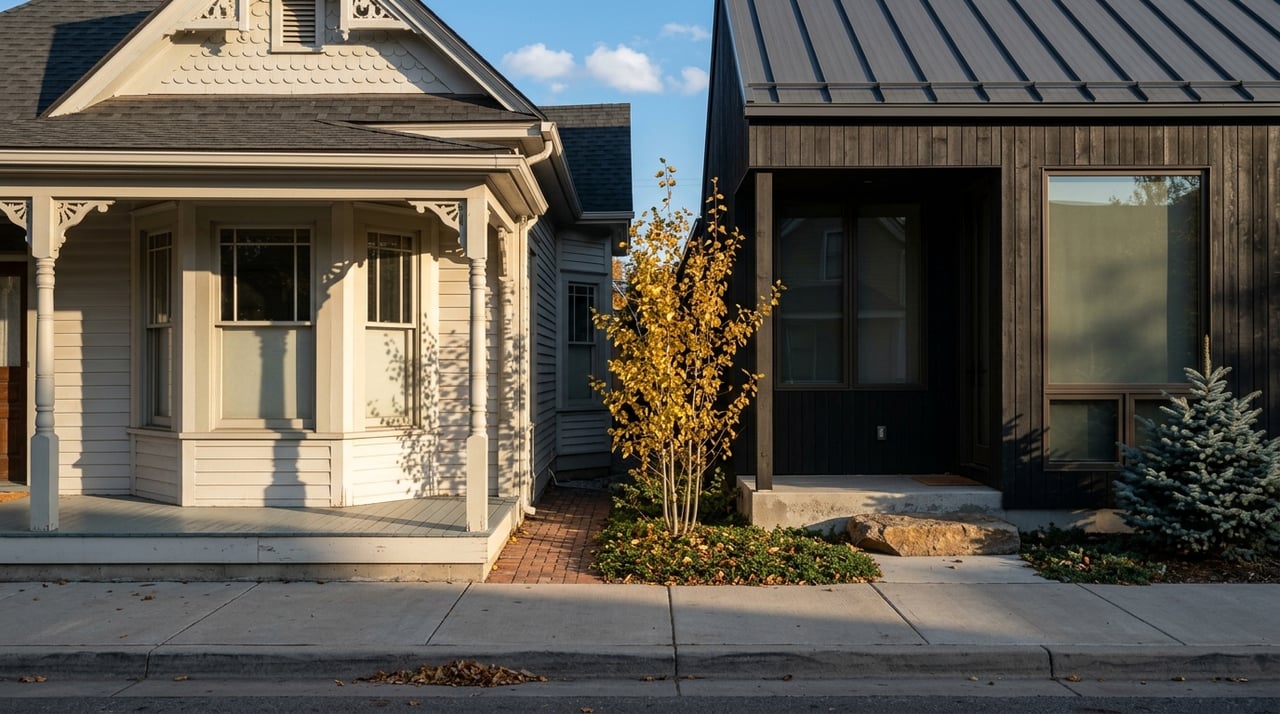
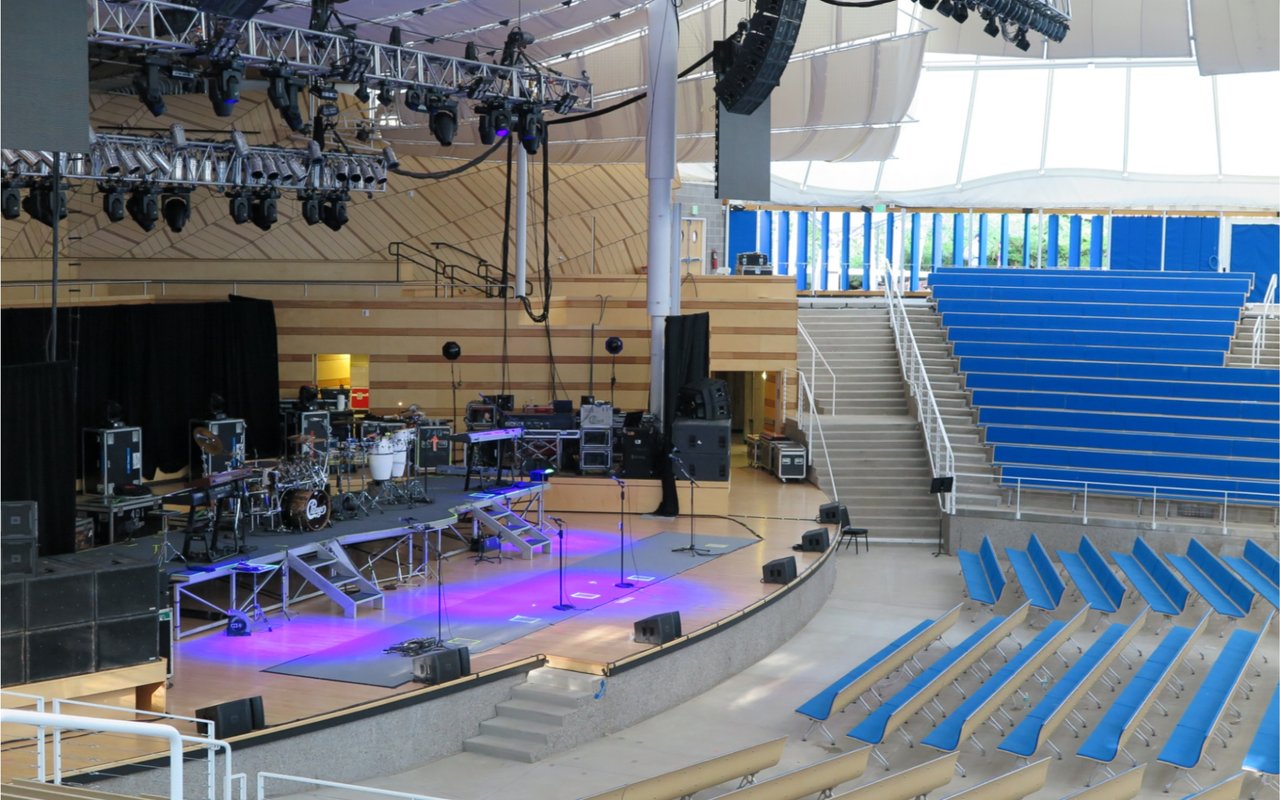
The West End — the historic Victorian neighborhood, flat, walkable, tree-lined, and steps from the Music Festival tent. Entry around $10–12 million, medians $18–24 million, roughly $3,200 to $5,000+ per square foot. This is the most regulated ground in town, governed by the Historic Preservation Commission, which caps square footage hard relative to lot size. Buyers here compete on interior finish and below-grade space, not footprint.
Starwood — Aspen's only 24/7 gated enclave, up on a mesa above McLain Flats with 360-degree Elk Range views (yes, the John Denver one). Entry $8–10 million, medians $16–22 million, and notably lower per-square-foot pricing at $2,000 to $3,800 — because here you're buying land, on parcels of two to ten-plus acres, governed by Pitkin County size limits. It's 10–15 minutes from downtown, which is exactly the point for the privacy-first buyer.
McLain Flats — pastoral and equestrian, rolling pasture along the Roaring Fork River, ponds, ranches. Entry $10–14 million, medians $18–25 million, $2,200 to $3,500 per square foot. Space and privacy without giving up a quick drive to Aspen or Snowmass.
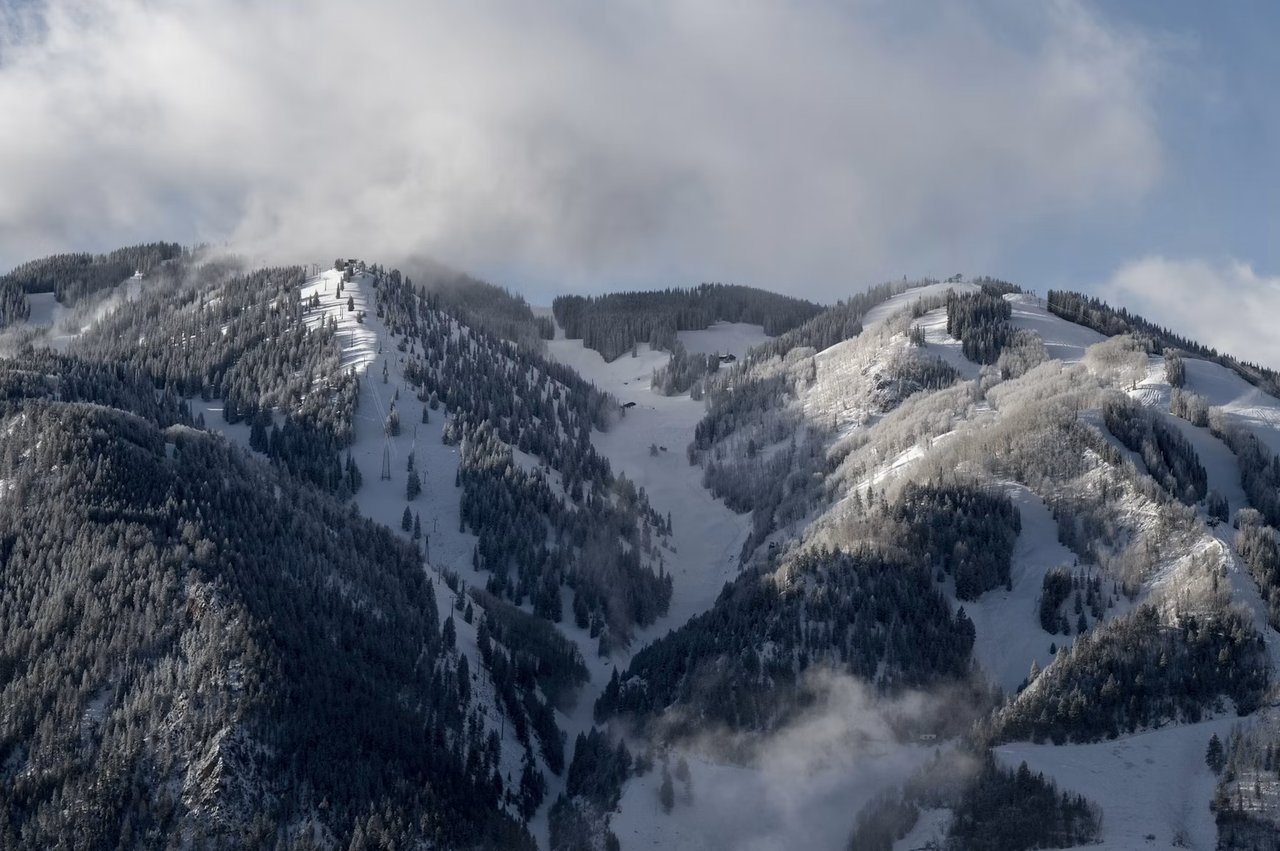
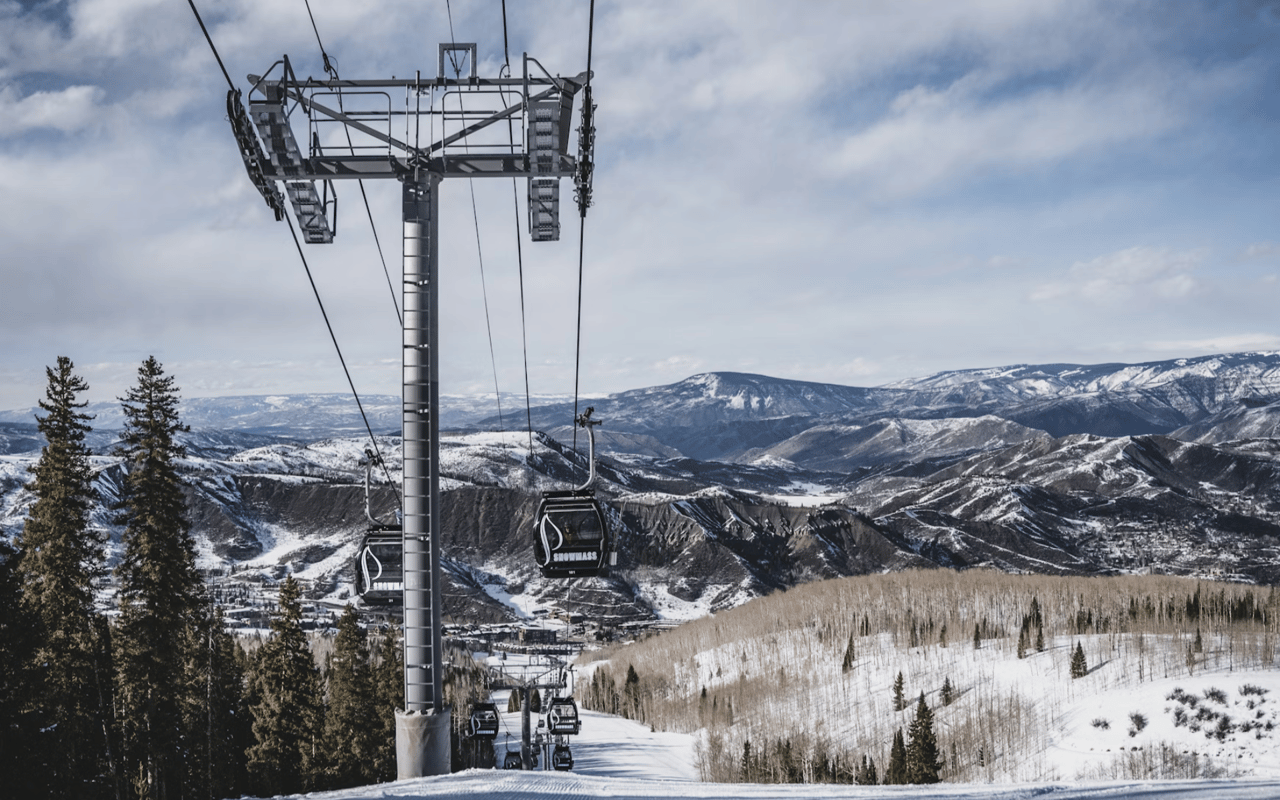
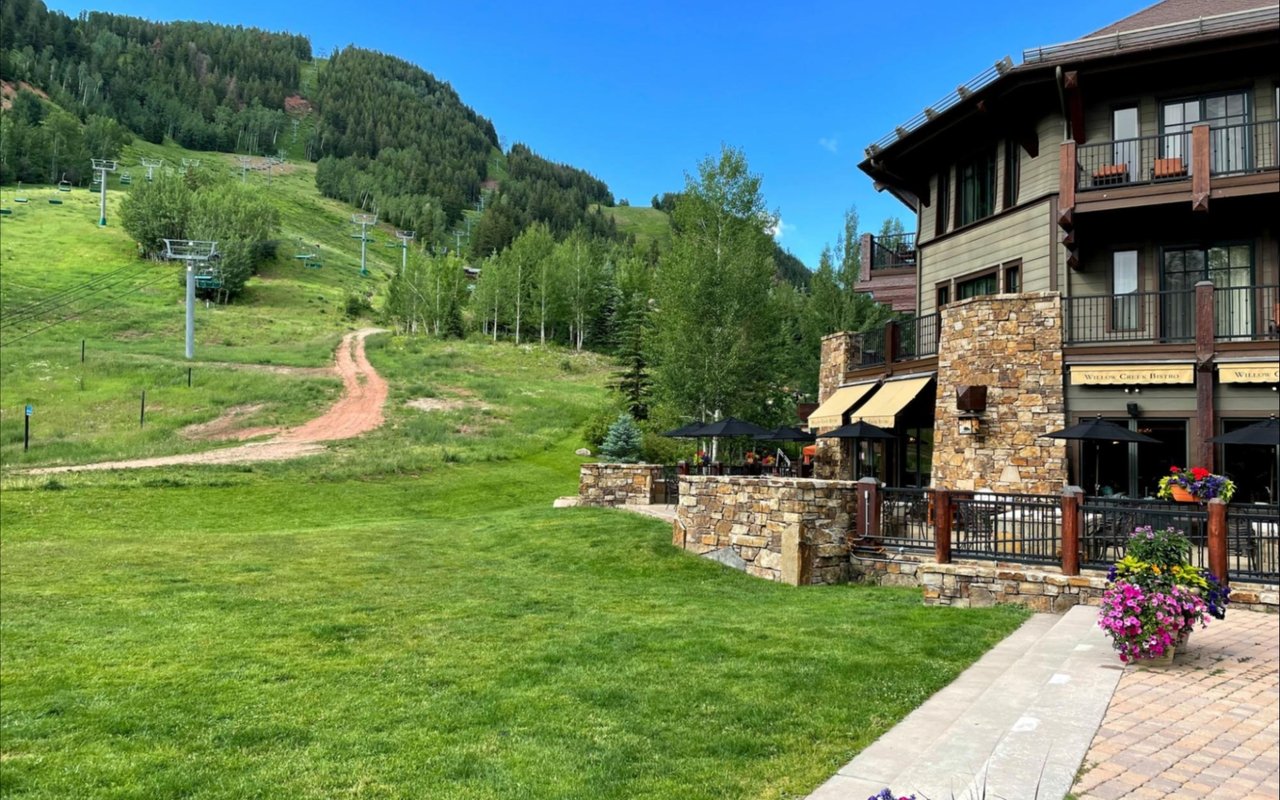
The ski-in/ski-out corridors — Ute Avenue, Little Nell, Monarch, the base of Ajax. This is the scarcest inventory in the valley and it commands the highest premiums anywhere: entry $15–20 million+, medians $30–45 million+, and $5,000 to $7,000+ per square foot. You are paying, in full, for the ability to click out of your bindings at your own door.
Inventory across all of this is genuinely thin — roughly 150 to 160 active residential listings town-wide at any given time. Homes priced above $10 million make up 65–70% of active single-family listings, and the $20–30 million-plus tier holds only about 25 to 35 active properties across the greater Aspen area, running eight to ten months of absorption. Scarcity here isn't a marketing line. It's the structural condition of the market.
What they're actually buying it for
This is where Aspen breaks the mental model people arrive with. At the ultra-luxury level, this is overwhelmingly not a primary-residence market and it is not, for most buyers, a cash-flow market.
Roughly 75–80% of ultra-luxury ownership is discretionary second, third, or fourth homes. Over 58–60% of all single-family homes in Pitkin County are non-primary residences already, and above the $20 million line that figure exceeds 80%. These homes are typically held in LLCs or trusts and occupied somewhere between two and twelve weeks a year. Full-time primary ownership at the $10 million-plus level is rare — call it 10–12% — and when it happens it's usually tied to establishing Colorado residency or to a local business. Pure investment and short-term-rental buyers are the remaining 10–15%, and even most of them run a hybrid strategy rather than a true rental operation.
On the rental question, because I've built a rental business here from scratch over the last decade, let me be precise about what these properties actually do. Ultra-luxury homes (five-plus bedrooms) command average daily rates in the $2,600–$2,950+ range, with peak holiday weeks — Christmas to New Year's, X-Games — renting for $15,000 to $35,000 a night. Annual gross revenue on the best of them runs $318,000 to $354,000+, per Rabbu and AirDNA data. Peak winter months average $17,800–$20,000; summer holds strong at $14,800+; and the shoulder months of April and November fall off a cliff to $5,500–$6,100.
Those are strong numbers in absolute terms. But set against a $15–35 million acquisition, gross yields land at only about 1.2% to 2.5% — and the City enforces real short-term-rental permit caps in residential zones, so you cannot simply run one of these as a hotel. That combination is the whole point. Nobody at this level is buying for the cap rate. They're buying for capital preservation, land appreciation, and an inflation hedge, and treating rental income as a way to offset carrying costs, not as the thesis. When I set expectations with an investment-minded buyer, that's the frame I start from — because a buyer who understands they're storing wealth, not chasing yield, makes far better decisions here.
The rules that govern this market (and why they matter to a buyer)
This is the part most out-of-market brokers get wrong, and it's the part I know best — I've served as a Commissioner on the City of Aspen Planning & Zoning Commission, so these aren't abstractions to me. If you're buying at this level, the regulatory framework isn't background. It's often the single biggest variable in what a property is worth and what you can ever do with it.
Four things shape nearly every high-end transaction here:
Growth management (GMQS). Aspen enacted the first growth-management quota system of any North American mountain resort back in 1977. It caps new residential development through an annual, competitively scored allotment process. In practical terms: you cannot simply buy a lot and build. To move faster than the multi-year allotment process, buyers and developers turn to Transferable Development Rights.
House-size caps. In late 2023, Pitkin County cut the maximum allowable home size in the unincorporated county from 15,000 square feet down to 9,250 — with tighter ceilings of 8,750 square feet inside the Urban Growth Boundary and 5,750 in environmental overlay zones. The critical consequence: existing homes built larger than today's caps are now legal nonconforming structures that can never be replicated on an empty lot. That irreplaceable scale carries a real, quantifiable premium, and spotting it is one of the most valuable things I do for a buyer.
Transferable Development Rights (TDRs). A County TDR certificate adds 2,500 square feet of floor area above the baseline and trades in the $650,000 to $800,000+ range; City Historic TDRs add 250 square feet each and trade around $725,000–$750,000. Whether a property comes with development rights attached, or needs them purchased, can swing valuation by seven figures. (I've written a full breakdown of how TDRs work — sourcing, receiving sites, pricing — in our guide to Aspen TDRs and land-use entitlements.)
Historic preservation. In the West End and downtown core, the Historic Preservation Commission tightly limits teardowns, exterior changes, and additions. That protects the character buyers fall in love with — and it constrains what you can change after closing. You want to understand those limits before you're under contract, not after.
How ultra-luxury deals actually close here
The mechanics at this level bear almost no resemblance to a standard residential purchase.
It's a cash market. Between 80% and 85%+ of deals above $10 million close with no mortgage contingency at all, and above $20–30 million that approaches 90%. When leverage is used, it's structured as asset-backed liquidity lines or pledged-securities loans that present to the seller as a clean all-cash offer. A financing contingency on Red Mountain or in the core is effectively a non-starter — sellers here prioritize certainty and speed over squeezing the last dollar.
A lot of it never hits the MLS. Roughly 25 to 35% of $20 million-plus volume trades entirely off-market. Some of that is privacy — high-profile buyers and sellers who don't want photos or press. Some of it is price discovery: sellers "whisper" a property at an ambitious number to test appetite without accumulating days-on-market. Access to that inventory runs through broker relationships and direct owner outreach, not a public search. It's a large part of what I'm actually being hired for.
Transfer tax is a real, negotiable line item — and it's geographic. This is where knowing the map saves clients real money:
Jurisdiction | RETT rate | Typical payor |
|---|---|---|
City of Aspen | 1.50% (1.0% Affordable Housing + 0.5% Wheeler Opera House) | Buyer (by custom, negotiable) |
Snowmass Village | 1.00% | Buyer |
Snowmass Base Village (Metro) | 2.00% (1% Town + 1% Metro) | Buyer |
Unincorporated Pitkin County (Red Mtn, McLain Flats, Starwood) | 0.00% — exempt | — |
The practical effect is significant. A $30 million purchase inside the City of Aspen triggers an immediate $450,000 transfer-tax obligation at closing. The identical price on Red Mountain — unincorporated county — triggers zero. That 1.5% differential is something I routinely put to work as a negotiating lever on in-town deals.
Timelines run on two tracks. A clean, turnkey property with simple title can close all-cash in 7 to 14 days. A development parcel, historic property, or large acreage compound runs a 30-to-60-day enhanced due-diligence track — title and easement review, building-envelope and FAR verification, TDR eligibility, and the multi-tiered LLC or land-trust structuring that ultra-wealthy buyers use for privacy and tax planning. Knowing which track a given property is on, before you write the offer, is the difference between a smooth close and a broken one.
Working in this market
Aspen's ultra-luxury market rewards people who understand it in specifics — the neighborhood-by-neighborhood pricing, the land-use rules that decide what a property can become, the transfer-tax map, the off-market inventory that never shows up in a search. That specificity is exactly what I've spent my career building.
I'm Brittanie Rockhill. I was born and raised in Colorado, earned my BSBA in International Business and Real Estate from the University of Denver, and have been living and breathing Aspen Snowmass real estate since 2007. Over that time I've been involved in close to $1 billion in sales, built a multimillion-dollar rental business from the ground up, and closed for clients from thirteen different countries. Beyond selling, I've served this community as a Commissioner on the City of Aspen Planning & Zoning Commission, on the board of the Aspen Historical Society, as a member of the Society of Fellows at the Aspen Institute, and as a Contemporary at the Aspen Art Museum — which is why the regulatory side of this market is second nature to me rather than something I outsource.
If you're considering buying, selling, or investing at the top of the Aspen market, I'd welcome the conversation.
Brittanie Rockhill, Broker Associate 📞 970.366.0891 ✉️ [email protected] 📍 520 East Durant Ave, STE 103, Aspen, CO 81611