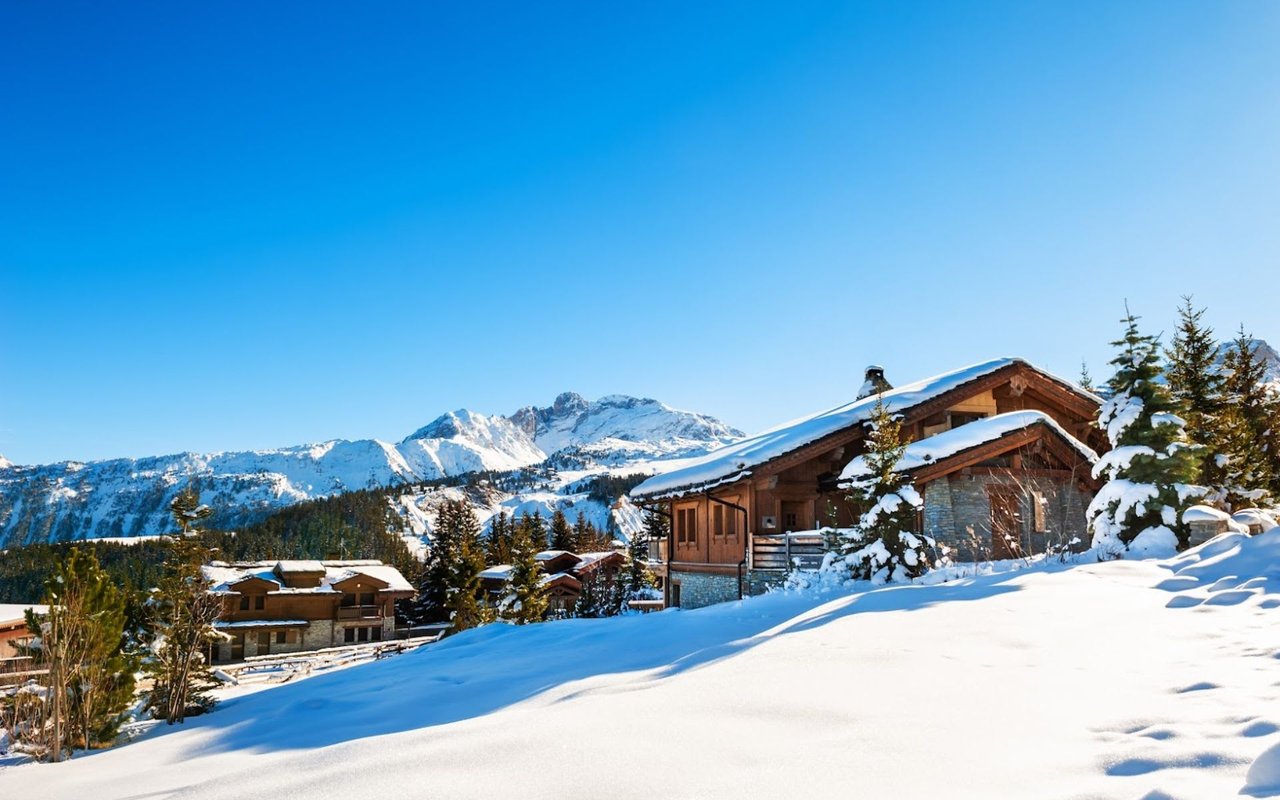
Snowmass offers ski-in/ski-out access to one of Colorado's largest ski areas, year-round mountain recreation, and proximity to Aspen.
Snowmass, CO Housing Market Trends
Unlike downtown Aspen—where almost no homes sit directly on the snow—or sprawling Colorado ski towns like Breckenridge and Vail where slopeside inventory is limited and fragmented, roughly 95% of lodging in Snowmass Village is built for true ski-in/ski-out access. Designed from the ground up as a pedestrian-friendly, car-light mountain village, Snowmass gives owners direct doorstep access to over 3,300 acres of terrain, eliminating morning shuttles and gear hauls. This purpose-built convenience—paired with a revitalized Base Village—creates a friction-free family lifestyle and commands superior short-term rental occupancy compared to other domestic ski resorts.
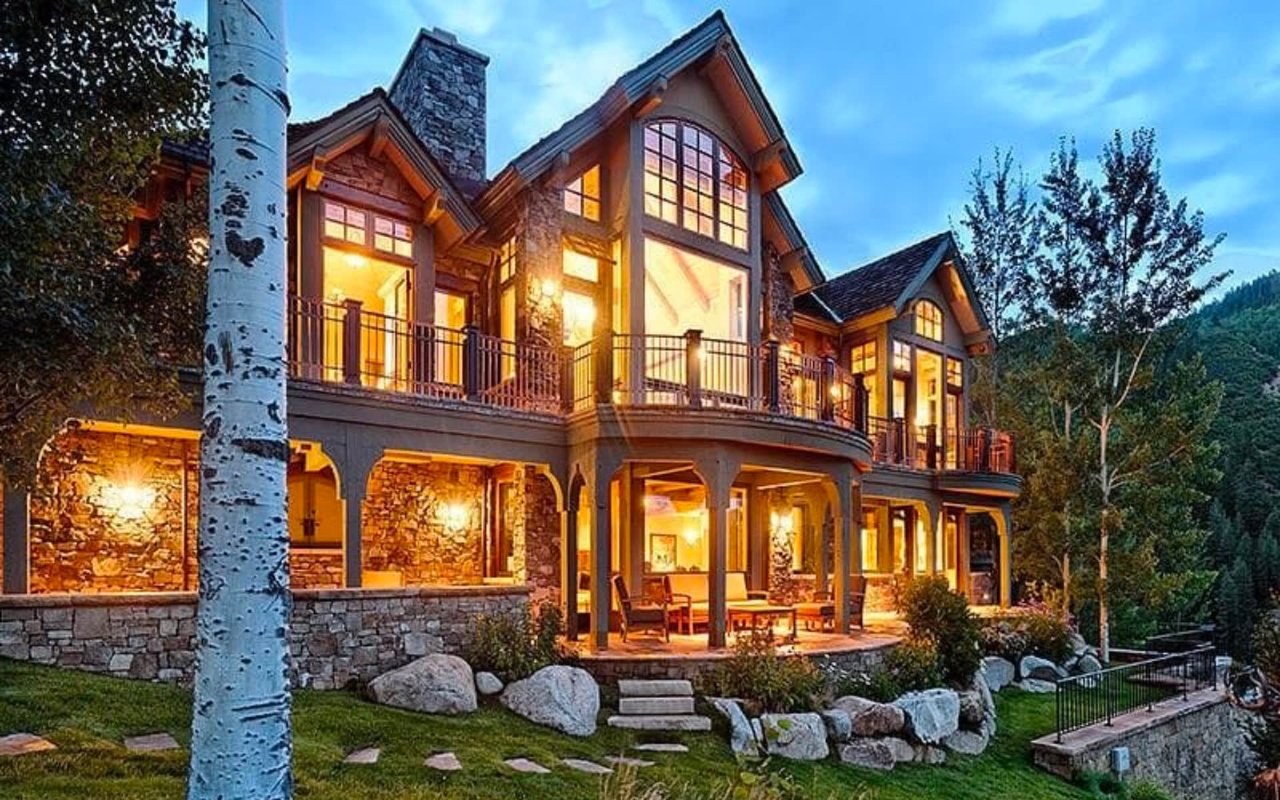
Buying in Snowmass provides immediate access to the Aspen/Pitkin County ecosystem—including the Aspen airport just 10 minutes away, free regional transit, and all four Aspen Snowmass mountains—at roughly half the price per square foot of downtown Aspen. Whereas neighboring Aspen is dominated by older historic homes and strict square-footage caps that make modernizing difficult, Snowmass offers newer, larger residences with contemporary mountain architecture, resort-style amenities, and private acreage. Buyers get significantly more space, modern turn-key construction, and stronger rental flexibility while still benefiting from the global prestige and wealth insulation of the Aspen market.
While many mountain towns across Colorado and the U.S. either empty out during the off-season or suffer from severe highway gridlock along corridors like Colorado’s I-70, Snowmass delivers massive year-round recreation in a quiet, self-contained valley. Beyond hosting the largest ski mountain in the Aspen Snowmass complex, it anchors the Roaring Fork Valley’s extensive summer mountain biking network, gold-medal fly fishing, golf, and weekly outdoor concerts. Owners enjoy big-resort infrastructure and effortless access to world-class dining and culture minutes away, without the transient highway traffic and overcrowding found at Front Range or Utah resorts.
Contact Brittanie today for exclusive listings, private tours, and tailored advice. Whether you’re searching for a serene mountain retreat or a legacy estate, she’ll help you find the perfect home that aligns with your vision and investment goals.
Properties inside the Town of Snowmass Village are subject to a 1% municipal Real Estate Transfer Tax (RETT) paid by the buyer at closing. However, properties located within the Snowmass Base Village Metro District incur an additional 1% transfer assessment, bringing the total transfer tax to 2% of the purchase price. By contrast, homes in unincorporated Old Snowmass sit outside town boundaries and are exempt from municipal transfer taxes.
Yes, but operating a short-term rental (stays under 30 days) requires both a Town of Snowmass Village business license and an annual Short-Term Rental (STR) permit, which is non-transferable upon sale. Permits are categorized into four tiers—including hotels, managed condo complexes, individual condos, and single-family homes/duplexes—with single-family homes subject to a four-night minimum stay. Owners must also appoint a 24/7 local representative within a 60-minute response radius, follow HOA rental rules, and remit the 12.8% combined sales and lodging tax directly each month.
Snowmass Village (ZIP 81615) is an incorporated resort municipality centered around the ski mountain, Base Village, and the Snowmass Mall, featuring dense ski-in/ski-out condos and slopeside subdivisions. Old Snowmass (ZIP 81654), located roughly 15 minutes down-valley along Highway 82 and Snowmass Creek, is an unincorporated rural community governed by Pitkin County. Old Snowmass offers larger ranch parcels, equestrian properties, and riverfront estates with agricultural zoning rather than resort-style amenities.
Remodeling or building within Snowmass Village requires review by the town’s Community Development Department to ensure compliance with local Land Use and Development Codes. Many subdivisions—such as Two Creeks, Divide, and Woodrun—also enforce strict private HOA architectural guidelines governing exterior materials, rooflines, height limits, and snow-shed designs. For properties in unincorporated Old Snowmass, Pitkin County’s strict floor-area-ratio (FAR) caps and scenic view-plane ordinances govern structural expansions.
Snowmass Village is heavily weighted toward slopeside condominiums, luxury ski-in/ski-out townhomes, and contemporary mountain single-family residences in neighborhoods like Ridge Run, Horse Ranch, and Pines. Many newer Base Village buildings offer fractional ownership alongside whole-ownership residences with full hotel-style amenities. In Old Snowmass, inventory consists almost exclusively of single-family homes, custom log or modern mountain estates, and multi-acre ranch compounds.
Condominium HOA dues in Snowmass Village vary significantly by building age and service level, generally covering exterior building maintenance, roof and deck upkeep, snow removal, trash, and master property insurance. Full-service slopeside complexes often include central heating, front-desk concierge, ski valets, heated pools, and private airport shuttles in their quarterly assessments. Buyers should always review HOA reserve studies and minutes to check for upcoming special assessments on older 1970s-era buildings.
Yes, the Town of Snowmass Village Housing Department oversees approximately 150 deed-restricted single-family homes, townhomes, and condominiums reserved for full-time local employees. Applicants must work full-time within Snowmass Village or Pitkin County for at least one year and meet strict income and net-worth caps to enter purchase lotteries. Free-market buyers must verify that a listing has no employee-housing covenants attached, as deed-restricted units carry strict appreciation and occupancy limits.
Property taxes in Snowmass are calculated by multiplying the Pitkin County Assessor's property valuation by Colorado's residential assessment rate and local district mill levies. While the median effective tax rate in Snowmass Village is relatively low at roughly 0.30%, annual bills vary notably by neighborhood due to special taxing districts. Specifically, residences inside the Base Village Metropolitan District carry substantially higher mill levies to fund district infrastructure bonds than homes in older village neighborhoods.
Sitting at elevations between 8,200 and 9,000+ feet, Snowmass properties experience heavy snowfall, sub-zero temperatures, and intense freeze-thaw cycles. Buyers should inspect roof heat-tape systems, radiant floor heating, snow-melted driveways, and boiler age to prevent ice dams and frozen pipes. Because many owners reside out of state, hiring a local property management firm for weekly winter home checks, humidification monitoring, and snow clearing is standard practice.
Homes inside Snowmass Village connect to municipal water, sanitation, and natural gas networks, whereas properties in Old Snowmass typically rely on private wells, septic systems, and buried propane tanks. When purchasing acreage in Old Snowmass, buyers must verify senior adjudicated Colorado water rights for irrigation ditches, ponds, or livestock use. Confirming high-speed fiber or satellite internet reliability is also essential for secluded canyon properties.
Whether you have questions about the Snowmass market or you’re ready to start your search, our team is here to help. Reach out today to explore available properties and take the next step toward owning a home in Snowmass, CO.
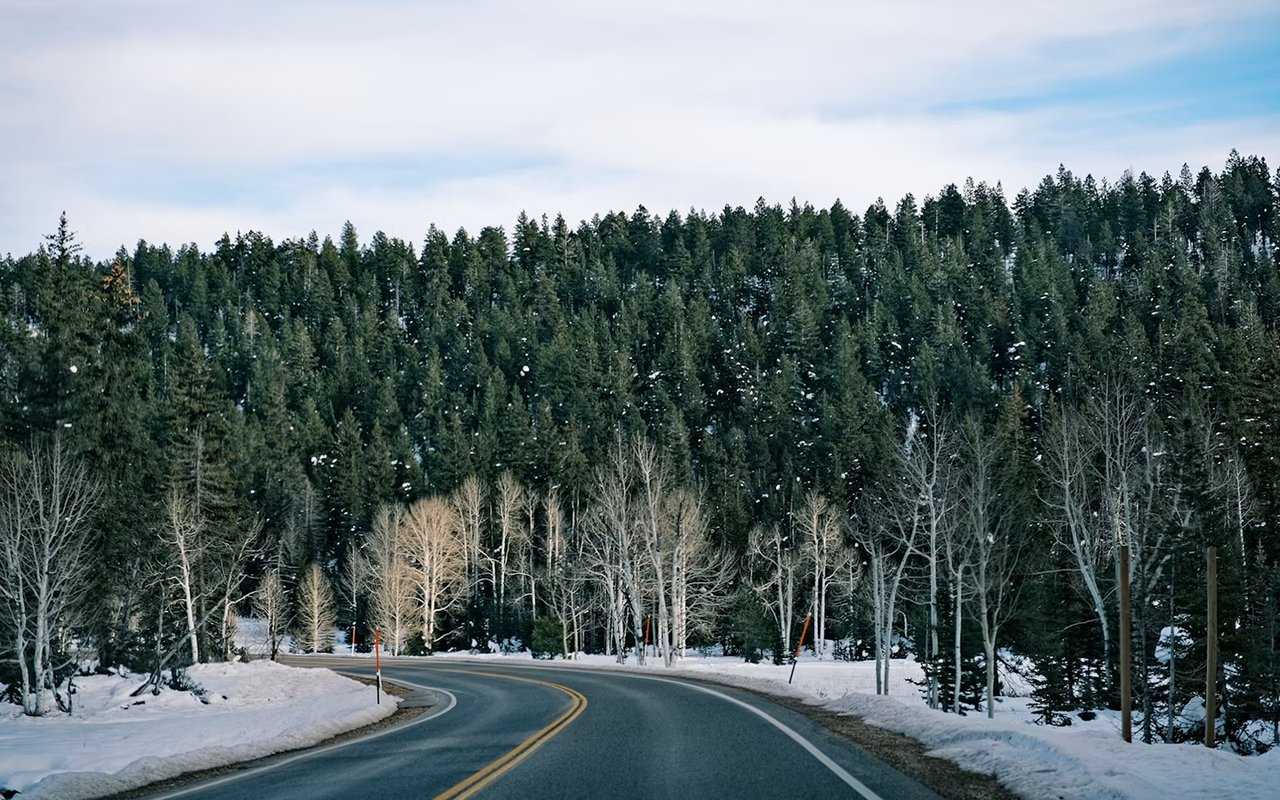
Thinking about life in Snowmass, CO? Our neighborhood guide covers what makes this mountain community unique, from ski-in/ski-out living and Base Village amenities to year-round trails and easy access to Aspen. Browse the guide to get to know Snowmass before you start your search.