By Brittanie Rockhill
Aspen’s $15M-plus market functions differently from its lower price tiers, with decisions often shaped by zoning constraints, legacy ownership, and long-term land value rather than short-term market cycles. Owners of high-value Aspen properties often reach an inflection point where selling, holding, or repositioning deserves careful evaluation.
Key Takeaways
- Timing awareness
- Property positioning
- Buyer alignment
- Long-term planning
When Selling Aligns With Market Conditions
Certain conditions signal when selling may align well with an owner’s goals. These indicators often appear at the intersection of market demand and personal timing.
Indicators that support a sale
- Strong buyer presence: Increased interest from cash-ready buyers seeking immediate occupancy
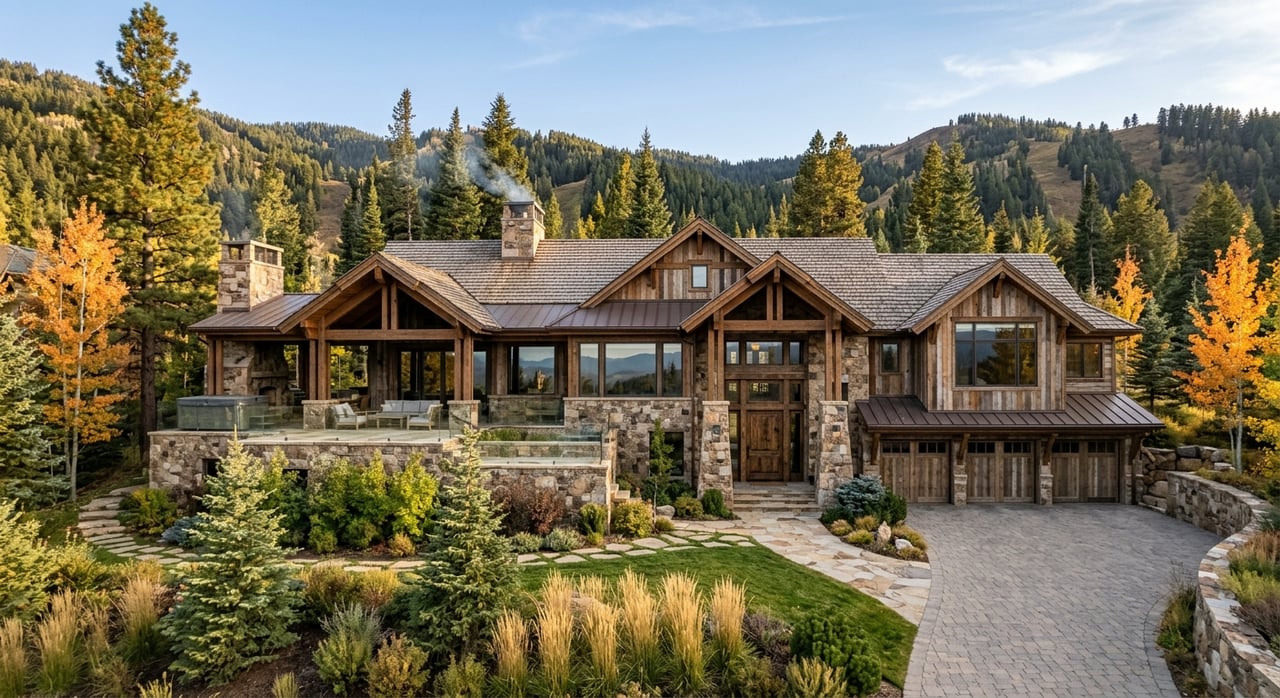
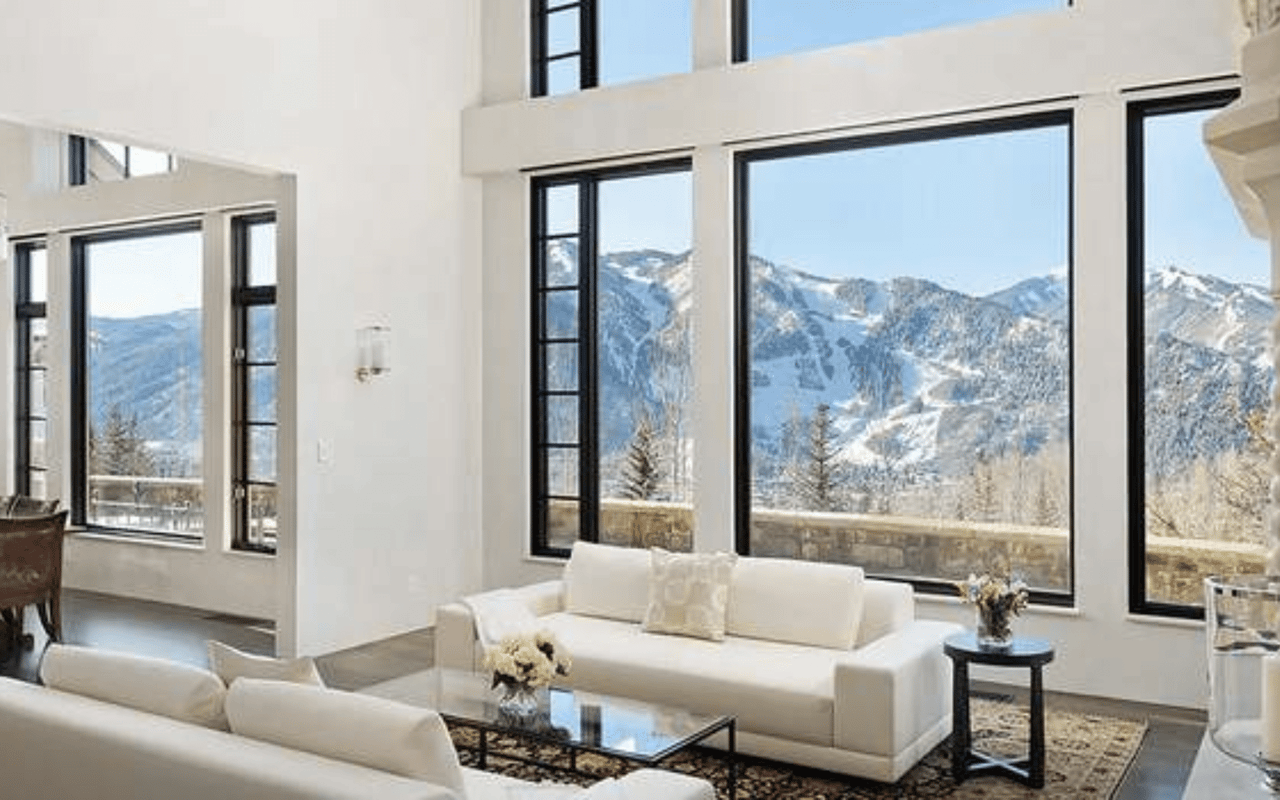
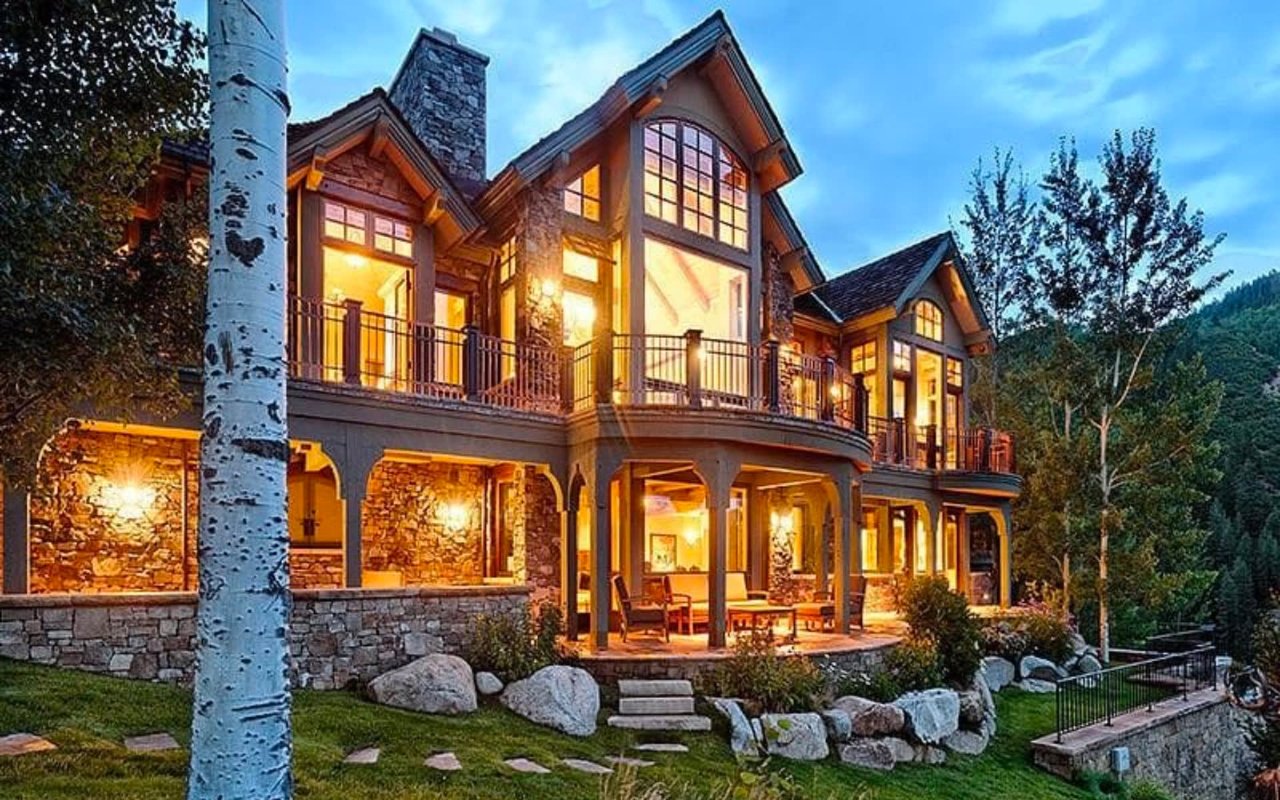
- Peak property relevance: Architecture and layout aligned with current buyer preferences
- Life-stage shifts: Changes in usage patterns or residency plans
These factors help clarify whether market conditions support a sale. I help owners evaluate them against neighborhood-specific dynamics.
Situations Where Holding Makes Sense
Many Aspen owners hold through multiple cycles because land scarcity and location quality support long-term value.
Reasons owners choose to retain property
- Irreplaceable location: Prime sites on Red Mountain or near downtown
- Zoning protection: Limited future development nearby
- Lifestyle consistency: Continued personal use aligned with ownership costs
Holding often aligns with families who use the property seasonally or plan generational transfers.
Reposition to Capture Future Value
Repositioning involves targeted updates or strategic marketing shifts rather than full redevelopment. This approach suits owners who want to enhance appeal without leaving the market entirely.
How repositioning changes outcomes
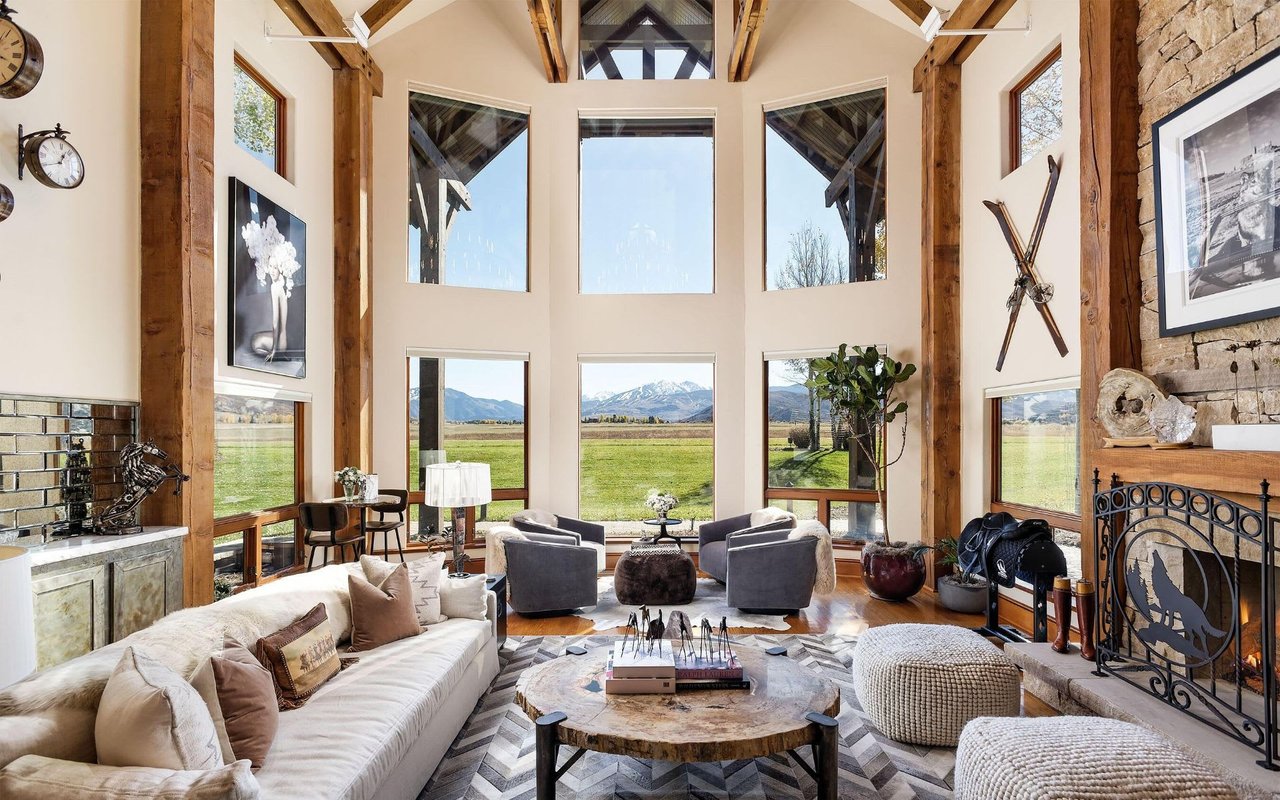
- Design refresh: Updating interiors to reflect current luxury standards
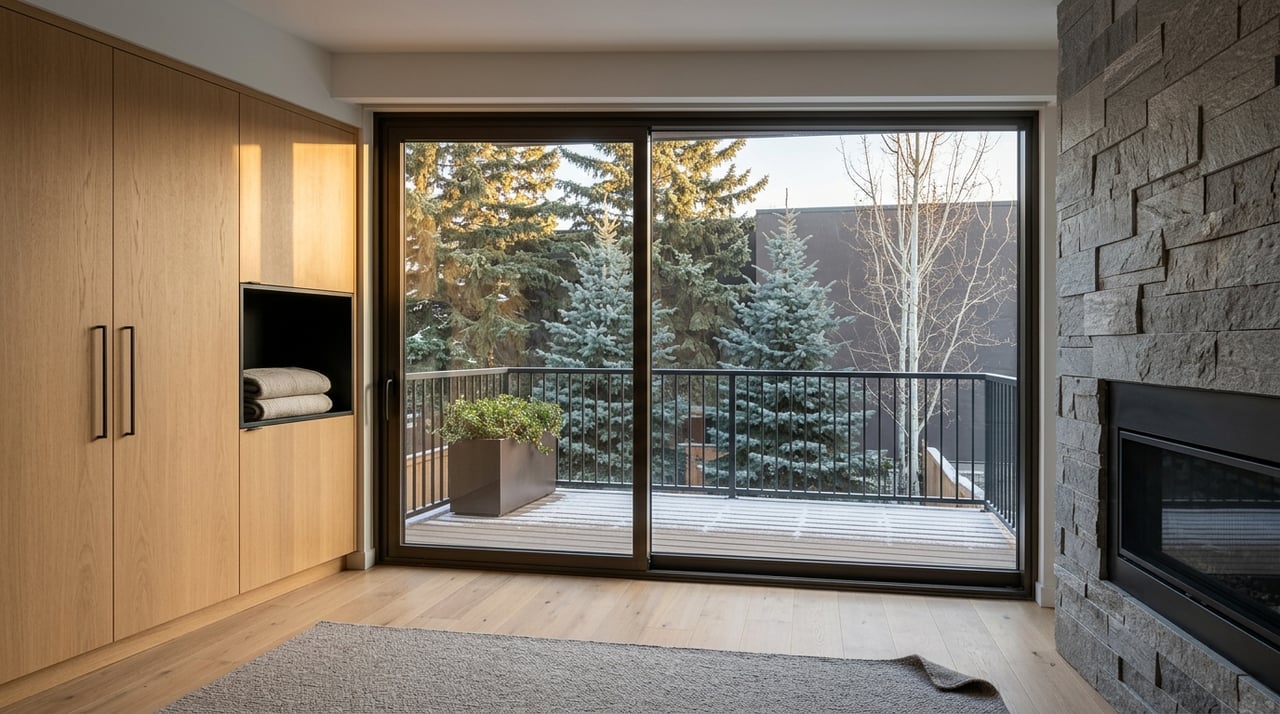
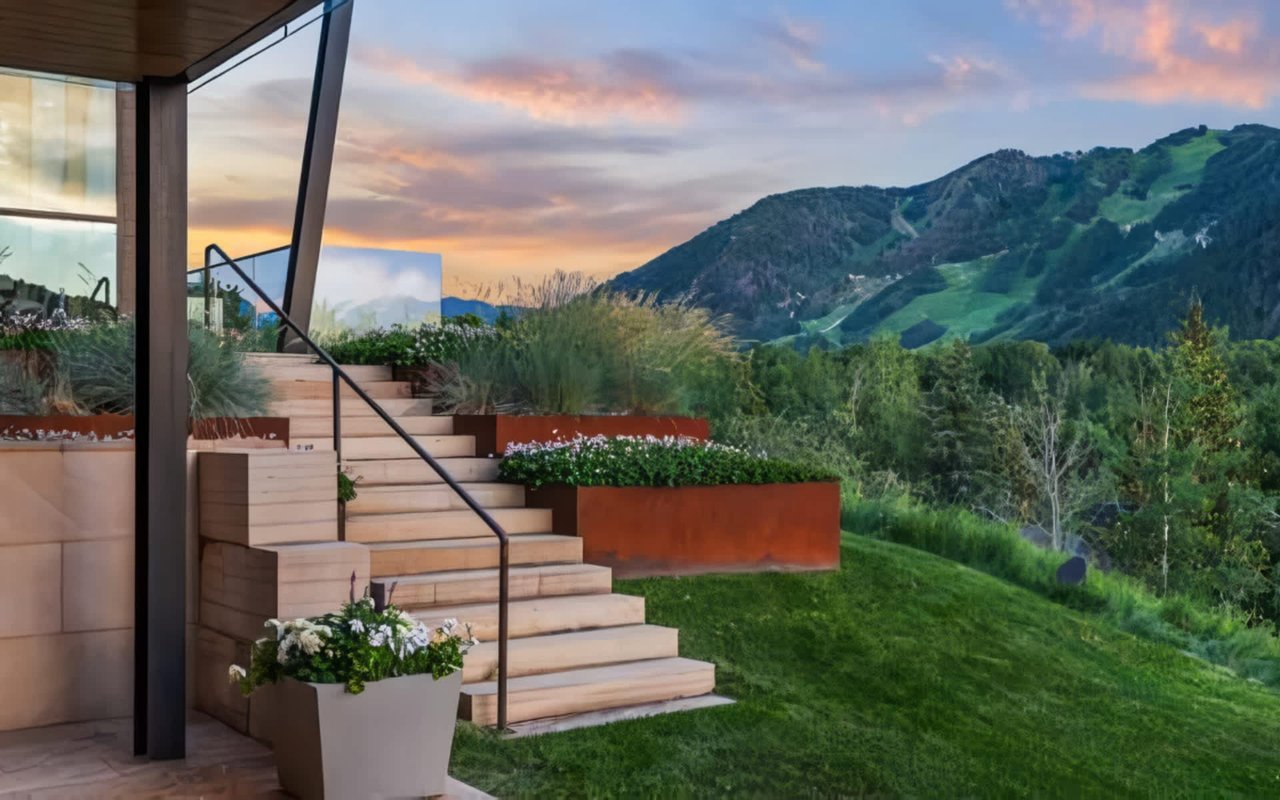
- Functional upgrades: Improving flow, wellness spaces, or outdoor living
- Marketing refinement: Adjusting exposure to reach a narrower buyer profile
Repositioning often forms a core part of an Aspen luxury real estate selling strategy for legacy homes.
Neighborhood-Specific Decision Making
Aspen neighborhoods behave differently at the $15M-plus level. Red Mountain, East End, and McLain Flats each attract distinct buyer motivations.
Why location drives strategy
- Red Mountain: View-driven buyers prioritizing elevation and privacy
- East End: Walkability-focused buyers seeking cultural proximity
- McLain Flats: Acreage-oriented buyers valuing space and flexibility
These nuances inform whether selling, holding, or repositioning aligns best. I tailor guidance to the micro-market rather than broad trends.
Buyer Expectations at the Ultra-Luxury Level
High-end buyers approach Aspen purchases with clarity and comparison. They often assess properties against recent private trades and land value rather than list prices alone.
What today’s buyers evaluate
- Architectural relevance: Design longevity and pedigree
- Operational readiness: Systems, access, and year-round usability
- Privacy standards: Setbacks, landscaping, and approach
Meeting these expectations influences liquidity. It also shapes how repositioning efforts are prioritized.
Timing Around Seasonal Demand
Aspen’s market rhythm follows seasonal residency patterns. Buyer activity often increases during peak winter and summer periods when lifestyle is on display.
How seasons influence decisions
- Winter exposure: Ski-season visibility and social presence
- Summer evaluation: Extended stays and deeper property tours
- Off-season planning: Preparation and repositioning windows
Timing decisions around these cycles can improve outcomes. I help owners align strategy with seasonal behavior.
Tax and Estate Planning Considerations
Wealth transitions often intersect with broader financial planning.
Why coordination matters
- Estate structuring: Planning for generational transfers
- Liquidity events: Aligning sales with broader portfolio shifts
- Ownership structures: Evaluating entities and holding strategies
Real estate decisions benefit from coordination with advisors familiar with Aspen property.
Privacy and Exposure Choices
Many $15M-plus properties trade through limited exposure rather than public listings. Privacy preferences often shape marketing strategy.
How visibility affects results
- Private offerings: Controlled access to vetted buyers
- Selective showings: Minimizing disruption while testing demand
- Market signaling: Gauging interest without full launch
This approach supports discretion. It also reflects how Aspen’s top-tier homes often change hands.
Evaluating Opportunity Cost
Owners benefit from comparing their Aspen property against alternative uses of capital. This perspective frames the decision more clearly.
Assessing alternatives objectively
- Capital redeployment: Funding other real estate or investments
- Lifestyle rebalancing: Shifting time between markets
- Risk distribution: Adjusting exposure within a portfolio
Opportunity cost analysis adds clarity. It helps ground decisions beyond emotion.
FAQs
How do I know if my Aspen property is at a selling peak?
Peak conditions depend on buyer alignment and property relevance rather than headlines. A detailed review of recent activity on comparable streets provides clarity.
Is repositioning always worth the investment?
Repositioning works best when updates align with buyer expectations. Strategic changes often outperform broad renovations.
Should I market publicly or privately at this level?
Many owners benefit from limited exposure first. The decision depends on privacy goals and property type.
Contact Brittanie Rockhill Today
If you are weighing whether to sell, hold, or reposition a $15M-plus property in Aspen, I offer guidance grounded in how this market truly operates. I help owners evaluate timing, location, and buyer demand with precision.
Reach out to me, Brittanie Rockhill, to discuss how an Aspen luxury real estate selling strategy applies specifically to your property and neighborhood.