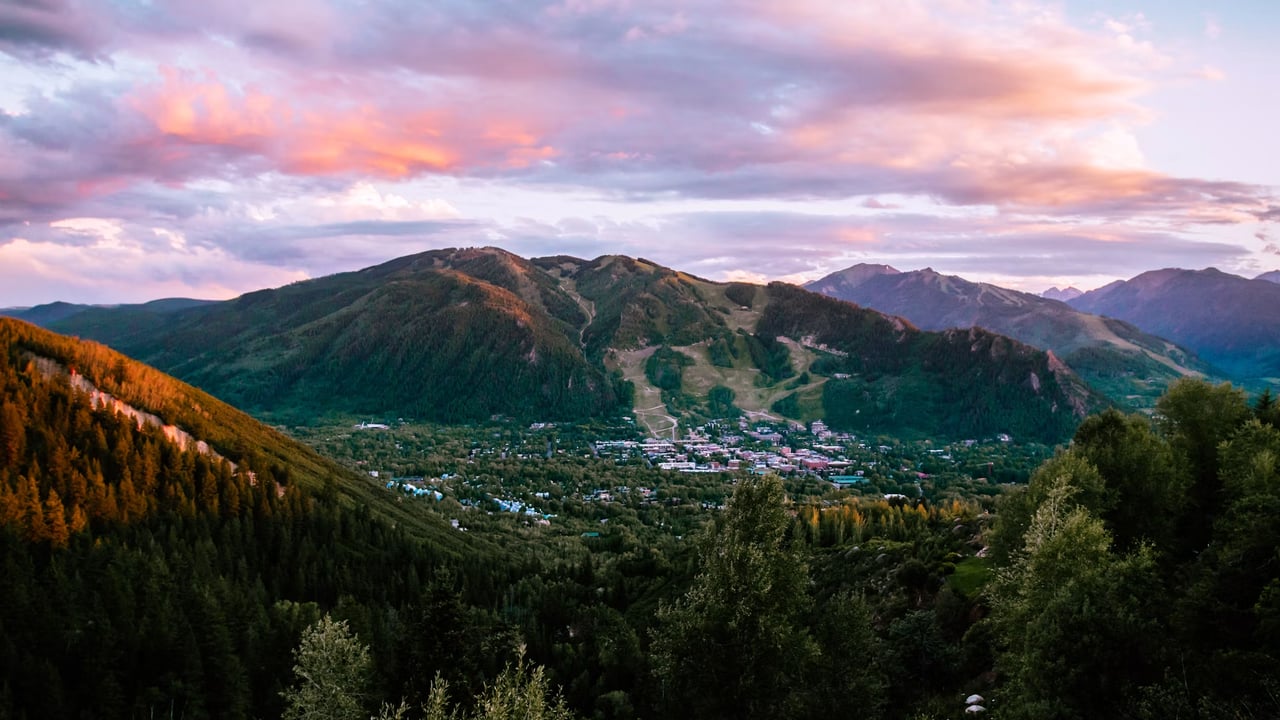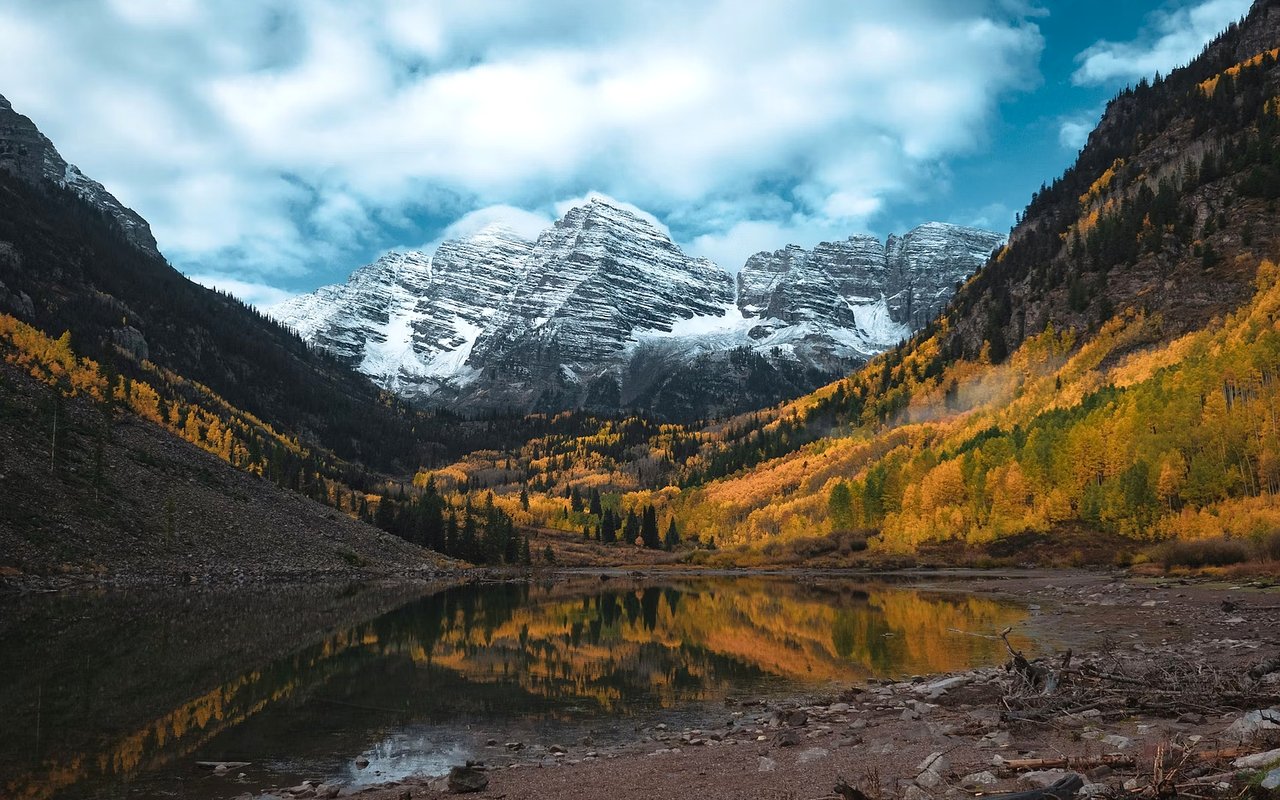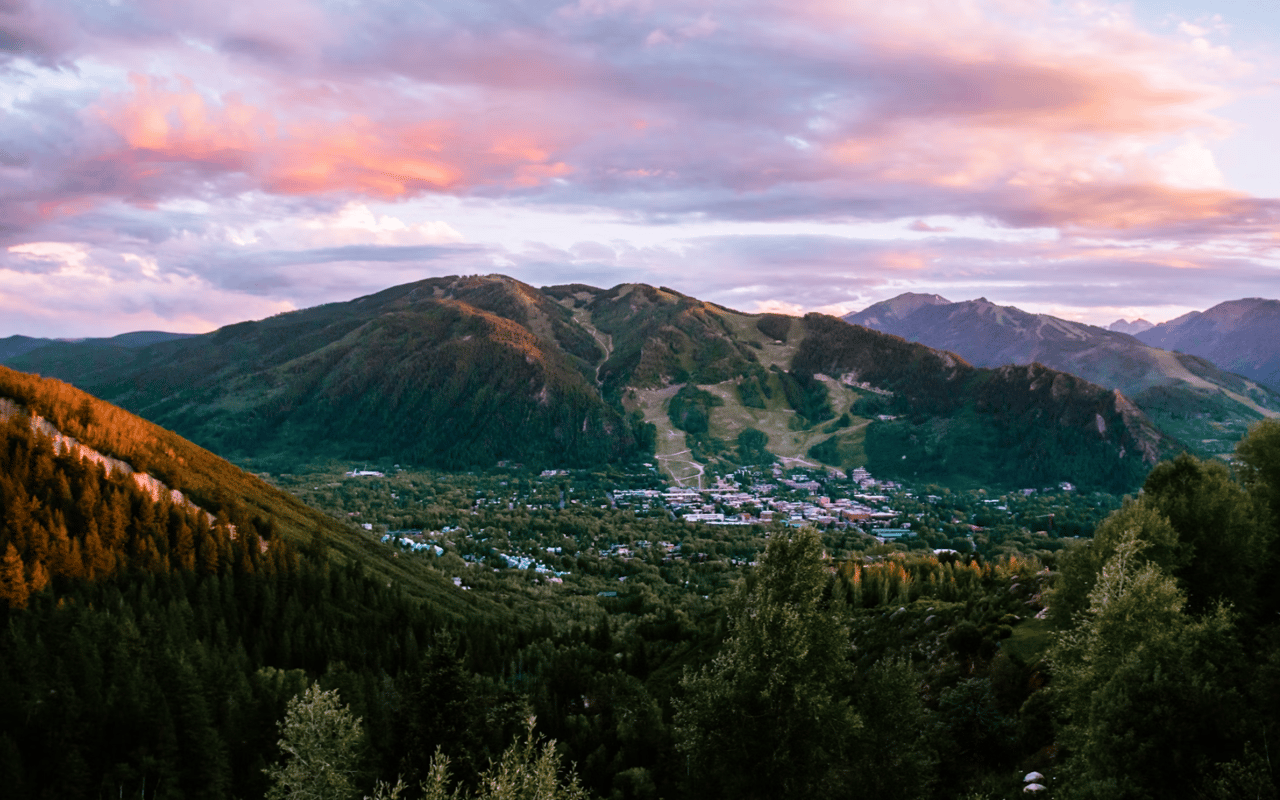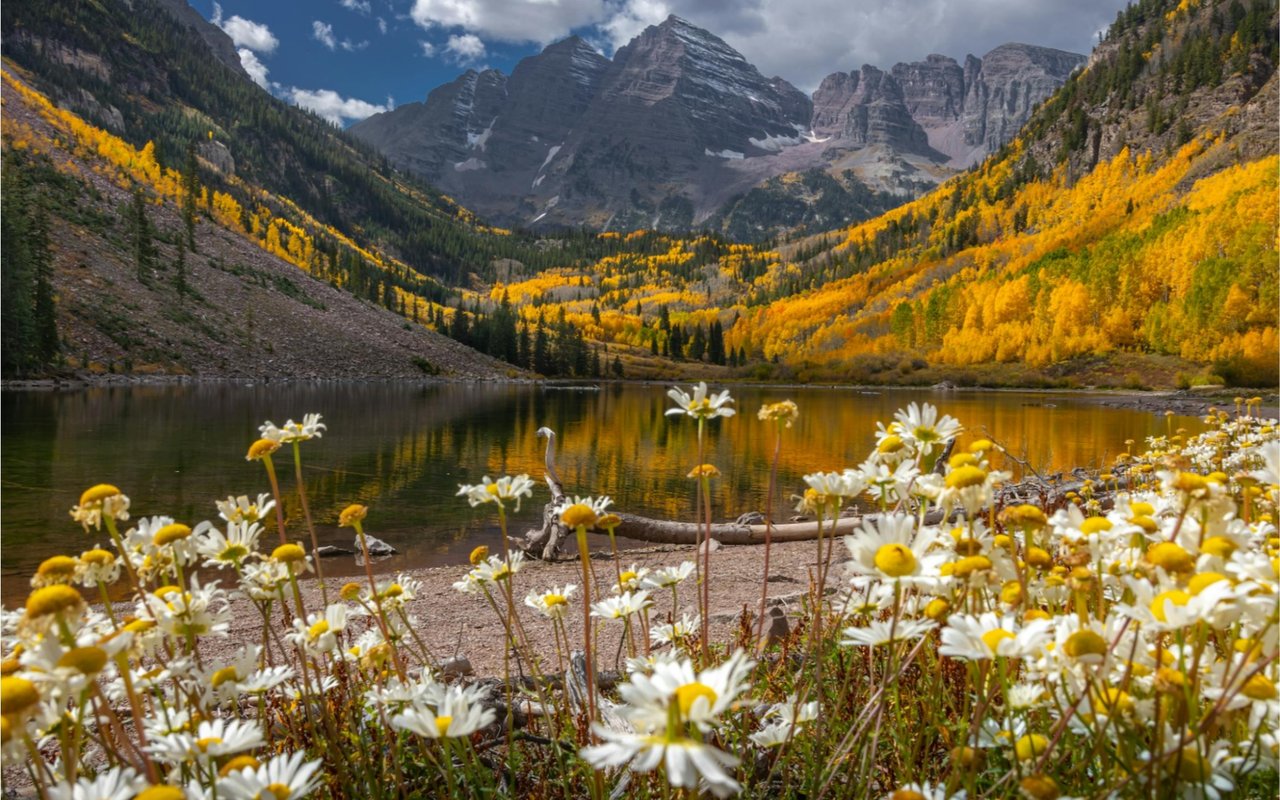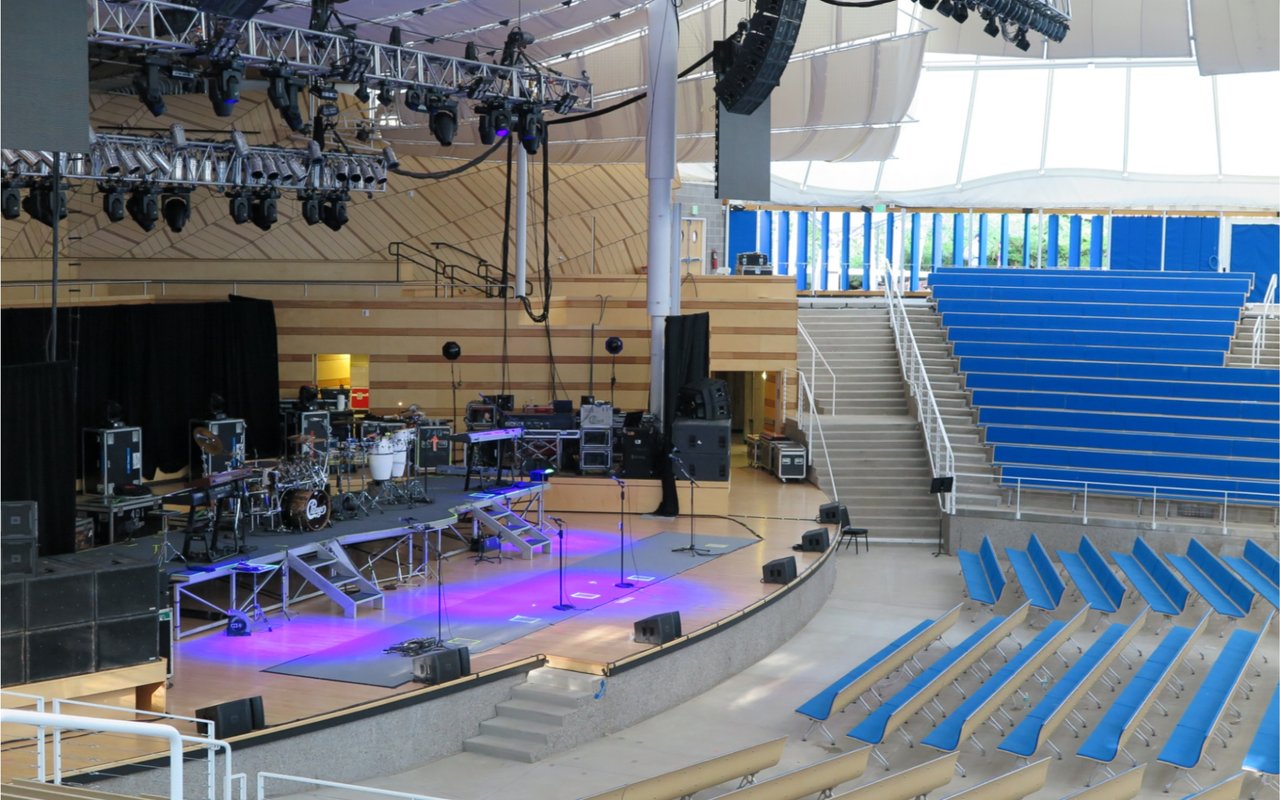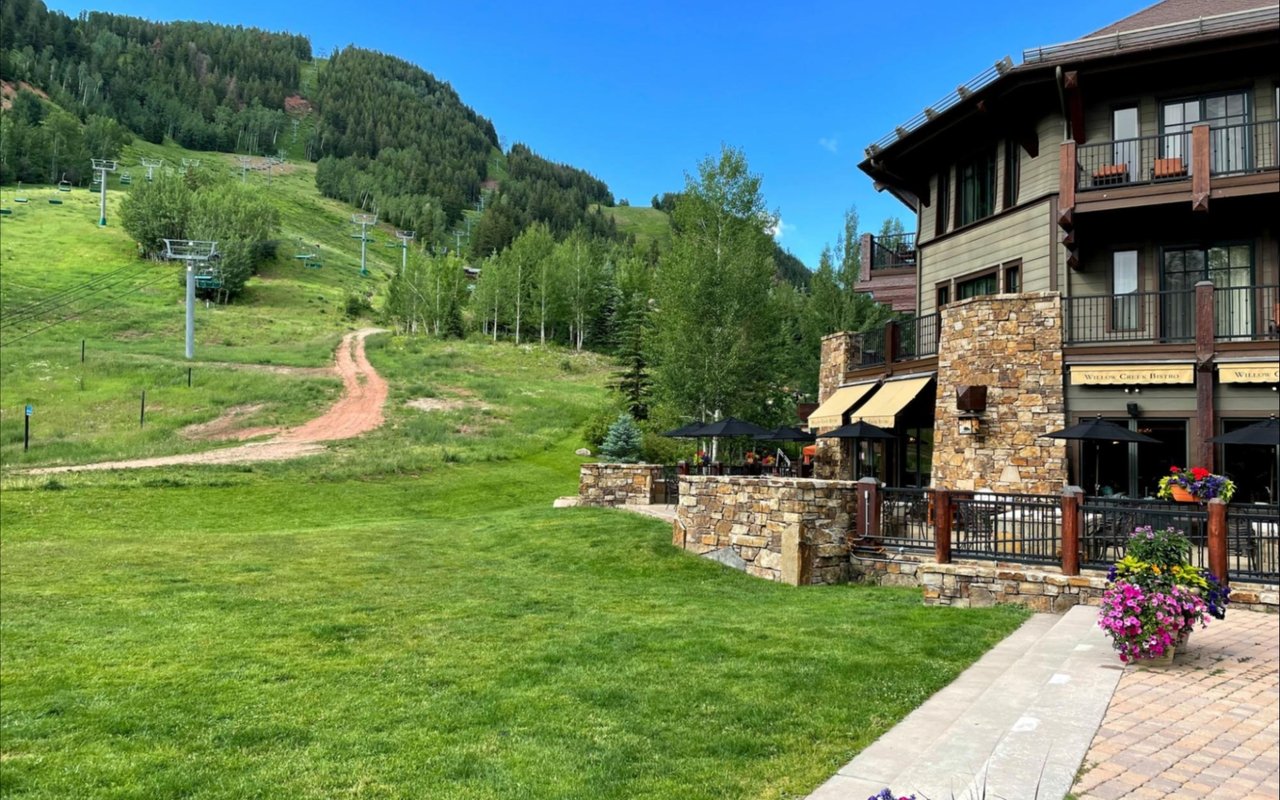
Aspen, Colorado, is widely recognized for its world-class ski resorts, breathtaking landscapes, and vibrant cultural scene. However, beyond the allure of the outdoors and luxury, Aspen holds a deep historical significance that draws visitors year-round. This picturesque town in the Rocky Mountains is home to many historical landmarks that serve as reminders of its past—specifically, the mining boom of the late 19th century. With the help of organizations like the Aspen Historical Society, these preserved sites offer a glimpse into the lives of the pioneers, miners, and industrialists who shaped Aspen into the cultural hub it is today.
The Wheeler Opera House: Aspen’s Cultural Jewel
One of Aspen’s most prominent historical landmarks is the Wheeler Opera House, located in the heart of downtown. Built in 1889, the Opera House was designed to be a cultural venue, reflecting the aspirations of a town experiencing rapid wealth and growth.
For over a century, the Wheeler Opera House has been at the heart of Aspen’s cultural and performing arts scene, hosting everything from vaudeville acts to modern-day film festivals and concerts. After enduring fires and periods of disrepair, the building underwent major restoration efforts in the 1940s and 1980s, ensuring its survival as a centerpiece of Aspen’s vibrant community.
In addition to its historical and cultural significance, the Wheeler benefits from Aspen’s commitment to preservation. A portion of the city's real estate transfer tax—specifically, 0.5%—is dedicated to the Wheeler Opera House, funding its ongoing maintenance and programming. This investment ensures that the Opera House continues to thrive as a venue for the arts and a cherished community landmark. Learn more about the real estate transfer tax here.
Independence Ghost Town: A Glimpse into Aspen’s Mining Past
To understand Aspen’s beginnings, one must venture beyond the town’s modern-day splendor to the remnants of Independence Ghost Town. Located just a short drive from Aspen along Independence Pass, this site offers an immersive experience of what life was like during the Colorado Gold Rush in the late 1800s. The town of Independence was established in 1879 after the discovery of gold, and for a time, it flourished as a bustling mining community.
By the 1880s, however, the boom had begun to fade, and many residents relocated to Aspen as its silver mining industry rose to prominence. The town was eventually abandoned, leaving behind a collection of cabins, mills, and mine remnants that still stand today. Independence Ghost Town is now a protected historical site managed by the Aspen Historical Society, offering guided tours that provide detailed accounts of the town’s rise and fall. Visitors can walk through the preserved structures and imagine the challenges early settlers faced while chasing fortune in the Rockies.
The Hotel Jerome: Aspen’s Grand Victorian Hotel
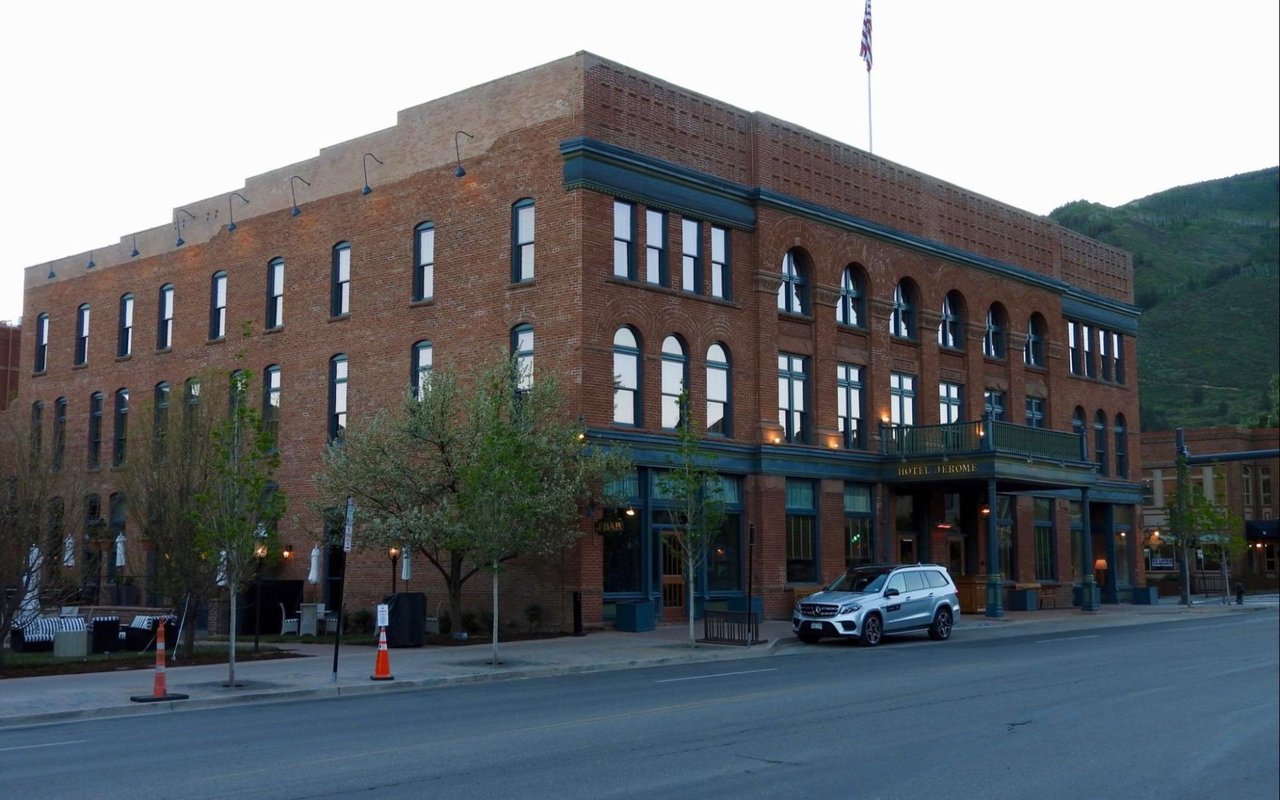
Another iconic symbol of Aspen’s silver era is the Hotel Jerome, which opened in 1889. Designed in the grand Victorian style, the Hotel Jerome was a symbol of the town’s affluence, offering amenities like indoor plumbing and electricity—remarkable innovations for the time.
Despite surviving economic downturns and the eventual collapse of the silver market, the Hotel Jerome remained a symbol of Aspen’s resilience. The hotel underwent several renovations throughout the 20th century, each time maintaining its original charm and elegance. Today, the Hotel Jerome continues to welcome guests, offering them a taste of Aspen’s history while providing modern luxury. Its opulent décor, historical significance, and connection to famous figures—ranging from early industrialists to contemporary celebrities—make it a cherished landmark.
The Holden/Marolt Mining and Ranching Museum: Connecting to Aspen’s Industrial Heritage
While Aspen is often associated with leisure and culture, its origins are deeply tied to industry. The Holden/Marolt Mining and Ranching Museum is dedicated to preserving this lesser-known aspect of Aspen’s history. Located just outside downtown, the museum is housed on the former Holden Lixiviation Works site, which was once one of the largest silver-processing plants in the area.
This museum provides a unique educational experience, focusing on Aspen’s early mining technologies and agricultural history. Exhibits include original mining equipment, historical photographs, and hands-on displays that explore both the technological advancements of the silver mining industry and the everyday lives of the ranchers who helped sustain Aspen during its lean years after the silver crash. The museum serves as a bridge between Aspen’s industrial roots and its current status as a top-tier resort town.
Wheeler-Stallard House: A Glimpse into Victorian Aspen
The Wheeler-Stallard House, a stately Victorian home located in Aspen’s West End, is another historical treasure. Built in 1888 by Jerome Wheeler, this Queen Anne-style mansion has become a focal point for understanding the lifestyle of Aspen’s elite during the silver boom. Today, the house functions as a museum operated by the Aspen Historical Society, showcasing artifacts, photographs, and exhibits detailing the town's history.
Visitors to the Wheeler-Stallard House can experience life as it was in the late 19th century, complete with period furnishings and décor. The museum also hosts rotating exhibits on various aspects of Aspen’s past, including its transformation from a mining town to a modern resort destination.
Historic Preservation in Aspen: Honoring the Past with Modern Vision
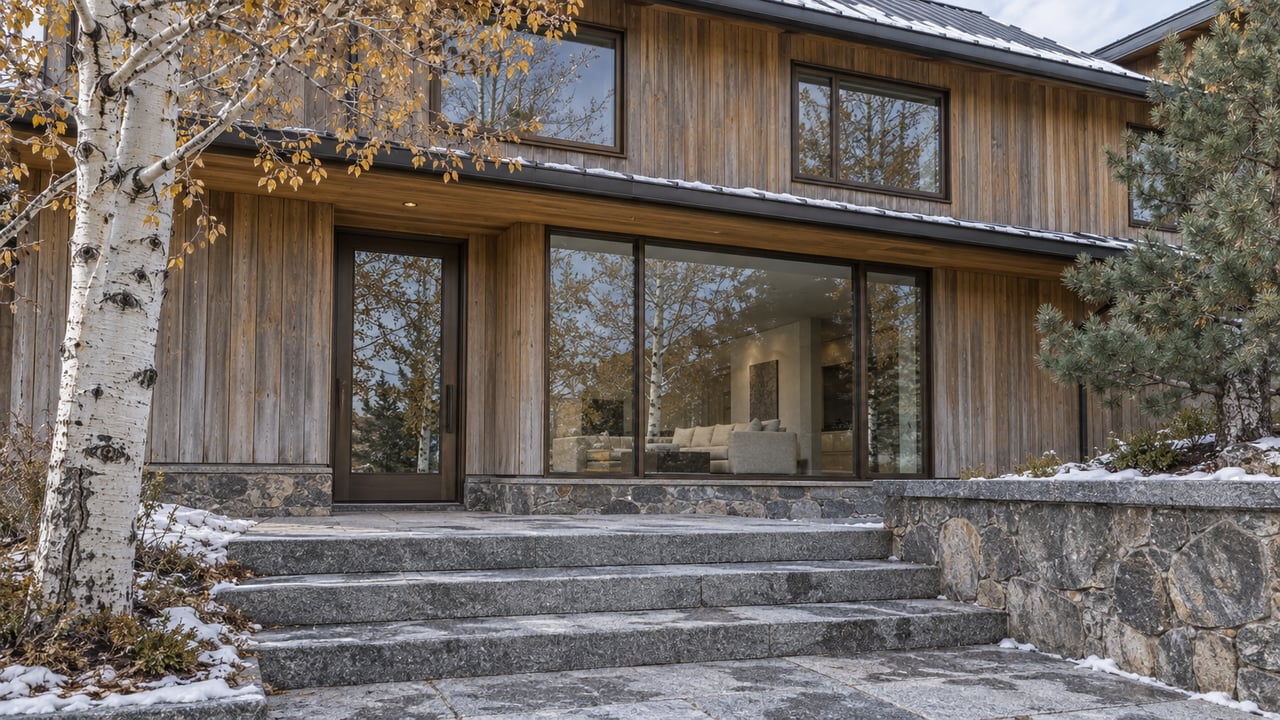
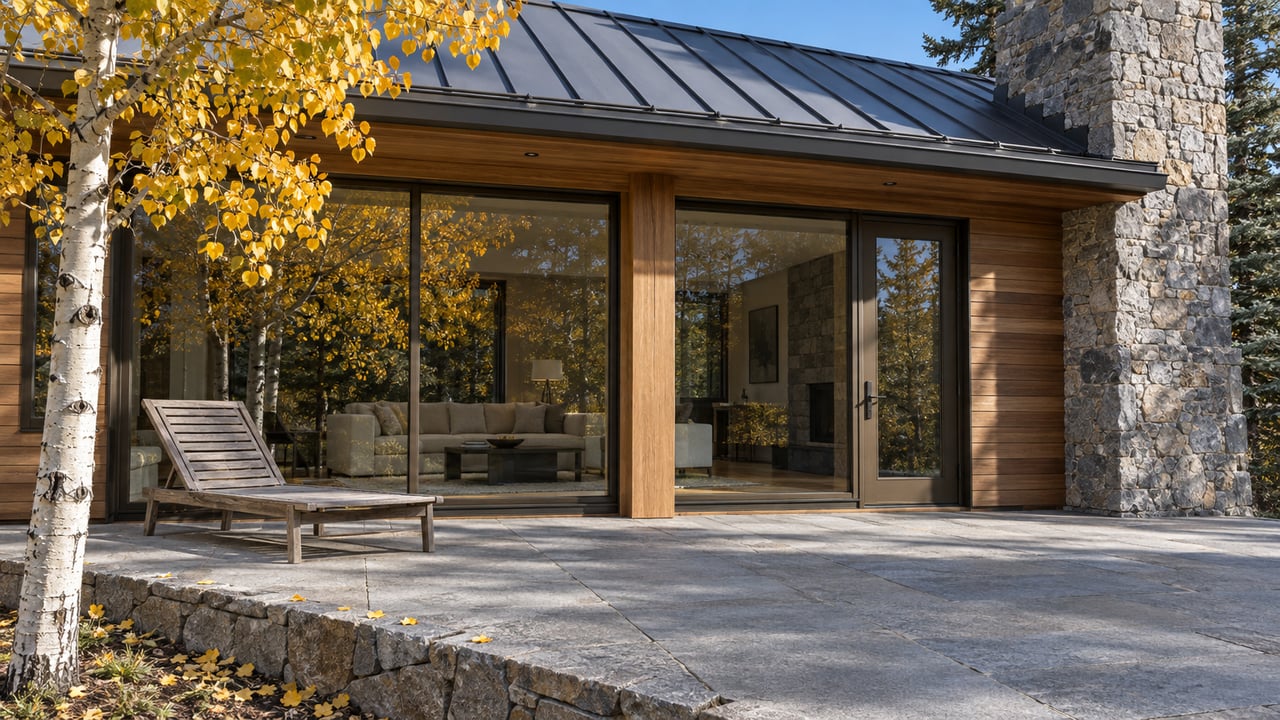
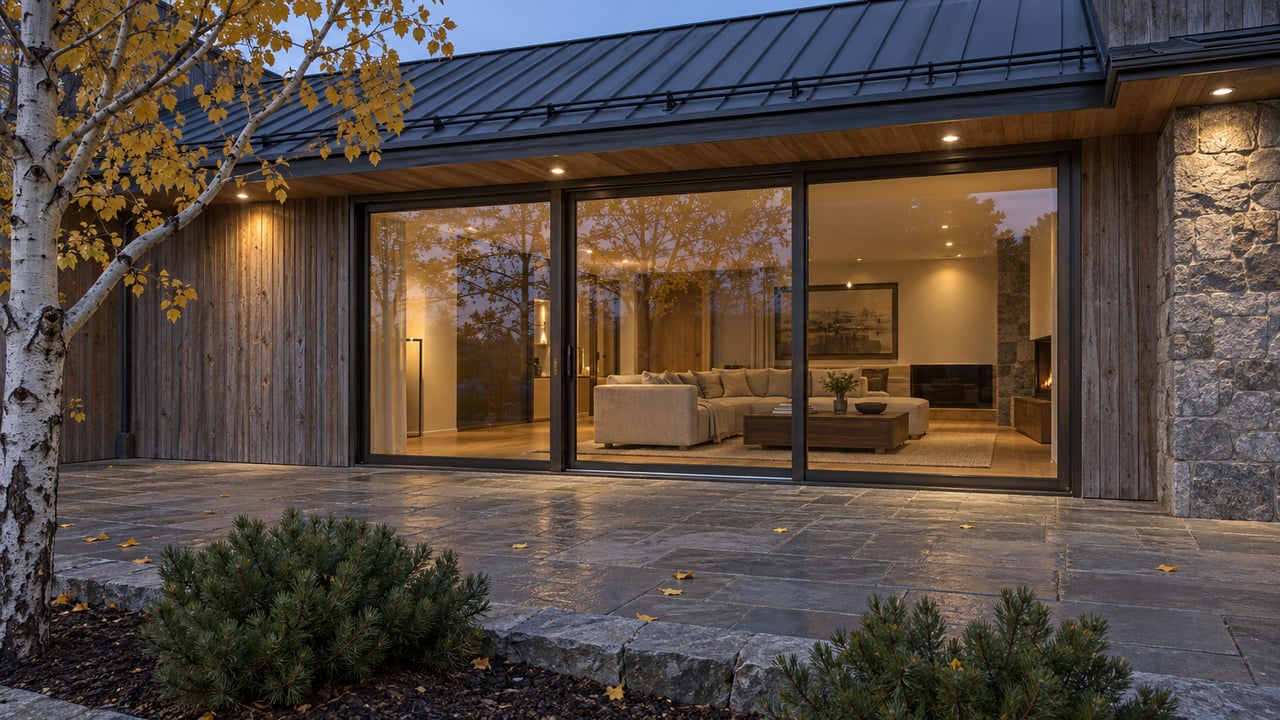
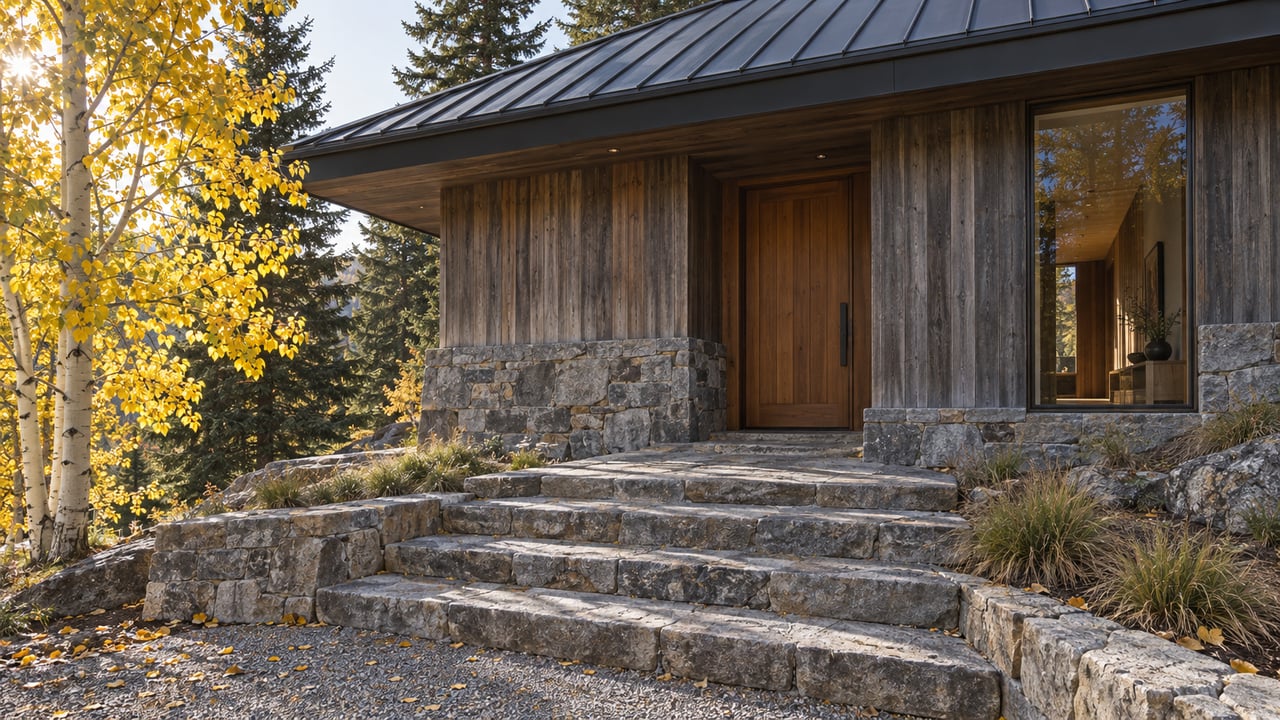
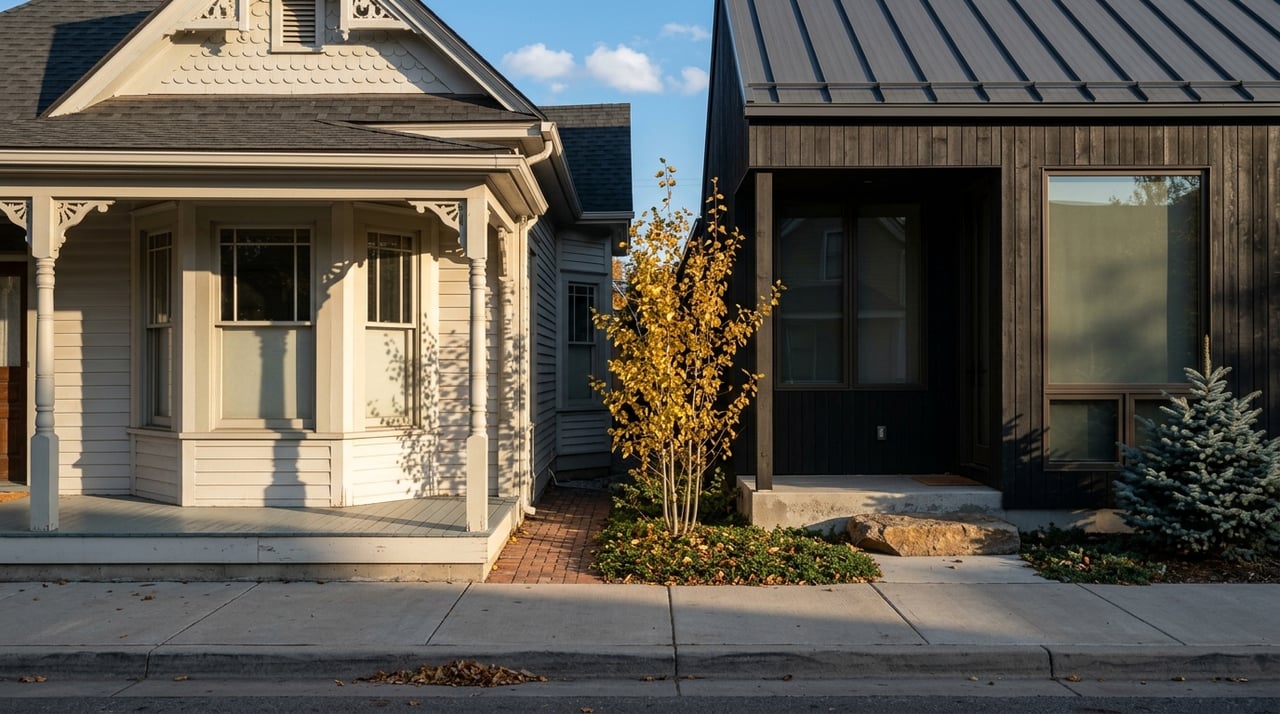
Aspen takes its historical legacy seriously, thanks to its dedicated Historic Preservation Commission (HPC). This commission oversees the careful restoration and redevelopment of the town’s historic landmarks, ensuring that Aspen’s rich past remains an integral part of its present and future. One of the most fascinating projects under the HPC’s guidance involves transforming original mining cabins from the 1800s into modern architectural masterpieces. These projects combine the charm of Aspen’s mining-era heritage with innovative design, creating homes that are both historically significant and contemporary in function.
Examples of these preserved and reimagined properties include beautifully restored cabins that seamlessly blend old-world craftsmanship with sleek, modern features. These homes stand as a testament to Aspen’s ability to celebrate its mining roots while embracing a progressive vision for luxury living. For a closer look at some of these remarkable properties, explore this collection of historic restorations.
The HPC’s efforts highlight Aspen’s commitment to preserving its historical integrity while providing opportunities for revitalized living spaces that honor the town’s origins. For more information about the work of the HPC, visit the Historic Preservation Commission page.
Find Your Dream Home in Aspen
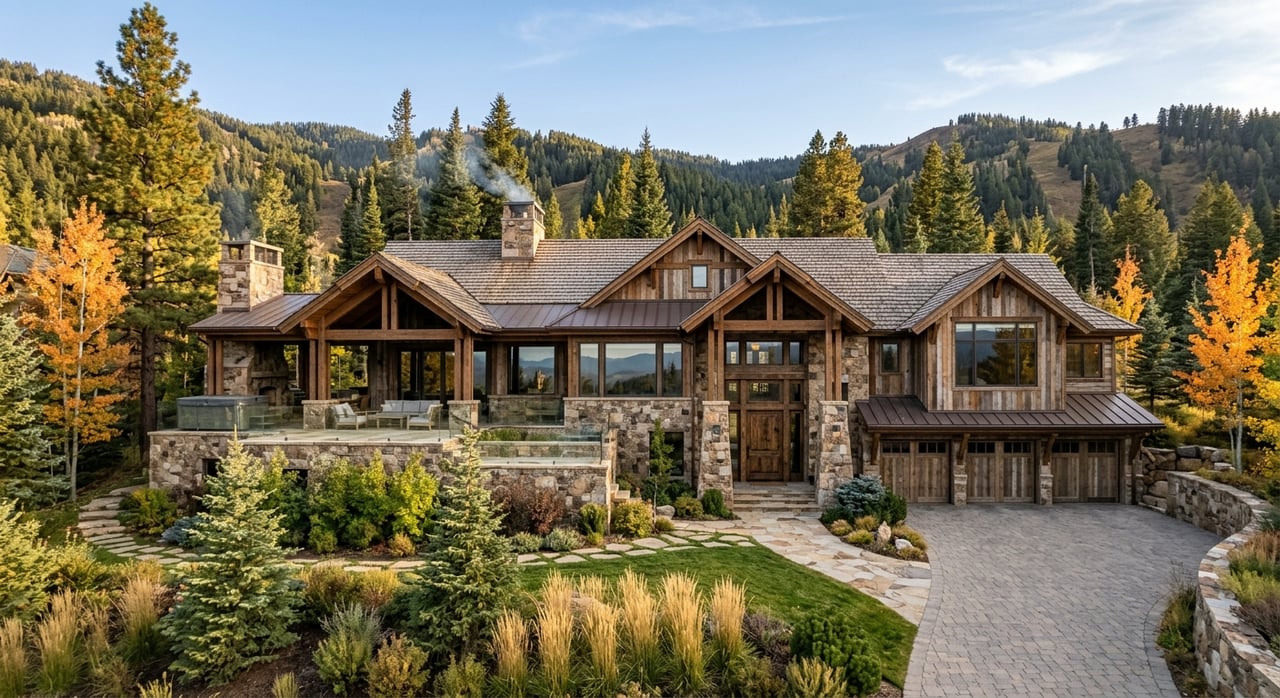
Aspen’s stunning landscapes and historic charm make it more than just a vacation destination—it’s the perfect place to call home. Whether you’re drawn to the town's rich past or its vibrant present, owning real estate here allows you to immerse yourself in Aspen’s timeless beauty. From historic homes to modern mountain retreats, there’s a property for every taste. For expert guidance on finding your dream home in Aspen, contact Brittanie Rockhill.