By Brittanie Rockhill
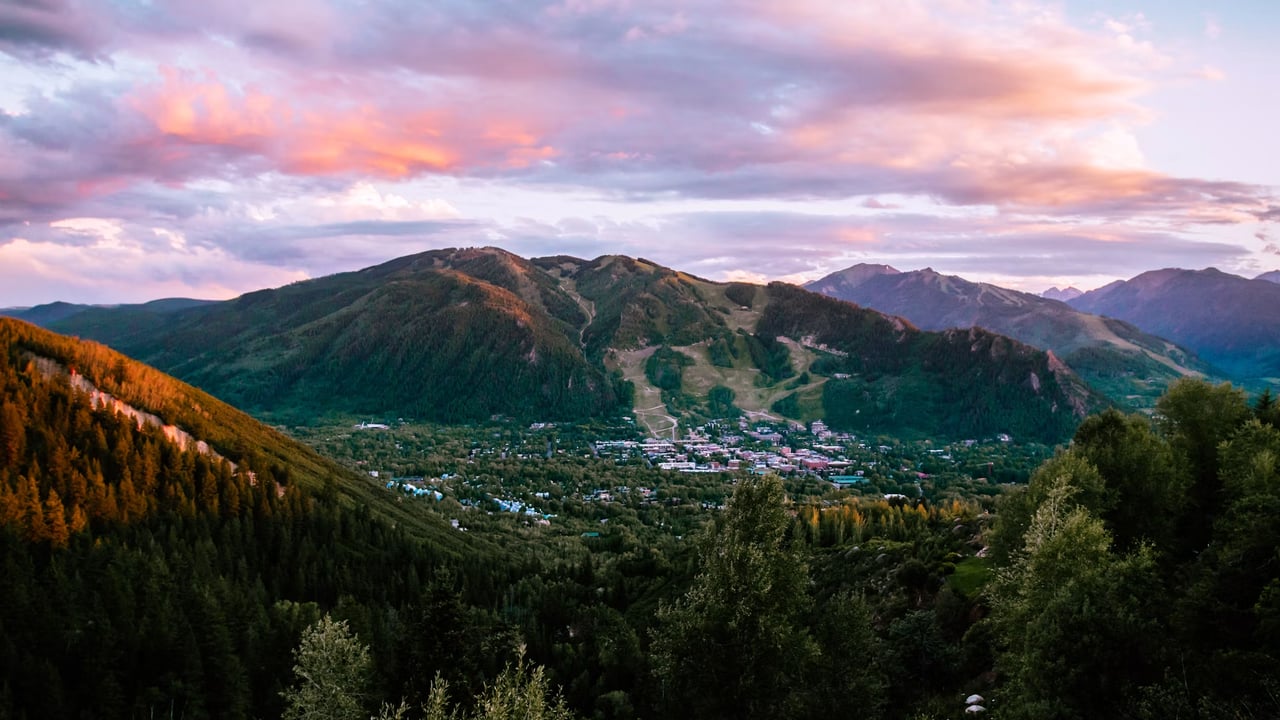
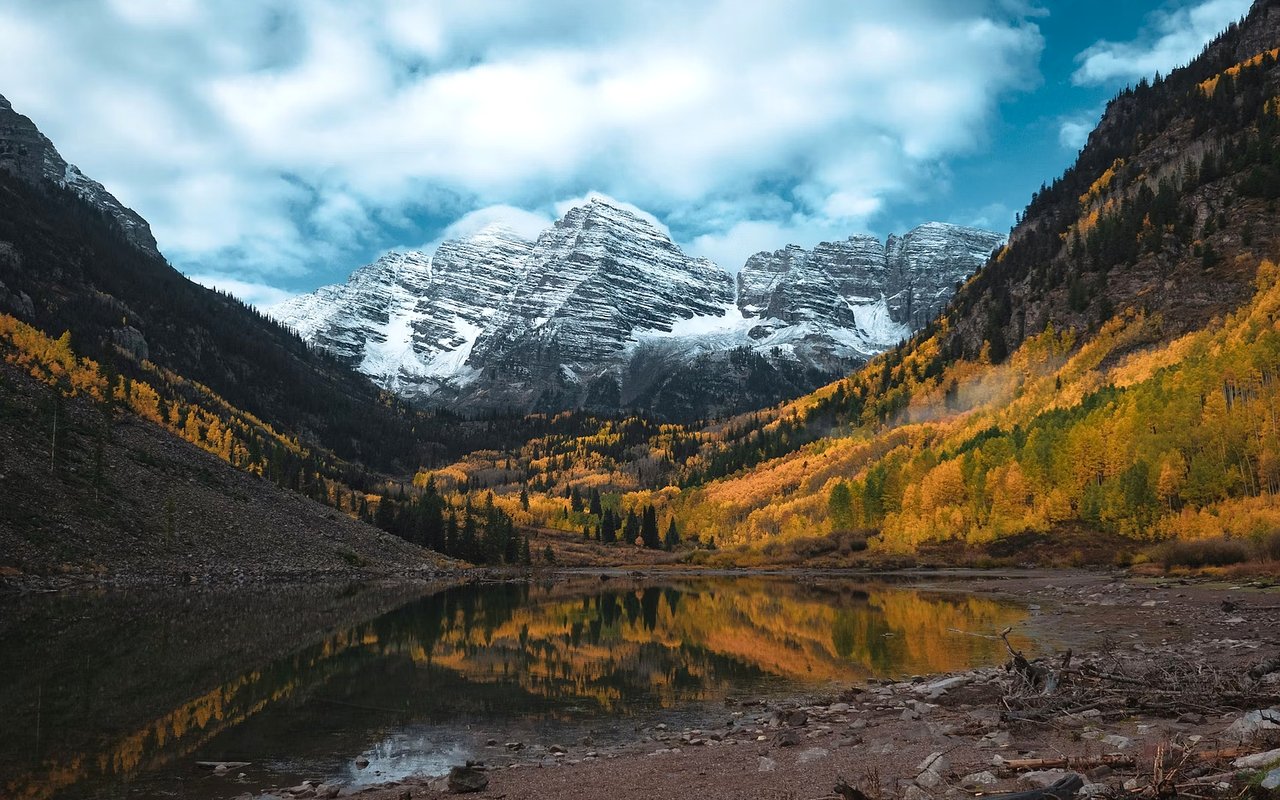
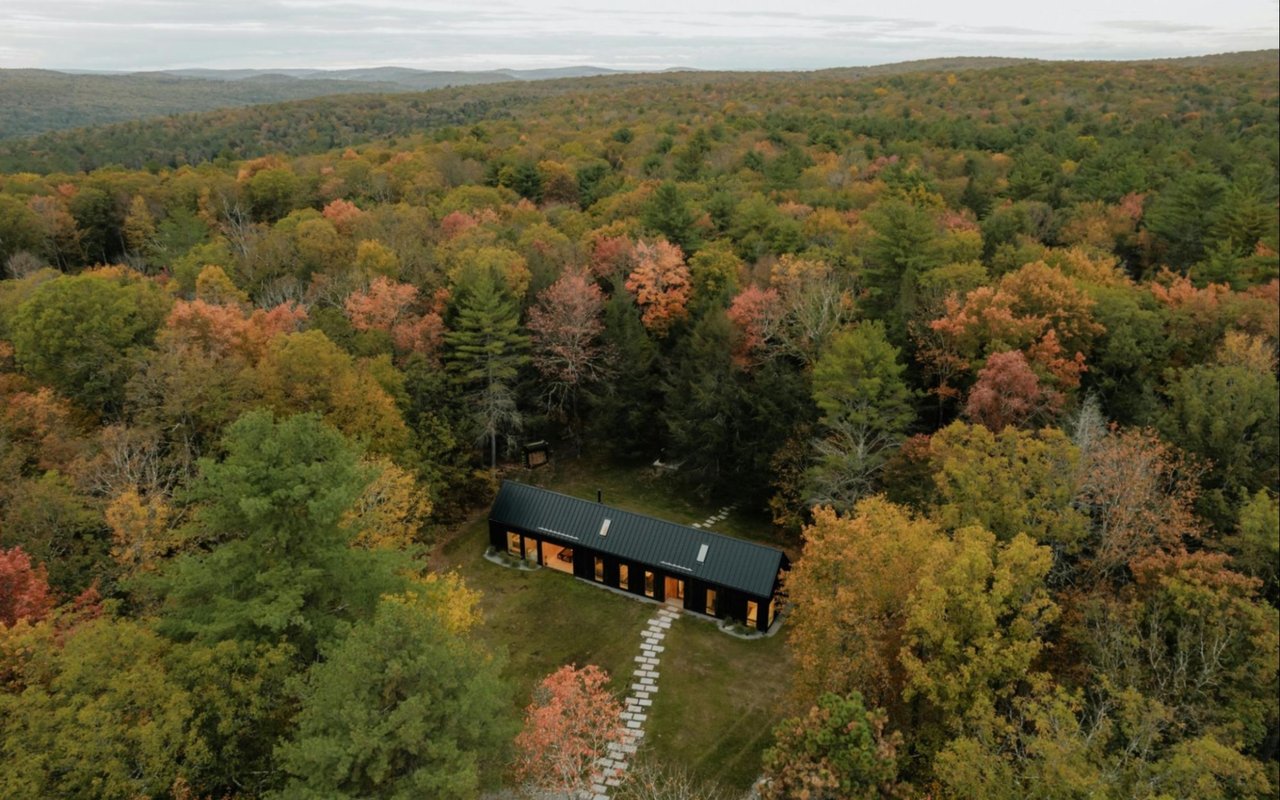
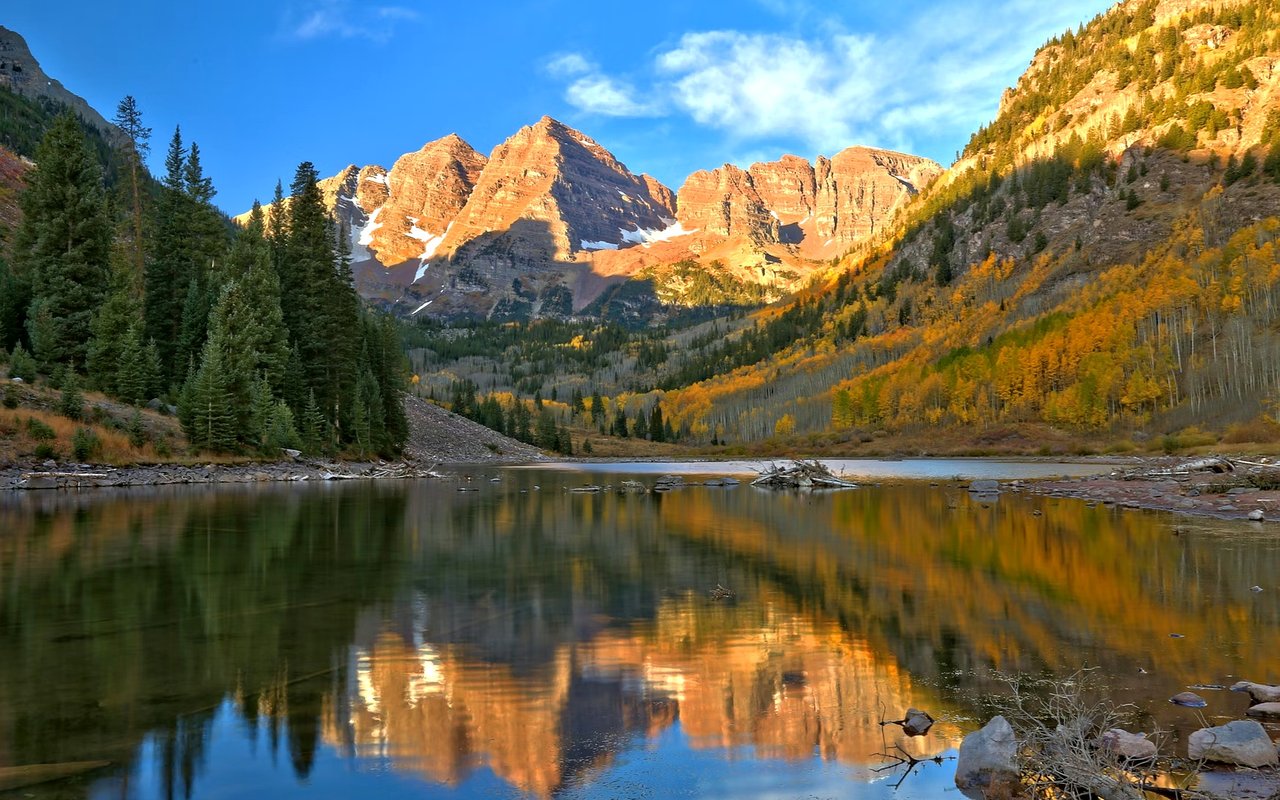
Aspen’s East End stretches from the Roaring Fork River toward the Independence Pass corridor, where there is open space and direct access to hiking trails. Buyers drawn to this area often prioritize walkability to downtown Aspen, unobstructed views, and proximity to cultural landmarks like the Aspen Art Museum.
When clients ask me about exploring high-end homes in Aspen’s East End, I start by grounding the conversation in how this neighborhood actually functions year-round. I guide buyers through this area, emphasizing micro-locations, architectural context, and how lifestyle factors shape long-term value.
Key Takeaways
- Micro-location awareness
- Architectural context
- Lifestyle access
- Market preparation
- Noteworthy listings and sales
The East End’s Micro-Locations
The East End includes several distinct pockets, each with its own character and appeal. Savvy buyers know subtle location differences influence privacy, views, and daily convenience.
Why street-level insight matters
- Proximity to the East Aspen Trail: Closer proximity to downtown and flatter walking routes
- Eastwood and Mountain Valley: Elevated homes with expansive sightlines, access to the Dial-a-ride service
- Northstar Preserve, Stillwater, Aspen Club: Larger lots with proximity to the river, and a growing number of new modern homes
I help buyers align their priorities with the right streets rather than broad neighborhood labels.
Evaluate Architectural Styles and Heritage
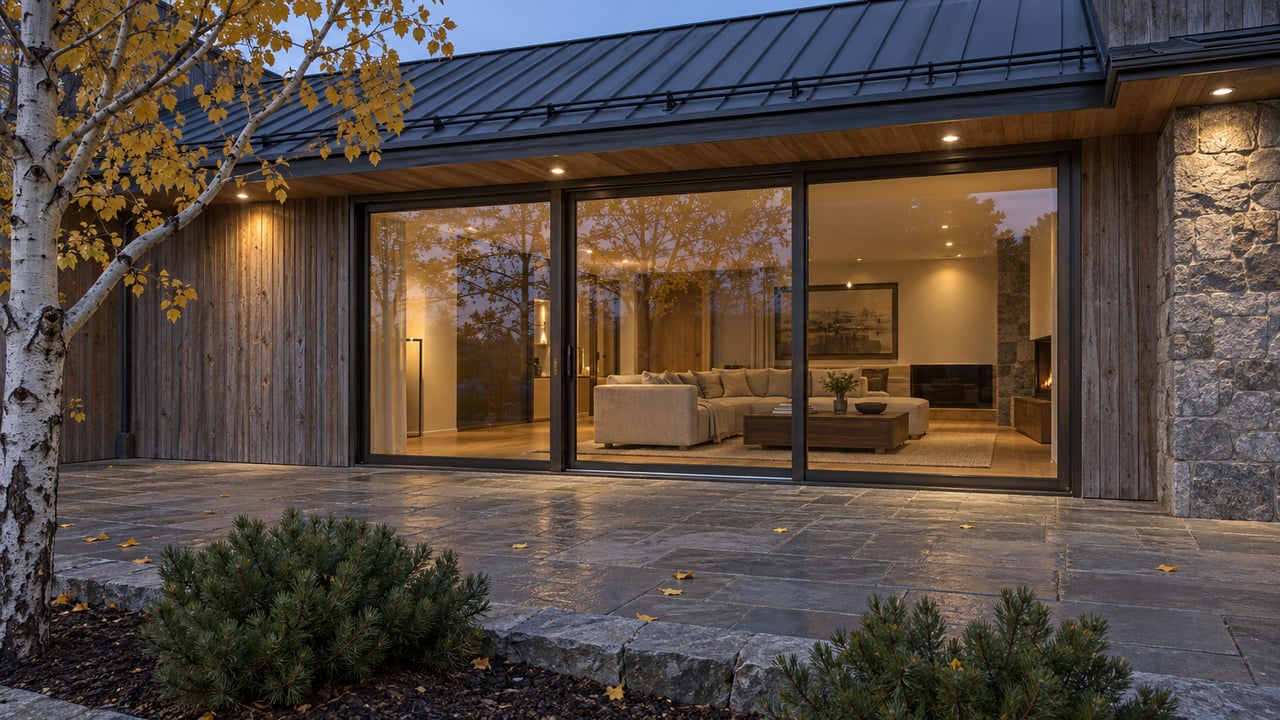
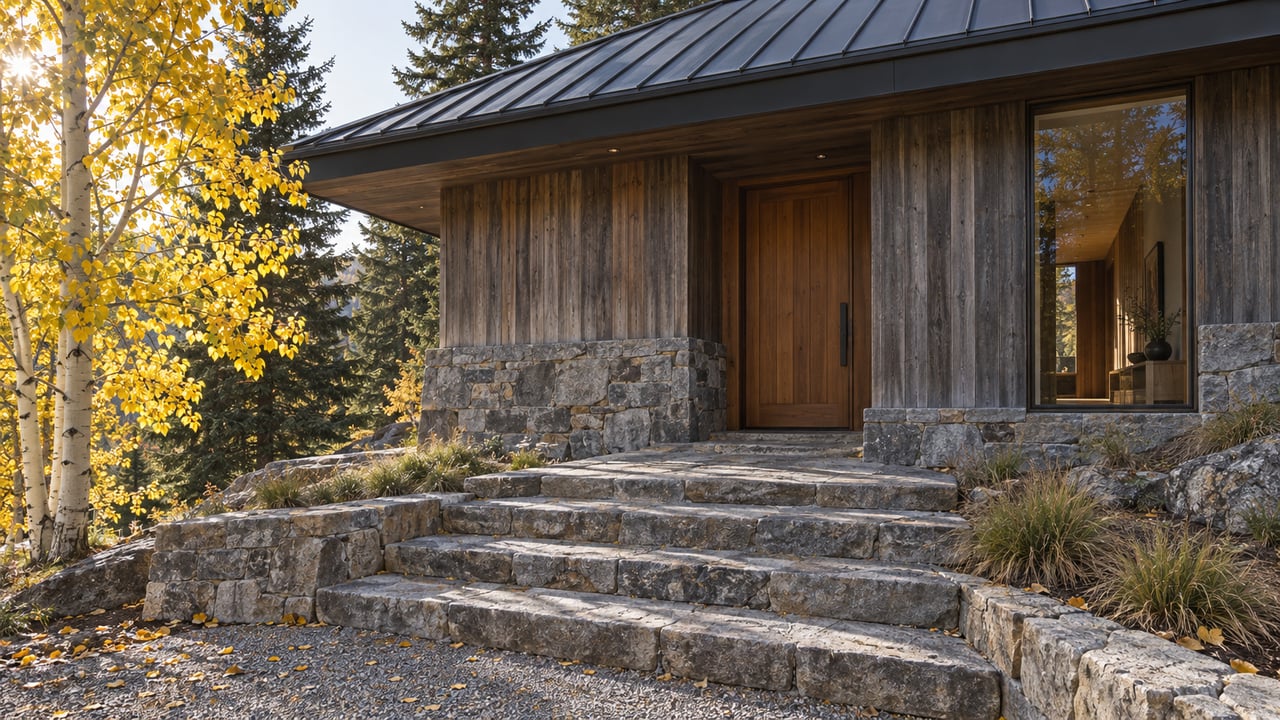
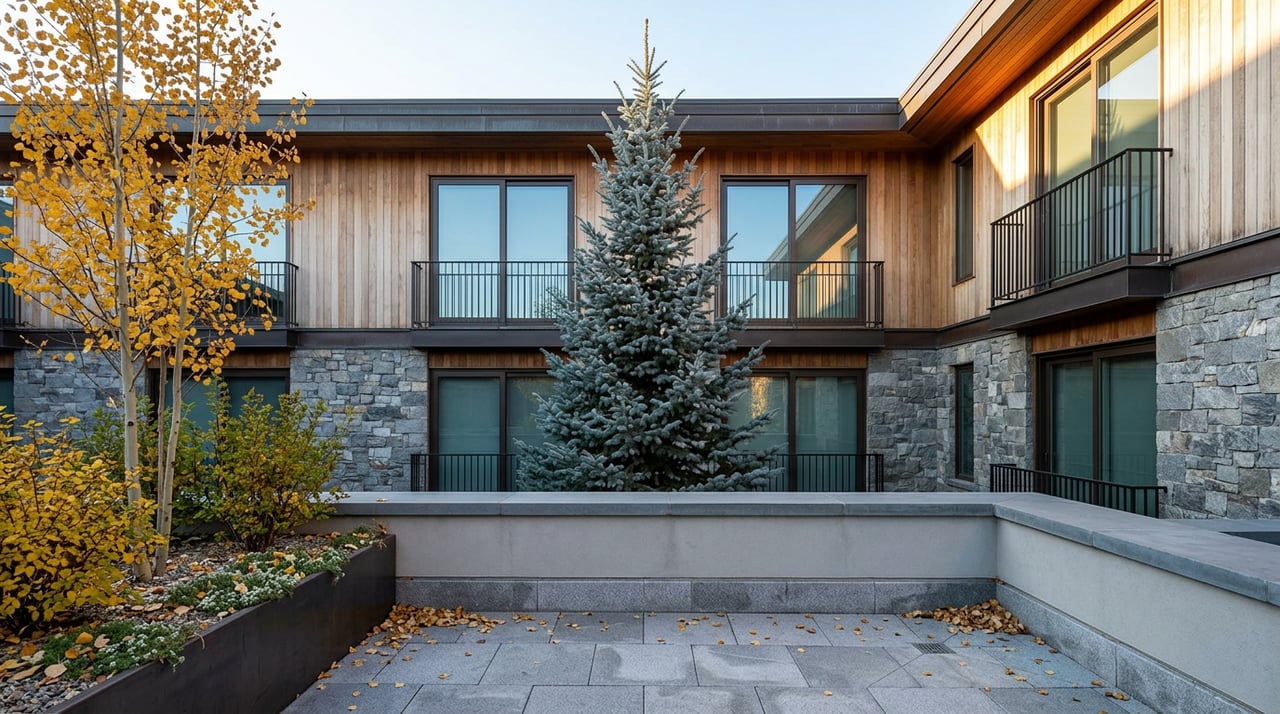
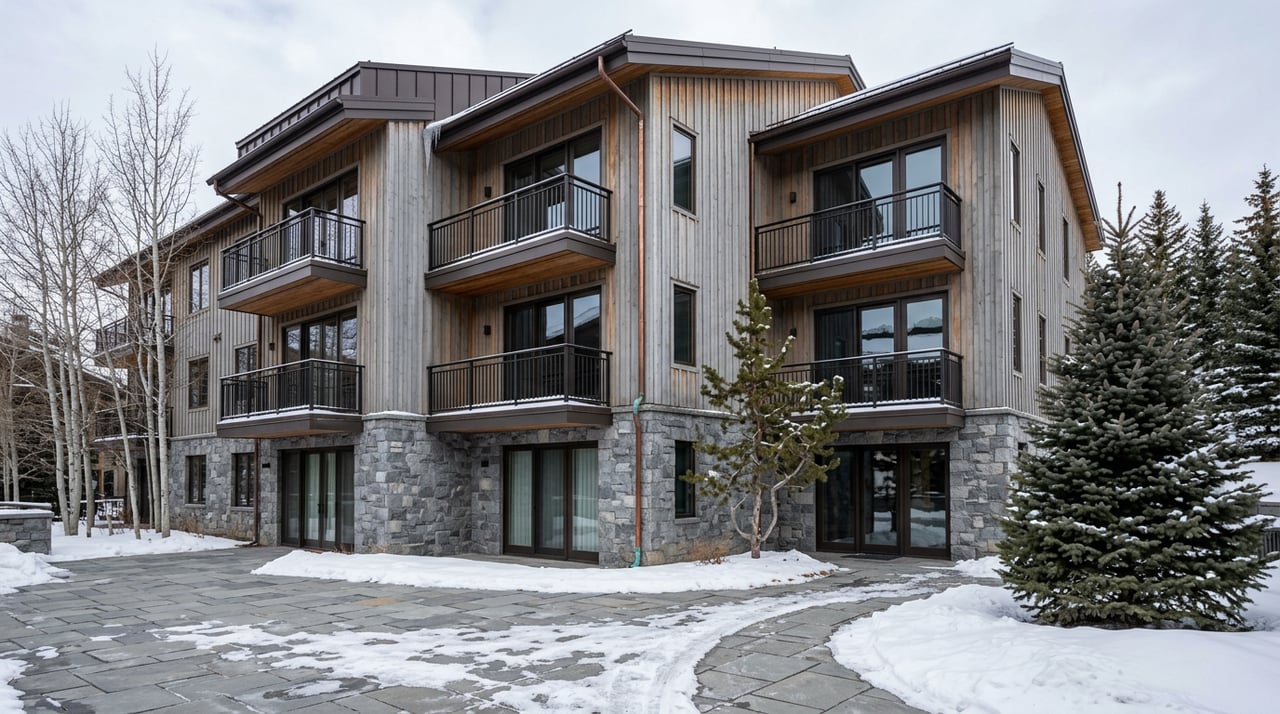
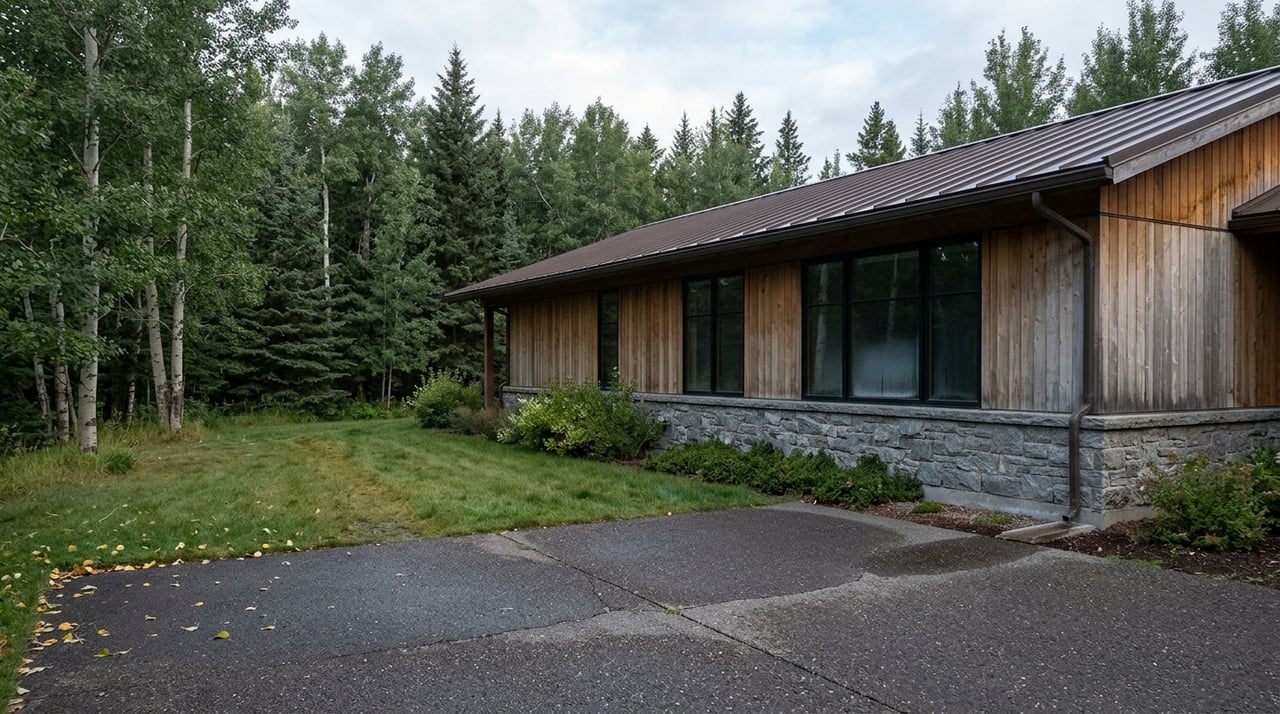
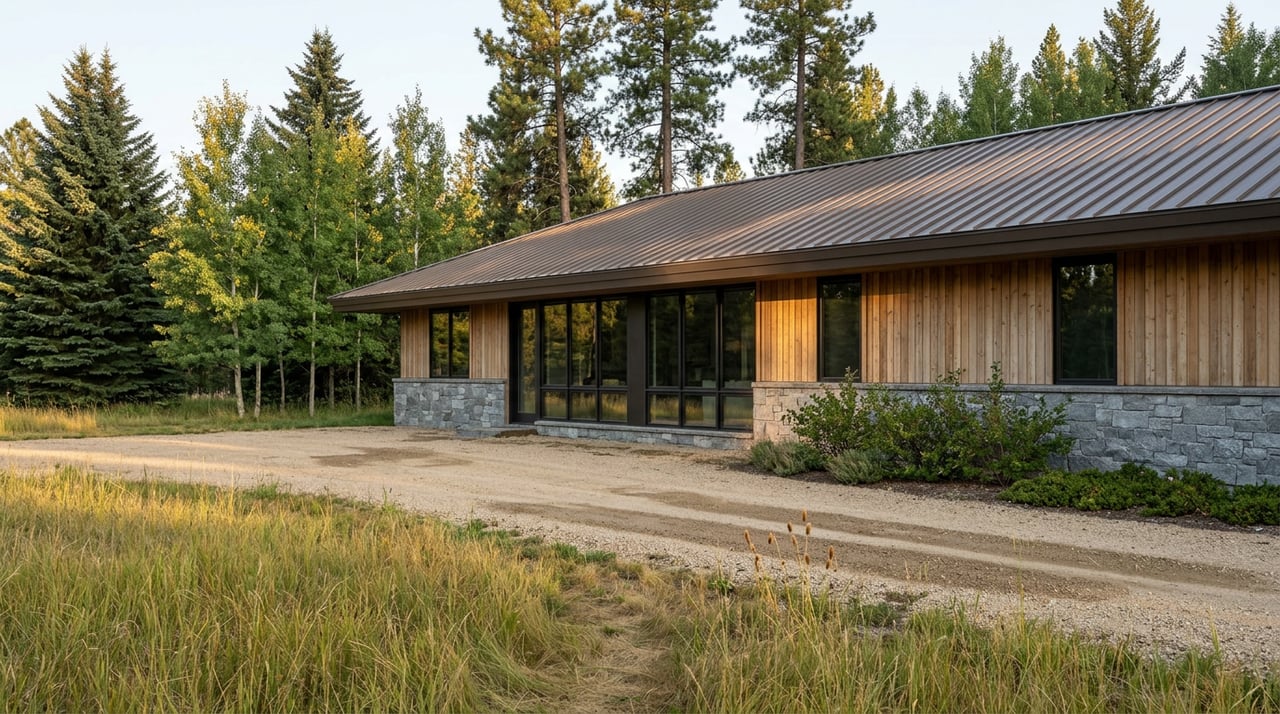
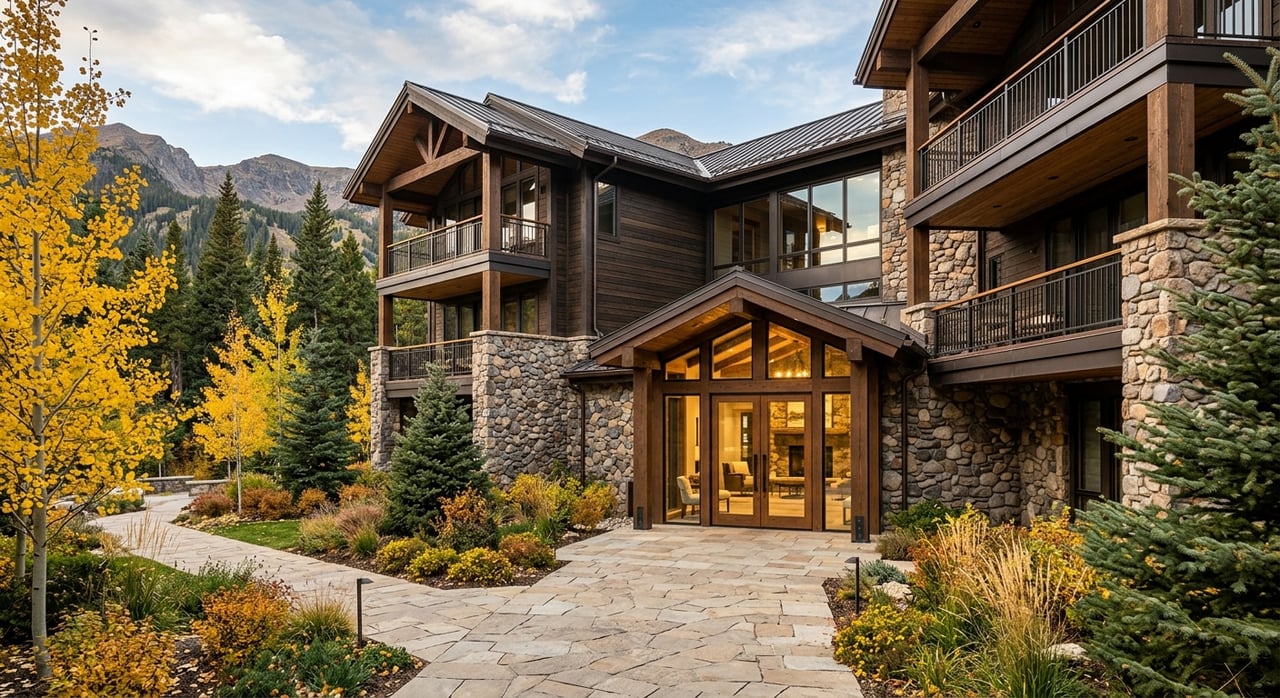
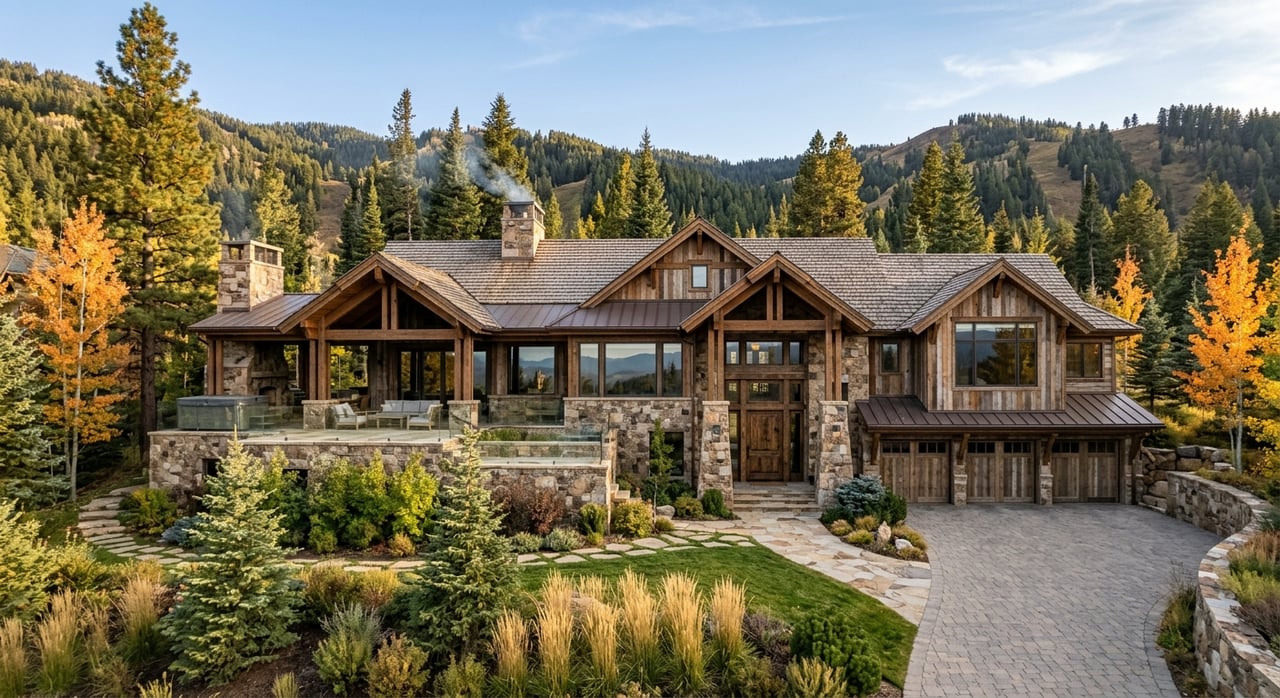
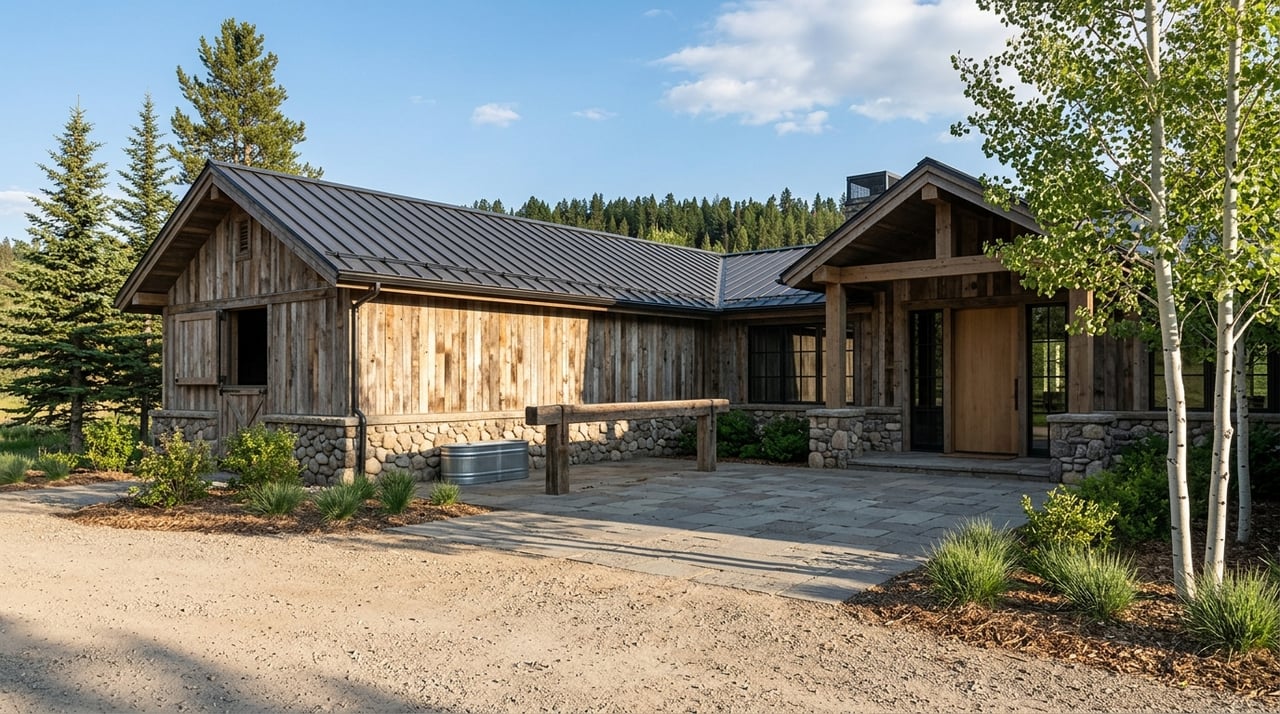
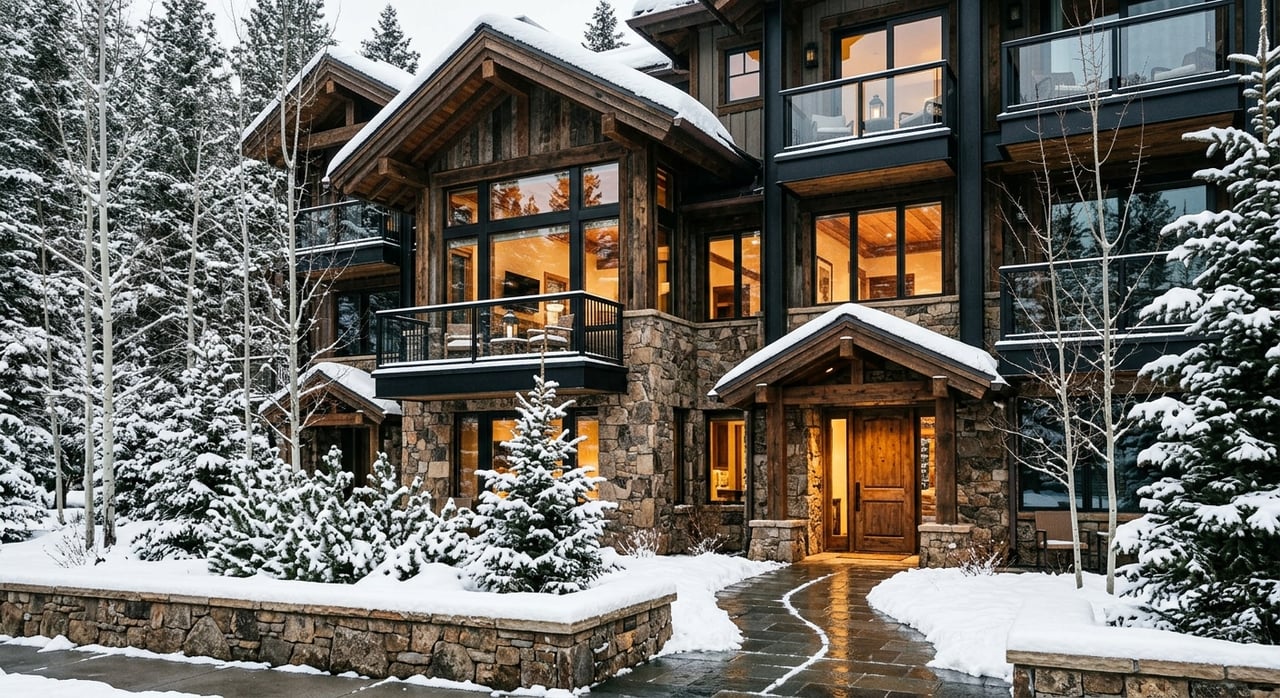
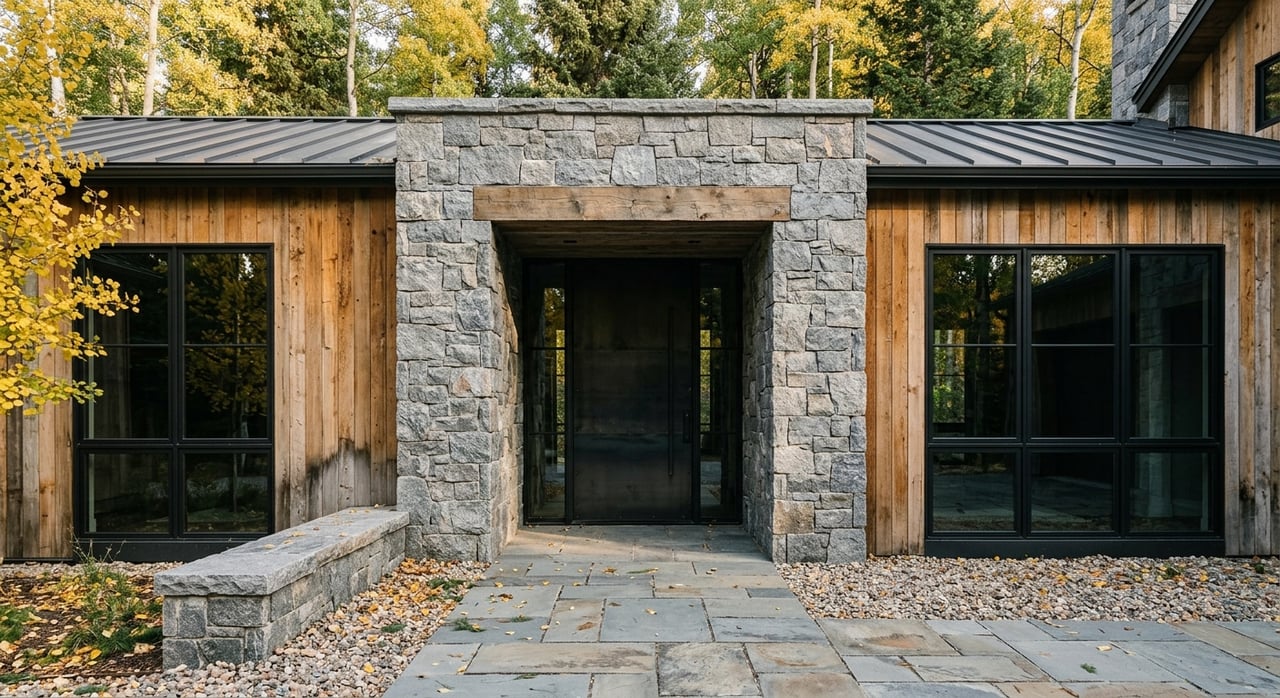
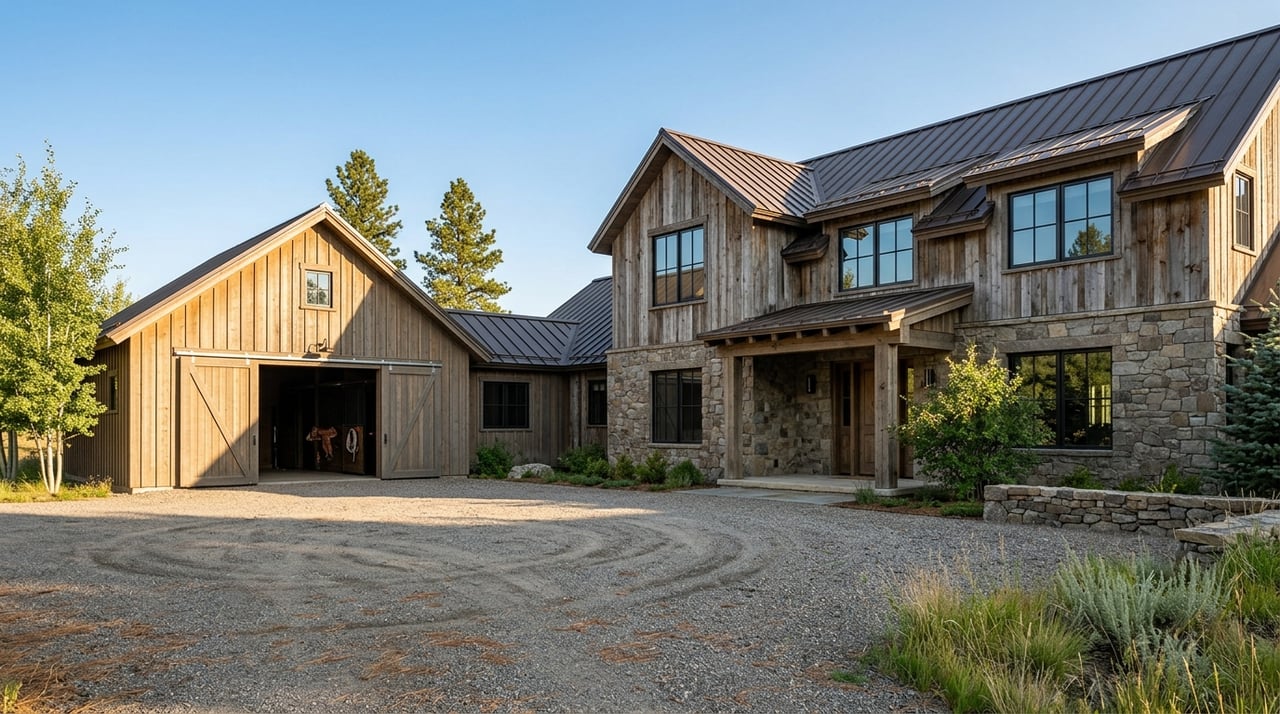
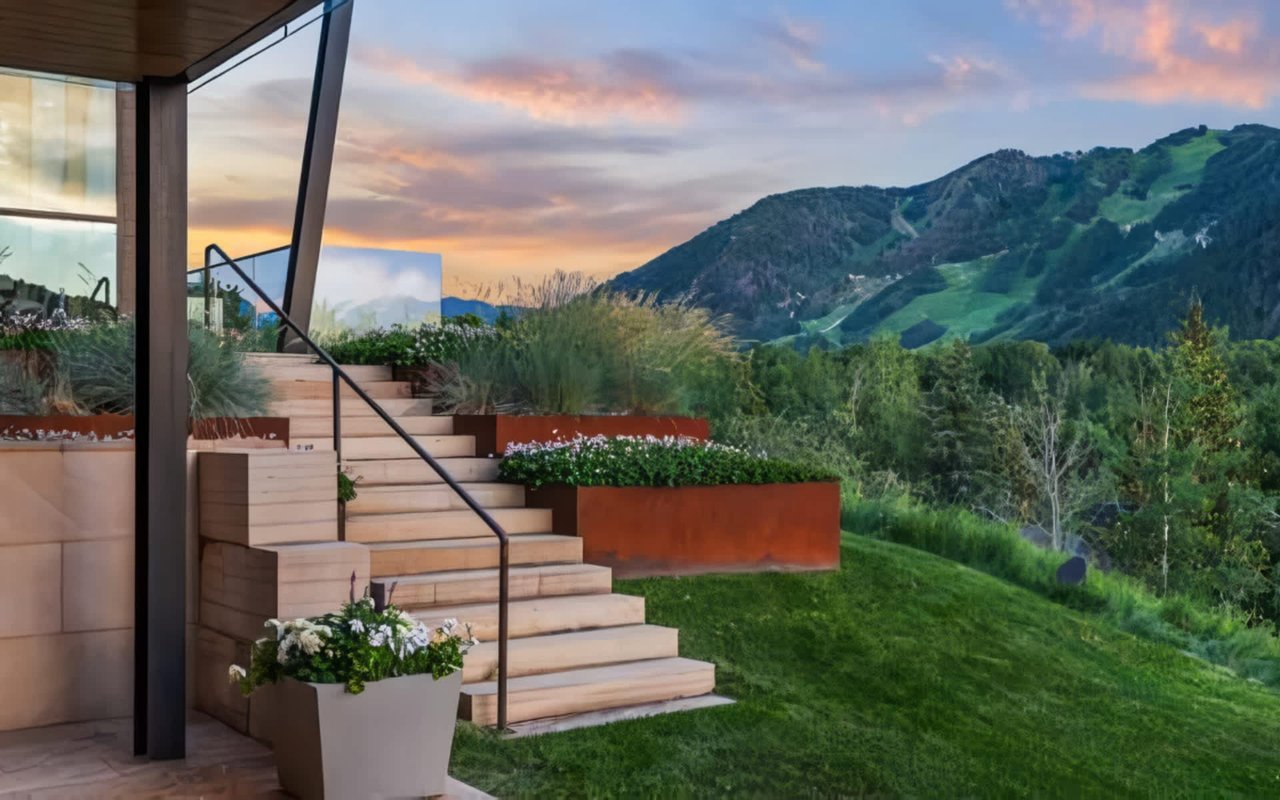
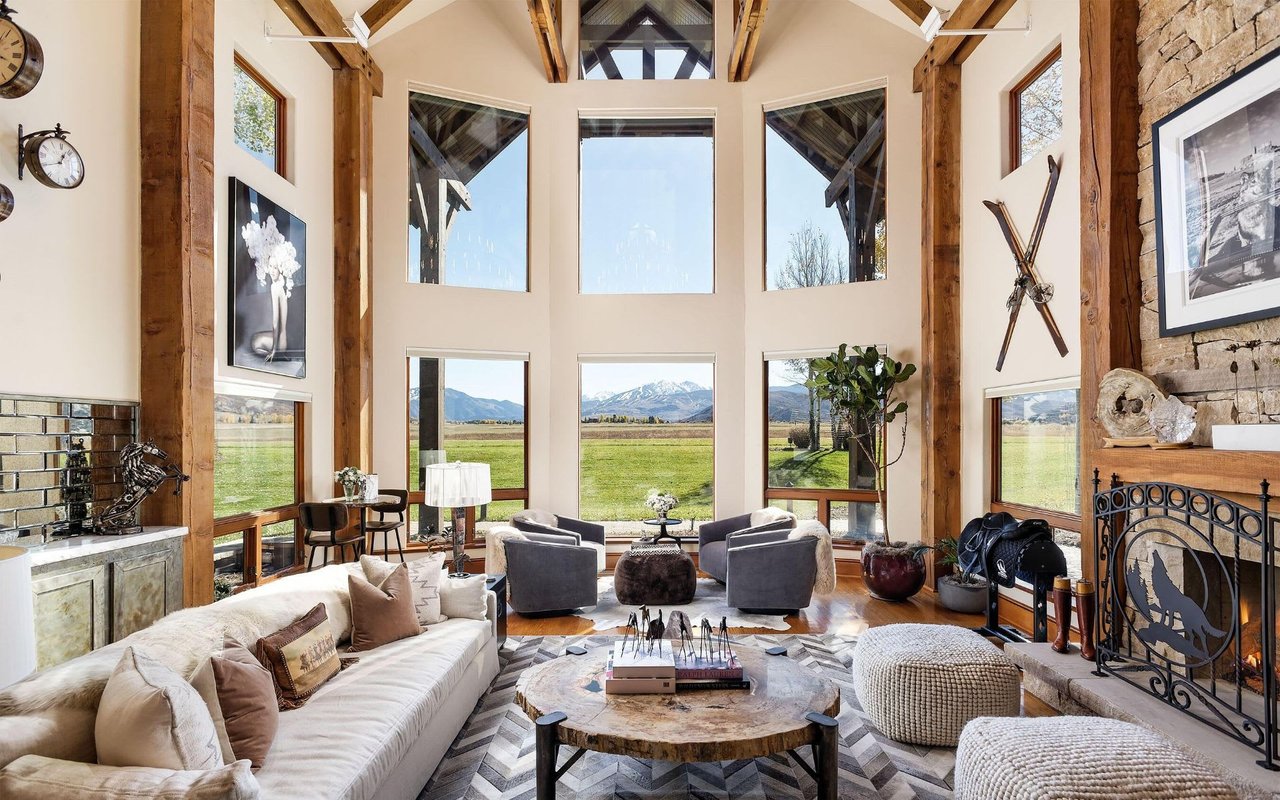
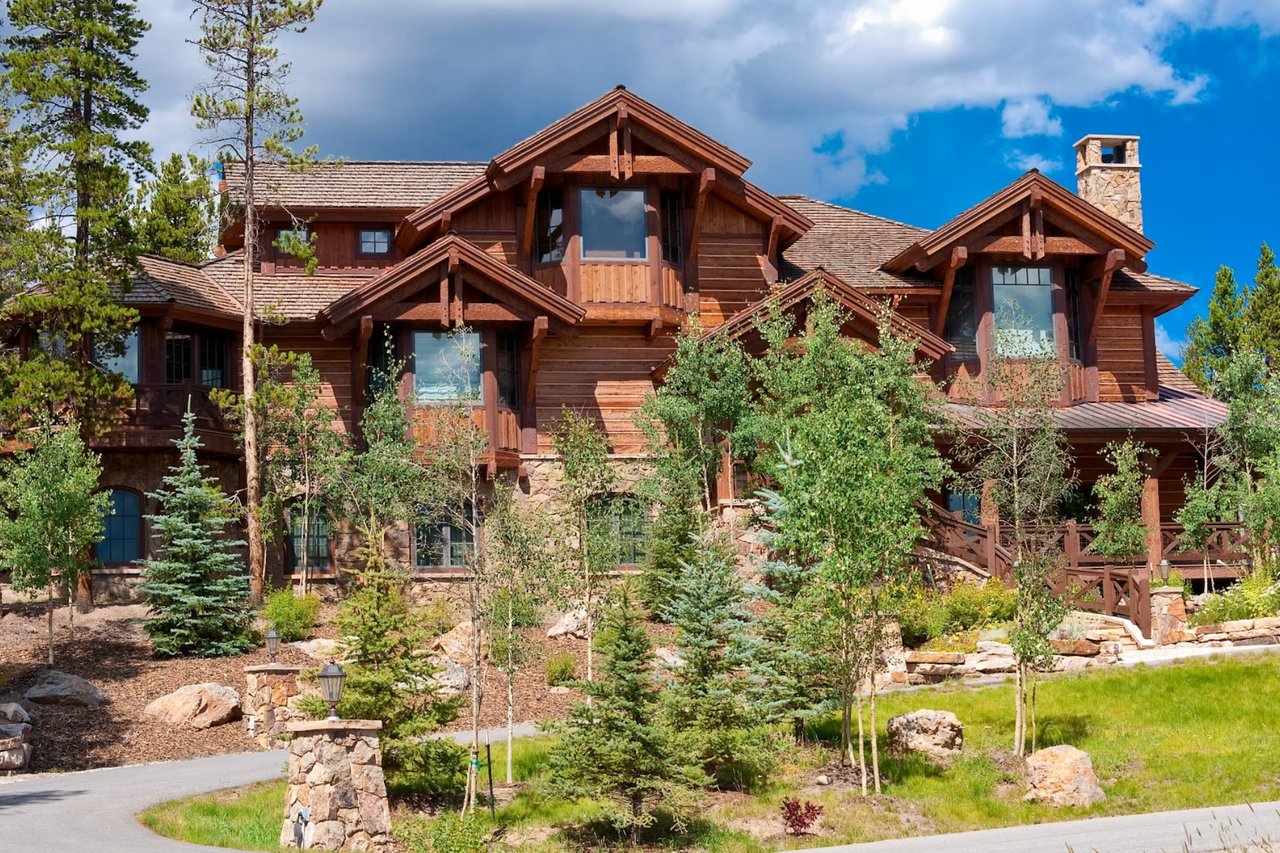
Architecture in the East End ranges from 1970s ski homes to contemporary mountain residences to estates with acreage and riverfrontage.
How design influences long-term value
- Estate homes: Acreage, larger square footage
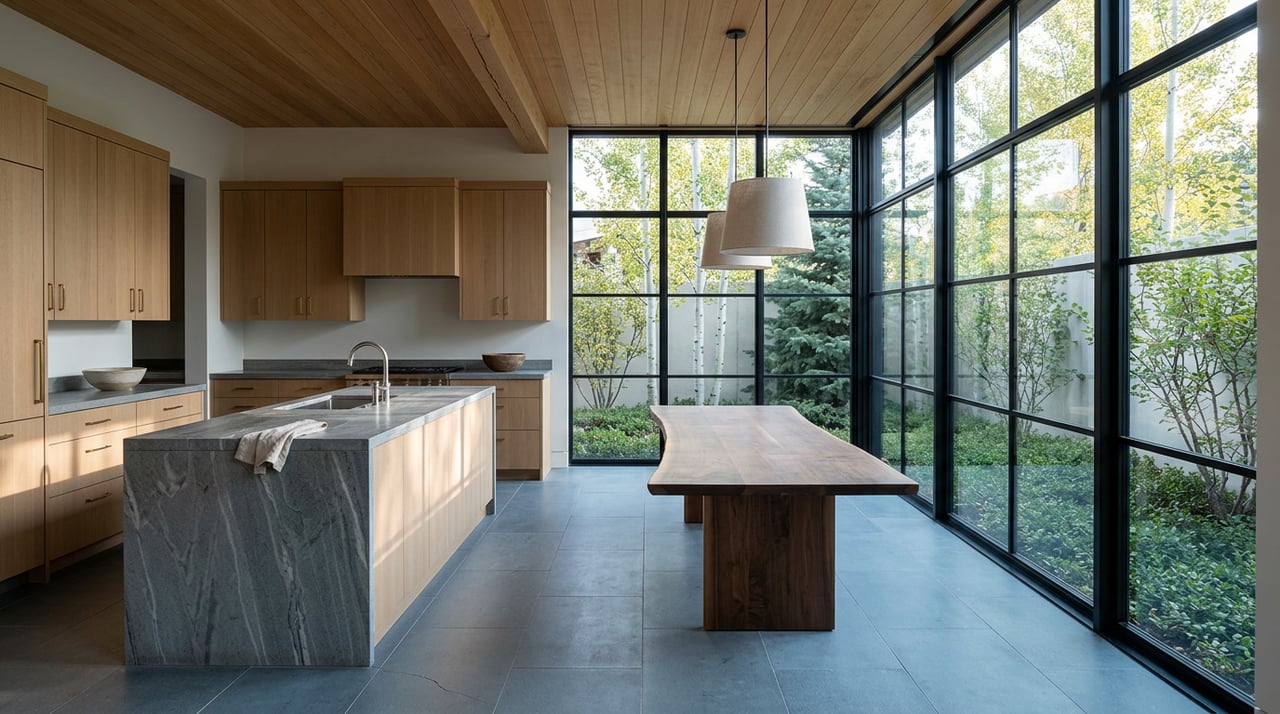
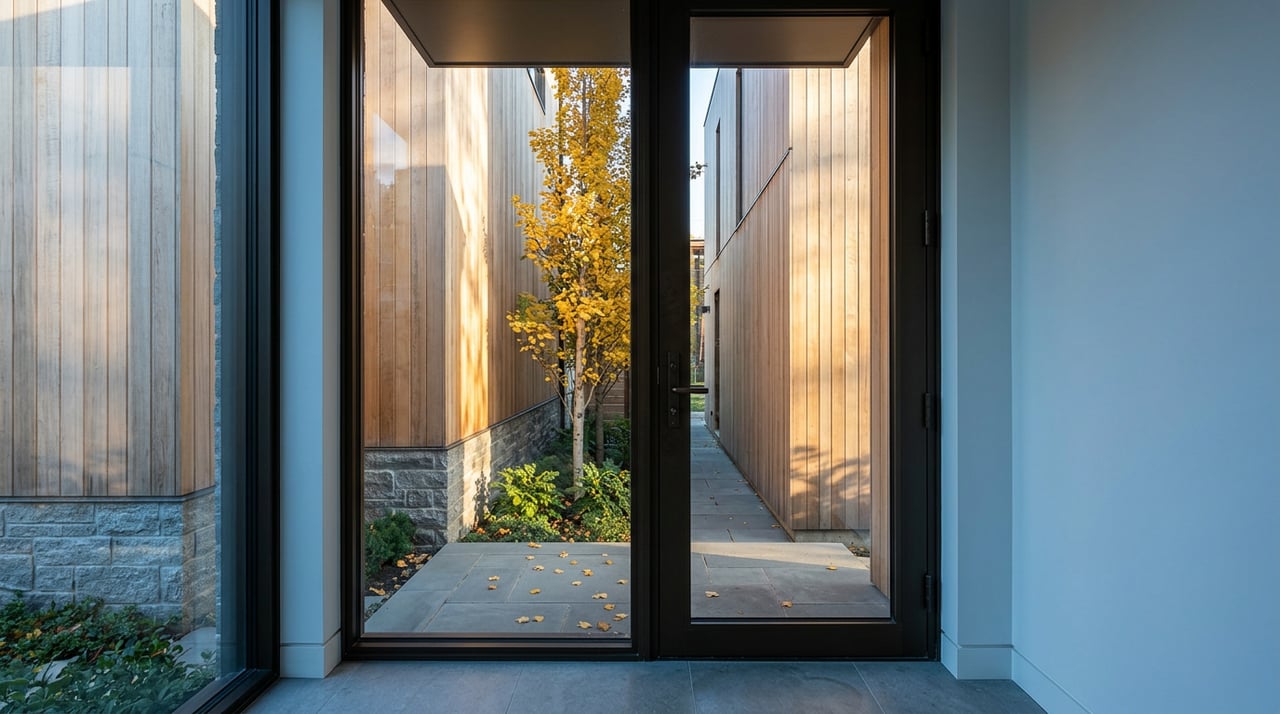
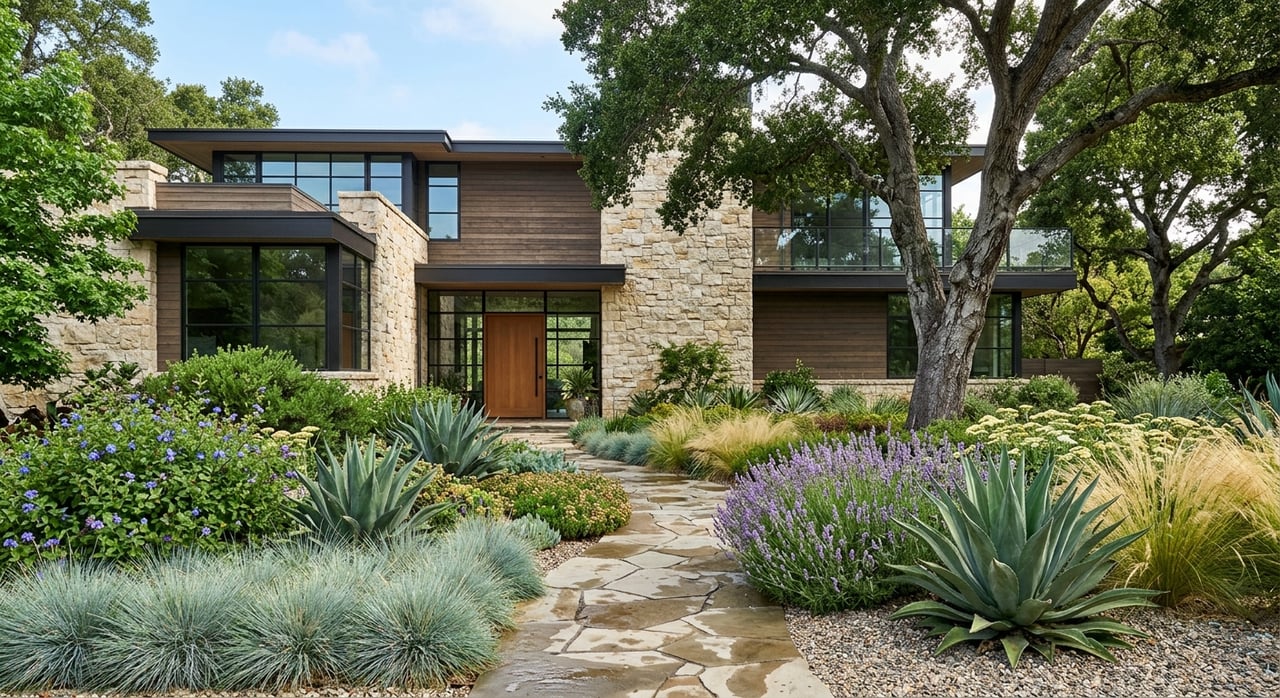
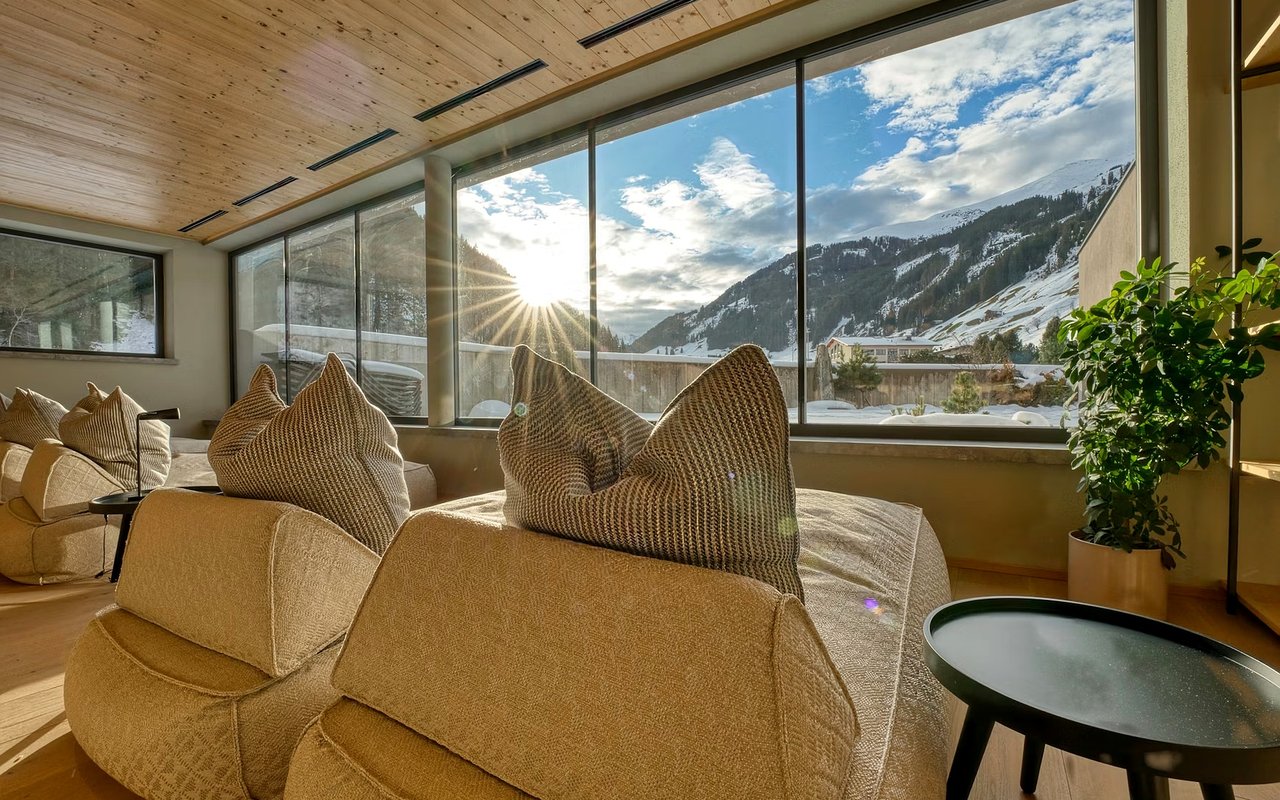
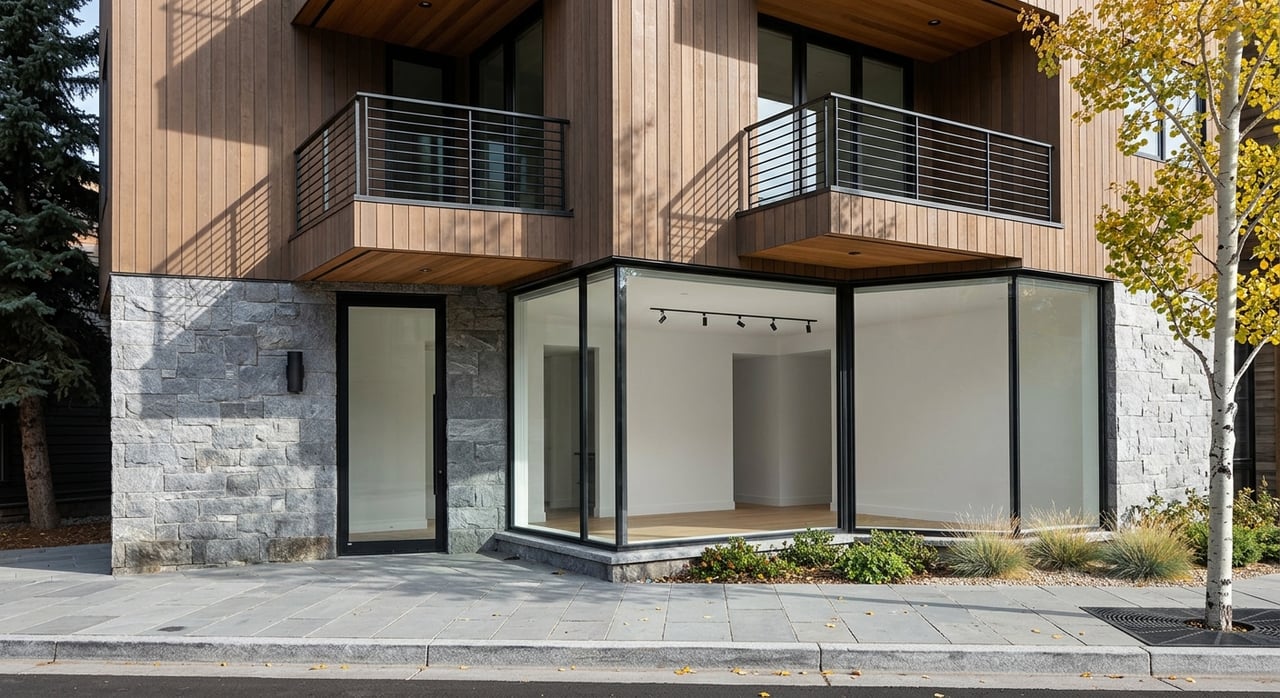
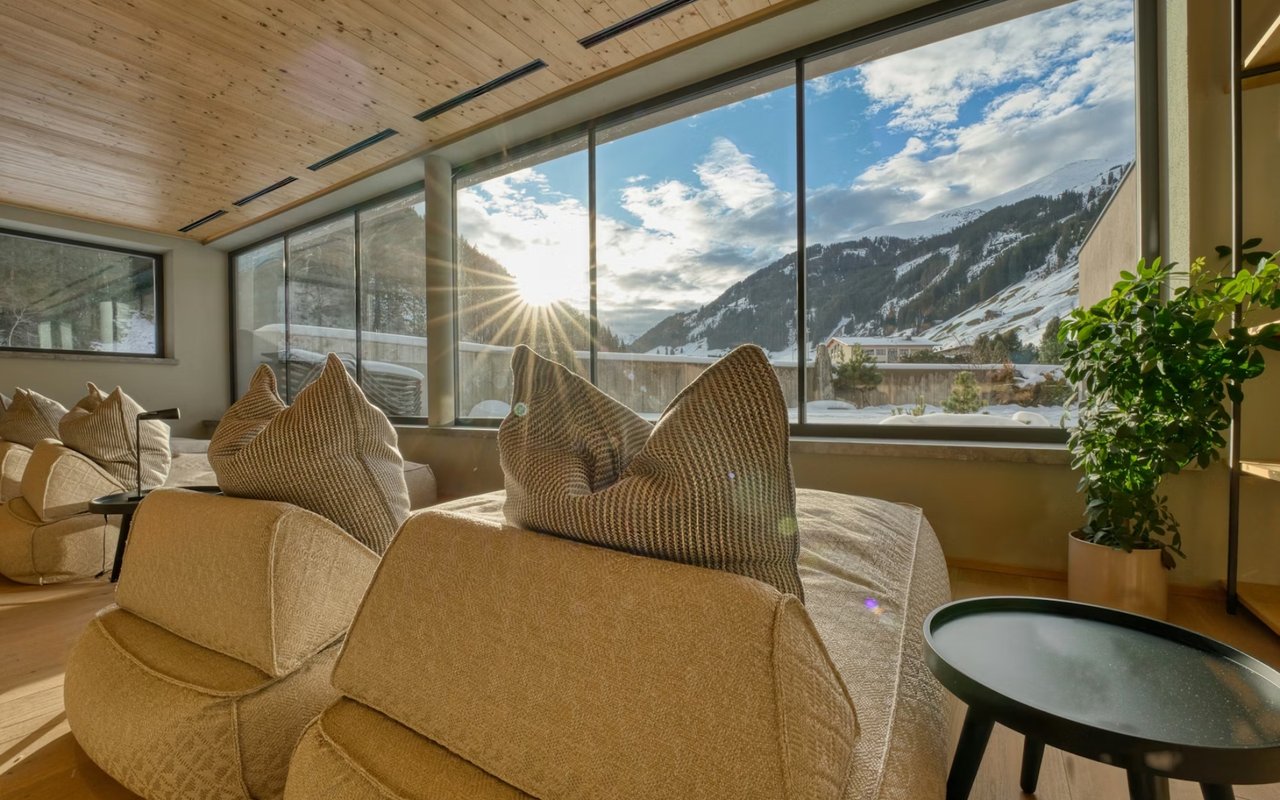
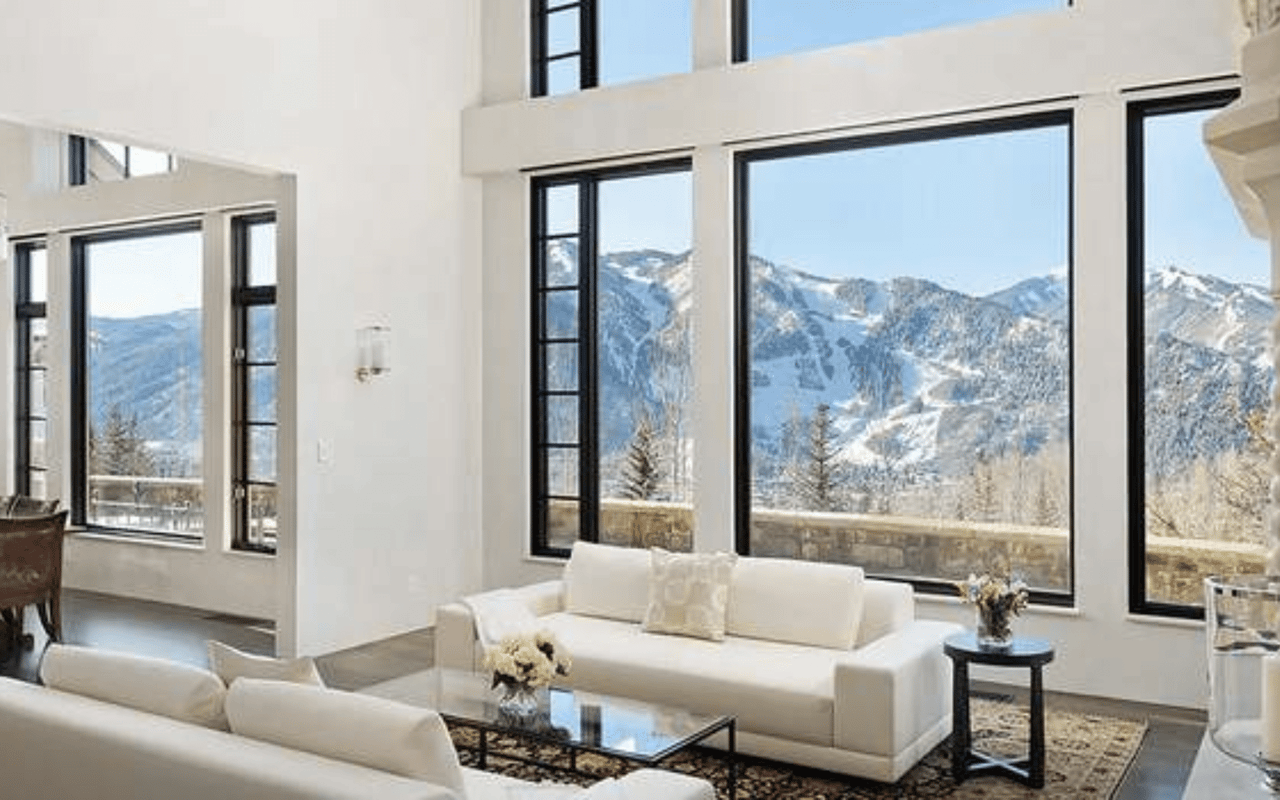
- Contemporary builds: Clean lines designed to frame mountain views
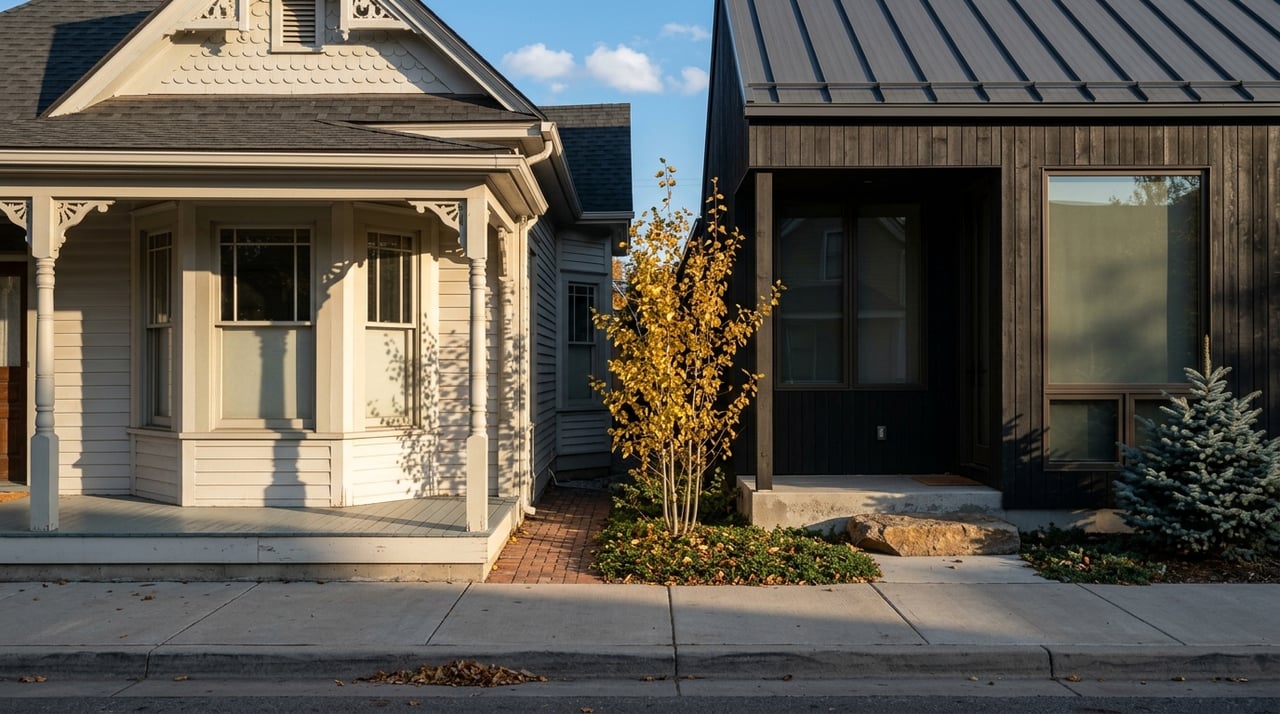
- Hybrid renovations: Original structures paired with modern additions
Buyers exploring high-end homes in Aspen’s East End often weigh design integrity alongside modern functionality.
Prioritize Access to Outdoor Amenities
Why outdoor proximity shapes daily living
The East End offers immediate access to some of Aspen’s most-used outdoor corridors.
- Smuggler Mountain and Hunter Creek access: Popular for hiking and biking
- Independence Pass corridor: Scenic routes for cycling and summer drives
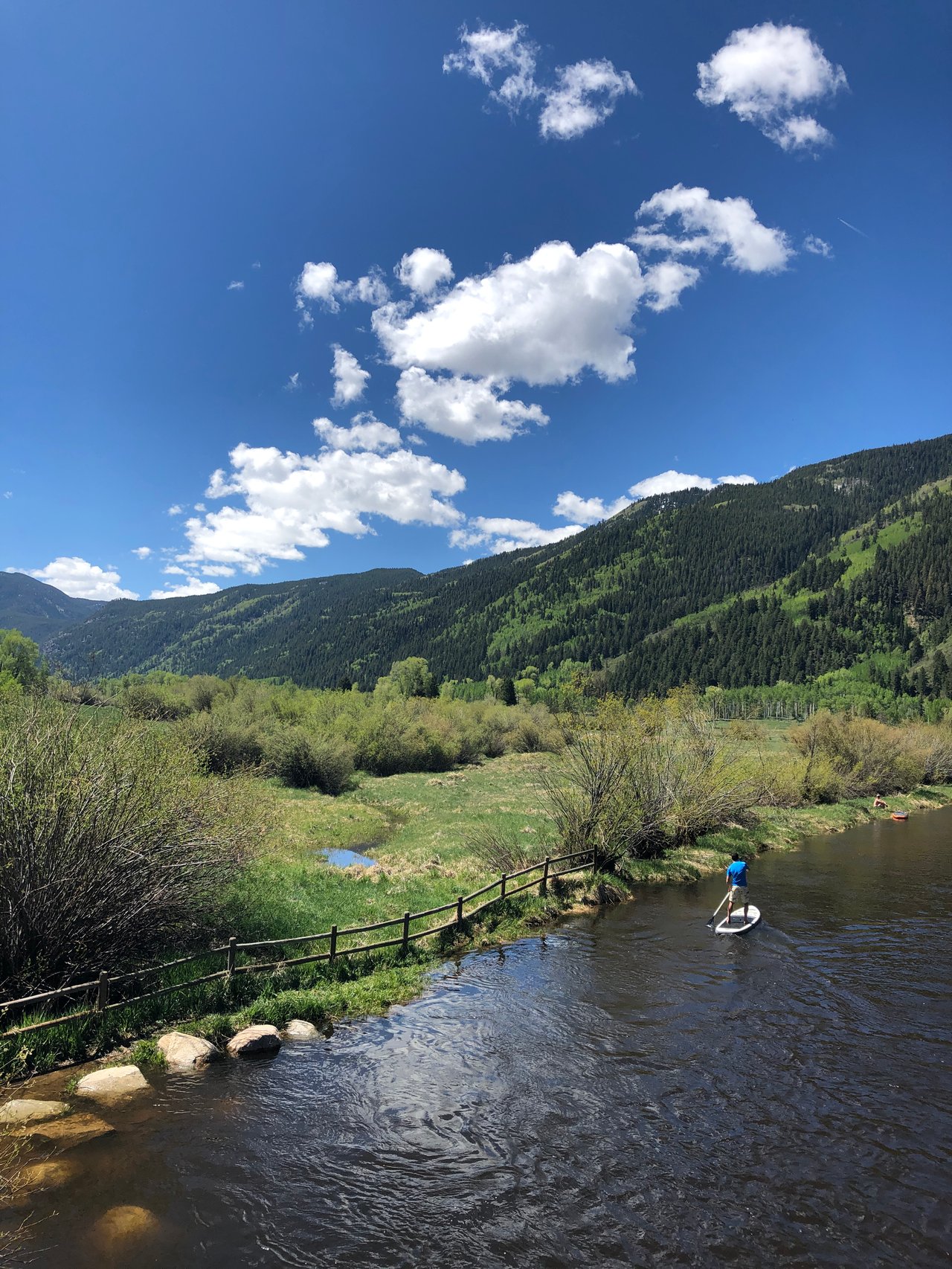
- Nearby open space: Preserved land that protects view corridors, popular for paddleboarding
Buyers frequently value how easily they can transition from home to trail without driving.
Assess Privacy and View Protection
Privacy in the East End depends on elevation, lot orientation, and neighboring structures. Buyers evaluating high-end homes in Aspen’s East End should consider how these factors work together.
How elevation and setbacks affect experience
- Setback distances: Space between neighboring properties
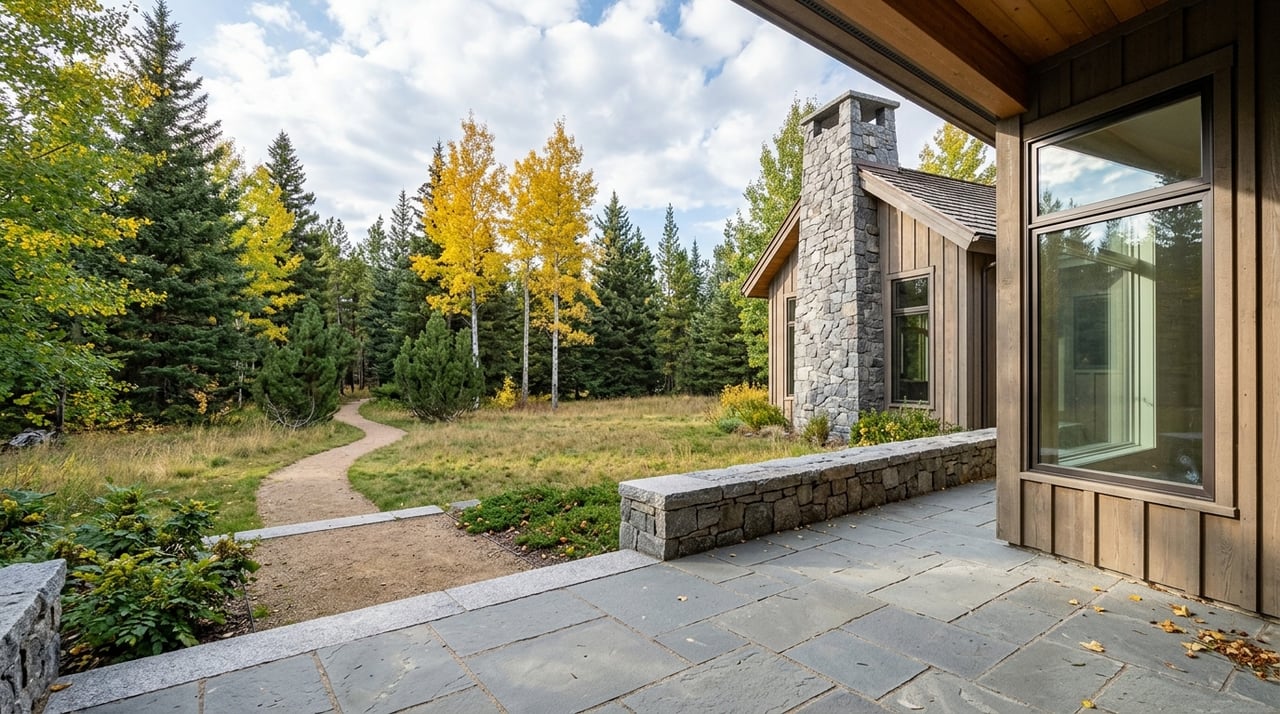
- Tree lines and landscaping: Natural screening elements
- Protected sightlines: Views safeguarded by zoning and open space
These elements shape daily comfort and long-term enjoyment.
Seasonal Light and Sun Exposure
Sun exposure plays a meaningful role in comfort and energy use. East End homes vary widely in how they capture morning and afternoon light.
Why orientation matters in Aspen
- South-facing lots: Consistent natural light throughout the day
- Mountain-shadow patterns: Seasonal changes in sunlight
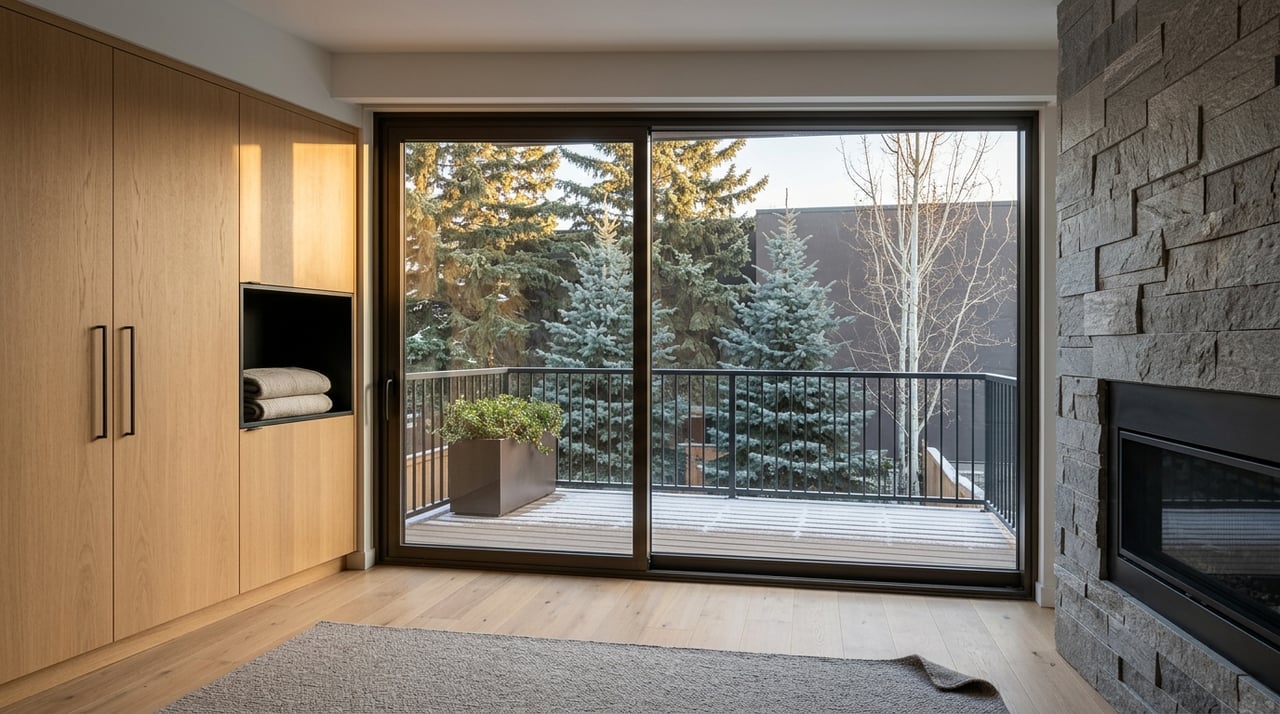
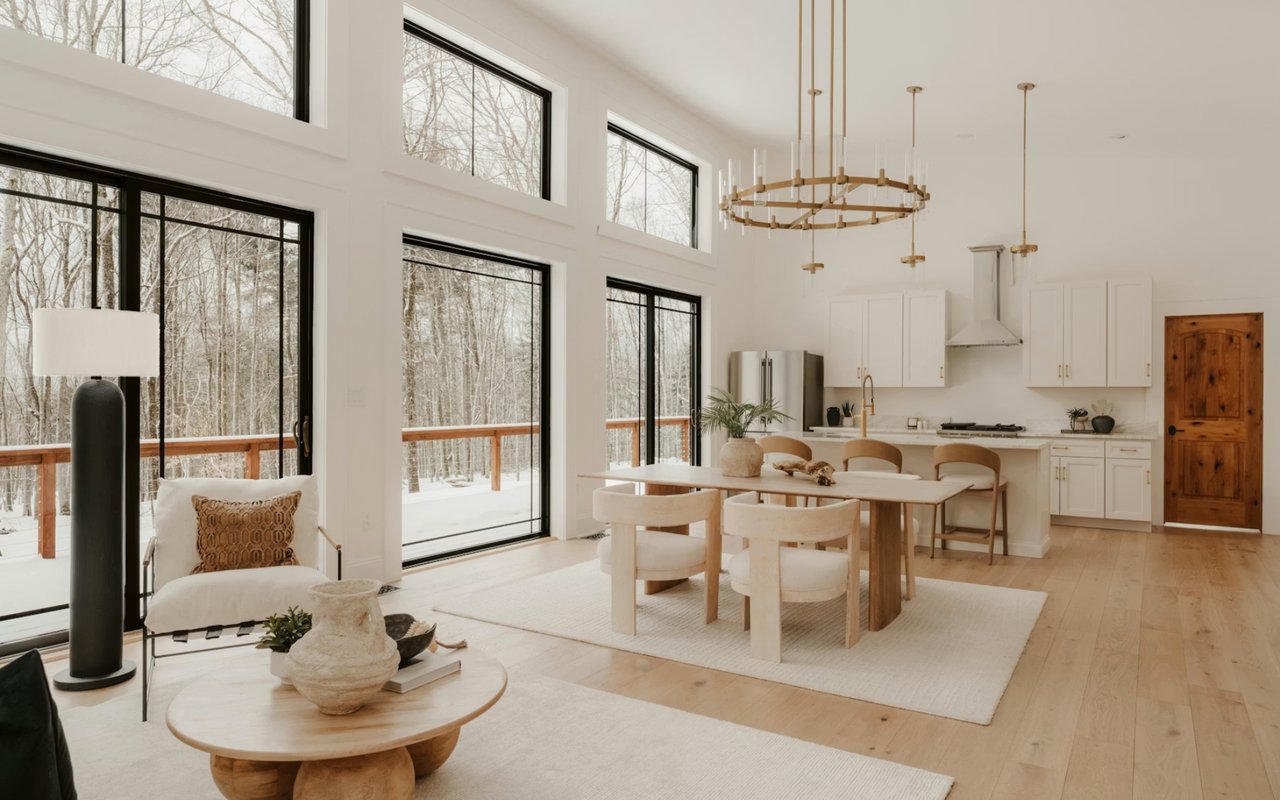
- Window placement: Design choices that enhance warmth and brightness
These details affect both livability and operating costs. Buyers benefit from visiting properties at different times of day.
Compare East End Living to Other Aspen Areas
Sometimes, buyers start their search in Red Mountain or the West End before focusing on the East End. Understanding differences clarifies why this area appeals to a specific lifestyle.
Why comparison sharpens perspective
- Walkability: Short distances to downtown amenities
- Cultural access: Proximity to music and arts venues
- Neighborhood feel: Varies from almost a suburban feel to gated estates
These comparisons reinforce why high-end homes in Aspen’s East End attract dedicated interest.
Plan for Long-Term Ownership
East End buyers often plan for extended ownership. Considering future needs strengthens purchase decisions.
How future use influences choices
- Renovation potential: Flexibility within zoning guidelines (some of East Aspen is still in the City of Aspen, and some is only in Pitkin County)
- Lot configuration: Options for outdoor living spaces
- Neighborhood stability: Long-term consistency of surrounding properties
This perspective supports confident investments. It also aligns with the fact that many East End homes remain in families for generations.
Notable East End–Adjacent Estates: Past and Present Headliners
These property listings and sales set the pace at the top of the market in East End.
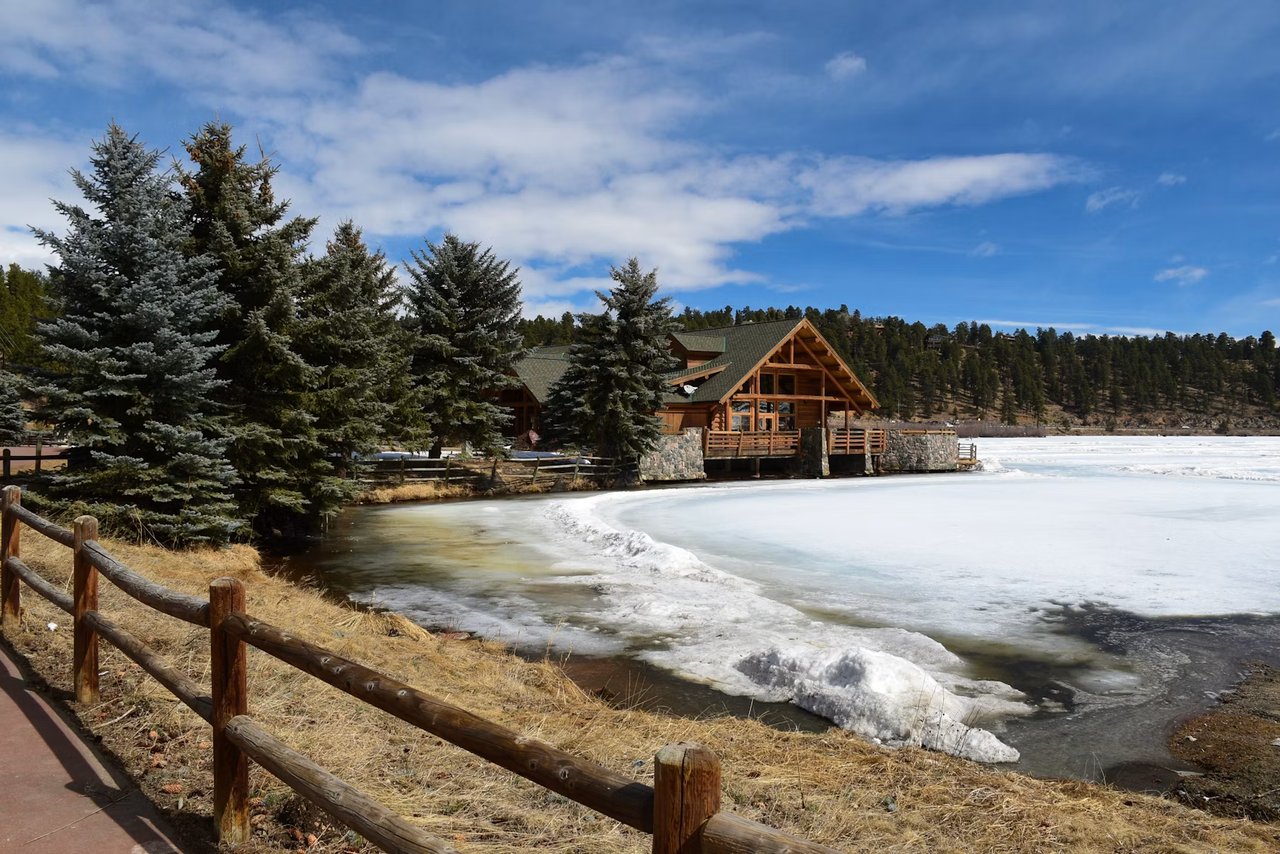
- Little Lake Lodge (161 Stillwater Drive) — the $300M benchmark listing. Set on a rare, contiguous block of acreage near Aspen with a private lake at the center, Little Lake Lodge is being marketed as a legacy compound with multiple residences and resort-scale amenities rather than a single homesite. Public listing information highlights an estate-style layout (main lodge living paired with additional guest structures) positioned to feel secluded while staying within quick reach of town.
- Kevin Costner’s Dunbar Ranch — a marquee rental with a true “private resort” layout. Known as a 160-acre retreat outside Aspen, Dunbar Ranch is promoted for full-compound stays that function like an event-ready, multi-building estate, complete with wide-open grounds and on-site recreation features. Recent coverage has described published nightly rates starting around $36,000 and rising into the $40,000s depending on season and configuration, which frames it as an experience offering as much as a residence.
- Bridge House — the Holly Hunt transaction that signaled what design pedigree can command. In September 2023, interior design leader Holly Hunt reportedly sold Bridge House for $70 million, a sale often cited in luxury-market commentary as an example of how architectural identity and finish-level discipline translate into headline outcomes. The property is frequently discussed as a “collector-grade” modern residence where the design narrative carries as much weight as the address.
FAQs
What makes the East End different from Red Mountain?
The East End offers greater walkability and closer access to downtown Aspen. Red Mountain emphasizes elevation and panoramic views, with only one street accessing the Rio Grande Trail.
Are historic homes common in the East End?
No, historic homes are specific to the West End of Aspen.
Is the East End suitable for year-round living?
Many residents live here full-time due to access, light, and neighborhood layout. The area supports daily routines as well as seasonal use.
Contact Brittanie Rockhill Today
If you are considering high-end homes in Aspen’s East End, I provide guidance rooted in daily experience with this neighborhood. I help buyers understand which streets, elevations, and architectural styles best support their lifestyle.
Reach out to me, Brittanie Rockhill, to explore how East End living aligns with your goals and how opportunities differ block by block.