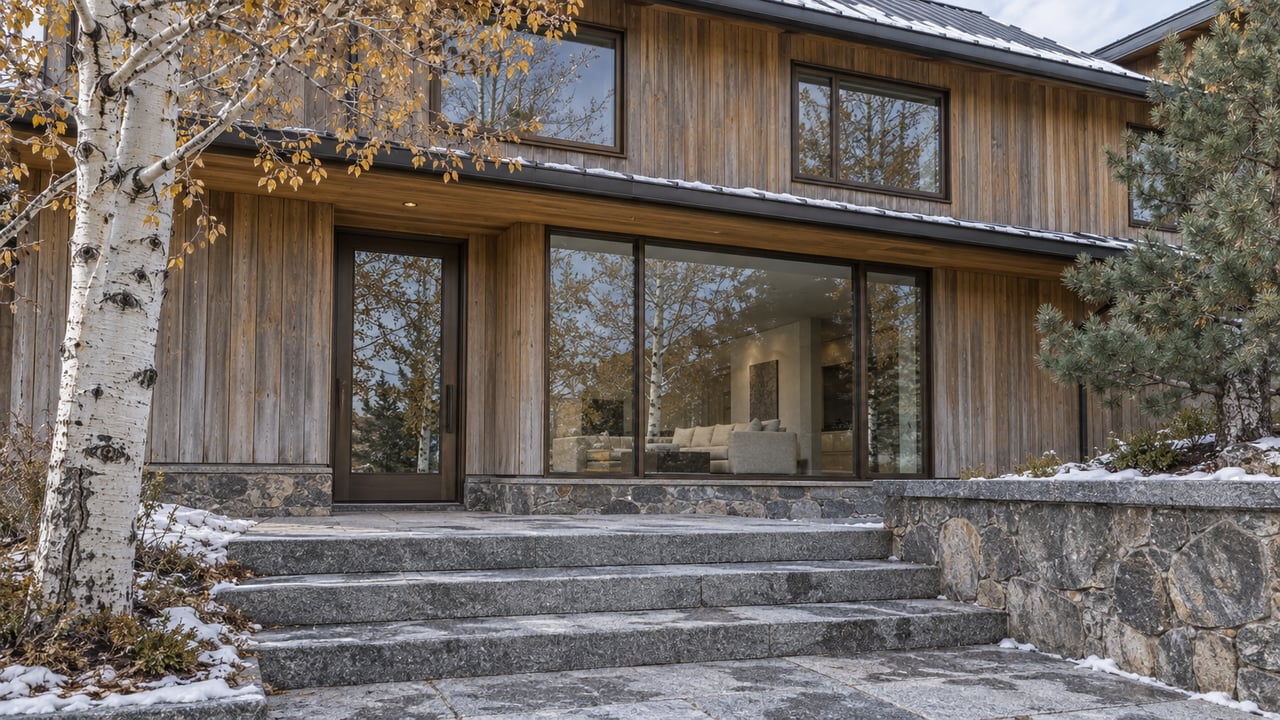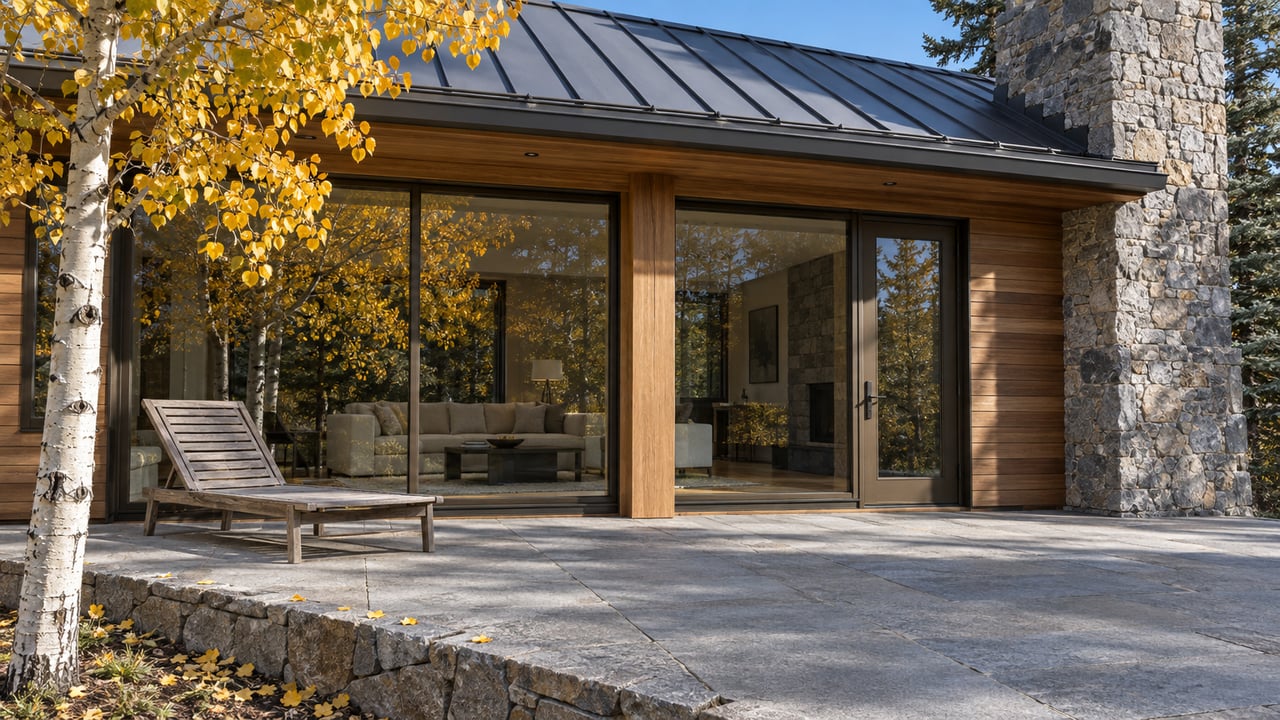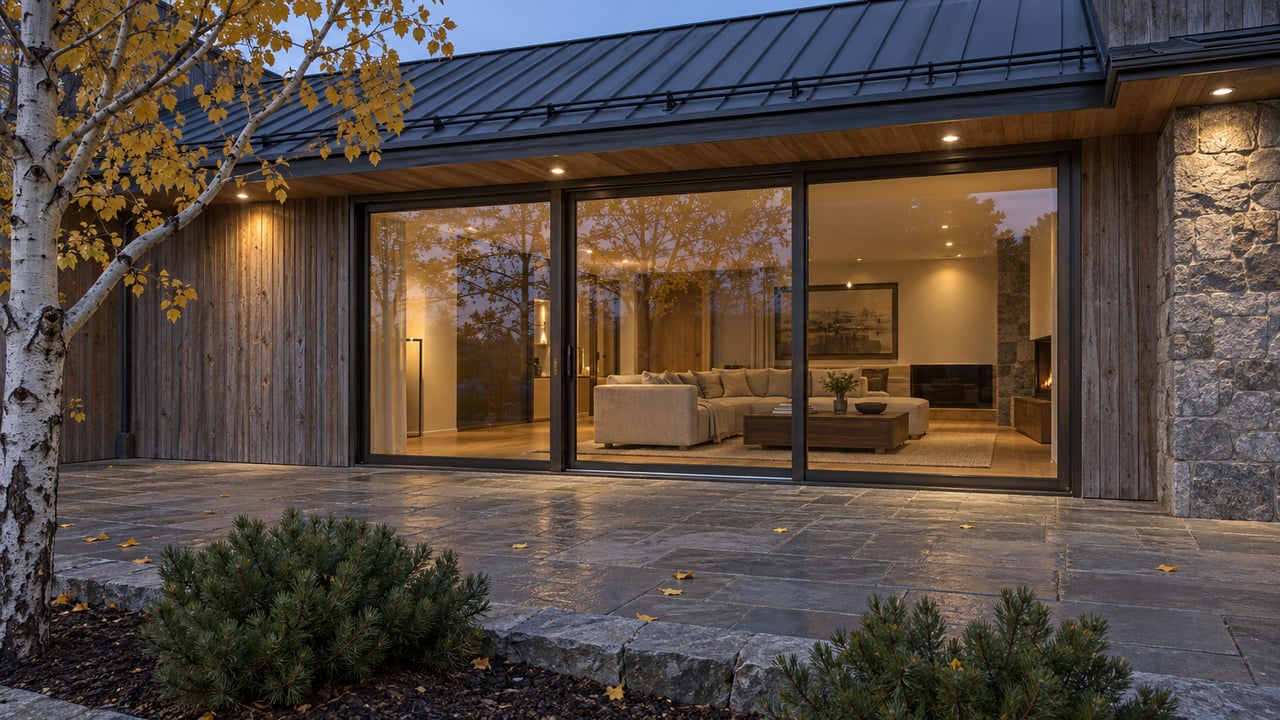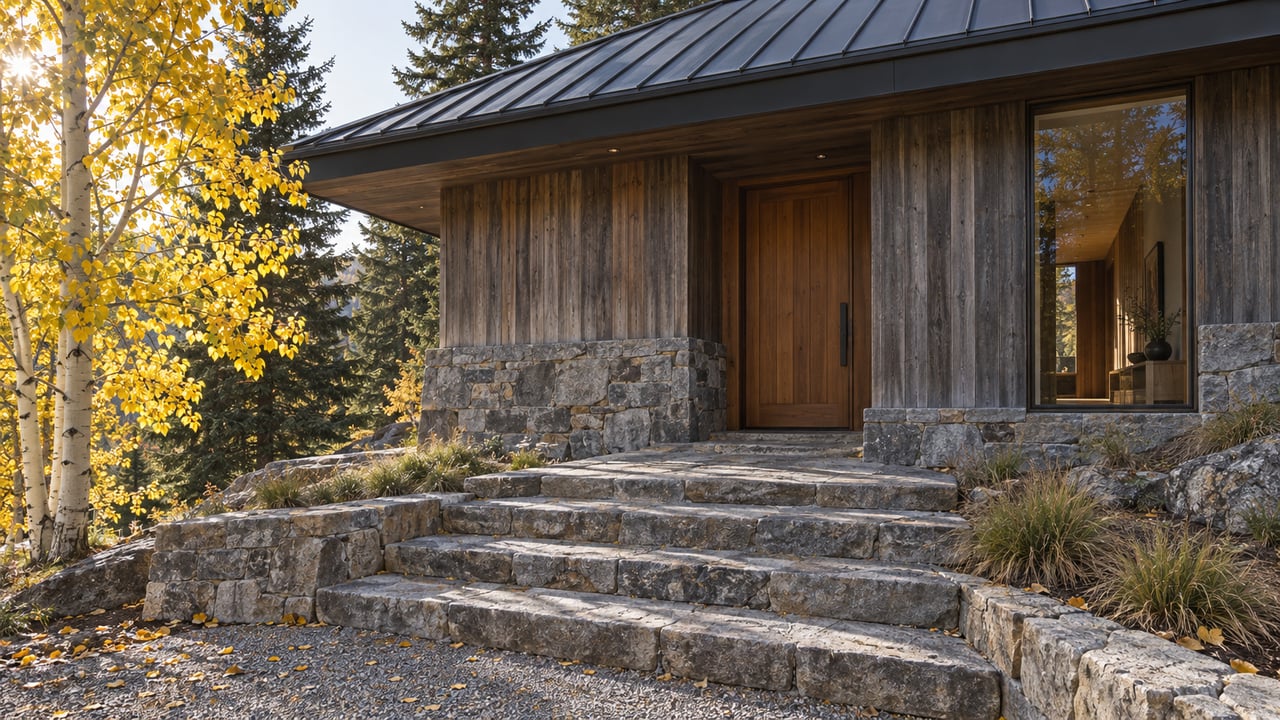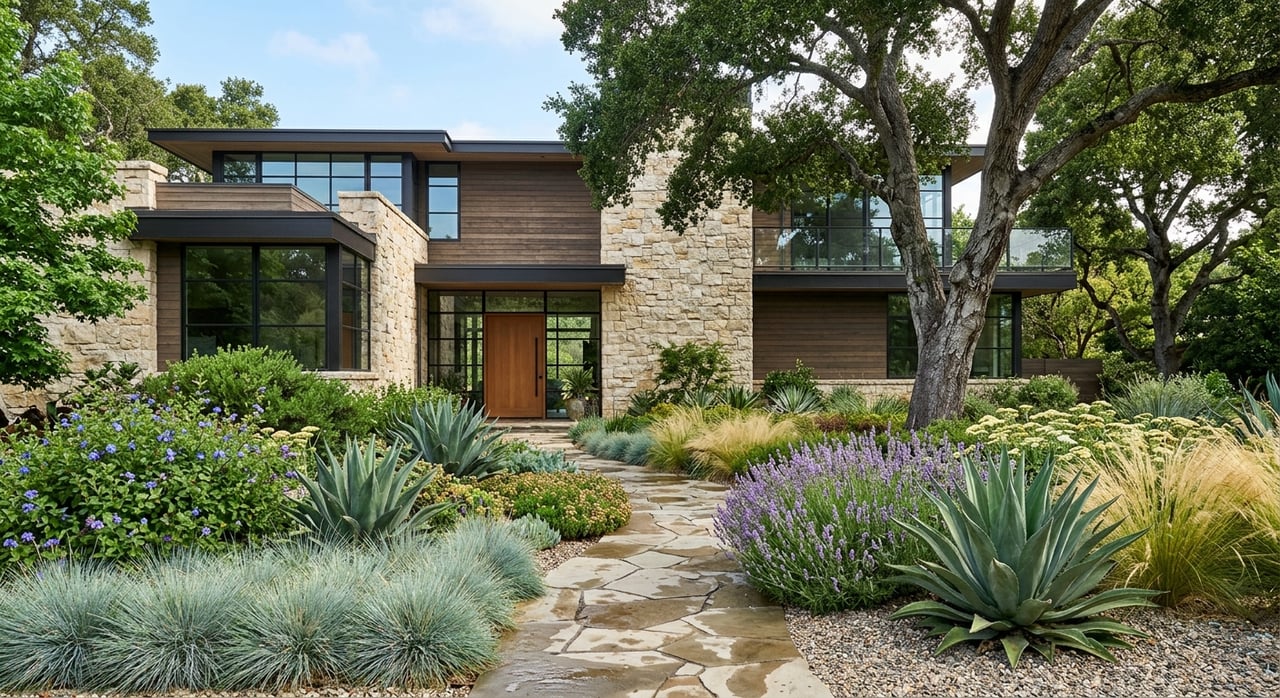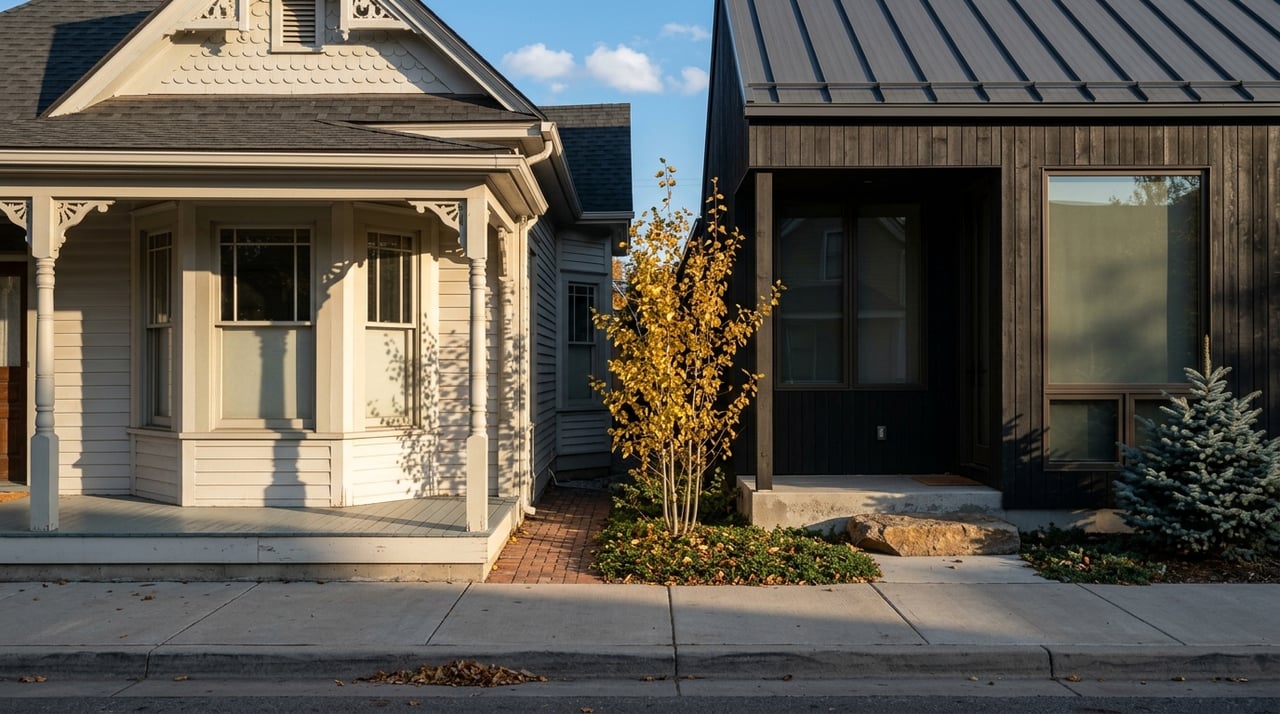
Pull up "West Aspen" on any listing search right now and the range stops making sense within about four scrolls. A two-bedroom condo lists for under $100,000. A few results down, a three-bedroom on Prospector Road runs $12 million. Keep scrolling and a home on Pfister Drive comes in at $18.5 million. Same neighborhood tag, same zip code, off by a factor of nearly two hundred.
The instinct is to assume one of these is a mistake, or that the cheap end is some kind of fixer-upper anomaly. It isn't. West Aspen contains two real estate markets that share a geographic label and almost nothing else: a free-market corridor of estates and ranch parcels along Maroon Creek, Castle Creek and West Buttermilk Road, and a parallel system of deed-restricted housing built and priced under rules set by the Aspen-Pitkin County Housing Authority. If you're comparing neighborhoods and West Aspen's numbers aren't lining up with what you're seeing elsewhere in the valley, this is why.
The Financing Problem That Reveals the Split
Here's the friction that actually catches buyers off guard, not the price gap itself but what happens when someone tries to act on it. A 3-bedroom, 2-bath unit at 39 Boomerang Road recently listed through APCHA at $288,274, a Category 3 deed-restricted home with 1,318 square feet and monthly HOA dues north of $1,100. It looks, on paper, like the deal of the valley. Then the listing notes the catch: the home is not eligible for most conventional financing, and buyers typically need private or portfolio adjustable-rate lending to close.
That single detail tells you everything about how separate these two markets really are. A free-market lender in Aspen underwrites against comparable sales and appraised value. A deed-restricted unit doesn't have a comparable free-market value. Most conventional mortgage products aren't built for that, which is why sellers and buyers on the APCHA side of West Aspen route around traditional banks entirely.
What "Average Price" Actually Measures
One broker's year-end review of the 2025 market, published in December, reported that West Aspen's average sale price climbed from roughly $10.35 million to $13.75 million. That's a real number, but it describes exactly one of the two markets. Every APCHA sale in West Aspen, from Category 2 studios to the three-bedroom on Boomerang Road, is invisible to that average because those sales don't clear the free-market MLS in a way that gets rolled into neighborhood pricing reports the way estate sales do.
So when a buyer sees "West Aspen average: $13.75 million" and assumes that's the cost of entry, they're right about one slice of the neighborhood and wrong about a housing stock that, according to reporting from Aspen Journalism, includes more than 3,200 deed-restricted units across Pitkin County, many of them concentrated in West Aspen developments like Burlingame Ranch and Aspen Highlands Village. The average isn't lying. It's just only describing half the map.
The Other West Aspen
The deed-restricted side runs on its own pricing logic, and it's worth understanding even if you'll never qualify to buy into it, because it explains why the neighborhood's low-end comps look so strange next to everything else.
Most APCHA ownership units fall into a numbered category system, Category 1 through Category 5, where resale price is capped by formula rather than set by the market. Appreciation on these units is typically limited to 3 percent annually or the change in the Consumer Price Index, whichever is lower, according to reporting on the program in Colorado Biz. That's a deliberate design choice. The program exists to keep housing affordable for people who work in Pitkin County, and a hard appreciation cap is what prevents a Category 3 condo from drifting toward free-market pricing over a decade of resales.
A second, smaller tier called Resident Occupied, or RO, housing works differently. Aspen Journalism's reporting found a small but growing number of RO sales crossing the million-dollar mark even as the broader numbered-category units stayed close to their formula caps. Burlingame Ranch's second phase, for comparison, saw a median purchase price of $235,200 back in 2021, categories 2 and 3 dominant, appreciation locked to that CPI formula. It's a different market with different math, sitting inside the same neighborhood boundary as $18 million estates.
Here's the two markets side by side, using figures pulled from actual West Aspen listings and reported sales:
| Free-market West Aspen | Deed-restricted West Aspen | |
|---|---|---|
| Example listing | 74 Pfister Drive, $18.5M | 39 Boomerang Rd #8124, $288,274 |
| Buyer eligibility | Open market | Must qualify as a Pitkin County worker under APCHA |
| Appreciation | Set by market demand | Capped near 3% annually for most categories |
| Typical financing | Conventional mortgage | Often private or portfolio lending only |
| Feeds neighborhood averages | Yes | No |
What the Free-Market Side Actually Buys
Strip out the deed-restricted comps and the free-market corridor still has real range worth understanding before you start touring. In April 2026, a 1971-built four-bedroom on Larkspur Lane in Meadowood, part of West Aspen, sold for $8.1 million at roughly $2,300 a square foot, on a two-thirds-acre lot with Maroon Bells Wilderness views and access to open space, trails and the neighborhood's private tennis and pickleball courts. That's the entry tier for a remodel-ready free-market home in the corridor right now.
Move toward the acreage parcels along West Buttermilk Road and the math changes again, partly because of land size and partly because of a Pitkin County mechanism called Transferable Development Rights, or TDRs, which lets an owner buy extra buildable square footage from a landowner elsewhere in the county who agrees to forfeit development on their own parcel. One 97-acre spread on West Buttermilk Road sold. The standard cap without TDRs is 5,750 square feet. That's not a marketing footnote. It's the difference between a large house and a genuinely oversized one, purchased separately from the land itself.
The TDR Wildcard, and Why It's Getting More Expensive to Ignore
TDR pricing has been volatile enough to watch on its own. A single certificate sold for $1.8 million at the high end of the market in December 2021, according to reporting in the Aspen Times, a record at the time. Heading into 2026, one county appraiser's forecast put typical TDR pricing back down in the $650,000 to $700,000 range, still a serious line item for anyone planning to expand a West Aspen home beyond the base allowance.
Pitkin County's land use code was amended in an ordinance adopted in March 2026.
Reading West Aspen Listings Correctly
Before touring or building a shortlist, it helps to filter with a few questions in mind:
- Is this listing capped by an APCHA category, or is it free market? The MLS listing type or a quick check against APCHA's own sale listings will tell you.
- If it's deed-restricted, do you or does anyone in your household actually qualify as a Pitkin County worker under current guidelines? Most West Aspen deed-restricted inventory isn't available to second-home buyers at all.
- If it's free market and involves acreage, has anyone confirmed whether the listed square footage already assumes TDRs that aren't included in the purchase price?
- Are you comparing this listing's price per square foot against other free-market West Aspen sales, or against a blended neighborhood average that includes deed-restricted units skewing the low end?
FAQ
Can a second-home buyer purchase a deed-restricted unit in West Aspen? Generally no. Most APCHA categories require the buyer to live and work in Pitkin County for a minimum number of hours annually, which rules out purely seasonal or investment ownership for the numbered category system.
Does the free-market side of West Aspen include ski-in, ski-out access? Some parcels along West Buttermilk Road offer proximity or indirect access to the Buttermilk ski area, but direct ski-in, ski-out positioning is more commonly associated with other Aspen neighborhoods. Buyers prioritizing that specific access should confirm it property by property rather than assuming it applies neighborhood-wide.
If you're comparing West Aspen against other corridors in the valley and want help separating what's actually comparable from what only looks that way on a listing sheet, Brittanie Rockhill can walk through the free-market side of this neighborhood, the TDR math on any acreage parcel you're considering, and how it stacks up against Snowmass, downtown Aspen or East Aspen for your specific plans. Schedule a confidential consultation to start with the comps that actually apply to you.
This article is general information, not legal, tax or financial advice. Consult a qualified professional about your situation.