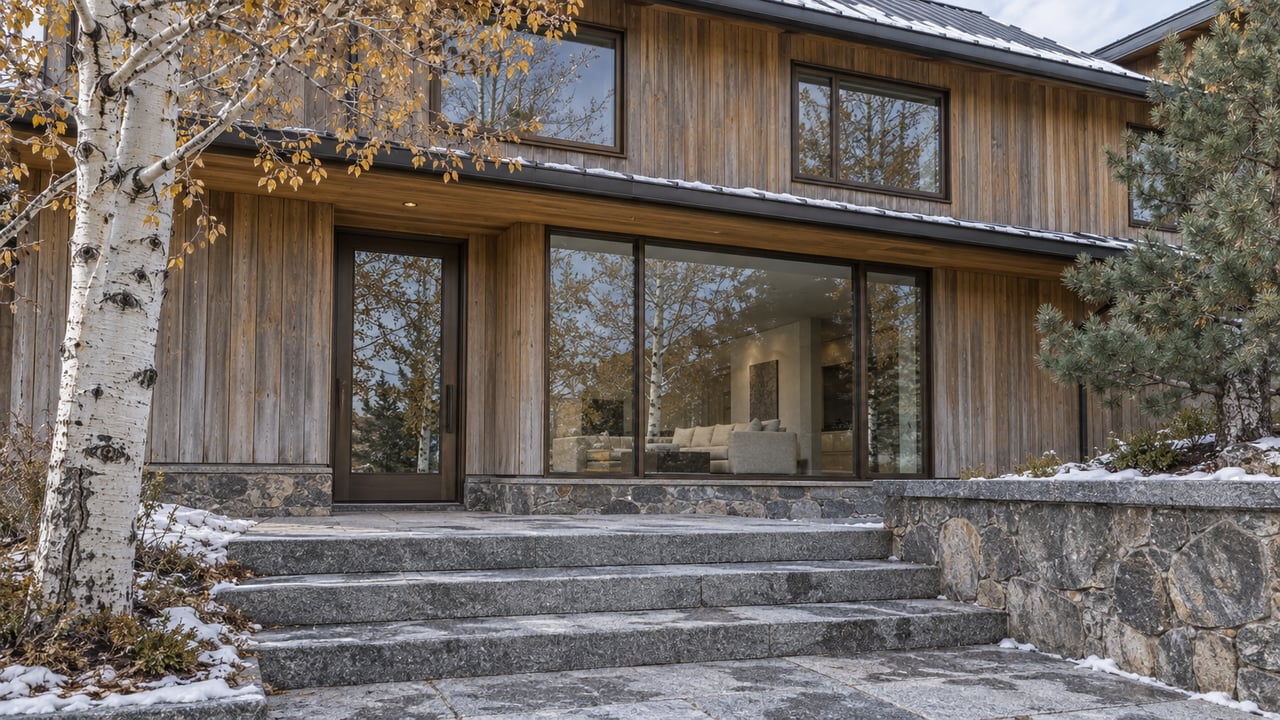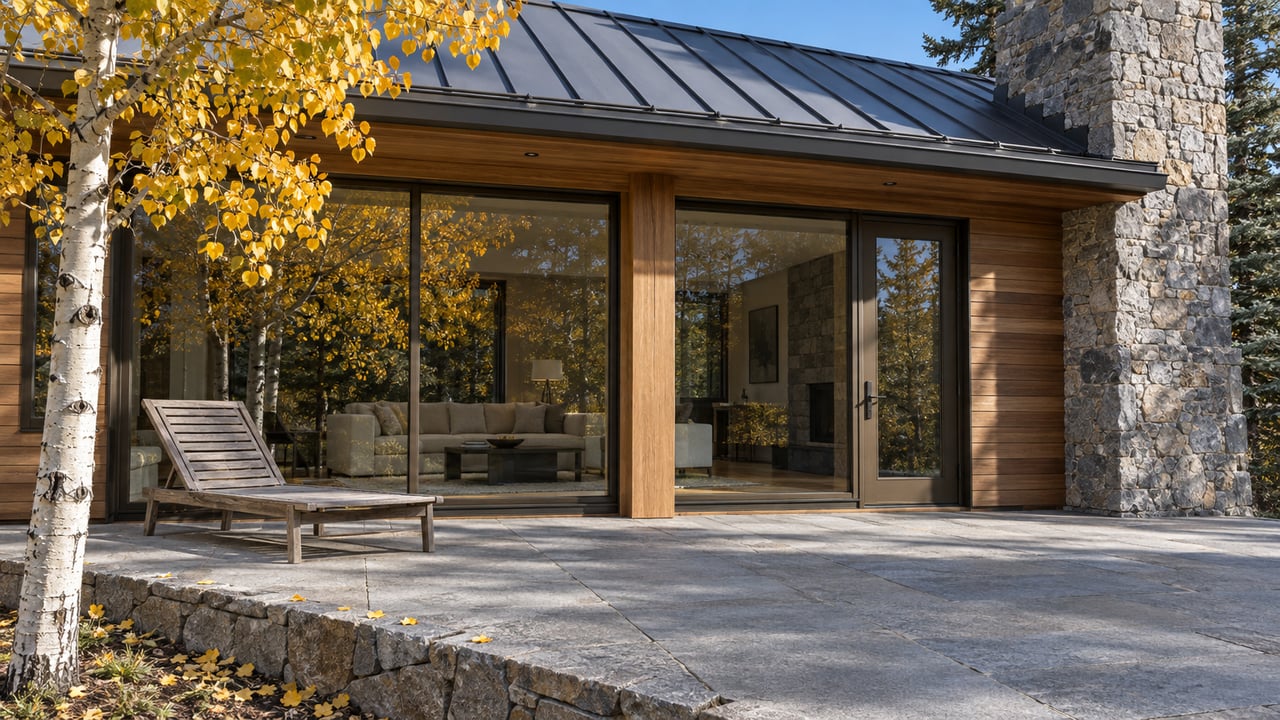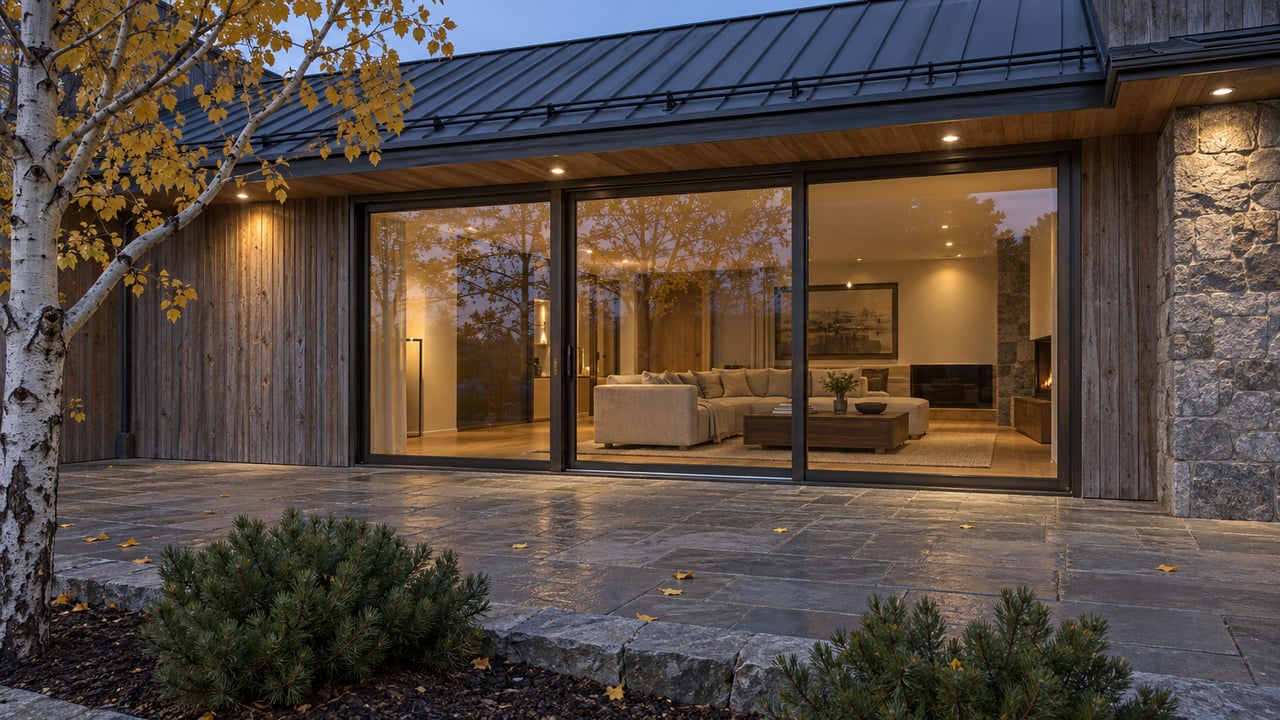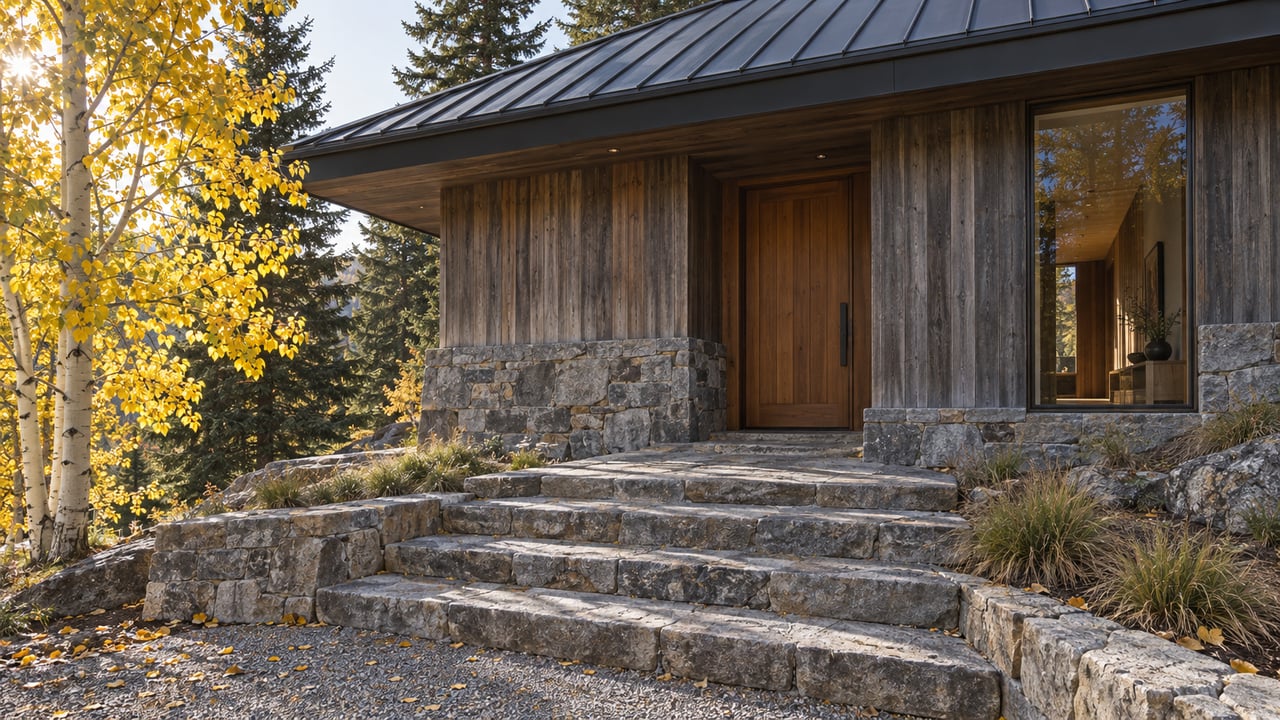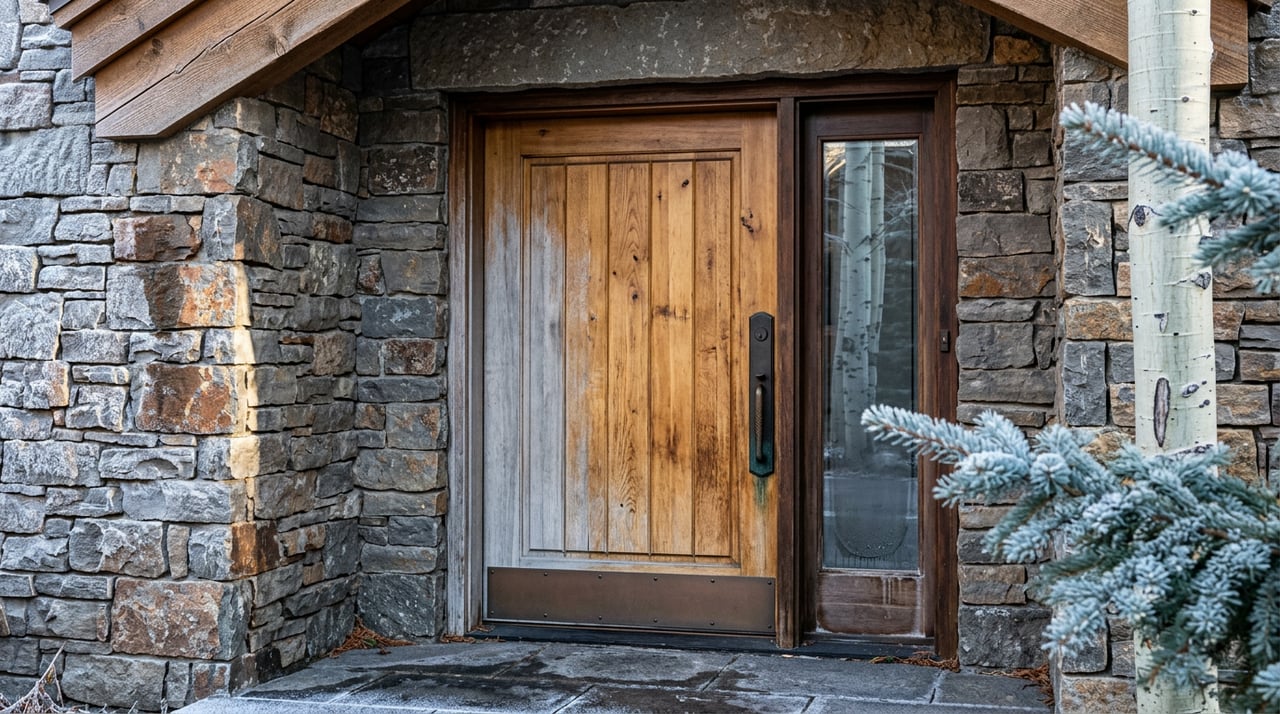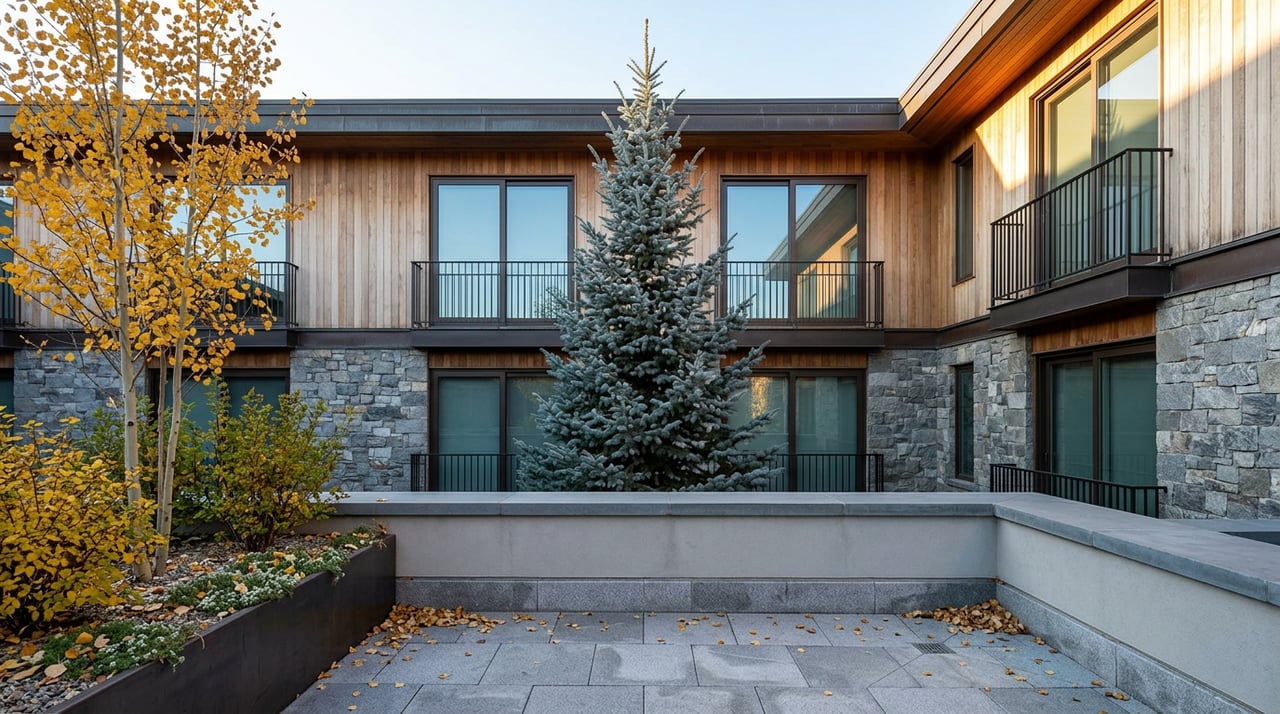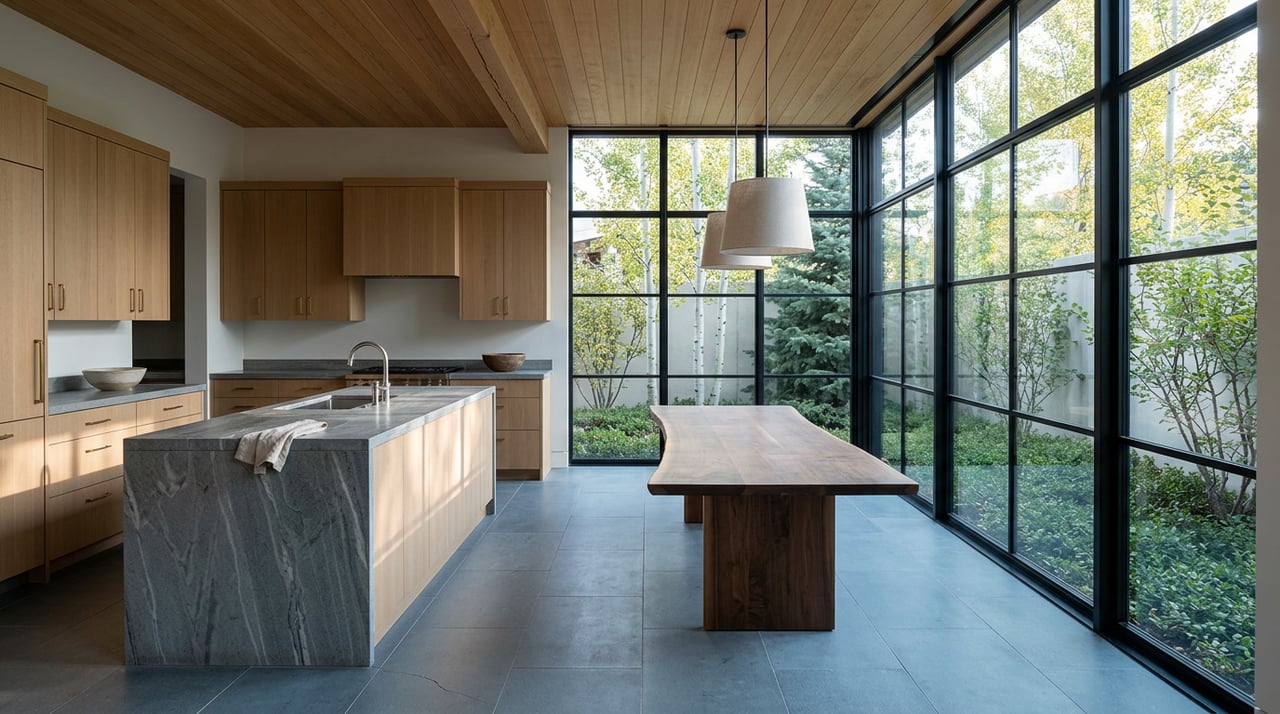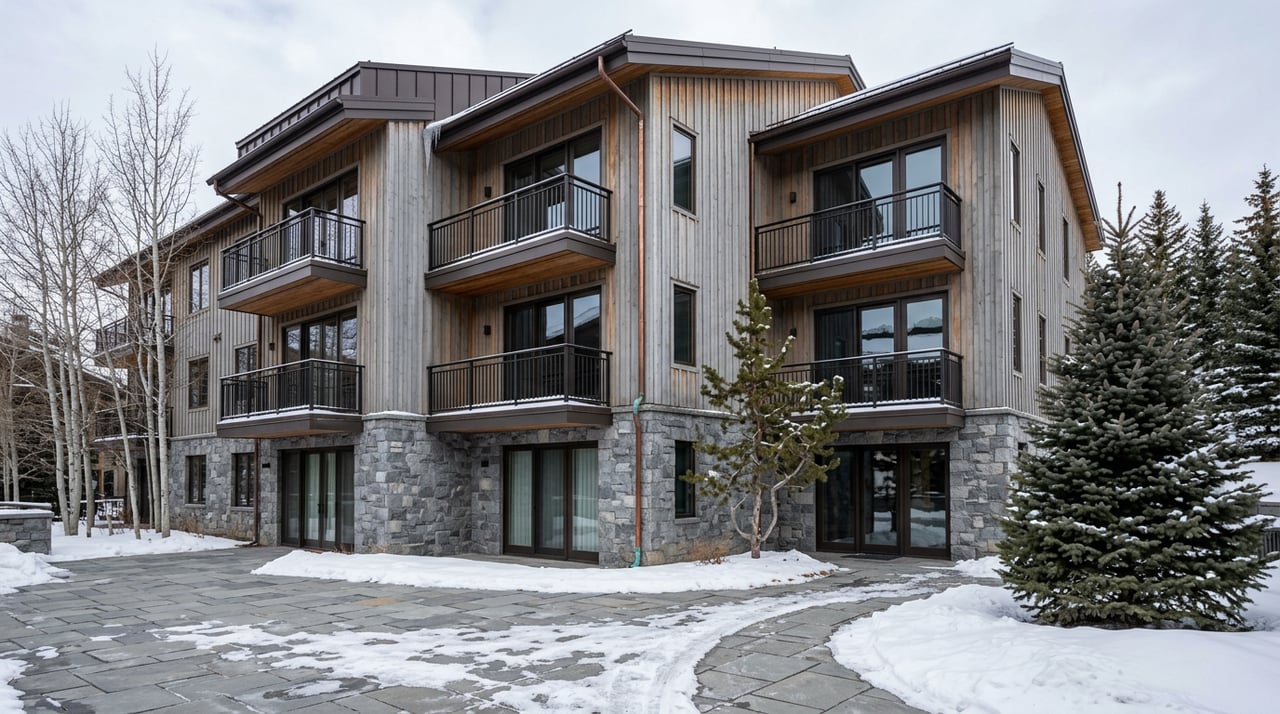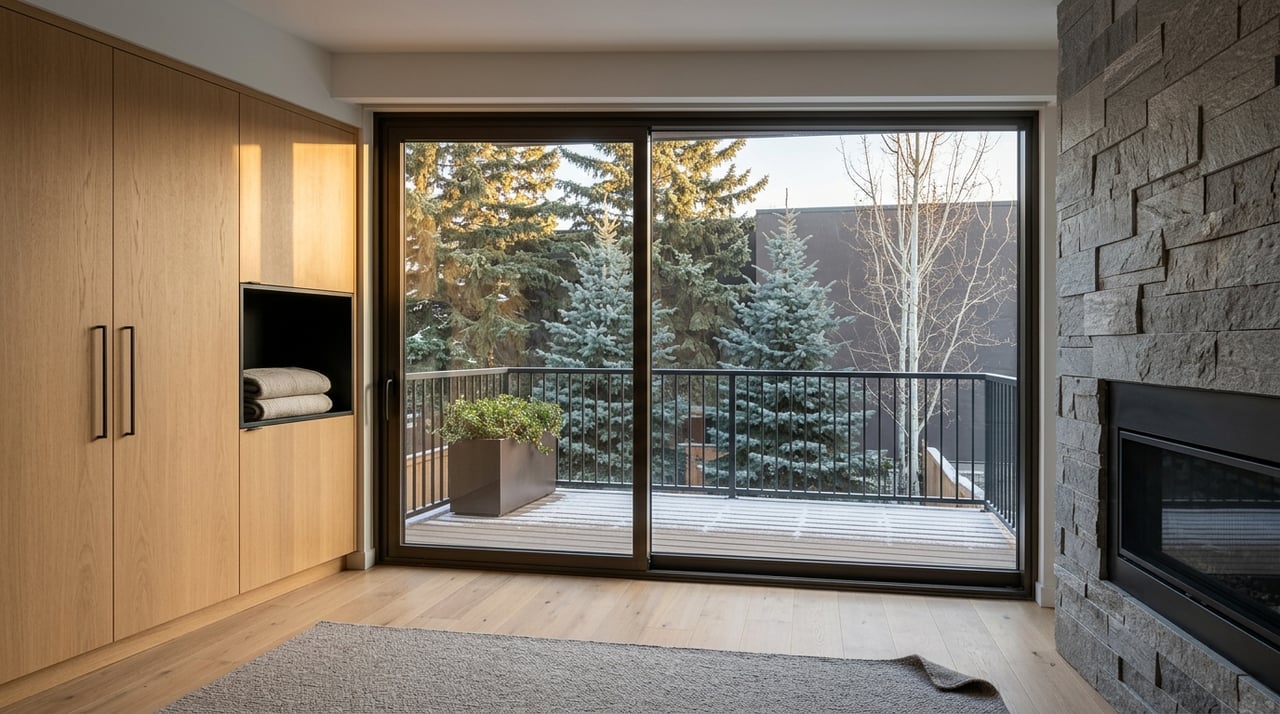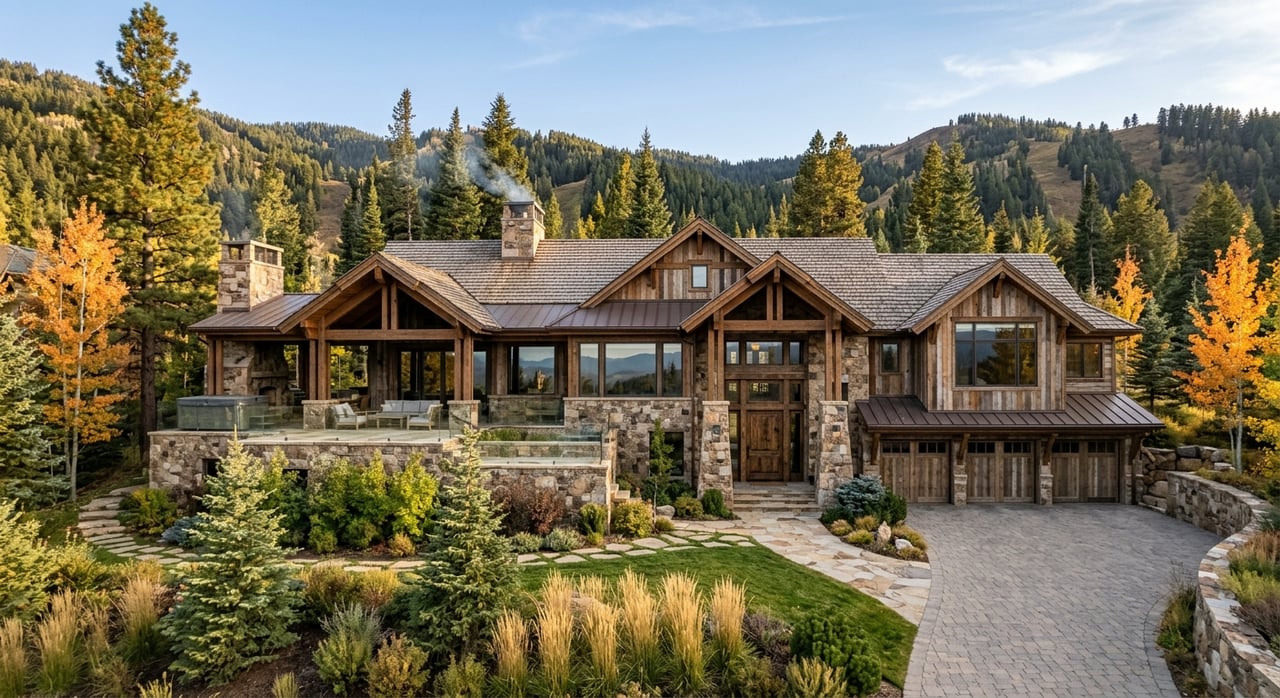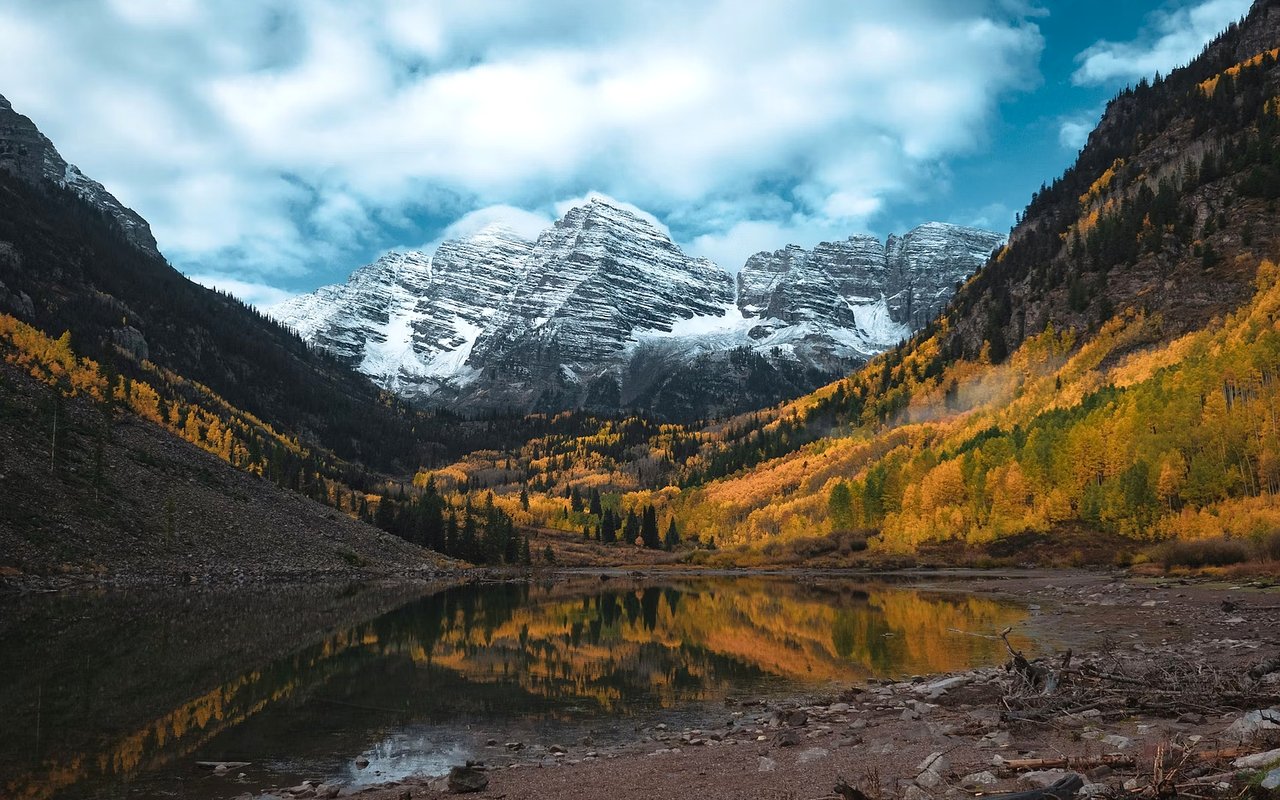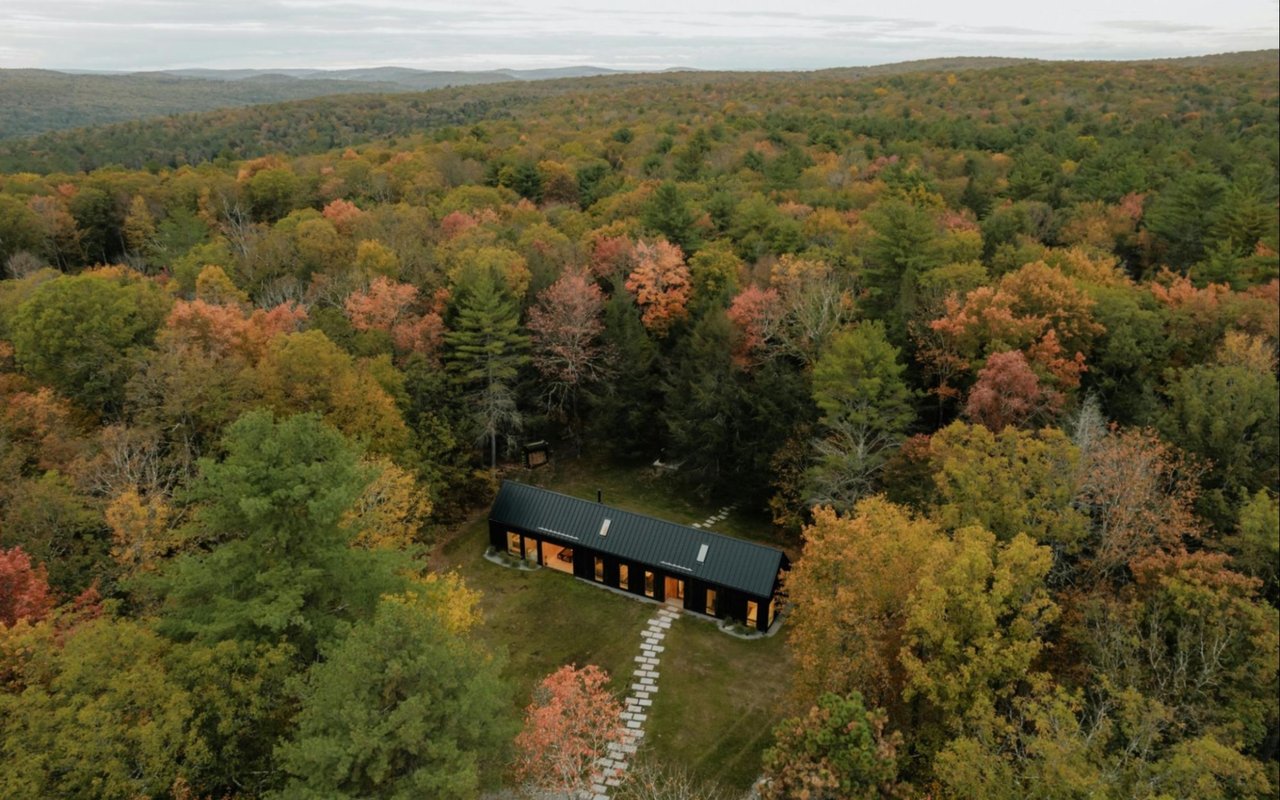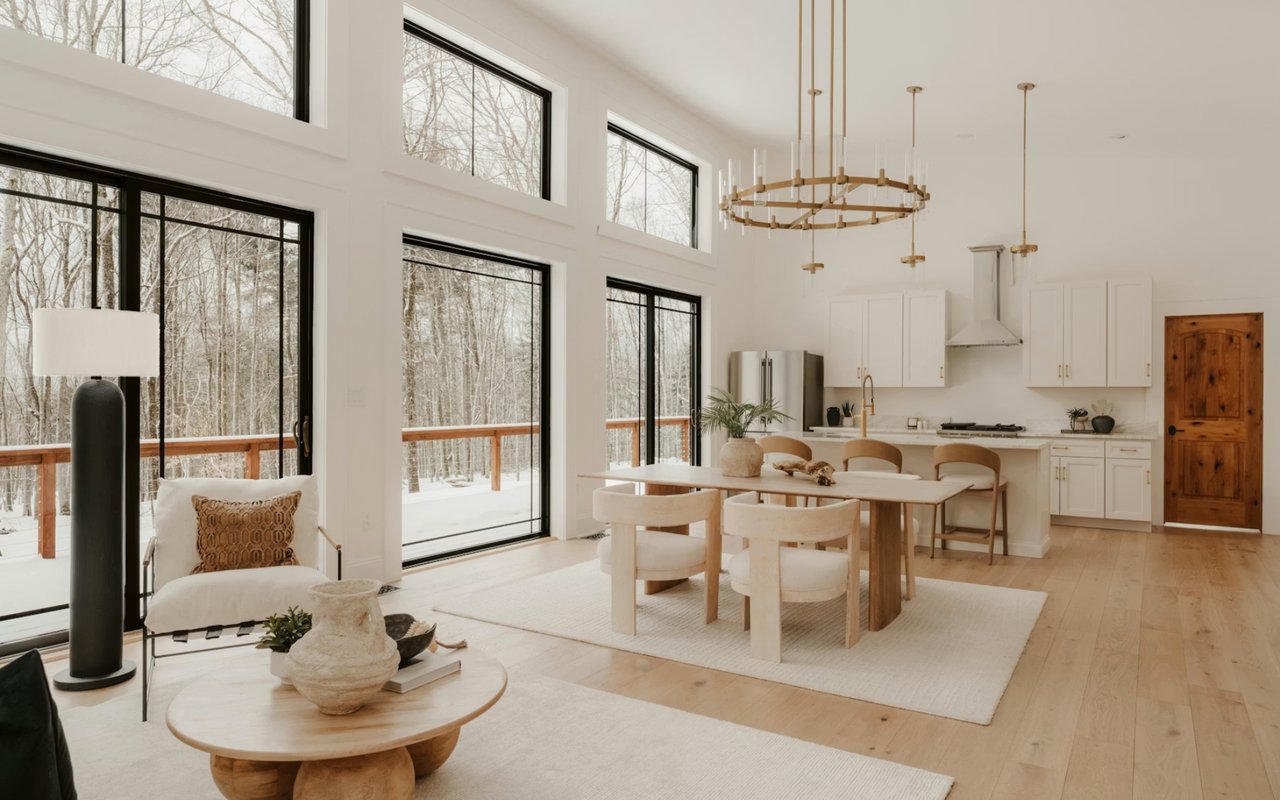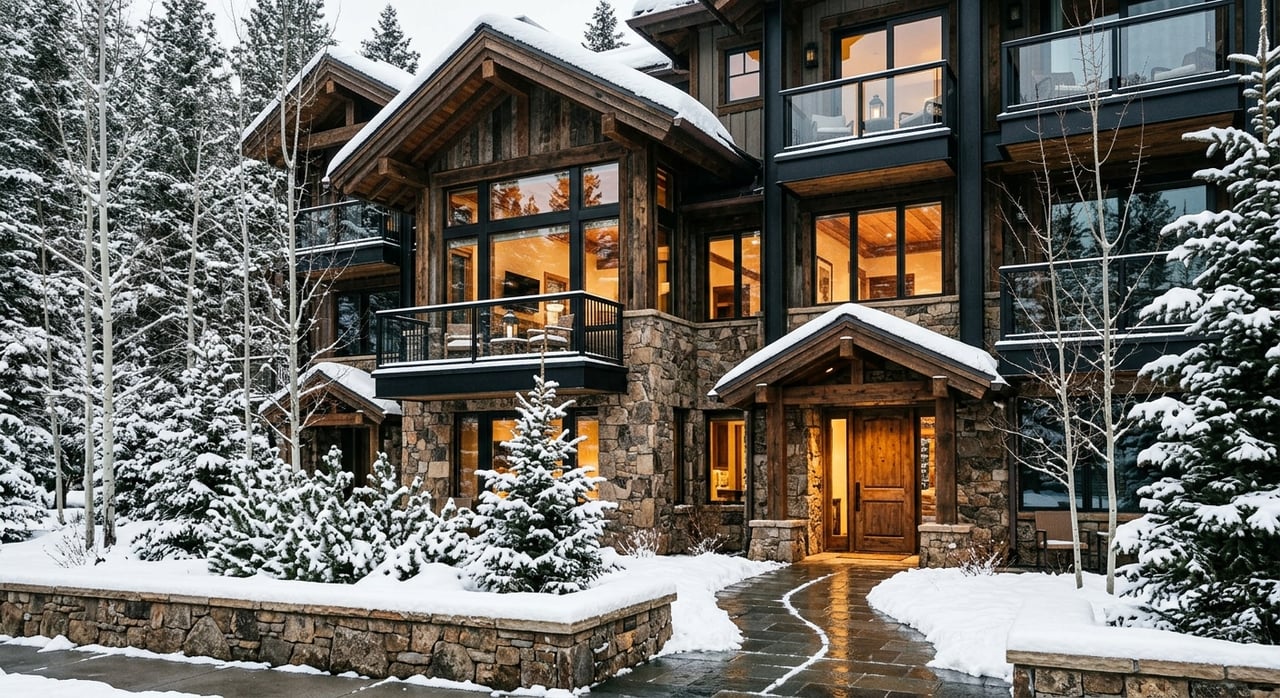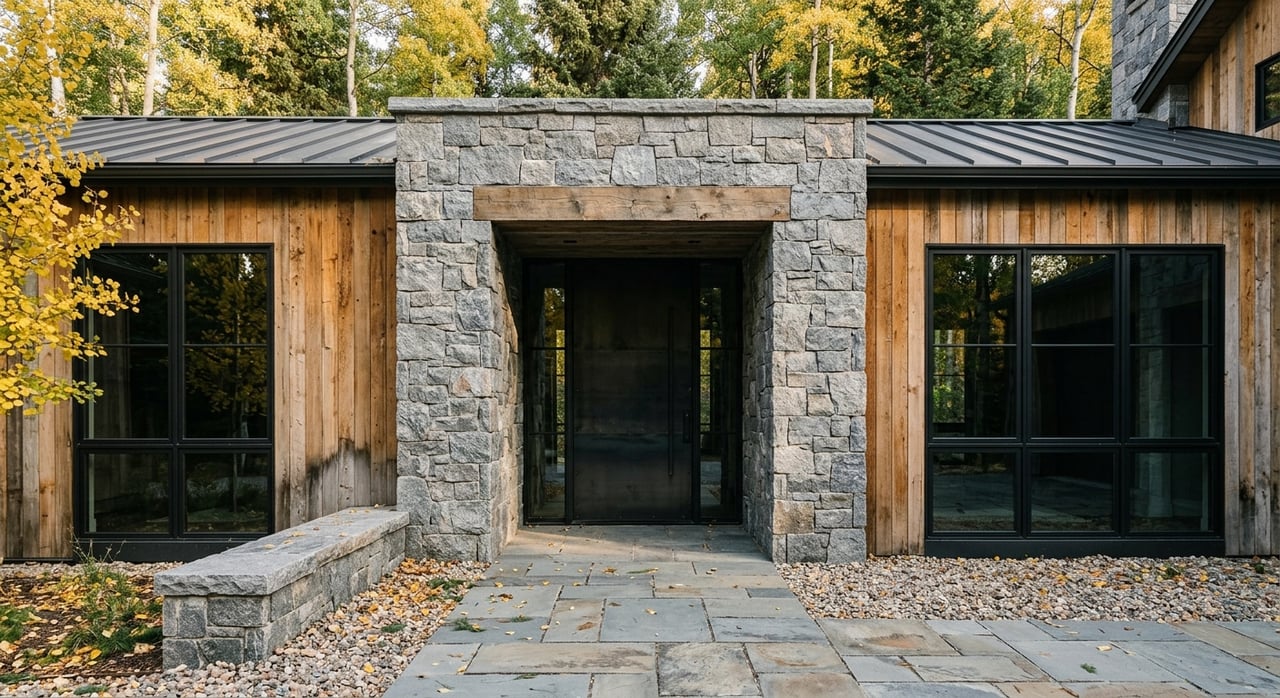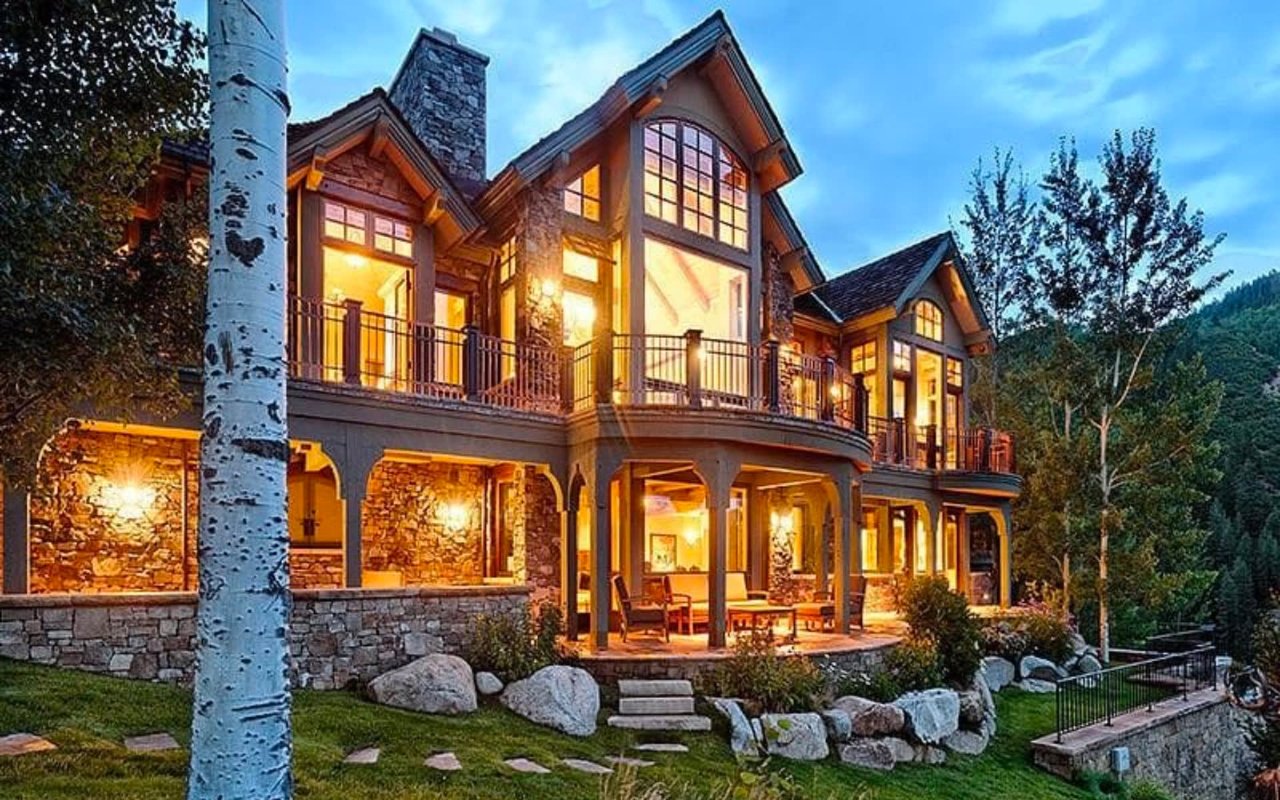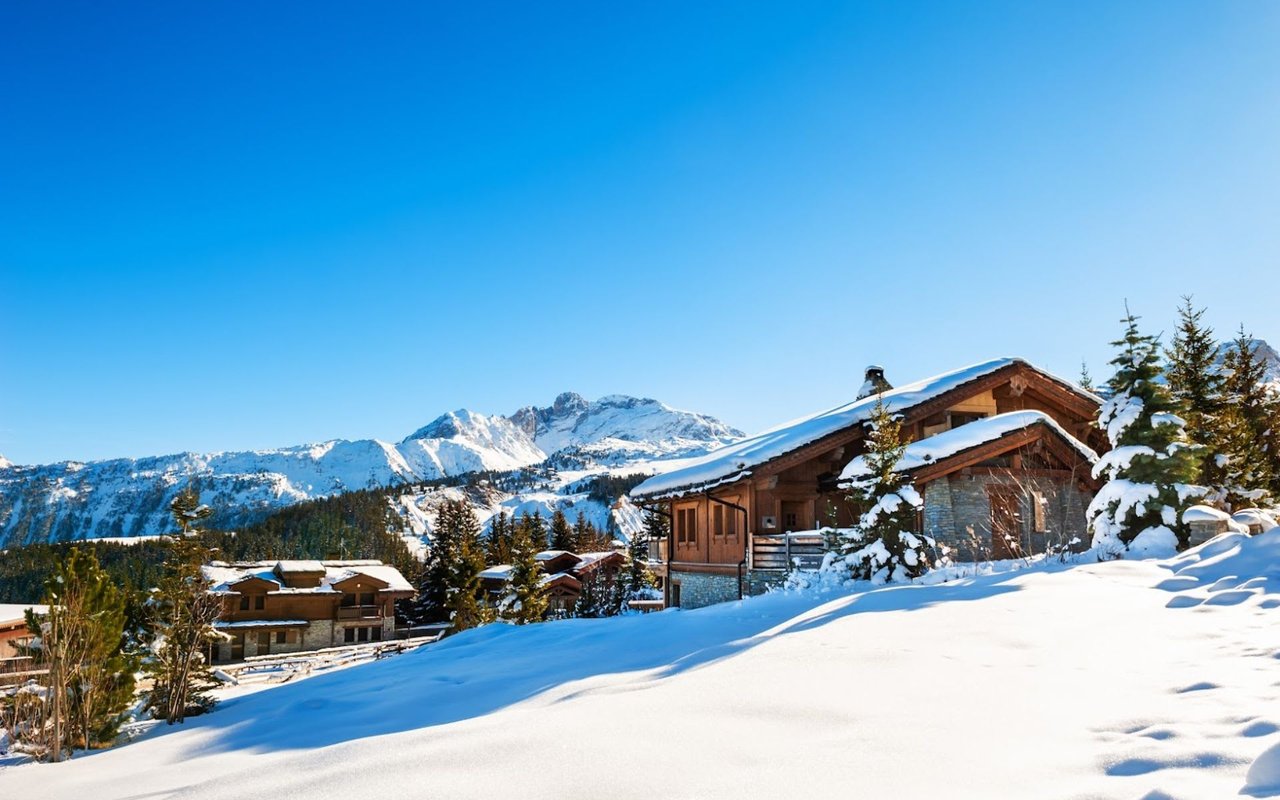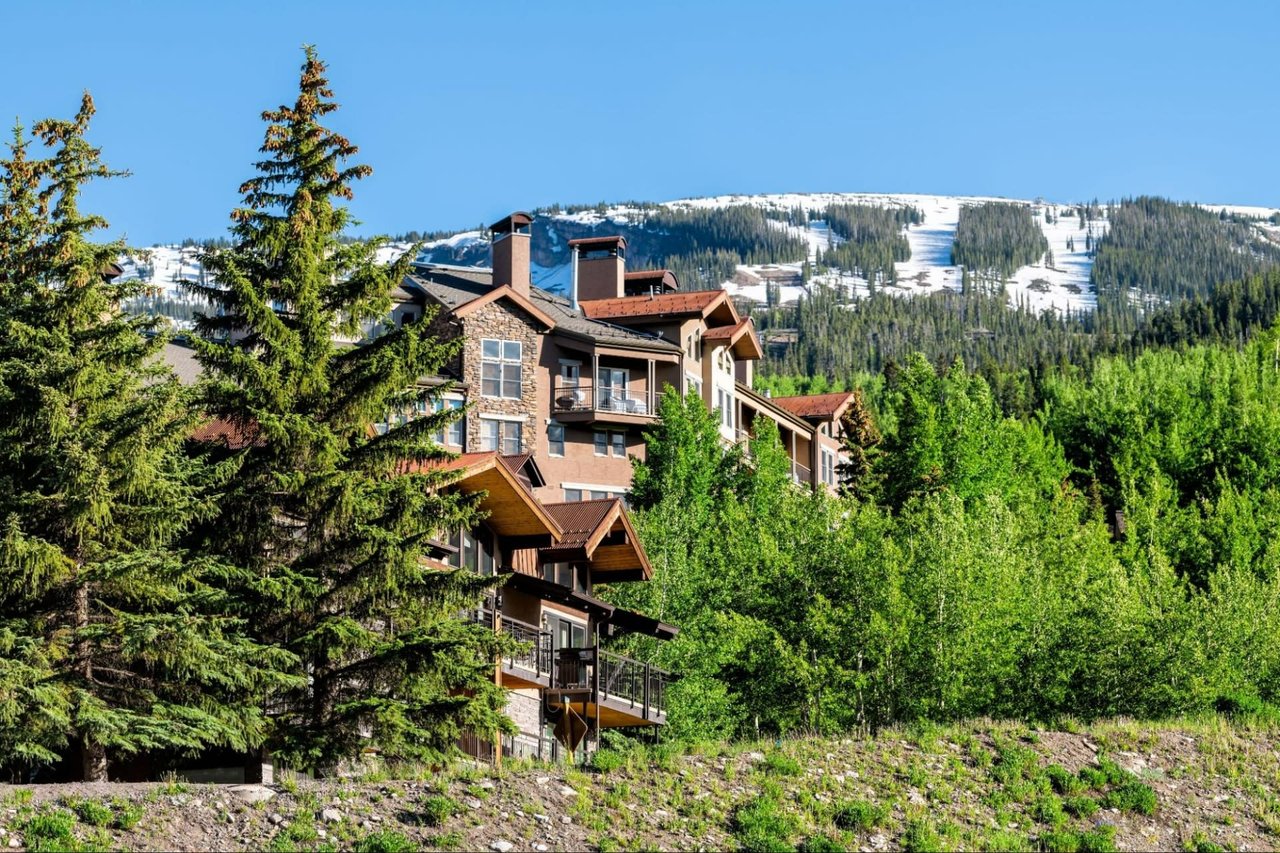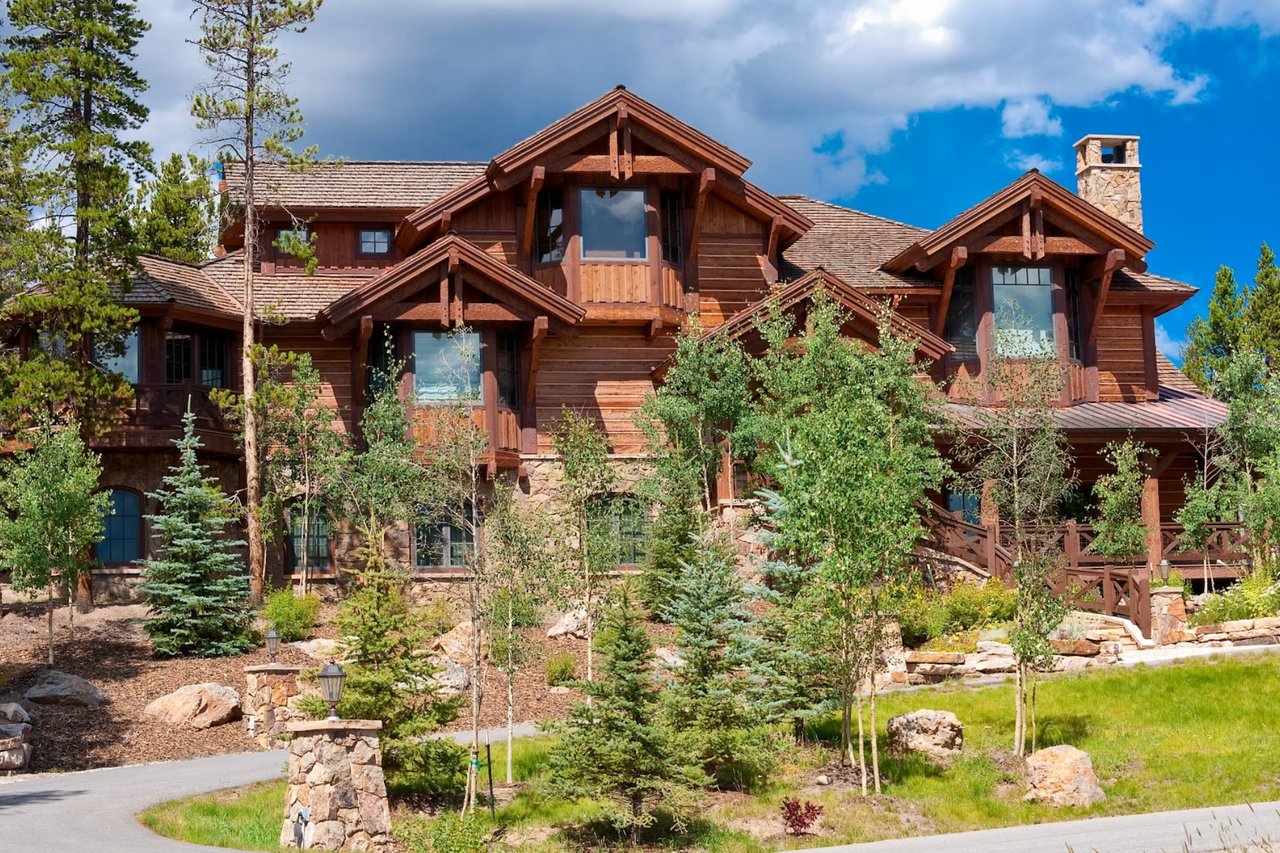
Wondering whether your Snowmass home could do more than sit empty between ski trips and summer weekends? In a market with true four-season demand, the right property can become a strong-performing rental, but success rarely comes from simply listing it online and hoping for the best. If you want premium rates, fewer headaches, and a setup that respects local rules, you need a plan. Let’s dive in.
Why Snowmass Works for Rentals
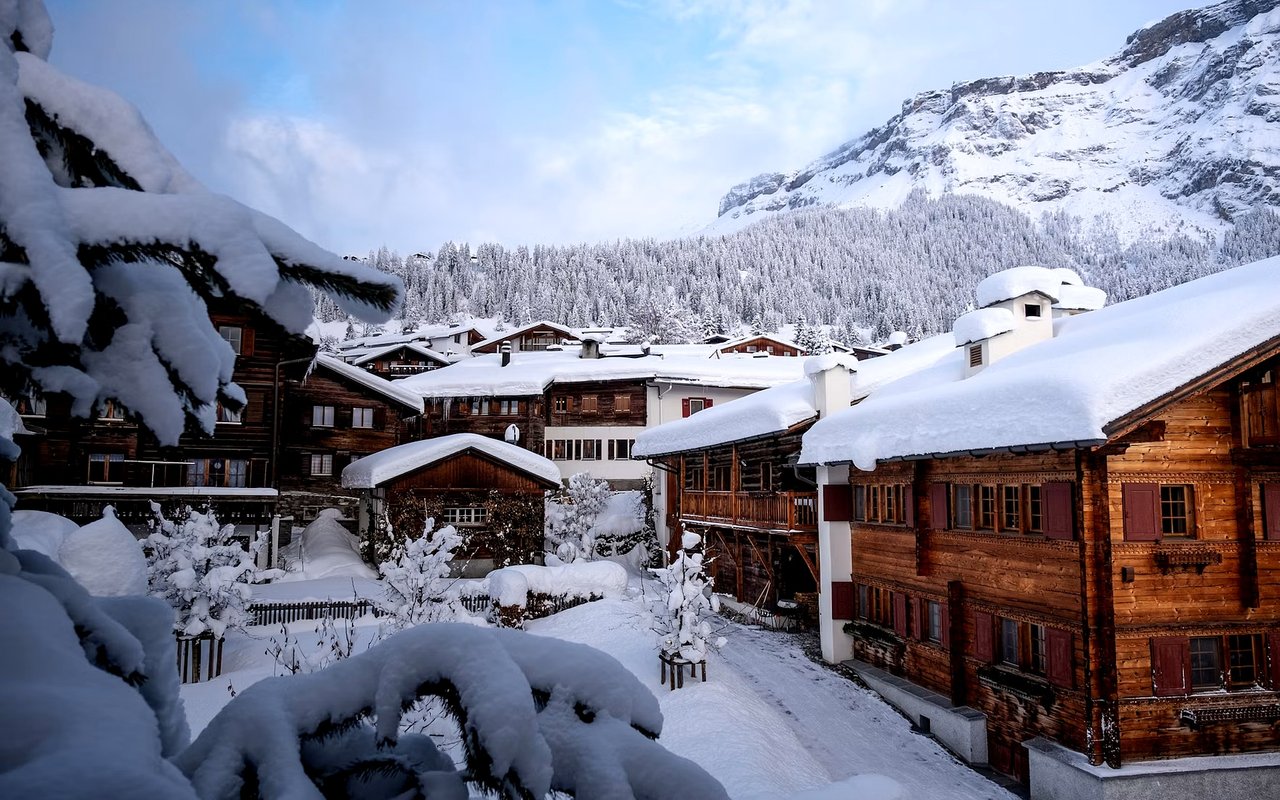
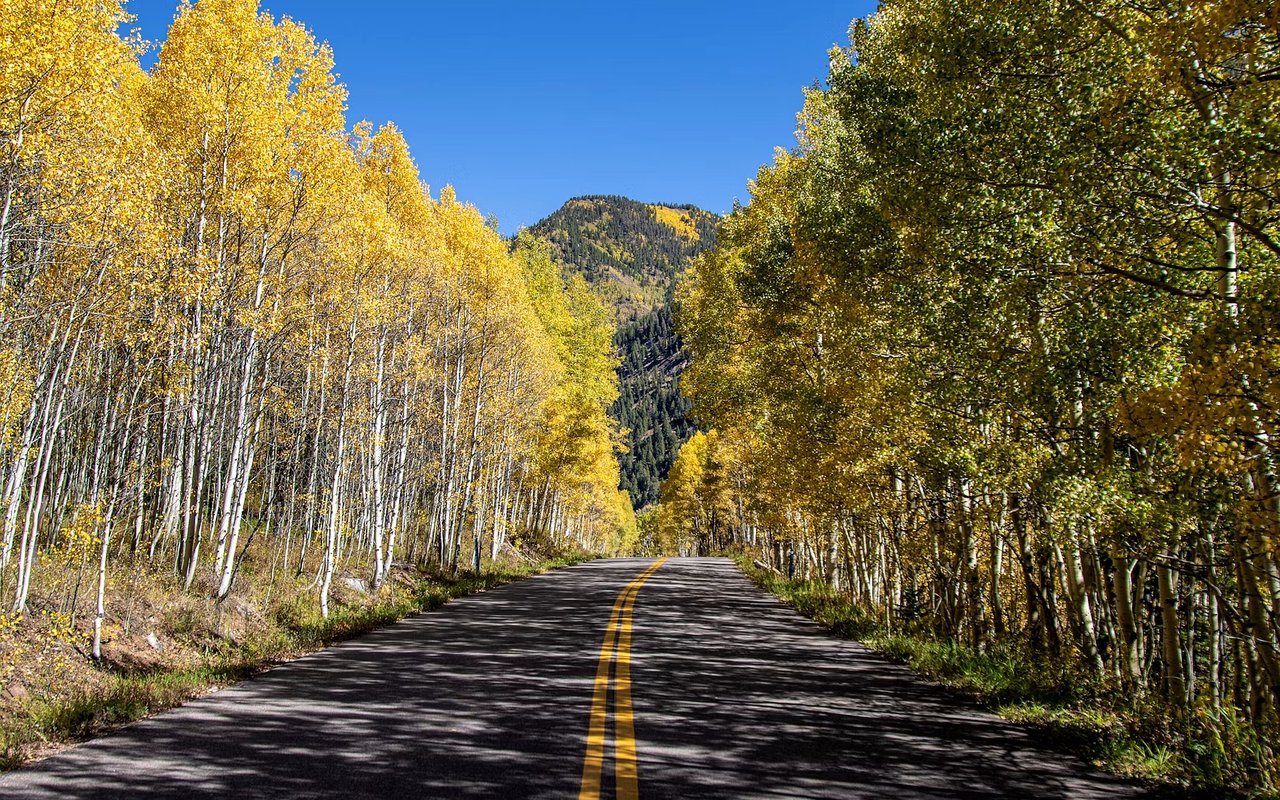
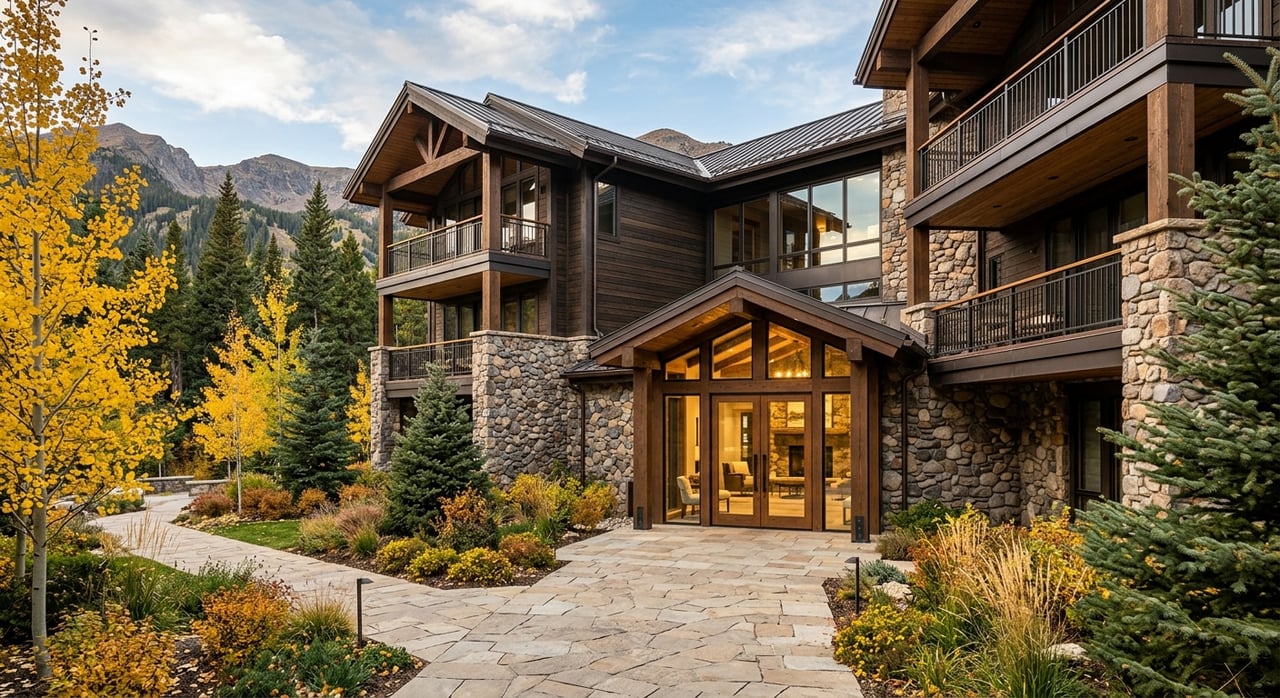
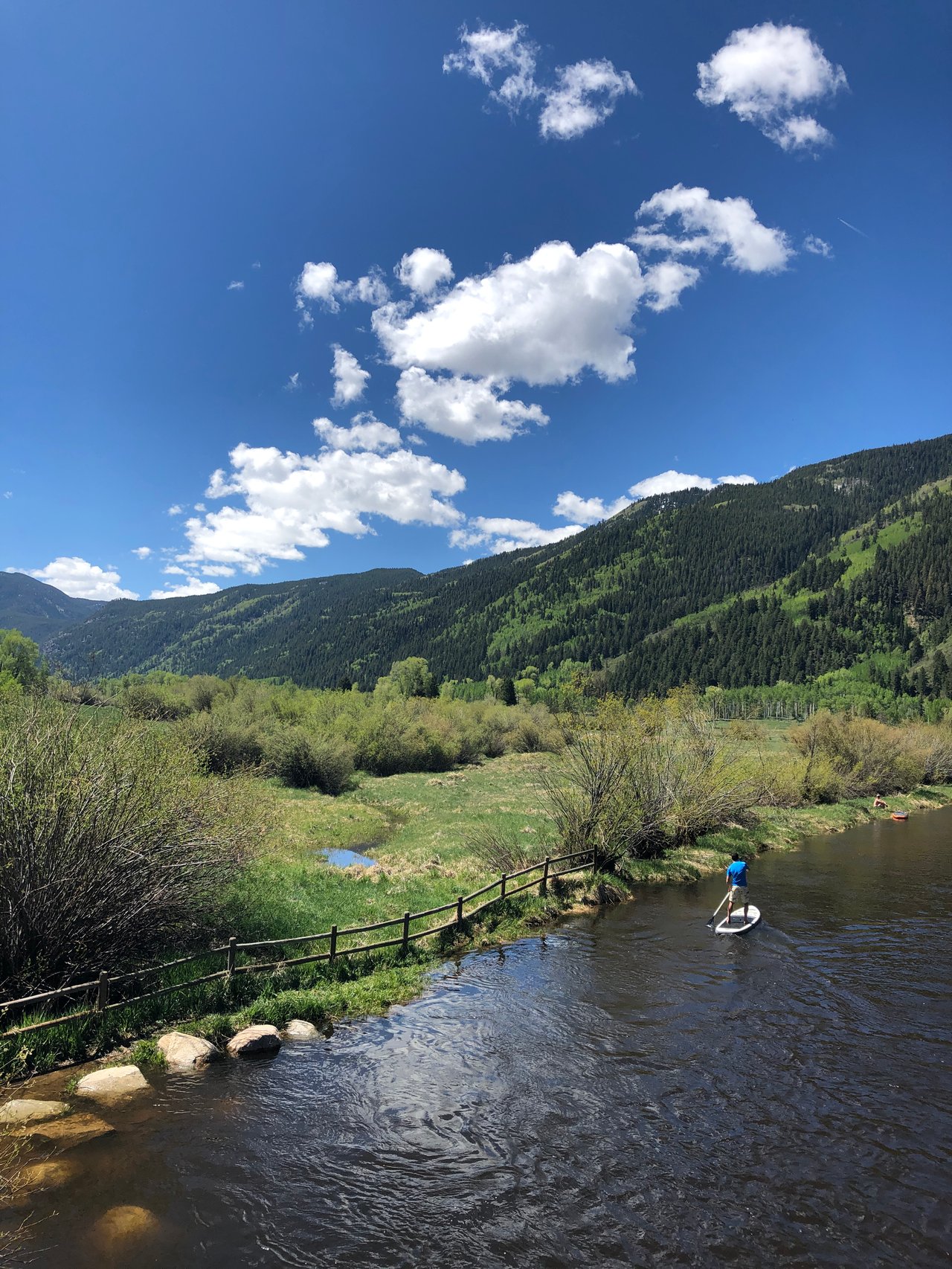
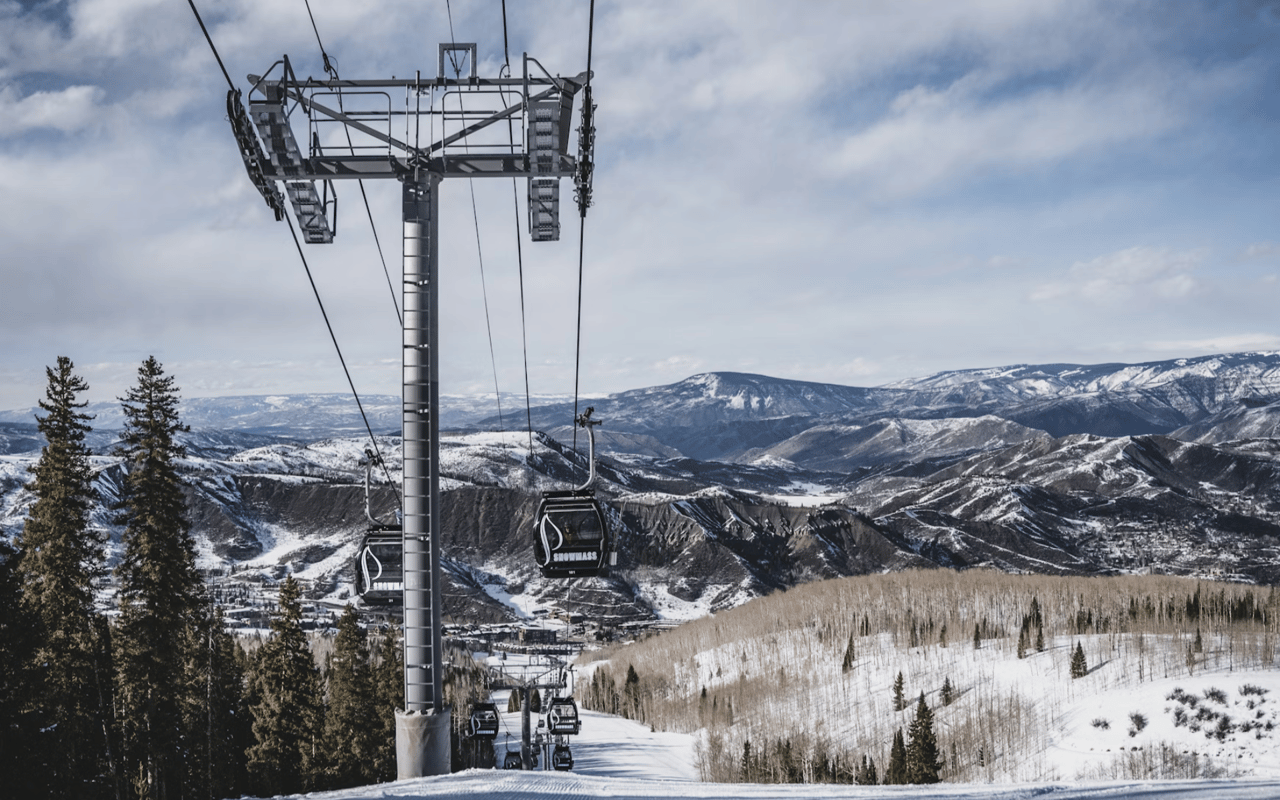
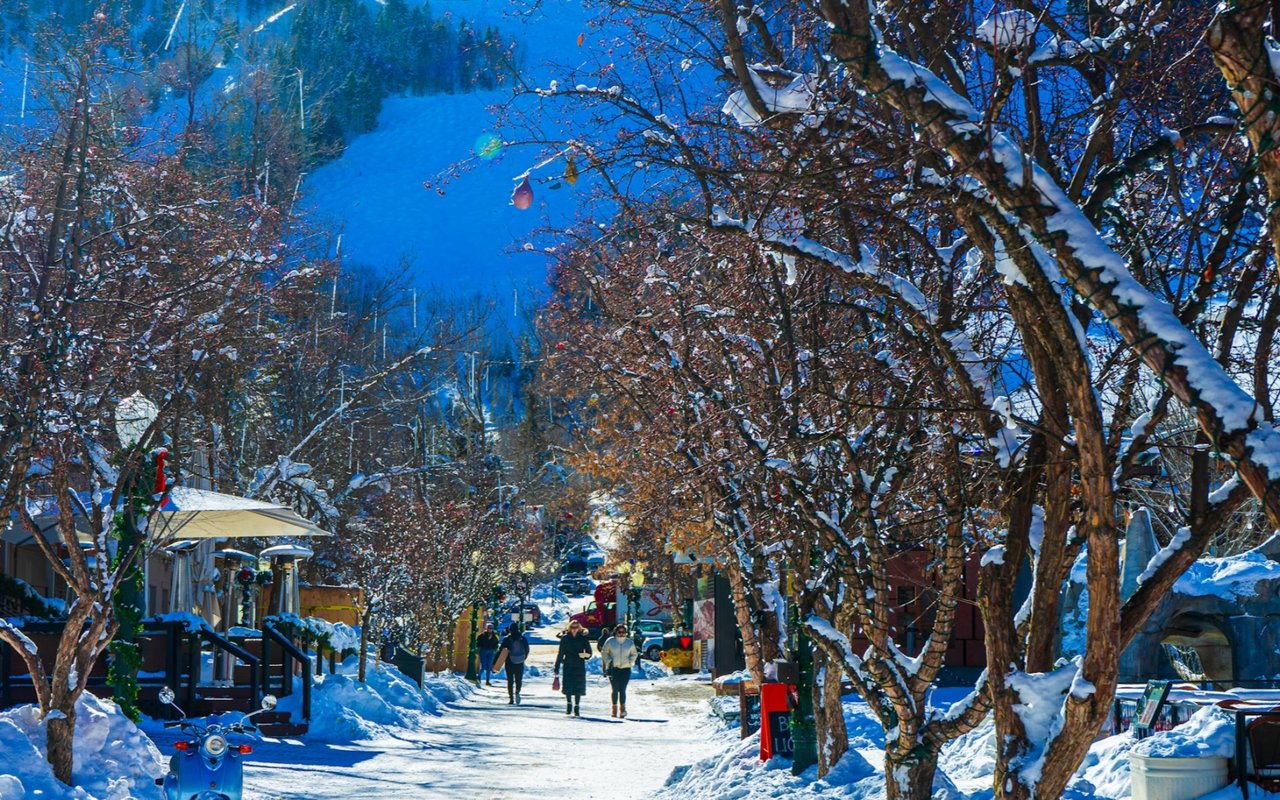
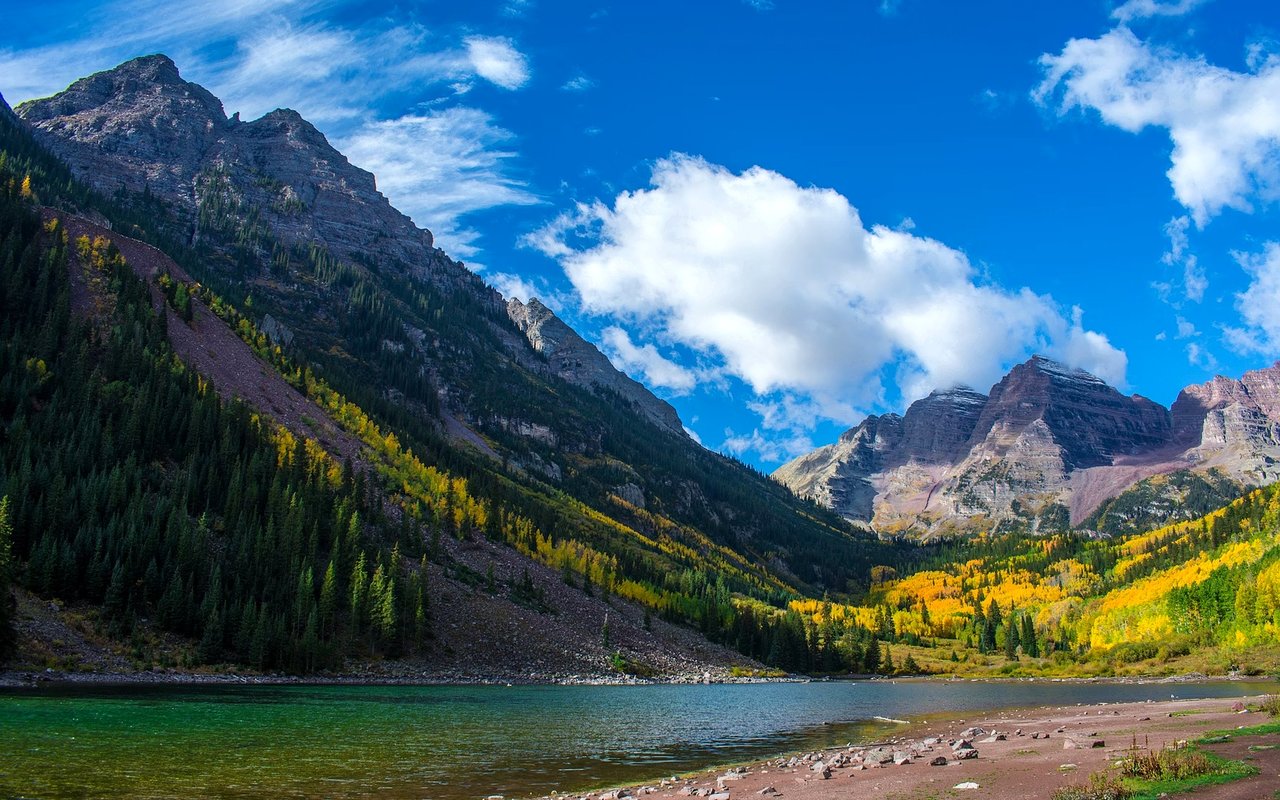
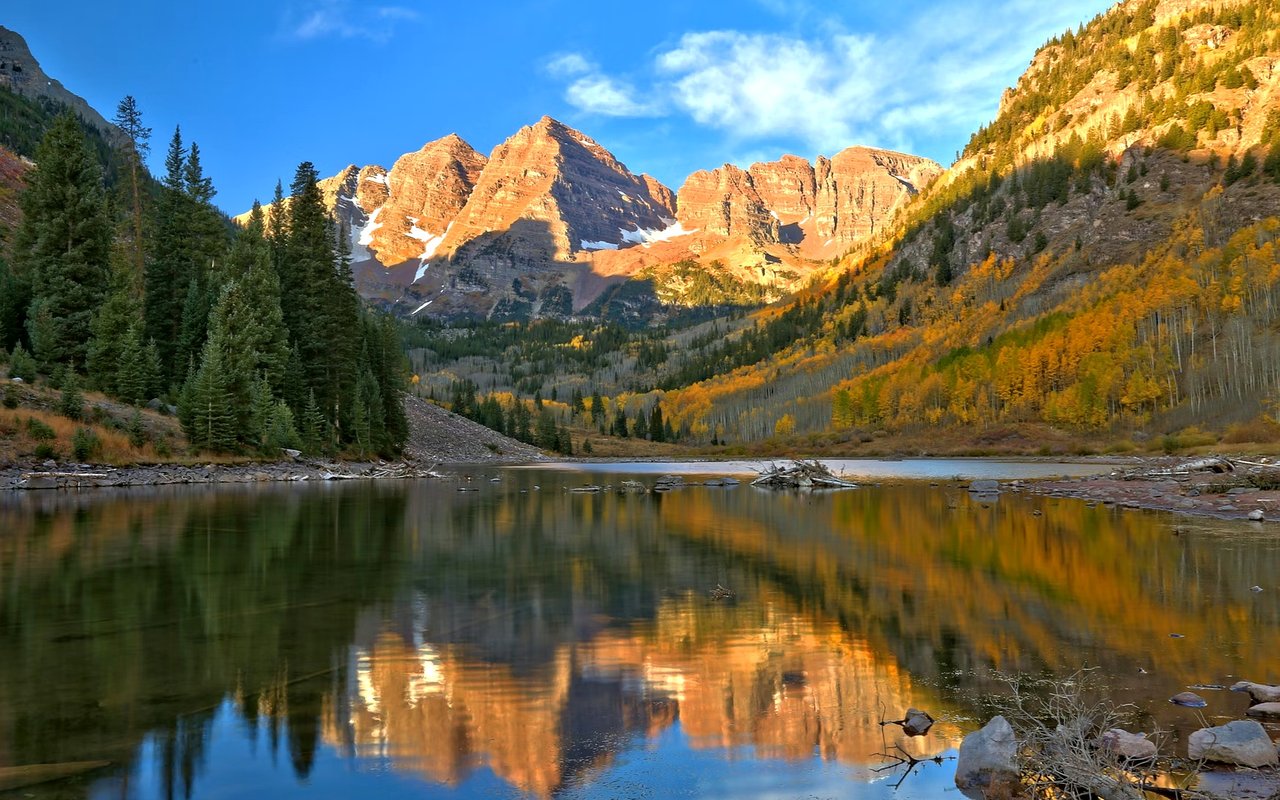
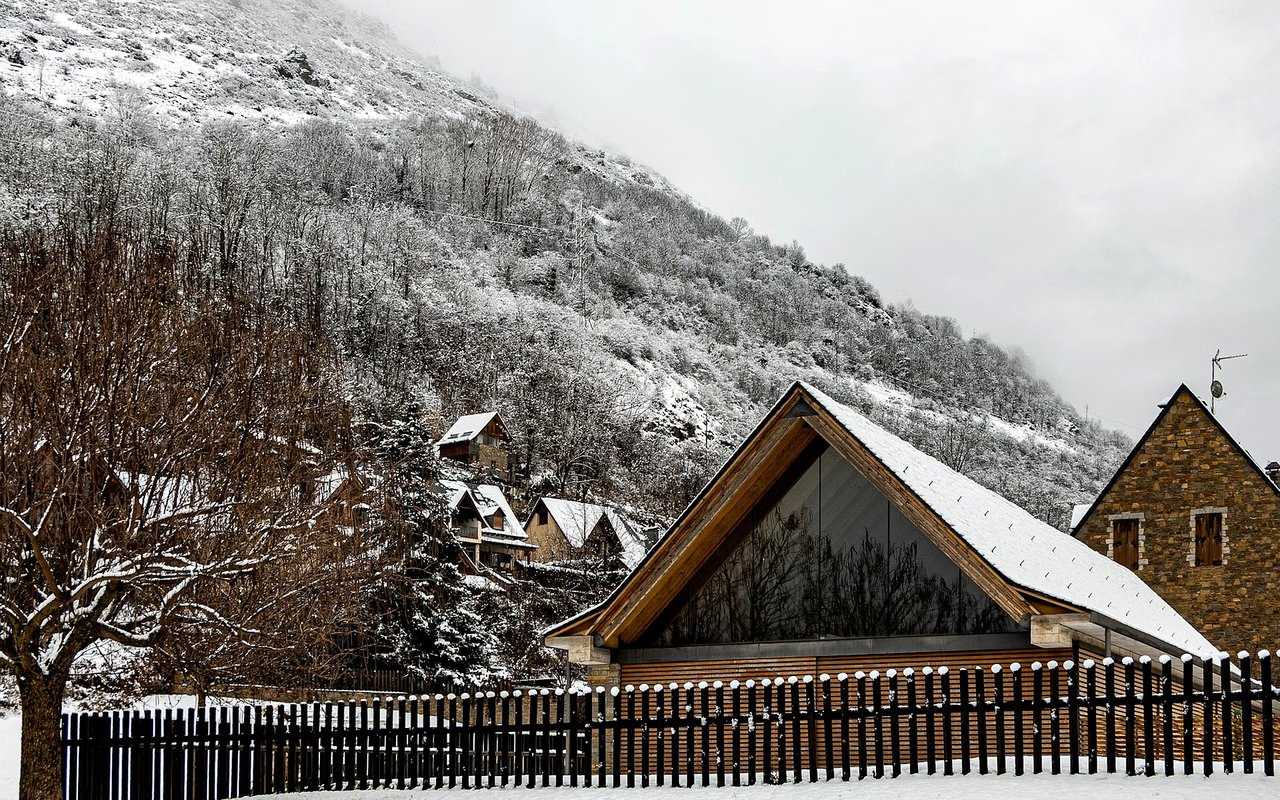
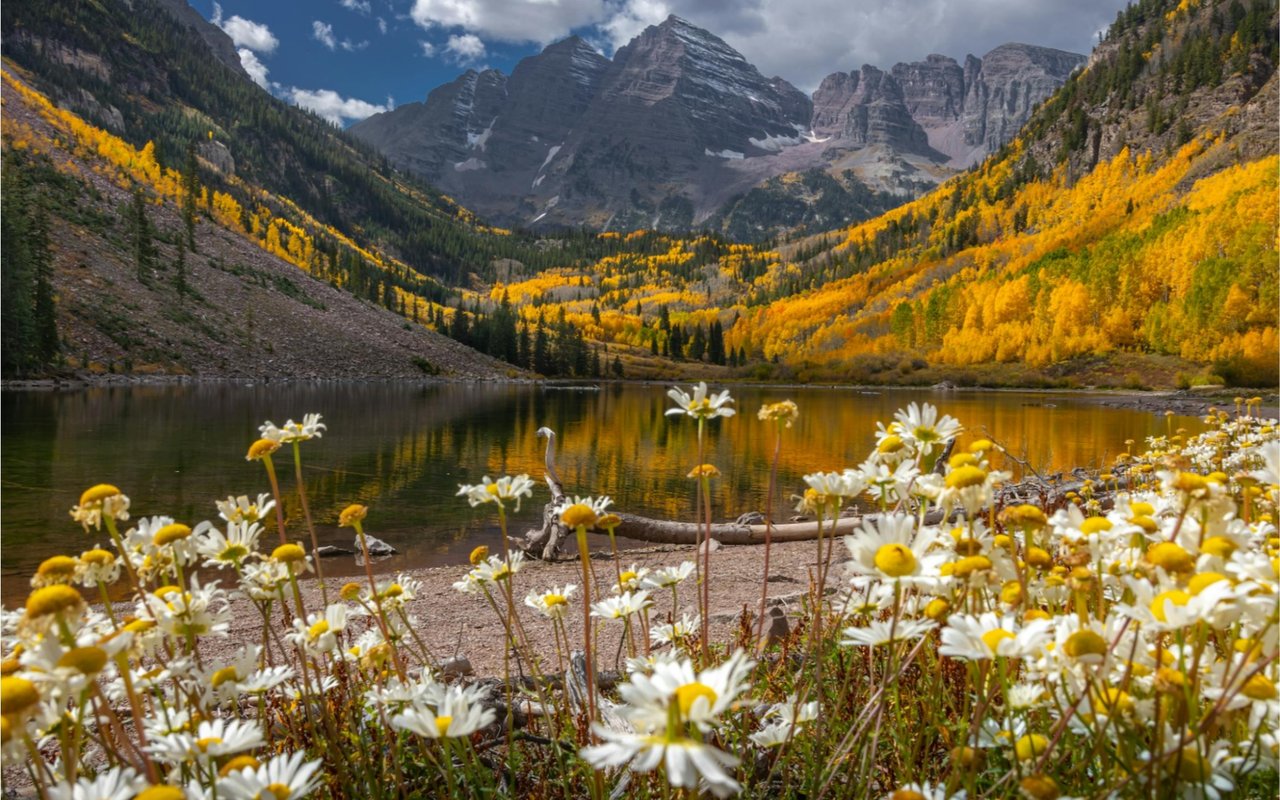
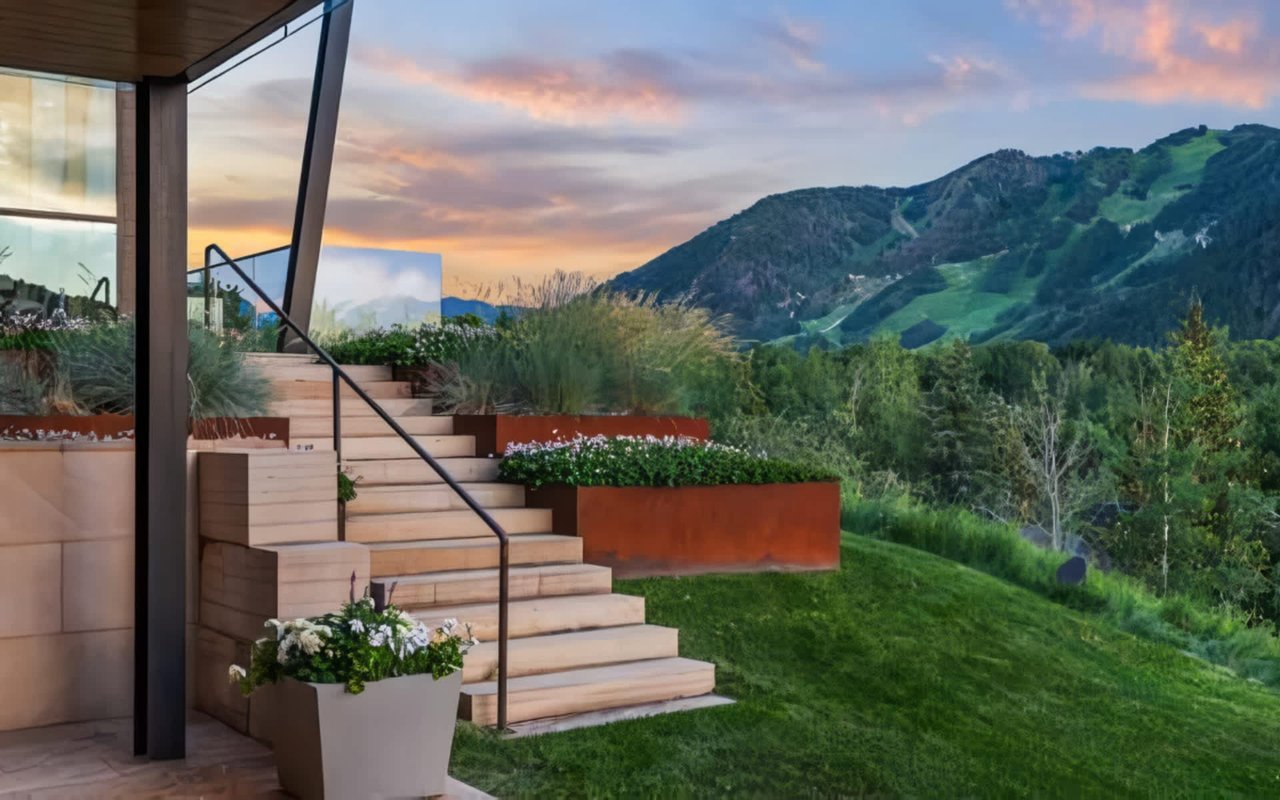
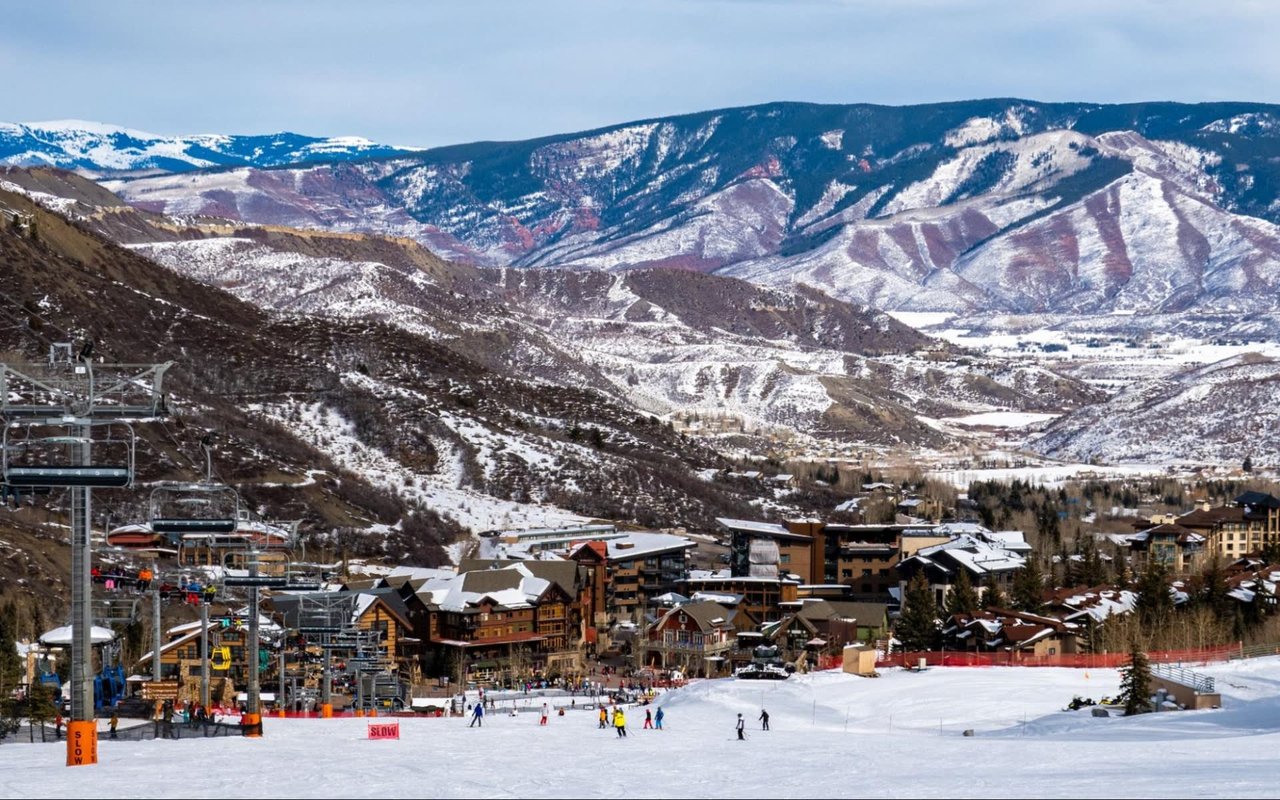
Snowmass Village is not just a winter destination. It operates as a year-round resort community with skiing, tubing, snowshoeing, and major winter events, plus summer demand tied to biking, hiking, sightseeing, concerts, races, and festivals.
That matters because your rental strategy should not treat the calendar as one long season. Snowmass tends to reward owners who understand when guests are booking for peak ski weeks, when summer travelers are more event-driven, and when shoulder-season pricing needs to be realistic.
Local lodging data makes that seasonality clear. Paid occupancy reached 73.6% in January 2025 and 68.5% in January 2026, while average daily rates were $777 and $806. By contrast, July 2025 occupancy was 62.7% with ADR at $328, and October 2025 dropped to 28.1% with ADR at $228.
The takeaway is simple: winter peak periods often support the strongest rates, while summer can still perform well with the right positioning. If you own in Snowmass, your home may have more income potential than you think, but only if you align the property, pricing, and operations with how guests actually travel here.
Start With the Right Legal Setup
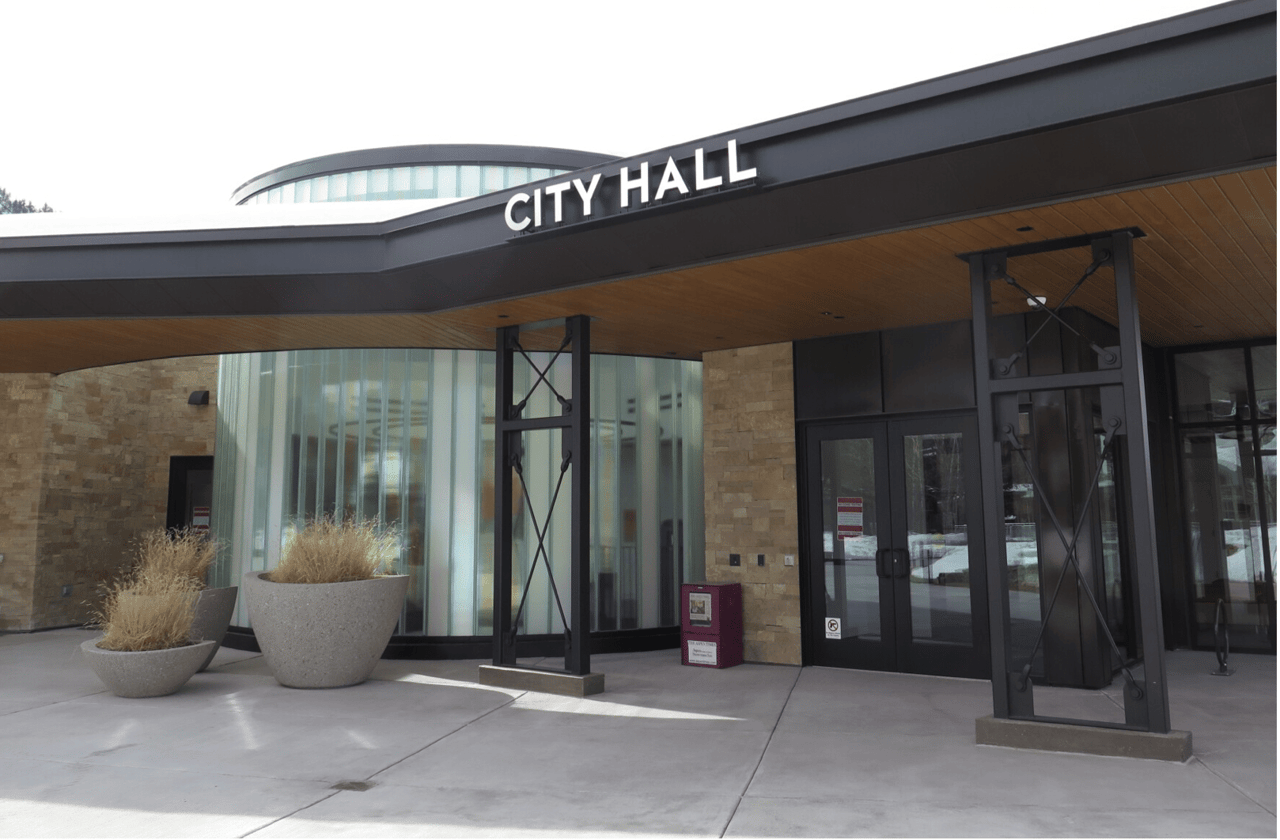
Before you focus on design upgrades or listing photos, confirm that your home can be rented legally under the correct local rules. In Snowmass Village, a short-term rental is a dwelling unit or room rented for fewer than 30 consecutive days.
The town requires both a business license and a short-term rental permit before you advertise or rent the property. Your permit number must also appear on all ads, which means compliance starts before the first inquiry ever hits your inbox.
Current town guidance says the business license fee is $85 and the STR permit fee is $400. Permits now expire annually on April 30, so owners need to treat renewal as part of the operating calendar, not an afterthought.
If your property is not inside Snowmass Village limits and is instead in unincorporated Pitkin County, a different set of rules applies. That distinction is important because Snowmass Village and Pitkin County do not use the same permit system.
Key Snowmass rules to know
For many owners, the most important operating rules are the ones that affect booking structure and guest use. In Snowmass Village, single-family homes and duplexes have a minimum four-night stay.
Occupancy rules also matter. For permit types 3 and 4, maximum occupancy is two people per legal bedroom, plus four for homes with four or more bedrooms, or plus two for homes with three or fewer bedrooms. Children age five and under are excluded from that count.
The town also requires permit holders to carry liability insurance. You must name a designated local owner representative who is available 24/7/365 and able to respond within 60 minutes.
You also need to upload a self-compliance affidavit and Good Neighbor Guidelines, and confirm that HOA rules allow short-term rentals if the property is part of an association. Parking, occupancy, and permit-number compliance are enforceable issues, so a clean setup matters.
Build a Home Guests Will Pay More For
In a luxury resort market, functional is not enough. Guests paying Snowmass rates expect a polished home that feels easy, comfortable, and ready for mountain living.
That does not always mean a full remodel. Often, the best returns come from making the home feel more intentional, more guest-friendly, and more visually cohesive.
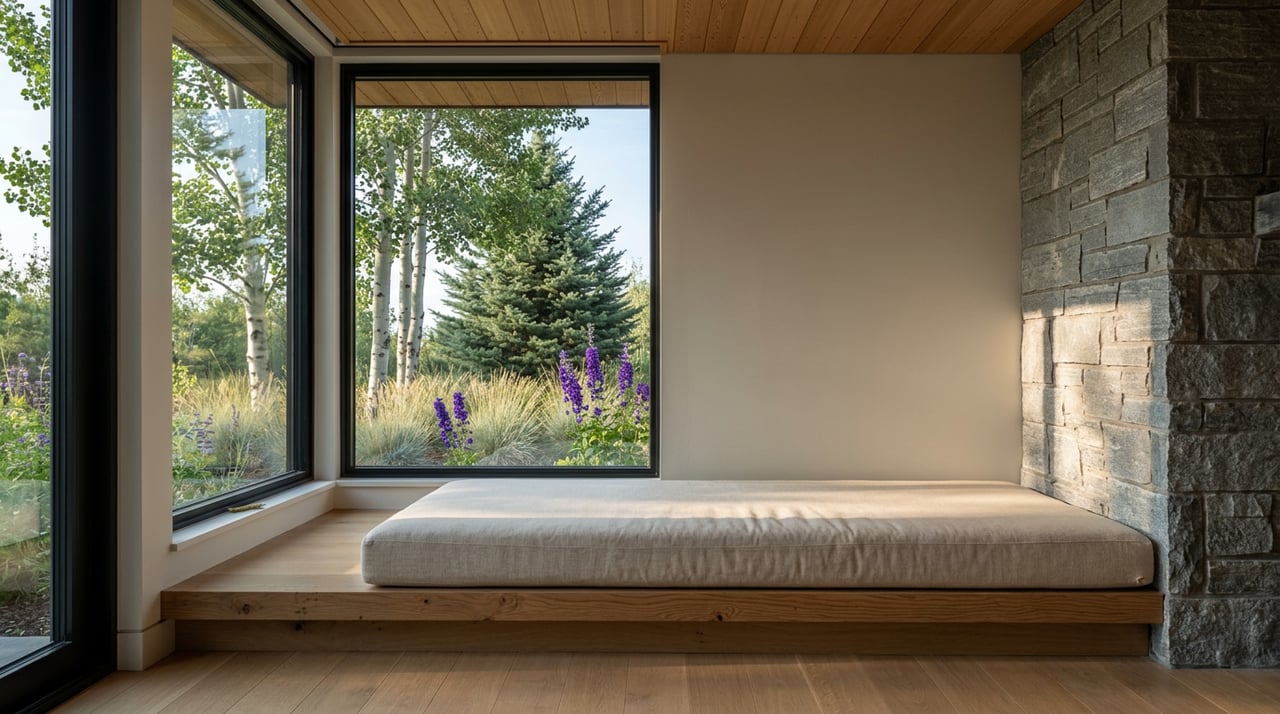
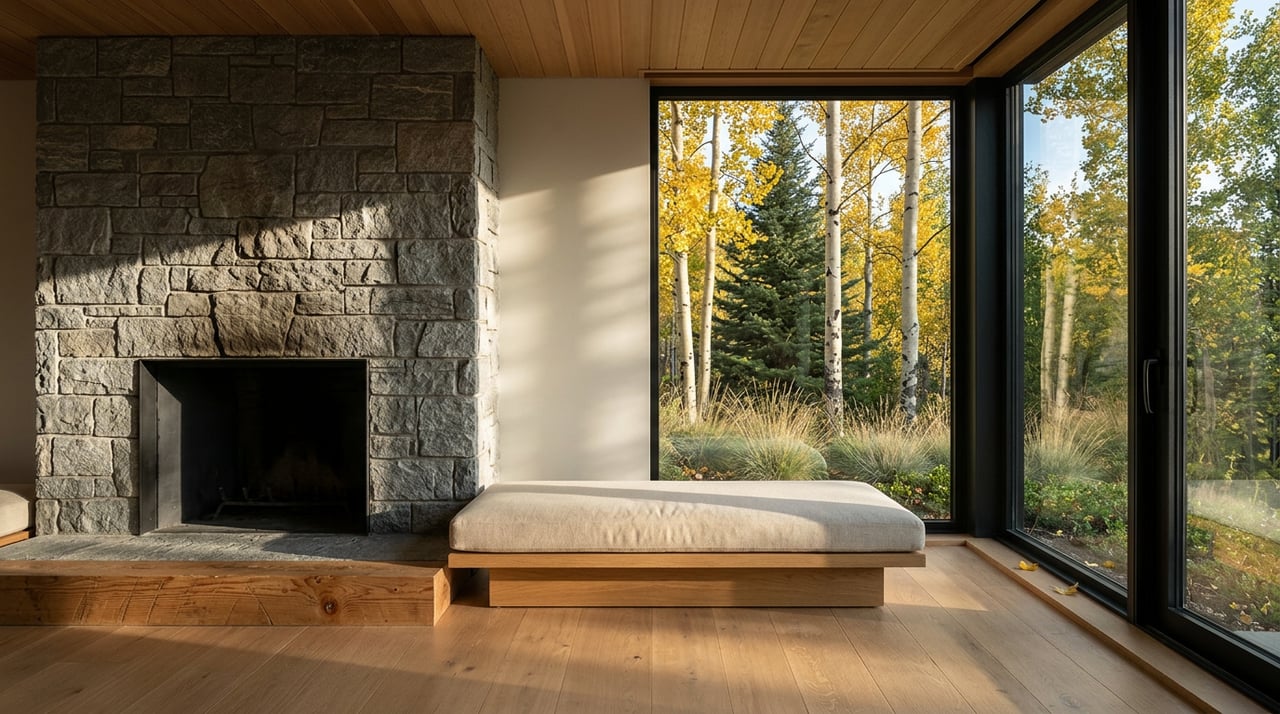
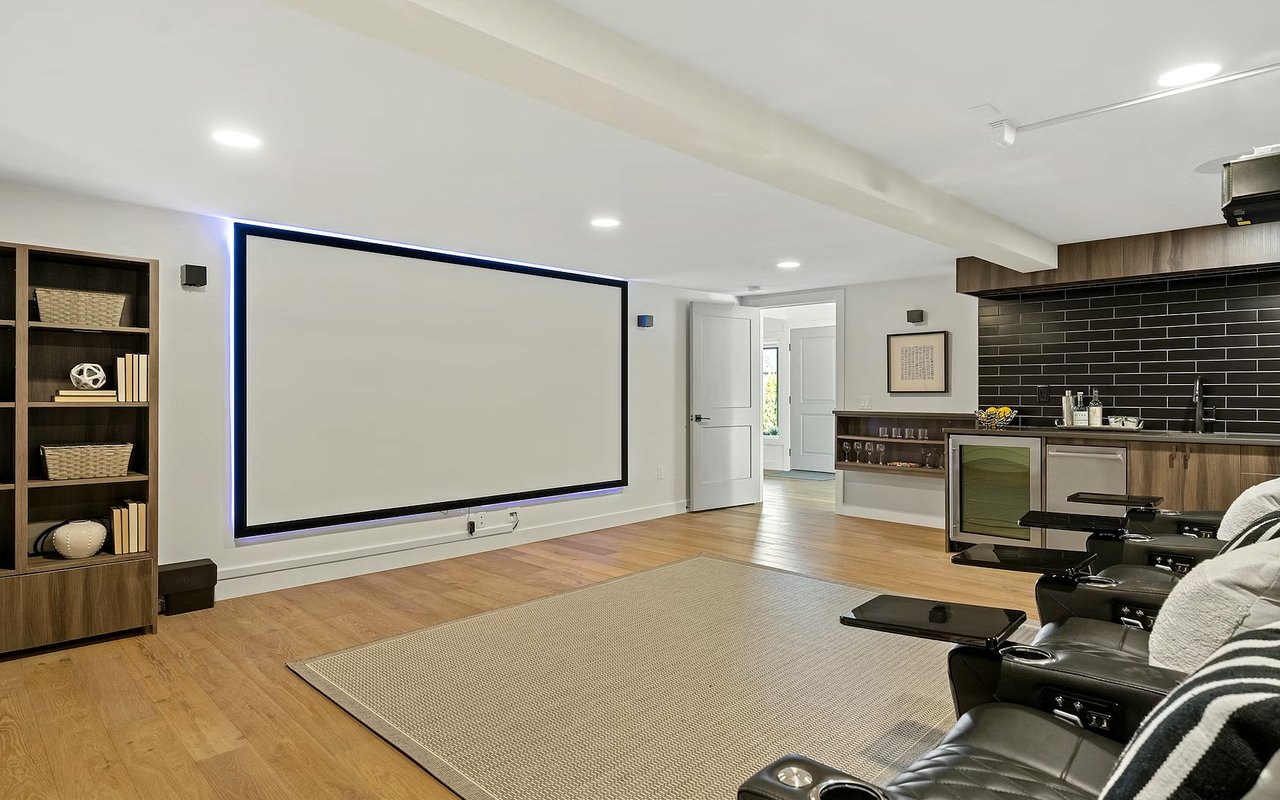
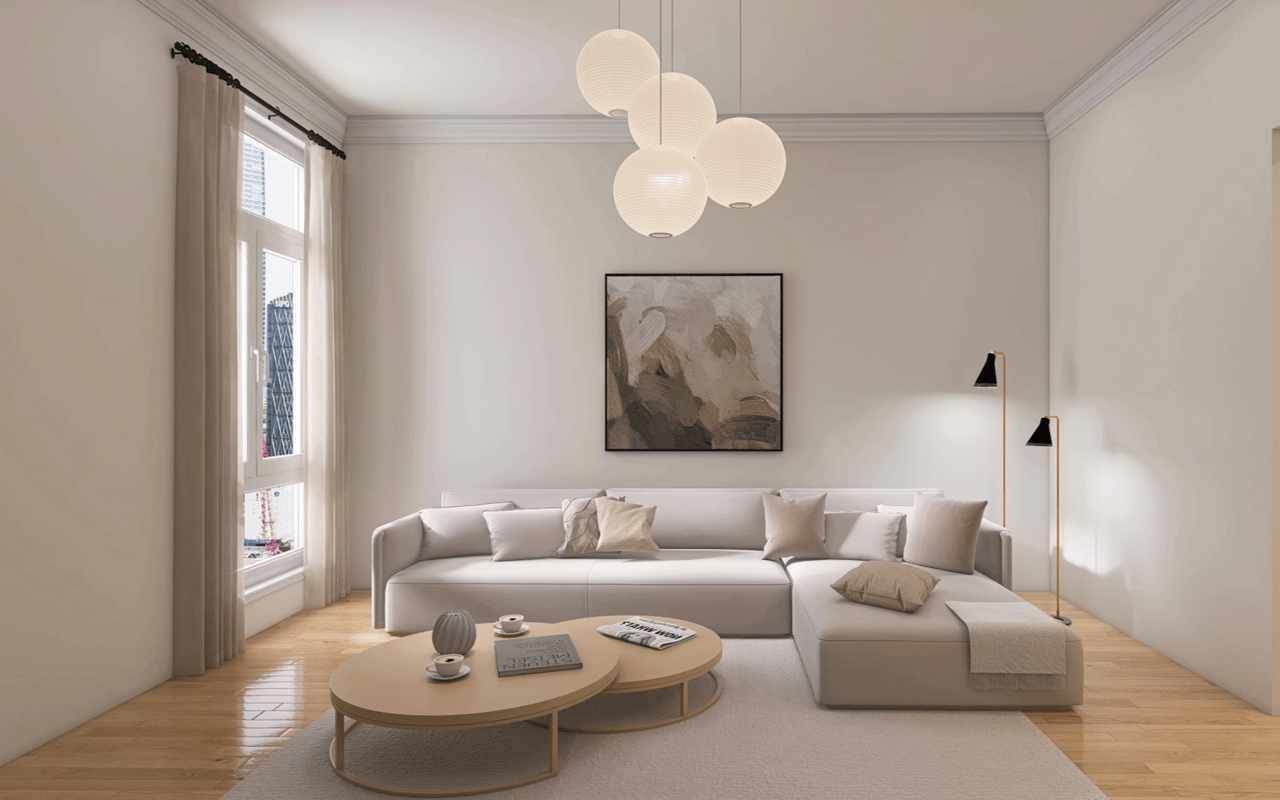
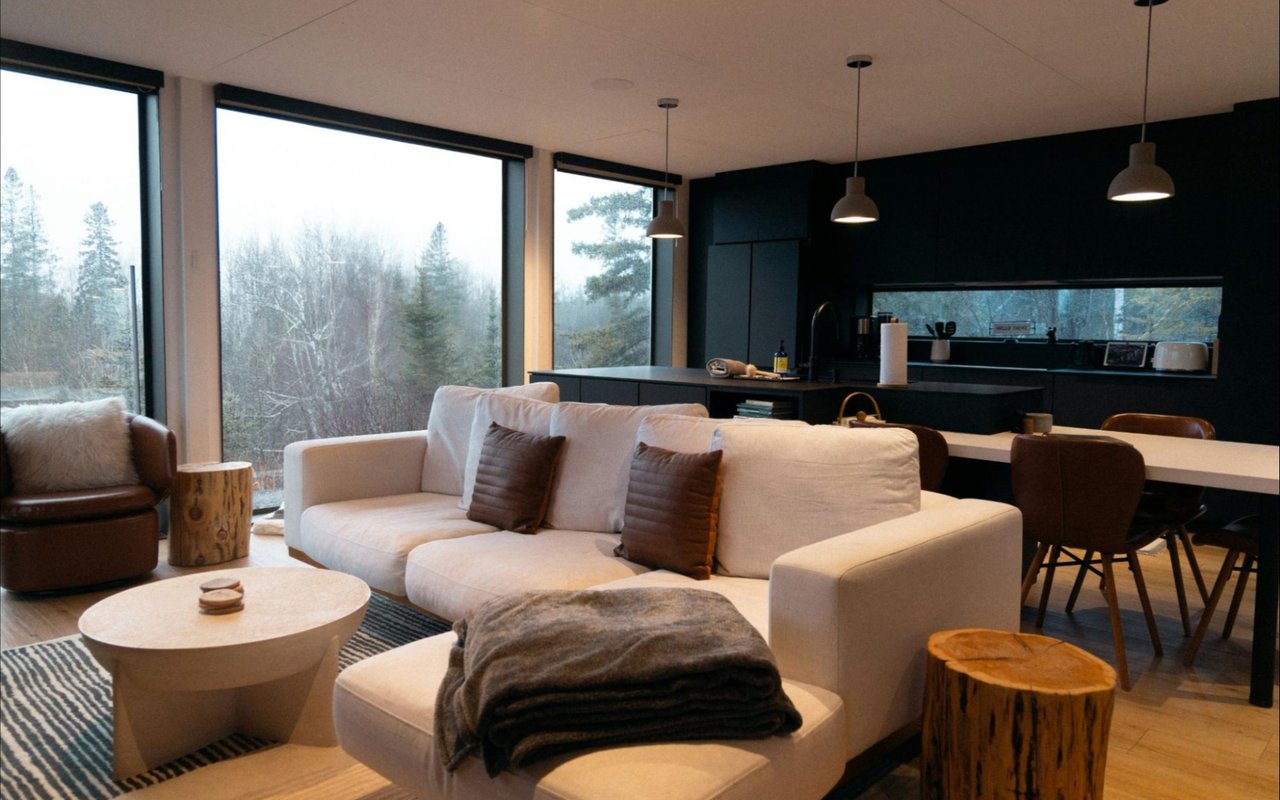
Recent luxury short-term rental trends suggest that upgraded finishes and amenities continue to win stronger performance. For Snowmass owners, that supports a strategy focused on design, comfort, and presentation rather than simply offering a place to sleep near the mountain.
Amenities that reduce travel friction
The strongest amenity story in Snowmass is often the one that makes the trip easier. Guests want a smooth arrival, practical storage, and spaces that work for both ski season and summer stays.
Features that often help support premium nightly rates include:
- Easy parking
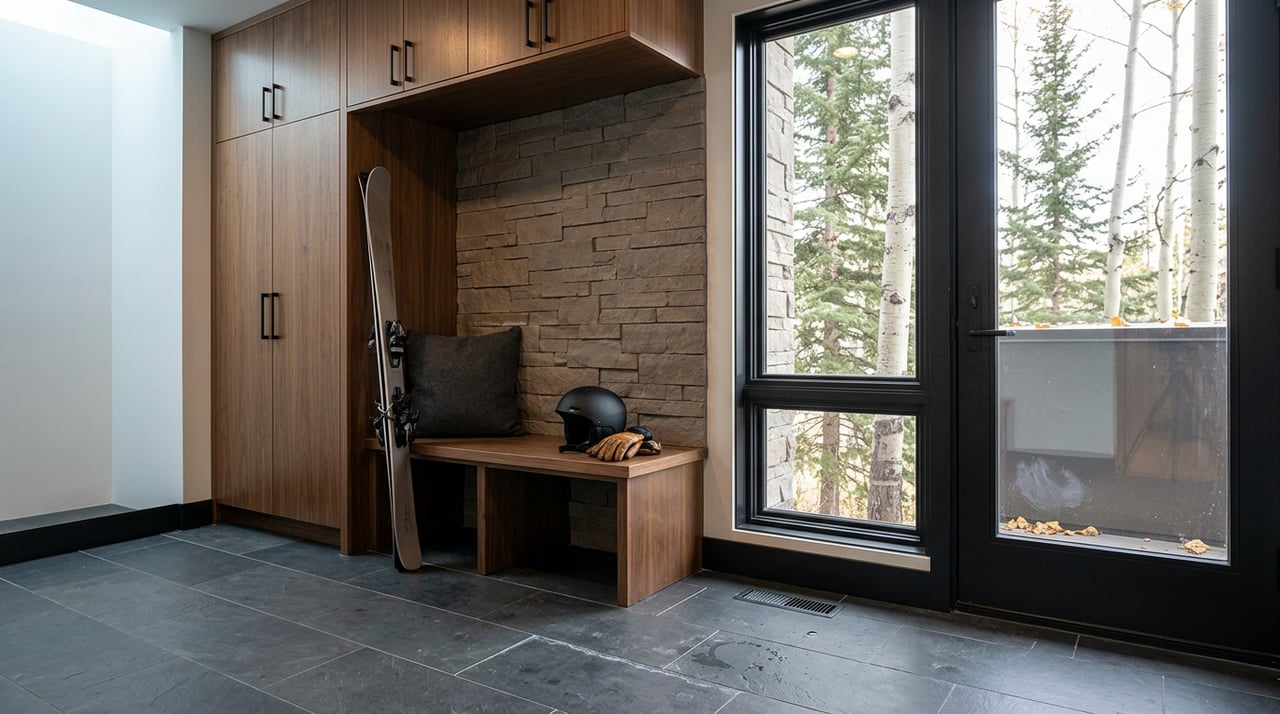
- Ski and boot storage
- Laundry
- A well-equipped kitchen
- Strong Wi-Fi
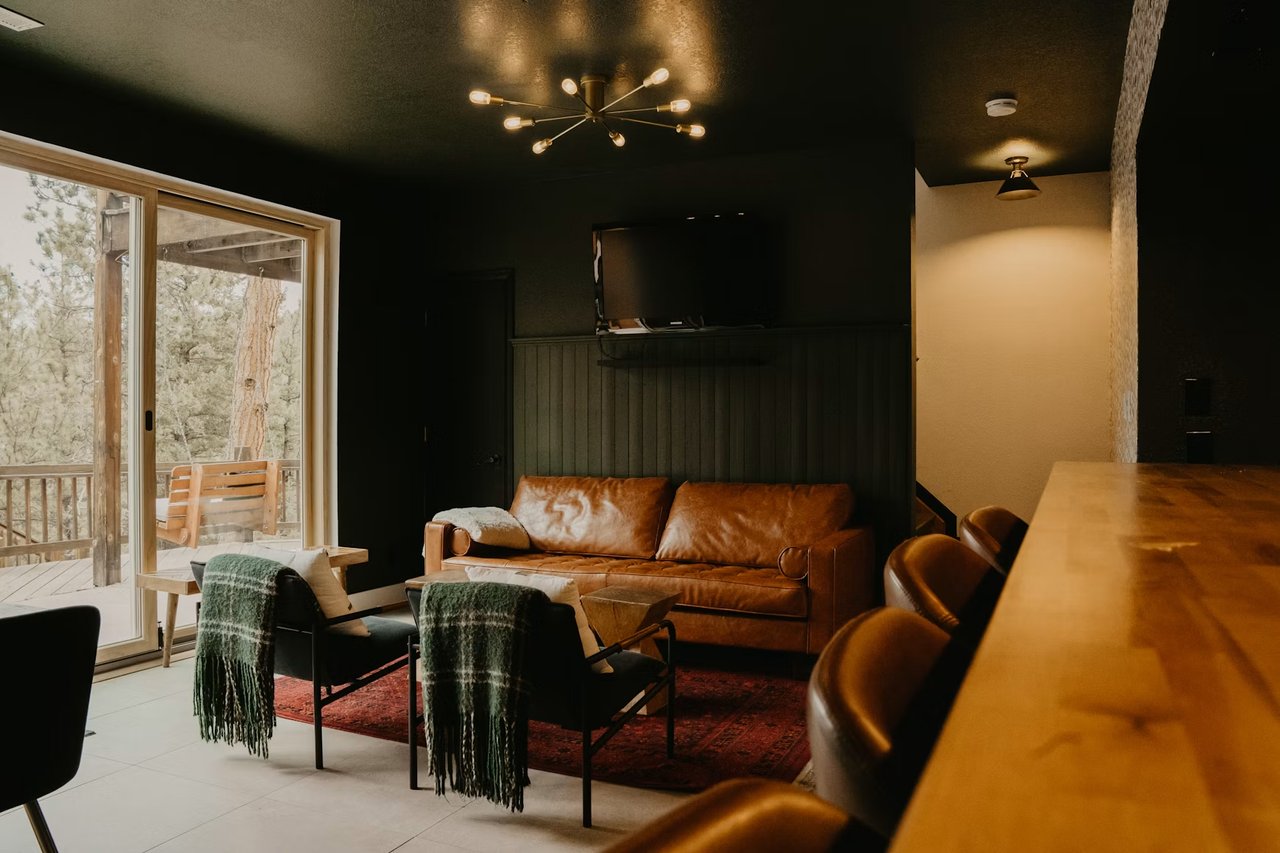
- Comfortable indoor gathering areas
- Outdoor space such as a deck or patio
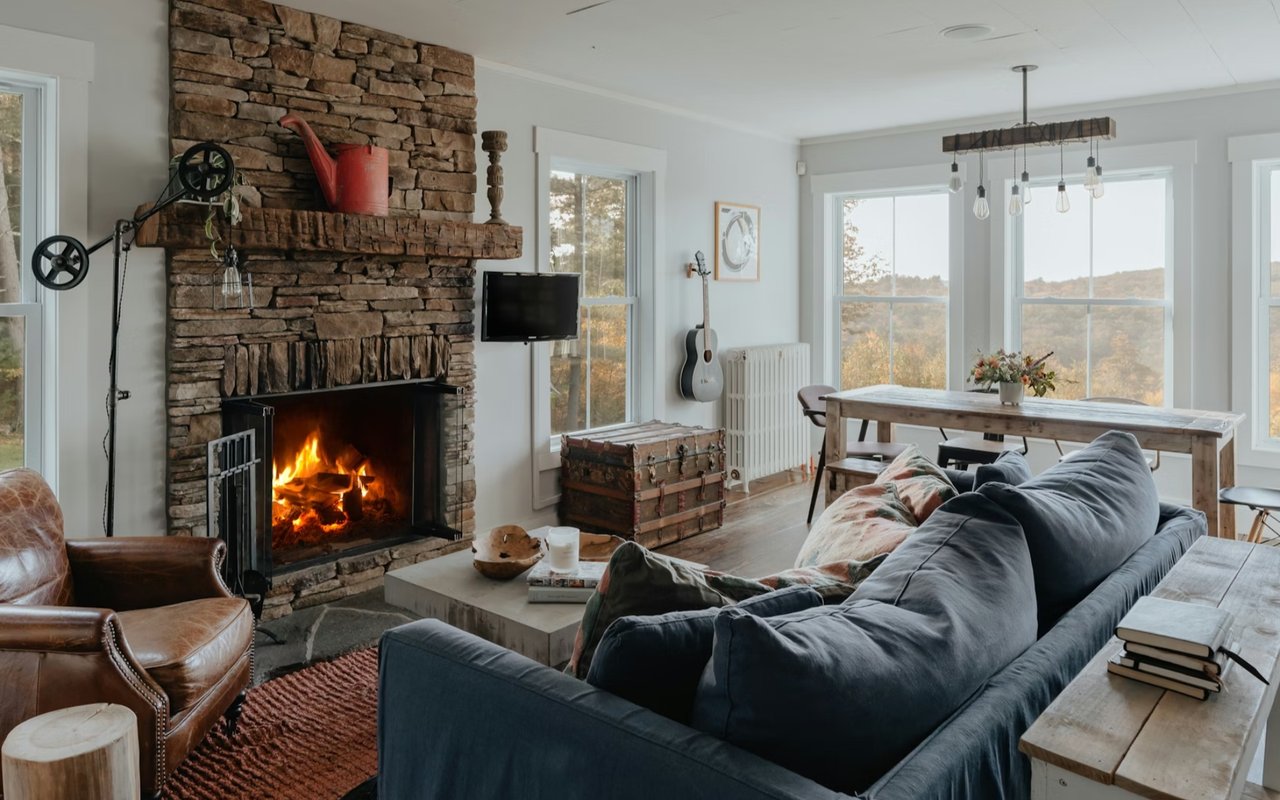
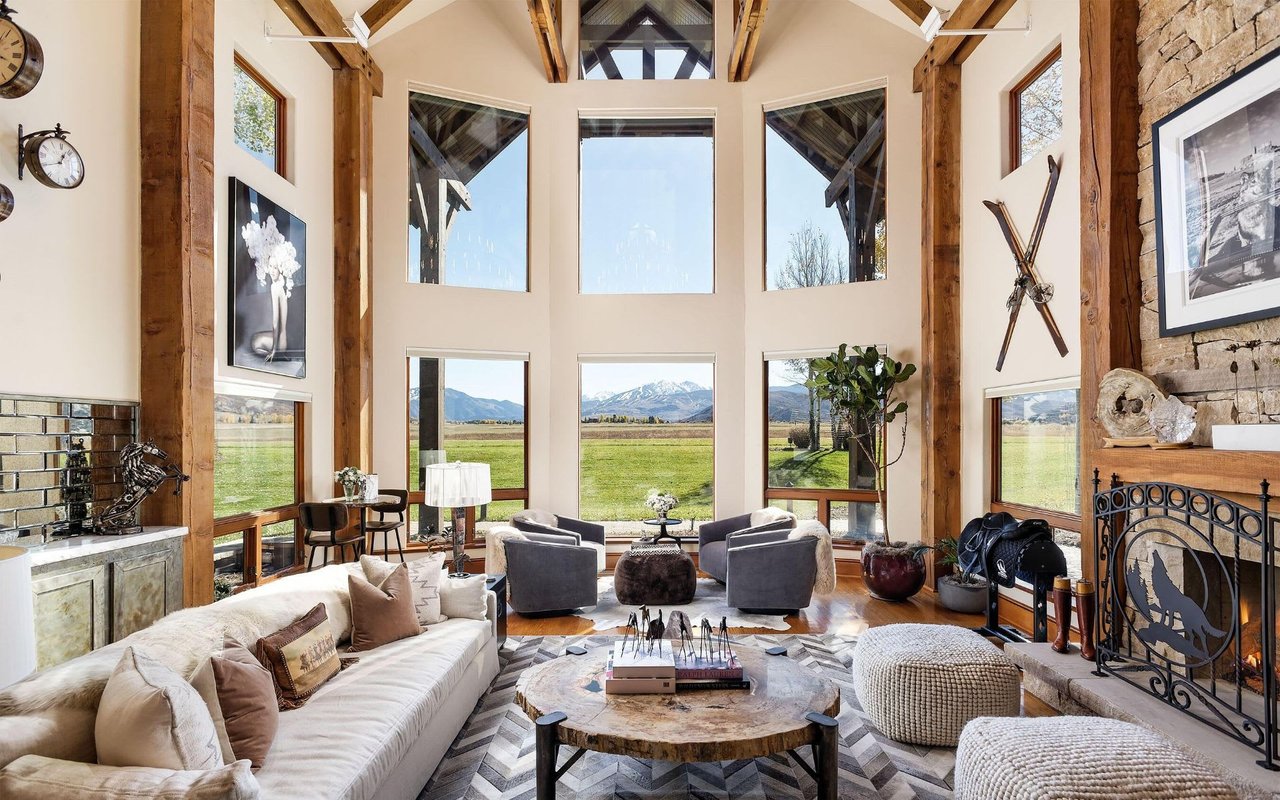
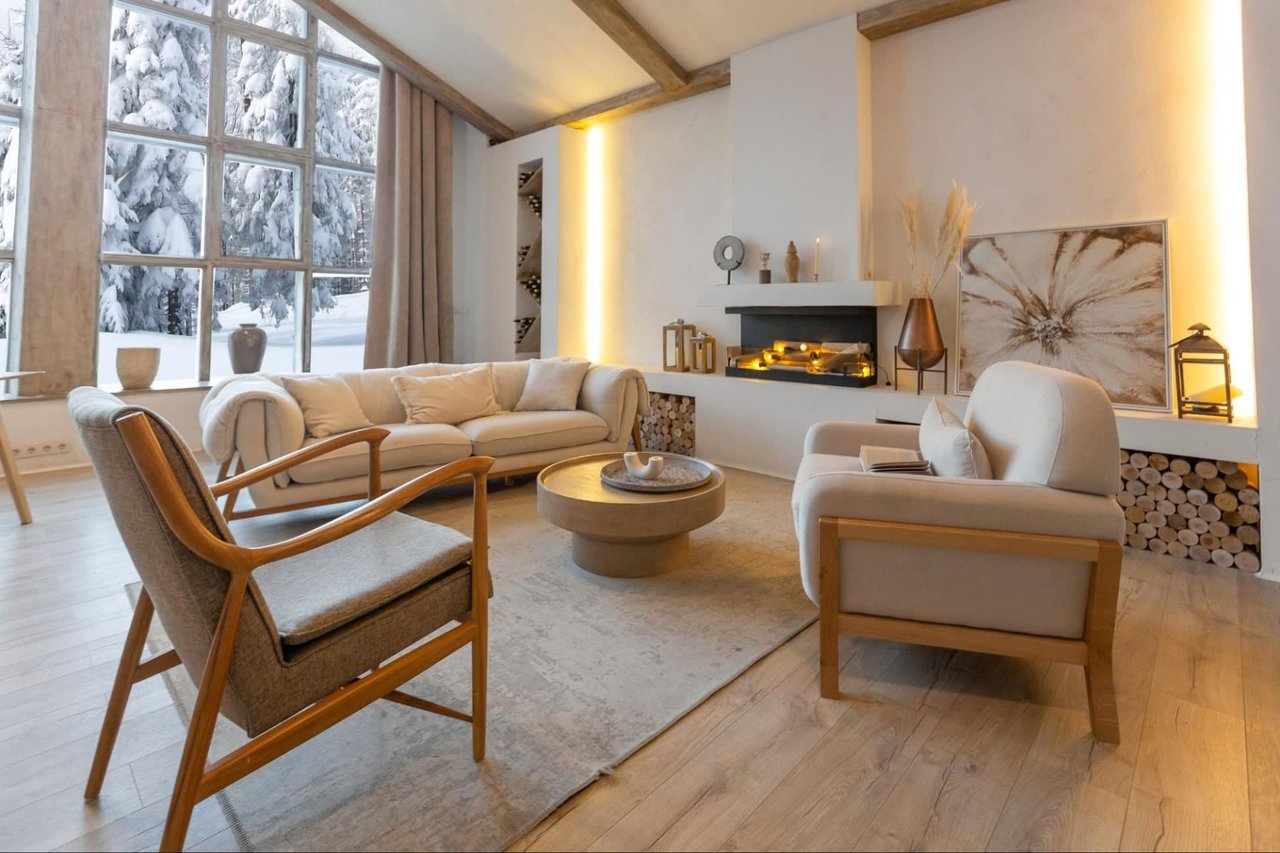
- A fireplace, if the home has one
- A hot tub, if the property includes it
- A bunk room or flexible sleeping setup
- An office nook for extended stays
These details matter because they answer real guest questions. Where do we put gear? Can everyone gather comfortably after skiing? Is there enough space to cook, work, and relax?
Present the Property Like a Premium Rental
Once the home is ready, the listing needs to do real work. In a visual market like Snowmass, your photography and description should set clear expectations while showing why your property deserves top-tier pricing.
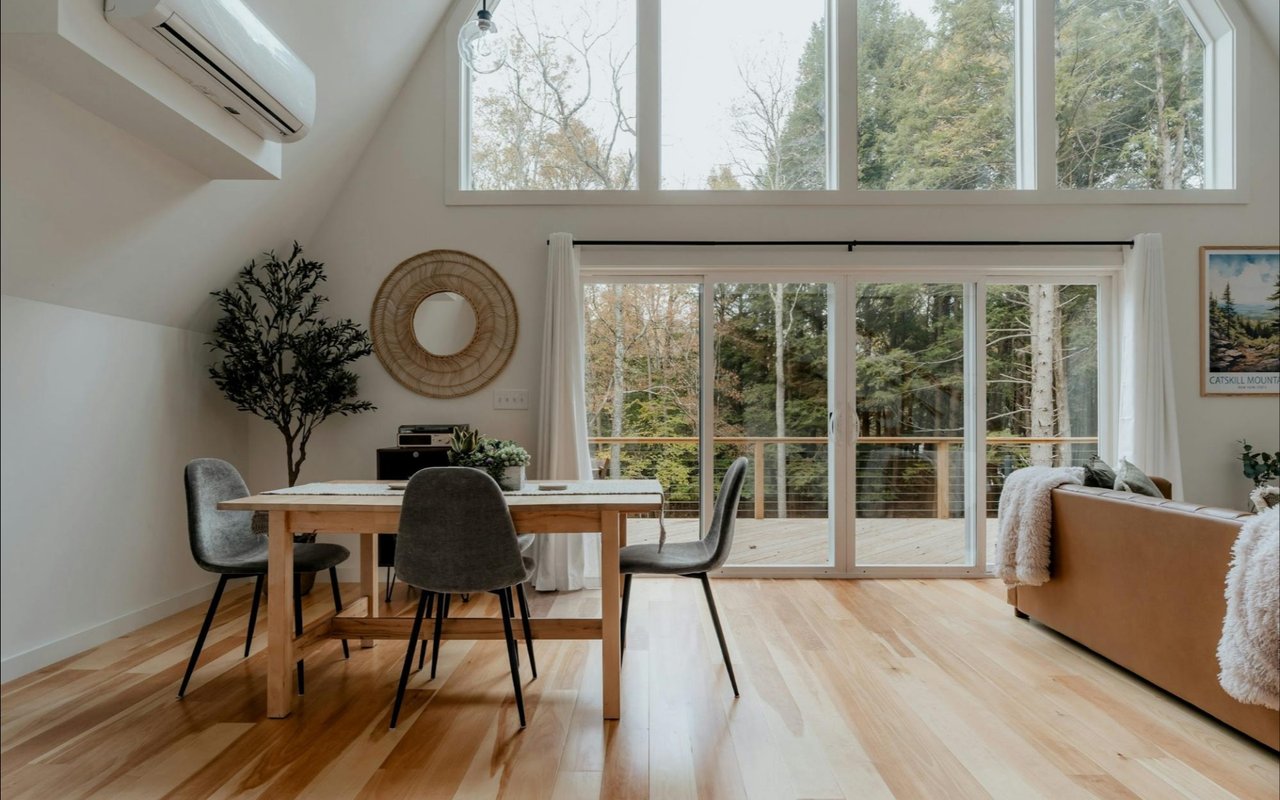
Good listing photos should be clean, bright, and easy to follow. Natural light, horizontal shots, decluttered rooms, and a logical photo order help guests understand the layout and imagine themselves in the space.
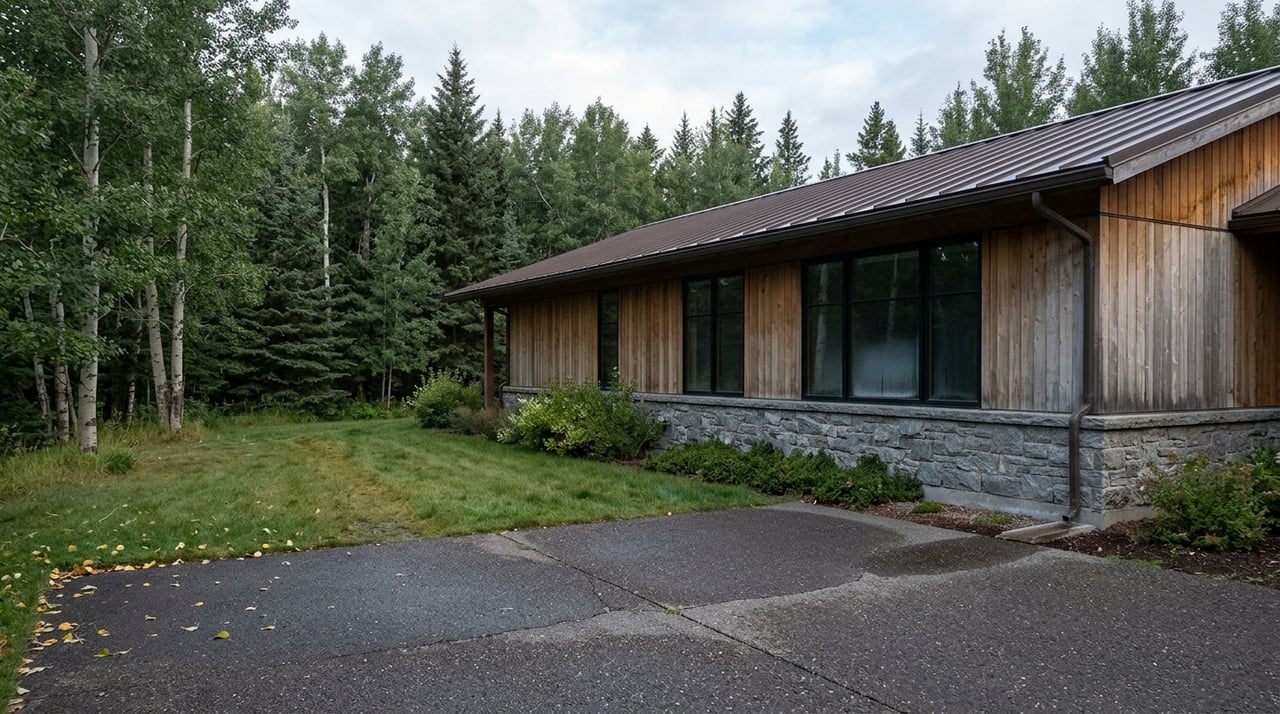
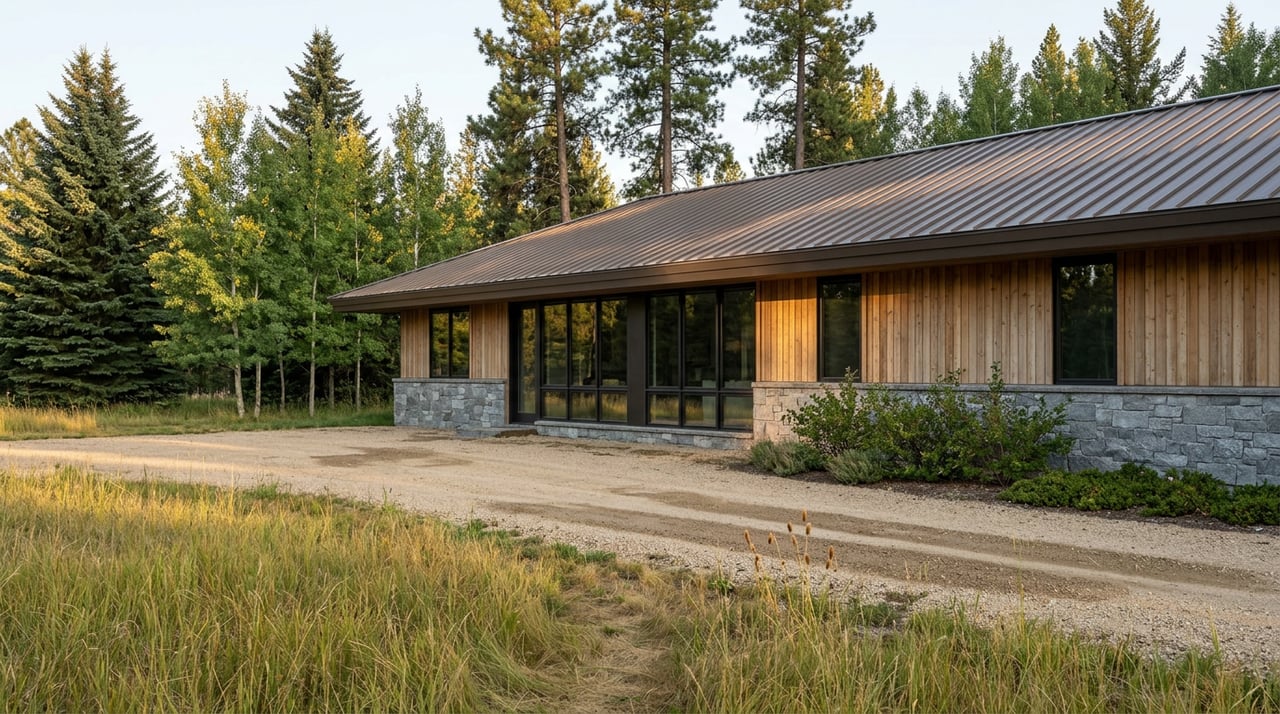
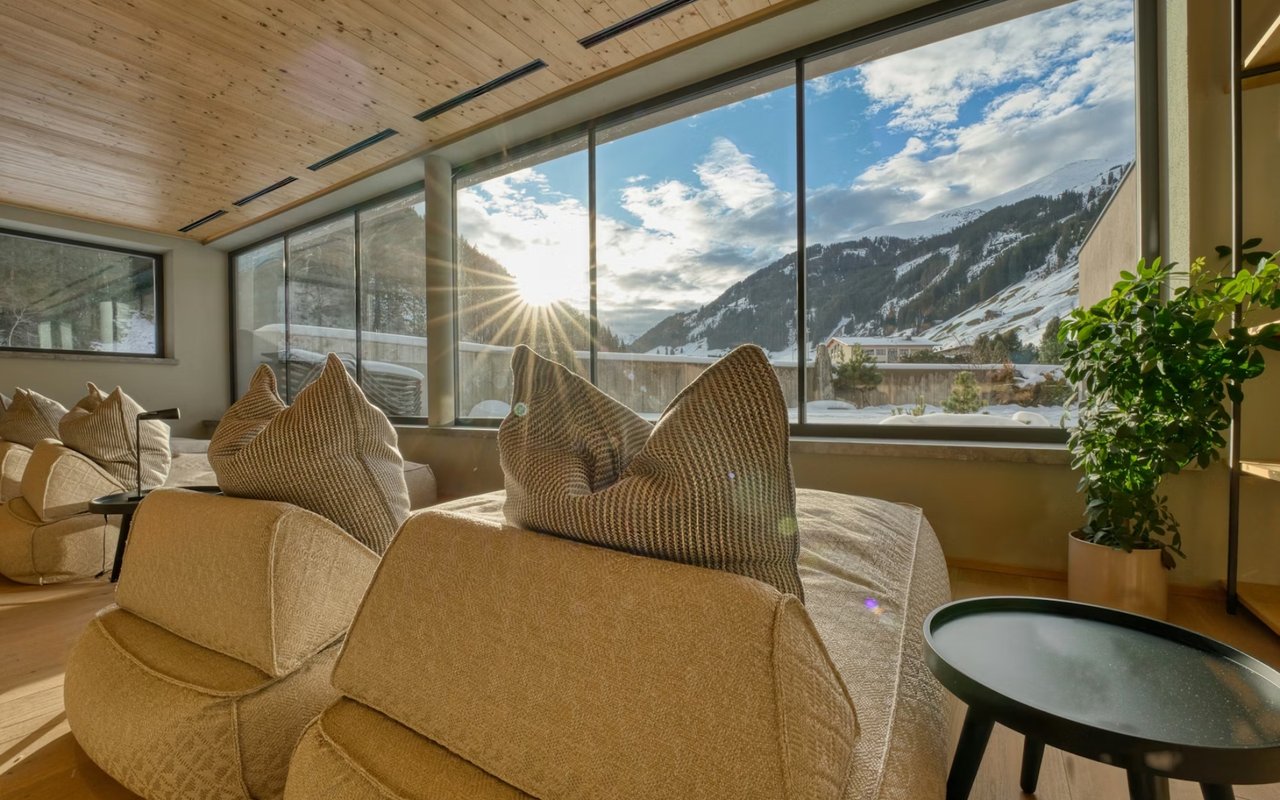
For a mountain property, the listing should also answer practical questions before a guest asks them. Show where cars park, where skis and boots go, how the common spaces connect, and what the outdoor setting actually feels like.
What to highlight in the listing
Focus on the features that support the Snowmass experience. If your home has standout assets, make them visible and easy to understand.
Call out details such as:
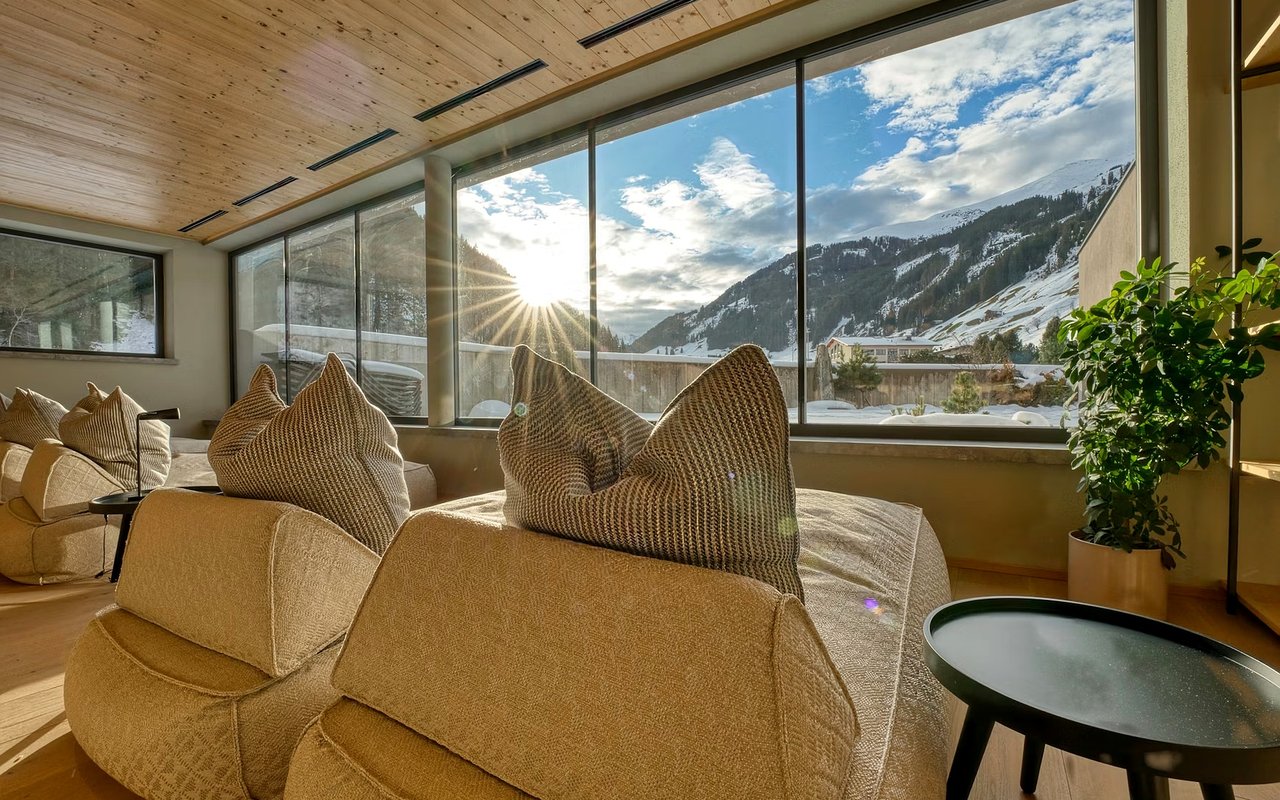
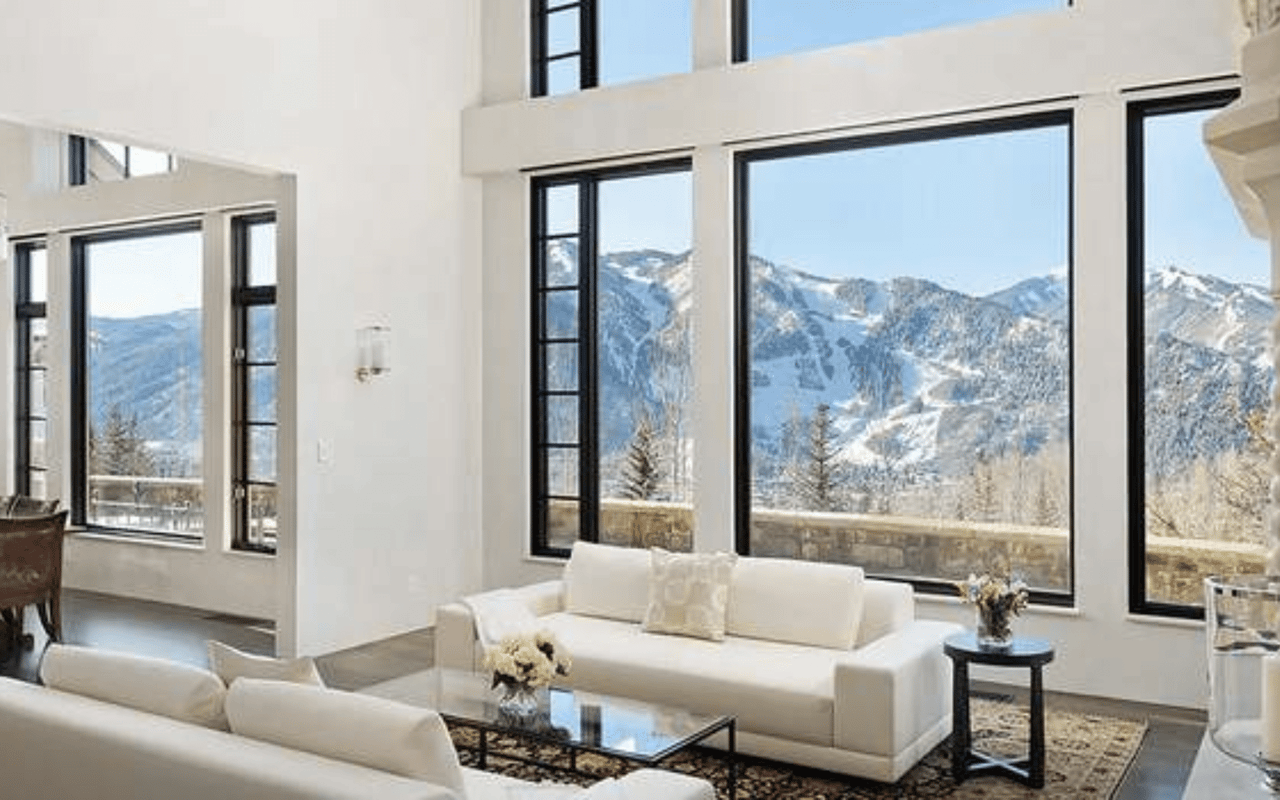
- Mountain or slope views
- Proximity to resort amenities, if applicable
- Decks, patios, or outdoor seating
- Fireplace and gathering spaces
- Hot tub or spa features
- Mudroom, ski storage, or gear storage
- Bunk room or family-friendly sleeping flexibility
- Dedicated workspace
- Kitchen layout for group meals
Premium guests are not only booking square footage. They are booking convenience, atmosphere, and confidence that the home will match the trip they have in mind.
Price for Seasons, Not Just Months
One of the most common mistakes owners make is treating Snowmass like a flat-rate market. It is not. Demand shifts sharply around ski season, holiday travel, and major events.
Winter peak weeks often bring the strongest pricing power. Local lodging data shows January occupancy and ADR significantly outpacing shoulder periods, and December ADR reached $800 even with lower occupancy overall.
Summer is different. It can still be active, but bookings are often tied to specific event weekends and can come with shorter lead times.
That means your pricing strategy should reflect actual travel behavior. Rather than relying on one seasonal rate sheet, it helps to think in layers:
- Peak winter holiday and ski periods
- Regular winter weeks
- Summer event weekends
- General summer travel windows
- Shoulder-season opportunities
A high-performing rental usually has flexible pricing, not static pricing. The owners who perform best are often the ones who adjust availability, minimum stays, and rates around real demand patterns.
Operations Can Make or Break Performance
In Snowmass, operations are not a background detail. They are part of the rental product.
Because the town requires a 24/7/365 local representative who can respond within 60 minutes, local support is essential. This is especially true if you live out of town or use the property only part of the year.
Monthly tax filing adds another layer. The town says sales and lodging tax are due monthly by the 20th of the following month, and even a zero-tax form is required when there is no rental activity.
The town also states that Airbnb and VRBO no longer remit sales and lodging tax on behalf of hosts. Owners must collect and remit through MuniRevs, which makes organized bookkeeping and consistent oversight especially important.
What strong rental operations look like
A well-run Snowmass rental usually includes:
- Timely permit and business license management
- Accurate ad compliance with permit numbers displayed
- Clear occupancy and parking controls
- Responsive guest communication
- Event-aware calendar planning
- Reliable cleaning and turnover coordination
- Monthly tax tracking and filing
- Visible Good Neighbor Guidelines in the home
This is where concierge-level oversight can protect both revenue and the guest experience. In a resort market, little details tend to become big reviews.
Think Beyond Income Alone
A high-performing rental is not only about covering costs. It can also strengthen your long-term position as an owner.
If you may eventually sell, a well-presented and professionally operated home often tells a stronger story. It shows that the property has been maintained, thoughtfully positioned, and managed with care.
For second-home owners, there is also a lifestyle benefit. You can keep the home ready for your own use while creating income during periods when you are not in residence.
In Snowmass, that balance matters. The goal is not to make the home feel commercial. The goal is to make it effortless, polished, and aligned with how luxury guests want to experience the mountain.
Turning Strategy Into Results
If you want your Snowmass retreat to perform at a higher level, the biggest wins usually come from getting the basics right first. That means understanding the correct jurisdiction, securing the proper permits, respecting occupancy and stay rules, and building an operating plan that can actually support the booking volume you want.
From there, presentation and positioning do the heavy lifting. A home with thoughtful amenities, strong photography, smart pricing, and responsive local oversight is much better positioned to capture premium demand in both winter and summer.
That is where experience matters. If you are considering how to position a Snowmass home for stronger seasonal rental performance, or how that strategy fits into your long-term ownership goals, Brittanie Rockhill can help you think through the details with a concierge-level, market-savvy approach.
FAQs
What permits are required for a short-term rental in Snowmass Village?
- Snowmass Village requires both a business license and a short-term rental permit before you advertise or rent a property for fewer than 30 consecutive days.
What is the minimum stay for a Snowmass single-family short-term rental?
- In Snowmass Village, single-family homes and duplexes have a four-night minimum stay.
What occupancy limits apply to Snowmass short-term rentals?
- For permit types 3 and 4 in Snowmass Village, occupancy is generally two people per legal bedroom, plus four for homes with four or more bedrooms, or plus two for homes with three or fewer bedrooms, with children age five and under excluded.
What taxes do Snowmass short-term rental owners need to file?
- Snowmass Village says owners must collect and remit sales and lodging tax monthly through MuniRevs, and returns are due by the 20th of the following month, even if there was no rental activity.
What should a Snowmass rental listing highlight to support premium rates?
- A strong Snowmass listing should clearly show practical and lifestyle features such as parking, gear storage, gathering areas, outdoor space, views, kitchen functionality, Wi-Fi, and any standout amenities like a fireplace or hot tub.
What happens to a Snowmass short-term rental permit when a home sells?
- Snowmass Village states that short-term rental permits are non-transferable, so a new owner cannot simply take over the seller’s permit.