By Brittanie Rockhill
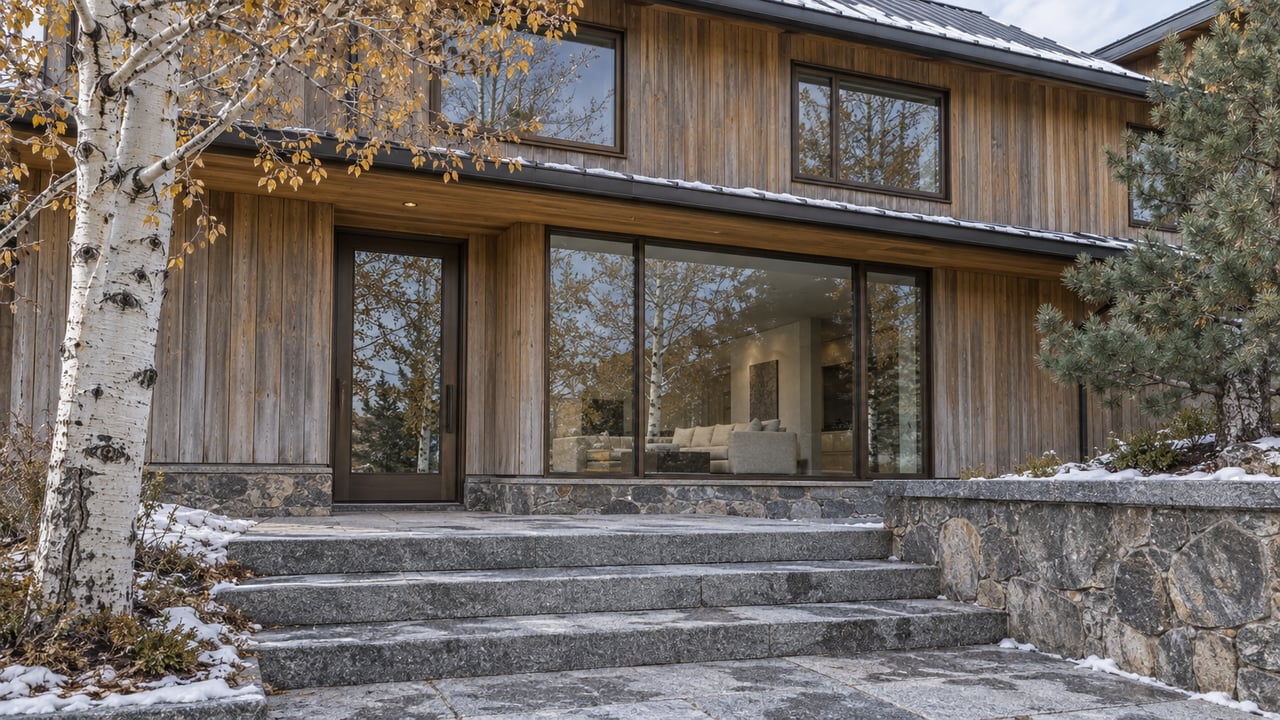
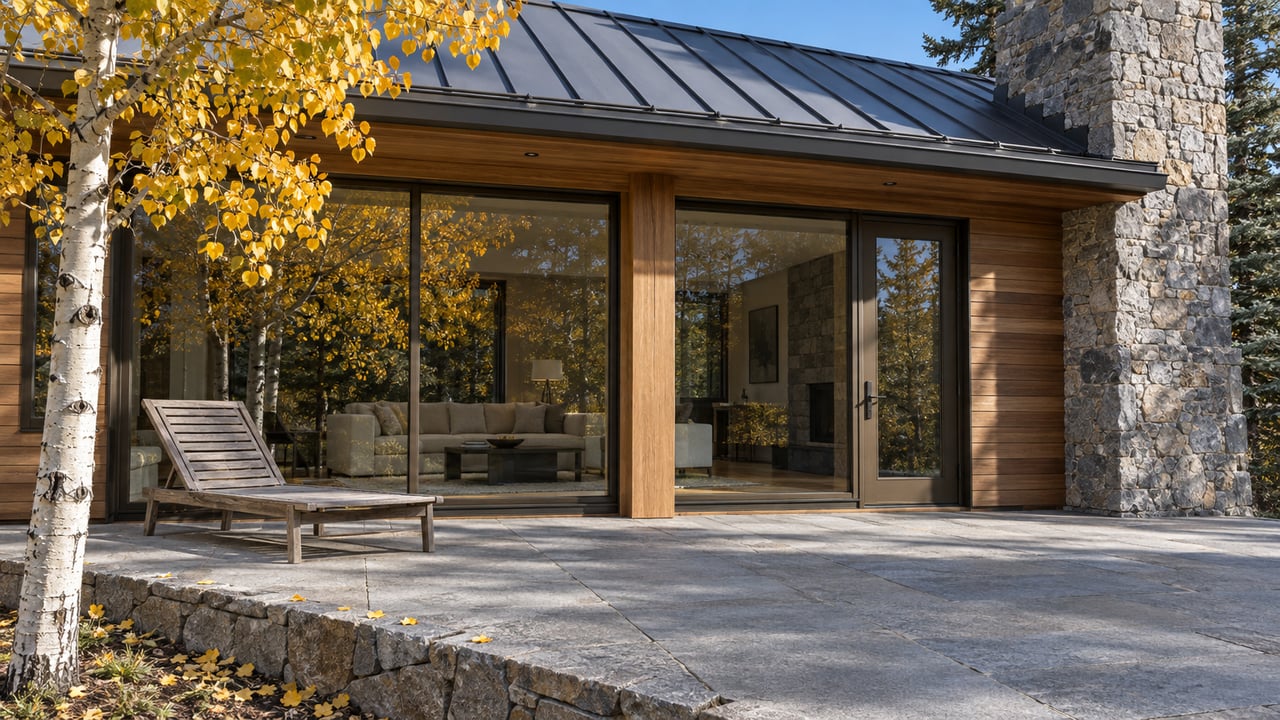
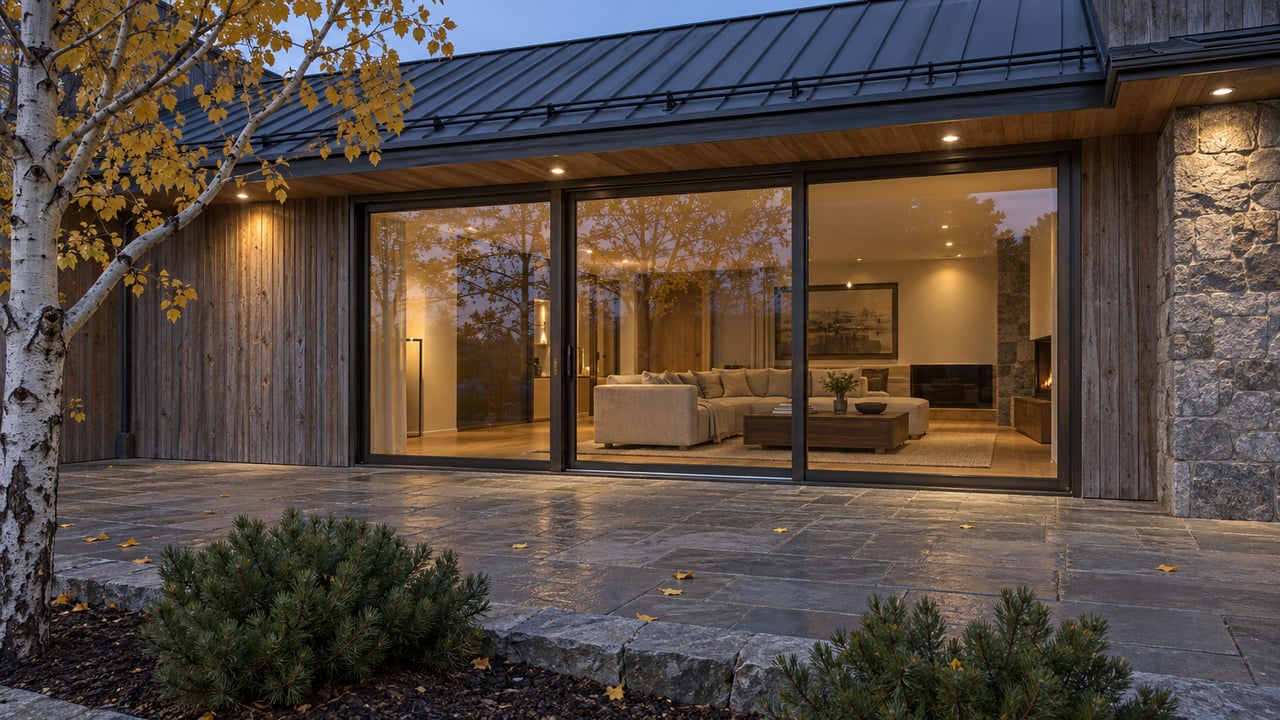
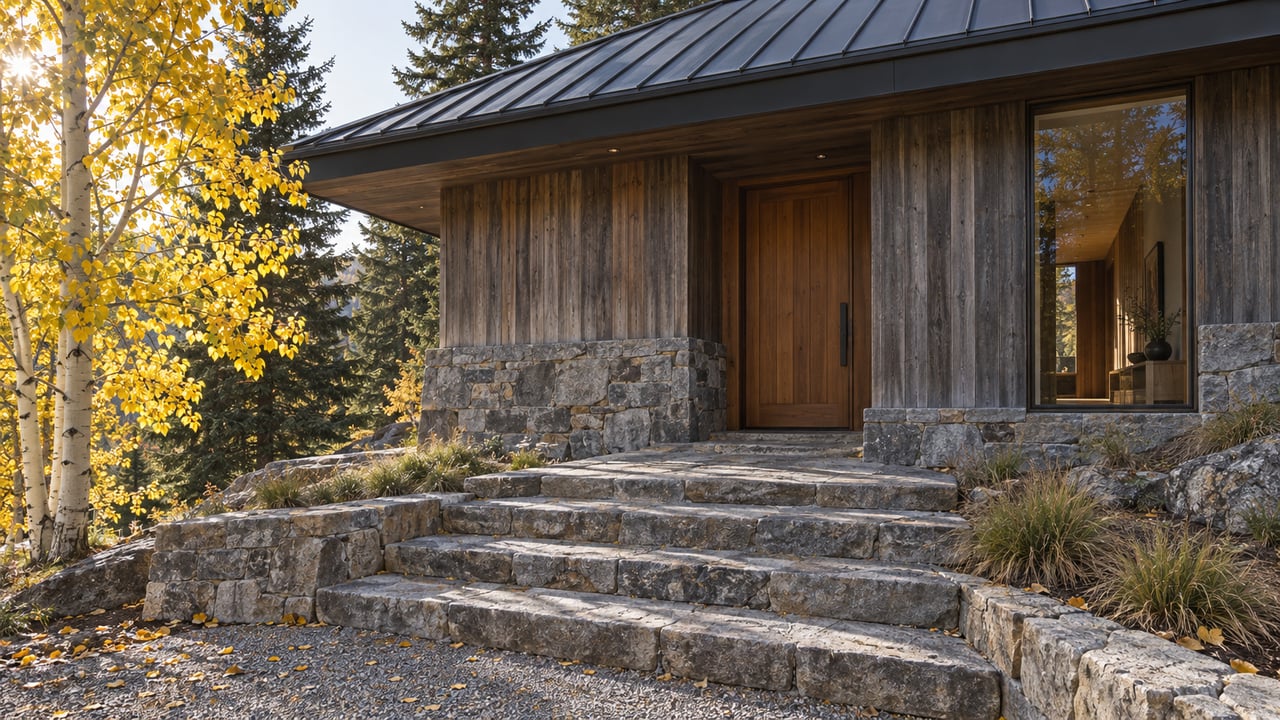
Owning a vacation home in Aspen is a goal that arrives fully formed for most people who have spent time here. What most people do not realize until they start the process is how much the practical realities of Aspen ownership differ from those of other vacation markets.
Permit requirements, property management logistics, seasonal carrying costs, and what makes one property more suitable for absentee ownership than another are all worth understanding before the search begins.
Key Takeaways
-
Aspen's four-season lifestyle, direct air access via the Aspen/Pitkin County Airport, and consistent long-term value make it one of the most compelling second-home markets in the country
-
Short-term rental permits from both the City of Aspen and Pitkin County are required to rent your property
-
Colorado's property tax structure is among the most favorable in the country for second-home buyers
-
Smart home systems, property management relationships, and seasonal maintenance planning are practical necessities for any Aspen property that will be unoccupied for portions of the year
Why Aspen for a Vacation Home
Understanding what Aspen delivers as a year-round home base rather than a one-season destination is worth spelling out for buyers who have primarily experienced the winter side.
-
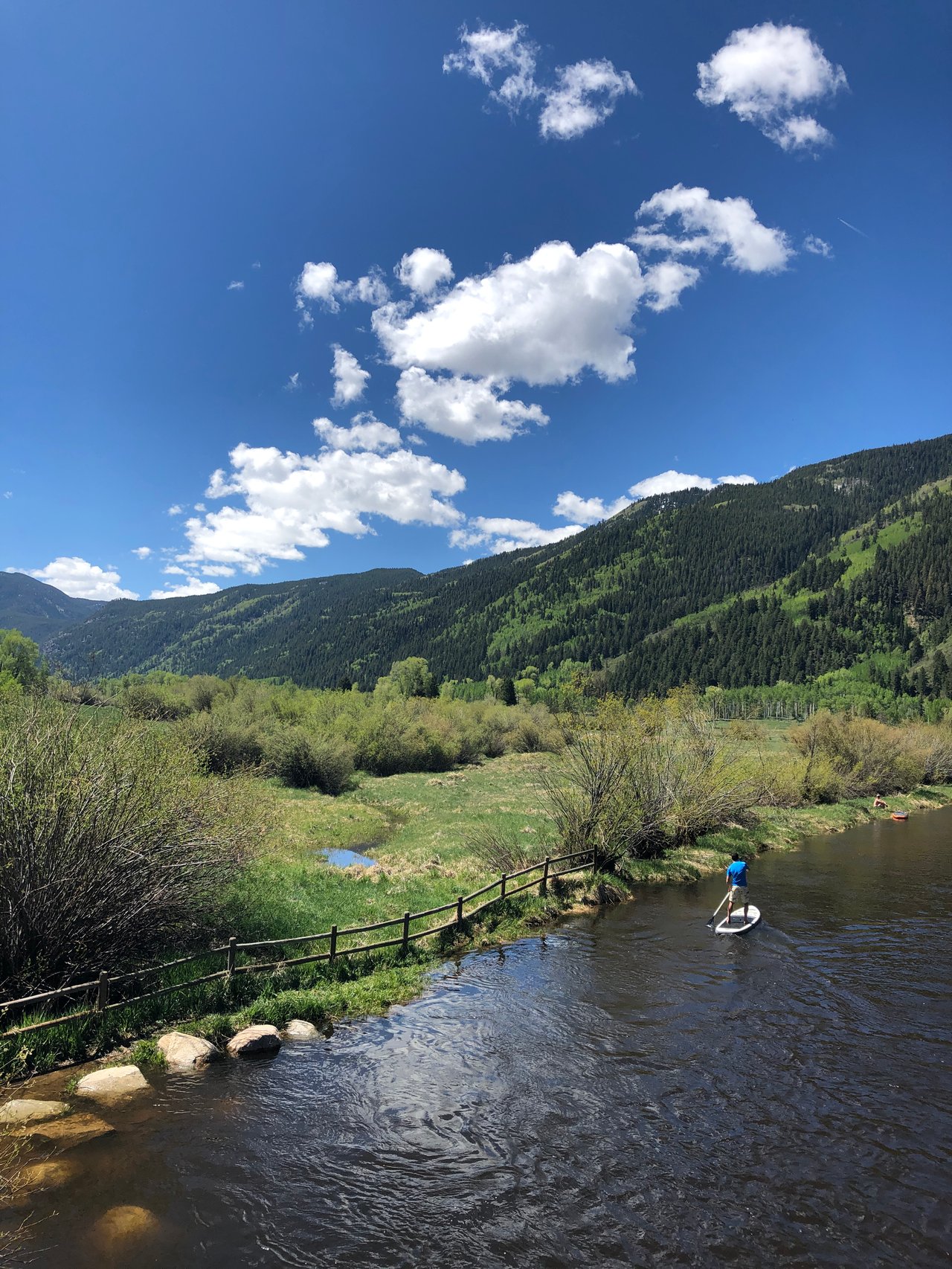
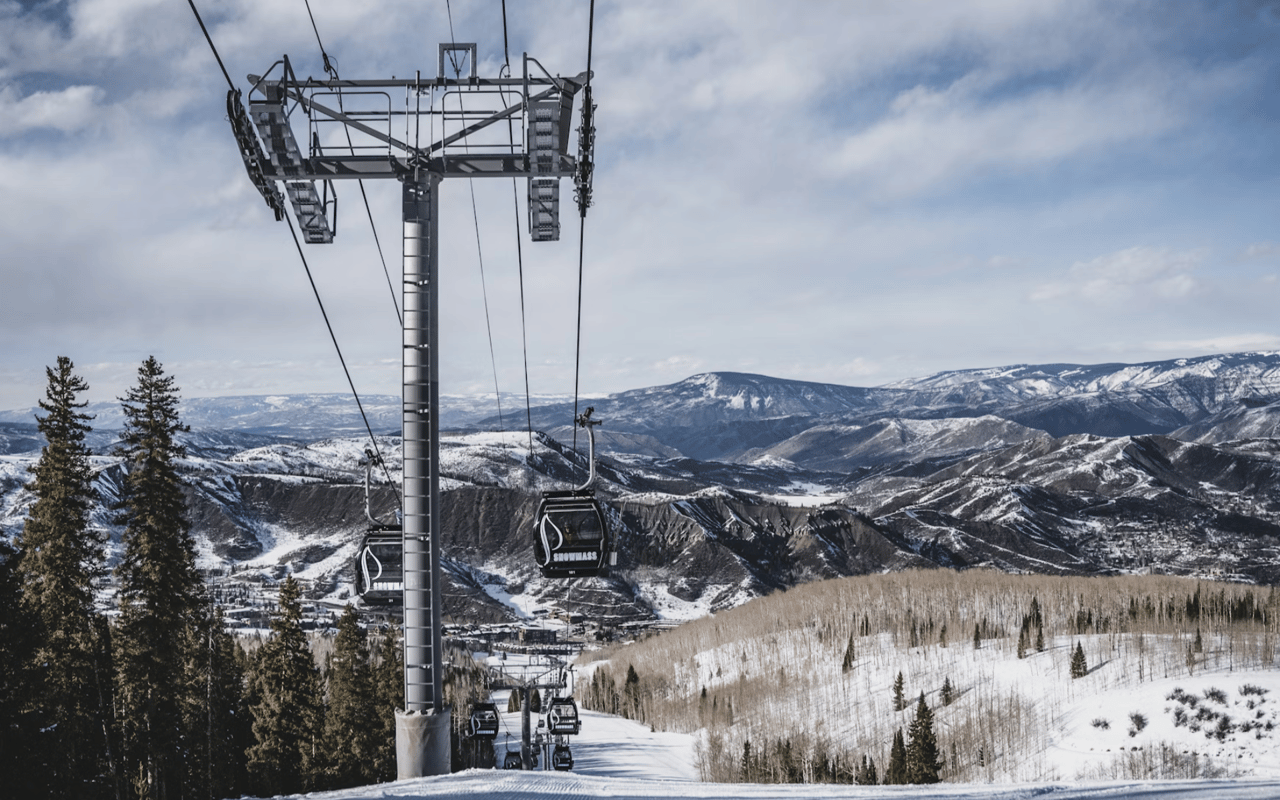
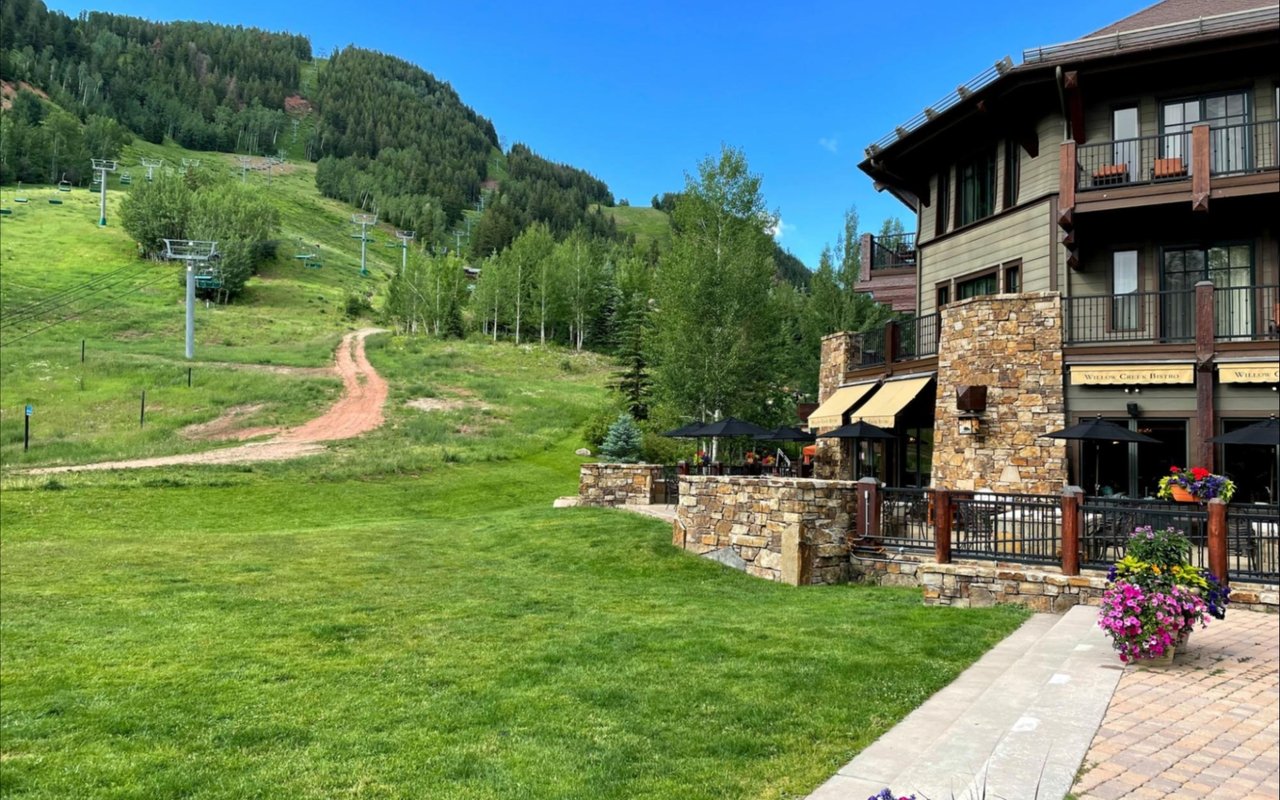
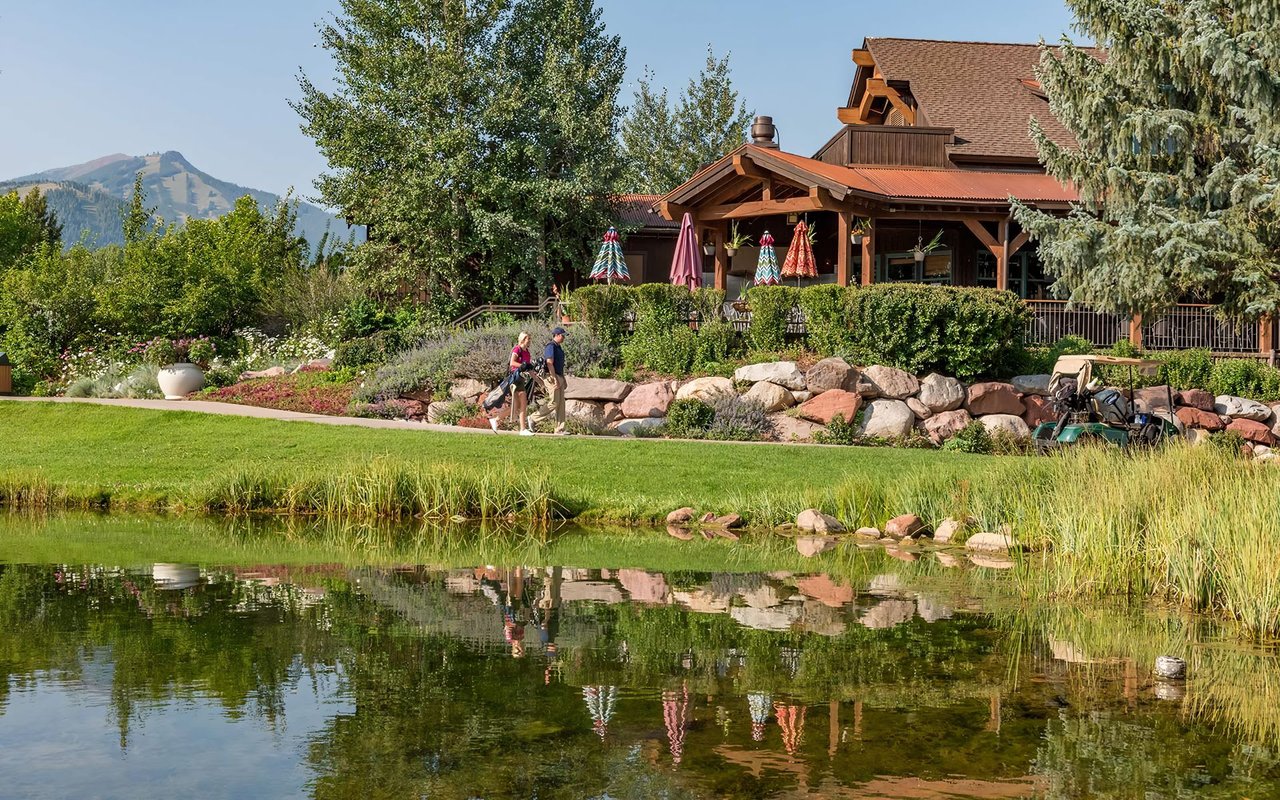
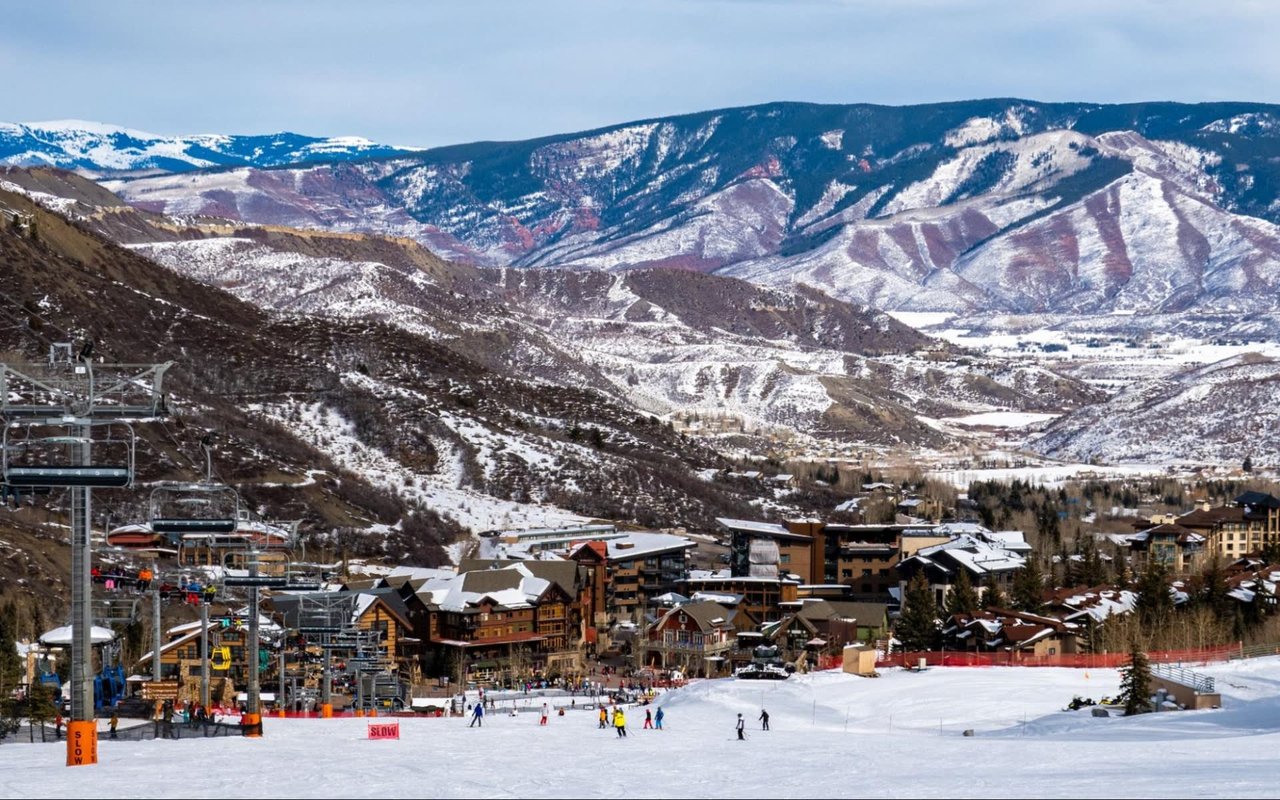
Four-season appeal: Aspen's skiing has been named the world's leading ski destination by Savills for five consecutive years, and the summer calendar adds hiking, mountain biking, the Aspen Ideas Festival, the Food & Wine Classic, and Jazz Aspen Snowmass to give the town a year-round cultural richness few mountain communities can match.
-
Air access: The Aspen/Pitkin County Airport offers direct flights from major US cities, and the drive from Denver through Glenwood Canyon is manageable for spontaneous visits.
-
Consistent long-term value: Aspen properties have delivered long-term appreciation that positions ownership as both a lifestyle decision and a meaningful asset.
-
Infrastructure for second-home owners: Healthcare, local services, and transportation options in Aspen are unusually well-developed for a town of its size, supporting extended stays year-round.
The combination of lifestyle depth and practical infrastructure sets Aspen apart from seasonal properties that limit your enjoyment to one time of year.
Short-Term Rental Regulations: What You Need to Know
If rental income is any part of your plan for offsetting carrying costs, understanding Aspen's short-term rental regulatory structure before you purchase is essential.
-
City of Aspen STR permit types: The city uses three main categories: owner-occupied (STR-OO), lodge-exempt (STR-LE), and classic (STR-C), each with different eligibility criteria, fee structures, and operational requirements.
-
Annual licensing and fees: An annual STR business license, permit fees, and monthly tax filings are part of the ongoing administrative structure for any property used for short-term rental in the city.
-
Nightly tax obligations: The aggregate nightly tax burden on STR revenue is a meaningful line item to factor into income projections before purchase, particularly for classic second-home STRs.
-
Pitkin County requirements: Properties in unincorporated Pitkin County have their own STR licensing requirements, with eligibility criteria and stay limits that require early verification during due diligence.
Understanding the STR structure before making an offer is one of the most important pieces of local expertise I bring to buyers in this market.
Carrying Costs and Property Management
Aspen's mountain climate makes active maintenance a practical necessity for any property that will be unoccupied for portions of the year.
-
Seasonal mechanical requirements: Snowmelt systems, HVAC, boilers, and radiant heat need regular servicing, and winterization of any property left unoccupied during shoulder seasons prevents costly pipe failures.
-
Smart home systems: Leak sensors, remote thermostats, smart security cameras, and automated lighting allow absentee owners to monitor and manage their property from anywhere, and at Aspen's price points, these are a practical investment.
-
Property management fees: Professional property management typically runs a percentage of gross rental revenue and includes cleaning coordination, vendor scheduling, and remote oversight.
-
Insurance considerations: Mountain properties face wildfire and hail exposure that can affect insurance premiums and carrier availability. Mitigation improvements, such as defensible space and Class A roofing, can improve both coverage and cost.
Building carrying costs into the financial analysis before purchase is one of the ways I help buyers approach this decision with clear eyes.
Property Tax Advantages
Colorado's property tax structure is one of the more compelling financial arguments for choosing Aspen over comparable luxury vacation markets elsewhere.
-
Low effective tax rate: Colorado's residential assessment rate is among the lowest in the country, so a multimillion-dollar Aspen property carries a tax obligation that is a fraction of what the same property would generate in California, New York, or New Jersey.
-
Assessment basis: Colorado calculates property tax from assessed value rather than market price, and assessment rates and mill levies vary by taxing district within Pitkin County.
-
Transfer taxes: City of Aspen real estate transfers carry buyer-paid transfer taxes that should be factored into closing cost planning.
-
Vacation home versus primary residence: Vacation homes are assessed at full value and do not qualify for Colorado's Senior Homestead Exemption, which is available only to primary residence owners meeting age and tenure requirements.
The property tax advantage is one of the reasons buyers from California and the Northeast view Aspen as a structurally favorable place to hold a major real estate asset.
FAQs
Can I rent my Aspen property as a short-term rental when I am not there?
Yes, with proper permits in place. Both the City of Aspen and Pitkin County have STR licensing requirements, and the permit type, eligibility, and fee structure vary by property and location. I walk every buyer through the STR regulatory picture for any property they are seriously considering.
What is the most overlooked carrying cost for vacation home buyers?
Property management and seasonal maintenance are the two costs buyers most consistently underestimate. A property that sits empty for weeks or months requires active oversight, and the mountain climate creates maintenance demands around snowmelt, insulation, pipe protection, and mechanical systems that do not apply in warmer markets.
Is fractional ownership a viable alternative to buying outright in Aspen?
For buyers who want Aspen access without year-round carrying costs and management responsibility, fractional ownership has grown in the market as a legitimate option. It provides defined access periods and shared maintenance, and it suits buyers whose usage pattern does not justify full ownership economics.
Contact Brittanie Rockhill Today
This decision deserves guidance from someone working in this market daily, and the specifics of permits, carrying costs, and property suitability are conversations I have with every buyer before the search begins.
Reach out to me, Brittanie Rockhill, to talk through what owning a vacation home in Aspen actually looks like and whether the right property for your goals is available right now.
Reach out to me, Brittanie Rockhill, to talk through what owning a vacation home in Aspen actually looks like and whether the right property for your goals is available right now.