By Brittanie Rockhill
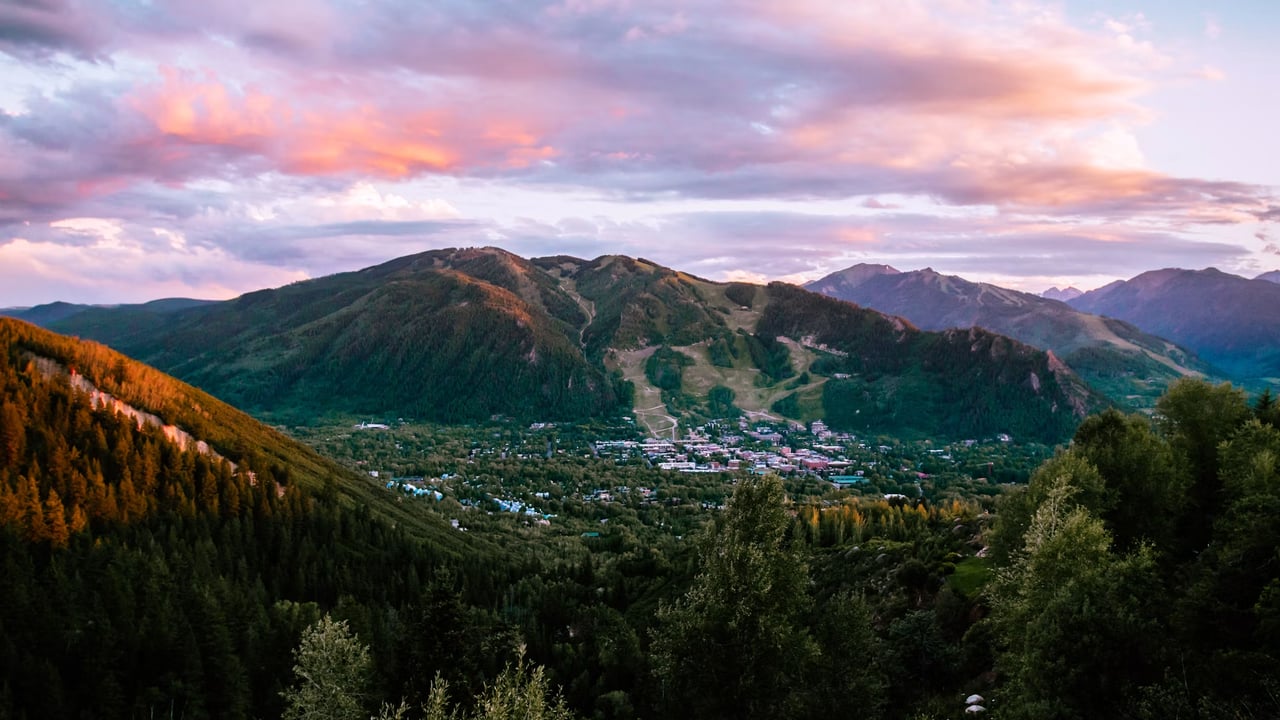
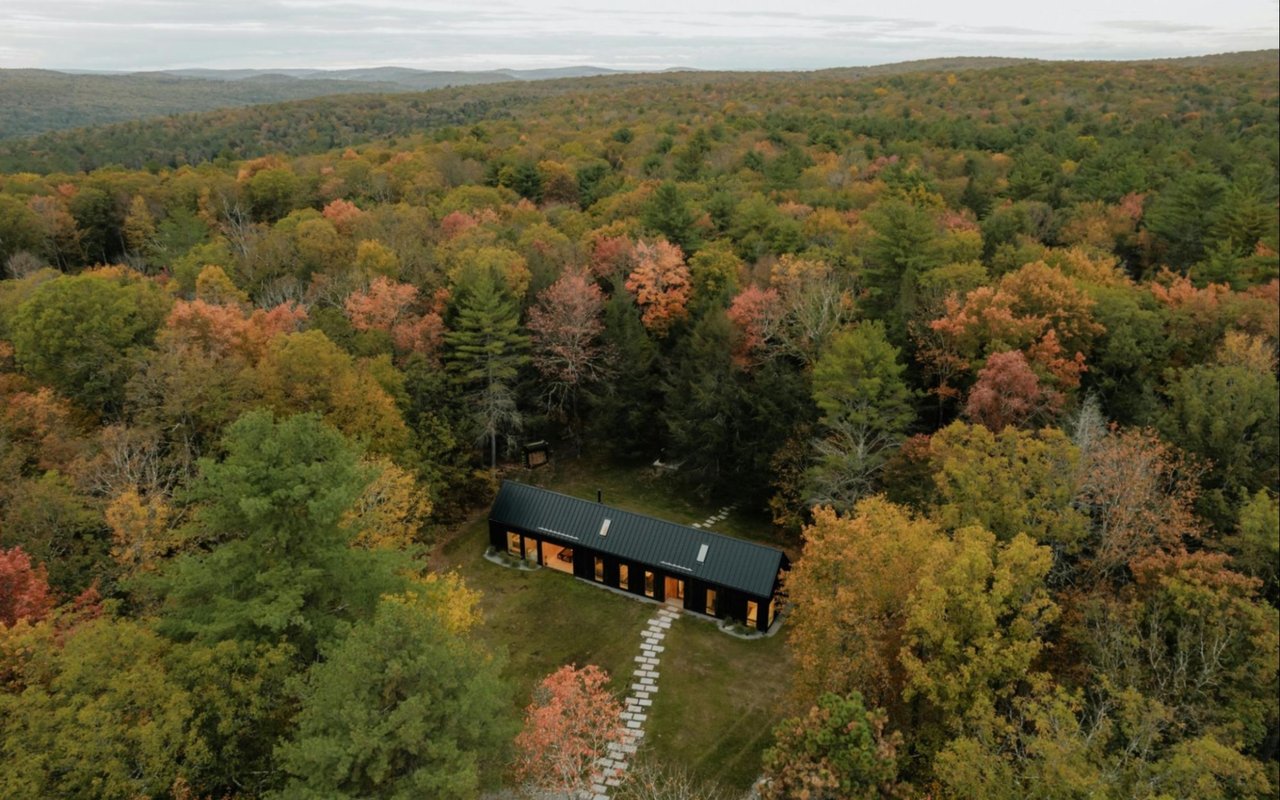
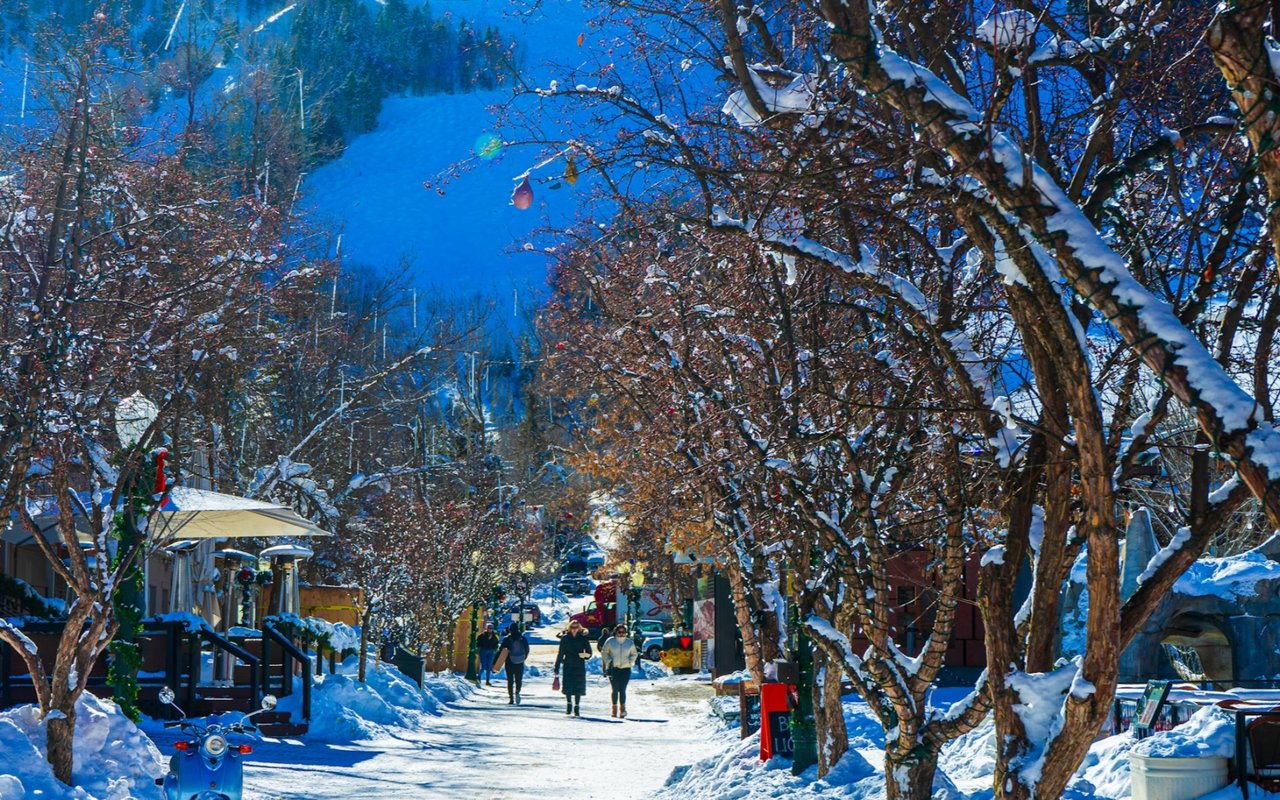
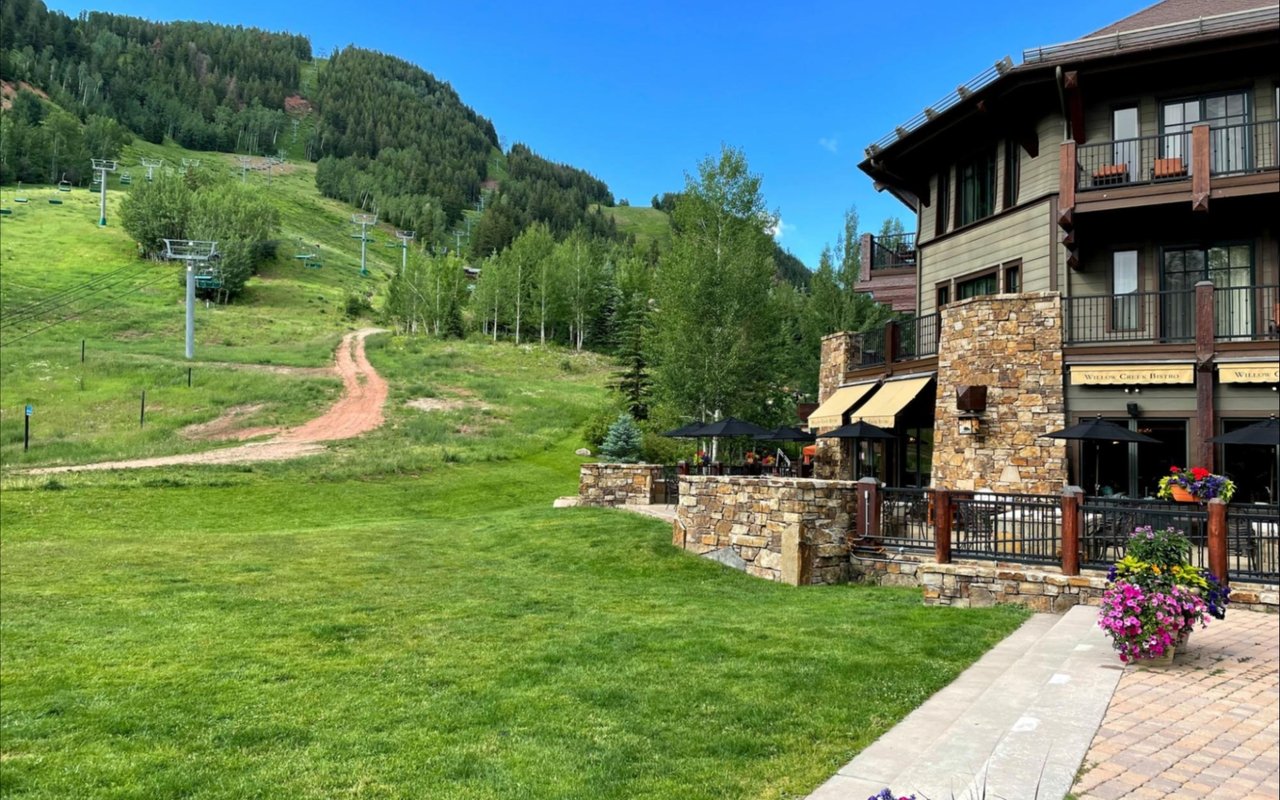
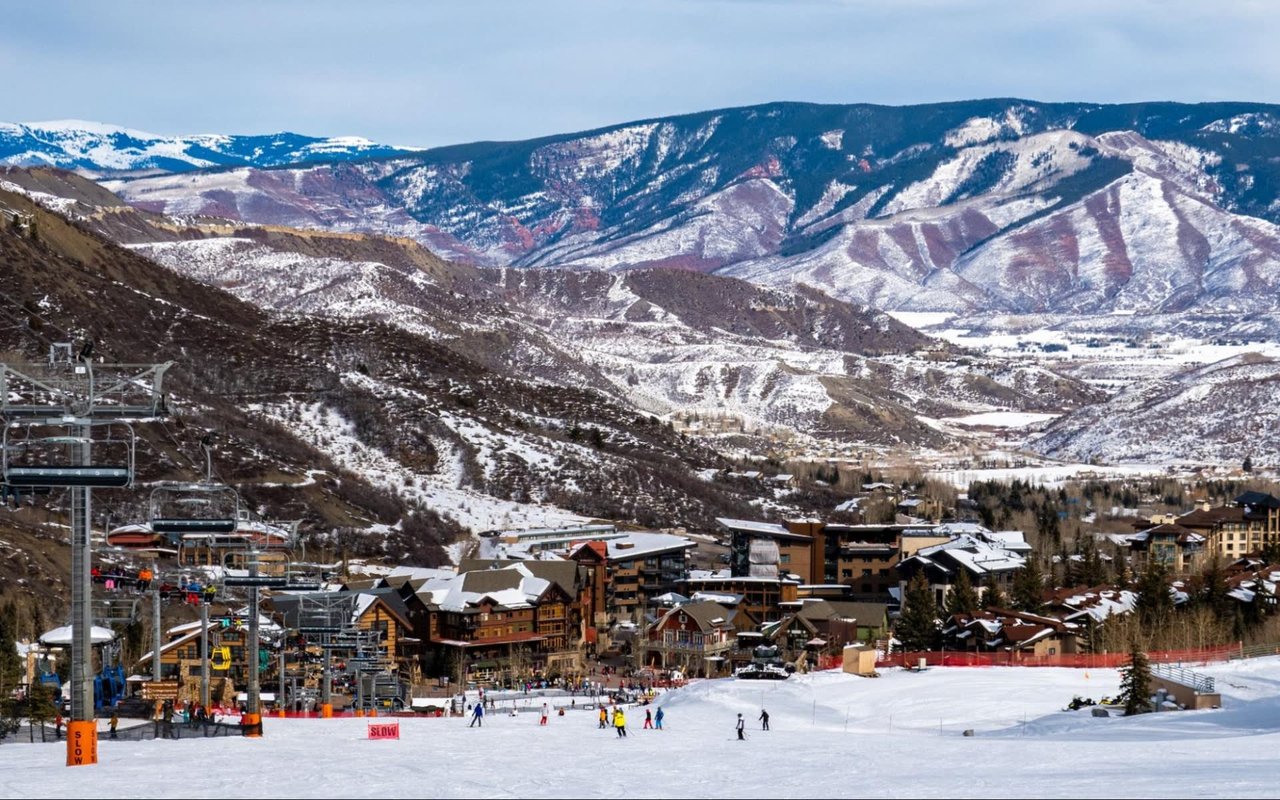
Aspen’s East End sits at the far edge of town where the grid thins out, the Roaring Fork corridor feels closer, and Aspen Mountain becomes a constant presence in the forward view. The neighborhood is defined by smaller streets, cul-de-sacs, and a calmer residential pattern that still stays close to the downtown core.
This guide breaks down what makes Aspen’s East End special through the specific features that differentiate it from the rest of town.
Key Takeaways
-
View alignment: Aspen Mountain sightlines that feel close and framed
-
Street character: Smaller roads and cul-de-sacs with a residential tone
-
Trail proximity: Fast access to well-known routes and open space edges
-
Cultural anchors: Immediate adjacency to Aspen’s music and cultural institutions
A Quieter Residential Pattern That Still Feels Close to Town
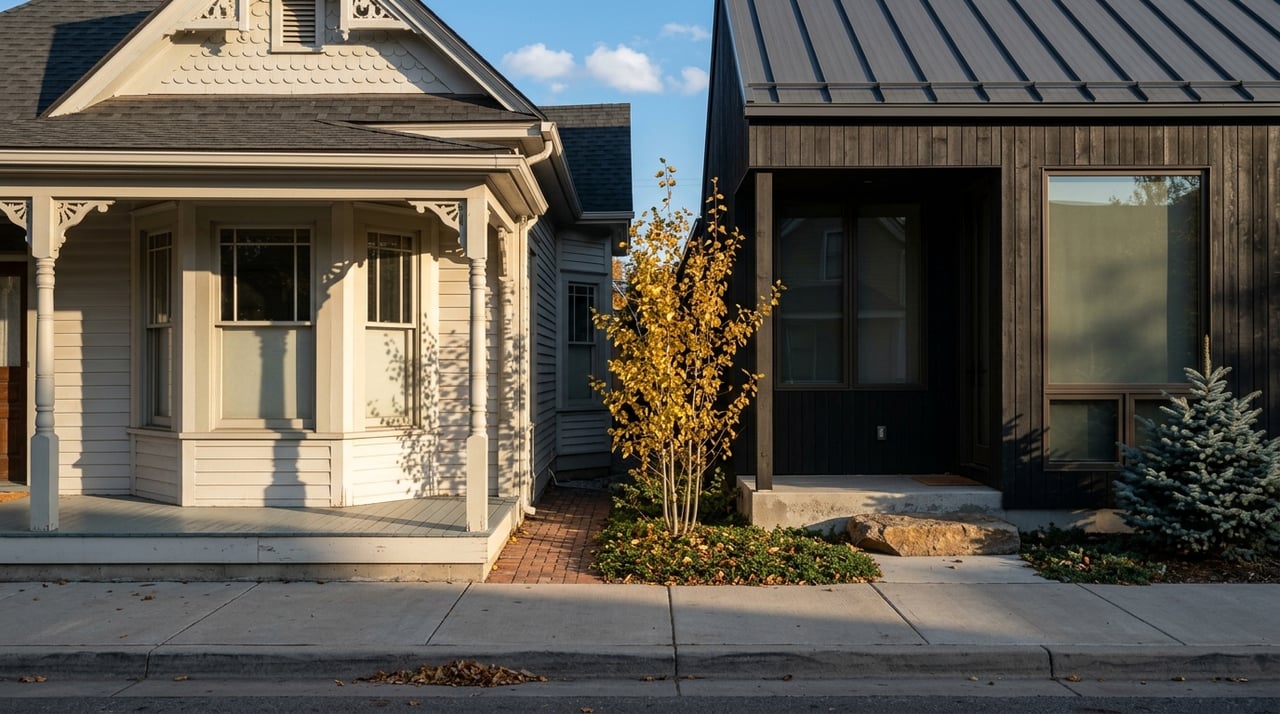
The East End’s streets feel different because the neighborhood reads as residential first, with fewer commercial edges and a calmer pace.
Street-level cues that define the East End
-
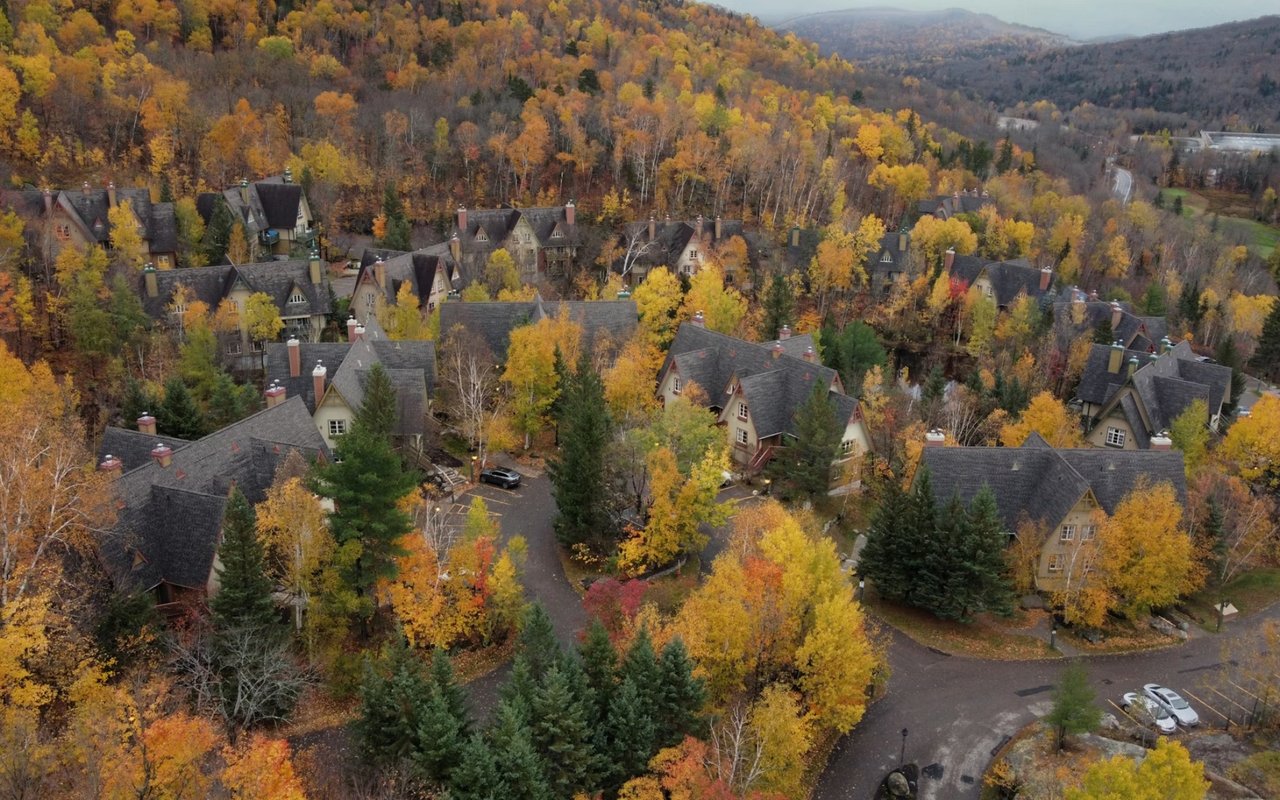
Cul-de-sac pockets: Small dead-end streets that reduce through-traffic and increase privacy
-
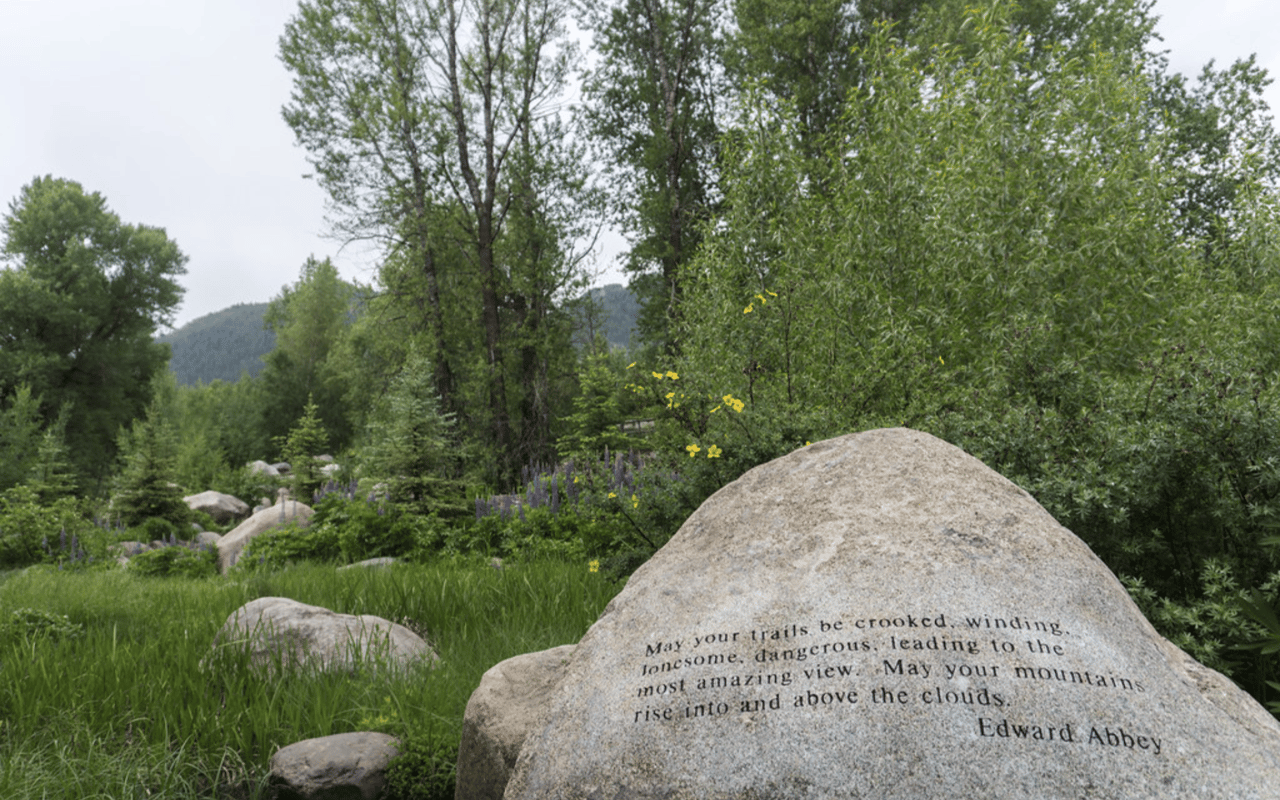
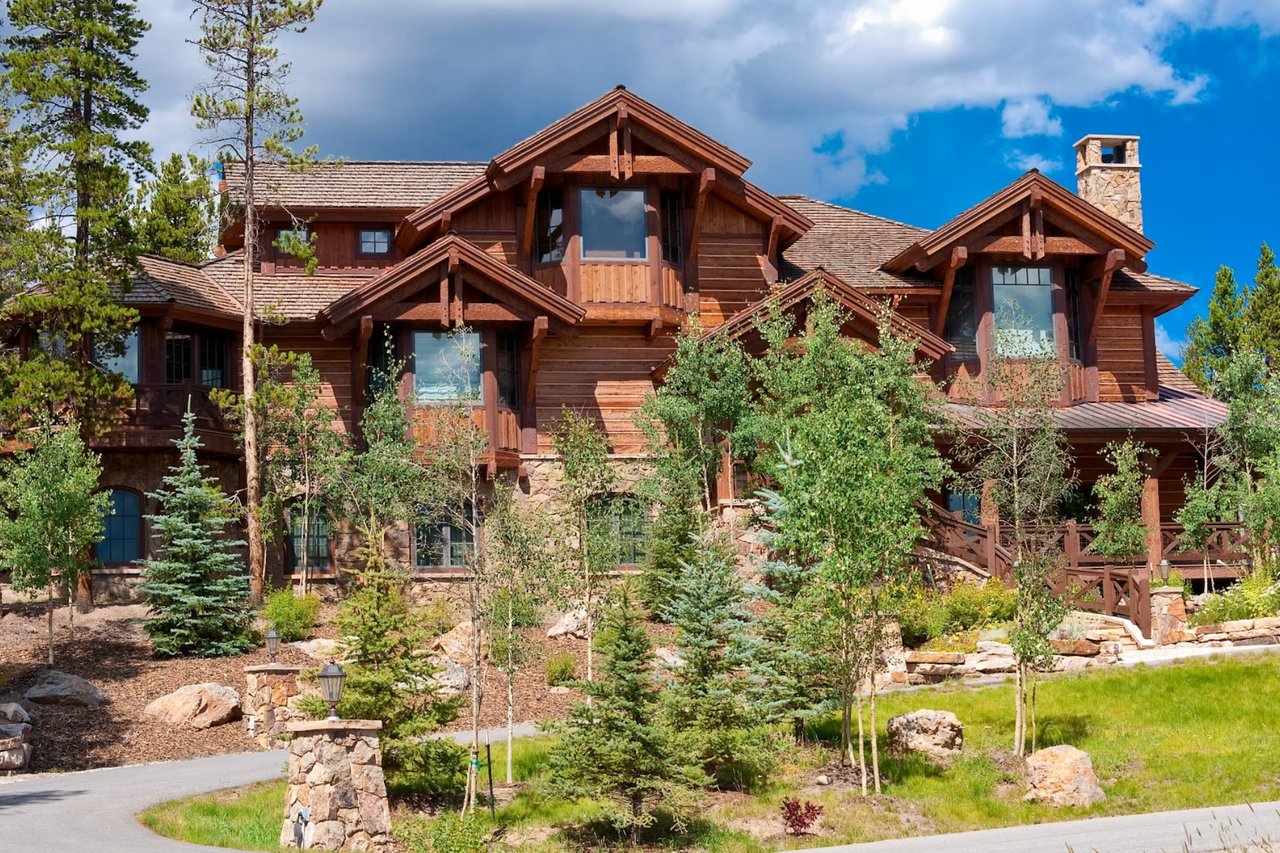
Landscaped buffers: Mature trees and hedging that soften sightlines and add quiet
-
Edge-of-town feel: A natural transition toward open space that changes how the neighborhood reads
This is the side of Aspen where you notice how quickly the town’s energy softens as you move east.
Aspen Mountain Views That Feel Immediate and Daily
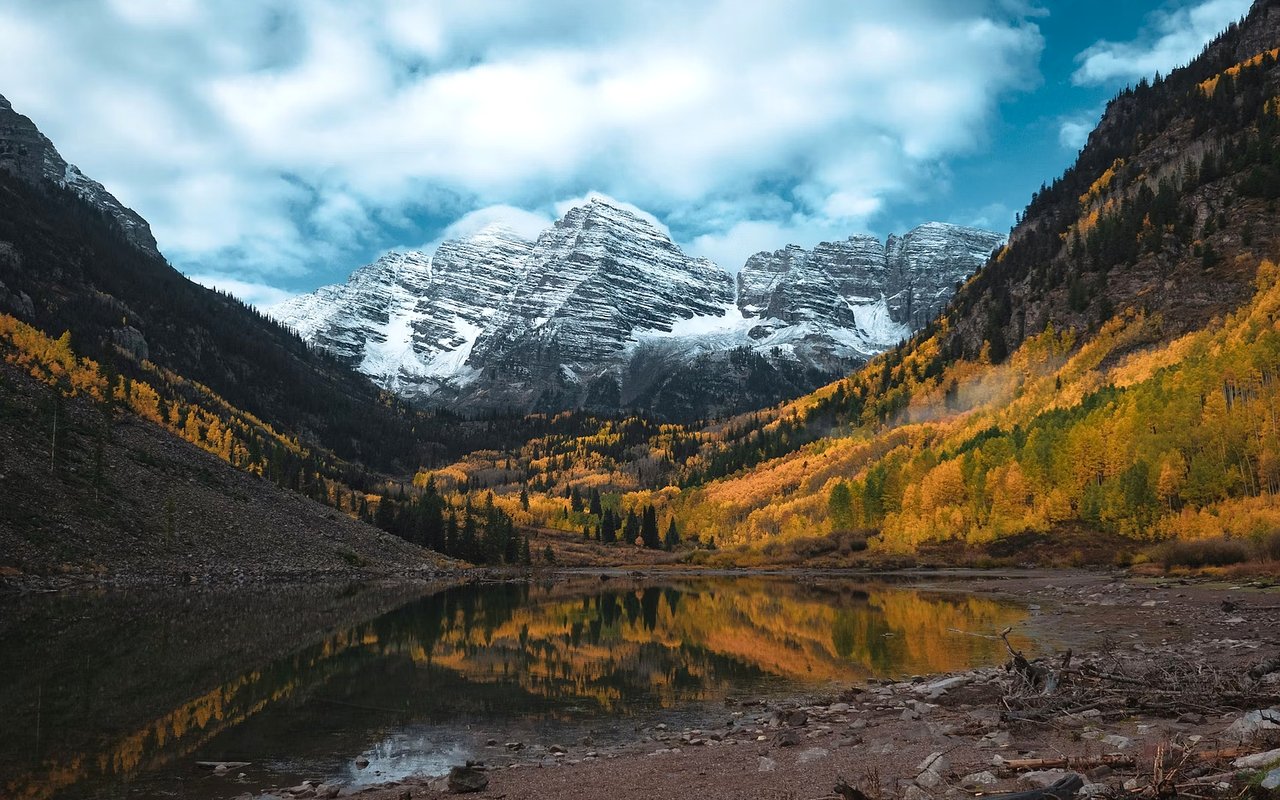
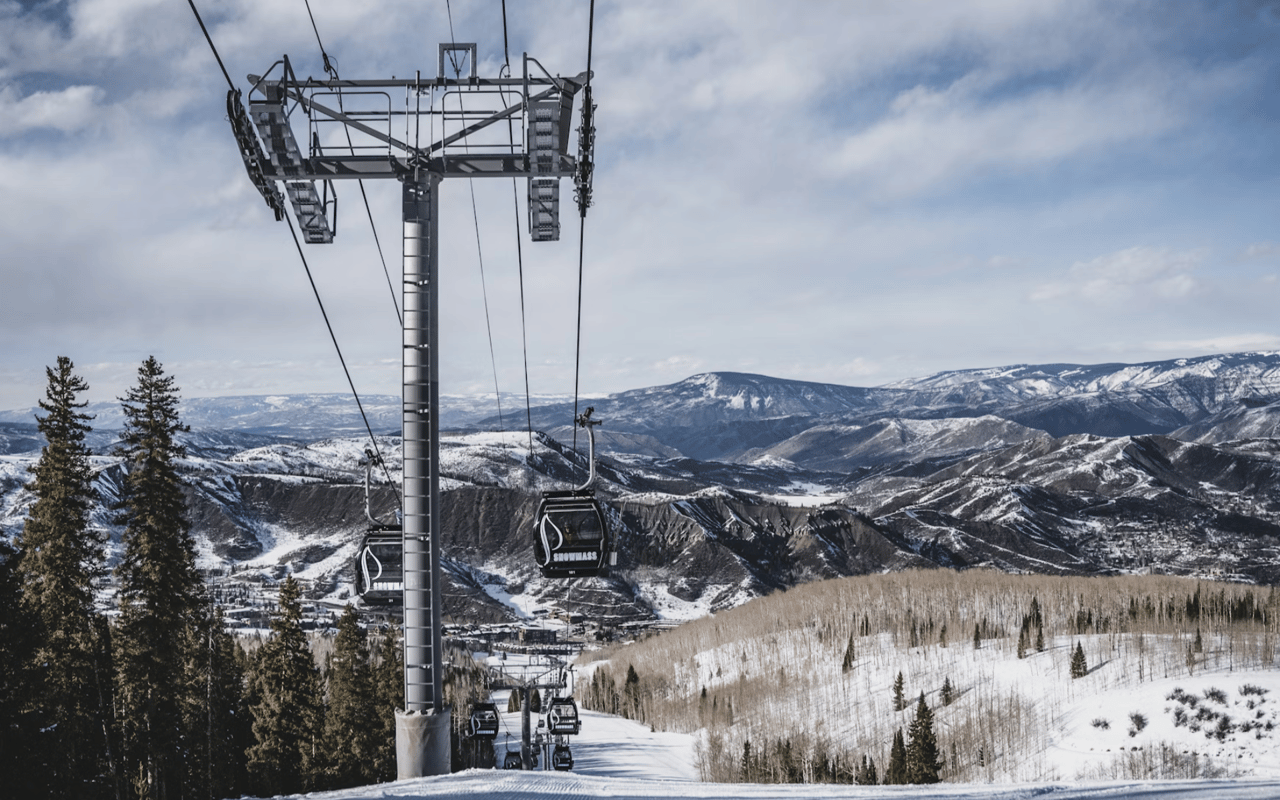
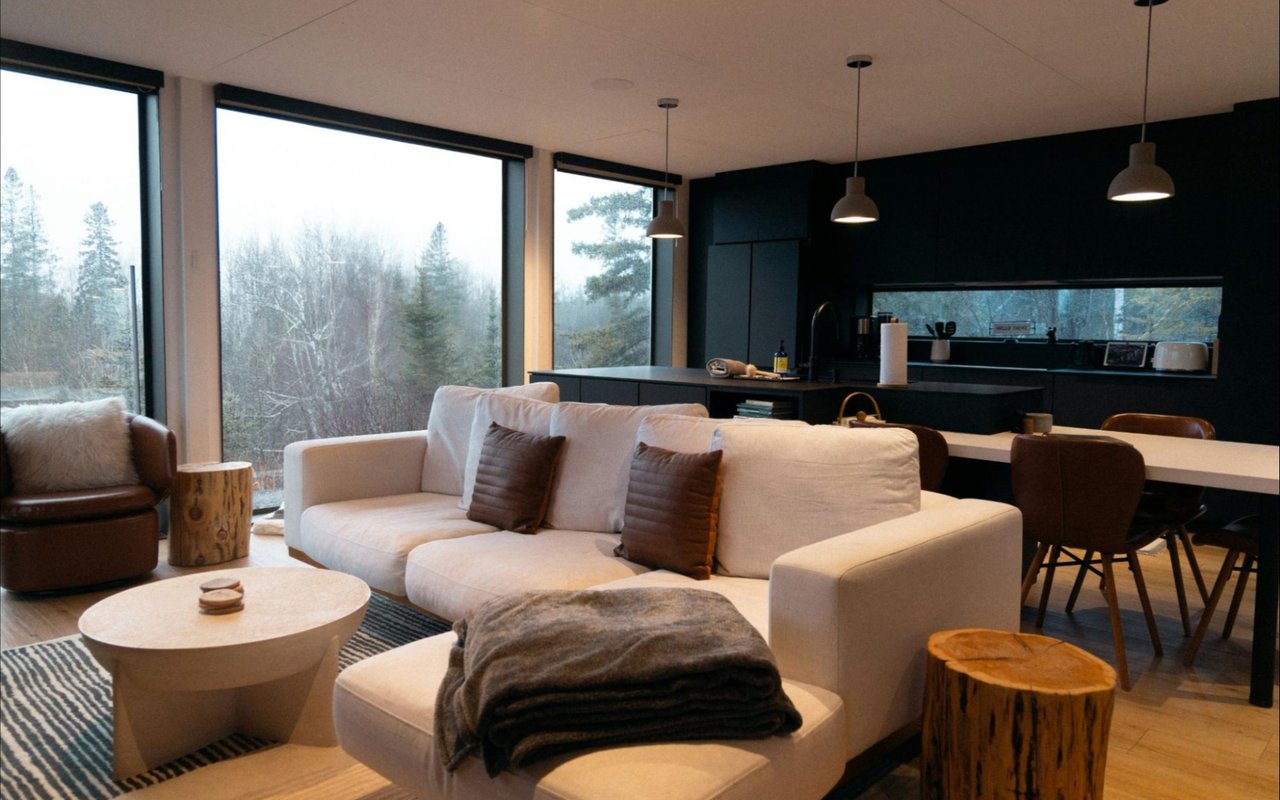
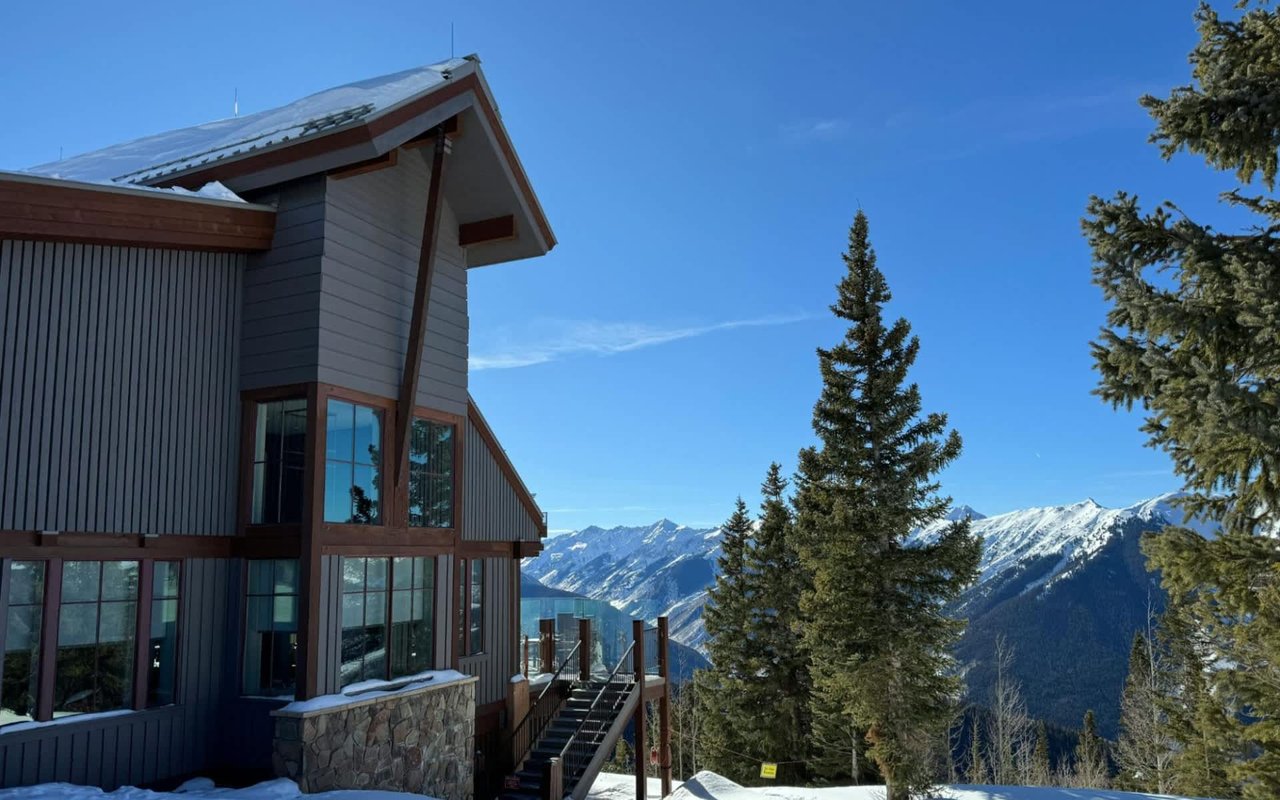
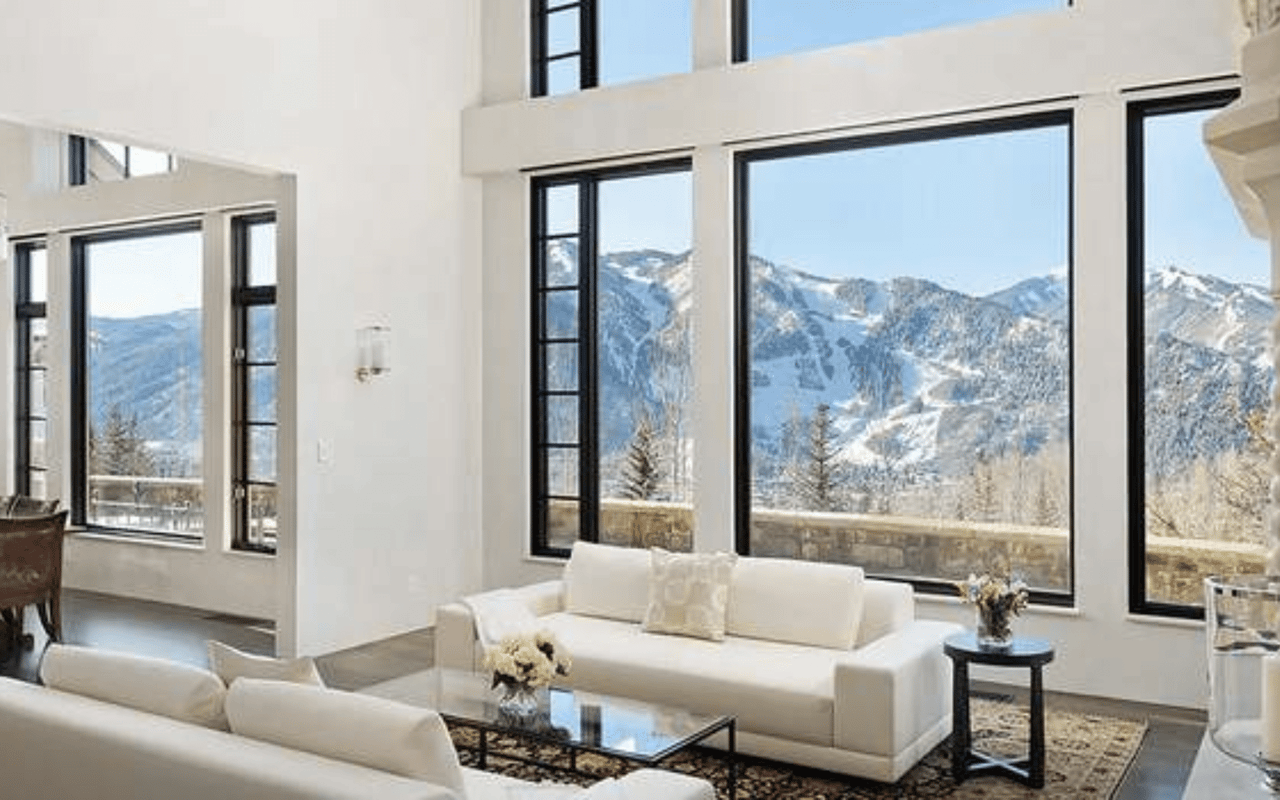
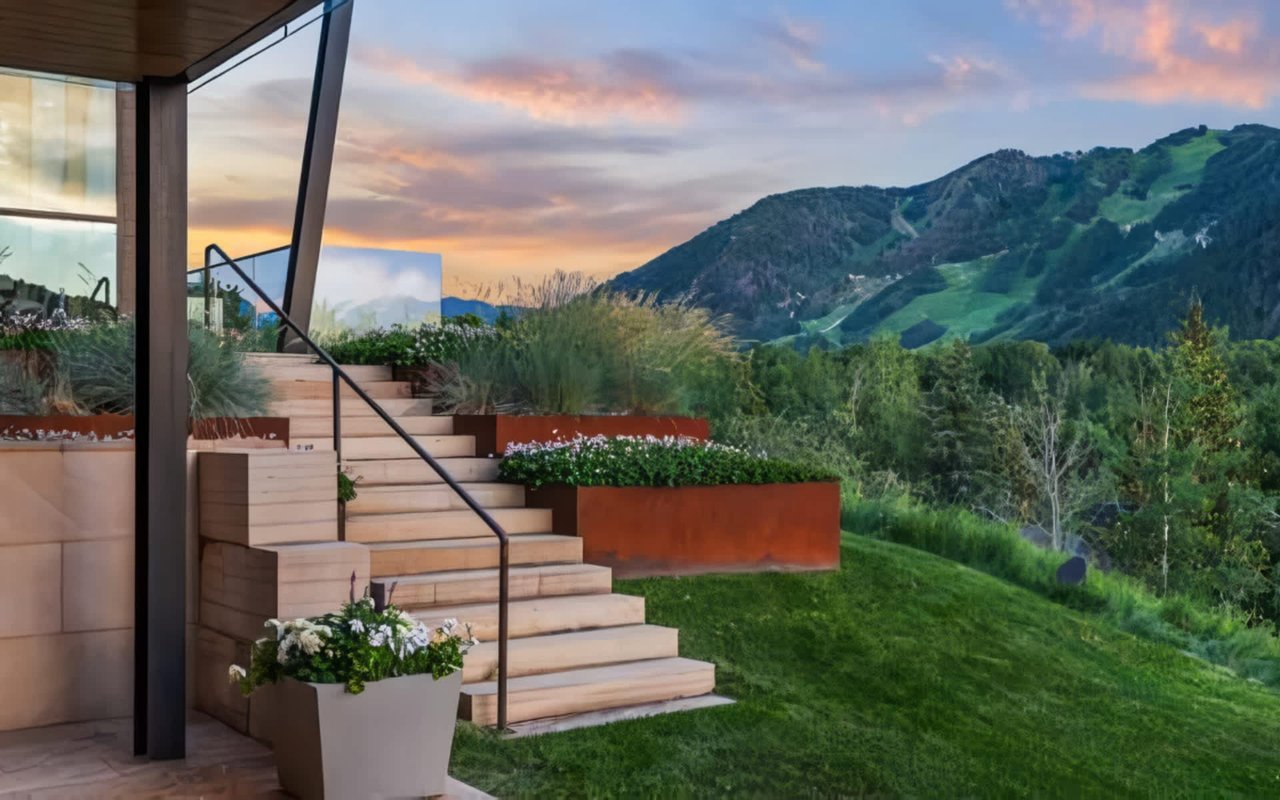
East End homes often capture Aspen Mountain in a way that feels direct and constant, especially from primary rooms and outdoor terraces.
What I look for when evaluating East End views
-
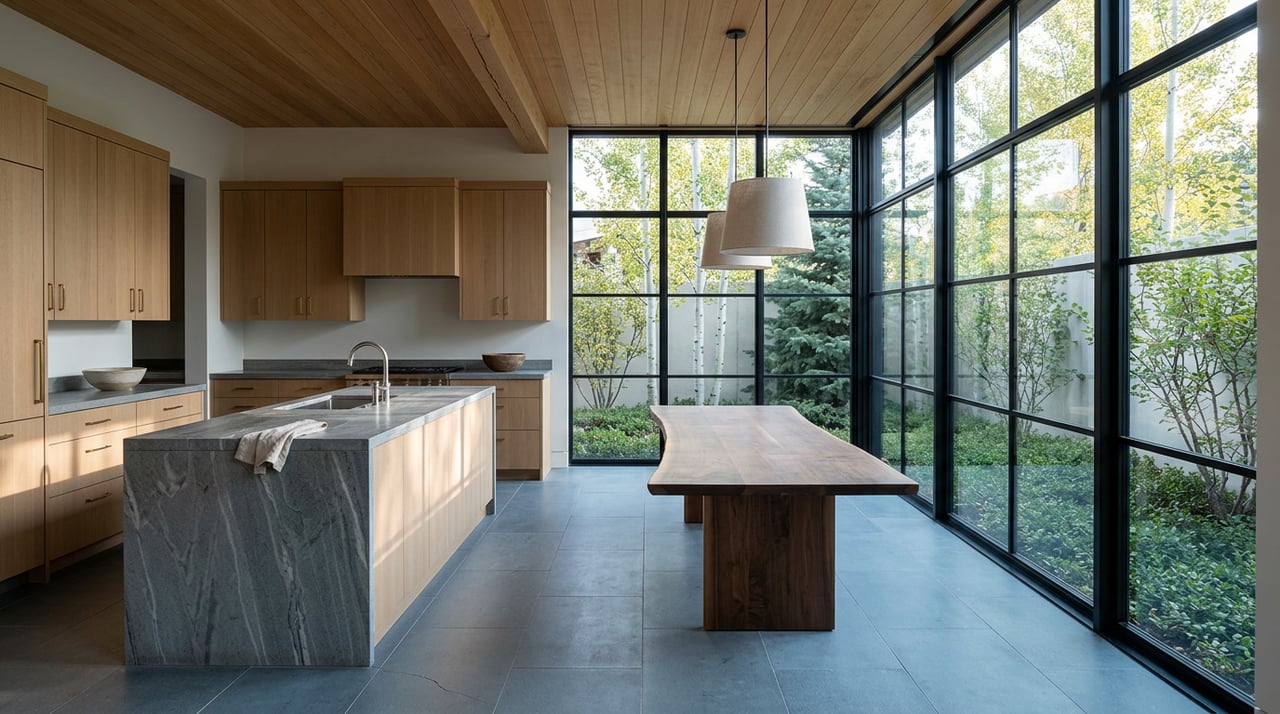
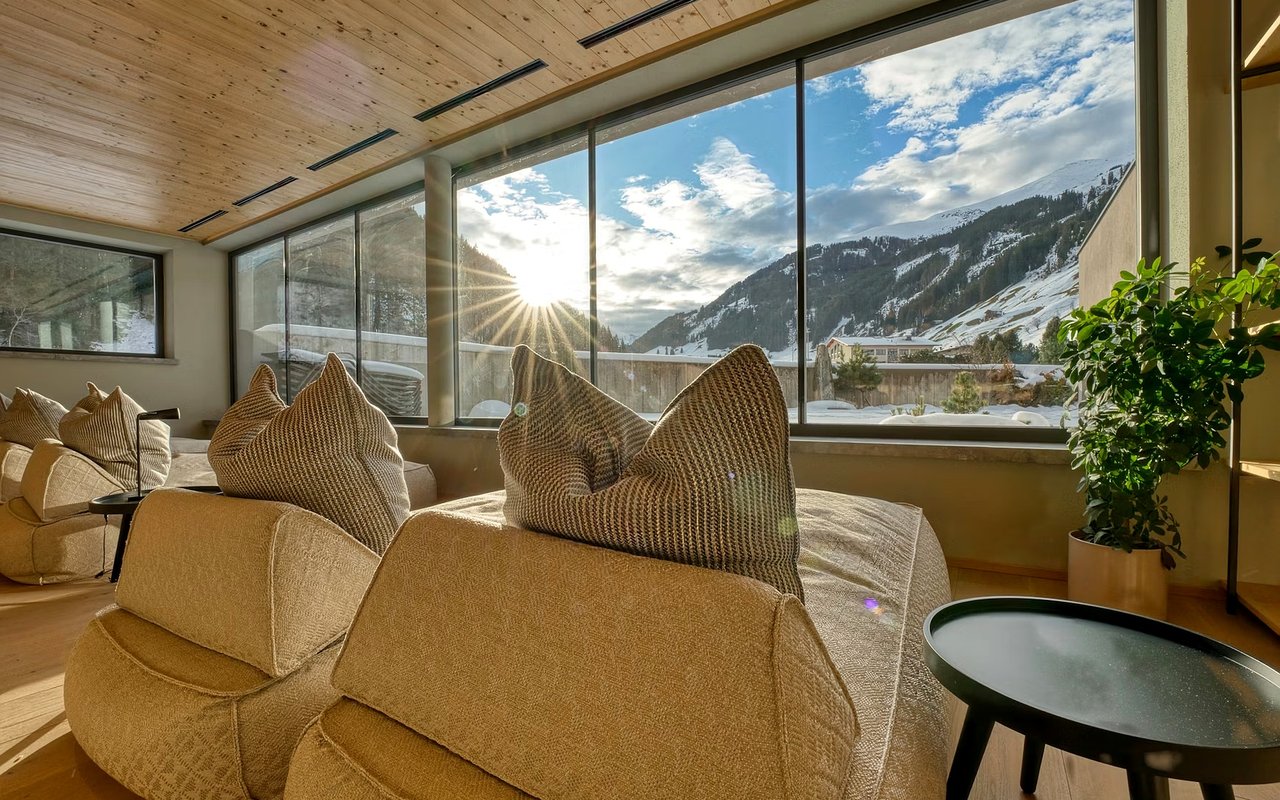
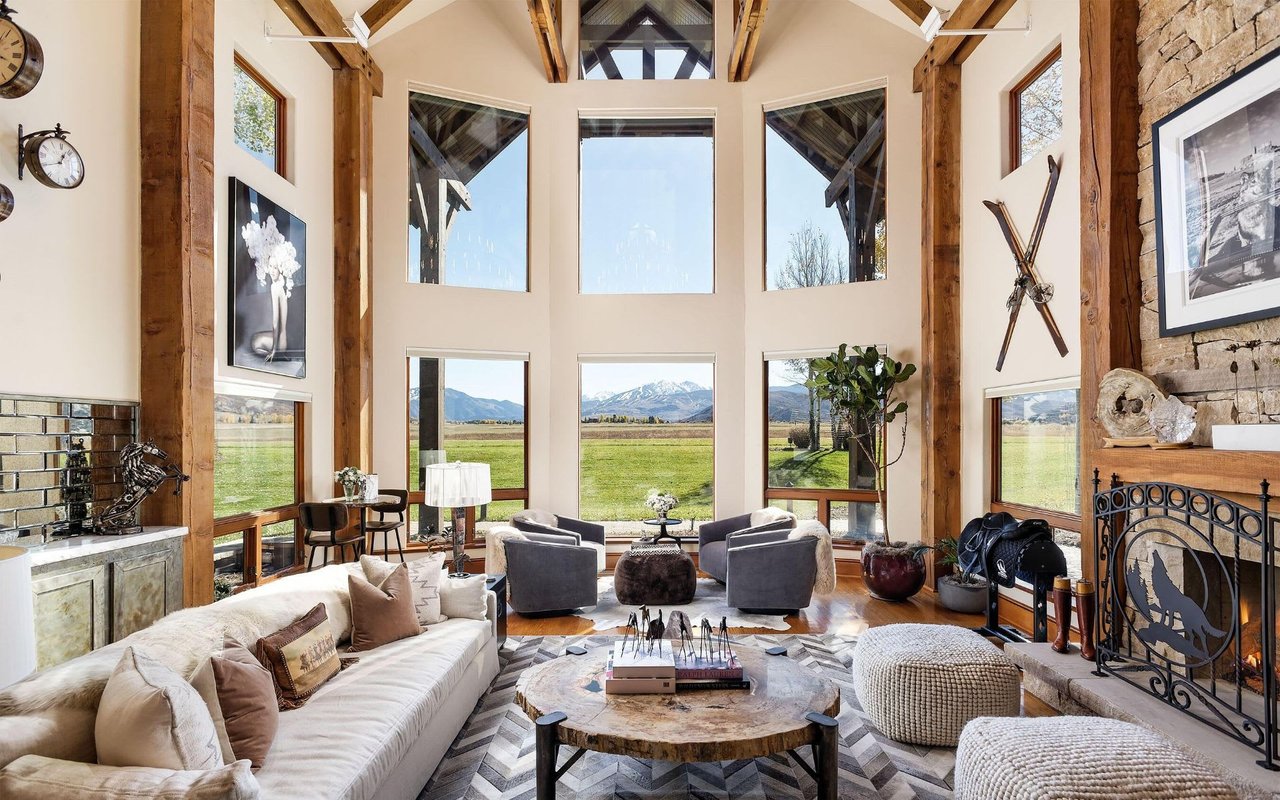
Primary-room framing: Great rooms and kitchens oriented to keep the mountain in the main sightline
-
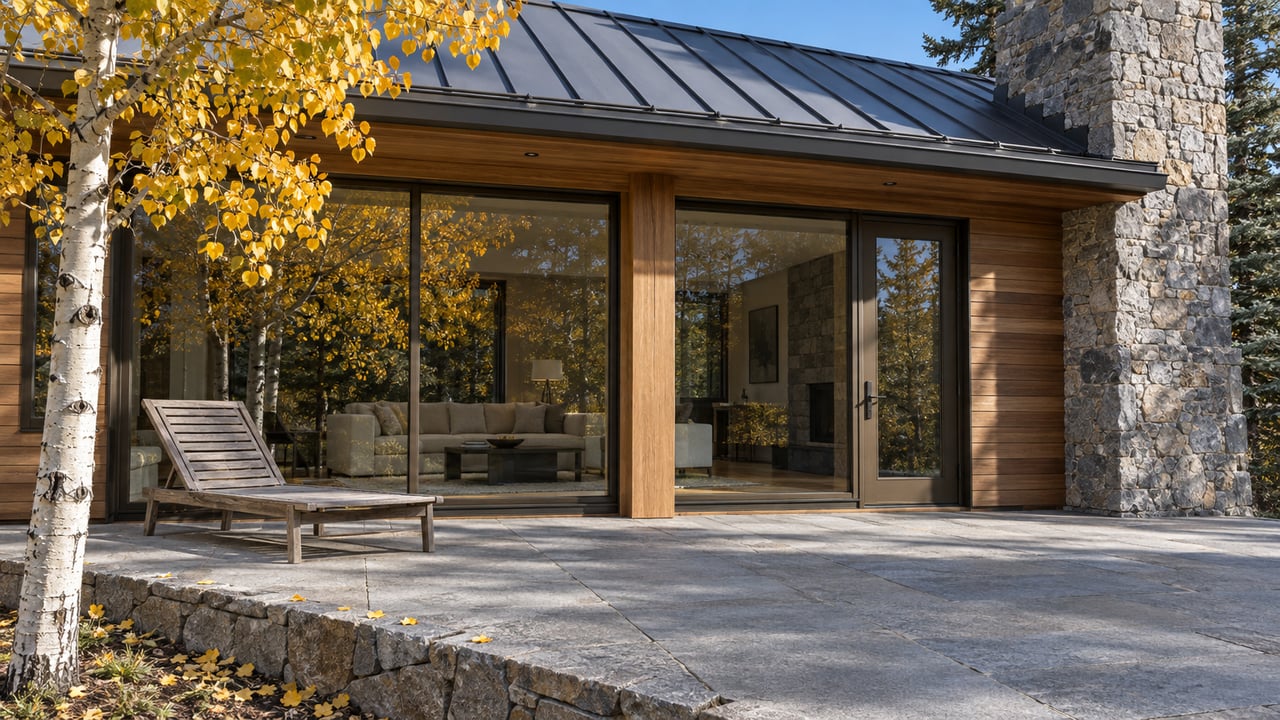
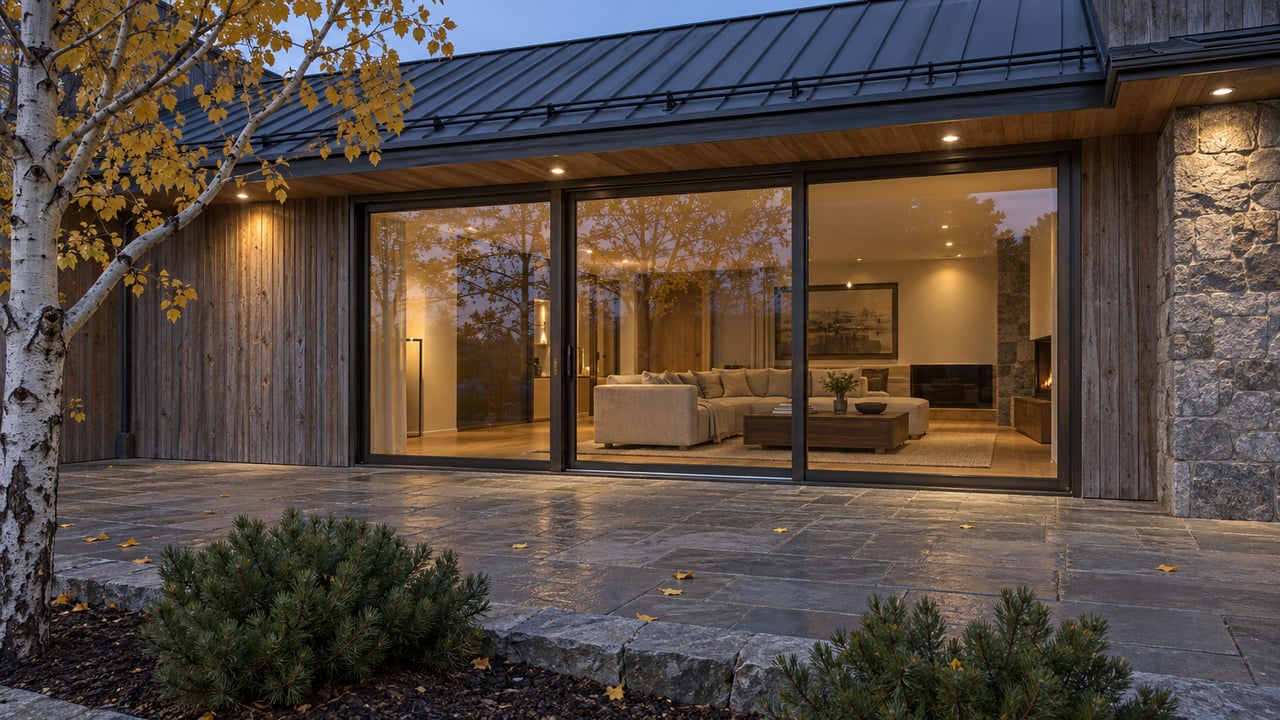
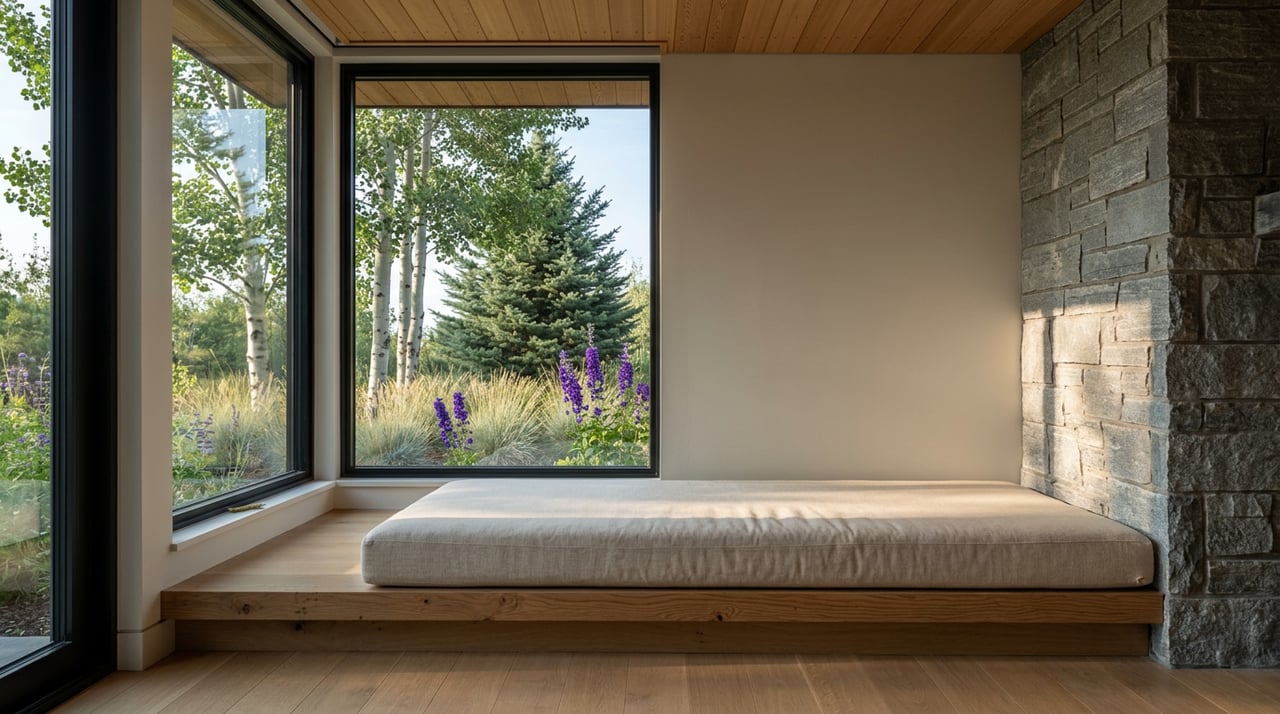
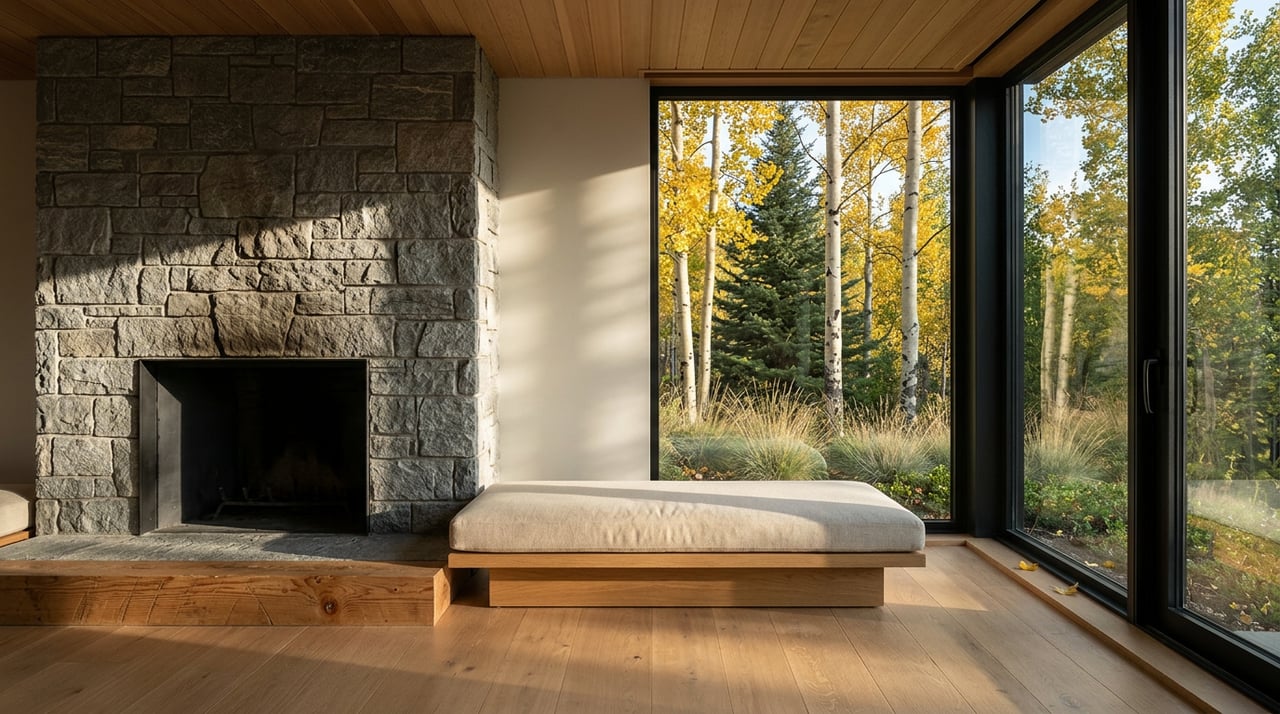
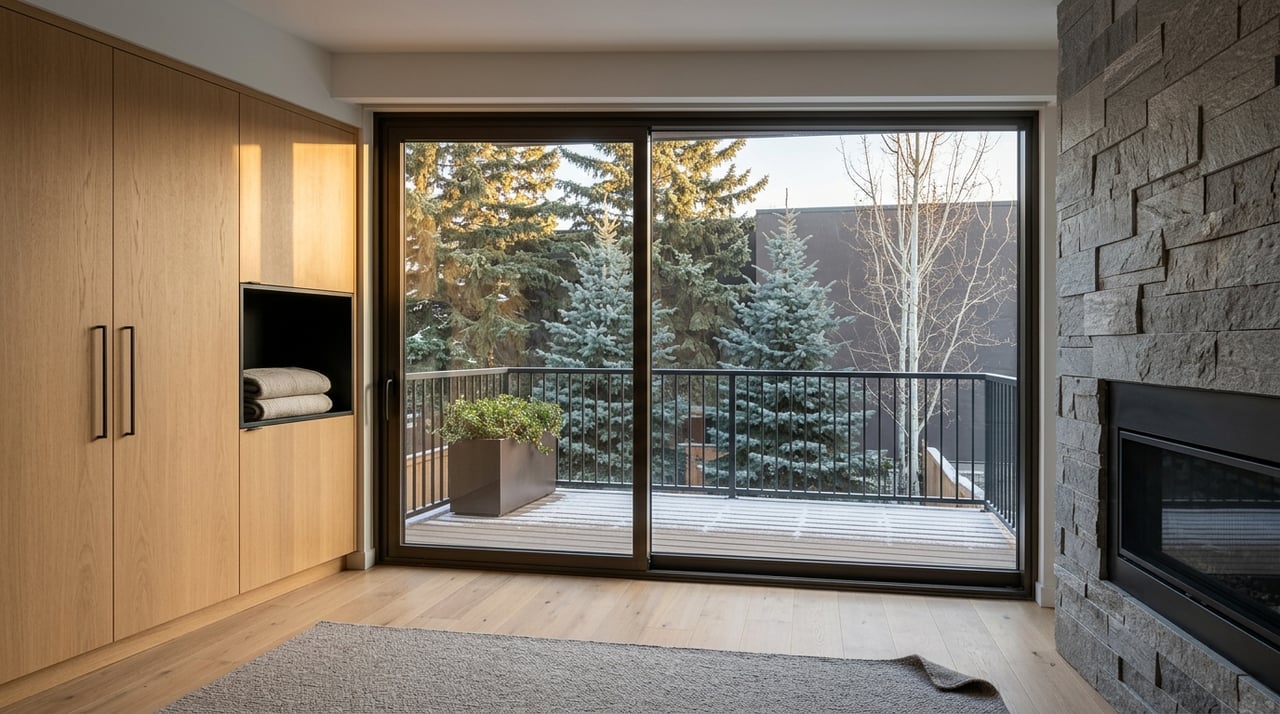
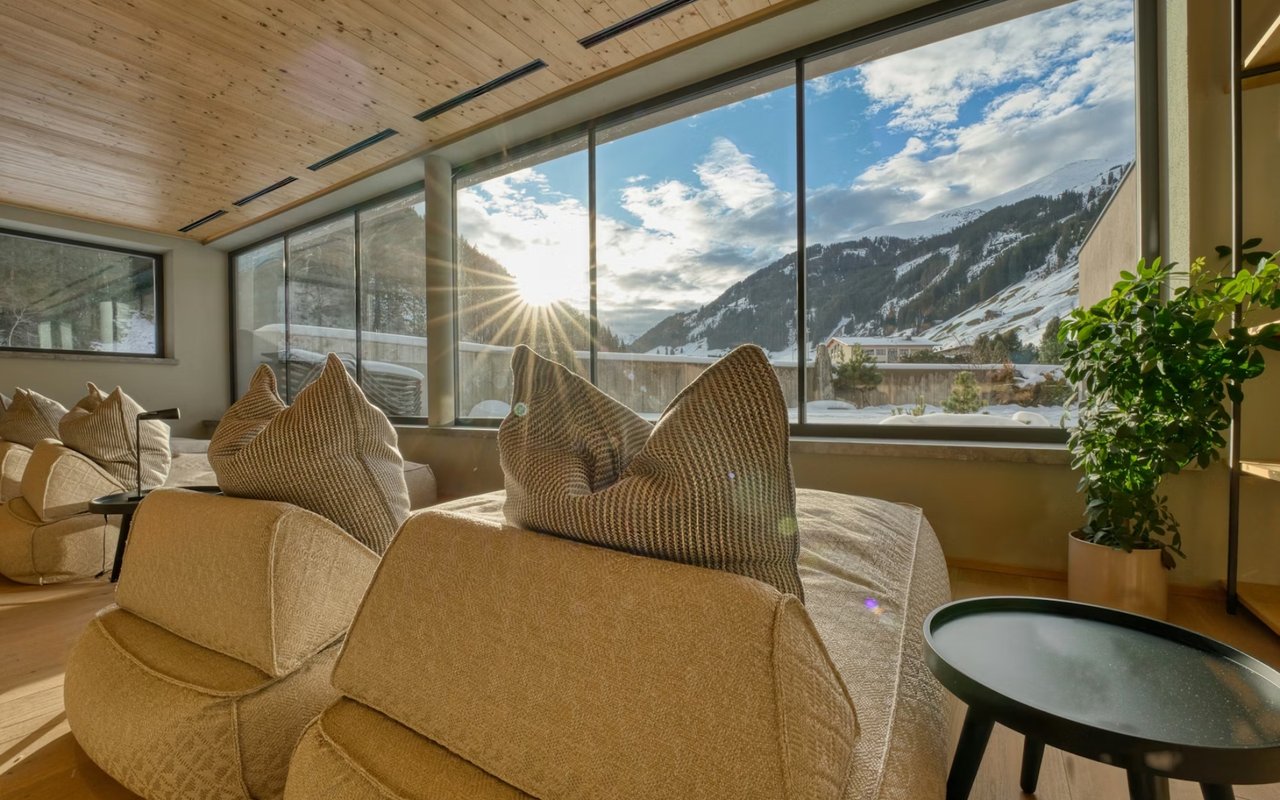
Window scale: Large glazing that makes the view feel like part of the interior design
-
Privacy with views: Neighbor relationships that preserve sightlines and outdoor comfort
The alignment of the valley and the neighborhood’s positioning can make the mountain feel like a permanent focal point rather than a distant backdrop.
Trail and Open-Space Access That Is Built Into the Neighborhood
The East End sits close to trail systems and open space edges that make it easy to step into nature without a long transition.
East End outdoor access points people use repeatedly
-
Smuggler Mountain Trail: A well-known local route with a strong Aspen identity and rewarding terrain
-
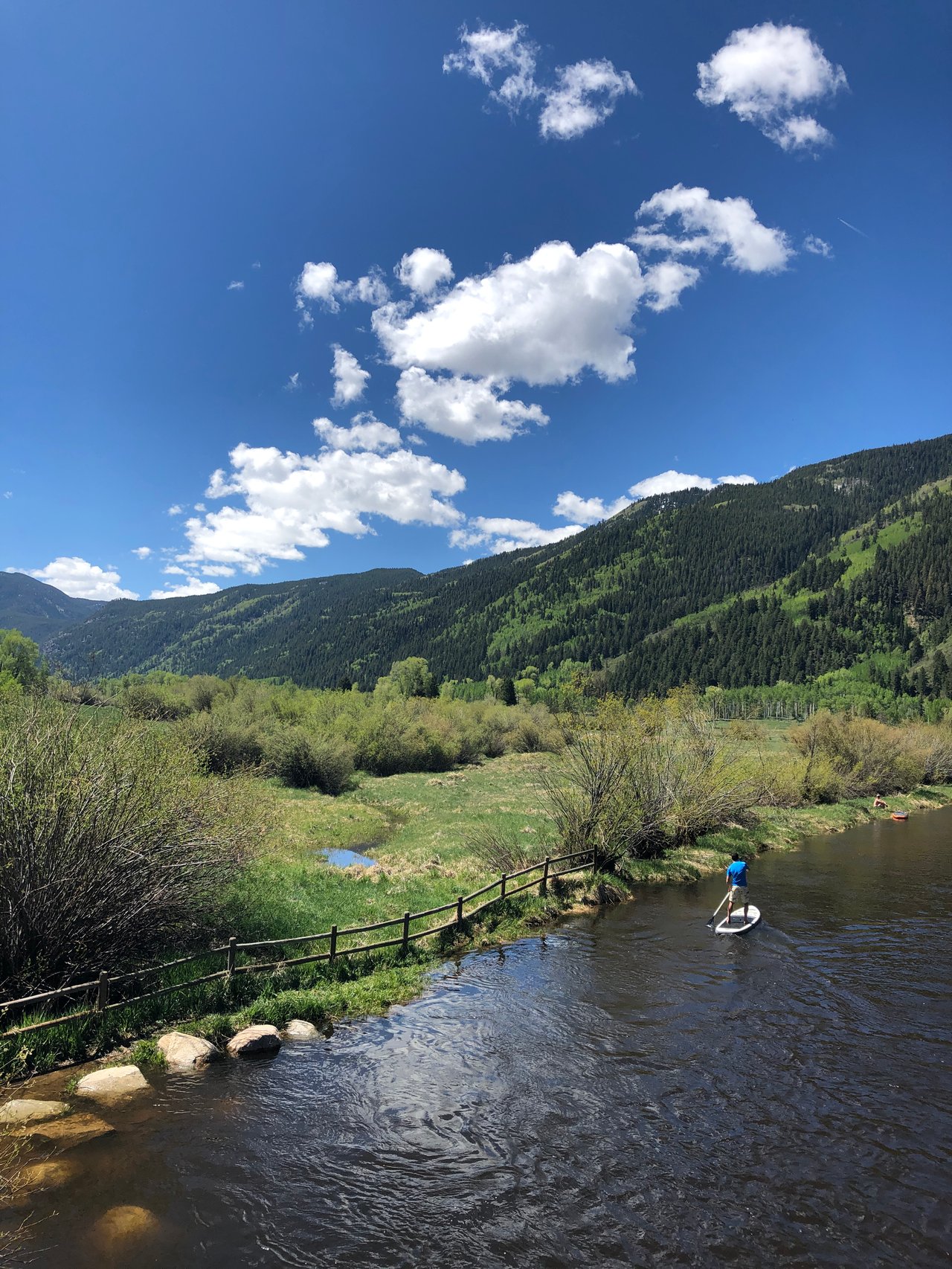
Roaring Fork River corridor: A natural edge that supports walking and biking along the valley
-
Independence Pass direction: Immediate eastbound access that connects to scenic drives and alpine routes
The neighborhood’s geography supports quick access to iconic Aspen routes that define year-round outdoor life.
Cultural Anchors That Give the East End a Distinct Identity
The East End is closely tied to Aspen’s cultural institutions, and that proximity gives the neighborhood a refined, established character.
Cultural landmarks that shape the East End feel
-
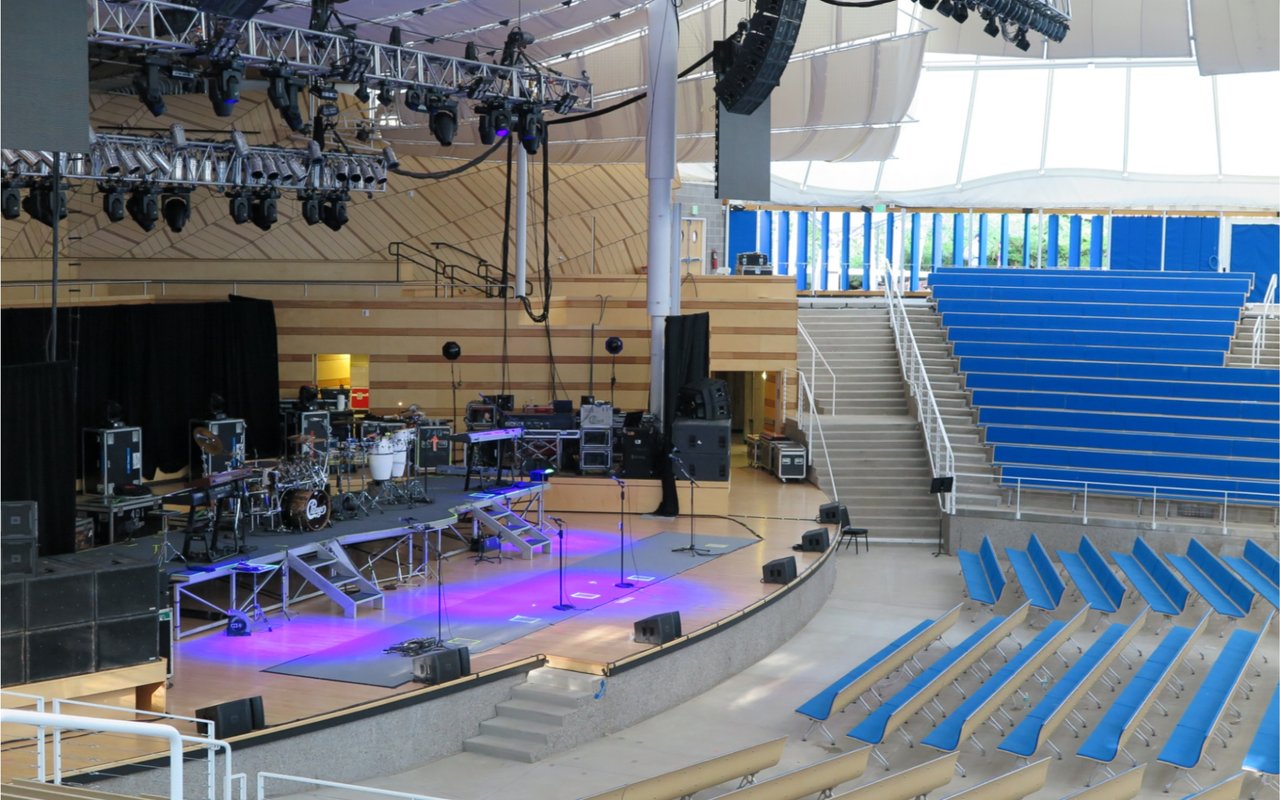
Aspen Music Festival and School: A major institution that anchors summer programming and global cultural attention
-
Harris Concert Hall: A performance venue that reinforces the area’s arts-oriented identity
-
Aspen Institute proximity: A nearby convening presence that adds to Aspen’s international profile
The presence of high-profile venues nearby contributes to a sense of place that feels unique within Aspen.
Architecture and Lot Use That Emphasize Privacy and Usability
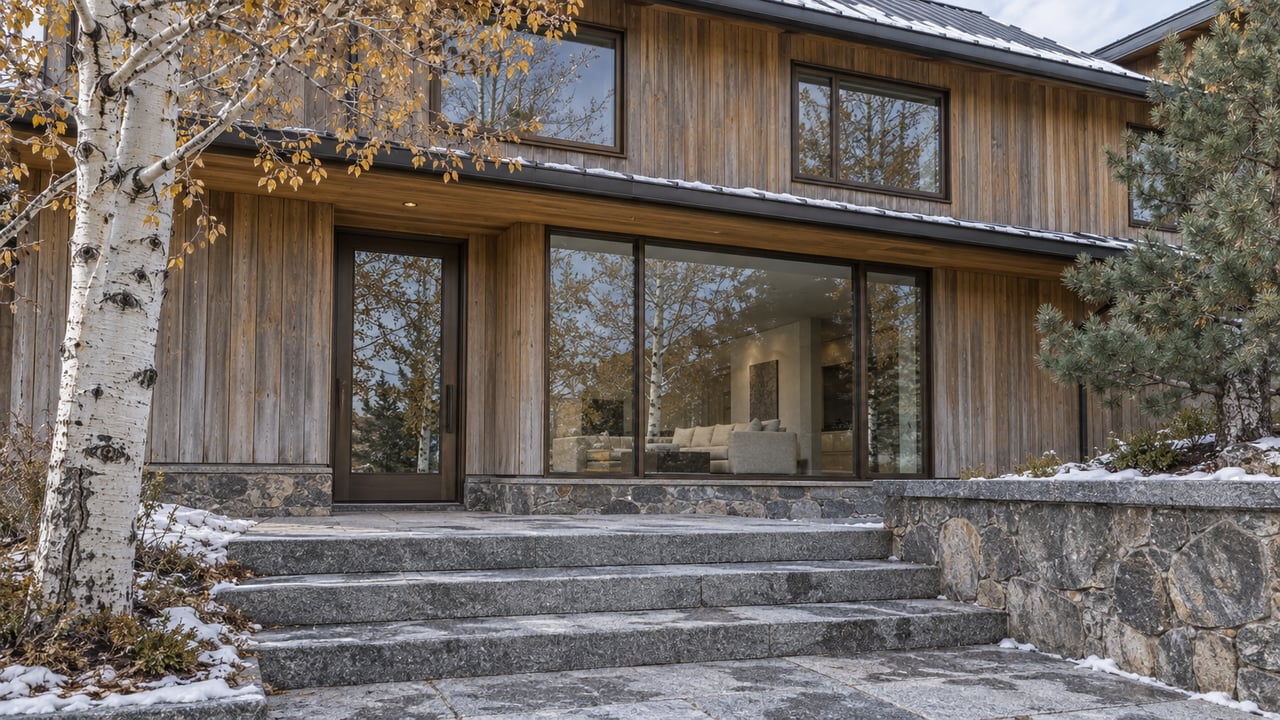
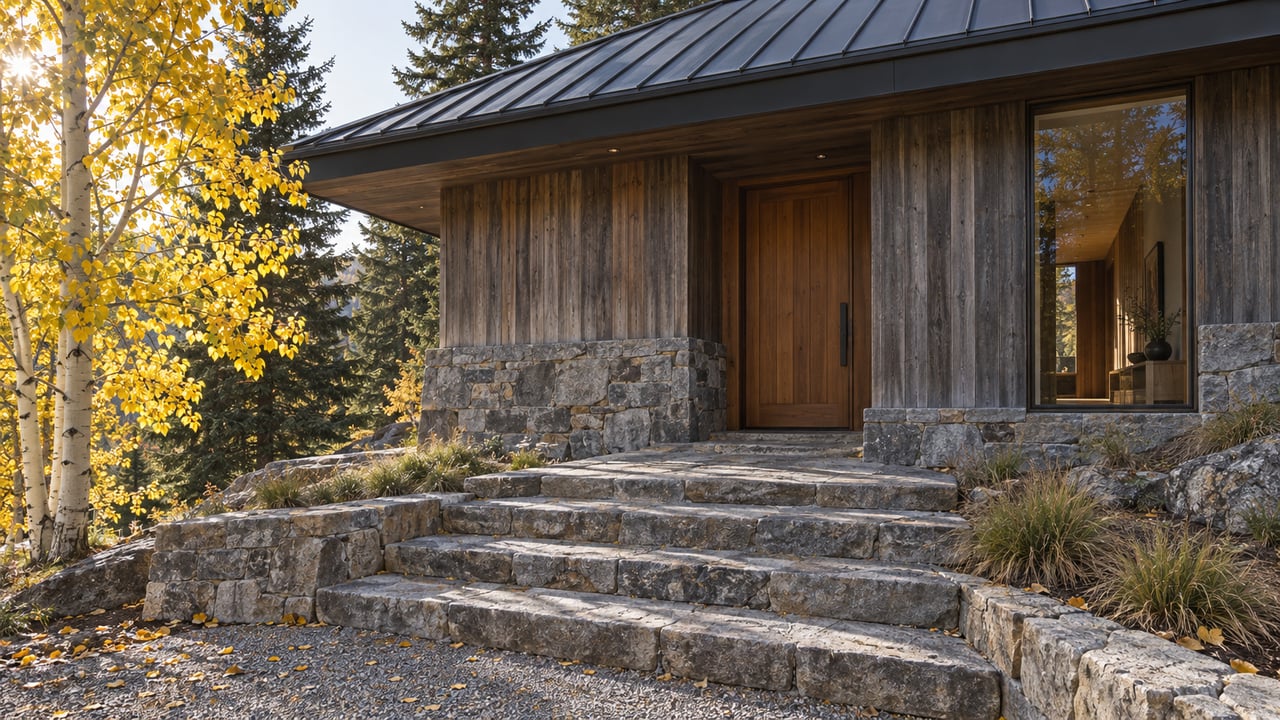
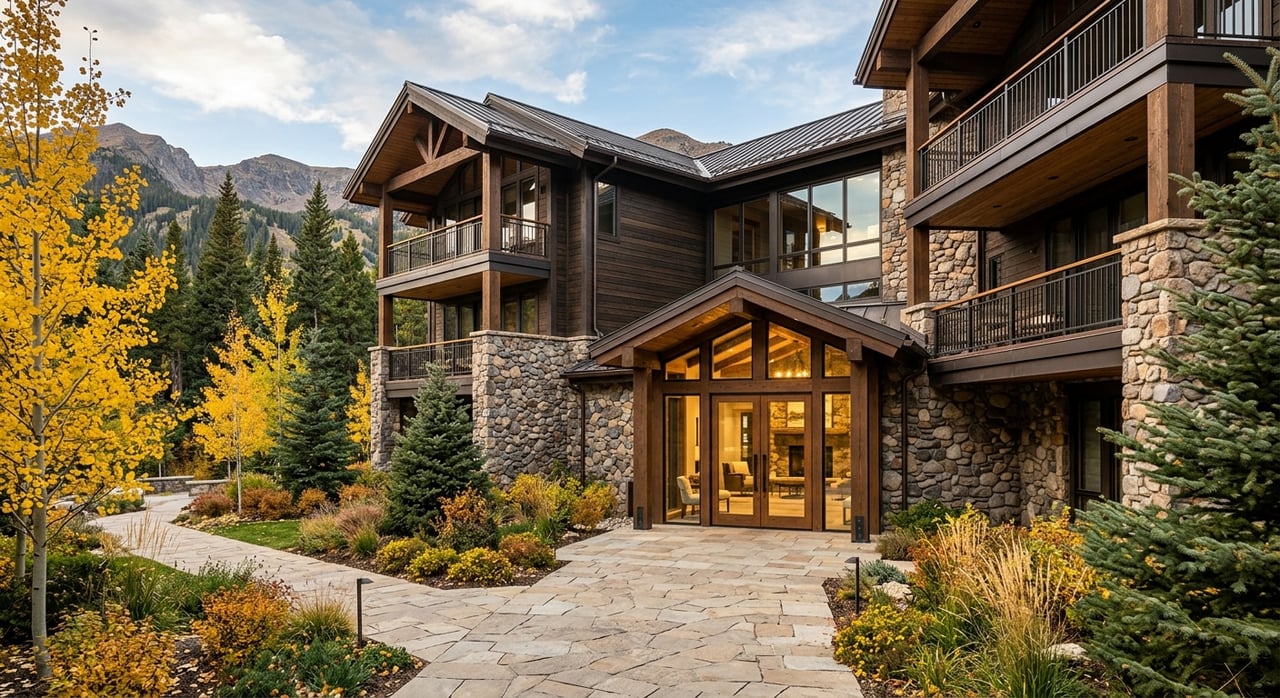
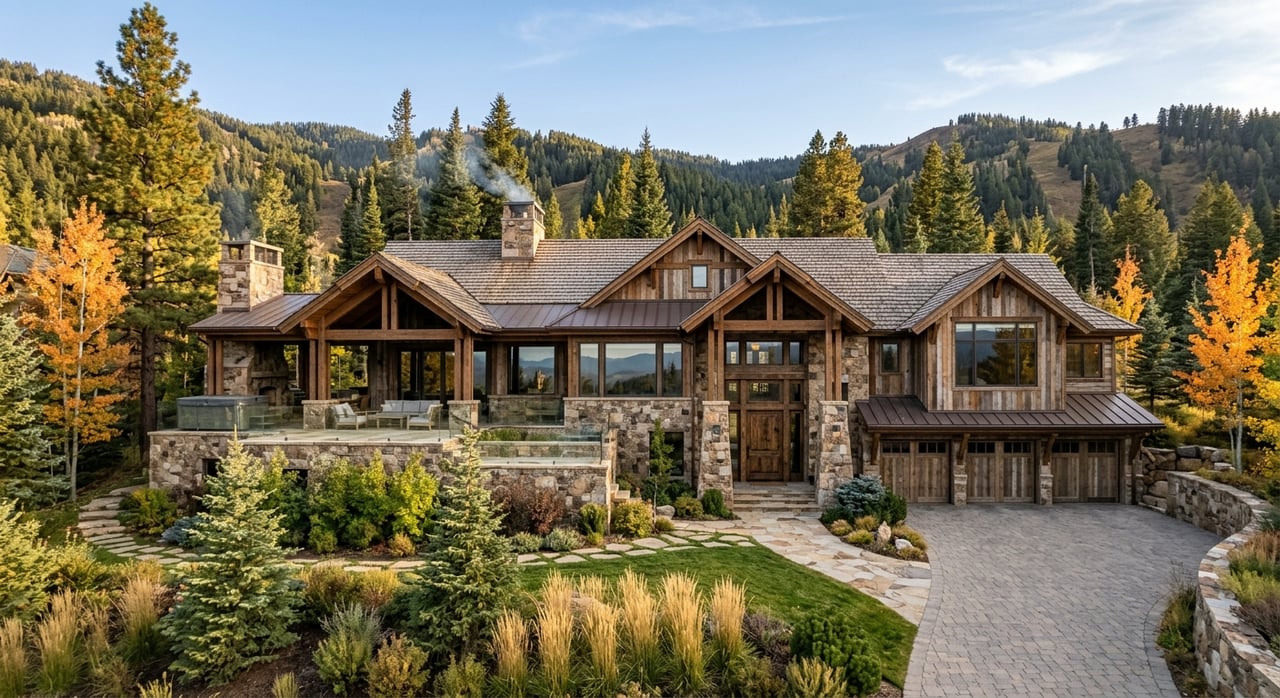
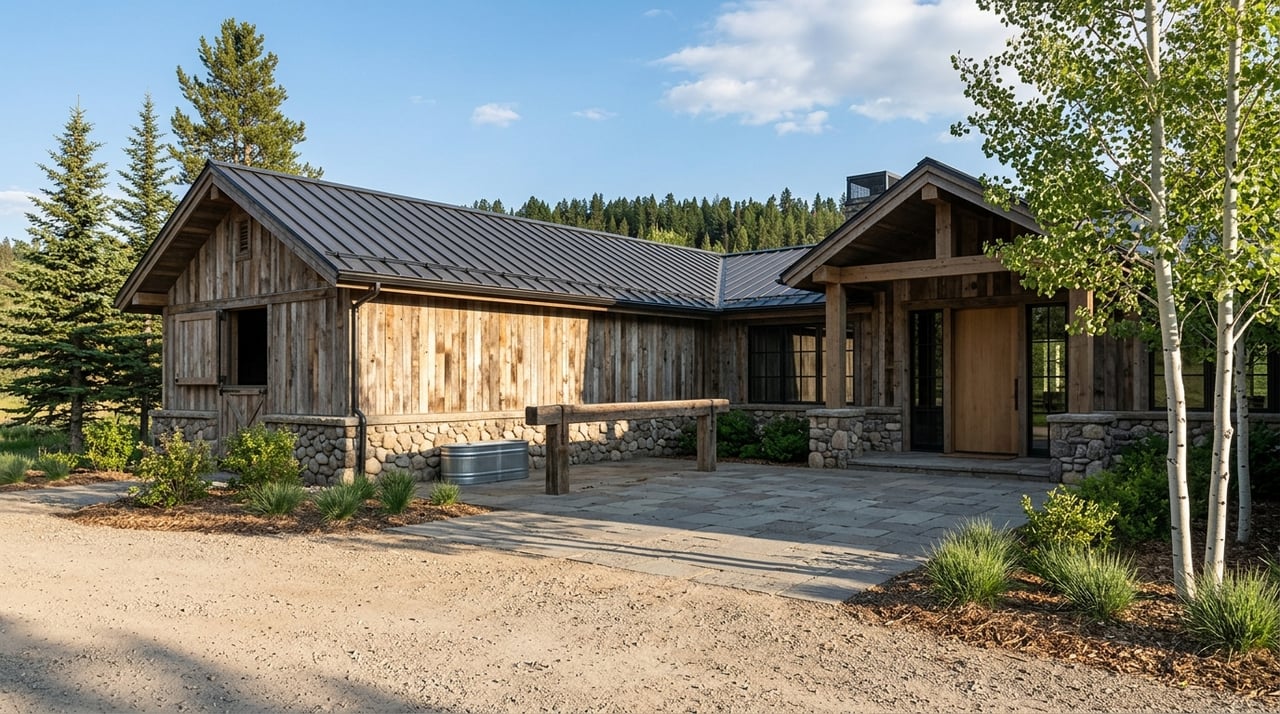
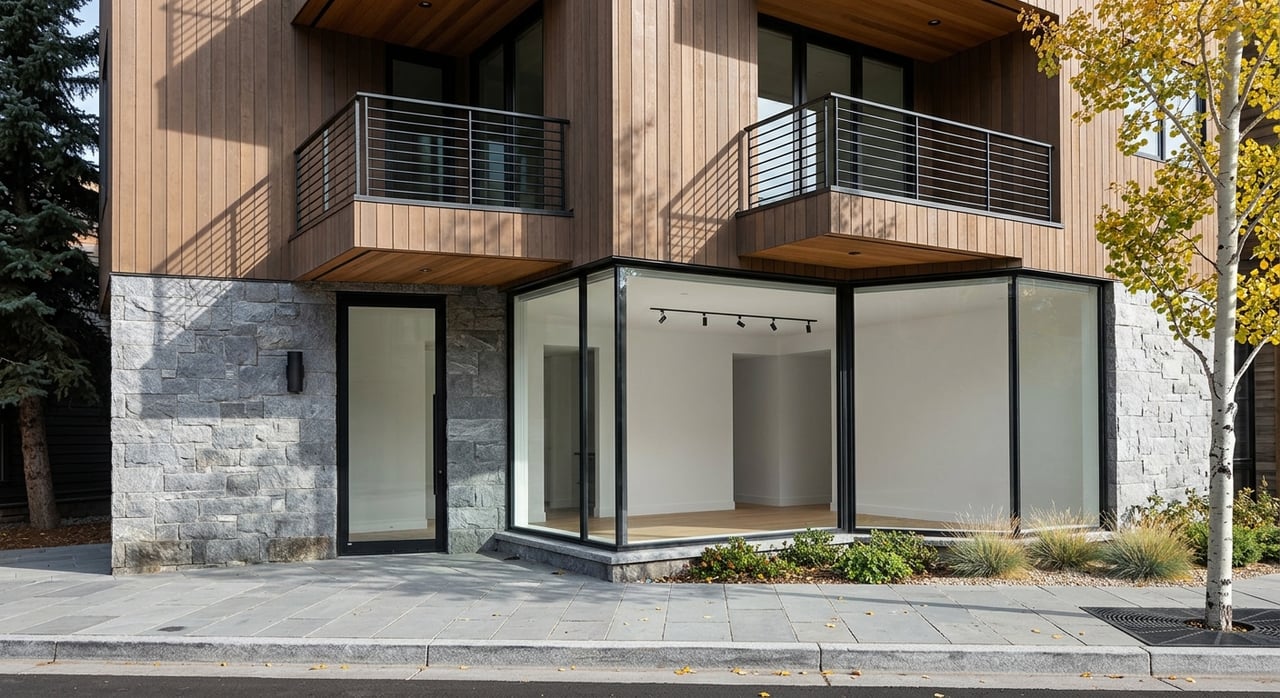
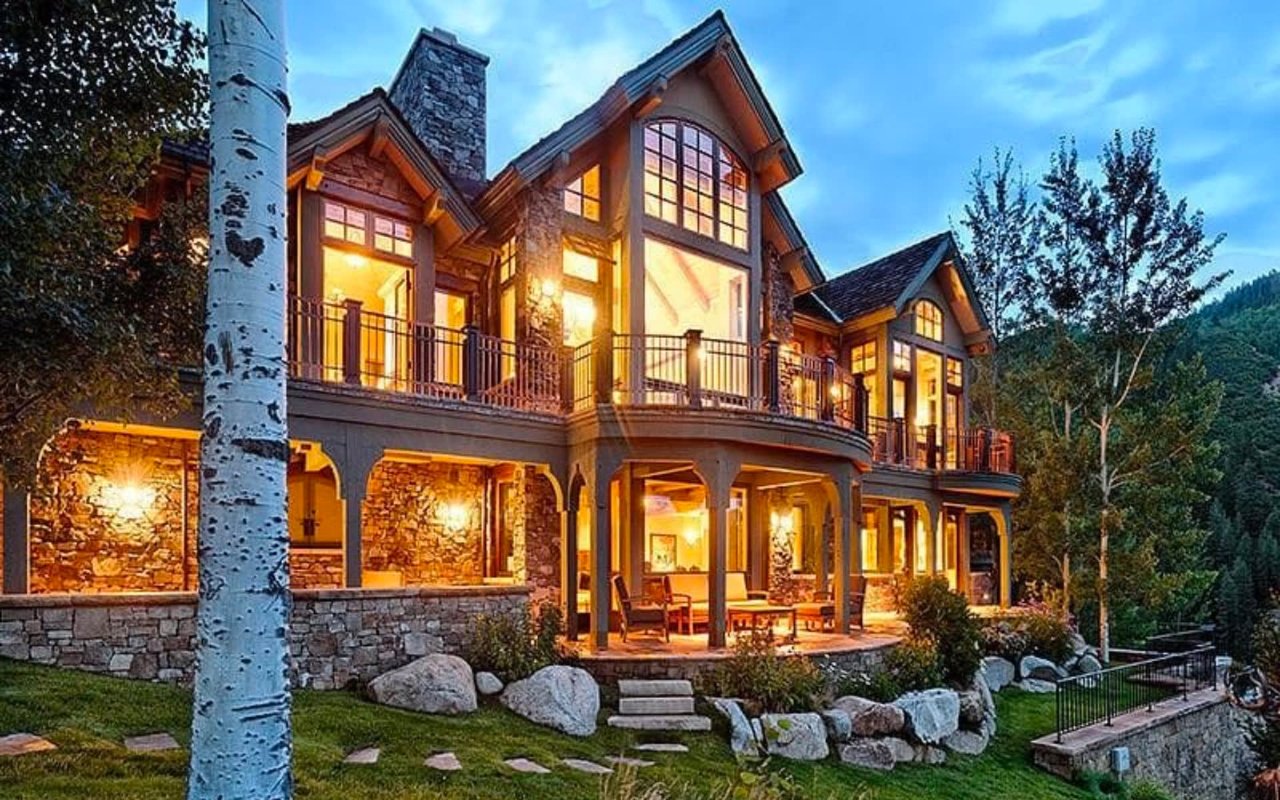
East End homes often prioritize outdoor usability, privacy, and clean interior flow, which fits the neighborhood’s residential tone.
Property features that show up often in East End listings
-
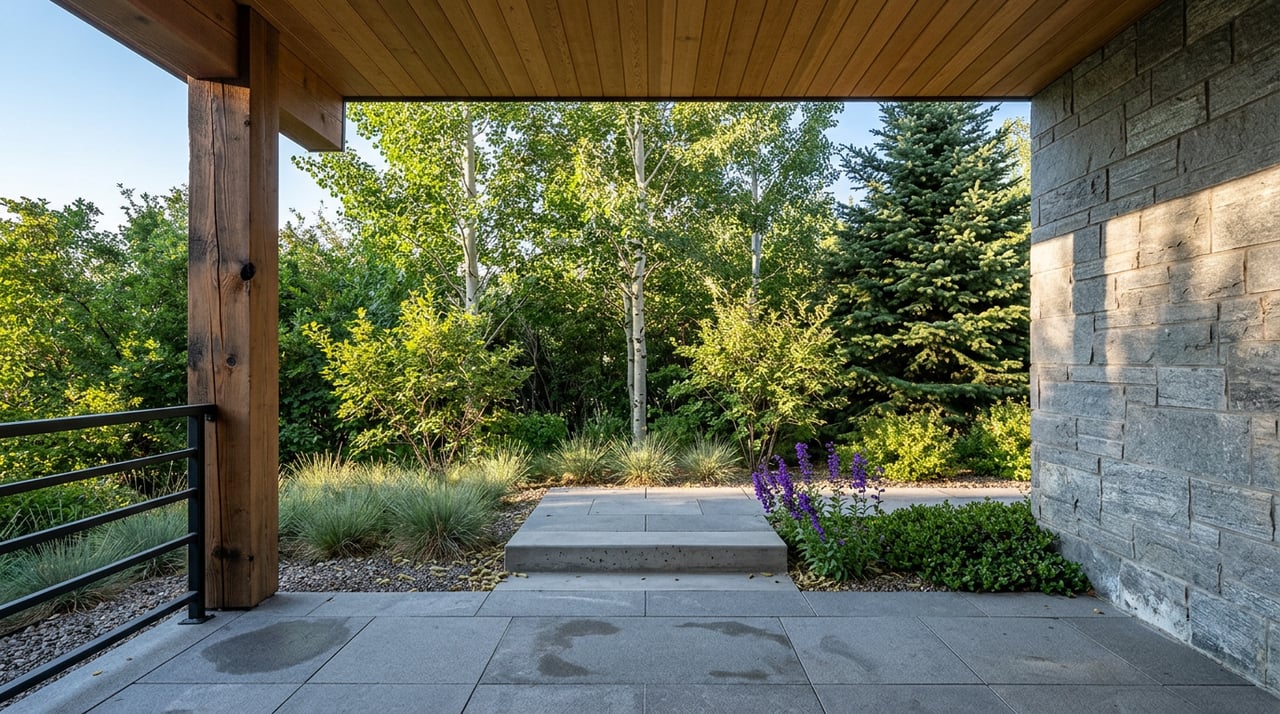
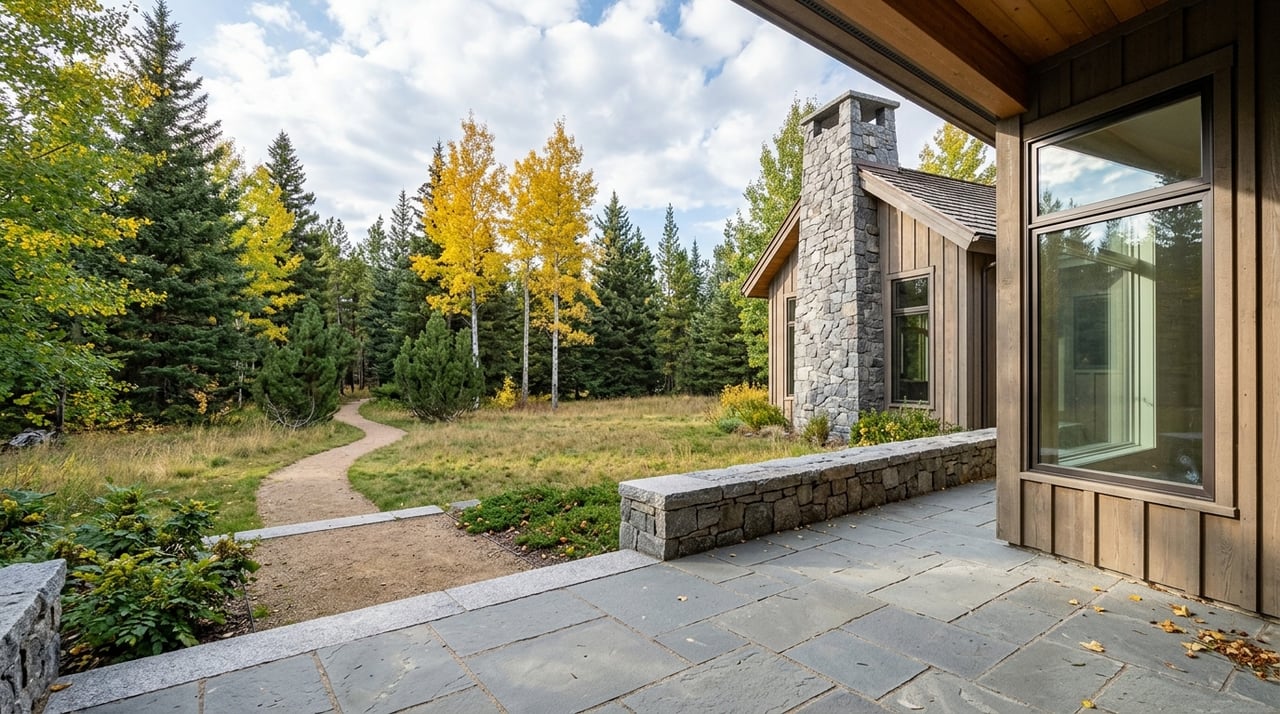
Private outdoor rooms: Patios and terraces that feel enclosed and comfortable
-
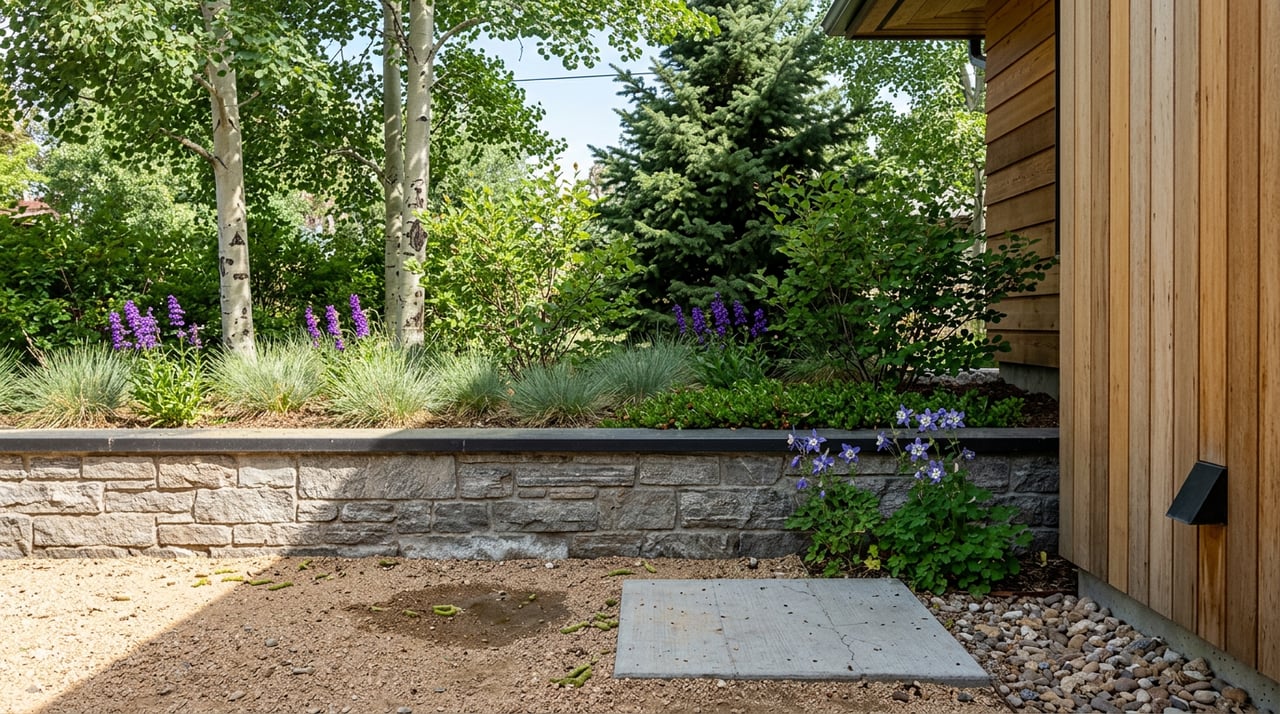
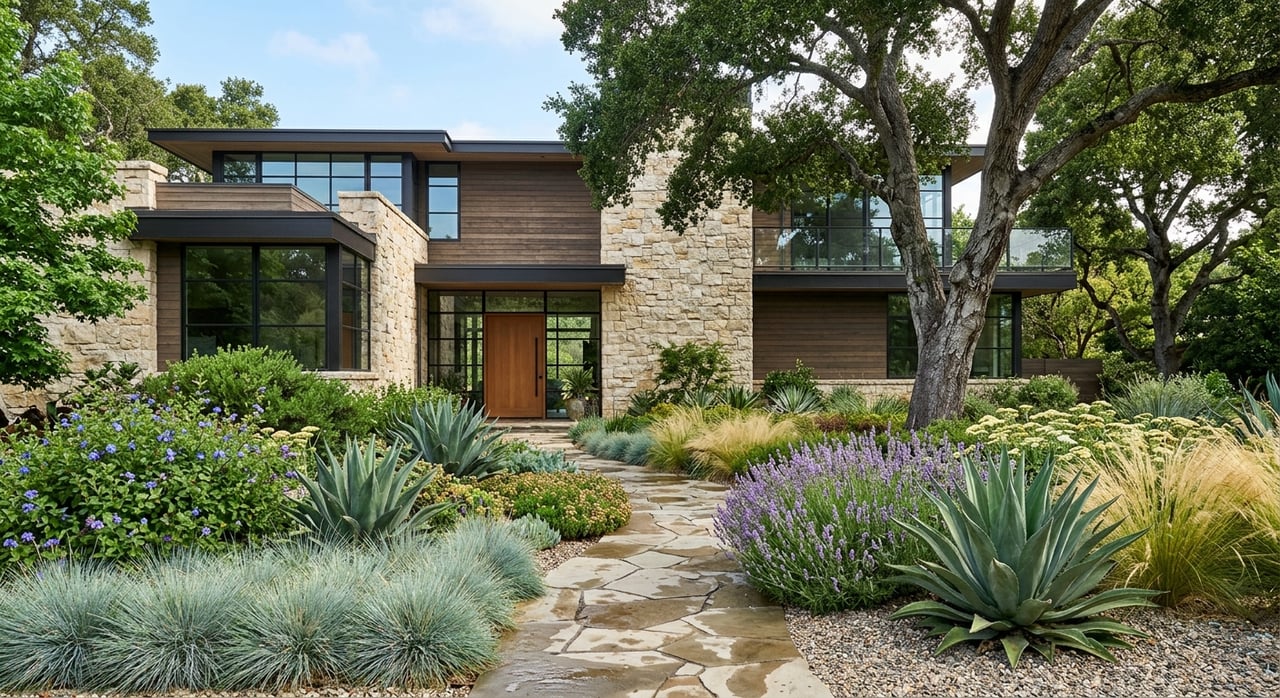
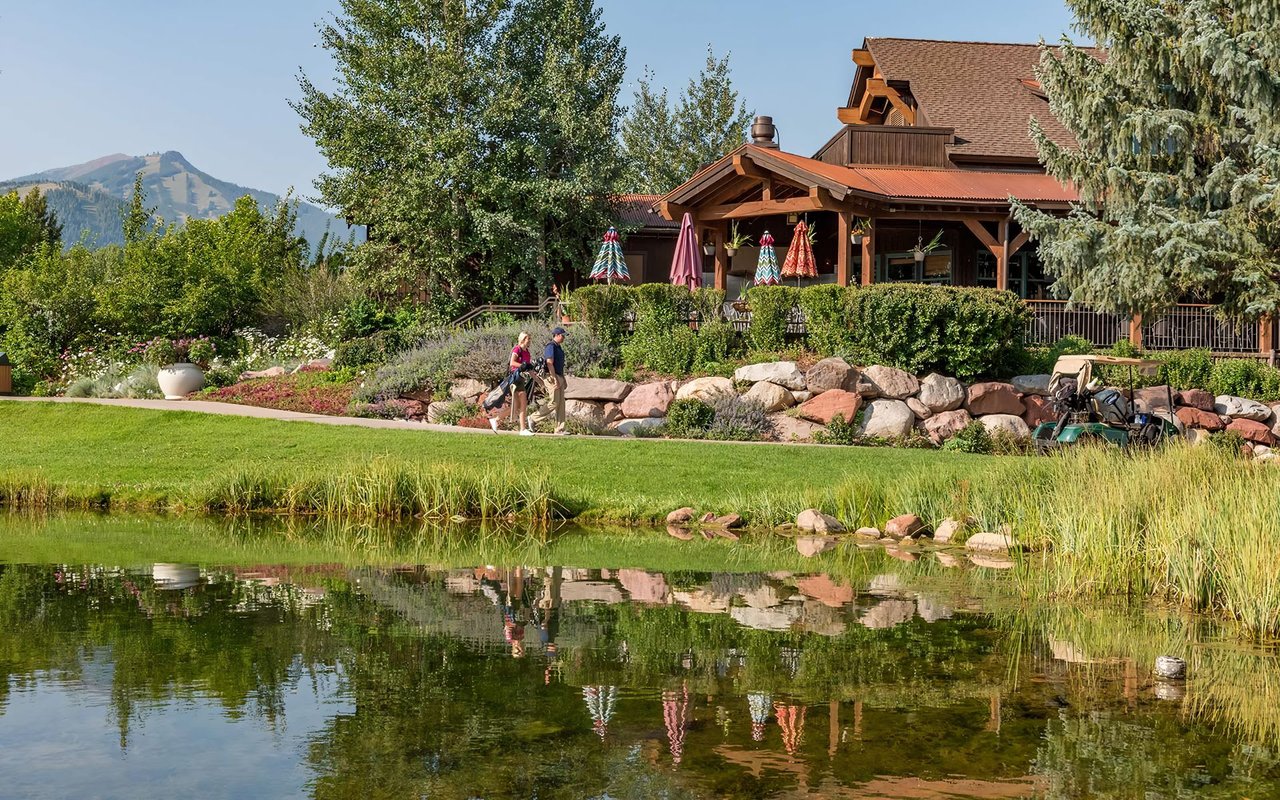
Landscaped grounds: Aspen groves, perennial gardens, and lawn zones that read polished
-
Multi-level comfort: Layouts that balance entertaining zones with quiet bedroom placement
These features add to what makes Aspen’s East End special because the neighborhood supports a quieter, more private version of Aspen living.
How East End Differs From Red Mountain and the West End
Red Mountain often emphasizes elevation, dramatic prominence, and a more overt “trophy” positioning, while the West End leans historic and legacy with distinctive street character.
A practical comparison lens I use with clients
-
Red Mountain: Elevated trophy positioning with strong privacy and statement view angles
-
West End: Historic fabric and legacy streets that carry a classic Aspen pedigree
-
East End: Calm residential pattern with view framing, trails, and cultural adjacency
-
Core: Tight proximity to downtown activity with a more energetic streetscape
The East End tends to sit in a different lane, with quiet streets, strong mountain presence, and immediate access to trails and cultural anchors.
FAQs
Is the East End still convenient to downtown Aspen?
Yes, the East End remains close to the downtown core while feeling more residential in tone. The neighborhood’s positioning keeps access straightforward without the same level of street activity seen closer to the center.
What kinds of homes are most common in the East End?
The area includes a mix of single-family residences and high-end remodels that emphasize privacy, outdoor usability, and view capture. Architectural styles vary, yet the strongest homes tend to prioritize light, flow, and quiet outdoor space.
What should you evaluate first when touring East End properties?
I start with view framing from primary rooms, then I evaluate outdoor space usability and the street’s privacy pattern. I also check how quickly the home connects to trail access and cultural anchors because those features define the neighborhood’s identity.
Contact Brittanie Rockhill Today
The East End offers a rare Aspen combination: a calmer residential feel, strong Aspen Mountain presence, and quick proximity to trails and cultural institutions that define the town’s year-round profile.
Connect with me, Brittanie Rockhill, today, and I will curate a targeted shortlist that highlights East End homes with the strongest blend of privacy, views, and refined access.
Connect with me, Brittanie Rockhill, today, and I will curate a targeted shortlist that highlights East End homes with the strongest blend of privacy, views, and refined access.