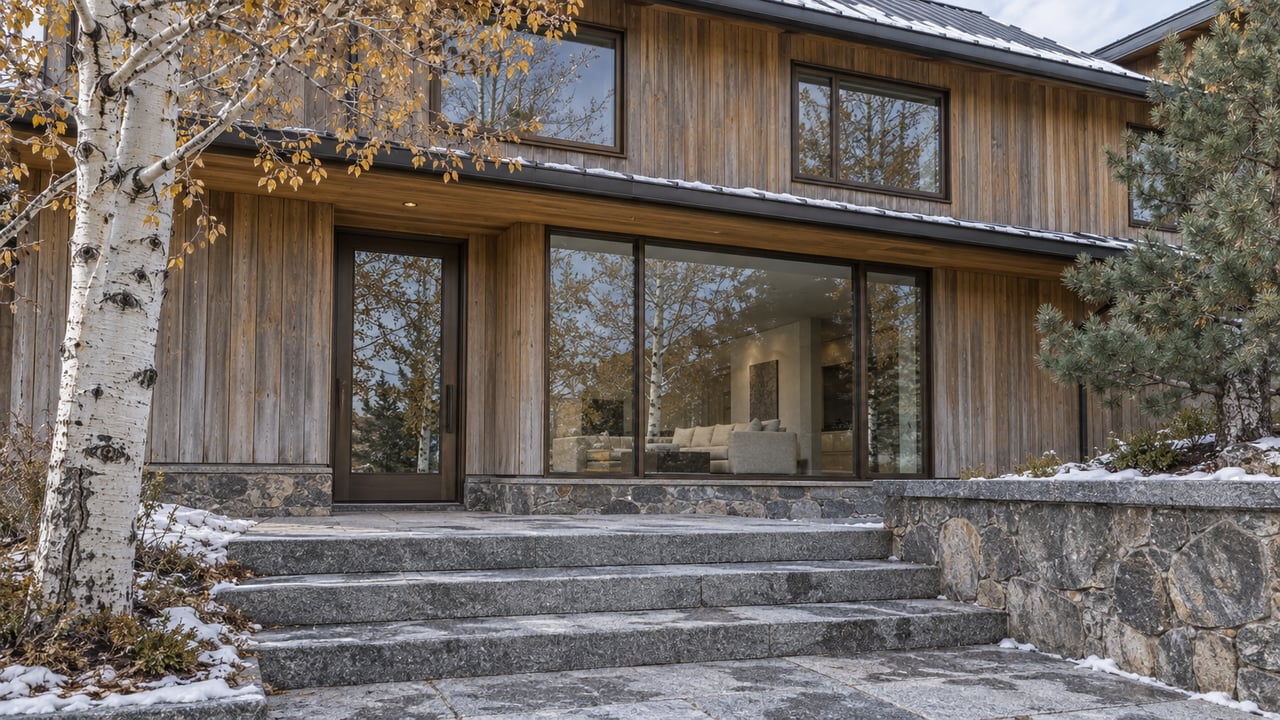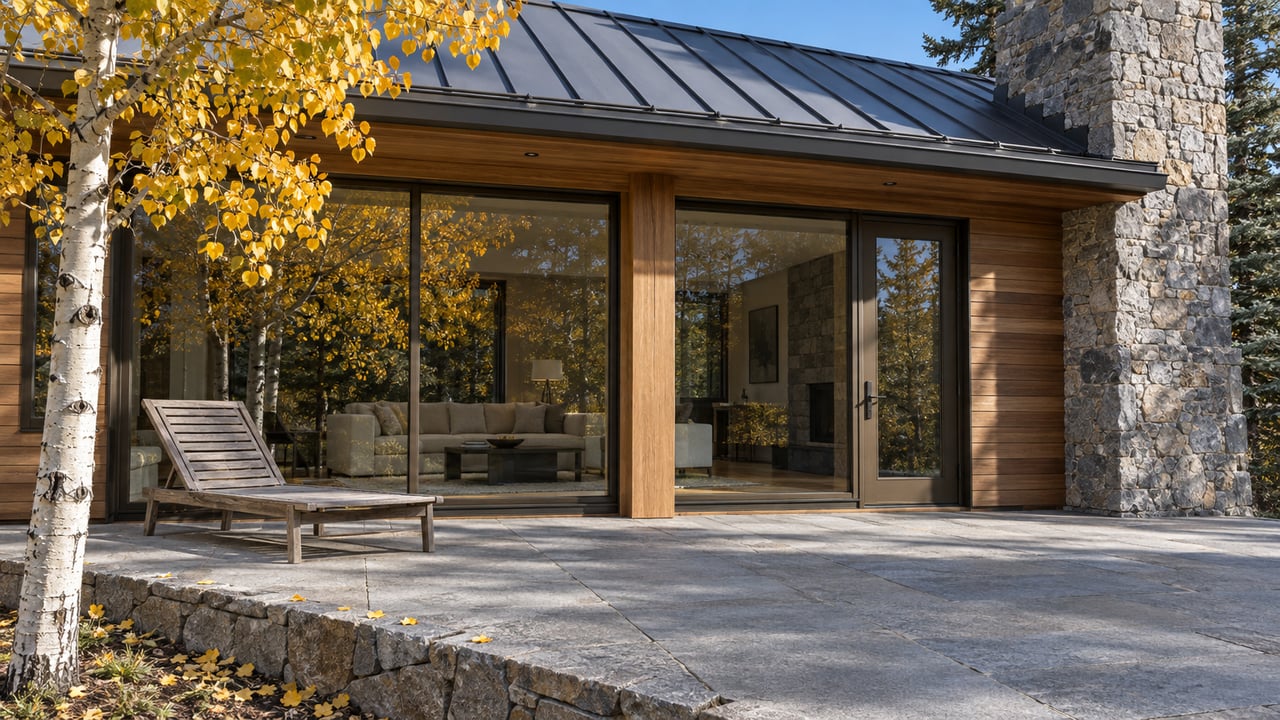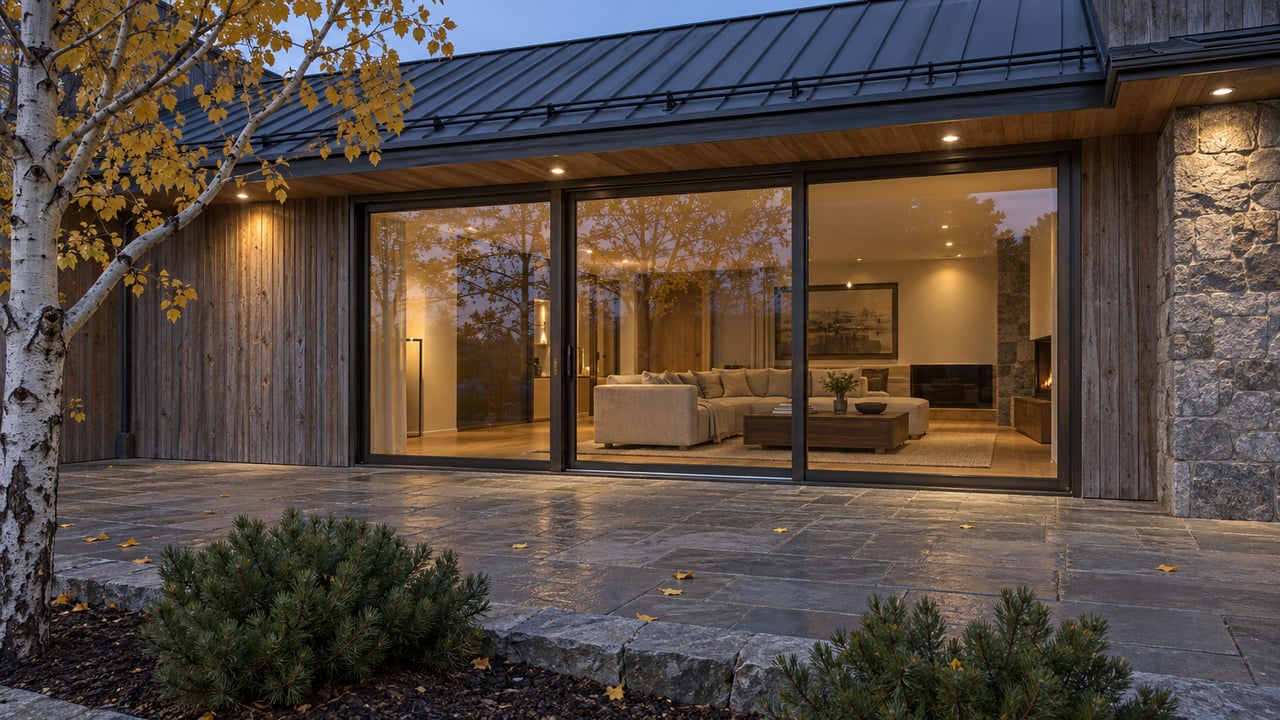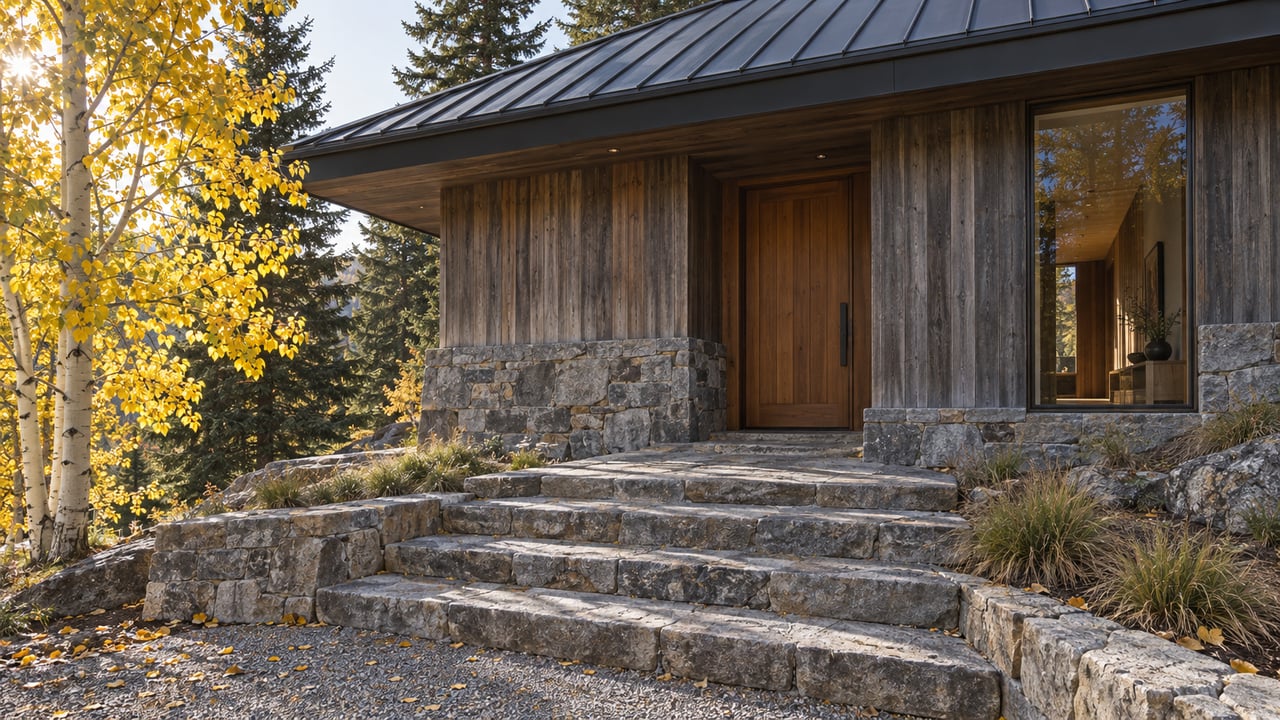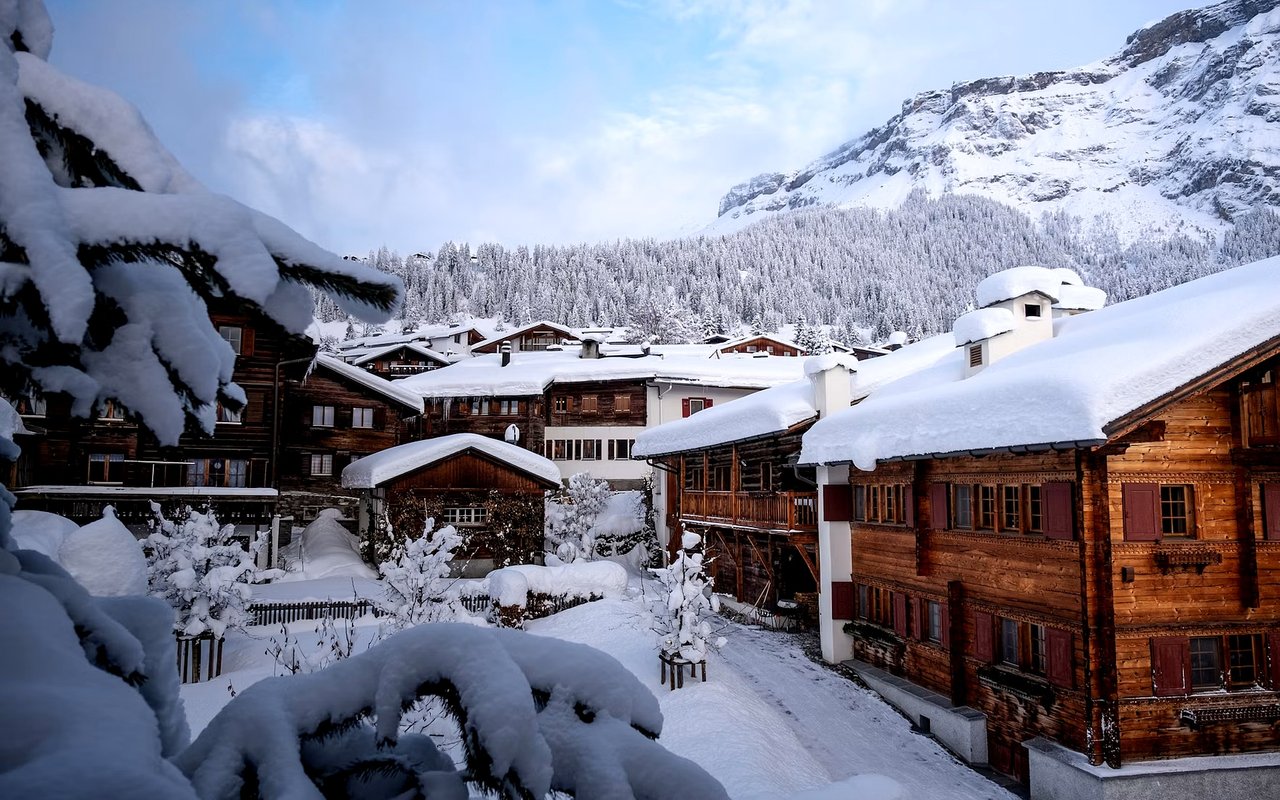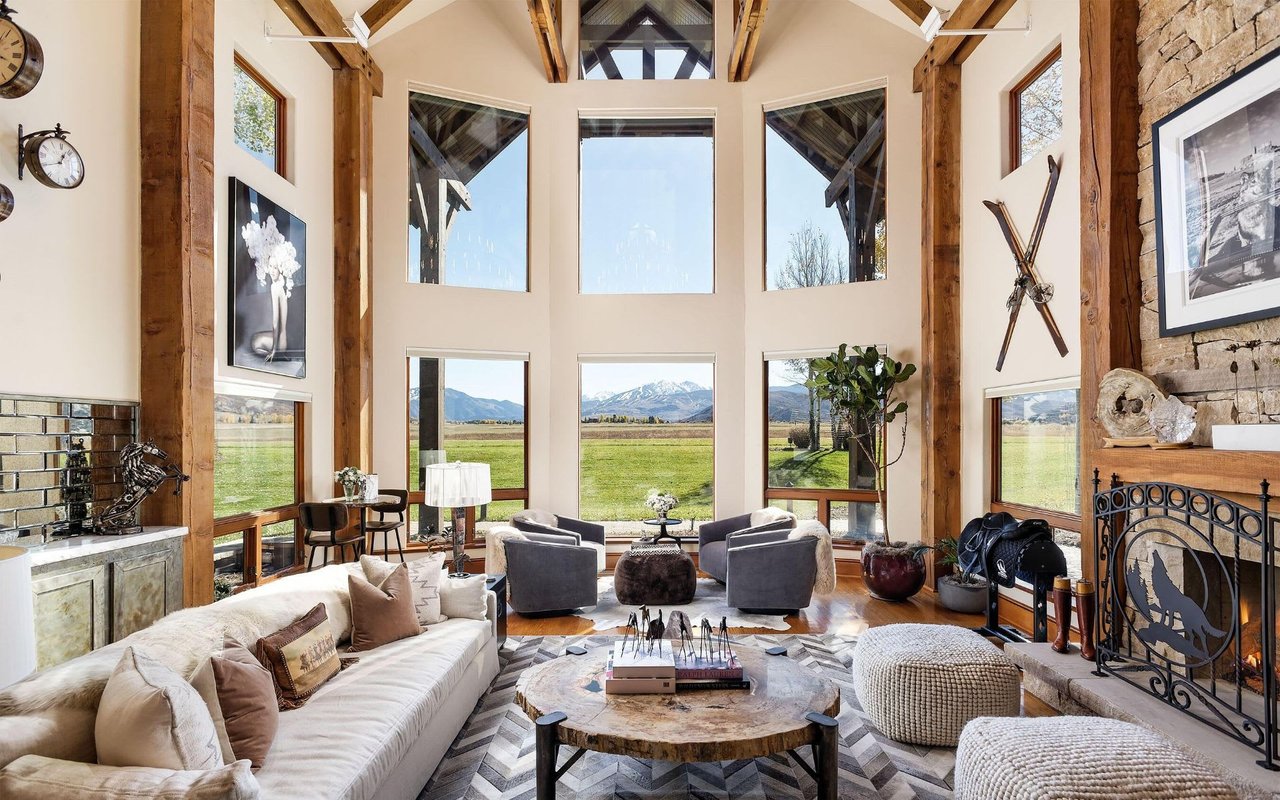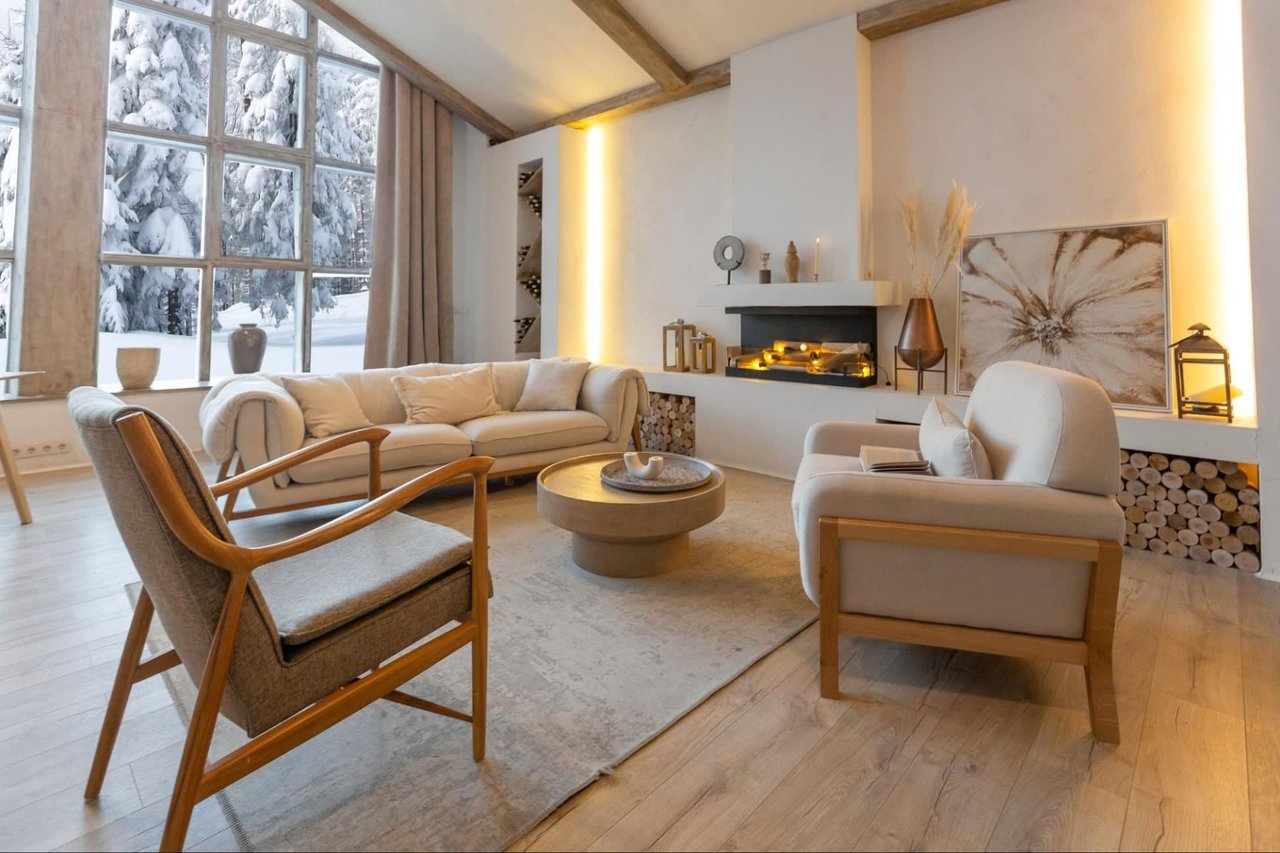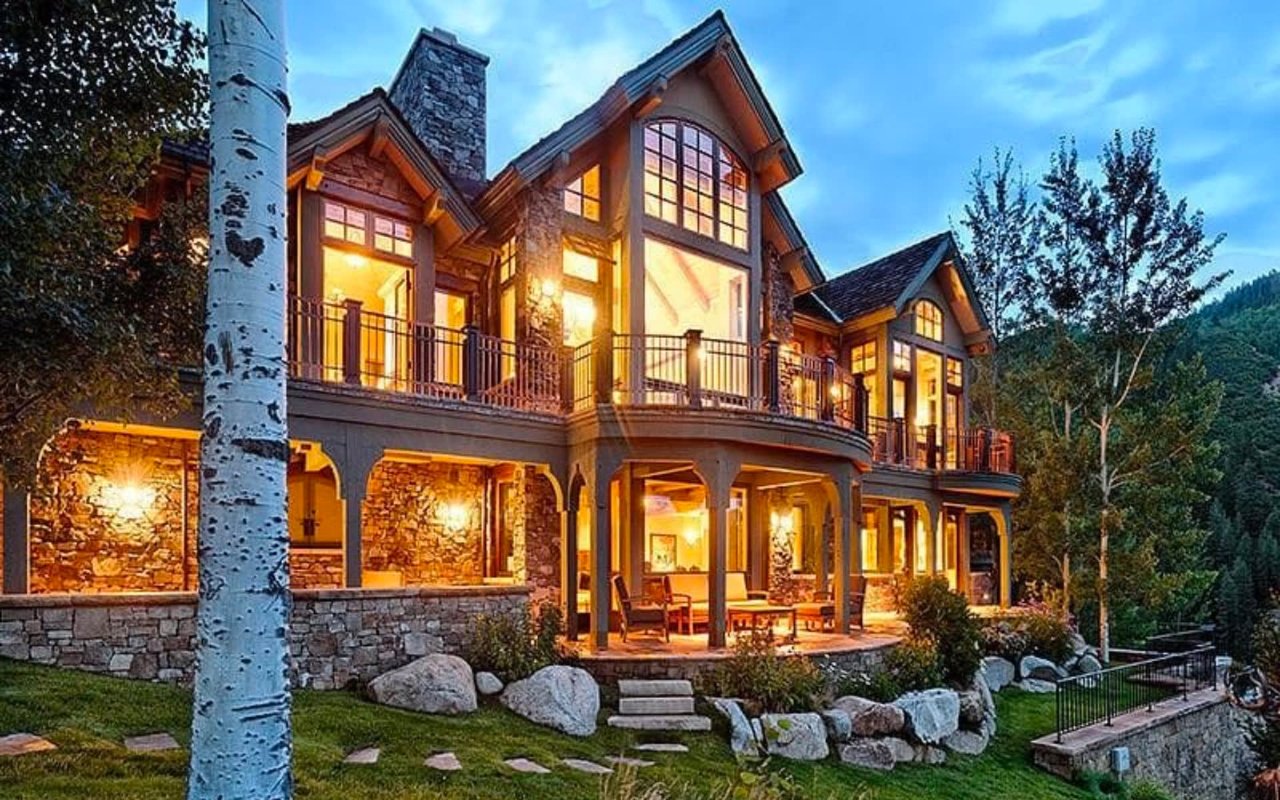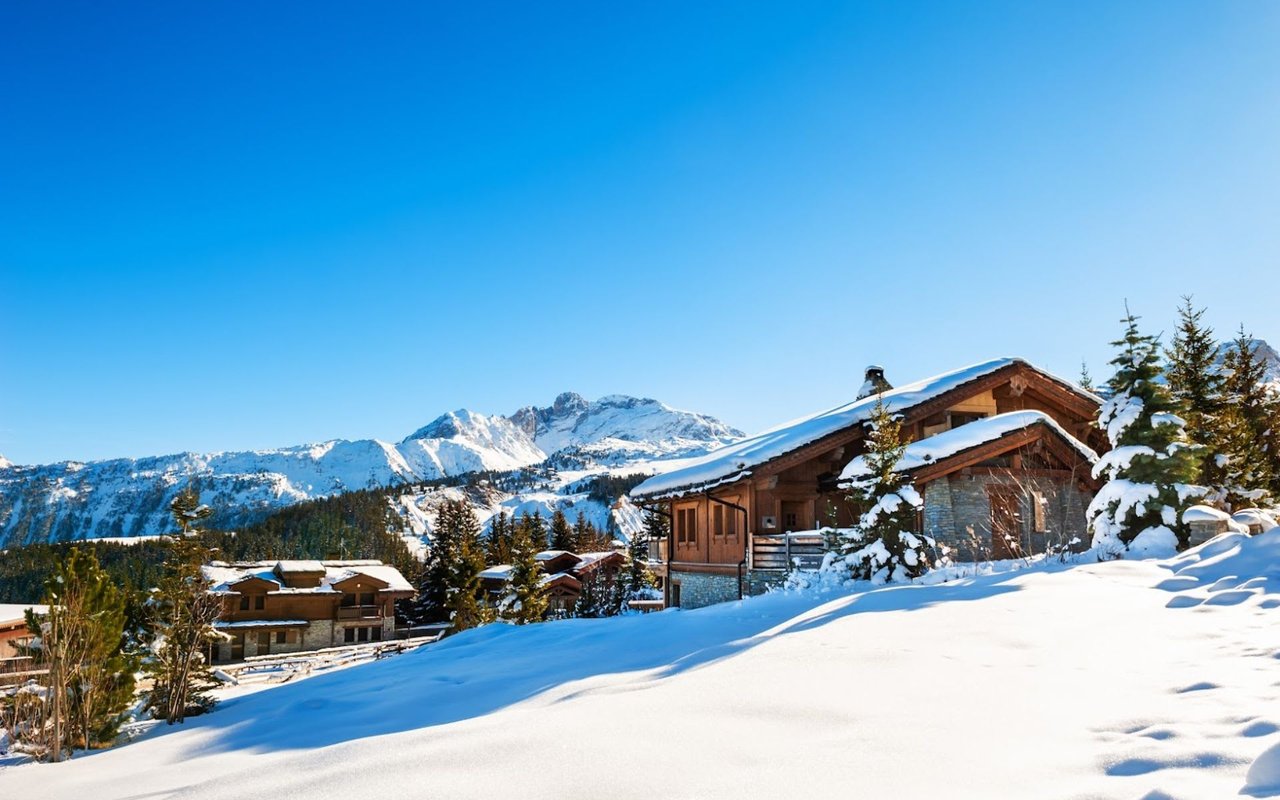
If you own a luxury property in Snowmass Village, your rental strategy matters just as much as the home itself. In a resort market shaped by ski access, summer events, and service-driven guest expectations, strong returns usually come from smart timing, the right property positioning, and reliable local operations. If you want to understand what actually drives performance here, this guide will walk you through the key factors. Let’s dive in.
Why Snowmass Village Performs Well
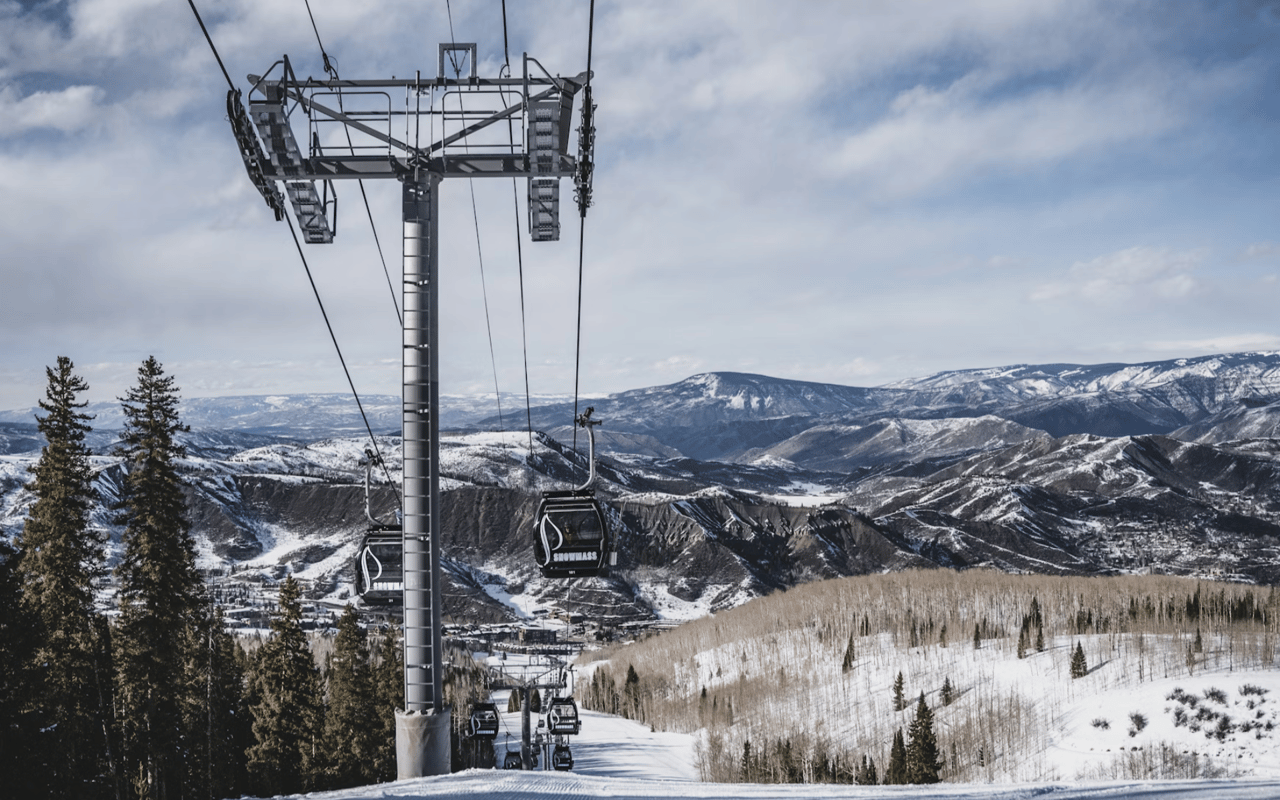
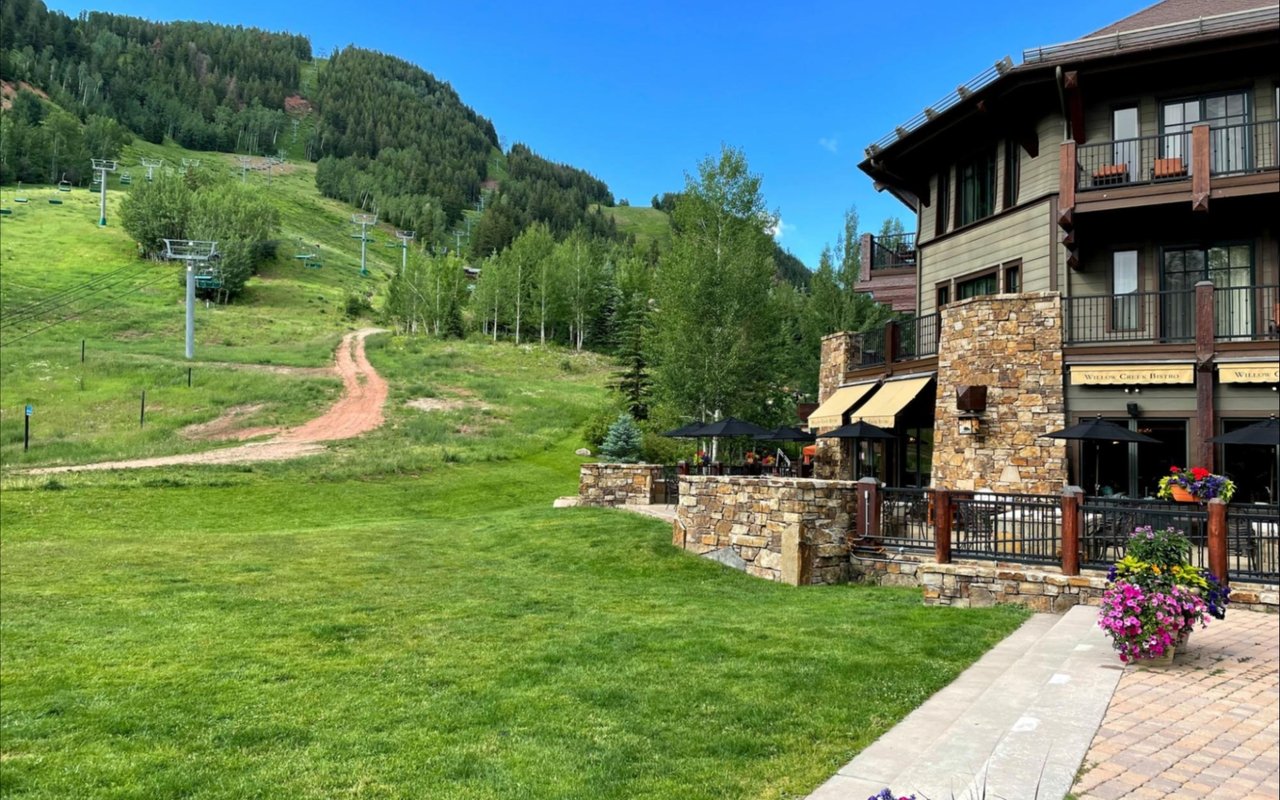
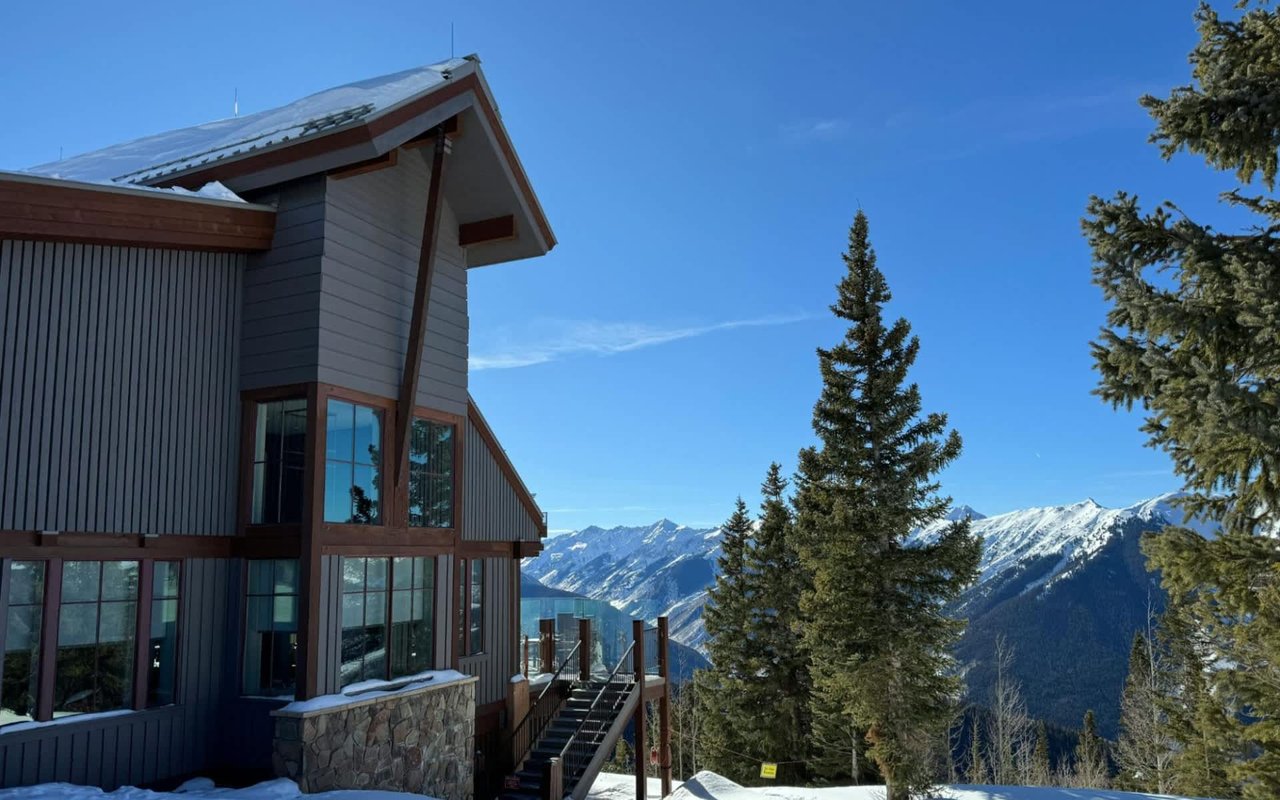
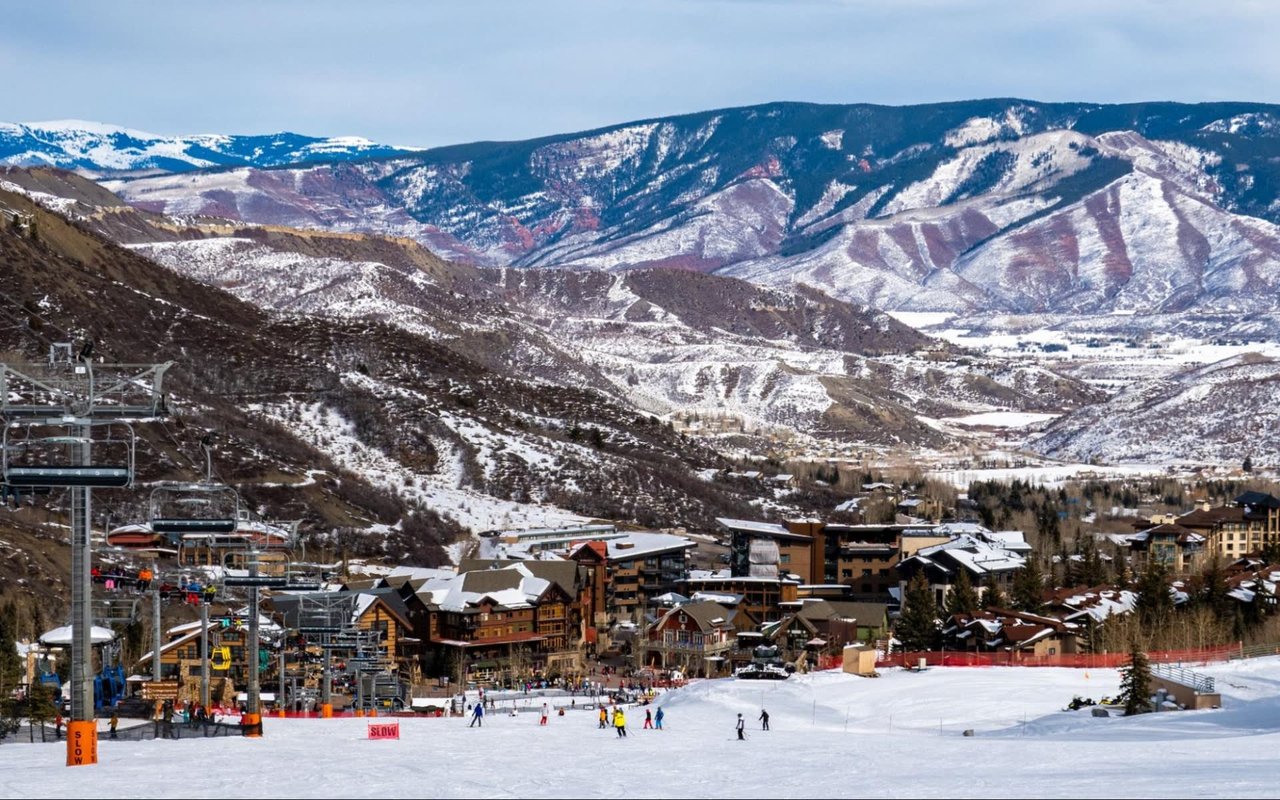
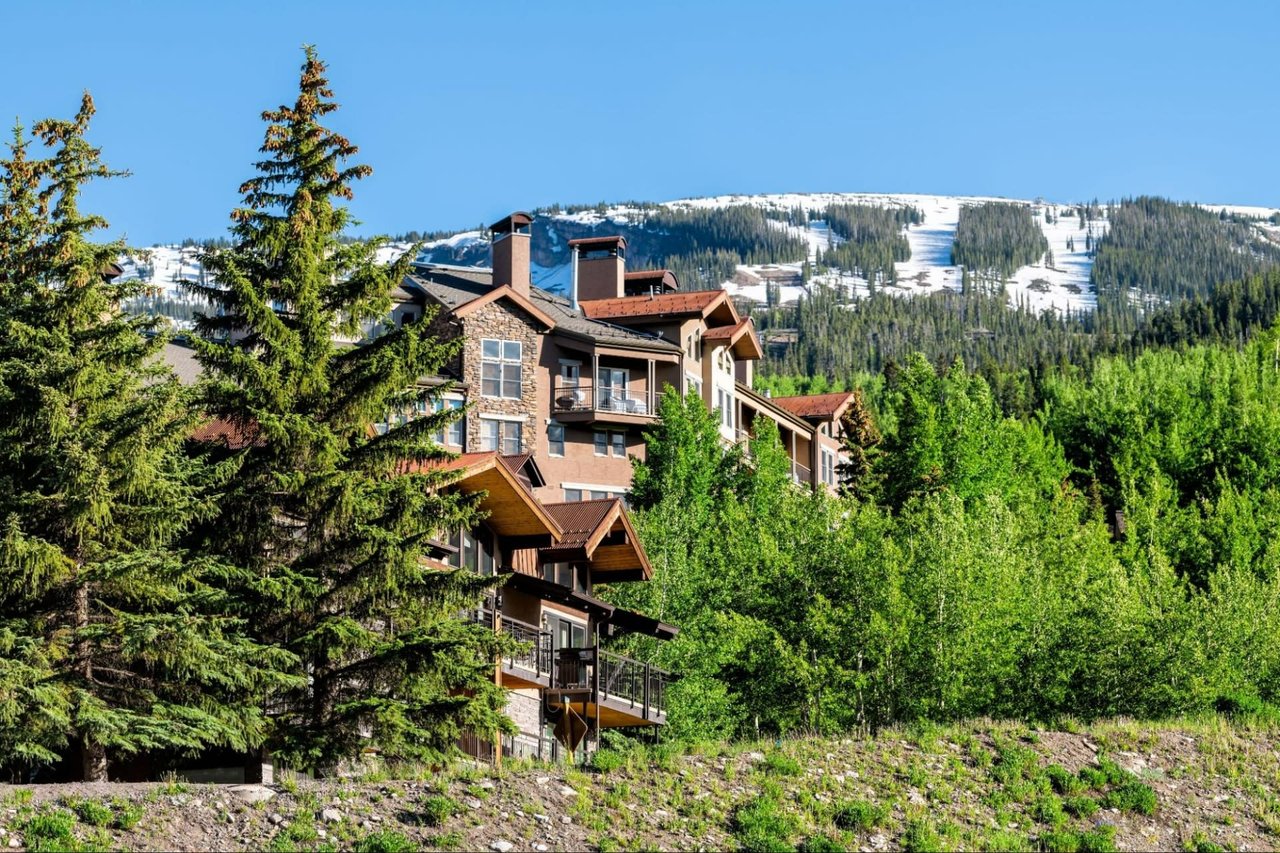
Snowmass Village is built for high-value vacation stays. Aspen Snowmass describes the resort as offering 3,342 acres of terrain, 98 trails, 20 lifts, and 4,406 vertical feet, with 95% of lodging ski-in/ski-out.
That kind of access supports premium pricing, especially for guests who want convenience and a full mountain experience. Snowmass is also marketed as ideal for group trips, with dining, shopping, and village amenities woven into the stay.
Visitor patterns also support the luxury rental model. Aspen Chamber reports an average summer stay of 9.2 nights, with 81% of visitors staying overnight. That longer-stay trend can be a strong fit for larger condos, townhomes, and homes that work well for families, couples, and multi-night travel.
Two Peak Seasons Drive Returns
In Snowmass Village, owners usually maximize returns by planning around two meaningful demand peaks. Winter is the primary revenue season, and summer is the secondary season.
For the 2025 to 2026 winter season, Snowmass operated from November 27, 2025, through April 12, 2026. Summer 2026 daily operations ran from June 21 through September 7, then weekends through October 4.
This calendar matters because booking demand does not stay flat all year. Local reservation reports from Aspen Chamber show Snowmass paid occupancy at 72.6% in March 2025, falling to 35.9% in April and 10.8% in May. By late summer, occupancy rose again to 57.2% in August and 42.4% in September.
The takeaway is simple. Winter is the core earning window, summer is a real second engine, and spring and late fall are softer periods that require a more flexible approach.
Winter Is the Prime Revenue Window
Ski season is the biggest driver of rental income in Snowmass Village. Guests are often booking for direct mountain access, holiday travel, and extended ski stays, which makes well-located luxury inventory especially attractive.
For many owners, the highest-value weeks are the ones worth protecting and planning for early. If your property has ski-in/ski-out access or is close to lifts and village amenities, that location can support stronger demand during the core winter calendar.
Summer Adds Meaningful Booking Power
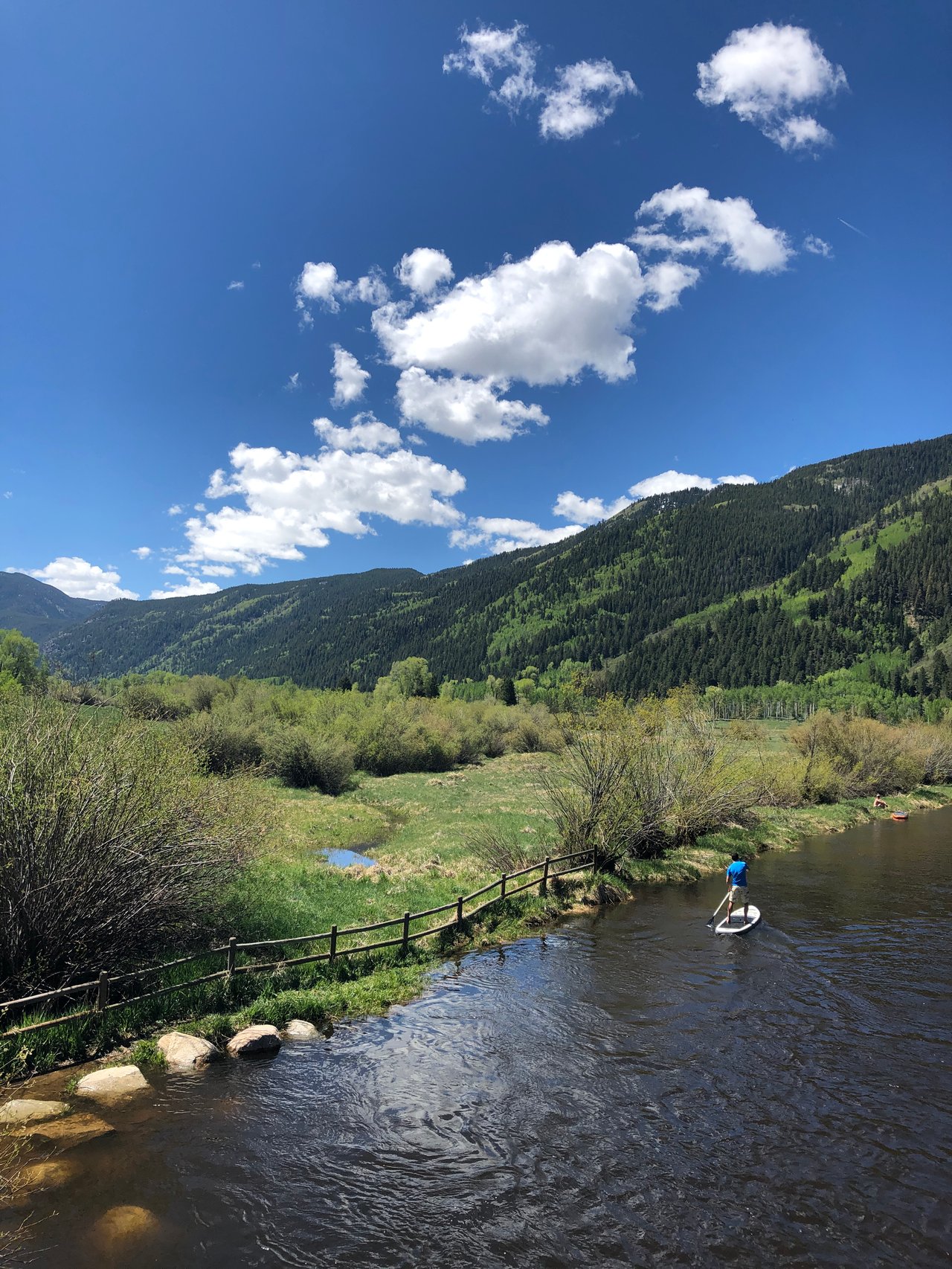
Summer is not an afterthought in Snowmass. The mountain, trails, and event lineup help create real demand beyond ski season.
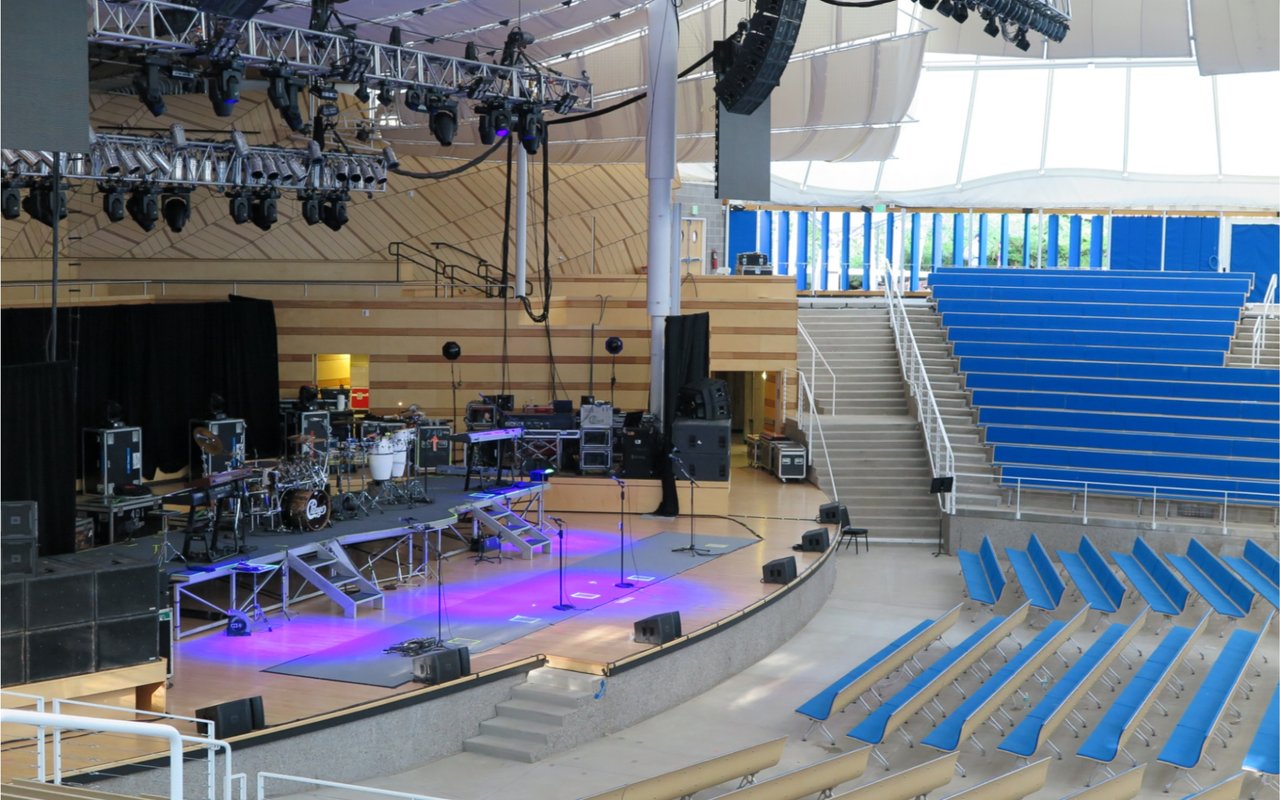
Snowmass Tourism’s 2026 summer calendar included the Snowmass Rodeo from June 17 through August 19, the Free Concert Series from June 18 through August 20, the Mountainside Music Festival from June 11 through 13, and the JAS Aspen Snowmass Labor Day Experience from September 4 through 6. The mountain bike park also opened June 21 for daily summer operations.
For owners, these events can help support premium pricing during key warm-weather weeks. They also broaden the rental audience beyond winter travelers.
Which Luxury Properties Rent Best
Not every property performs the same way in Snowmass Village. In general, the strongest rental fit depends on how your home aligns with resort access, guest expectations, and the level of privacy or space you want to offer.
Condos Often Offer the Easiest Path
Condos are naturally well suited to Snowmass Village. The lodging base is heavily slopeside, and official lodging categories prominently feature condos, vacation rentals, and ski-in/ski-out inventory.
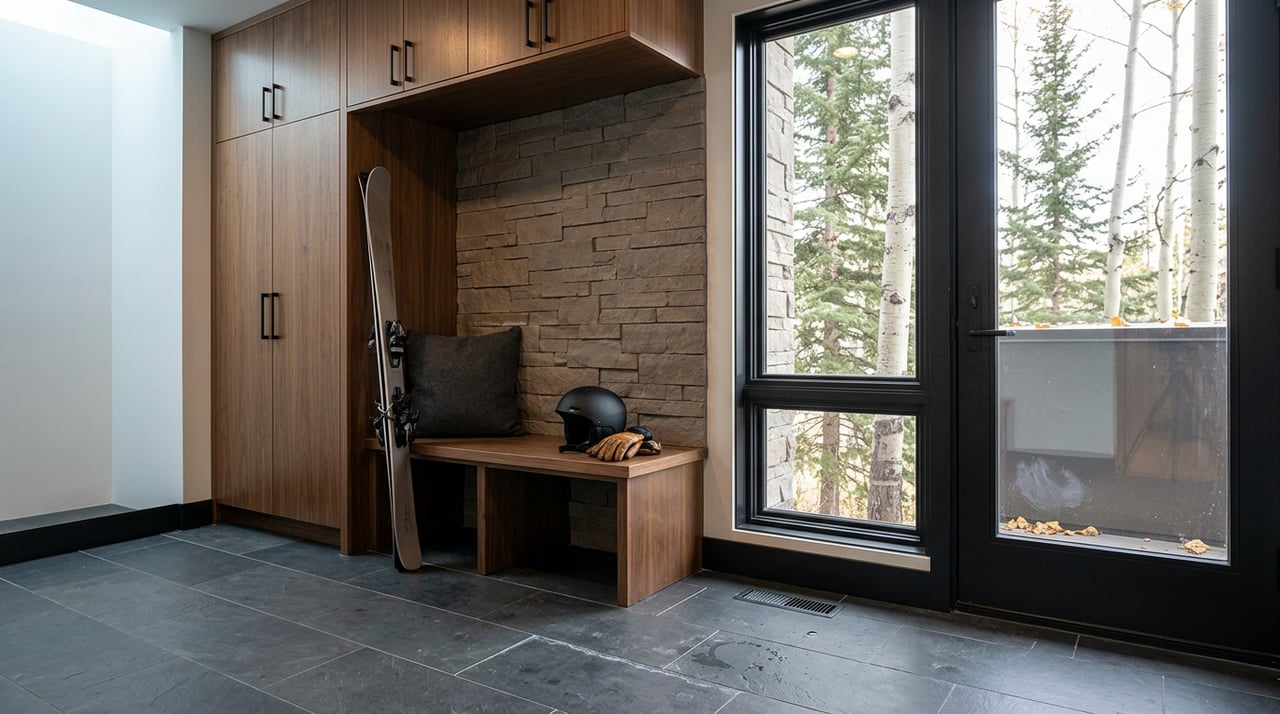
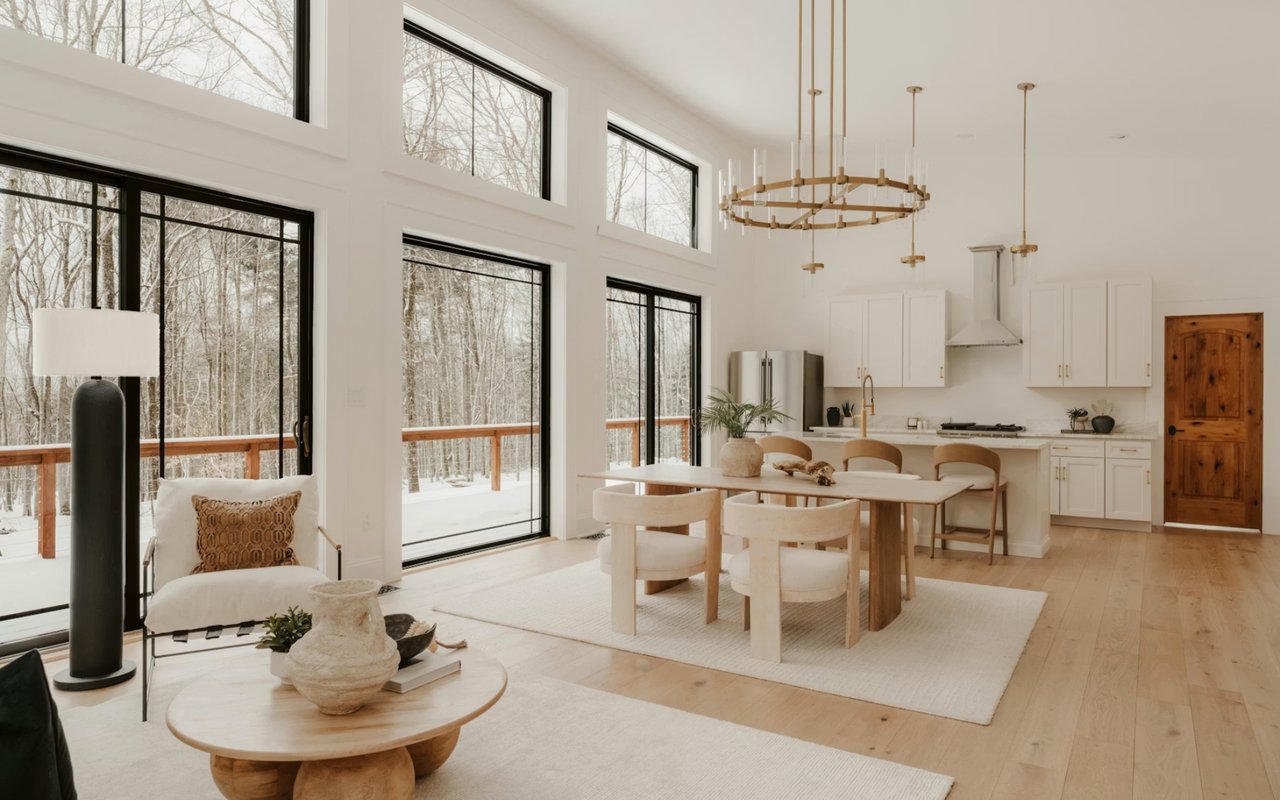
Luxury residences in the village are often marketed with direct gondola access, full kitchens, in-unit washer and dryers, garage parking, private ski lockers, and concierge or front-desk support. For owners who want strong occupancy with a more streamlined operating model, a well-located condo is often the easiest product to rent consistently.
Townhomes Balance Space and Convenience
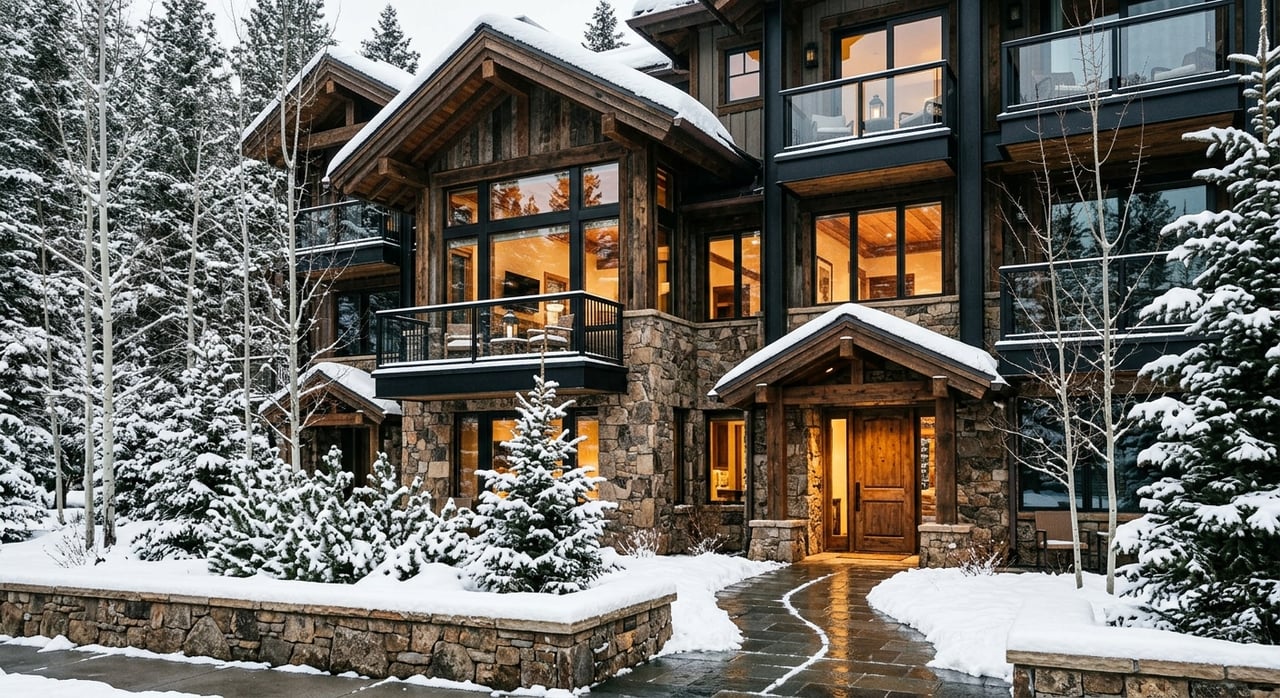
Townhomes often hit a sweet spot in the luxury market. They can offer more room and privacy than a condo while still keeping guests close to the mountain and village core.
This property type tends to appeal to family groups and guests traveling together for several nights. Snowmass lodging options include multi-bedroom townhouse-style units, and village shuttle routes are designed with stops near condominium and hotel complexes, which helps support convenience during a stay.
Single-Family Homes Need Clear Positioning
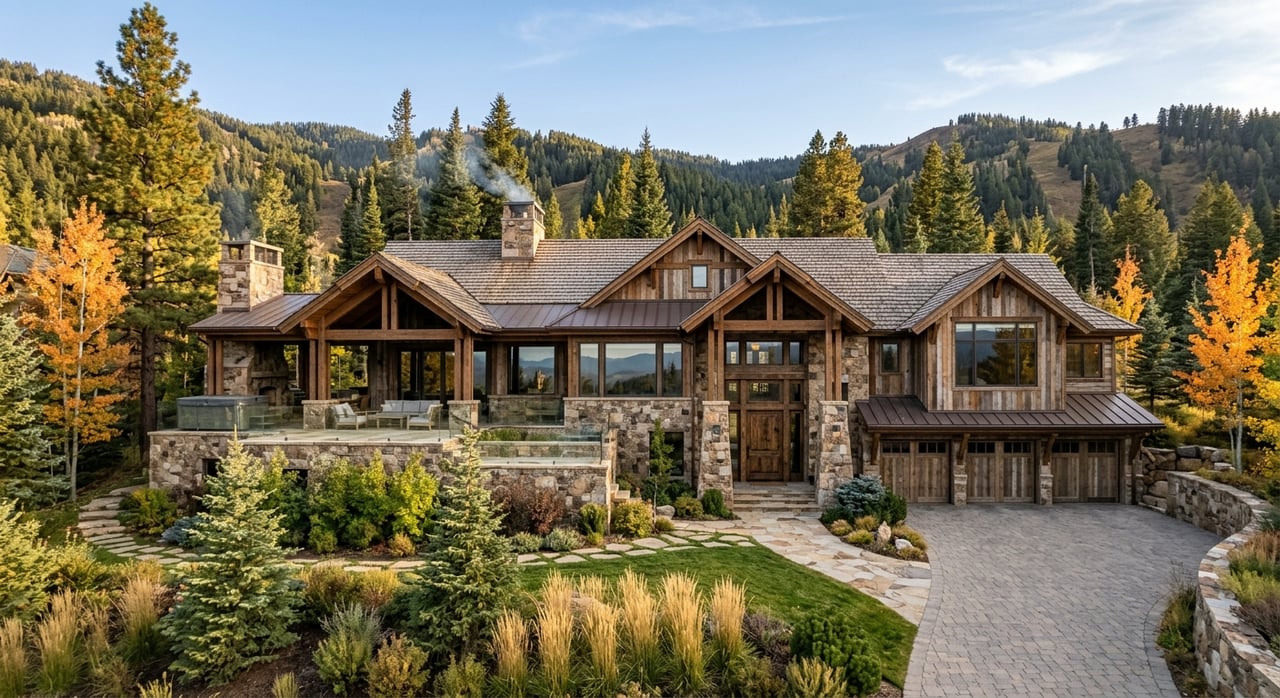
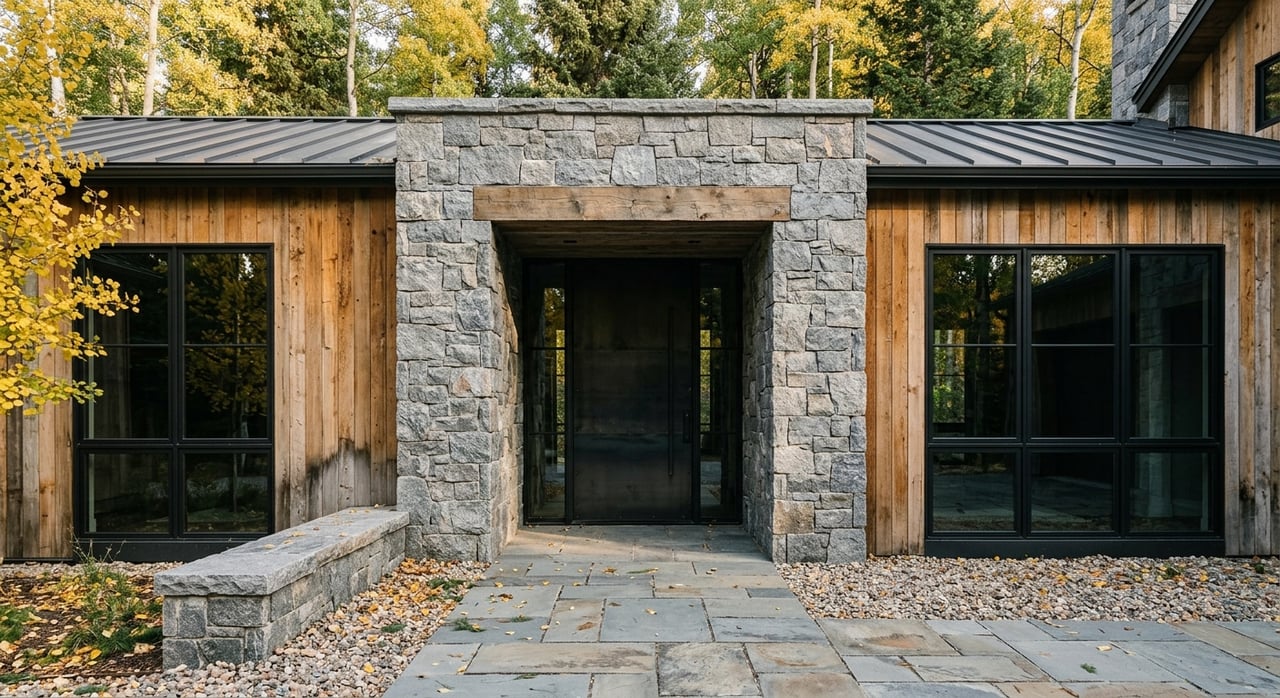
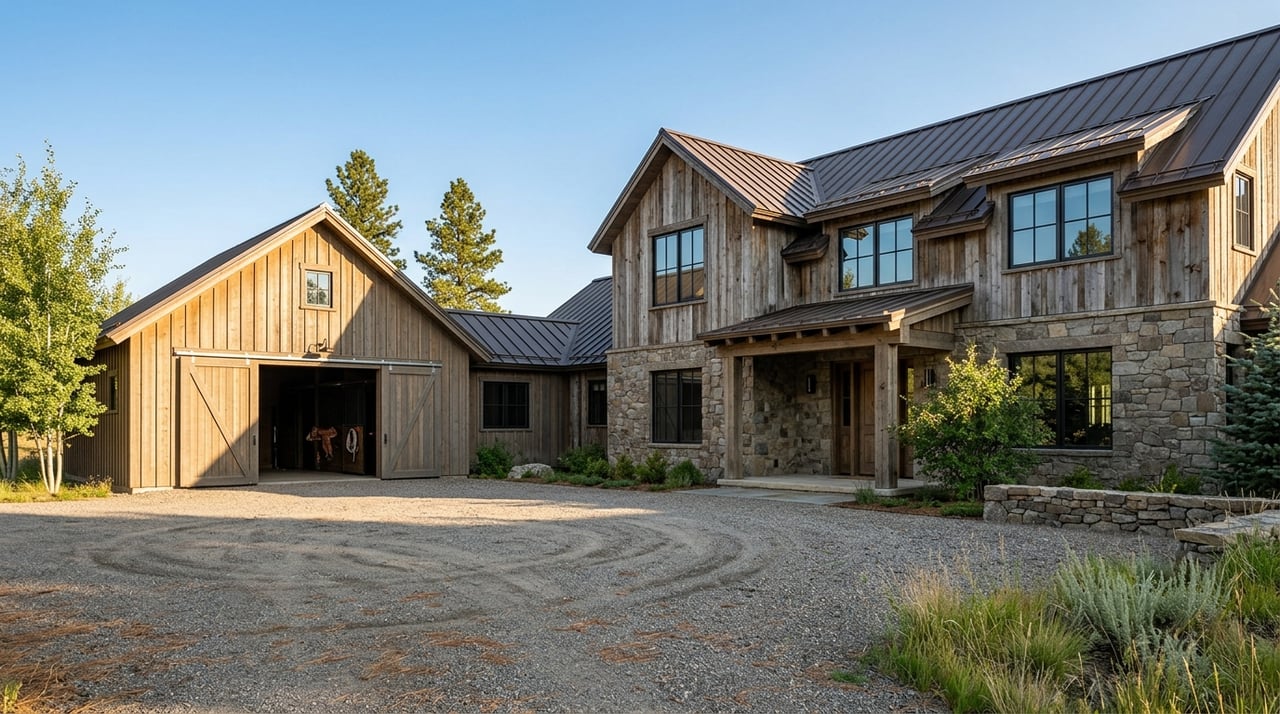
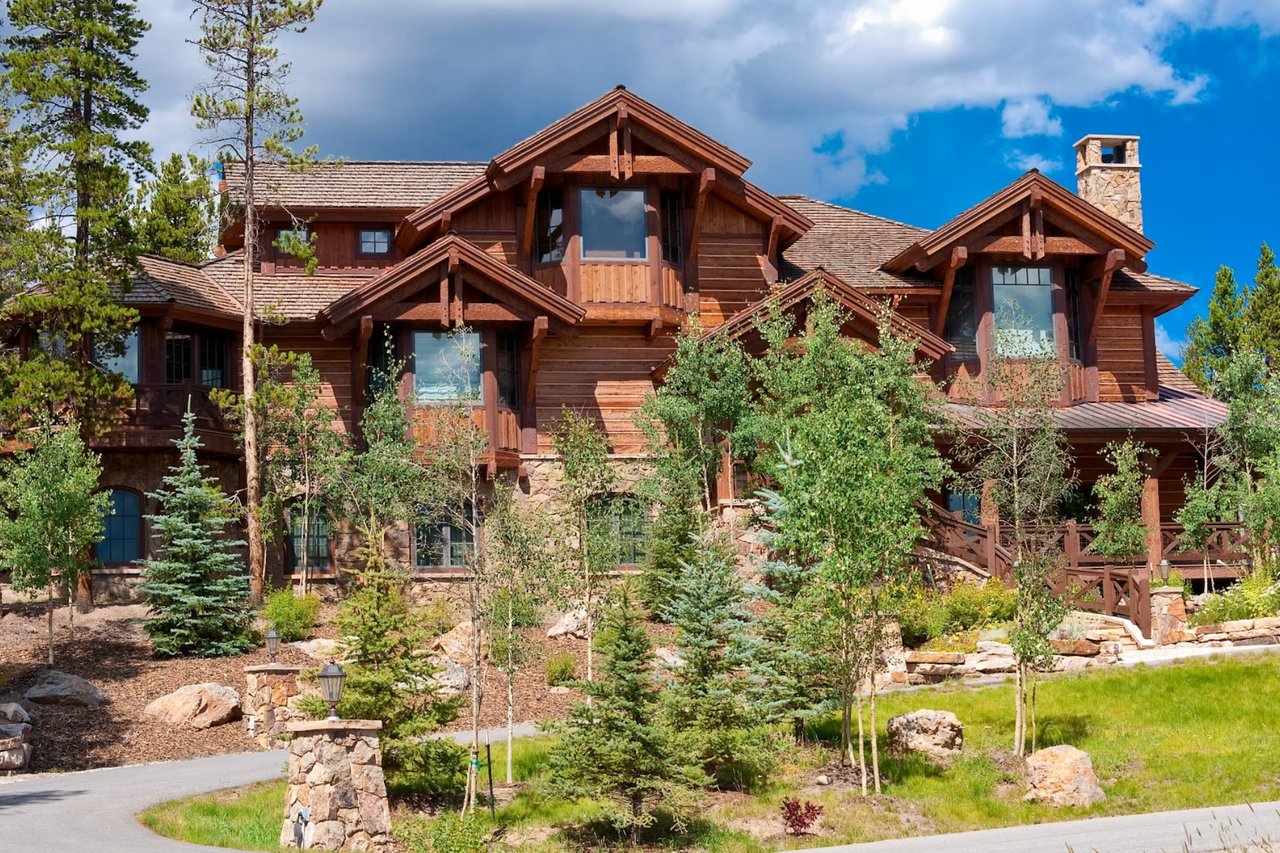
Single-family homes can perform very well, but they usually succeed for different reasons. Rather than competing on pure occupancy, detached homes often win on privacy, architecture, views, and a more exclusive guest experience.
The Town of Snowmass Village includes a separate short-term rental permit category for single-family homes and duplexes, which confirms they are part of the rental landscape. In practice, these homes tend to do best when they offer standout features that justify their place at the top of the market.
Compliance Has a Direct Impact on Profit
Luxury rental returns are not just about nightly rate. In Snowmass Village, compliance and operations are part of the revenue equation.
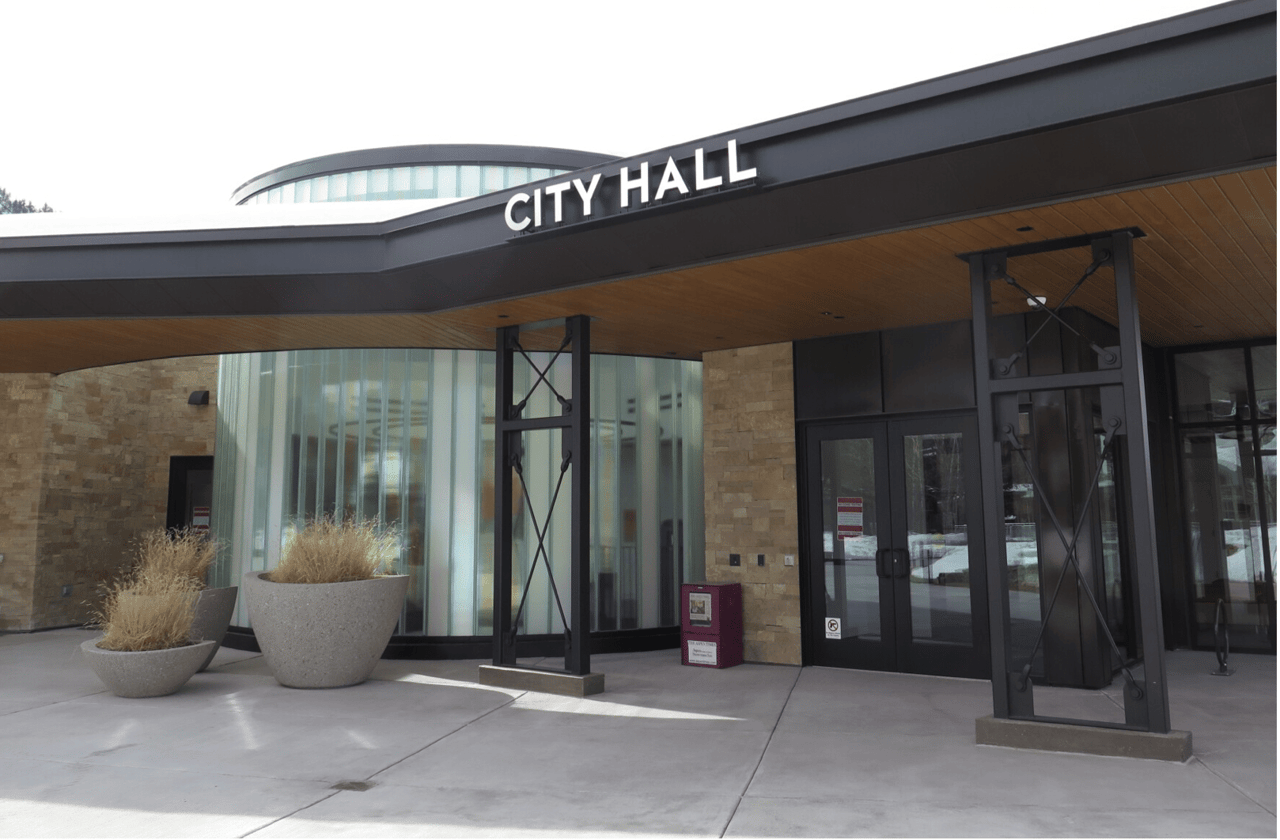
The town defines short-term rentals as lodging for fewer than 30 consecutive days. Hosts must obtain both a business license and a permit.
The town also uses a unified April 30 permit expiration date. The application requires a designated local owner representative and property management company information, which makes local coordination an important part of staying compliant.
Taxes Must Be Built Into Your Math
Owners also need to account for required tax collection from the start. Snowmass Village states that lodging within town limits must collect and remit tax, and the town lists a lodging tax rate of 13.05% and a sales tax rate of 10.65%.
That means your quoted nightly rate is only one part of the financial picture. If you want to evaluate true return, your pricing model should reflect taxes, operating costs, and seasonal fluctuations.
Management Quality Can Protect Premium Rates
In Snowmass, the guest experience is service-heavy. That is one reason professional management plays such a large role in owner performance.
Official lodging examples emphasize concierge support, year-round front desks, shuttle transportation, ski lockers, and airport pickups. Guests in this market often expect a polished, responsive experience from booking through departure.
A strong local management setup can help with:
- Housekeeping coordination
- Property inspections
- Guest communication
- Shuttle and parking questions
- Seasonal readiness
- Permit and tax administration
For many owners, this is where premium rates are protected. Luxury guests are often paying for ease and consistency, not just square footage.
How Owners Maximize Returns in Practice
The most effective strategy usually comes down to aligning your property, calendar, and operations with the rhythms of Snowmass Village. Owners who treat the rental as a seasonal business, not a passive listing, are often best positioned for stronger results.
Here are the biggest levers to focus on:
Keep Peak Weeks Available
If rental income is a priority, reserve your personal use carefully. High-demand winter weeks and major summer event periods can carry outsized revenue potential.
That does not mean giving up the weeks you value most. It means making intentional tradeoffs between owner enjoyment and rental performance.
Match Strategy to Property Type
A slopeside condo may perform best with a streamlined, occupancy-focused approach. A larger townhome may appeal to multi-night family stays, while a detached home may need a more tailored, high-touch marketing position.
The strongest strategy starts with understanding what your property is actually built to do in this market. Trying to market every home the same way usually leaves money on the table.
Plan for Shoulder Seasons
Spring and late fall are softer windows in Snowmass Village. Those periods often require more flexibility in pricing, owner scheduling, and management discipline.
Instead of expecting peak-season performance year-round, smart owners budget and plan around the reality of the market cycle. That creates a more stable and realistic view of annual returns.
Invest in Local Execution
In a destination market, details shape reviews, repeat stays, and rate strength. Clean turnovers, fast communication, and smooth arrival logistics all matter.
That is especially true in Snowmass, where transportation, parking, and resort operations change by season. Owners who have reliable local support are usually better equipped to deliver the kind of experience luxury travelers expect.
The Snowmass Advantage for Long-Term Owners
For second-home owners and investors, Snowmass Village offers a compelling mix of lifestyle value and rental potential. It combines destination appeal, a slopeside lodging base, and a two-season demand cycle that supports more than just winter bookings.
At the same time, this is not a casual short-term rental market. Owners who tend to do best are the ones who understand that returns are shaped by property type, seasonal timing, compliance, and guest experience working together.
If you are evaluating a Snowmass Village purchase, refining a rental strategy, or deciding how to position an existing property, local insight can make a meaningful difference. To discuss your options with a principal-led Aspen Snowmass advisor, contact Brittanie Rockhill.
FAQs
How do luxury rentals in Snowmass Village make the most money?
- Most owners maximize returns by focusing on winter ski season, capturing strong summer demand, keeping peak weeks available for guests, and using professional local management.
What property type rents best in Snowmass Village?
- Condos are often the easiest to rent consistently, townhomes appeal to guests who want more space, and single-family homes tend to perform best when they offer privacy, views, or standout amenities.
What are the short-term rental rules in Snowmass Village?
- The Town of Snowmass Village defines short-term rentals as stays of fewer than 30 consecutive days and requires both a business license and a permit.
Do Snowmass Village rental owners need to collect taxes?
- Yes. Snowmass Village says lodging within town limits must collect and remit tax, including a lodging tax rate of 13.05% and a sales tax rate of 10.65%.
Why is professional management important for Snowmass Village rentals?
- Professional management helps owners handle guest service, housekeeping, inspections, local coordination, and compliance in a market where service expectations are high.
Is summer an important season for Snowmass Village rentals?
- Yes. Summer is a meaningful second demand season, supported by mountain operations, events, concerts, the rodeo, and late-summer travel patterns.