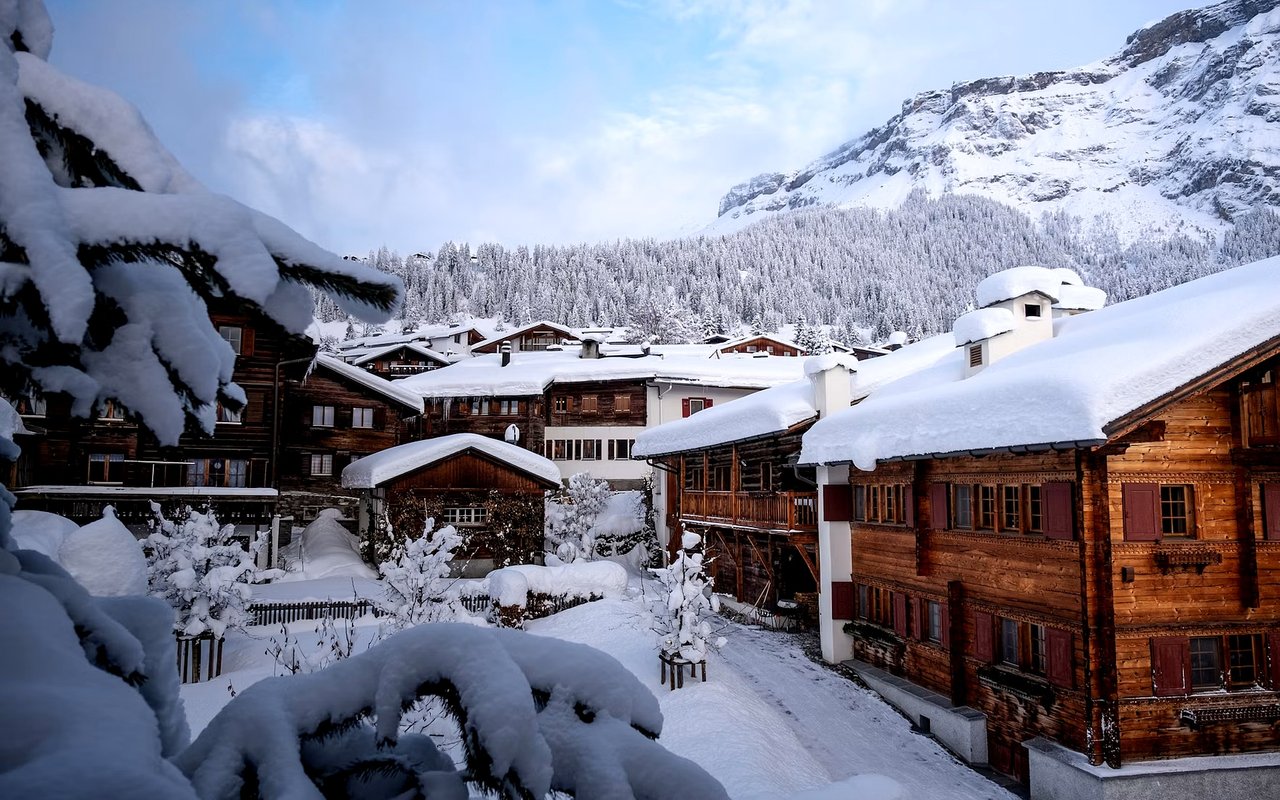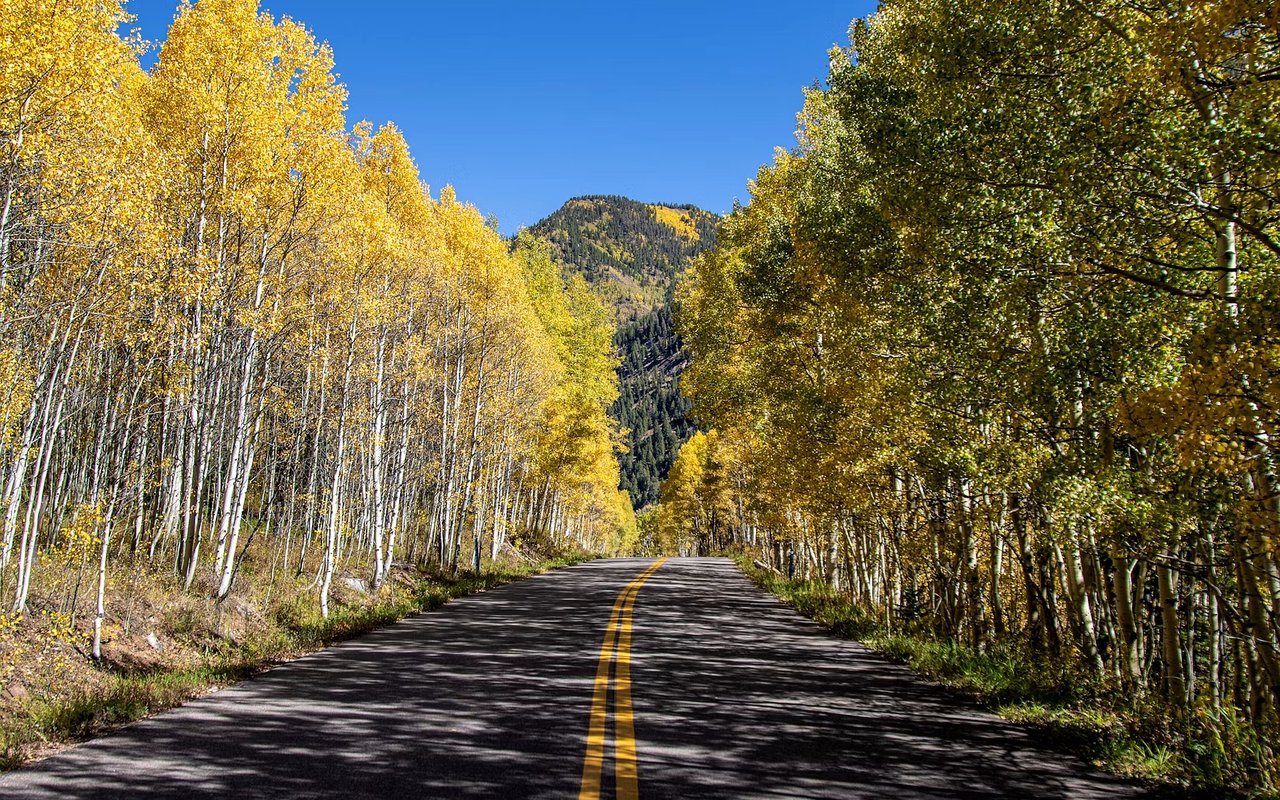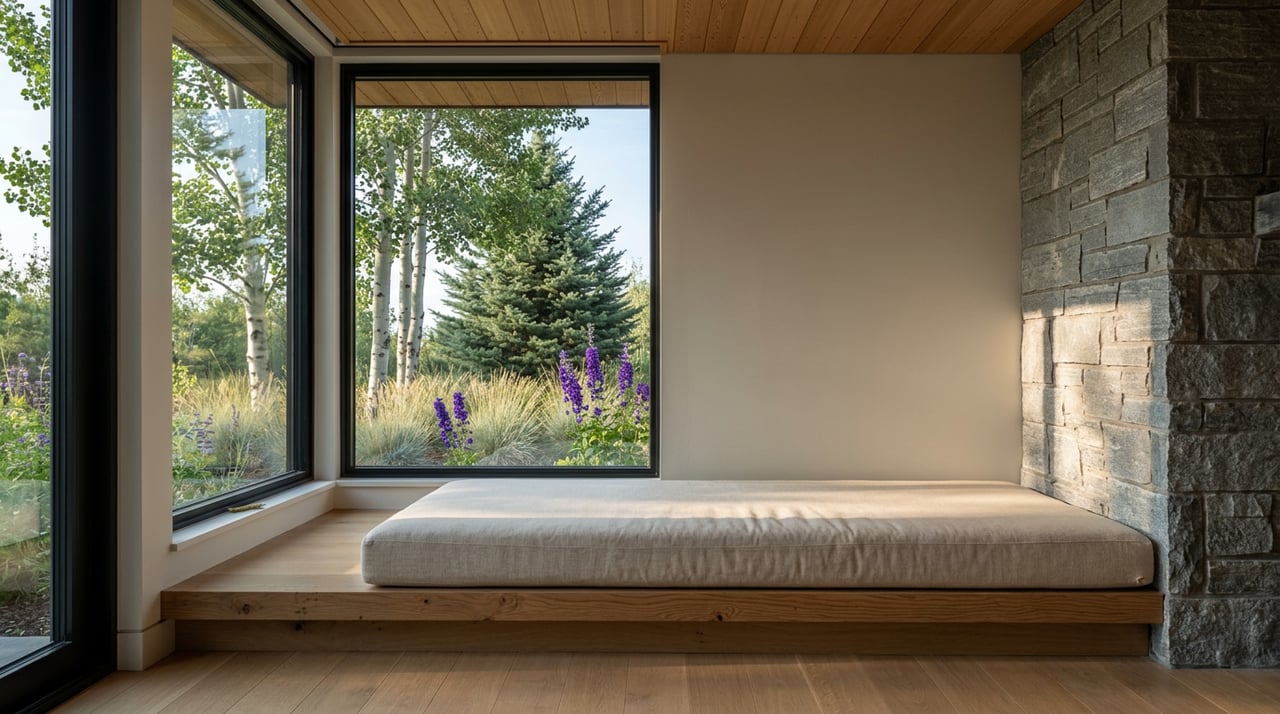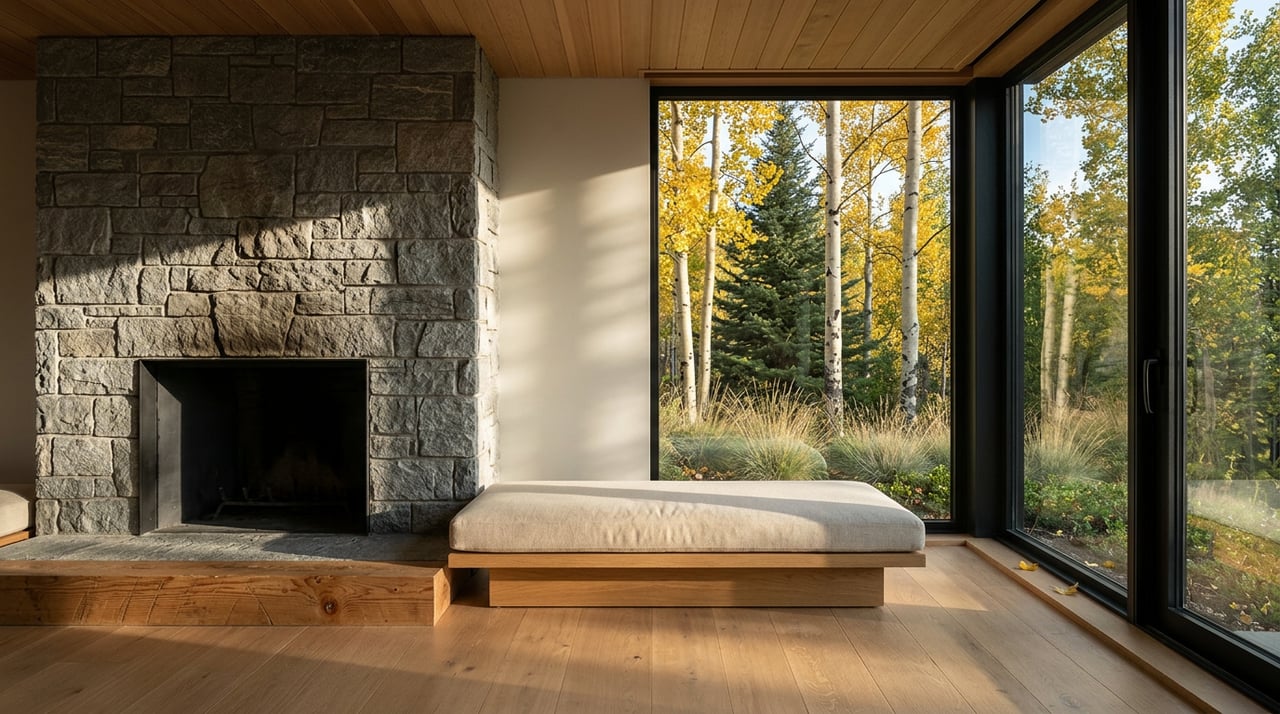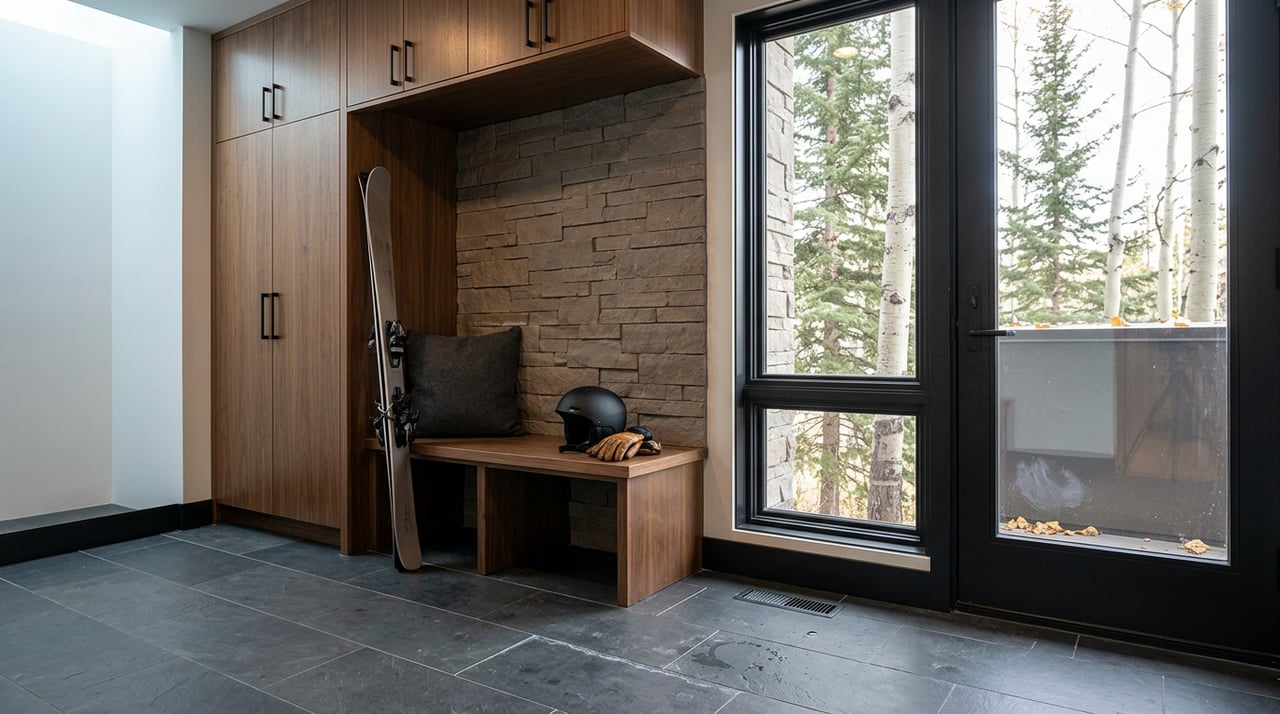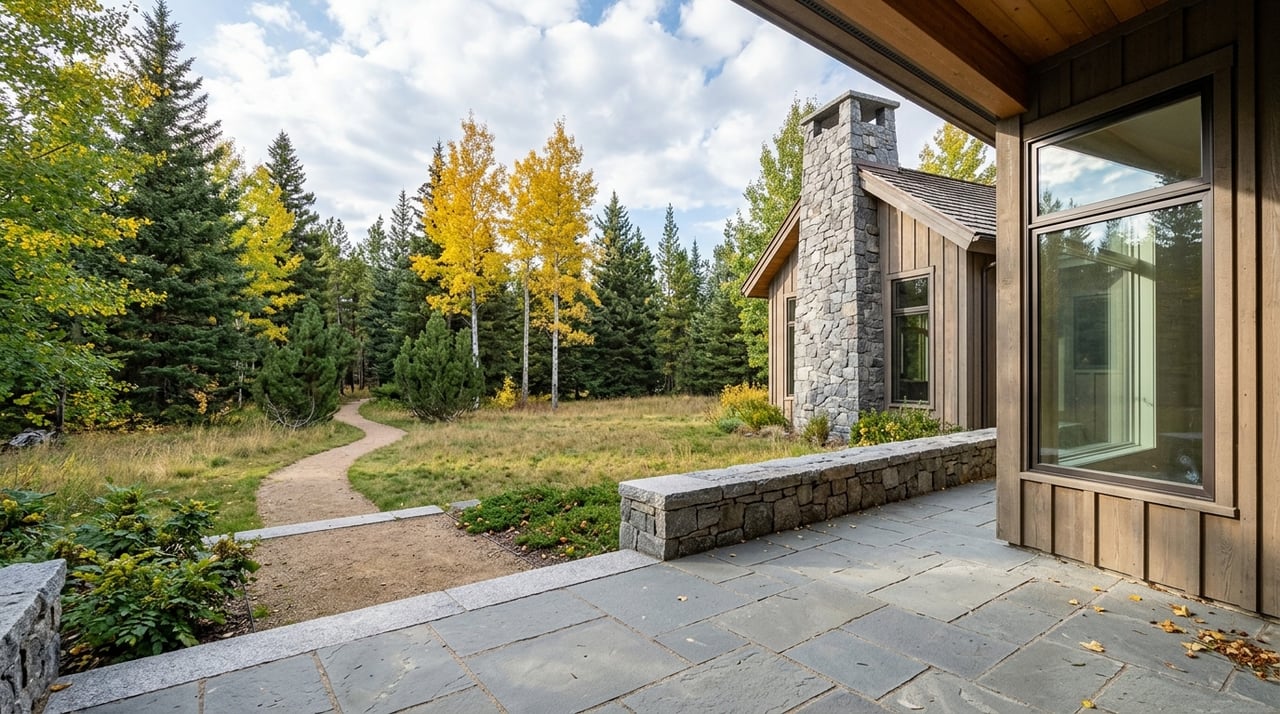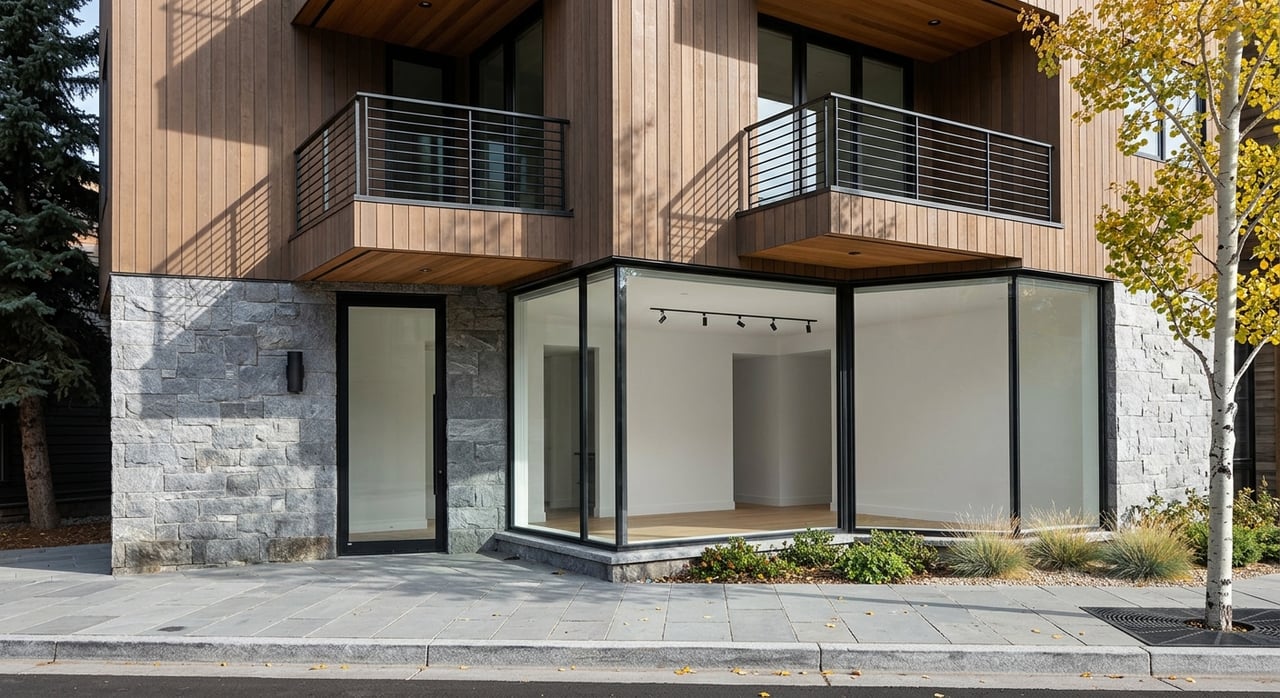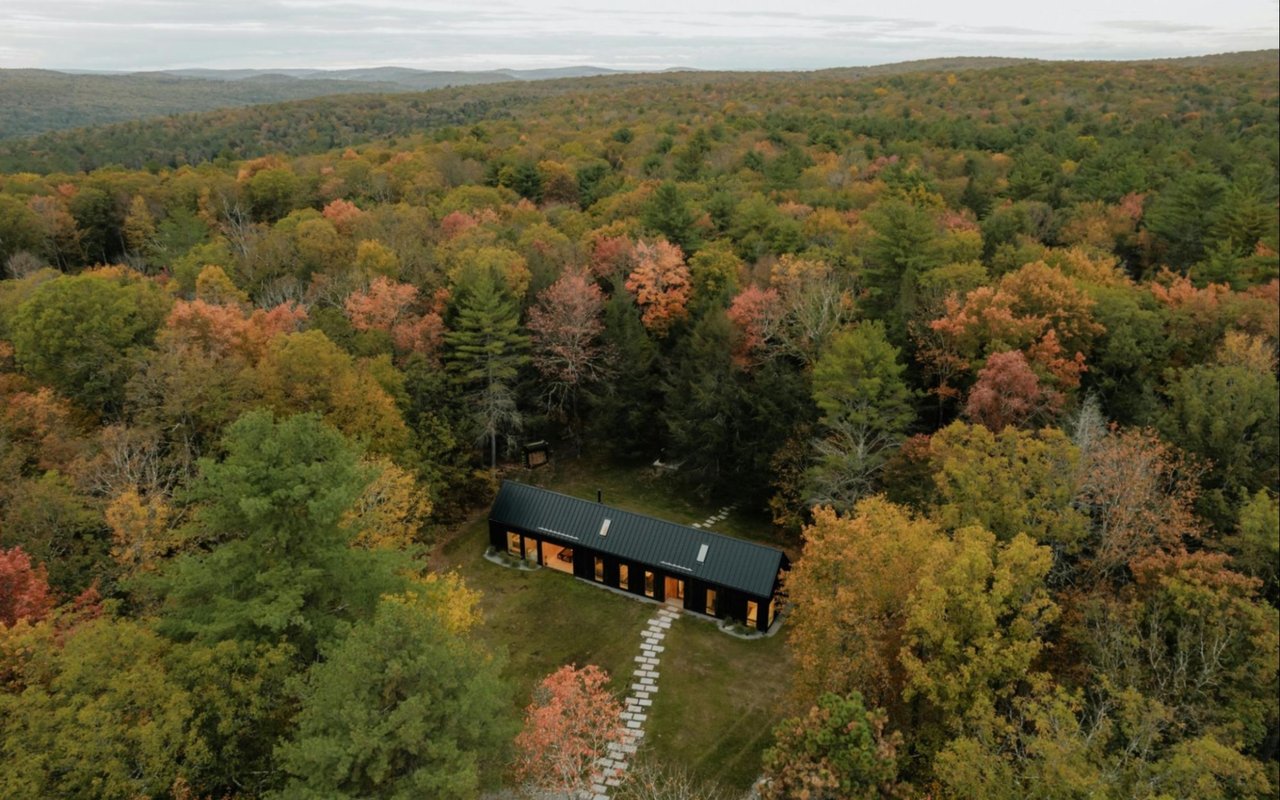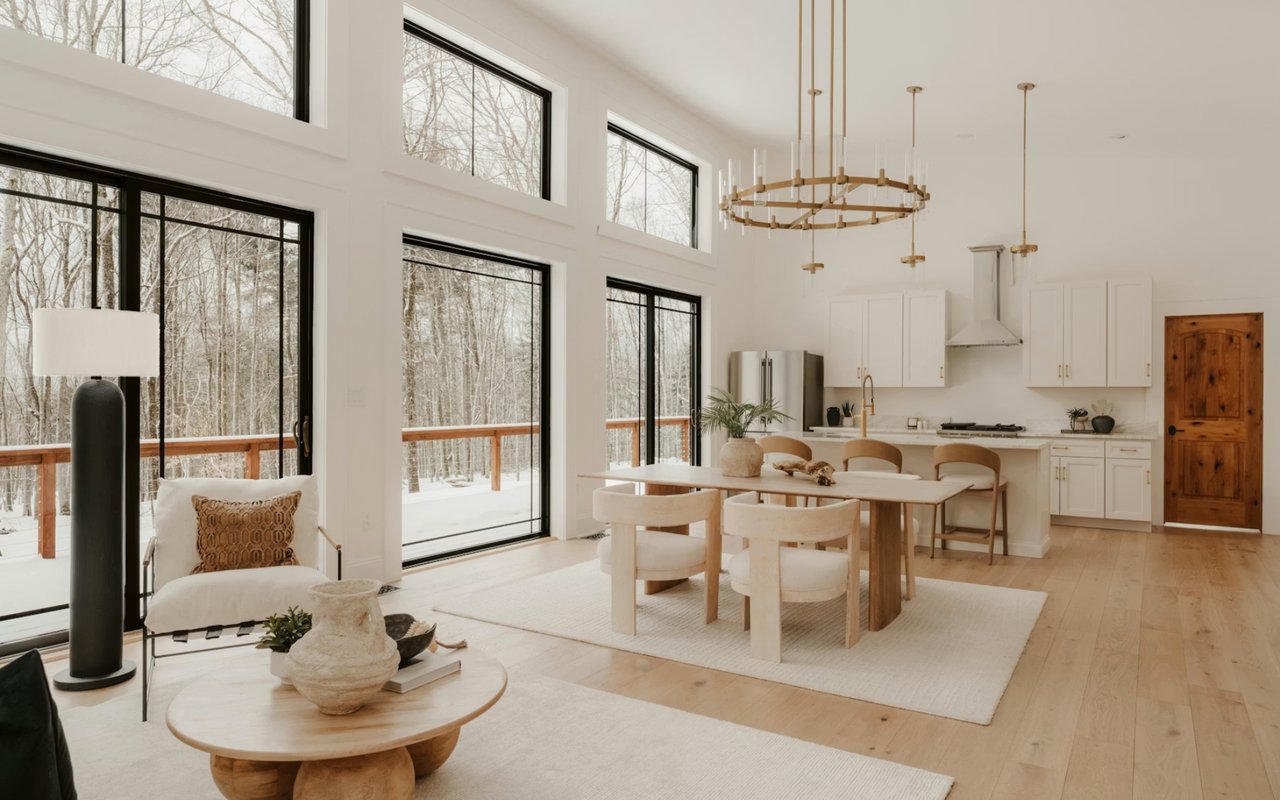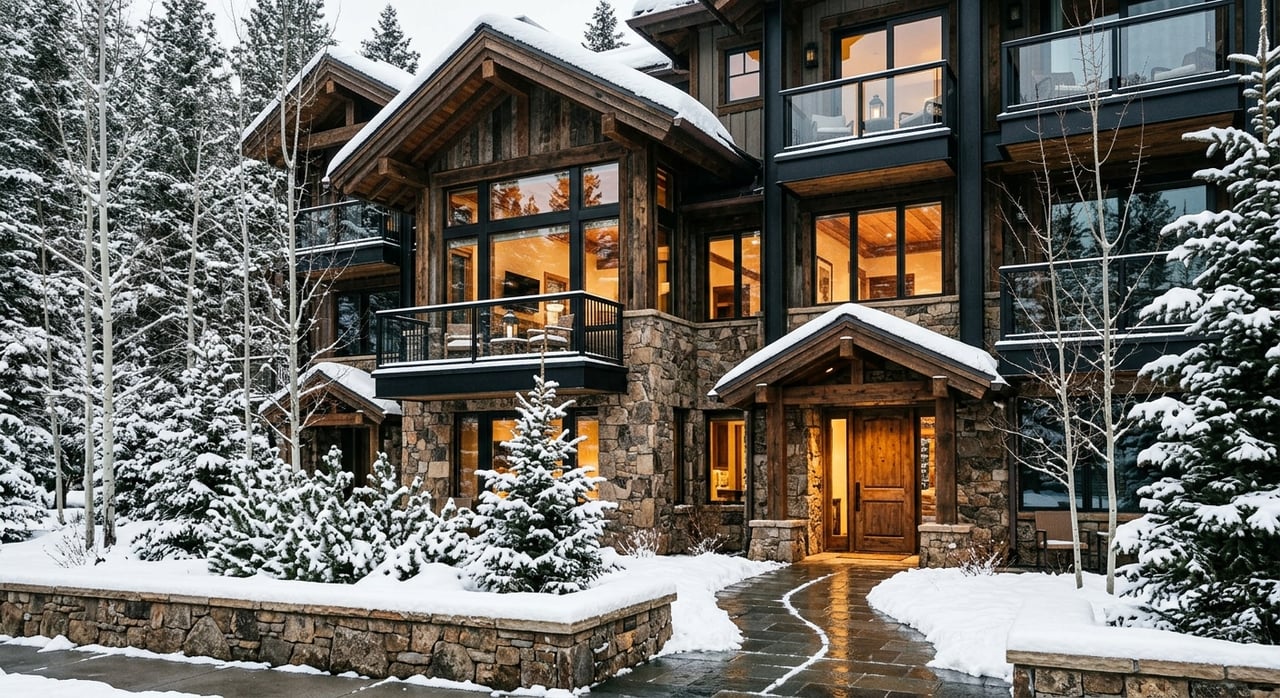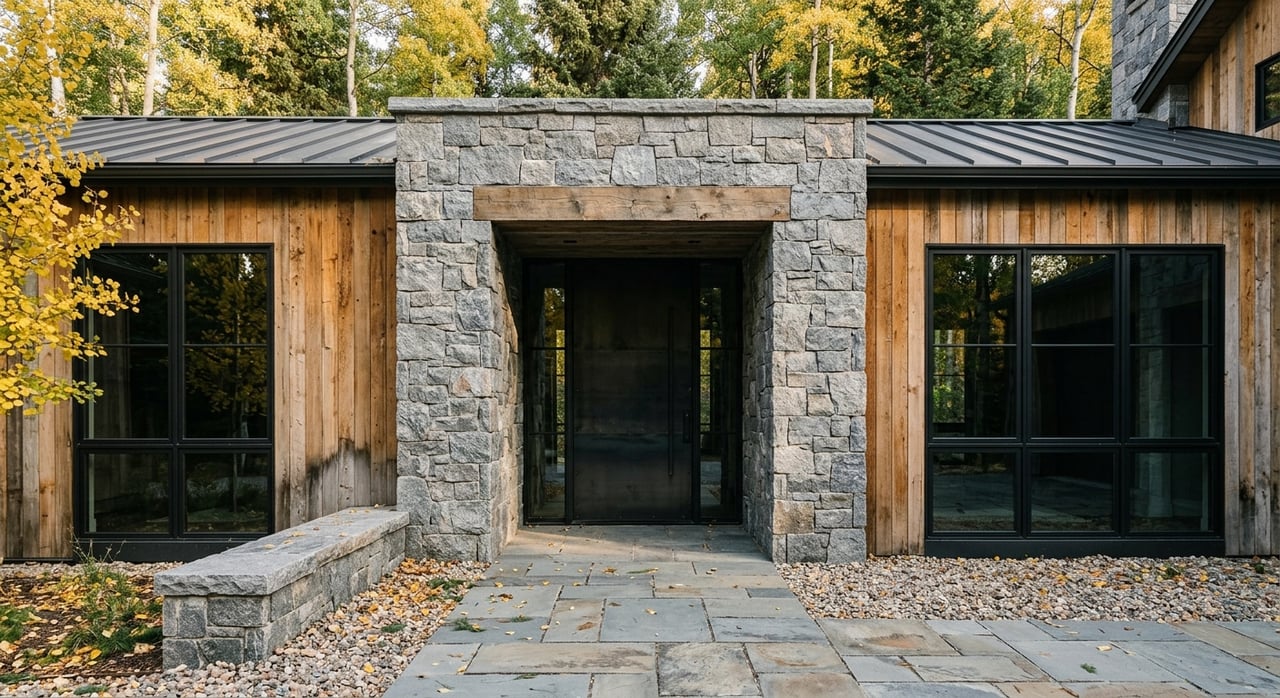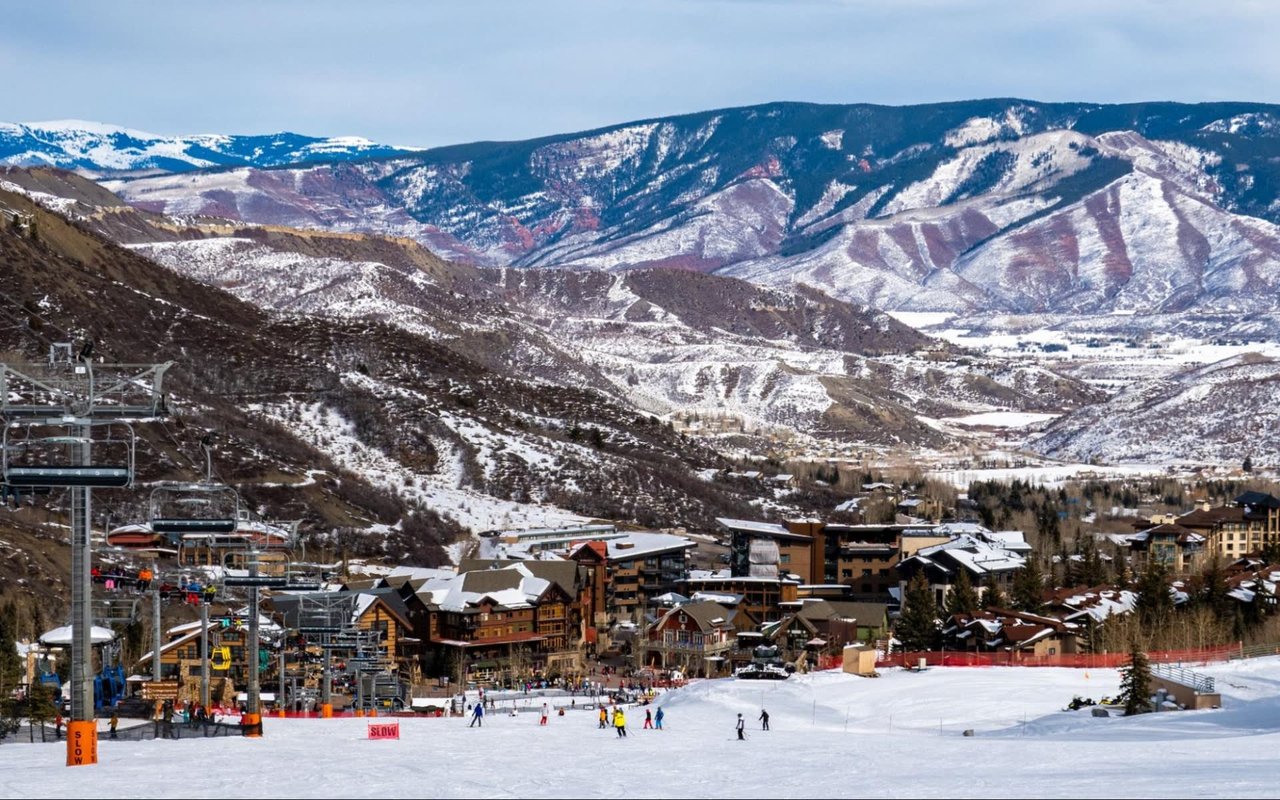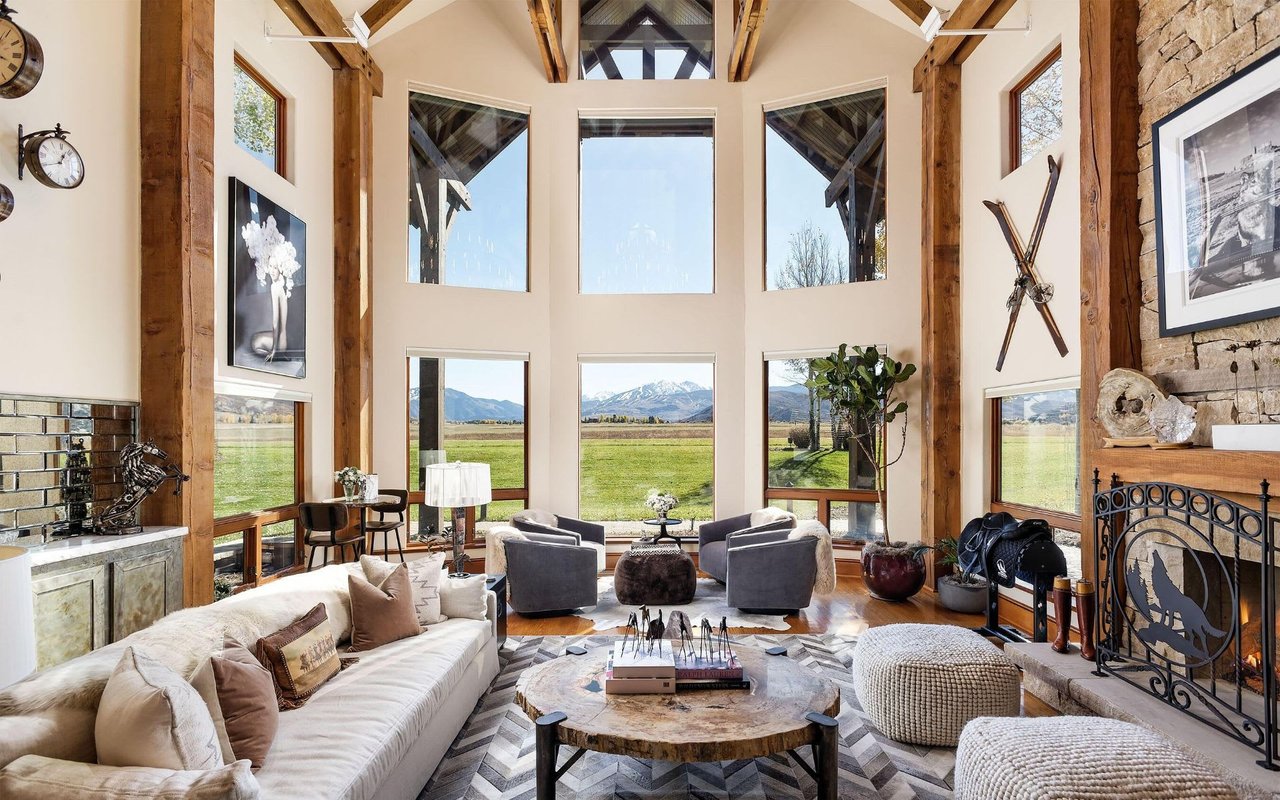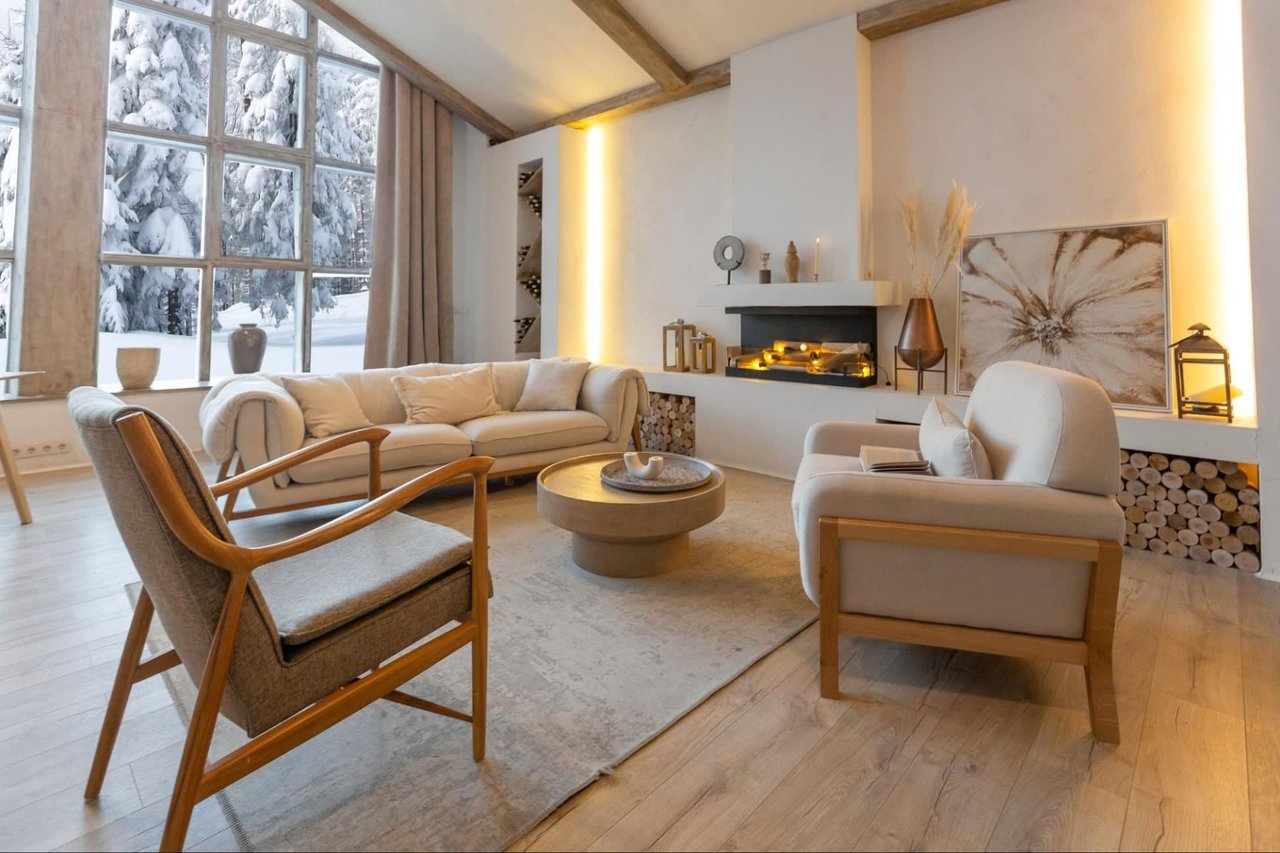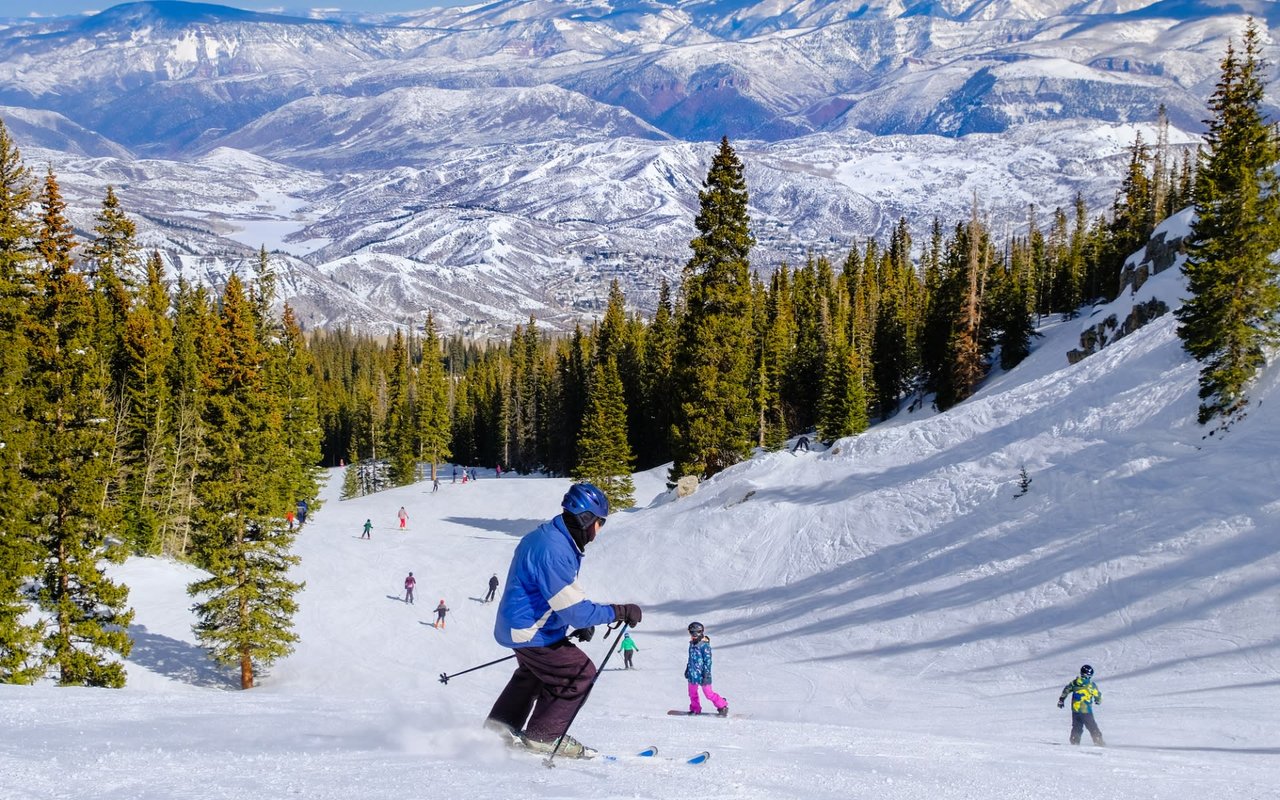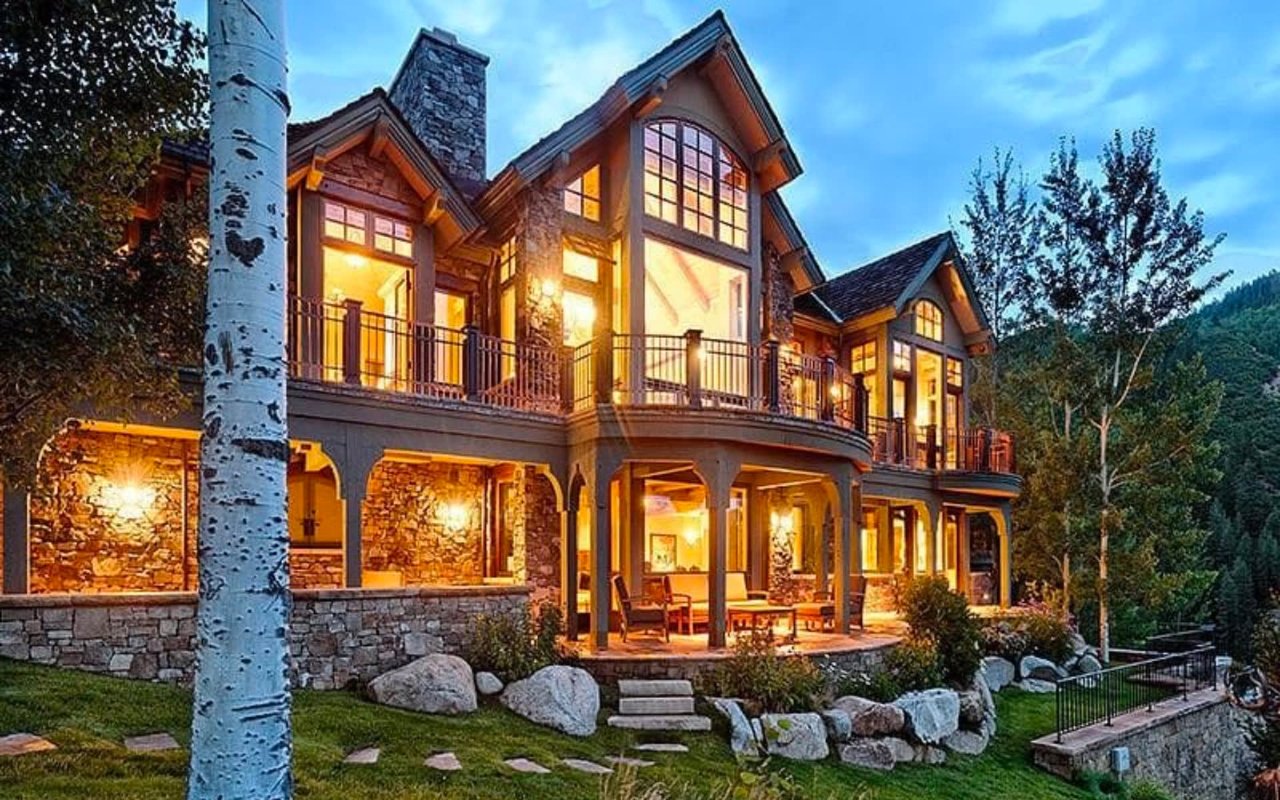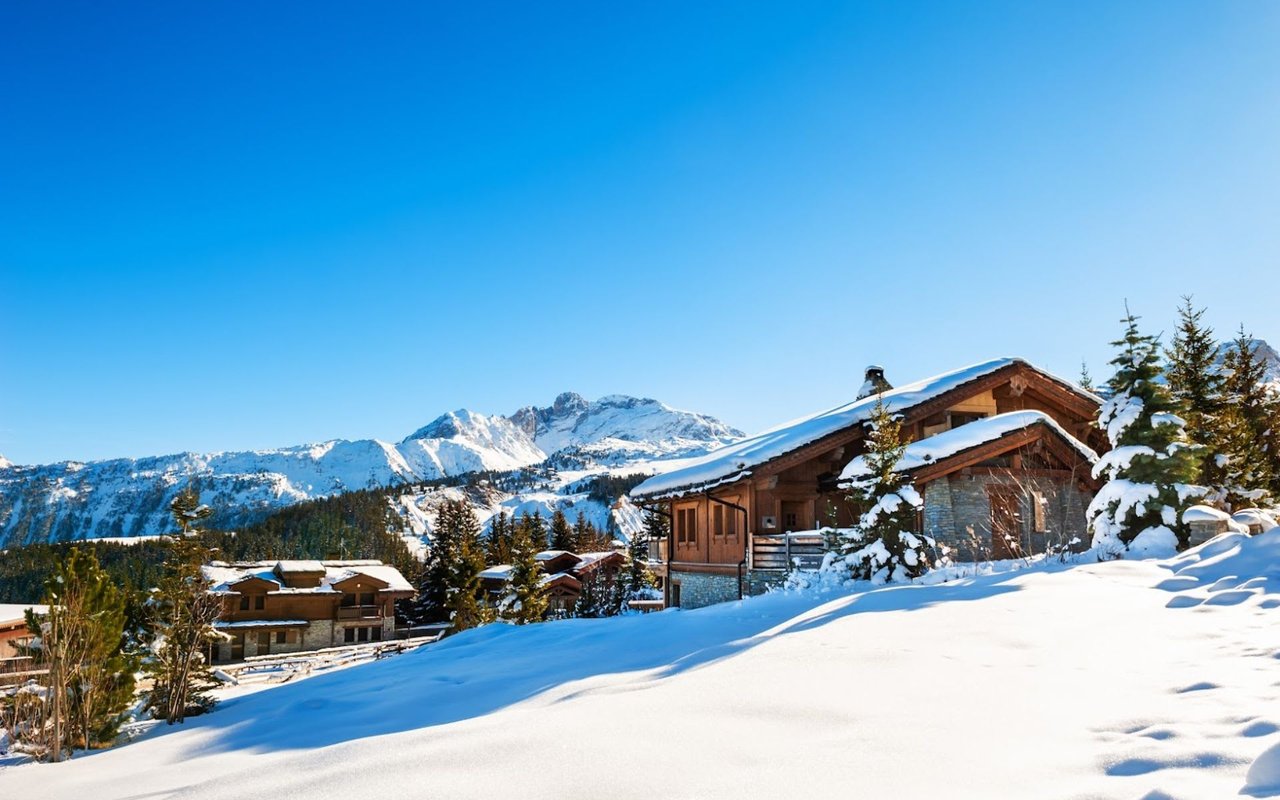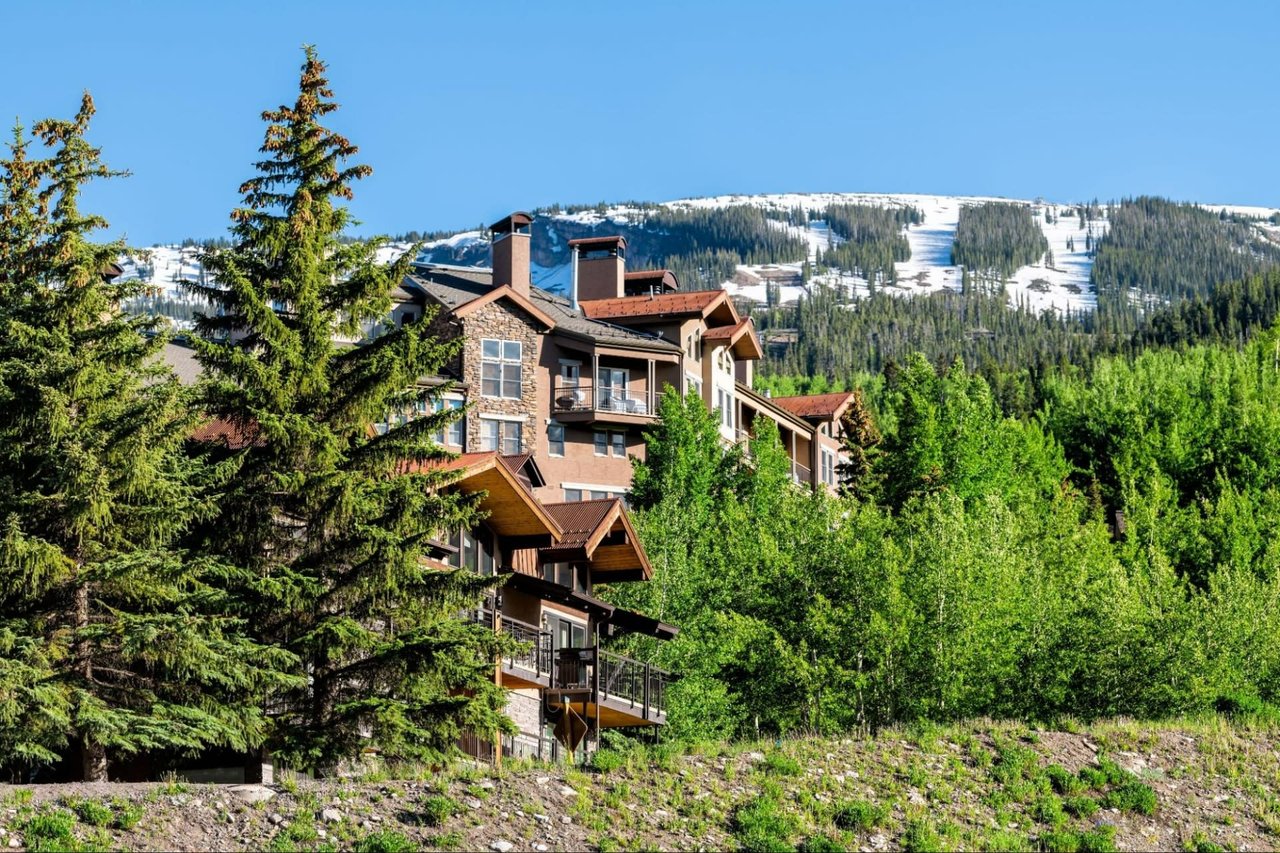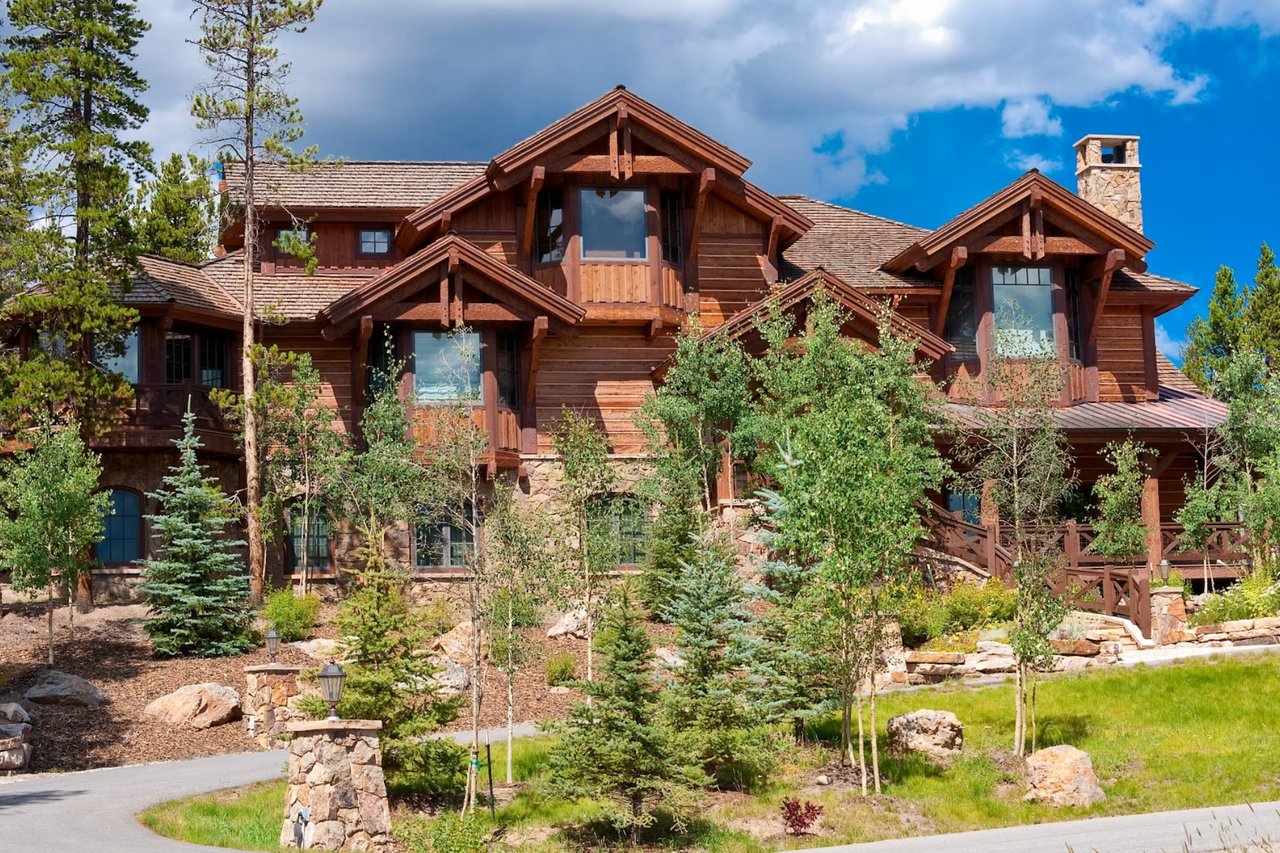
If you picture Snowmass luxury as ski-in, ski-out convenience alone, you may be missing one of the area’s most compelling property categories. Some of the most distinctive homes near Snowmass are not in the village core at all, but on rural estate parcels where land, privacy, views, and long-term control shape the ownership experience. If you are exploring ranch or estate living in Snowmass, this guide will help you understand how the market is structured, what to look for, and which details matter most before you buy. Let’s dive in.
Where Snowmass estate living begins
In practice, luxury ranch and estate living in Snowmass is best understood as a rural submarket surrounding Snowmass Village, not the village core itself. Pitkin County guides land use in these unincorporated areas through master plans and zoning rules that emphasize rural character, open space, and low-impact development.
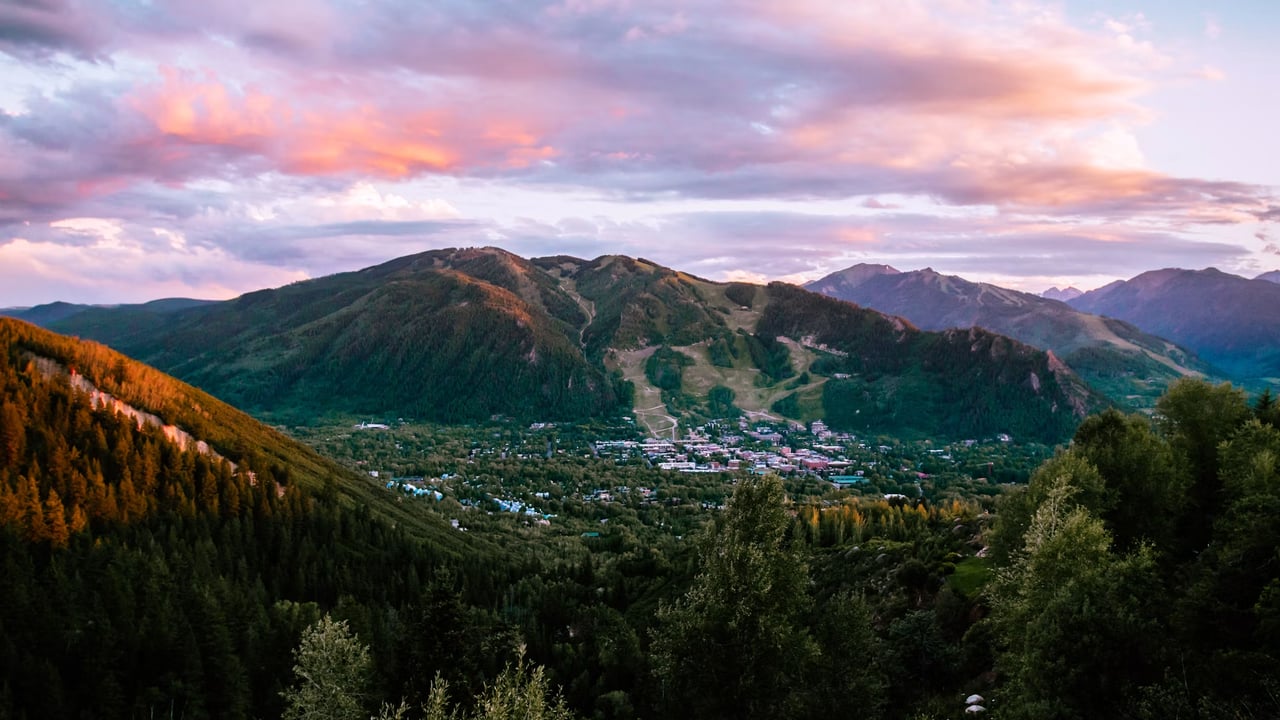
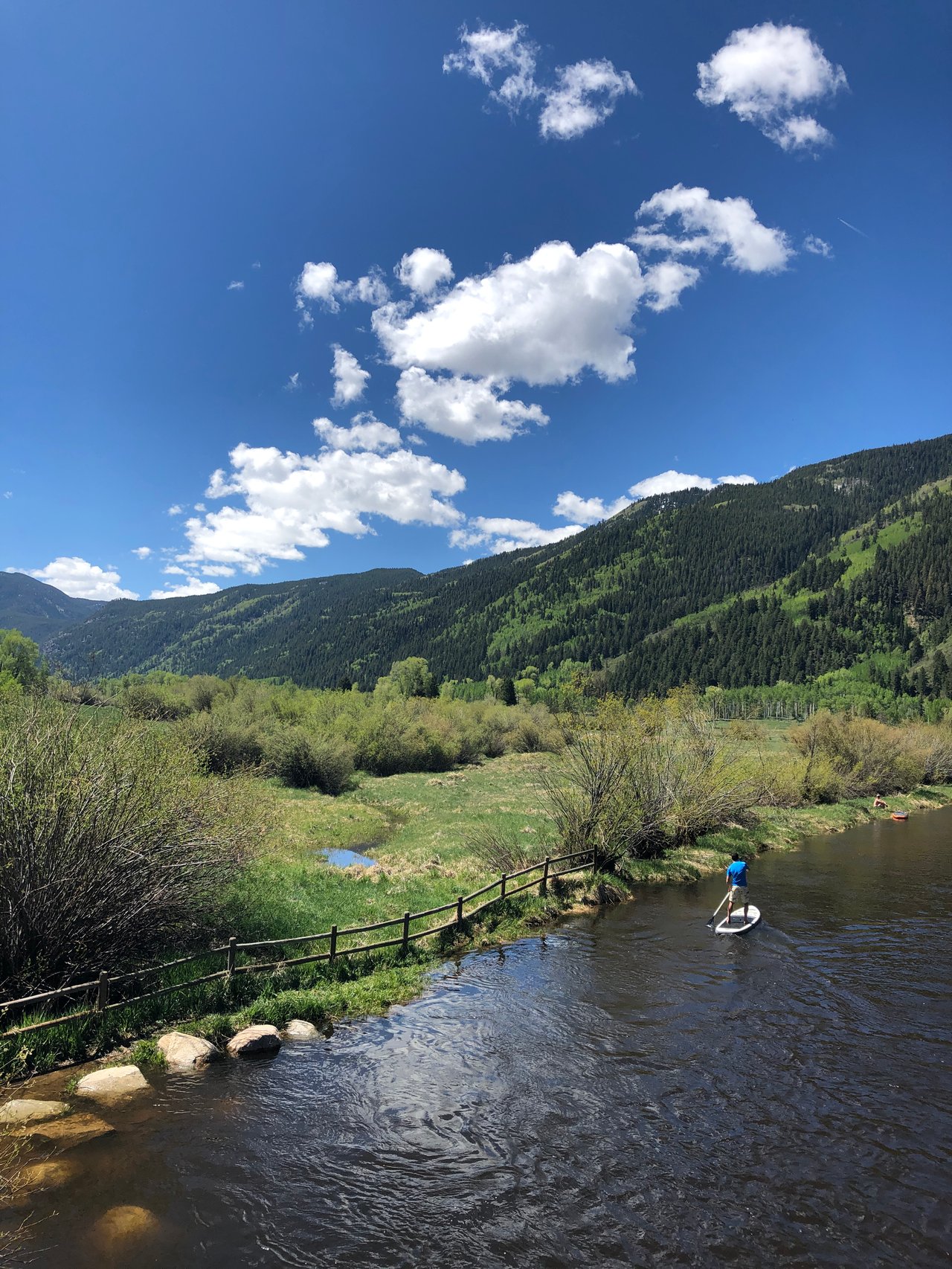
One of the most important estate geographies is the Snowmass-Capitol Creek area. According to Pitkin County planning materials, this area spans about 17,000 acres and is defined largely by large-lot rural and agricultural land-use patterns, along with subdivisions designed to retain protected open space.
Brush Creek is another key estate corridor. Pitkin County created a special overlay zone there to help preserve rural character through lower-density, conservation-oriented development. That framework matters because it shapes what can be built, how homes sit on the land, and how the area may evolve over time.
Why Snowmass estates feel different
Snowmass estate living is often about the land as much as the house. Depending on the property, that can mean usable acreage, creek frontage, irrigated pasture, privacy buffers, and room to separate a main residence from guest space, barn uses, studio space, or recreation areas.
Public listing examples show a broad range of parcel sizes in Old Snowmass, including 1.06, 1.58, 2.1, 4, 7.83, 15, 30.76, and 37.92 acres. In Brush Creek, public listings also show larger ranch-style holdings such as 35.02, 35.54, 45.24, and 102.62 acres.
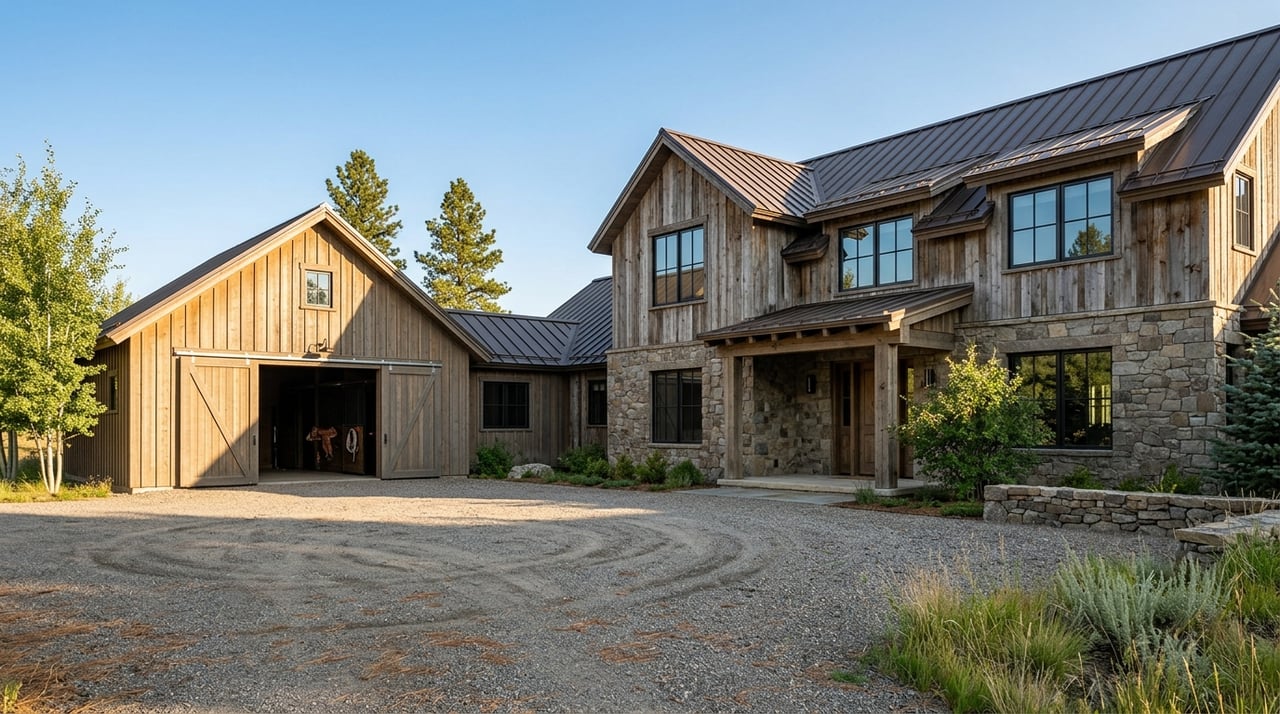
That variety is important because “estate” here does not mean just one product type. You may find a smaller privacy parcel with a substantial custom home, or a legacy ranch property with barns, corrals, and multiple use areas spread across a much larger site.
Common estate features
Based on public listing examples, Snowmass estate properties often include features such as:
- Barns and corrals
- Guest wings or guest accommodations
- Caretaker apartments
- Offices or studios
- Ponds
- Extensive outdoor gathering areas
- Land suited for horses or pasture use
These features are not universal, but they help explain why estate buyers in Snowmass often evaluate the full property system, not just the residence itself.
How estates differ from Snowmass Village
Snowmass Village serves a different lifestyle and ownership model. The town’s 2018 Comprehensive Plan states that the single-family side was already 94% built out at that time, with only 53 potential additional single-family lots remaining.
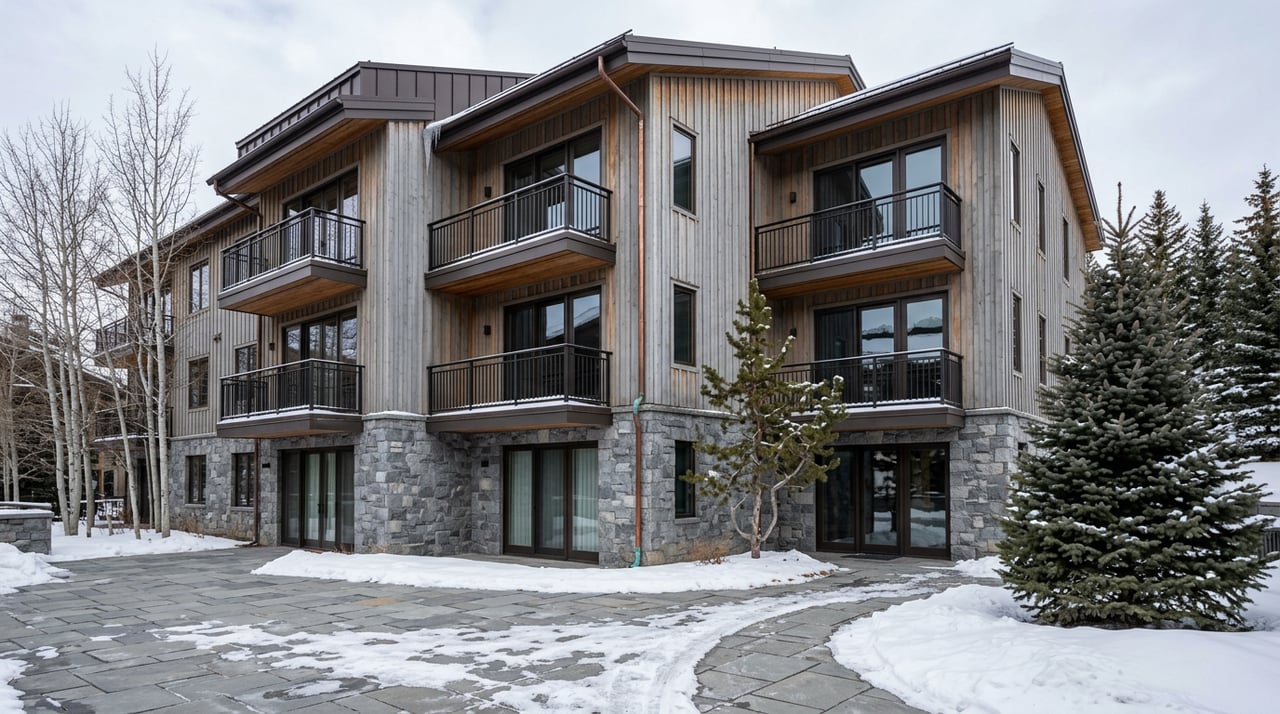
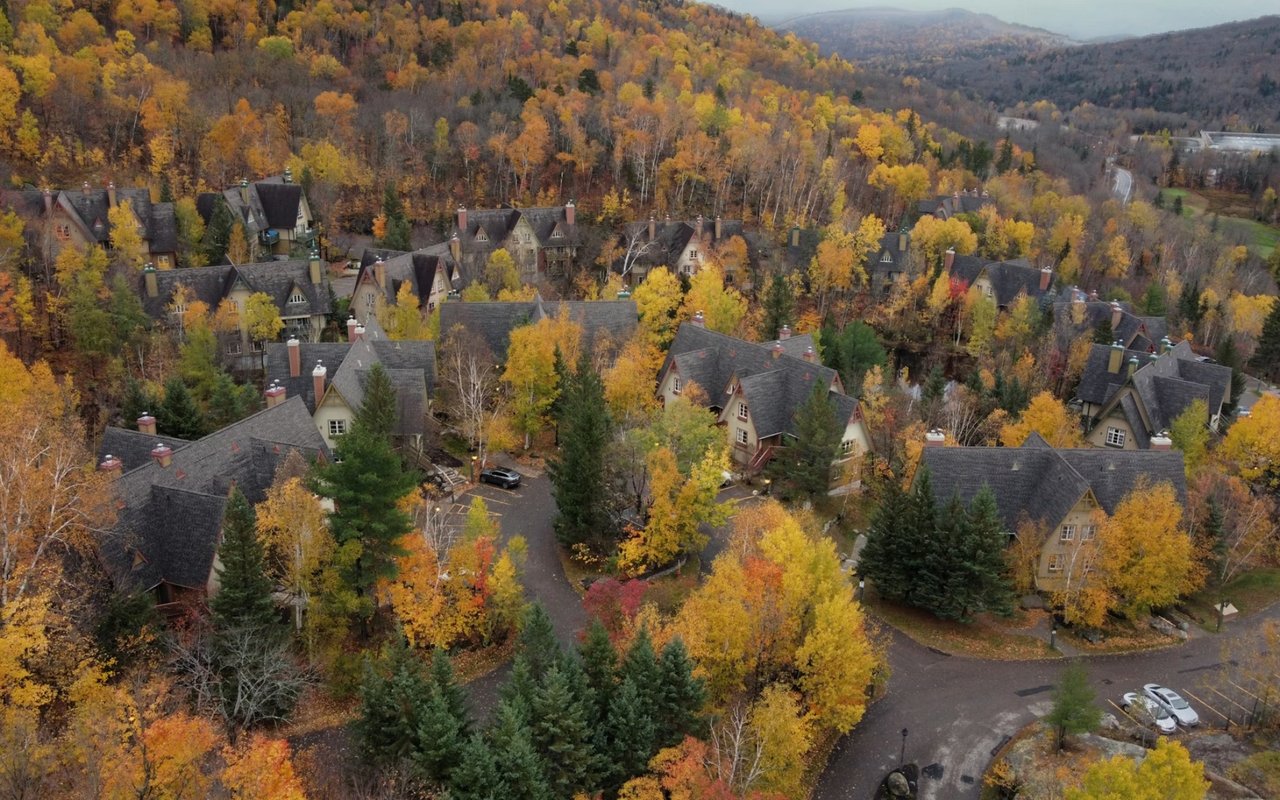
The village is also structurally different because much of its inventory is in condominium ownership, with many multi-family lots and lodge units. That means village buyers are often comparing ski access, managed amenities, and resort-centered convenience rather than acreage, private road systems, or outbuildings.
By contrast, rural Snowmass estate living is about land control and site-specific value. You are looking more closely at parcel shape, access, driveway layout, water rights, view protection, and how the land supports your intended use over time.
What architecture fits the setting
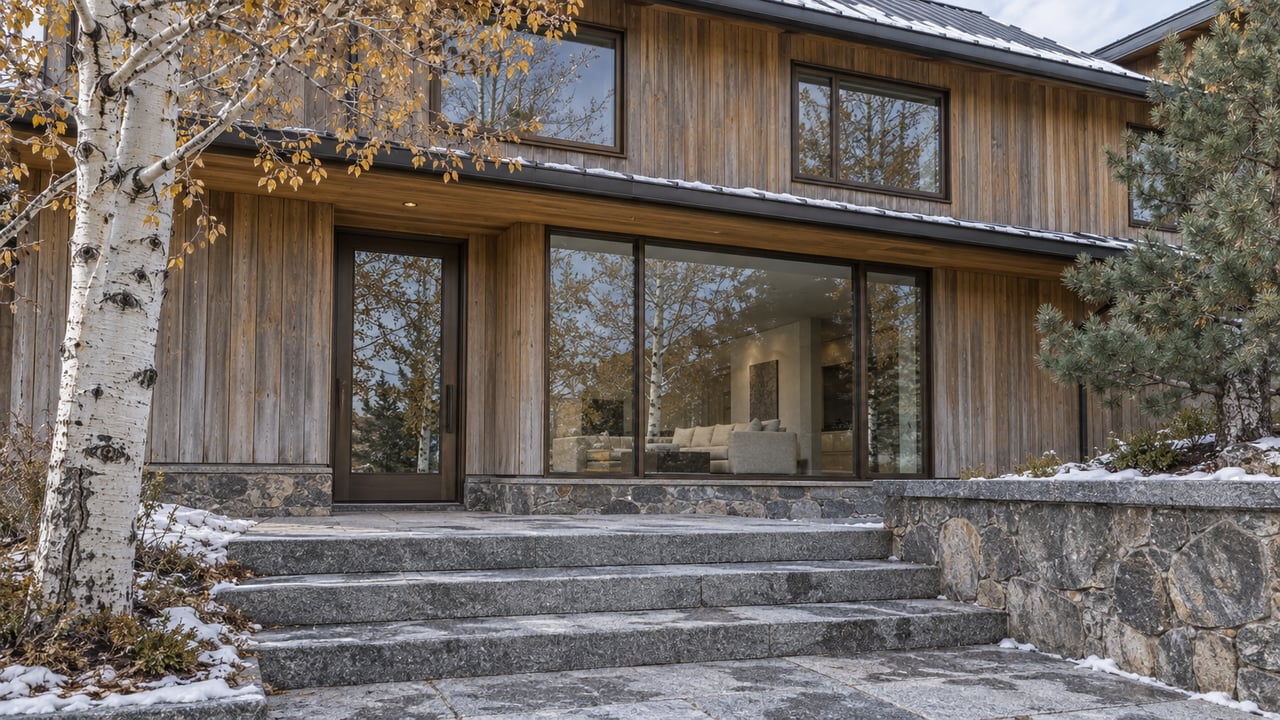
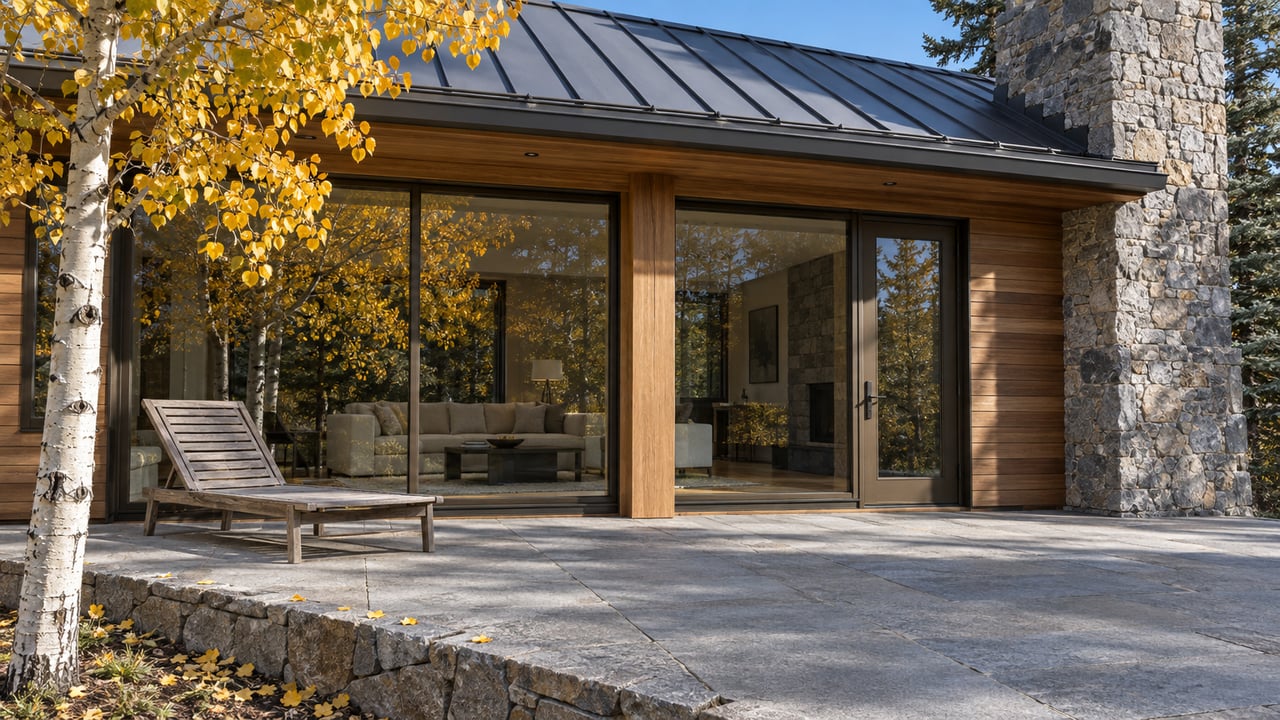
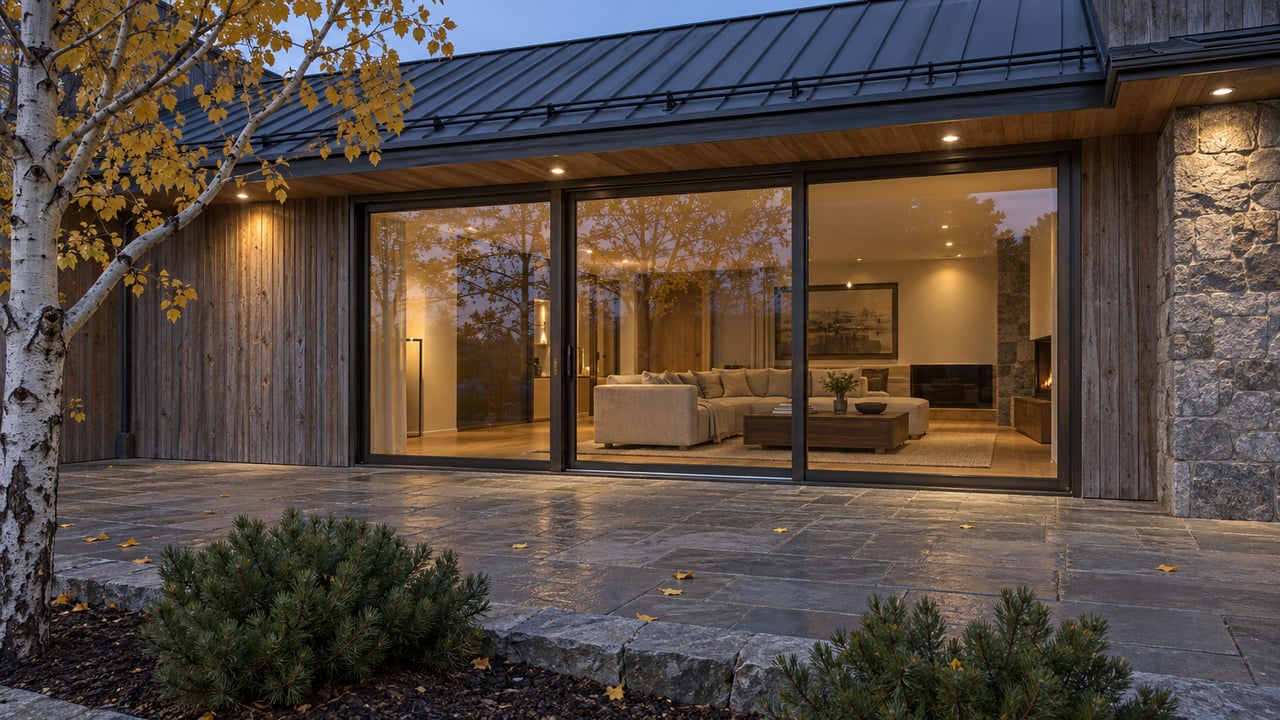
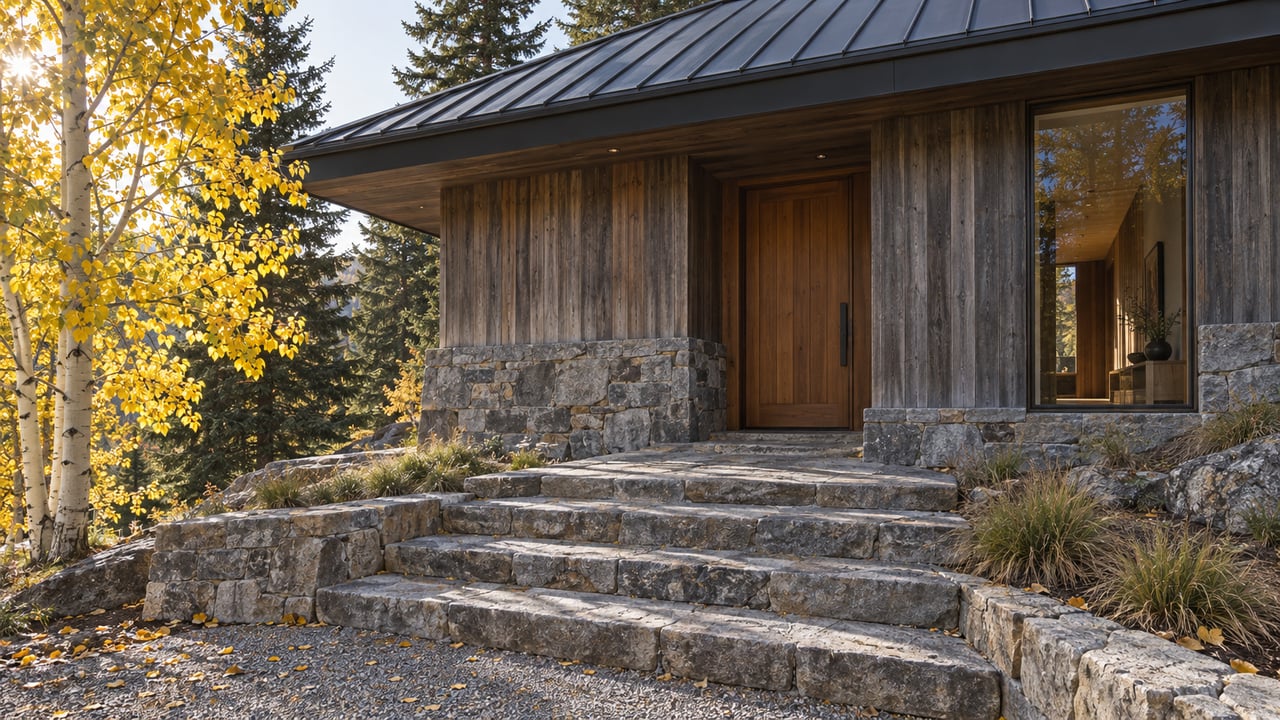
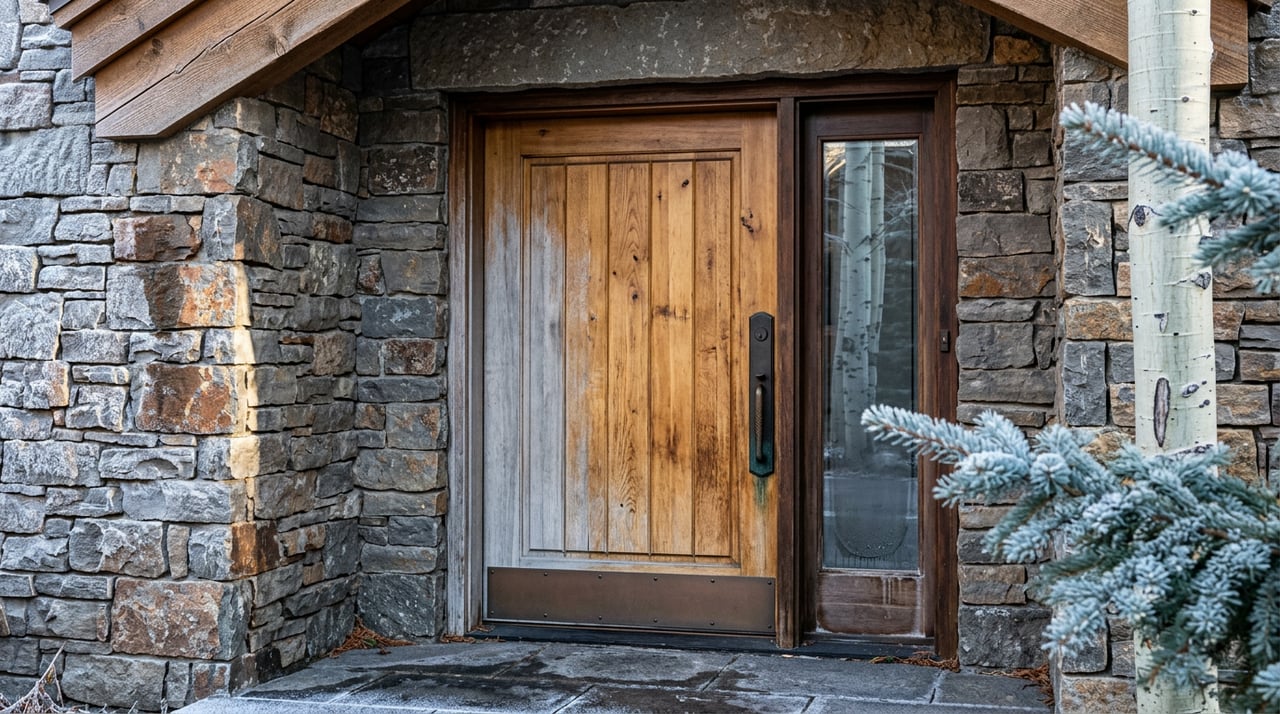
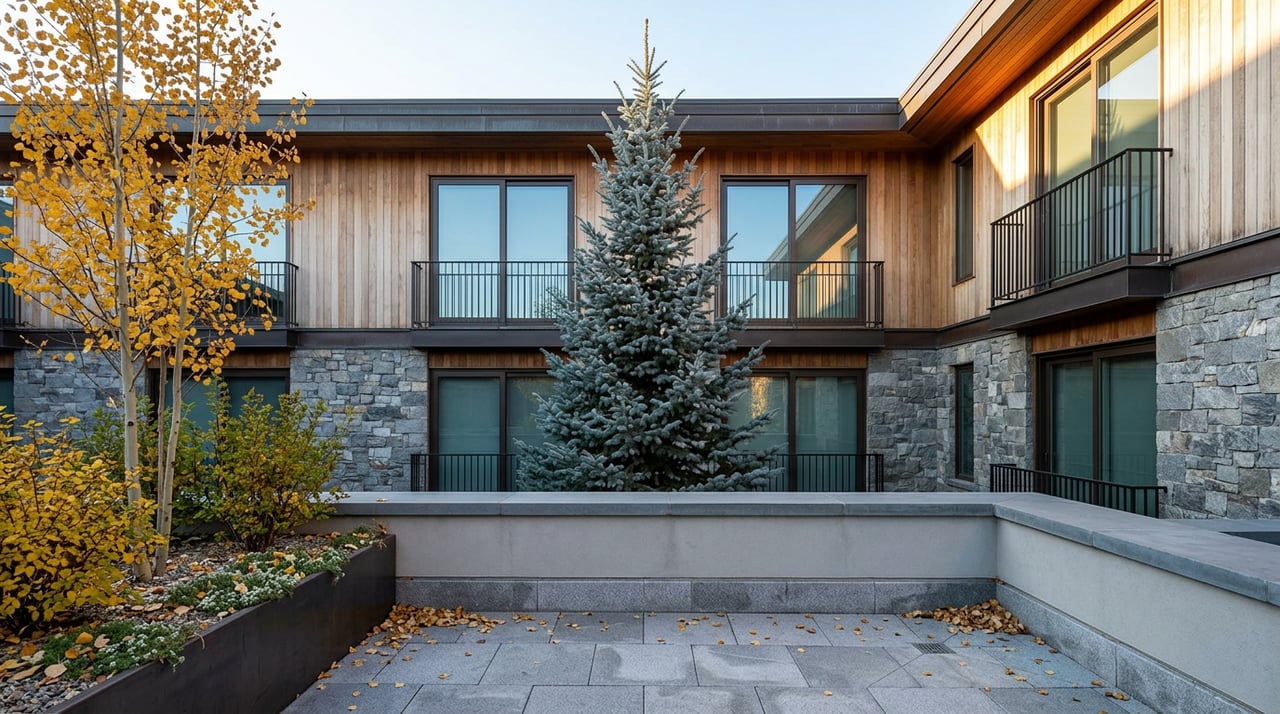
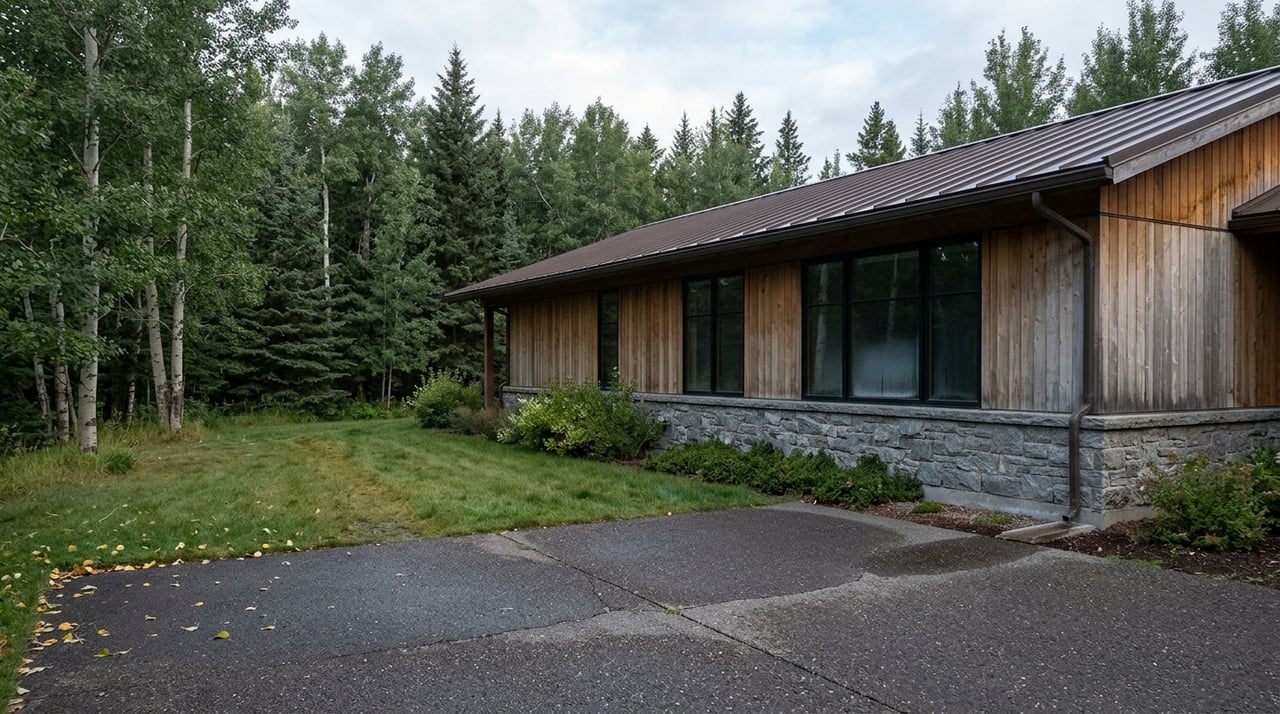
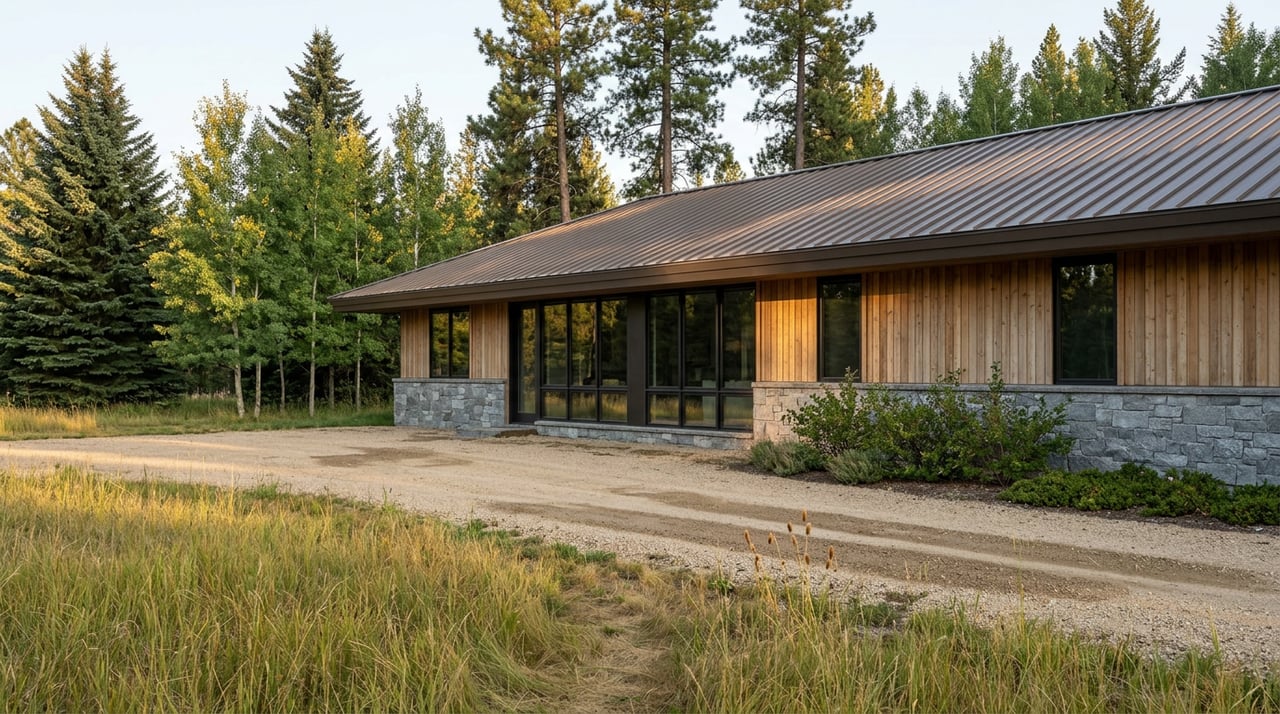
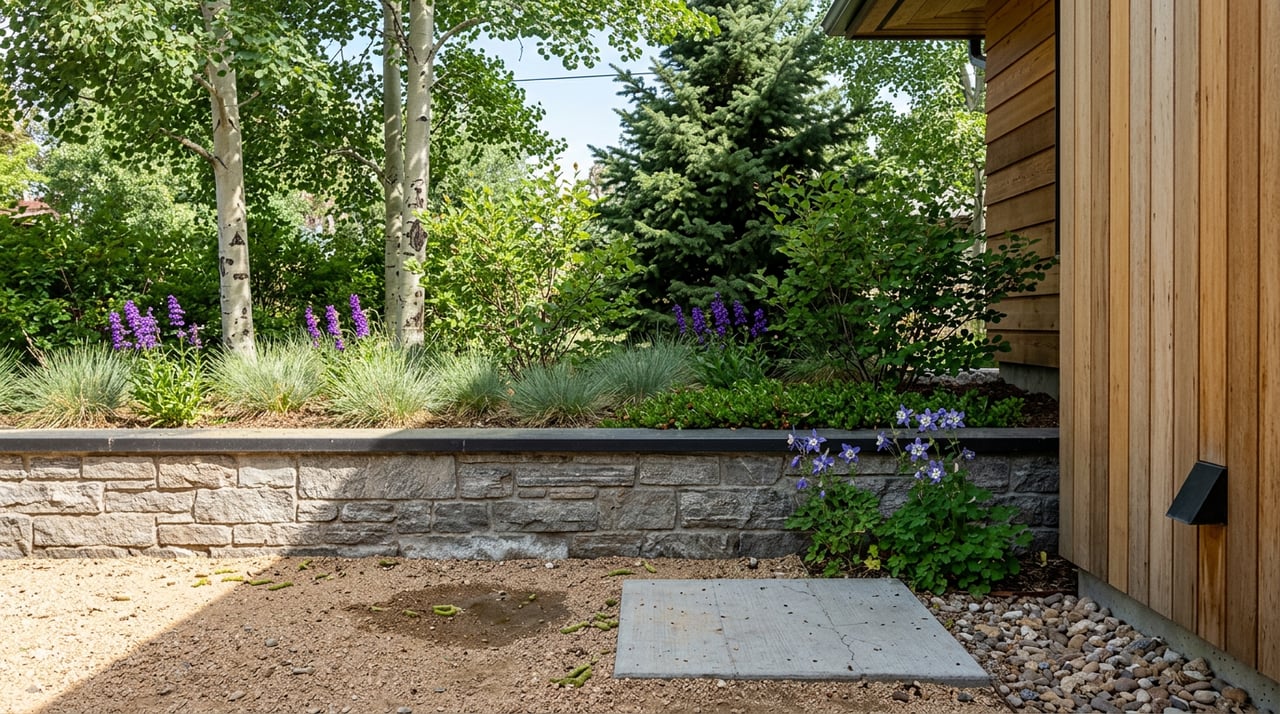
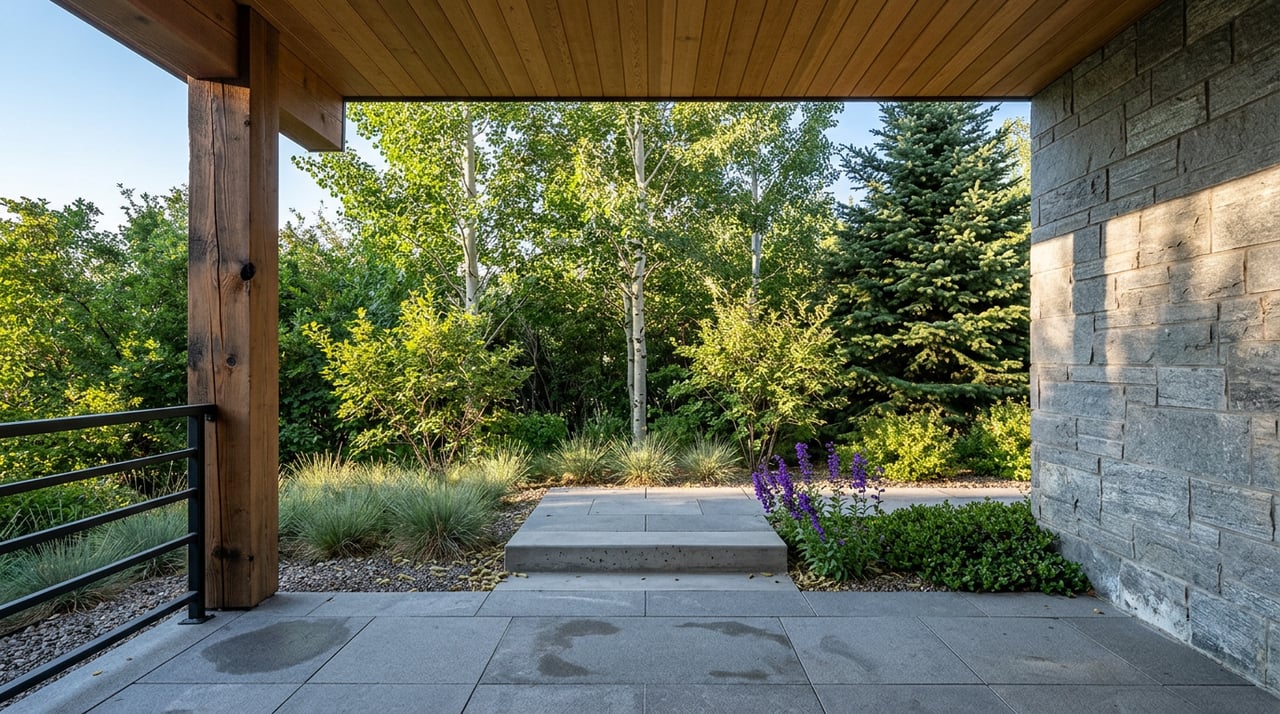
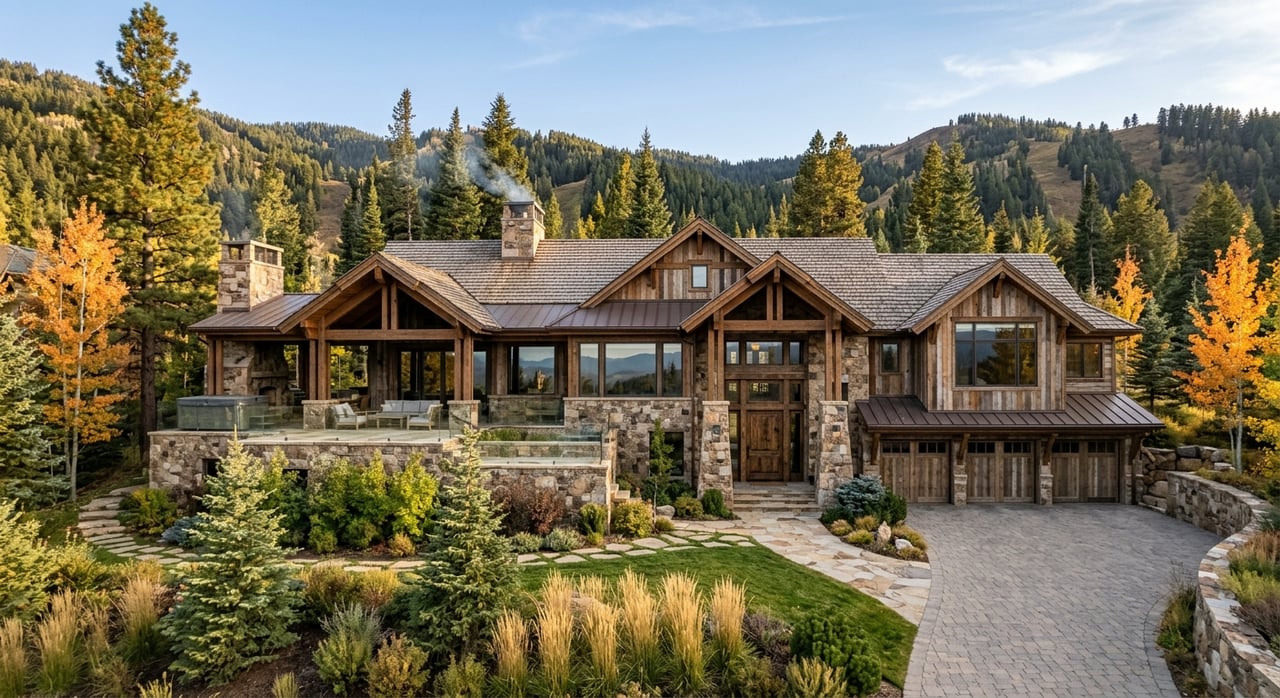
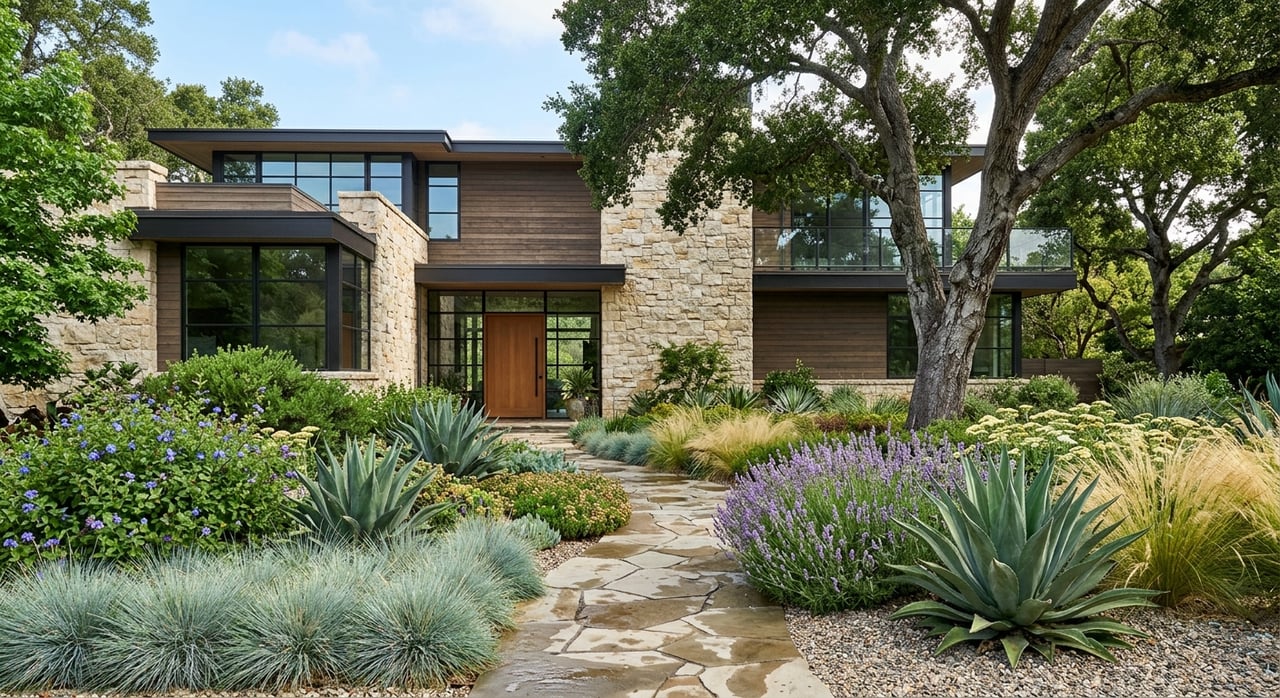
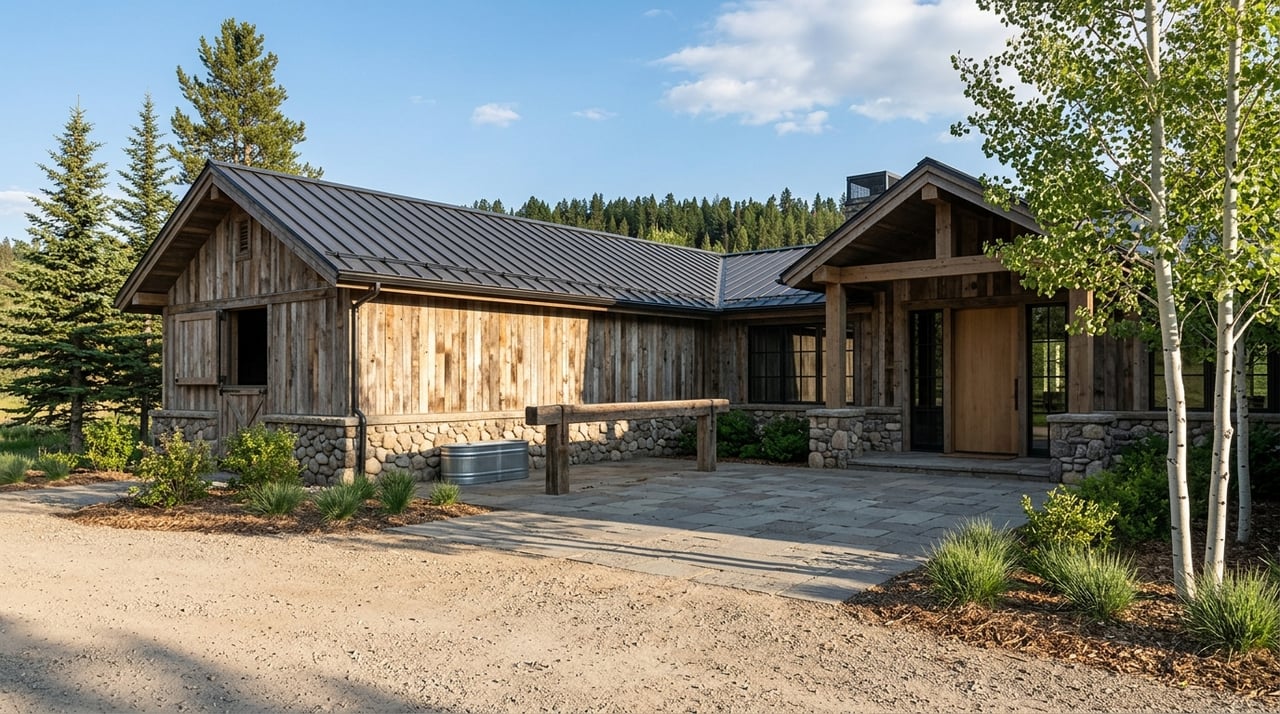
Pitkin County planning guidance points toward homes that sit naturally within the rural landscape. In the Snowmass-Capitol Creek master plan, the county describes a preference for ranch-style character, low-reflectivity roofs, earth-tone exteriors, native landscaping, broken roof lines, and siting that works with the topography.
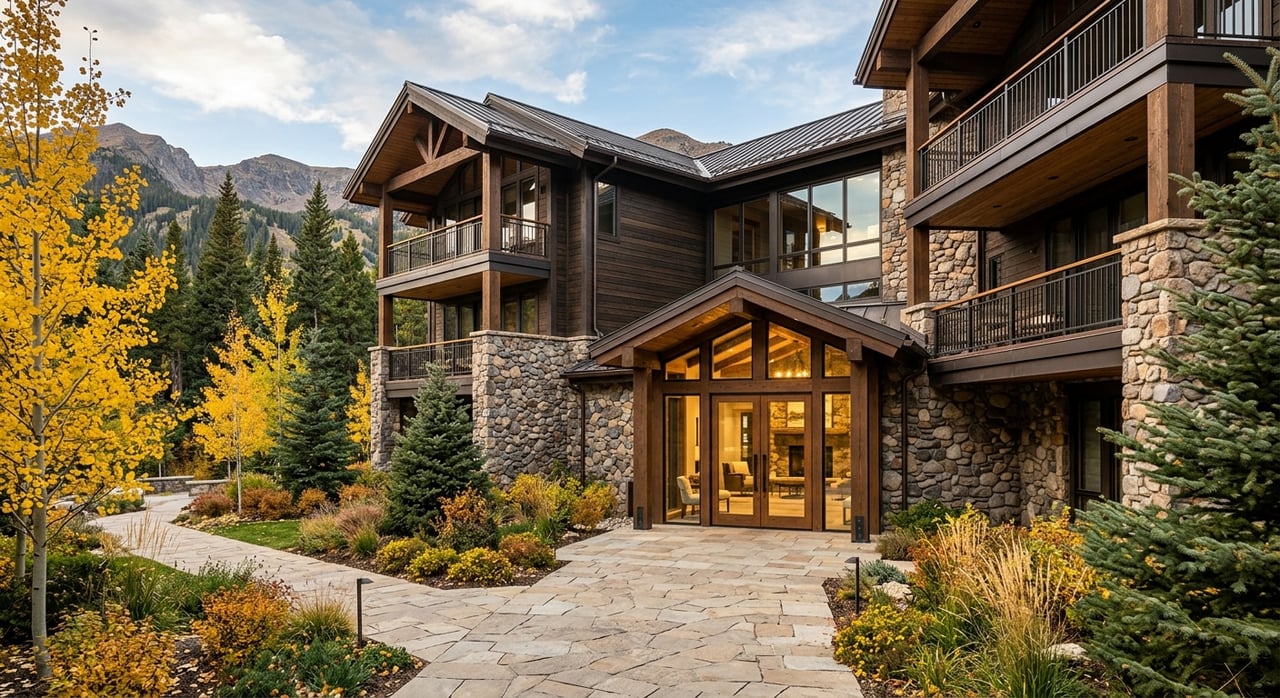
On the market, that translates into a mix of architectural styles, including ranch, mountain-modern, adobe, Southwest-influenced, and European-inspired estate homes. The common thread is not one design language, but a relationship to the land, views, and visual impact.
For many buyers, that is part of the appeal. A successful Snowmass estate tends to feel grounded in the landscape rather than imposed on it.
Evaluate access before anything else
Access is one of the first issues to confirm on any rural estate purchase. Pitkin County’s Guide to Rural Living says undeveloped land must have legal access before county approvals and building permits can be issued.
The county also notes that new driveways require an Access Driveway Development Permit, and access to Highway 82 requires a CDOT permit. This is especially relevant if you are considering a property with redevelopment potential, future outbuildings, or a more complex site plan.
Rural roads can also create ongoing ownership costs. The county warns that roads may be steep, narrow, snowy, and expensive to maintain, and that private roads or bridges can lead to significant future repair obligations.
Access questions to ask early
Before you move too far into due diligence, it helps to clarify:
- Whether legal access is already established
- Whether the driveway configuration meets county requirements
- Whether any bridge or shared-road obligations exist
- How snow, grading, and seasonal maintenance are handled
- Whether future construction logistics could be limited by site access
These are not small details. On estate properties, they can affect both day-to-day ownership and future resale appeal.
Water rights can shape value
In Snowmass estate country, water is not just a utility issue. It can be a core value driver. Pitkin County explains that irrigation ditches are common and that while ditch water is often used for lawns, gardens, and horse properties, the presence of a ditch does not automatically give you the right to use that water.
The county also states that water rights are separate from land ownership. Springs and seeps are generally subject to Colorado’s prior-appropriation system, and new ponds may require an earthmoving permit along with proof of water rights.
For buyers, that means recorded water rights, irrigation reliability, and well performance deserve careful review. County materials also note that groundwater in the Snowmass and Capitol Creek study area can be vulnerable in shallow unconsolidated materials, and clustered wells may require deepening in some cases.
Water-related items to review
When evaluating a ranch or estate property, pay attention to:
- Recorded water rights
- Irrigation systems and ditch access
- Well history and performance
- Spring, seep, or pond conditions
- Any permits tied to water features
If a property’s appeal depends on pasture, landscaping, or outdoor amenities, water should be near the top of your list.
Wildfire and site rules matter
Wildfire planning is a major part of estate ownership in Pitkin County. The county’s rural-living guide says wildfire mitigation is mandatory, and fire-resistant roofing and structural measures may be required. Wood shake and shingle roofs are prohibited.
Emergency access may also require driveway modifications or turnarounds. In addition, Pitkin County adopted a Wildfire Resiliency Code that applies to building permit applications submitted on or after May 2, 2026.
Beyond wildfire, rural properties may also carry design and land-use constraints tied to habitat, lighting, landscaping, or recorded property rights. The county highlights low-light exterior design, native landscaping, wildlife habitat protection, and the possibility of conservation easements or trail easements that may not be obvious from a first showing.
Why scarcity supports long-term appeal
An estate purchase in Snowmass is often tied to scarcity as much as lifestyle. Based on the public record, long-term value is likely strongest where large parcels are limited, protected open-space edges help preserve views, and zoning or overlays constrain future density.
Brush Creek is a strong example because the overlay district is specifically designed to preserve rural character. Snowmass Village also has very limited remaining single-family lot supply, which further separates the rural estate market from the resort core.
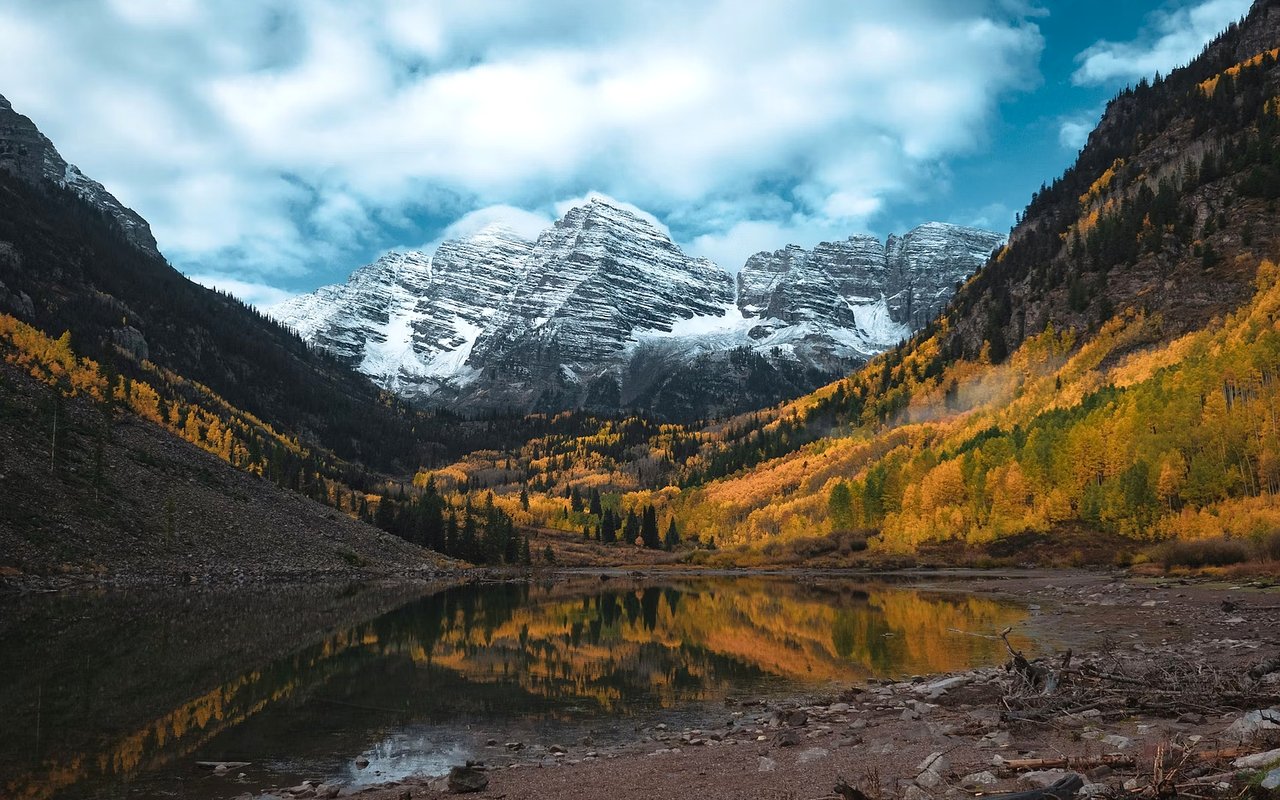
Sky Mountain Park adds another layer of value in the Brush Creek corridor. Pitkin County identifies it as a 2,400-acre open-space system with protected views and trails, though some areas have seasonal closures to protect wintering wildlife. For many buyers, adjacency to open space of that scale can be just as meaningful as the residence itself.
A smart way to compare properties
Because estate properties vary so widely, a clean side-by-side comparison can help you focus on what matters most. Instead of comparing homes only by square footage or finish level, compare them by land quality, use flexibility, and future constraints.
Factor | Why it matters |
|---|---|
Parcel size and layout | Affects privacy, views, and usable land |
Legal access | Impacts permits, financing, and future improvements |
Road and bridge obligations | Influences carrying costs and logistics |
Water rights and irrigation | Supports pasture, landscaping, and long-term utility |
Overlay or zoning limits | Shapes development potential and preservation |
Open-space adjacency | Can strengthen privacy and view protection |
Existing improvements | Barns, guest areas, and studios may expand functionality |
This kind of framework is especially useful if you are weighing a finished estate against a ranch parcel with future improvement potential.
Why local guidance matters in Snowmass
Luxury ranch and estate purchases in Snowmass require more than a quick read of the listing. You need a clear understanding of county planning, access, water, wildfire requirements, and how a specific pocket of the market is intended to change or stay protected over time.
That is where experienced local guidance becomes especially valuable. With the right strategy, you can look beyond surface appeal and evaluate how a property will function for your lifestyle, your long-term plans, and your investment outlook.
If you are considering luxury ranch or estate living in Snowmass, Brittanie Rockhill offers discreet, concierge-level guidance backed by deep Aspen-Snowmass market knowledge and hands-on experience with complex luxury properties.
FAQs
What defines luxury estate living in Snowmass?
- In Snowmass, estate living typically refers to rural properties outside the village core where acreage, privacy, access, land use, and open-space context are central to the ownership experience.
How is Snowmass Village different from rural Snowmass estates?
- Snowmass Village is more focused on resort living, condominium ownership, and limited remaining single-family supply, while rural estates are more about land control, privacy, and property-specific infrastructure.
What lot sizes are common for Snowmass estate properties?
- Public listing examples show a wide range, from about 1 acre in some Old Snowmass offerings to more than 100 acres in larger Brush Creek ranch properties.
What should buyers check first on a Snowmass ranch property?
- Buyers should confirm legal access early and then review driveway permits, road conditions, maintenance obligations, water rights, and any zoning or overlay rules that affect future use.
Why are water rights important for Snowmass estate homes?
- Water rights can affect irrigation, landscaping, horse property use, ponds, and overall long-term property utility, and they are separate from simple land ownership.
What planning rules affect luxury estates in Brush Creek?
- Brush Creek has a county overlay zone intended to preserve rural character through lower-density, conservation-oriented development, and the ordinance references a 5,750-square-foot house-size limit in that planning framework.