By Brittanie Rockhill
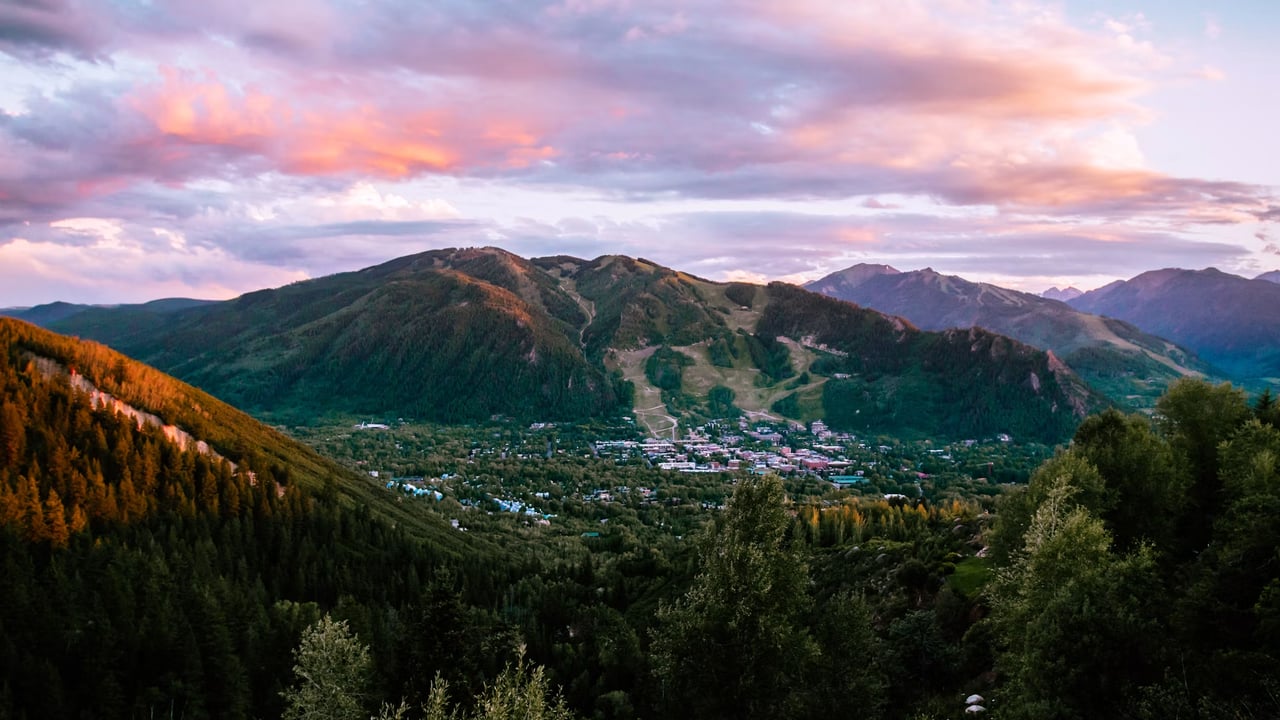
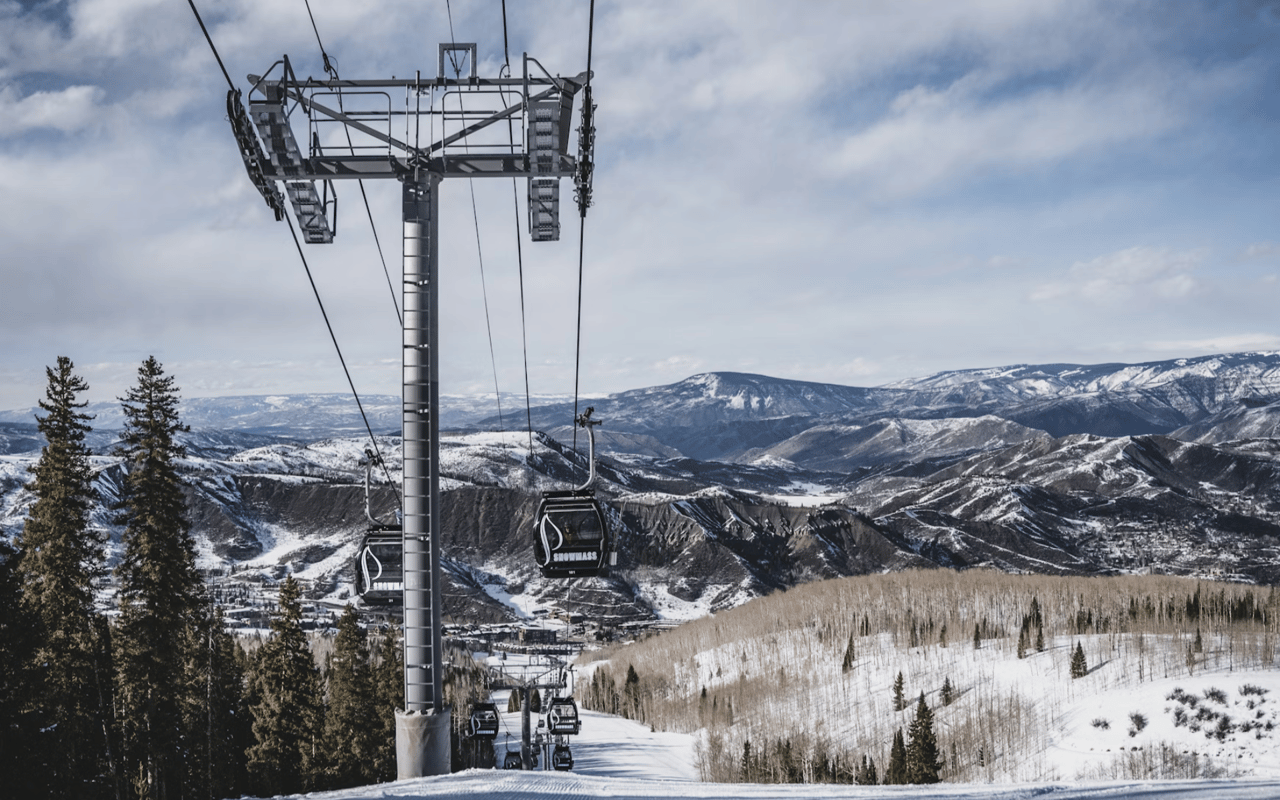
East Aspen occupies a stretch of the Roaring Fork Valley downstream from the tourist activity of the core but close enough to town that the tradeoff is essentially zero. You get the river, the quiet, the acreage, and the mountain views without surrendering the ten-minute drive to the gondola or the fifteen-minute drive to the Music Tent.
This guide reflects what serious buyers at the $15 million-plus level should understand before they enter it.
Key Takeaways
- Roaring Fork frontage: East Aspen riverfront estates derive their defining character from direct Roaring Fork River access, a feature that is finite, legally complex, and essentially impossible to replicate through new development
- Land and acreage: The Roaring Fork Valley floor in East Aspen supports parcel sizes that are largely unavailable within Aspen's more developed neighborhoods, with estate lots offering flat, usable land alongside river corridors that create a residential profile unlike anything else in this market
- Price point context: The $15 million-plus tier in East Aspen reflects a convergence of river frontage, acreage, mountain views, and proximity to Aspen that justifies premiums even within Colorado's most competitive luxury market
What Defines East Aspen as a Distinct Real Estate Market
East Aspen is a meaningfully different environment that reflects the Roaring Fork Valley's transition from resort core to ranch country, and that transition is exactly what gives the area its residential appeal at the luxury tier.
The Geographic and Market Features That Separate East Aspen From Aspen Proper
- Valley floor topography: East Aspen's position on the Roaring Fork Valley floor gives its estate properties access to flat, usable acreage that the hillside and slope-facing properties dominating Aspen's other luxury neighborhoods simply cannot offer
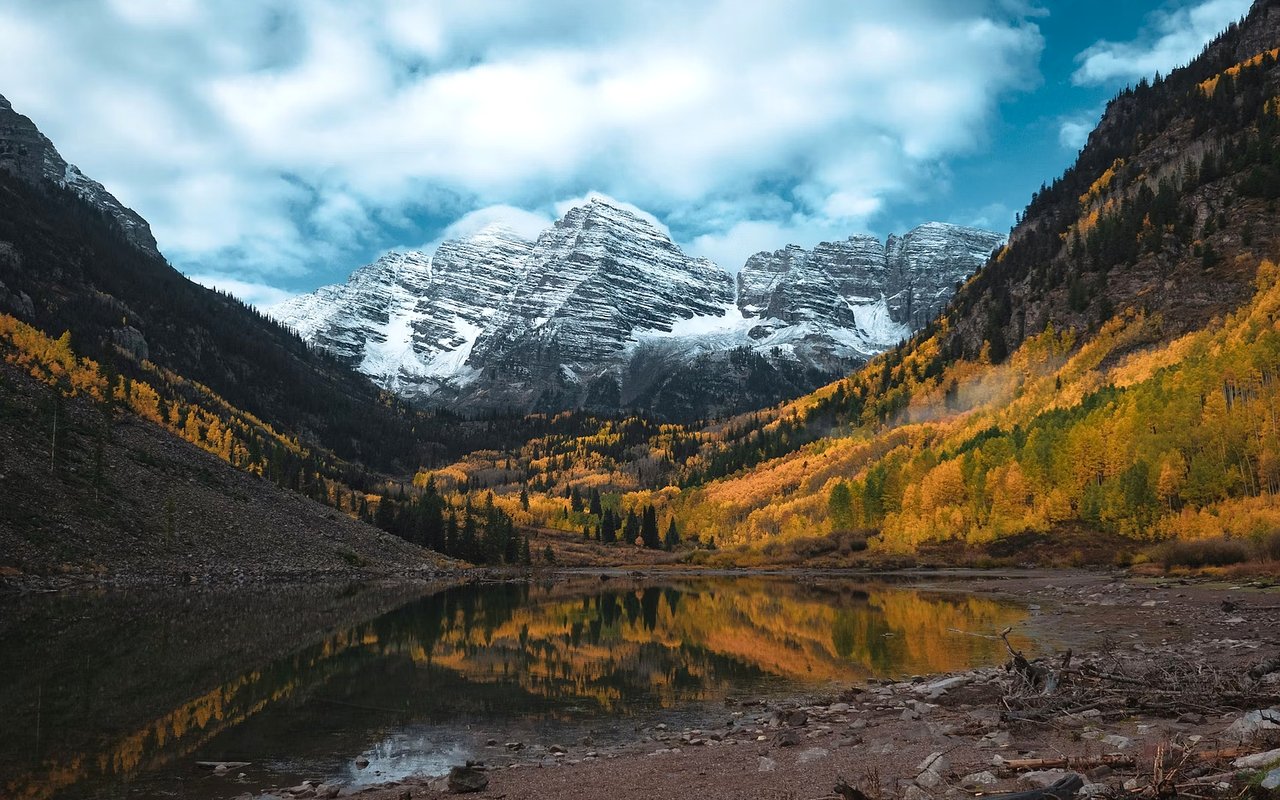
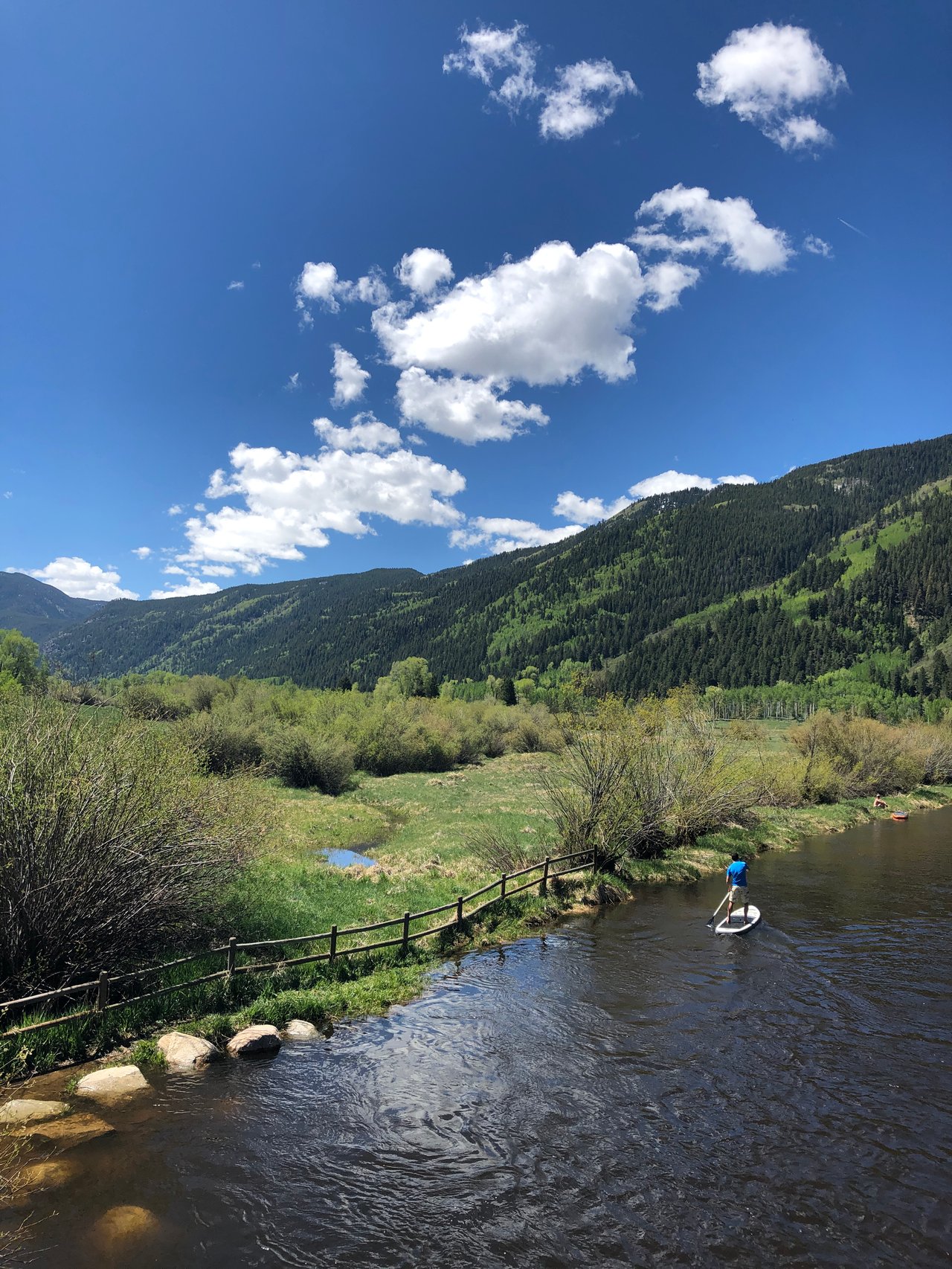
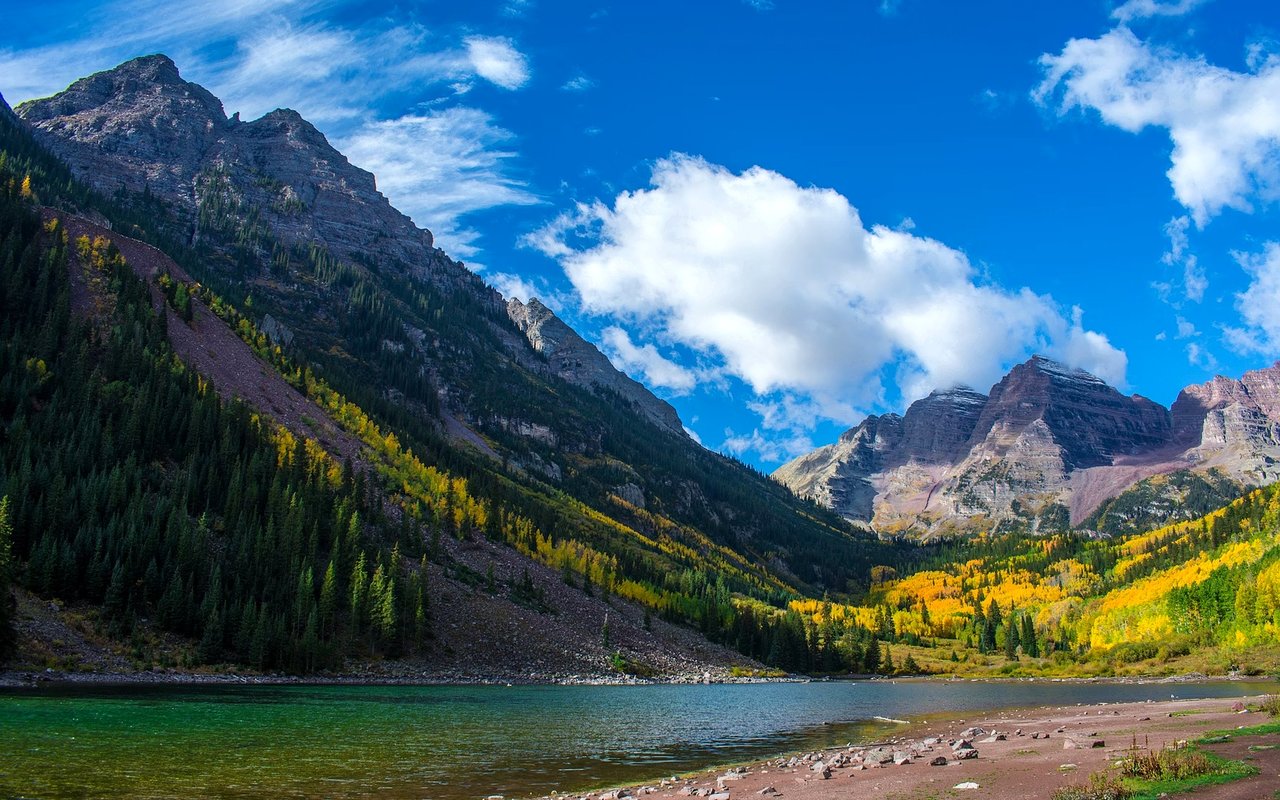
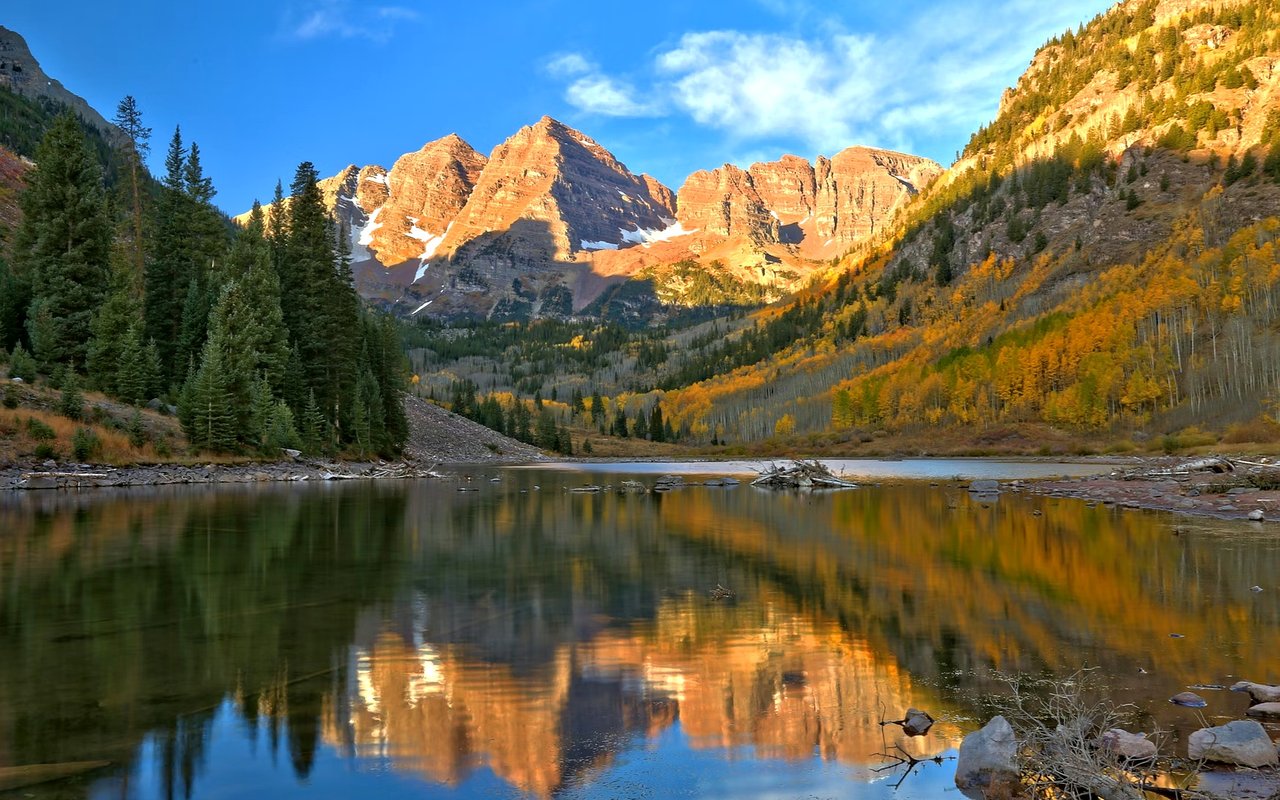
- Roaring Fork River corridor: The river runs through East Aspen's most desirable estate corridor with a consistency and visual drama that increases as you move upstream toward the Maroon Bells watershed
- Highway 82 corridor access: The drive from East Aspen's estate corridor into central Aspen runs along Highway 82 through one of the most scenic valley drives in the Rocky Mountains, putting residents within ten to fifteen minutes of downtown without requiring mountain road navigation
East Aspen riverfront estates occupy a market position that has strengthened consistently as Aspen's core inventory has grown more constrained and more vertical in its orientation.
The Properties: What $15M+ Buys on the Roaring Fork
The inventory profile of East Aspen's riverfront estate market is defined by a set of characteristics that distinguish it from every other segment of Aspen's luxury real estate landscape.
Defining Features of East Aspen Riverfront Estate Properties
- Roaring Fork frontage configurations: The most significant riverfront estates in East Aspen feature hundreds of linear feet of direct river frontage, with the relationship between the main residence and the water varying from elevated deck positions above the river bank to more intimate configurations where the living spaces sit close enough to the water to hear it from every room
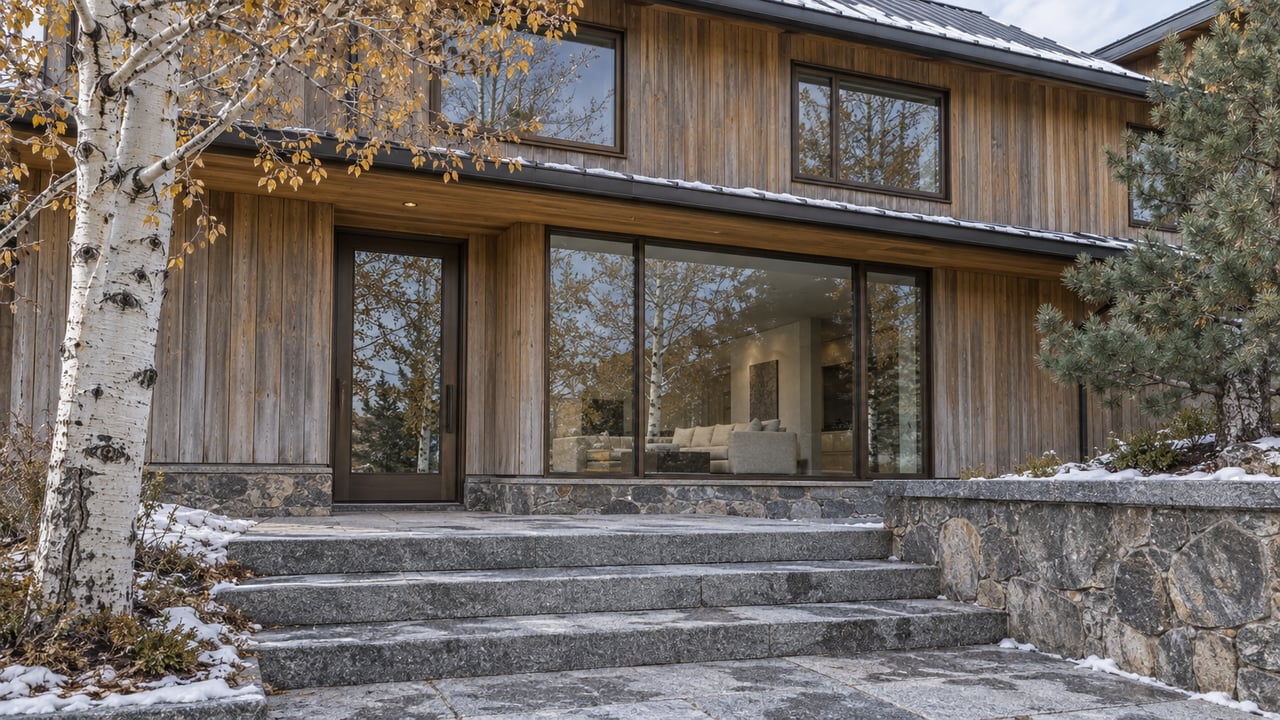
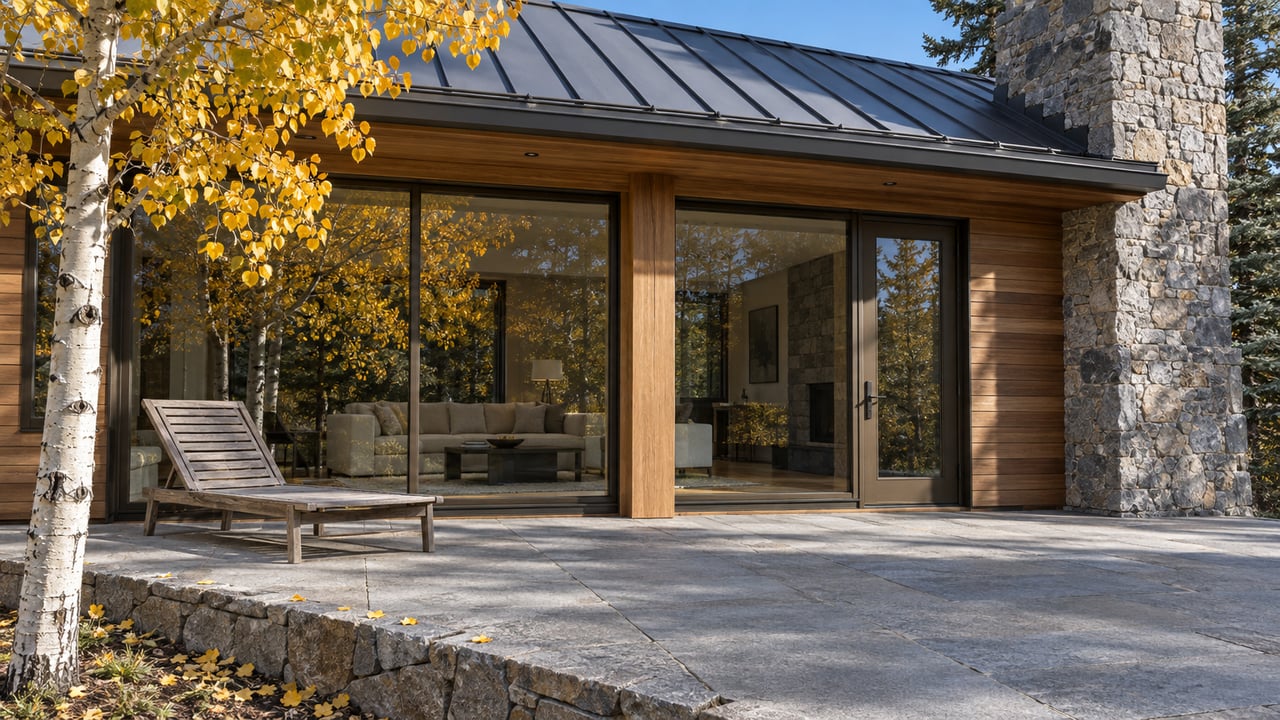
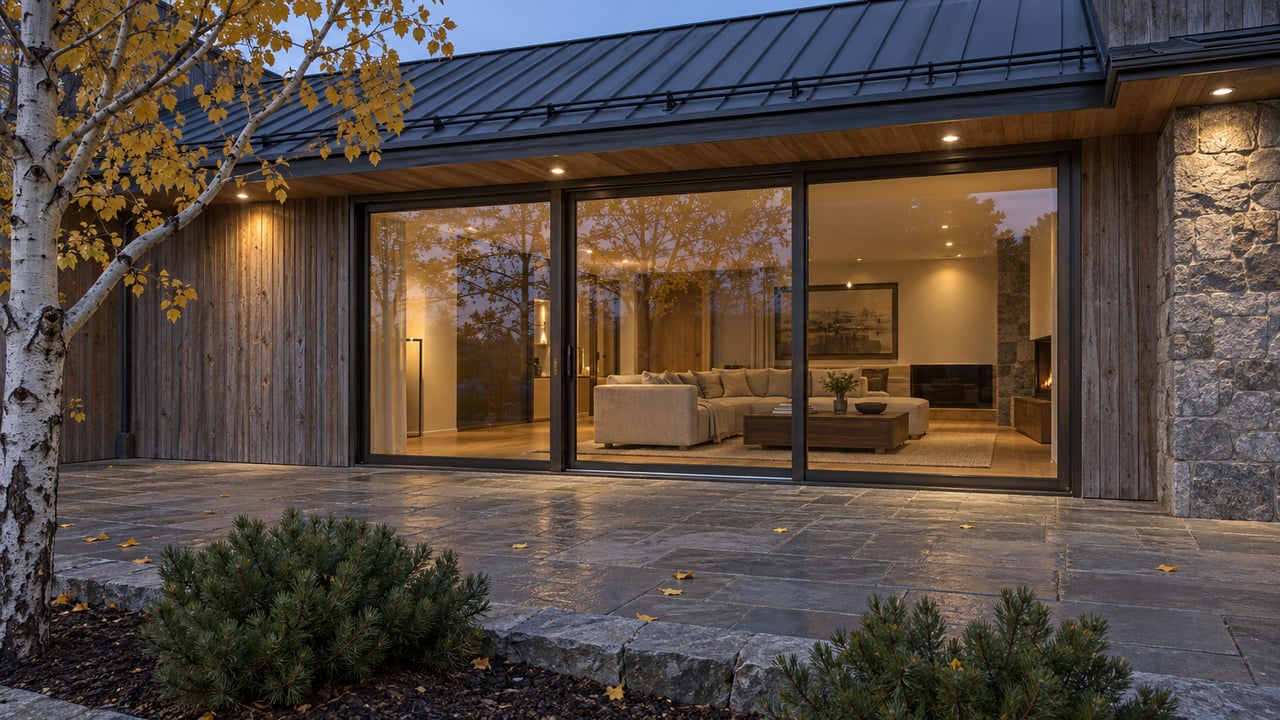
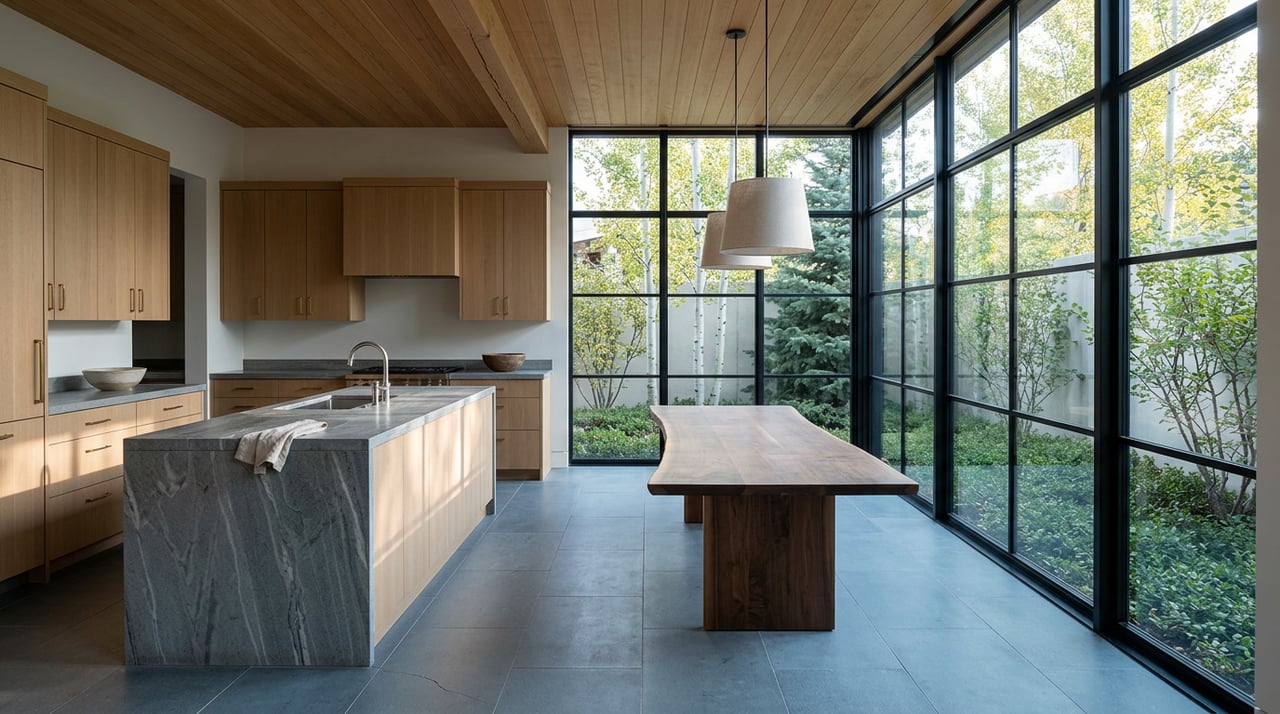
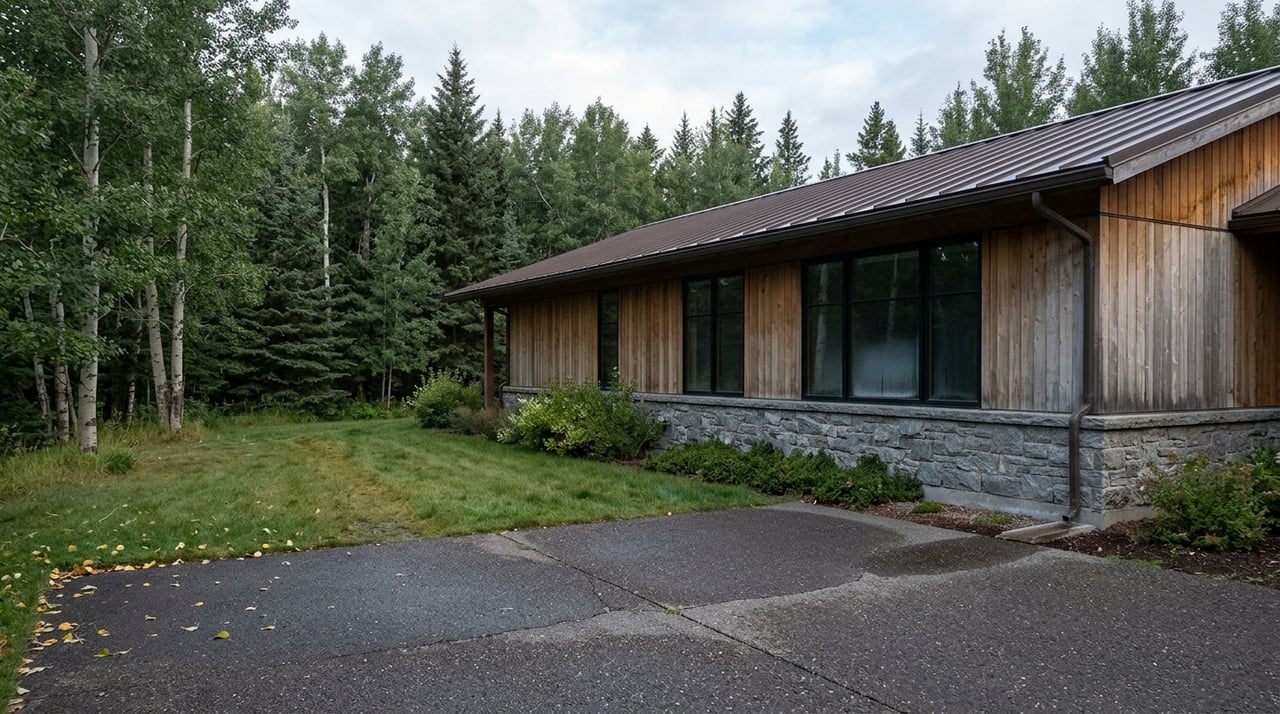
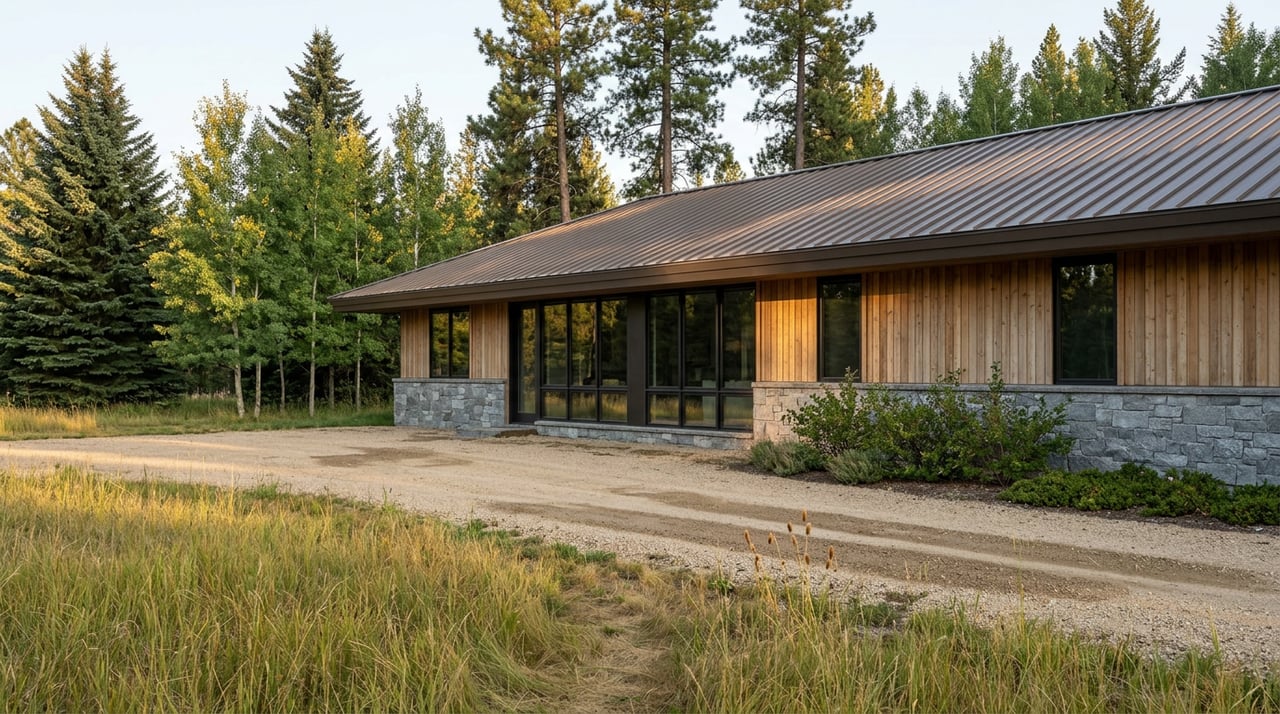
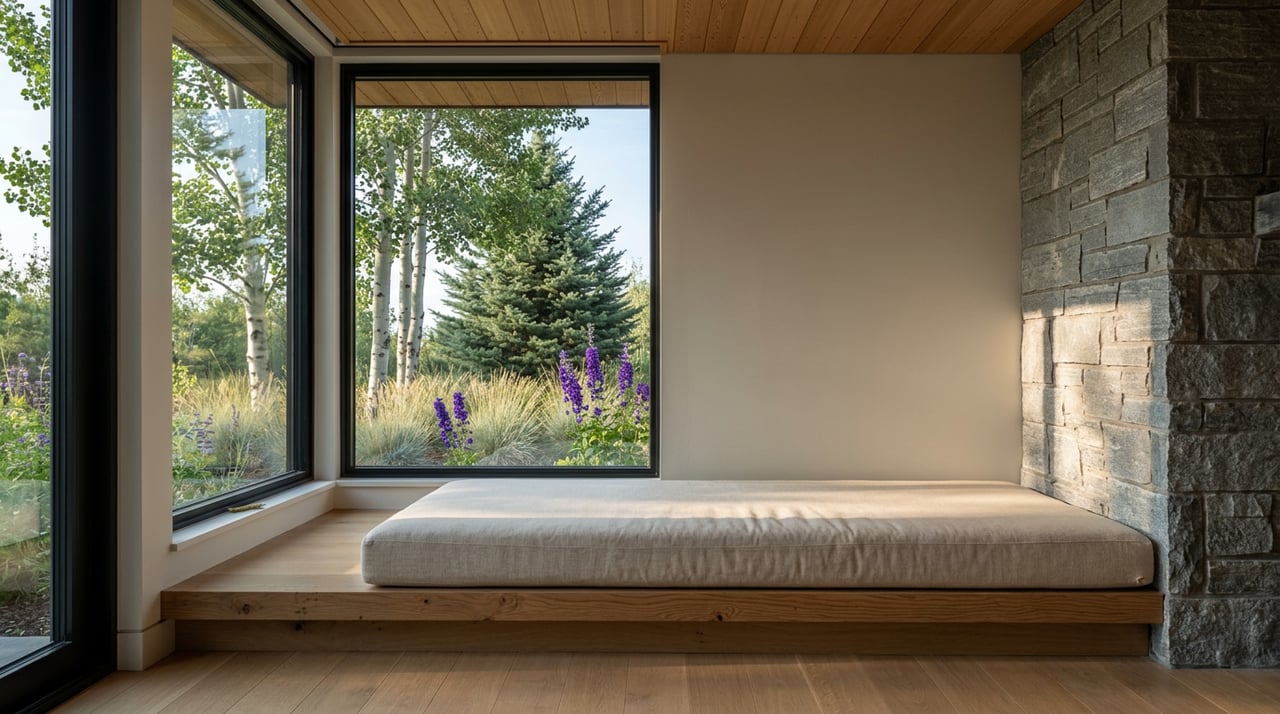
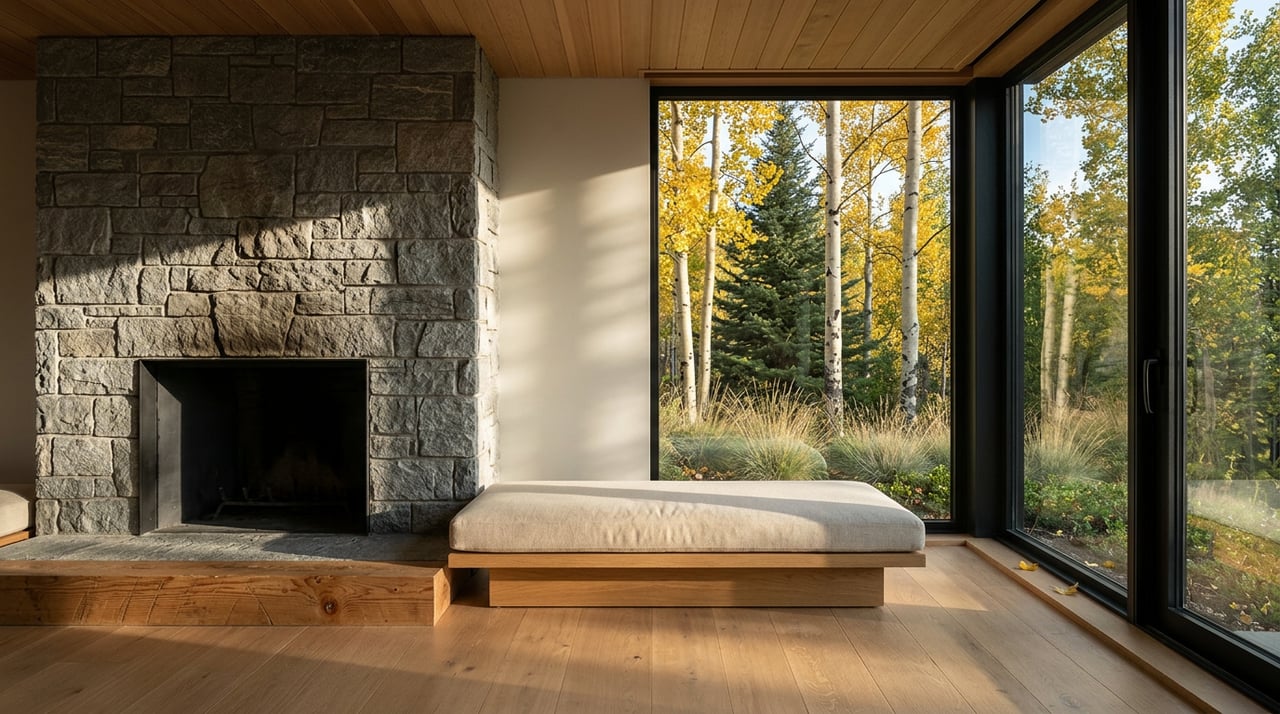
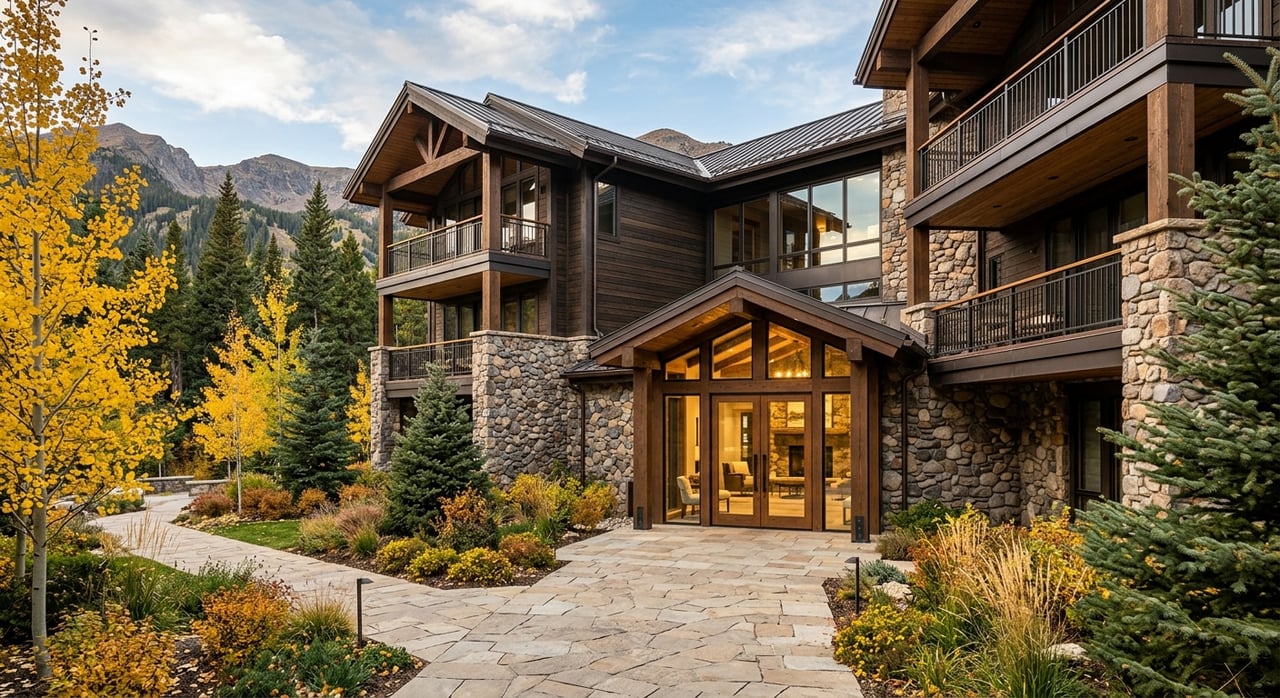
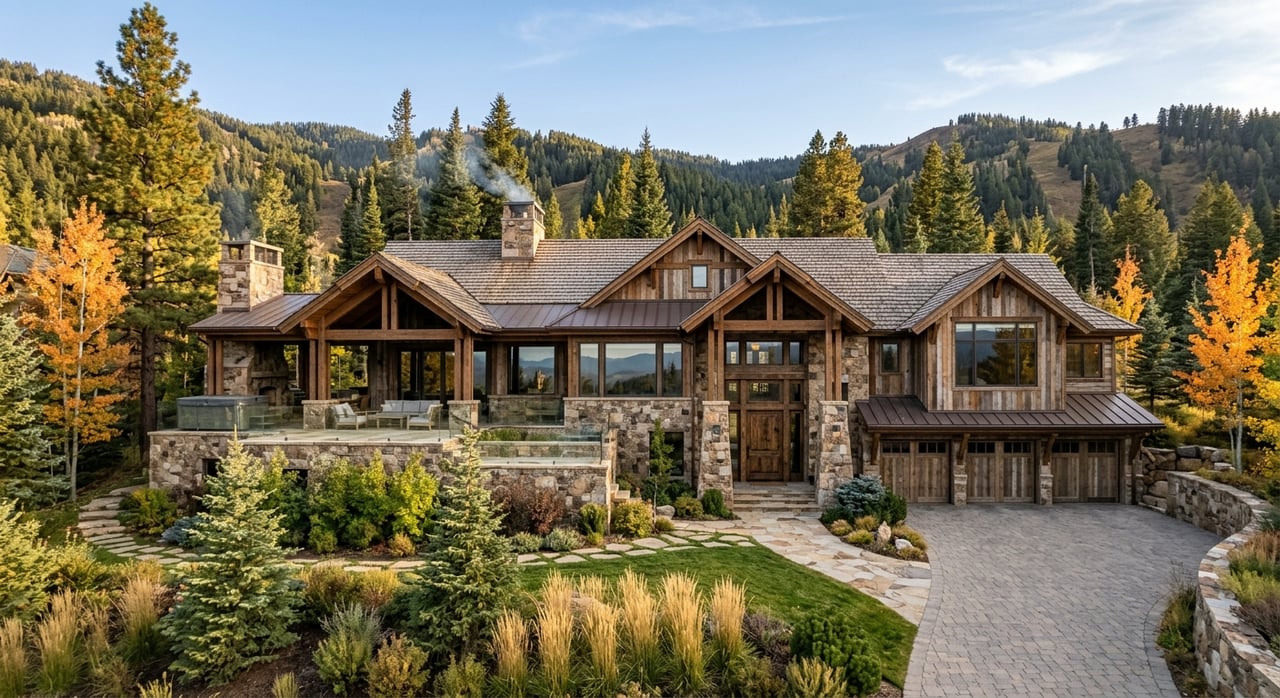
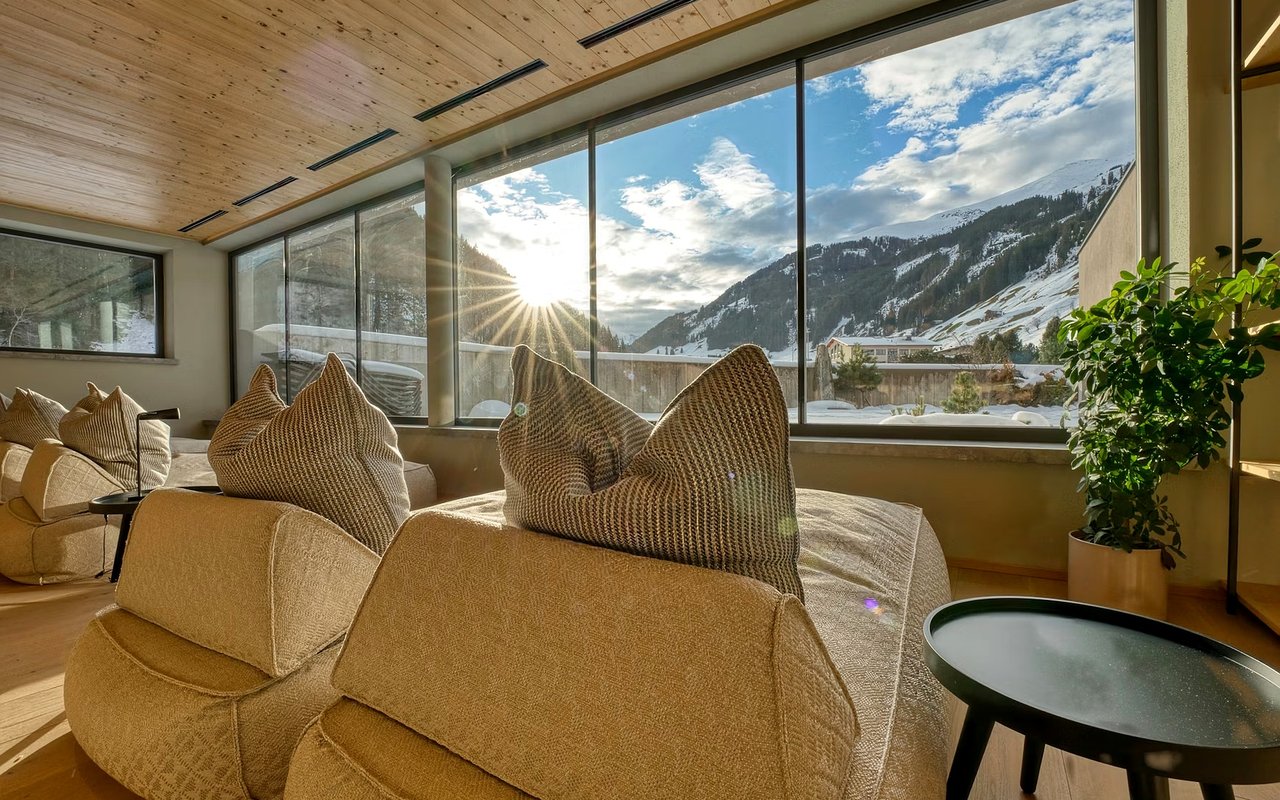
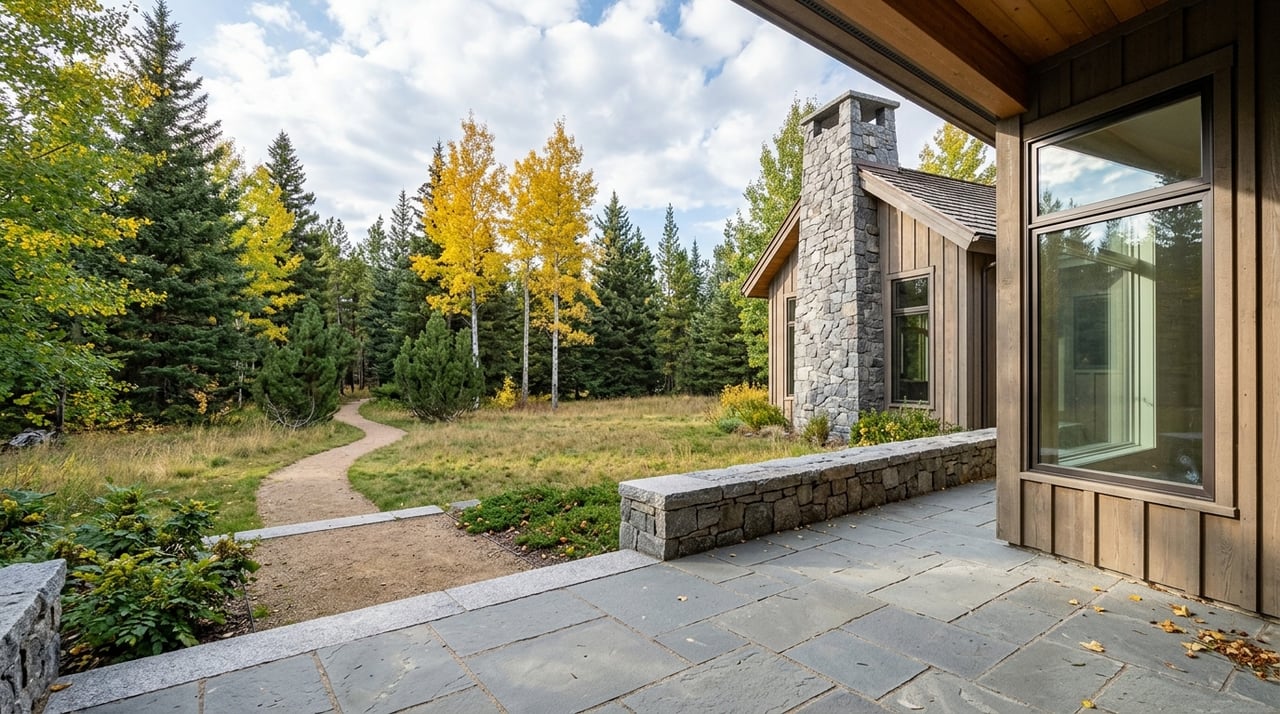
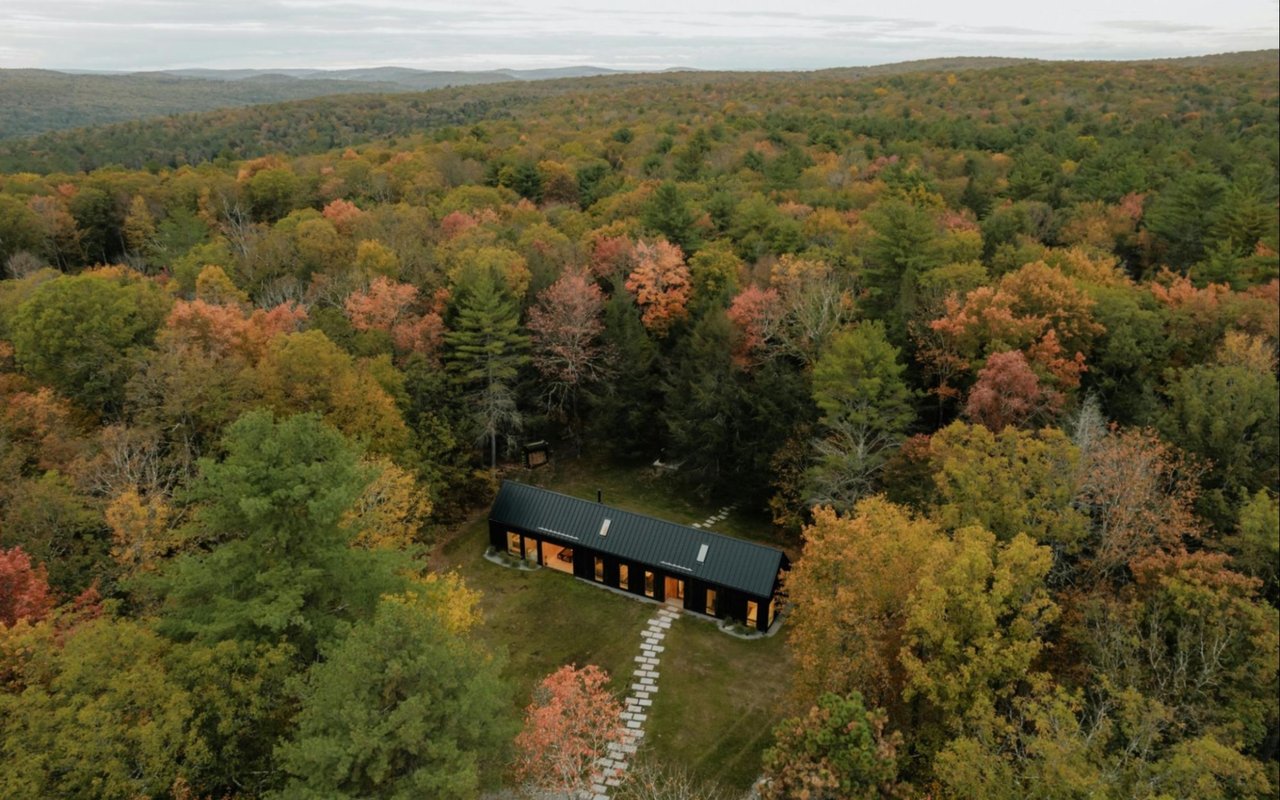
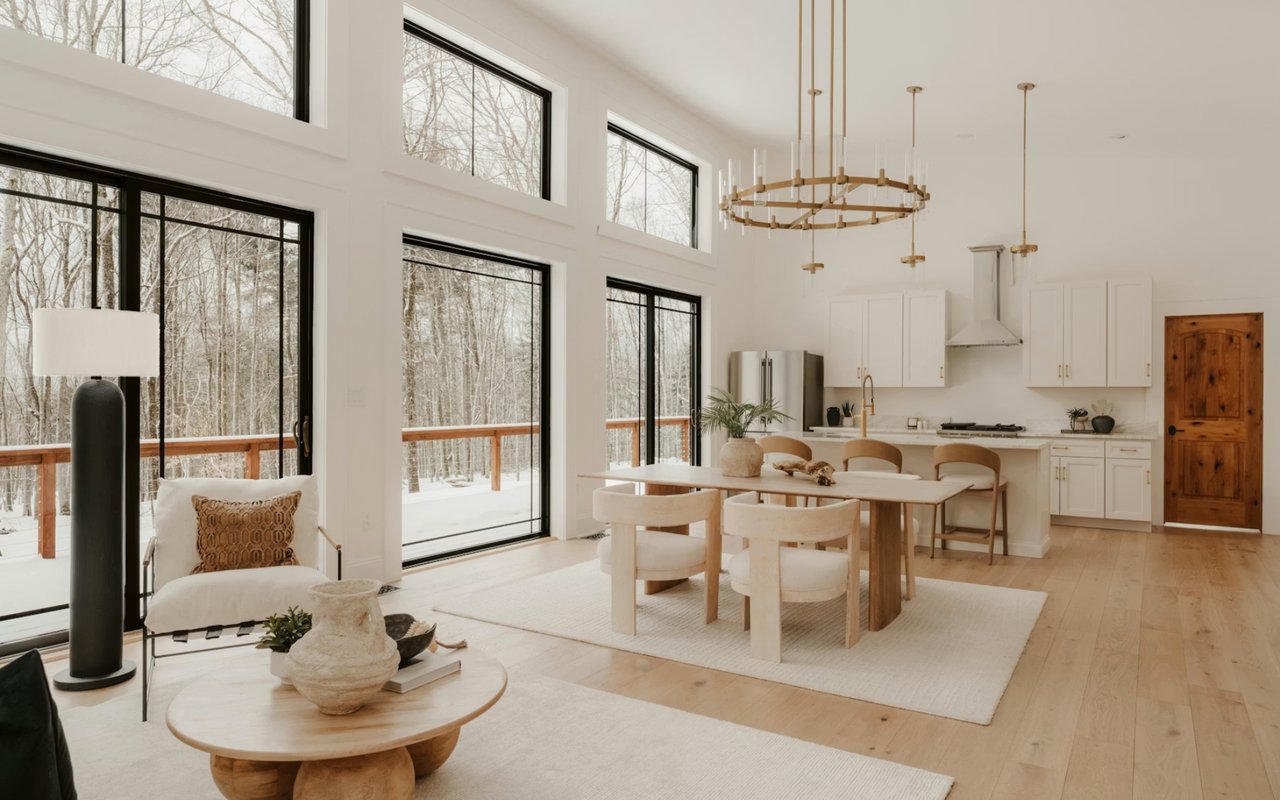
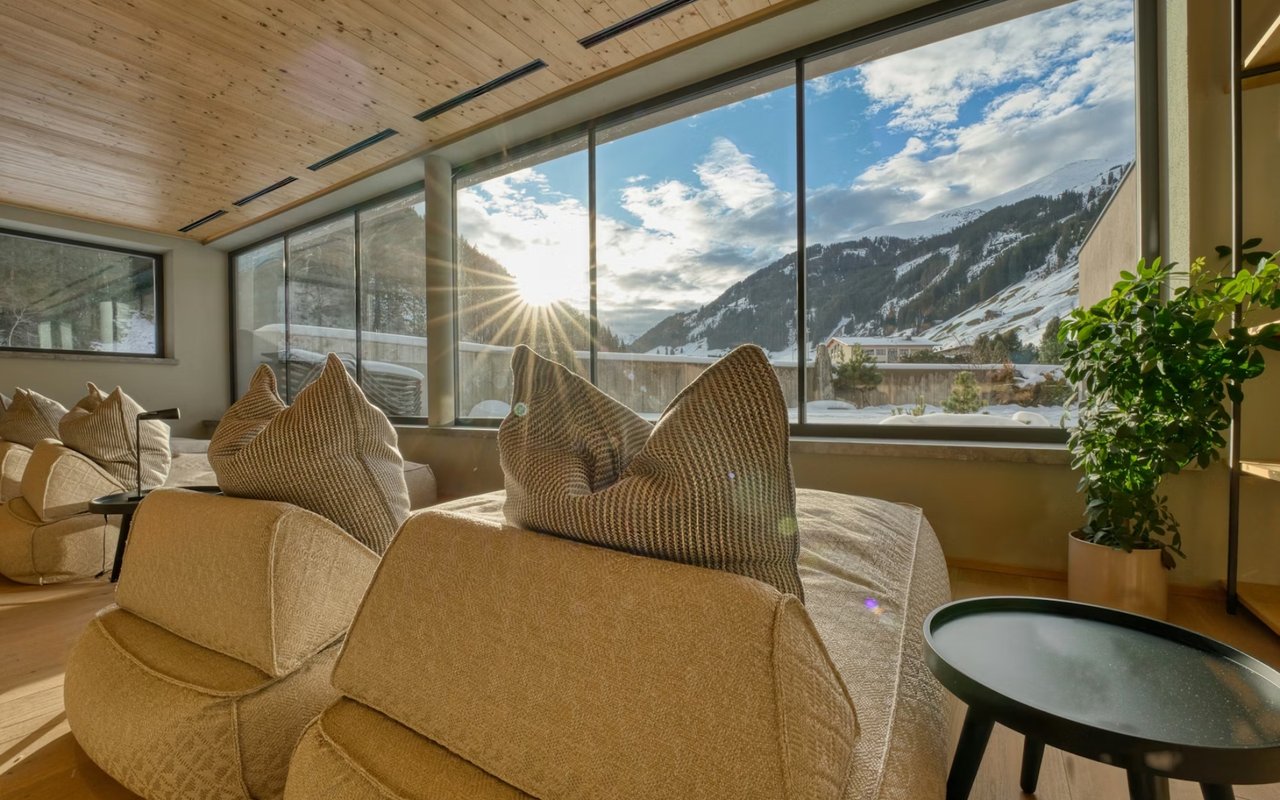
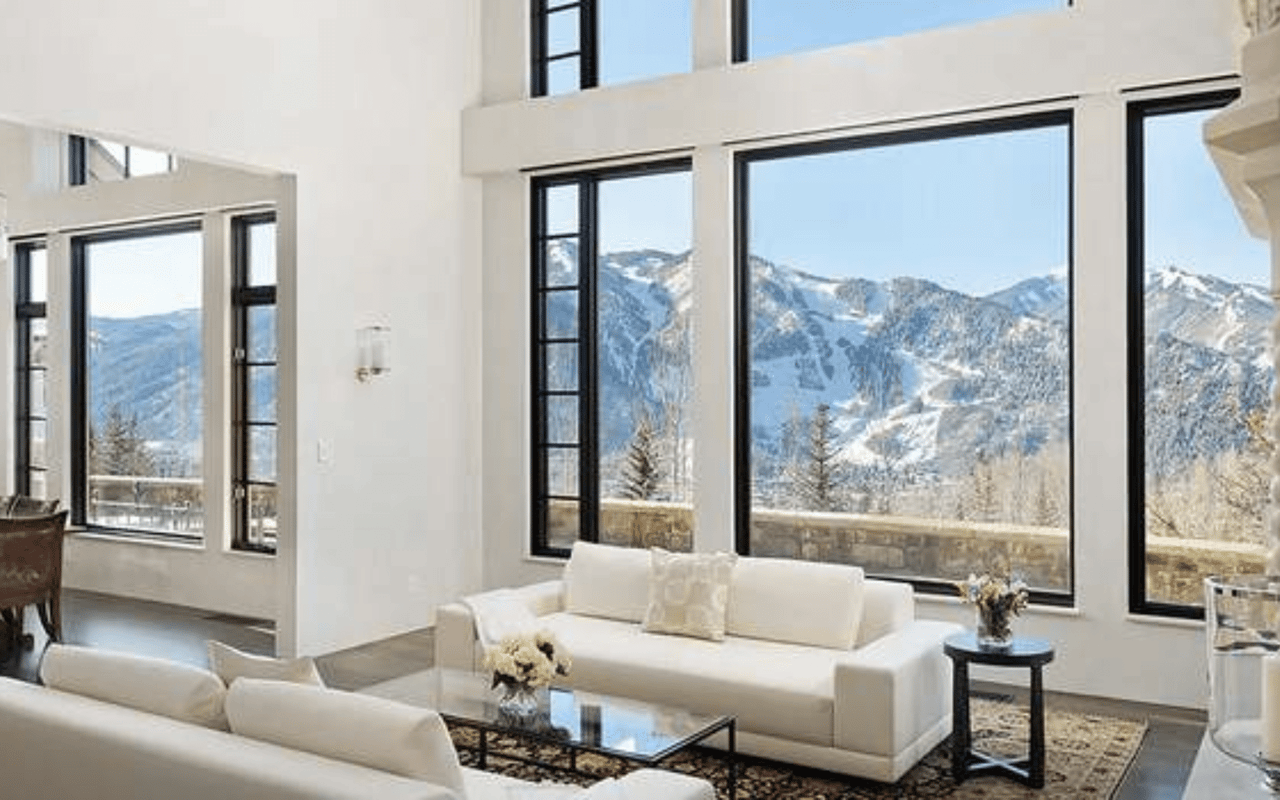
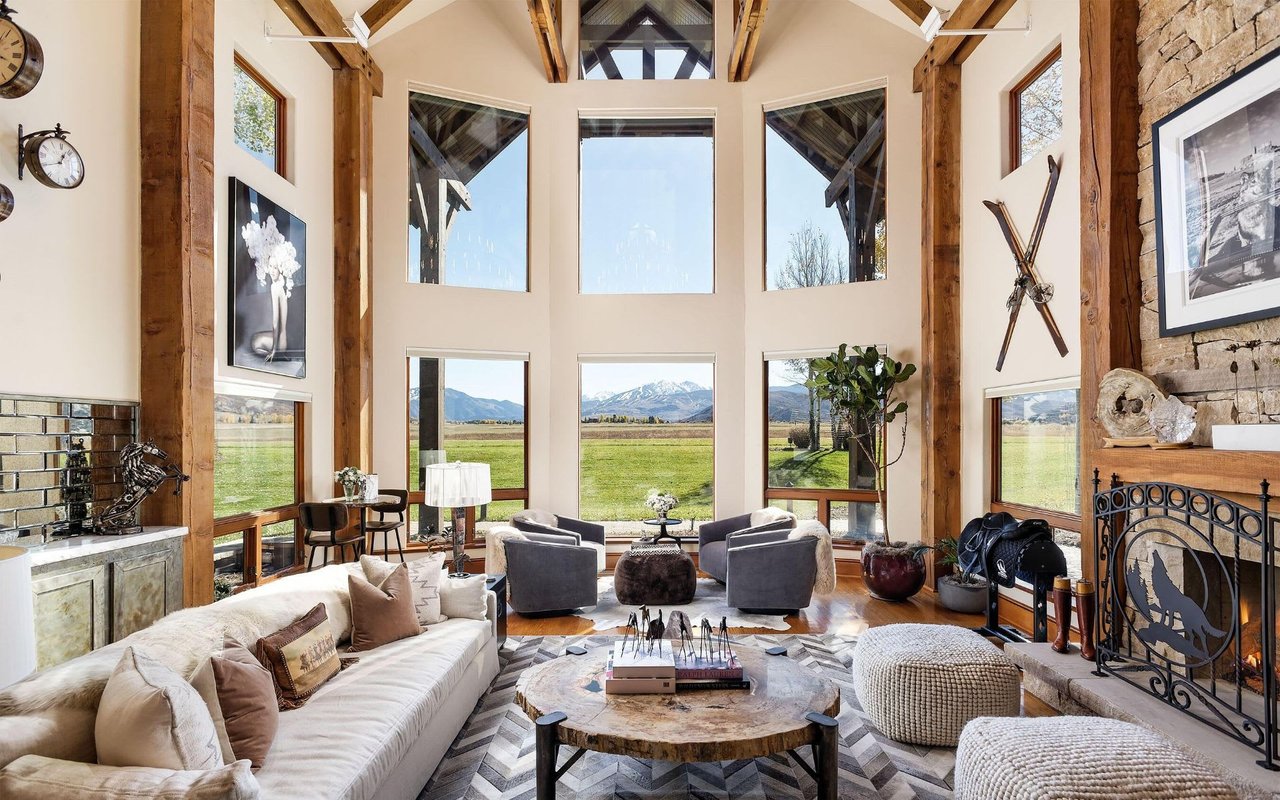
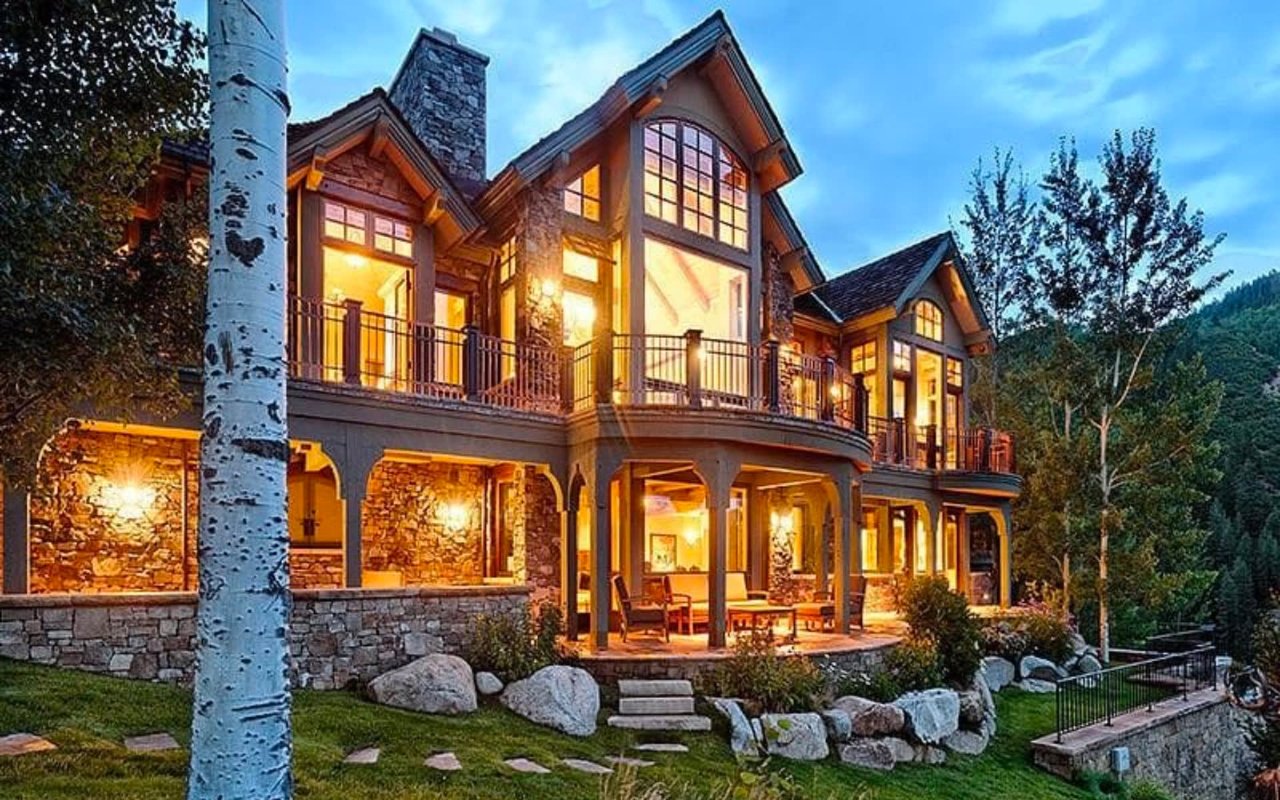
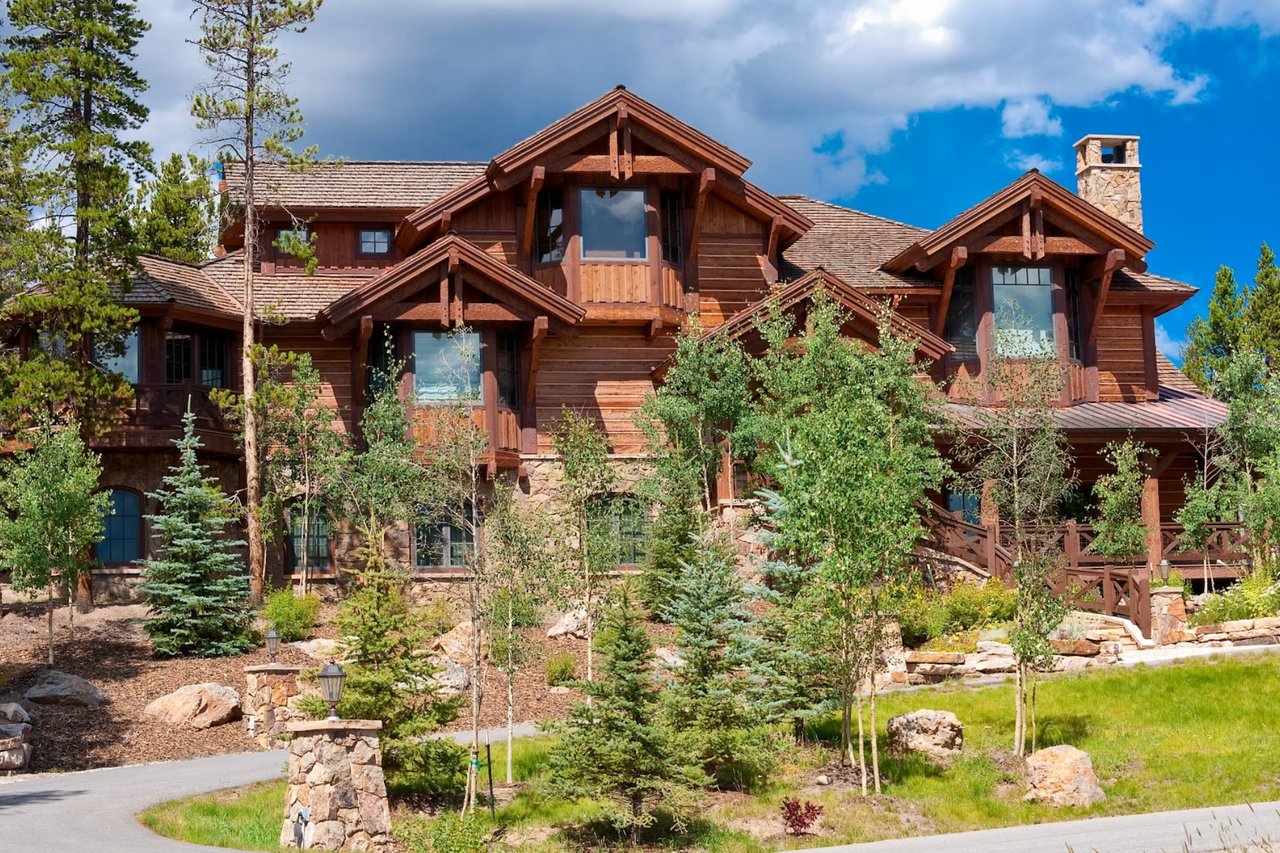
- Main residence scale and architecture: Properties at the $15 million-plus tier in this corridor feature custom-designed main residences that respond to the valley floor landscape: generous single-story or low-profile massing, extensive glazing oriented toward river and mountain views, and indoor-outdoor living spaces that treat the river corridor as an extension of the interior
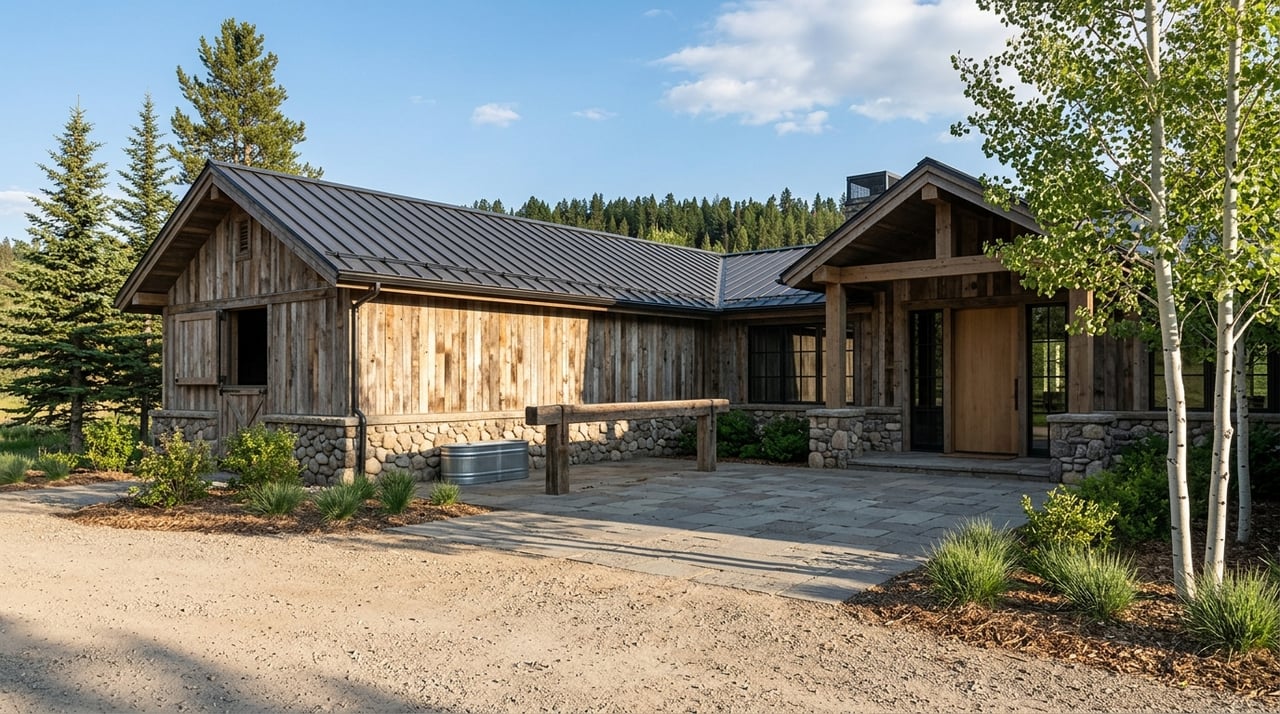
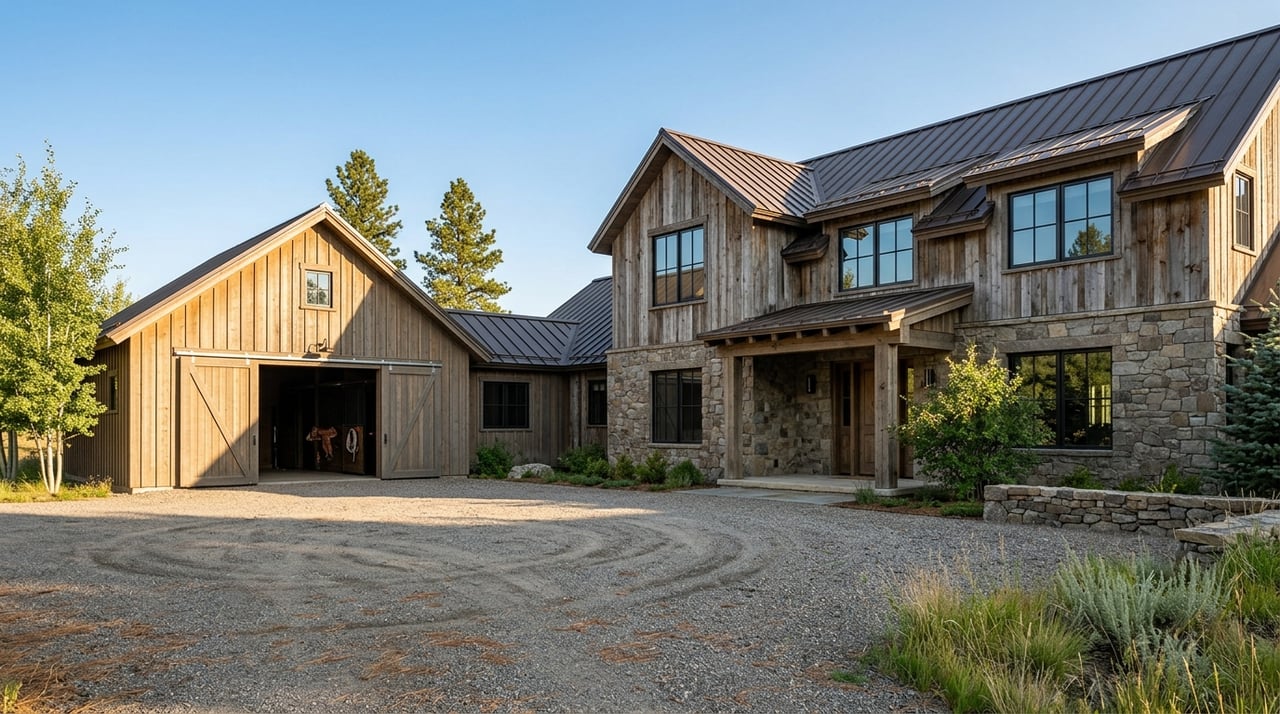
- Equestrian and agricultural infrastructure: Several East Aspen riverfront estates retain working equestrian or agricultural elements (barn structures, pasture acreage, irrigation water rights) that reflect the valley's ranching heritage
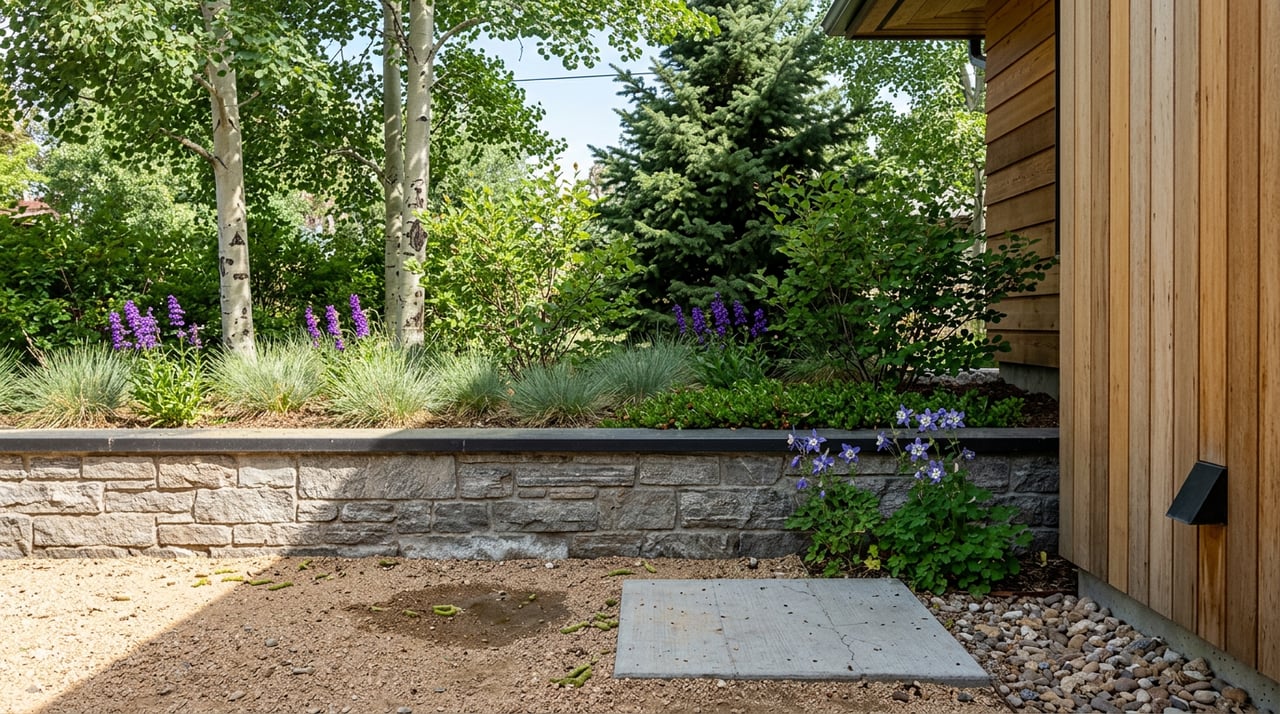
- Mature riparian landscaping: The cottonwood, willow, and alder growth that characterizes the Roaring Fork's riparian corridor creates a natural landscape on the most established East Aspen riverfront estates that took decades to develop and cannot be purchased or planted into existence on a newly developed parcel
East Aspen riverfront estates reward buyers who think about what they are acquiring beyond the structure. The land, the water, the riparian ecology, and the view corridors are the irreplaceable elements of these properties, and the residences, however exceptional, are in a meaningful sense secondary to the site itself.
FAQs
How does East Aspen riverfront pricing compare to Red Mountain or the West End at the luxury tier?
East Aspen riverfront estates and Red Mountain properties occupy comparable price territory at the upper end of Aspen's market, though they deliver fundamentally different residential experiences. The West End's walkability premium positions it at a slightly different buyer profile, making direct price comparisons less useful than a lifestyle-driven analysis of what each neighborhood actually delivers for the money.
Are East Aspen riverfront estates practical as primary residences year-round?
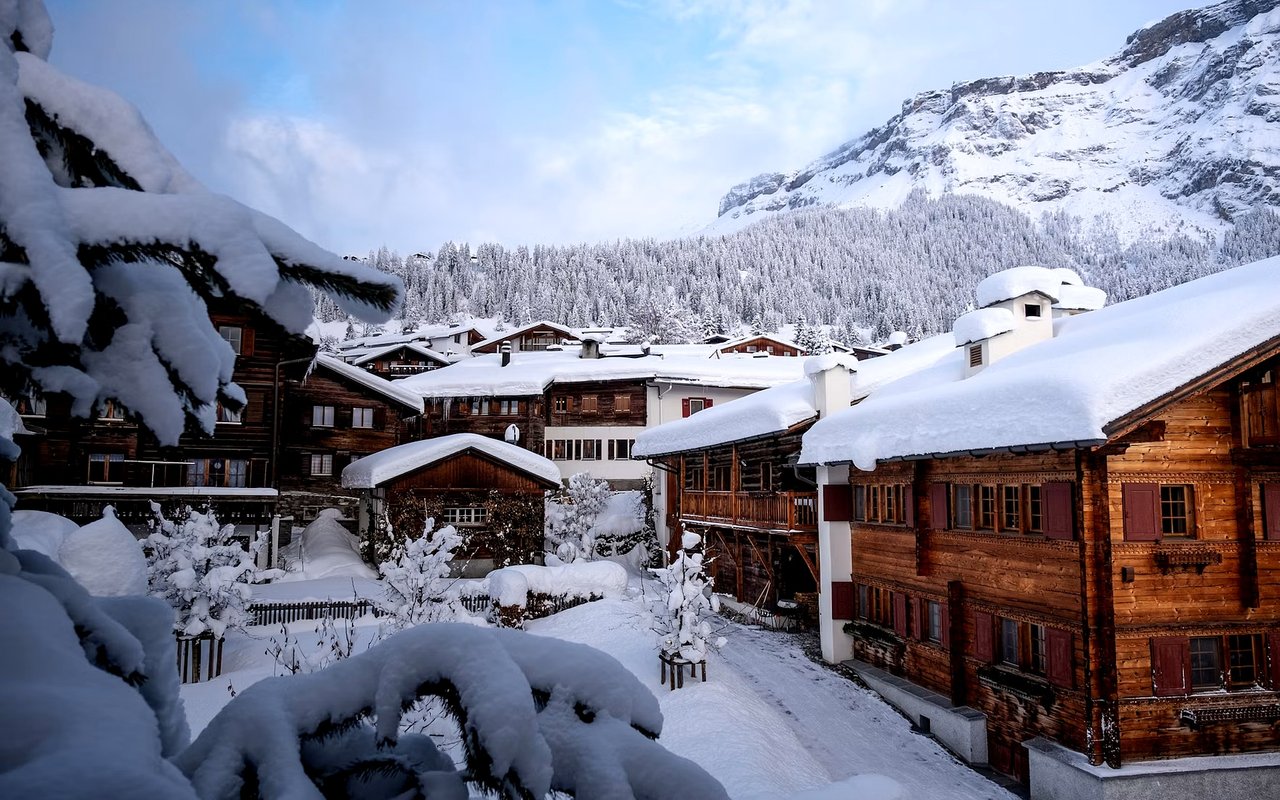
East Aspen's valley floor location and its proximity to Highway 82 make year-round residency genuinely practical, with the understanding that Roaring Fork Valley winters bring significant snowfall and that river access and the riparian landscape look and function very differently across the seasons.
What should I prioritize in due diligence when purchasing an East Aspen riverfront estate?
Water rights verification, floodplain assessment, riparian boundary survey, and a thorough review of any existing conservation easements or deed restrictions should all be initiated simultaneously and early in the due diligence period rather than sequentially. The complexity of Colorado riverfront property law means that each of these workstreams can surface issues that affect the others, and buyers who allow adequate time for a thorough, parallel due diligence process consistently reach closing with a clearer picture of what they own and a stronger foundation for long-term stewardship of the property.
Contact Brittanie Rockhill Today
East Aspen riverfront estates reward the buyers who approach them with patience, preparation, and the right professional team, and I am ready to help you build all three.
If the Roaring Fork corridor is where you want to put down roots in this market, reach out to me, Brittanie Rockhill.