By Brittanie Rockhill
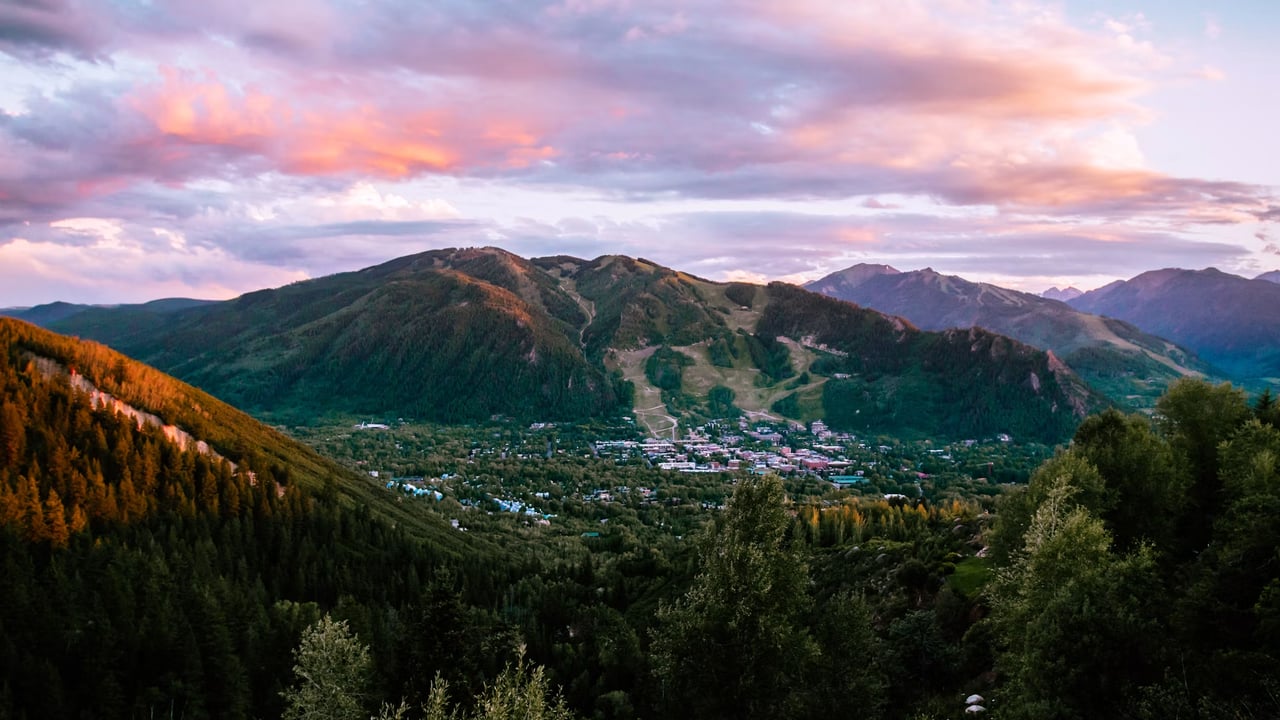
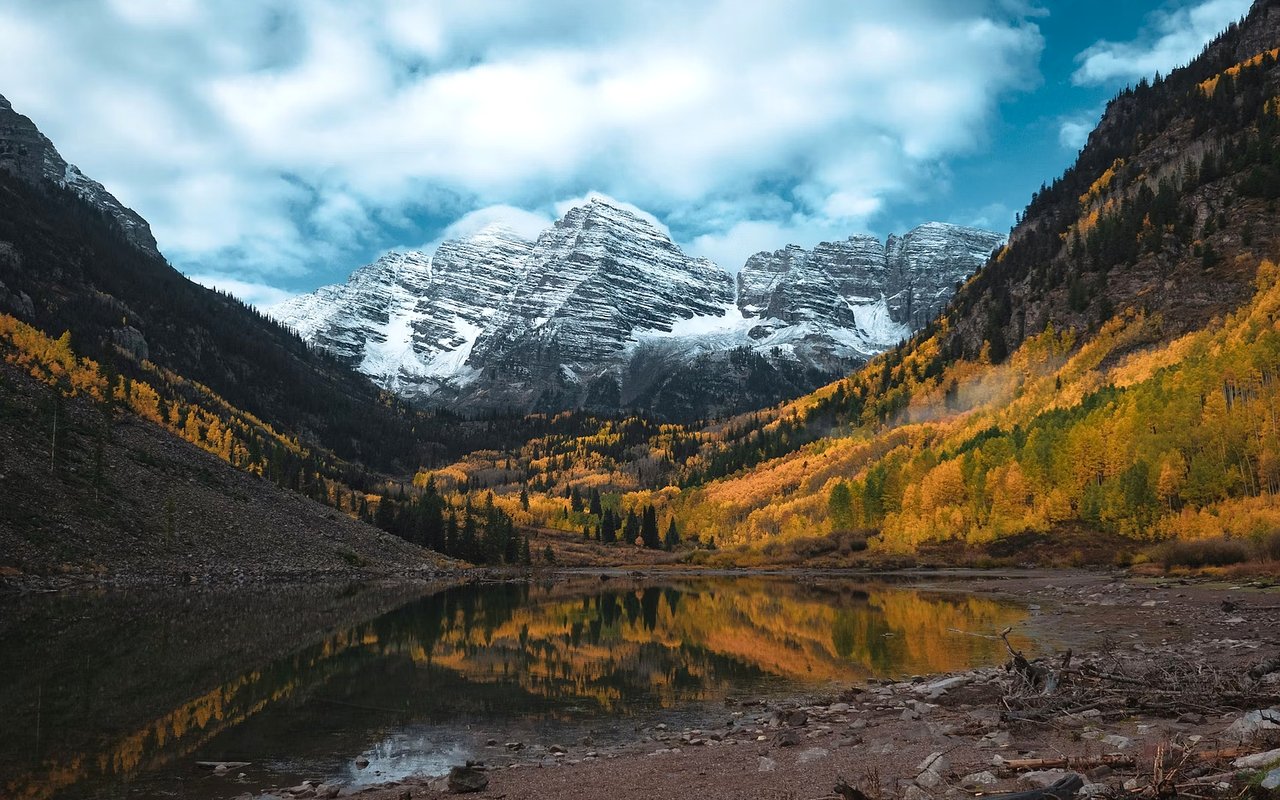
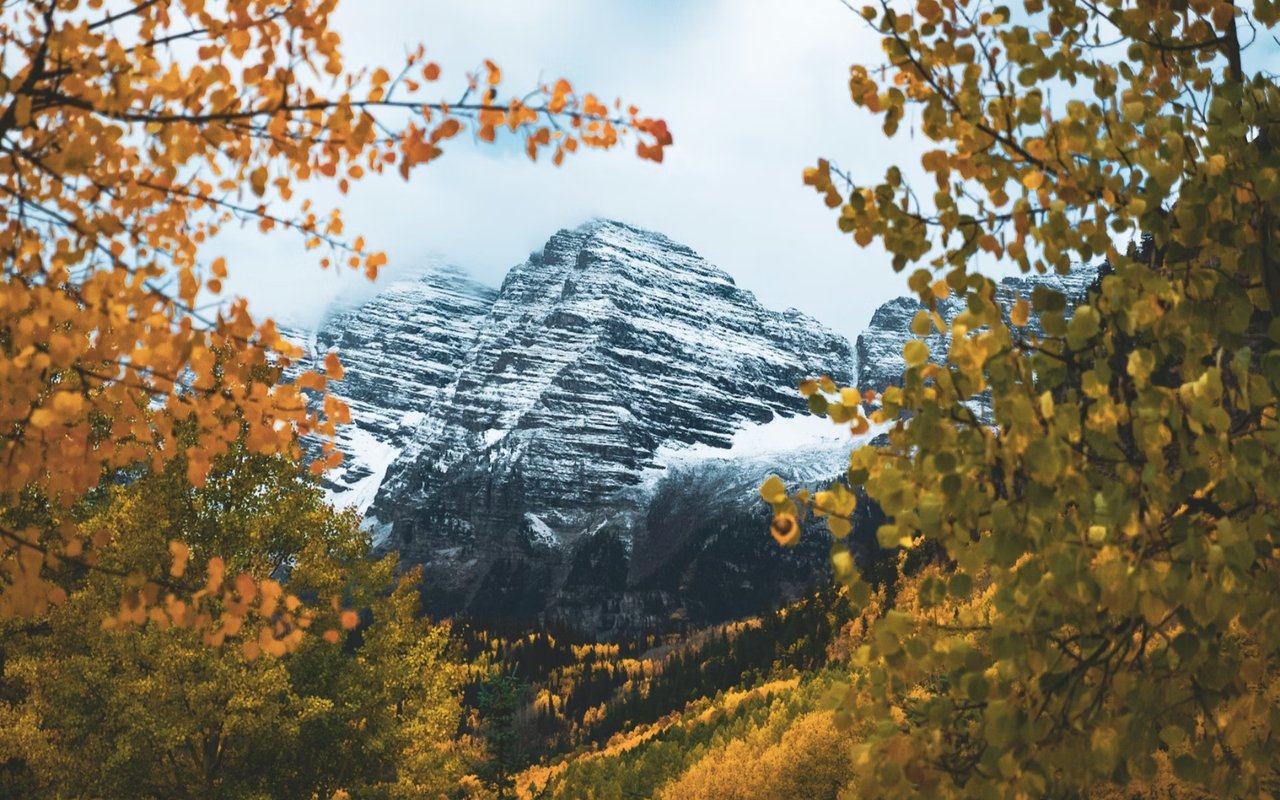
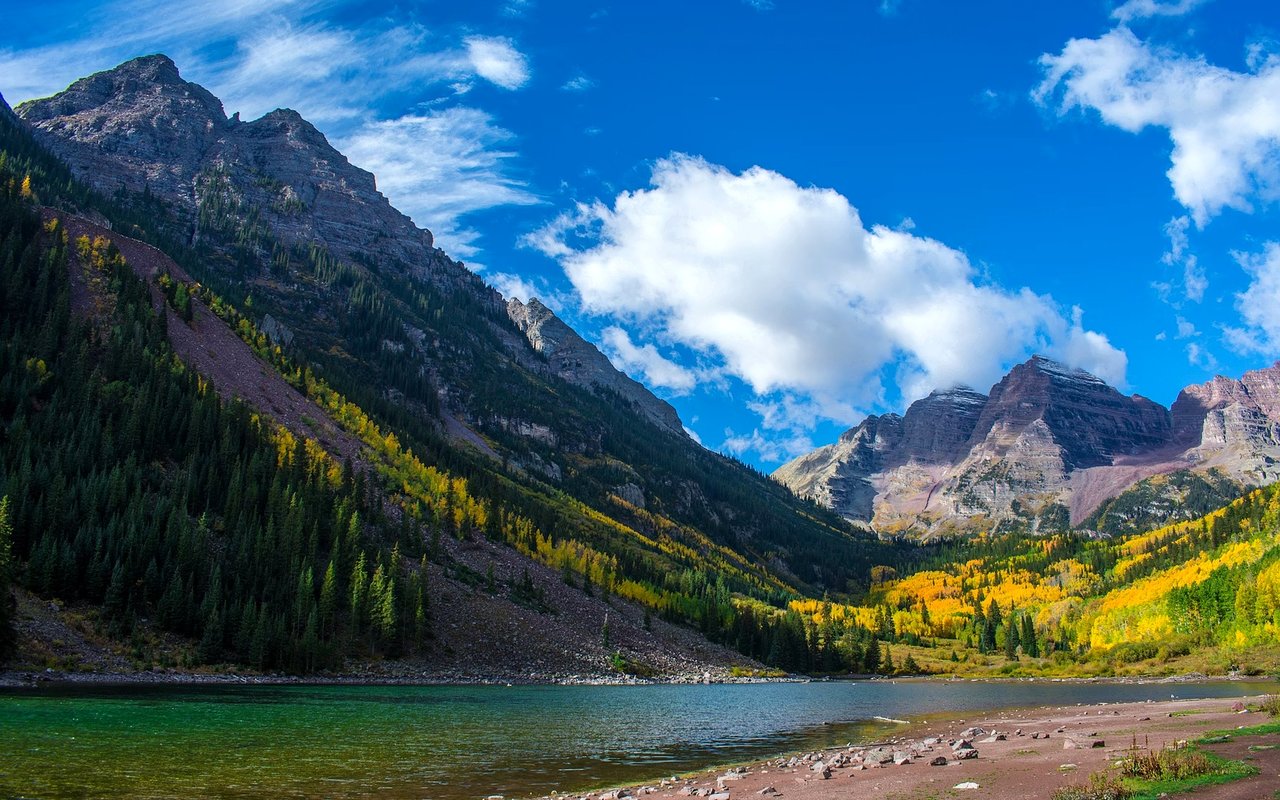
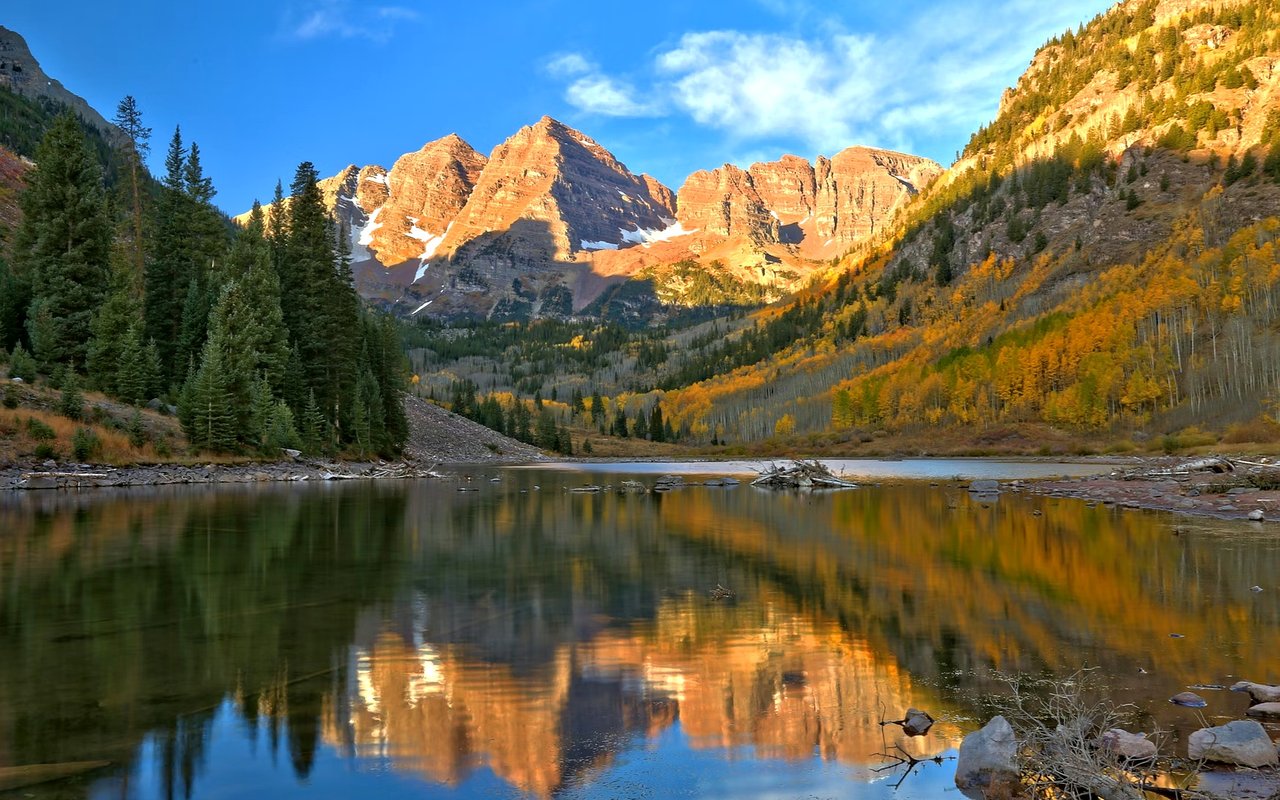
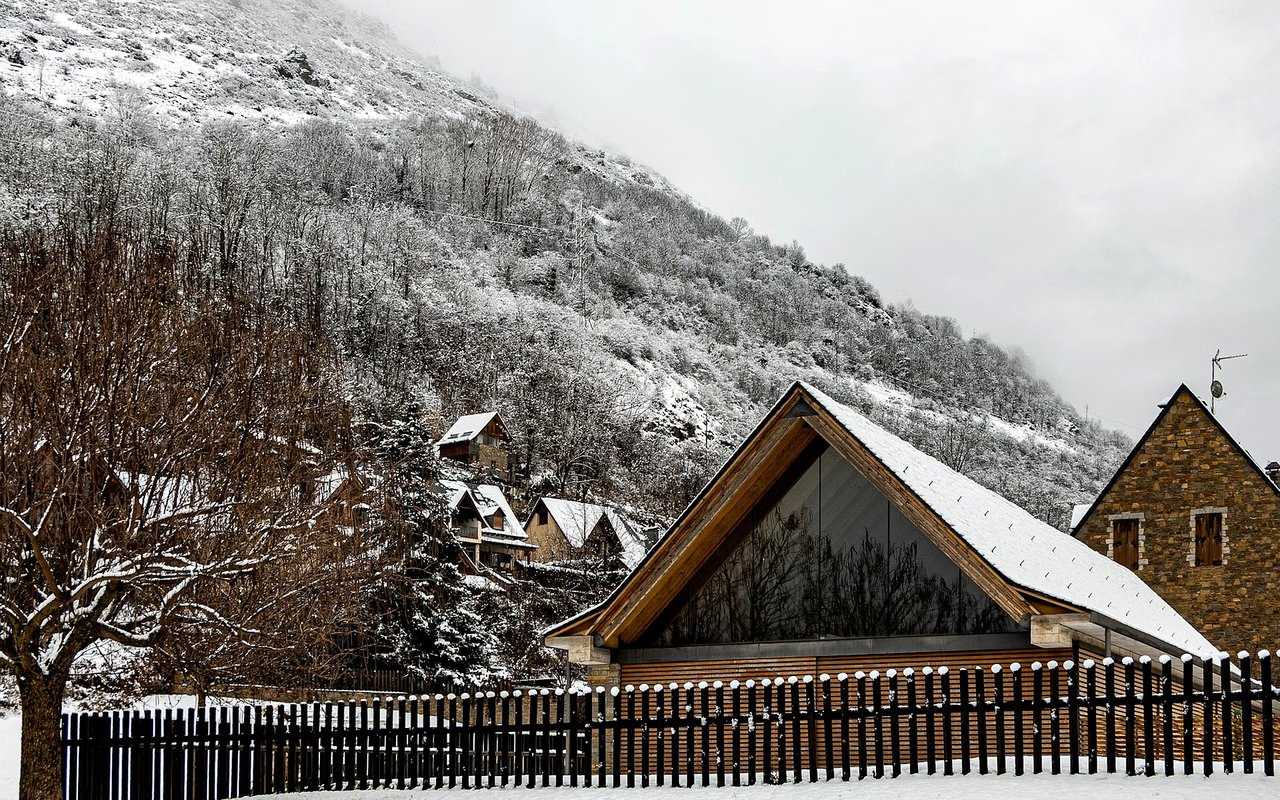
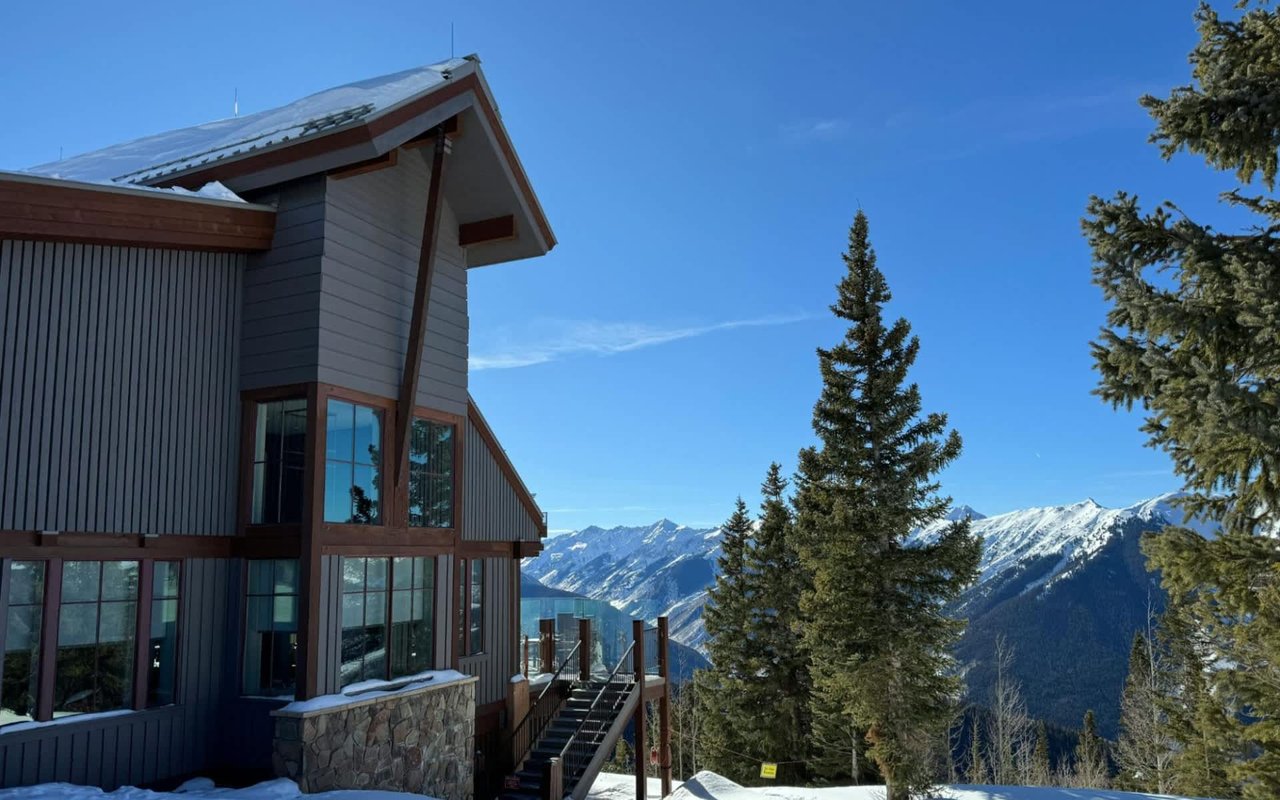
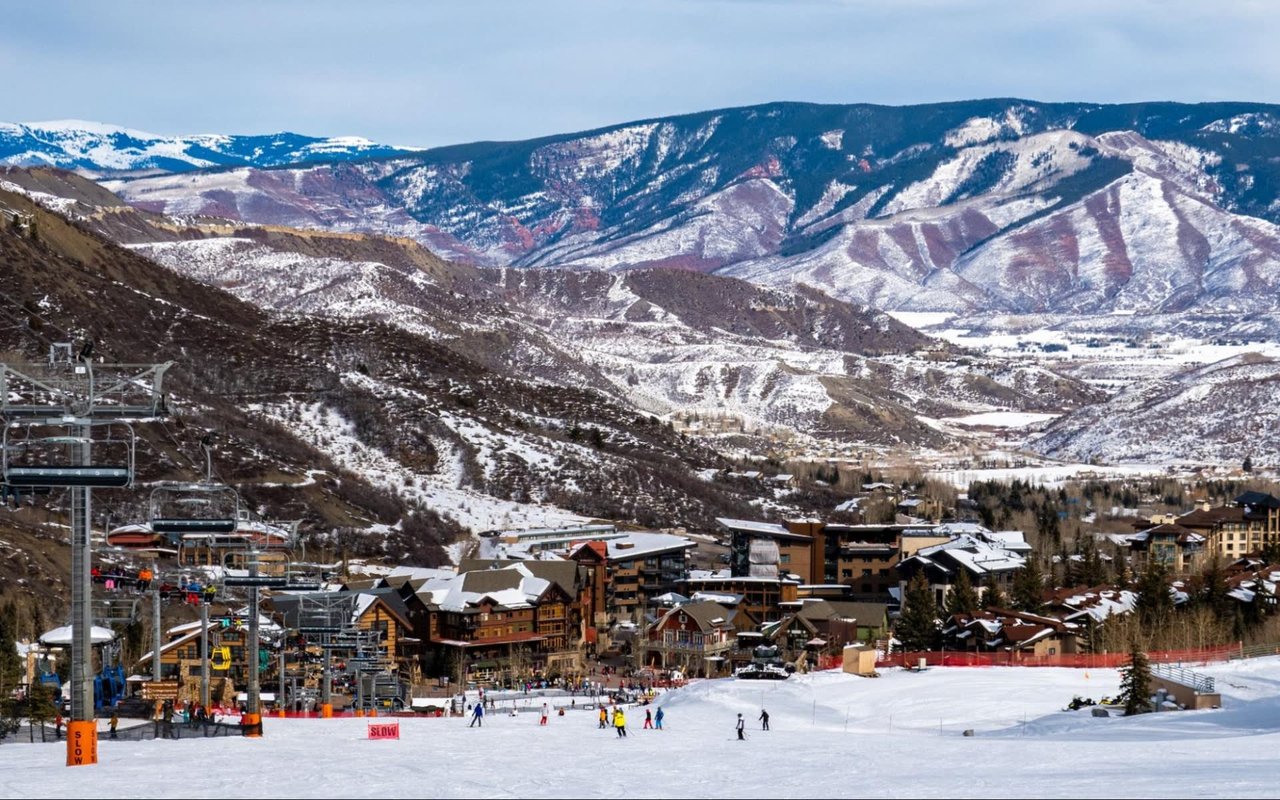
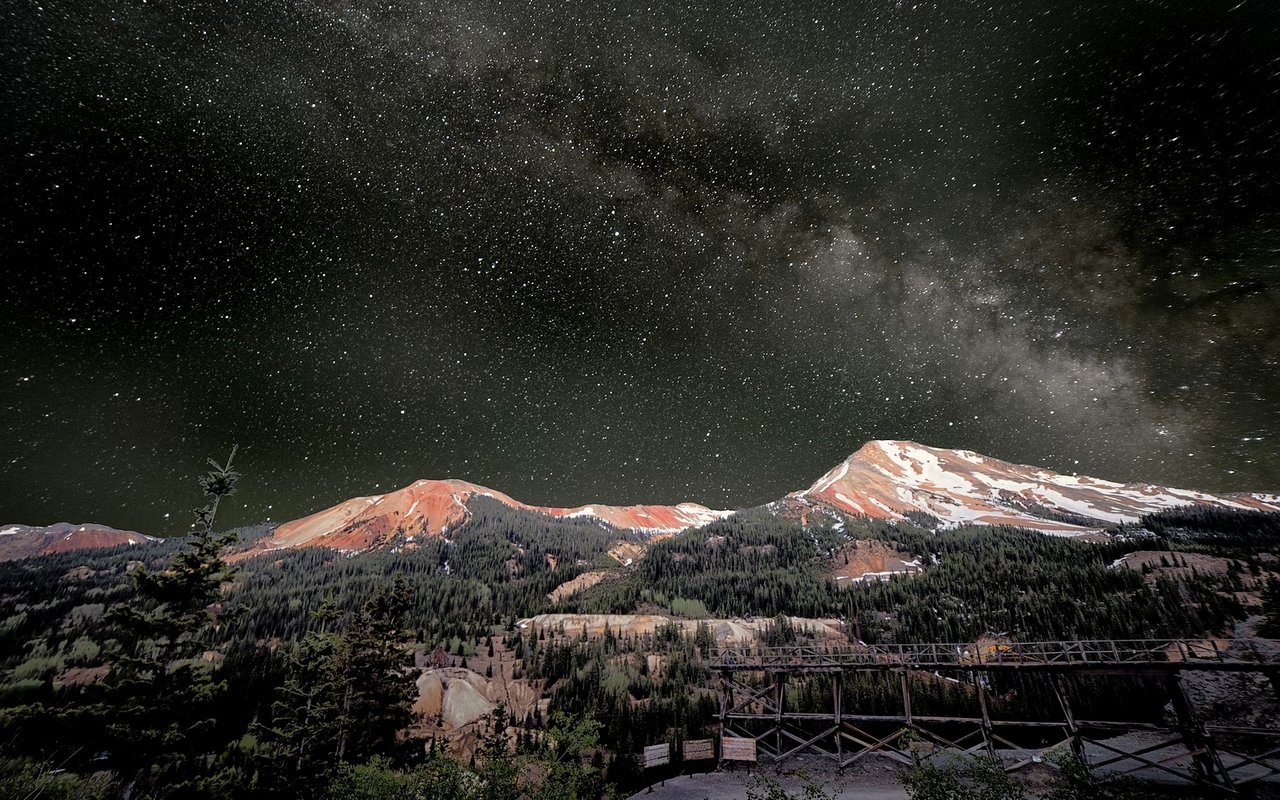
Red Mountain sits above downtown Aspen with direct sightlines to Aspen Mountain, overlooking the twinkling lights of the town below and the stars toward the Independence Pass corridor, encompassing often long-held estates that rarely trade publicly. Homes here compete on privacy, views, and pedigree rather than volume, which shapes how marketing works at the highest level.
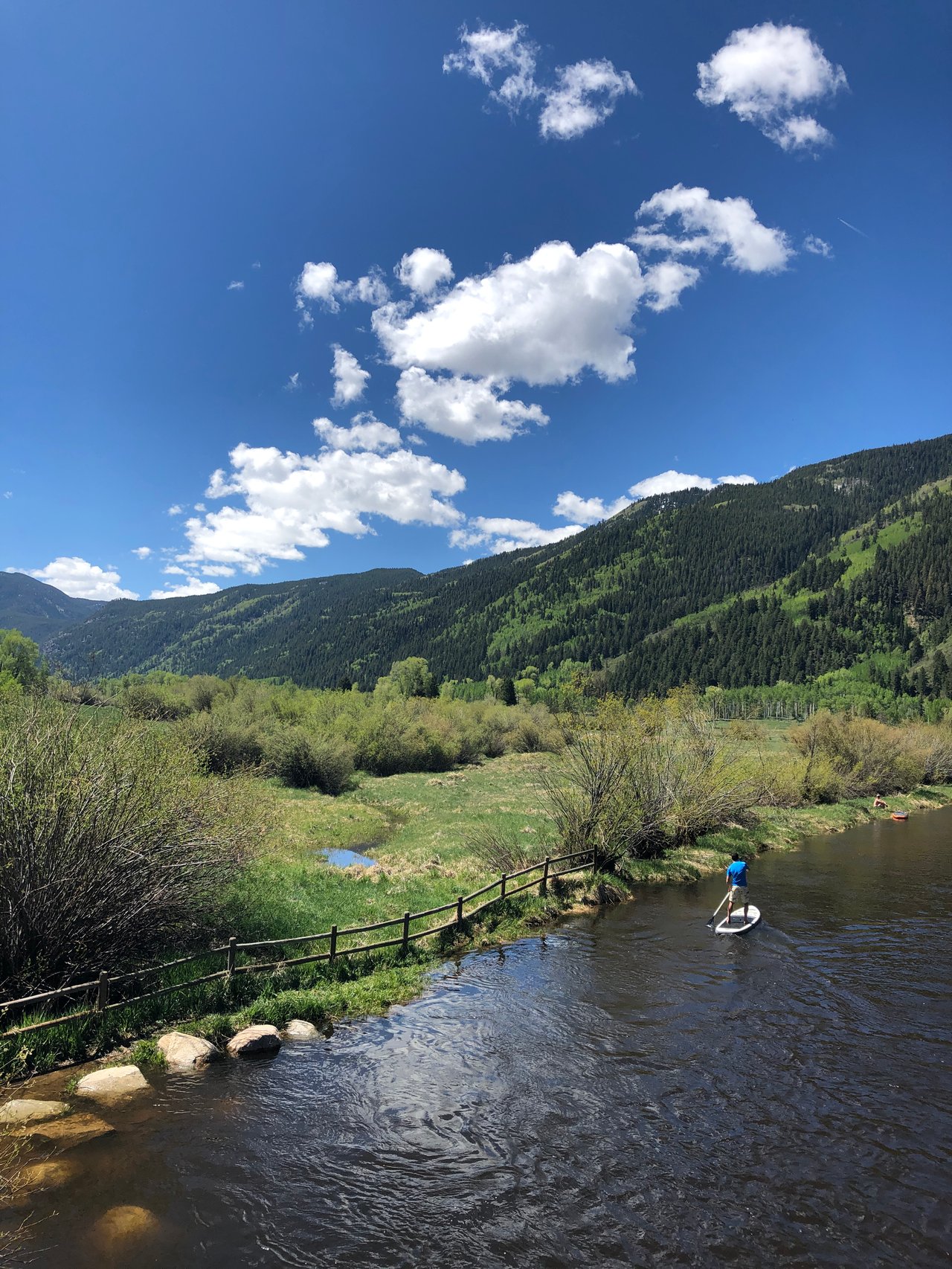
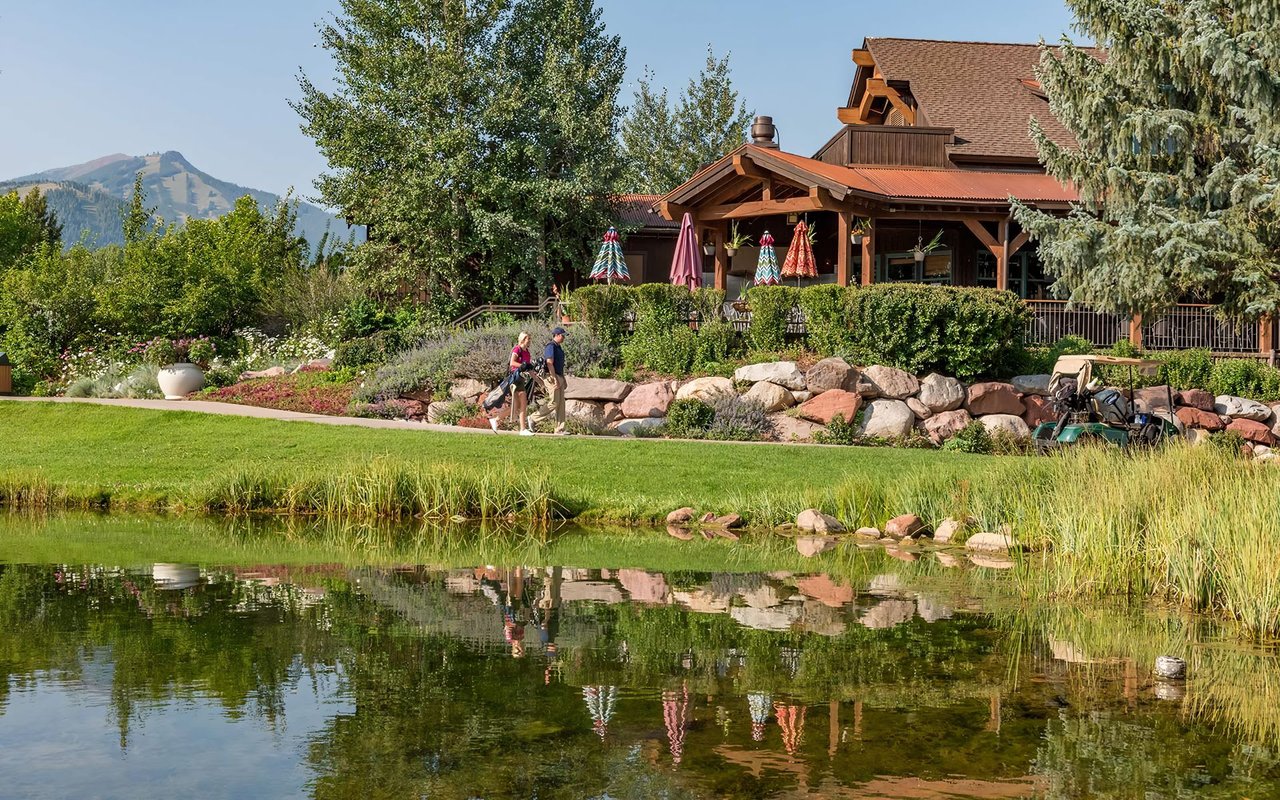
I work with Red Mountain sellers who understand that attracting the right buyer means positioning a property within this context of legacy ownership, architectural relevance, and outdoor access that includes hiking Hunter Creek, horseback riding and mountain biking nearby trails.
Key Takeaways
-
Buyer profile alignment
-
Architectural storytelling
-
Lifestyle-driven presentation
-
Strategic exposure
What's Happening at the Top of the Market?
The current benchmark for Aspen's luxury market was set in April 2024, when casino magnate Steve Wynn acquired a four-acre Red Mountain estate for $108 million, establishing both a new City of Aspen record and the highest residential sale ever recorded in Colorado. The chalet-style compound, which dates to 2006 and spans 21,476 square feet across 11 bedrooms and 15 bathrooms, also includes a guest home and a heated outdoor pool.
The property's own sales history tells a story of accelerating values: the land changed hands for $7 million in 2003, the finished estate sold for $43 million when it first came to market in 2009, and former professional hockey player Patrick Dovigi purchased it in 2021 for $72.5 million before it ultimately traded to Wynn at nearly 50 percent above that figure just three years later.
The property's own sales history tells a story of accelerating values: the land changed hands for $7 million in 2003, the finished estate sold for $43 million when it first came to market in 2009, and former professional hockey player Patrick Dovigi purchased it in 2021 for $72.5 million before it ultimately traded to Wynn at nearly 50 percent above that figure just three years later.
The Red Mountain Buyer Profile
Red Mountain buyers typically arrive with experience in global luxury markets and a clear expectation for privacy, views, and design integrity. They often compare properties based on elevation, sightlines, and proximity to downtown Aspen rather than square footage alone.
Why buyer clarity shapes marketing outcomes
-
Finance, technology, and entrepreneurial capital: Red Mountain draws heavily from individuals whose wealth comes from sectors like computerized trading, private equity, and venture capital
-
Generational estate builders: Buyers focused on long-term stewardship rather than near-term turnover, representing the kind of patient, conviction-driven ownership that characterizes Red Mountain's most significant addresses
-
Trophy acquirers with decisive intent: Buyers like Steve Wynn who arrive with clear criteria and move quickly when the right property surfaces, often in off-market or limited-exposure transactions
I make sure marketing materials speak directly to how the property fits their lifestyle and long-term goals.
Positioning Architecture as the Primary Asset
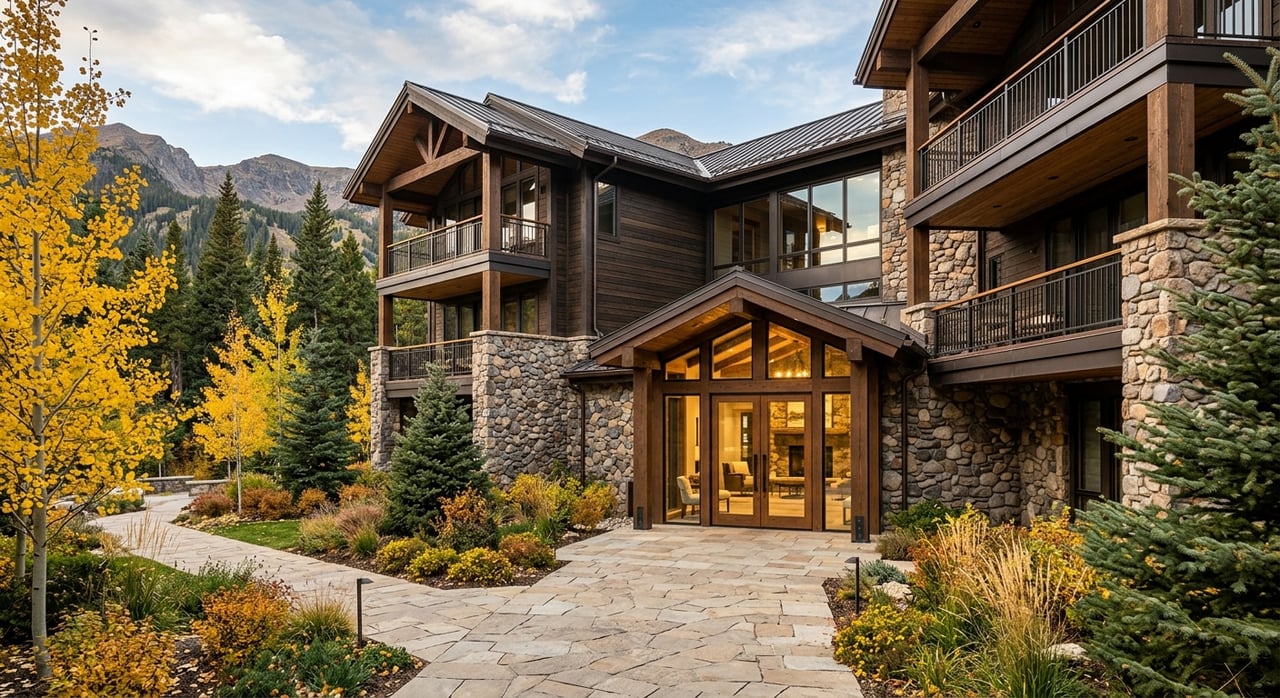
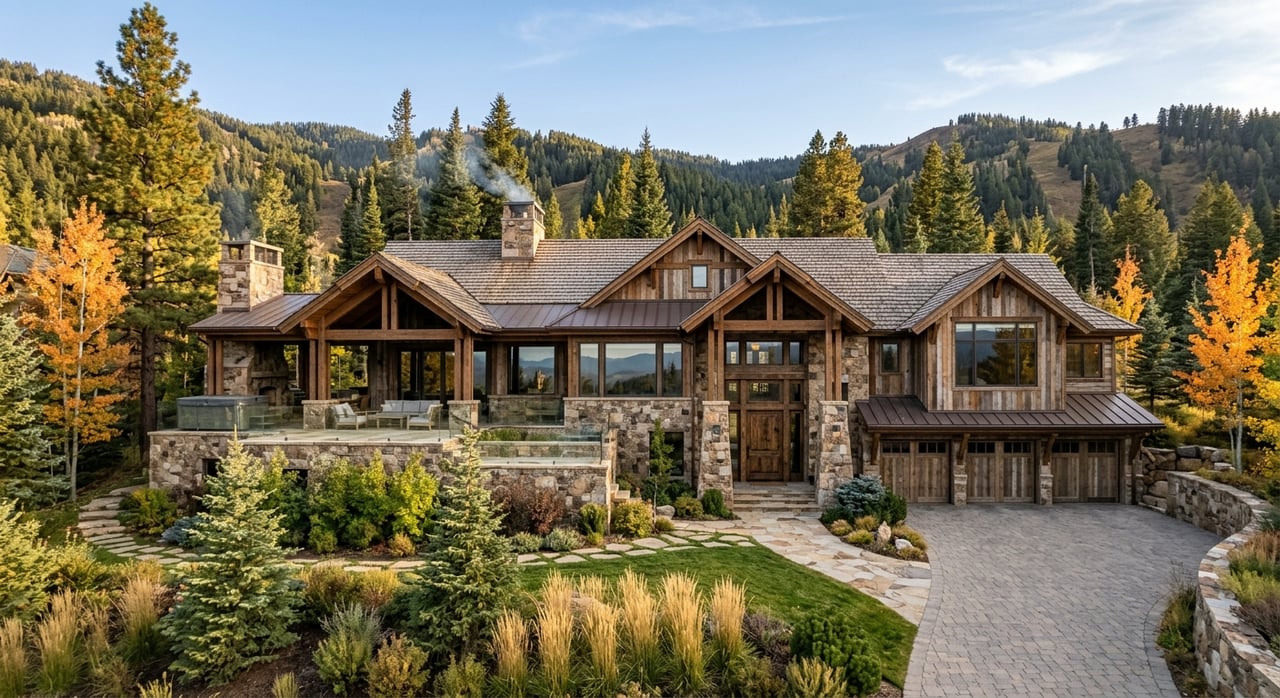
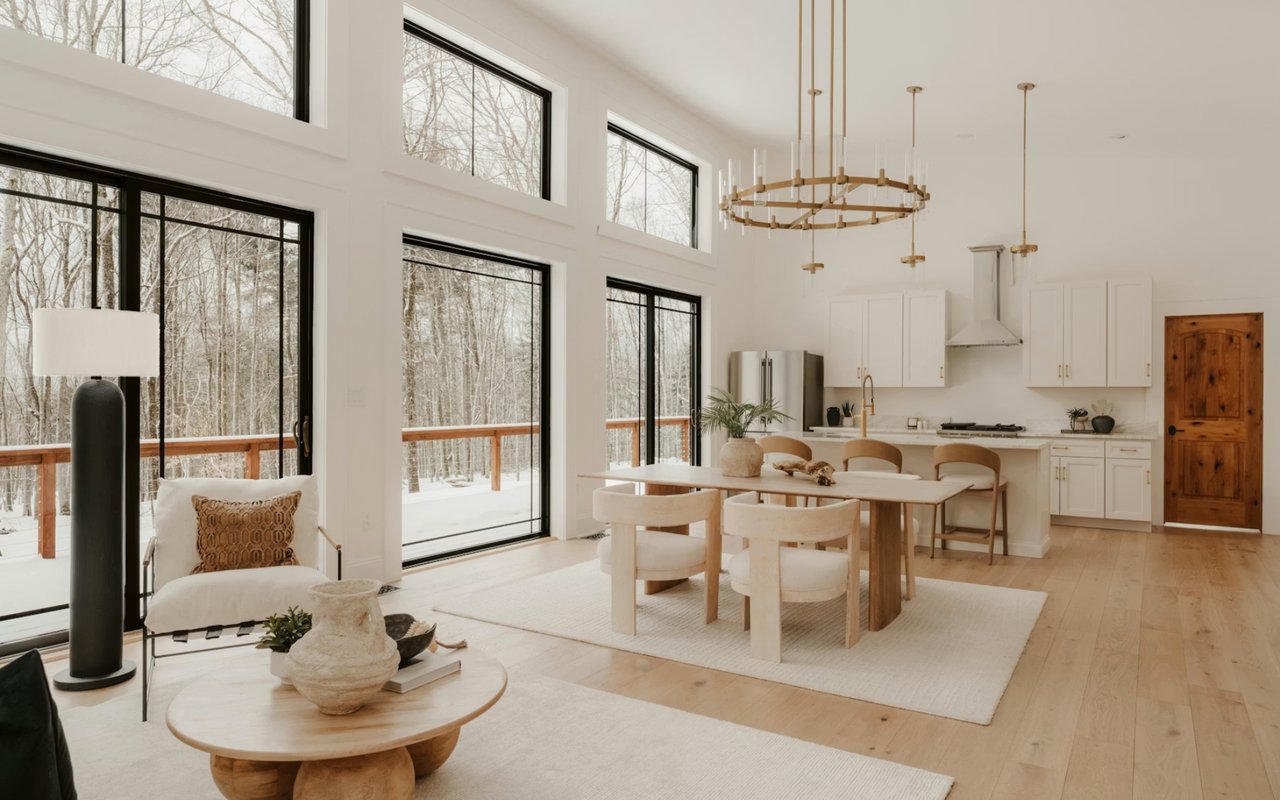
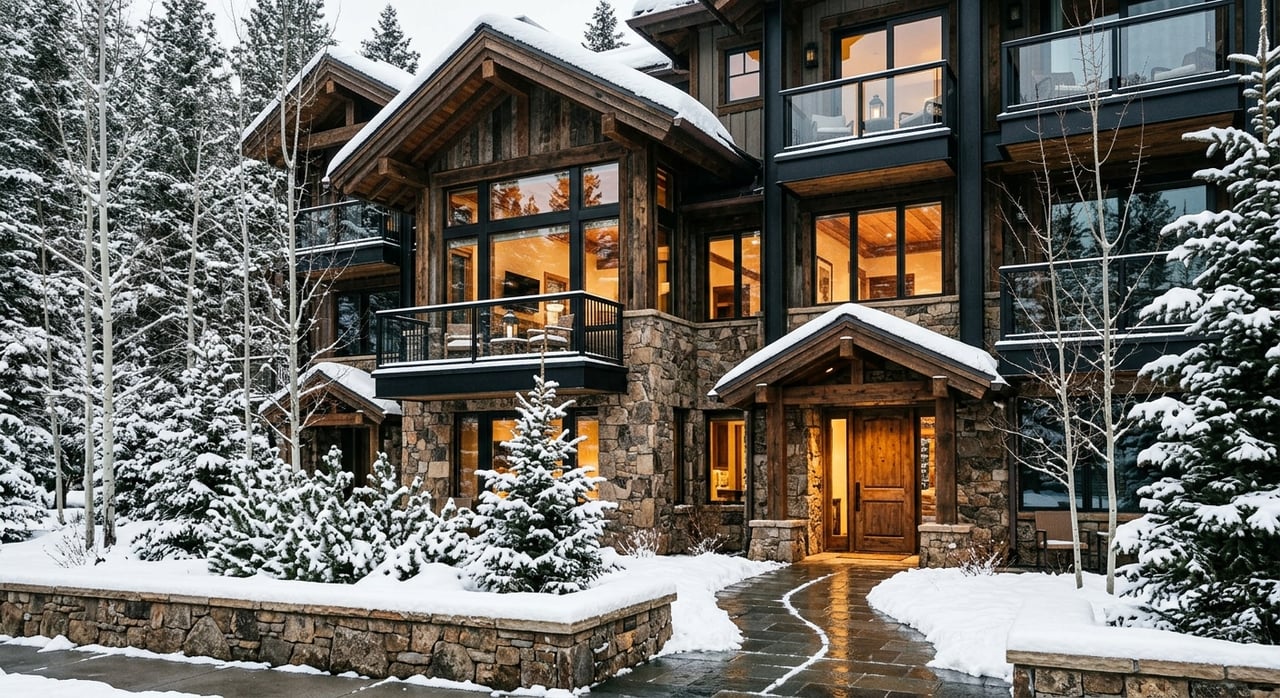
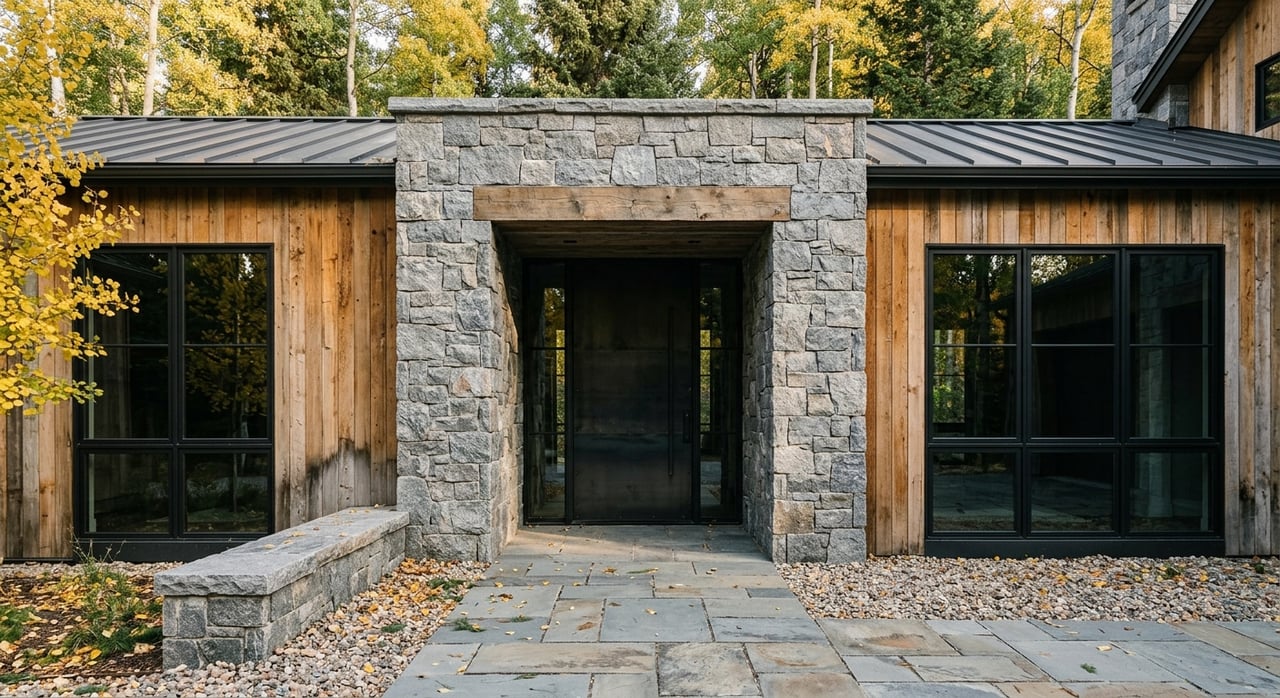
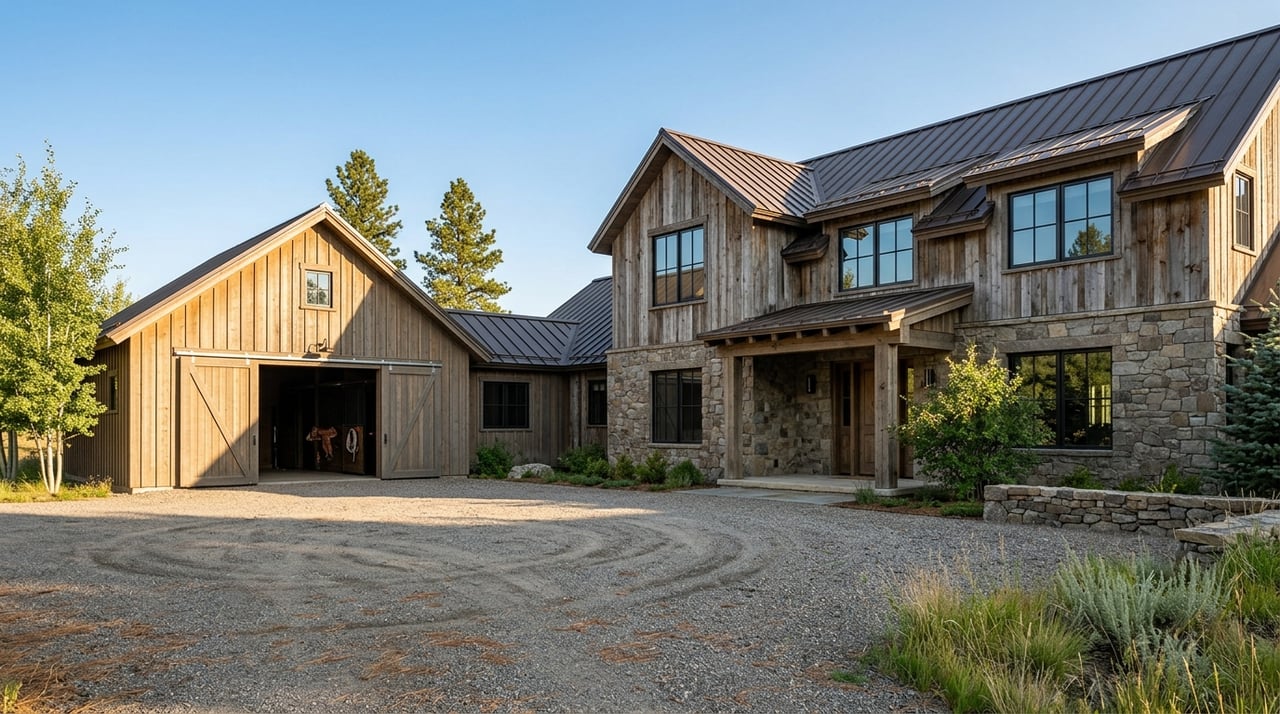
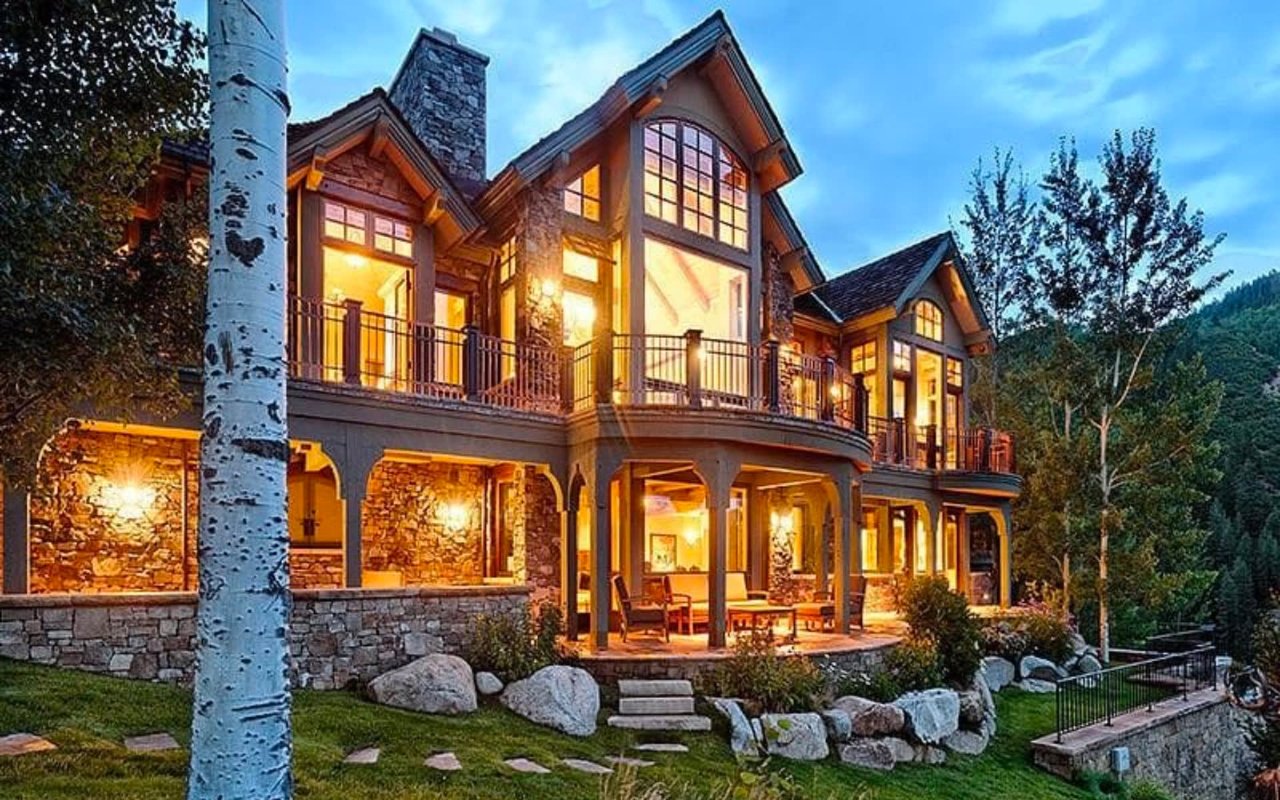
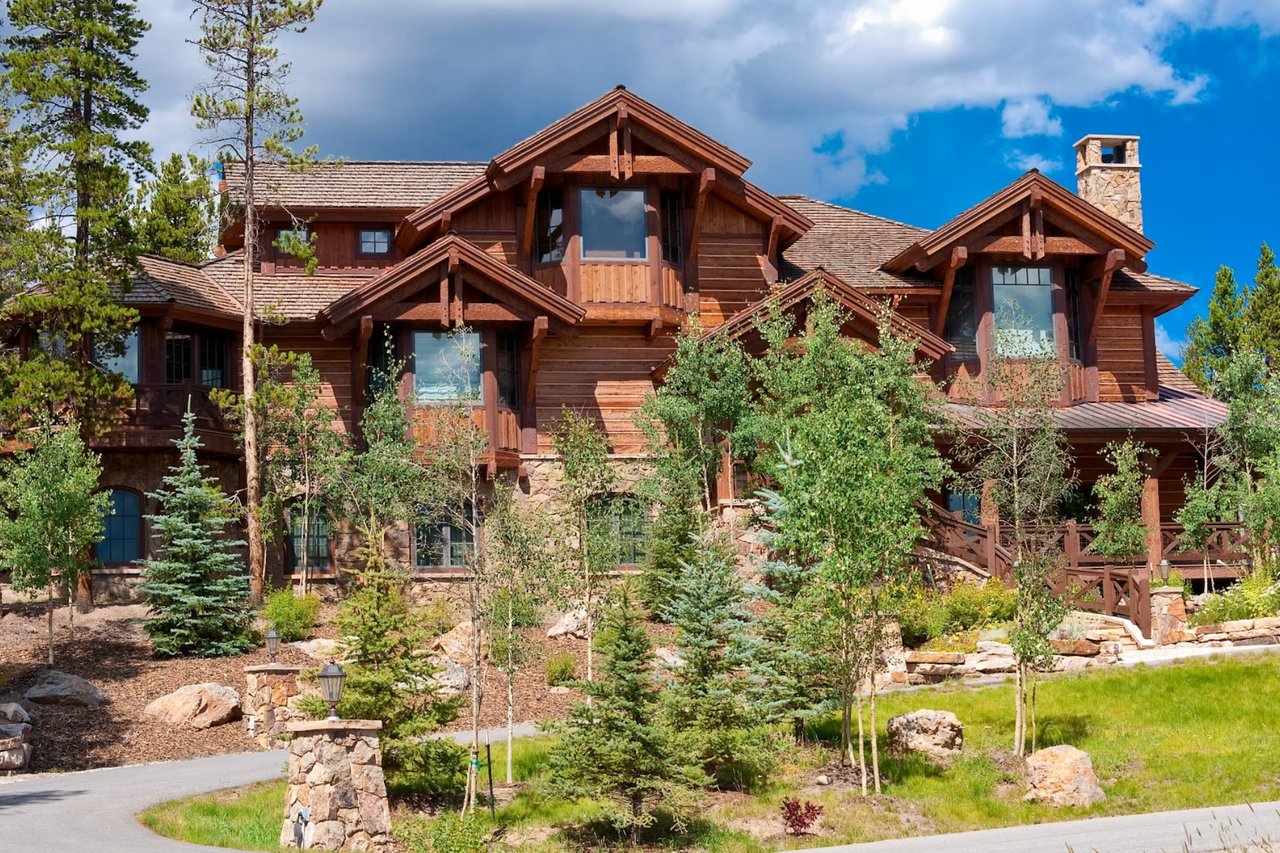
Red Mountain homes succeed when marketing highlights architectural intent and execution.
How architectural relevance attracts attention
-
Design pedigree: Architects, builders, and interior designers with recognized influence
-
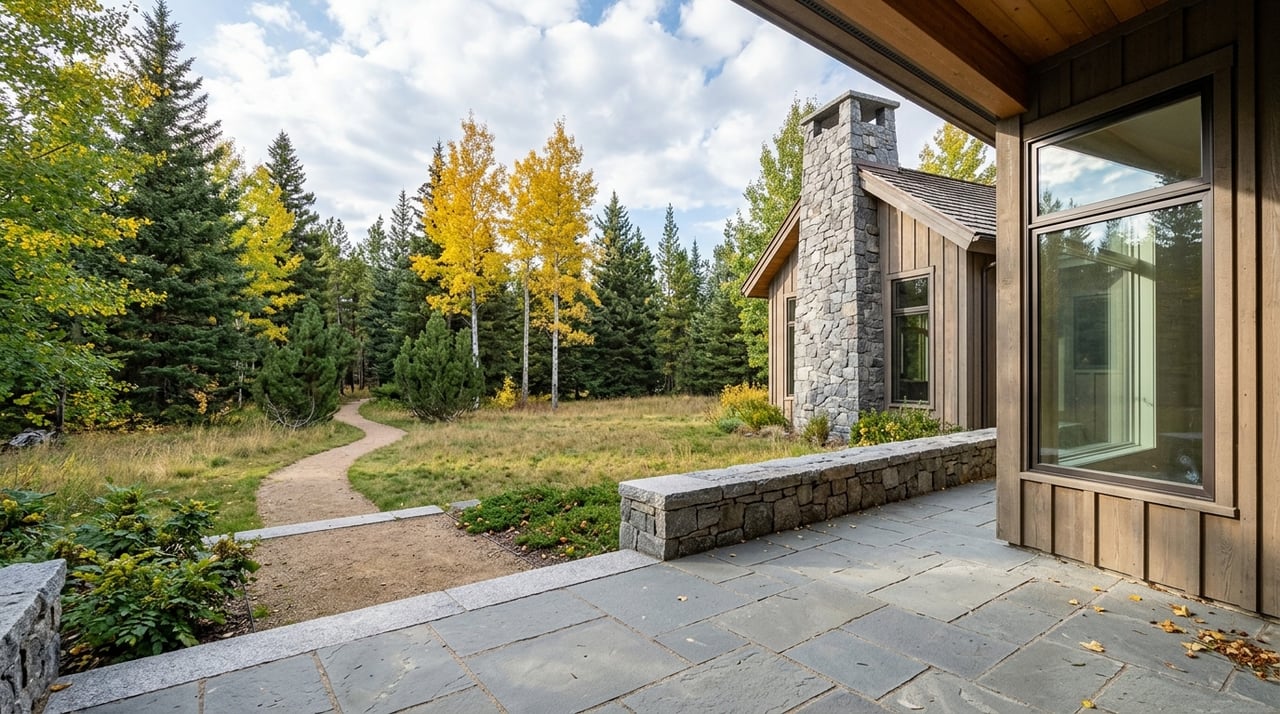
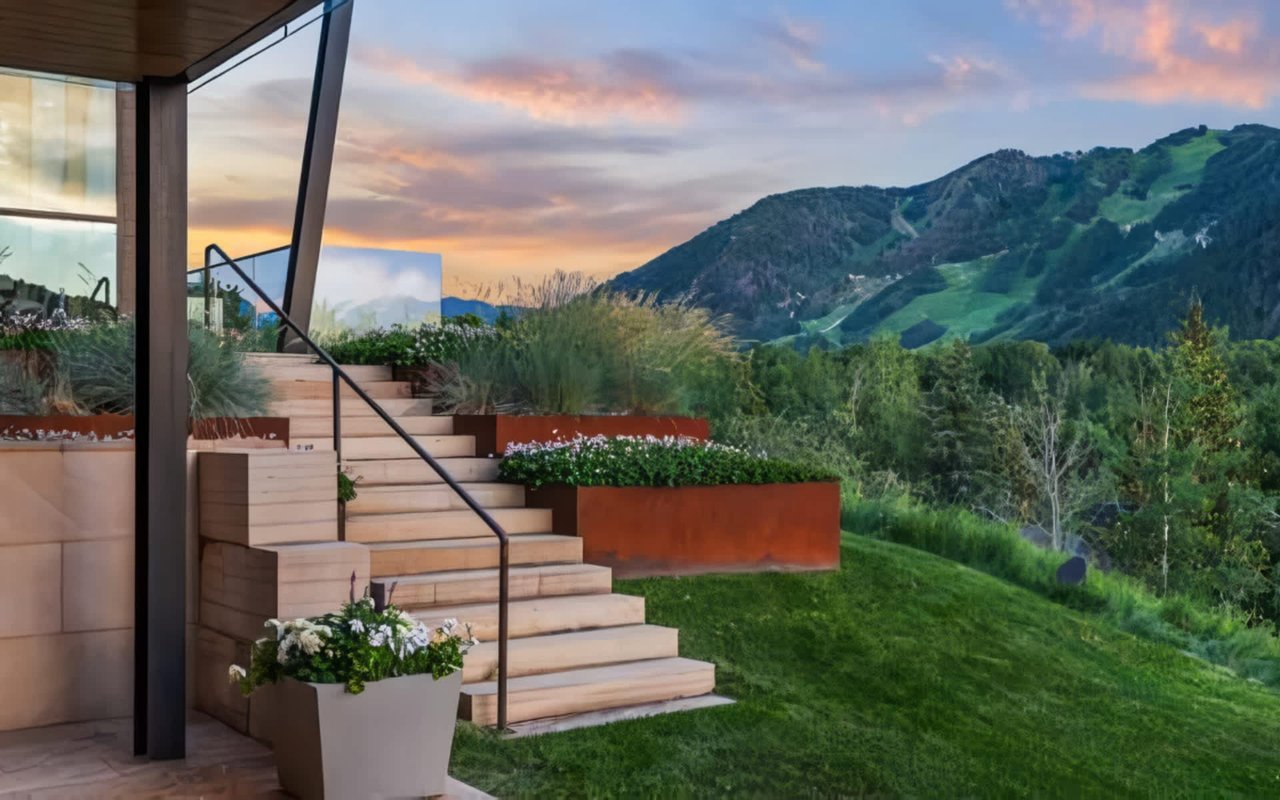
Site integration: How the home captures views of Aspen Mountain and the surrounding terrain
-
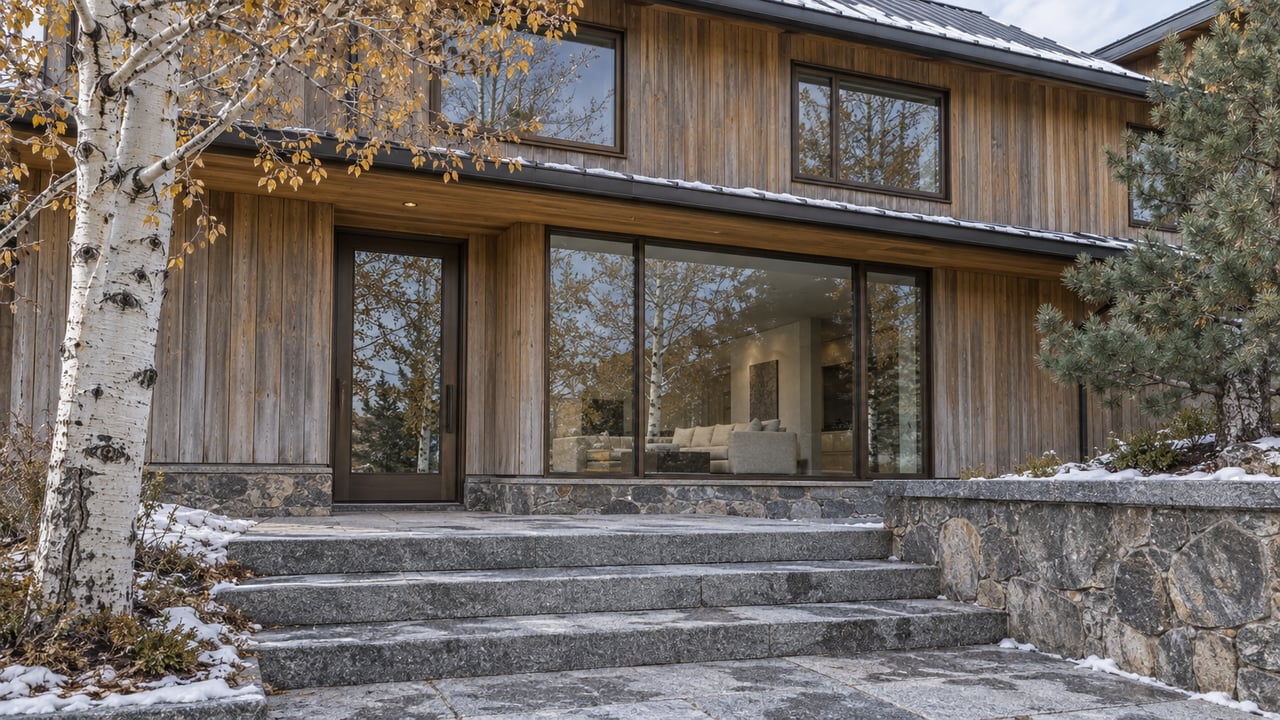
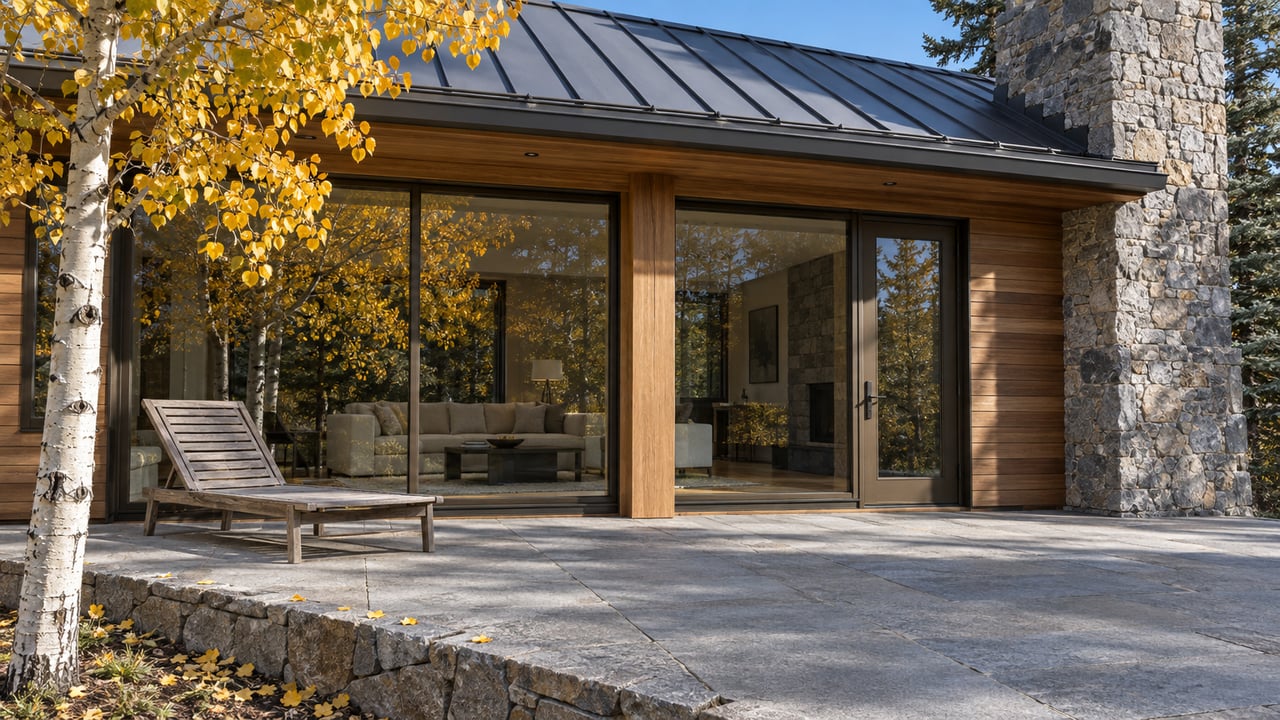
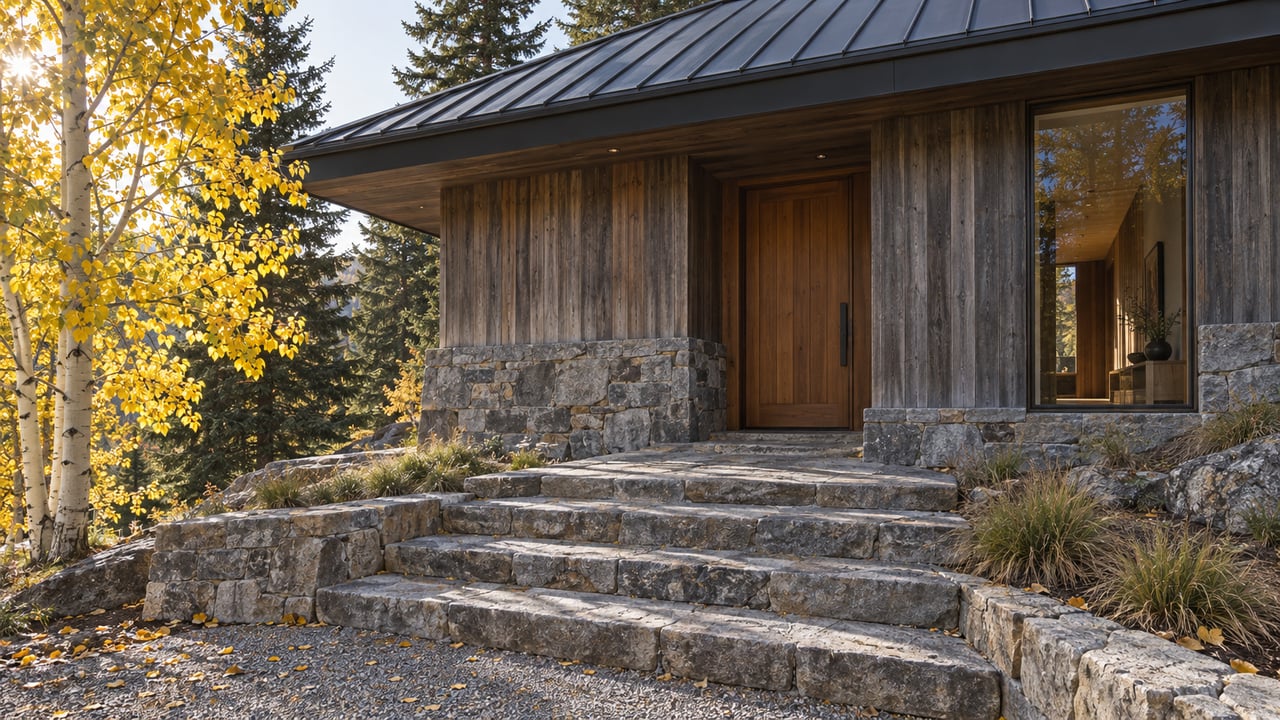
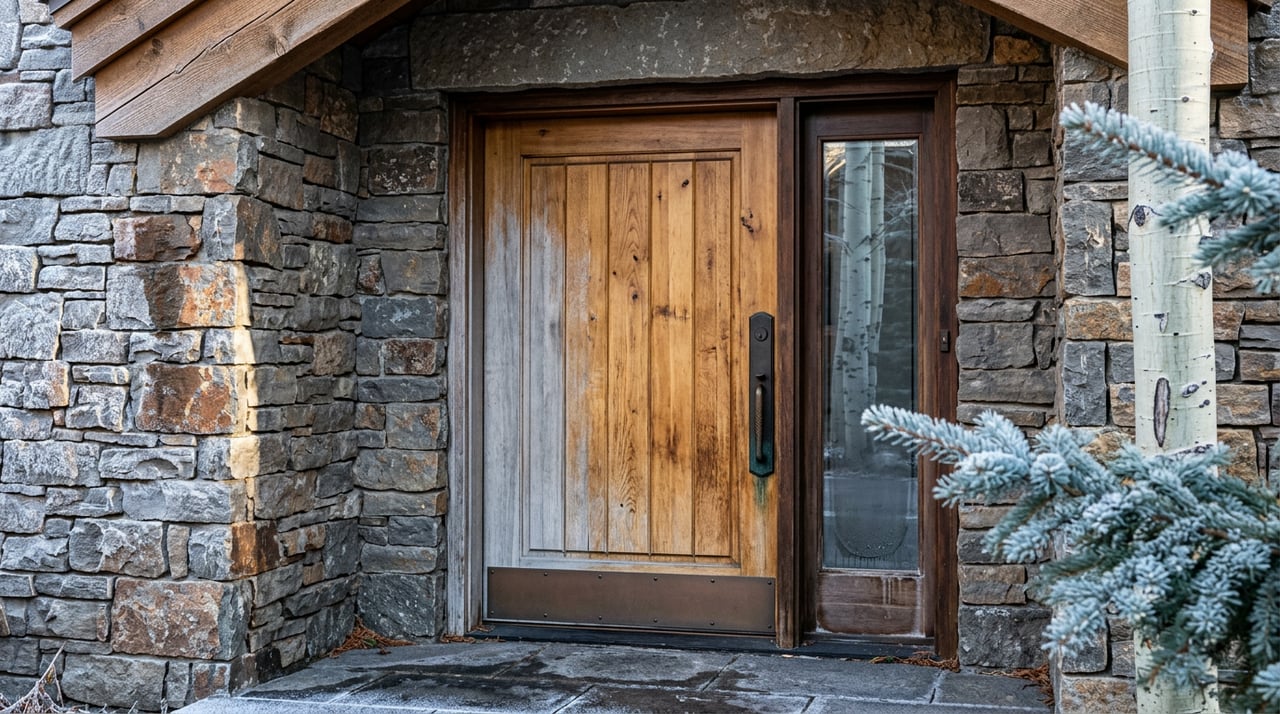
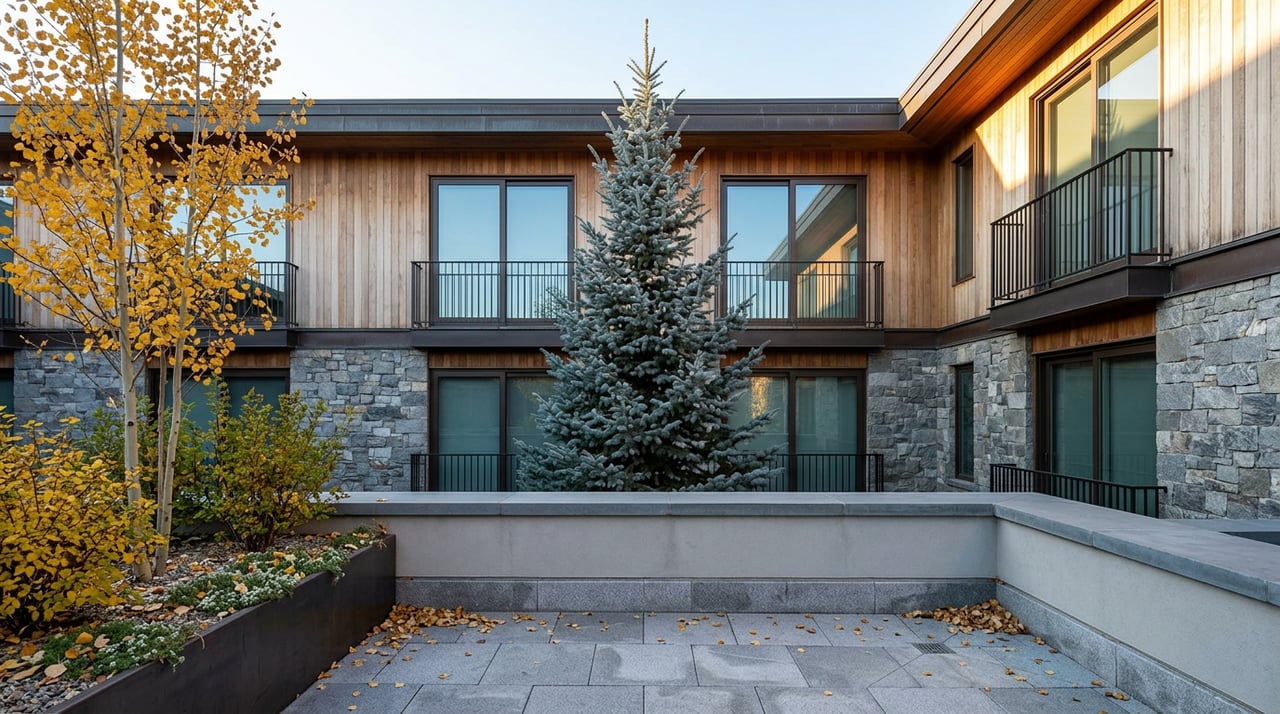
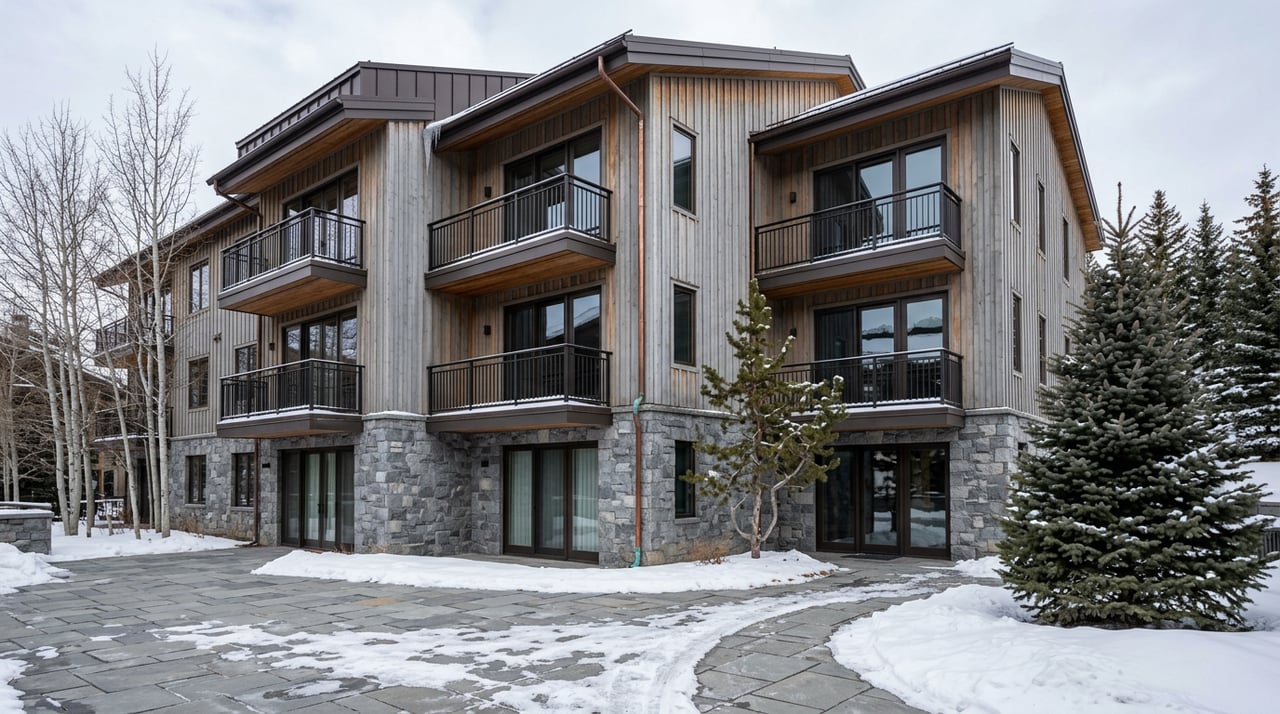
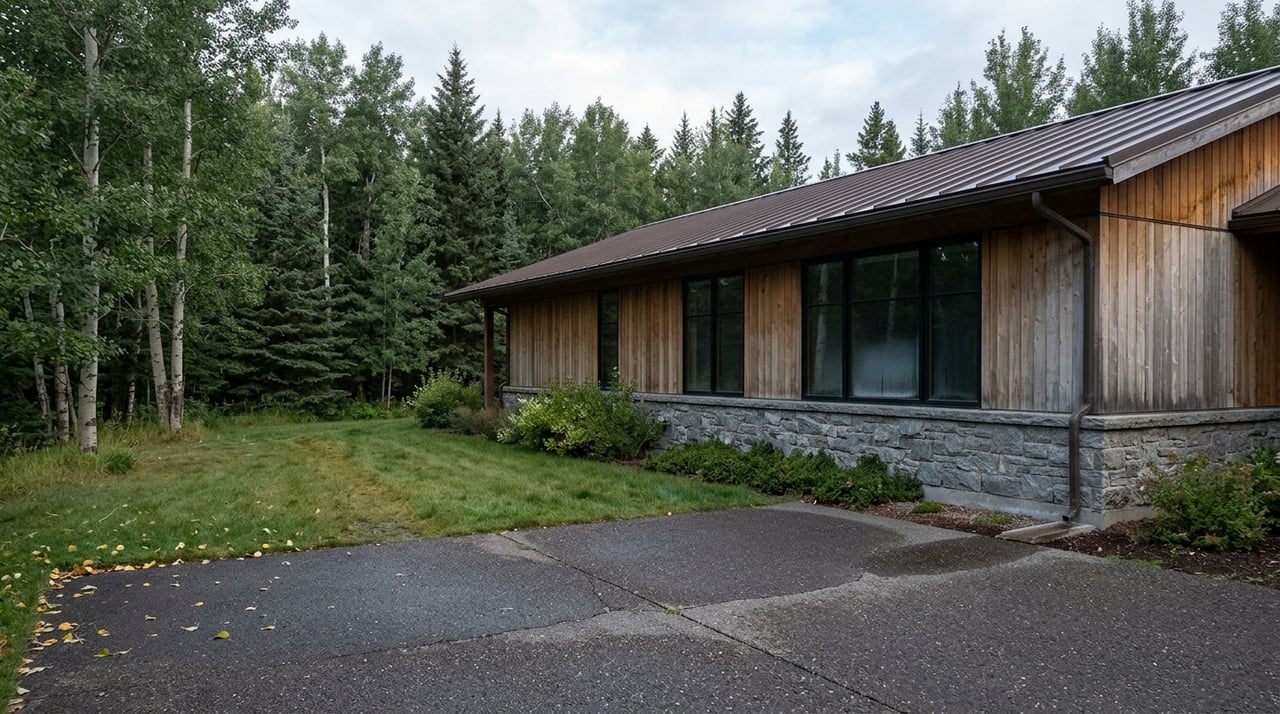
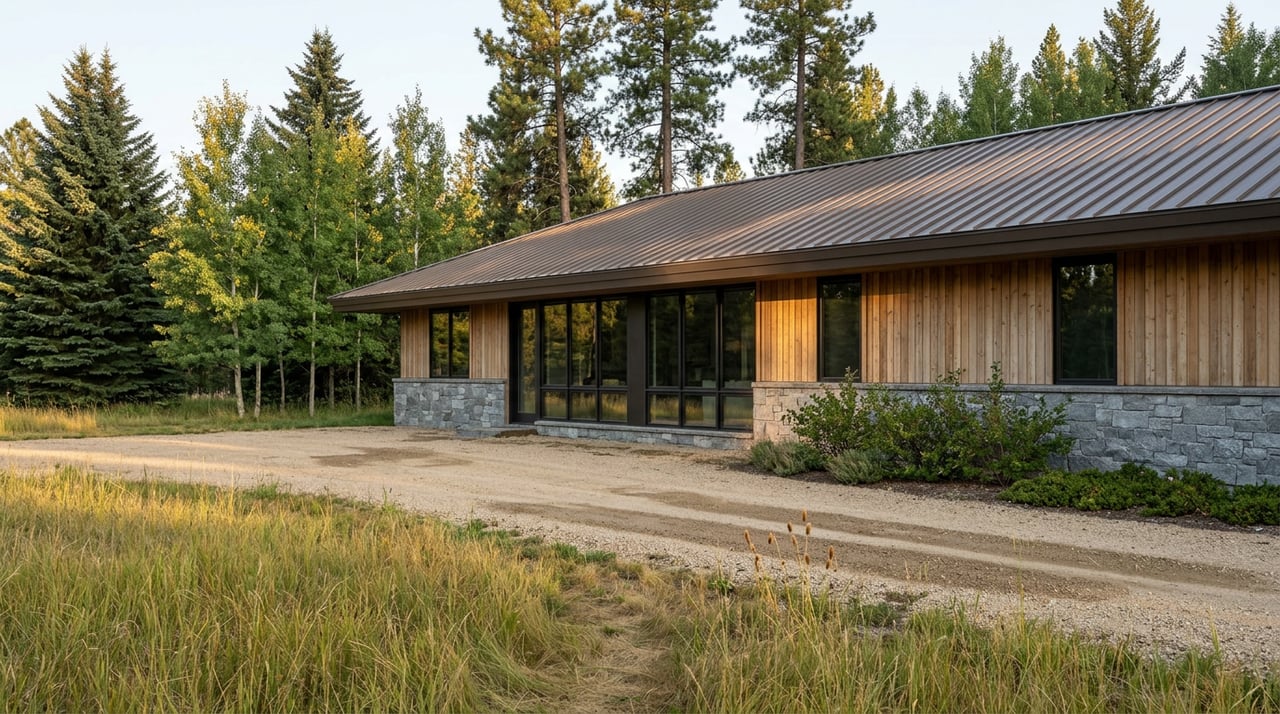
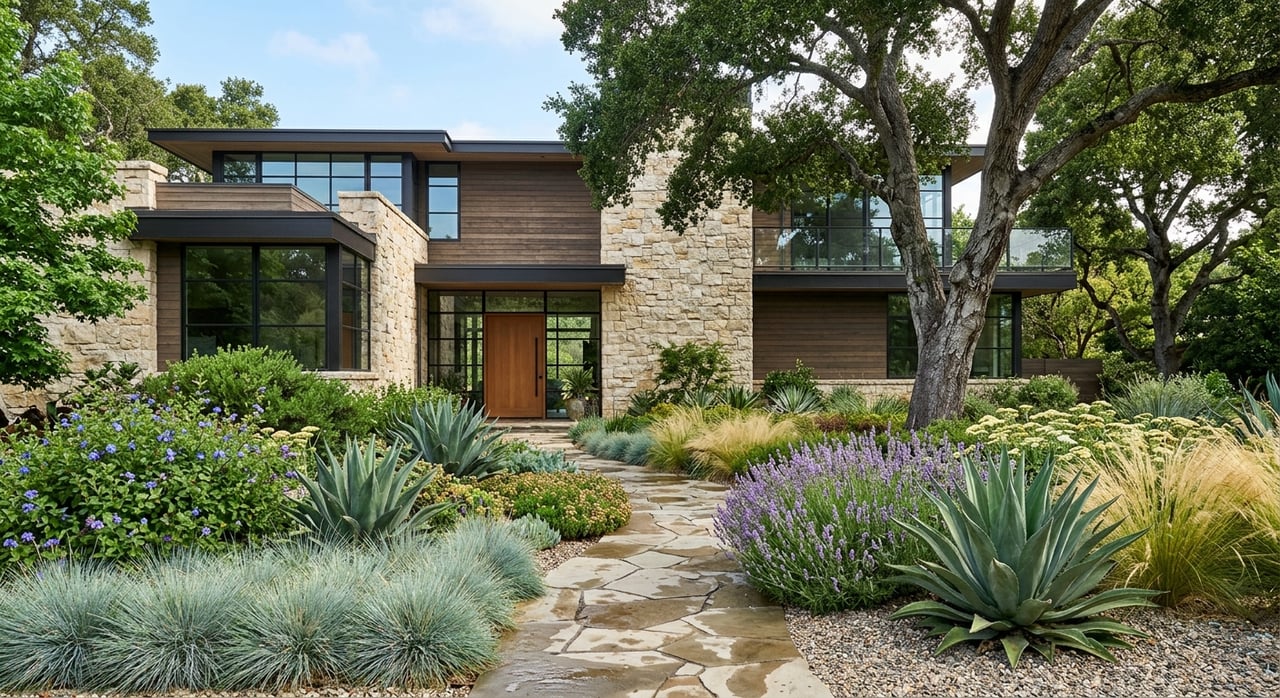
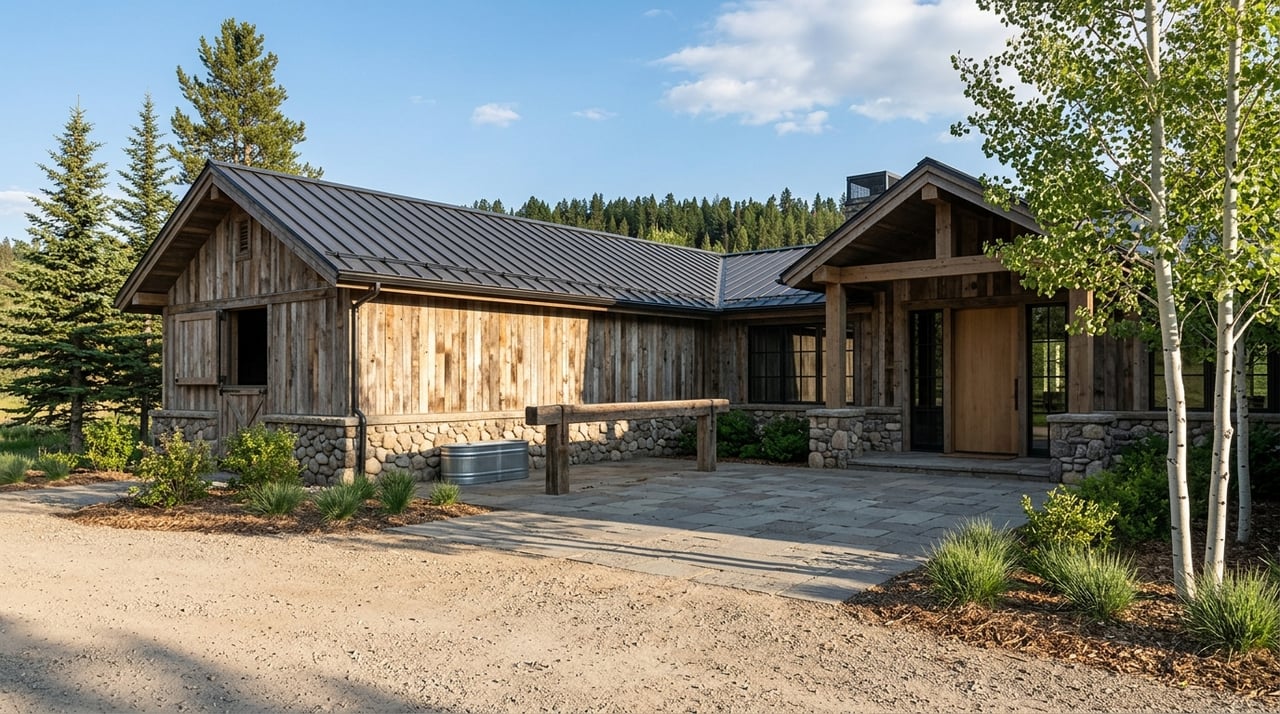
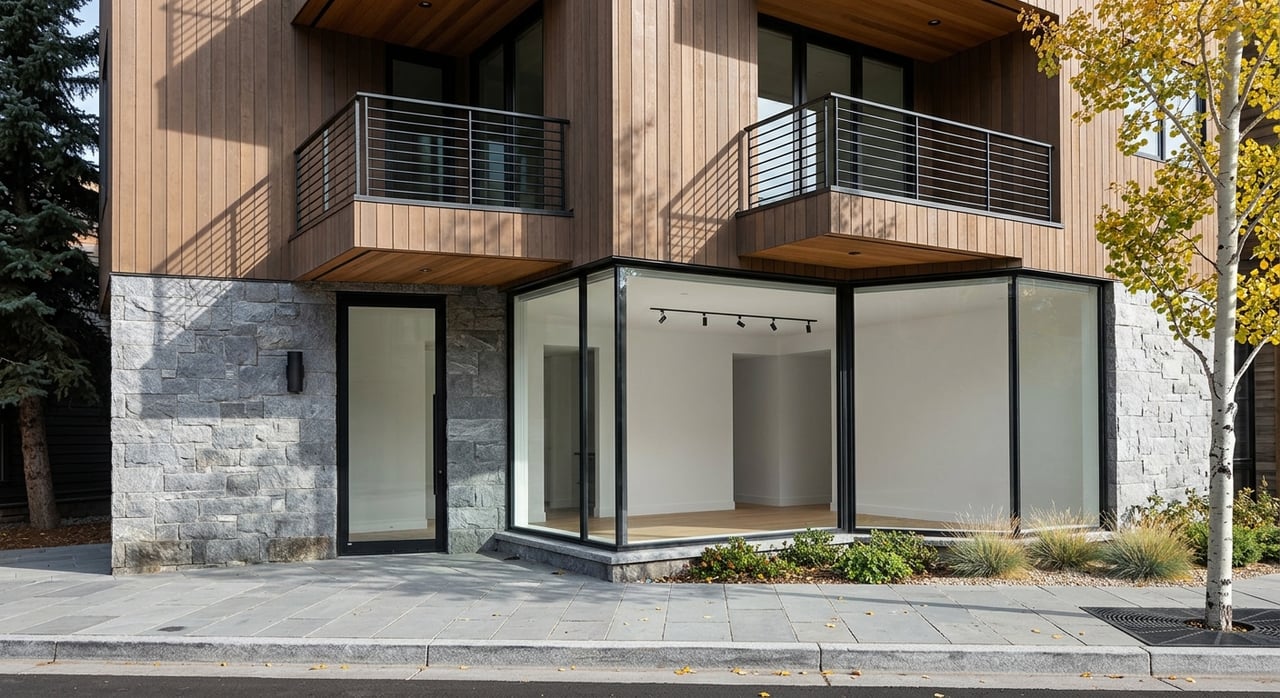
Material choices: Stone, steel, and glass selections suited to alpine conditions
Buyers pay close attention to who designed the home, how it sits on the land, and how it compares to recent benchmark sales in the Aspen area.
Using Location to Frame Lifestyle Value
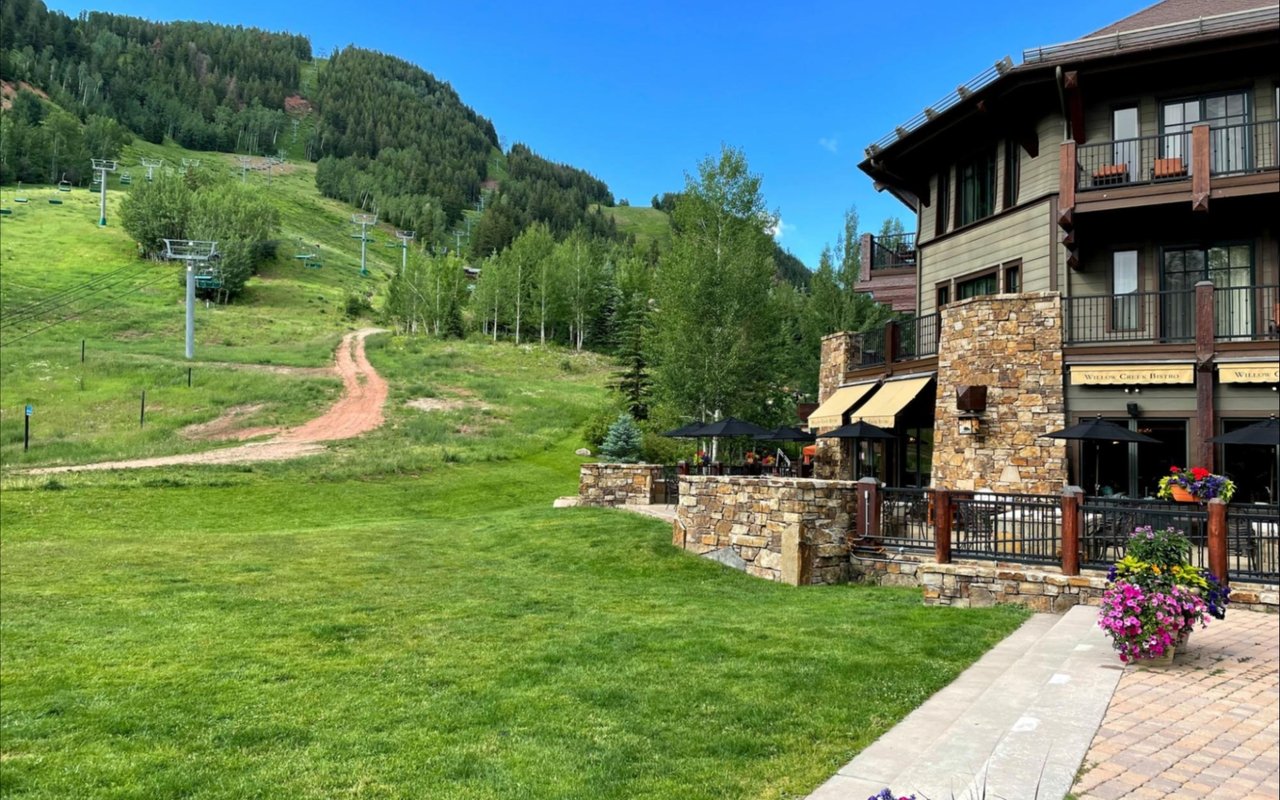
Red Mountain offers immediate access to outdoor experiences that shape buyer interest. Proximity to Downtown Aspen, a zero friction entrance to and from the action in the center of Aspen influence how buyers imagine daily life.
Why lifestyle context matters in Red Mountain
-
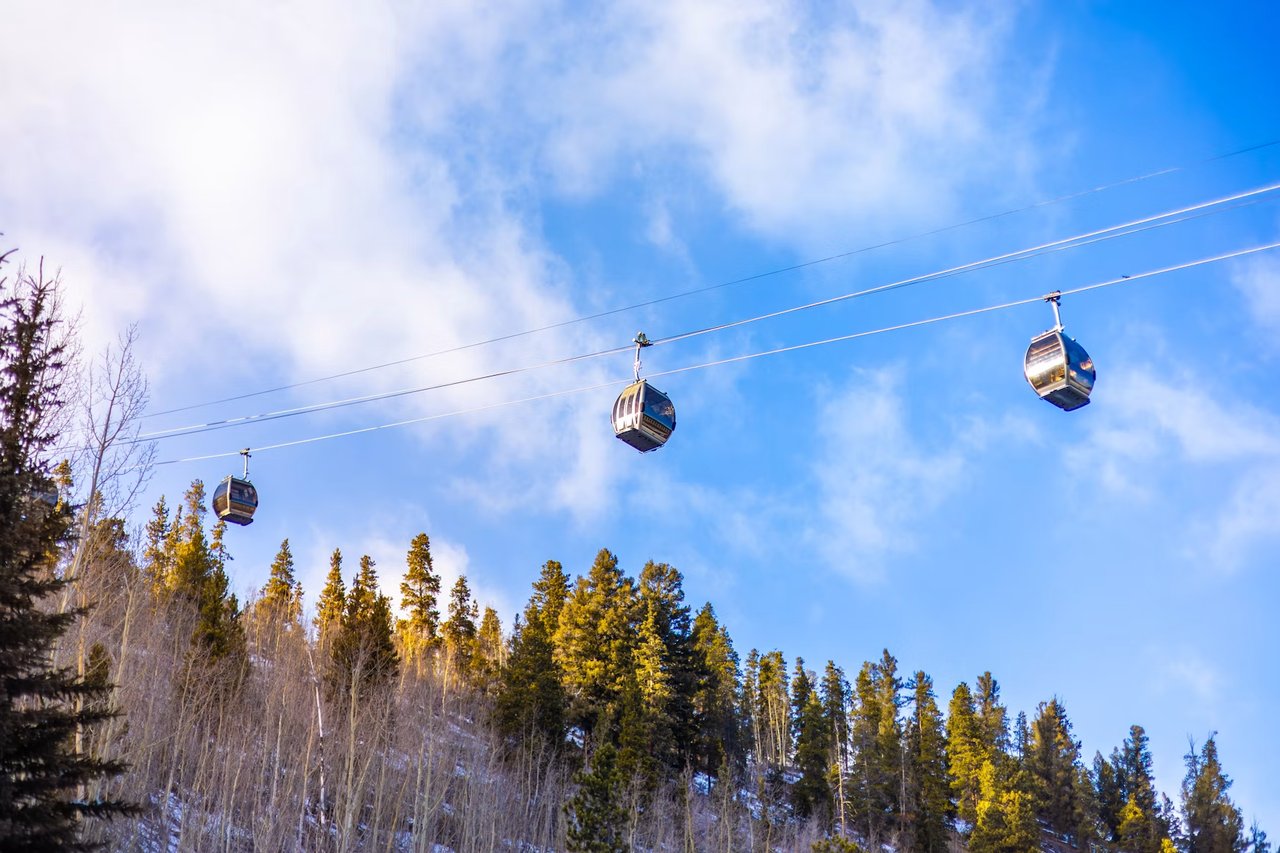
Outdoor access: Hiking, mountain biking, horseback riding, snowshoeing, cross-country skiing opportunities nearby
-
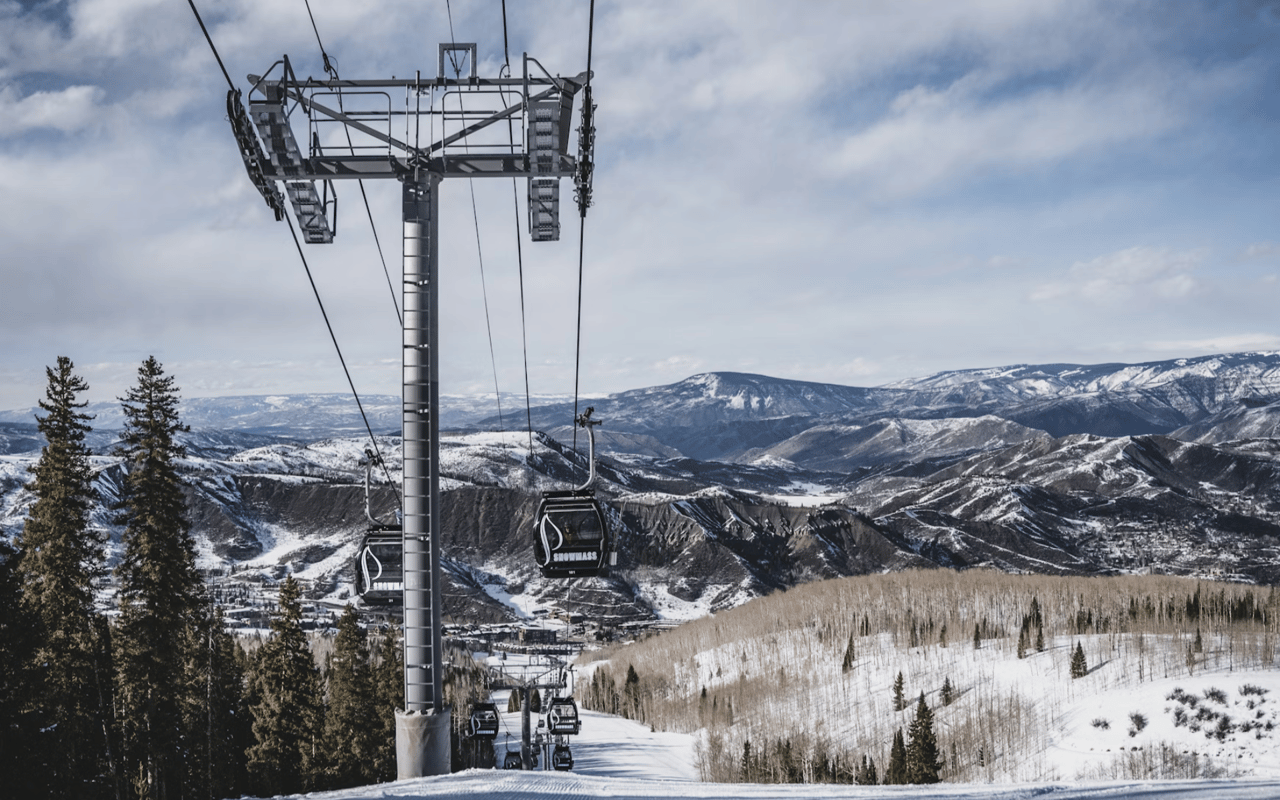
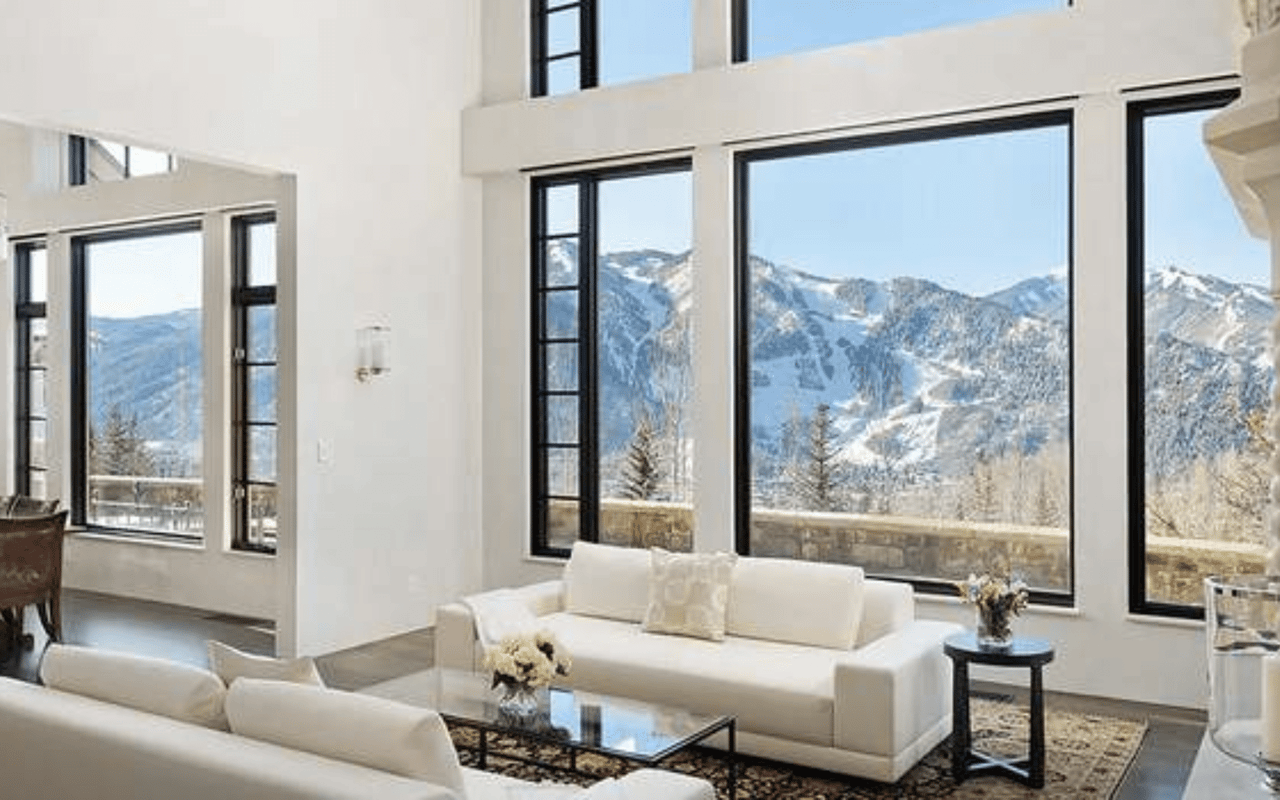
Elevation benefits: Protected view corridors spanning Independence Pass, Aspen Mountain, Snowmass, Mount Sopris
-
Downtown proximity: Quick access to Aspen’s dining and cultural calendar with no traffic
When marketing reflects these realities, buyers connect emotionally and practically.
Strategic Exposure Without Overexposure
Many Red Mountain sellers prefer controlled exposure that reaches qualified buyers directly. The $108 million Wynn-Peterffy transaction illustrates how effectively this approach works at the highest level: a record-setting sale completed without a broad public listing, moving between two principals through a single dual-representative broker rather than open-market competition.
How discretion supports stronger outcomes
-
Private showings: Scheduled access for vetted buyers whose financial profile and intent have been established in advance
-
Targeted outreach: Direct communication within established networks of ultra-high-net-worth buyers
-
Timing strategy: Launch windows aligned with peak buyer presence in Aspen, when qualified principals are in market and decisions move quickly
This method respects seller priorities while maintaining leverage.
Visual Presentation That Reflects Scale and Setting
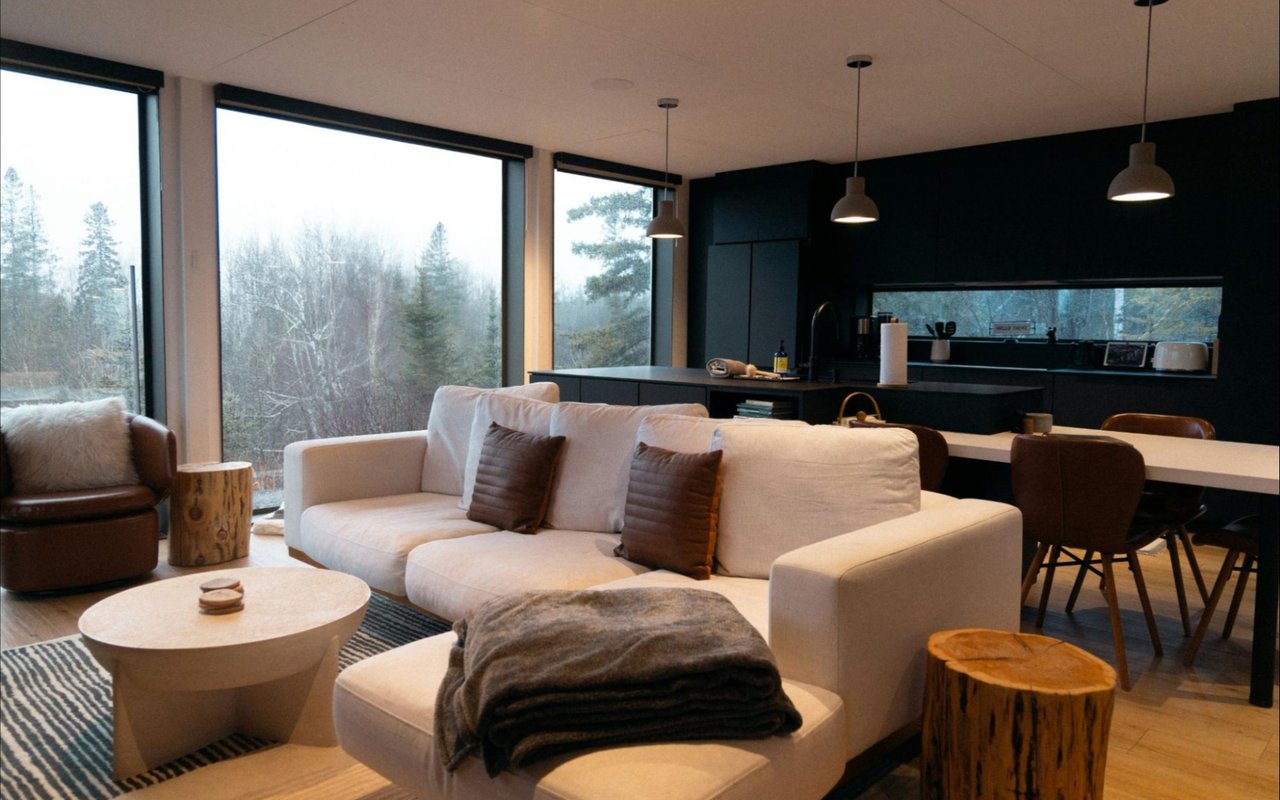
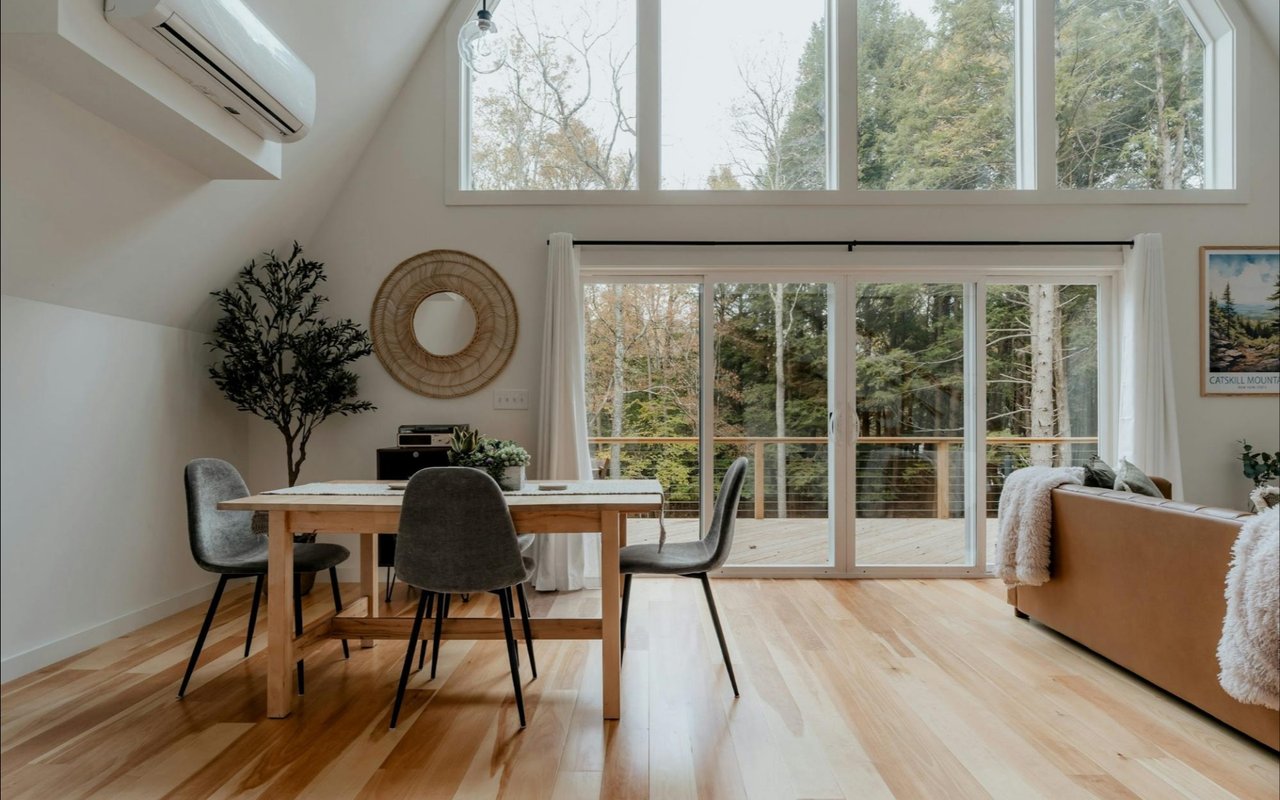
Photography and video for Red Mountain homes must convey scale, elevation, and light accurately. Buyers often review materials remotely before committing to travel.
Why visuals must match buyer expectations
-
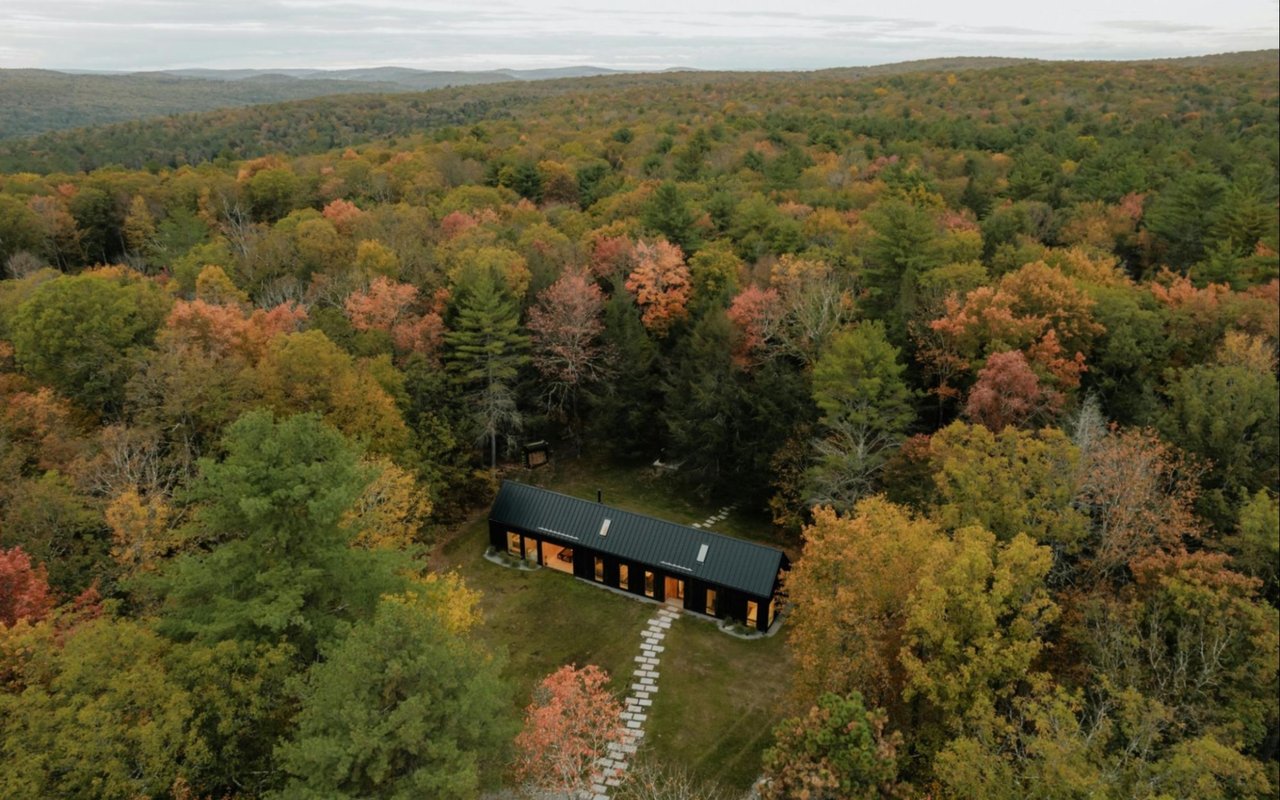
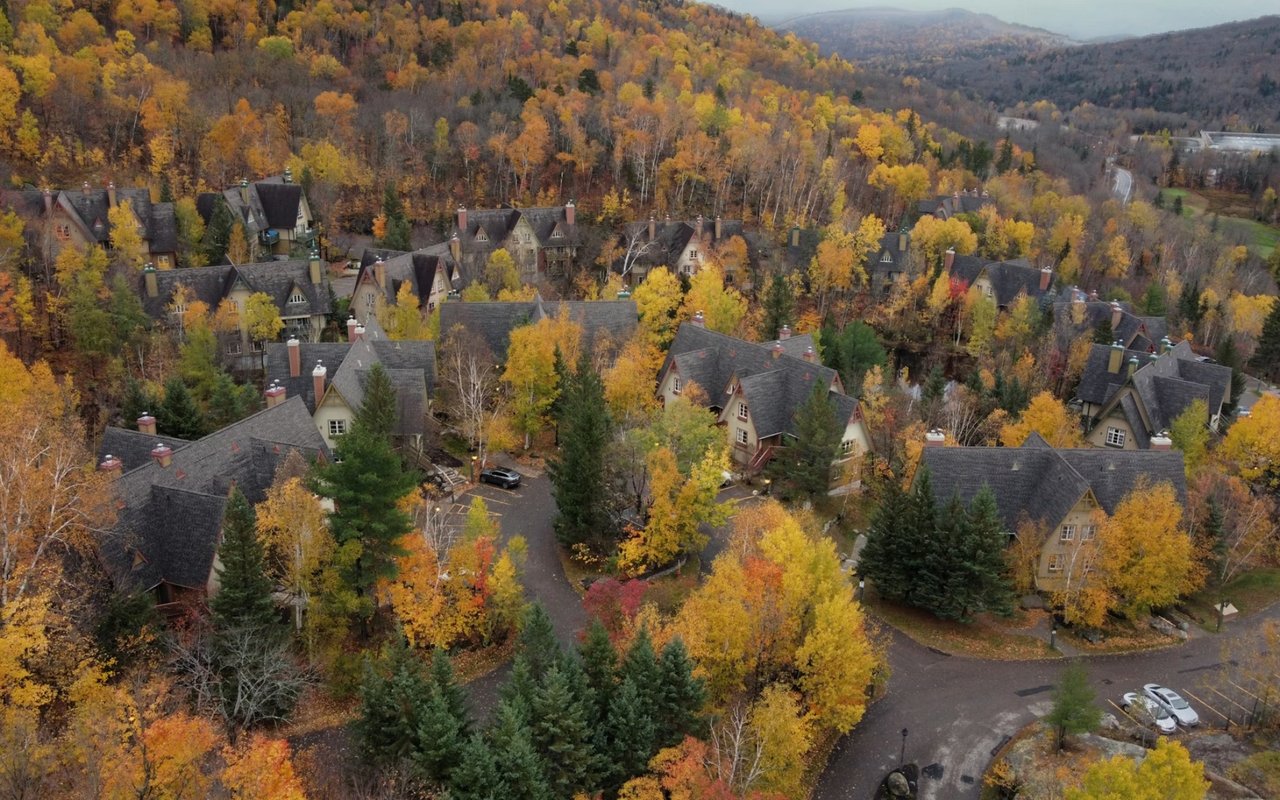
Aerial imagery: Shows elevation and relationship to surrounding estates
-
Seasonal photography: Captures winter and summer appeal
-
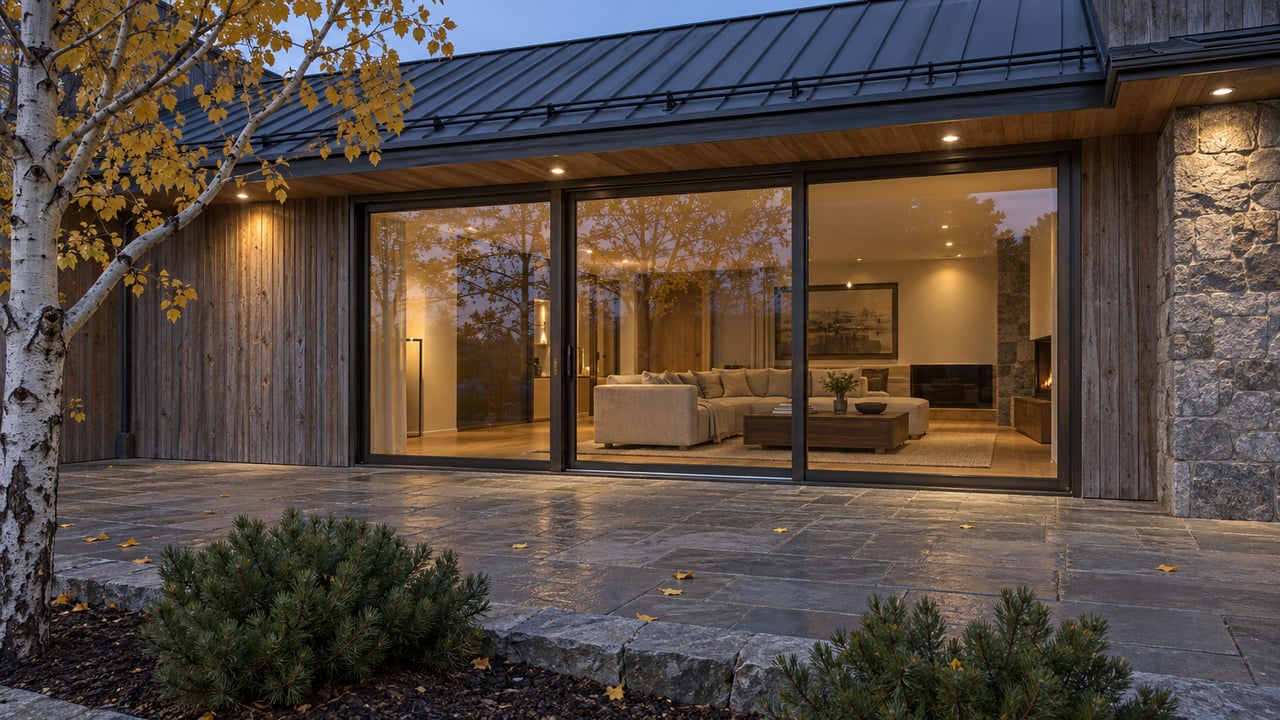
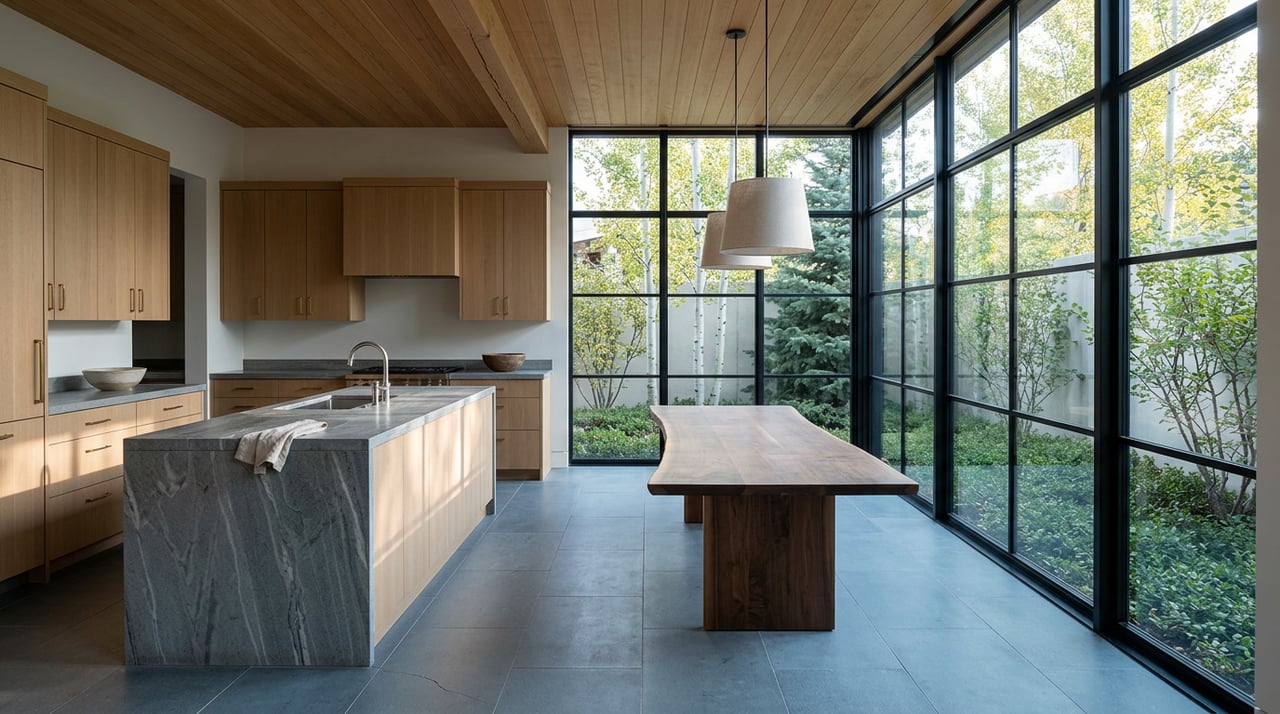
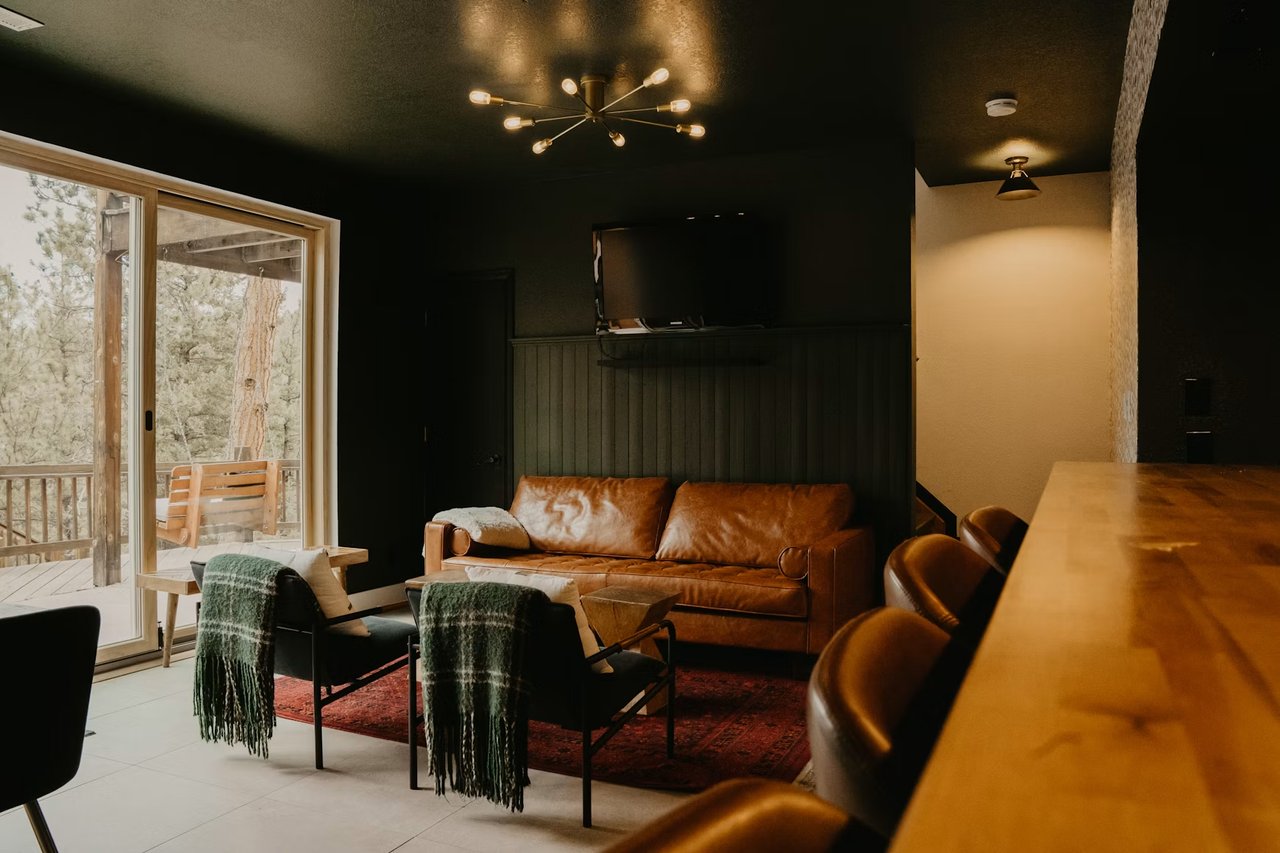
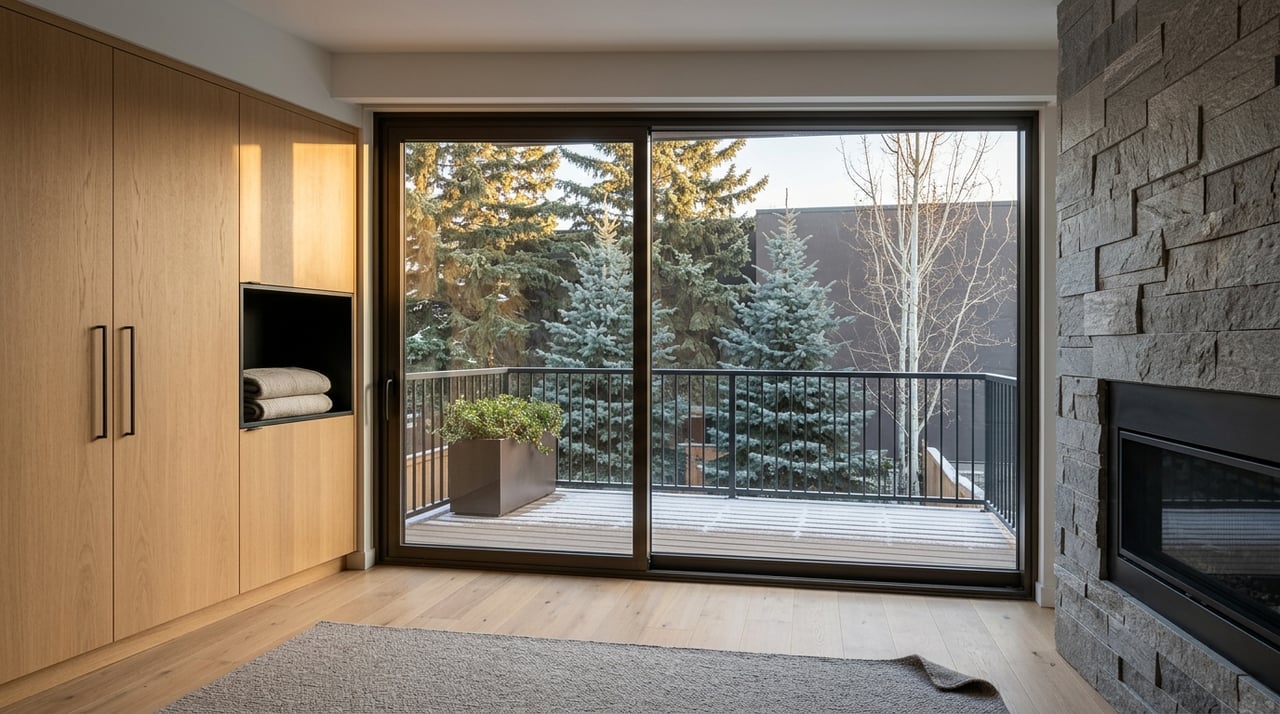
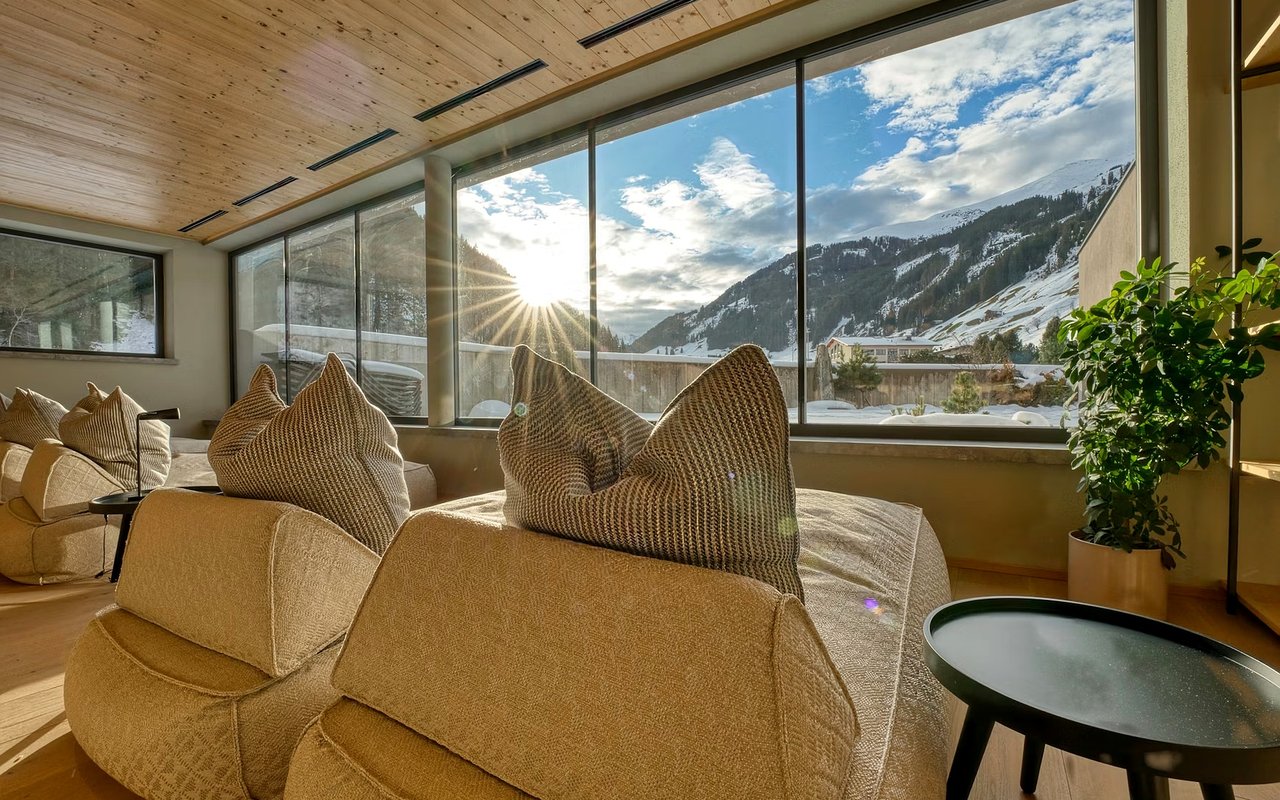
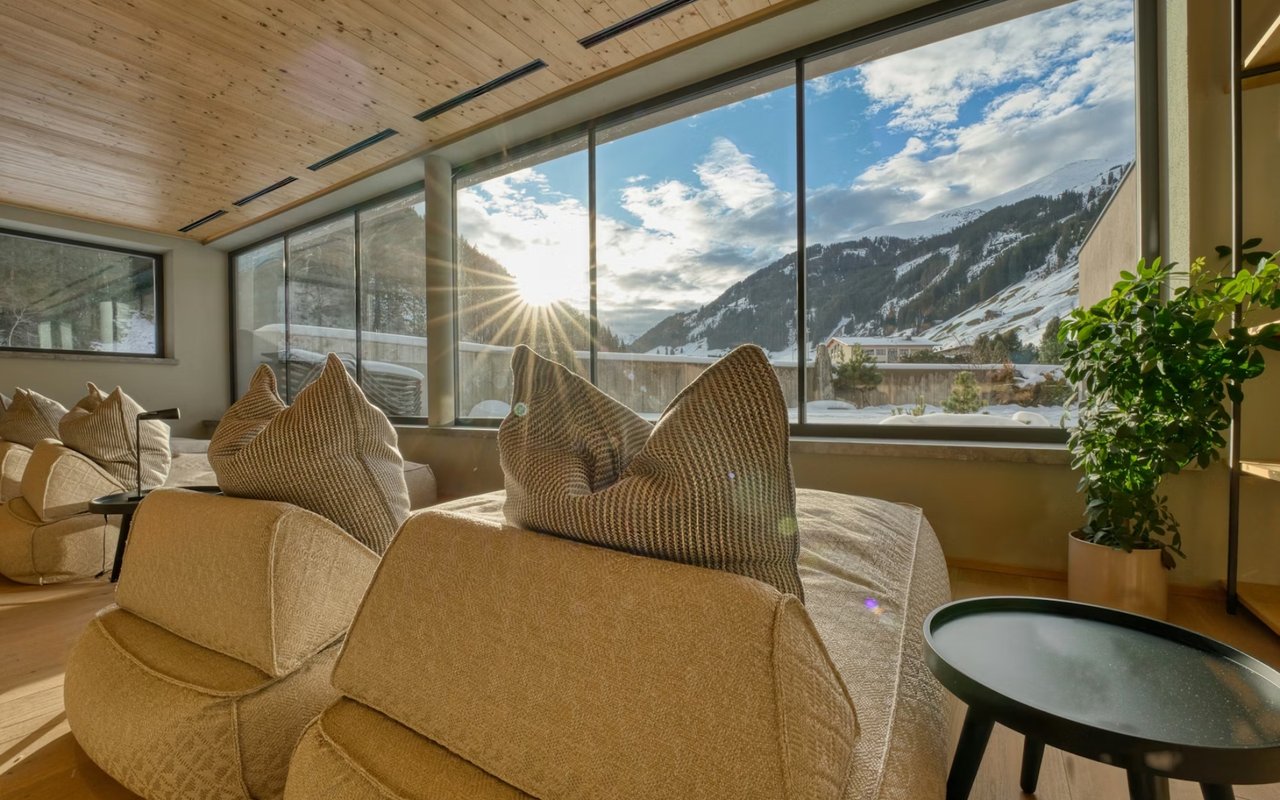
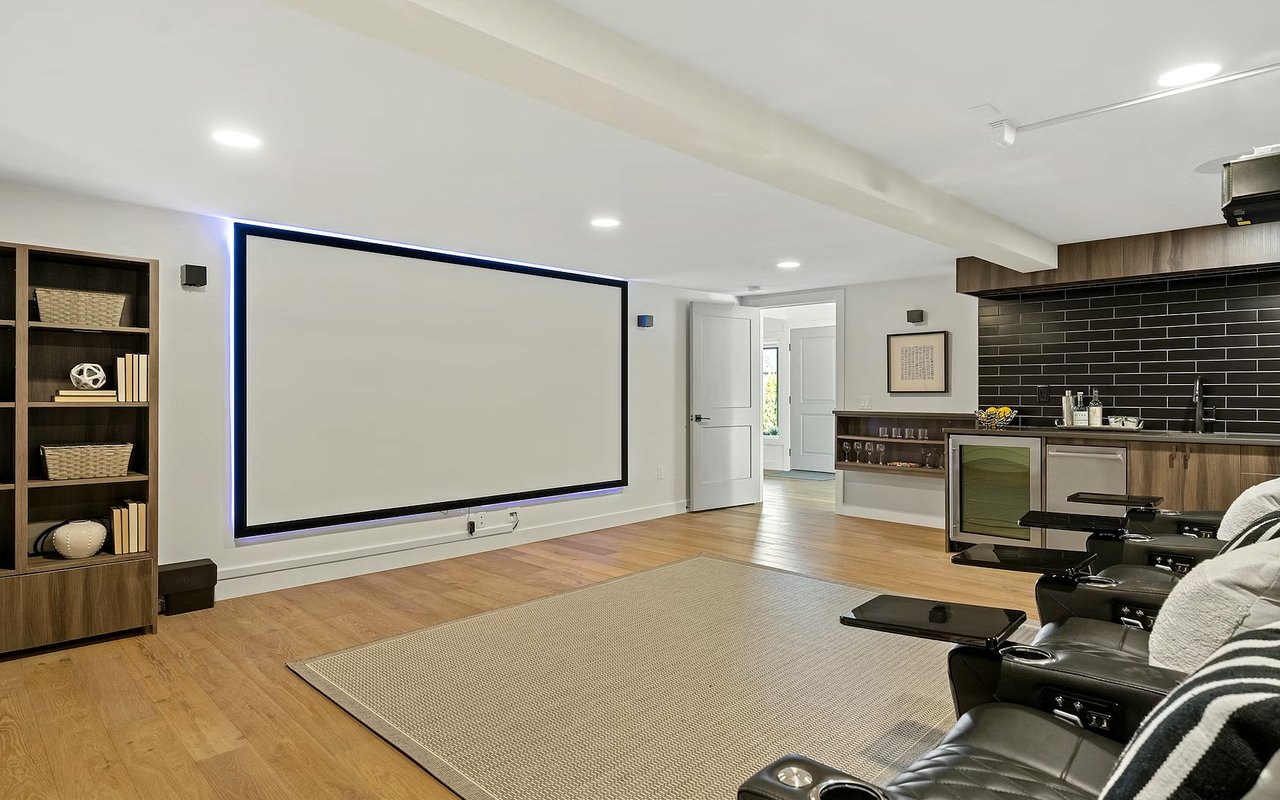
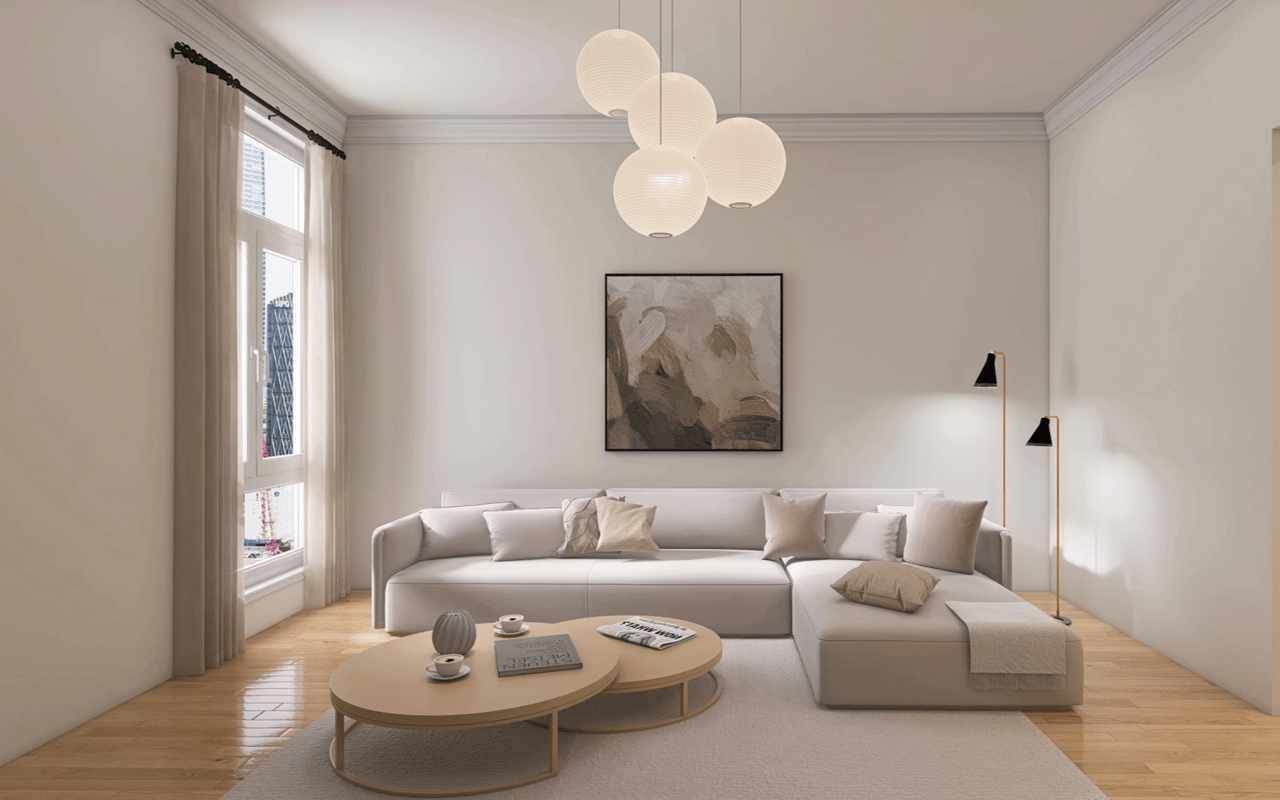
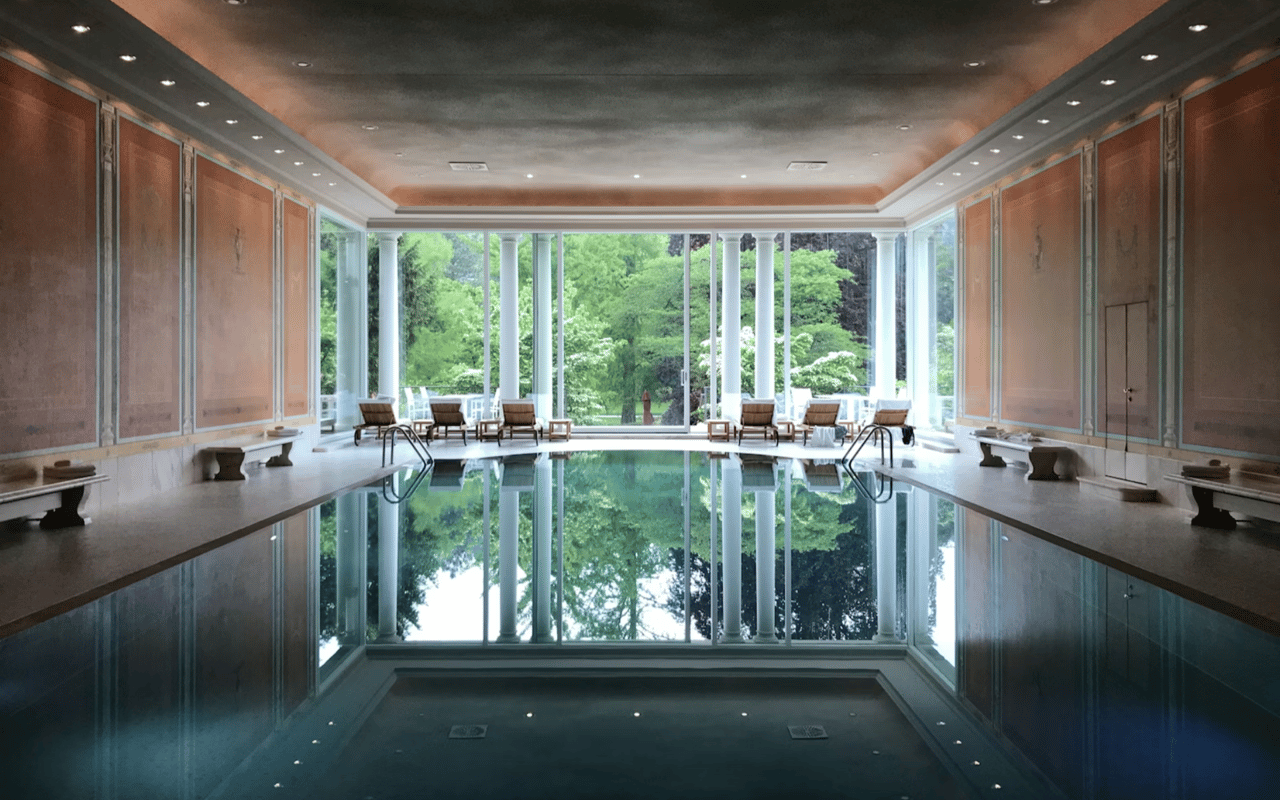
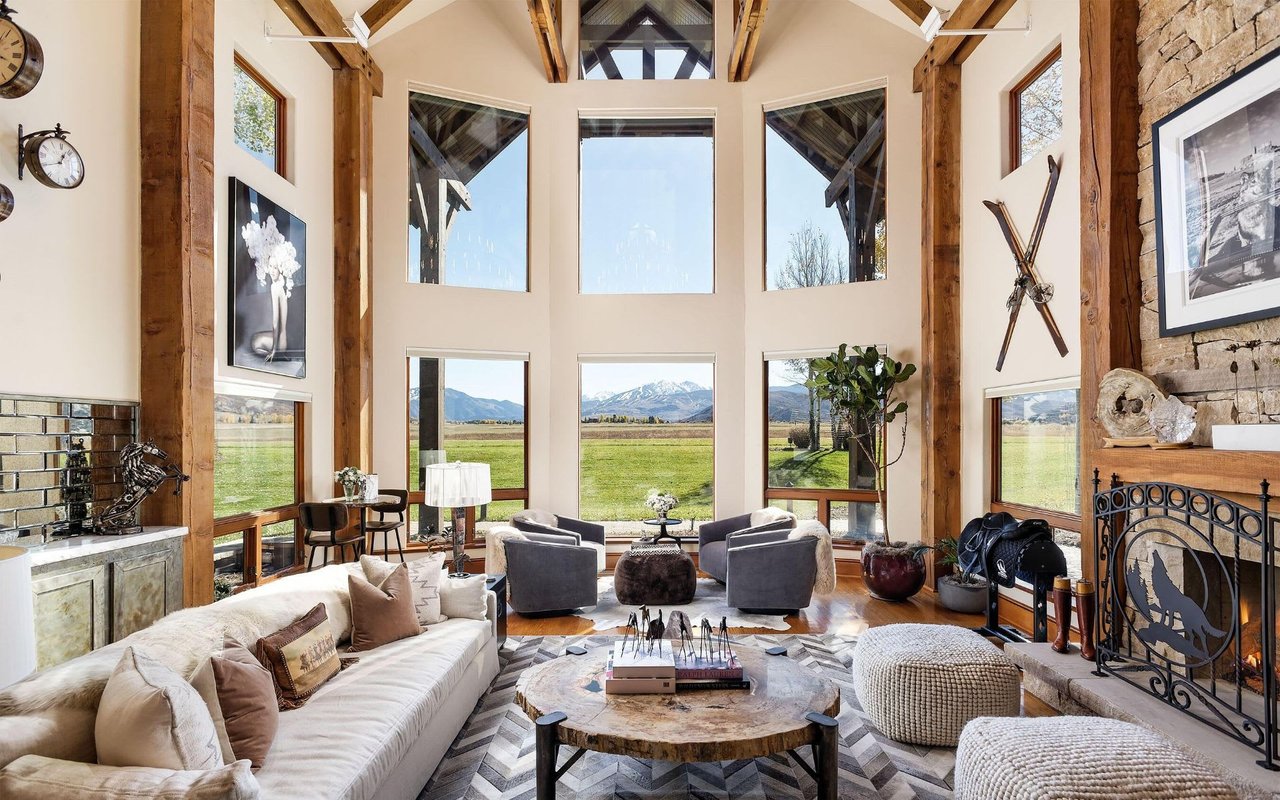
Interior flow visuals: Demonstrates how spaces connect to views
Strong visuals set the tone for serious inquiry. I use this process to make sure first impressions align with the in-person experience.
Pricing Strategy Informed by Market Signals
Pricing in Red Mountain reflects more than recent sales on paper. Buyers consider landmark transactions like the $70 million East Aspen sale and the presence of ultra-high listings nearby.
How context guides pricing decisions
-
Benchmark awareness: Understanding how record sales influence perception
-
Micro-location analysis: Street, elevation, and privacy differences
-
Market timing: Seasonal demand patterns in Aspen
This strategy supports confidence during negotiations. It also reinforces home marketing tips that focus on informed positioning.
FAQs
How long does it take to sell a Red Mountain home?
Timing depends on pricing, exposure strategy, and buyer alignment. Well-positioned homes often gain interest quickly through private channels.
Should Red Mountain homes be marketed publicly?
Some sellers benefit from limited public exposure while others prefer private outreach. I guide this decision based on property characteristics and seller goals.
Do lifestyle features really influence buyer decisions?
Yes, access to trails, views, and activities like mountain biking or hiking shape buyer perception. These elements often tip decisions at this level.
Contact Brittanie Rockhill Today
If you are considering selling in Red Mountain, I provide guidance grounded in how this neighborhood truly operates. I focus on aligning your home with the expectations of buyers who understand Aspen at the highest level.
Reach out to me, Brittanie Rockhill, to discuss how tailored home marketing tips apply specifically to your property and its location within Red Mountain.
Reach out to me, Brittanie Rockhill, to discuss how tailored home marketing tips apply specifically to your property and its location within Red Mountain.