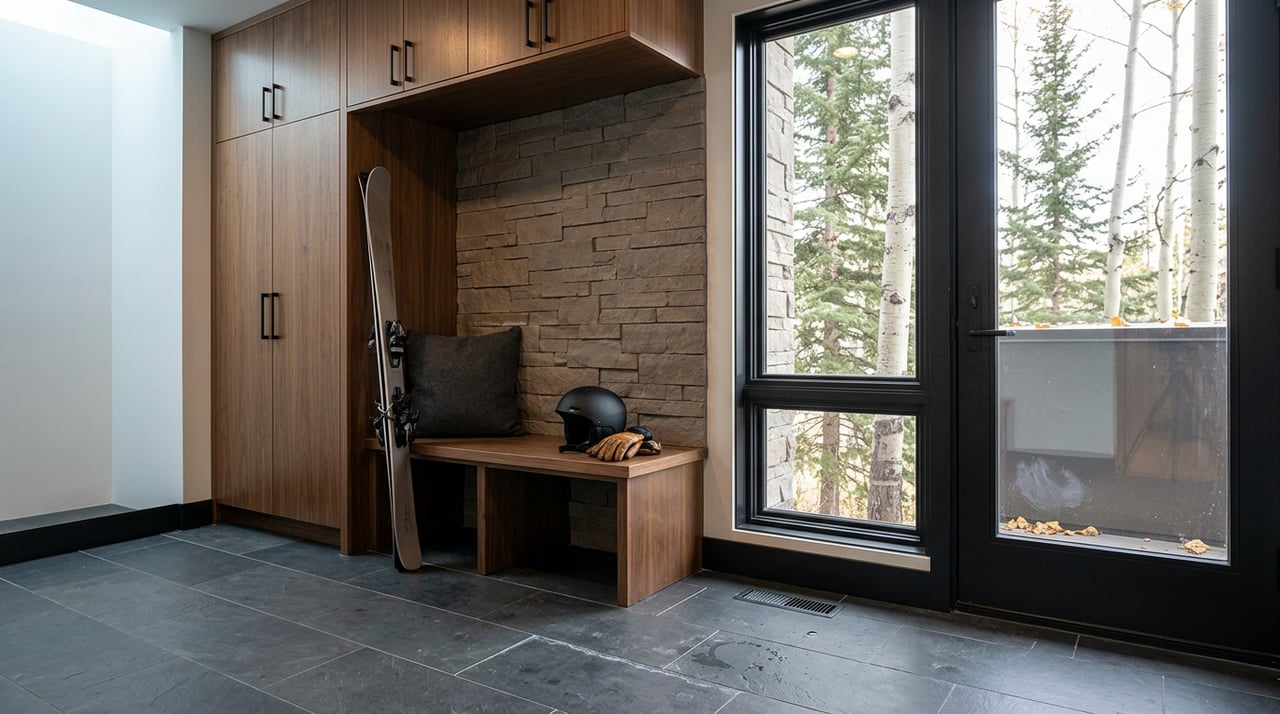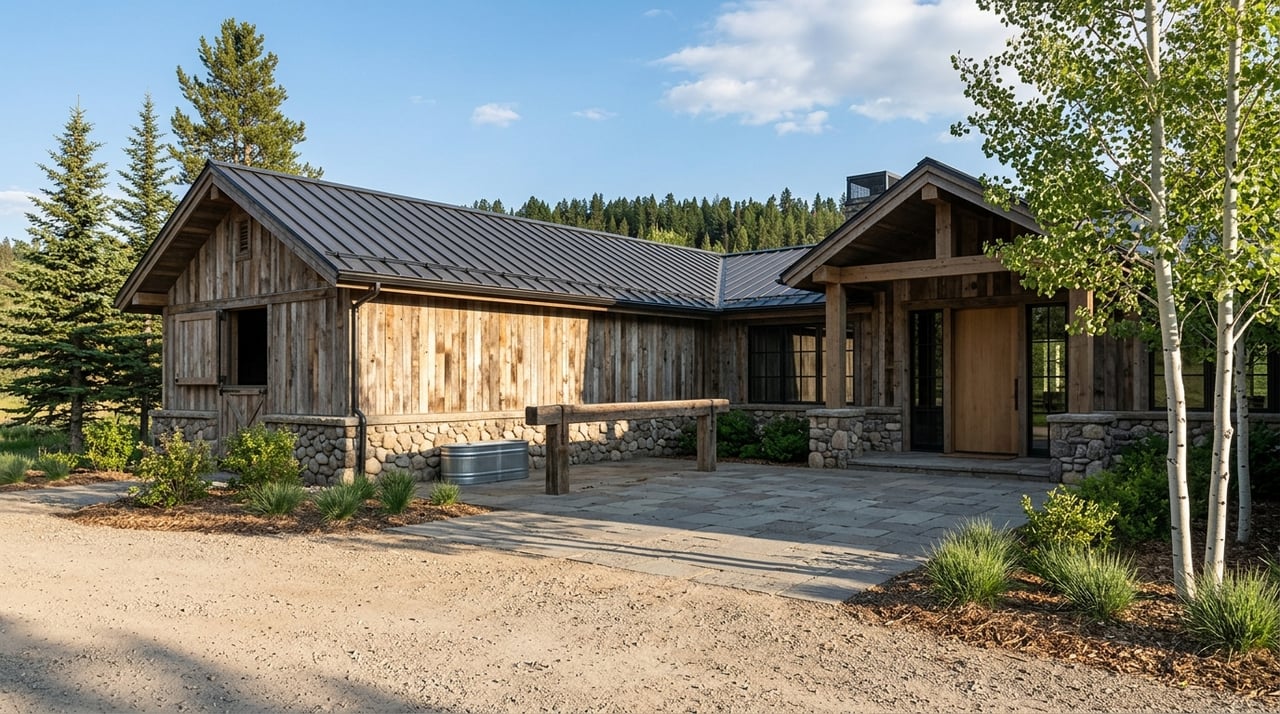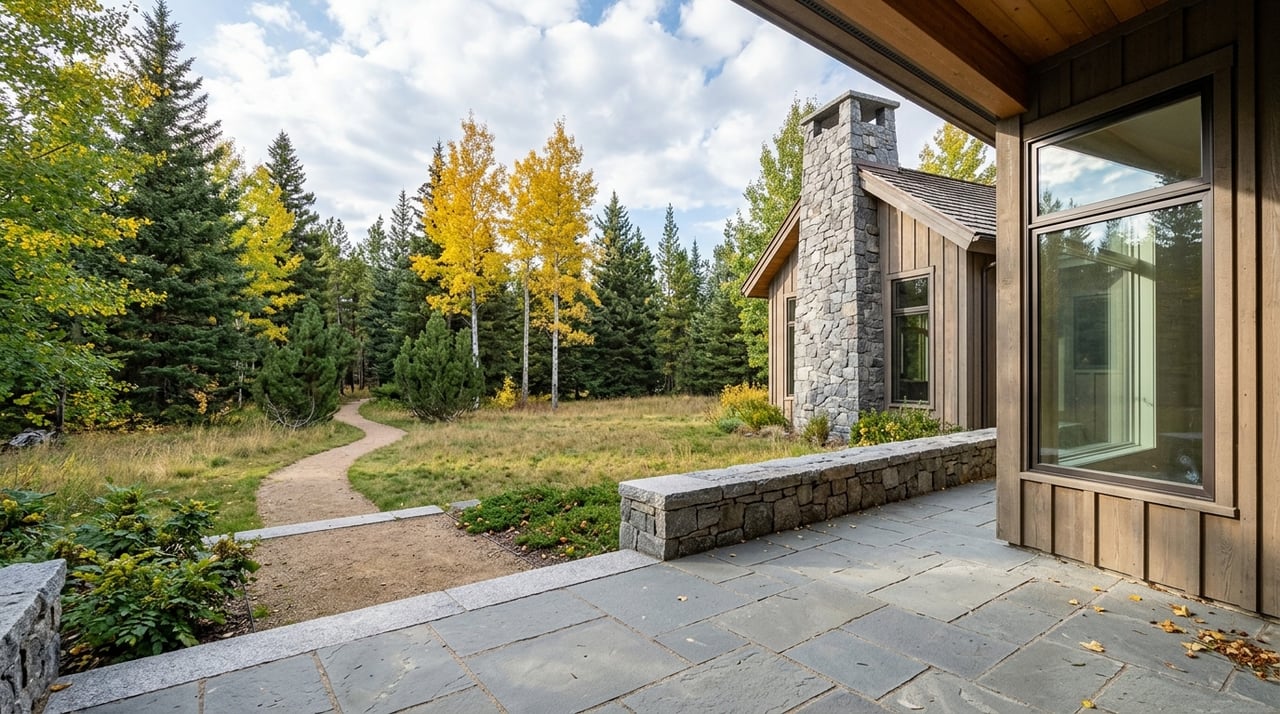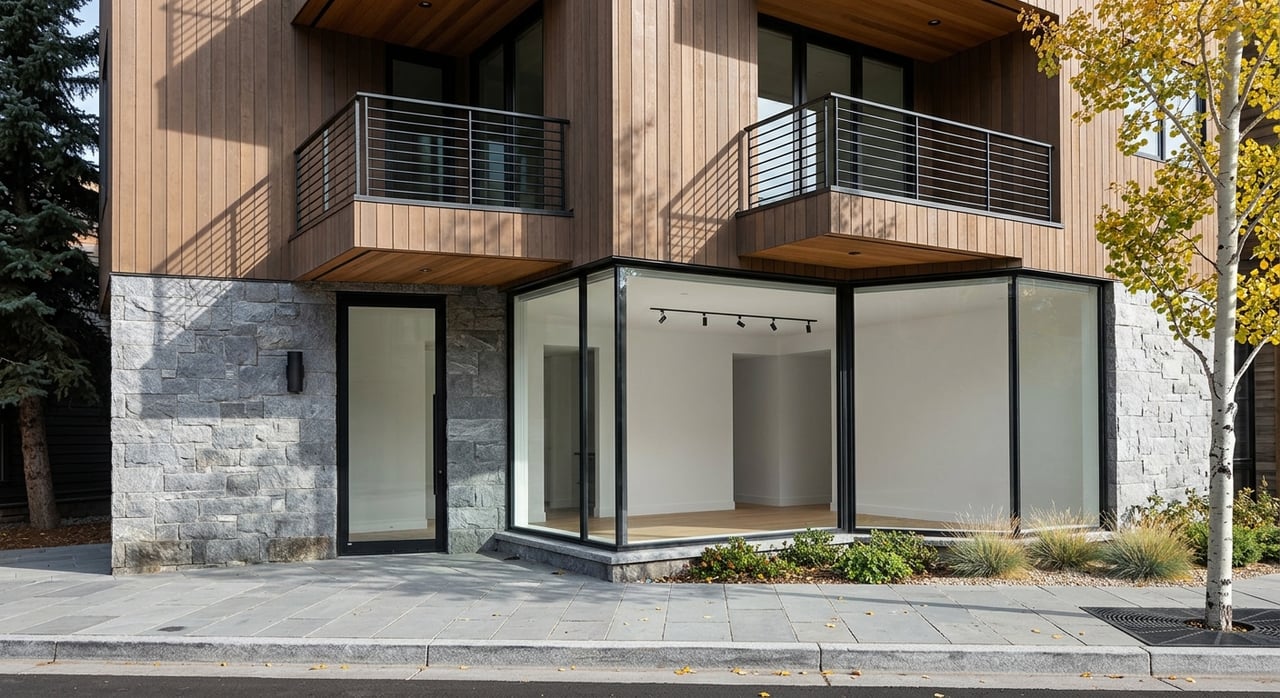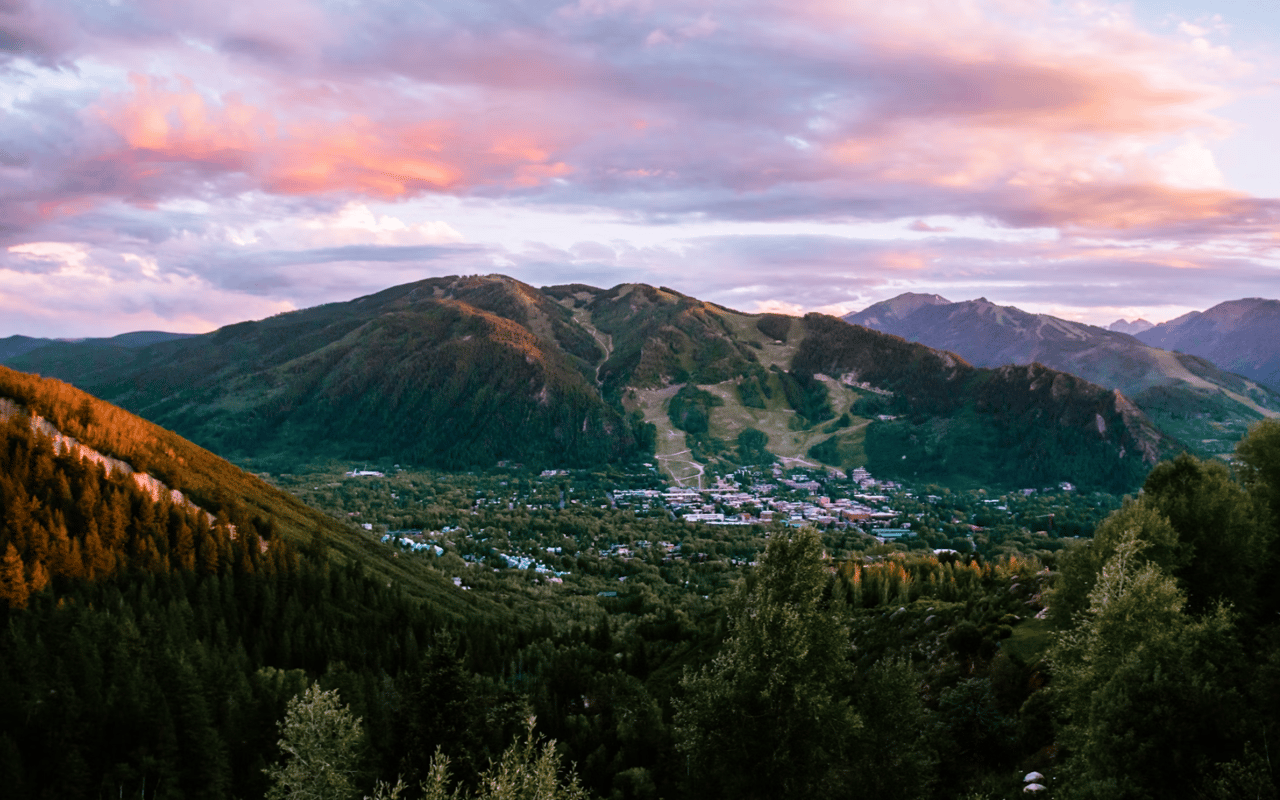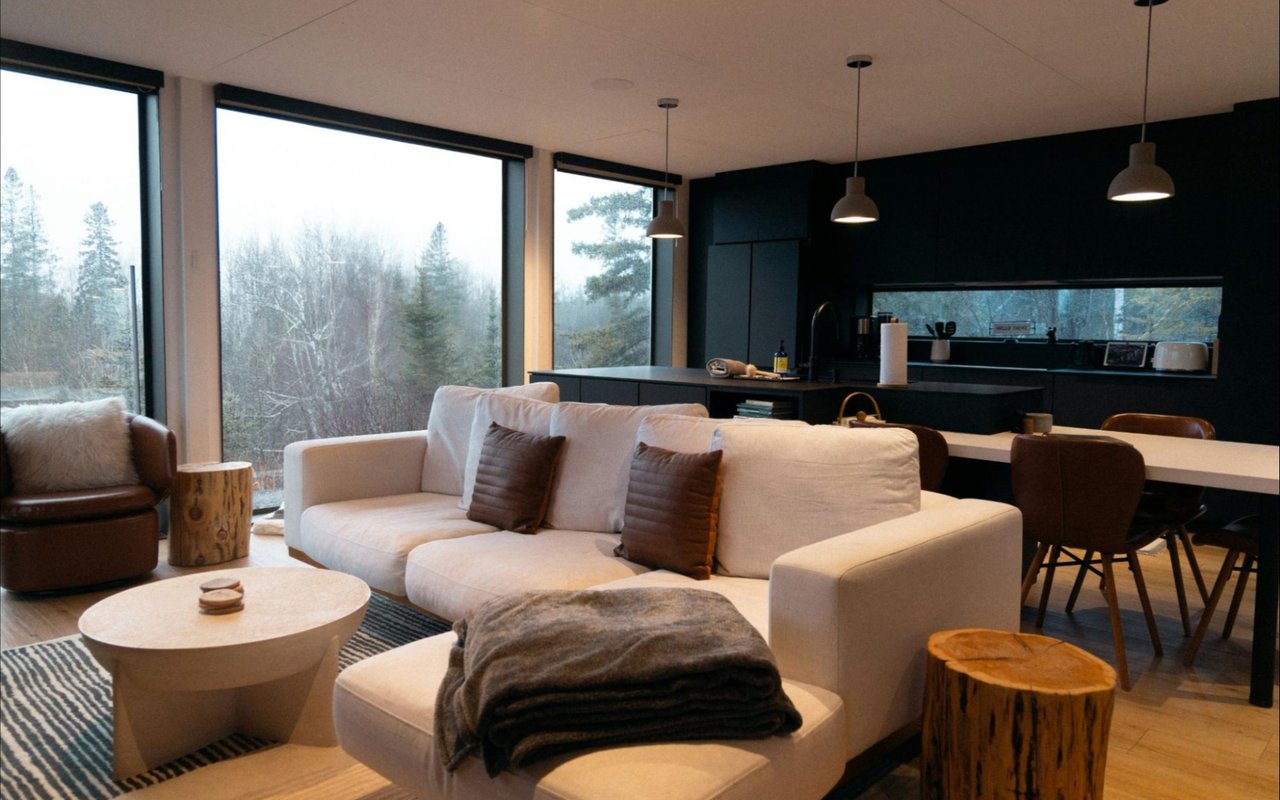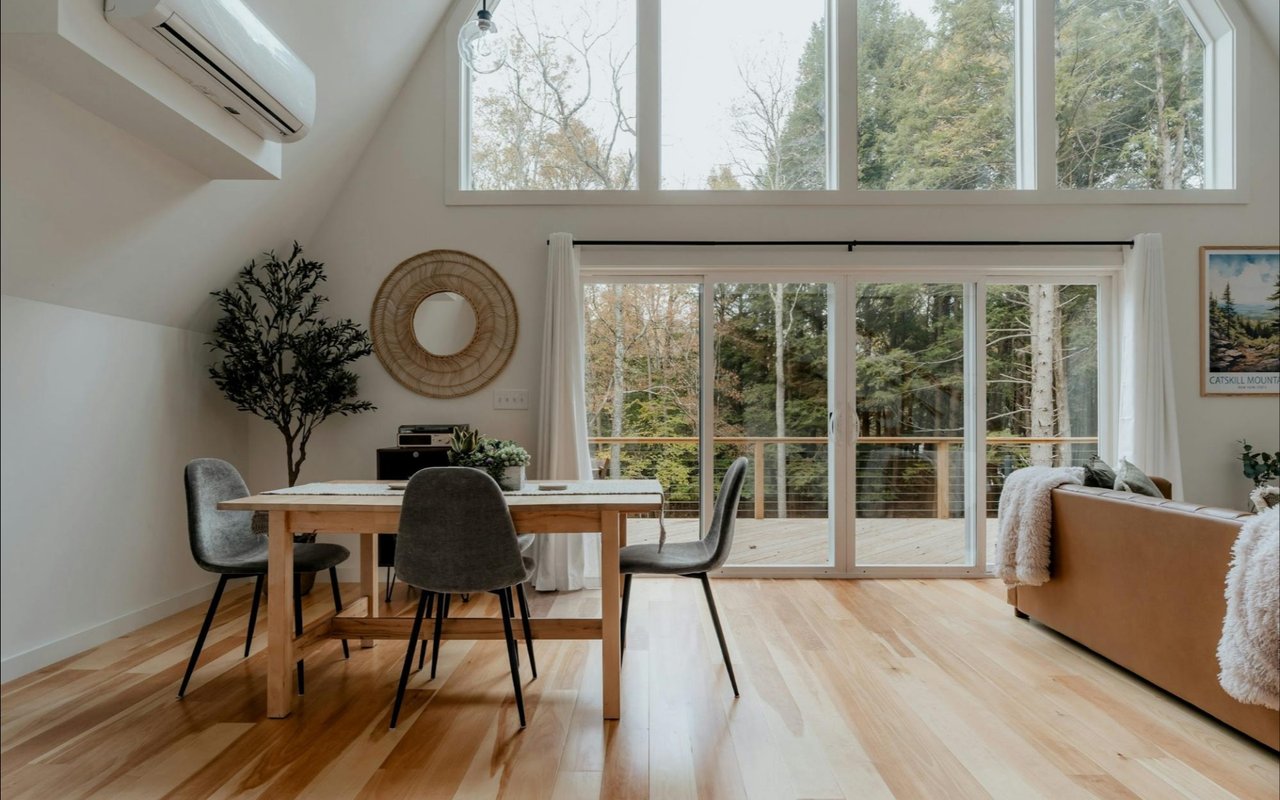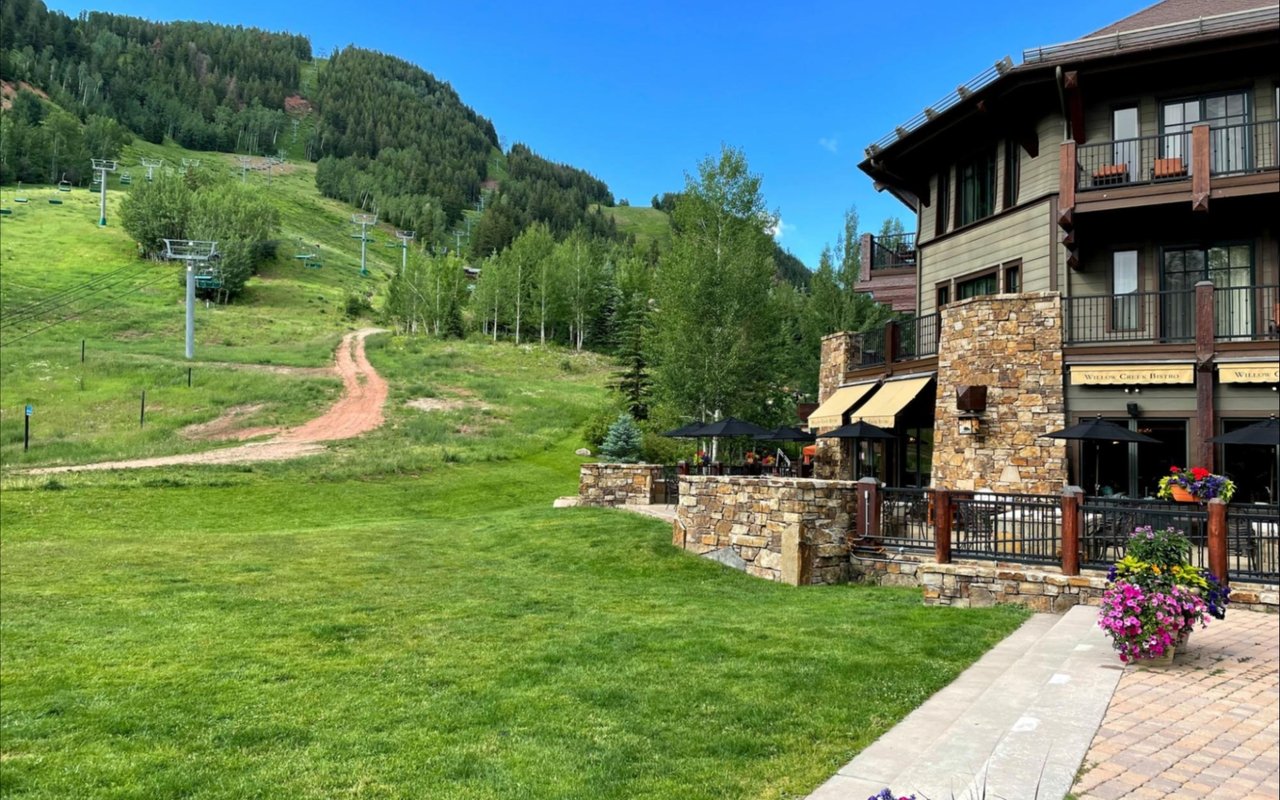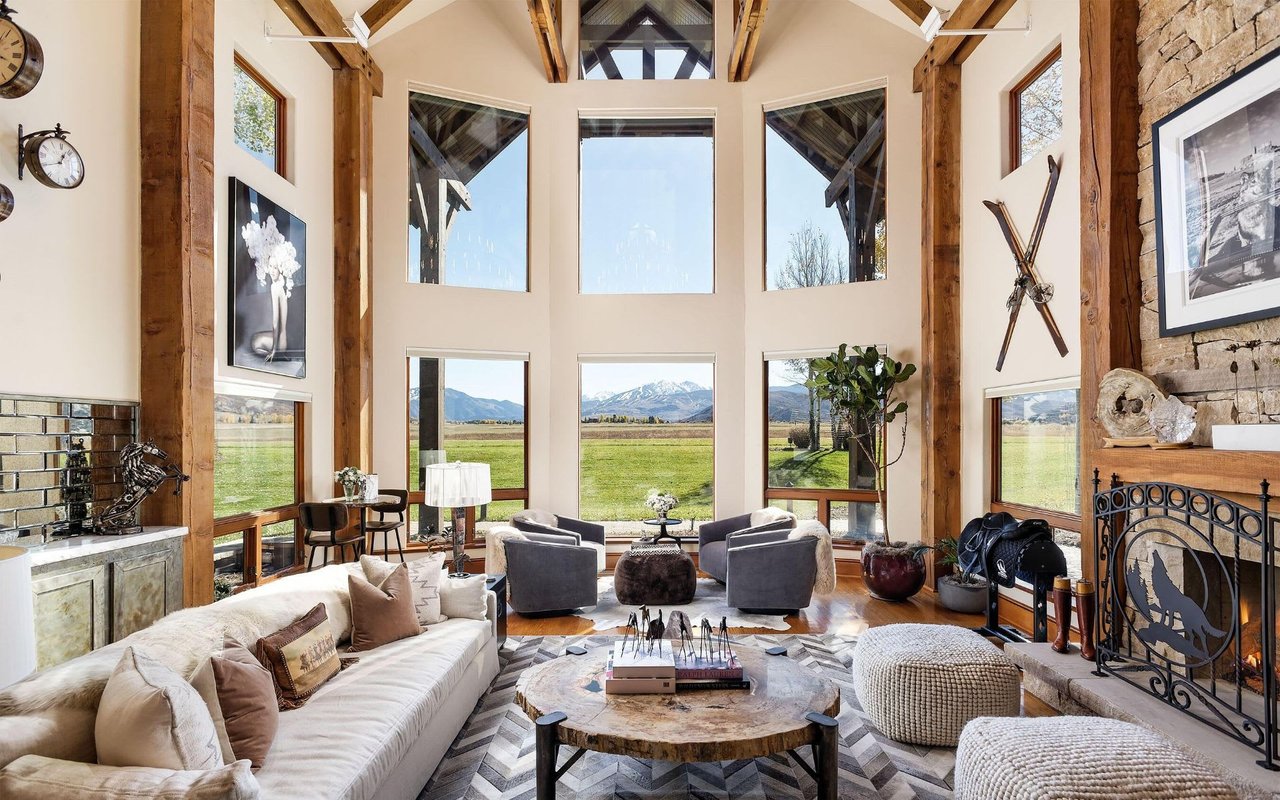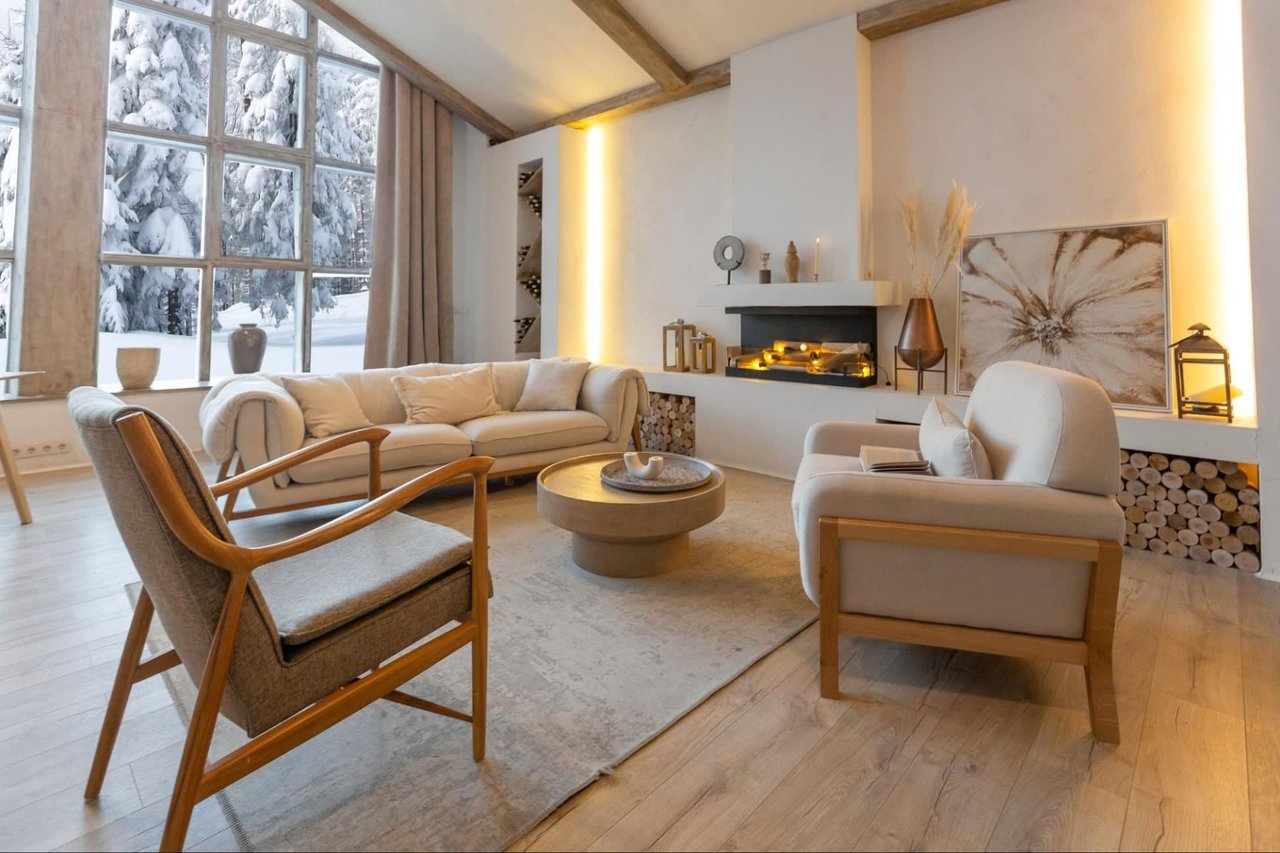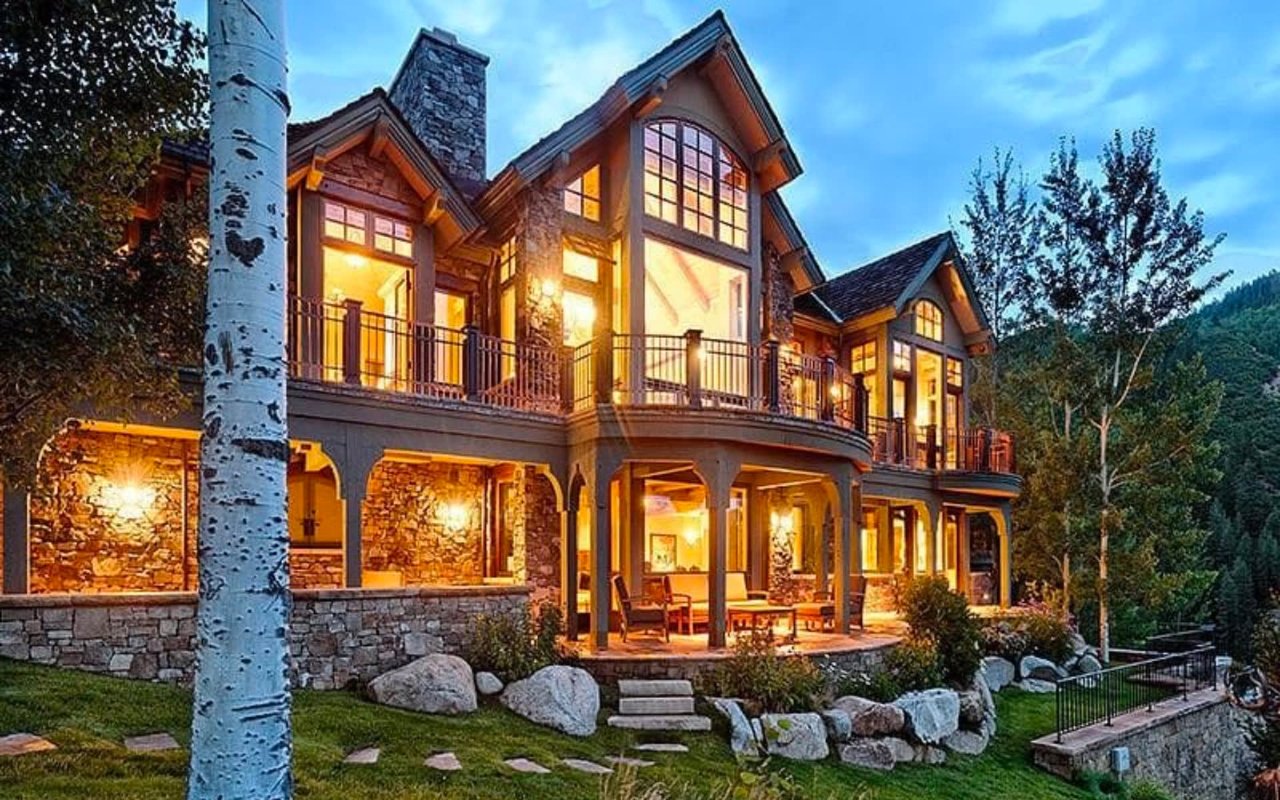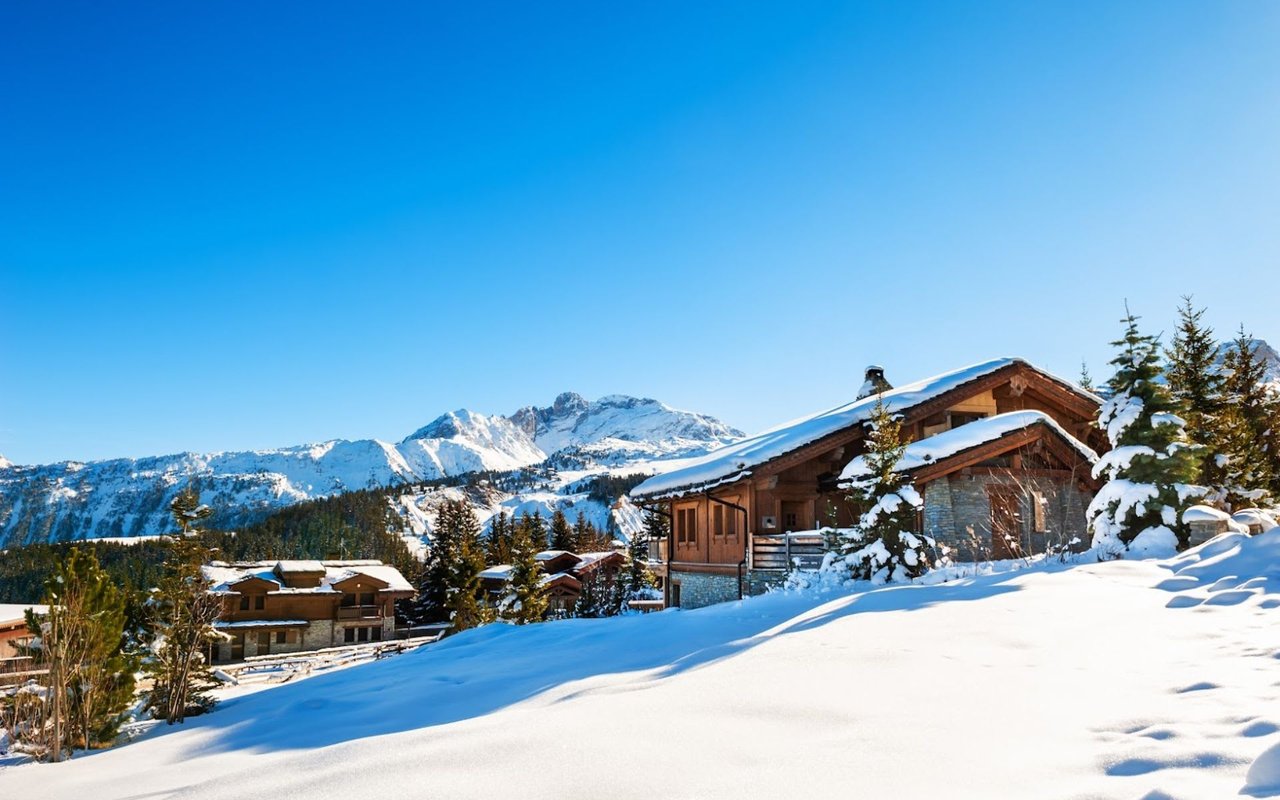
Trying to choose between Aspen, Snowmass, and Basalt? In this part of the Roaring Fork Valley, your home base shapes how you spend your days, how easily you move around, and what kind of ownership experience you will have. If you are weighing ski access, walkability, culture, or year-round livability, this guide will help you compare the three with more clarity. Let’s dive in.
Three towns, three lifestyles
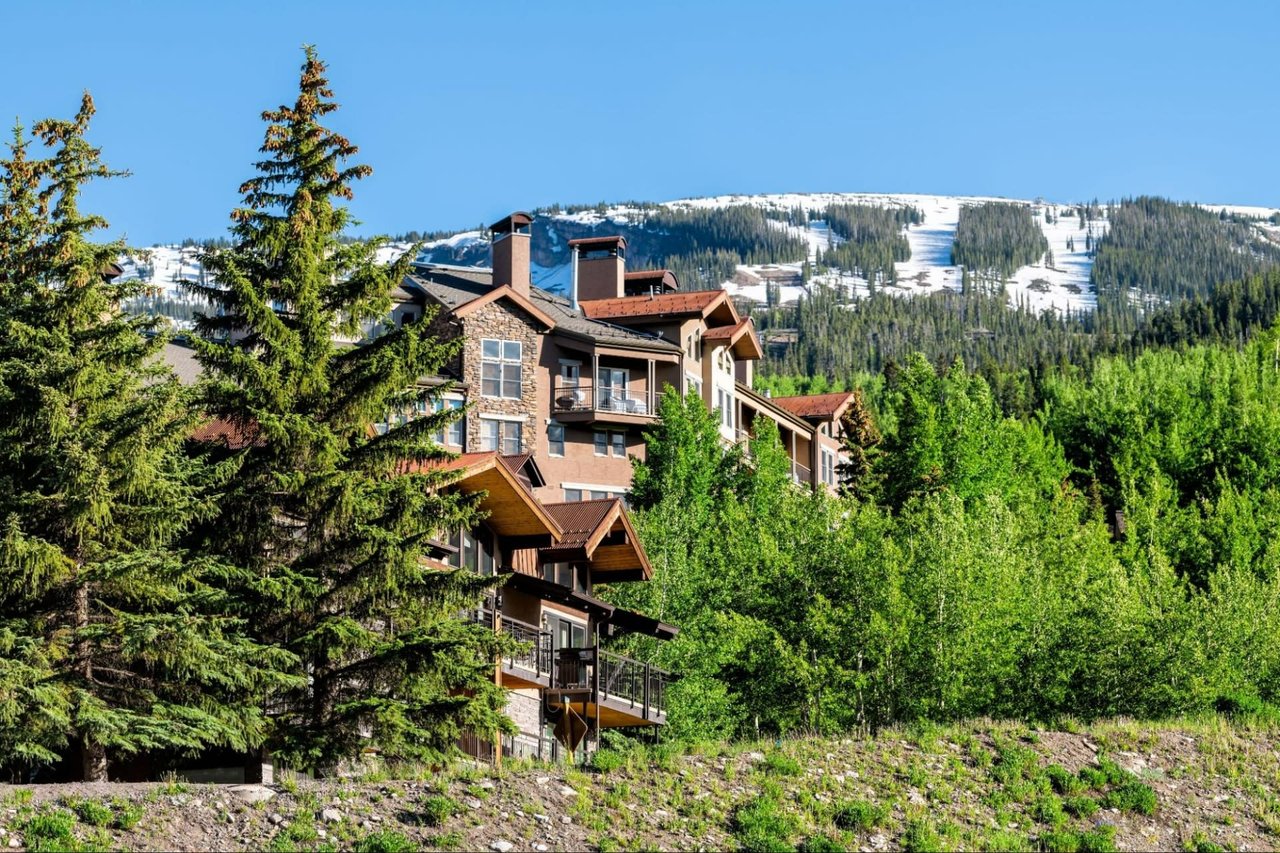
From a local Aspen-area perspective, the simplest way to think about these options is this: Aspen is the culture-and-service core, Snowmass is the ski-first resort village, and Basalt is the year-round river-valley town. That shorthand lines up closely with how each community presents itself in public planning and transportation materials, from Aspen’s mobility and arts priorities to Snowmass Village’s resort and circulation focus and Basalt’s emphasis on arts, rivers, and community life.
The right choice depends less on which town is “best” and more on how you want to live when you are here. Some buyers want to walk to dinner and performances. Others want to step out and be close to the lifts. Others want a more residential pace with easy access to trails, rivers, and daily life in the valley.
Why choose Aspen
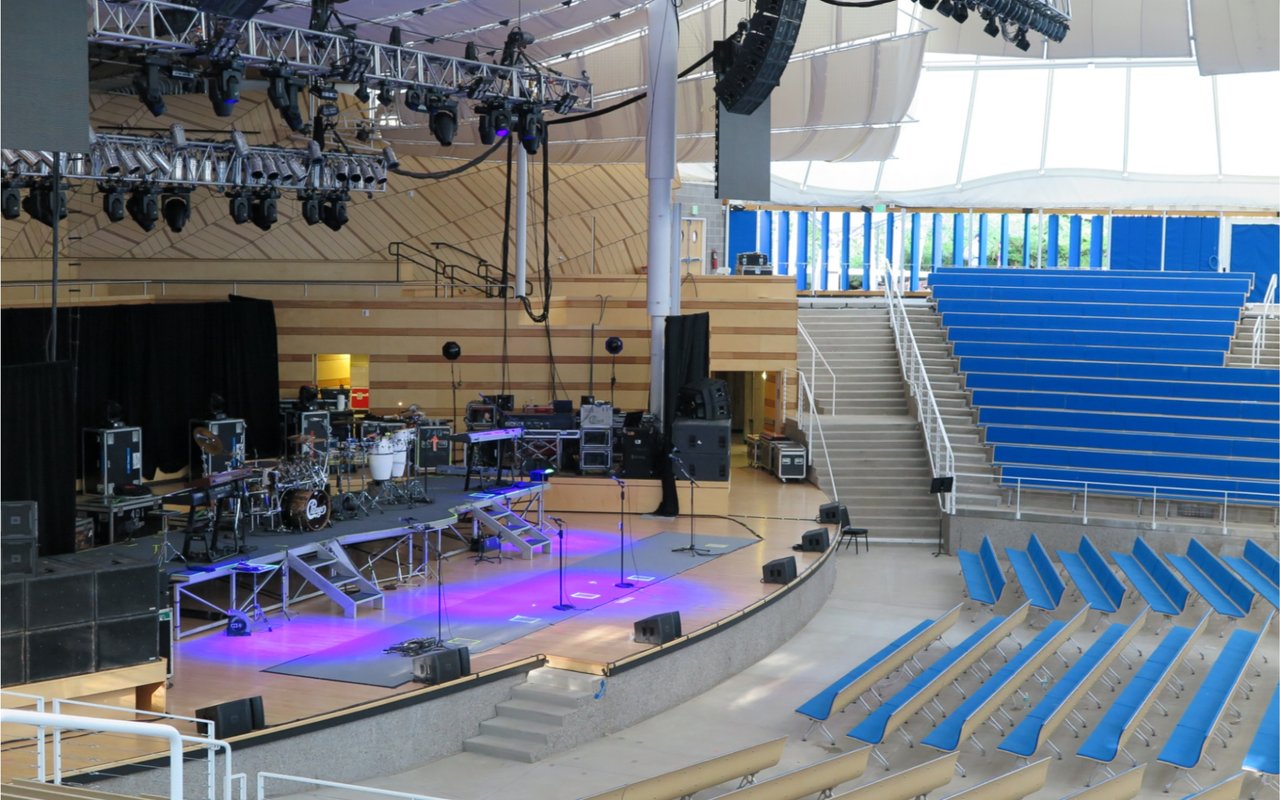
Aspen is usually the strongest fit if you want the fullest mix of dining, arts, events, and walkable convenience. The city supports arts and culture through public funding, and local institutions add major year-round and seasonal programming. The Aspen Music Festival & School hosts more than 300 events in an eight-week summer season, and the Wheeler Opera House remains a long-standing performance venue.
Day to day, Aspen also supports a more car-light lifestyle than many mountain towns. The city highlights free shuttles, the Downtowner door-to-door service, and parking policies intended to reduce congestion and preserve small-town character, according to Aspen transportation resources. If you like the idea of walking to coffee, dinner, galleries, or events, Aspen stands out.
Aspen ownership profile
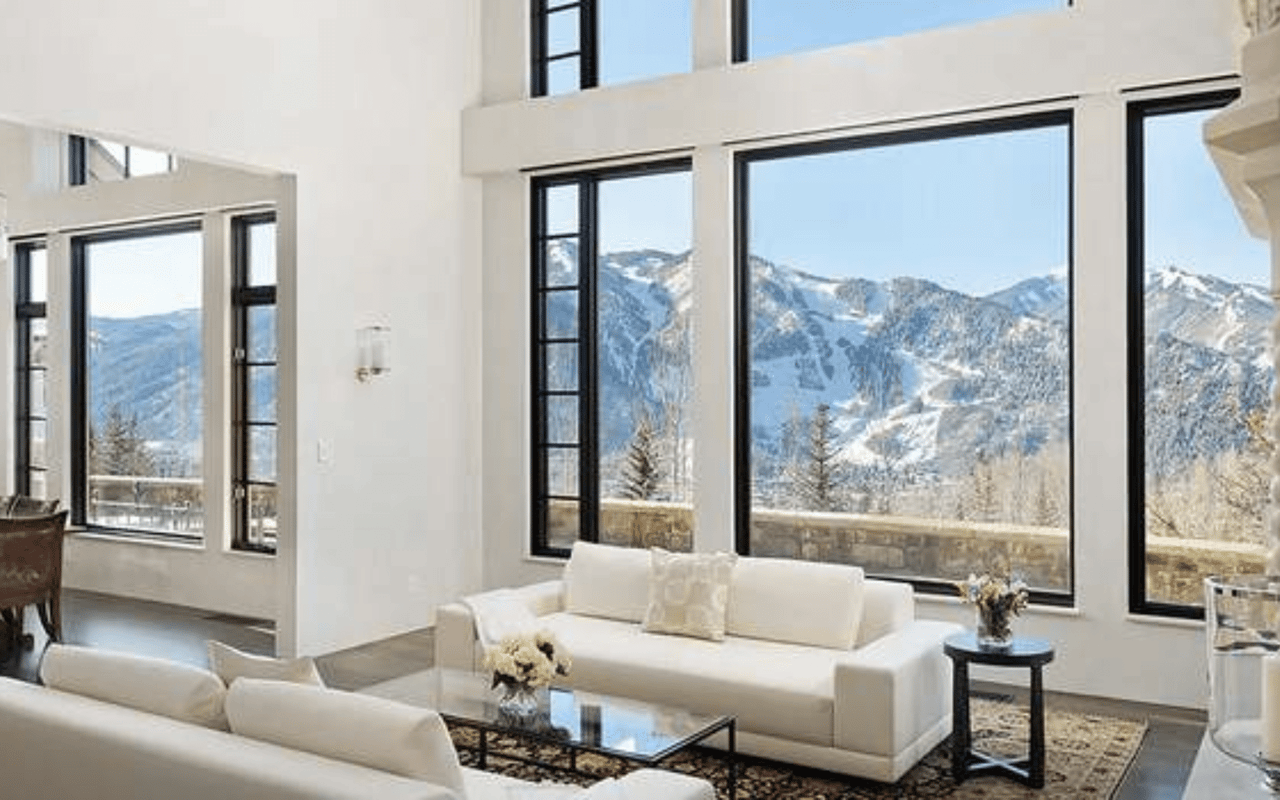
Aspen offers the broadest mix of housing types among the three communities covered here. Current market snapshots show a median home price of about $12.750 million, with inventory spanning downtown condos, historic-core homes, and high-end estates across areas such as Downtown Aspen, the West End, the East End, Smuggler, Mclain Flats, the Aspen Historic District, Red Mountain, and Cemetery Lane, based on Realtor.com’s Aspen overview.
That variety is a big reason Aspen appeals to both second-home buyers and long-term owners. You can focus on lock-and-leave convenience, proximity to the core, or a more private luxury setting, depending on your goals and budget.
Aspen tradeoffs to know
Aspen’s strengths come with more competition for space and more operational rules. If you are planning to rent your property for fewer than 30 days, the city requires a short-term rental permit and licensing, with annual expiration, qualifying tax filings, and in some zones, capped permits that may involve waitlists, according to Aspen’s short-term rental permit page.
For many owners, Aspen is still worth it because of the address, walkability, and cultural depth. But if rental flexibility is part of your plan, it is smart to review the rules early rather than assume the process will be simple.
Why choose Snowmass Village
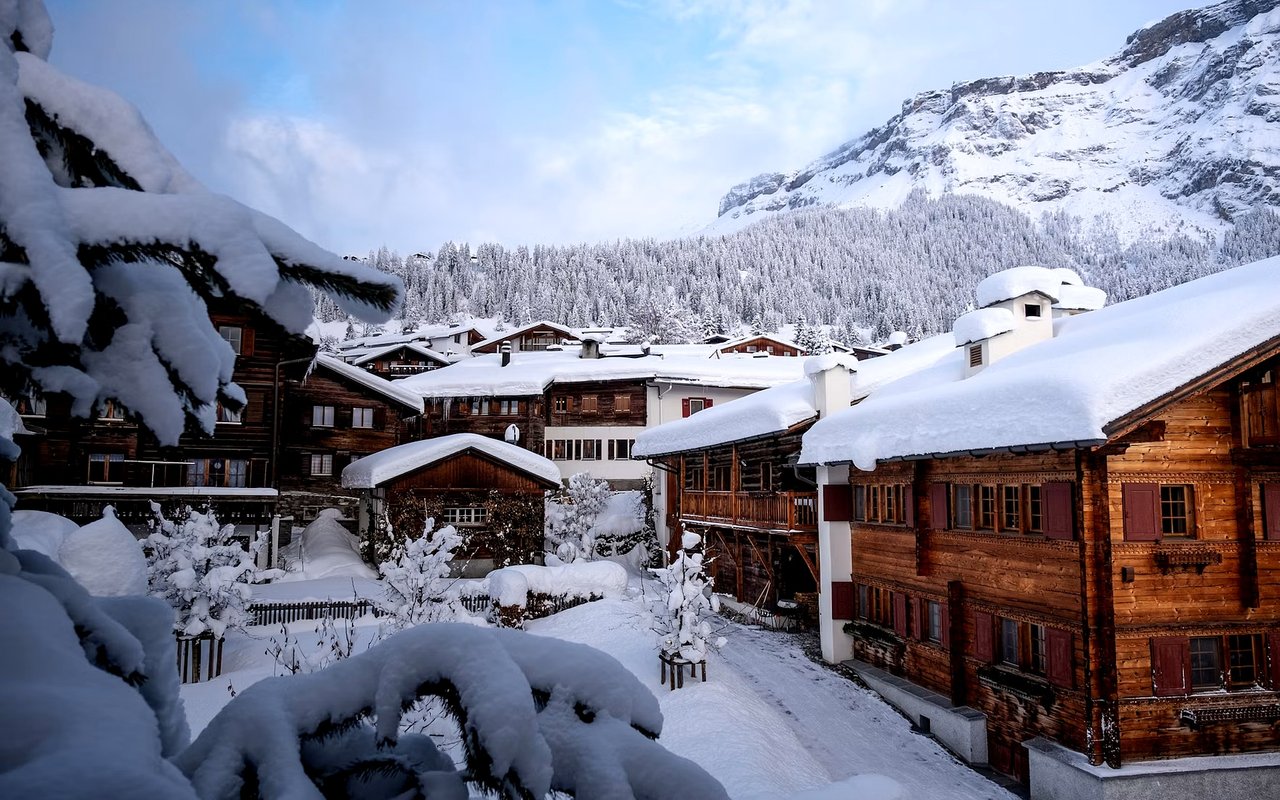
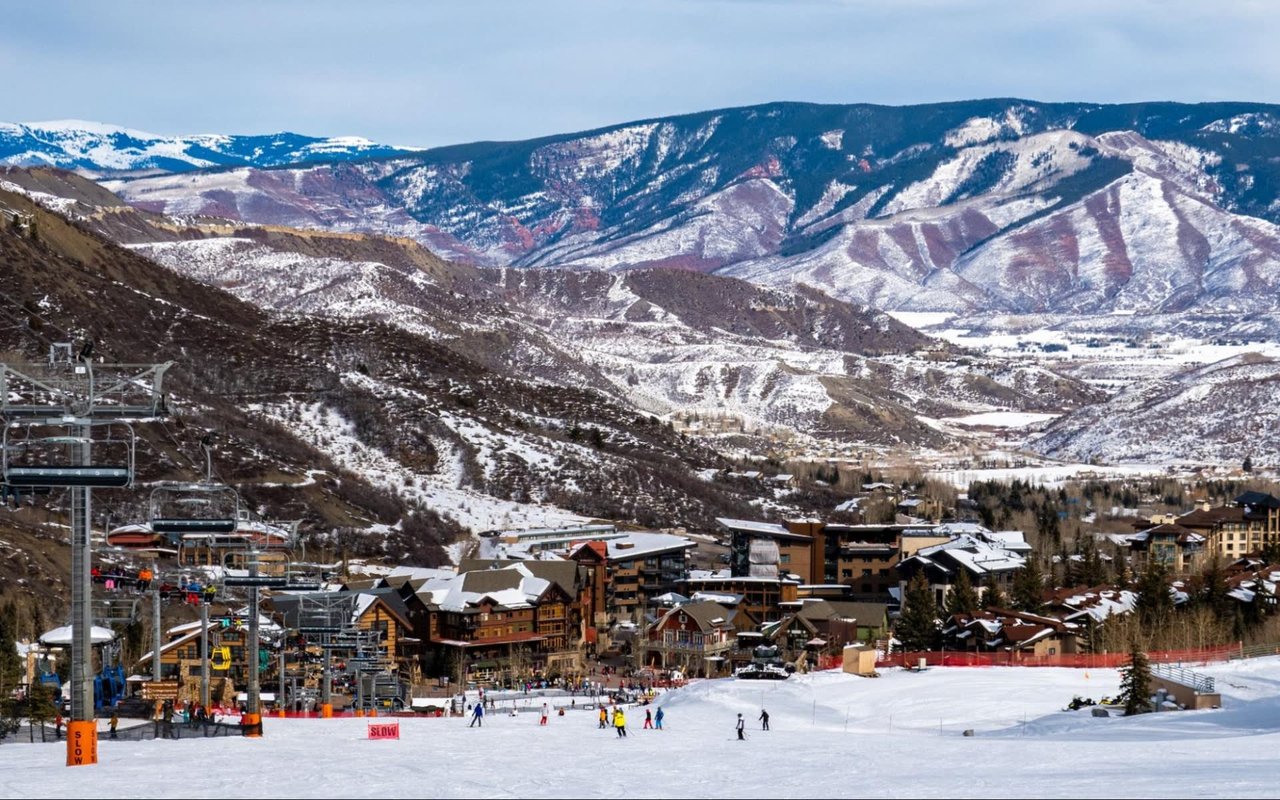
Snowmass Village is the most ski-centric option of the three. If your main goal is to spend as much time on the mountain as possible with the least friction, Snowmass often becomes the front-runner. Official village materials emphasize resort circulation, ski access, and a stable year-round community, while also highlighting more than 450 workforce-housing units, 11 free summer concerts on Fanny Hill, and roughly 480,000 annual transit riders in the community’s budget materials, as outlined in town documents.
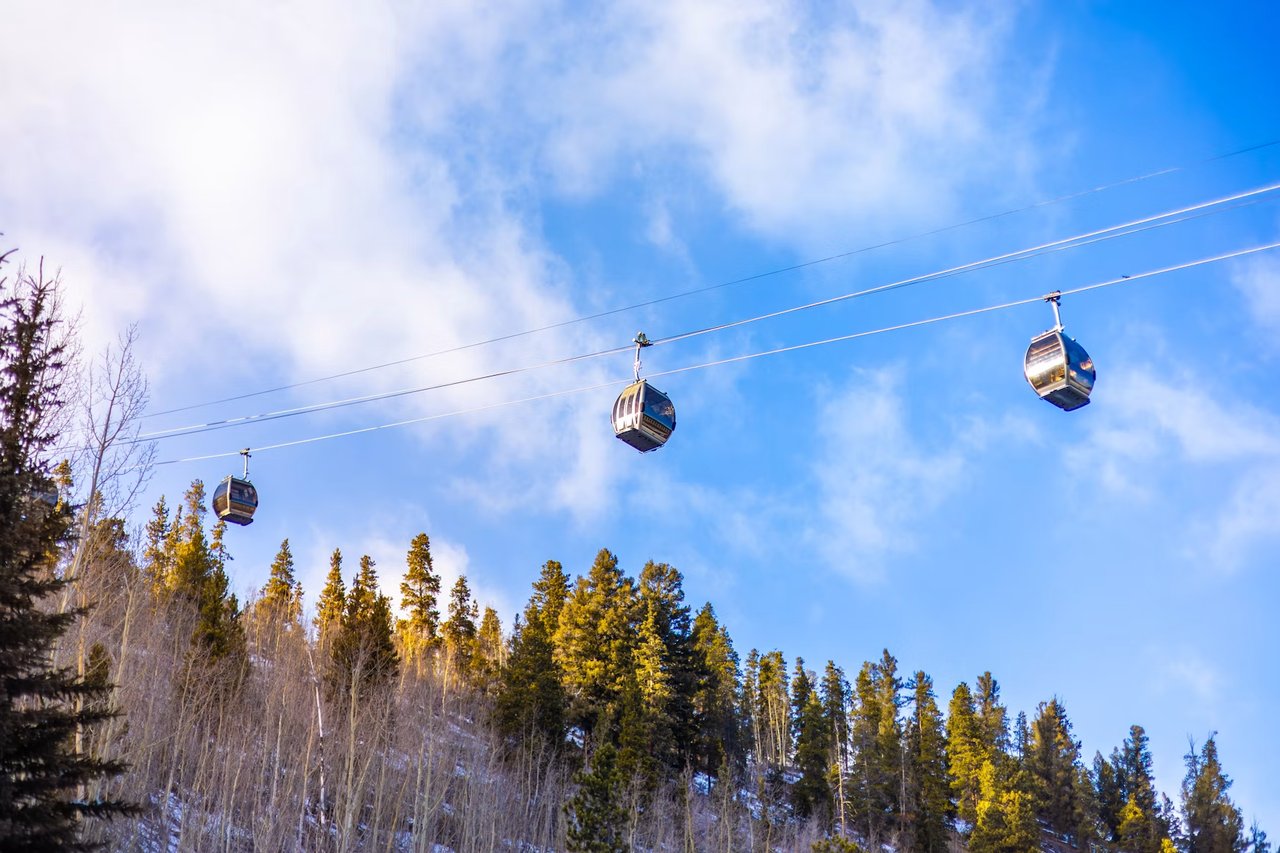
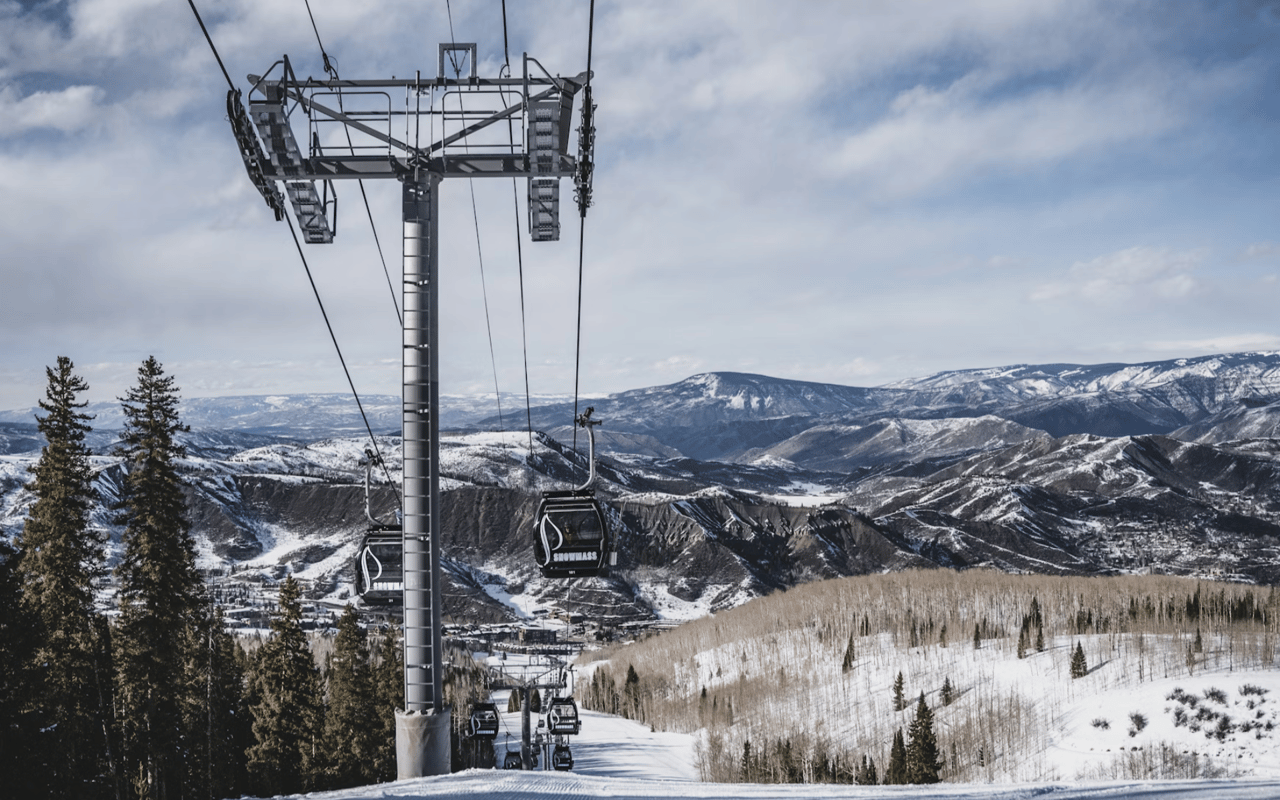
Snowmass is also set up for easy movement within the village. You have a free village shuttle, the Sky Cab gondola connecting Snowmass Mall and Base Village, and free bus connections to Aspen. For buyers who want a self-contained resort environment, that convenience matters.
Snowmass and mountain access
Across the broader Aspen Snowmass system, skiers have access to 5,758 acres across four mountains, according to Aspen Snowmass mountain statistics. But Snowmass stands apart in the home search because official lodging materials repeatedly emphasize ski-in/ski-out condos and townhomes with access to Base Village and the Elk Camp and Village Express lift system, as shown on Snowmass lodging information.
If your ideal day starts with getting out the door and onto the mountain quickly, Snowmass usually wins this comparison. It is built around that experience in a more direct way than Aspen or Basalt.
Snowmass ownership profile
Snowmass Village has a current median home price around $9.2 million, based on Aspen Board of Realtors Snowmass Village overview. The housing stock tends to be more condo- and townhome-oriented than Aspen’s, with a stronger resort-style feel and a notable share of deed-restricted inventory.
The town reports 9 rental apartment complexes with about 312 rental units and around 200 deed-restricted ownership units, including single-family homes, townhomes, and condominiums. For many buyers, that points to a more structured village environment where housing and mobility are closely tied to resort life.
Snowmass tradeoffs to know
Snowmass also regulates short-term rentals. Hosts need a business license and permit, renewals are annual with an April 30 expiration date, and the current fee schedule includes a $400 permit fee, according to the Snowmass Village STR page.
That does not make Snowmass a poor choice for part-time owners. In fact, its resort orientation can be a strong advantage for second-home use. It simply means you should think of ownership here as part of a more structured hospitality-style environment.
Why choose Basalt
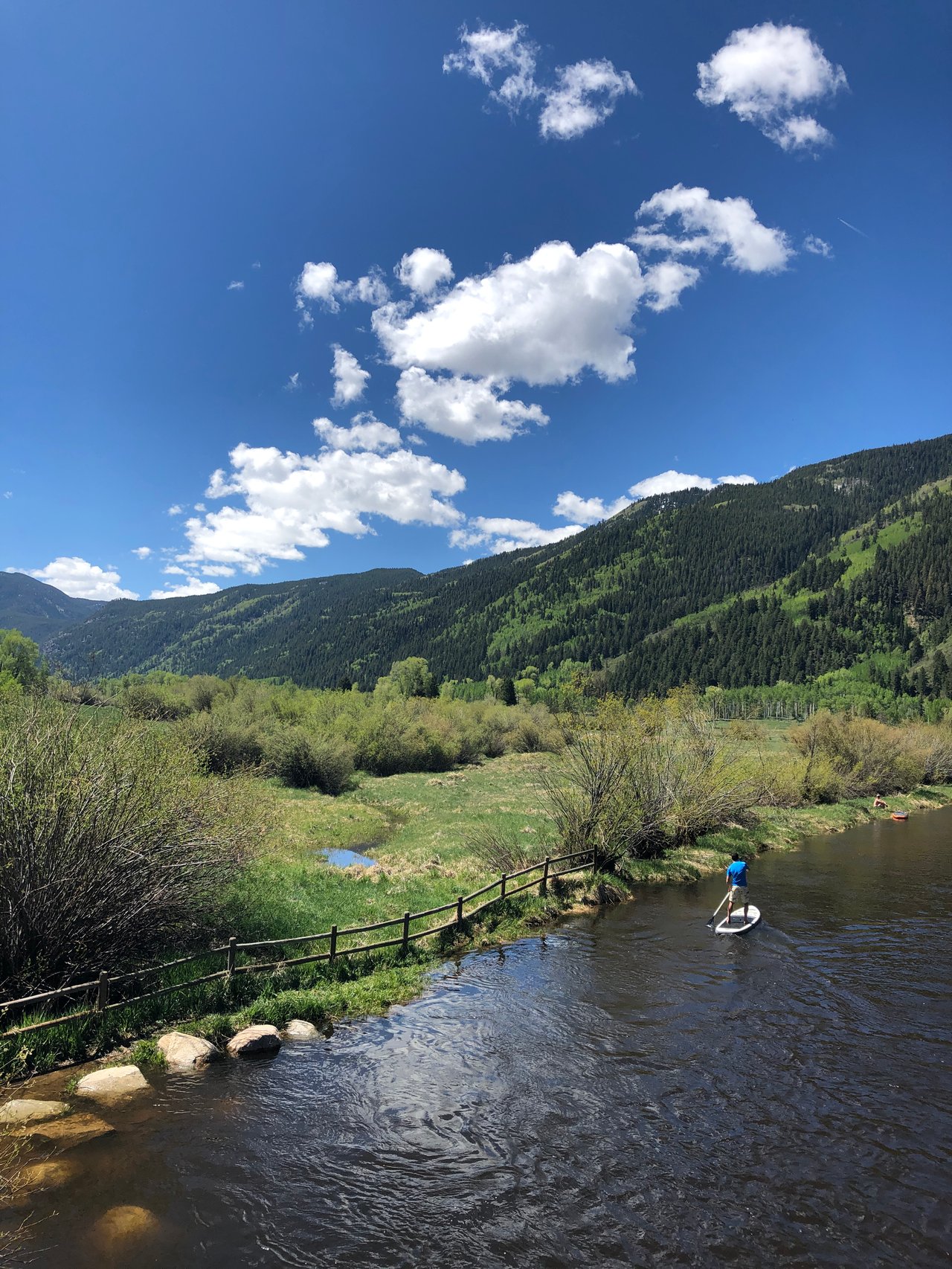
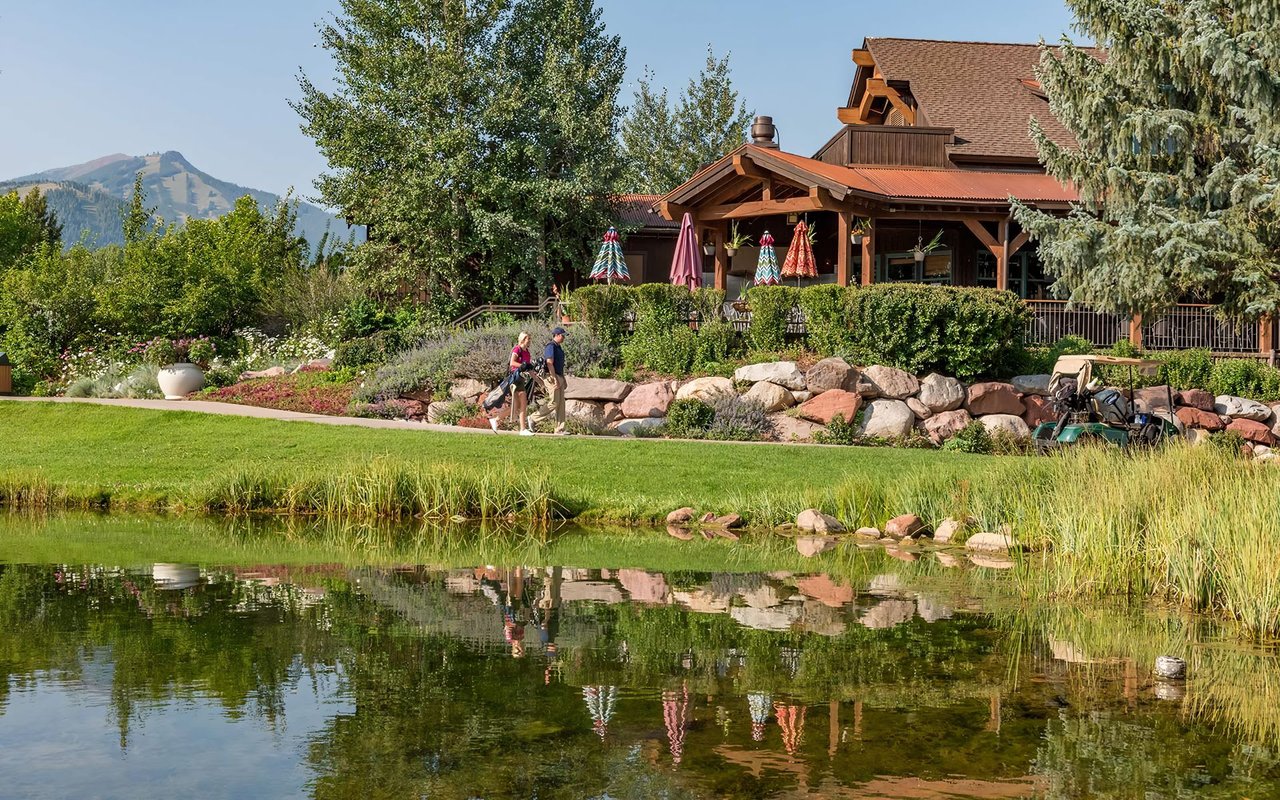
Basalt appeals to buyers who want a true year-round town feel rather than a resort-first setting. The town describes itself as a year-round destination with a historic downtown, strong recreation assets, and neighborhoods including Old Town Basalt, Southside, and Willits. It also sits at the confluence of the Frying Pan and Roaring Fork rivers and along the Rio Grande Trail, based on Basalt planning materials.
That setting shapes the lifestyle. Basalt is less about lift-front convenience and more about daily livability, river access, trails, and a community rhythm that continues well beyond ski season.
Basalt ownership profile
Basalt’s current median home price is about $1.8 million, according to Realtor.com’s Basalt overview. Compared with Aspen and Snowmass, that can offer a lower point of entry for buyers who want to be in the Roaring Fork Valley without buying inside the resort core.
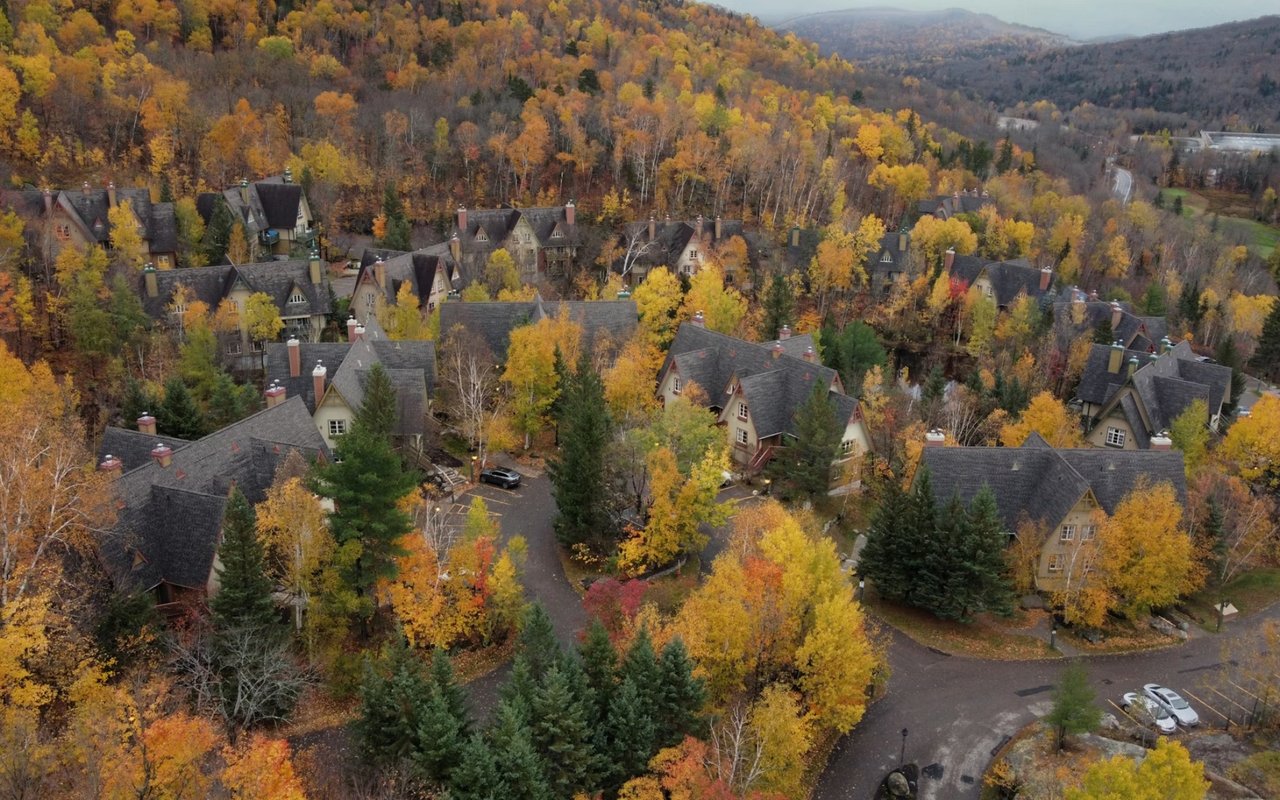
The housing mix appears more conventional and residential, with planning documents focused on neighborhoods and downtown areas rather than slopeside districts. For buyers who want a mountain-town setting that feels grounded in year-round living, that can be a meaningful advantage.
Basalt tradeoffs to know
Basalt is not a ski-base town, and that distinction is important. If your top priority is to walk to lifts or maximize ski-in/ski-out convenience, Basalt may not be the best fit. Its value is in the broader valley lifestyle rather than immediate mountain access.
Basalt also has serious short-term rental rules. The town requires an annual sales tax license, annual business license, annual inspection, and a short-term rental regulatory fee of $2,532 per bedroom, with monthly lodging tax returns beginning at 6 percent in January 2026, according to Basalt’s short-term rental business license page.
How deed-restricted housing fits in
Across Aspen, Snowmass Village, Basalt, and other nearby communities, some properties fall within the APCHA deed-restricted system. The Aspen Pitkin County Housing Authority notes that most deed-restricted sales must be listed through the authority, buyers must qualify, and many ownership units are awarded through a lottery process.
This matters most if you are exploring workforce or deed-restricted ownership opportunities. It is a separate ownership path from most free-market purchases, so it is important to understand the distinction early in your search.
Quick comparison at a glance
Location | Best fit for | Lifestyle feel | Median home price* | Key consideration |
|---|---|---|---|---|
Aspen | Buyers who want walkability, arts, dining, and a central address | Culture-rich, service-oriented, town-centered | $12.750M | STR rules can be more restrictive and downtown space is in high demand |
Snowmass Village | Buyers who prioritize ski convenience and resort-style living | Ski-first, shuttle-based, village-centered | $9.2M | Ownership often feels more structured and resort-oriented |
Basalt | Buyers who want year-round town life and relative value | Residential, river-and-trail oriented, community-focused | $1.8M | Less direct ski access and notable STR requirements |
*Median home prices sourced from Aspen Board of Realtor's March YTD reports.
Which home base fits you best
If you want the most complete blend of culture, dining, walkability, and access to the Aspen core, Aspen is usually the right anchor. If you want your home search to revolve around efficient mountain access and resort-style convenience, Snowmass Village often makes the most sense. If you want a more everyday valley lifestyle with rivers, trails, and a residential feel, Basalt may be the strongest match.
The best decision usually comes down to how you will actually use the property. Your ideal home base should support your routines in every season, not just your peak winter weeks.
If you want help narrowing the search based on lifestyle, ownership goals, and how you plan to use the property, Brittanie Rockhill offers a concierge-level, market-savvy approach across Aspen, Snowmass Village, and the Roaring Fork Valley.
FAQs
What is the main difference between Aspen, Snowmass, and Basalt?
- Aspen is centered on walkability, dining, arts, and town convenience, Snowmass Village is more ski-focused and resort-oriented, and Basalt is more of a year-round residential mountain town.
Which location is best for ski-in ski-out living near Aspen?
- Snowmass Village is usually the strongest choice if your top priority is ski-in/ski-out condos or townhomes and easy village-to-lift access.
Which town offers the most year-round local feel in the Roaring Fork Valley?
- Basalt is generally the best fit if you want a historic downtown, river and trail access, and a more everyday residential setting.
Are short-term rentals allowed in Aspen, Snowmass Village, and Basalt?
- Yes, but all three communities regulate short-term rentals, and each has its own permit, license, renewal, and fee requirements.
What should buyers know about deed-restricted housing near Aspen?
- Some homes in Aspen, Snowmass Village, Basalt, and nearby communities fall under APCHA rules, where buyers must qualify and many ownership opportunities are handled through a lottery process.
Which location may offer a lower entry price near Aspen and Snowmass?
- Based on the market snapshots cited here, Basalt has the lowest median home price of the three, followed by Snowmass Village and then Aspen.