If you want an Aspen home where coffee, culture, dining, and the gondola can all fit into one easy day, downtown condo living is hard to ignore. The Downtown Core offers a rare mix of walkability, energy, and low-maintenance ownership that appeals to many second-home buyers and frequent Aspen visitors. If you are weighing the trade-offs between convenience and privacy, this guide will help you understand how downtown Aspen really feels block by block. Let’s dive in.
Why downtown Aspen stands out
Downtown Aspen is not just a central business district. It is the city’s most active pedestrian hub, with retail, restaurants, transit services, and on-street parking concentrated in a compact area. The City of Aspen defines the Downtown Core as the area bordered by East Main Street, South Original Street, East Durant Avenue, and South Aspen Street.
That compact layout is a major part of the appeal. Instead of a spread-out street grid, downtown Aspen is designed around the pedestrian mall and surrounding blocks, where historic buildings, shops, and restaurants are close together. The Aspen Pedestrian Mall, completed in 1976, has even been recognized by the American Planning Association as a Great Public Space in America.
For buyers, that means your day can feel simpler. You can step out for breakfast, browse galleries, meet friends for dinner, and head to a performance without planning around a car. In a resort market where convenience often carries a premium, that kind of daily ease matters.
Walkability shapes daily life
One of the clearest benefits of living downtown is how much you can do on foot. Much of Aspen’s history, culture, dining, and shopping is visible and accessible within a short walk. The downtown experience is intentionally built around that pedestrian rhythm.
If you enjoy a car-light routine, Aspen gives you more support than many mountain towns. The city offers free airport buses, fare-free Aspen-Snowmass service, the Downtowner door-to-door service, bike share, and carshare options. That transportation network can make a downtown condo especially practical for part-time owners and visitors who prefer flexibility over full-time driving.
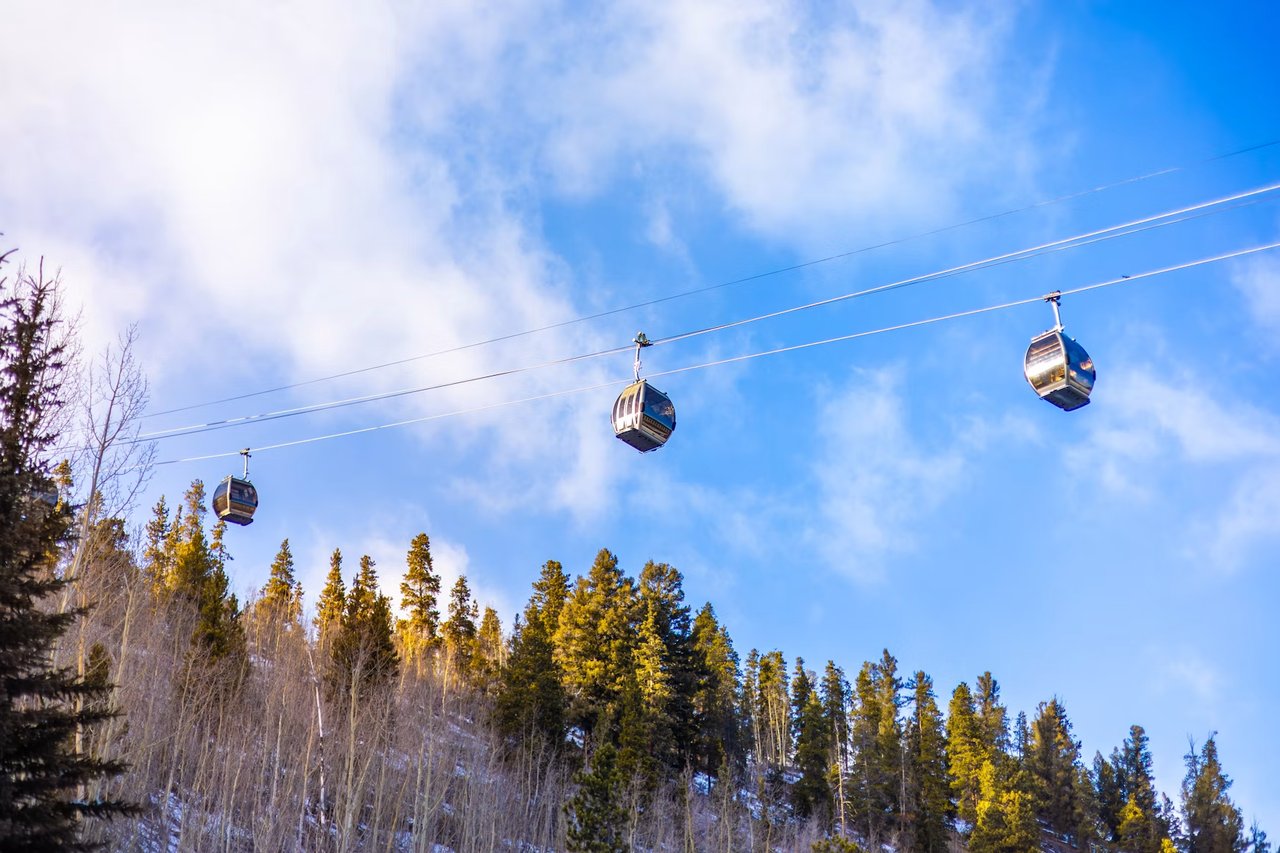
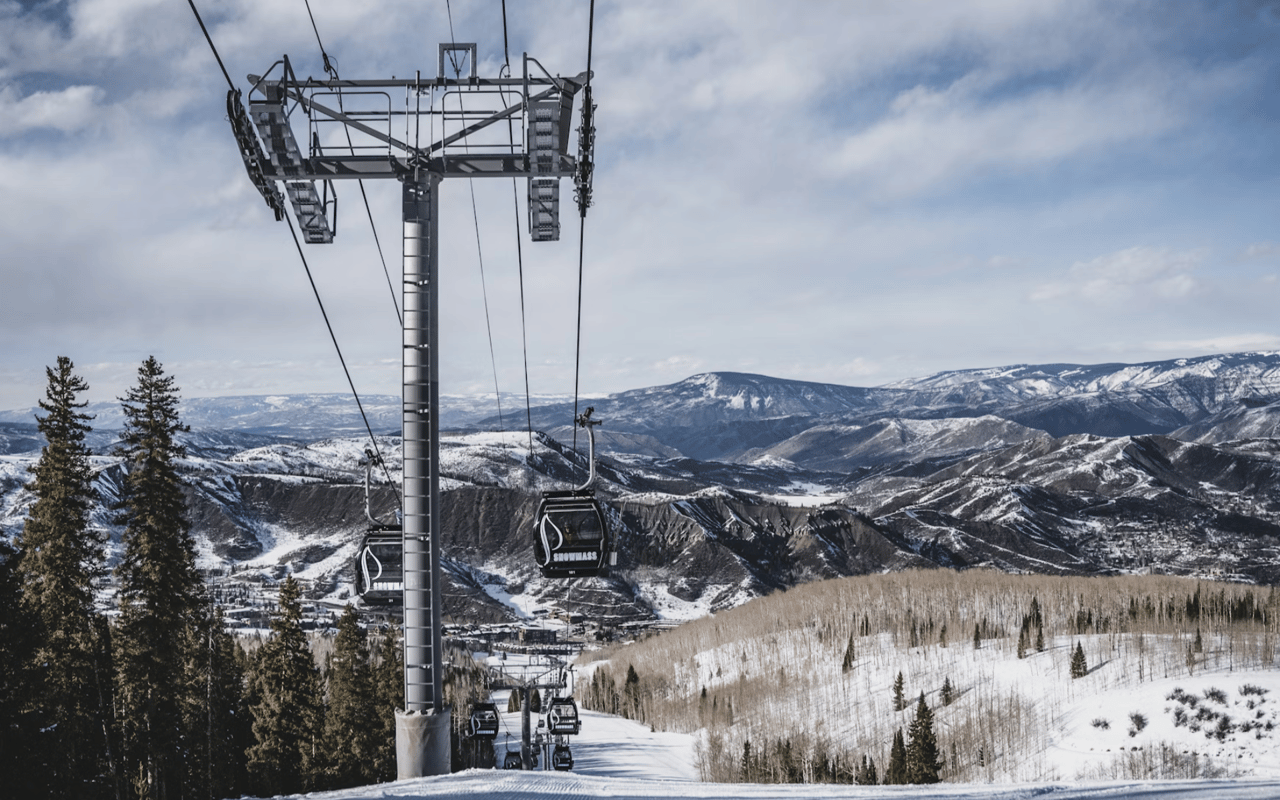
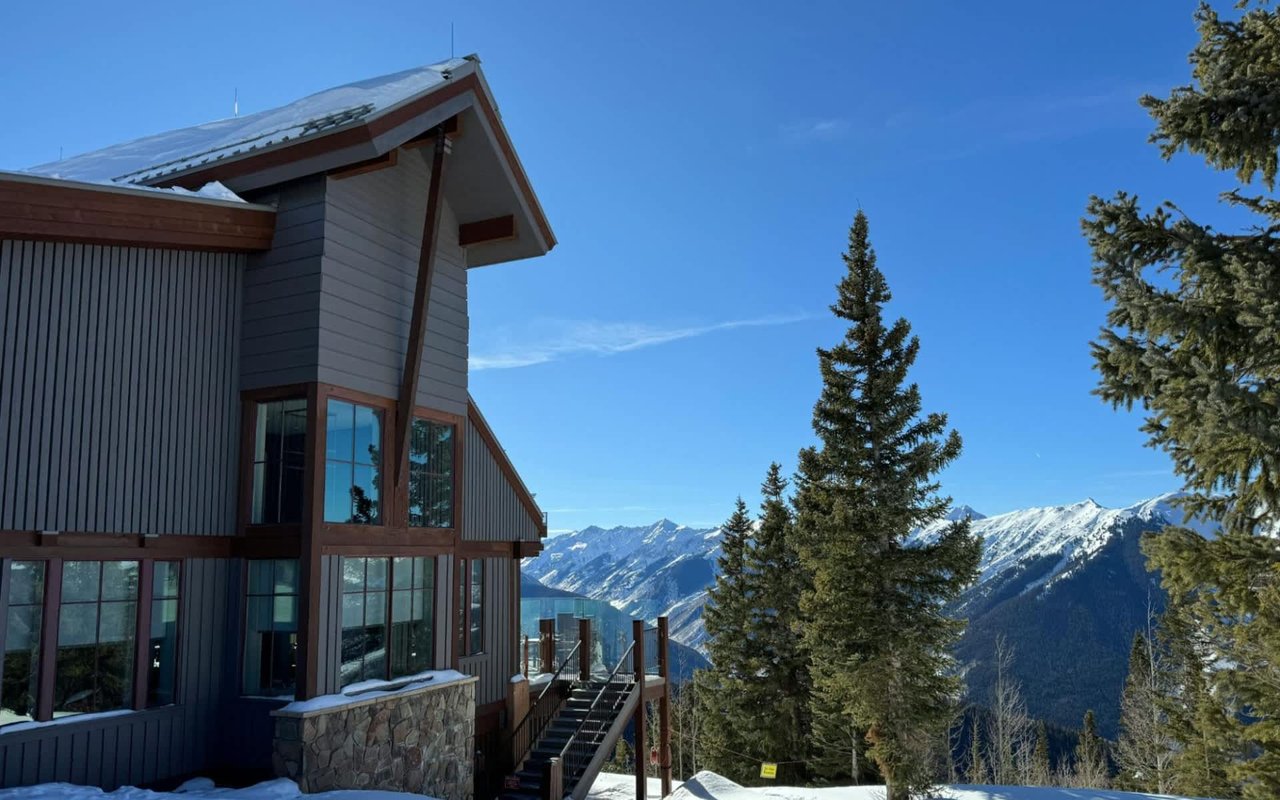
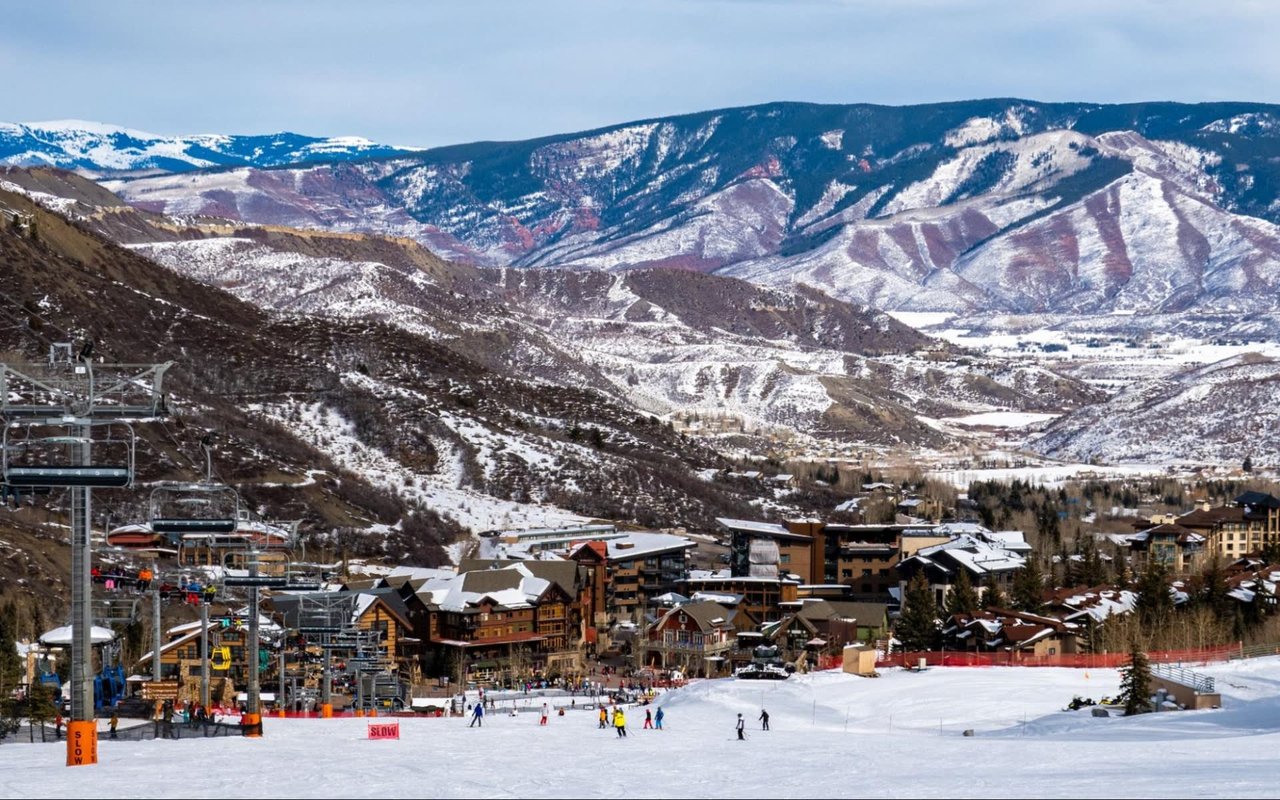
Ski access also plays into the lifestyle. Aspen Mountain is known as the town mountain, and the Silver Queen Gondola connects downtown to the summit in about 14 minutes. For many buyers, that proximity is a major reason to choose the core over more private settings farther out.
Culture is part of the neighborhood
Downtown Aspen offers more than convenience. It gives you immediate access to a strong arts and events scene that helps define the town’s identity.
Within the core, you can walk to the Aspen Art Museum at 637 East Hyman Avenue, where admission is free and galleries are open Tuesday through Sunday. You are also close to the Wheeler Opera House at 320 E. Hyman, which hosts concerts, lectures, theatre, dance, films, and community events throughout the year.
Live music is part of the downtown experience too. Belly Up Aspen at 450 S. Galena has been a premier music venue since 2005. If you value being able to decide on a show, dinner, or gallery stop without getting in the car, downtown living supports that kind of spontaneous routine.
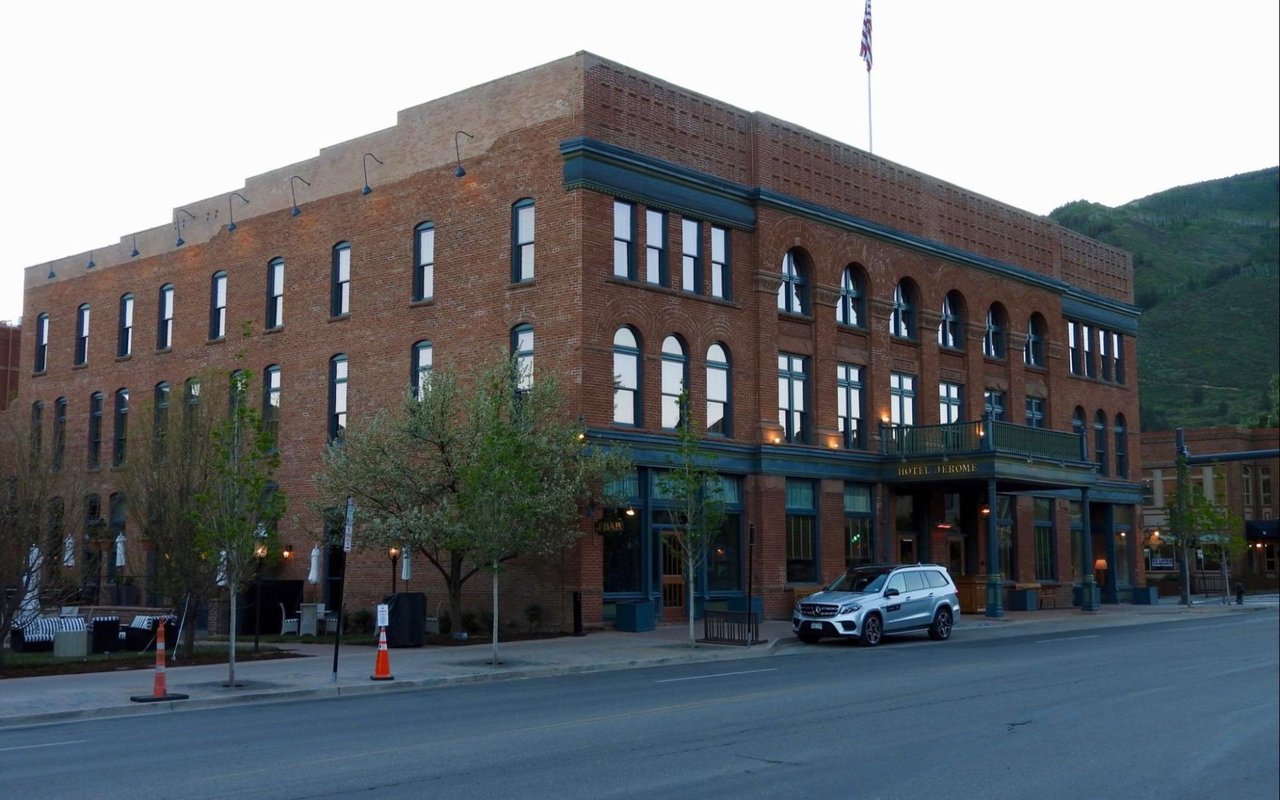
Even Aspen’s history is easy to engage with on foot. The Aspen Historical Society’s downtown walking tour moves through the pedestrian malls and sidewalks before ending at Hotel Jerome, reinforcing how much of the town’s story is concentrated in this compact area.
Dining and events stay close
For many downtown owners, the lifestyle value comes from having good options nearby at almost every hour of the day. Aspen Chamber describes downtown as Victorian-style, with cool shops, art spots, and good eats, and notes that the restaurant scene rivals larger metro areas. That is a meaningful draw if you plan to entertain, spend weekends in town, or make Aspen a regular seasonal base.
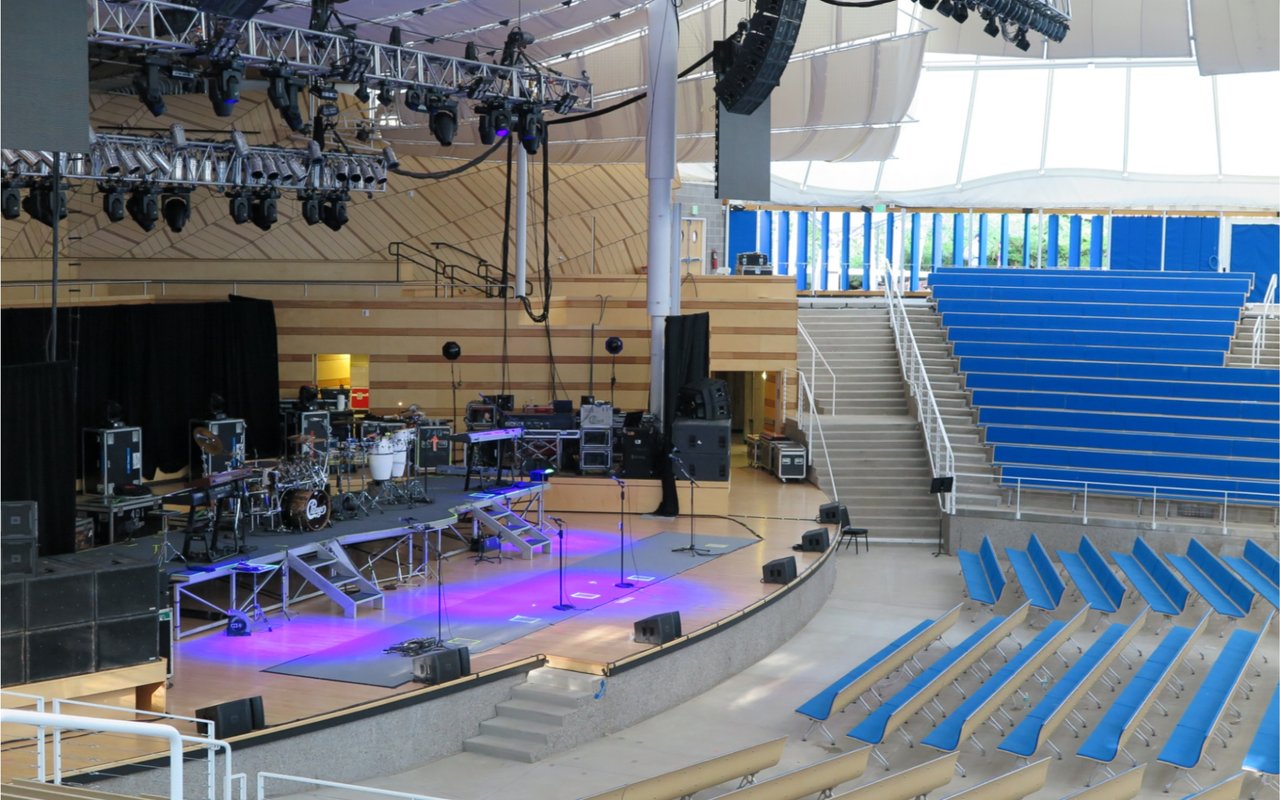
The event calendar adds another layer. The Wheeler Opera House and Belly Up bring performances into the center of town, while the Aspen Music Festival and School is about two miles away, with the Music Tent roughly a 15 to 20 minute walk from downtown. That makes it realistic to enjoy cultural events without turning the evening into a logistics project.
Downtown condo living is not one thing
A common mistake is to think of downtown Aspen as one uniform neighborhood. In practice, condo and townhome living can feel very different depending on the block. The best way to evaluate the core is to think in pockets rather than one broad label.
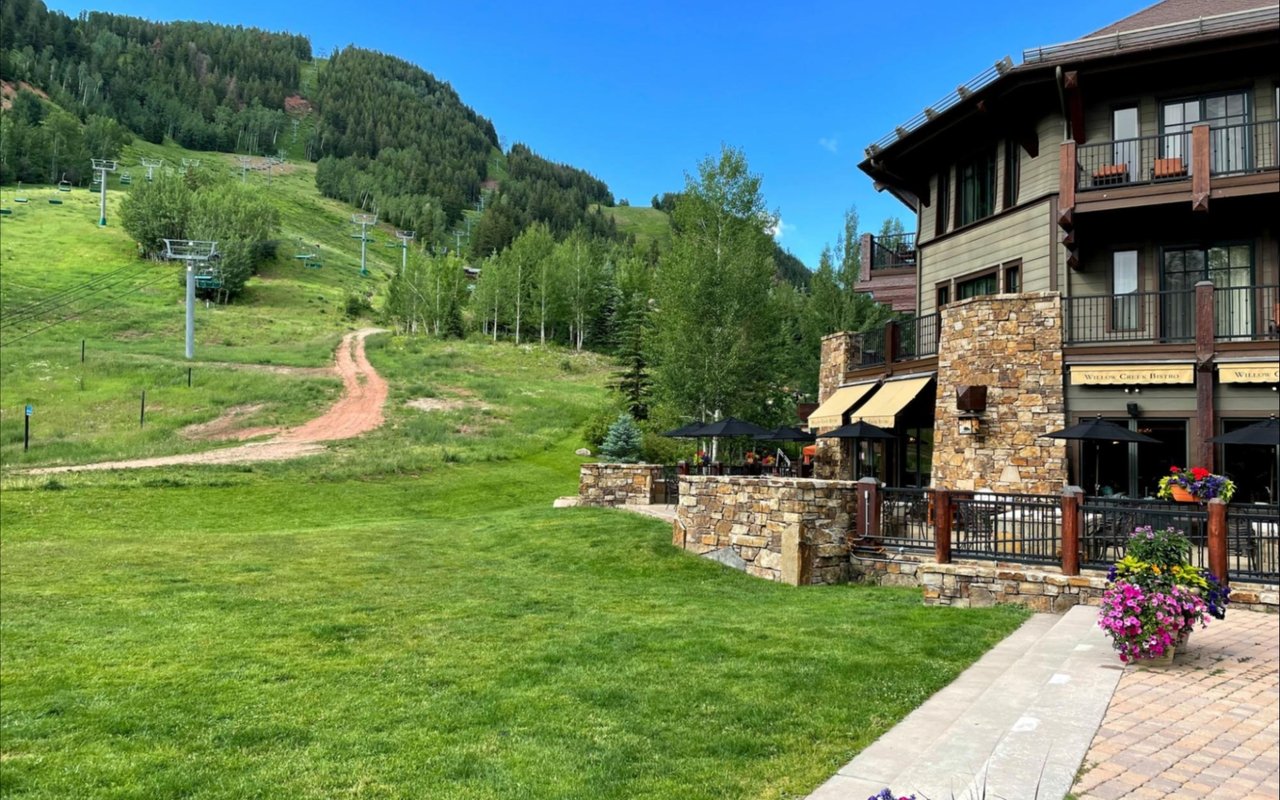
Some buyers want to be right near the pedestrian mall, in the center of the action. Others prefer to stay near the gondola or closer to the Lift 1A corridor, where ski access becomes a stronger part of the daily routine. Those distinctions can shape how your property feels during both busy seasons and quieter stretches of the year.
Here is a simple way to think about it:
Downtown pocket | General feel | What may appeal to buyers |
|---|---|---|
Central Core | Closest to the mall and restaurant scene | Maximum walkability and in-town energy |
Galena area | Condo and townhome concentration near core amenities | Strong mix of convenience and residential feel |
Lift 1A area | Closer to lift-oriented living | Easier ski access and resort-style convenience |
This is neighborhood shorthand rather than official city taxonomy, but it is useful when you compare options. A condo a few blocks apart can offer a noticeably different ownership experience.
What daily ownership may feel like
Downtown Aspen often works best for buyers who prioritize proximity and simplicity. If you use Aspen often, enjoy walking to meals and events, and prefer a lock-and-leave property, a condo or townhome in the core can be a natural fit. It can also appeal to second-home owners who want a lower-maintenance base close to skiing and culture.
For some buyers, the appeal is not just ease. It is efficiency. You can arrive, settle in quickly, and spend more of your time enjoying Aspen instead of managing a larger property.
That same logic can matter for owners who think about seasonal use patterns. A centrally located condo can support a flexible Aspen lifestyle with fewer moving parts than a larger home that requires more upkeep, more parking, and more operational coordination.
Trade-offs to think through
Downtown living comes with real advantages, but it also asks for compromise. The biggest trade-offs are parking, congestion, and seasonal intensity.
Parking is one of the most important practical considerations. In the downtown core, parking is enforced from 10 a.m. to 6 p.m. with a four-hour limit, and there is no parking in the core from 3 a.m. to 7 a.m. because of street cleaning and snow plowing. If you plan to keep a car, those rules should be part of your decision process.
The city also notes that residential zones just outside the downtown core can offer a parking-value alternative. For some buyers, that makes the edge of downtown more appealing than the center itself. You still stay close to walkable amenities while easing one of the core’s main constraints.
Winter adds another operational layer. The city says plowing occurs in downtown Aspen when there are three inches or more of snow, and it handles snow removal on the pedestrian mall and select core areas. During snow season and special events, vehicles left in the core may be subject to tow, so it helps to understand those logistics before you buy.
Who downtown Aspen suits best
Downtown Aspen tends to suit buyers who want to be in the middle of the Aspen experience. If your ideal routine includes walking to dinner, catching a show, getting on the mountain quickly, and relying less on a car, the core checks many boxes. It is especially compelling for frequent users and second-home owners who value access over acreage.
It may be less ideal if you want privacy, a quieter setting, or abundant private parking. Those buyers often prefer homes outside the center. The right choice comes down to how you actually want to live when you are in Aspen.
That is where local guidance matters. Downtown inventory can look similar on paper, but block-by-block differences in access, noise, parking, and building style can significantly shape your experience. Knowing which pocket aligns with your priorities can save time and help you buy with more confidence.
If you are considering downtown Aspen, the best next step is to match your lifestyle to the right micro-location, building type, and ownership setup. Brittanie Rockhill brings deep local perspective, concierge-level guidance, and a polished understanding of Aspen’s condo market to help you make that decision with clarity.
FAQs
What is the Downtown Core in Aspen?
- The City of Aspen defines the Downtown Core as the area bordered by East Main Street, South Original Street, East Durant Avenue, and South Aspen Street.
How walkable is downtown Aspen for full-time or second-home living?
- Downtown Aspen is highly walkable, with shops, restaurants, cultural venues, transit services, and the pedestrian mall concentrated in a compact area.
What transportation options support downtown Aspen living?
- Aspen offers free airport buses, fare-free Aspen-Snowmass service, the Downtowner door-to-door service, bike share, and carshare options, which support a car-light lifestyle.
What are the main parking rules in downtown Aspen?
- Downtown core parking is enforced from 10 a.m. to 6 p.m. with a four-hour limit, and there is no parking in the core from 3 a.m. to 7 a.m. due to street cleaning and snow plowing.
What cultural attractions are within walking distance in downtown Aspen?
- Walkable downtown attractions include the Aspen Art Museum, the Wheeler Opera House, Belly Up Aspen, galleries, shops, restaurants, and historic walking routes.
How close is skiing to downtown Aspen condos?
- Downtown Aspen offers quick access to Aspen Mountain, and the Silver Queen Gondola connects downtown to the summit in about 14 minutes.
Does every downtown Aspen condo location feel the same?
- No, downtown condo living can vary by block, with some areas feeling more mall-adjacent, some more gondola-oriented, and others more connected to the Lift 1A corridor.