By Brittanie Rockhill
The West End’s appeal is rooted in intact Victorian streetscapes, mature trees, and a concentration of historic residences within easy reach of downtown Aspen and the Aspen Institute campus. Renovations here tend to be high-stakes in a good way, because the right choices preserve the original proportions and materials while making the home live like a modern luxury property.
This guide explains how you might approach renovating West End Aspen historic homes using the specific renovation and development cues that keep showing up in real West End offerings.
Key Takeaways
- Three-level functionality: Flexible rooms and vertical separation for hosting
- Outdoor amenity upgrades: Decks, porches, and private spa-style hot tubs
- Secondary dwelling value: Guest houses, carriage houses, and conforming ADUs
- Development potential: Remaining buildable square footage, FAR, TDRs, and HPC pathways
Protect the Victorian Proportions Before You Touch Anything Else
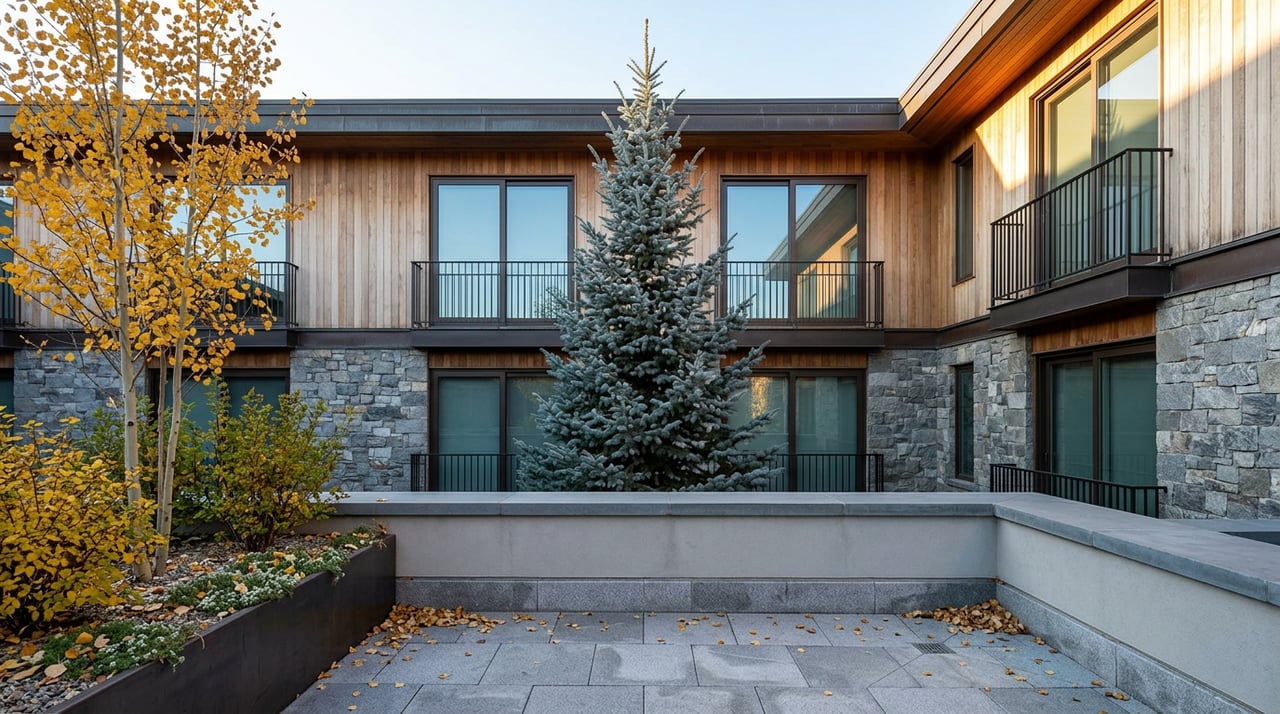
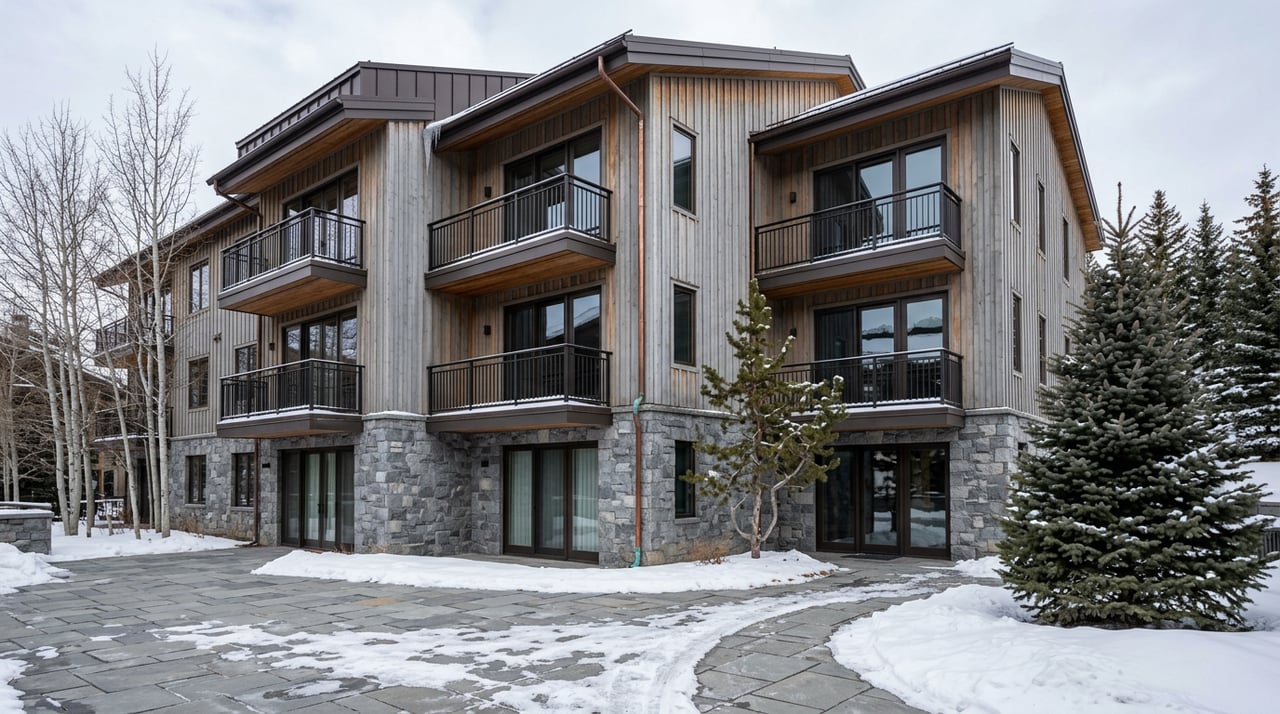
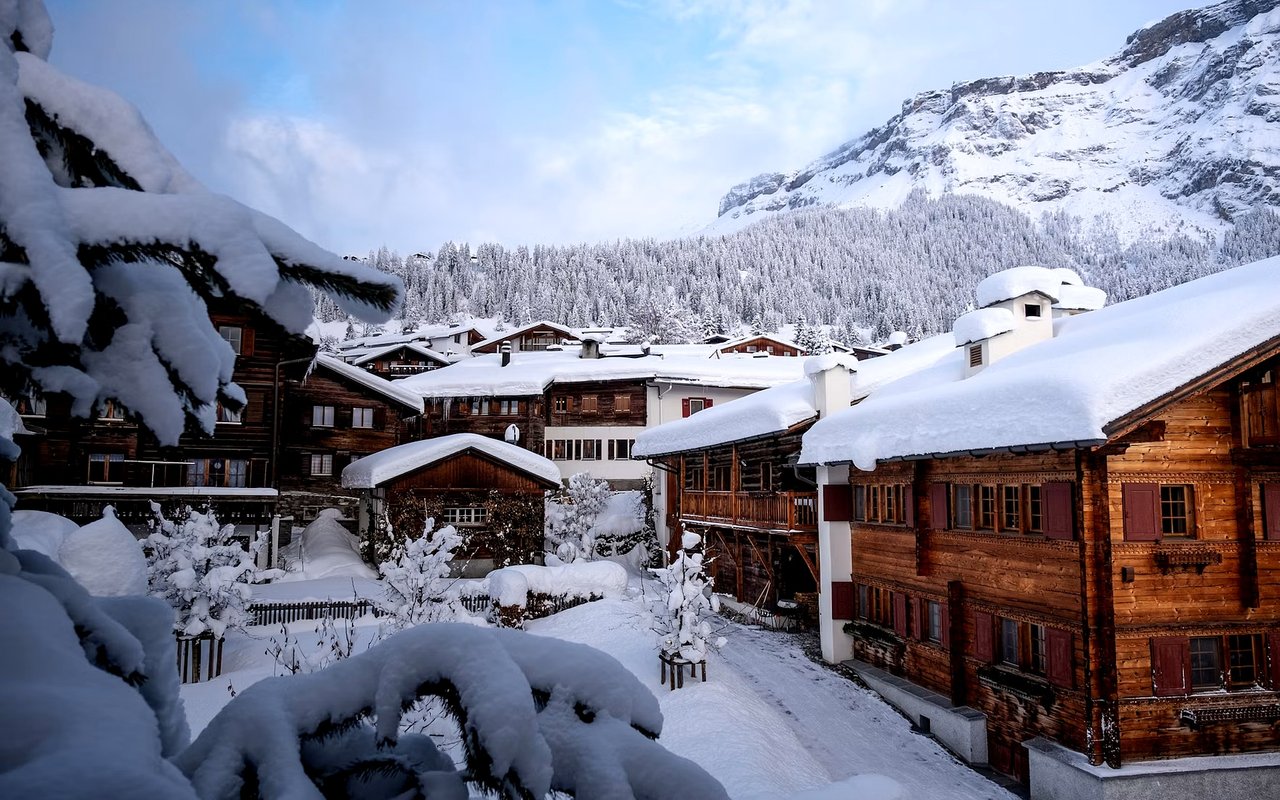
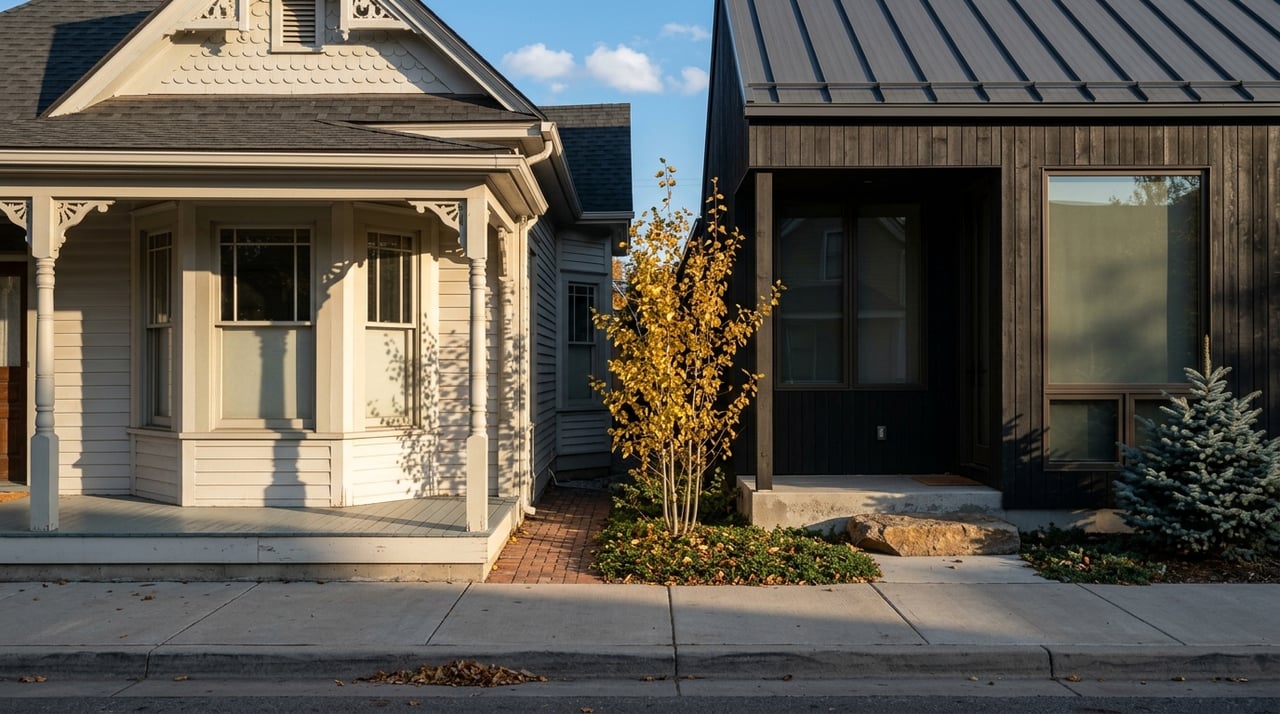
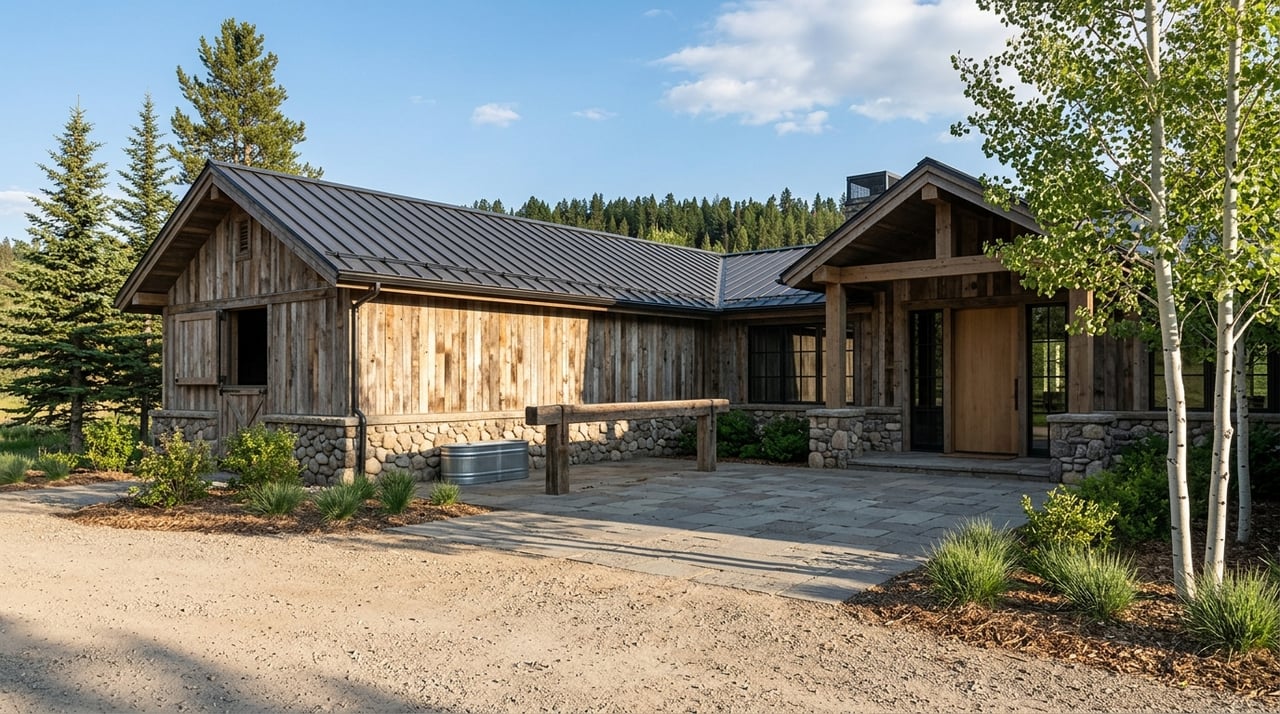
Victorian character in the West End is often defined by the exterior proportions, wood siding, and rooflines that immediately read “old Aspen.”
What I treat as the “must-keep” character set
- Exterior proportions: Classic Victorian massing that preserves how the home sits on the street
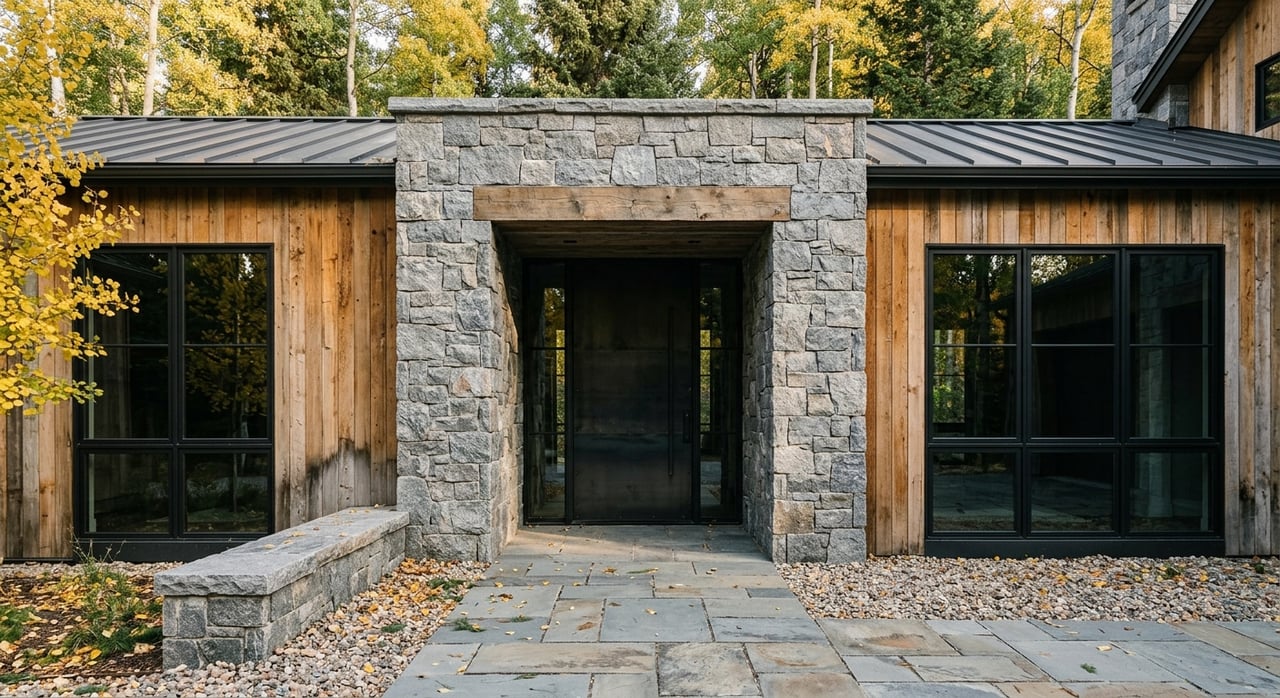
- Wood siding presence: Warm, traditional surfaces that keep the West End feel authentic
- Original detail zones: High ceilings and architectural details that create period texture indoors
This priority prevents a renovation from erasing the home’s identity when the project becomes ambitious.
Modernize the Interior Flow With Open Concepts That Still Feel Period-Correct
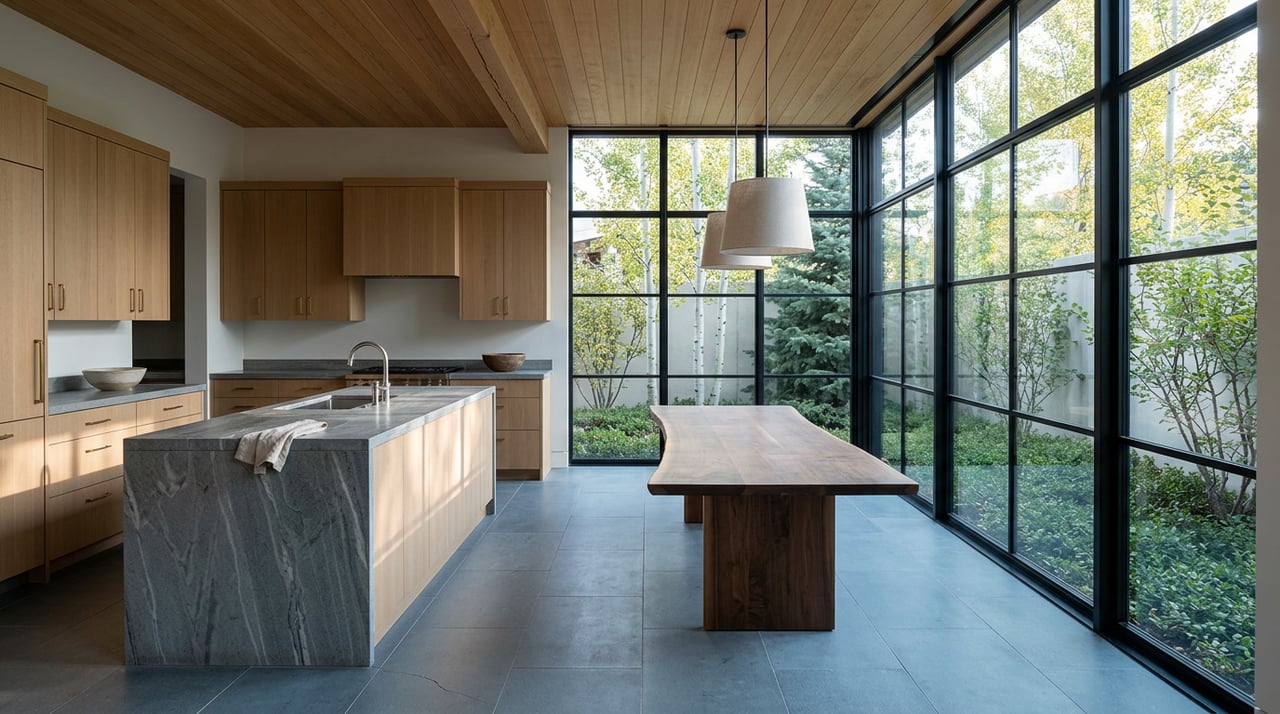
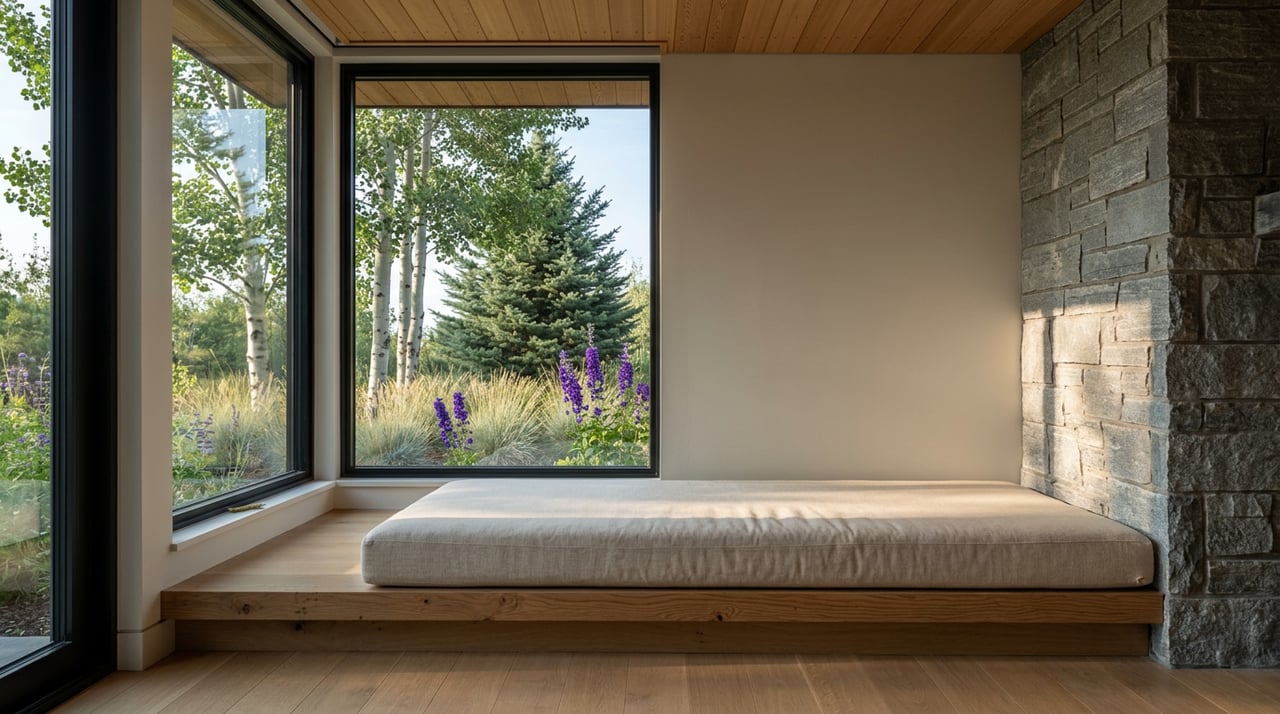
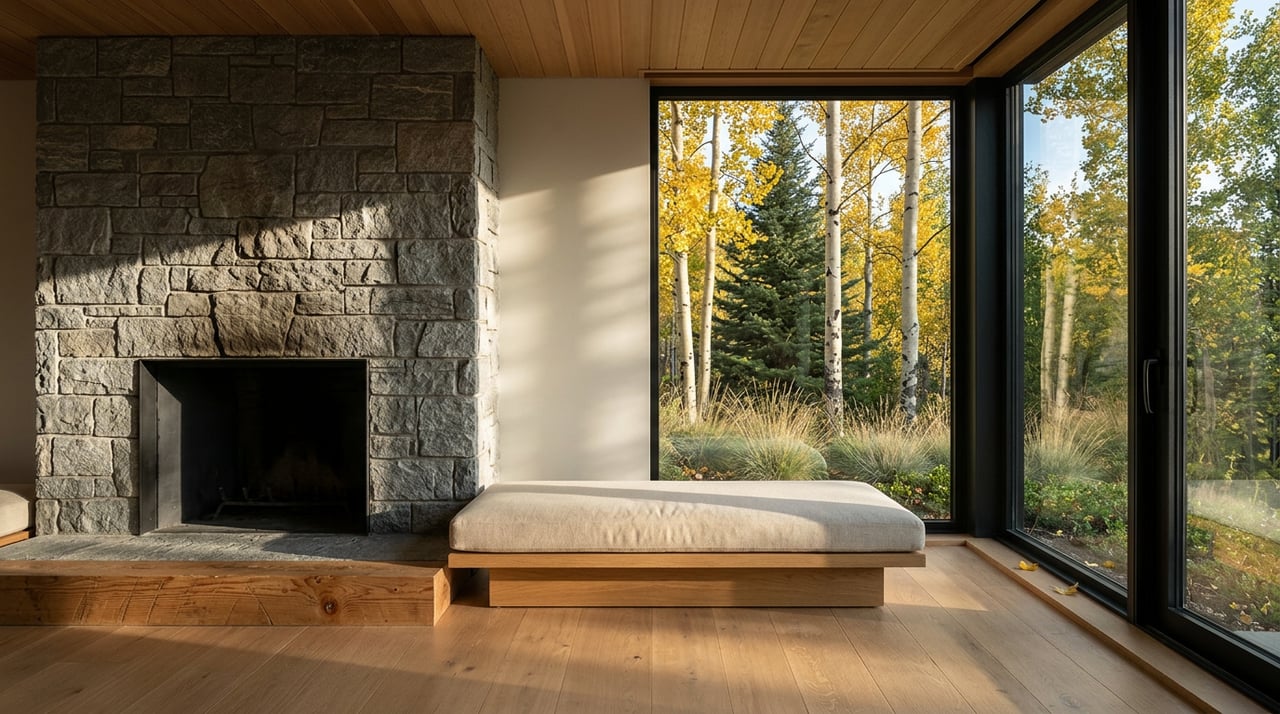
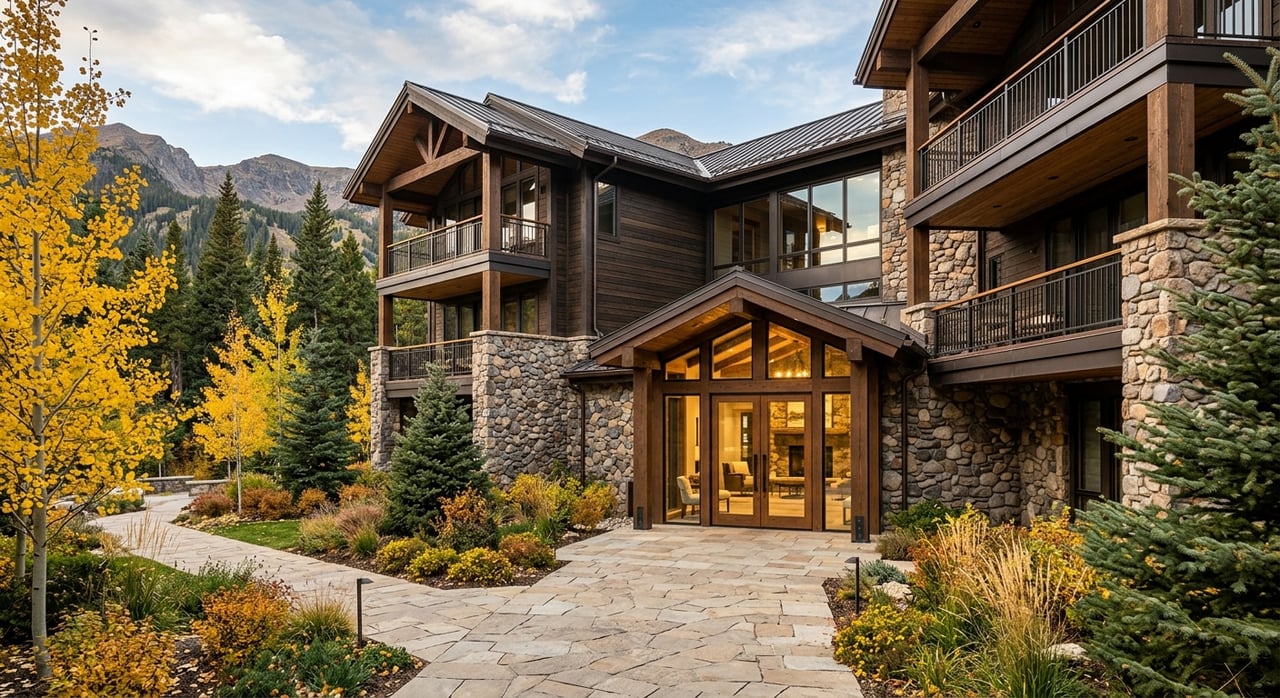
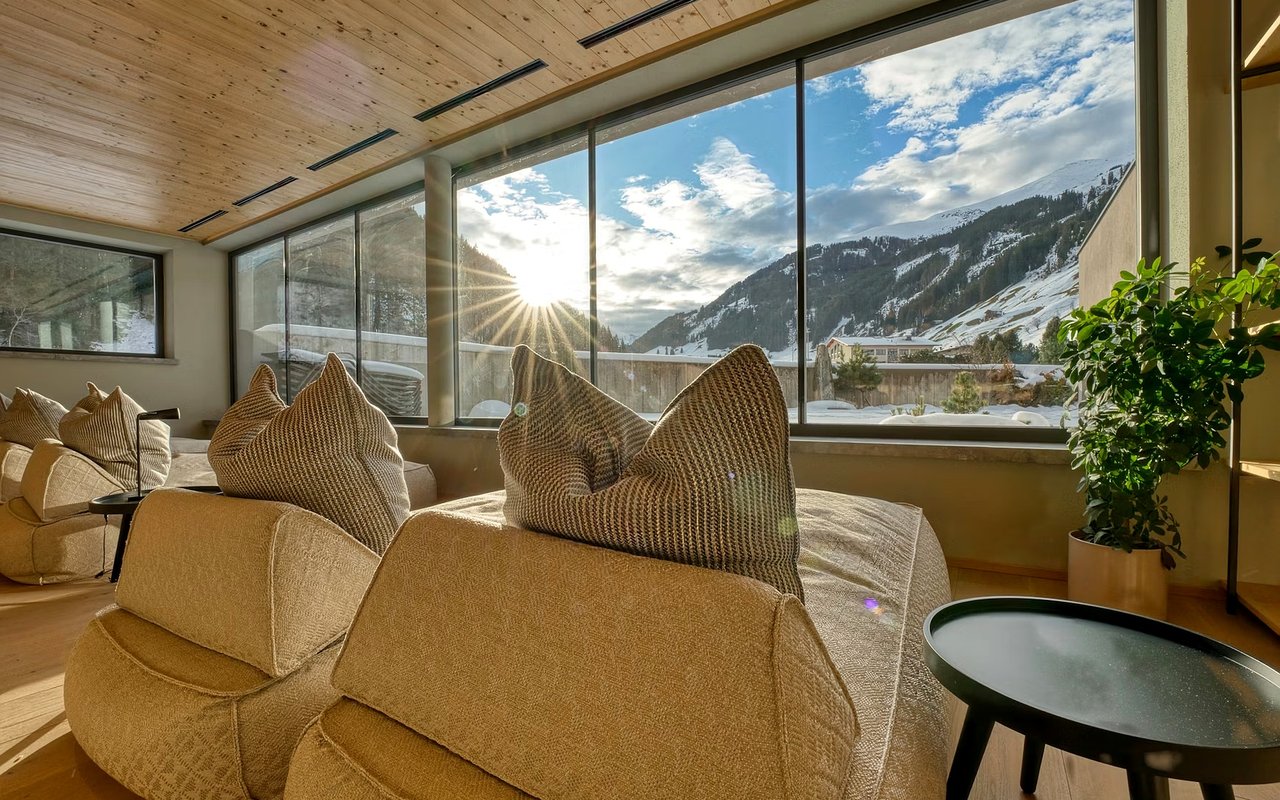
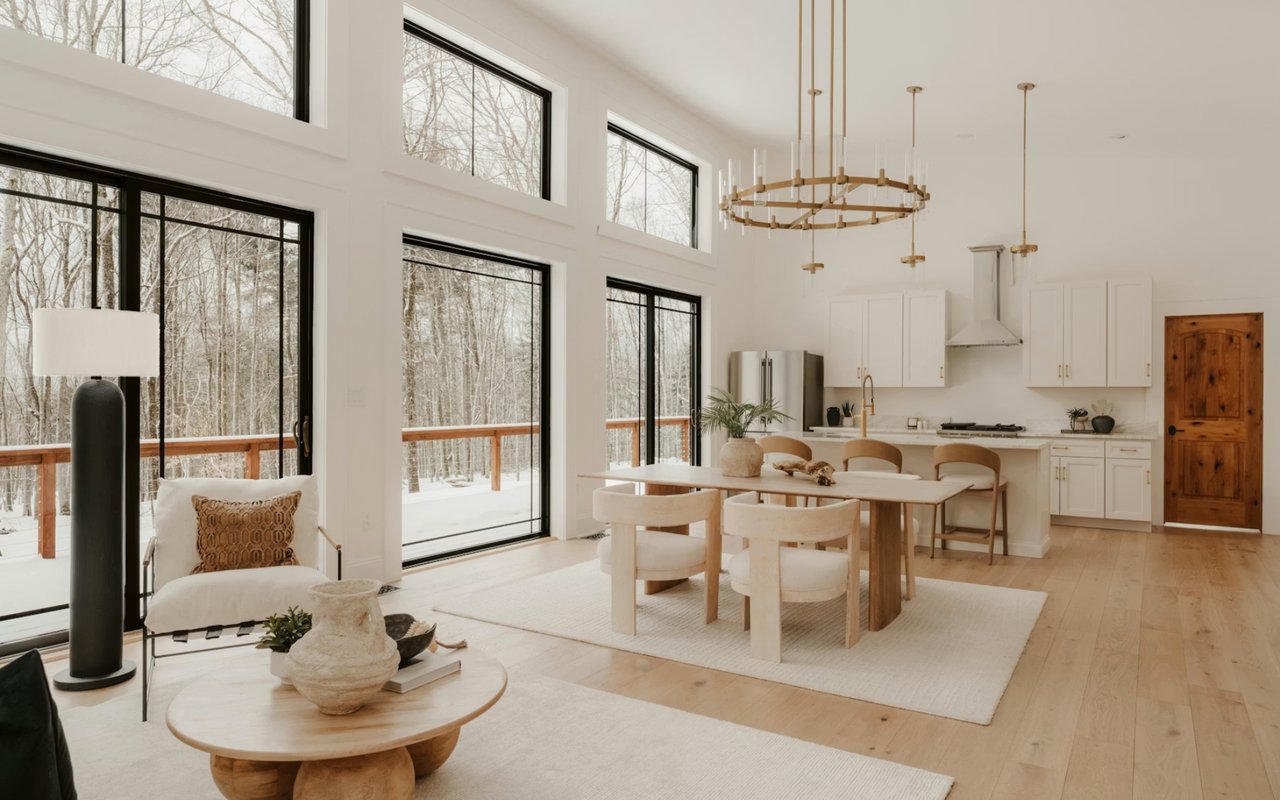
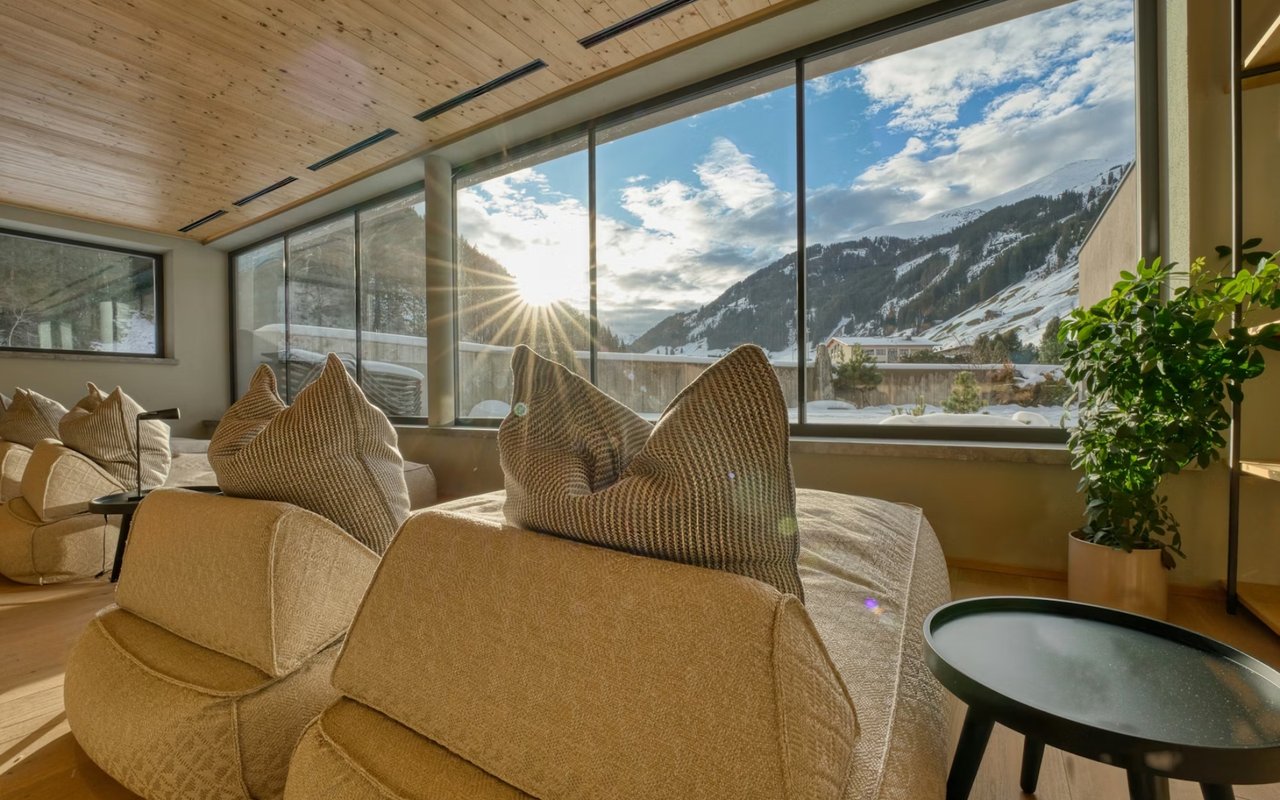
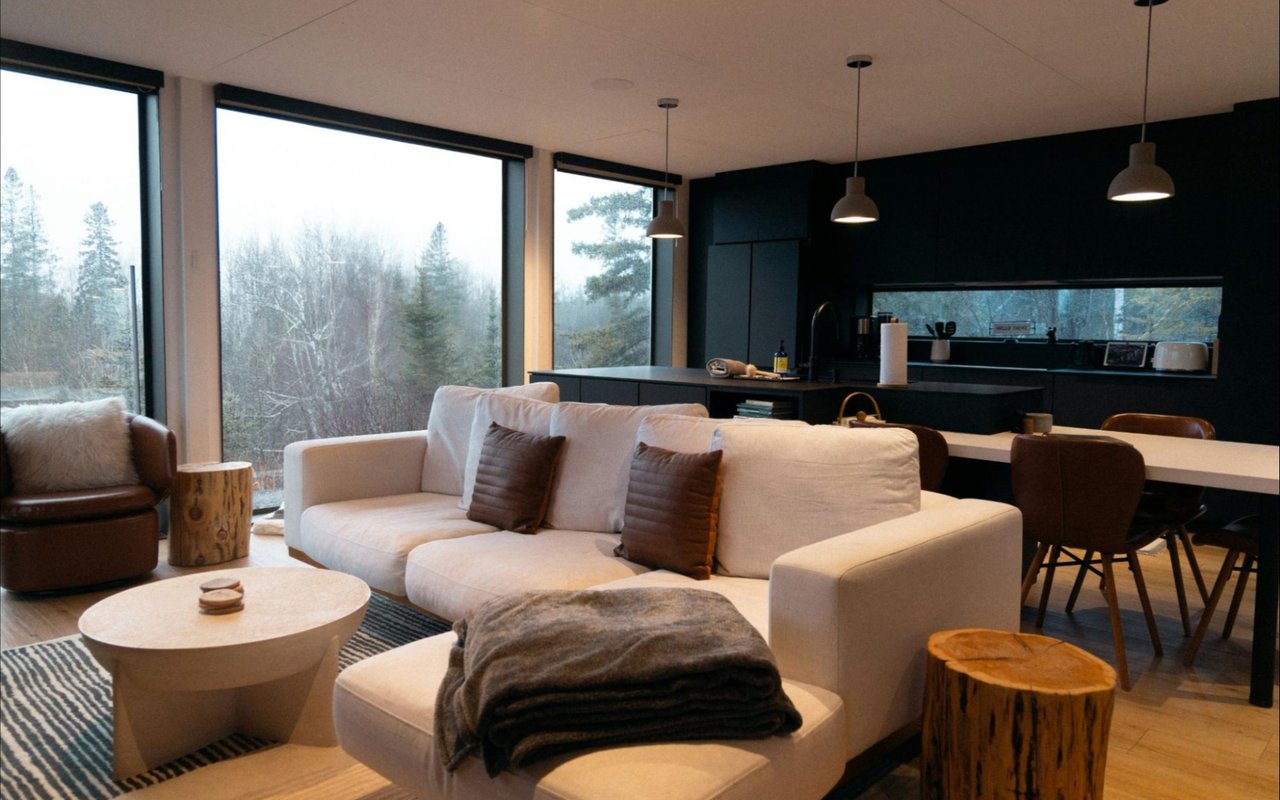
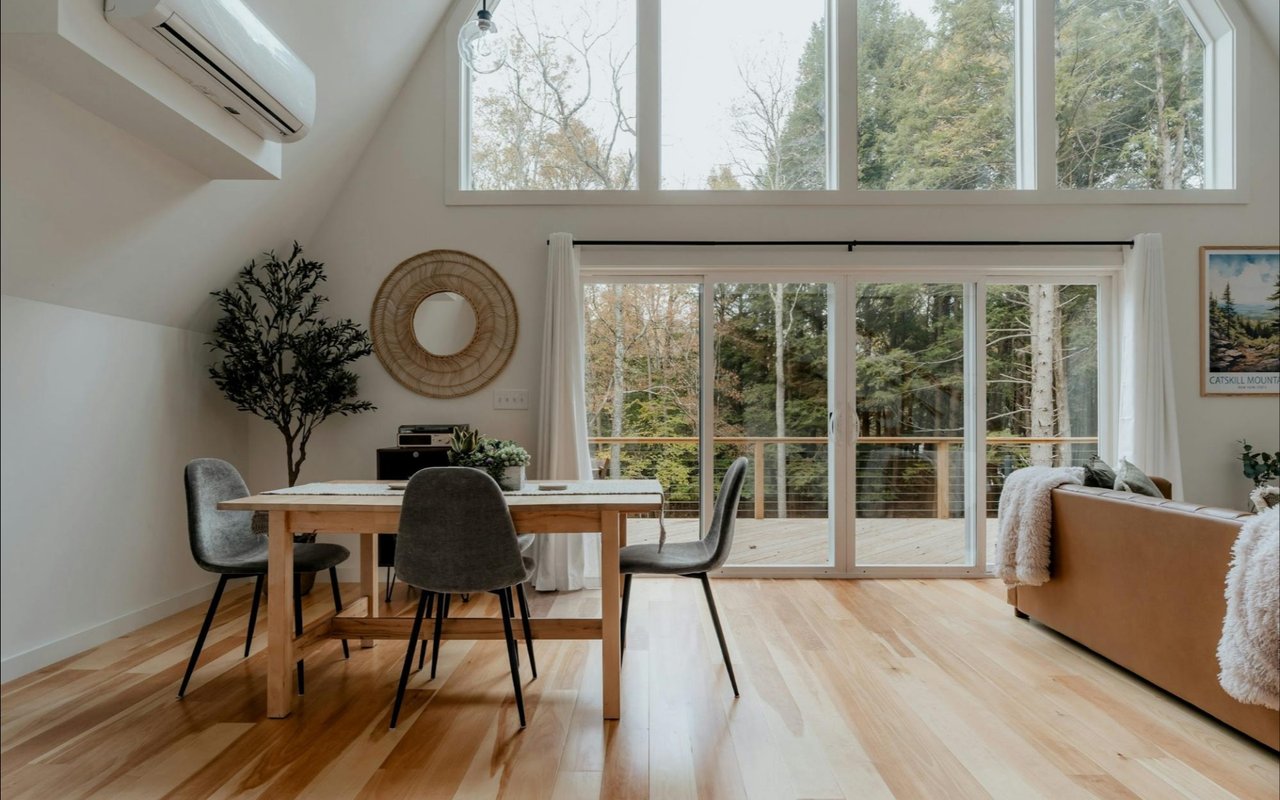
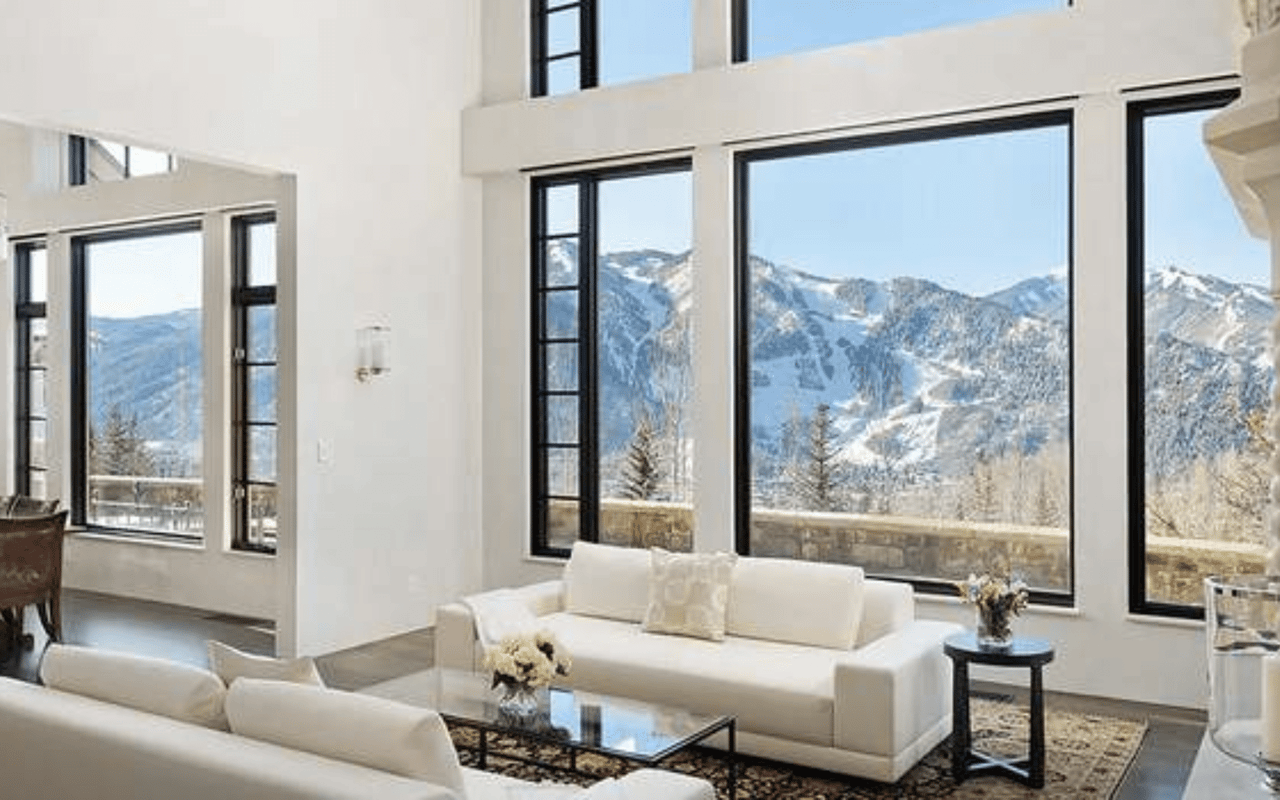
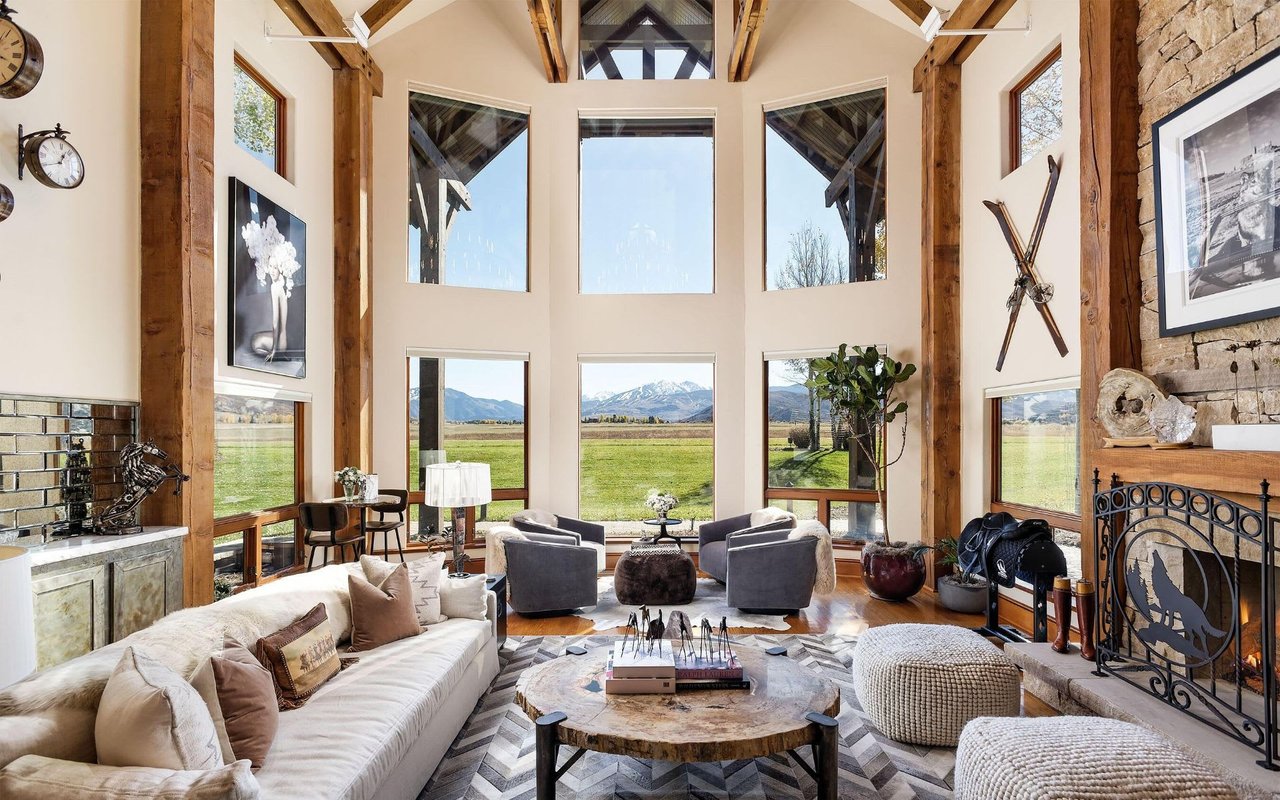
Several West End listings highlight open concept living areas paired with high ceilings and abundant natural light, which tells you what the market responds to right now.
Interior updates that deliver modern living without design whiplash
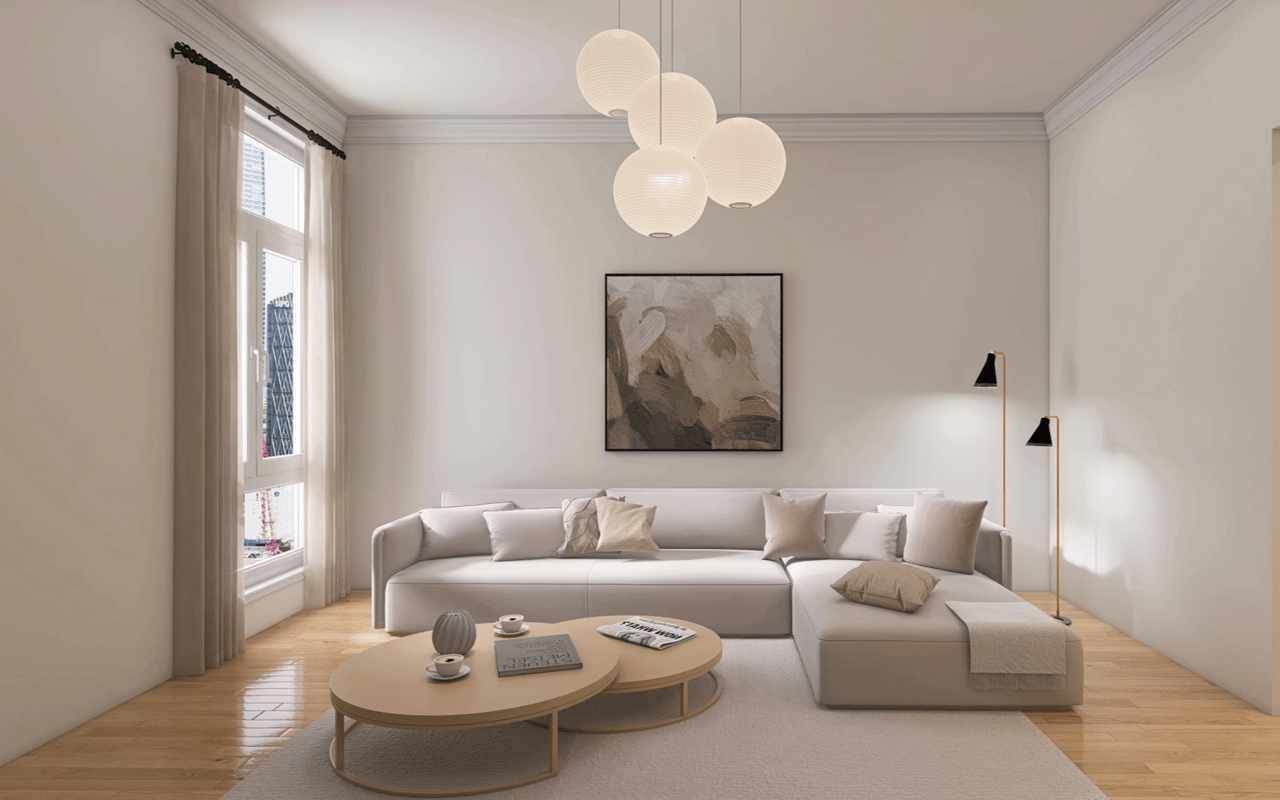
- Open living core: Expanded kitchen-to-living flow that reads bright and inviting
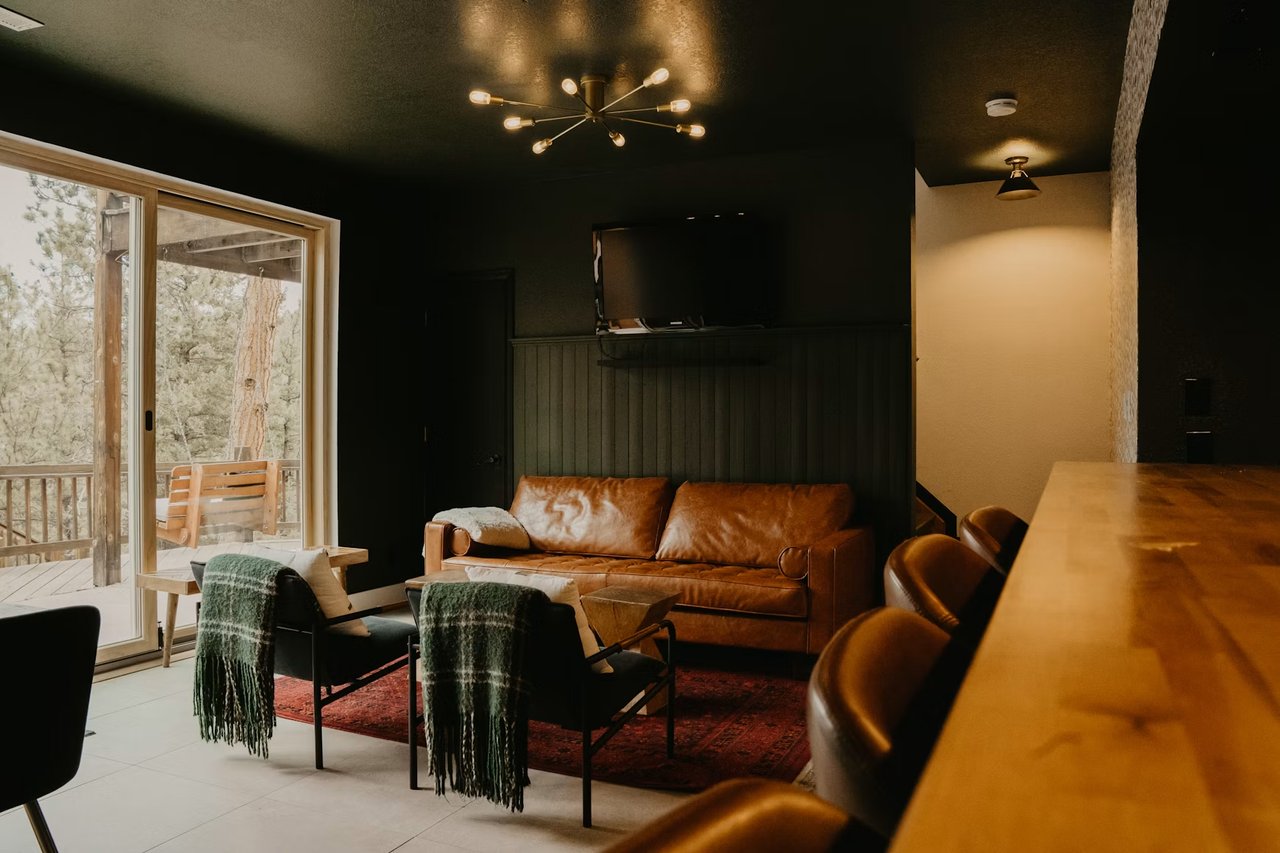
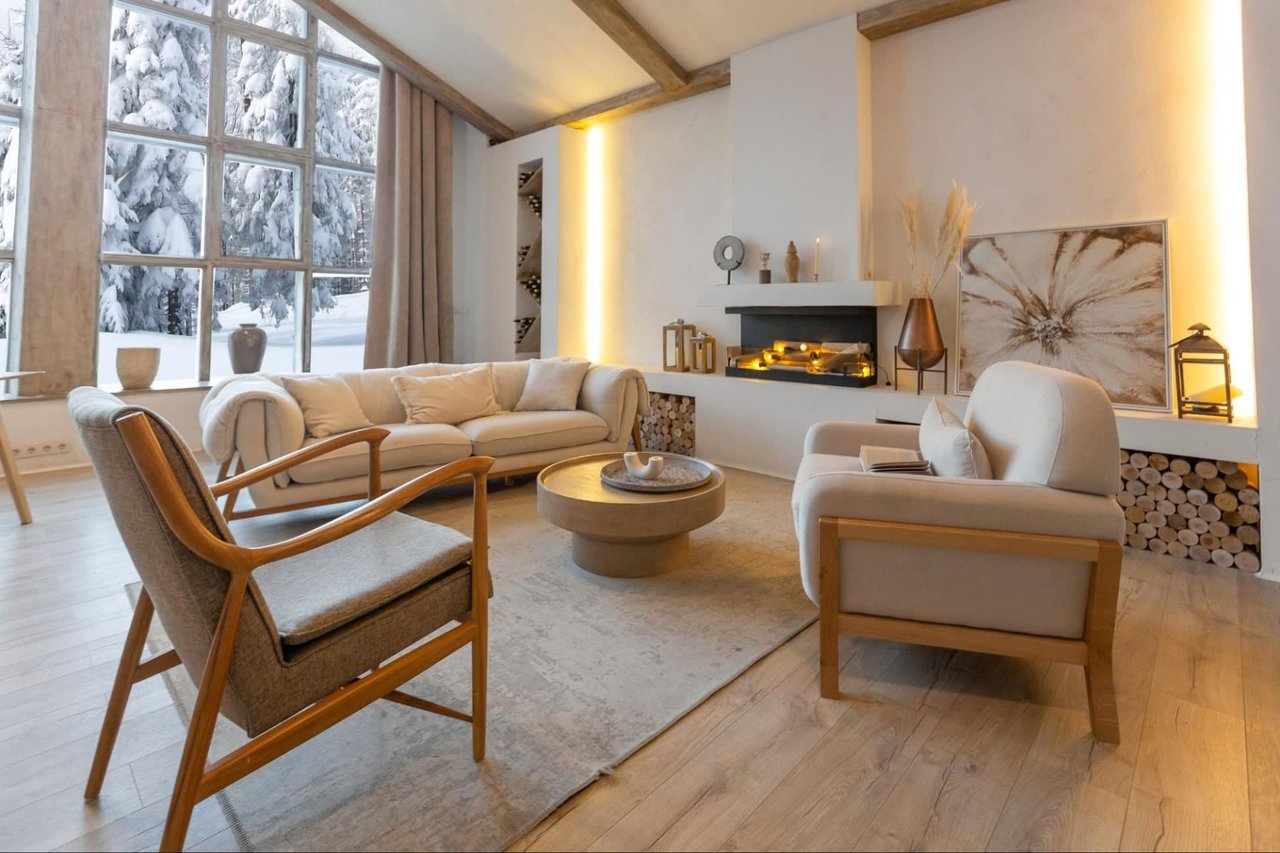
- Comfort layering: Modern finishes and systems that support year-round use without visual noise
- Period alignment: Materials and millwork that feel coherent with the home’s Victorian roots
I like using open-concept transitions in kitchen, dining, and living zones while preserving historic cues like ceiling height, trim language, and room proportions.
Make the Primary Suite Feel Like a Retreat While Keeping Roofline Charm
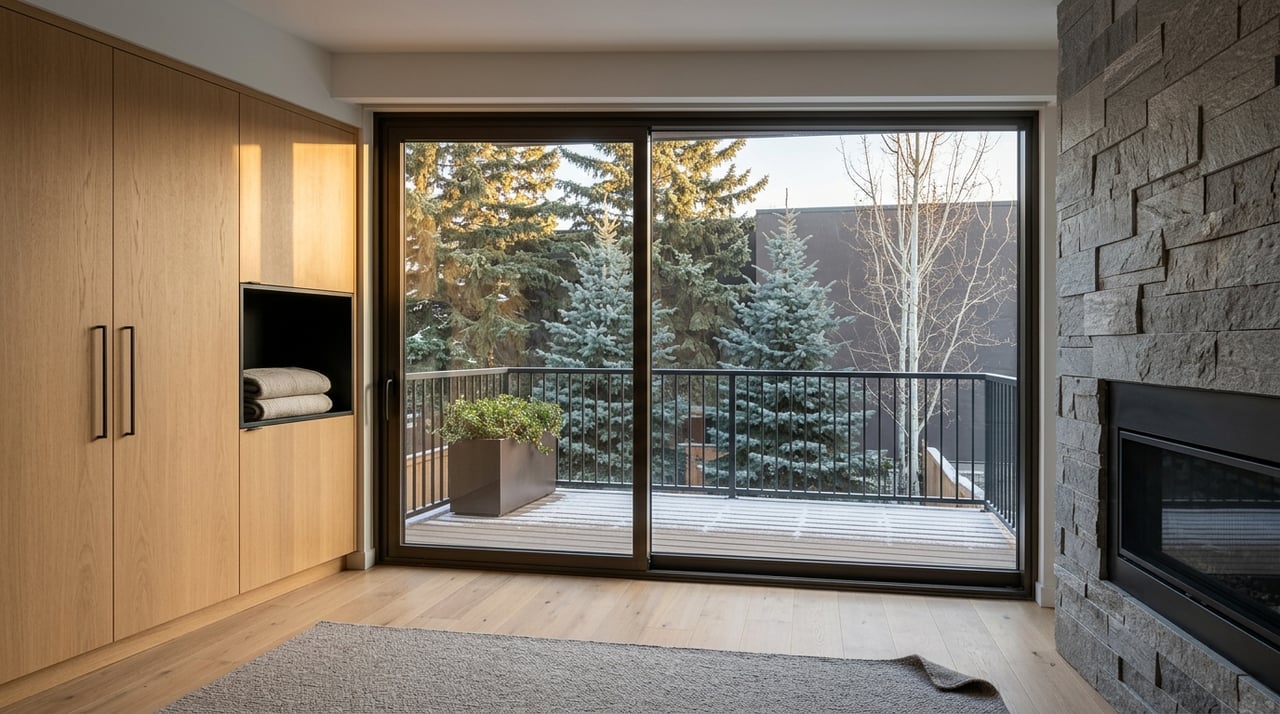
West End listings repeatedly emphasize primary suites with natural light, pitched ceilings, generous closets, and private outdoor moments like a porch or deck.
Primary-suite priorities that show up in West End renovation plans
- Top-floor suite value: Pitched ceilings and daylight that make the suite feel special rather than simply large
- Closet performance: Walk-in closet capacity that matches luxury expectations for seasonal wardrobes
- Private outdoor access: A porch, deck, or cupola moment that creates a true retreat feel
I treat the primary suite as the quiet “anchor space,” then build modern storage and bath finishes around the existing ceiling geometry.
Treat Guest Houses, Carriage Houses, and ADUs as a Core Luxury Feature
Multiple listings reference guest houses, carriage houses, and conforming accessory dwelling units, and those features change the way a West End estate functions.
Ways secondary dwellings are used in West End estates
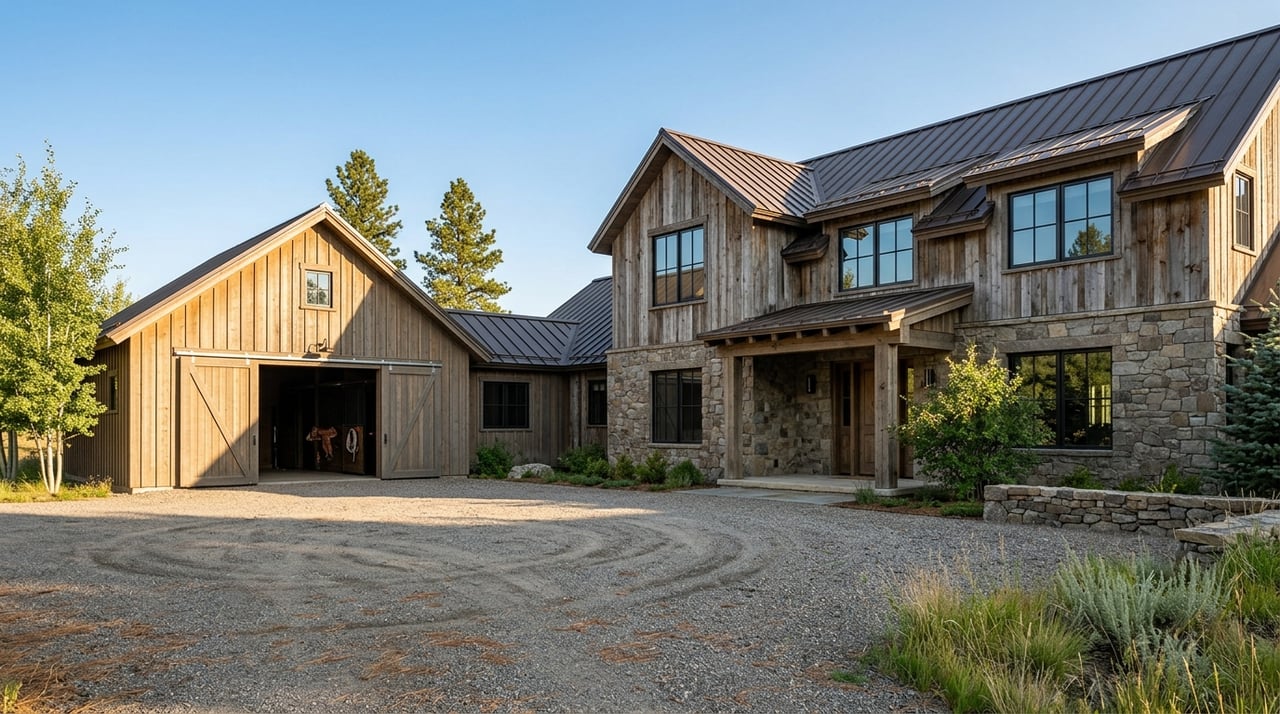
- Guest accommodations: Separate living space that supports privacy for hosting
- Rental component: A stand-alone unit that adds flexibility within the property’s footprint
- Home office studio: Use a conforming ADU for work or creative space that feels separate from the main home
This reinforces the value proposition of West End Aspen historic homes, where multiple structures can create a complete estate experience.
Add Outdoor Amenities That Feel Private and Intentionally Placed
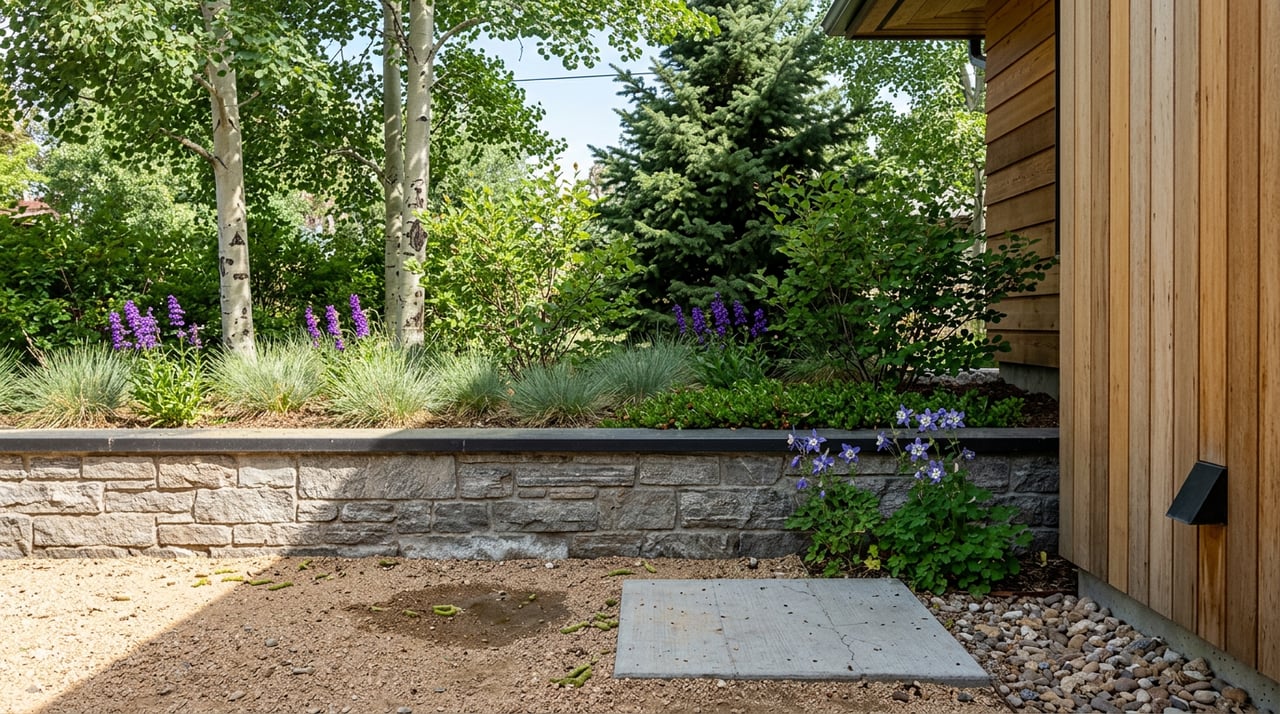
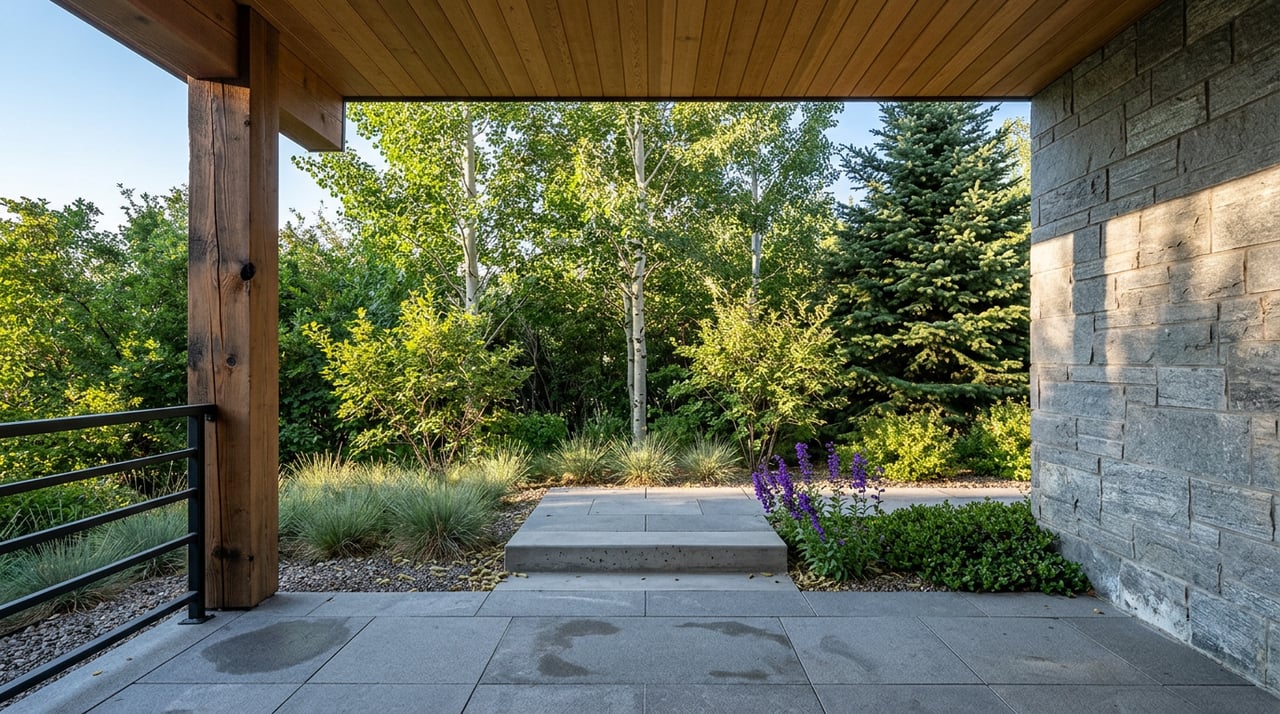
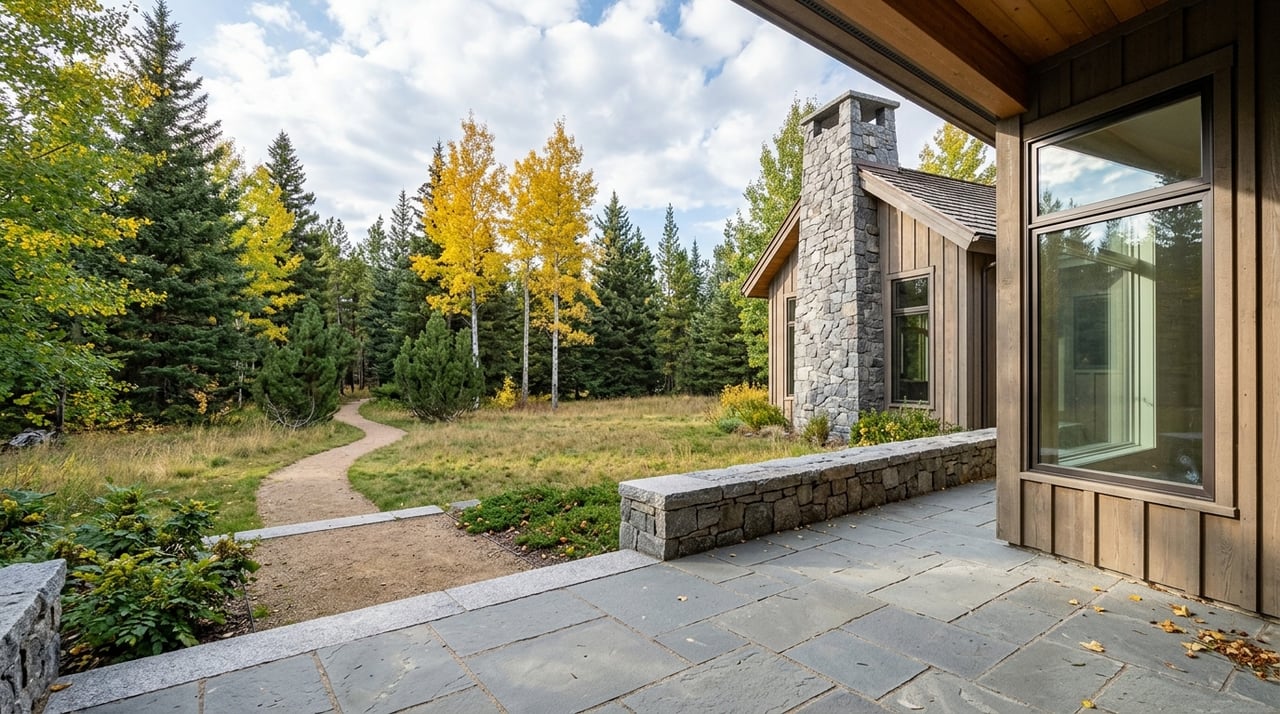
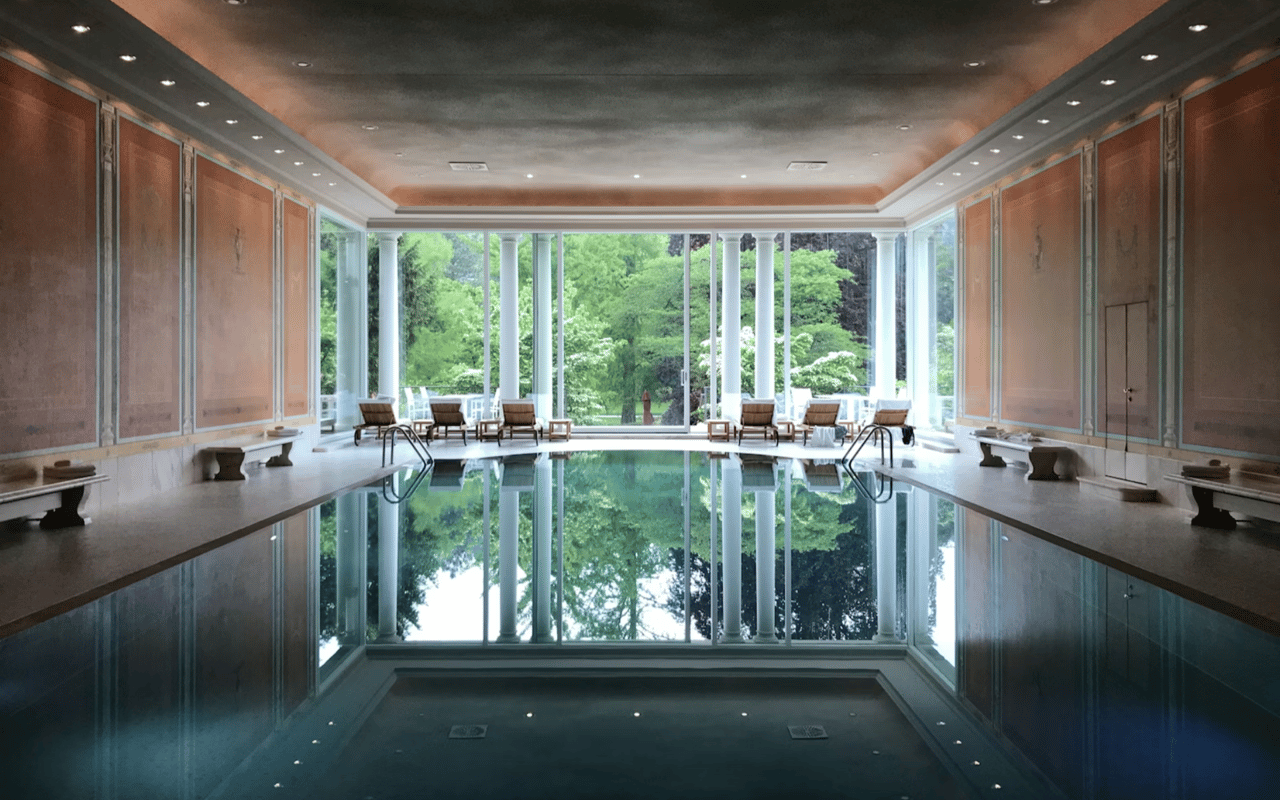
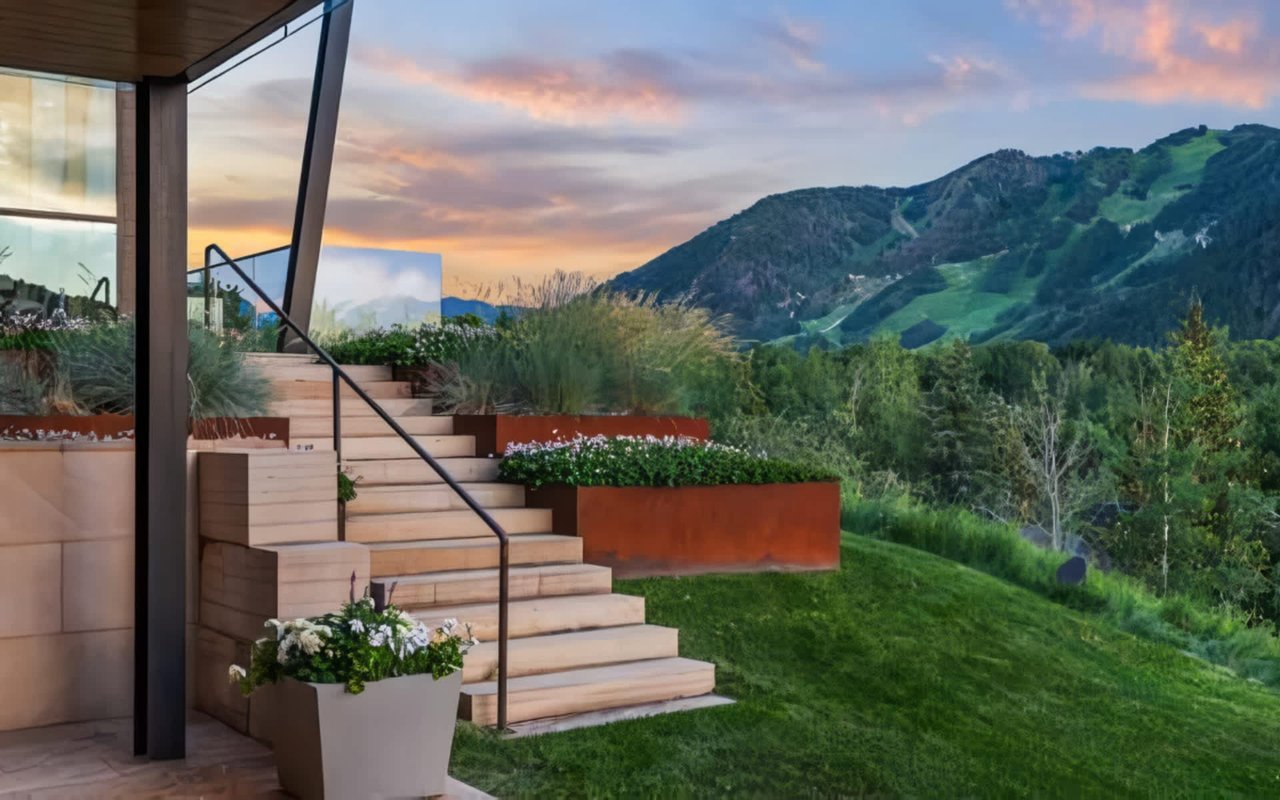
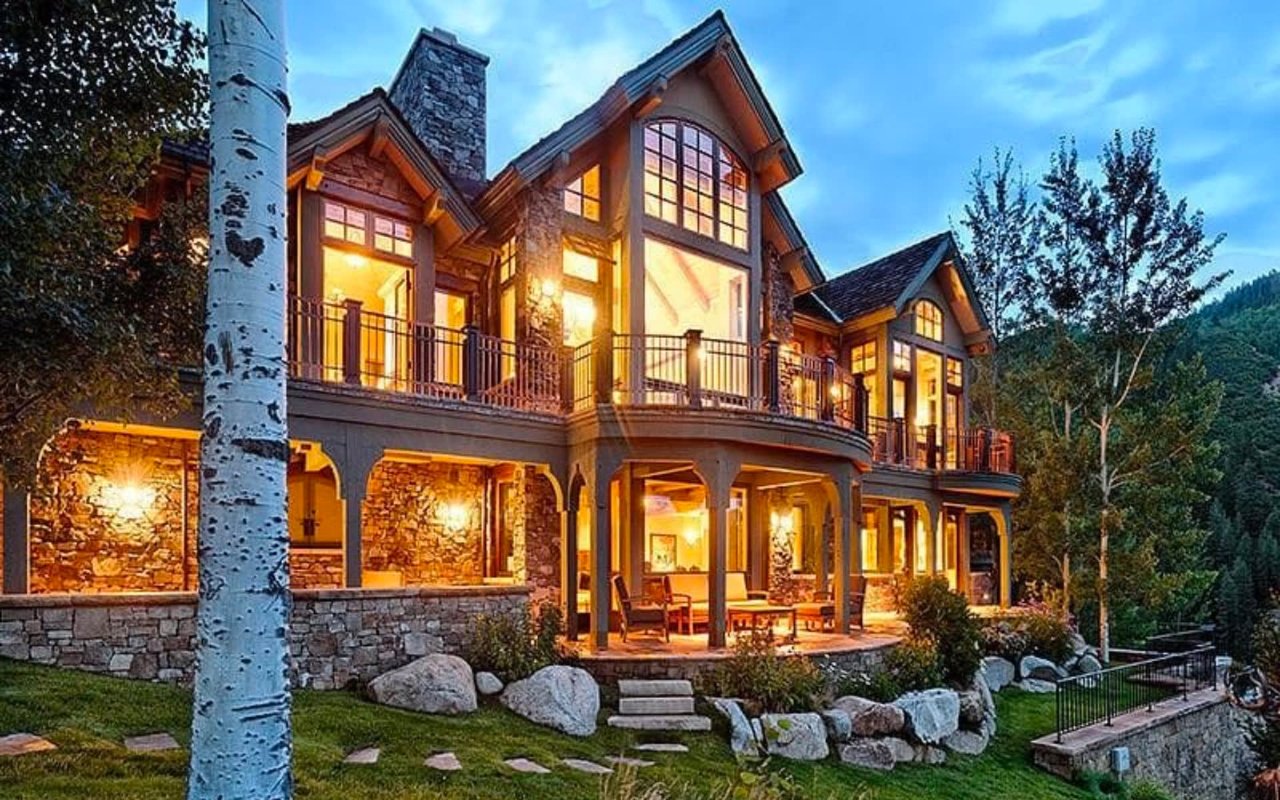
West End listings consistently call out private outdoor patios, porches, decks, and spa-style hot tubs, including a deck and cupola off a primary suite and a brand-new hot tub in a private backyard.
Outdoor upgrades that fit West End character
- Spa-style hot tub: A private placement that feels like a retreat, especially off a primary suite or within a landscaped yard
- Porch moments: Charming outdoor zones that feel period-correct and usable
- Flat, sunny lots: South-facing orientation that supports gardens, terraces, and alpine lounge zones
Many homeowners prioritize outdoor placements that protect privacy and keep the addition visually quiet from the street.
Attic Finishes and Basement Additions as “Invisible” Expansion
Listings reference the potential to finish attic space into habitable areas and to add basements to increase overall floor area, both subject to review.
Expansion approaches that protect the street-facing story
- Attic conversion: Turn underused top levels into livable rooms while respecting roofline geometry
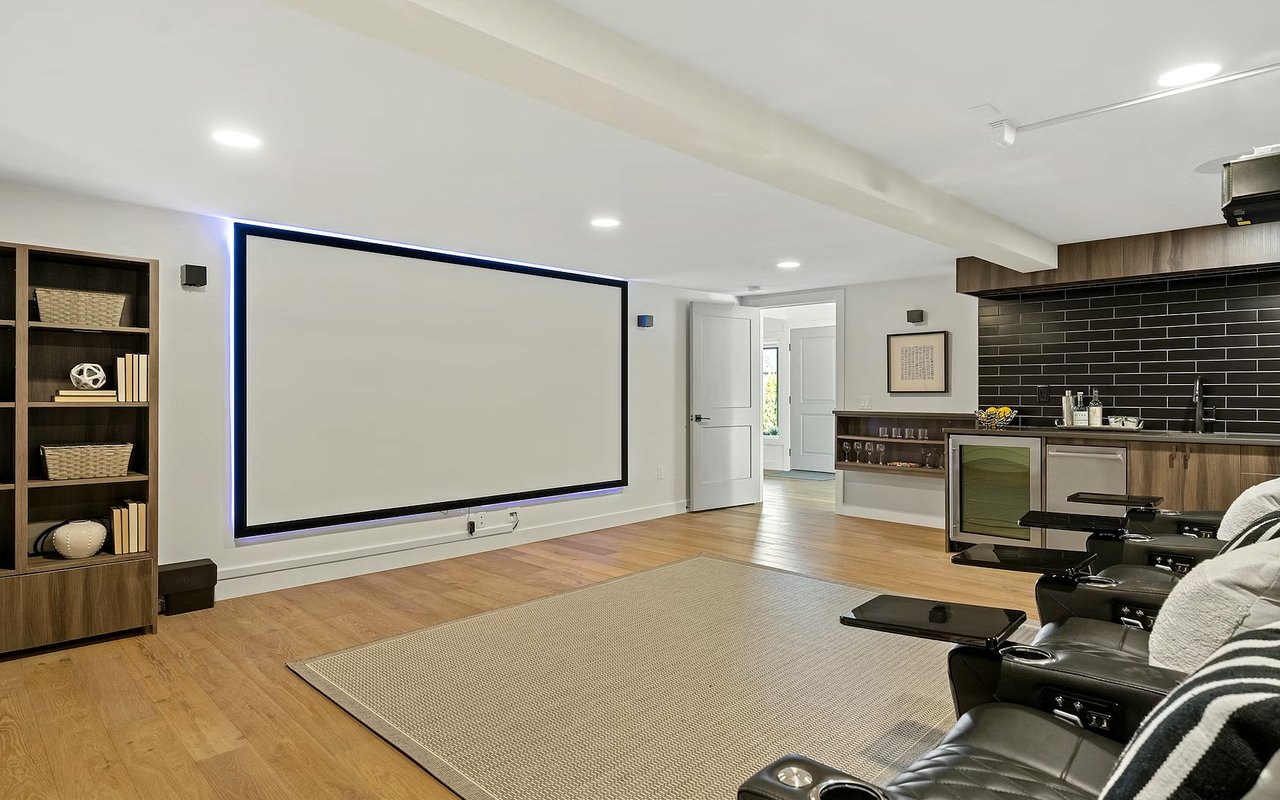
- Basement addition: Add square footage below grade to support gyms, media rooms, or extra suites
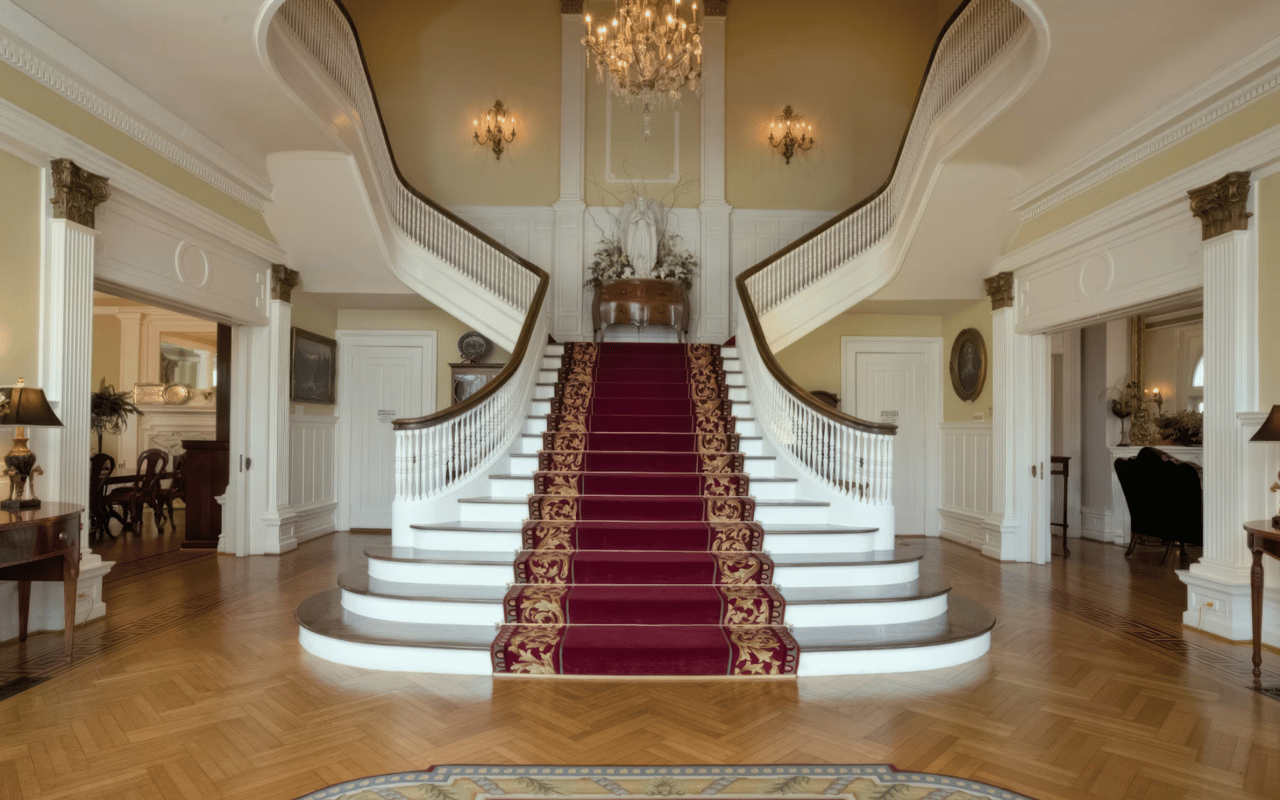
- Stair and elevator logic: Ensure circulation stays elegant across levels with clean transitions
These moves can deliver major lifestyle upgrades without changing what makes the home visually iconic.
FAQs
What is the smartest first step when renovating a Victorian in the West End?
Start by identifying the character-defining features that must remain intact, especially exterior proportions and original architectural details.
How do guest houses and carriage houses influence renovation strategy?
They expand what the estate can do, from true guest accommodations to a private media suite or office studio.
When does it make sense to pursue expansion versus a tighter remodel?
Expansion makes sense when the remaining buildable square footage and the use case justify it, like adding a real primary-suite wing or meaningful entertaining space.
Contact Brittanie Rockhill Today
West End Aspen historic homes reward thoughtful renovation, especially when you preserve Victorian proportions and wood-siding character while upgrading interior flow, primary-suite quality, and four-season comfort.
Connect with me, Brittanie Rockhill, and I will help you evaluate the best renovation path for your specific property, including how to use flex rooms, guest houses, ADUs, and outdoor amenity placements to modernize without losing identity.