By Brittanie Rockhill
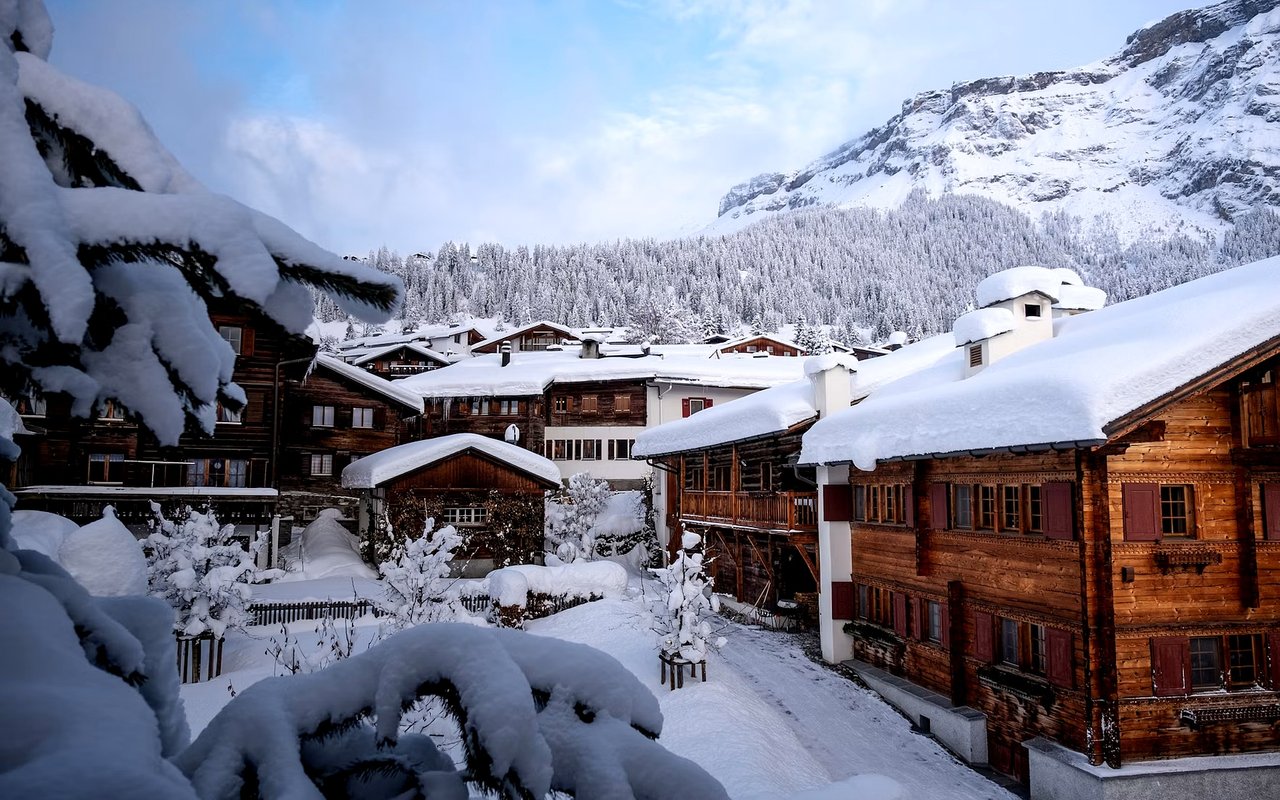
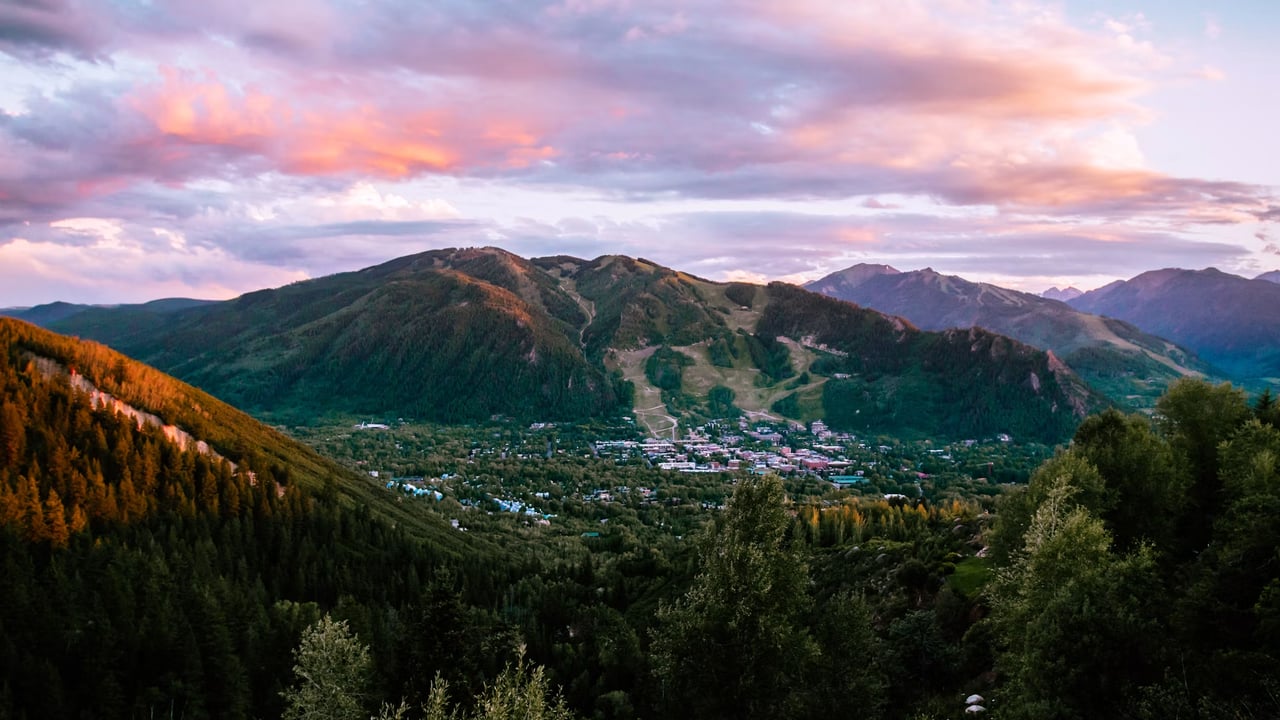
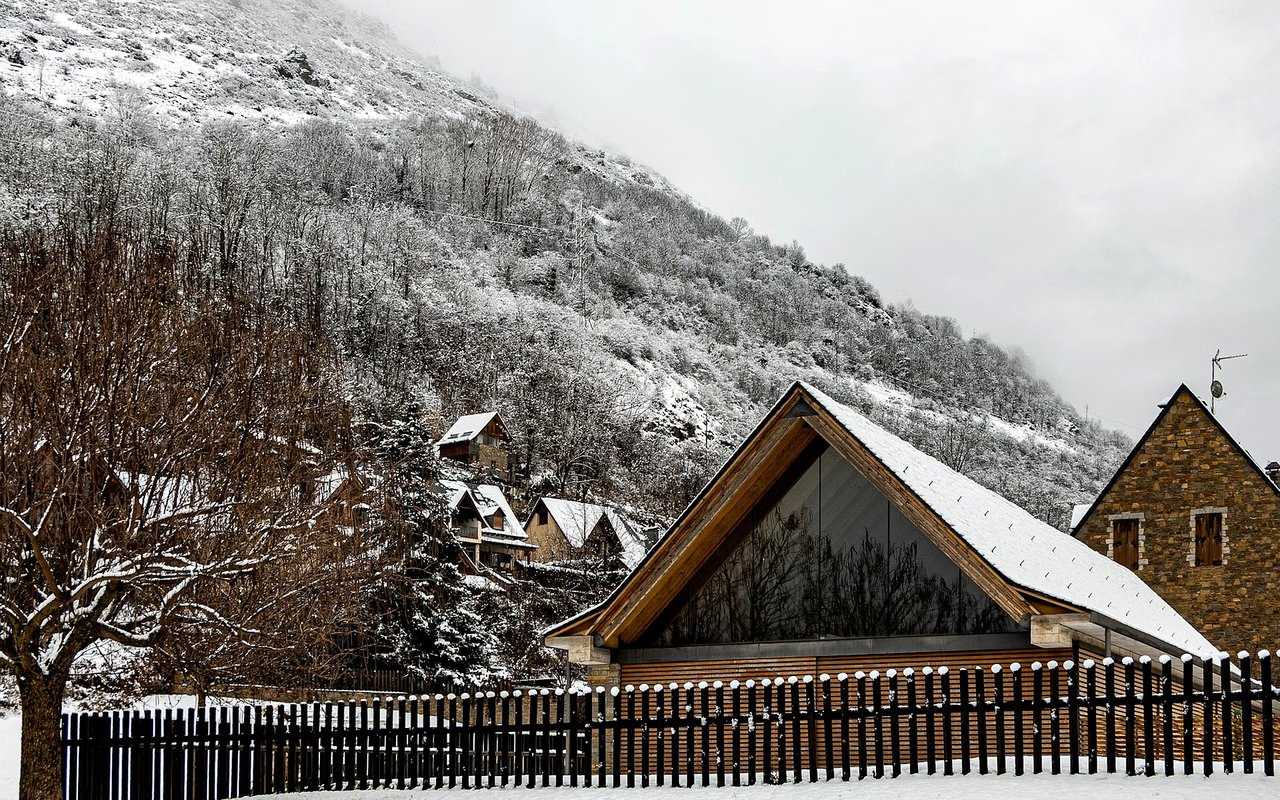
The decision to trade a Beverly Hills address for life in the mountains is one that, from the outside, looks more dramatic than it turns out to be. What changes is the backdrop and the pace, and for a growing number of high-profile individuals, relocating from Beverly Hills to Aspen represents a trade they have been considering for years before they finally make it.
As someone who works regularly with clients making this exact transition, I find that once the decision is made, the only question people ask is why they waited so long.
Key Takeaways
- Lifestyle recalibration: The Aspen East End offers a fundamentally different daily life from Beverly Hills, centered on walkable access to cross country ski trails, hiking and biking corridors, as well as cultural venues.
- Privacy in a walkable setting: The East End's quiet residential streets and low tourist traffic offer a level of anonymity and calm that is increasingly rare in Beverly Hills.
- Cultural parity: Aspen's arts and cultural calendar, from the Aspen Art Museum to the Food & Wine Classic, offers a social life that matches Beverly Hills' standard for quality and access without the volume.
- Year-round viability: The East End's proximity to downtown, Hunter Creek, and the Roaring Fork River corridor makes it a practical choice for full-time or near-full-time residence.
The Lifestyle Shift That Drives the Move
Beverly Hills and Aspen share more in common than geography would suggest, but the daily texture of life in each place differs in ways that matter deeply to the people who choose between them.
What Changes and What Stays the Same
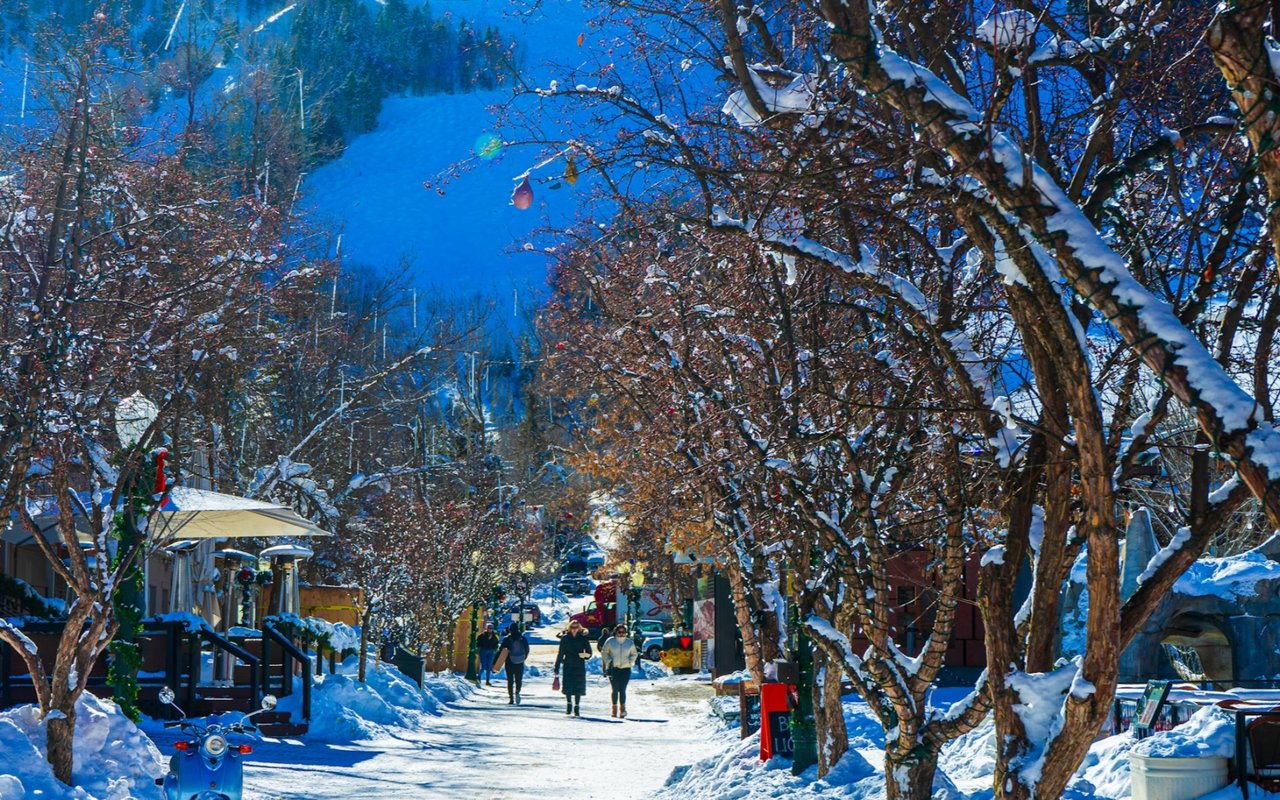
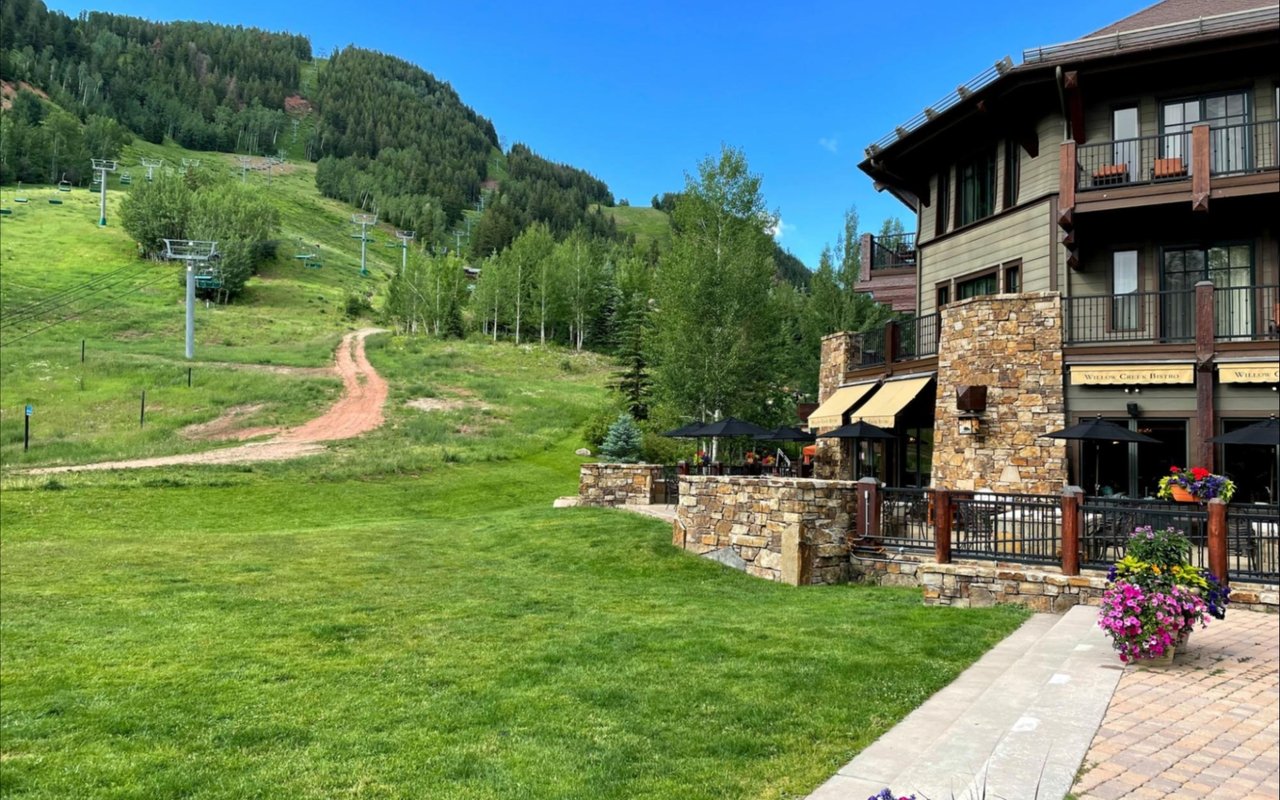
- From car culture to walkable mountain living: Beverly Hills is oriented almost entirely around driving, with most daily activity structured around the car; Aspen's East End puts skiing, hiking trails, and downtown dining within walking or biking distance.
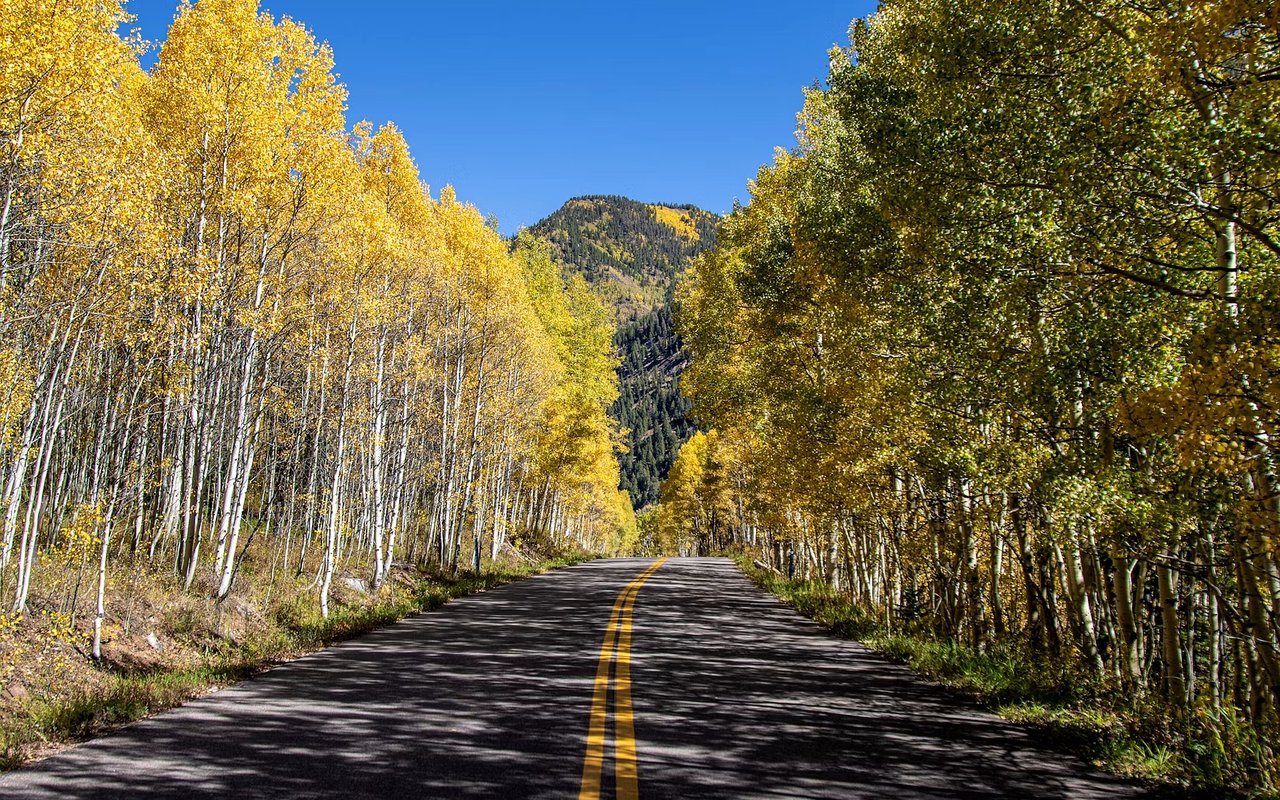
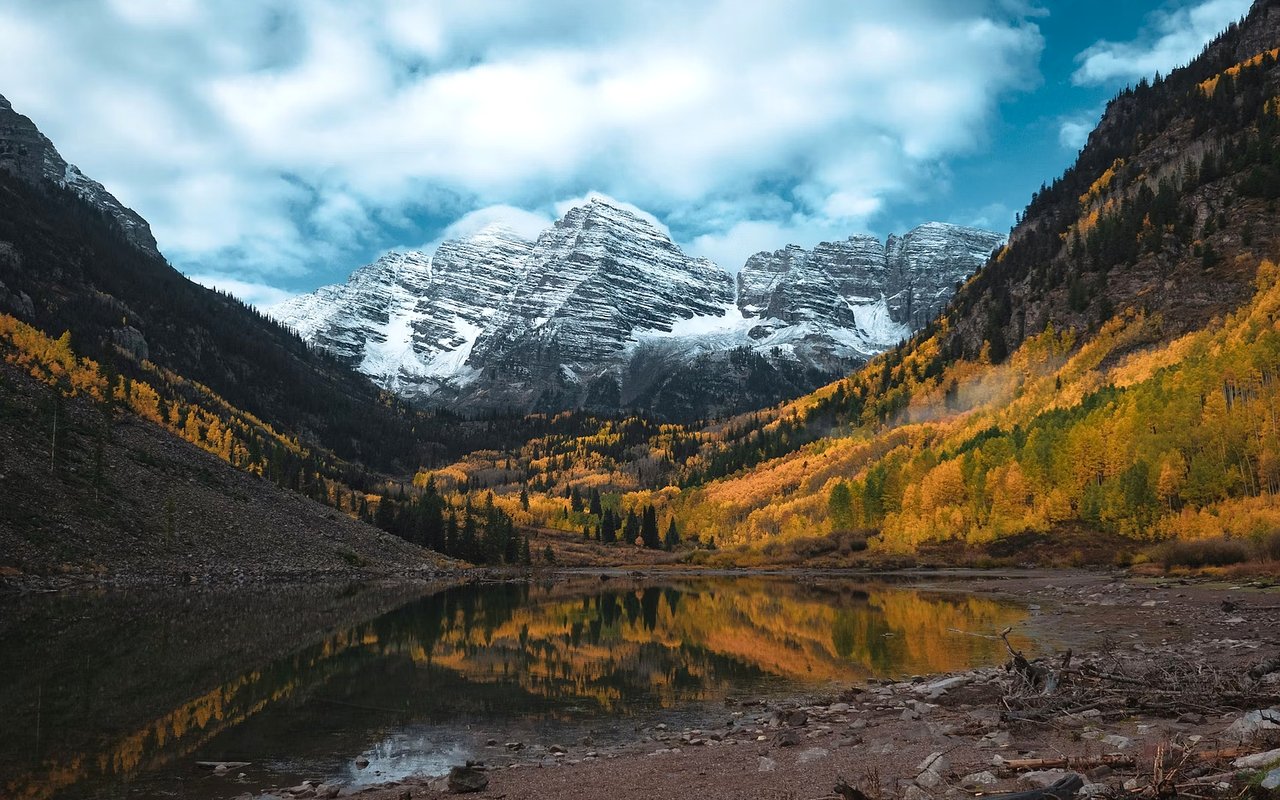
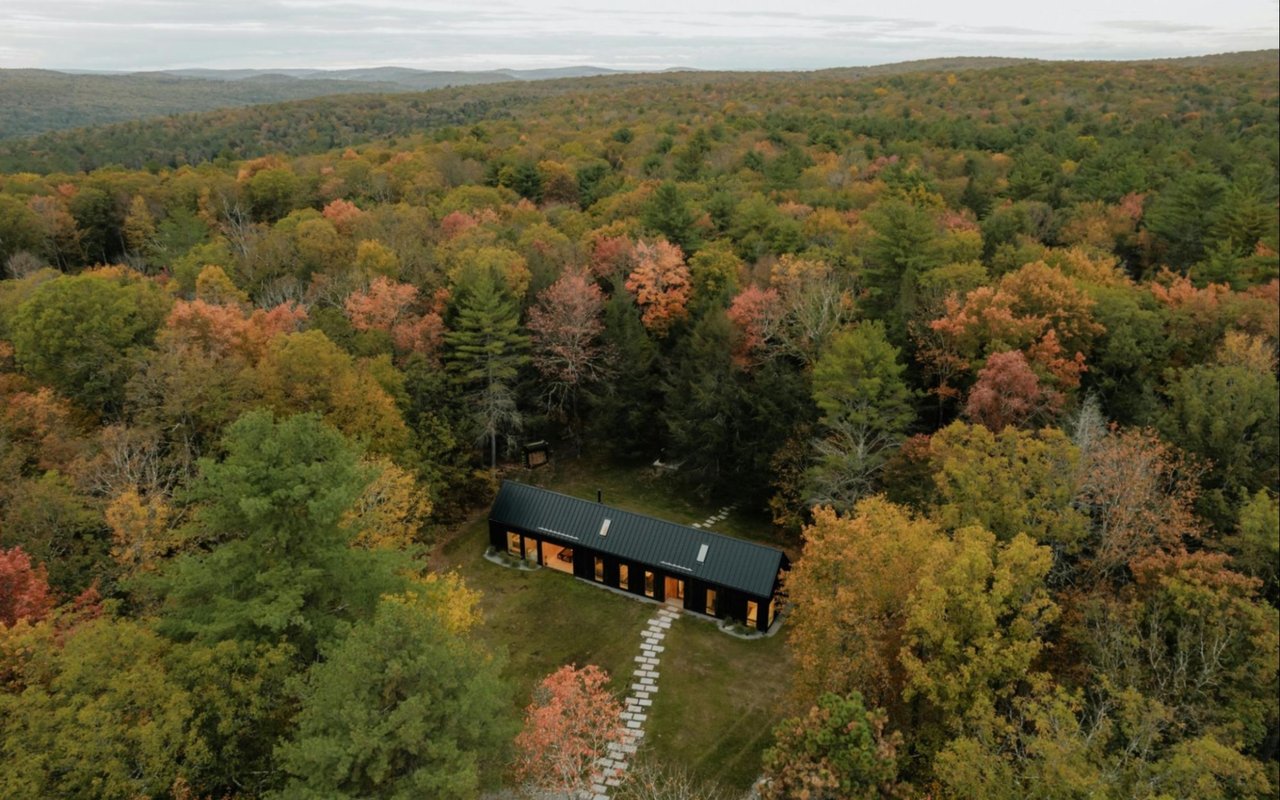
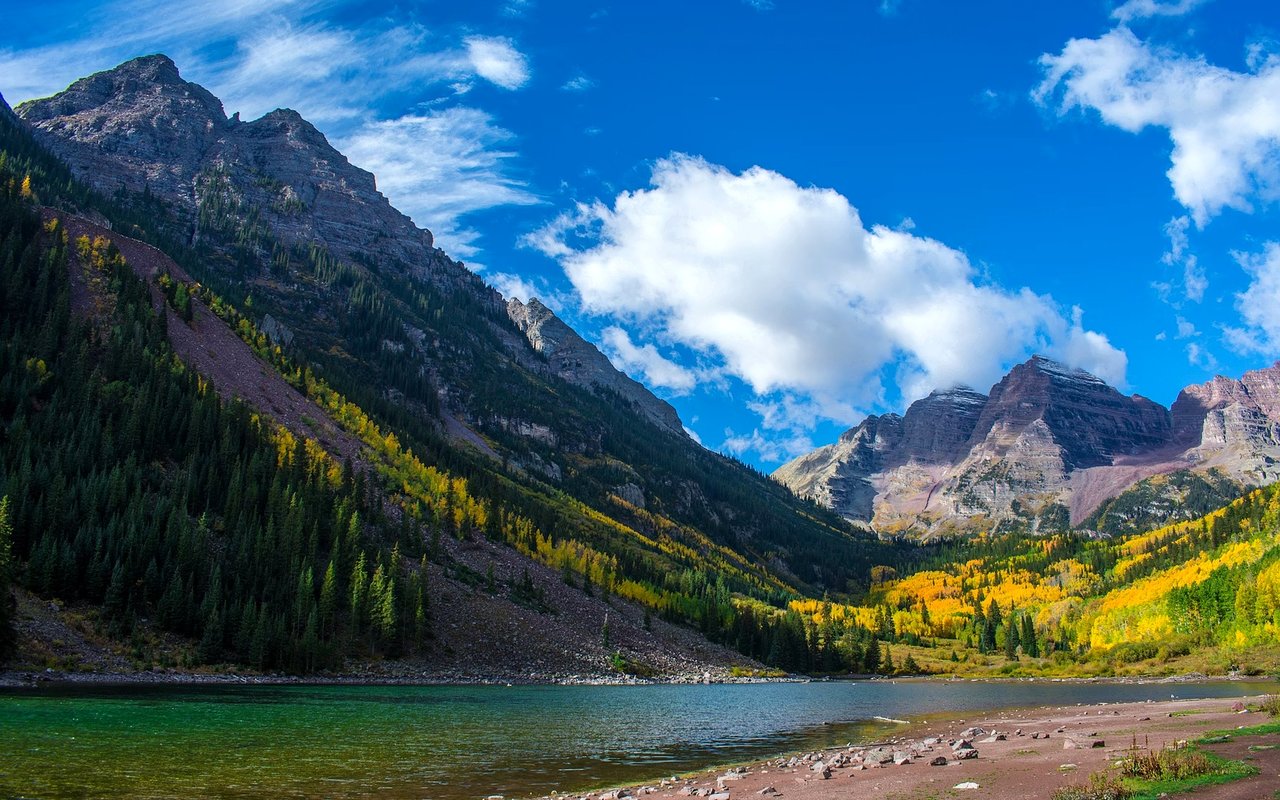
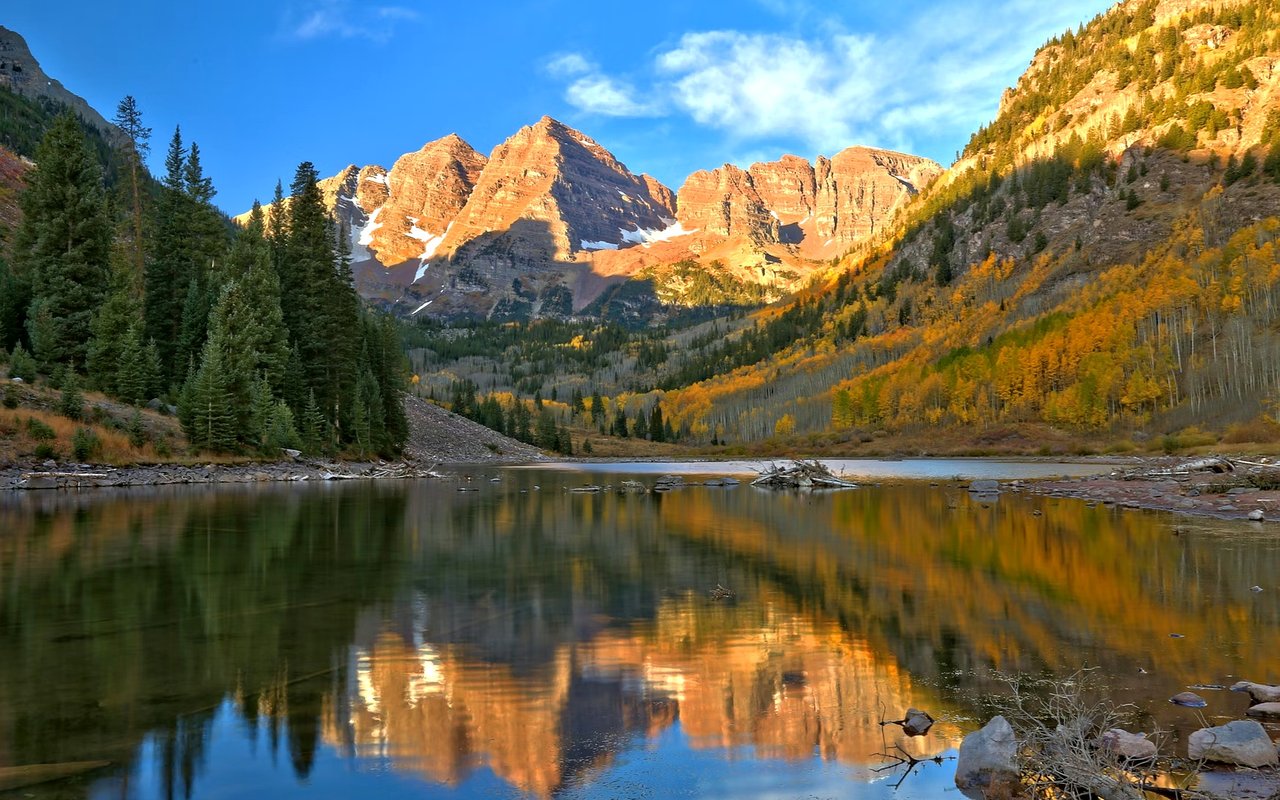
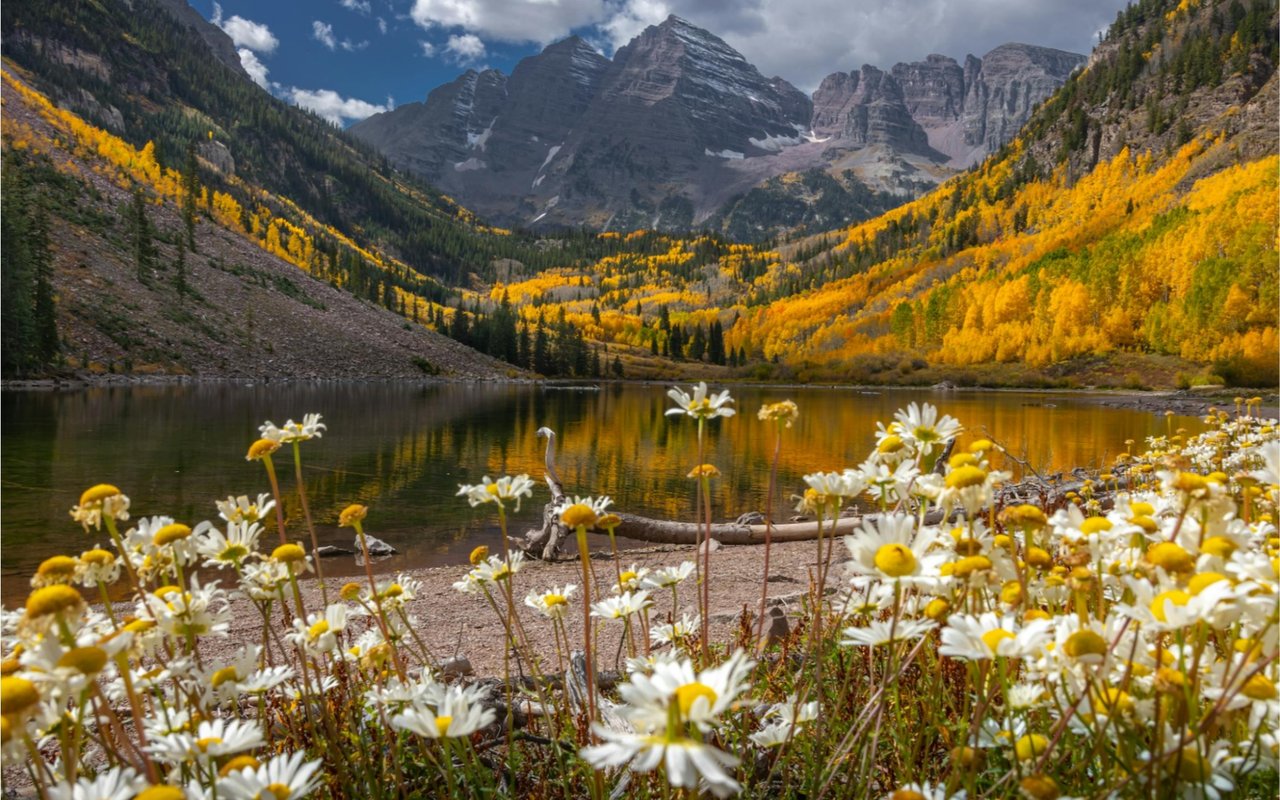
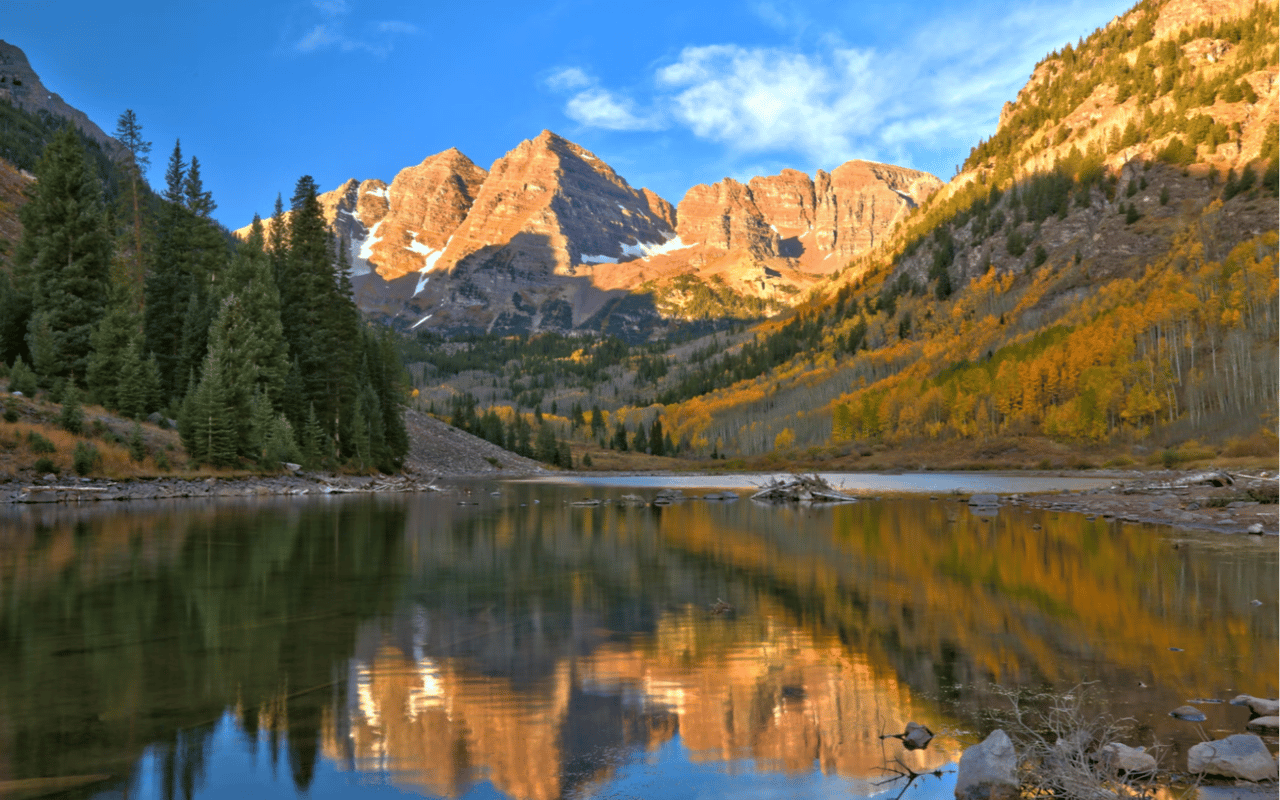
- Seasons as a design feature: Beverly Hills' climate is reliably mild, which has its own appeal, but many who make this move describe the dramatic seasonal shifts of Aspen, from powder winters to wildflower-filled summers.
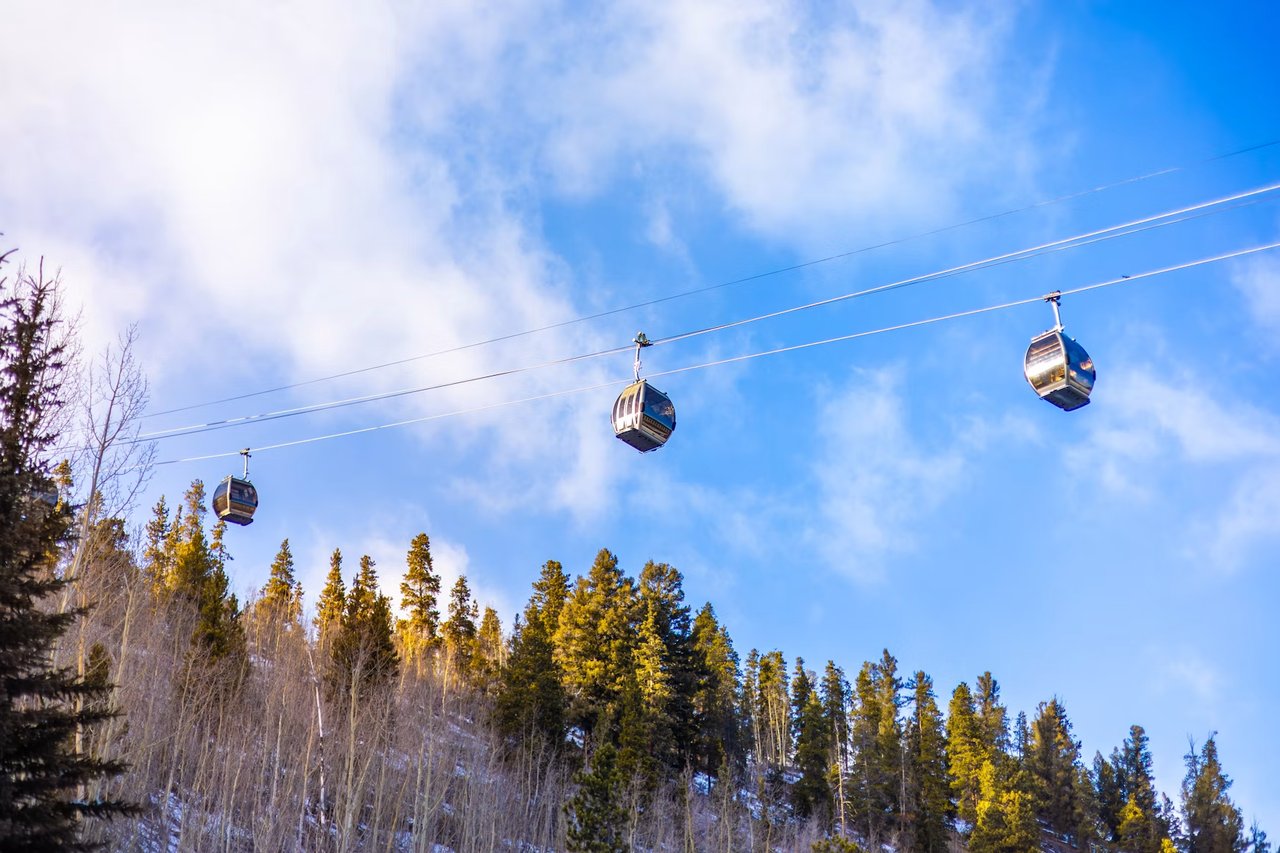
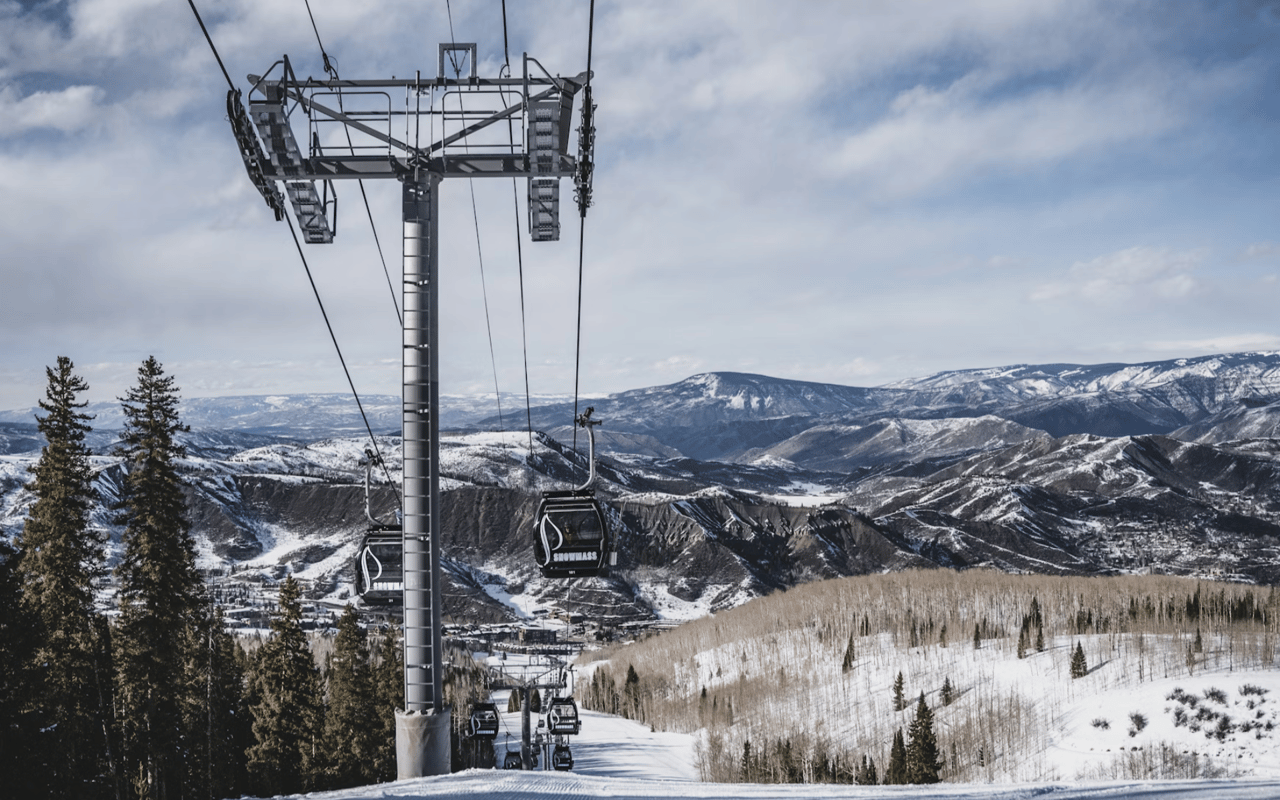
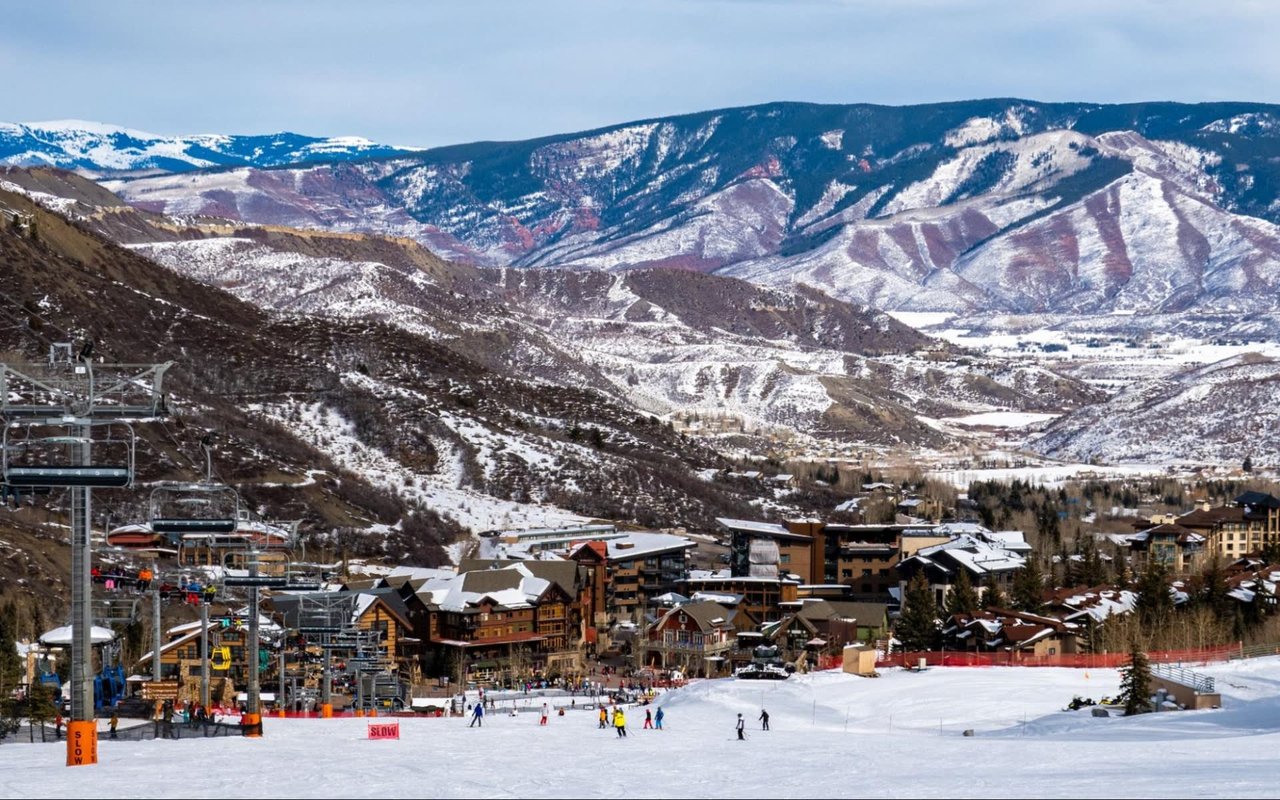
- Outdoor recreation at scale: The transition from hiking Coldwater Canyon or Runyon Canyon to skiing Aspen Mountain, walking the Hunter Creek Trail, or riding the Rio Grande Trail represents a significant expansion of what outdoor recreation can mean in daily life.
The lifestyle shift is real, and it is intentional, and the people who make this move tend to be those who have decided that the mountain version of their life is the one they want to lead.
The East End's Specific Residential Appeal
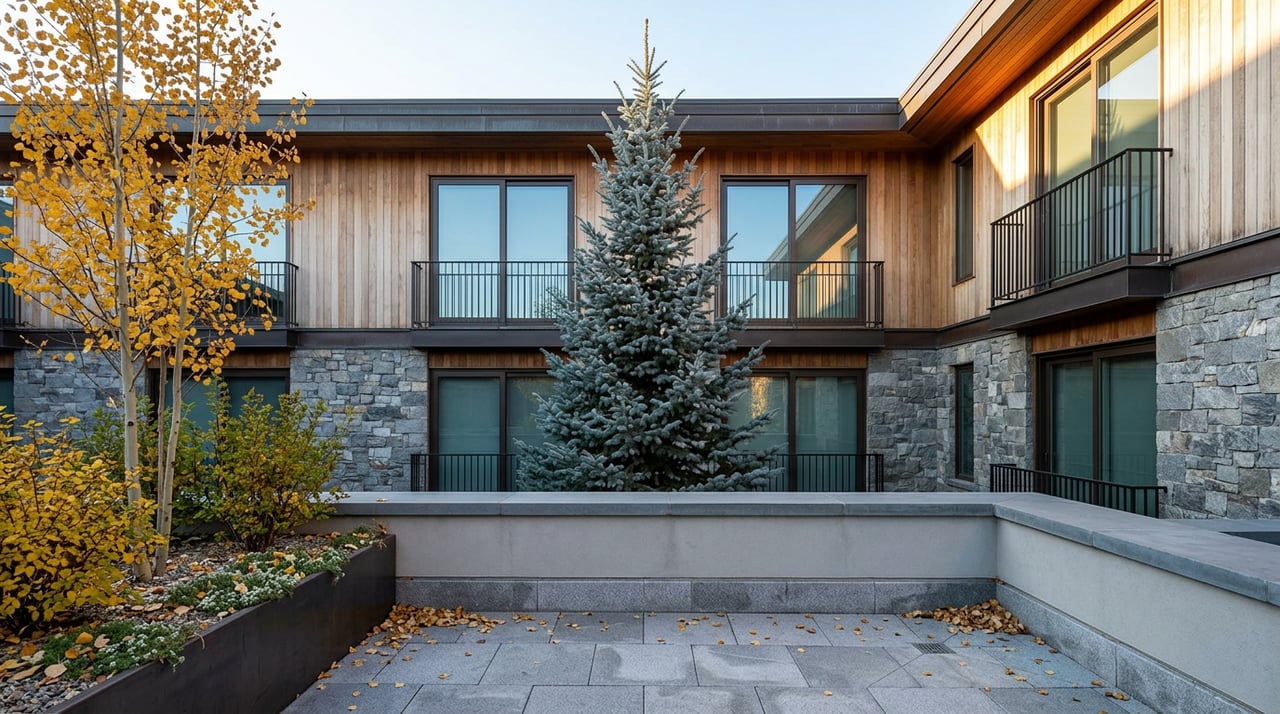
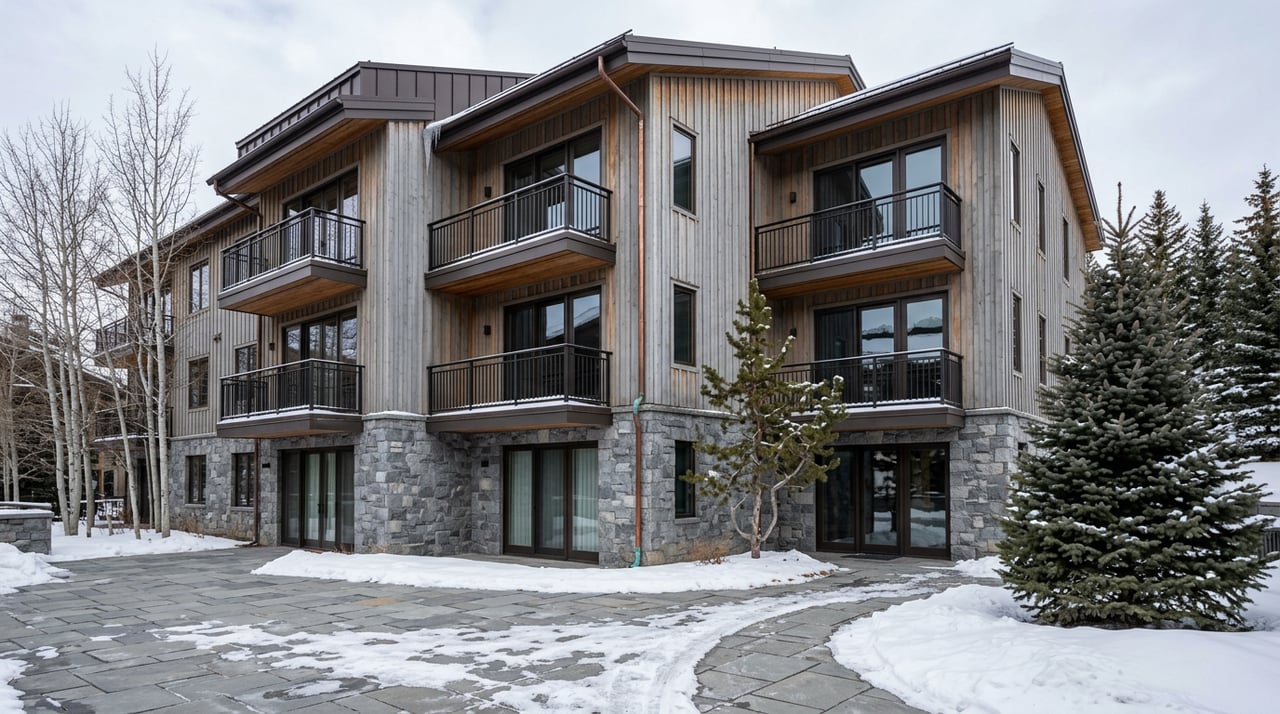
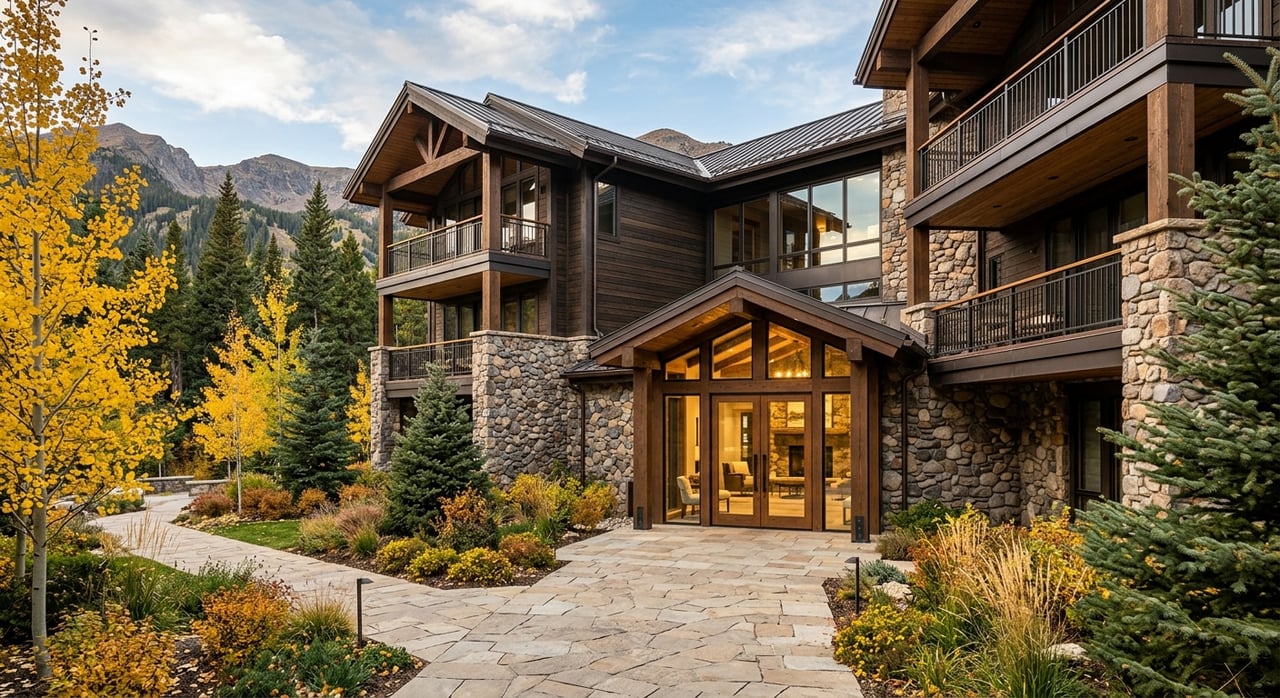
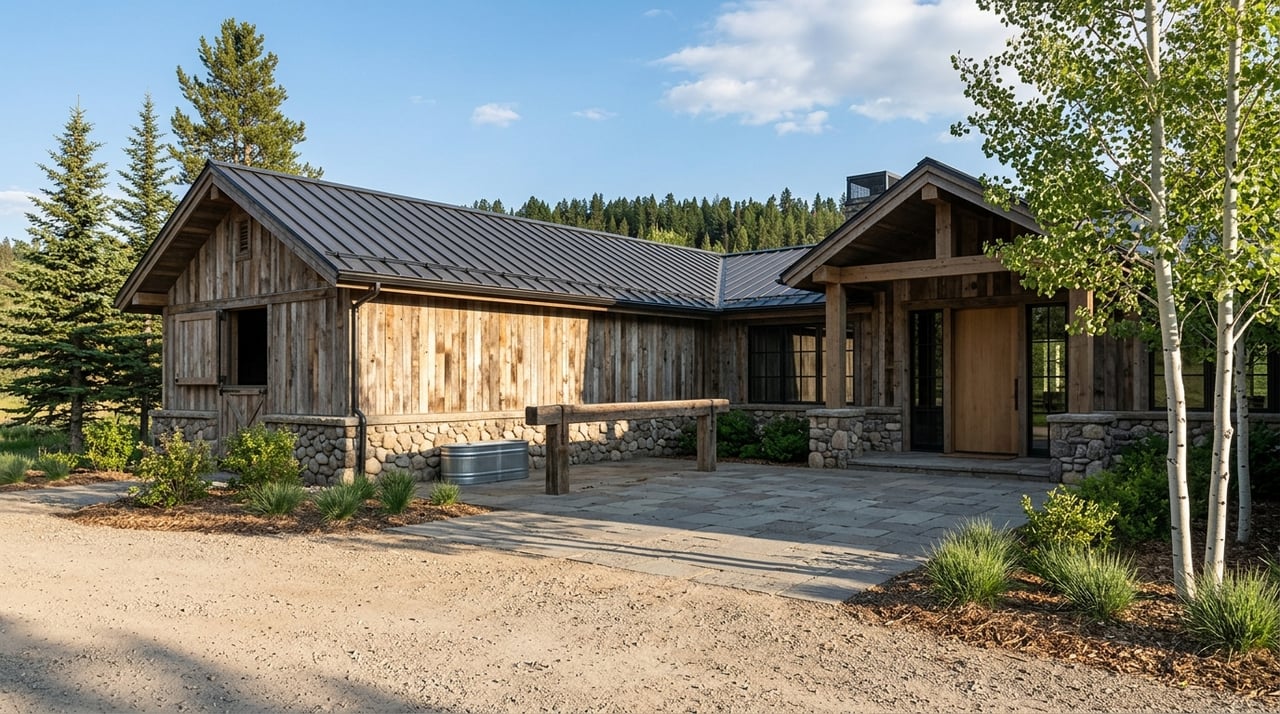
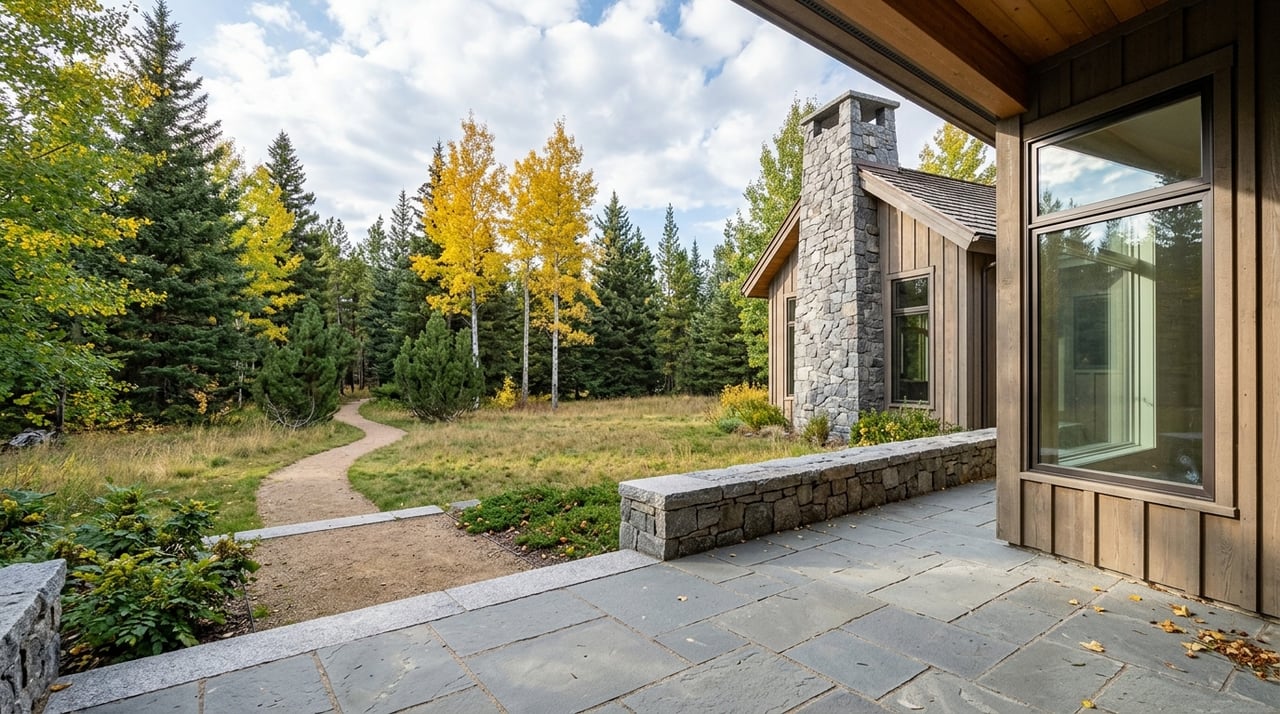
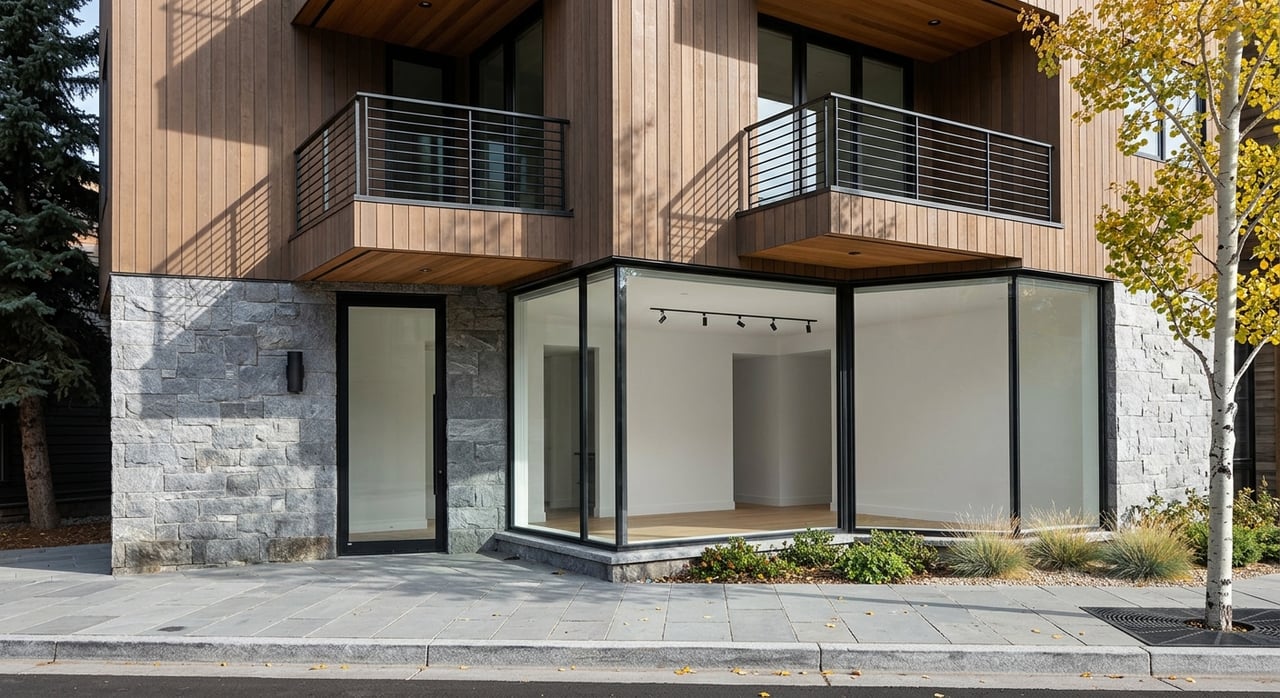
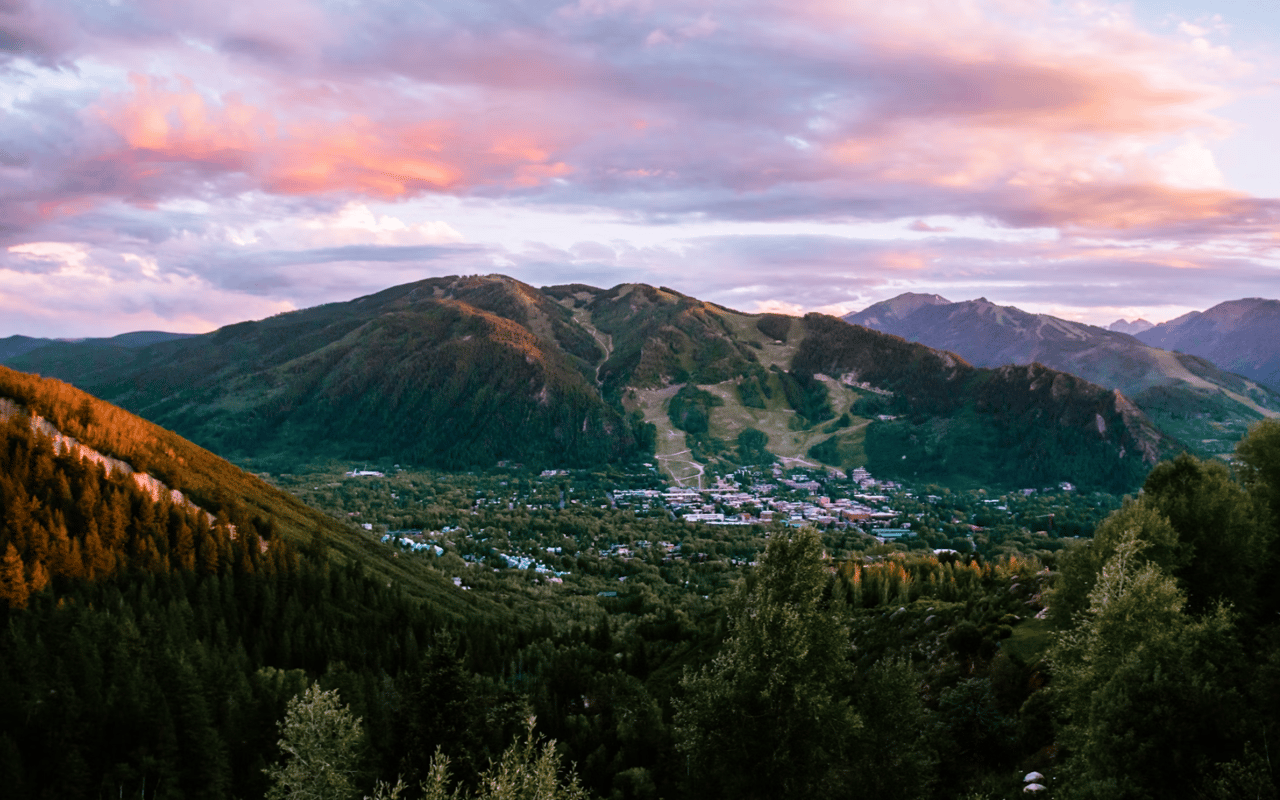
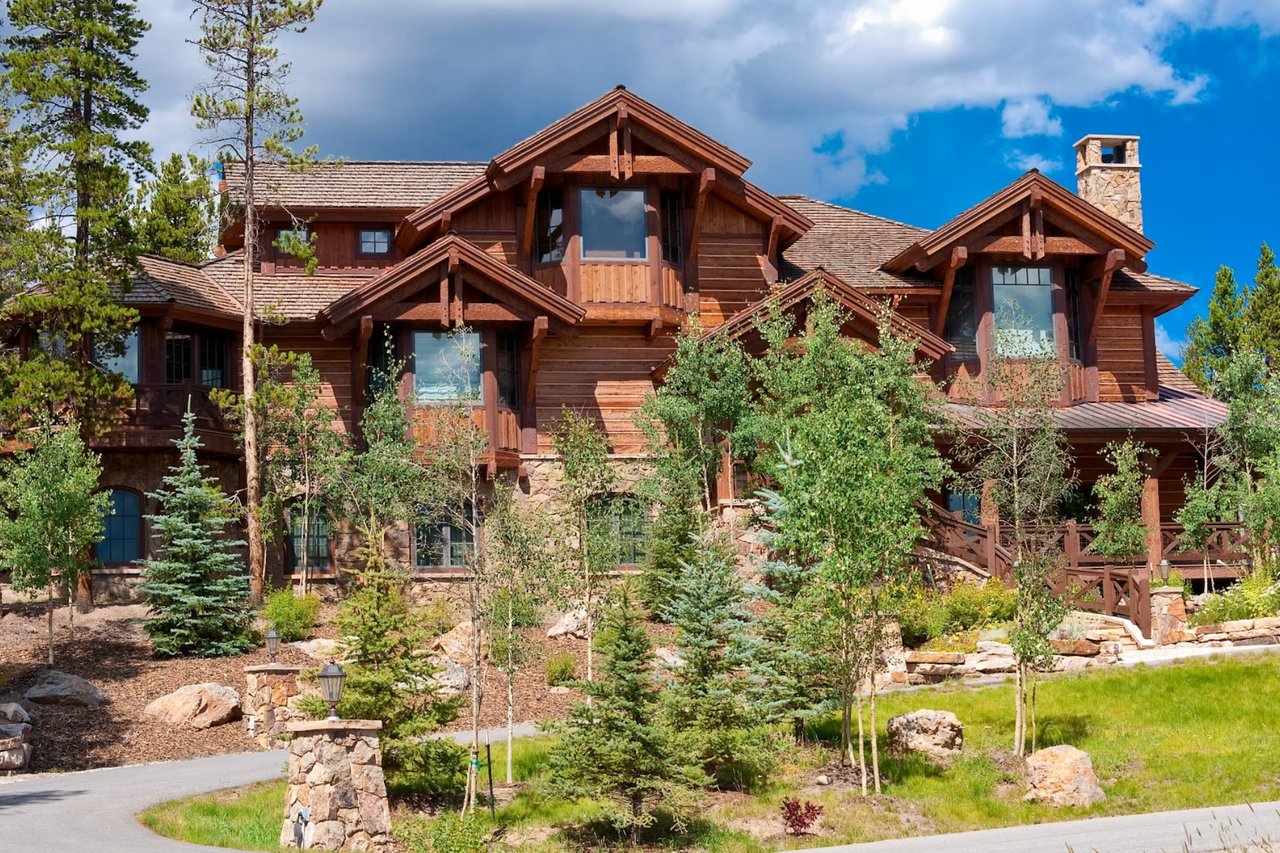
Aspen's East End occupies a particular position in the town's residential landscape, offering walkable proximity to the downtown core while sitting far enough from the commercial streets to feel like a genuinely private neighborhood.
What the Aspen East End Offers That Beverly Hills Neighborhoods Cannot
- Hunter Creek Trail access: The Hunter Creek Trail, one of Aspen's most beloved hiking corridors, begins near the eastern edge of town and is accessible on foot from most East End addresses.
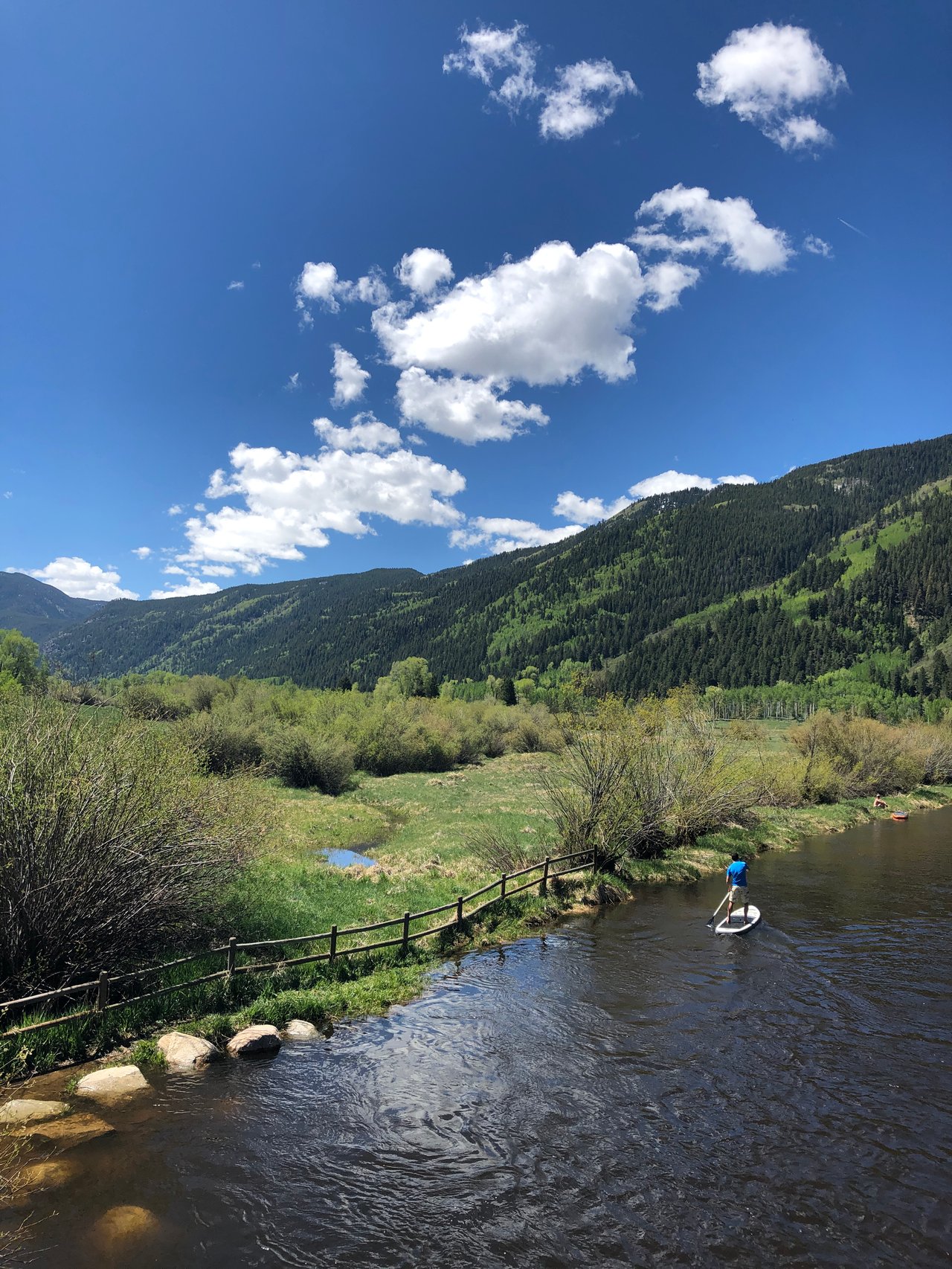
- Roaring Fork River proximity: The East End sits near the Roaring Fork River corridor, with paddleboarding access, riverside paths, and a natural boundary that gives the neighborhood a quiet and well-defined character distinct from the commercial center of town.
- Neighborhood quiet: The East End generates far less tourist foot traffic than the West End or the downtown core, meaning the streets feel residential rather than resort-adjacent.
The East End sits in a sweet spot between access and privacy that few mountain resort neighborhoods can claim with equal credibility.
Cultural Life That Satisfies Beverly Hills Standards
One of the most common assumptions about relocating from Beverly Hills to Aspen is that the cultural trade-off will be significant, and it consistently proves to be less severe than people expect.
The Cultural Institutions That Rival Beverly Hills for Quality and Access
- Aspen Art Museum: Housed in a Shigeru Ban-designed building on the edge of downtown, the Aspen Art Museum presents contemporary exhibitions and programming.
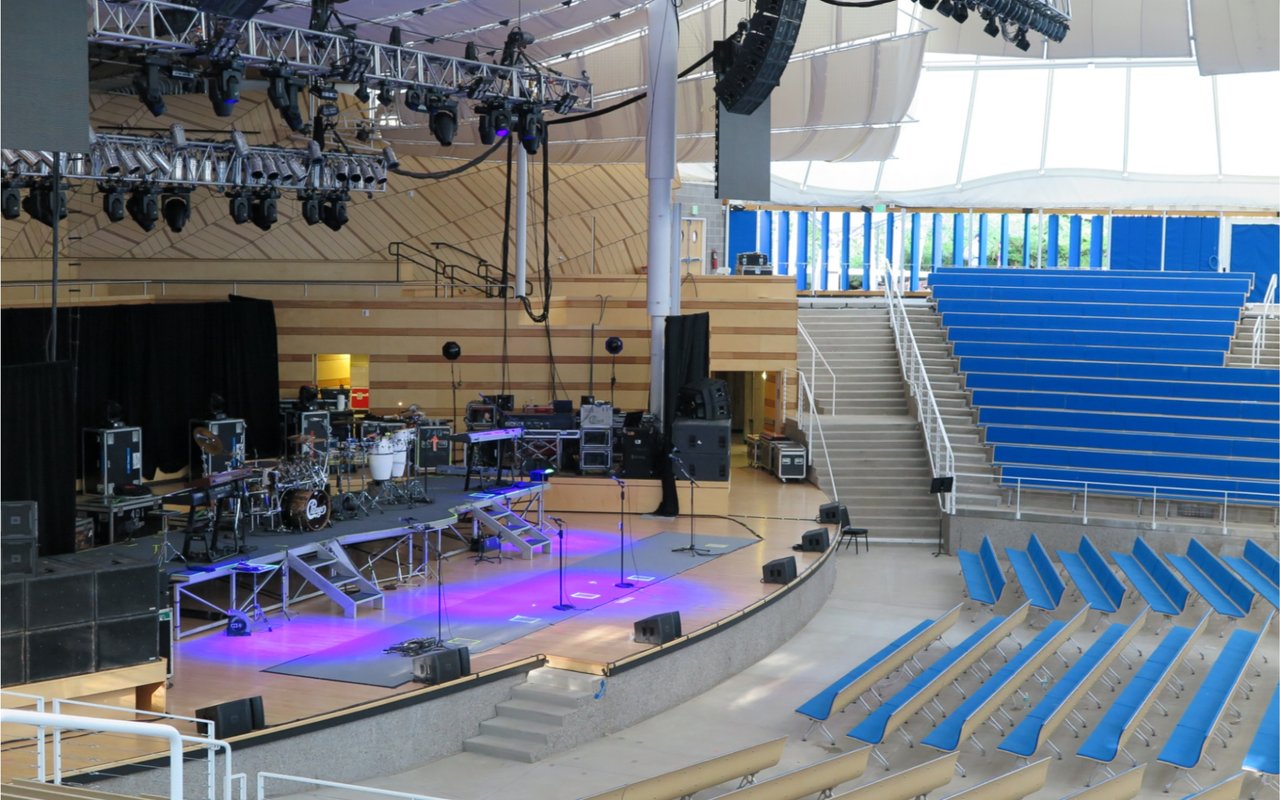
- Aspen Music Festival: Each summer, the Aspen Music Festival brings world-class musicians and orchestral programming to the Benedict Music Tent and Harris Concert Hall.
- Social and culinary calendar: The Food & Wine Classic, the Aspen Ideas Festival, and a year-round schedule of gallery openings, private dinners, and curated events sustain a social scene that Beverly Hills transplants find immediately familiar in its quality.
The town's small scale concentrates that energy in ways that a city like Los Angeles cannot, because proximity in Aspen means something entirely different than proximity in Beverly Hills.
What the Real Estate Transition Looks Like
The financial dimension of this transition is one that I walk clients through carefully, because the Aspen East End market and the Beverly Hills market are both premium but operate by different rules.
How Beverly Hills Real Estate Experience Translates to the Aspen East End
- Price context: Aspen East End properties command among the highest per-square-foot values in Colorado, and for buyers accustomed to Beverly Hills pricing, the figures tend to feel calibrated.
- Permanent land scarcity: Aspen is surrounded by national forest, wilderness area, and protected open space, meaning the supply of developable residential land is permanently constrained in a way that Beverly Hills, for all its exclusivity, is not.
- Year-round residential utility: Unlike many Aspen addresses that function primarily as seasonal vacation properties, the East End's proximity to schools, trails, everyday services, and downtown life makes it a practical choice for those who want Aspen to function as a primary address.
I approach every East End transaction with the understanding that what clients are acquiring is as much a lifestyle position as a physical asset.
FAQs
What Aspen neighborhoods are most comparable to Beverly Hills in character?
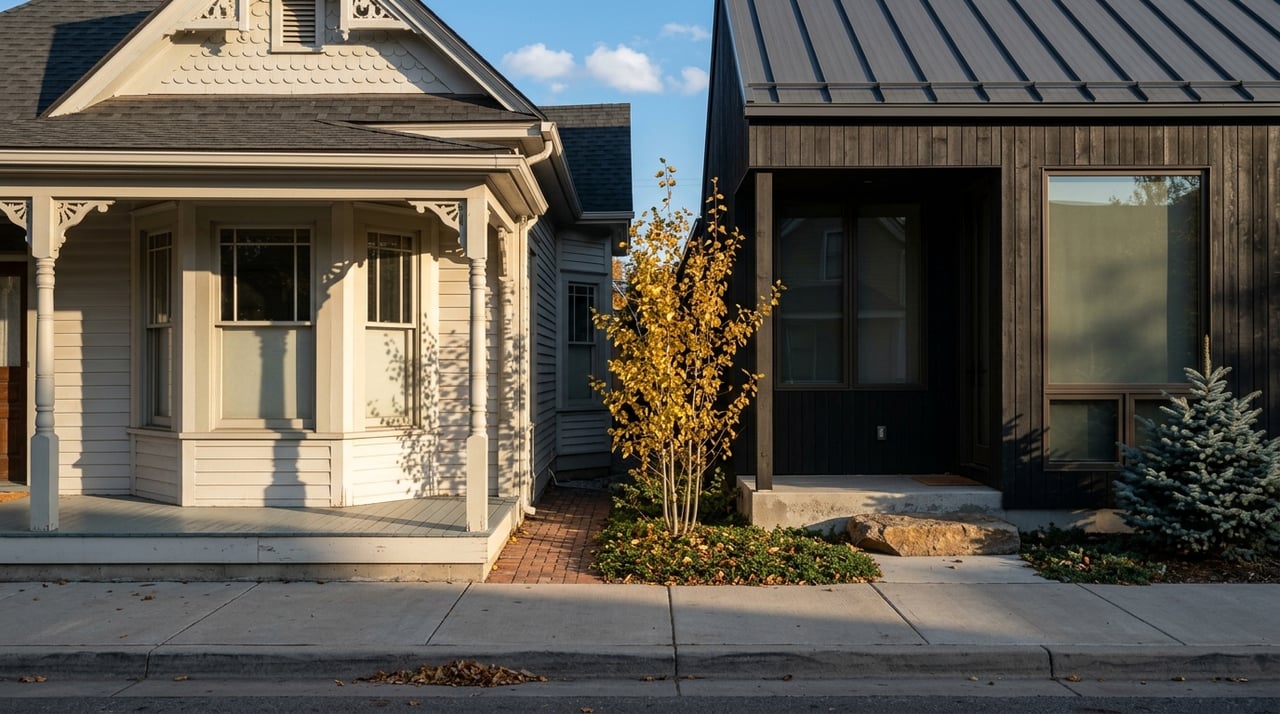
The East End and the West End are the two neighborhoods that most closely parallel the residential character Beverly Hills buyers tend to seek, with the West End offering more Victorian architectural scale and the East End providing quieter streets, direct trail access, and a less tourist-trafficked daily environment.
How long does it typically take to feel settled after relocating from Beverly Hills to Aspen?
Most clients I work with who make this move feel genuinely at home within one full season, and often sooner if they arrive during the ski or summer seasons when the community is at its most engaged.
How does Brittanie Rockhill help clients navigate a move from Los Angeles to Aspen?
I have worked with numerous clients making this transition, and the process goes well beyond finding the right property.
Contact Brittanie Rockhill Today
Aspen's East End has become one of the most sought-after addresses for high-profile transplants from Los Angeles and beyond, and I bring a firsthand understanding of what this transition involves to every client conversation I have.
Whether you are exploring what life in Aspen actually looks and feels like day to day or you are ready to identify a specific property, work with me, Brittanie Rockhill.
Whether you are exploring what life in Aspen actually looks and feels like day to day or you are ready to identify a specific property, work with me, Brittanie Rockhill.