If you are considering a downtown Aspen condo as both a lifestyle purchase and a rental asset, one question matters fast: will it actually perform the way you expect? In Aspen, rental potential is not just about owning a beautiful unit. It depends on walkability, zoning, permit type, taxes, HOA rules, and how well the condo fits the way visitors actually use downtown. This guide will help you evaluate the key factors so you can make a smarter, more confident decision. Let’s dive in.
Why Downtown Aspen Draws Rental Demand
Downtown Aspen benefits from a rare mix of year-round appeal and repeat visitation. According to the Aspen Chamber's 2025 visitor study, Aspen welcomed more than 1.1 million visitors in 2025, generated $1.7 billion in direct visitor spending, and produced $2.0 billion in total economic impact.
Just as important, Aspen visitors tend to come back. The same study reports an average of 12.9 lifetime trips, which suggests a deep base of repeat, experience-driven demand rather than one-time tourism. For condo owners, that can support consistent interest from guests who already know the market and want a familiar, central location.
Visitor preferences also matter when you evaluate rental potential. Dining, historical sites, and cultural experiences rank among the main reasons people visit Aspen, which means a downtown condo is not only selling a place to sleep. It is selling access to the full in-town experience.
Downtown Location Matters More Than You Think
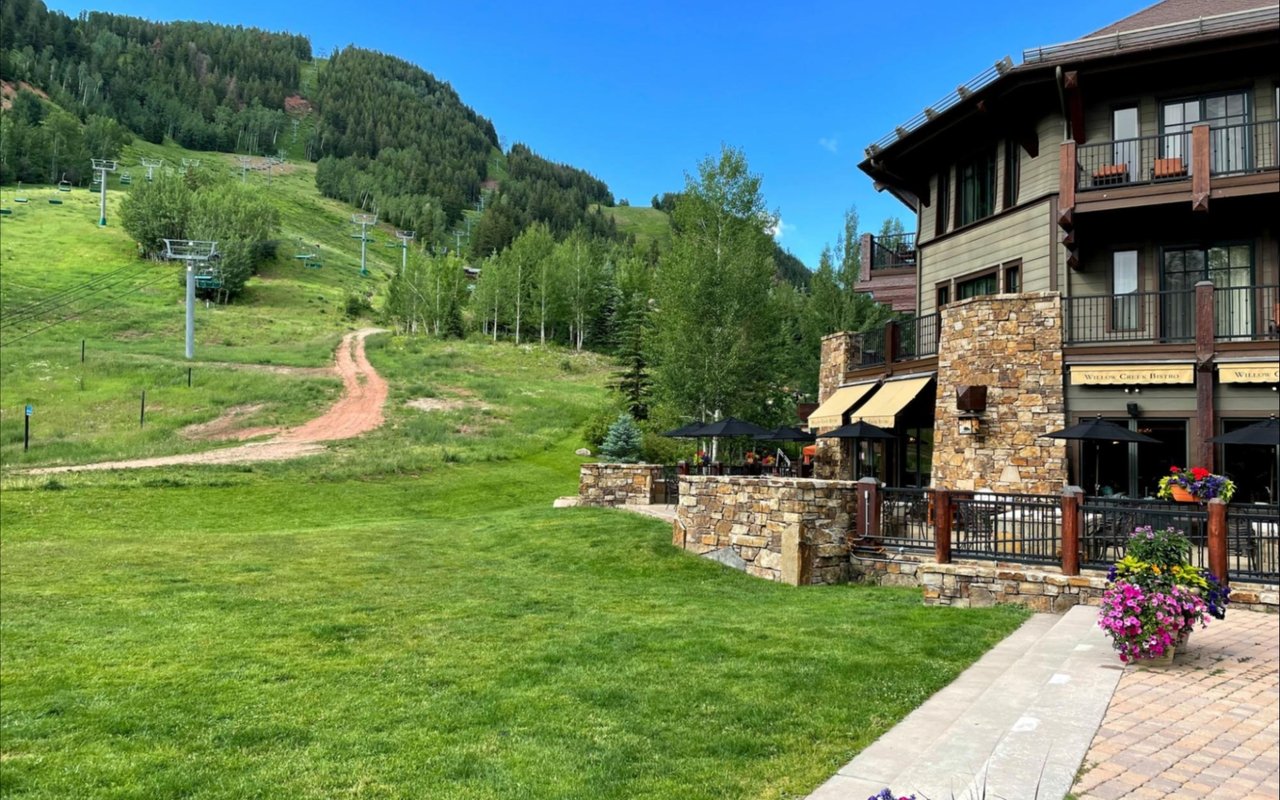
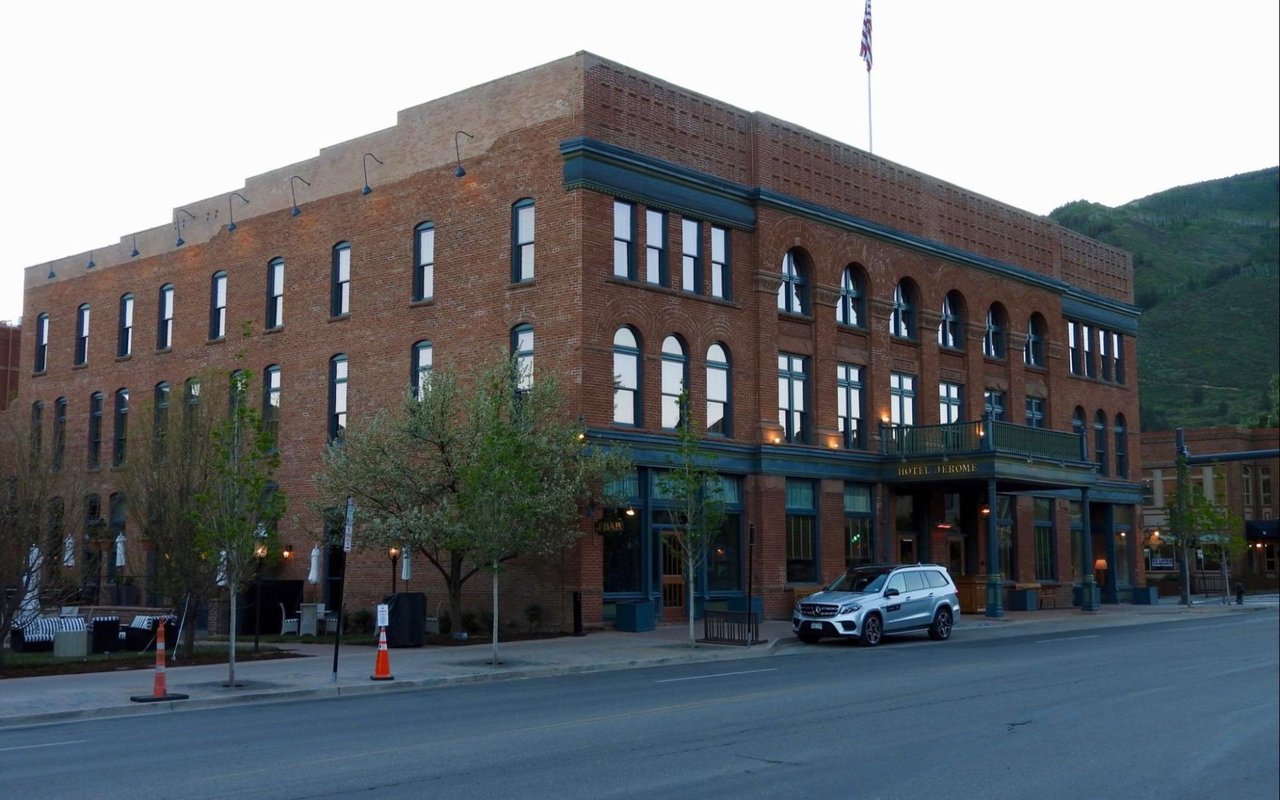
Aspen's downtown core is compact, and that works in your favor when a condo is well positioned. The Aspen Chamber describes downtown as a pedestrian-friendly five-block shopping area, and local transportation materials note that downtown is about six blocks wide and can be walked east to west in roughly 15 minutes.
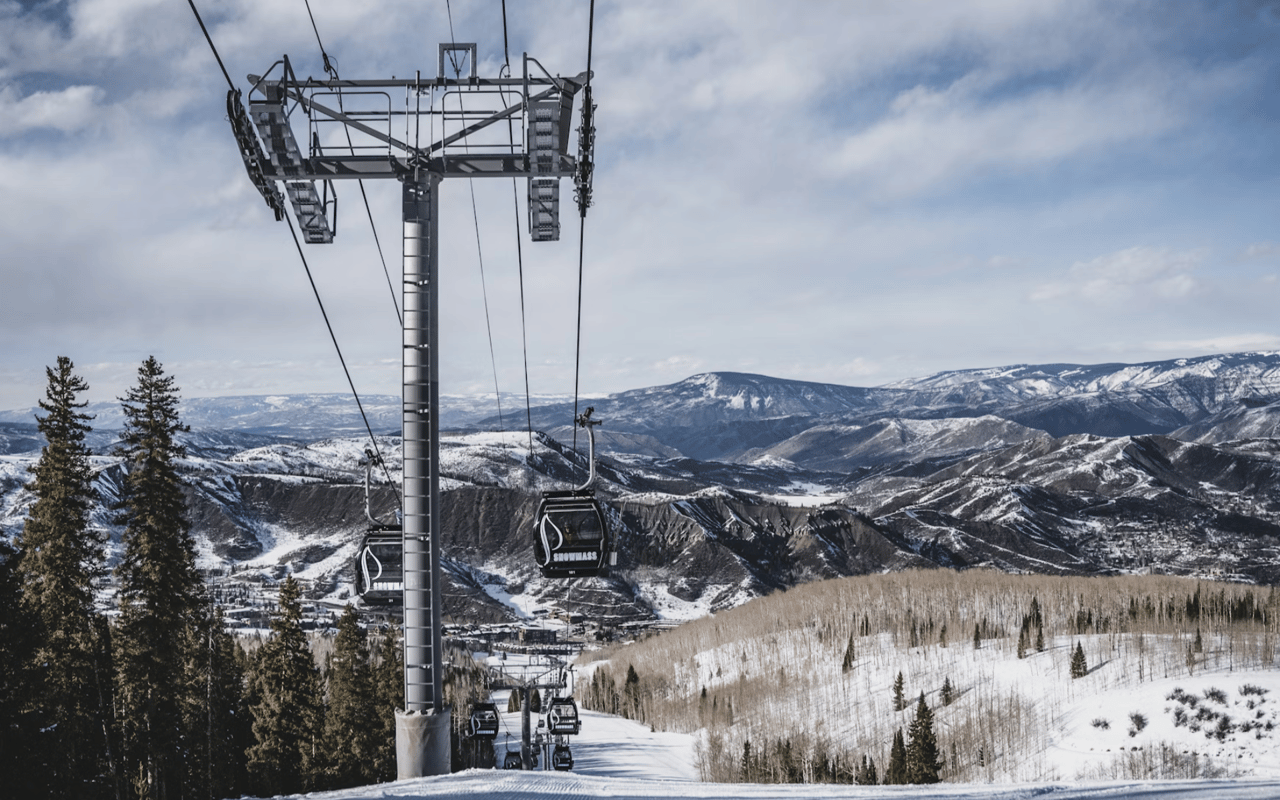
That kind of walkability can be a major advantage for short-term renters. Guests often value easy access to restaurants, shopping, cultural venues, and the Silver Queen Gondola without relying heavily on a car. In a market where transportation is also flagged as an area for guest-experience improvement, convenience can carry real weight.
When comparing two condos with similar interiors, the better-located unit may have the stronger rental case. A few blocks closer to central activity, easier access to the gondola, or a simpler guest arrival experience can influence demand as much as finishes or square footage.
Aspen Seasonality Shapes Rental Income
Rental demand in Aspen is strong, but it is not flat throughout the year. Aspen Chamber reservation reports show paid occupancy at 73.6% in January 2025, 79.5% in February 2025, 34.3% in May 2025, and 76.3% in July 2025.
Those figures point to an important pattern. Winter is a peak season, spring can be softer, and summer brings another strong wave of demand. That does not guarantee performance for any specific condo, but it does provide a useful framework for underwriting revenue.
This matters if you are buying with income in mind. You should not judge a downtown Aspen condo only by peak ski-season rates. A realistic evaluation should account for shoulder periods, especially if your ownership costs remain fixed year-round.
Summer Demand Is a Real Part of the Story
Many buyers focus first on ski season, but downtown Aspen condos can also benefit from major summer activity. Aspen Chamber's 2026 summer preview points to walkable events such as the FOOD & WINE Classic, Aspen Ideas Festival, JAS summer programming, and Aspen Art Fair.
That summer calendar supports the case for year-round relevance in the downtown core. If your condo offers easy access to event venues, dining, and central gathering points, it may appeal to guests who are visiting for culture and experiences rather than skiing alone.
For many buyers, this is what makes downtown Aspen different from a purely seasonal destination. A well-located condo may have multiple demand windows, which can help smooth out the annual rental picture even if spring remains softer.
Permit Type Can Change Your Strategy
Before you assume a condo can be rented freely, you need to understand Aspen's short-term rental framework. Any residential unit rented for fewer than 30 days in Aspen must have a short-term rental permit and required city licensing before operation.
Permit type has a direct impact on flexibility. Aspen's owner-occupied permit is limited to 120 nights per year, while the Classic permit has no annual night cap, though it can be capped or waitlisted in some zones.
The exact zone district matters here. The city states that there is no cap on STR-C permits in Commercial Core and several other commercial or lodge zones, but eligibility still depends on the parcel's zone district and the city map. That means two downtown condos can look similar on paper yet have very different rental potential.
Zoning Should Be Verified Early
Zoning is one of the first items to confirm during due diligence. If a condo is in a zone where STR-C permits are uncapped, that can preserve more operational flexibility for an investor or second-home owner.
If the unit is in a zone with caps or waitlists, your timing and expectations may need to change. A property may still be attractive as a second home, but its income profile could be materially different from what a buyer first assumed.
This is why rental potential in downtown Aspen should never be judged by location alone. A prime address only helps if the permit structure supports the way you plan to use the property.
HOA Rules Can Override Assumptions
For condos, city approval is only part of the picture. Colorado's Division of Real Estate says the declaration or CC&Rs sit at the top of an association's governing hierarchy, followed by articles, bylaws, policies, and rules.
That matters because associations may enforce use restrictions, including leasing or short-term rental restrictions, when the declaration allows it. In plain terms, a city permit pathway does not mean the HOA will allow the rental use you want.
Before closing, you should review the declaration, bylaws, rules, and any rental restrictions carefully. In downtown Aspen, this step can be just as important as checking price, condition, or projected nightly rates.
Operating Costs Affect Net Yield
Gross income only tells part of the story. Aspen's tax and compliance structure can materially affect what you actually keep.
According to the city, the aggregate 2026 tax burden for nightly stays is 17.35% for owner-occupied or lodge-exempt short-term rentals and 22.35% for Classic investment or second-home short-term rentals. Lodging tax filings are due by the 20th of the following month, and permits expire at year-end and require renewal.
The city also states that a permit with one year of zero short-term rental tax filings is considered abandoned. Annual permit fees are $394 for STR-C and STR-OO permits, plus a $150 annual short-term rental business license.
When you evaluate a condo, underwrite the after-tax return, not just the headline revenue. In Aspen, monthly filing requirements, permit renewals, and tax rates are part of the real operating picture.
Management Setup Deserves Close Attention
Even a strong condo can underperform if the operational setup is weak. Aspen's short-term rental program requires an HOA affidavit and other program documents, and the city says any Qualified Owner's Representative must hold a current Aspen business license.
That requirement may shape how hands-on or hands-off your ownership experience can be. If the building already has a workable management structure, that can make operations simpler. If not, you may need to line up local support before renting the unit.
Colorado also notes that associations may self-manage or hire a professional manager. For a buyer, that means the building's day-to-day structure is worth evaluating alongside the condo itself.
Guest-Friendly Features Support Better Positioning
In Aspen's premium short-stay market, convenience matters. Research in this market suggests that walkability, parking, and easy access to dining, culture, and the gondola deserve as much attention as layout or finish level.
Local lodging examples also help show what many guests expect. One Aspen Snowmass condo-hotel listing, Concept 600, highlights complimentary on-site parking, airport transportation, health club passes, Wi-Fi, concierge services, housekeeping, and 24/7 maintenance support.
A private condo does not need to match a full hotel service model to perform well. Still, the closer it comes to a simple, comfortable, low-friction guest experience, the easier it may be to market in a premium downtown segment.
A Practical Rental Evaluation Checklist
If you are comparing downtown Aspen condos for rental potential, focus on these points first:
- Confirm the exact zone district and whether STR-C is capped, uncapped, or subject to a waitlist.
- Review the HOA declaration, bylaws, rules, and any leasing restrictions before closing.
- Verify who will serve as the Qualified Owner's Representative and whether that person holds an Aspen business license.
- Underwrite after-tax returns using the applicable nightly tax rate, permit fees, and annual business license costs.
- Evaluate walkability, parking, gondola access, and proximity to dining and cultural attractions.
- Consider whether the building's management setup supports smooth guest operations.
- Measure performance expectations across winter, summer, and shoulder seasons rather than peak periods alone.
The Best Downtown Aspen Condo Strategy
The strongest rental candidates in downtown Aspen usually combine three things: the right location, the right legal framework, and the right operational setup. A beautiful condo in a convenient spot may still disappoint if HOA rules are restrictive or if the permit path does not fit your intended use.
On the other hand, a well-zoned unit with strong walkability, practical guest amenities, and a realistic seasonal underwriting model may offer a much clearer path to reliable performance. That is especially true in a market where guests are often coming back for the same blend of skiing, dining, culture, and easy in-town access.
If you want to evaluate a downtown Aspen condo with both lifestyle and income in mind, local knowledge matters. For tailored guidance on condo selection, rental positioning, and the details that can affect long-term value, schedule a confidential consultation with Brittanie Rockhill.
FAQs
What makes a downtown Aspen condo attractive as a rental?
- The strongest rental appeal usually comes from walkability, access to dining and cultural attractions, proximity to the gondola, and an easy guest experience with features like parking and convenient building operations.
How seasonal is downtown Aspen condo rental demand?
- Aspen Chamber occupancy reports from 2025 suggest a winter peak, a softer spring shoulder, and a second strong summer period, with January at 73.6%, February at 79.5%, May at 34.3%, and July at 76.3% paid occupancy.
Do downtown Aspen condos need a short-term rental permit?
- Yes. Any residential unit rented for fewer than 30 days in Aspen must have a short-term rental permit and required city licensing before operation.
How does permit type affect an Aspen condo's rental potential?
- Permit type affects how many nights you may rent and whether the property has more flexibility. Aspen's owner-occupied permit is limited to 120 nights per year, while the Classic permit has no annual night cap, though some zones may be capped or waitlisted.
Why do HOA rules matter for Aspen condo rentals?
- HOA documents can restrict leasing or short-term rentals even when a city permit may otherwise be available, so buyers should review the declaration, bylaws, and rules before assuming a condo can be rented as planned.
What taxes and fees should you include when evaluating Aspen rental income?
- You should include Aspen's applicable nightly tax burden, annual permit fees, the annual short-term rental business license, and the monthly tax filing requirements when estimating true net yield.