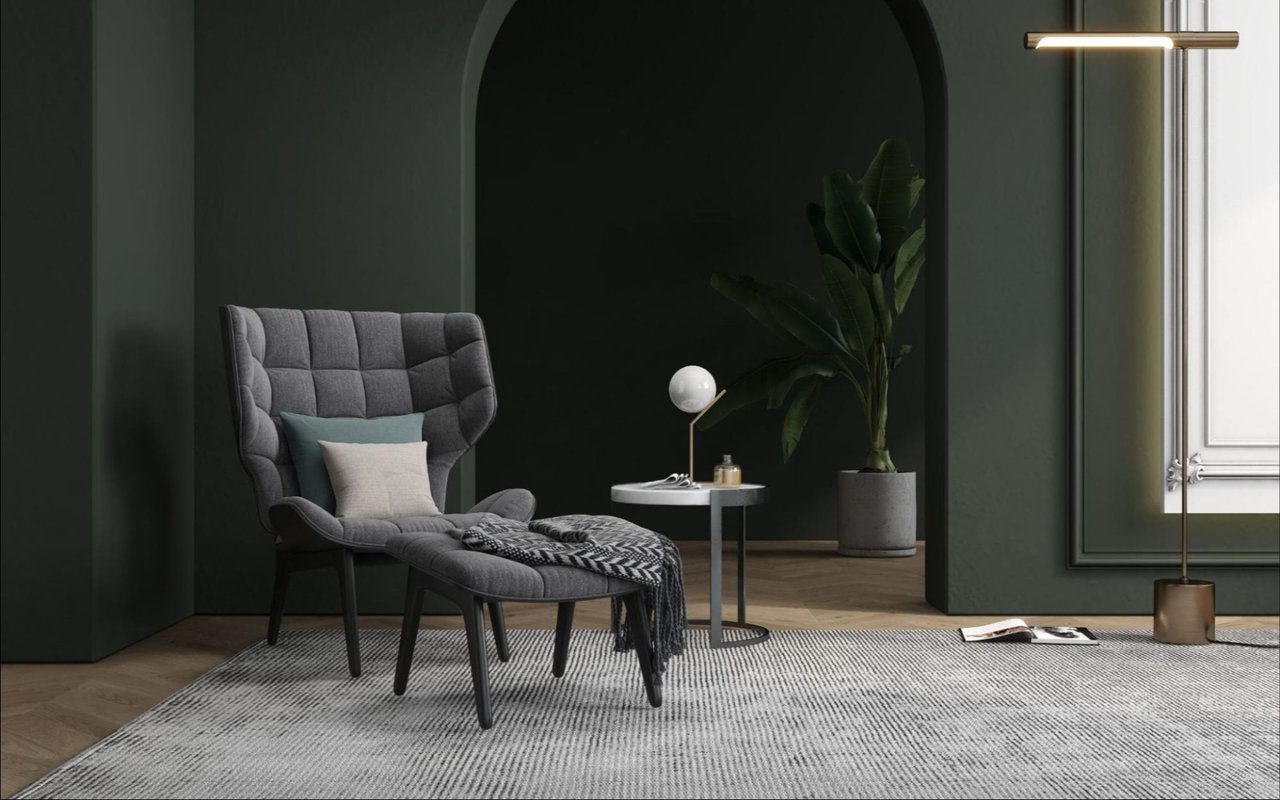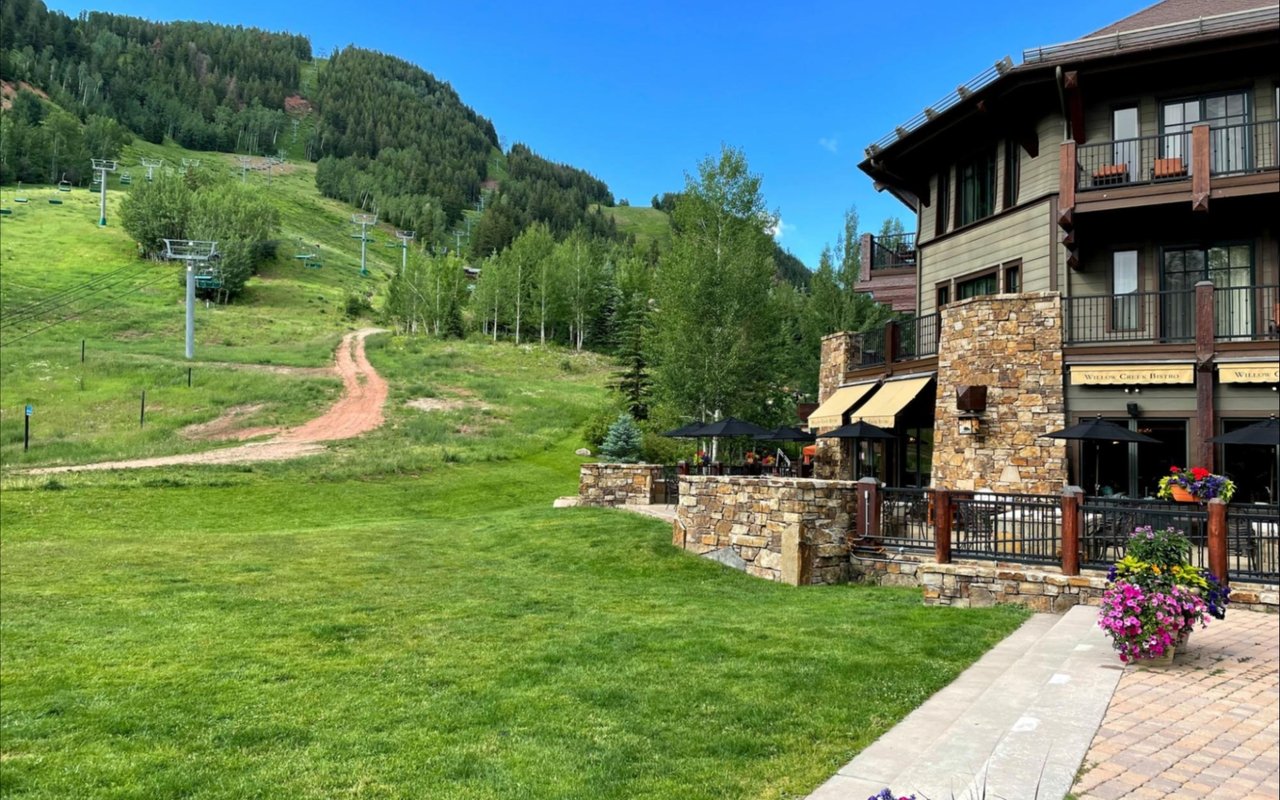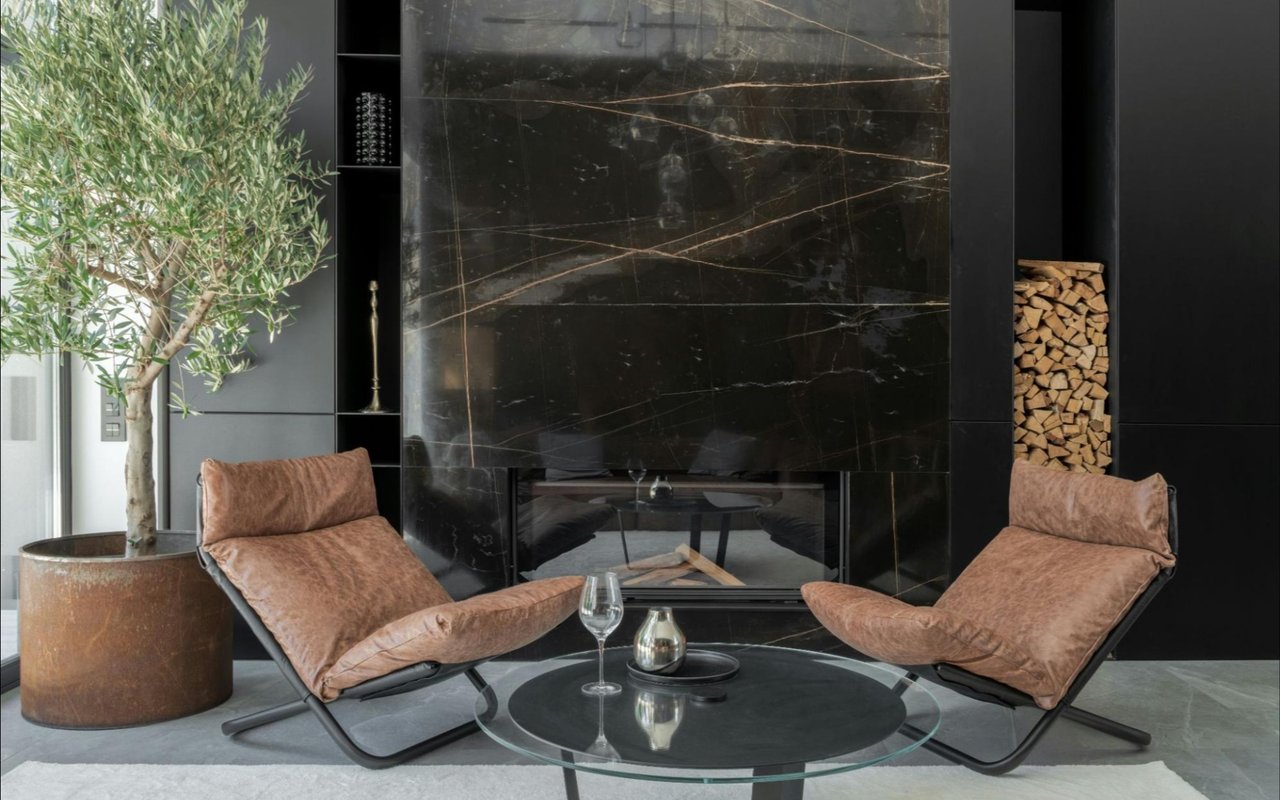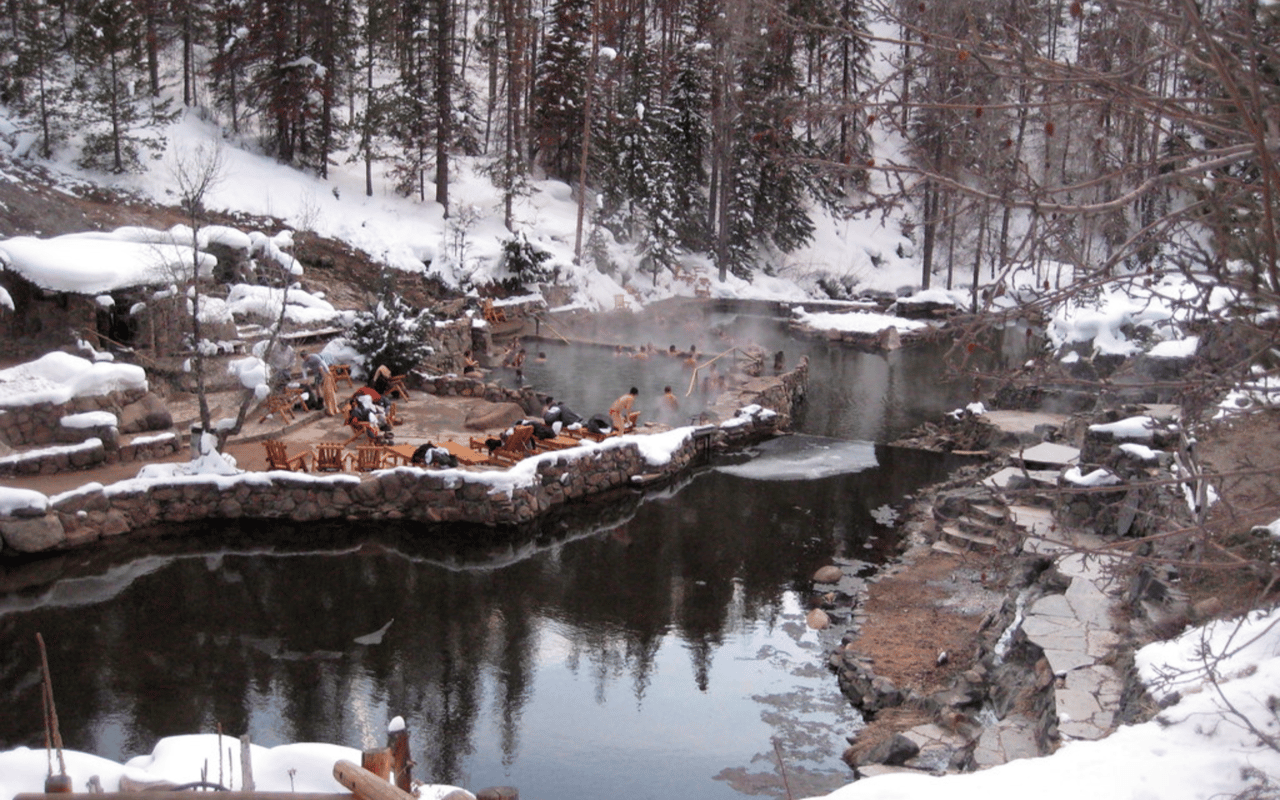
Choosing between Aspen’s classic Victorian charm and its clean-lined mountain modern look is about more than taste. In Aspen, architecture often shapes how you live in a home, what kind of updates you can make, and how a property fits into the town’s layered history. If you are buying, selling, or simply comparing options, understanding these two signature styles can help you make a smarter decision. Let’s dive in.
Why Aspen Has Two Signature Styles
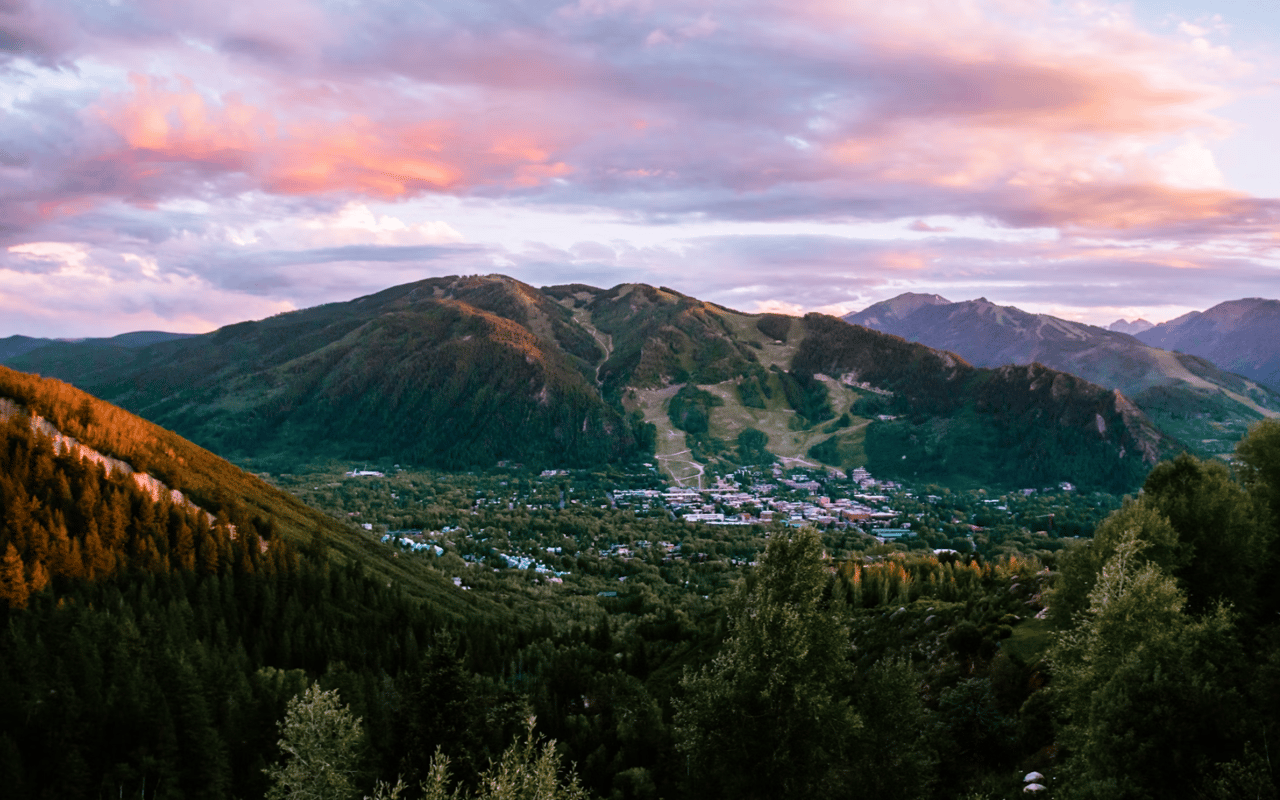
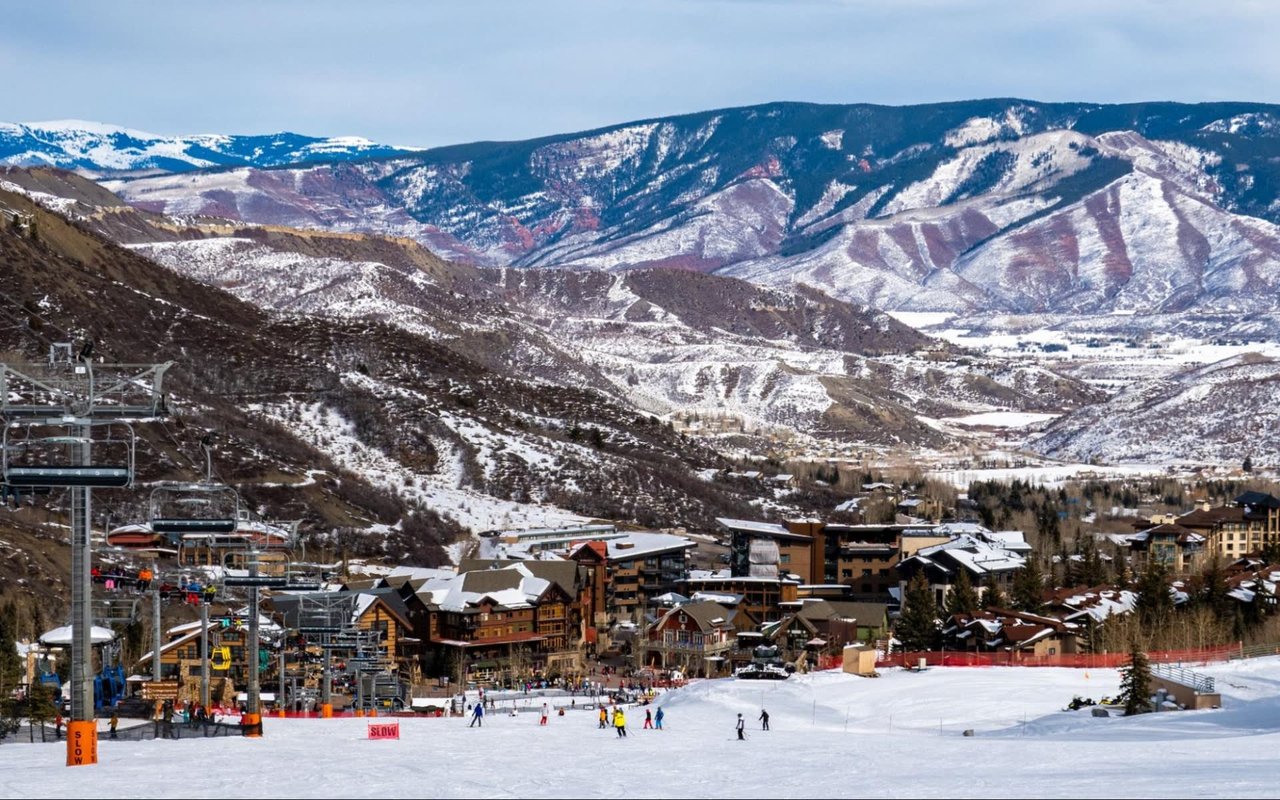
Aspen’s architectural identity reflects two major chapters of its history. One comes from the late-19th-century mining era, when Victorian buildings helped define the original town. The other grew from the postwar ski era, when modern design took hold and helped shape the Aspen many people recognize today.
That split is not just visual. The City of Aspen has long-standing preservation rules, dating back to the early 1970s, and today it maintains historic inventories and a preservation commission that reviews certain changes to designated properties and buildings in historic districts. In practical terms, style in Aspen is often tied to approvals, timelines, and renovation flexibility.
What Victorian Means in Aspen
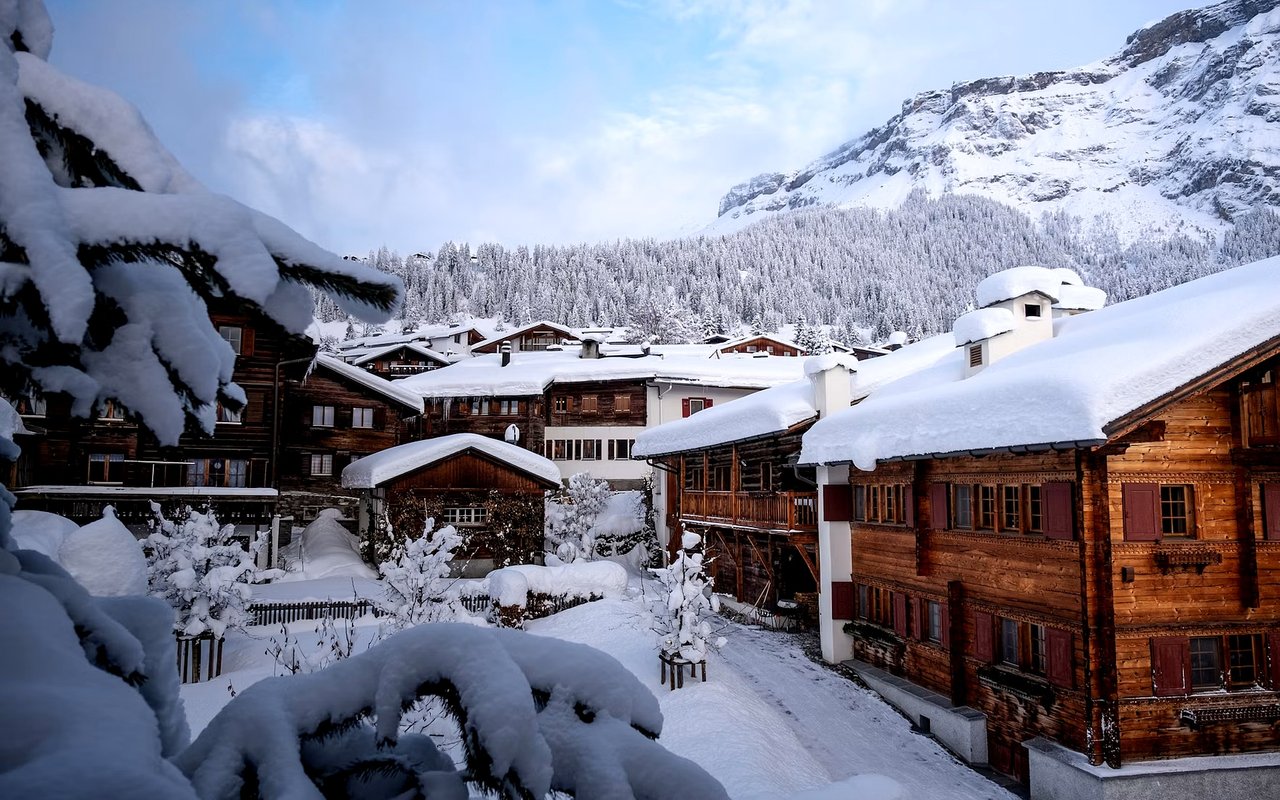
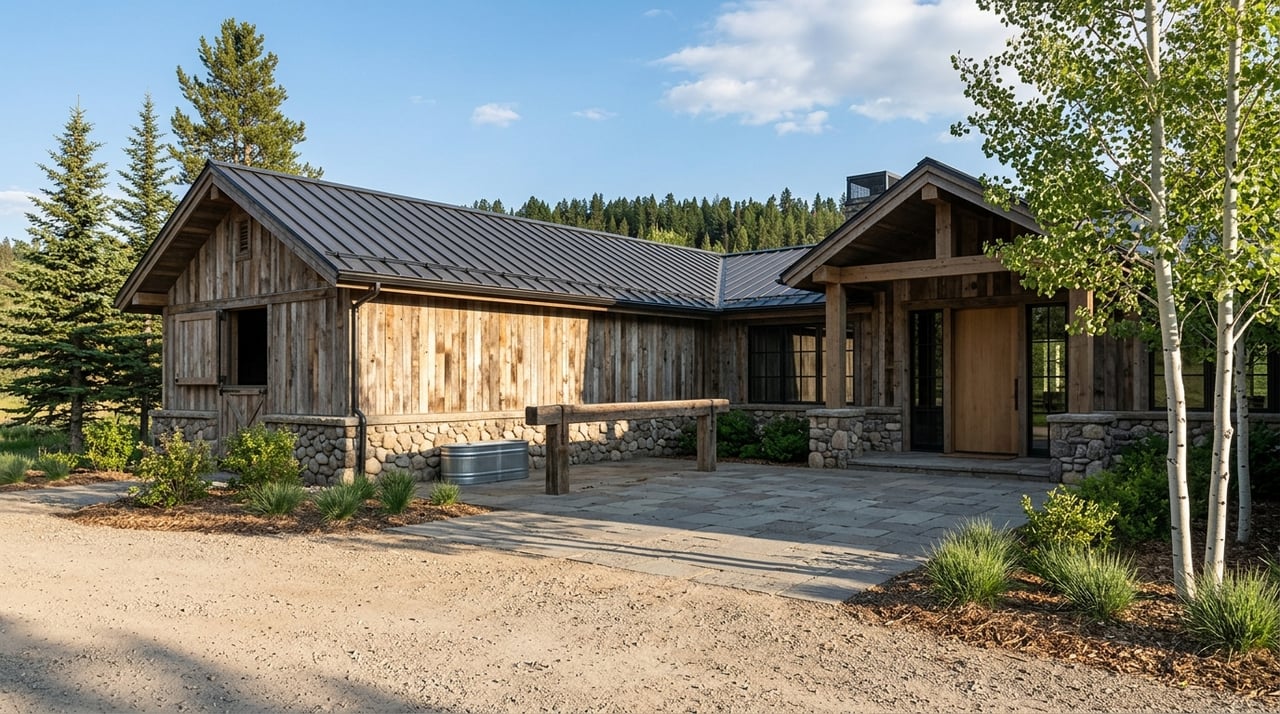
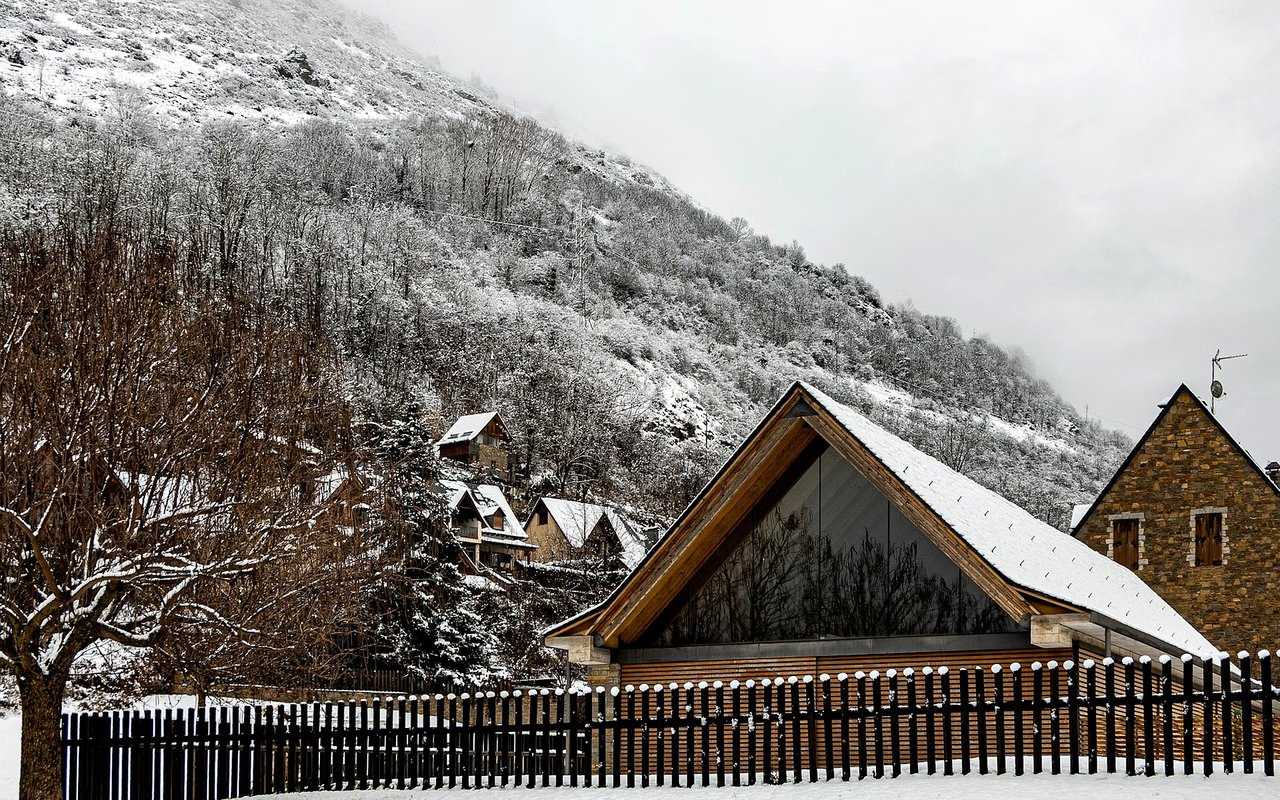
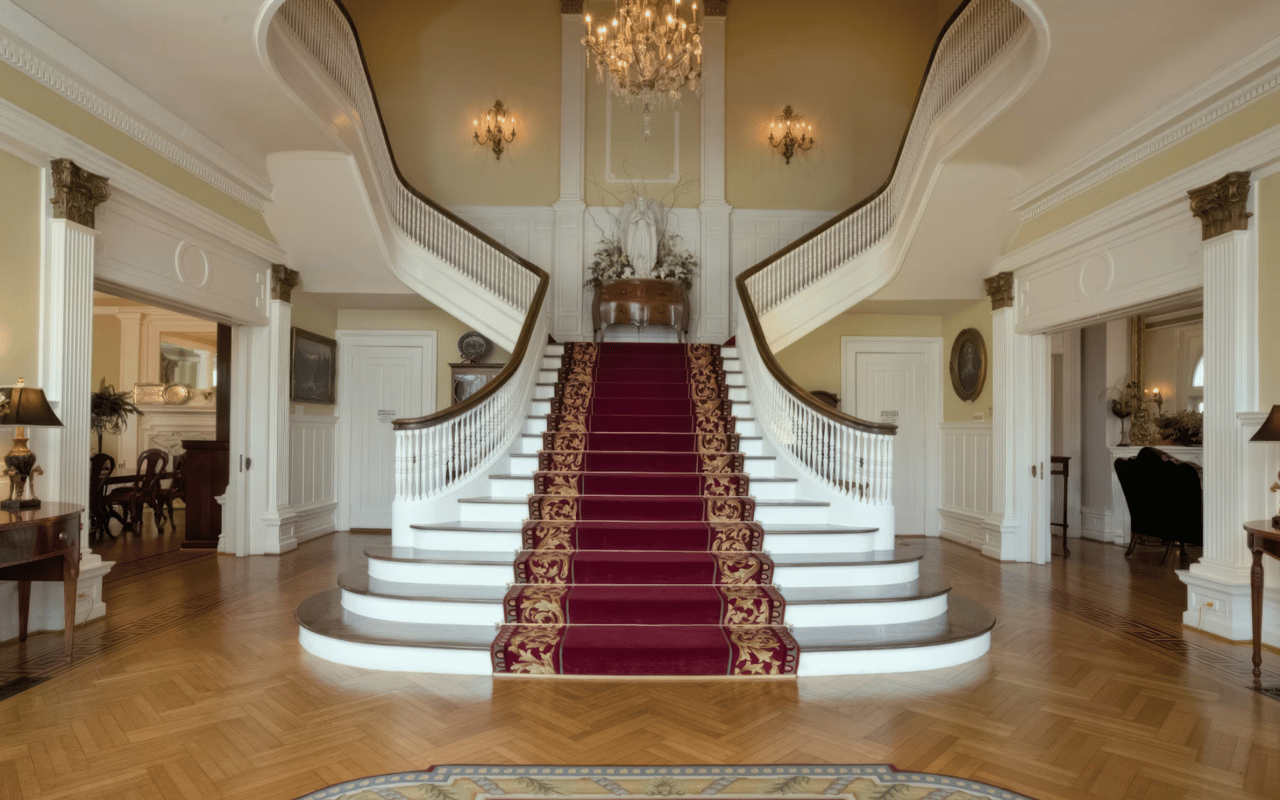
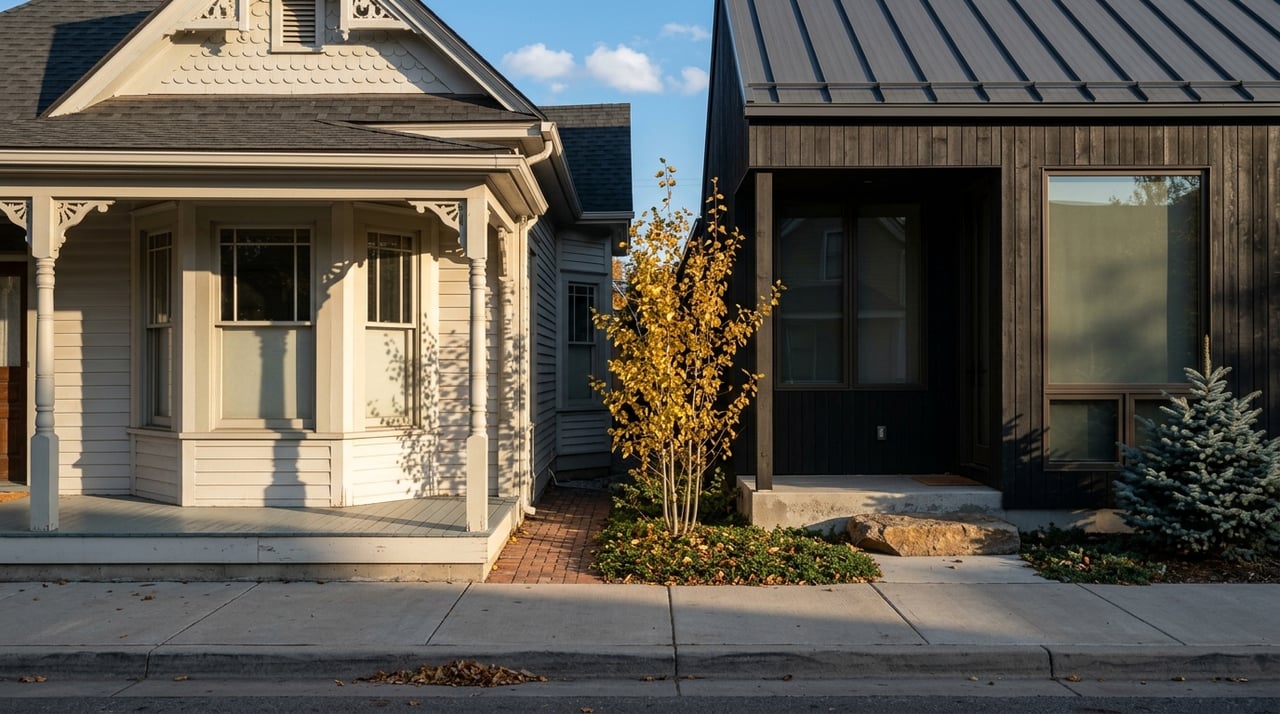
In Aspen, Victorian homes reflect the original townsite and its street-oriented layout. These homes are typically compact and rectangular, with wood siding, gabled or shed roofs, double-hung windows, and front porches that create a close relationship with the street. That design contributes to the walkable, urban feel you still notice in parts of downtown and nearby residential blocks.
Porches are a defining feature. Aspen’s historic guidelines note that Victorian porches often include railings, posts or columns, and decorative details, with hipped, shed, or flat porch roofs. These details give many historic homes their texture and charm.
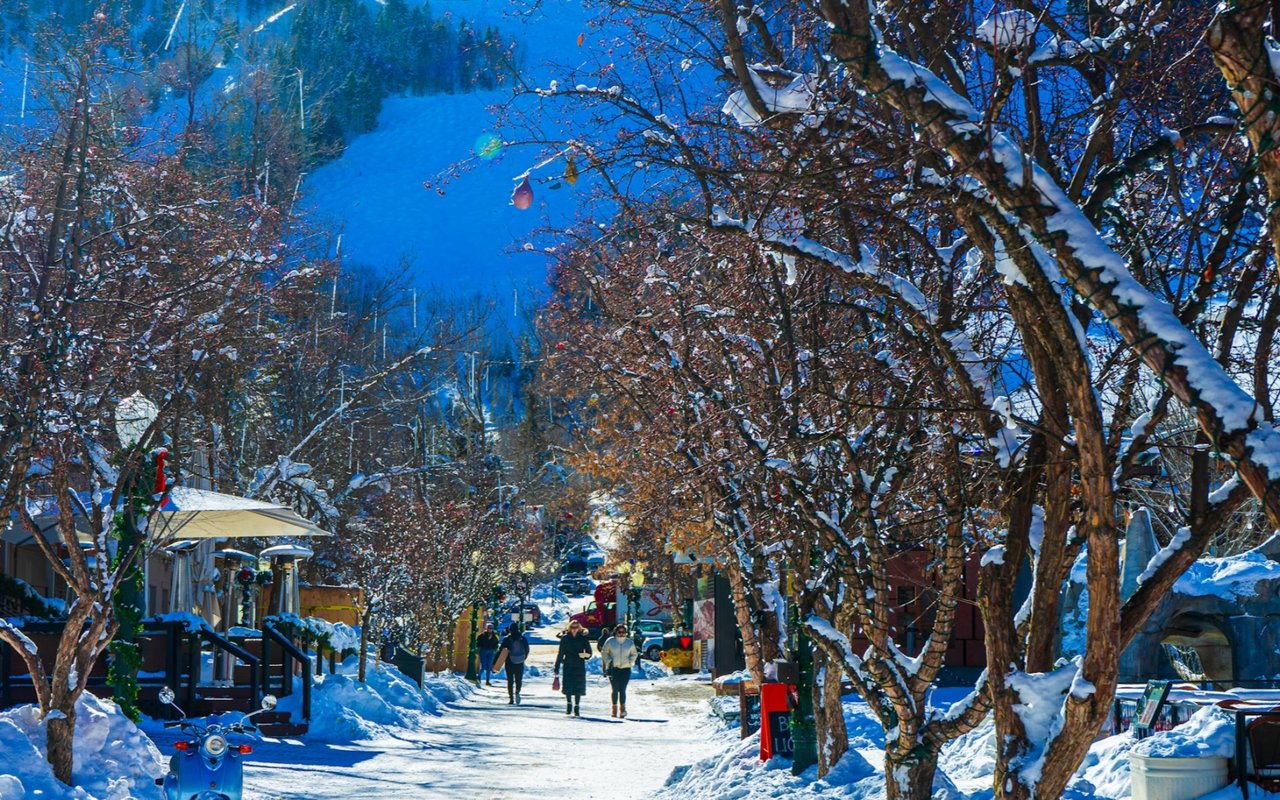
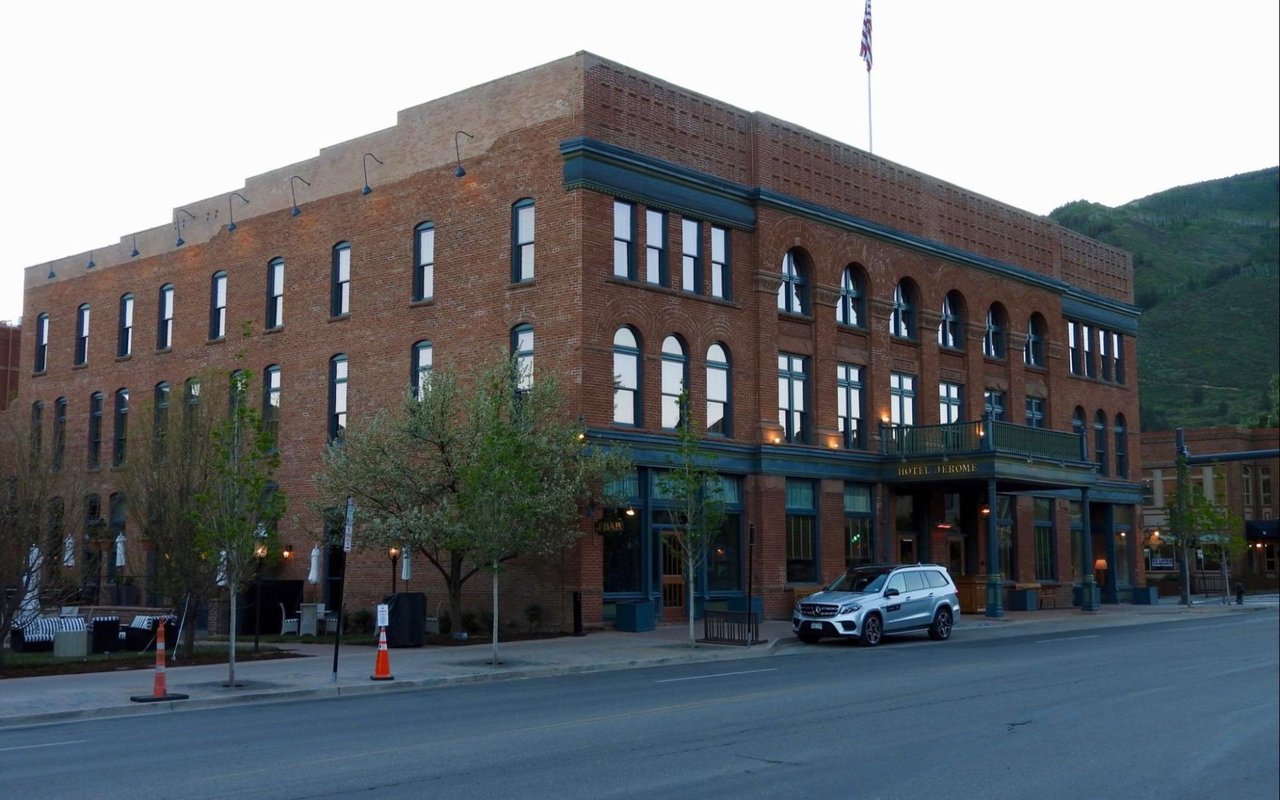
The commercial side of Victorian Aspen carries its own language. In the core, many historic storefronts are one to three stories tall, with a more transparent ground floor, smaller upper windows, recessed entries, decorative cornices, and masonry walls. That pattern helps explain why downtown Aspen still feels cohesive and pedestrian-friendly.
Victorian examples in Aspen
Publicly documented examples include residential resources such as 135 W Francis and 206 Lake, along with commercial examples like 100 S Mill and 330 E Main. Together, they show that Aspen’s Victorian story extends beyond one postcard block and appears across several parts of town.
What Mountain Modern Means in Aspen
“Mountain modern” is a useful buyer-facing term, but it is not the formal label the city uses. In Aspen’s planning and preservation language, you are more likely to see terms like AspenModern and Modern Chalet. For everyday conversation, mountain modern works as a broad umbrella for Aspen’s mid-century and postwar modernist styles.
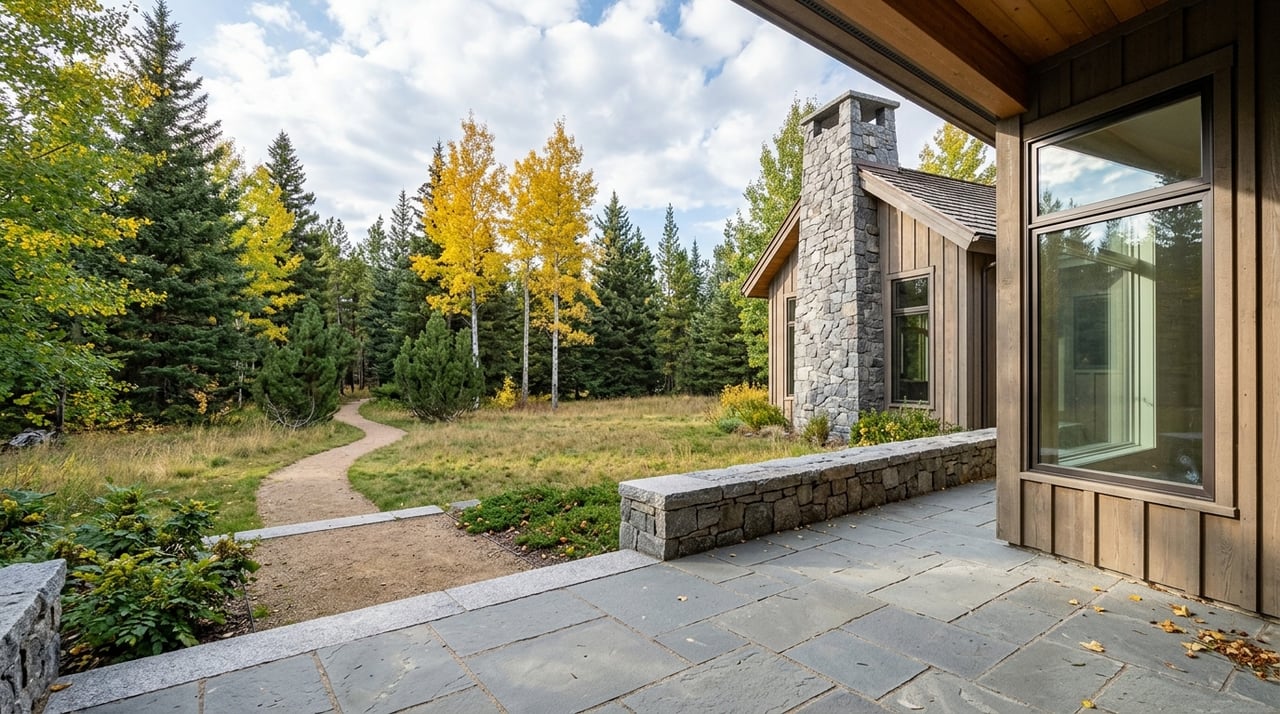
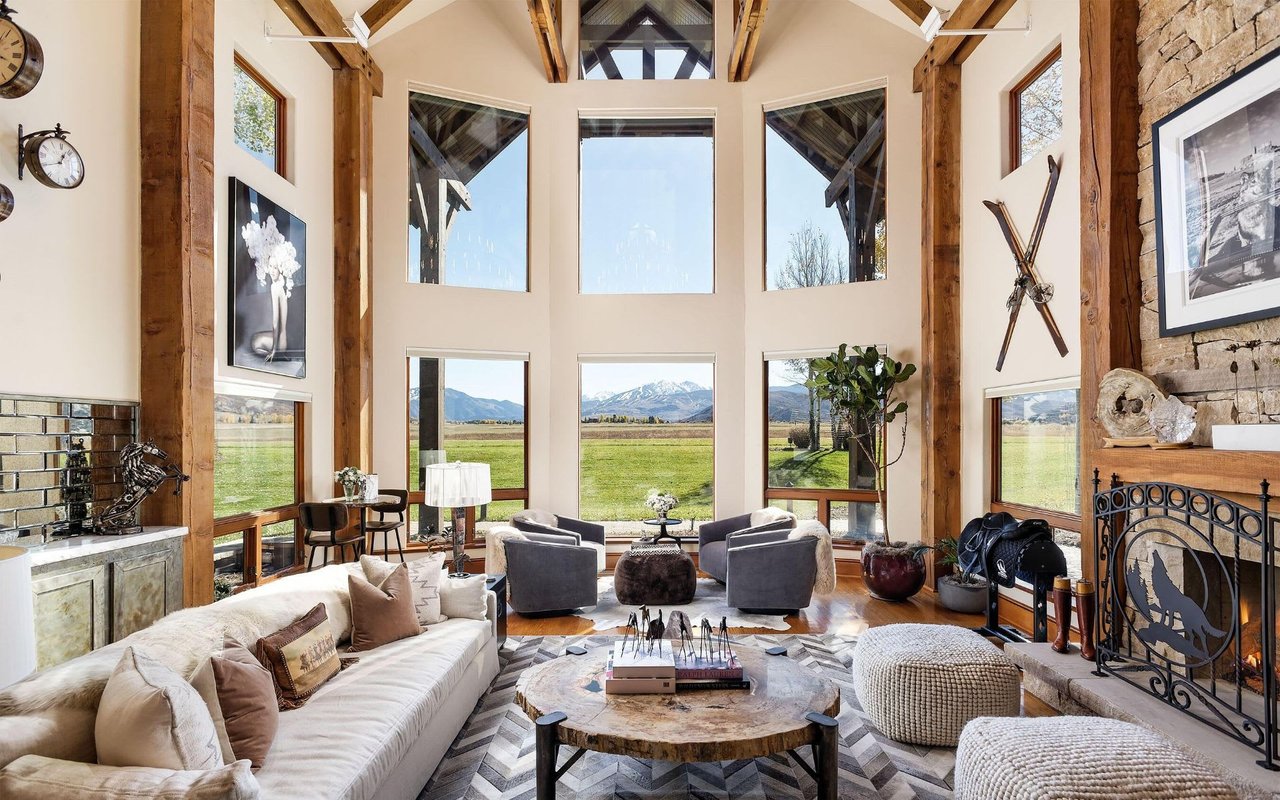
This side of Aspen’s design story grew with the ski era. AspenModern describes mid-20th-century architecture as an important part of the town’s identity, and the city’s guidelines describe Modern Chalet as a distinctive postwar housing type. These homes often feel more open to the landscape and more closely tied to the mountain setting.
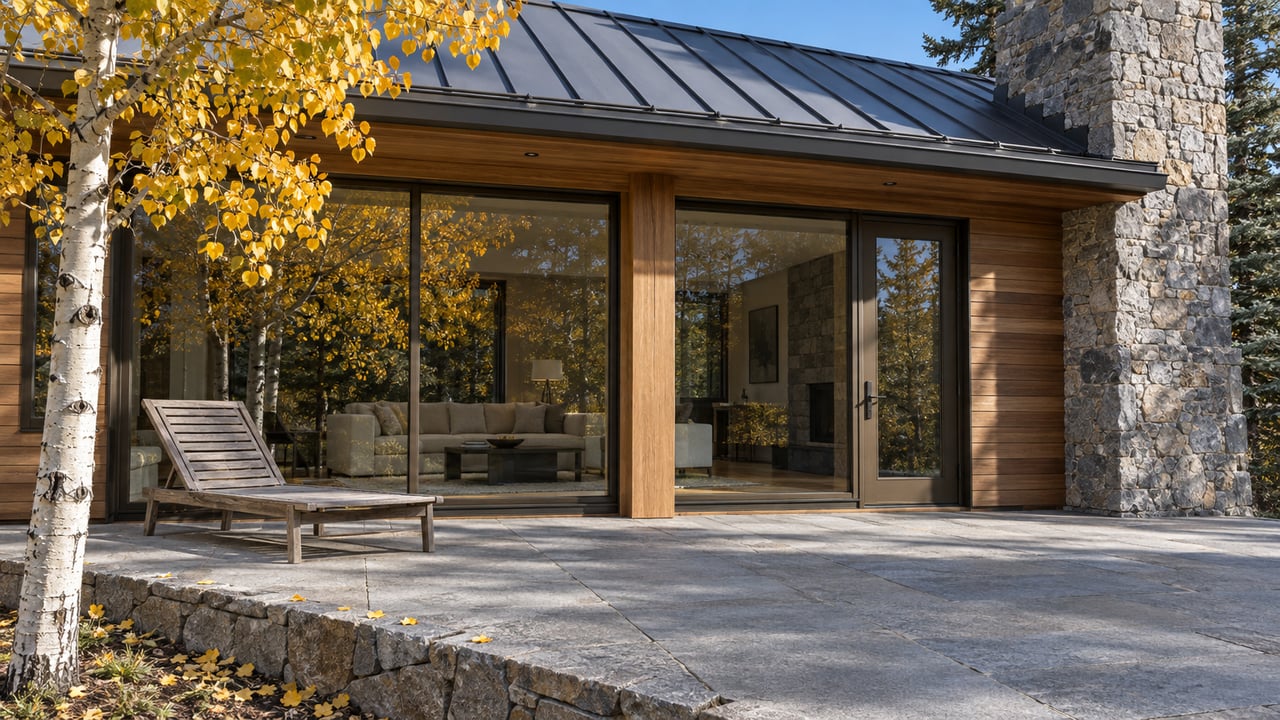
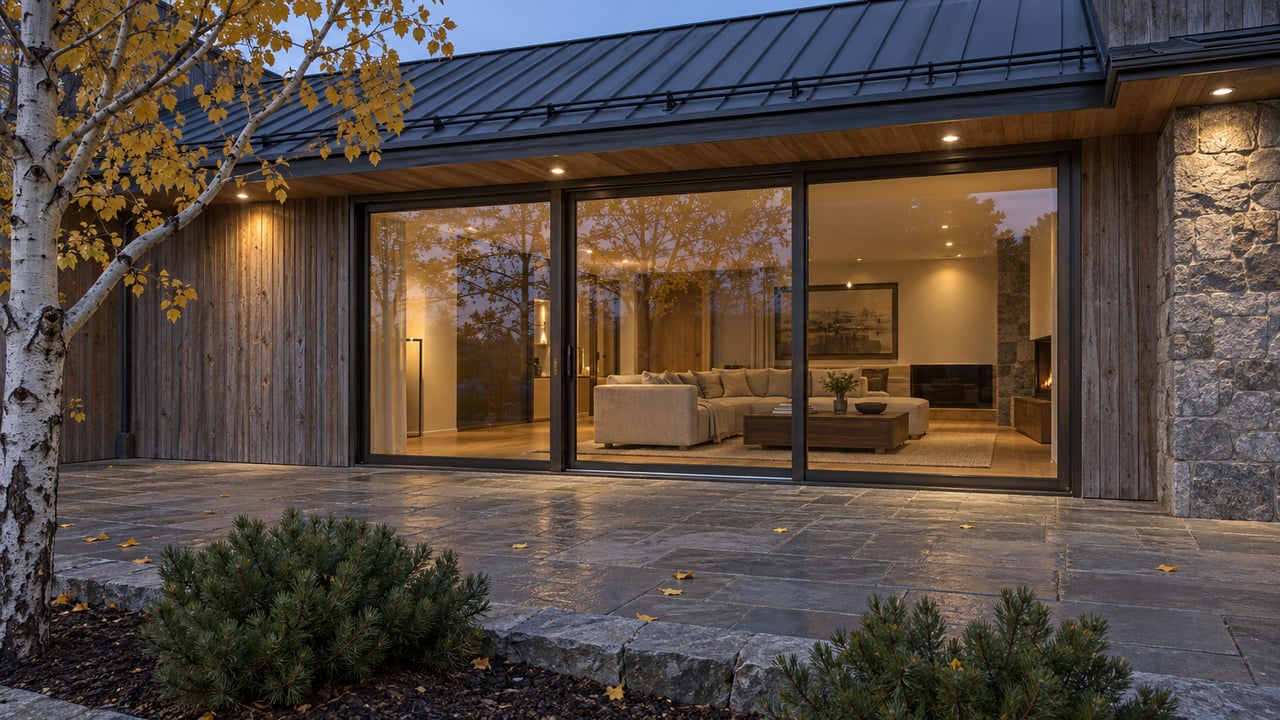
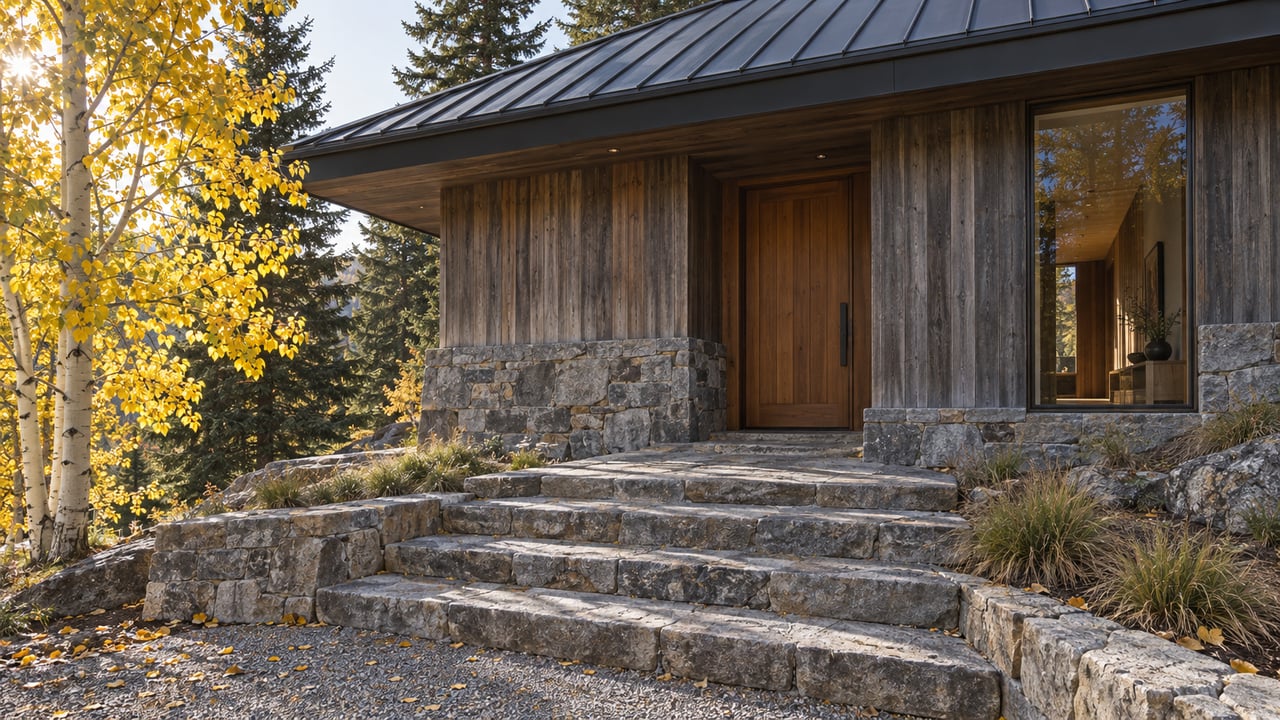
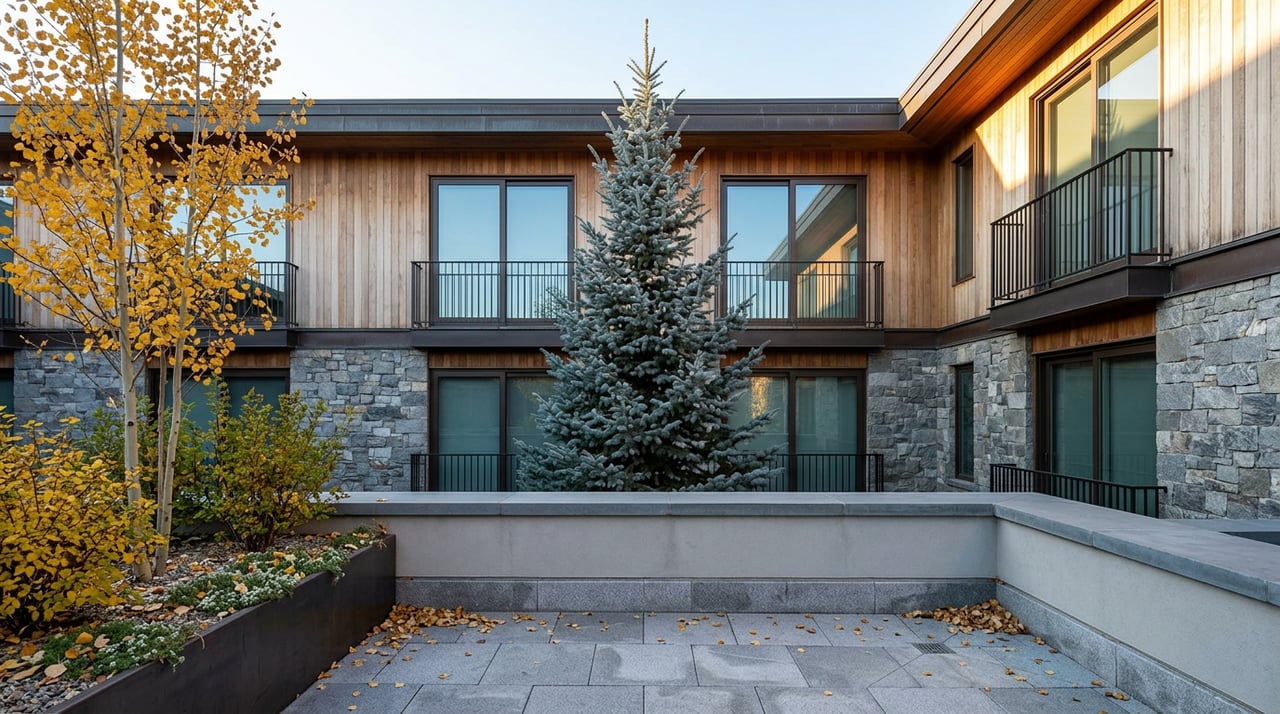
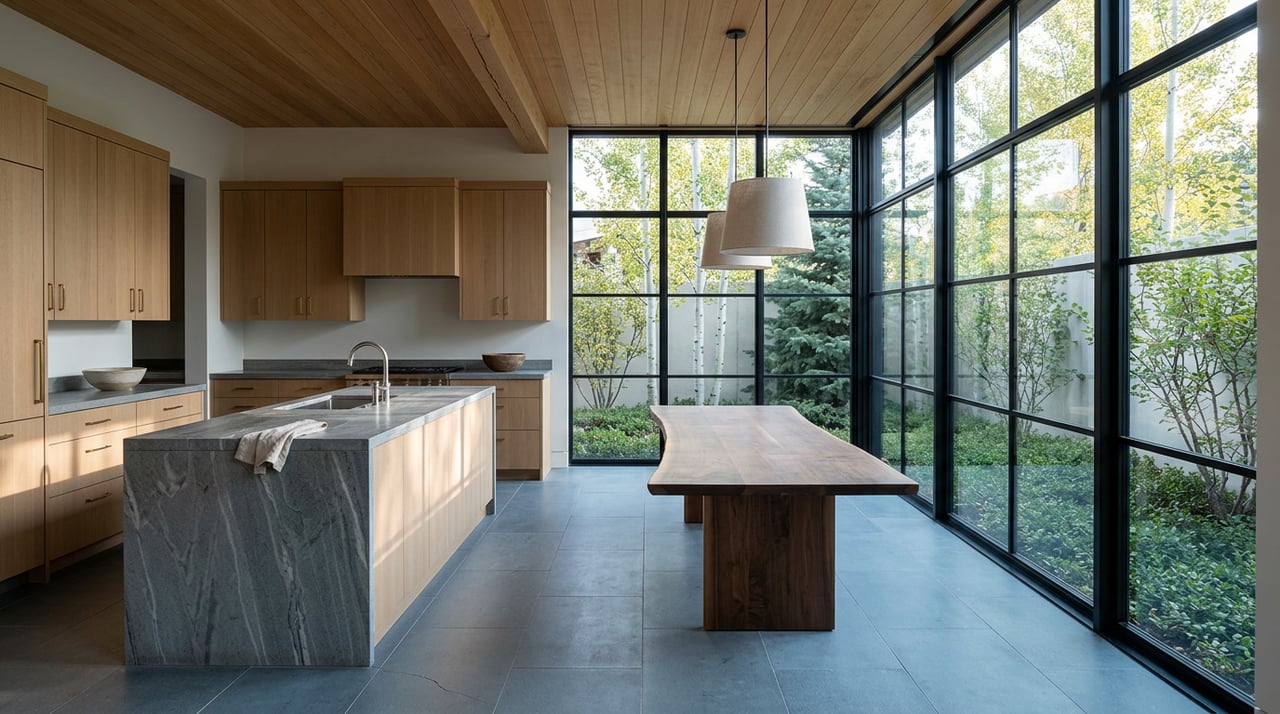
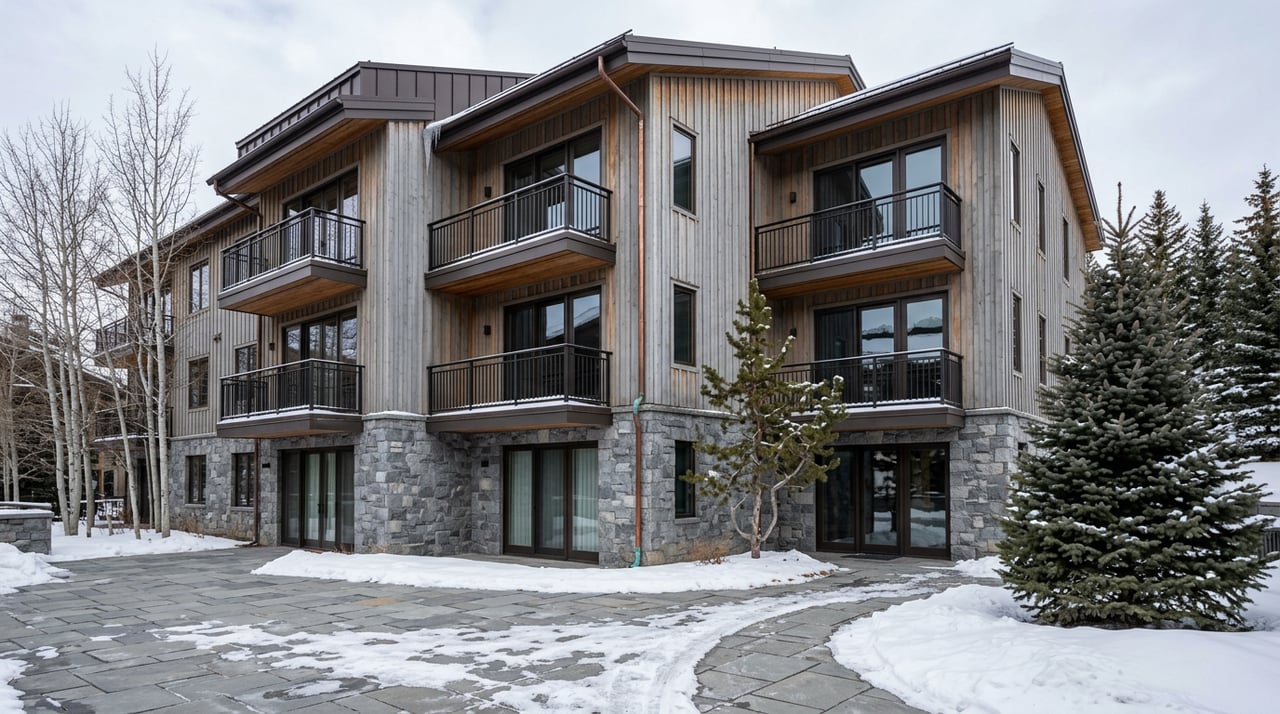
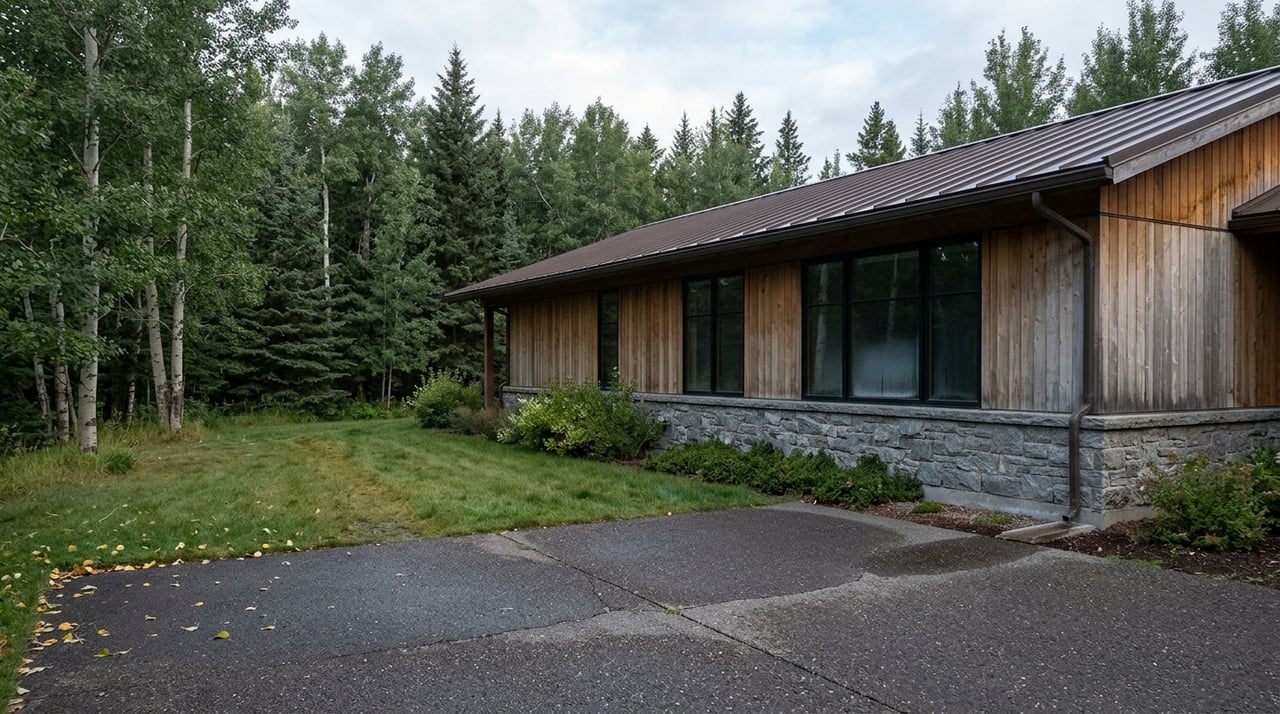
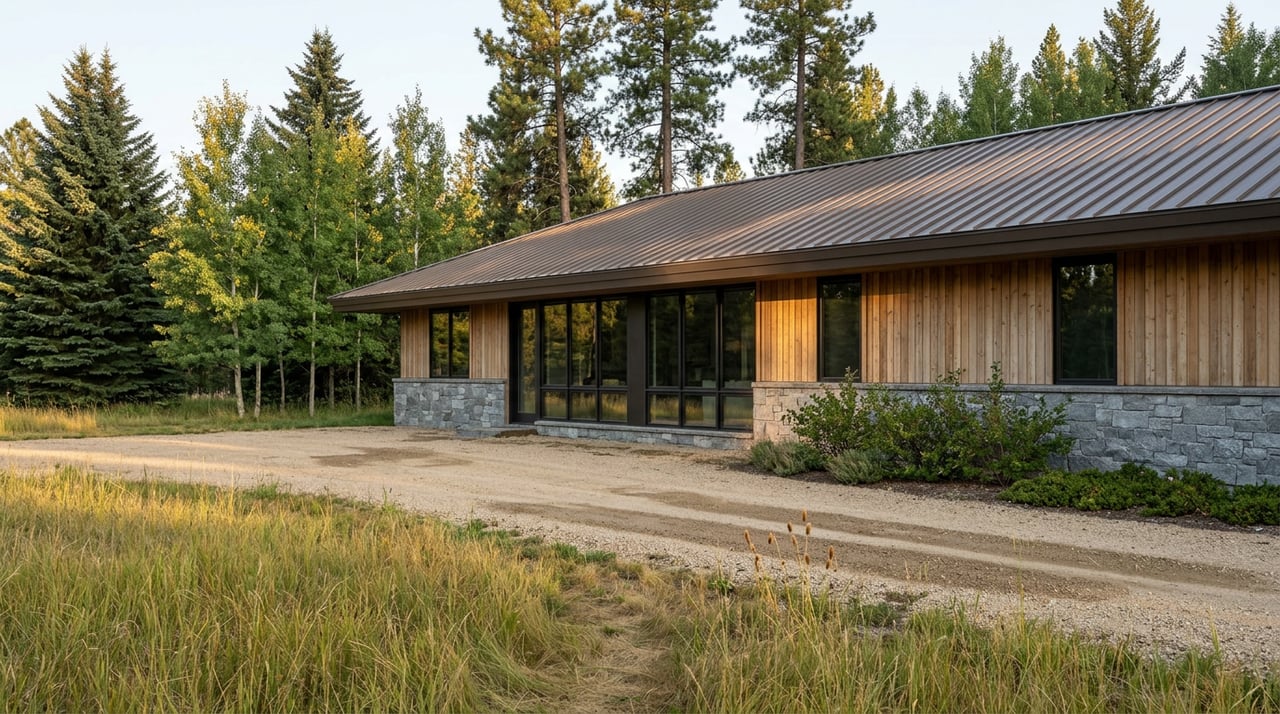
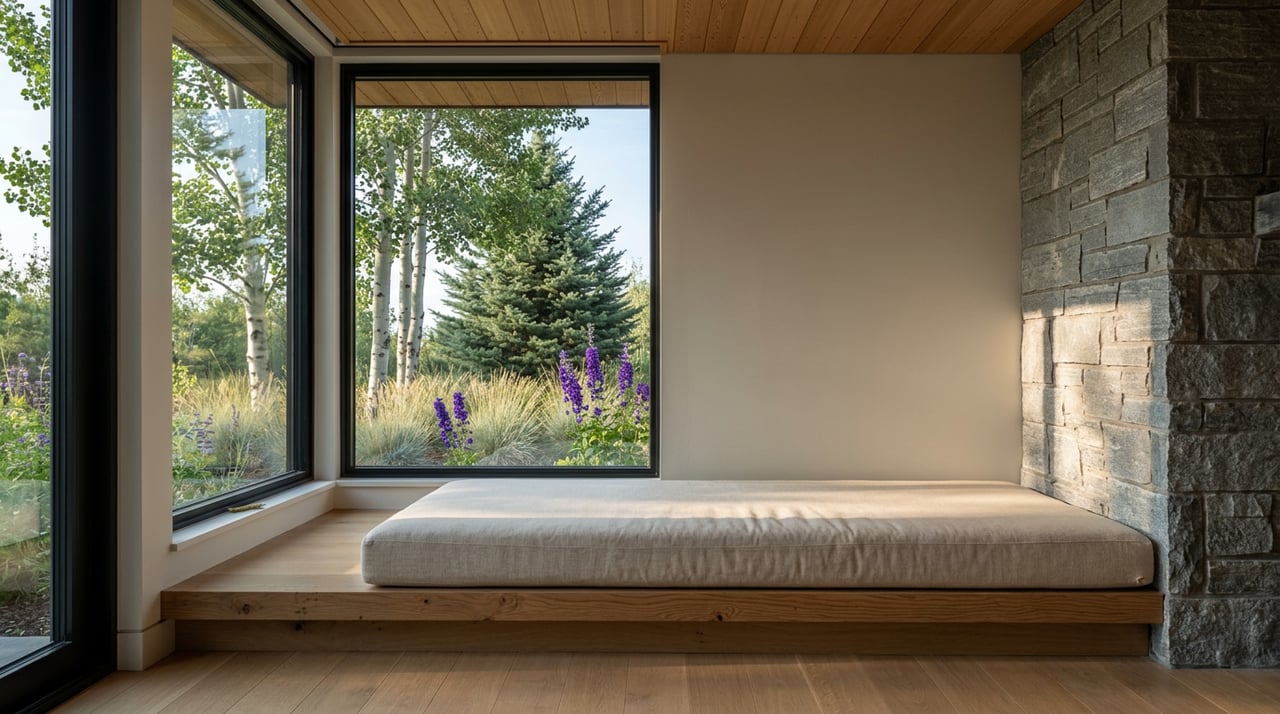
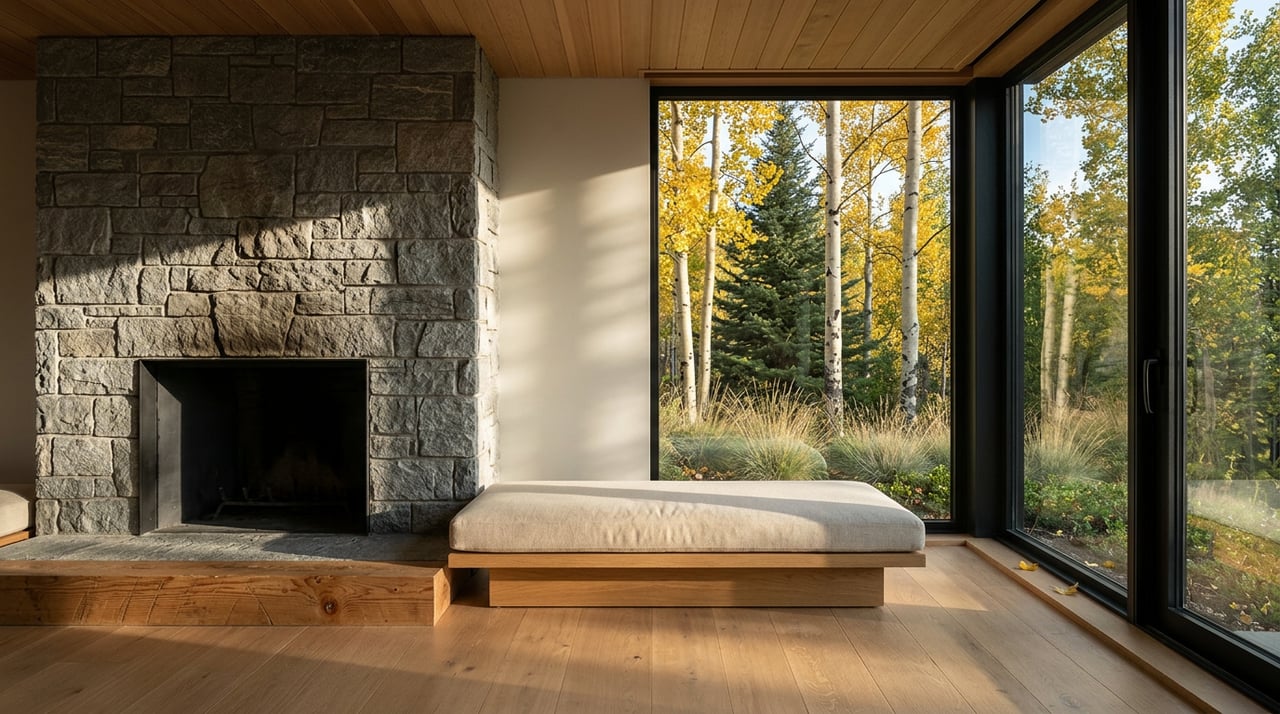
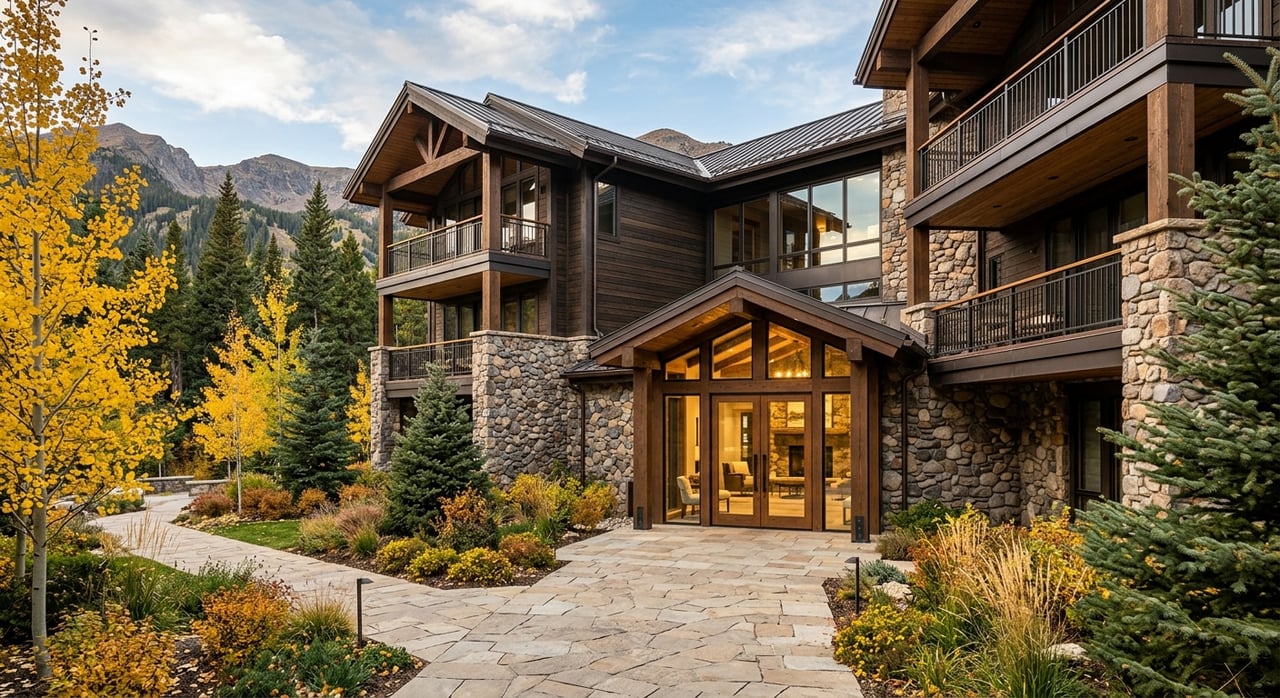
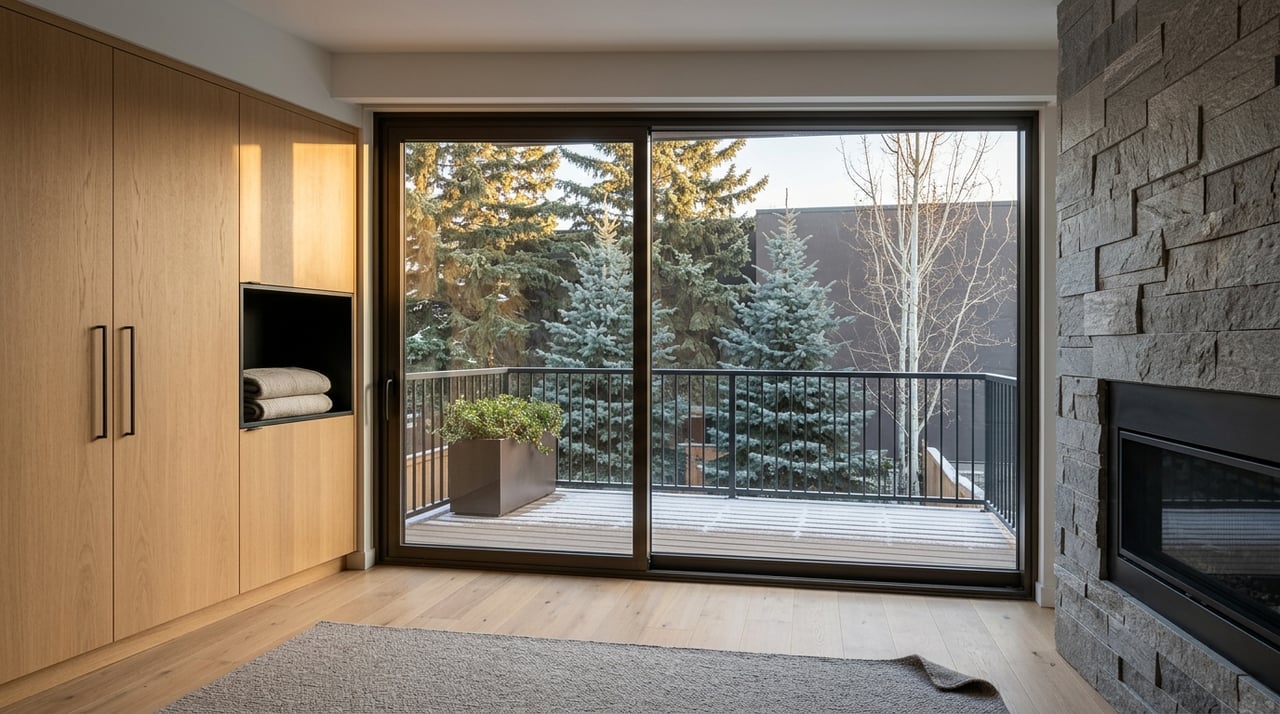
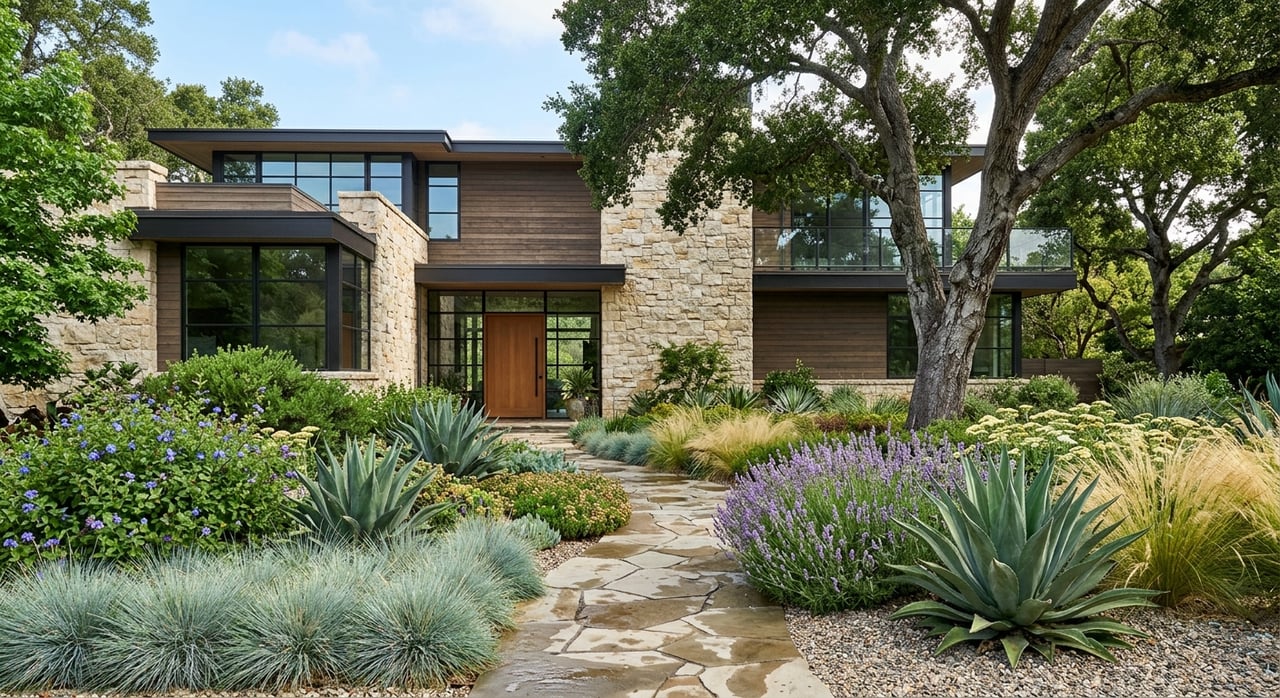
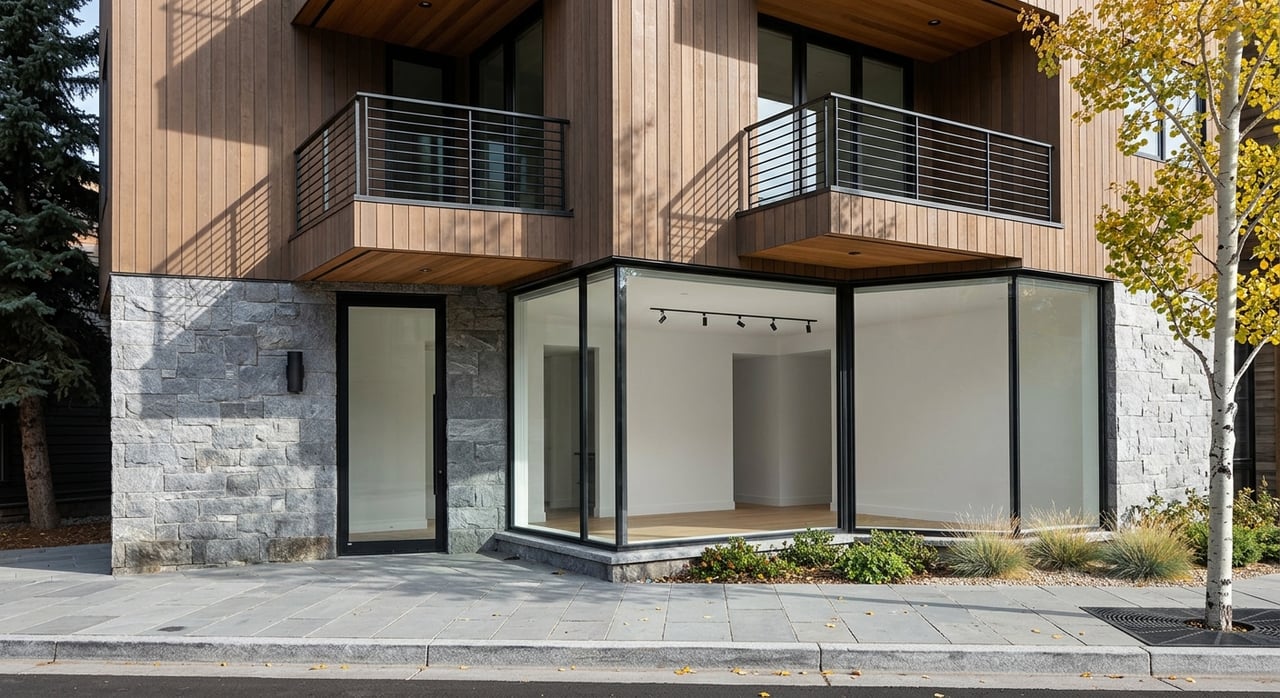
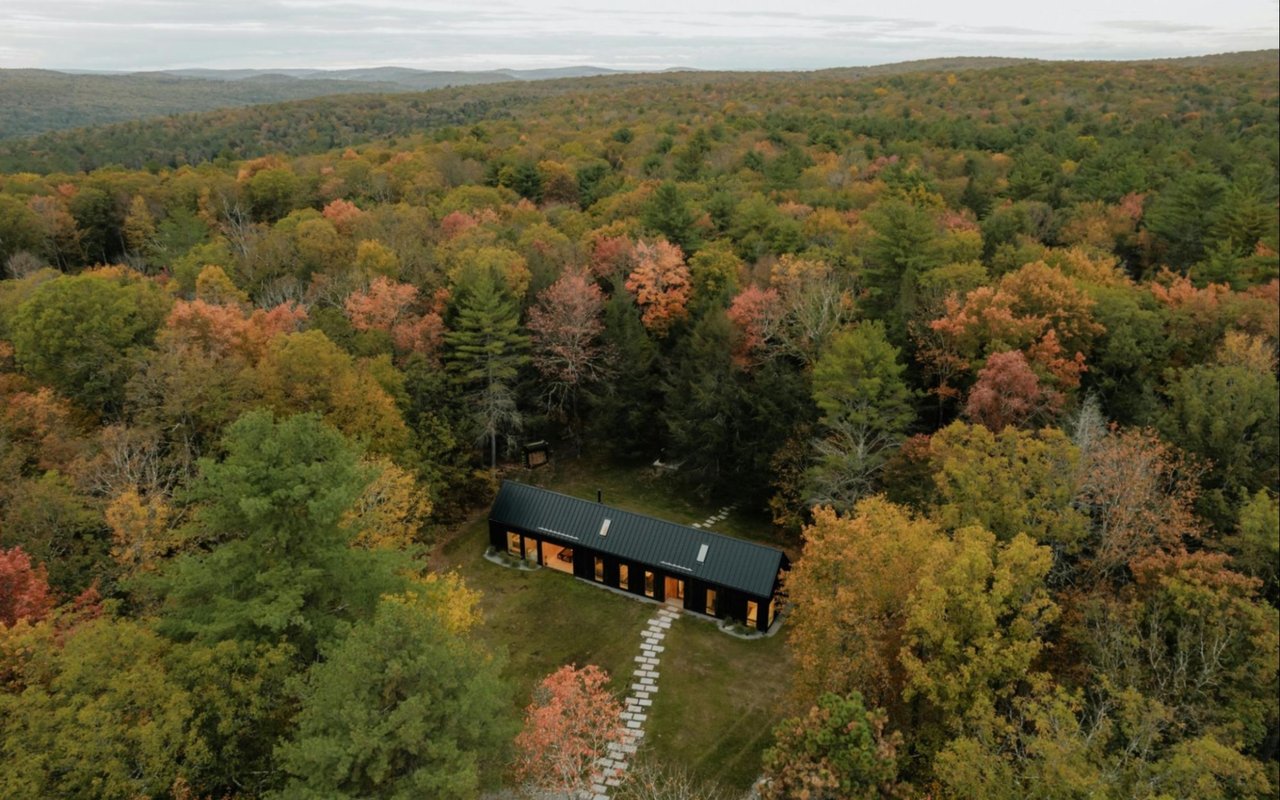
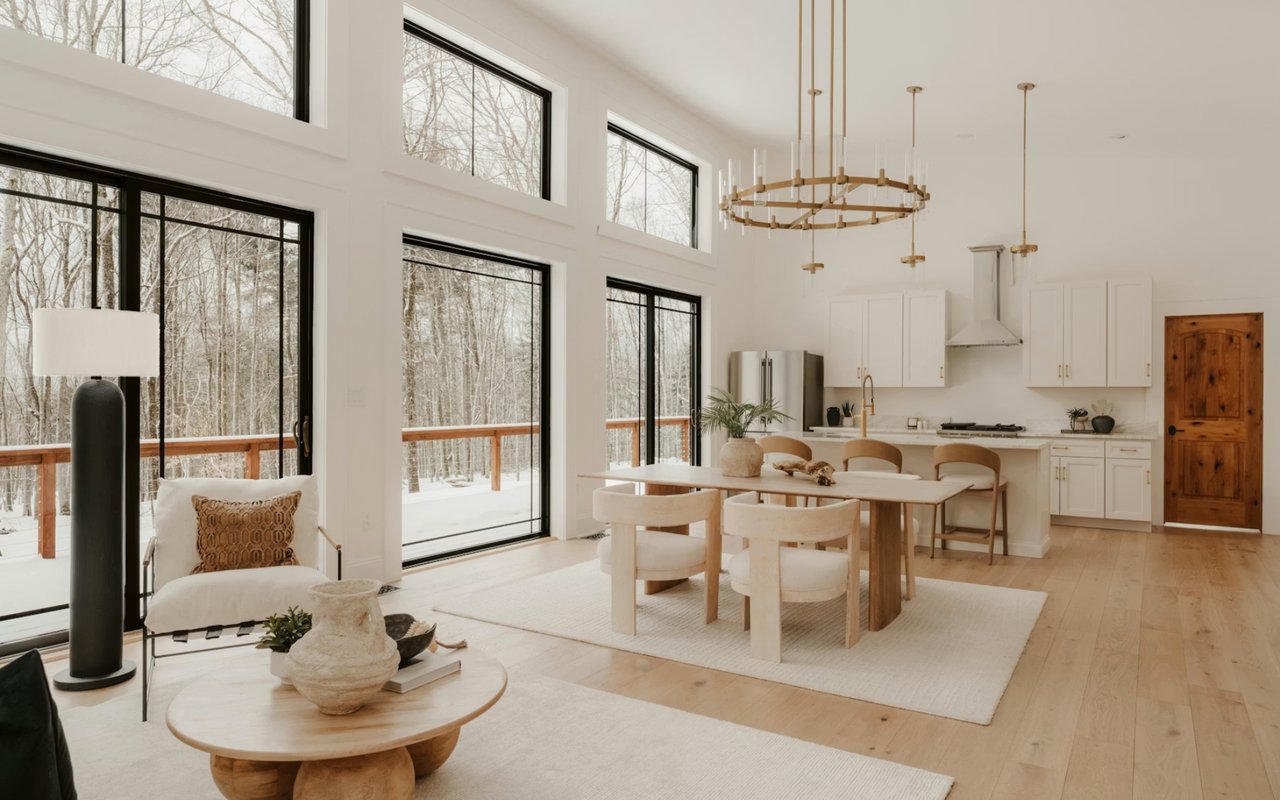
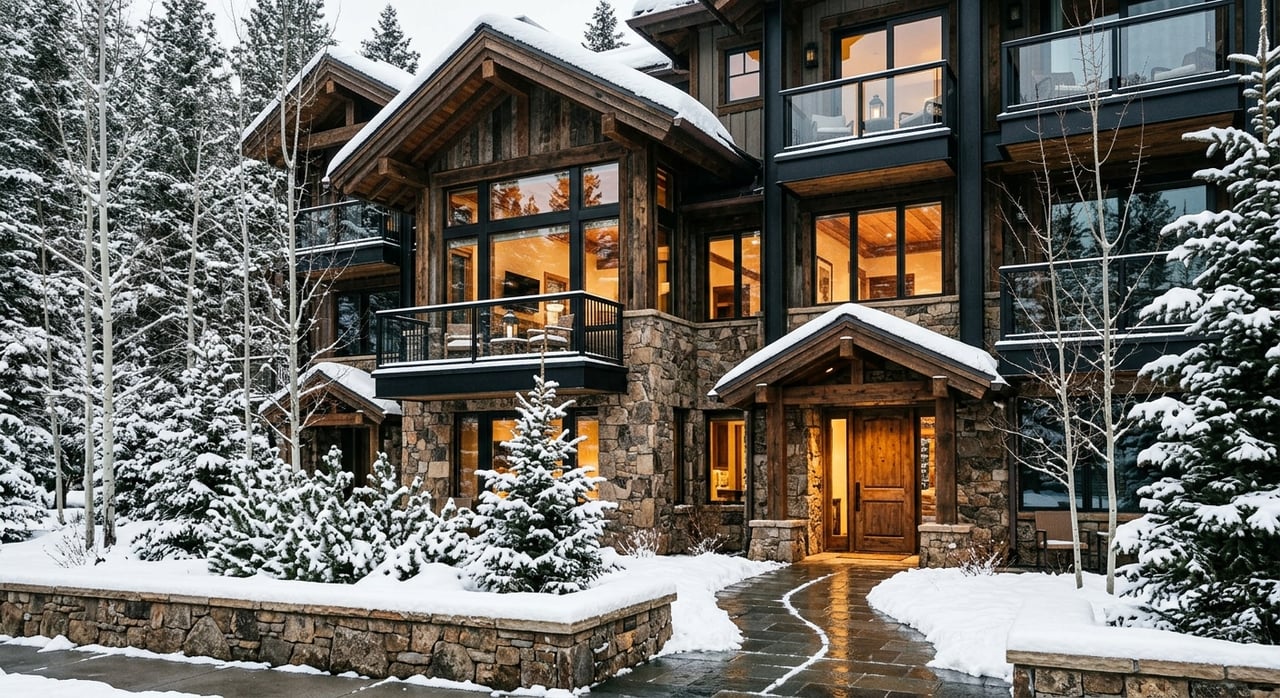
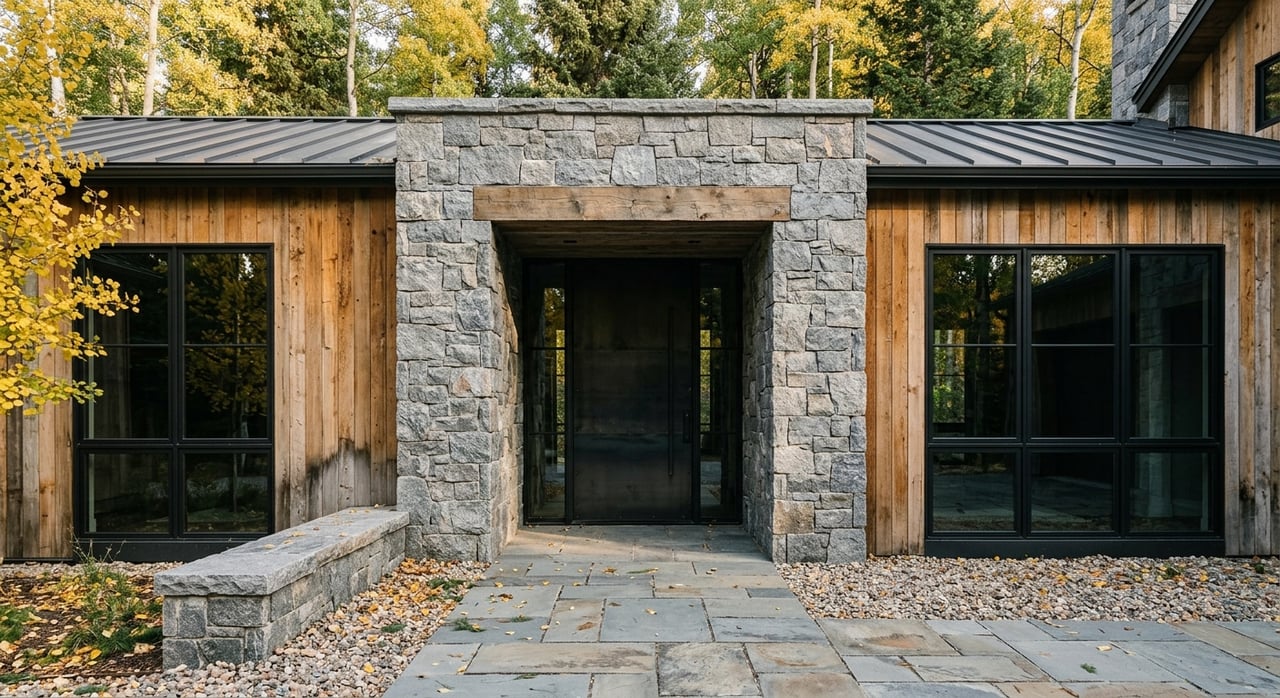
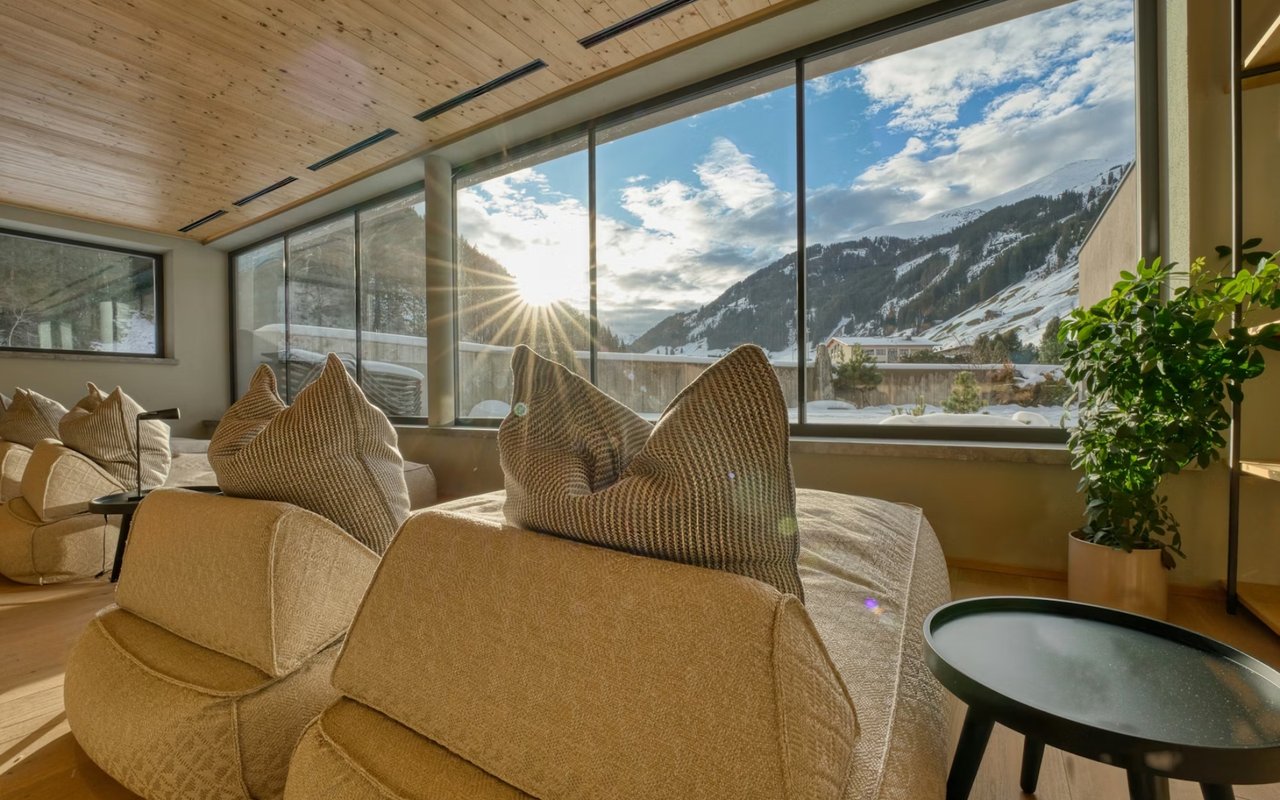
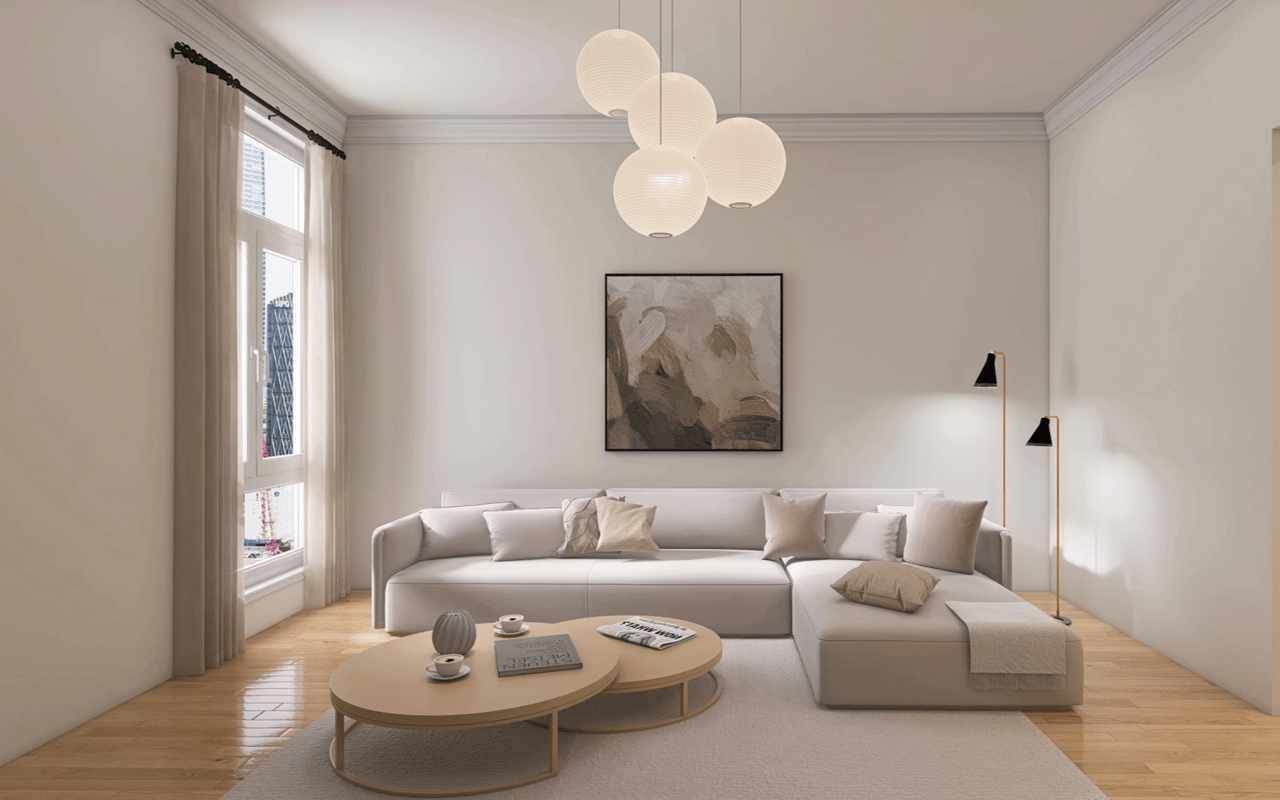
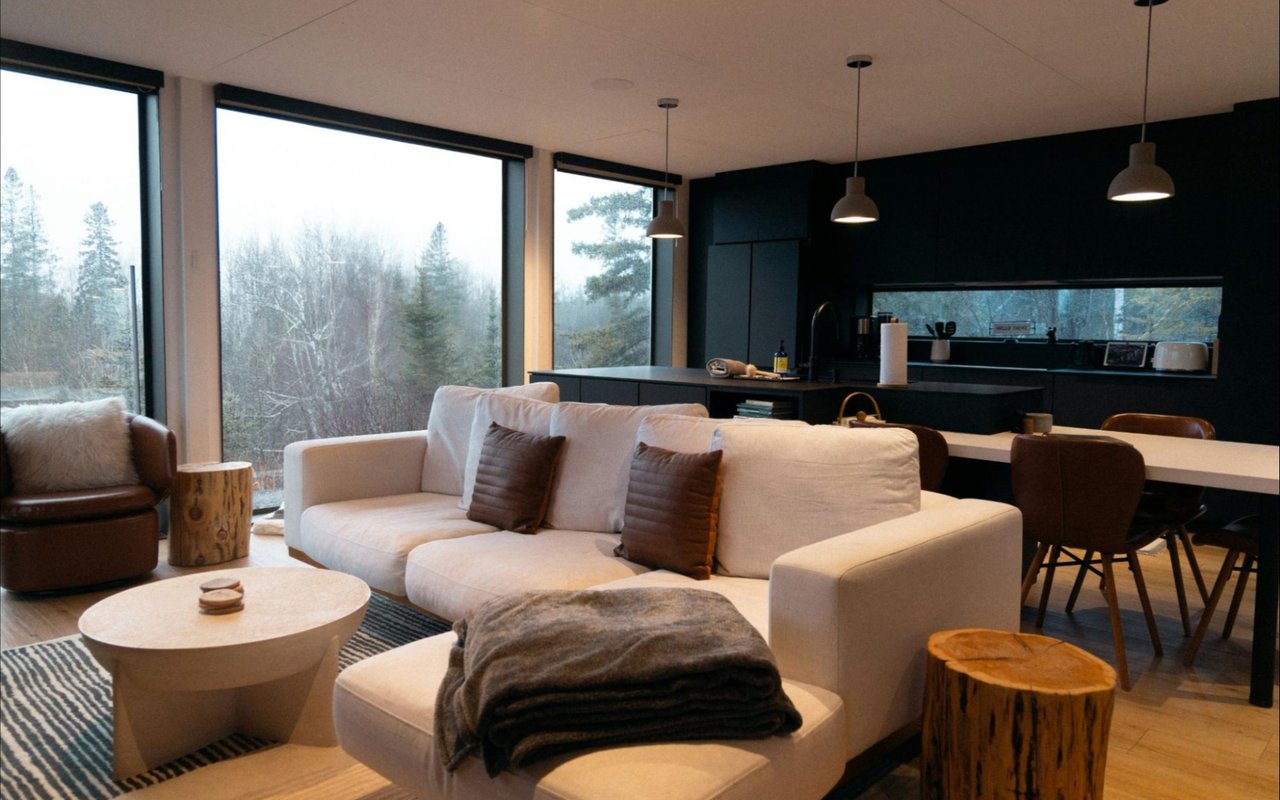
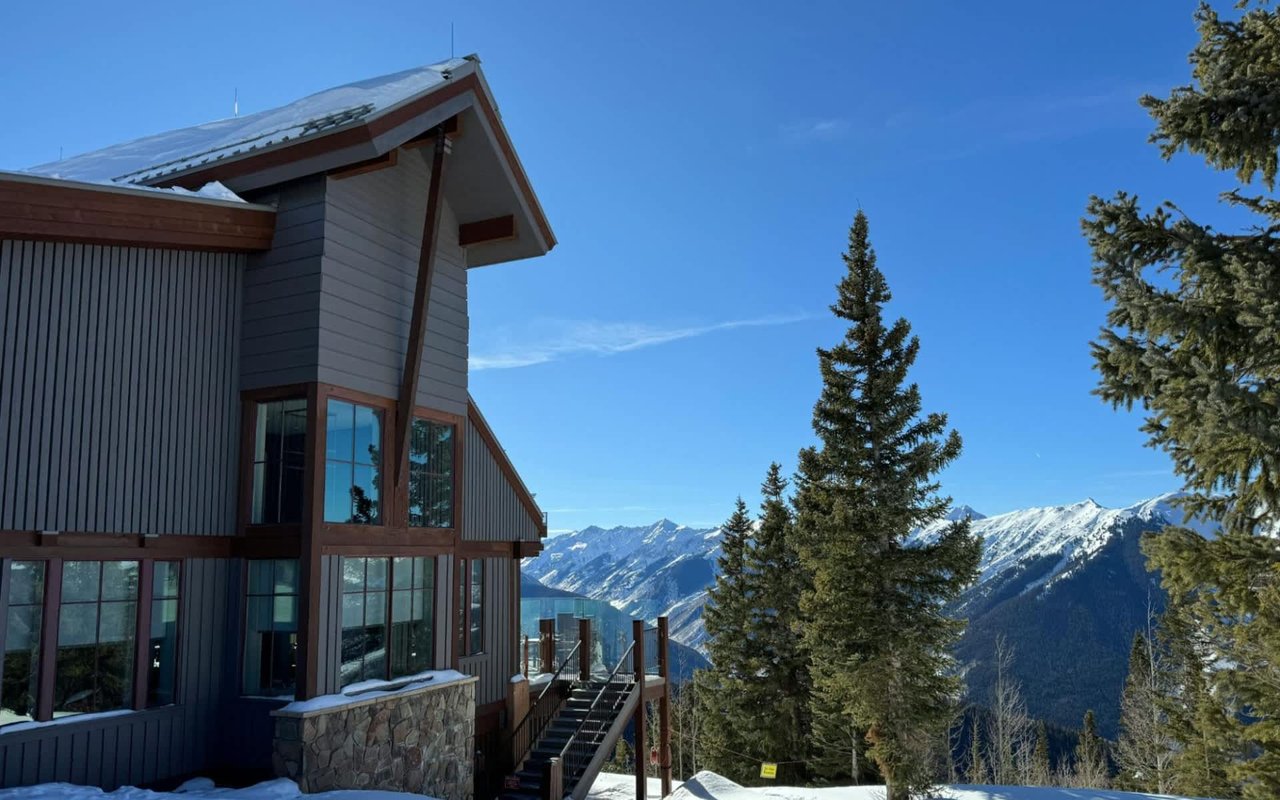
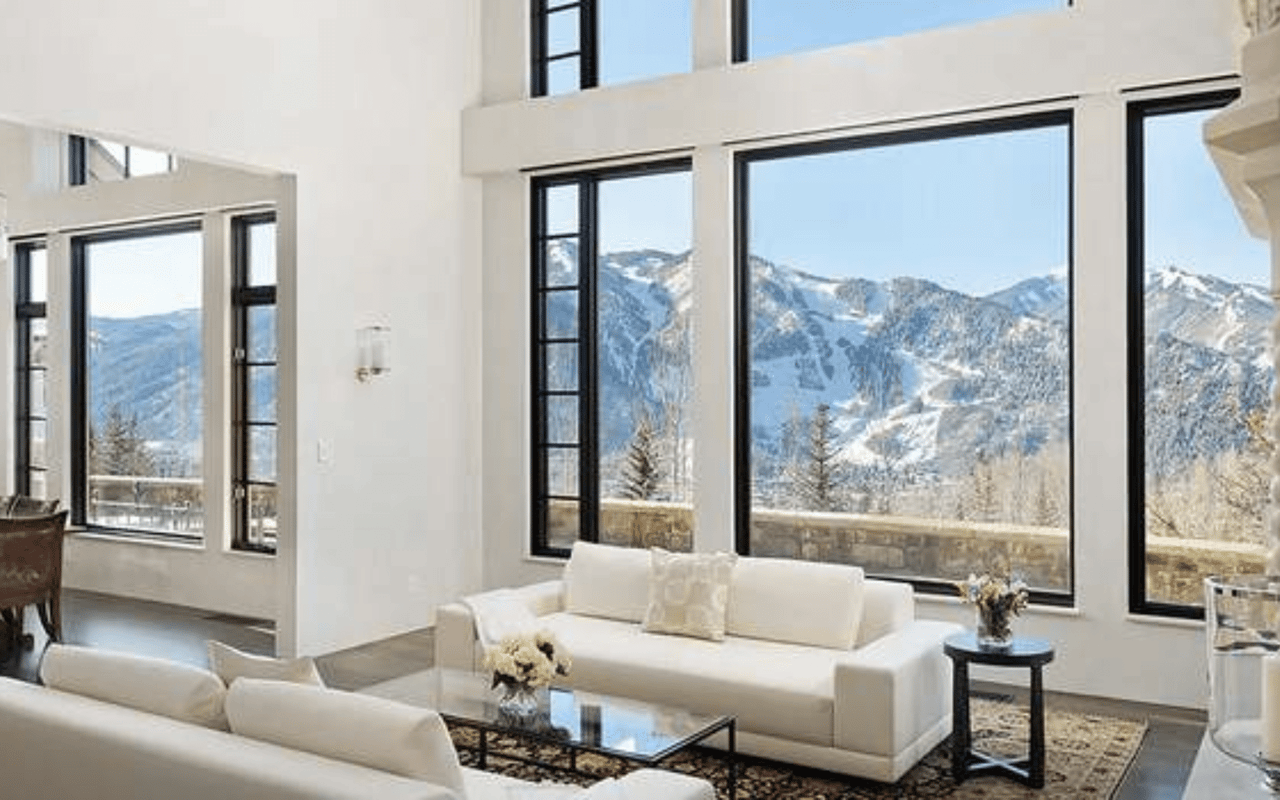
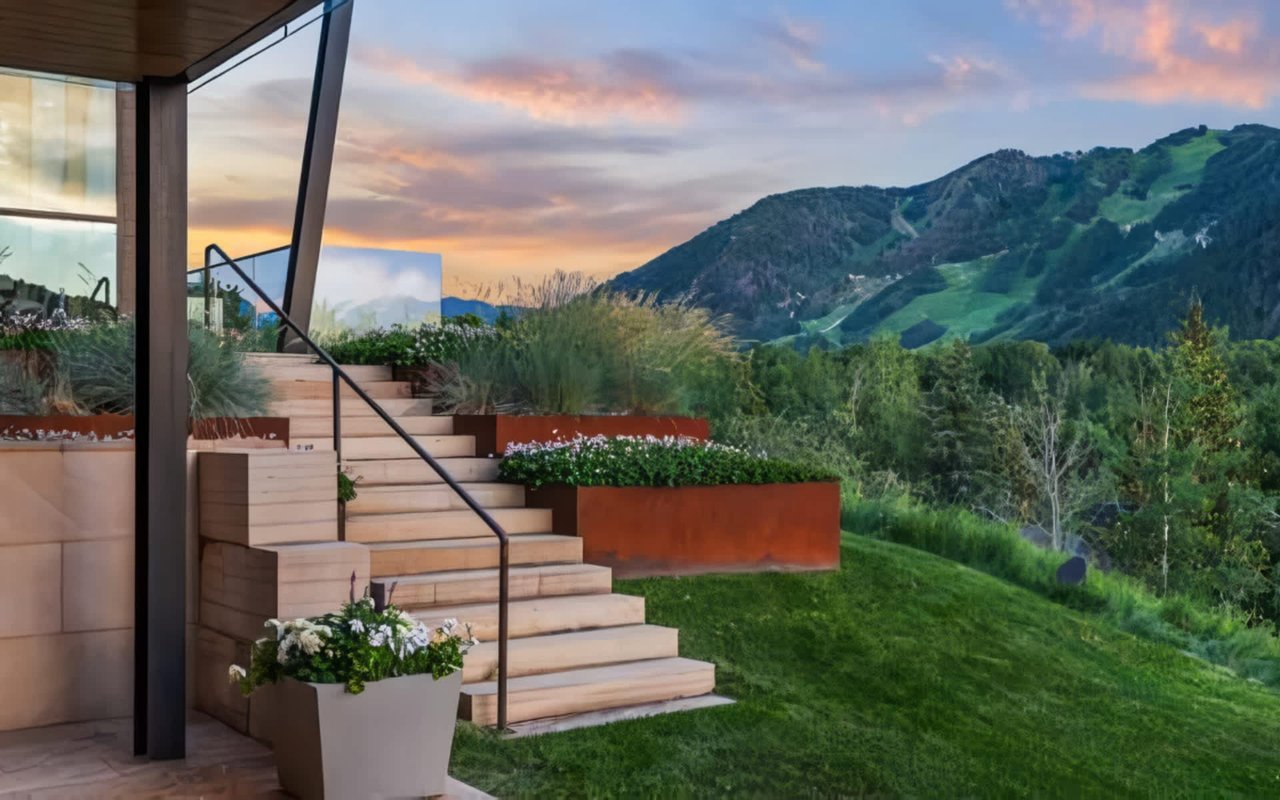
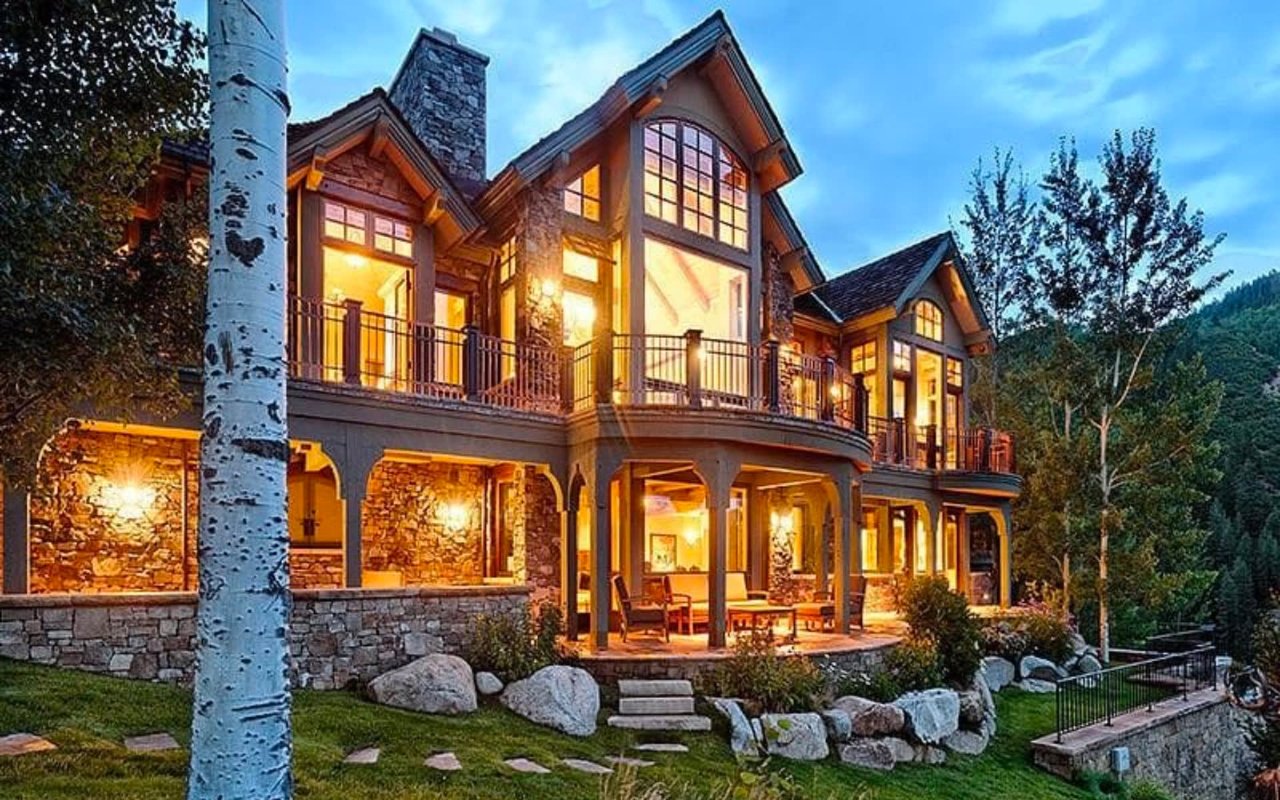
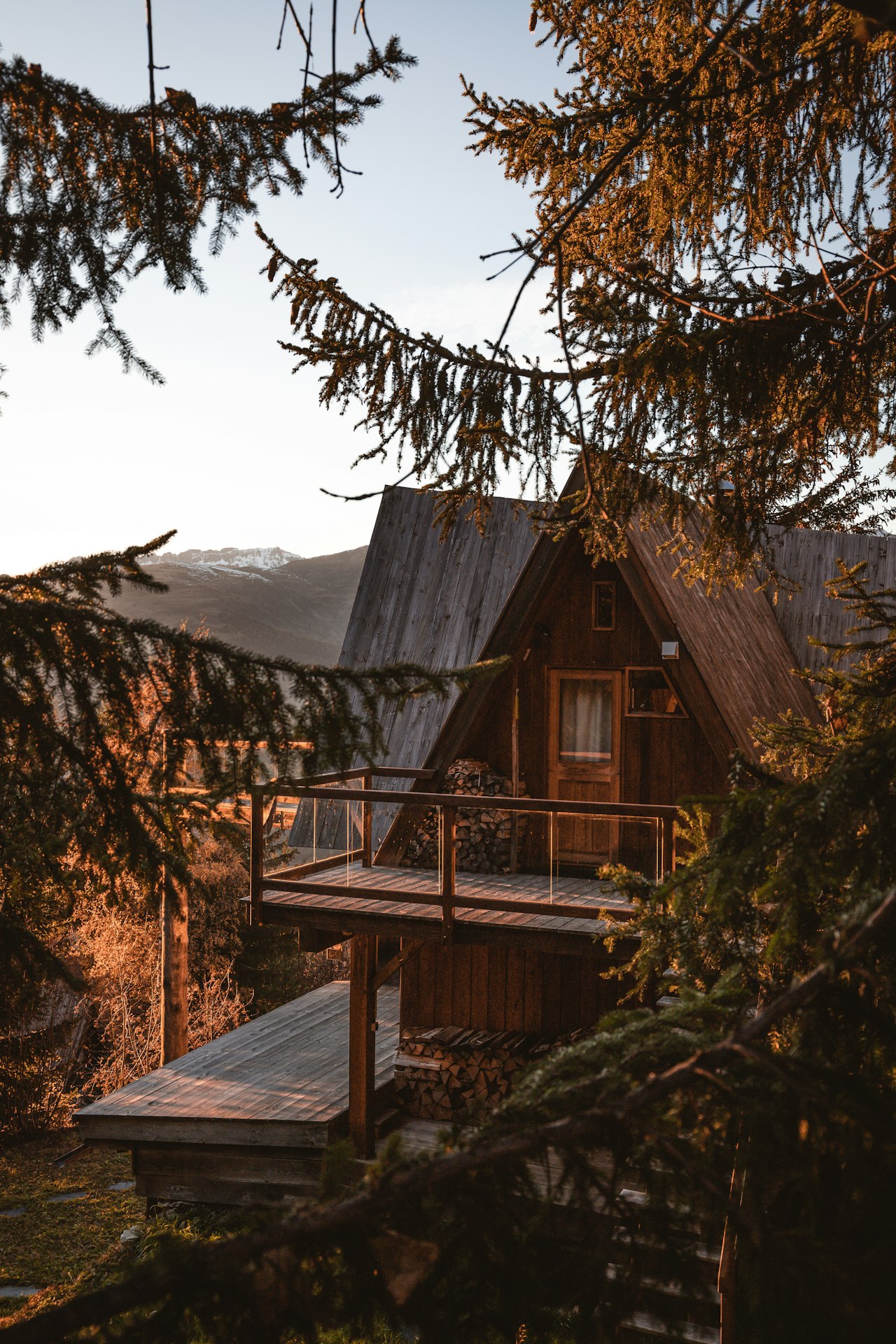
Visually, Modern Chalet homes tend to have rectilinear footprints, broad gabled facades, large glazed areas, low-to-moderate roof pitch, deep eaves, balconies, and minimal decoration. Contemporary materials are often used in ways that keep forms simple and views prominent. In many cases, the architecture feels lighter, more open, and more connected to outdoor living.
Mountain modern examples in Aspen
Public examples include 949 W Smuggler, described as a classic Chalet, and 312 W Hyman, another residential chalet example. Aspen’s modern story also includes places like 435 E Main, the city’s first modernist gas station, 220 and 230 E Main, a Rustic Chalet lodge, and the Aspen Pedestrian Mall, a Wrightian and Organic public project that reshaped part of downtown.
Victorian vs. Mountain Modern at a Glance
The easiest way to compare these styles is to think about how they frame daily life.
Feature | Victorian Aspen | Mountain Modern Aspen |
|---|---|---|
Era | Mining-boom era, late 19th century | Postwar ski era, mid-century and later |
Form | Compact, street-facing, room-by-room | Open, view-oriented, cleaner-lined |
Common materials and details | Wood siding, porches, double-hung windows, ornament | Large glass areas, deep eaves, balconies, minimal decoration |
Relationship to street | Typically parallel to street with clear front entry | Often oriented to street or mountain views |
Living feel | Historic, intimate, connected to town fabric | Airier, more open, indoor-outdoor mindset |
Typical tradeoff | Character and scarcity, but more renovation constraints | Contemporary layout and views, but different maintenance needs |
How Style Affects Daily Living
A Victorian home in Aspen often gives you a more traditional, room-by-room experience. You may be closer to the street, more connected to the surrounding block, and immersed in original-town character. For many buyers, that is exactly the appeal.
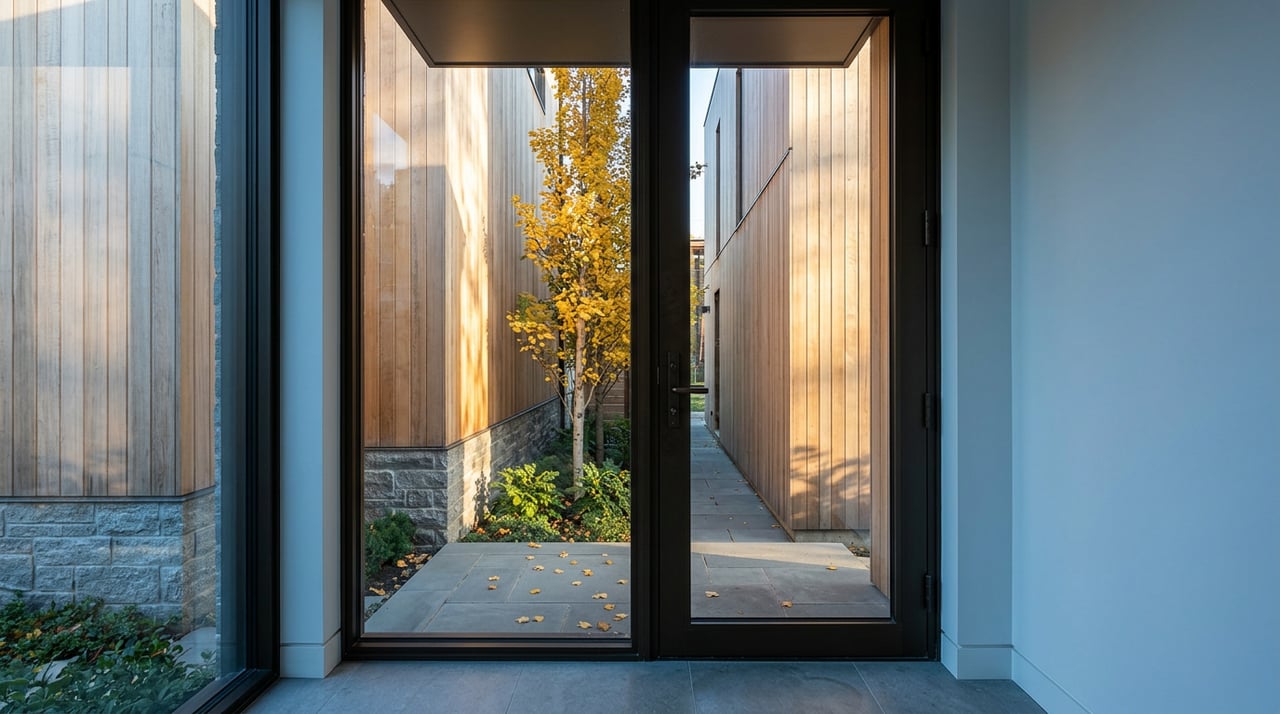
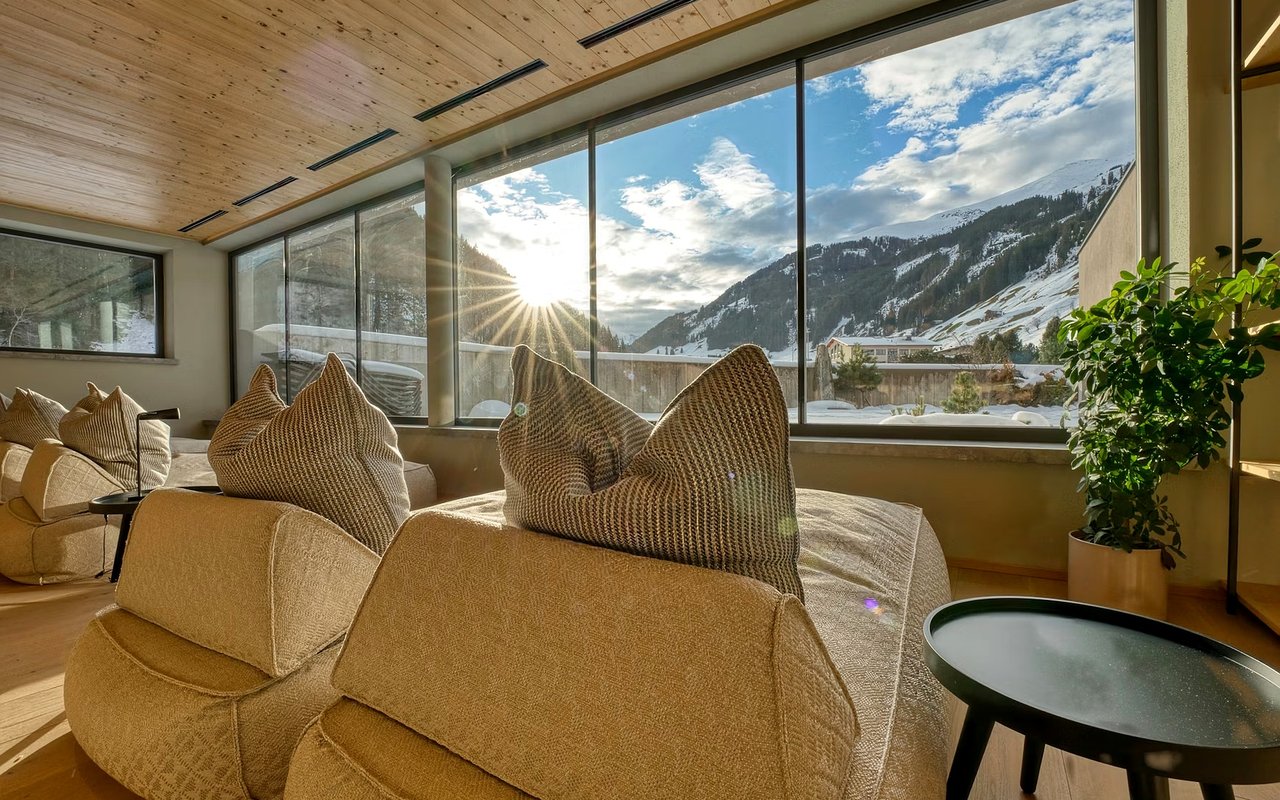
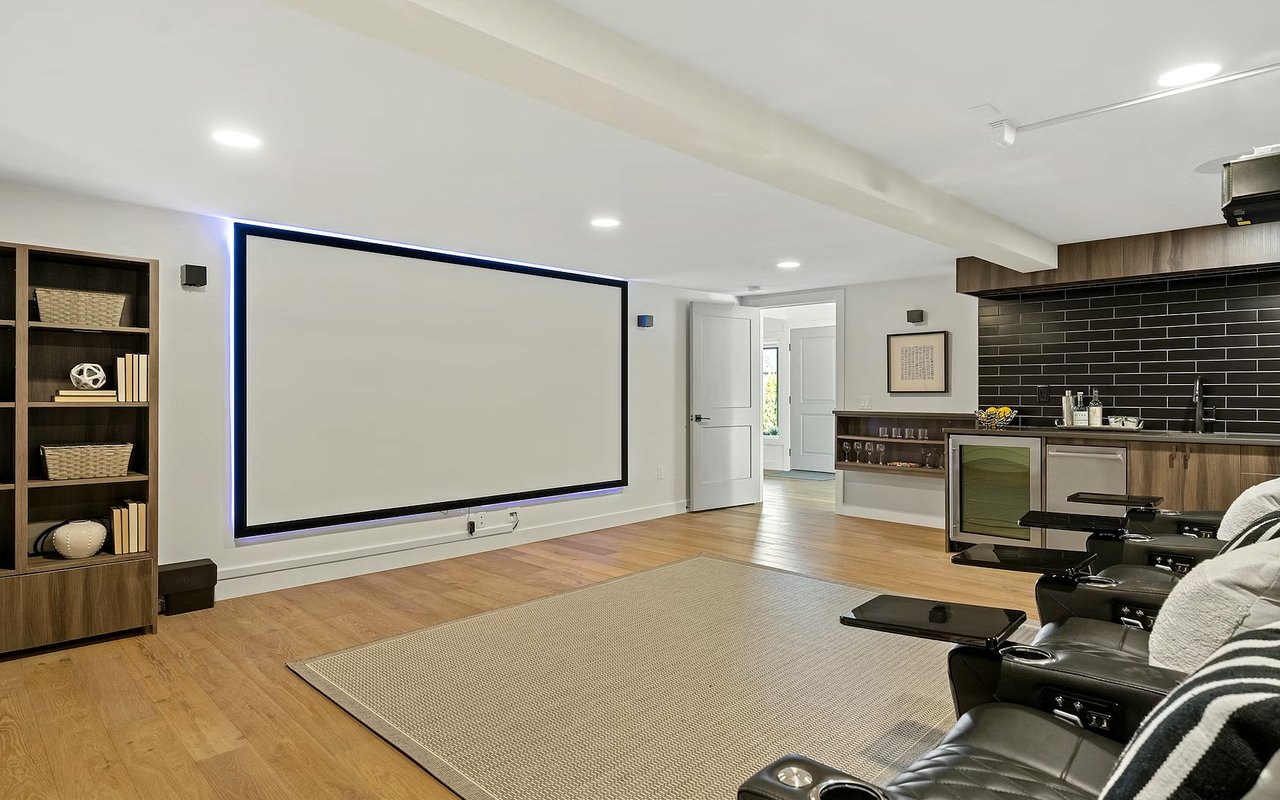
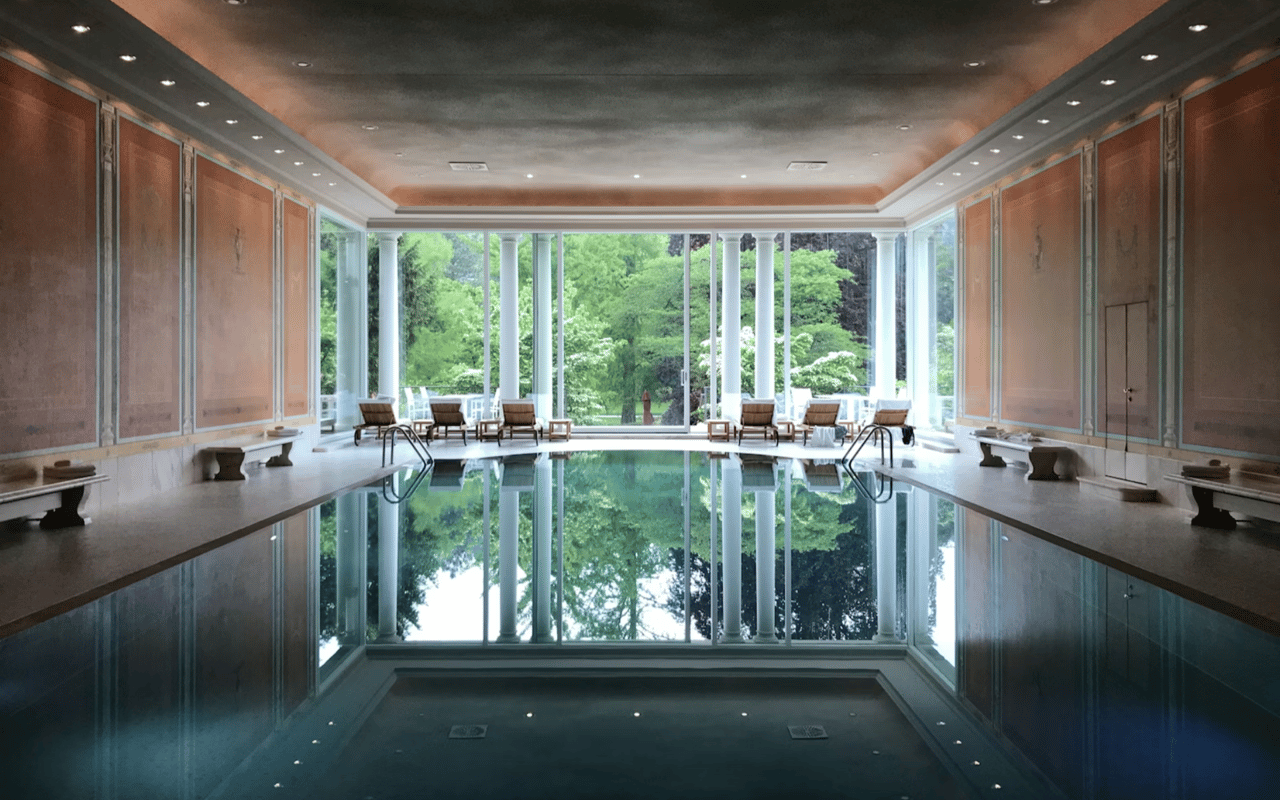
A mountain modern home often feels different from the moment you walk in. Larger glass areas, broader facades, and stronger view orientation can make the home feel more expansive and more aligned with today’s open-plan preferences. If your priority is light, volume, and a stronger indoor-outdoor connection, this style may feel like a better fit.
Neither style is automatically better. The right choice depends on whether you value historic authenticity and a street-connected setting, or cleaner lines and a layout shaped around views and openness.
Renovation Rules Matter in Aspen
This is where the comparison becomes especially practical. In Aspen, a home’s style can intersect with preservation review, permit pathways, and what changes are realistically possible.
If a property is individually designated or located in a historic district, exterior work, and in some cases interior work, may require review before a project begins. The city’s preservation framework can apply to work that buyers sometimes assume is routine, such as window replacement, masonry painting, HVAC changes, or penetrations through historic material. Historic-preservation projects also require a contractor with an active city historic-preservation contractor license.
That matters for Victorian homes, but it can also matter for modern properties if they are recognized historic resources. Modern does not always mean unrestricted. Aspen’s preservation approach includes modern-era resources too, and newer wildfire resiliency changes add another layer of review for some new work and material choices.
What this means for buyers
If you are considering a purchase, style should not be treated as decoration alone. You will want to look closely at:
- Historic designation status
- Whether the property sits in a historic district
- Existing condition of roofs, windows, siding, and porches
- Glazing performance and roof performance in modern homes
- How much flexibility you want for future updates
In Aspen, the lifestyle you want and the approval path you can accept are often part of the same decision.
What Sellers Should Understand
If you are preparing to sell, your home’s style helps shape buyer expectations from the start. Victorian properties often attract buyers who value authenticity, walkability, and original Aspen character. Mountain modern homes often draw interest from buyers looking for cleaner lines, larger volumes, and stronger orientation to light and views.
Still, style alone does not determine resale. Lot, view, condition, and historic status all play a major role in how buyers evaluate a property. In Aspen, design appeal and regulatory flexibility often work together.
For sellers, that means presentation matters. A well-marketed Victorian home should highlight its scarcity, craftsmanship, and connection to Aspen’s original fabric. A mountain modern listing should emphasize space, light, design clarity, and how the home engages with its setting.
Which Style Fits Your Goals?
If you want old-Aspen character and a strong sense of place, Victorian may be the better match. These homes can offer authenticity that is difficult to replicate, especially in central, street-oriented locations. The tradeoff is that updates may require more planning and review.
If you want a more contemporary feel, stronger view orientation, and a layout that aligns with modern living, mountain modern may fit more naturally. You may gain openness and visual simplicity, but you should still pay attention to maintenance, energy performance, and any applicable review requirements.
The best rule of thumb is simple: in Aspen, style shapes the experience, but location, condition, view, and historic status often shape the transaction. Looking at both sides clearly can help you avoid surprises and focus on the home that truly fits your priorities.
If you are weighing a historic Victorian, a design-forward chalet, or anything in between, Brittanie Rockhill offers the local insight and concierge-level guidance to help you evaluate Aspen property with confidence.
FAQs
Is mountain modern the same as chalet in Aspen?
- Not exactly. In Aspen, mountain modern is a broader consumer-friendly label, while city materials more often refer to AspenModern and Modern Chalet.
Can you remodel a Victorian home freely in Aspen?
- No. If the home is designated or located in a historic district, Aspen may require review for certain exterior work and, in some cases, interior work before a project begins.
Do modern homes in Aspen ever face preservation review?
- Yes. Aspen’s preservation story includes some modern-era resources, so a modern property is not automatically free from review requirements.
Does home style alone determine resale value in Aspen?
- No. Style matters, but buyers and sellers should also consider location, view, condition, and historic status.
Are Victorian homes only found in one historic part of Aspen?
- No. Publicly documented Victorian resources appear across downtown blocks and west-side residential streets, not just in a single area.
What is the biggest practical difference between Victorian and mountain modern homes in Aspen?
- The biggest difference is usually not just appearance. It is how the style affects daily living, renovation flexibility, and buyer expectations in a market shaped by preservation rules.