If you picture downtown Aspen condo life as effortless ski access, coffee around the corner, and evenings you can enjoy without getting in the car, you are not wrong. But the right condo is not just about being downtown. It is about choosing the mix of walkability, service, privacy, parking, and rental flexibility that actually fits how you plan to use the property. Let’s dive in.
Understand what downtown core means
In Aspen, the downtown core is generally the area bounded by East Main Street, South Original Street, East Durant Avenue, and South Aspen Street. The city identifies this area as having the highest pedestrian activity, high vehicle traffic, on-street parking pressure, and a concentration of retail, restaurants, and transit services.
For you as a buyer, that translates into a simple tradeoff. You get exceptional convenience and walkability, but you also need to expect more activity, more seasonal traffic, and tighter parking conditions than you would in quieter parts of Aspen.
The pedestrian mall is a big reason the downtown core feels so vibrant. It remains one of the city’s defining public gathering spaces, which helps explain why downtown Aspen often feels more like a resort center than a calm residential pocket.
Start with your real use case
The easiest way to choose the right downtown Aspen condo is to be honest about how you will use it. In this market, the best fit often comes down to lifestyle pattern more than square footage alone.
For a second-home pied-à-terre
If you want an easy, lock-and-leave retreat, focus on simplicity. Features like front-desk support, housekeeping, elevator access, garage parking, and storage for gear can make ownership much easier, especially when you are coming and going seasonally.
This is where hotel-style or service-heavy properties often stand out. Buildings such as Aspen Square Condominium Hotel, Concept 600, St. Regis Residence Club, and Residences at The Little Nell show how some downtown options are built around convenience and arrival ease.
For full-time living
If you plan to spend much more time in the condo, daily function matters more. You may care less about hotel services and more about storage, laundry, reliable parking, room for guests, and a layout that supports work or longer stays.
Because the downtown core has Aspen’s highest pedestrian and vehicle volumes, quieter buildings or upper-floor units can be especially appealing. A condo that feels exciting for a weekend may feel very different after a full season.
For rental or occasional income use
If rental income is part of your strategy, ask about eligibility early. In Aspen, short-term rentals are stays under 30 days and require a permit, and the permit path depends on the type of use and property category.
The city notes that owner-occupied permits are limited to 120 nights per year. Classic permits can allow unlimited nights but are capped in certain zone districts, and individual owners in lodge or condo-hotel properties are not eligible for the lodging-exempt permit. Permits expire annually, and the city can consider permits abandoned after one year of zero tax filings.
Compare service levels carefully
Not all downtown Aspen condos offer the same ownership experience. Some feel closer to a full-service resort stay, while others lean toward a more private residential setup.
Full-service and hotel-managed options
If you value concierge support and minimal operational friction, properties with hospitality-style services may be the right fit. Aspen Square Condominium Hotel, for example, sits across from the Aspen Mountain Gondola and offers features such as front-desk and concierge service, daily housekeeping, pool and hot tubs, fitness amenities, and garage parking.
Residences at The Little Nell represent the ski-forward end of the spectrum, with ski-in and ski-out access at the base of Aspen Mountain, plus dedicated service staff, room service, and rooftop amenities. St. Regis Residence Club also shows the appeal of a highly serviced ownership model, with transportation, spa access, fitness, and butler service.
Residential and quieter options
If you want proximity without being in the center of the busiest action, look closely at near-core residential choices. Little Nell Condominiums, for example, are described as being in a quieter residential setting while still only two blocks from the gondola and downtown.
Lift One Condominiums offer another useful contrast. They are two blocks from downtown, include daily housekeeping, and sit on the free skier bus route, which can appeal if you want to rely less on a personal vehicle.
Use gondola proximity as a key filter
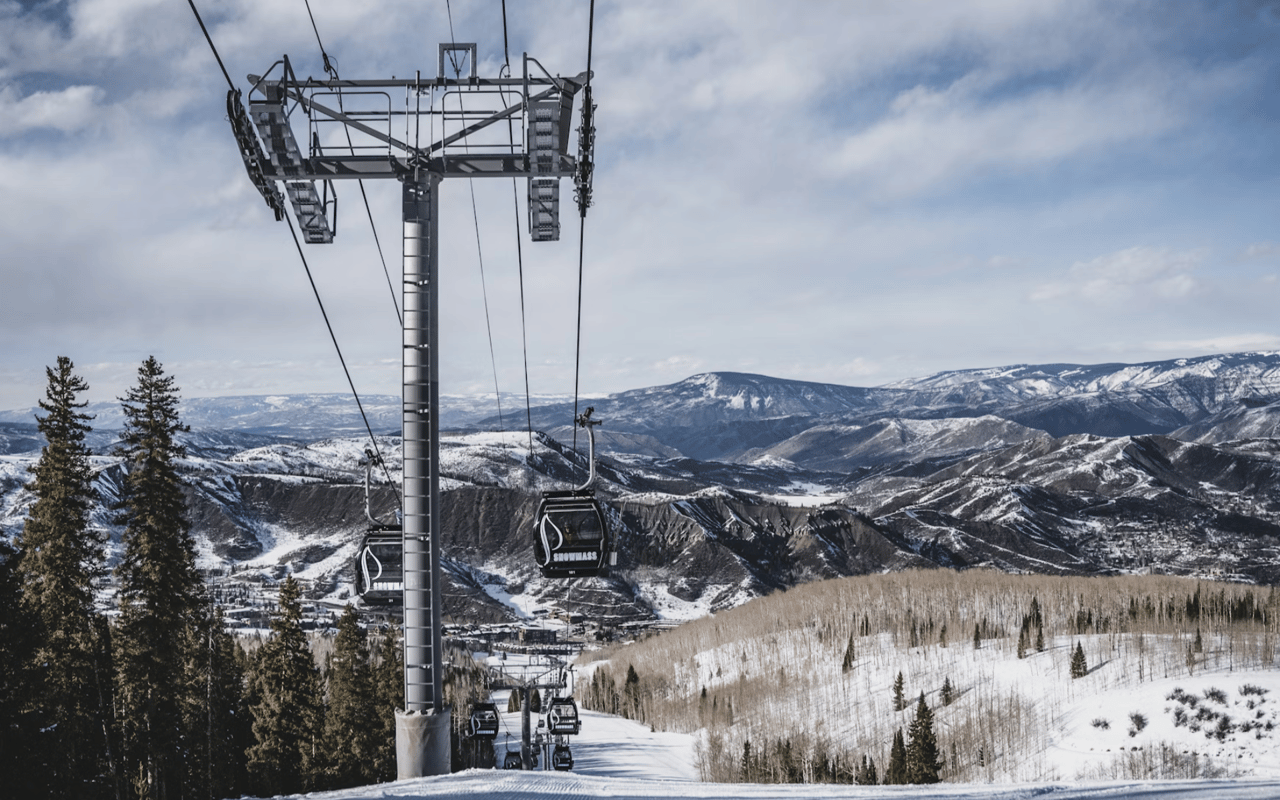
In downtown Aspen, distance to the Silver Queen Gondola matters. Aspen Mountain’s official map describes the gondola as the link between town and the mountain, so this is one of the most practical filters when you compare buildings.
If skiing is central to your ownership plan, being across from the gondola may feel very different from being four blocks away. Concept 600 is a good example of this distinction. It offers strong amenities and mountain views, but it also illustrates the tradeoff between being central and being a bit farther from the lift.
That does not mean closer is always better. If you value a slightly calmer experience, a short walk or easy shuttle access may be worth more to you than immediate gondola frontage.
Pay attention to noise, light, and orientation
Downtown Aspen is active by design. The city regulates neighbor, construction, and special-event noise, and the pedestrian mall regularly hosts events and street closures.
That means the unit’s orientation can matter just as much as the building name. If you want a quieter interior, ask whether the condo faces the mall, a main street, a side alley, a park, or a more residential corridor.
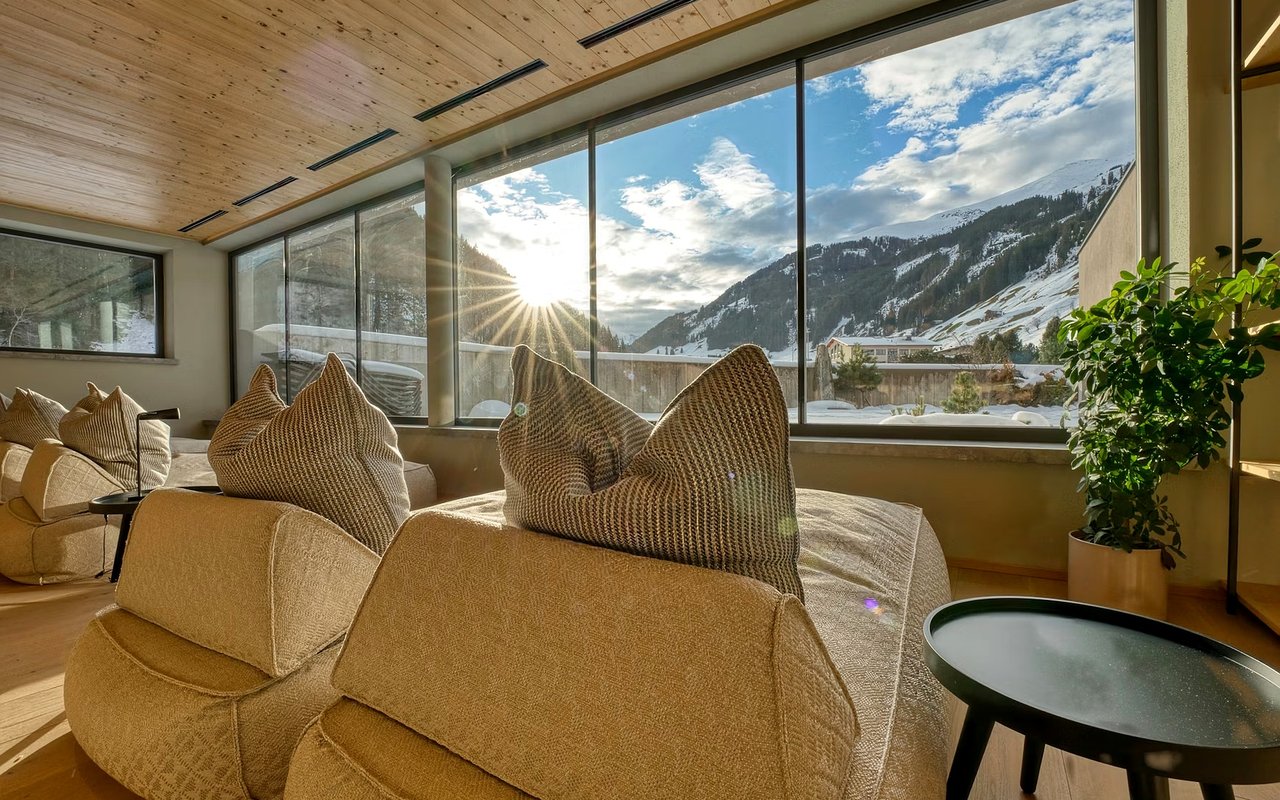
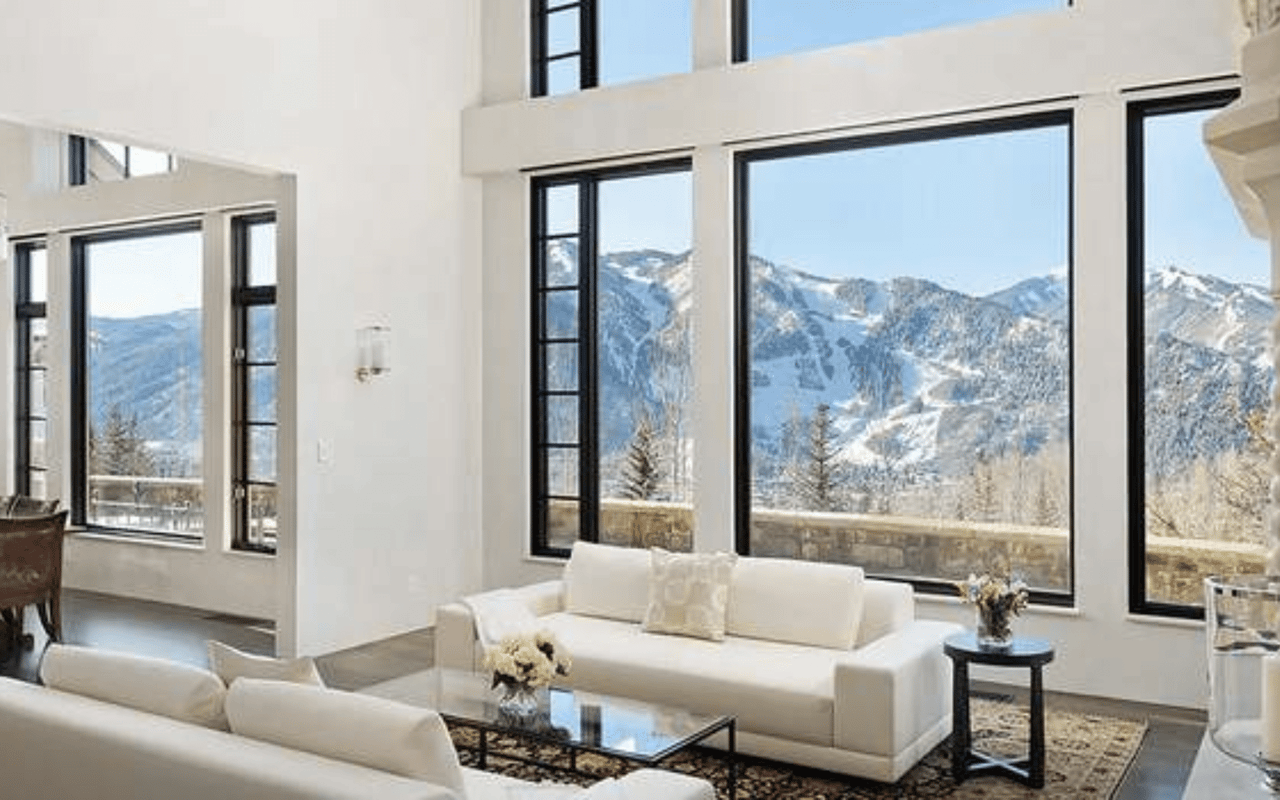
View type also affects daily livability. Concept 600 highlights south-facing balconies and Aspen Mountain views, while Little Nell Condominiums highlight north-facing windows with downtown, Red Mountain, and Smuggler Mountain views. Sunlight, outlook, privacy, and perceived noise can all shift based on that choice.
Make parking a serious due-diligence item
In downtown Aspen, parking is not a small detail. The city’s core parking is seasonally priced, generally limited to four hours, and parking is not allowed from 3 a.m. to 7 a.m. to allow for street cleaning and snow removal.
So before you buy, confirm exactly what comes with the unit. Ask whether there is deeded parking, garage access, owner storage, elevator convenience, or a realistic off-site backup plan.
For some owners, a car-light setup works well downtown. Aspen offers free shuttles, the Downtowner on-demand service, RFTA connections, airport buses, and bike-share options, which can make downtown condo ownership easier even without depending on a personal vehicle every day.
Review HOA documents with care
HOA review is essential in any Aspen condo purchase, and it is especially important in buildings with shared amenities and more operational complexity. Colorado guidance encourages buyers to review governing documents, fees, financial statements, reserve fund balances, insurance policies, and meeting minutes.
You should also confirm whether the HOA is registered and understand the rules that affect your intended use. Colorado guidance notes that buyers can obtain CC&Rs from the county clerk and recorder before contract, and state law requires reserve studies for common-interest communities with major shared components.
For a downtown Aspen condo, this review can help you understand not just monthly costs, but also the building’s long-term health and how smoothly ownership is likely to feel.
Budget beyond the purchase price
Aspen condo ownership costs go beyond the contract number. The city levies two real estate transfer taxes that are paid by the purchasing party: 0.5% for Wheeler and arts support and 1.0% for housing.
If you plan to use the condo as a short-term rental, tax treatment matters too. Aspen applies city lodging and STR taxes that vary by permit type, with 5% for owner-occupied or lodge-exempt permitted properties and 10% for classic permitted properties, in addition to other applicable taxes.
That is why the right condo is not always the one with the strongest first impression. It is the one where service level, carrying costs, rental rules, and daily convenience line up with your ownership goals.
A practical way to narrow your search
If you want to compare downtown Aspen condos more efficiently, use a simple shortlist. Rate each option by the factors that matter most to your lifestyle.
Your downtown condo checklist
- Distance to the Silver Queen Gondola
- Level of concierge or housekeeping support
- Garage or deeded parking
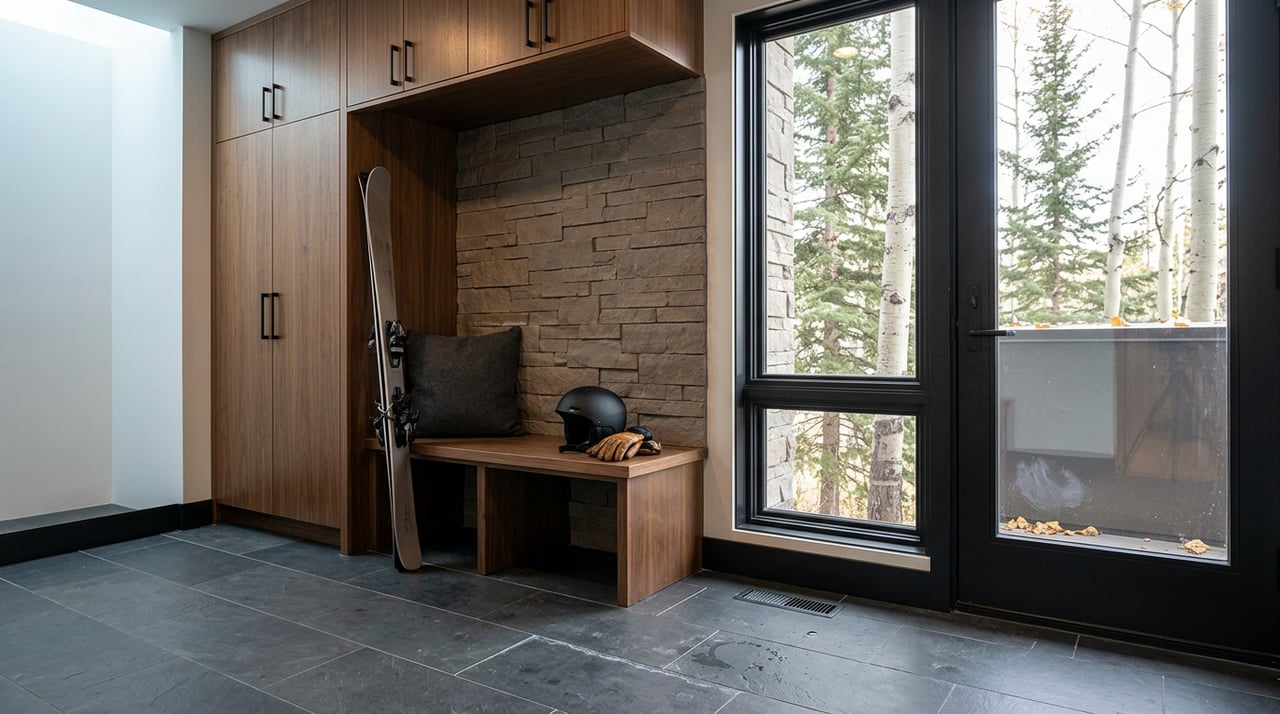
- Storage for skis, bikes, and owner items
- Unit orientation and natural light
- Street exposure and likely noise level
- HOA fees and reserve health
- Rental permit compatibility
- Ease of arrival for guests or family
- Privacy versus activity level
When you use this lens, the decision becomes much clearer. You stop shopping for a generic downtown condo and start choosing the Aspen base that fits you best.
If you are weighing full-service ownership against quieter residential living, local guidance can save time and reduce expensive trial and error. Brittanie Rockhill offers a principal-led, concierge approach for buyers who want clear insight into downtown Aspen condos, lifestyle fit, and long-term value.
FAQs
What defines the downtown Aspen core for condo buyers?
- The City of Aspen generally defines the downtown core as the area bounded by East Main Street, South Original Street, East Durant Avenue, and South Aspen Street, where you will find the highest pedestrian activity, strong walkability, and tighter parking conditions.
Why does gondola proximity matter when choosing a downtown Aspen condo?
- The Silver Queen Gondola connects town to Aspen Mountain, so distance to the gondola is one of the most useful ways to compare ski convenience between downtown buildings.
What should full-time residents prioritize in a downtown Aspen condo?
- Full-time residents often benefit from practical features such as better storage, laundry, stable parking, guest flexibility, and a quieter setting than the busiest parts of the core.
What should second-home buyers look for in a downtown Aspen condo?
- Second-home buyers often prefer lock-and-leave features like housekeeping, concierge help, elevator access, garage parking, and easy access to lifts, dining, and transit.
What should buyers know about short-term rentals in downtown Aspen condos?
- Aspen requires a permit for short-term rentals under 30 days, and the rules depend on permit type, ownership use, and property category, so rental eligibility should be confirmed before you buy.
How important is parking in downtown Aspen condo purchases?
- Parking is a major due-diligence item because downtown core parking is time-limited, seasonally priced, and not allowed overnight from 3 a.m. to 7 a.m. on city streets.
What HOA documents should buyers review for a downtown Aspen condo?
- Buyers should review the HOA’s governing documents, fees, financials, reserve balances, insurance, meeting minutes, and any rules that could affect parking, storage, rentals, or daily use.