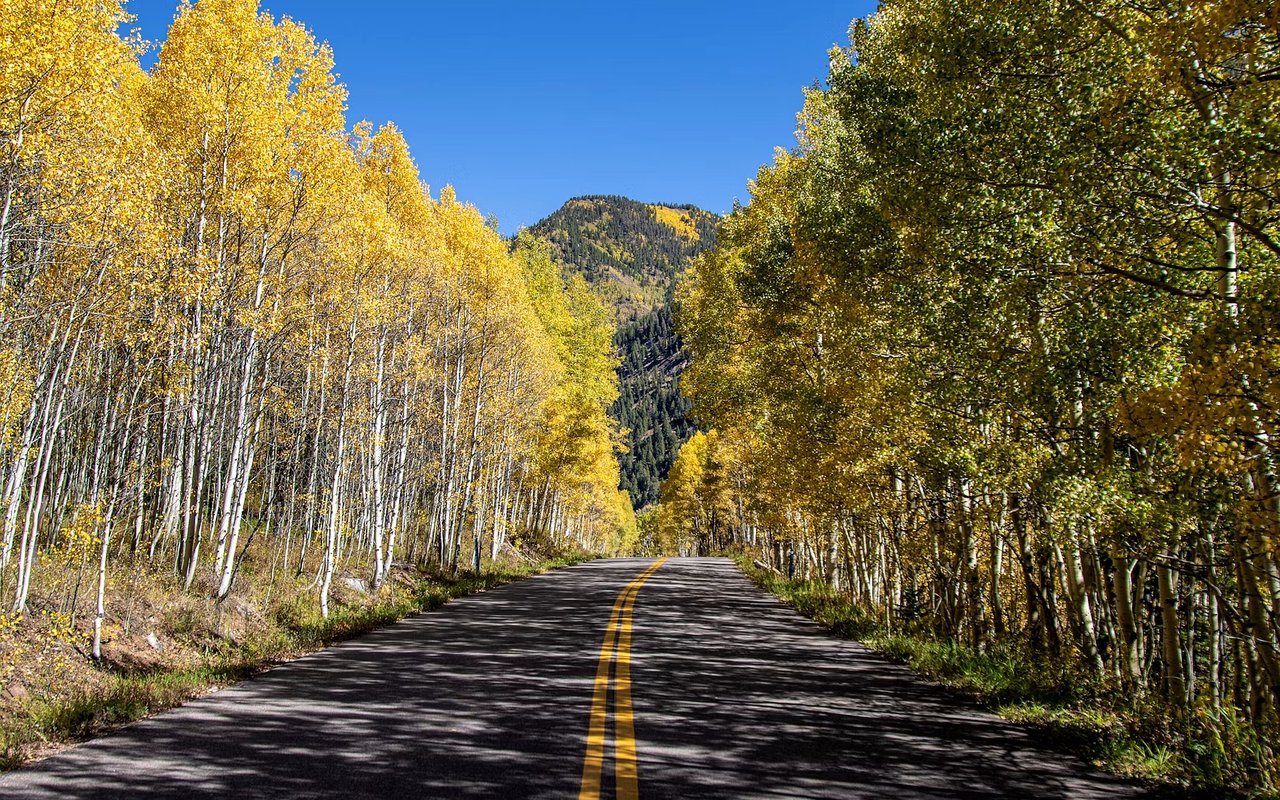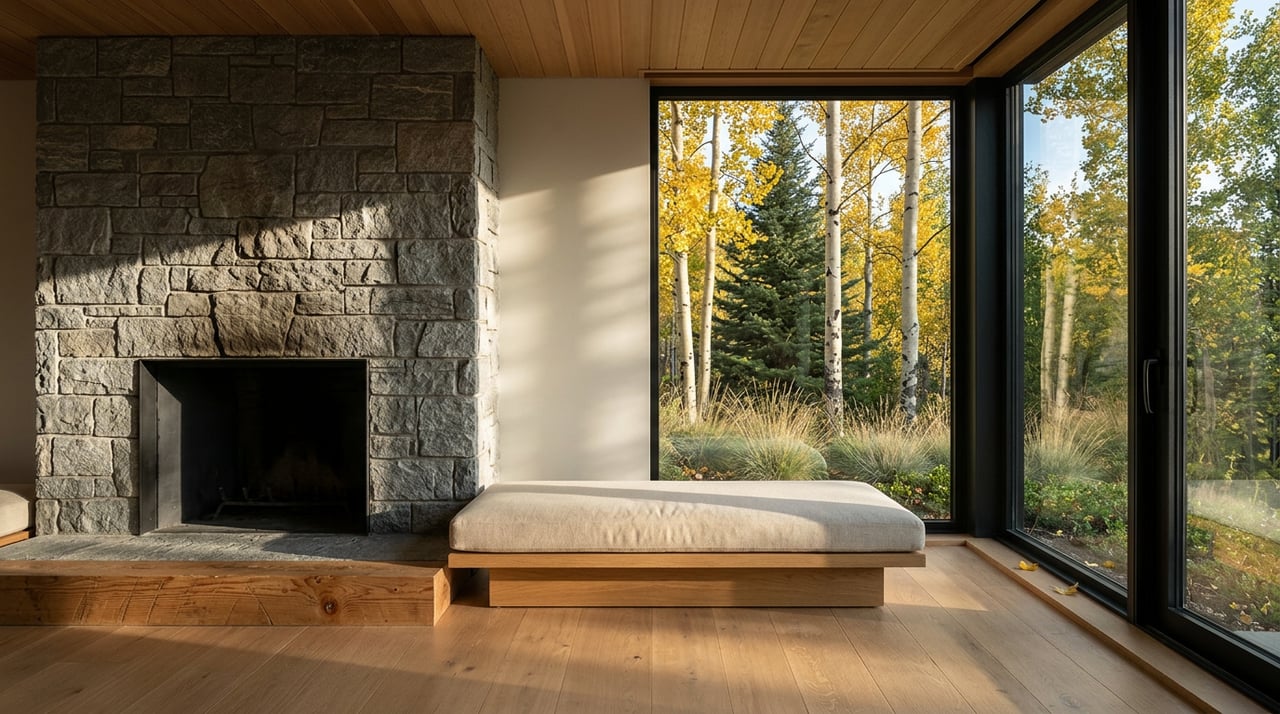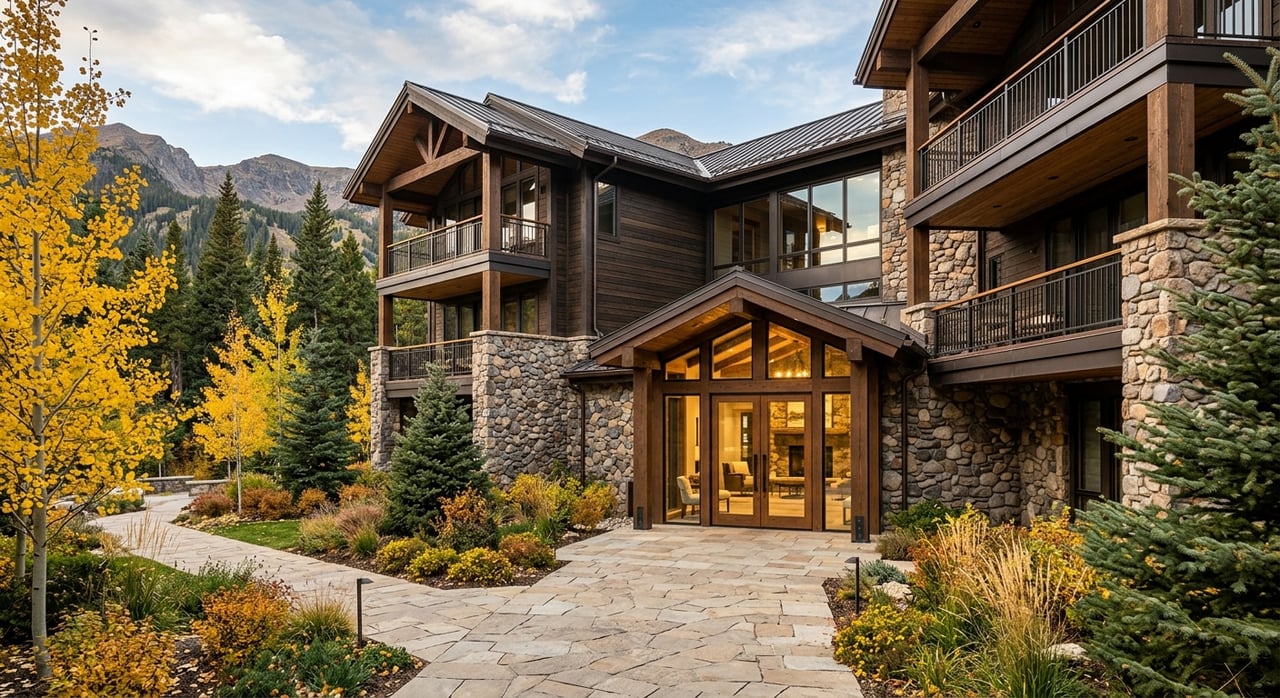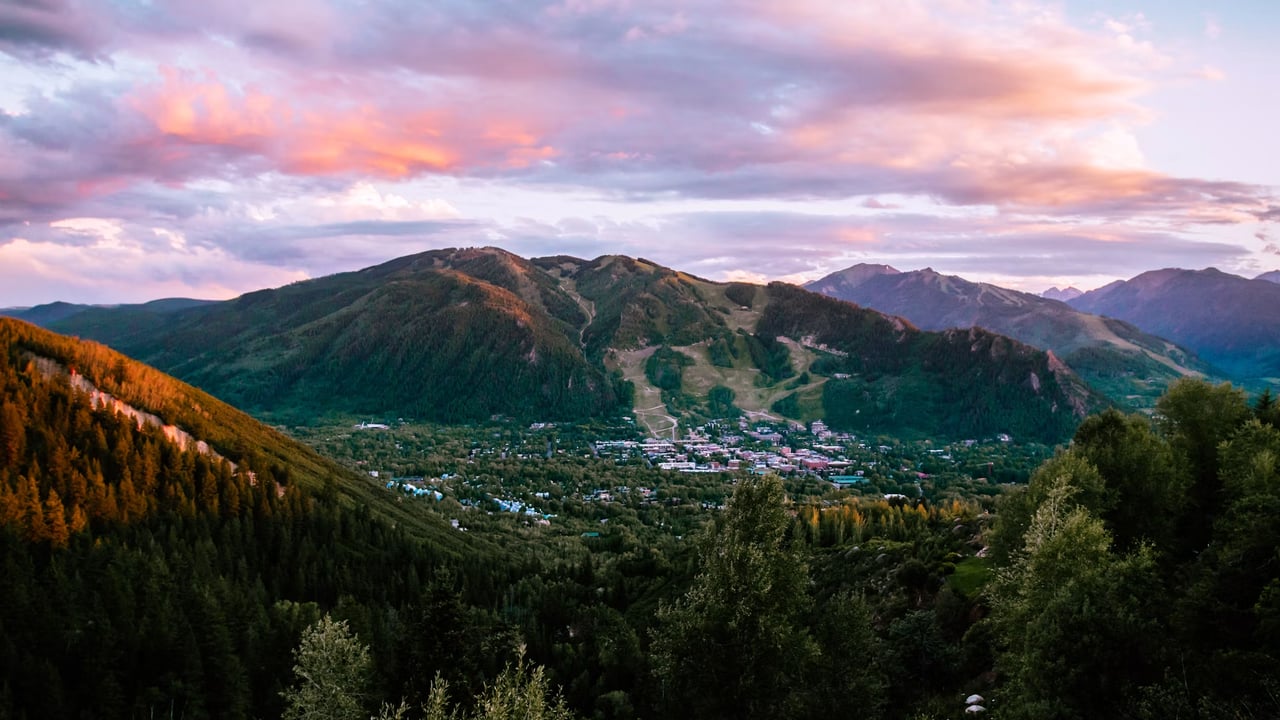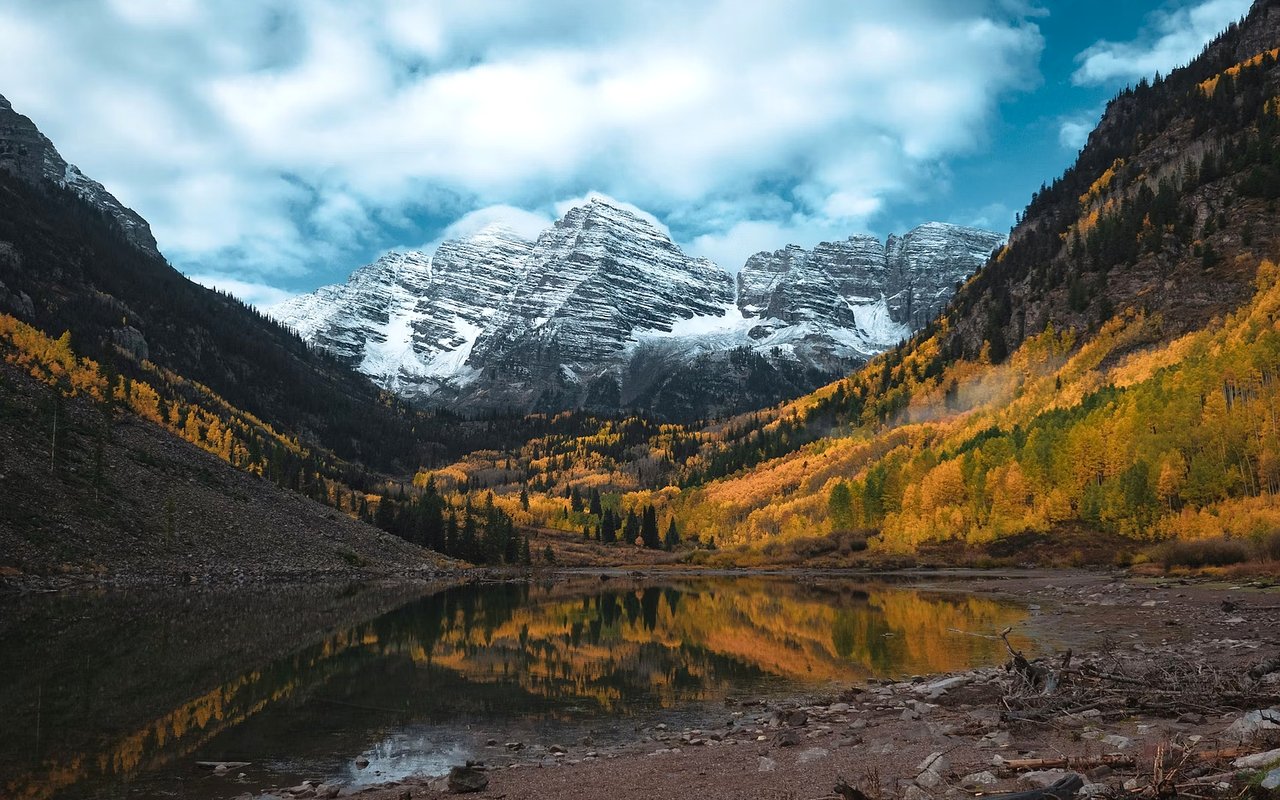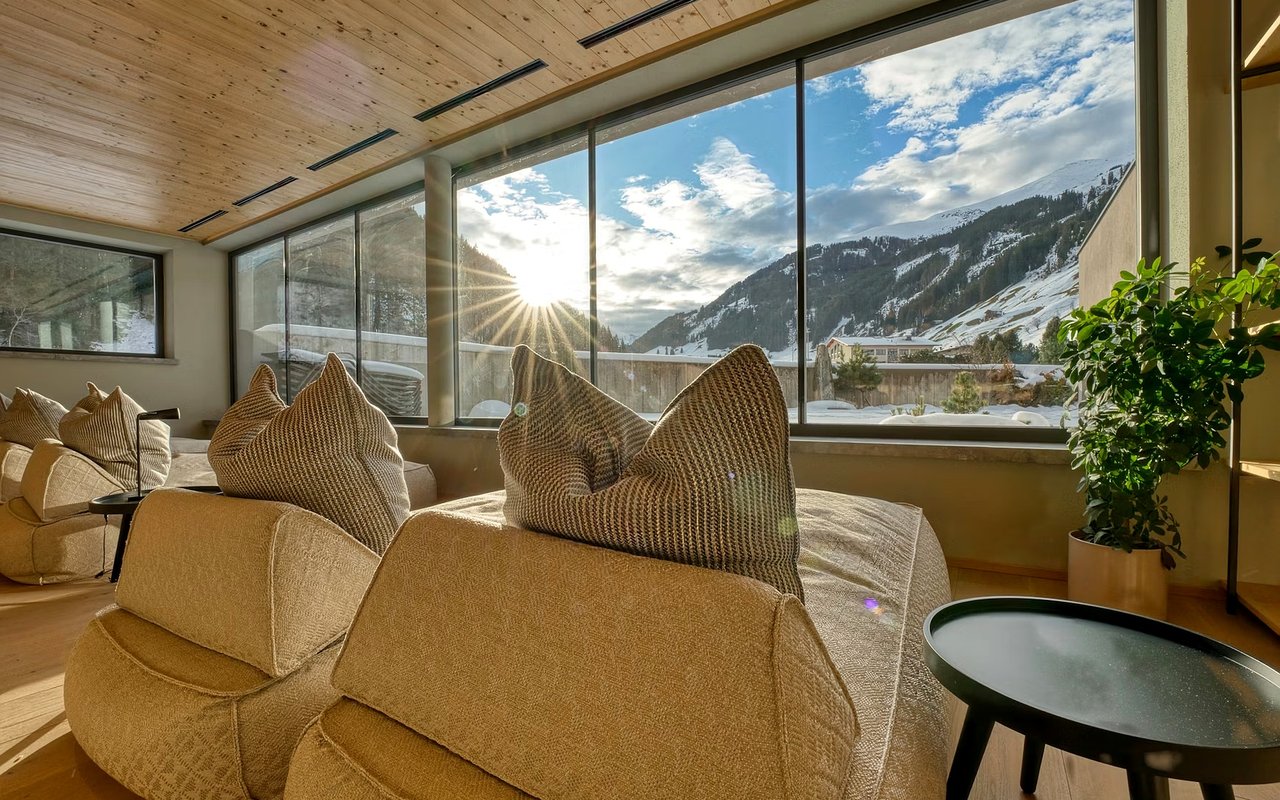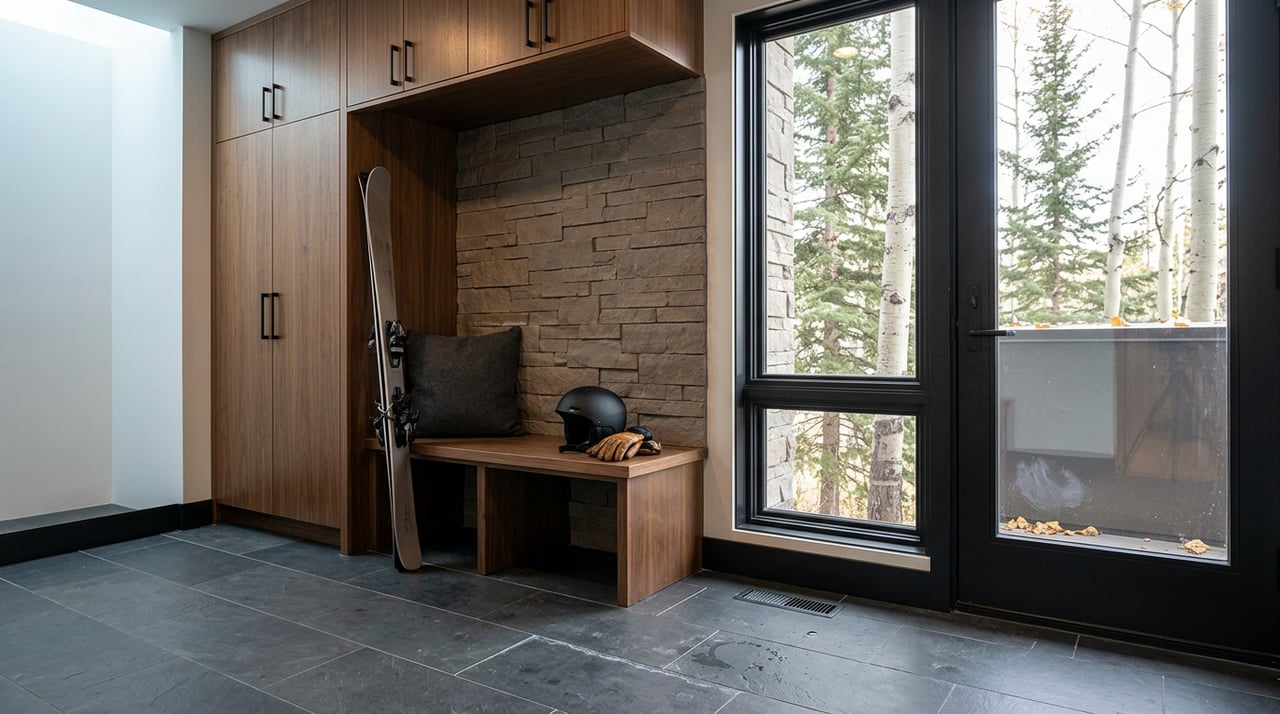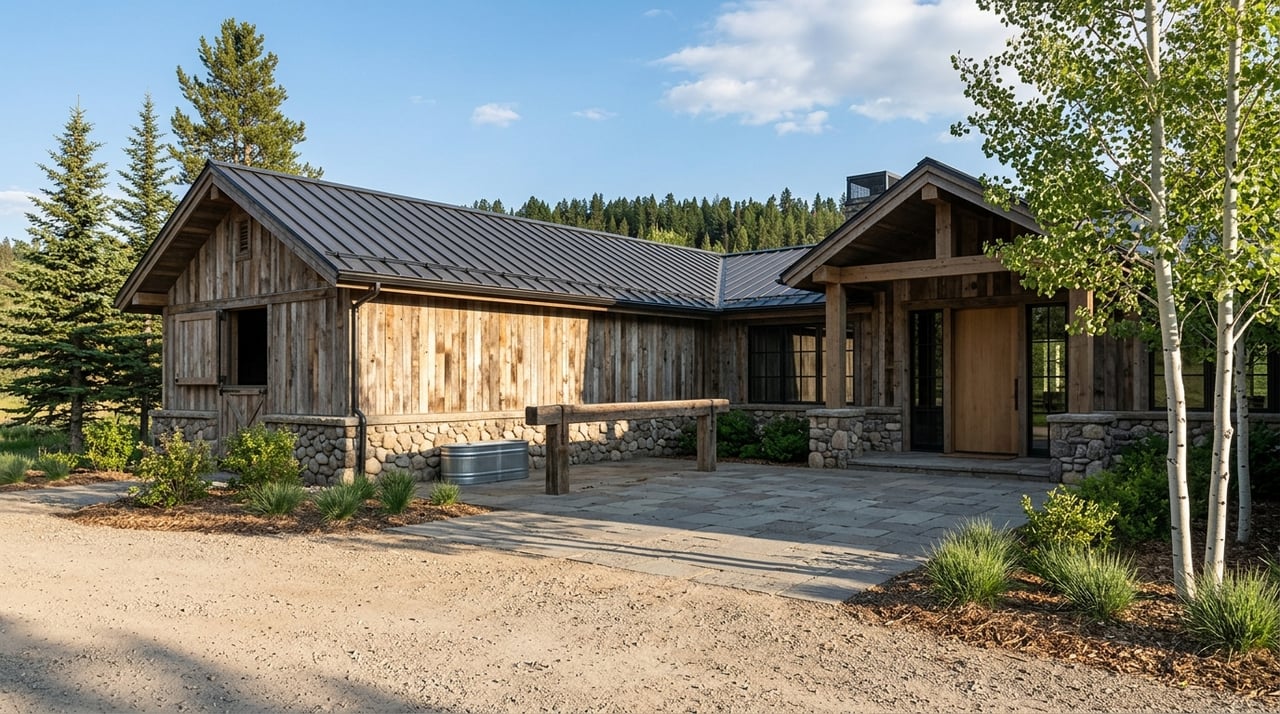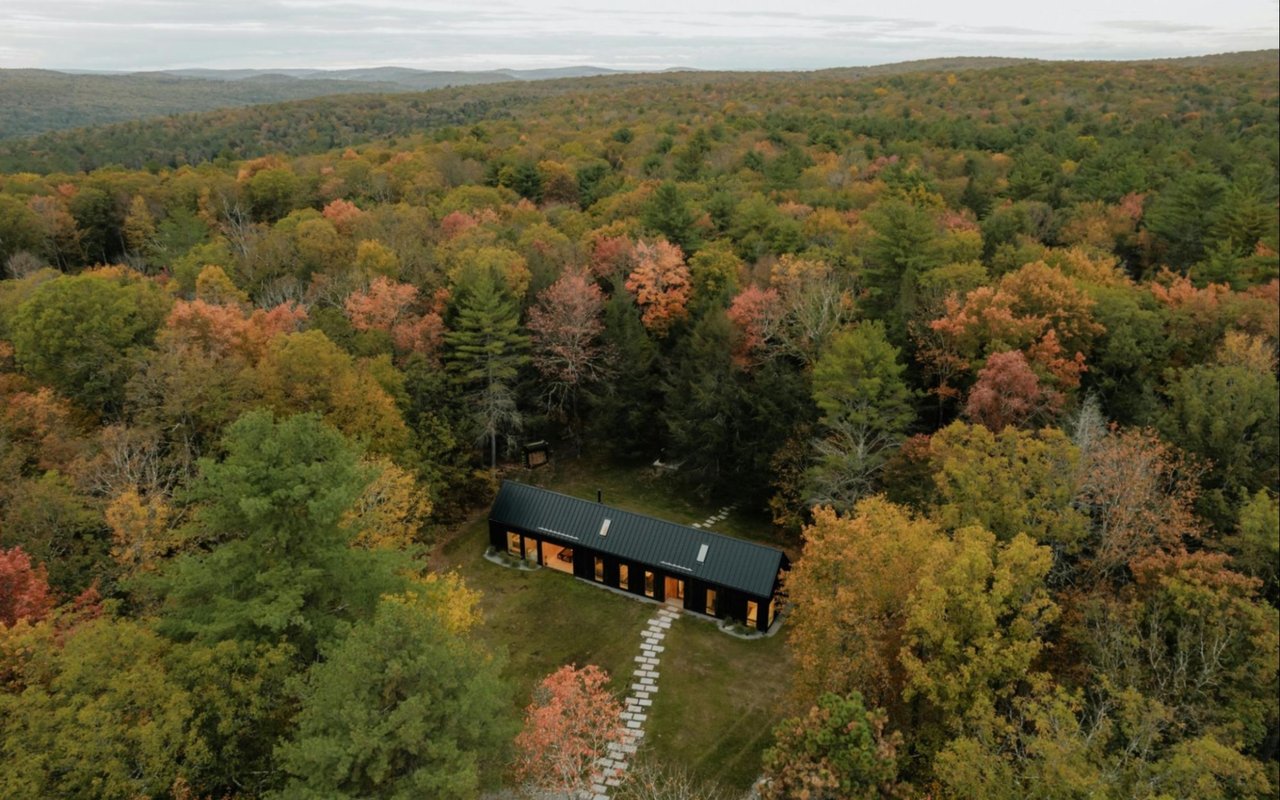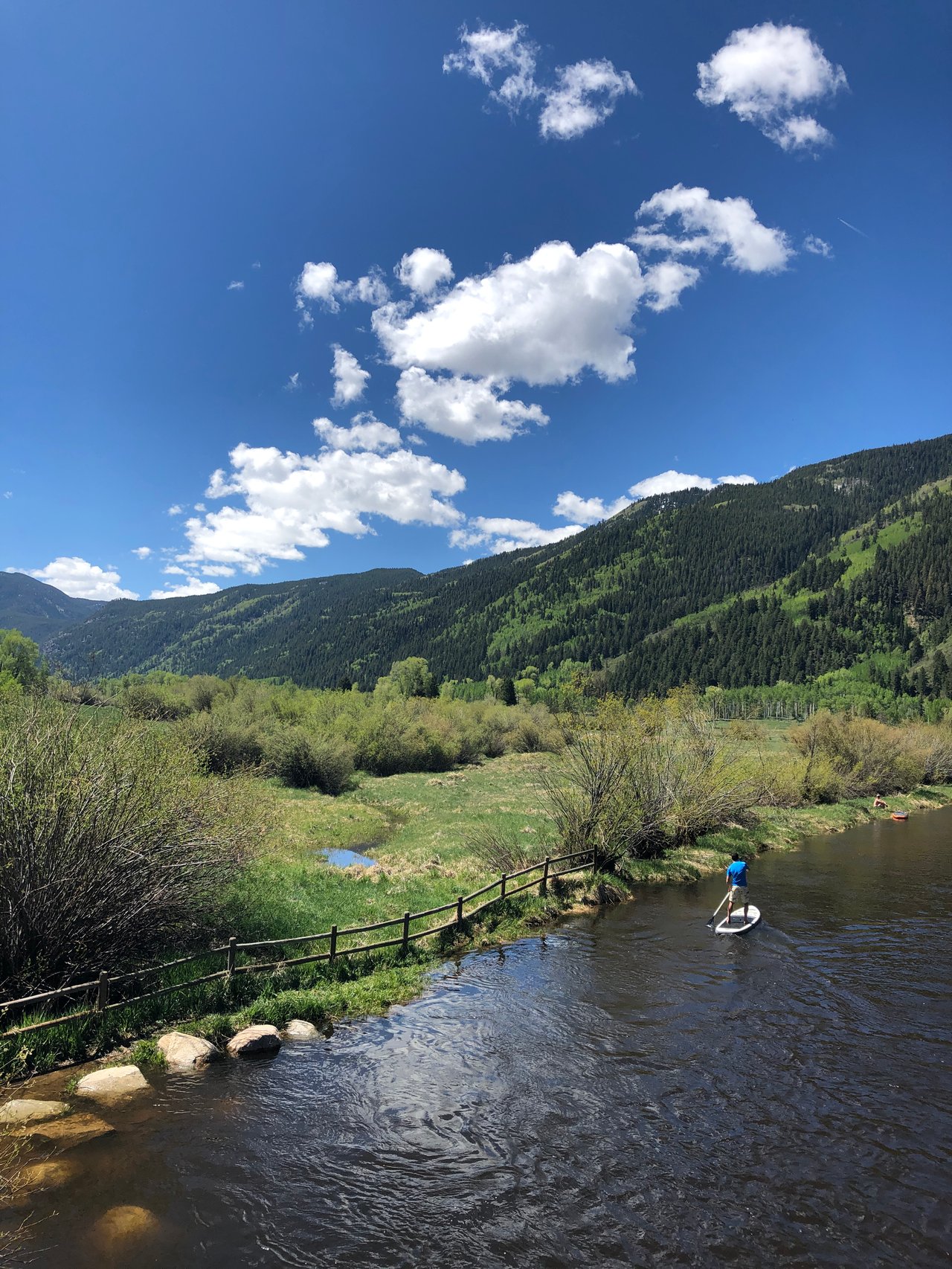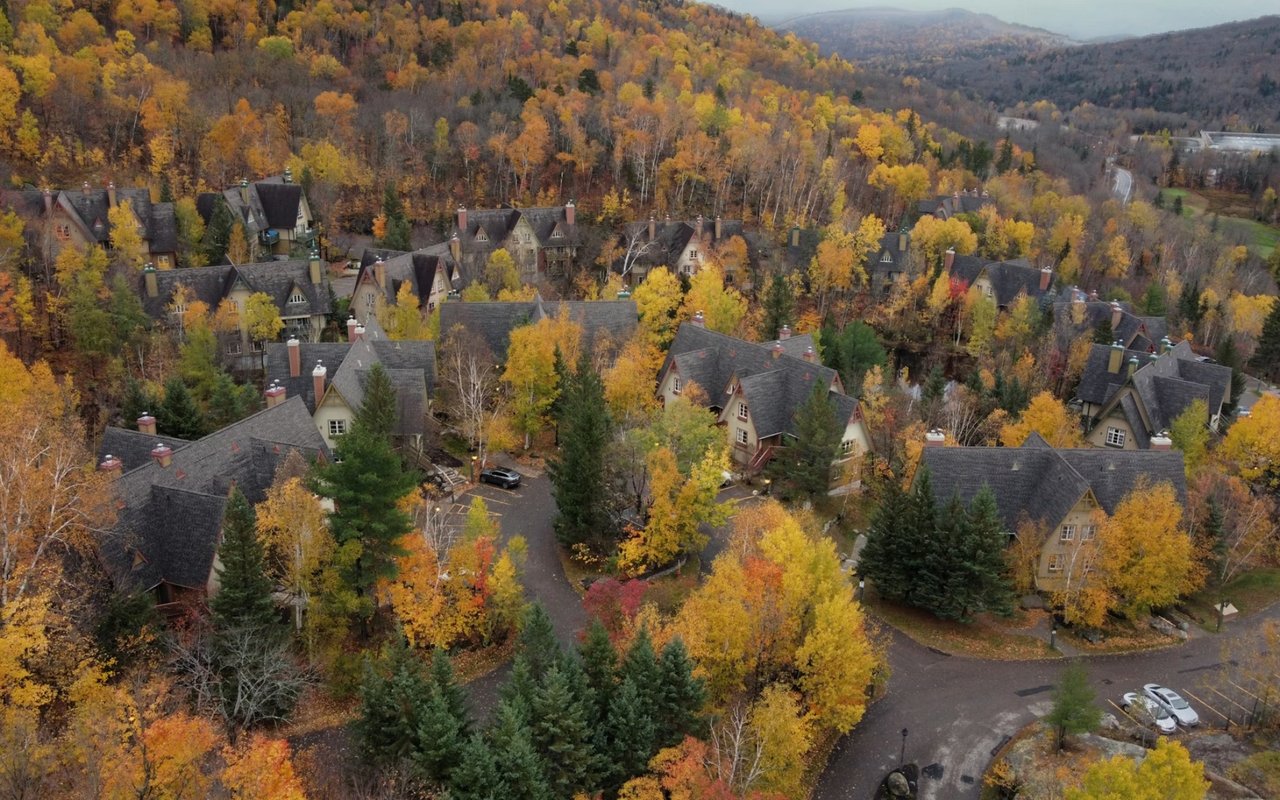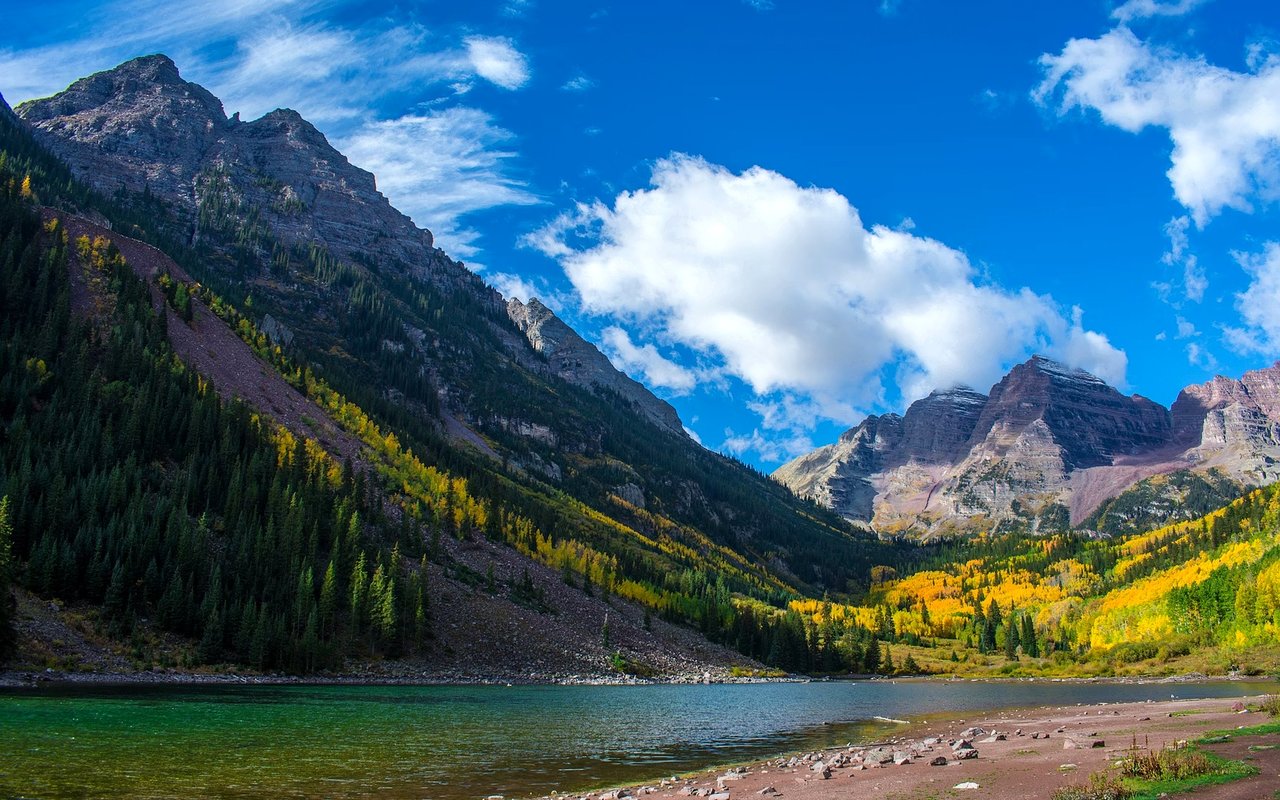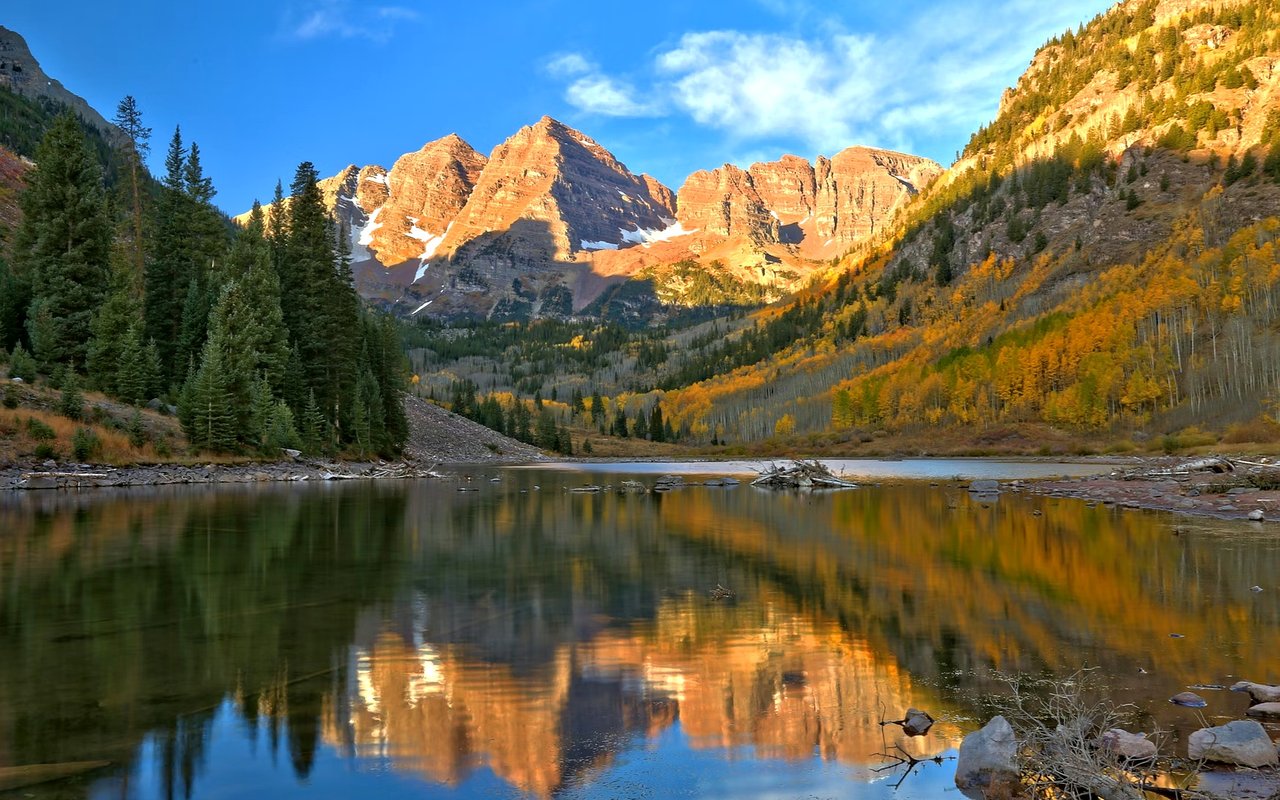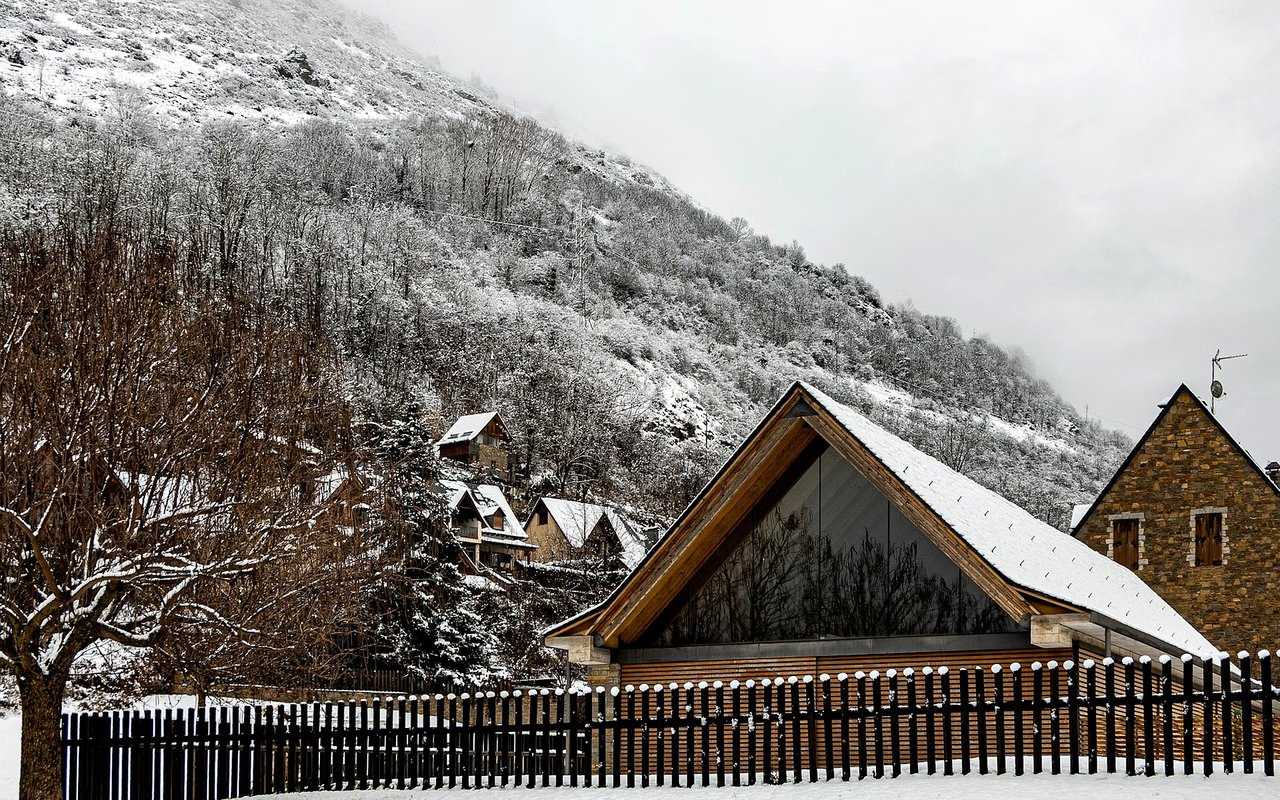
I put down roots in Aspen in 2007, which means I've now spent close to two decades watching this valley change over the same way every year. The aspens go, the light shifts, and then one morning in late October the first real snow comes in and the whole place resets.
Most guides to Aspen in winter are written for a five-day trip. This one isn't. I sell real estate here, which means the questions I get aren't just "what should we do Saturday" — they're "what is January actually like," "can I get to the airport in a storm," "is this house really ski-in/ski-out." So this covers the experiences, and it also covers the parts that only matter once you've stopped visiting and started staying.
Winter is also when most of my buyers make up their minds. People come for the season, spend a few weeks living the version of Aspen they've been imagining, and start looking in the spring. If that's the trajectory you're on, this guide is written for you too.
Aspen's Four Mountains
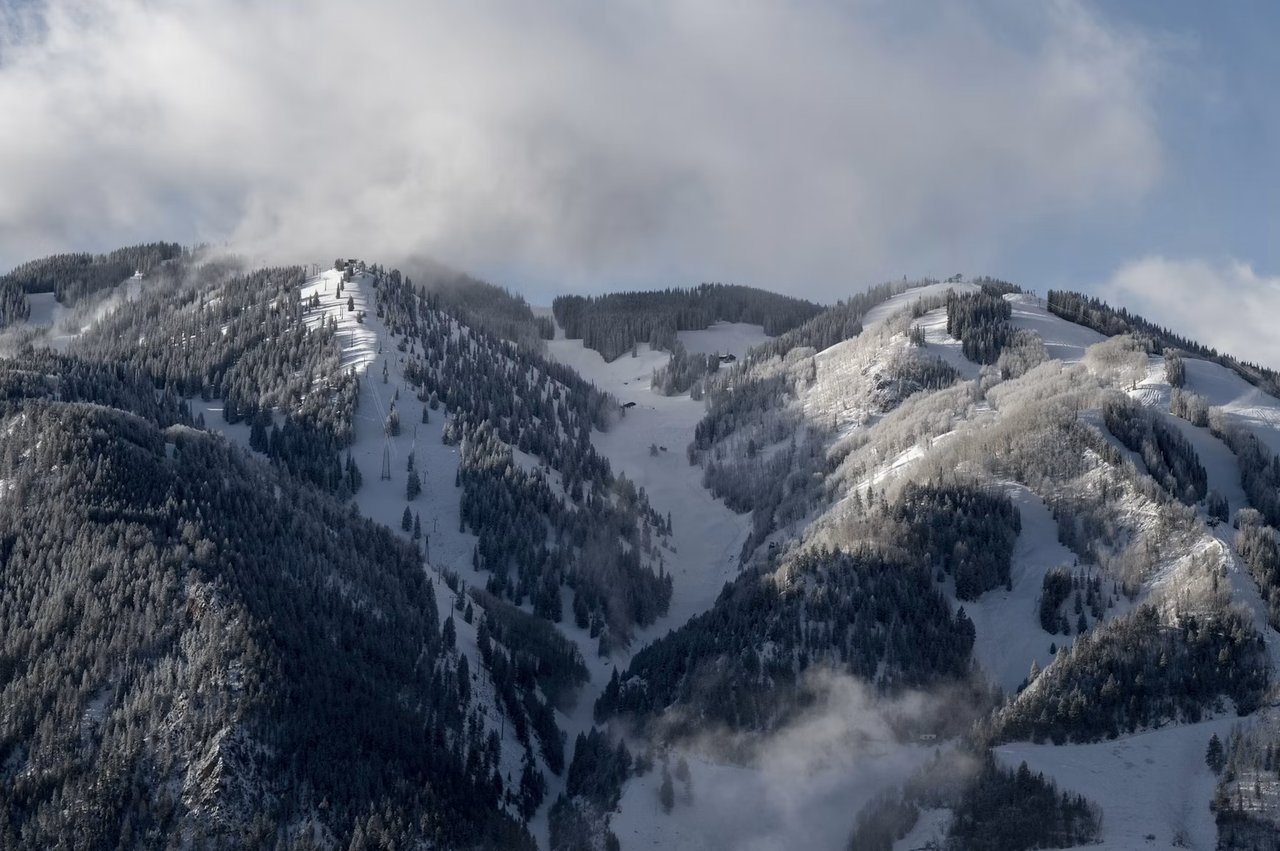
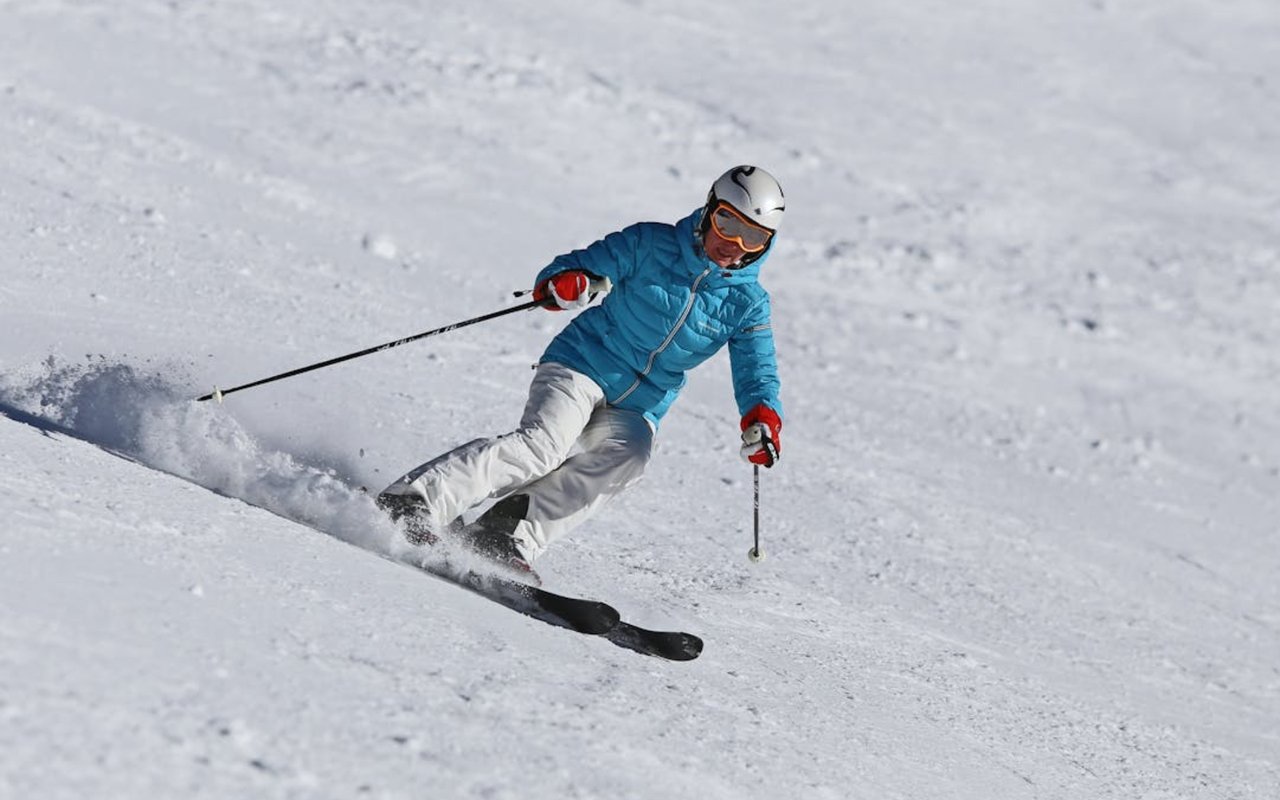
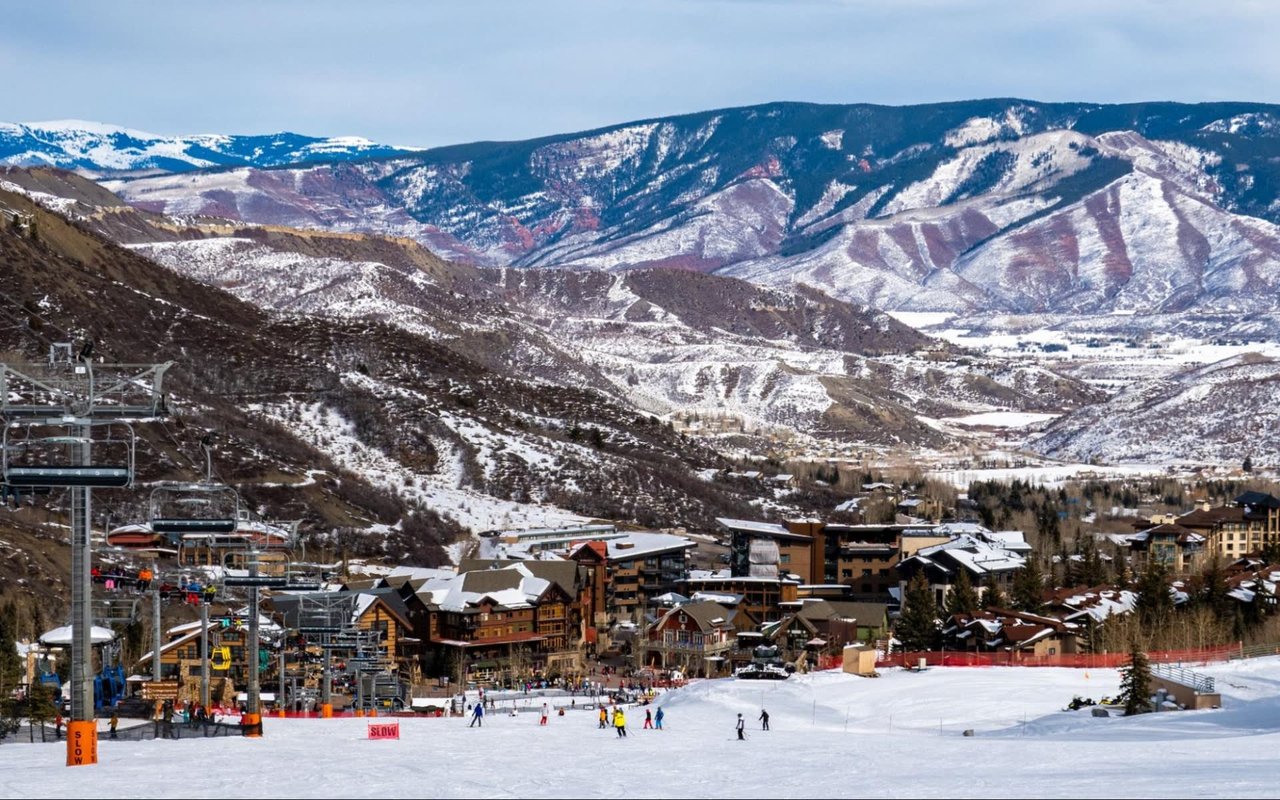
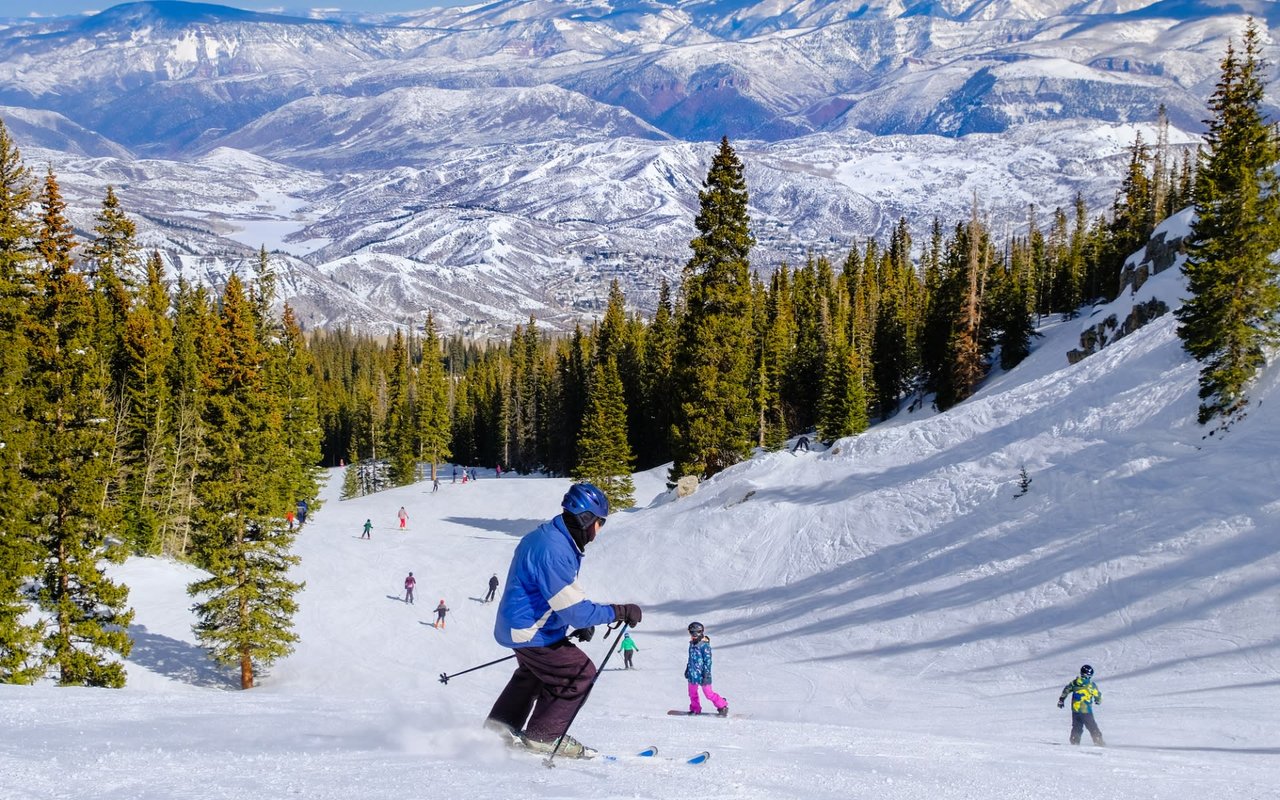
Aspen Snowmass is four separate mountains spread across the valley, not one resort with four faces. They're genuinely different, and knowing which one suits you shapes where you'd want to live more than almost anything else.
Mountain | Skiable Acres | Vertical Drop | Trails |
|---|---|---|---|
Aspen Mountain | 675 | 3,267 ft | 76 |
Aspen Highlands | 1,028 | 3,635 ft (3,800+ with the Bowl) | 118 |
Buttermilk | 470 | 2,030 ft | 44 |
Snowmass | 3,332 | 4,406 ft | 94 |
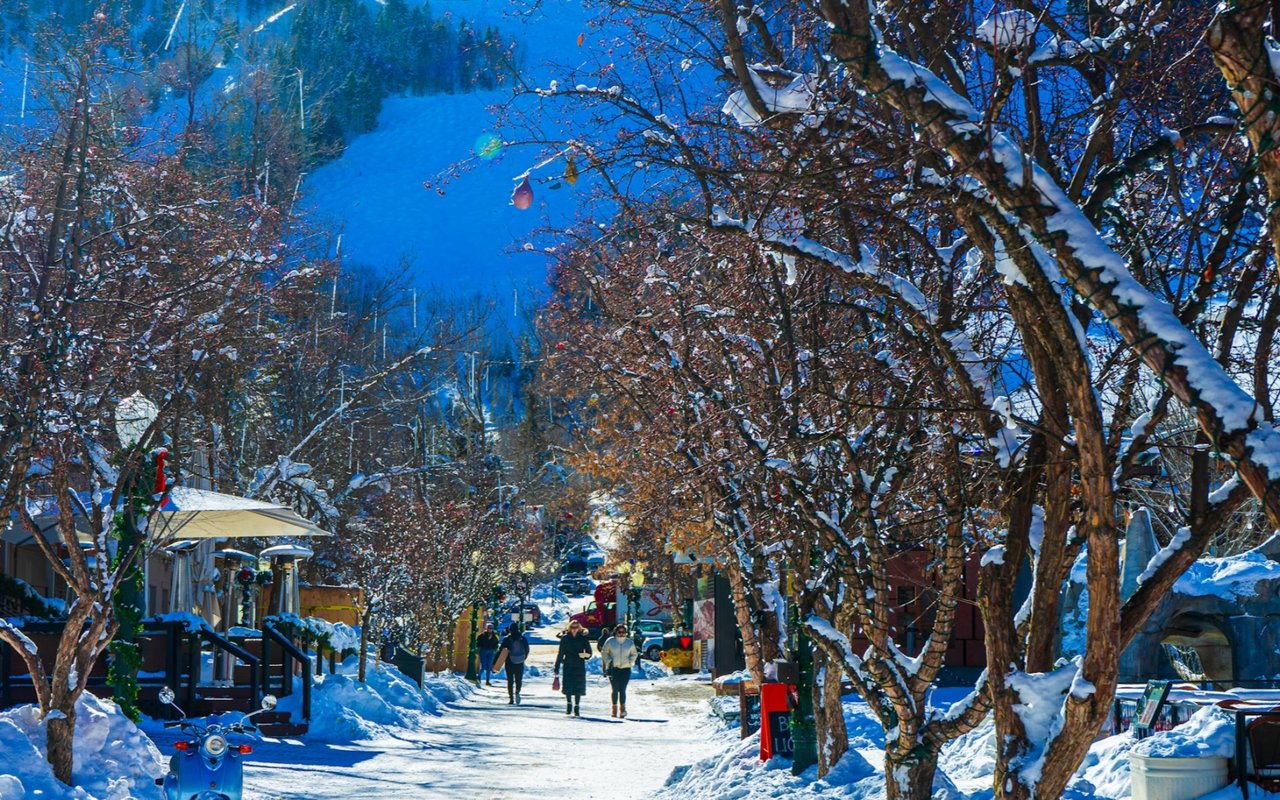
Aspen Mountain (Ajax) rises straight out of downtown, and it has no green runs at all. None. It's steep pitches, glades, and bumps, and it's the mountain where you can take a lap and be at a bar by 3:15. If you're a strong intermediate or better and you want the classic Aspen day, this is it. The neighborhoods that sit closest are the Downtown Core, Central Core, West End, East End, Red Mountain, and Smuggler.
Aspen Highlands is where the locals go. The Highland Bowl hike is the draw — a boot-pack up a ridge to some of the best inbounds steeps in North America — and the base village is deliberately low-key compared to town. Nearby: Highlands Village, Maroon Creek, Five Trees, and Meadowood.
Buttermilk is the family and park mountain. Wide, gentle cruisers, a genuinely excellent learning experience, and the terrain parks that host X Games every January. West Aspen, Tiehack, Pitkin Green, and Starwood are the neighborhoods around it.
Snowmass is the biggest by a wide margin — 3,332 acres and the highest vertical drop of any mountain in the United States. It's the one that works for a group where everyone skis differently, because the terrain spans beginner parks to serious expert steeps. Snowmass Village, Two Creeks, Horse Ranch, and the Divide/Wildcat area surround it.
2026–27 season dates: The overall window runs November 26, 2026 through April 18, 2027. Aspen Mountain and Snowmass are targeting a Thanksgiving Day opening on November 26. Highlands and Buttermilk typically open in early December and close in early April.
Passes: The Aspen Snowmass Premier Pass runs roughly $3,099–$3,299 at the super early-bird tier, climbing toward $3,400+ closer to the season, and gives unrestricted access to all four mountains. The full Ikon Pass starts around $1,399–$1,449 for seven total days shared across the four mountains, with lift reservations required. The Ikon Base Pass starts near $1,019 for five days — and for 2026–27, Base Pass access is restricted to Snowmass only. Worth knowing before you buy.
One thing I'd flag for anyone thinking about a purchase: the free inter-mountain shuttle system is good enough that you don't have to live at the base of your favorite mountain. It changes the calculus on neighborhoods considerably.
Beyond the Slopes
Plenty of people come here in winter and never click into a binding. There's more than enough to fill the days.
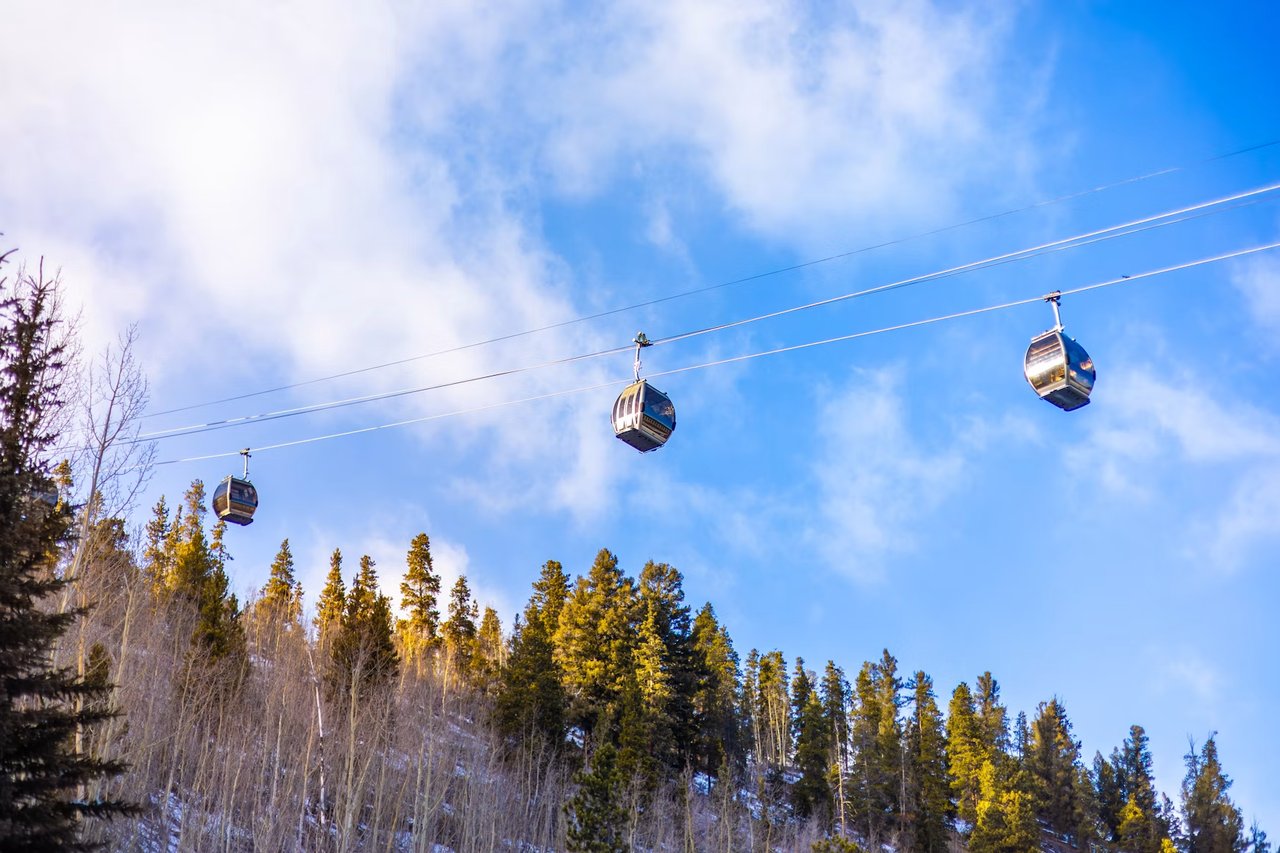
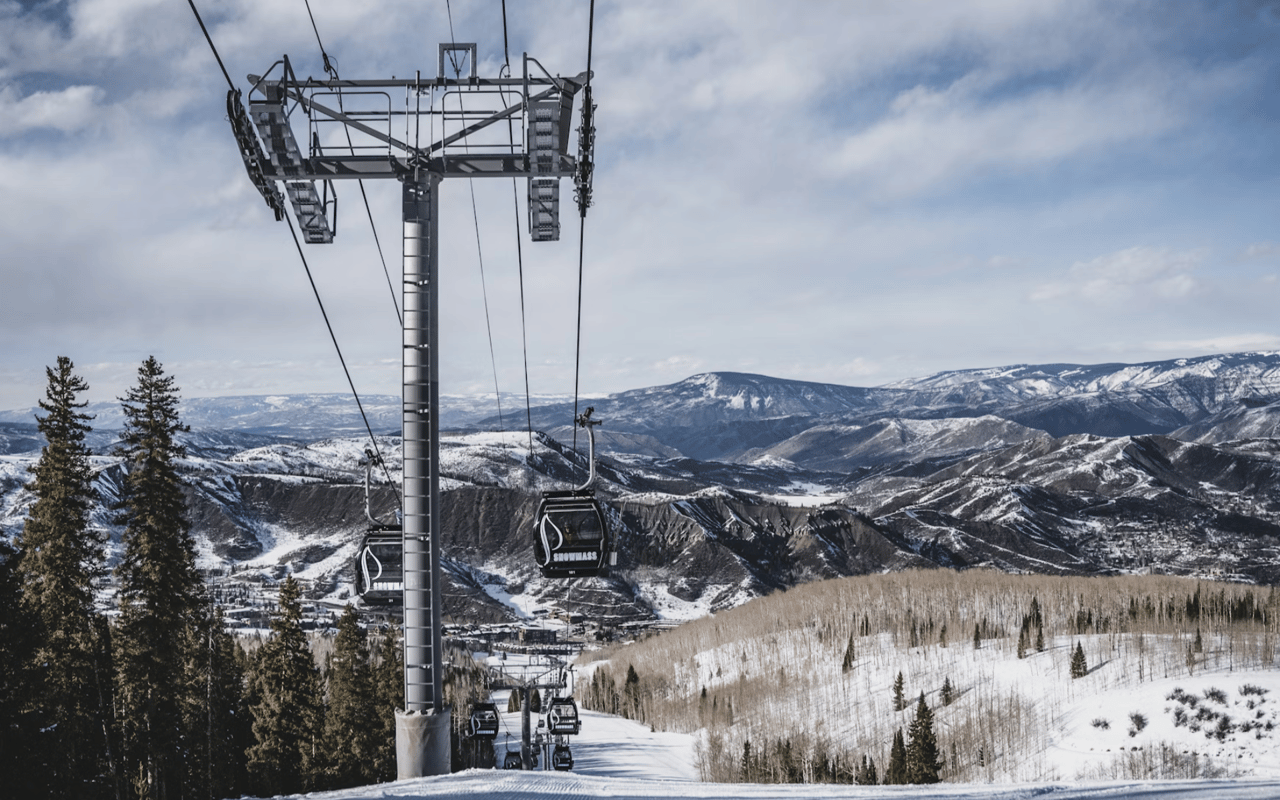
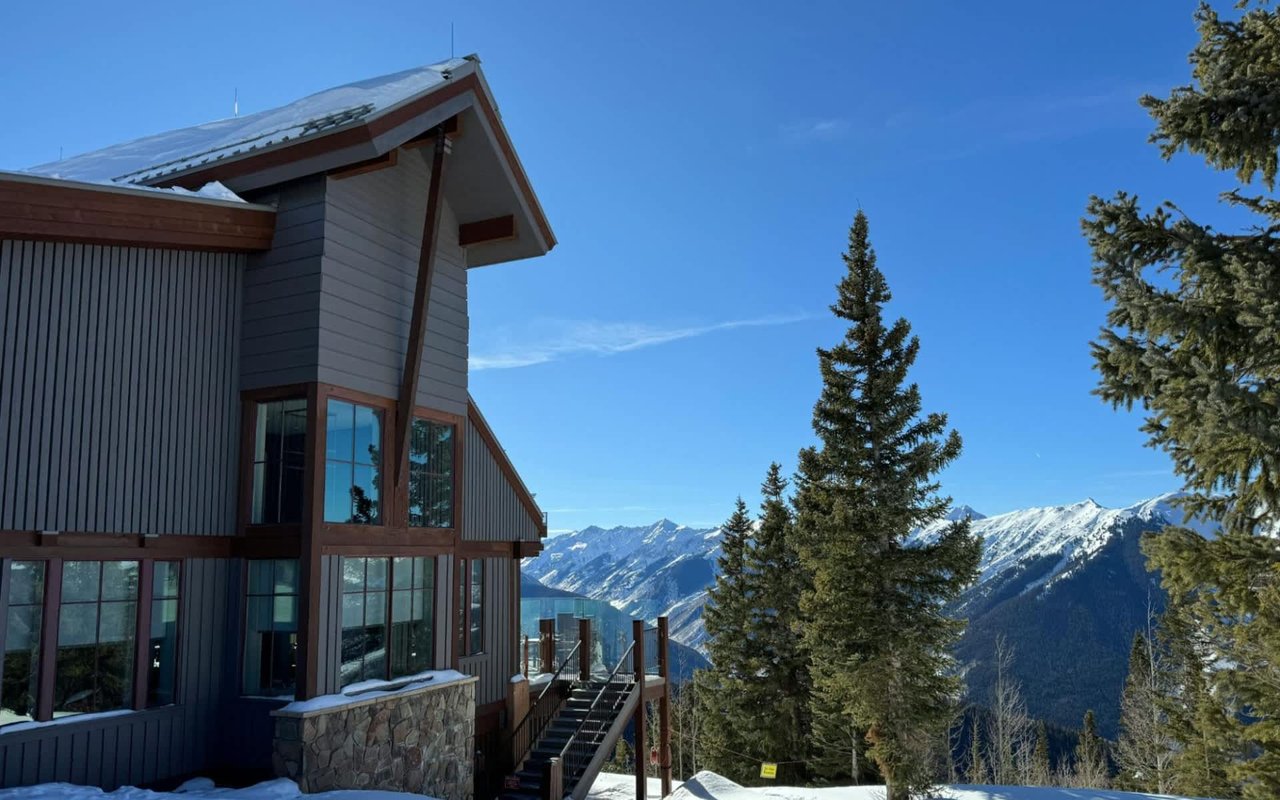
Silver Queen Gondola. Fifteen minutes from Gondola Plaza to the summit at 11,212 feet — a 3,267-foot rise. Winter hours run 9:00 AM to 3:30 PM, with the last ride down around 4:00. Foot-passenger sightseeing passes run roughly $35 to $49 for a multi-day pass, with early- and peak-season adjustments. Non-skiers can ride up, have lunch at the Sundeck, and ride back down having seen more of the valley than most skiers do.
Snowshoeing with ACES. The Aspen Center for Environmental Studies runs guided naturalist snowshoe tours daily at 10:00 AM and 1:00 PM from mid-December through mid-April. You meet at the ACES bell just outside the top of the Silver Queen Gondola, or at Elk Camp Gondola on the Snowmass side. It's $85 per adult and $63 for youth and seniors, which covers snowshoes, the guide, and the forest permit — the gondola foot-passenger ticket is separate. These tours are the single best way I know to understand what you're actually looking at up there.
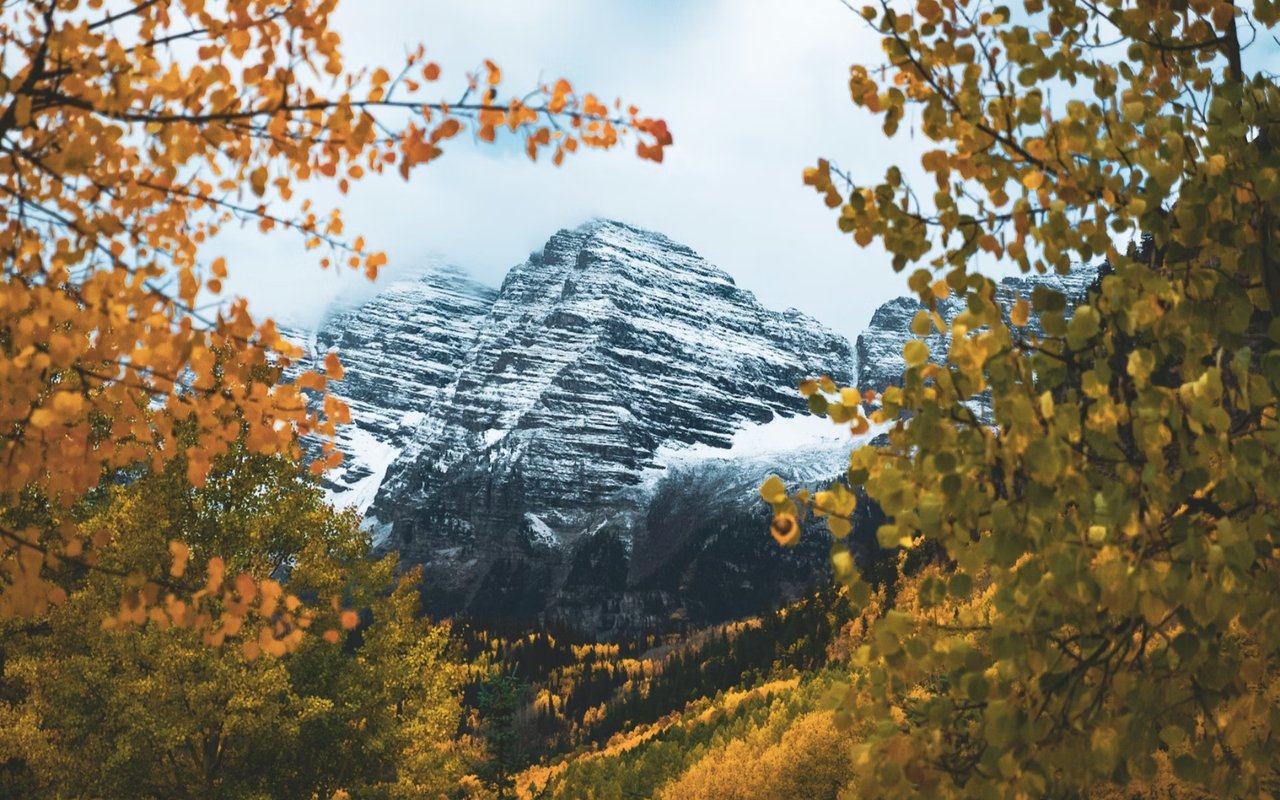
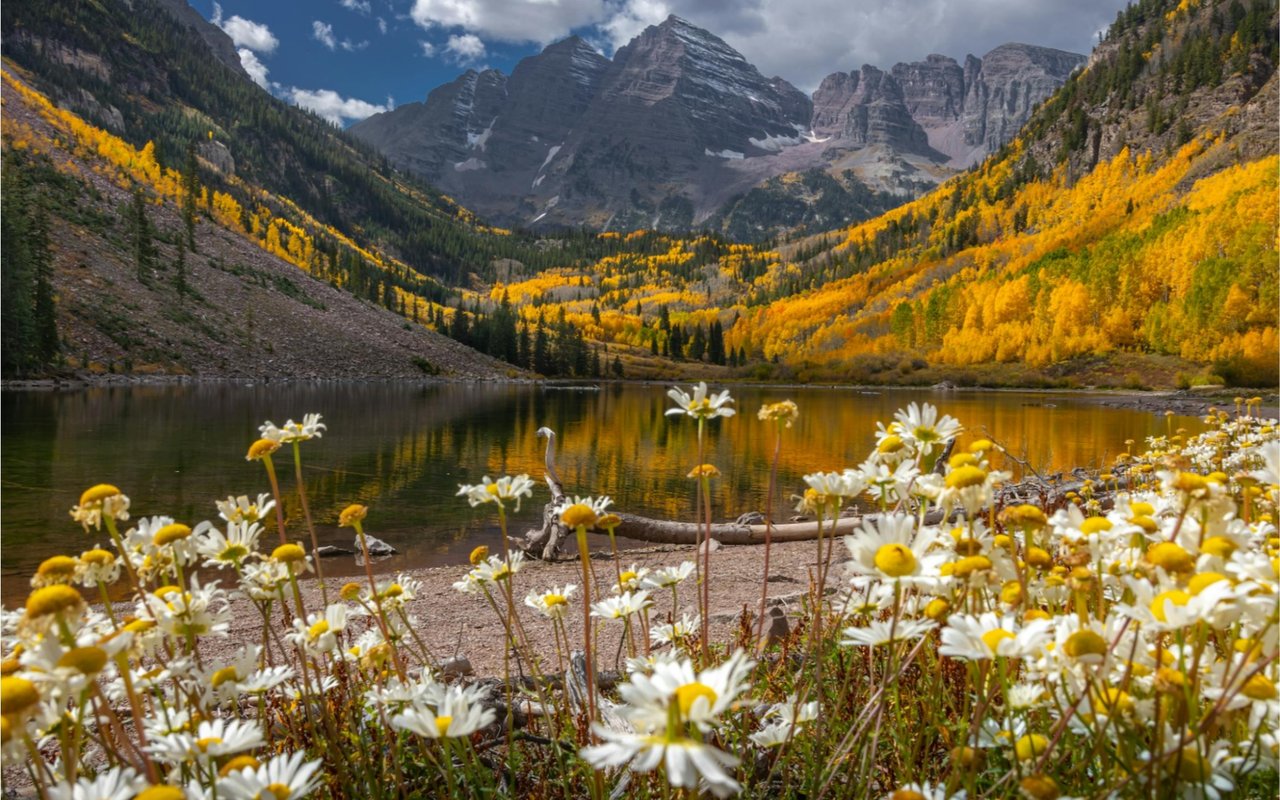
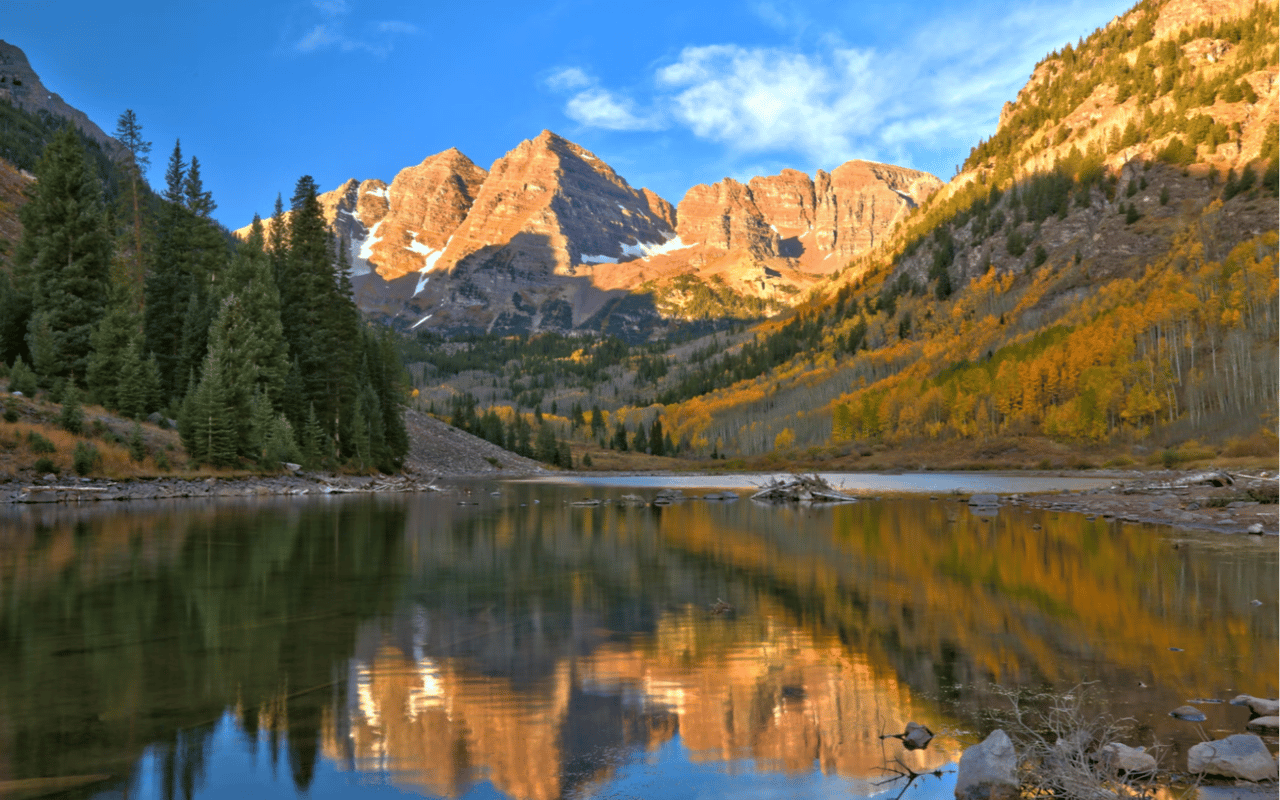
Maroon Bells in winter. Maroon Creek Road closes to public vehicles at the T-Lazy-7 Ranch gate around mid-November, about five miles below the lake. Past the gate it's non-motorized travel only — cross-country skis, snowshoes, or fat bikes — or a guided snowmobile tour through T-Lazy-7. It's a real outing, not a pullout-and-photo stop, and it's quieter than anything you'll see there between June and September.
Independence Pass. Highway 82 east closes in late October or early November and doesn't reopen until around Memorial Day weekend. The gate sits near the East Portal and Lincoln Creek Road intersection, roughly five miles east of downtown. What most visitors don't realize is that the closed road becomes one of the better skinning and cross-country routes in the area — you can park at the gate and go up. The summit clears 12,000 feet, though you won't be getting there in February.
Aspen Carriage & Sleigh. Still running, and still worth it. Downtown horse-drawn carriage tours, private sleigh rides, and dinner sleigh trips out toward T-Lazy-7 and Maroon Creek.
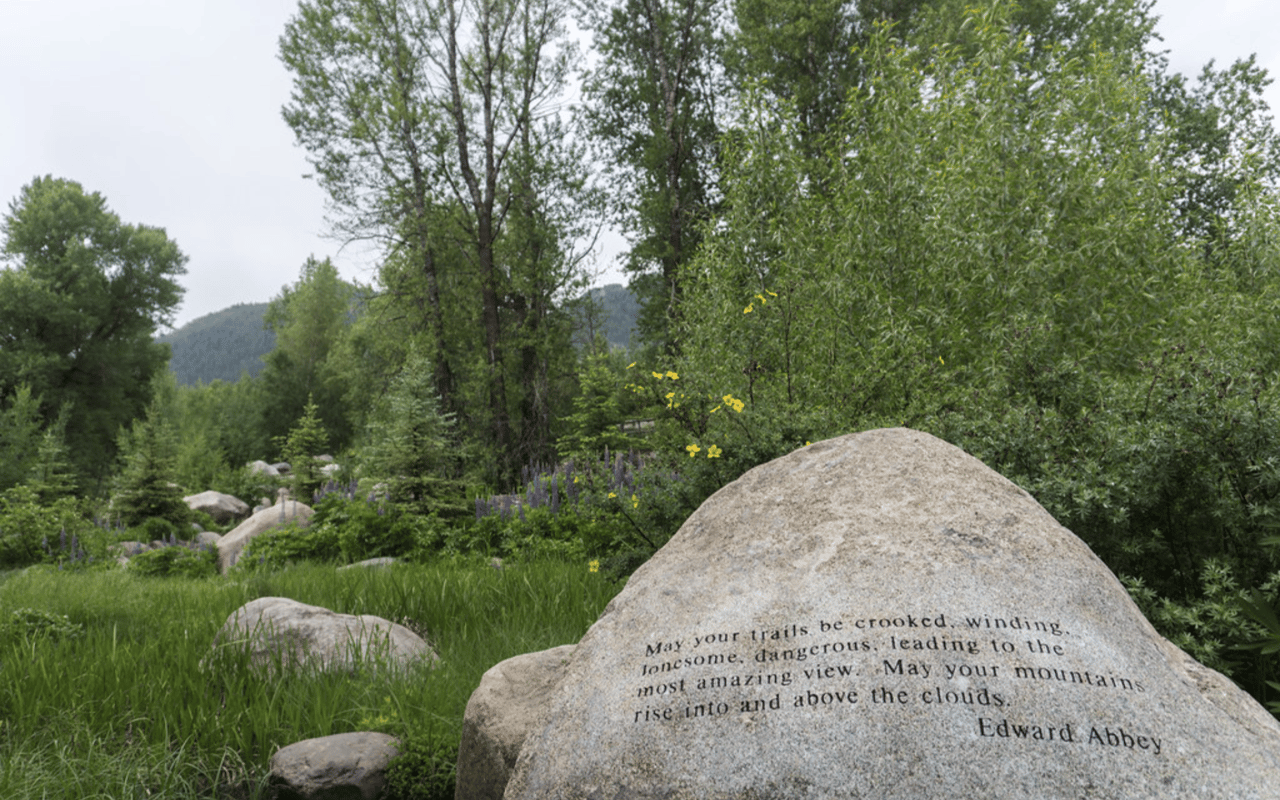
John Denver Sanctuary. Along the Roaring Fork River at Rio Grande Park, right in town and open year-round. In winter it's quiet snow-dusted paths threading between granite boulders etched with his lyrics. Ten minutes, and one of the more genuinely peaceful things you can do in the middle of a busy town.
The seven shrines. Hidden handmade memorials tucked into the trees across Aspen Mountain and Snowmass, honoring John Denver, Jerry Garcia, Elvis, Marilyn Monroe, Jimi Hendrix, David Bowie, and Bob Marley. Most are reached off-piste on skis, though a few — the John Denver shrine among them — can be found on foot with snowshoes and a guide who knows where to look.
If you're planning a trip specifically around non-ski activities, I've written a fuller guide to Aspen winter activities for non-skiers.
The Winter Events Calendar
Wintersköl — December 10–13, 2026, and this one is a milestone: the 75th anniversary of Aspen's "toast to winter." Ice sculpting, fireworks over Ajax, the torchlight parade down the mountain. It's the most local event of the season despite being one of the oldest.
X Games Aspen — Mid-to-late January 2027, exact dates to be announced. Buttermilk is confirmed as host under an extension running through the 2028–29 season. Free to attend, which still surprises people.
Aspen Gay Ski Week — January 17–24, 2027, and its 50th anniversary. The oldest annual LGBTQ+ winter festival in the country: daily ski meetups, après parties, and the Downhill Costume Contest.
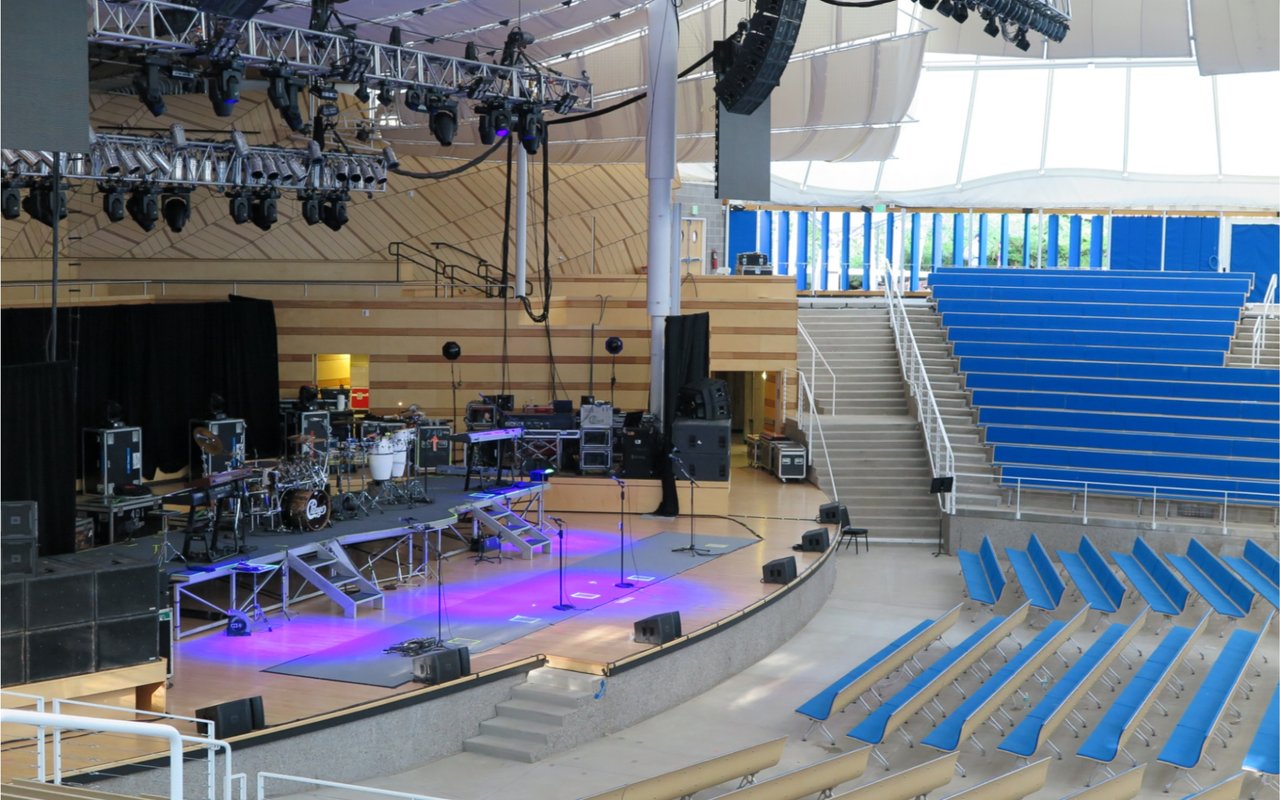
Belly Up Aspen — 450 capacity, a nightly winter lineup, and a room small enough that you're never far from the stage regardless of who's playing.
Aspen Art Museum — The winter slate includes KOO JEONG A launching in December 2026, alongside Kerstin Brätsch's Fossil Psychic. Stone Mimicry and Adrián Villar Rojas's First Gods, Lost Animals. I'm a Contemporary at the museum, so I follow this programming closely — and the Shigeru Ban building is worth the visit on its own, particularly the rooftop.
Aspen Institute — Winter Community Seminars, roundtables, and public speaker series on leadership, ethics, and policy, held at the Meadows campus. I'm active with the Society of Fellows there. The campus itself is a Herbert Bayer design, and the Bauhaus lineage running through Aspen's mid-century identity is one of the more underappreciated things about this town.
One note on Food & Wine. People ask about the Food & Wine Classic constantly in a winter context — it's held in mid-June, not winter. What does happen in winter is that events like the Wintersköl slogan contest award passes to the following summer's Classic.
If you want to understand Aspen rather than just ski it, the arts calendar is the way in. Walter and Elizabeth Paepcke didn't build this place as a ski town — they built it as a cultural experiment that happened to have mountains. I sit on the board of the Aspen Historical Society, and that history is still visible in the architecture if you know where to look.
Where to Eat
On the mountain. Bonnie's, mid-mountain on Ajax, is still going and still famous for the white-chocolate pancakes and apple strudel. The Sundeck at the gondola summit is cafeteria-style with panoramic views. Breakfast and early coffee run 8:30 to 10:30 AM at both; standard lunch across all four mountains is 11:00 AM to 2:30 PM; après on the hill runs 2:30 to 3:30, with patrol sweeping trails at 4:00.
Neither Bonnie's nor the Sundeck takes reservations. Cloud Nine Alpine Bistro at Highlands is the exception and the opposite extreme — its 2:00 PM champagne seating books months ahead through Aspen Snowmass or a concierge.
In town. Matsuhisa is still the high-end sushi and seafood benchmark. Casa Tua holds court downtown as both an alpine club and public dining room. Meat & Cheese on Hopkins does European boards, rotisserie chicken, and cheeses from the farm shop. Catch Steak on Galena Street is a large, loud, very good steakhouse.
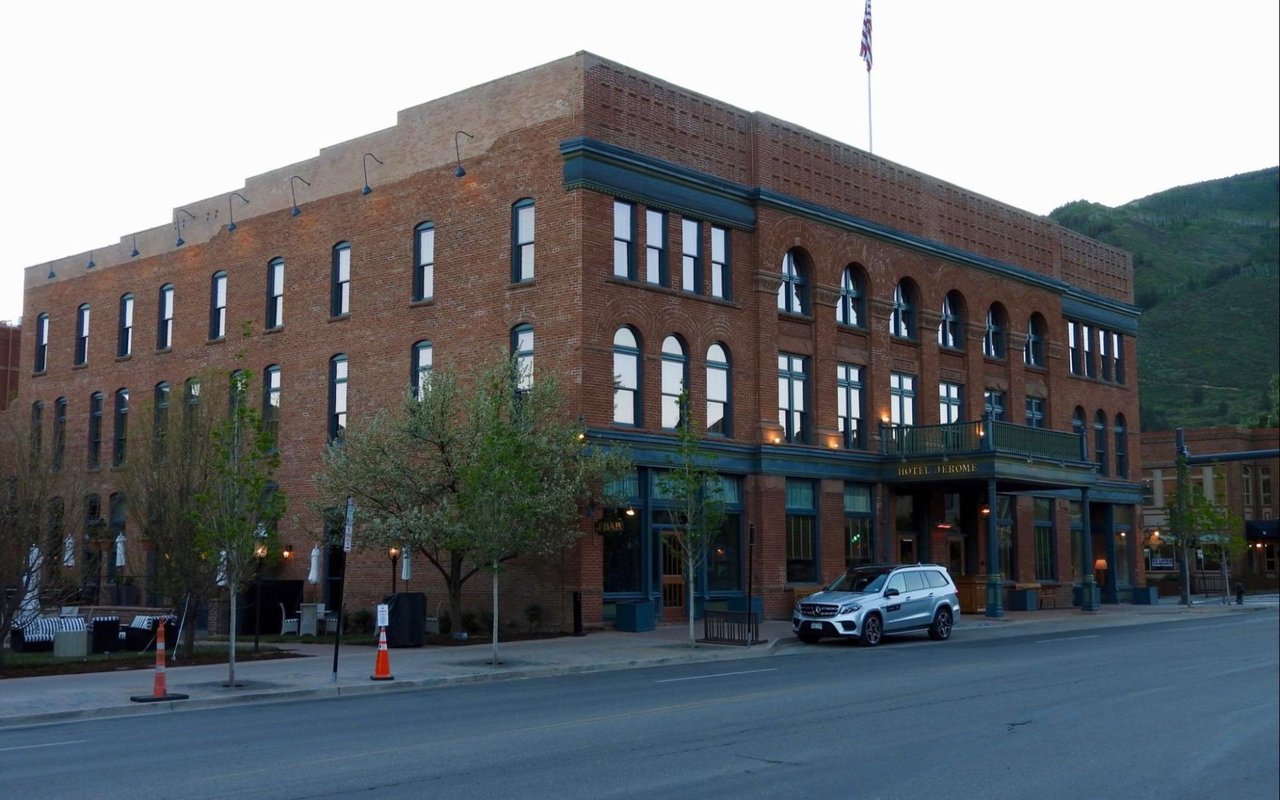
Two changes since the last time I wrote about winter dining. Plato's at the Aspen Meadows has been rebranded as West End Social, with an expanded 270-degree view deck and a shared-plates menu. And Chica at the gondola base has closed, replaced by Mt. Rubirosa — the New York thin-crust pizza concept, now in one of the best slope-side spots in town. Felix Roasting Co. inside the Hotel Jerome is still there for coffee.
Newer arrivals. Petit Trois at MOLLIE Aspen — Ludo Lefebvre's Parisian bistro, escargot and steak frites and French onion soup. Golden Horn Gastropub, reborn in its historic Mill Street space. And a rotating cast of high-end seasonal pop-ups, Caviar Kaspia and Lola 41 among them.
How to actually get a table. Most high-demand restaurants — Matsuhisa, Casa Tua, Catch Steak, West End Social — release inventory 30 days out on Resy or OpenTable at midnight local time. Set an alarm. Bar seating at Matsuhisa, Meat & Cheese, and Catch Steak stays first-come, first-served, but during holiday weeks you need to be in line 15 minutes before doors.
Aspen Month by Month
The single most useful thing I can tell a first-time winter visitor is that December and April are barely the same season.
Month | Town High / Low | Mid-Mountain Snowfall | Snowpack |
|---|---|---|---|
December | 35° / 11° | ~30–38 in | Base-building, heavy snowmaking support |
January | 35° / 9° | ~25–30 in | Cold, light snow, reliable 40"+ base |
February | 38° / 11° | ~28–35 in | Historically the snowiest month |
March | 45° / 18° | ~27–32 in | Annual peak, ~55–70"+ |
April | 53° / 25° | ~15–20 in | Freeze-thaw, soft corn |
December. Shoulder rates and manageable crowds through about the 18th, then an instant flip to ultra-peak everything from December 20 through New Year's. Event anchors: 12 Days of Aspen, Wintersköl mid-month, and New Year's Eve fireworks over Ajax. Coverage is usually solid by late month but early December is a snowmaking story more than a natural snow story.
January. The crowds fall off a cliff the week after New Year's, and if you want deep-winter Aspen at its least congested, the first two weeks of January are it. Brief spikes around MLK weekend and X Games. Cold temperatures preserve light snow, which makes this the connoisseur's month.
February. Peak conditions and peak everything else. The snowiest month historically, which opens up tree skiing and steep alpine terrain that isn't in play in December. Presidents' Day week brings serious crowds and top-tier lodging rates. Belly Up's lineup is at its strongest.
March. Bluebird skies over the deepest snowpack of the year, which is a hard combination to beat. Spring break traffic runs high through mid-to-late month. Outdoor decks open, live music starts up on the Sundeck and Elk Camp patios, and you'll ski in a t-shirt more than once.
April. The locals' month. Rates drop hard, crowds thin, and the traditions get better — Schneetag pond skimming at Snowmass, the Highlands Closing Party with its costumes and parking-lot tailgates. If you're trying to get a feel for the community rather than the resort, come in April.
The best window: March 15 through April 5. Deep snowpack, long daylight, warm afternoons. The strategy is to follow the sun — start on east-facing groomers like Bell Mountain on Ajax or Big Burn at Snowmass as the morning sun softens things, move to high north-facing steeps at midday, and finish on lower-mountain slush before heading straight to a deck.
Getting Here and Getting Around
Aspen/Pitkin County Airport (ASE) is three miles from downtown, which makes it one of the most convenient mountain arrivals in North America when it works.
- United Express: year-round daily nonstops from Denver, Chicago O'Hare, and Houston; seasonal winter nonstops from LAX and SFO
- American Eagle: seasonal winter nonstops from Dallas/Fort Worth, O'Hare, Phoenix, and LAX
- Delta Connection: seasonal winter nonstops from Atlanta and LAX
Now the part nobody tells you until it happens: ASE has a tight mountain valley approach and is notorious for weather cancellations, wind holds, and diversions. During a real storm cycle, flights get held or sent to Grand Junction. Always have a ground backup.
Eagle County (EGE) in Gypsum is about 70 miles out — 1 hour 30 minutes on dry roads, 2+ hours in winter conditions. I-70 west through Glenwood Canyon to Glenwood Springs, then Highway 82 south. Diversion rates are dramatically lower than ASE, and there are rental cars plus shuttle services like Epic Mountain Express.
Denver (DEN) is about 220 miles — 3.5 to 4 hours in clear weather, 5 to 7+ hours in a storm or weekend ski traffic. I-70 west over the Eisenhower Tunnel and Vail Pass to Glenwood Springs at Exit 116, then Highway 82 south. Note that you cannot come over Independence Pass in winter; it's closed. Shared shuttles (Pegasus, Bustang, Epic Mountain Express) and private SUVs run this route constantly.
Once you're here, you may not need a car. RFTA and the City of Aspen run a free system that's better than most cities have. Zero-fare ski shuttles connect downtown, Aspen Mountain, Highlands, Buttermilk, and Snowmass Base Village all day. RFTA regional buses run downvalley to Snowmass Village, Basalt, Carbondale, and Glenwood Springs. And the Downtowner is a free app-based electric shuttle for point-to-point rides within the commercial core.
Two road closures to know: Maroon Creek Road closes to vehicles at the T-Lazy-7 gate, about five miles from town. Castle Creek Road stays plowed roughly 11 miles up to the Ashcroft townsite and the Pine Creek Cookhouse, then hands off to non-motorized and snowmobile trails.
Colorado traction and chain law. CDOT enforces this on Highway 82 and I-70 from September 1 through May 31, and the fines are real.
- Traction Law (Code 15), active during snow events: 4WD/AWD vehicles need all four tires at minimum 3/16" tread with M+S or 3PMSF rating. 2WD vehicles must carry chains or approved alternate traction devices — M+S tires alone are no longer sufficient on a 2WD under updated Colorado law.
- Passenger Vehicle Chain Law (Code 18), active in severe conditions before full closure: every passenger vehicle, 4WD included, needs chains or traction socks installed on drive tires.
- Fines start at $500+ and exceed $1,000 if an unequipped vehicle blocks a lane during a storm.
If you're buying here, this is the moment to think seriously about what you'll actually drive in January.
What Winter Reveals About Living Here
Two weeks in a rental in February and a full winter as an owner are different experiences. I'd rather tell you the honest version now than have you find out in your second season.
What makes it worth it. Backdoor access to world-class terrain, which sounds like marketing until you've taken a skinning lap up Ajax before work and been at your desk by nine. A winter community that surfaces once the holiday crowds thin — ski groups, neighborhood après, the people who are here in April. And the landscape itself, which in deep winter is genuinely quieter and more beautiful than the version in the brochures.
What nobody puts in the brochure.
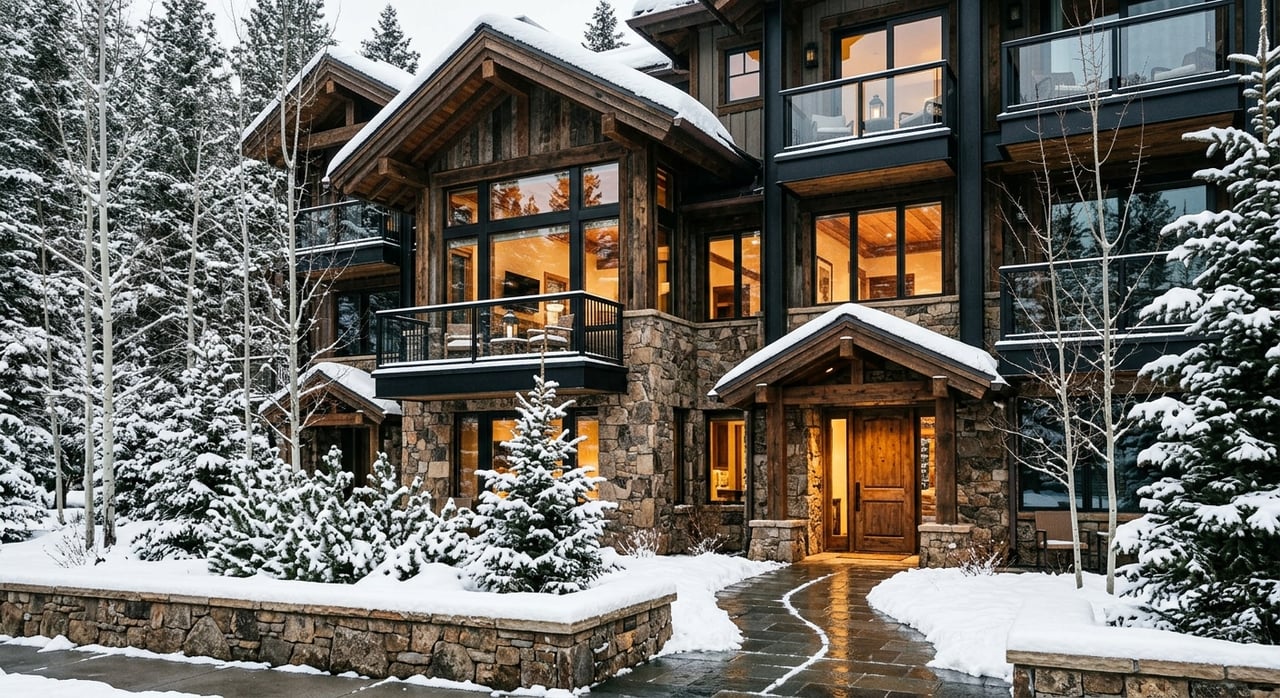
Snow removal is a legal obligation, not a chore. City ordinance requires property owners to clear adjacent public sidewalks within three hours of snowfall stopping, or within three hours of daybreak. Pushing snow into city streets or public right-of-way is illegal. That means you need designated snow-storage space on your own property or a contract with a hauler — and on a small in-town lot, where snow goes is a real design constraint.
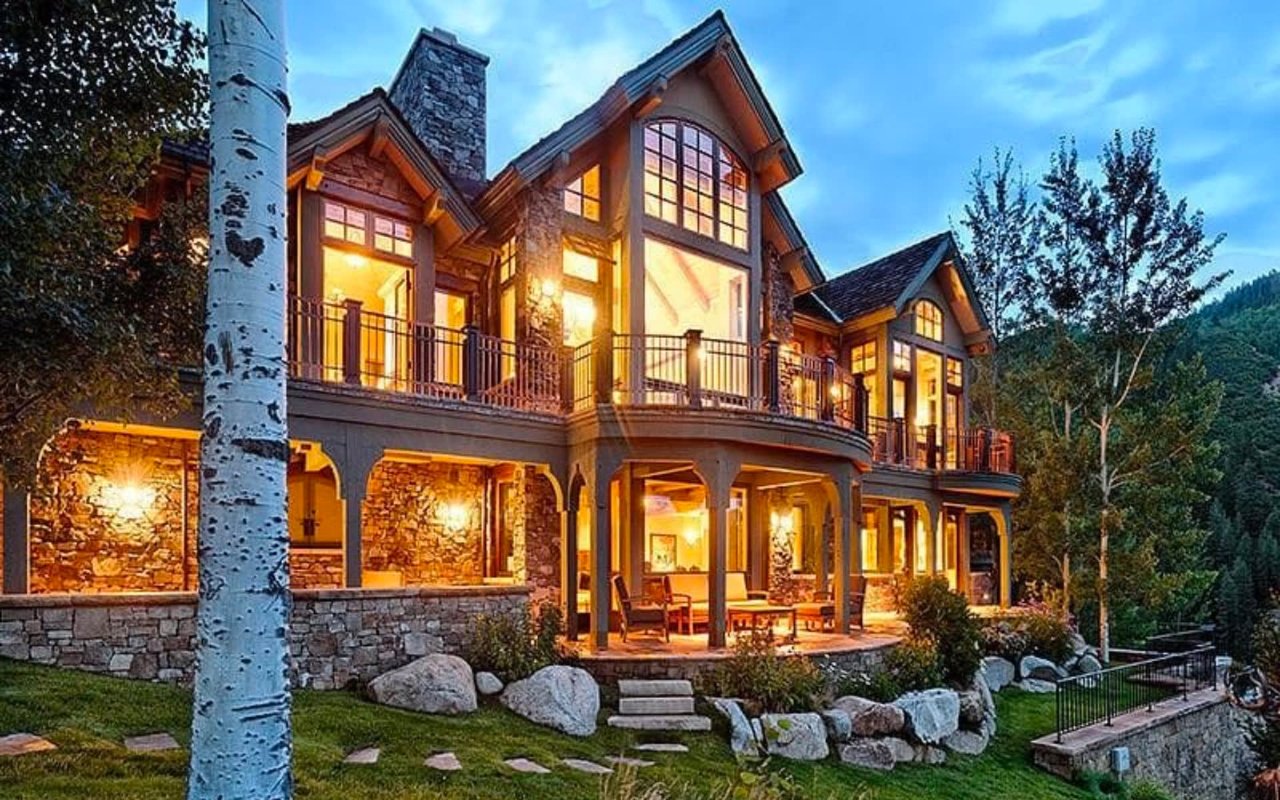
Driveway grade matters more than square footage. On the hillside enclaves — Red Mountain, Pitkin Green — you're looking at heated driveways, a serious 4WD/AWD vehicle on proper winter tires, and a plow service on standby. I've watched buyers fall in love with a view and not think about the 200 feet of steep approach until the first storm.
Altitude has a maintenance cost. Living at 8,000+ feet means sub-zero nights, very dry air, freezing pipe risk, and heating bills that surprise people coming from sea level.
The valley has two speeds and nothing in between. It toggles between high-octane holiday crowds and quiet shoulder seasons — late spring and early winter mud season — when a meaningful number of businesses simply close for a few weeks.
Short-term rentals: the rules that actually govern the numbers
If you're modeling rental income on an Aspen purchase, the regulatory framework matters more than the ADR. Aspen's STR permits fall into three types:
- STR-LE (Lodging Exempt) — condo-hotels and lodges, no annual night cap
- STR-OO (Owner-Occupied) — capped at 120 rental nights per year for primary residents
- STR-C (Classic) — capped by neighborhood and zone density limits, which has produced waitlists in the most desirable residential zone districts
On top of standard sales and lodging taxes, the city levies a targeted STR excise tax of 5% or 10% depending on permit type. There's also a local contact requirement: a Qualified Owner's Representative who can be physically on site within two hours. If you're an out-of-state owner, that's a line item, not a formality.
In unincorporated Pitkin County, the rules differ — a 4-night minimum and 120-night maximum, with a tiered fee structure tied to assessor market value.
The economics. Winter is peak. Top-tier luxury listings can command average daily rates around $1,000 to $2,000+ during holiday windows, though market-wide average annual occupancy across active inventory runs closer to 45–60%. Any pro forma built on holiday ADR applied to a full year is fiction.
The market's rhythm. Listing volume historically spikes in late spring and early fall, while contract activity accelerates through winter — because that's when buyers are here, living it, and deciding.
Where my P&Z work comes in
I serve as a Commissioner on the City of Aspen Planning and Zoning Commission, which means I've sat through the actual deliberations behind the rules above rather than just read the summaries.
That's given me direct context on how residential zoning caps and STR mitigation evolved, and why they landed where they did in the balance between visitor lodging and community housing. It's also meant reviewing development applications on the technical side of winter: snow-load compliance, heated driveway runoff management, emergency vehicle access in snow conditions, and site preservation during winter builds. And it's given me a working view of how the municipal master plans try to hold Aspen's historic character and environmental limits against very intense development pressure.
For a buyer, the practical value is knowing which questions to ask before you're under contract — whether a property can get the STR permit you're assuming, whether a renovation plan will survive review, whether that driveway meets access standards.
Where to Live for the Winter You Want
Neighborhood | Winter Character | Typical SFH Median / Avg | Price / Sq Ft | True Ski-In/Ski-Out |
|---|---|---|---|---|
Downtown Core / Gondola Base | Walk to lift and nightlife | ~$8.5M core avg / $22M+ SFH | $4,000–$7,000+ | Select properties only |
West End | Quiet historic, Victorian, walk to town | ~$13.3M avg / $17.5M+ median | $3,000–$4,500+ | No |
Red Mountain | Ultra-luxury, south-facing, views over Ajax | ~$22.4M avg / $25M–$35M+ | $3,800–$5,500+ | No |
Starwood | Gated, acreage, Nordic trails, total privacy | ~$12M–$18M+ | $2,200–$3,200+ | No |
Snowmass Village | Family ski-in/ski-out, Base Village | ~$8.25M SFH median / $2.85M condo | $2,000–$3,500+ | Highest concentration in the valley |
Basalt / Willits | Downvalley value, milder weather, local hub | ~$1.6M–$3.6M+ | $1,000–$1,600+ | No |
Carbondale | Creative community, Sopris views, mildest winters | ~$1.25M–$1.8M+ | $700–$1,200+ | No |
Gondola proximity. From the Downtown Core it's a 1-to-5-minute walk to Gondola Plaza. From the West End it's 10 to 20 minutes on flat, pretty residential streets — though most West End residents I know use the Downtowner or a neighborhood RFTA bus on genuinely cold mornings rather than walking it with skis.
Ski-in/ski-out: marketing versus reality. This is where I'd push back hardest on listing language.
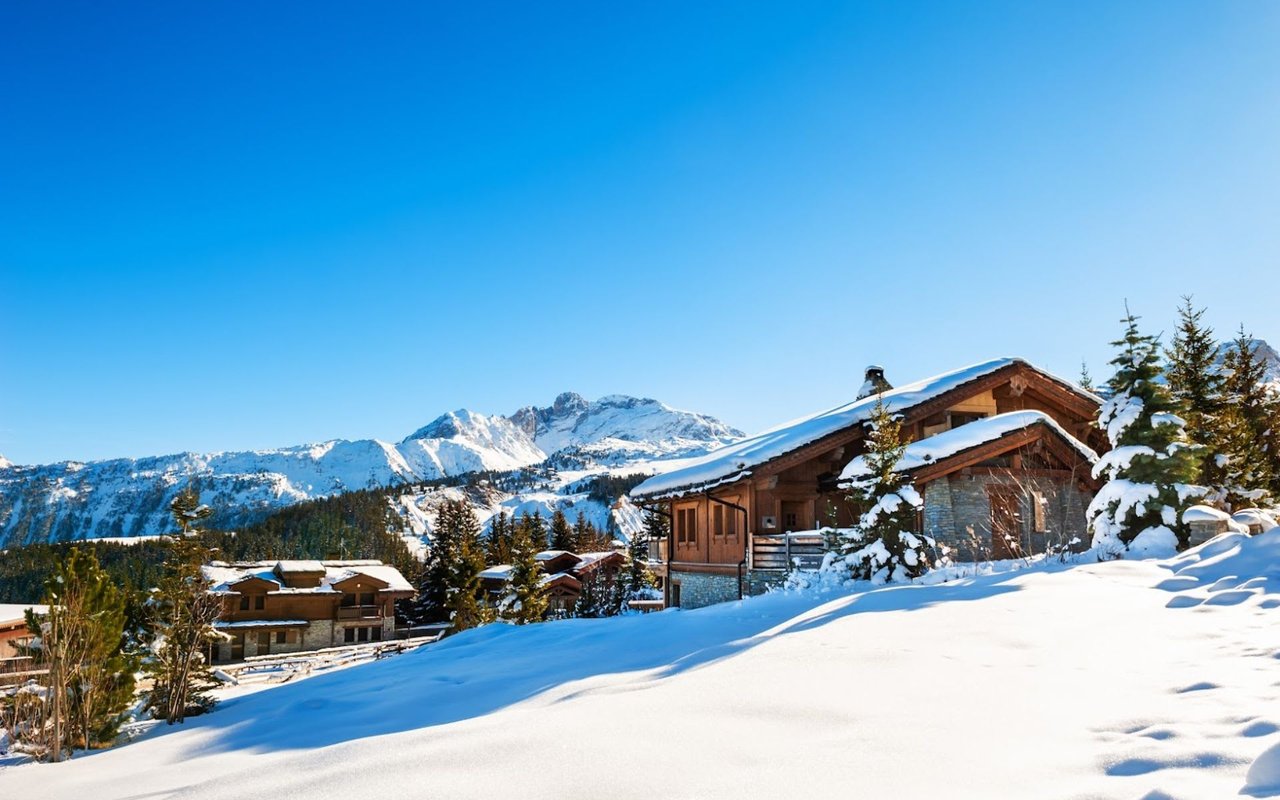
Snowmass Village has real ski-in/ski-out inventory, and a lot of it. Woodrun, Bridge Lane, Two Creeks, and Base Village complexes like Top of the Village and Hayden Lodge put you on an active trail from your ski locker. If genuine door-to-lift access is a requirement, Snowmass is the honest answer.
On Aspen Mountain, true ski-in/ski-out is limited to a small handful of slope-side properties along Little Cloud Trail, Durant Street, and South Monarch. Plenty of Core properties are marketed as "ski-in" when what's actually involved is crossing a paved street or taking an elevator down to street level. Not the same thing, and the price difference between the two is substantial.
Downvalley commutes in winter. Basalt is 22 miles out — 25 to 35 minutes on clear days, 45+ with morning commuter traffic or a snow event on Highway 82. Carbondale is 30 miles — 40 to 50 minutes normally, 60 to 75+ when there's a major storm or an accident on the corridor. The VelociRFTA express buses are a genuinely reliable alternative, and a lot of downvalley residents use them by choice rather than necessity.
The trade is straightforward: every mile downvalley buys you square footage and mild weather and costs you time on 82 in the dark.
If Winter Is Making You Think About Staying
Most of my buyers didn't set out to buy here. They came for a season, or several, and at some point the math of renting a place every February stopped making sense.
If that's where you're heading, the useful thing to know is that winter is when you learn what you actually need. Which mountain you ski four days out of five. Whether you want to walk to dinner or drive. Whether a 15-minute approach road is charming or exhausting in a storm. Those answers are hard to reach from a distance and obvious once you've spent a real winter here.
I've been living and working in Aspen Snowmass real estate since 2007, with close to $1 billion in career sales, and I've built a substantial rental business alongside brokerage over the last decade — which means if income potential is part of your thinking, I can tell you what a property will actually rent for rather than what a spreadsheet suggests. My work on the Planning and Zoning Commission covers the rest: what's permitted, what's likely, and what won't survive review.
If you're here this winter and want to look at anything, or just talk through whether owning makes sense for you, get in touch.
Brittanie Rockhill
Broker Associate | Aspen Real Estate
520 East Durant Ave, STE 103, Aspen, CO 81611
Phone: 970.366.0891
Email: [email protected]
DRE # FA.100019229