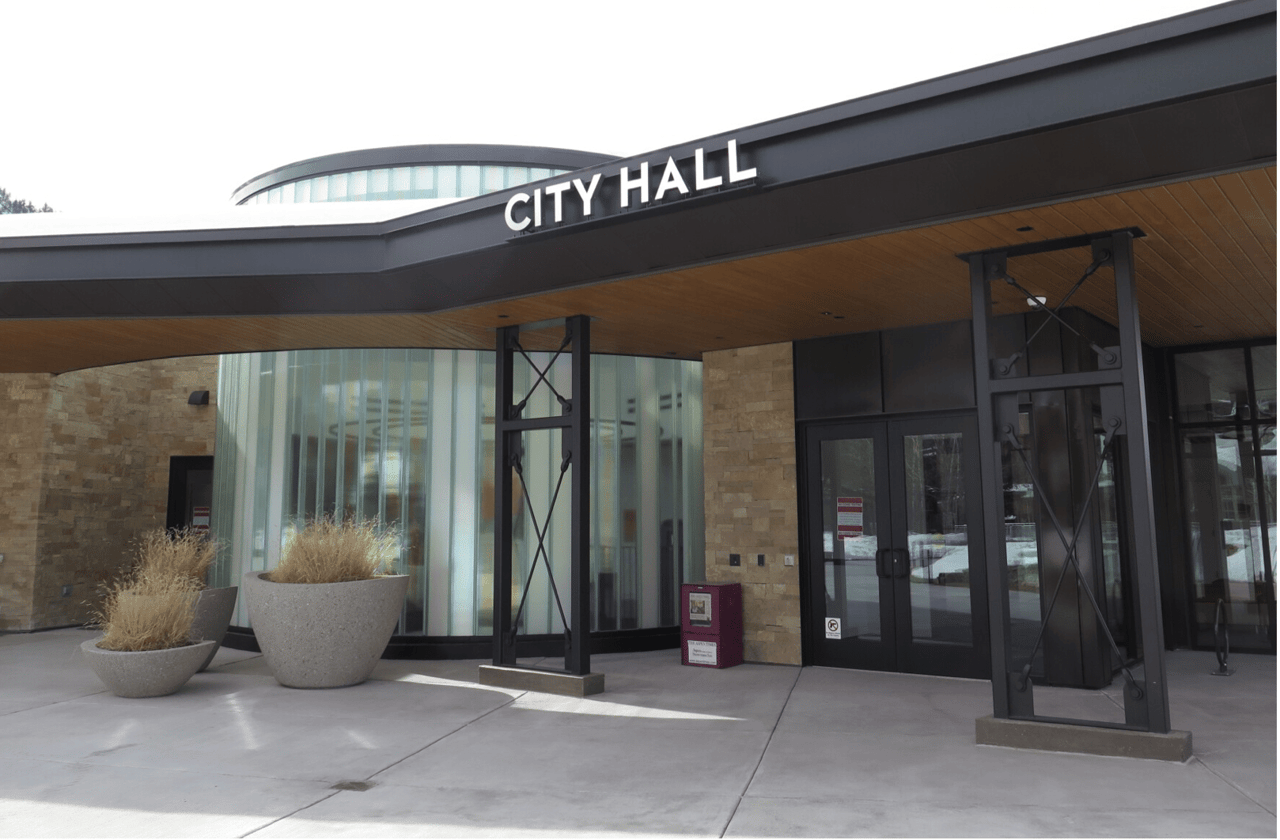
As Aspen Public Radio reported, Dave Tanner said: "We don't control it, and so to pave the way for the construction, the lift needed to come down."
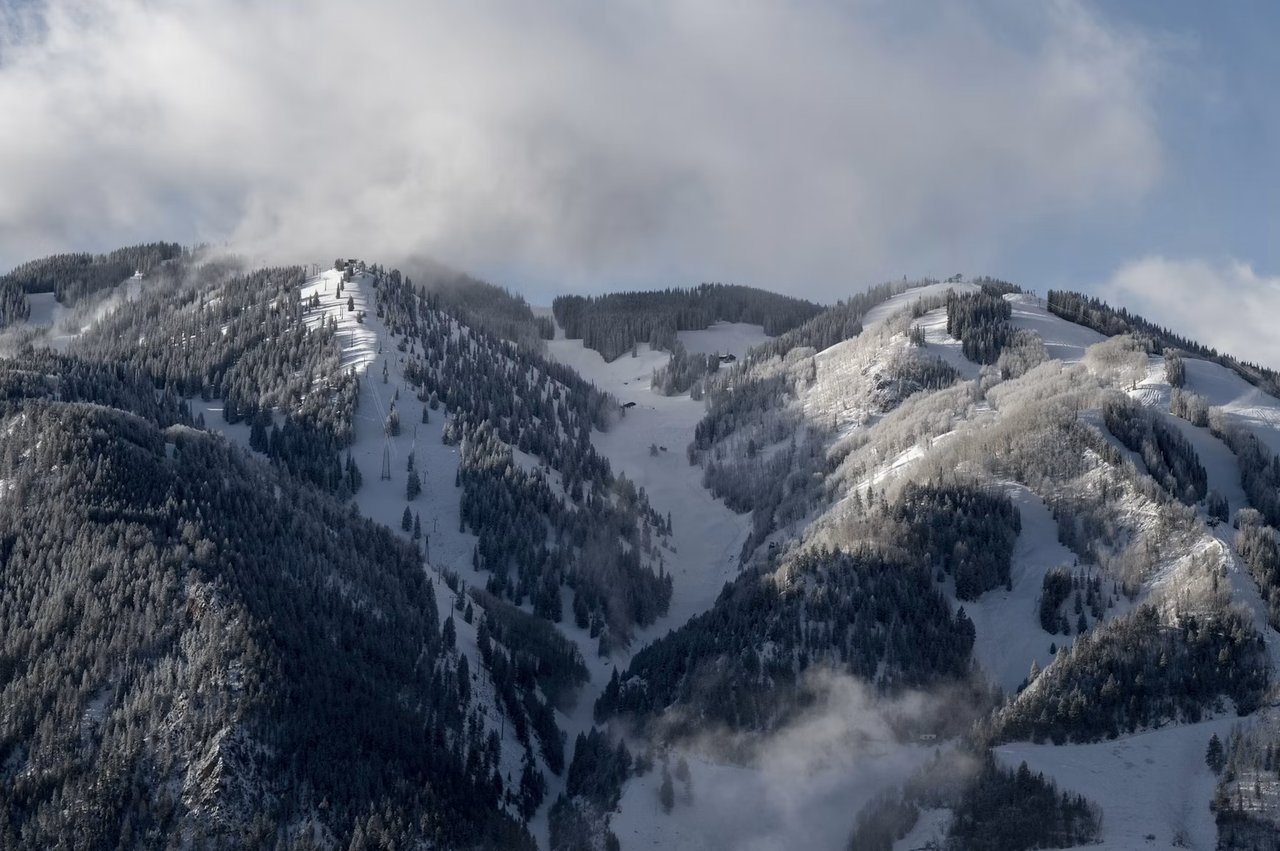
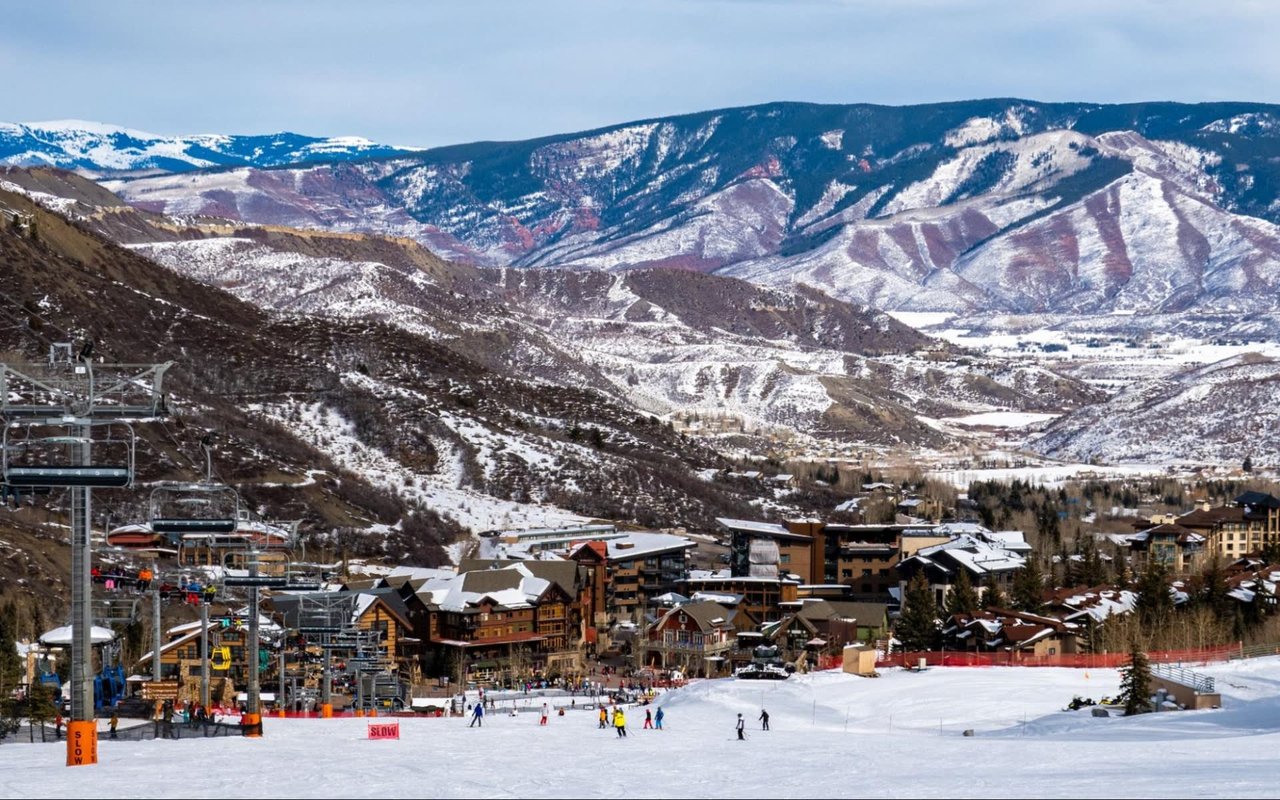
That's Dave Tanner, Aspen One's CEO, answering a resident's question at the company's first-ever community town hall on September 23. The lift he's talking about is 1A, also known as Shadow Mountain, which had carried skiers up the west side of Ajax since the winter of 1971-72 before it came down this summer. Tanner's answer matters to skiers: Aspen Skiing Company spent the summer building one of the fastest, most reliable lifts in its history, while Lift 1A came down during work on the Lift One corridor; no return date has been confirmed.
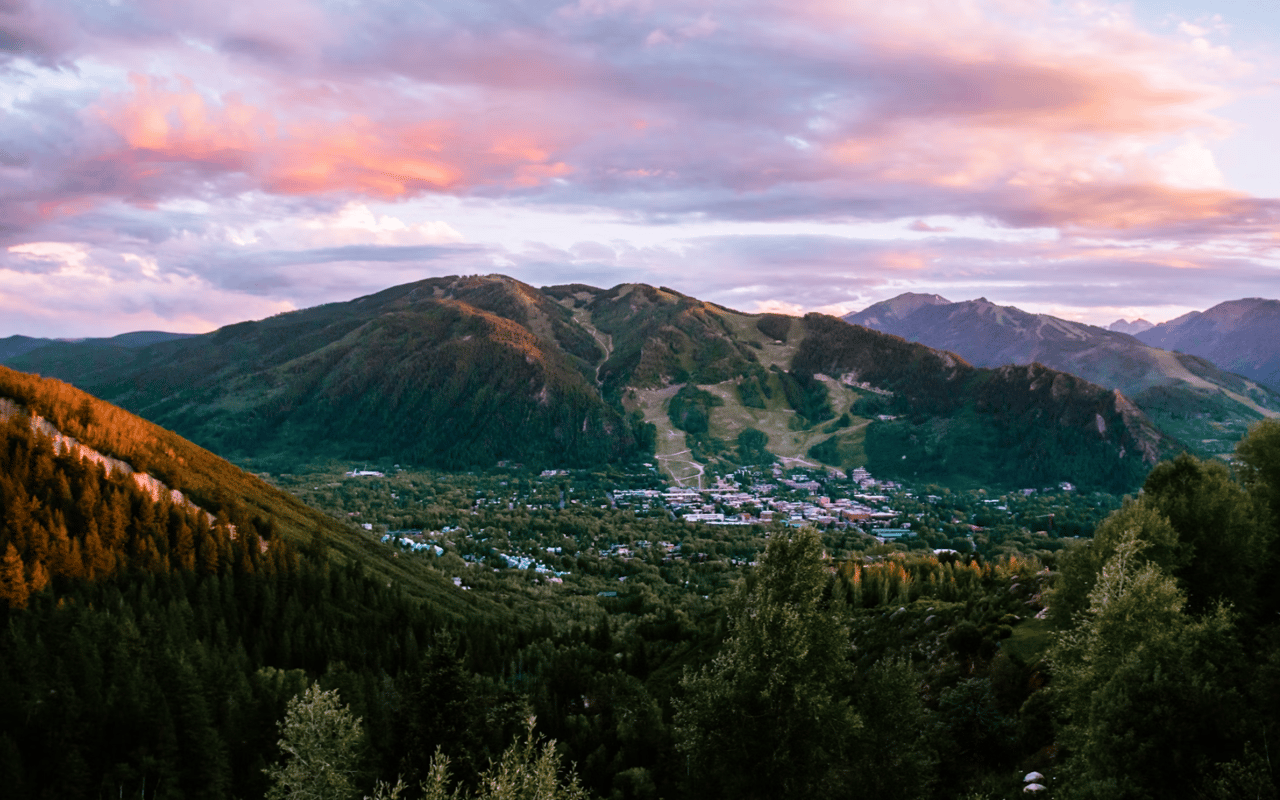
Both things happened on Aspen Mountain in the same construction season. Understanding why tells you more about what this winter actually feels like on Ajax than any trail count or opening-day press release.
What Nell Bell Actually Buys You
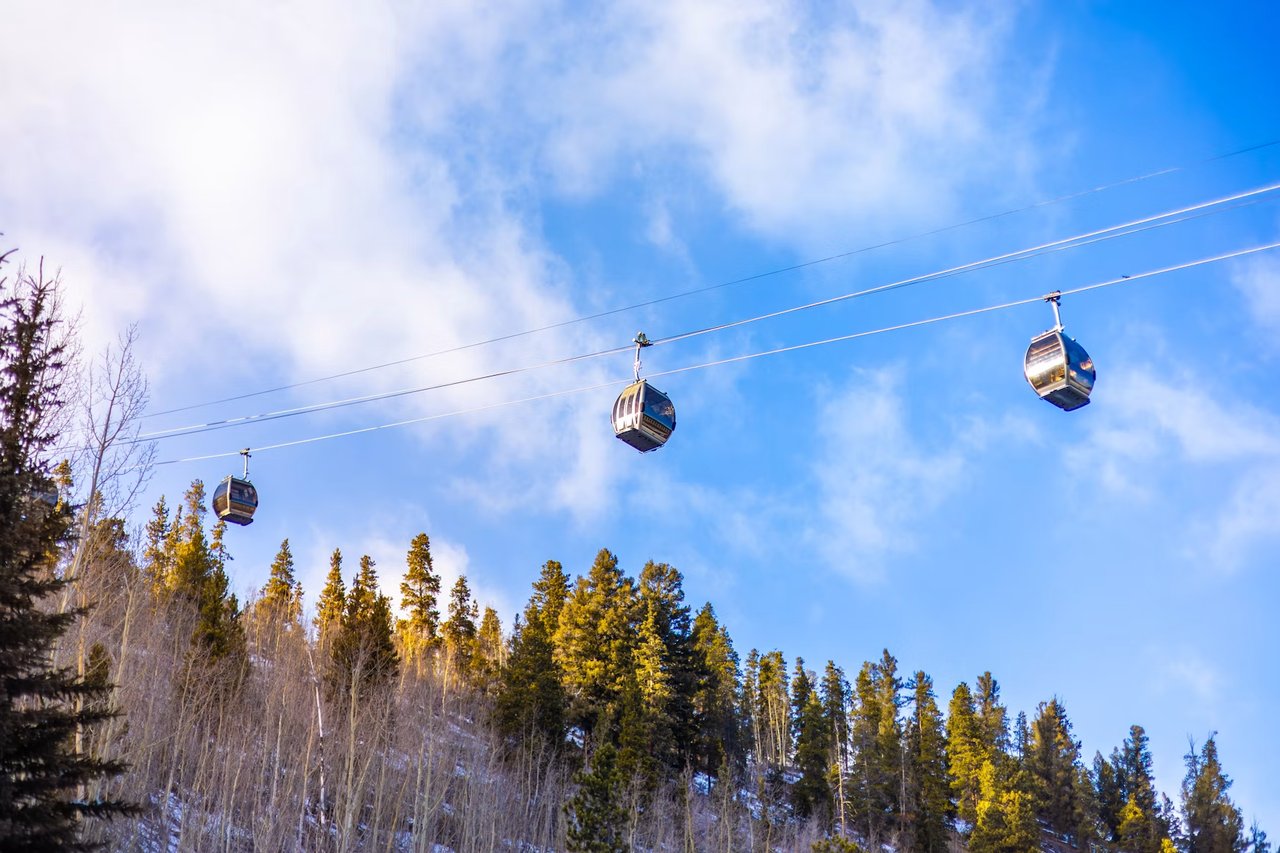
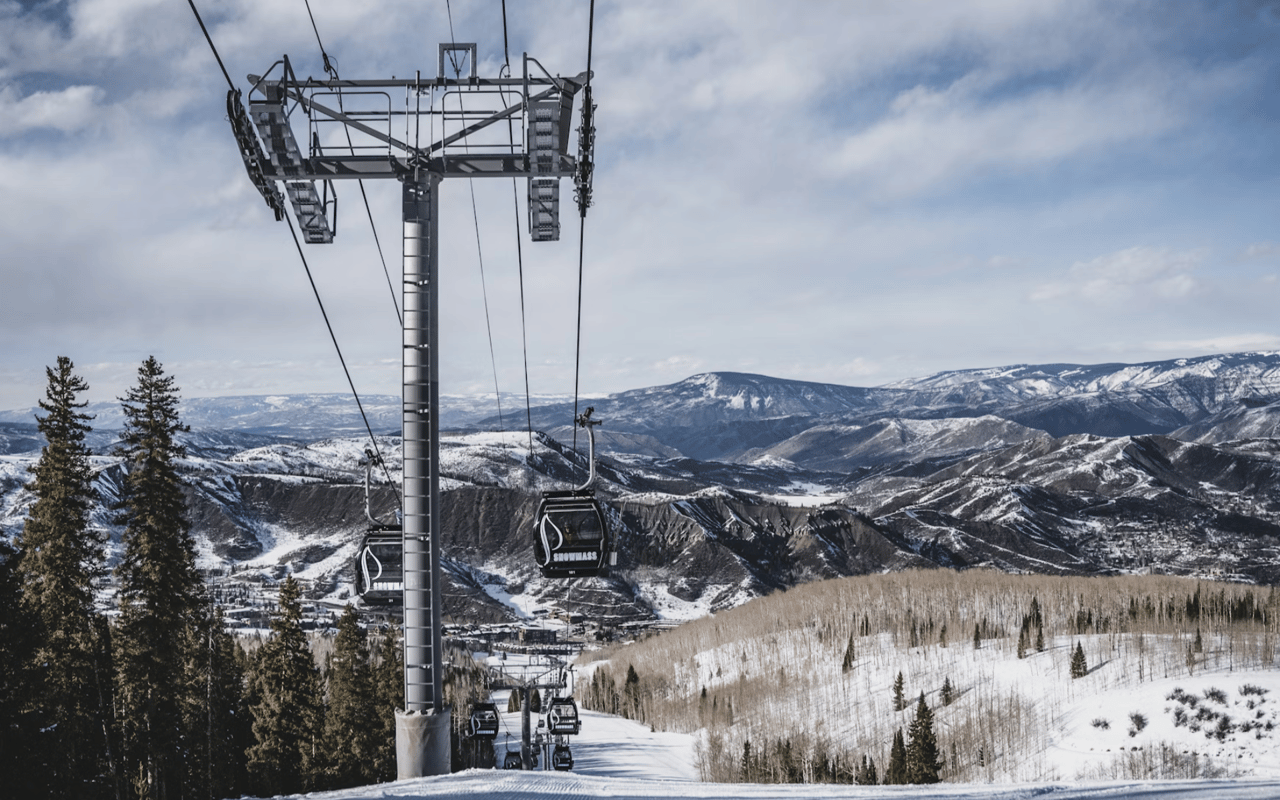
The headline change is the Nell Bell chairlift, a high-speed detachable quad running from Gondola Plaza to the top of Bell Mountain. It replaces two lifts that had been part of Aspen Mountain's identity for decades: the Bell Mountain double, installed in 1957, and the Little Nell four-pack, installed in 1986. Together they carried skiers a route that took 21 minutes. Nell Bell does it in about eight, according to SkiCo's own numbers presented to Aspen City Council, over roughly 2,650 vertical feet.
The pitch from Aspen Skiing Company's vice president of mountain planning, Mak Keeling, was about more than speed. Because Nell Bell's chairs sit lower to the ground, the company expects it to keep running on wind days that would shut down the Silver Queen Gondola, giving skiers an out-of-base option to reach Hero's, Ajax Express, and the FIS lifts when the Queen can't spin. That redundancy, not the shaved travel time, is the real engineering argument for building it.
A capacity comparison puts the change in perspective: Nell Bell's rated capacity is up to 1,800 riders an hour. The two lifts it replaces carried 1,360 (Little Nell) and 900 (Bell Mountain) combined, a total of 2,260. The new lift moves nearly 20 percent fewer people per hour than the old pair did. Aspen Mountain didn't get more uphill capacity this year. It got faster, more weather-reliable capacity in a smaller total volume. That is a different balance of speed, weather reliability and total capacity.
Construction ran through the summer under a U.S. Forest Service permit, with helicopter lifts closing sections of Ute Trail above Ute Rock on select dates, including one stretch in late May. By the September 23 town hall, Buchheister told residents the work had wrapped for the season, ahead of a debut that has to happen before the 2026-27 season opens because, in his words, the lift sits in one of the most heavily skied parts of the mountain.
The old chairs didn't just get scrapped. This summer, Aspen Skiing Company auctioned off the vintage seats from both lifts, some reworked by local artists with leather upholstery and Colorado state flag colors, with proceeds going to community charities. It's a tidy way to close out a lift that had its own local ritual: closing day on the old Bell Mountain double was reportedly a springtime tradition, capped by the "Buck-Off," a hot-dogging contest among skiers on the run known as Ridge of Bell just below the lift.
Two Projects, Different Timelines
Nell Bell is entirely SkiCo's call. It sits on land the company already controls, funded through its own $80 million on-mountain infrastructure budget this year. Lift 1A is a different animal. Its replacement sits inside the Lift One corridor redevelopment, a project with at least four parties who all have to agree before anything moves: two separate development groups, one building residences, timeshares, restaurants and commercial space, the other building a new luxury hotel, plus the city of Aspen contributing public-facing elements, and eventually the Aspen Historical Society operating a ski museum on the site.
Removing 1A cleared the way for construction to begin at Chalet Alpina, one piece of that larger project. What it didn't do was produce a replacement lift, or even a date for one. As Aspen Public Radio reported, Tanner called the arrangement a "four-way dance" at the town hall, and said the company wants that side of the mountain running again as fast as possible but doesn't set the timeline alone.
The projects have different decision-making structures and timelines. Aspen Skiing Company controls Nell Bell, while Lift 1A's replacement is part of the multi-party Lift One corridor redevelopment, and no return date has been confirmed.
The town hall also covered a separate workplace policy. As Aspen Public Radio reported, longtime Four Mountain Sports employee Ron Morehead, who by his own account had worn shorts to work through every season for three to four decades, told the room that a new company dress code now requires pants in winter. "I've been wearing shorts to work in winter, summer, spring, fall for probably 35 to 40 years," he said. Tanner said he respected that individuality, and explained that company leaders wanted a more professional look as they take the resort to the next level. Employees will also get new uniforms this winter, which the company plans to unveil soon.
The Season on the Calendar
Alongside the lift projects, the practical dates for 2026-27 are locked:
- Aspen Mountain and Snowmass open November 26, 2026 (Thanksgiving Day)
- Aspen Highlands and Buttermilk open December 12, 2026
- Closing dates run through the spring, staggered by mountain, with Aspen Mountain scheduled latest at April 18, 2027
Season pass pricing for 2026-27 stepped up on September 19, so anyone weighing a Premier, Flex, or Weekday pass is already past the early-bird window. The Flex Pass, new this season, offers four to seven days across all four mountains with no blackout dates, and the purchase deadline for it runs through October 30. The Weekday Pass, also new, gives unlimited Monday-through-Friday access plus a defined stretch of weekend days bracketing the season's opening and closing weeks.
On past opening days, Aspen Mountain has typically started with a narrower slice of upper-mountain terrain served by the Silver Queen Gondola and Ajax Express rather than a full top-to-bottom opening, with early-season lift ticket pricing discounted while that terrain fills in. Whether that pattern repeats this year depends on snowfall between now and Thanksgiving, same as always.
Where Ajax Still Feels Like Ajax
Investment on Aspen Mountain this year concentrated at the base and near the summit, but the spots locals actually treat as anchors haven't changed. The Sundeck, which opened for Aspen Mountain's first official season back in 1946-47, is still the mountain's oldest continuously running venue. Bonnie's, mid-mountain, is still known for the same legendary pancake stacks it's built its reputation on for years. Ajax Tavern, at the base by the Silver Queen Gondola, remains The Little Nell's slopeside restaurant and still draws the après crowd for its truffle fries.
The newer addition, Eleven212, sits at 11,212 feet next to the Sundeck and returns this season with an updated menu and expanded music programming. Last season it opened Fridays and Saturdays starting in mid-January, with a few earlier pop-up dates layered in around events like Aspen Snowmass's anniversary and Gay Ski Week, before shifting to a full Friday-through-Sunday schedule in February. It's the kind of venue that gets built where the mountain is investing, which this year is squarely the base-to-summit corridor Nell Bell now serves.
One Date to Build Around
If you're not skiing at all this January, the one date worth knowing is January 29-31, 2027, when X Games Aspen returns to Buttermilk for its 26th consecutive year, the first stop in the newly launched MoonPay X Games League format. Daytime access is free until 4 p.m., with ZHU headlining Friday night and Marshmello Saturday. There's no public parking at Buttermilk, so anyone in town that weekend should expect the Roaring Fork Transportation Authority's park-and-ride network and the Ruby Park shuttle to be doing the heavy lifting, same as every X Games weekend before it.
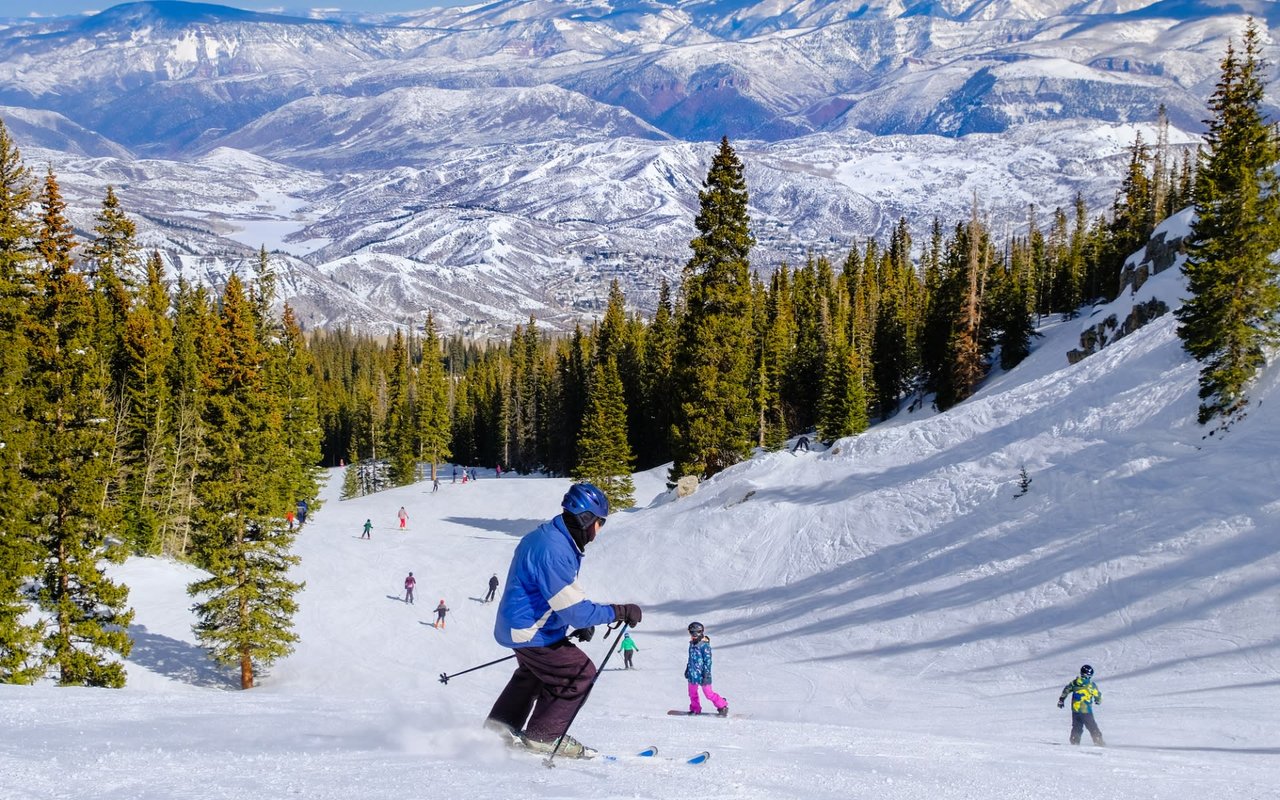
For skiers planning a day on Ajax, the practical takeaway is to check the lift lineup before heading out.
If you're weighing what any of this means for a property you already call home on the mountain, or thinking ahead to how it might affect a seasonal rental, Brittanie Rockhill is glad to talk it through, no listing agenda required.