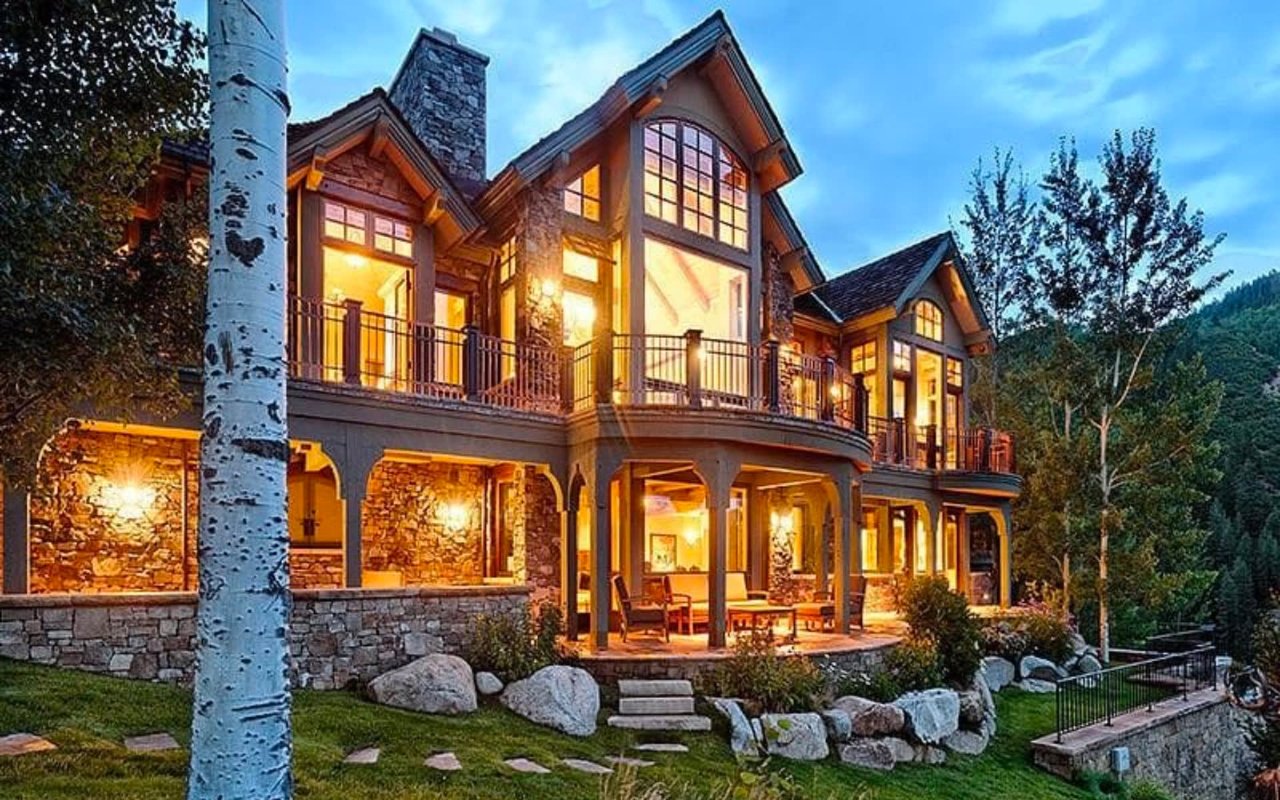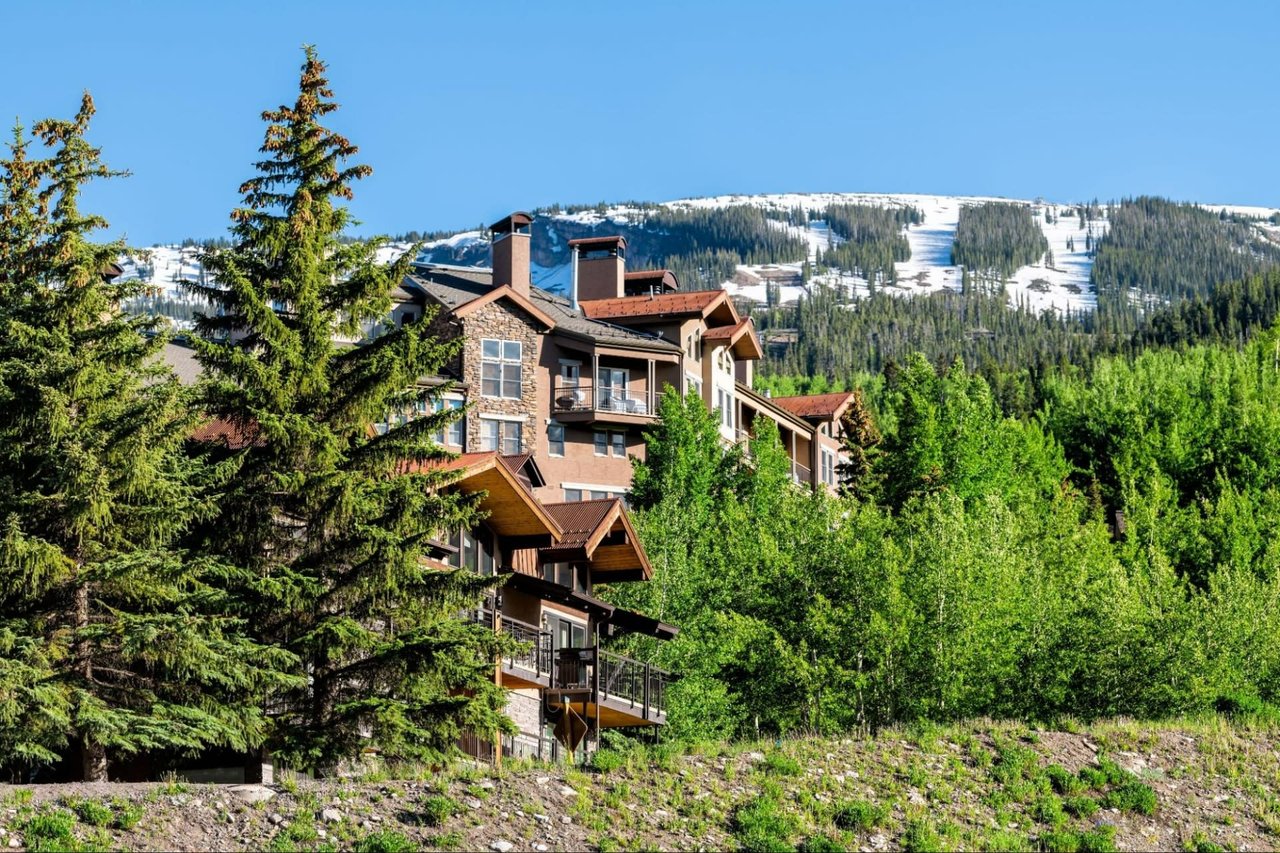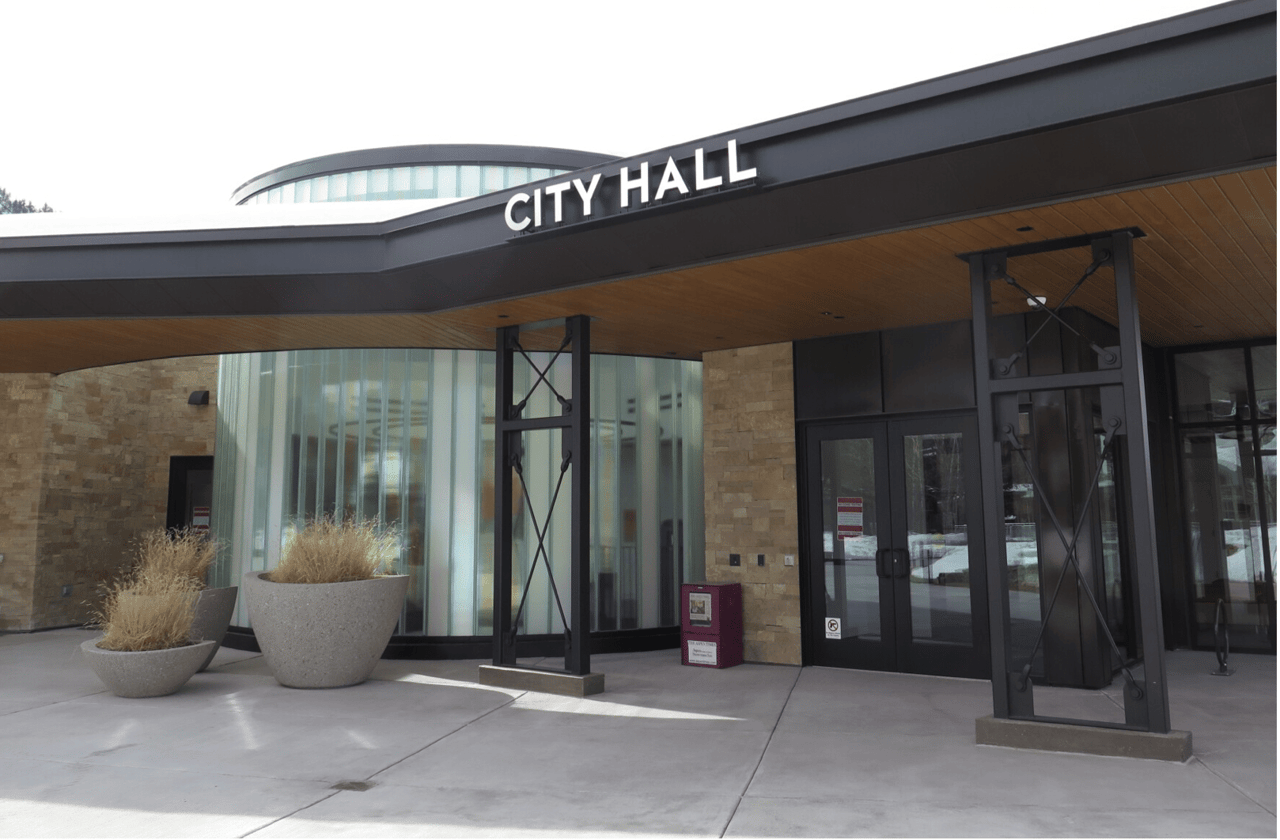
Two buyers close on Snowmass Village condos the same week last winter. Same square footage. Same asking price, give or take. Both plan to short-term rent the units through the winter season and use them personally the rest of the year.
By spring, one owner is renting on a straightforward annual permit with a management program handling check-ins. The other discovers the unit does not qualify for the permit type the listing implied, has to reclassify, and is now working out a Master Association fee schedule that never showed up in the comparable sales the agent pulled. Same price. Two different businesses. The difference was never the price. It was the building.
The Permit Type Is Attached to the Building, Not the Listing
Snowmass Village sorts short-term rentals into four permit types, and which one applies to a given unit is not a matter of how the unit is marketed or how it operates day to day. It is a matter of the town's own classification of the building itself.
Type 1, the simplest hotel-style category, applies to exactly four properties: Viewline, Limelight, Wildwood, and Mountain Chalet. A unit that feels like a hotel room, books like a hotel room, and gets cleaned like a hotel room does not qualify for Type 1 unless it sits inside one of those four buildings.
Type 2 has its own narrow test. The building or planned unit development needs at least 25 dwelling units, centralized check-in, professional property or unit management, and an expectation that at least 67 percent of the units will actually participate in the rental program. A 22-unit building that looks and functions exactly like a Type 2 property still does not clear the threshold.
| Permit Type | Who Qualifies | What It Requires |
|---|---|---|
| Type 1 | Only Viewline, Limelight, Wildwood, and Mountain Chalet | Town-designated hotel-style operation |
| Type 2 | Buildings or PUDs with 25+ units | Centralized check-in and management, 67%+ expected participation |
| Type 3 / Type 4 | Individually owned homes and condos outside those structures | Permit number displayed inside the unit, owner representative requirements apply |
The town's own guidance also draws a line most buyers do not think to check until after closing. Accessory commercial units and accessory employee units cannot be used as short-term or vacation rentals at all. Those units have to be rented for at least six months at a time, no matter what the building next door is doing.
What Base Village Adds to the Bill
Snowmass Village charges a 1 percent real estate transfer tax on most property transfers, paid by the buyer at closing. Inside the Base Village Metro District, that number doubles to 2 percent, because the district layers its own transfer assessment on top of the town's.
Base Village covers more ground than the phrase suggests. It includes the original wave of construction, Hayden Lodge, Capitol Peak, and the Viceroy, along with the newer buildings that followed: Assay Hill Lodge, Limelight, Lumin, One Snowmass, Electric Pass, Cirque, Aura, and Stratos. If a unit sits in any of these, the transfer tax is the smallest of the extra costs, not the largest.
The Base Village Master Association charges roughly $3 per square foot per year on residential property, with an additional $0.39 per square foot on certain newer buildings, plus 1.5 percent of any rental revenue generated inside the district. For a 2,000 square foot residence, that formula alone works out to about $6,780 a year before a unit's own HOA dues, reserve contributions, or special assessments enter the picture.
Property tax follows the same pattern. The Base Village Metro District's combined 2025 mill levy ran close to 95 mills, roughly double what a comparable Snowmass Village property outside the district paid that year. Using the county's standard assessment formula, a $1 million Base Village home worked out to about $6,004 a year in property tax alone under that levy, separate from HOA and master association costs.
None of this means Base Village is a bad place to buy a rental. It means the math has to include a second layer of carrying cost that a listing sheet will not show you, and that a comparable sale outside the district will not reflect.
Here is where the two systems collide in a way that catches even careful buyers off guard. Limelight sits inside the Base Village Metro District, so it carries the higher transfer tax, the master association assessment, and the elevated mill levy. It is also one of only four buildings in town eligible for the simplest Type 1 rental permit. The building that makes renting the unit administratively easiest is also one of the most expensive to carry. Permit eligibility and tax exposure run on separate tracks, and a buyer who assumes a favorable permit type comes with a lighter cost structure, or the reverse, is underwriting the wrong deal.
The Rules Changed Again in December
Short-term rental regulation in Snowmass Village has not stayed still. Regulations first went into effect in May 2023, and the town revised them again through an ordinance that took effect December 30, 2025.
The update did three things that matter to anyone buying with rental income in mind. The annual permit fee rose from $300 to $400, effective January 1, 2026. Every permit now expires on the same date, April 30, regardless of when it was originally issued, with owners renewing between January and March 2026 paying a prorated fee to align with the new cycle. And trespassing was added as a major violation for the first time, a change the town described as a way to deter short-term rental guests from cutting across private property to reach ski terrain.
Sara Nester, the code compliance manager who enforces these rules for the town, told the Snowmass Town Council that a common expiration date would make the system "a lot cleaner and easier for everyone." For an owner, the practical effect is one less date to track, but it also means a permit purchased mid-cycle no longer buys a full year at the old price, which is worth factoring into a first-year budget.
A major violation carries real weight. Under the current framework, major violations, including operating without a permit, repeat life-safety issues, failure to remit taxes, and now trespassing, can lead to permit suspension or revocation for multiple years, not just a fine.
How to Underwrite This Before You Write an Offer
- Confirm the exact building name against the town's current Type 1 list before assuming hotel-style permitting applies.
- Ask the listing agent whether the unit currently holds an active permit, and if so, which type and through what date.
- If the property sits in Base Village, request the Master Association fee schedule and the most recent mill levy, not just the HOA dues sheet.
- Read the HOA governing documents for short-term rental restrictions. A stricter HOA rule overrides a more permissive town rule.
- Verify the unit is not classified as an accessory commercial or employee unit, which cannot legally operate as a short-term rental under any permit type.
- Confirm who is designated as the required 24/7 local owner representative and whether that role is included in a management contract or falls to you.
FAQ
Does an HOA restriction override the town's permit rules? Yes. If an HOA prohibits or limits short-term rentals more tightly than the town does, the HOA's rule governs. A valid town permit does not compel an association to allow the use.
If a unit is marketed as resort-style, does that guarantee Type 1 eligibility? No. Type 1 eligibility is limited to Viewline, Limelight, Wildwood, and Mountain Chalet by the town's own classification, regardless of how a listing describes the property's operating style.
Is the Base Village cost stack the same for every building in the district? No. Older buildings like Hayden Lodge and Capitol Peak, mid-period properties like the Viceroy and Assay Hill Lodge, and newer construction like Aura or Stratos are all inside the same metro district boundary, but fee schedules and per-square-foot assessments can vary by building and vintage. The district-wide numbers are a starting point, not a substitute for the specific building's current fee schedule.
What happens if I buy a unit that is not currently permitted at all? You will need to apply through the town's MUNIRevs system before advertising or accepting any booking under 30 days. Operating without a permit is itself classified as a major violation.
A Snowmass Village purchase built around rental income is really two purchases layered on top of each other: the real estate, and the specific regulatory and cost profile attached to that one building. Getting the second part wrong does not show up until the first tax bill or the first permit renewal, by which point the numbers you underwrote the deal on are no longer the numbers you are living with.
If you are weighing a Snowmass Village property with rental income in mind, Brittanie Rockhill can walk through the specific building's permit history, Base Village exposure, and HOA rules before you write an offer. Schedule a confidential consultation to get the underwriting right from the start.