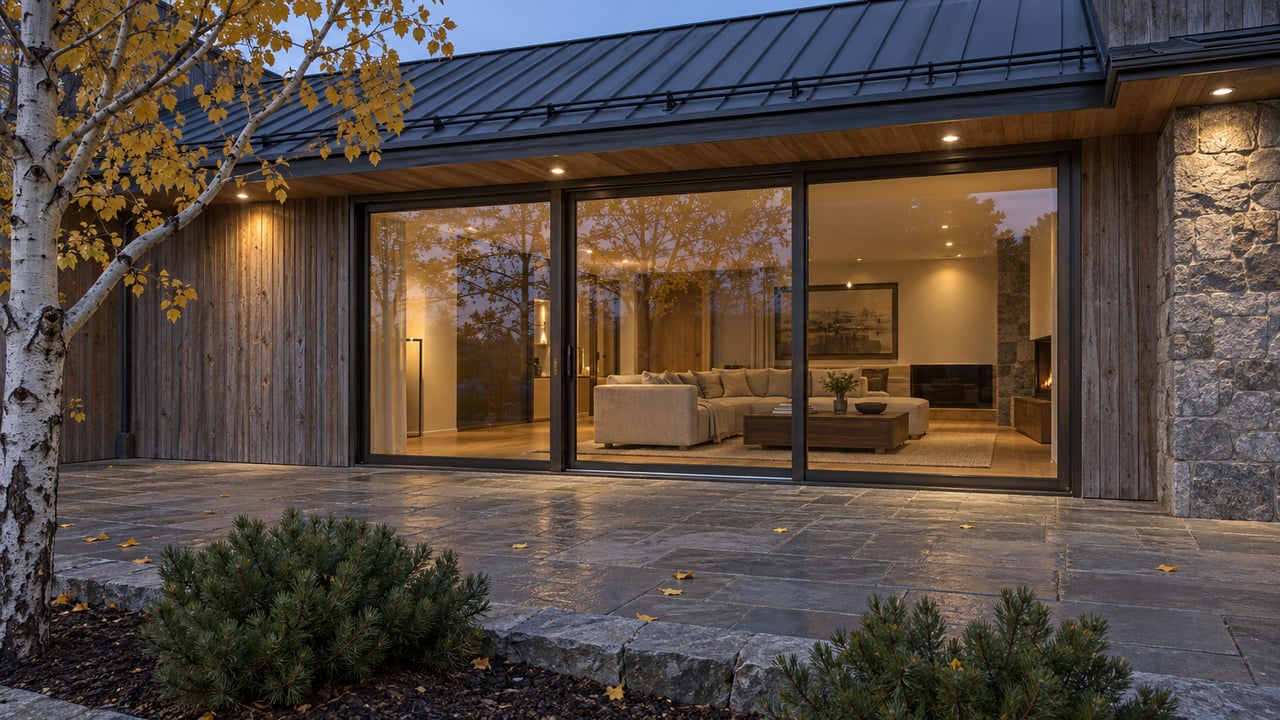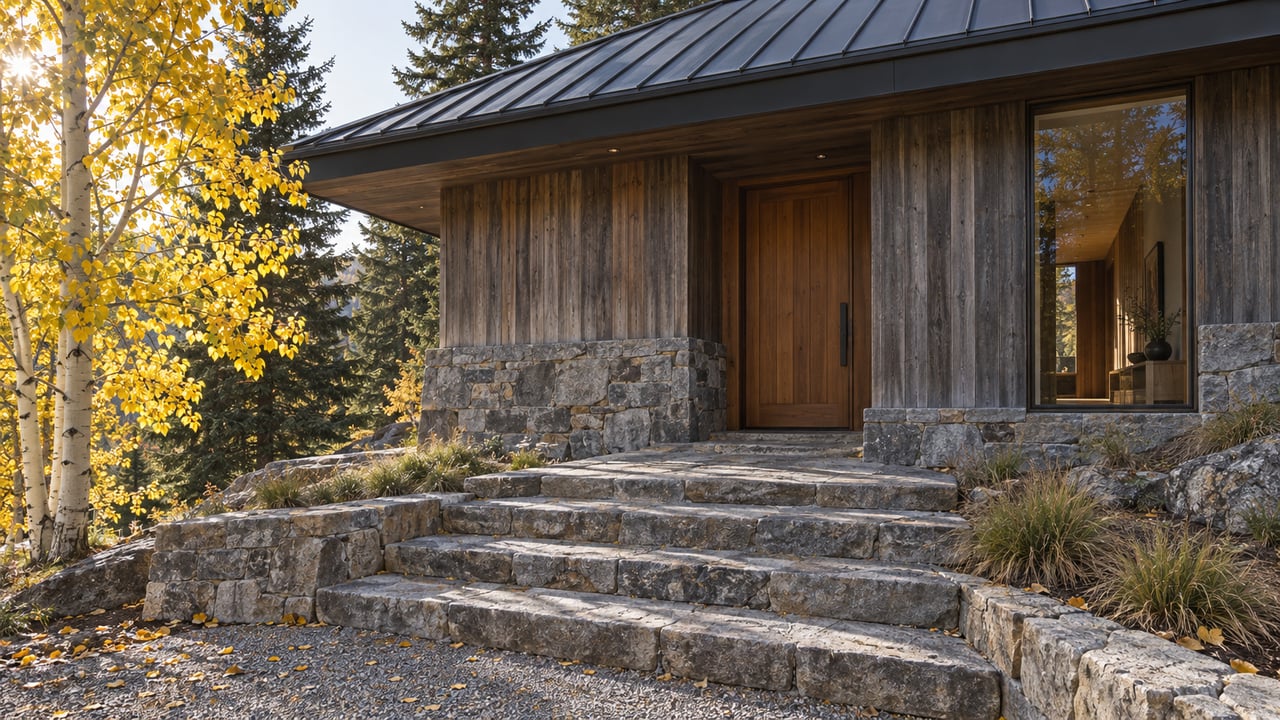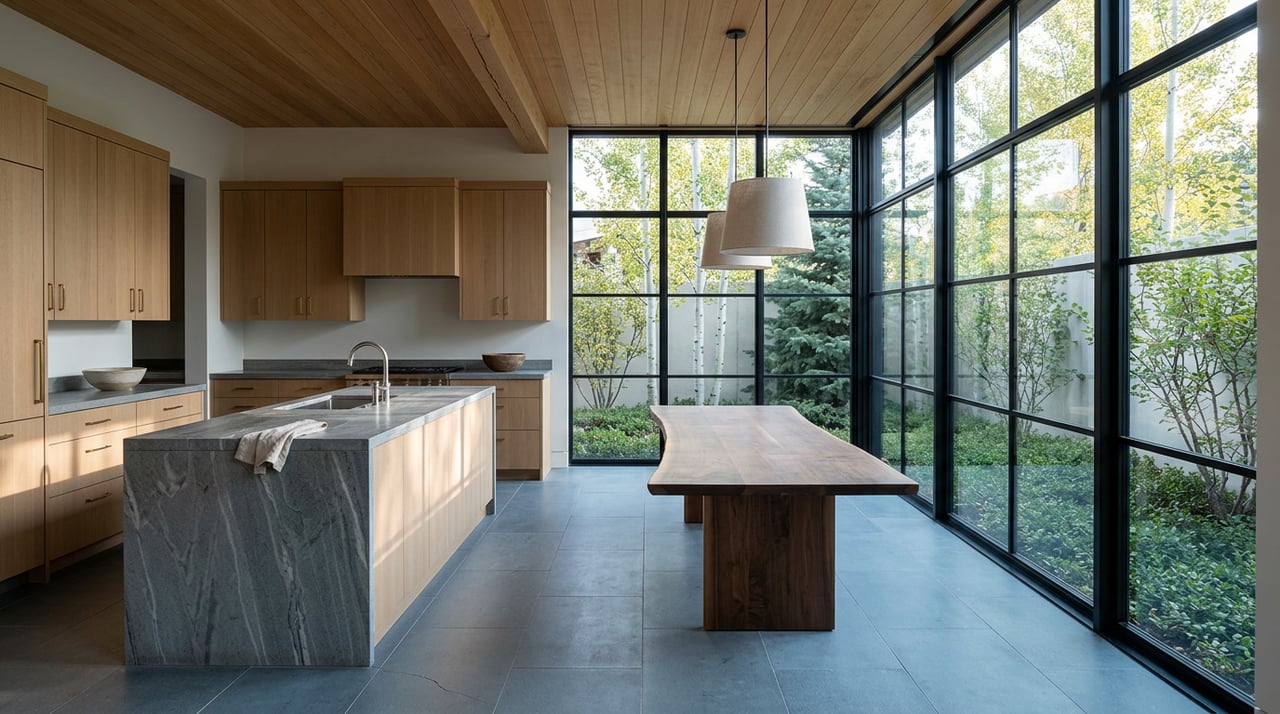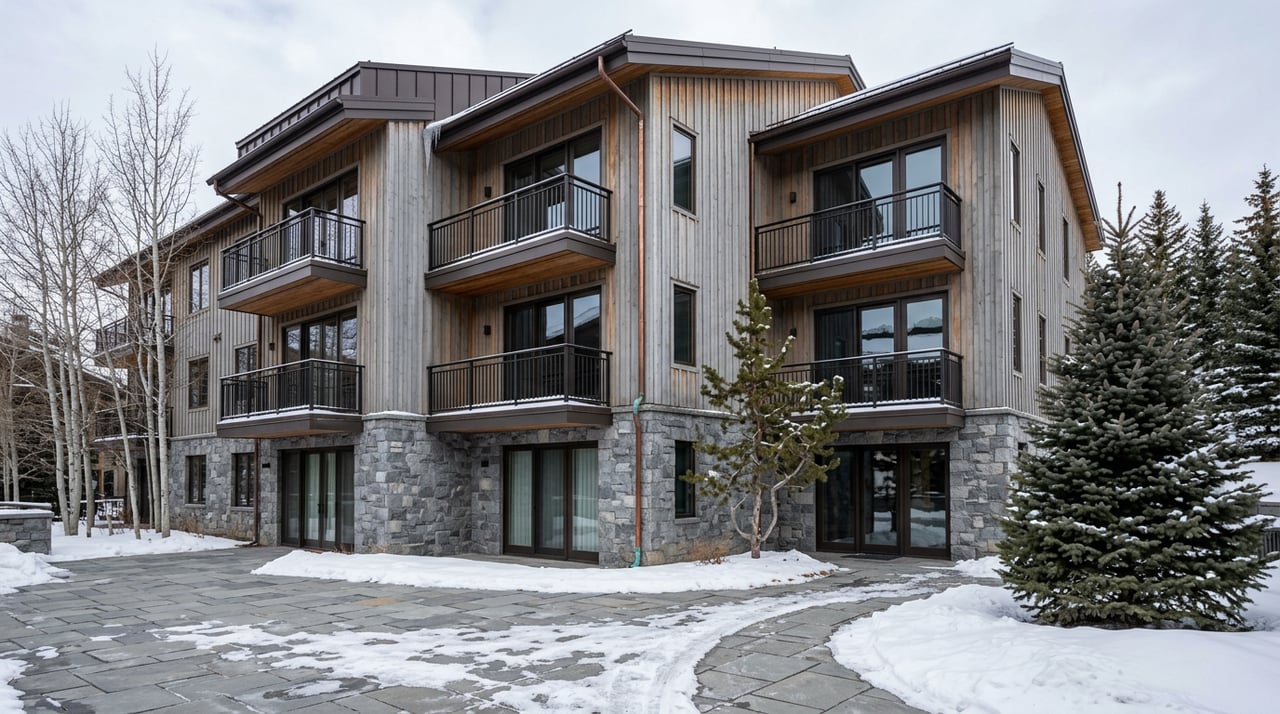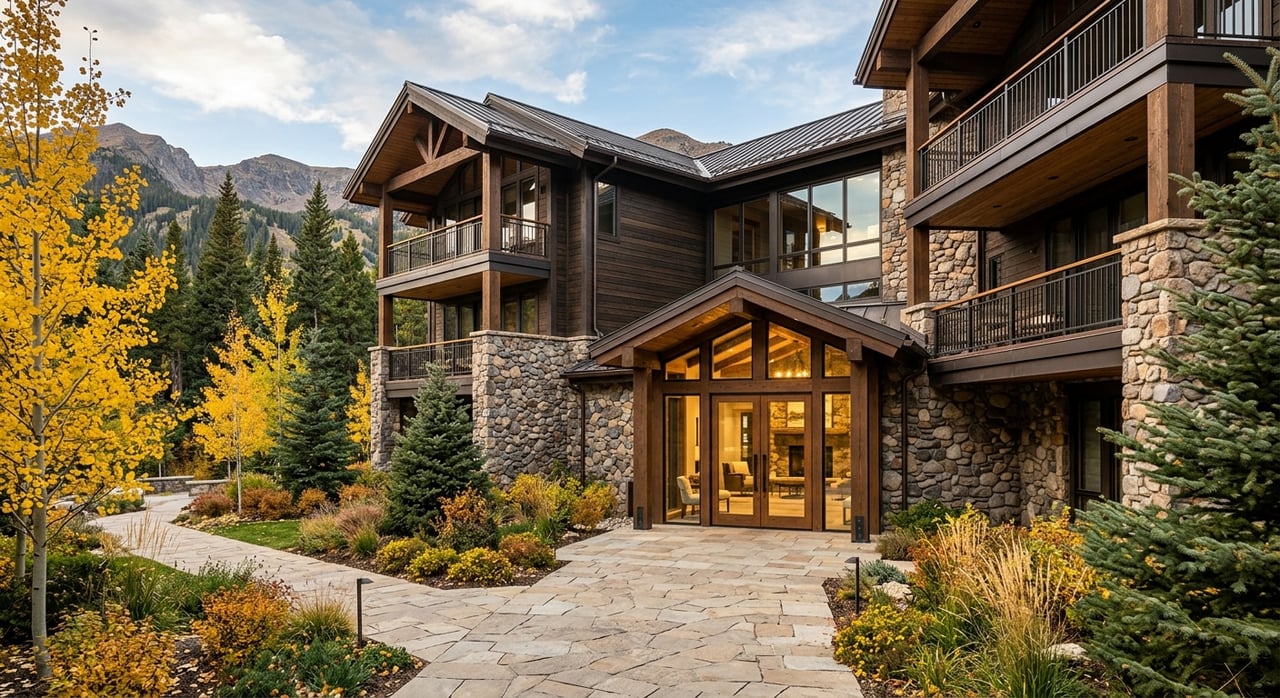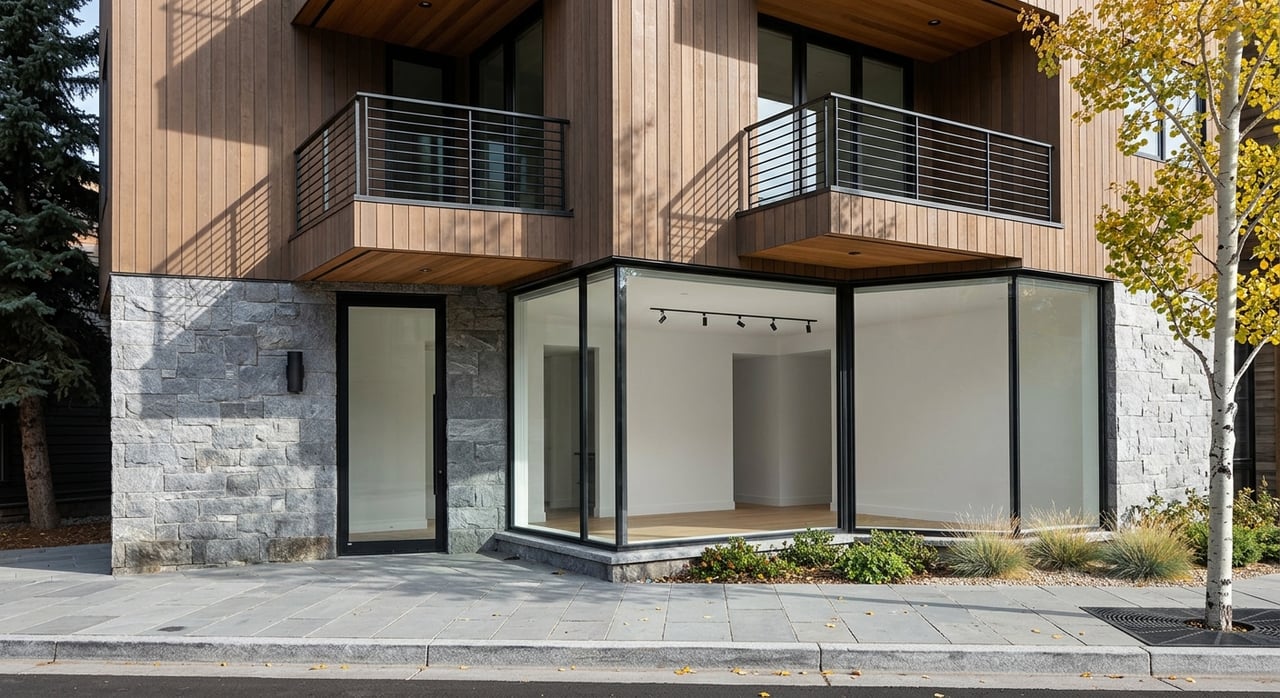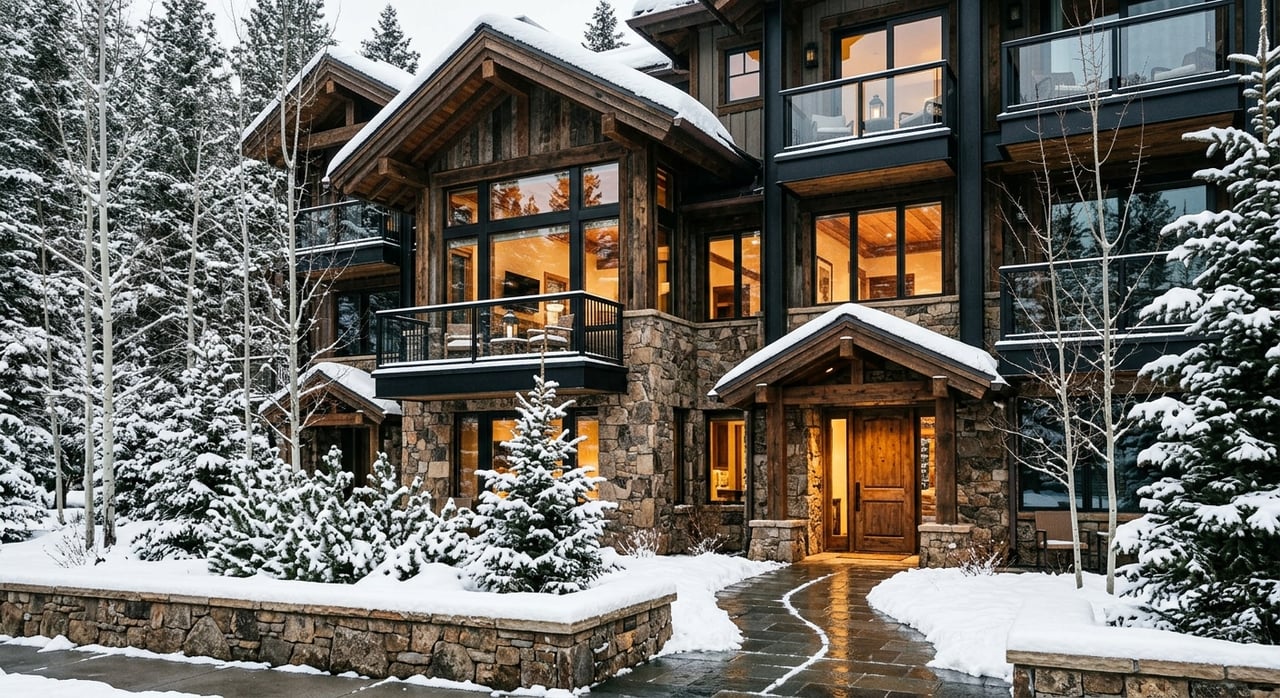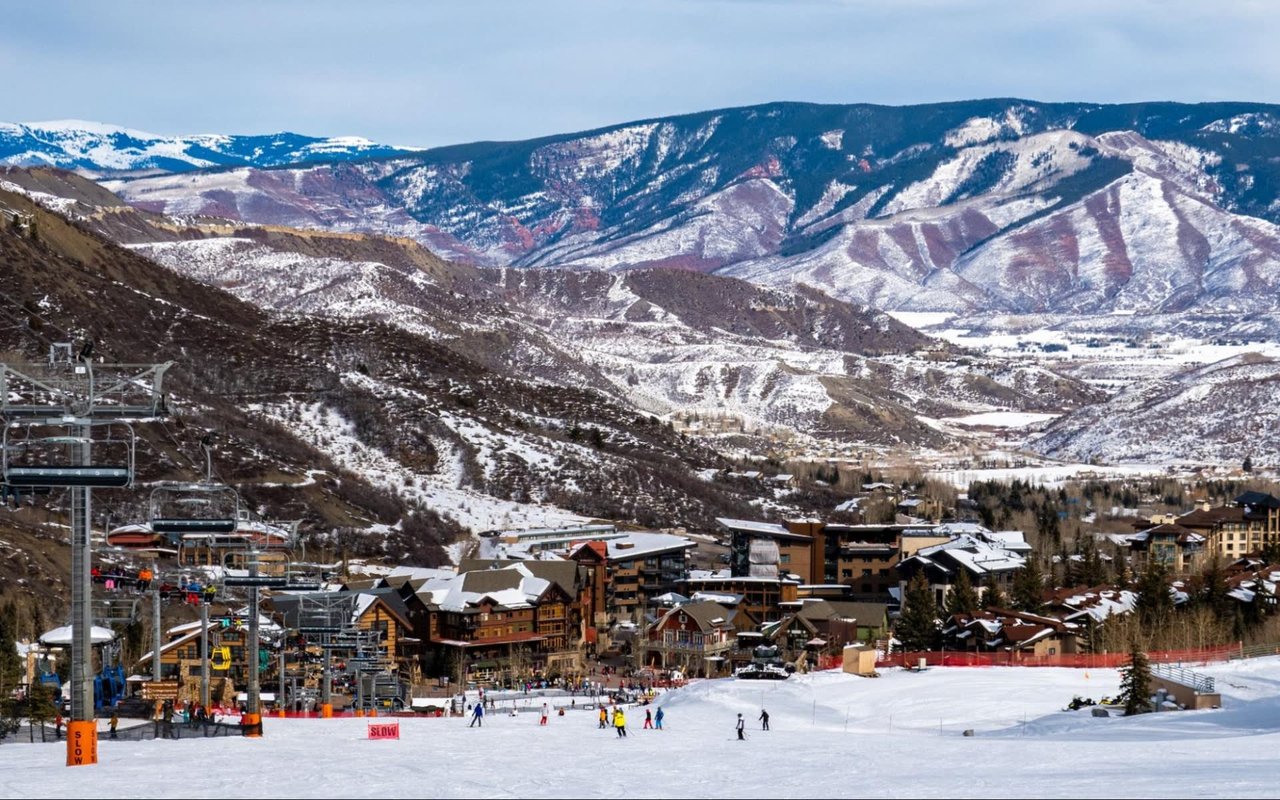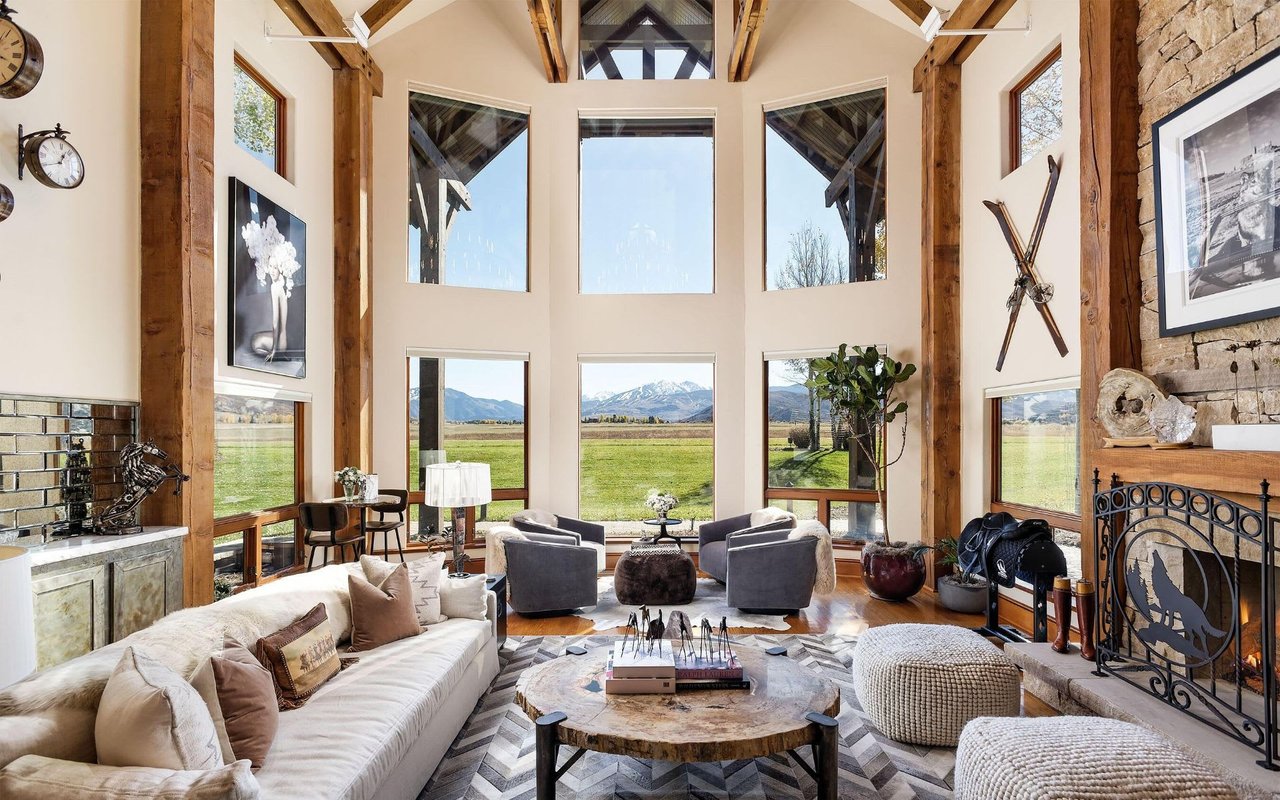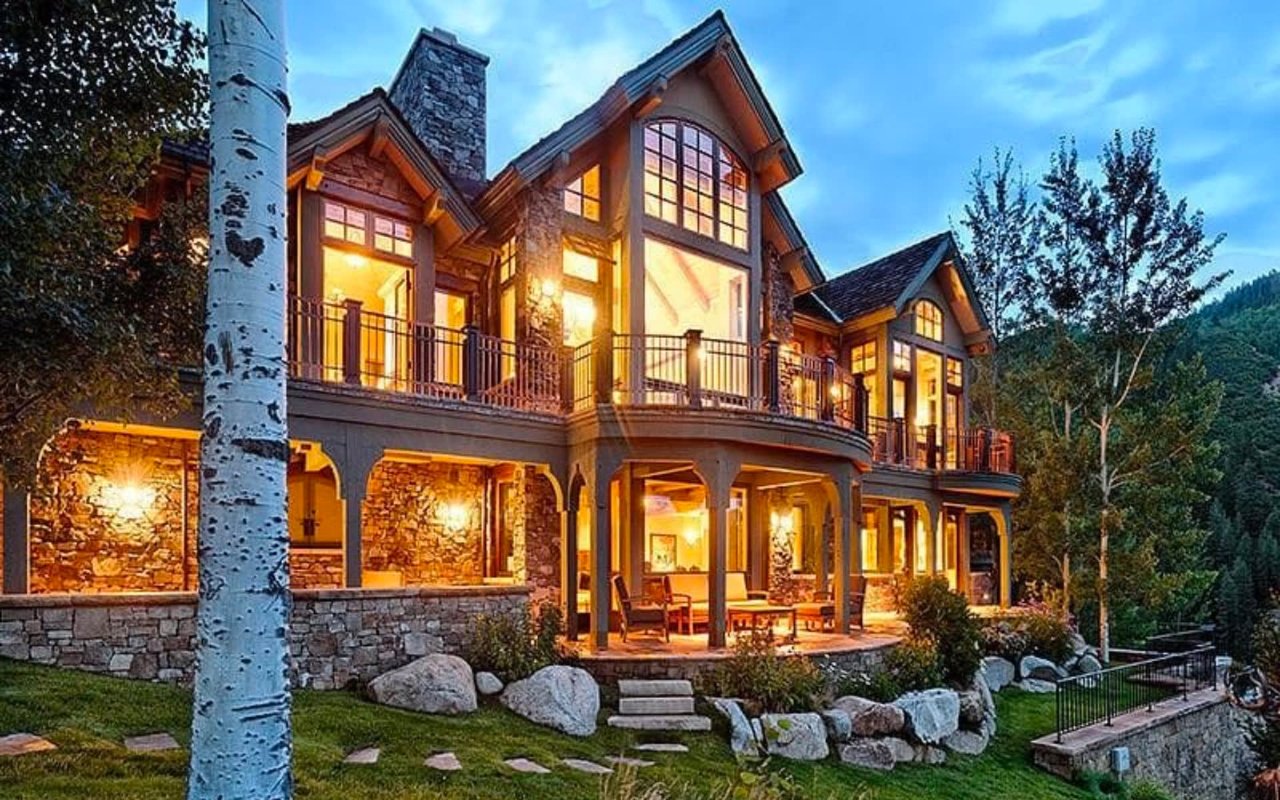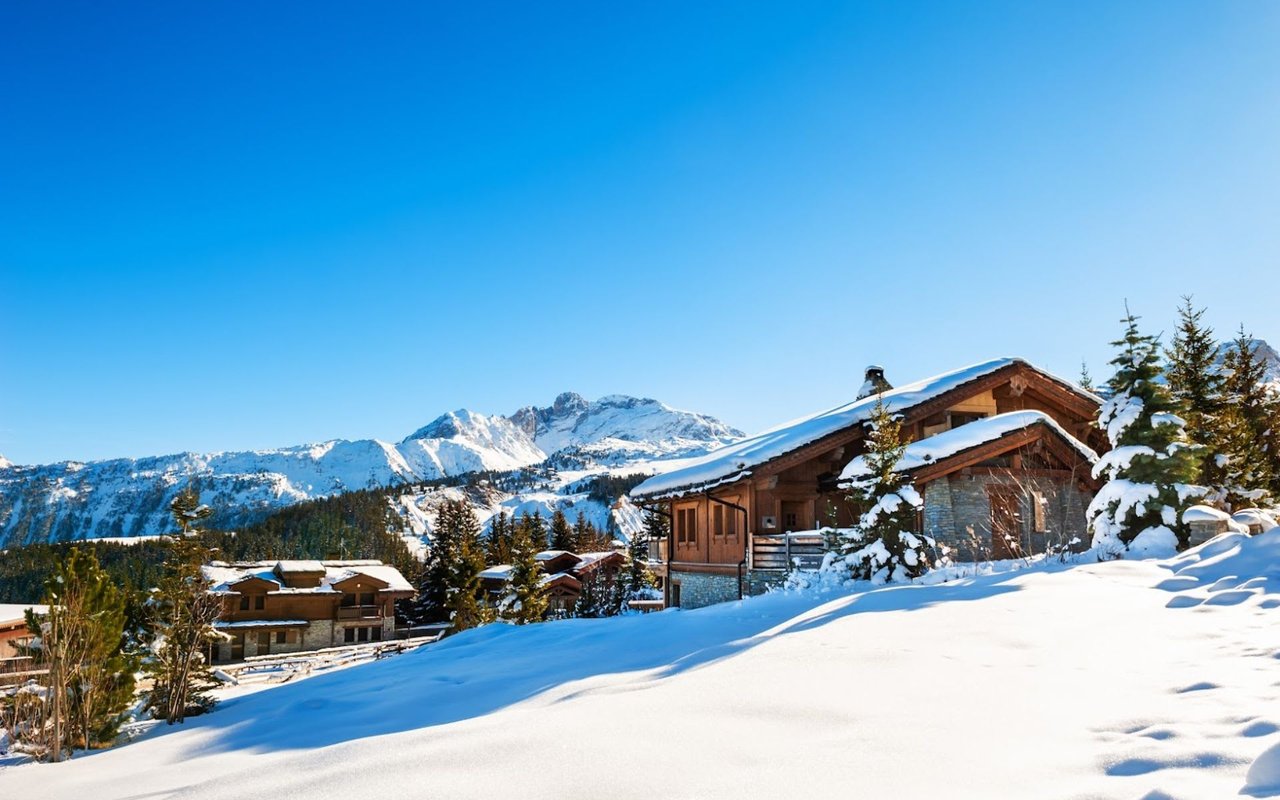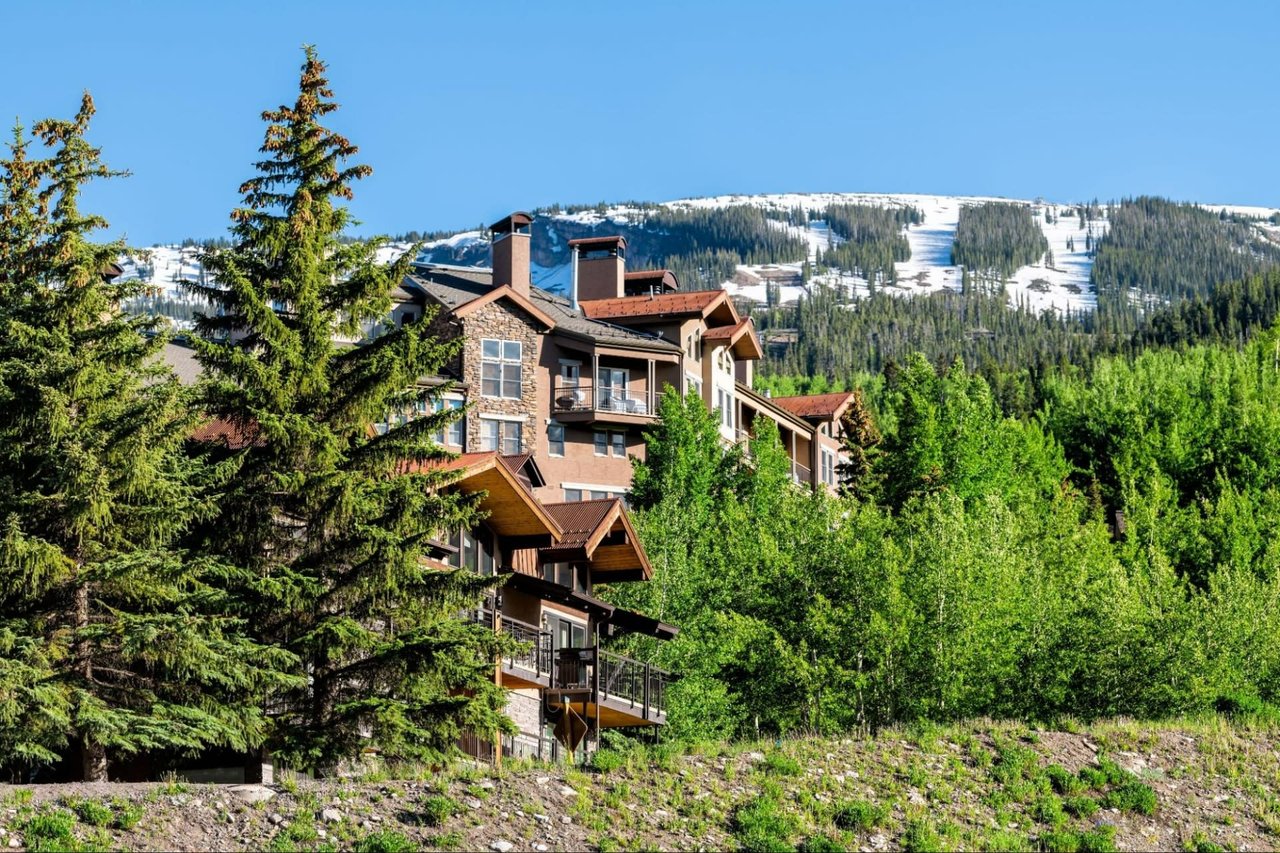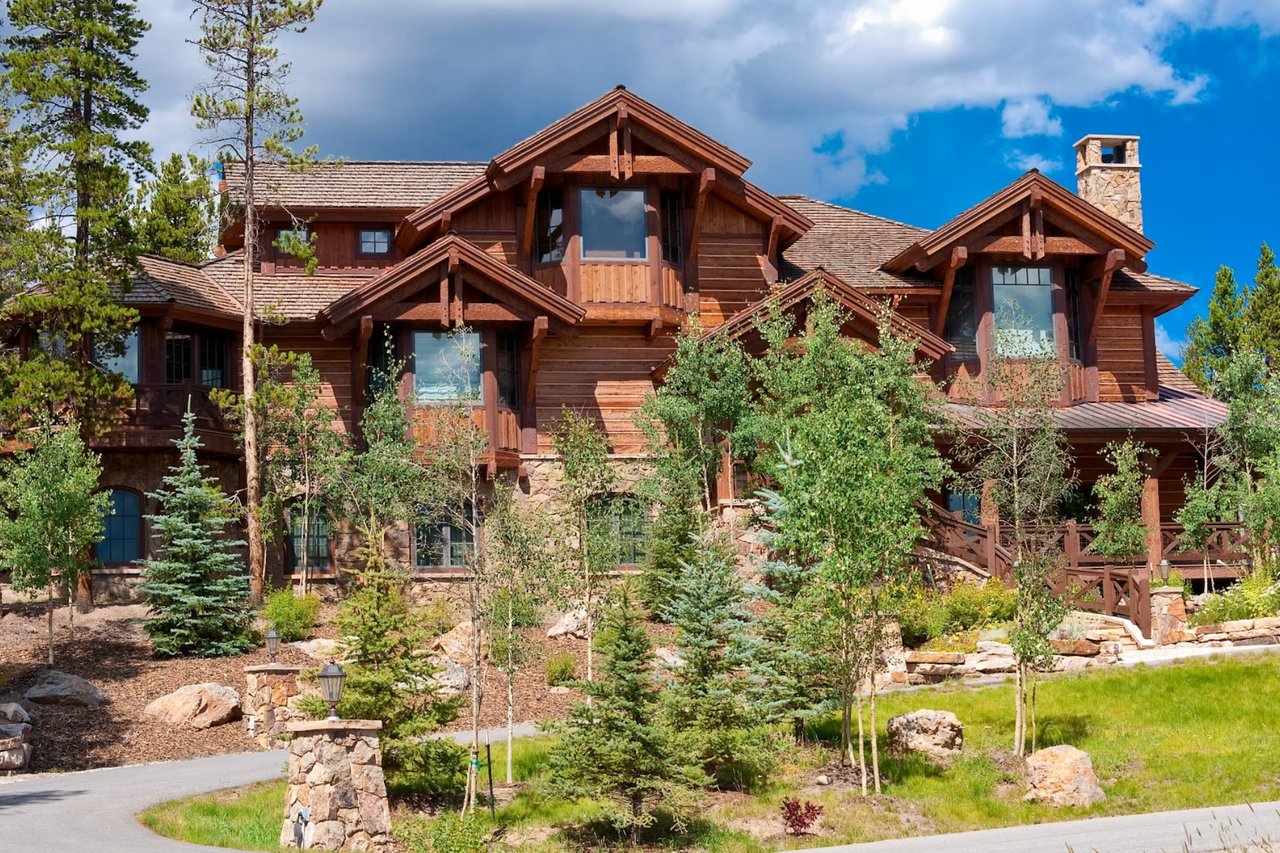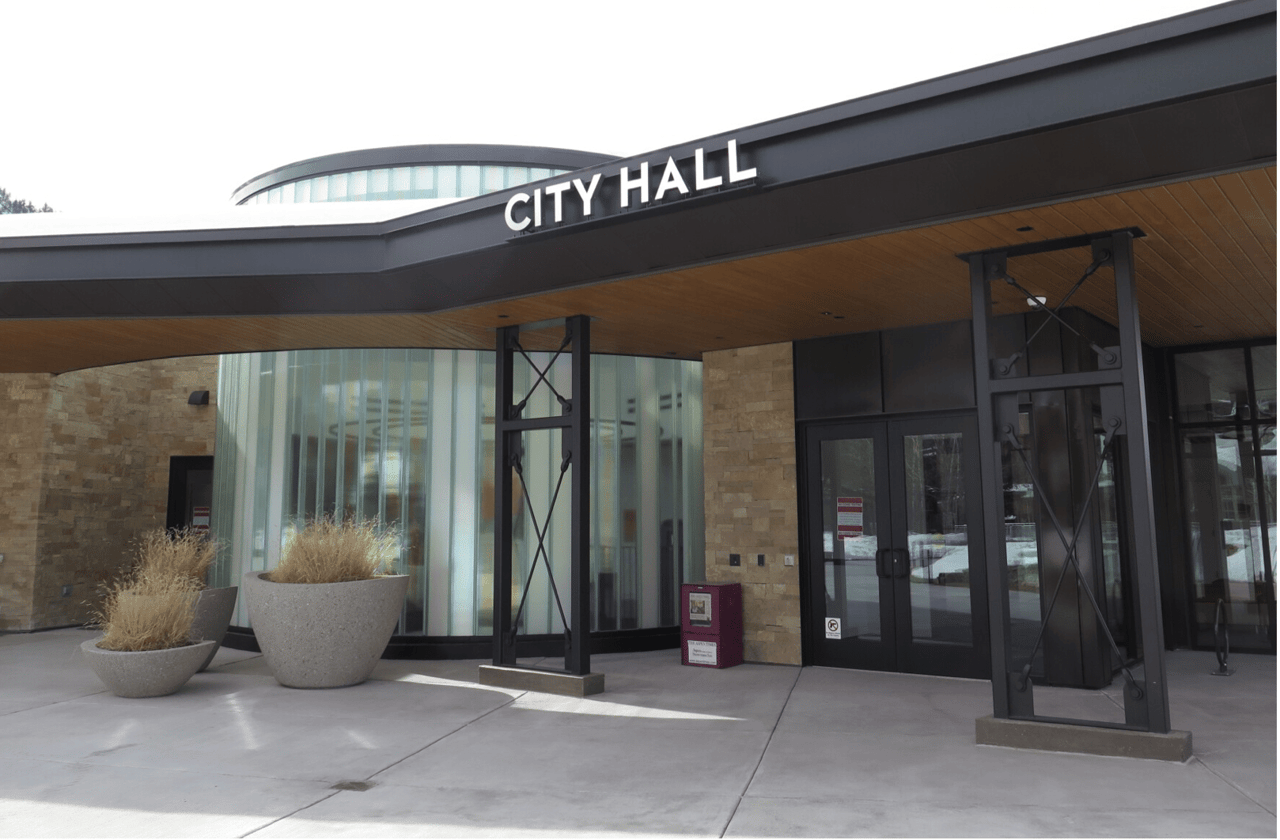
A family owned a condo in Aspen for fifty years. They rented it out that entire time, always with a valid permit in place. When the patriarch passed away, his children inherited the unit. What they could not inherit was the permit that let it earn money. Without the rental income they'd built the ownership around, the numbers no longer worked, and the family sold the condo. Ben Wolff, general manager at Frias Properties, told Aspen Journalism the story to explain a rule most buyers never think to ask about until it costs them.
That rule is simple to state and easy to miss: a City of Aspen short-term rental permit does not transfer with a sale. It terminates at closing. Whatever income a listing shows you today is the seller's income, earned under the seller's permit, and it disappears the moment you sign. What you inherit is the price tag. What you have to reapply for, from scratch, is the right to earn any of it back.
The Permit Is Not a Fixture
Downtown Aspen condo listings often lead with rental history: nightly rate, occupancy, gross revenue. It reads like a feature of the property, the way a renovated kitchen or a parking space would. It isn't. The City of Aspen's own short-term rental guidelines state that STR-C, the classic permit used by non-owner-occupied investment properties, is non-transferable and terminates upon sale. A new owner must apply as if no permit ever existed.
For most of downtown, that reapplication is routine. For a growing number of buyers, it means joining a line that barely moves.
One Street Decides Your Rental Future
Aspen's permit system splits the city into two kinds of ground. In the Commercial Core, Commercial, Lodge, Commercial Lodge, Lodge Overlay, and Lodge Preservation Overlay zones, which cover the pedestrian mall and the lodging areas at the base of Aspen Mountain, there is no cap on classic permits at all. Buy there, apply, and you get one.
Step into the residential and multifamily zones that ring that core, and the math changes entirely. Those zones were capped at 75 percent of the permit count that existed before the ordinance took effect, according to Aspen Journalism's reporting on the 2022 rules. The R/MF zone, which covers high-density blocks on both sides of downtown, got the highest allotment at 190 permits. Some zones, like R-3 and R-30, were capped at one.
Wolff, who manages STR compliance for hundreds of Aspen units, described the line to Aspen Journalism in blunt terms: everything west of Original Street sits in the core or lodging zone, where permits are unlimited. Cross to the east side of that same street and you're in a capped residential zone. As Wolff put it, "so no new permits are going to be issued for what I think is many years."
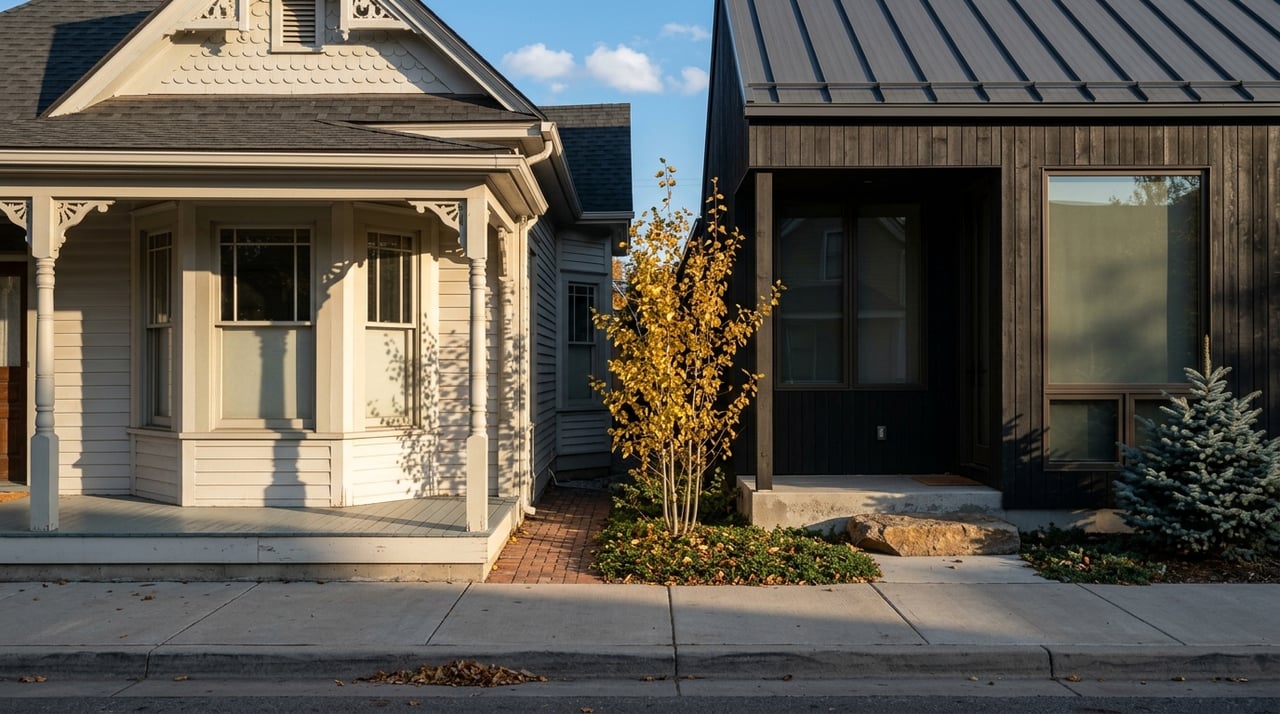
Two condos a block apart can have opposite rental futures, and the listing sheet will not tell you which one you're buying into.
Zone type | STR-C permit cap | What it means for a buyer |
|---|---|---|
Commercial Core, Commercial, Lodge, Commercial Lodge, Lodge Overlay | None | Apply and receive a permit; no waitlist |
R/MF (residential/multifamily) | Capped at 190 citywide | New applicants join a waitlist; permits open only through attrition |
R-3, R-30 and similarly zoned districts | Capped at one | Effectively closed to new classic permits |
The Waitlist Is Longer Than It Looks
As of May 15, 2026, the R/MF zone's waitlist stood at 55 applications, the longest of any capped district in the city, per Aspen Journalism's July 2026 analysis. Eighty-three percent of that list sits in the area east of the downtown core. Ten of those 55 applications have been waiting since 2022.
The part that should give a prospective buyer pause: a third of the people on that waitlist are not longtime owners caught by surprise when the rules changed. They are new owners who bought the property and applied for a permit after the regulations were already in place. They knew the rules existed and joined the line anyway, presumably because the alternative, letting the unit sit as a long-term rental or personal-use property, didn't pencil.
New permits only free up through attrition. In a zone where nobody has to give up a spot except by selling or letting a permit lapse, that queue moves slowly by design.
What the City Fixed in November, and What It Didn't
Aspen City Council took up the non-transferability rule in November 2025 and left most of it standing. Ordinance 8, approved November 18, added one narrow exception: a permit can now pass to a next of kin with at least a 10 percent ownership interest, but only in the event of the permittee's death or divorce. Before that, according to the city's own memo cited by Aspen Public Radio, permits weren't transferable under any circumstance.
The same memo explained why the city isn't in a hurry to loosen this further: permit non-transferability and the annual renewal requirement are the only two mechanisms that create attrition in capped zones. Remove them and the waitlists, already years long in R/MF, would only grow. The fifty-year family that lost its condo is exactly the kind of story that pushed the death and divorce exception through. It is also the limit of what the city was willing to change. A straightforward purchase still gets nothing.
What This Actually Costs
Even where a permit is available, the type you end up with changes your math. The city's aggregate nightly tax burden as of 2026 runs 17.35 percent for owner-occupied or lodge-exempt stays and 22.35 percent for classic permits, compared with 12.35 percent at a traditional hotel, according to Aspen Daily News reporting on the city's 2026 STR data. A classic permit, the one most second-home buyers need, carries the highest tax load of the three.
Permit fees widen the gap. An STR-C or STR-OO permit runs $394 a year, non-refundable, whether you get the permit or simply pay to hold a place on the waitlist. A lodge or condo-hotel property covered by a single STR-LE permit runs $148 per unit instead, because one permit covers the whole building rather than each owner filing separately. On top of either, the city requires a $150 annual STR business license, confirmed on Aspen's own STR page. Two buildings that look identical from the street can carry very different carrying costs depending on which permit structure applies.
That structural difference is visible in the buildings themselves. The Gant, a 140-unit property, holds one of Aspen's seven STR-LE permits and runs its units on a shared, hotel-like basis when owners aren't in residence. Chateau Chaumont, in the city's lodging zone, had 21 classic permits issued as of April 2026, unaffected by the caps that apply a few blocks away in R/MF. Neither building's rental math looks like what a buyer would face in a capped residential zone next door.
How to Underwrite This Before You Write an Offer
- Confirm the parcel's zone district on the city's STR Map before you fall in love with the unit. A few blocks can be the difference between an open door and a closed one.
- Ask whether the current owner's permit is active, and understand that it ends at closing regardless of the answer.
- Check the STR-C Permit Availability Summary for that zone to see whether you'd be applying into open capacity or a waitlist.
- Find out if the building qualifies as a lodge or condo-hotel under the city's definition. If it does, an STR-LE structure may apply instead of an individual classic permit.
- Price the tax difference between permit types into your rental projections rather than assuming the seller's numbers will be yours.
FAQ
If I buy through an LLC, does that change anything? The city requires a natural person, not just an entity, named on the permit application. Buying in an LLC doesn't sidestep the reapplication requirement or the zone cap.
Does a long-term rental need a permit at all? No. The STR permit system only applies to stays under 30 days. A condo can be rented long-term without triggering any of this, though it also won't generate the nightly income the listing may have advertised.
What if I inherit the unit instead of buying it? As of November 2025, a permit can pass to a next of kin with at least 10 percent ownership if the transfer happens through death or divorce. That exception doesn't extend to a purchase, even one between family members structured as a sale.
The math on a downtown Aspen condo isn't just price per square foot. It's price per square foot plus whichever side of a zone line the building sits on, and whether that line still has room for you. If you're weighing a purchase against its rental potential, that's worth working through before an offer goes in, not after.
Brittanie Rockhill has spent nearly two decades inside Aspen's permit system, zone maps, and closing tables. Schedule a confidential consultation before you write an offer on a downtown condo, and know exactly what you're buying into.