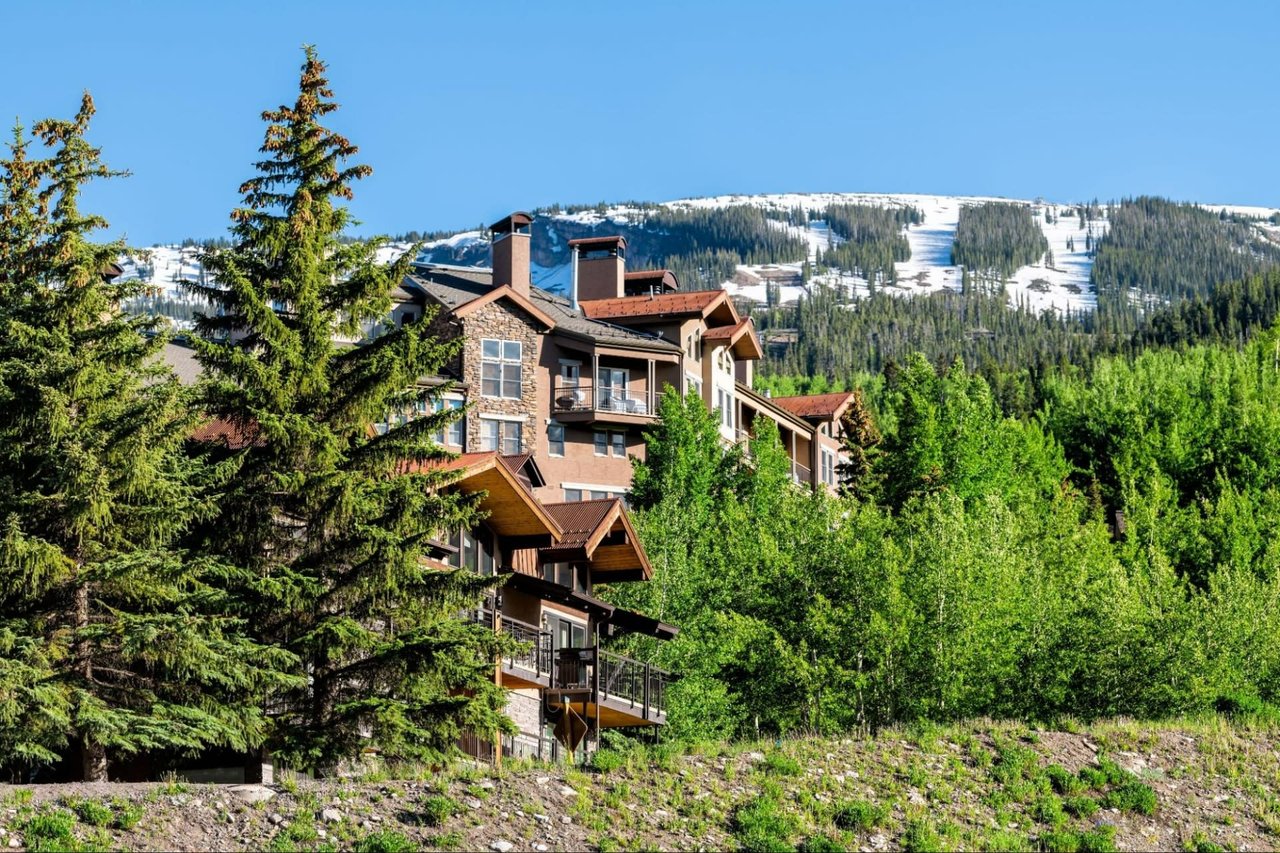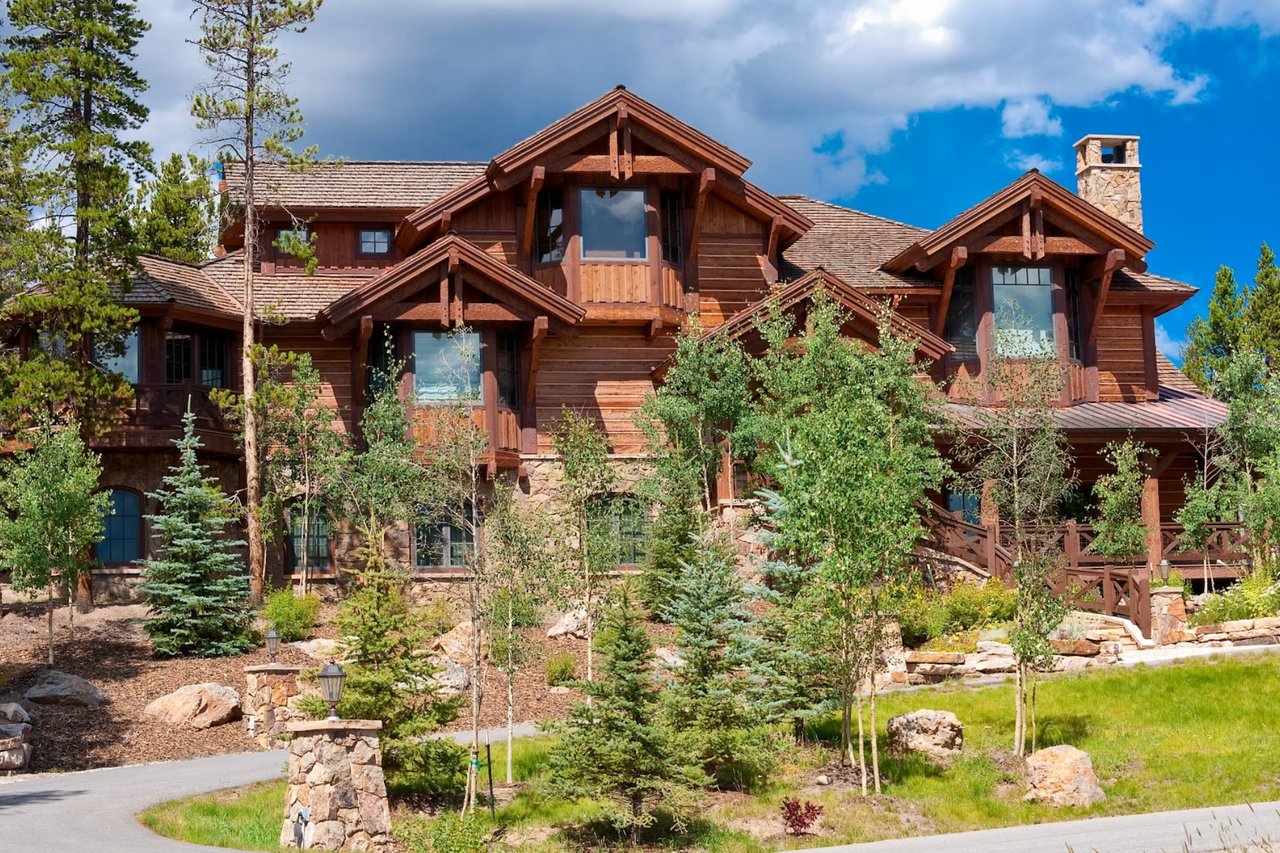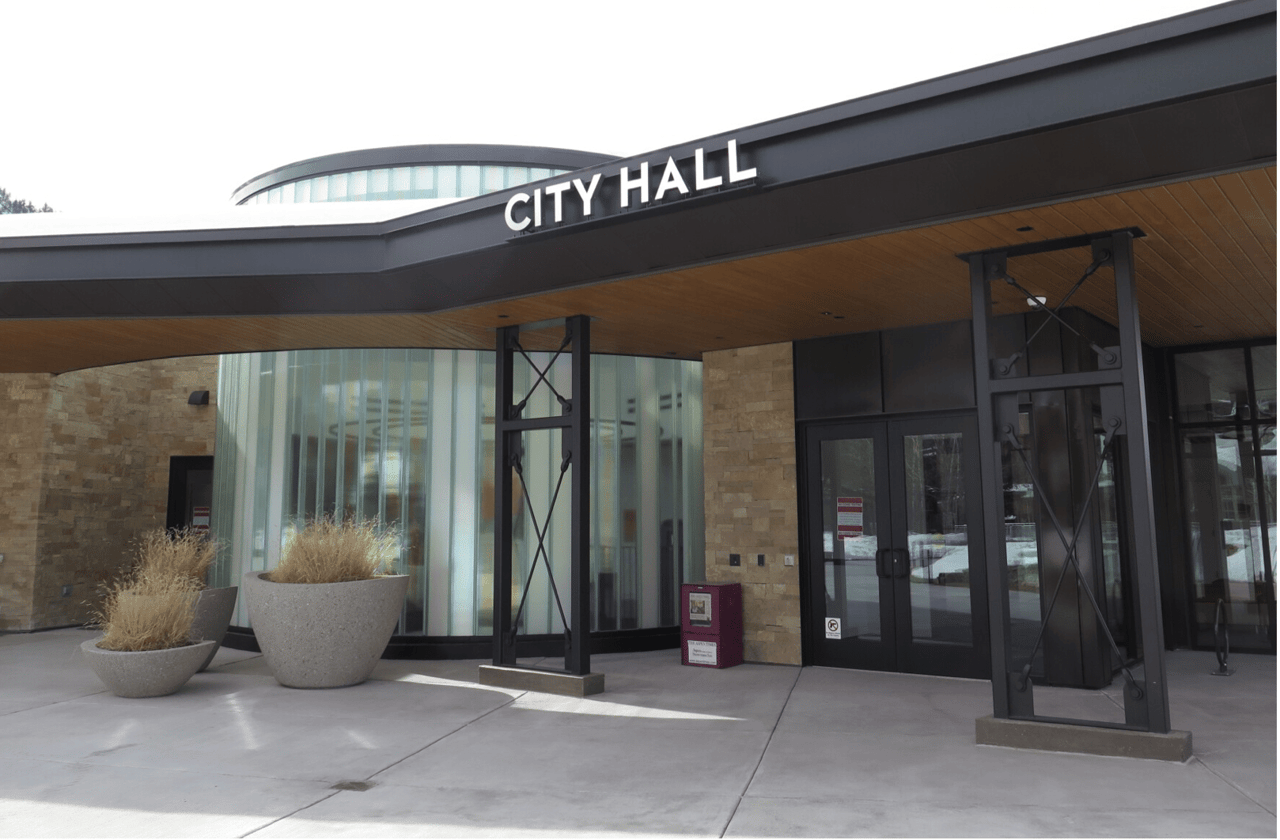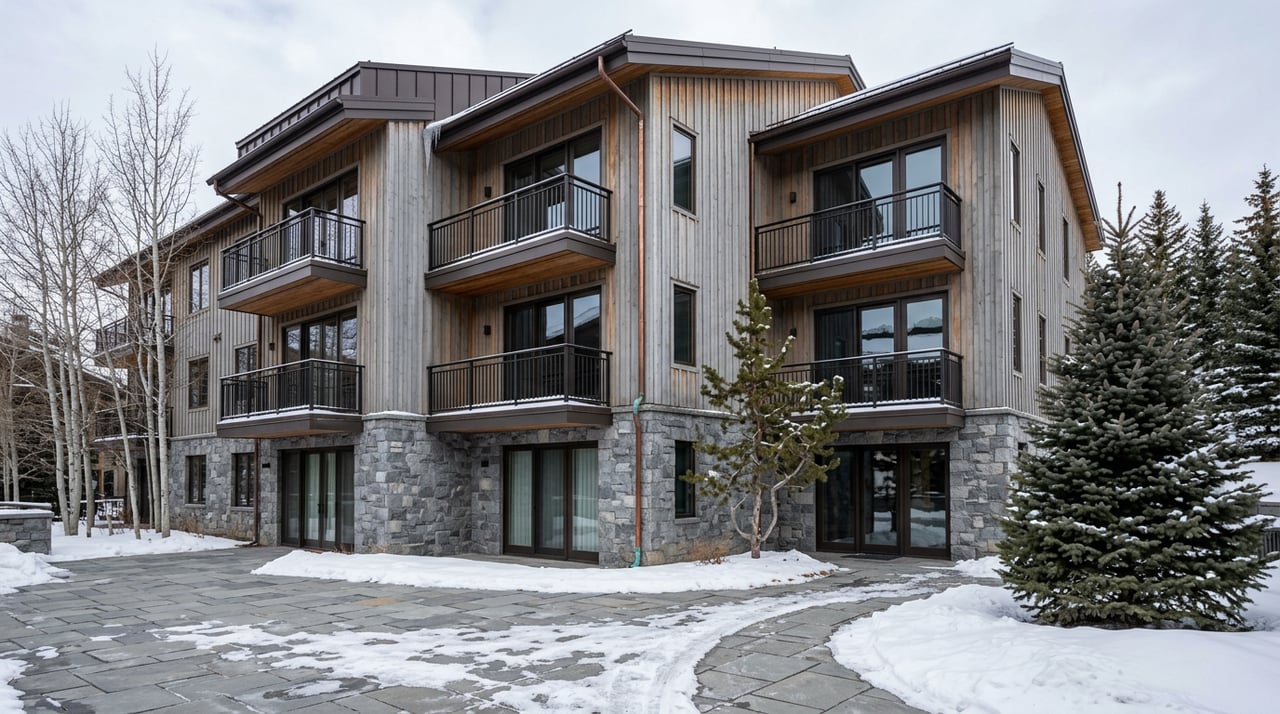
In 2025, the median price for a single-family home in Snowmass Village climbed 11 percent to $8.25 million. In the same year, in the same town, the median price for a condo fell 20 percent to $2.09 million. Anyone reading those two numbers side by side would assume one of two things: either the condo market cooled while the house market stayed hot, or something in the data broke.
Neither is true. What actually happened is more useful to understand if you're comparing Snowmass Village to anywhere else in the Aspen area, because it points to a mechanism that doesn't exist in most mountain markets and won't show up on a Zillow chart.
A Number That Means the Opposite of What It Looks Like
The condo median didn't fall because buyers lost interest. It fell because, as the market reporting on that 2025 data put it, Snowmass was between development project cycles. No new luxury condo product closed that year. The homes that did close were older, resold inventory, and when a market's newest, highest-dollar product goes quiet for twelve months, the median drops even if nothing about underlying demand has changed. It's an inventory mix problem wearing the costume of a demand problem.
This only happens in a market where new construction is a real, recurring part of the sales mix. That's Snowmass Village's defining feature, and it's worth sitting with for a second before going further, because it's the opposite of how Aspen's own condo market behaves.
The Pebble in the Pond
As reported by The Aspen Times, Tim Estin, the Aspen Snowmass Sotheby's broker who has published the valley's most closely watched monthly market report for two decades, described what drives Snowmass pricing. Discussing the Base Village development cycle, he said:
"In Snowmass Village, you have these two-year waves of new construction at the Base Village, which is driving all prices across the board upwards. If you consider the Base Village to be a pebble being thrown into the pond, everything is rippling outward from the Base Village."
That's not a metaphor for demand. It's a description of a supply mechanism. Aspen can't do this. The town's zoning is restrictive enough that new condo complexes essentially can't get built there, so price growth in Aspen comes almost entirely from existing units reselling at higher dollars per square foot. Snowmass Village, by contrast, has had an active construction pipeline at its base village since 2018, and every time a new building comes online, it resets the ceiling for everything around it, older buildings included.
Reading the Wave
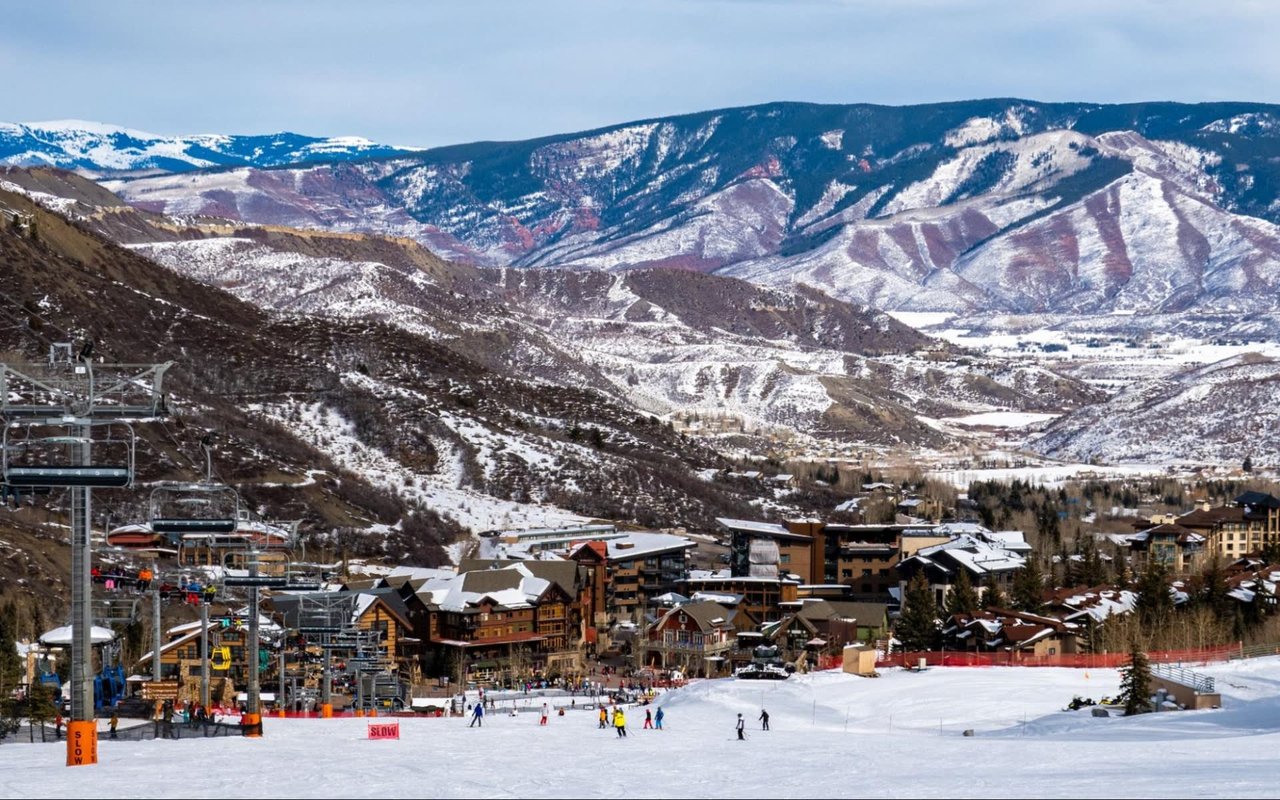
You can see the pattern by walking through what's actually been built. Capitol Peak and Hayden Lodge were among the earlier Base Village condos, built not long after the village first broke ground. Viceroy Snowmass followed as a full-service luxury hotel-residence hybrid. Then came Aura and Cirque Viceroy, both of which closed in 2024 and, by most local accounts, drove a surge in condo sales that year. Limelight Snowmass and One Snowmass arrived next, the latter offered in partnership with the hospitality brand Inspirato.
Each of those openings functioned the way Estin described: a new product closes, comps for the surrounding older buildings get pulled upward, and the market absorbs a new price ceiling. Then there's a gap while the next building gets built. 2025 was one of those gaps, which is exactly why the condo median dropped 20 percent even as the rest of the market, including single-family homes, kept climbing.
Why the Median Lags the Pipeline
Here's the part that a median alone can't show you. While the 2025 closed-sales data showed weakness, the actual demand signal that year was strong. Stratos, the final 89-unit phase of Base Village, launched in January 2025, and by mid-April, 68 of those units, 76 percent of the project, were already under contract. That's not a soft market. That's one of the fastest absorption rates the village has seen.
The reason it didn't show up in the median is timing. A unit under contract in a building that's still being framed doesn't count as a closed sale. It won't register in the data until the building is finished and the deed transfers. So the 2025 median reflects a construction gap in what closed, while the real story, buyers moving fast on the newest product the moment it hit the market, was happening in escrow, invisible to anyone just scanning a year-end price chart.
By July 2026, Stratos was reported at roughly 80 percent sold, with the two-building, 89-unit complex expected to finish in 2027. That's consistent with the pattern: a fast pre-sale period followed by a slower, multi-year construction and closing tail.
The Wave Is About to Stop
This is the piece that matters most if you're weighing Snowmass against another neighborhood right now. Stratos isn't just the current phase. It's explicitly positioned as the last one, the final opportunity to buy new construction inside Base Village as currently planned.
Once Stratos sells out, the pipeline that has been resetting Snowmass condo pricing every couple of years since 2018 goes quiet, and not for the usual twelve-month gap. The next identifiable new-construction project in the village is a proposed Ritz-Carlton redevelopment of the Viewline Resort, the Snowmass Conference Center, and Wildwood Lodge, uphill from the mall. As of this summer, that project is still in sketch-plan review with the town, with an anticipated two-year planning process followed by roughly four winters of construction. The application projects an opening date of 2031.
That means the mechanism that has explained Snowmass condo pricing for the better part of a decade is about to pause for years, not months. If you're buying a resale condo in an older Base Village building over the next several seasons, you're not buying into the next wave. You're buying into whatever comes after the pebble stops dropping, which is closer to how Aspen's condo market already behaves: price movement driven by what existing owners do to their units and what buyers are willing to pay for what's already built, not by a new building resetting the comps.
What This Means If You're Comparing Neighborhoods
Historically, Snowmass condos traded at a 25 to 30 percent discount to comparable Aspen product. That gap widened to 50 to 60 percent between 2010 and 2017, when the village's development stalled. It has narrowed considerably since, largely because of the very construction cycle described above. New, amenity-rich inventory closed the distance between what Snowmass and Aspen command per square foot.
The open question, and it is genuinely open rather than something the data has already answered, is what happens to that gap once the wave mechanism goes dormant for the next several years. If new construction has been the thing pulling Snowmass pricing up toward Aspen's, a multi-year gap with no new product could mean the two markets start moving on different logic again, at least until the Ritz-Carlton project, if it proceeds on the town's projected timeline, brings a new wave sometime around the early 2030s.
None of this tells you whether now is the right time to buy a specific unit. It tells you what question to ask about any Snowmass condo you're evaluating: is this priced against the last wave, or against whatever comes next.
FAQ
Does the 20 percent drop in the 2025 condo median mean Snowmass Village condos lost value? Not based on the underlying activity. The drop reflected the absence of new closings that year, not a decline in what buyers were willing to pay. Stratos, the newest product, was selling briskly at the same time the median fell.
How is Snowmass Village's condo market different from Aspen's? Aspen's restrictive zoning limits new condo construction, so price growth there comes mainly from resales trading at higher dollars per square foot. Snowmass Village has an active base-village construction pipeline, so its pricing has moved in discrete jumps tied to specific building completions rather than a steady resale climb.
When is the next new-construction wave expected in Snowmass Village? Stratos is the final phase of the current Base Village master plan, expected to finish in 2027. The next identified project, a Ritz-Carlton redevelopment of the Viewline Resort and adjacent Wildwood Lodge site, is still in early planning, with an opening date projected for 2031.
If you're trying to figure out where a specific Snowmass Village condo actually sits in this cycle, that's a conversation worth having before you make an offer, not after. Brittanie Rockhill has spent nearly two decades reading these local market signals for buyers and sellers across Snowmass, Aspen, and the Roaring Fork Valley. Schedule a confidential consultation to talk through what the timing means for your particular search.
This article is general information, not legal, tax or financial advice. Consult a qualified professional about your situation.